# Screenshotbot: Screenshot Testing Service
[](https://app.circleci.com/pipelines/github/screenshotbot/screenshotbot-oss?branch=main)
[](https://screenshotbot.io/active-run?org=5fd16bcf4f4b3822fd0000e1&channel=screenshotbot-oss&branch=master)
Screenshotbot is a Screenshot Testing service. Screenshotbot will
connect your existing Android, iOS or Selenium tests to track how
screenshots change over time, notifying you on Pull Requests, Jira
etc. We provide several integrations to common Code Review and Task
Management platforms, and have more in the pipeline.
Screenshotbot-oss powers our own commercial platform
[screenshotbot.io](https://screenshotbot.io).
## Quick installation with Docker
```
$ docker-compose up --build
```
If you need to modify the `config.lisp`, modify it before running this
command. In the future we'll provide live reloading of config.lisp for
docker, but at the moment that's only available when not using docker.
## Quick Installation in the cloud
If you want a publicly accessible instance, complete with HTTPS, we
have a script that will help you set it up in your cloud.
See [this wiki page](https://github.com/screenshotbot/screenshotbot-oss/wiki/Quick-installation-in-the-cloud) for details.
## Configuration
Screenshotbot has integrations with various external tools,
e.g. GitHub, Jira, SSO etc. Most of these platforms require some
kind of API key to access their APIs, and must be configured with
Screenshotbot before you can use them.
For simplicity and maintainability, we don't have complex GUIs to
modify these _site-admin_ configurations. Instead each of these
integrations are exposed as plugins that must be configured with basic
Common Lisp code. The configuration can be hot-reloaded.
Screenshotbot looks for a file called `config.lisp` in both the
git-root, and in `~/.config/screenshotbot/`. If found, it loads this
file as the configuration.
See [Updating
config.lisp](https://github.com/screenshotbot/screenshotbot-oss/wiki/Updating-config.lisp)
for a more thorough discussion.
### Becoming a Site-Admin
After installing Screenshotbot, we recommend setting up one user as a
site-admin. The site-admin gets special administrative powers that
will be required for hot-reloading config files, and hot-reloading
updates. We might also build more configuration powers for site-admins
in the future.
After signing up and logging in, go to
`https:///site-admin/self-promotion`. Follow the steps. You'll
need shell access to the directory with the Screenshotbot
installation. You'll now have access to an Admin menu on the bottom
left.
## Calling Screenshotbot from your CI jobs
First, you'll need to generate an API key inside Screenshotbot. You'll
use this to access the API or the CLI tools.
Next you need to build the CLI tool for your platform. Common Lisp is
a compiled language, so in general you'll need different binaries for
different platforms (Linux, Mac or Windows; Intel vs ARM). You can
download pre-built binaries for Linux and Mac from
https://screenshotbot.io/recorder.sh.
To create a binary on a specific platform, call the script
`scripts/build-cli.lisp`. For instance, if you're using SBCL to build the CLI,
it will look like:
```
$ sbcl --script scripts/build-cli.lisp
```
This will generate a screenshotbot-cli executable script. Copy it to a
location from which it can be dowloading during your CI runs, or check
it in to your repository. (As of this writing SBCL generates a binary
that is 105MB in size, and 24MB zipped; CCL 100MB/21MB excluding core;
LispWorks 25MB/4.4MB. LispWorks has extra features to remove unused
code.)
For an example use of this executable see:
https://github.com/tdrhq/fast-example/blob/master/.circleci/config.yml.
You'll also have to pass the `--hostname` argument, which will be the
URL of your Screenshotbot installation.
## Setting up SSO
Screenshotbot comes with an in-built email/password authentication
system, and also supports OpenID Connect out of the box. We also have
in-built connectors for Google OAuth restricted to domains, which
might be easier for smaller companies.
See [Configuring
SSO](https://github.com/screenshotbot/screenshotbot-oss/wiki/Configuring-SSO)
for a thorough discussion.
## Feature Status
Not all the features on [screenshotbot.io](https://screenshotbot.io)
are available in this OSS repository. We are in the process of moving
most integrations here, but that will depend on community interest.
| Feature | LispWorks | CCL | SBCL | screenshotbot.io (Enterprise) |
|:---------------------:|:------------:|:------------:|:-----------------:|:------------------------------:|
| **SSO/OAuth** | | | | |
| User / Email | Supported | Supported | Supported | Supported |
| OpenID Connect | Supported | Supported | Supported | Supported |
| SAML | Via Keycloak | Via Keycloak | Via Keycloak | Supported |
| **VCS Integrations** | | | | |
| GitHub | Supported | Supported | Supported | Supported |
| GitLab | Supported | Supported | Supported | Supported |
| Phabricator | Supported | Supported | Supported | Supported |
| BitBucket | Supported | Supported | Supported | Supported |
| Azure DevOps | Supported | Supported | Supported | Supported |
| **Tasks Integration** | | | | |
| Slack | Supported | Supported | Supported | Supported |
| Email | Supported | Supported | Supported | Supported |
| Jira | Planned | Planned | Not supported [1] | Supported |
| Trello | Planned | Planned | Not supported [1] | Supported |
| Asana | Planned | Planned | Not supported [1] | Planned |
| **Annotations** [2] | Planned | Planned | Planned | Supported |
| Jira | Planned | Planned | Not supported [1] | Supported |
Footnotes:
1. Not supported because SBCL doesn't support Java
2. Annotations allow you to create tasks directly from Screenshotbot
## Upgrading
In most cases, upgrading will be done via hot-reloading. As a
site-admin, you can `git pull` on the repository, on the shell, go to
go `https:///admin` and hit `Reload`. This will bring the new
code live without any downtime.
Small catch: Our database is stored is in-memory (with transactions
logged to disk for recovery). Hot-reloading code can force schema
changes. For instance, if a field is deleted between two major
versions, hot reloading will cause that field to be lost forever (but
there are snapshots of old versions of the database for recovery). In
general we'll try to guarantee that between minor versions, on
released commits, as long as you're upgrading (as opposed to
downgrading), we'll be able to auto-migrate any schema cleanly.
You can also upgrade by killing the Lisp process and restarting it. If
you do so, we recommend hitting `Snapshot` on the admin menu before
killing the Lisp process. However killing the Lisp process can cause a
minor downtime. You can work around this by using a tool called
`socketmaster`, but the description of that tool is beyond the scope
of this document.
## Contributing
We welcome Pull Requests!
Keep in mind, we'll do the code review on GitHub, but we'll merge it
via our internal Phabricator instance. The source of truth for the
code is in our internal mono-repo, which is copied over to the OSS
code via Copybara, similar to the process that Google and Facebook
use. We have open sourced many other projects where the source of
truth is GitHub, but Screenshotbot is an actively-developed complex
application that makes this difficult.
We might reject large new features if we think it adds too much
maintenance overhead for us. Bug-fixes are always welcome.
## Open Source Support
We want the Open Source version of Screenshotbot to be successful. That being
said, we are a very small company, so it's difficult for us to dedicate
a lot of resources specifically for keeping Open Source supported across multiple
platforms, multiple deployment styles, etc.
You can help us! Just be patient with us when we ask for specifics about your installation.
Send us any feedback---good, bad or neutral---to arnold@screenshotbot.io.
Get other
teams to use Screenshotbot, either open-source or paid. The more users we have the
easier it is for us to catch bugs early and stream-line the open source experience.
Give us a star on GitHub!
We aren't currently accepting donations, but consider convincing your
team to pay us for support. If you're a small team or an individual
developer, just send us an email and we'll make sure you have a plan
you can afford. Most of our code is open-source, so by paying us
you're directly supporting our open-source contributions.
## Security
We take security at Screenshotbot very seriously. We partner with an
external security research firm, [Pensive
Security](https://pensivesecurity.io) to perform annual penetration
tests. The latest Penetration Test reports can be requested on our
[Trust and Security](https://trust.screenshotbot.io) dashboard.
## Authors
Screenshotbot is built and maintained by Arnold Noronha
(arnold@screenshotbot.io). I also wrote
[screenshot-tests-for-android](https://github.com/facebook/screenshot-tests-for-android),
the de-facto screenshot testing library for Android.
## License
Screenshot is licensed under the Mozilla Public License, v2.
================================================
FILE: docker-compose.yml
================================================
version: "3.9"
services:
screenshotbot:
build:
context: ${SB_OSS_CONTEXT-.}
dockerfile: ${SB_OSS_DOCKERFILE-Dockerfile}
ports:
- "4091:4091"
volumes:
- screenshotbot-oss:/data
- ${SB_OSS_CONTEXT-.}:/app
- screenshotbot-build:/app/build
volumes:
screenshotbot-oss:
screenshotbot-build:
# test
================================================
FILE: launch.lisp
================================================
;;;; Copyright 2018-Present Modern Interpreters Inc.
;;;;
;;;; This Source Code Form is subject to the terms of the Mozilla Public
;;;; License, v. 2.0. If a copy of the MPL was not distributed with this
;;;; file, You can obtain one at https://mozilla.org/MPL/2.0/.
(load "scripts/prepare-image")
(load "scripts/init")
#+ccl
(ql:quickload "jvm")
#+ccl
(jvm:jvm-init)
(ql:quickload "server")
(ql:quickload "server/slynk")
(ql:quickload "screenshotbot/all")
(screenshotbot/config:load-config)
(unless (member "compile" (uiop:command-line-arguments) :test 'string=)
(server:main :acceptor screenshotbot/server:*acceptor*))
(uiop:quit)
================================================
FILE: quicklisp/.gitignore
================================================
cache
dists/quicklisp/software
dists/quicklisp/archives
dists/quicklisp/installed
dists/quicklisp/*.cdb
retired/
tmp
*fasl*
================================================
FILE: quicklisp/asdf.lisp
================================================
;;; -*- mode: Lisp; Base: 10 ; Syntax: ANSI-Common-Lisp ; buffer-read-only: t; -*-
;;; This is ASDF 3.2.1: Another System Definition Facility.
;;;
;;; Feedback, bug reports, and patches are all welcome:
;;; please mail to .
;;; Note first that the canonical source for ASDF is presently
;;; .
;;;
;;; If you obtained this copy from anywhere else, and you experience
;;; trouble using it, or find bugs, you may want to check at the
;;; location above for a more recent version (and for documentation
;;; and test files, if your copy came without them) before reporting
;;; bugs. There are usually two "supported" revisions - the git master
;;; branch is the latest development version, whereas the git release
;;; branch may be slightly older but is considered `stable'
;;; -- LICENSE START
;;; (This is the MIT / X Consortium license as taken from
;;; http://www.opensource.org/licenses/mit-license.html on or about
;;; Monday; July 13, 2009)
;;;
;;; Copyright (c) 2001-2016 Daniel Barlow and contributors
;;;
;;; Permission is hereby granted, free of charge, to any person obtaining
;;; a copy of this software and associated documentation files (the
;;; "Software"), to deal in the Software without restriction, including
;;; without limitation the rights to use, copy, modify, merge, publish,
;;; distribute, sublicense, and/or sell copies of the Software, and to
;;; permit persons to whom the Software is furnished to do so, subject to
;;; the following conditions:
;;;
;;; The above copyright notice and this permission notice shall be
;;; included in all copies or substantial portions of the Software.
;;;
;;; THE SOFTWARE IS PROVIDED "AS IS", WITHOUT WARRANTY OF ANY KIND,
;;; EXPRESS OR IMPLIED, INCLUDING BUT NOT LIMITED TO THE WARRANTIES OF
;;; MERCHANTABILITY, FITNESS FOR A PARTICULAR PURPOSE AND
;;; NONINFRINGEMENT. IN NO EVENT SHALL THE AUTHORS OR COPYRIGHT HOLDERS BE
;;; LIABLE FOR ANY CLAIM, DAMAGES OR OTHER LIABILITY, WHETHER IN AN ACTION
;;; OF CONTRACT, TORT OR OTHERWISE, ARISING FROM, OUT OF OR IN CONNECTION
;;; WITH THE SOFTWARE OR THE USE OR OTHER DEALINGS IN THE SOFTWARE.
;;;
;;; -- LICENSE END
;;; The problem with writing a defsystem replacement is bootstrapping:
;;; we can't use defsystem to compile it. Hence, all in one file.
;;;; ---------------------------------------------------------------------------
;;;; Handle ASDF package upgrade, including implementation-dependent magic.
;;
;; See https://bugs.launchpad.net/asdf/+bug/485687
;;
(defpackage :uiop/package
;; CAUTION: we must handle the first few packages specially for hot-upgrade.
;; This package definition MUST NOT change unless its name too changes;
;; if/when it changes, don't forget to add new functions missing from below.
;; Until then, uiop/package is frozen to forever
;; import and export the same exact symbols as for ASDF 2.27.
;; Any other symbol must be import-from'ed and re-export'ed in a different package.
(:use :common-lisp)
(:export
#:find-package* #:find-symbol* #:symbol-call
#:intern* #:export* #:import* #:shadowing-import* #:shadow* #:make-symbol* #:unintern*
#:symbol-shadowing-p #:home-package-p
#:symbol-package-name #:standard-common-lisp-symbol-p
#:reify-package #:unreify-package #:reify-symbol #:unreify-symbol
#:nuke-symbol-in-package #:nuke-symbol #:rehome-symbol
#:ensure-package-unused #:delete-package*
#:package-names #:packages-from-names #:fresh-package-name #:rename-package-away
#:package-definition-form #:parse-define-package-form
#:ensure-package #:define-package))
(in-package :uiop/package)
;;;; General purpose package utilities
(eval-when (:load-toplevel :compile-toplevel :execute)
(defun find-package* (package-designator &optional (error t))
(let ((package (find-package package-designator)))
(cond
(package package)
(error (error "No package named ~S" (string package-designator)))
(t nil))))
(defun find-symbol* (name package-designator &optional (error t))
"Find a symbol in a package of given string'ified NAME;
unlike CL:FIND-SYMBOL, work well with 'modern' case sensitive syntax
by letting you supply a symbol or keyword for the name;
also works well when the package is not present.
If optional ERROR argument is NIL, return NIL instead of an error
when the symbol is not found."
(block nil
(let ((package (find-package* package-designator error)))
(when package ;; package error handled by find-package* already
(multiple-value-bind (symbol status) (find-symbol (string name) package)
(cond
(status (return (values symbol status)))
(error (error "There is no symbol ~S in package ~S" name (package-name package))))))
(values nil nil))))
(defun symbol-call (package name &rest args)
"Call a function associated with symbol of given name in given package,
with given ARGS. Useful when the call is read before the package is loaded,
or when loading the package is optional."
(apply (find-symbol* name package) args))
(defun intern* (name package-designator &optional (error t))
(intern (string name) (find-package* package-designator error)))
(defun export* (name package-designator)
(let* ((package (find-package* package-designator))
(symbol (intern* name package)))
(export (or symbol (list symbol)) package)))
(defun import* (symbol package-designator)
(import (or symbol (list symbol)) (find-package* package-designator)))
(defun shadowing-import* (symbol package-designator)
(shadowing-import (or symbol (list symbol)) (find-package* package-designator)))
(defun shadow* (name package-designator)
(shadow (list (string name)) (find-package* package-designator)))
(defun make-symbol* (name)
(etypecase name
(string (make-symbol name))
(symbol (copy-symbol name))))
(defun unintern* (name package-designator &optional (error t))
(block nil
(let ((package (find-package* package-designator error)))
(when package
(multiple-value-bind (symbol status) (find-symbol* name package error)
(cond
(status (unintern symbol package)
(return (values symbol status)))
(error (error "symbol ~A not present in package ~A"
(string symbol) (package-name package))))))
(values nil nil))))
(defun symbol-shadowing-p (symbol package)
(and (member symbol (package-shadowing-symbols package)) t))
(defun home-package-p (symbol package)
(and package (let ((sp (symbol-package symbol)))
(and sp (let ((pp (find-package* package)))
(and pp (eq sp pp))))))))
(eval-when (:load-toplevel :compile-toplevel :execute)
(defun symbol-package-name (symbol)
(let ((package (symbol-package symbol)))
(and package (package-name package))))
(defun standard-common-lisp-symbol-p (symbol)
(multiple-value-bind (sym status) (find-symbol* symbol :common-lisp nil)
(and (eq sym symbol) (eq status :external))))
(defun reify-package (package &optional package-context)
(if (eq package package-context) t
(etypecase package
(null nil)
((eql (find-package :cl)) :cl)
(package (package-name package)))))
(defun unreify-package (package &optional package-context)
(etypecase package
(null nil)
((eql t) package-context)
((or symbol string) (find-package package))))
(defun reify-symbol (symbol &optional package-context)
(etypecase symbol
((or keyword (satisfies standard-common-lisp-symbol-p)) symbol)
(symbol (vector (symbol-name symbol)
(reify-package (symbol-package symbol) package-context)))))
(defun unreify-symbol (symbol &optional package-context)
(etypecase symbol
(symbol symbol)
((simple-vector 2)
(let* ((symbol-name (svref symbol 0))
(package-foo (svref symbol 1))
(package (unreify-package package-foo package-context)))
(if package (intern* symbol-name package)
(make-symbol* symbol-name)))))))
(eval-when (:load-toplevel :compile-toplevel :execute)
(defvar *all-package-happiness* '())
(defvar *all-package-fishiness* (list t))
(defun record-fishy (info)
;;(format t "~&FISHY: ~S~%" info)
(push info *all-package-fishiness*))
(defmacro when-package-fishiness (&body body)
`(when *all-package-fishiness* ,@body))
(defmacro note-package-fishiness (&rest info)
`(when-package-fishiness (record-fishy (list ,@info)))))
(eval-when (:load-toplevel :compile-toplevel :execute)
#+(or clisp clozure)
(defun get-setf-function-symbol (symbol)
#+clisp (let ((sym (get symbol 'system::setf-function)))
(if sym (values sym :setf-function)
(let ((sym (get symbol 'system::setf-expander)))
(if sym (values sym :setf-expander)
(values nil nil)))))
#+clozure (gethash symbol ccl::%setf-function-names%))
#+(or clisp clozure)
(defun set-setf-function-symbol (new-setf-symbol symbol &optional kind)
#+clisp (assert (member kind '(:setf-function :setf-expander)))
#+clozure (assert (eq kind t))
#+clisp
(cond
((null new-setf-symbol)
(remprop symbol 'system::setf-function)
(remprop symbol 'system::setf-expander))
((eq kind :setf-function)
(setf (get symbol 'system::setf-function) new-setf-symbol))
((eq kind :setf-expander)
(setf (get symbol 'system::setf-expander) new-setf-symbol))
(t (error "invalid kind of setf-function ~S for ~S to be set to ~S"
kind symbol new-setf-symbol)))
#+clozure
(progn
(gethash symbol ccl::%setf-function-names%) new-setf-symbol
(gethash new-setf-symbol ccl::%setf-function-name-inverses%) symbol))
#+(or clisp clozure)
(defun create-setf-function-symbol (symbol)
#+clisp (system::setf-symbol symbol)
#+clozure (ccl::construct-setf-function-name symbol))
(defun set-dummy-symbol (symbol reason other-symbol)
(setf (get symbol 'dummy-symbol) (cons reason other-symbol)))
(defun make-dummy-symbol (symbol)
(let ((dummy (copy-symbol symbol)))
(set-dummy-symbol dummy 'replacing symbol)
(set-dummy-symbol symbol 'replaced-by dummy)
dummy))
(defun dummy-symbol (symbol)
(get symbol 'dummy-symbol))
(defun get-dummy-symbol (symbol)
(let ((existing (dummy-symbol symbol)))
(if existing (values (cdr existing) (car existing))
(make-dummy-symbol symbol))))
(defun nuke-symbol-in-package (symbol package-designator)
(let ((package (find-package* package-designator))
(name (symbol-name symbol)))
(multiple-value-bind (sym stat) (find-symbol name package)
(when (and (member stat '(:internal :external)) (eq symbol sym))
(if (symbol-shadowing-p symbol package)
(shadowing-import* (get-dummy-symbol symbol) package)
(unintern* symbol package))))))
(defun nuke-symbol (symbol &optional (packages (list-all-packages)))
#+(or clisp clozure)
(multiple-value-bind (setf-symbol kind)
(get-setf-function-symbol symbol)
(when kind (nuke-symbol setf-symbol)))
(loop :for p :in packages :do (nuke-symbol-in-package symbol p)))
(defun rehome-symbol (symbol package-designator)
"Changes the home package of a symbol, also leaving it present in its old home if any"
(let* ((name (symbol-name symbol))
(package (find-package* package-designator))
(old-package (symbol-package symbol))
(old-status (and old-package (nth-value 1 (find-symbol name old-package))))
(shadowing (and old-package (symbol-shadowing-p symbol old-package) (make-symbol name))))
(multiple-value-bind (overwritten-symbol overwritten-symbol-status) (find-symbol name package)
(unless (eq package old-package)
(let ((overwritten-symbol-shadowing-p
(and overwritten-symbol-status
(symbol-shadowing-p overwritten-symbol package))))
(note-package-fishiness
:rehome-symbol name
(when old-package (package-name old-package)) old-status (and shadowing t)
(package-name package) overwritten-symbol-status overwritten-symbol-shadowing-p)
(when old-package
(if shadowing
(shadowing-import* shadowing old-package))
(unintern* symbol old-package))
(cond
(overwritten-symbol-shadowing-p
(shadowing-import* symbol package))
(t
(when overwritten-symbol-status
(unintern* overwritten-symbol package))
(import* symbol package)))
(if shadowing
(shadowing-import* symbol old-package)
(import* symbol old-package))
#+(or clisp clozure)
(multiple-value-bind (setf-symbol kind)
(get-setf-function-symbol symbol)
(when kind
(let* ((setf-function (fdefinition setf-symbol))
(new-setf-symbol (create-setf-function-symbol symbol)))
(note-package-fishiness
:setf-function
name (package-name package)
(symbol-name setf-symbol) (symbol-package-name setf-symbol)
(symbol-name new-setf-symbol) (symbol-package-name new-setf-symbol))
(when (symbol-package setf-symbol)
(unintern* setf-symbol (symbol-package setf-symbol)))
(setf (fdefinition new-setf-symbol) setf-function)
(set-setf-function-symbol new-setf-symbol symbol kind))))
#+(or clisp clozure)
(multiple-value-bind (overwritten-setf foundp)
(get-setf-function-symbol overwritten-symbol)
(when foundp
(unintern overwritten-setf)))
(when (eq old-status :external)
(export* symbol old-package))
(when (eq overwritten-symbol-status :external)
(export* symbol package))))
(values overwritten-symbol overwritten-symbol-status))))
(defun ensure-package-unused (package)
(loop :for p :in (package-used-by-list package) :do
(unuse-package package p)))
(defun delete-package* (package &key nuke)
(let ((p (find-package package)))
(when p
(when nuke (do-symbols (s p) (when (home-package-p s p) (nuke-symbol s))))
(ensure-package-unused p)
(delete-package package))))
(defun package-names (package)
(cons (package-name package) (package-nicknames package)))
(defun packages-from-names (names)
(remove-duplicates (remove nil (mapcar #'find-package names)) :from-end t))
(defun fresh-package-name (&key (prefix :%TO-BE-DELETED)
separator
(index (random most-positive-fixnum)))
(loop :for i :from index
:for n = (format nil "~A~@[~A~D~]" prefix (and (plusp i) (or separator "")) i)
:thereis (and (not (find-package n)) n)))
(defun rename-package-away (p &rest keys &key prefix &allow-other-keys)
(let ((new-name
(apply 'fresh-package-name
:prefix (or prefix (format nil "__~A__" (package-name p))) keys)))
(record-fishy (list :rename-away (package-names p) new-name))
(rename-package p new-name))))
;;; Communicable representation of symbol and package information
(eval-when (:load-toplevel :compile-toplevel :execute)
(defun package-definition-form (package-designator
&key (nicknamesp t) (usep t)
(shadowp t) (shadowing-import-p t)
(exportp t) (importp t) internp (error t))
(let* ((package (or (find-package* package-designator error)
(return-from package-definition-form nil)))
(name (package-name package))
(nicknames (package-nicknames package))
(use (mapcar #'package-name (package-use-list package)))
(shadow ())
(shadowing-import (make-hash-table :test 'equal))
(import (make-hash-table :test 'equal))
(export ())
(intern ()))
(when package
(loop :for sym :being :the :symbols :in package
:for status = (nth-value 1 (find-symbol* sym package)) :do
(ecase status
((nil :inherited))
((:internal :external)
(let* ((name (symbol-name sym))
(external (eq status :external))
(home (symbol-package sym))
(home-name (package-name home))
(imported (not (eq home package)))
(shadowing (symbol-shadowing-p sym package)))
(cond
((and shadowing imported)
(push name (gethash home-name shadowing-import)))
(shadowing
(push name shadow))
(imported
(push name (gethash home-name import))))
(cond
(external
(push name export))
(imported)
(t (push name intern)))))))
(labels ((sort-names (names)
(sort (copy-list names) #'string<))
(table-keys (table)
(loop :for k :being :the :hash-keys :of table :collect k))
(when-relevant (key value)
(when value (list (cons key value))))
(import-options (key table)
(loop :for i :in (sort-names (table-keys table))
:collect `(,key ,i ,@(sort-names (gethash i table))))))
`(defpackage ,name
,@(when-relevant :nicknames (and nicknamesp (sort-names nicknames)))
(:use ,@(and usep (sort-names use)))
,@(when-relevant :shadow (and shadowp (sort-names shadow)))
,@(import-options :shadowing-import-from (and shadowing-import-p shadowing-import))
,@(import-options :import-from (and importp import))
,@(when-relevant :export (and exportp (sort-names export)))
,@(when-relevant :intern (and internp (sort-names intern)))))))))
;;; ensure-package, define-package
(eval-when (:load-toplevel :compile-toplevel :execute)
(defun ensure-shadowing-import (name to-package from-package shadowed imported)
(check-type name string)
(check-type to-package package)
(check-type from-package package)
(check-type shadowed hash-table)
(check-type imported hash-table)
(let ((import-me (find-symbol* name from-package)))
(multiple-value-bind (existing status) (find-symbol name to-package)
(cond
((gethash name shadowed)
(unless (eq import-me existing)
(error "Conflicting shadowings for ~A" name)))
(t
(setf (gethash name shadowed) t)
(setf (gethash name imported) t)
(unless (or (null status)
(and (member status '(:internal :external))
(eq existing import-me)
(symbol-shadowing-p existing to-package)))
(note-package-fishiness
:shadowing-import name
(package-name from-package)
(or (home-package-p import-me from-package) (symbol-package-name import-me))
(package-name to-package) status
(and status (or (home-package-p existing to-package) (symbol-package-name existing)))))
(shadowing-import* import-me to-package))))))
(defun ensure-imported (import-me into-package &optional from-package)
(check-type import-me symbol)
(check-type into-package package)
(check-type from-package (or null package))
(let ((name (symbol-name import-me)))
(multiple-value-bind (existing status) (find-symbol name into-package)
(cond
((not status)
(import* import-me into-package))
((eq import-me existing))
(t
(let ((shadowing-p (symbol-shadowing-p existing into-package)))
(note-package-fishiness
:ensure-imported name
(and from-package (package-name from-package))
(or (home-package-p import-me from-package) (symbol-package-name import-me))
(package-name into-package)
status
(and status (or (home-package-p existing into-package) (symbol-package-name existing)))
shadowing-p)
(cond
((or shadowing-p (eq status :inherited))
(shadowing-import* import-me into-package))
(t
(unintern* existing into-package)
(import* import-me into-package))))))))
(values))
(defun ensure-import (name to-package from-package shadowed imported)
(check-type name string)
(check-type to-package package)
(check-type from-package package)
(check-type shadowed hash-table)
(check-type imported hash-table)
(multiple-value-bind (import-me import-status) (find-symbol name from-package)
(when (null import-status)
(note-package-fishiness
:import-uninterned name (package-name from-package) (package-name to-package))
(setf import-me (intern* name from-package)))
(multiple-value-bind (existing status) (find-symbol name to-package)
(cond
((and imported (gethash name imported))
(unless (and status (eq import-me existing))
(error "Can't import ~S from both ~S and ~S"
name (package-name (symbol-package existing)) (package-name from-package))))
((gethash name shadowed)
(error "Can't both shadow ~S and import it from ~S" name (package-name from-package)))
(t
(setf (gethash name imported) t))))
(ensure-imported import-me to-package from-package)))
(defun ensure-inherited (name symbol to-package from-package mixp shadowed imported inherited)
(check-type name string)
(check-type symbol symbol)
(check-type to-package package)
(check-type from-package package)
(check-type mixp (member nil t)) ; no cl:boolean on Genera
(check-type shadowed hash-table)
(check-type imported hash-table)
(check-type inherited hash-table)
(multiple-value-bind (existing status) (find-symbol name to-package)
(let* ((sp (symbol-package symbol))
(in (gethash name inherited))
(xp (and status (symbol-package existing))))
(when (null sp)
(note-package-fishiness
:import-uninterned name
(package-name from-package) (package-name to-package) mixp)
(import* symbol from-package)
(setf sp (package-name from-package)))
(cond
((gethash name shadowed))
(in
(unless (equal sp (first in))
(if mixp
(ensure-shadowing-import name to-package (second in) shadowed imported)
(error "Can't inherit ~S from ~S, it is inherited from ~S"
name (package-name sp) (package-name (first in))))))
((gethash name imported)
(unless (eq symbol existing)
(error "Can't inherit ~S from ~S, it is imported from ~S"
name (package-name sp) (package-name xp))))
(t
(setf (gethash name inherited) (list sp from-package))
(when (and status (not (eq sp xp)))
(let ((shadowing (symbol-shadowing-p existing to-package)))
(note-package-fishiness
:inherited name
(package-name from-package)
(or (home-package-p symbol from-package) (symbol-package-name symbol))
(package-name to-package)
(or (home-package-p existing to-package) (symbol-package-name existing)))
(if shadowing (ensure-shadowing-import name to-package from-package shadowed imported)
(unintern* existing to-package)))))))))
(defun ensure-mix (name symbol to-package from-package shadowed imported inherited)
(check-type name string)
(check-type symbol symbol)
(check-type to-package package)
(check-type from-package package)
(check-type shadowed hash-table)
(check-type imported hash-table)
(check-type inherited hash-table)
(unless (gethash name shadowed)
(multiple-value-bind (existing status) (find-symbol name to-package)
(let* ((sp (symbol-package symbol))
(im (gethash name imported))
(in (gethash name inherited)))
(cond
((or (null status)
(and status (eq symbol existing))
(and in (eq sp (first in))))
(ensure-inherited name symbol to-package from-package t shadowed imported inherited))
(in
(remhash name inherited)
(ensure-shadowing-import name to-package (second in) shadowed imported))
(im
(error "Symbol ~S import from ~S~:[~; actually ~:[uninterned~;~:*from ~S~]~] conflicts with existing symbol in ~S~:[~; actually ~:[uninterned~;from ~:*~S~]~]"
name (package-name from-package)
(home-package-p symbol from-package) (symbol-package-name symbol)
(package-name to-package)
(home-package-p existing to-package) (symbol-package-name existing)))
(t
(ensure-inherited name symbol to-package from-package t shadowed imported inherited)))))))
(defun recycle-symbol (name recycle exported)
;; Takes a symbol NAME (a string), a list of package designators for RECYCLE
;; packages, and a hash-table of names (strings) of symbols scheduled to be
;; EXPORTED from the package being defined. It returns two values, the
;; symbol found (if any, or else NIL), and a boolean flag indicating whether
;; a symbol was found. The caller (DEFINE-PACKAGE) will then do the
;; re-homing of the symbol, etc.
(check-type name string)
(check-type recycle list)
(check-type exported hash-table)
(when (gethash name exported) ;; don't bother recycling private symbols
(let (recycled foundp)
(dolist (r recycle (values recycled foundp))
(multiple-value-bind (symbol status) (find-symbol name r)
(when (and status (home-package-p symbol r))
(cond
(foundp
;; (nuke-symbol symbol)) -- even simple variable names like O or C will do that.
(note-package-fishiness :recycled-duplicate name (package-name foundp) (package-name r)))
(t
(setf recycled symbol foundp r)))))))))
(defun symbol-recycled-p (sym recycle)
(check-type sym symbol)
(check-type recycle list)
(and (member (symbol-package sym) recycle) t))
(defun ensure-symbol (name package intern recycle shadowed imported inherited exported)
(check-type name string)
(check-type package package)
(check-type intern (member nil t)) ; no cl:boolean on Genera
(check-type shadowed hash-table)
(check-type imported hash-table)
(check-type inherited hash-table)
(unless (or (gethash name shadowed)
(gethash name imported)
(gethash name inherited))
(multiple-value-bind (existing status)
(find-symbol name package)
(multiple-value-bind (recycled previous) (recycle-symbol name recycle exported)
(cond
((and status (eq existing recycled) (eq previous package)))
(previous
(rehome-symbol recycled package))
((and status (eq package (symbol-package existing))))
(t
(when status
(note-package-fishiness
:ensure-symbol name
(reify-package (symbol-package existing) package)
status intern)
(unintern existing))
(when intern
(intern* name package))))))))
(declaim (ftype (function (t t t &optional t) t) ensure-exported))
(defun ensure-exported-to-user (name symbol to-package &optional recycle)
(check-type name string)
(check-type symbol symbol)
(check-type to-package package)
(check-type recycle list)
(assert (equal name (symbol-name symbol)))
(multiple-value-bind (existing status) (find-symbol name to-package)
(unless (and status (eq symbol existing))
(let ((accessible
(or (null status)
(let ((shadowing (symbol-shadowing-p existing to-package))
(recycled (symbol-recycled-p existing recycle)))
(unless (and shadowing (not recycled))
(note-package-fishiness
:ensure-export name (symbol-package-name symbol)
(package-name to-package)
(or (home-package-p existing to-package) (symbol-package-name existing))
status shadowing)
(if (or (eq status :inherited) shadowing)
(shadowing-import* symbol to-package)
(unintern existing to-package))
t)))))
(when (and accessible (eq status :external))
(ensure-exported name symbol to-package recycle))))))
(defun ensure-exported (name symbol from-package &optional recycle)
(dolist (to-package (package-used-by-list from-package))
(ensure-exported-to-user name symbol to-package recycle))
(unless (eq from-package (symbol-package symbol))
(ensure-imported symbol from-package))
(export* name from-package))
(defun ensure-export (name from-package &optional recycle)
(multiple-value-bind (symbol status) (find-symbol* name from-package)
(unless (eq status :external)
(ensure-exported name symbol from-package recycle))))
(defun ensure-package (name &key
nicknames documentation use
shadow shadowing-import-from
import-from export intern
recycle mix reexport
unintern)
#+genera (declare (ignore documentation))
(let* ((package-name (string name))
(nicknames (mapcar #'string nicknames))
(names (cons package-name nicknames))
(previous (packages-from-names names))
(discarded (cdr previous))
(to-delete ())
(package (or (first previous) (make-package package-name :nicknames nicknames)))
(recycle (packages-from-names recycle))
(use (mapcar 'find-package* use))
(mix (mapcar 'find-package* mix))
(reexport (mapcar 'find-package* reexport))
(shadow (mapcar 'string shadow))
(export (mapcar 'string export))
(intern (mapcar 'string intern))
(unintern (mapcar 'string unintern))
(shadowed (make-hash-table :test 'equal)) ; string to bool
(imported (make-hash-table :test 'equal)) ; string to bool
(exported (make-hash-table :test 'equal)) ; string to bool
;; string to list home package and use package:
(inherited (make-hash-table :test 'equal)))
(when-package-fishiness (record-fishy package-name))
#-genera
(when documentation (setf (documentation package t) documentation))
(loop :for p :in (set-difference (package-use-list package) (append mix use))
:do (note-package-fishiness :over-use name (package-names p))
(unuse-package p package))
(loop :for p :in discarded
:for n = (remove-if #'(lambda (x) (member x names :test 'equal))
(package-names p))
:do (note-package-fishiness :nickname name (package-names p))
(cond (n (rename-package p (first n) (rest n)))
(t (rename-package-away p)
(push p to-delete))))
(rename-package package package-name nicknames)
(dolist (name unintern)
(multiple-value-bind (existing status) (find-symbol name package)
(when status
(unless (eq status :inherited)
(note-package-fishiness
:unintern (package-name package) name (symbol-package-name existing) status)
(unintern* name package nil)))))
(dolist (name export)
(setf (gethash name exported) t))
(dolist (p reexport)
(do-external-symbols (sym p)
(setf (gethash (string sym) exported) t)))
(do-external-symbols (sym package)
(let ((name (symbol-name sym)))
(unless (gethash name exported)
(note-package-fishiness
:over-export (package-name package) name
(or (home-package-p sym package) (symbol-package-name sym)))
(unexport sym package))))
(dolist (name shadow)
(setf (gethash name shadowed) t)
(multiple-value-bind (existing status) (find-symbol name package)
(multiple-value-bind (recycled previous) (recycle-symbol name recycle exported)
(let ((shadowing (and status (symbol-shadowing-p existing package))))
(cond
((eq previous package))
(previous
(rehome-symbol recycled package))
((or (member status '(nil :inherited))
(home-package-p existing package)))
(t
(let ((dummy (make-symbol name)))
(note-package-fishiness
:shadow-imported (package-name package) name
(symbol-package-name existing) status shadowing)
(shadowing-import* dummy package)
(import* dummy package)))))))
(shadow* name package))
(loop :for (p . syms) :in shadowing-import-from
:for pp = (find-package* p) :do
(dolist (sym syms) (ensure-shadowing-import (string sym) package pp shadowed imported)))
(loop :for p :in mix
:for pp = (find-package* p) :do
(do-external-symbols (sym pp) (ensure-mix (symbol-name sym) sym package pp shadowed imported inherited)))
(loop :for (p . syms) :in import-from
:for pp = (find-package p) :do
(dolist (sym syms) (ensure-import (symbol-name sym) package pp shadowed imported)))
(dolist (p (append use mix))
(do-external-symbols (sym p) (ensure-inherited (string sym) sym package p nil shadowed imported inherited))
(use-package p package))
(loop :for name :being :the :hash-keys :of exported :do
(ensure-symbol name package t recycle shadowed imported inherited exported)
(ensure-export name package recycle))
(dolist (name intern)
(ensure-symbol name package t recycle shadowed imported inherited exported))
(do-symbols (sym package)
(ensure-symbol (symbol-name sym) package nil recycle shadowed imported inherited exported))
(map () 'delete-package* to-delete)
package)))
(eval-when (:load-toplevel :compile-toplevel :execute)
(defun parse-define-package-form (package clauses)
(loop
:with use-p = nil :with recycle-p = nil
:with documentation = nil
:for (kw . args) :in clauses
:when (eq kw :nicknames) :append args :into nicknames :else
:when (eq kw :documentation)
:do (cond
(documentation (error "define-package: can't define documentation twice"))
((or (atom args) (cdr args)) (error "define-package: bad documentation"))
(t (setf documentation (car args)))) :else
:when (eq kw :use) :append args :into use :and :do (setf use-p t) :else
:when (eq kw :shadow) :append args :into shadow :else
:when (eq kw :shadowing-import-from) :collect args :into shadowing-import-from :else
:when (eq kw :import-from) :collect args :into import-from :else
:when (eq kw :export) :append args :into export :else
:when (eq kw :intern) :append args :into intern :else
:when (eq kw :recycle) :append args :into recycle :and :do (setf recycle-p t) :else
:when (eq kw :mix) :append args :into mix :else
:when (eq kw :reexport) :append args :into reexport :else
:when (eq kw :use-reexport) :append args :into use :and :append args :into reexport
:and :do (setf use-p t) :else
:when (eq kw :mix-reexport) :append args :into mix :and :append args :into reexport
:and :do (setf use-p t) :else
:when (eq kw :unintern) :append args :into unintern :else
:do (error "unrecognized define-package keyword ~S" kw)
:finally (return `(,package
:nicknames ,nicknames :documentation ,documentation
:use ,(if use-p use '(:common-lisp))
:shadow ,shadow :shadowing-import-from ,shadowing-import-from
:import-from ,import-from :export ,export :intern ,intern
:recycle ,(if recycle-p recycle (cons package nicknames))
:mix ,mix :reexport ,reexport :unintern ,unintern)))))
(defmacro define-package (package &rest clauses)
"DEFINE-PACKAGE takes a PACKAGE and a number of CLAUSES, of the form
\(KEYWORD . ARGS\).
DEFINE-PACKAGE supports the following keywords:
USE, SHADOW, SHADOWING-IMPORT-FROM, IMPORT-FROM, EXPORT, INTERN -- as per CL:DEFPACKAGE.
RECYCLE -- Recycle the package's exported symbols from the specified packages,
in order. For every symbol scheduled to be exported by the DEFINE-PACKAGE,
either through an :EXPORT option or a :REEXPORT option, if the symbol exists in
one of the :RECYCLE packages, the first such symbol is re-homed to the package
being defined.
For the sake of idempotence, it is important that the package being defined
should appear in first position if it already exists, and even if it doesn't,
ahead of any package that is not going to be deleted afterwards and never
created again. In short, except for special cases, always make it the first
package on the list if the list is not empty.
MIX -- Takes a list of package designators. MIX behaves like
\(:USE PKG1 PKG2 ... PKGn\) but additionally uses :SHADOWING-IMPORT-FROM to
resolve conflicts in favor of the first found symbol. It may still yield
an error if there is a conflict with an explicitly :IMPORT-FROM symbol.
REEXPORT -- Takes a list of package designators. For each package, p, in the list,
export symbols with the same name as those exported from p. Note that in the case
of shadowing, etc. the symbols with the same name may not be the same symbols.
UNINTERN -- Remove symbols here from PACKAGE."
(let ((ensure-form
`(apply 'ensure-package ',(parse-define-package-form package clauses))))
`(progn
#+(or clasp ecl gcl mkcl) (defpackage ,package (:use))
(eval-when (:compile-toplevel :load-toplevel :execute)
,ensure-form))))
;;;; -------------------------------------------------------------------------
;;;; Handle compatibility with multiple implementations.
;;; This file is for papering over the deficiencies and peculiarities
;;; of various Common Lisp implementations.
;;; For implementation-specific access to the system, see os.lisp instead.
;;; A few functions are defined here, but actually exported from utility;
;;; from this package only common-lisp symbols are exported.
(uiop/package:define-package :uiop/common-lisp
(:nicknames :uoip/cl)
(:use :uiop/package)
(:use-reexport #-genera :common-lisp #+genera :future-common-lisp)
#+allegro (:intern #:*acl-warn-save*)
#+cormanlisp (:shadow #:user-homedir-pathname)
#+cormanlisp
(:export
#:logical-pathname #:translate-logical-pathname
#:make-broadcast-stream #:file-namestring)
#+genera (:shadowing-import-from :scl #:boolean)
#+genera (:export #:boolean #:ensure-directories-exist #:read-sequence #:write-sequence)
#+(or mcl cmucl) (:shadow #:user-homedir-pathname))
(in-package :uiop/common-lisp)
#-(or abcl allegro clasp clisp clozure cmucl cormanlisp ecl gcl genera lispworks mcl mkcl sbcl scl xcl)
(error "ASDF is not supported on your implementation. Please help us port it.")
;; (declaim (optimize (speed 1) (debug 3) (safety 3))) ; DON'T: trust implementation defaults.
;;;; Early meta-level tweaks
#+(or allegro clasp clisp clozure cmucl ecl mkcl sbcl)
(eval-when (:load-toplevel :compile-toplevel :execute)
(when (and #+allegro (member :ics *features*)
#+(or clasp clisp cmucl ecl mkcl) (member :unicode *features*)
#+clozure (member :openmcl-unicode-strings *features*)
#+sbcl (member :sb-unicode *features*))
;; Check for unicode at runtime, so that a hypothetical FASL compiled with unicode
;; but loaded in a non-unicode setting (e.g. on Allegro) won't tell a lie.
(pushnew :asdf-unicode *features*)))
#+allegro
(eval-when (:load-toplevel :compile-toplevel :execute)
;; We need to disable autoloading BEFORE any mention of package ASDF.
;; In particular, there must NOT be a mention of package ASDF in the defpackage of this file
;; or any previous file.
(setf excl::*autoload-package-name-alist*
(remove "asdf" excl::*autoload-package-name-alist*
:test 'equalp :key 'car))
(defparameter *acl-warn-save*
(when (boundp 'excl:*warn-on-nested-reader-conditionals*)
excl:*warn-on-nested-reader-conditionals*))
(when (boundp 'excl:*warn-on-nested-reader-conditionals*)
(setf excl:*warn-on-nested-reader-conditionals* nil))
(setf *print-readably* nil))
#+clasp
(eval-when (:load-toplevel :compile-toplevel :execute)
(setf *load-verbose* nil)
(defun use-ecl-byte-compiler-p () nil))
#+clozure (in-package :ccl)
#+(and clozure windows-target) ;; See http://trac.clozure.com/ccl/ticket/1117
(eval-when (:load-toplevel :compile-toplevel :execute)
(unless (fboundp 'external-process-wait)
(in-development-mode
(defun external-process-wait (proc)
(when (and (external-process-pid proc) (eq (external-process-%status proc) :running))
(with-interrupts-enabled
(wait-on-semaphore (external-process-completed proc))))
(values (external-process-%exit-code proc)
(external-process-%status proc))))))
#+clozure (in-package :uiop/common-lisp) ;; back in this package.
#+cmucl
(eval-when (:load-toplevel :compile-toplevel :execute)
(setf ext:*gc-verbose* nil)
(defun user-homedir-pathname ()
(first (ext:search-list (cl:user-homedir-pathname)))))
#+cormanlisp
(eval-when (:load-toplevel :compile-toplevel :execute)
(deftype logical-pathname () nil)
(defun make-broadcast-stream () *error-output*)
(defun translate-logical-pathname (x) x)
(defun user-homedir-pathname (&optional host)
(declare (ignore host))
(parse-namestring (format nil "~A\\" (cl:user-homedir-pathname))))
(defun file-namestring (p)
(setf p (pathname p))
(format nil "~@[~A~]~@[.~A~]" (pathname-name p) (pathname-type p))))
#+ecl
(eval-when (:load-toplevel :compile-toplevel :execute)
(setf *load-verbose* nil)
(defun use-ecl-byte-compiler-p () (and (member :ecl-bytecmp *features*) t))
(unless (use-ecl-byte-compiler-p) (require :cmp)))
#+gcl
(eval-when (:load-toplevel :compile-toplevel :execute)
(unless (member :ansi-cl *features*)
(error "ASDF only supports GCL in ANSI mode. Aborting.~%"))
(setf compiler::*compiler-default-type* (pathname "")
compiler::*lsp-ext* "")
#.(let ((code ;; Only support very recent GCL 2.7.0 from November 2013 or later.
(cond
#+gcl
((or (< system::*gcl-major-version* 2)
(and (= system::*gcl-major-version* 2)
(< system::*gcl-minor-version* 7)))
'(error "GCL 2.7 or later required to use ASDF")))))
(eval code)
code))
#+genera
(eval-when (:load-toplevel :compile-toplevel :execute)
(unless (fboundp 'lambda)
(defmacro lambda (&whole form &rest bvl-decls-and-body)
(declare (ignore bvl-decls-and-body)(zwei::indentation 1 1))
`#',(cons 'lisp::lambda (cdr form))))
(unless (fboundp 'ensure-directories-exist)
(defun ensure-directories-exist (path)
(fs:create-directories-recursively (pathname path))))
(unless (fboundp 'read-sequence)
(defun read-sequence (sequence stream &key (start 0) end)
(scl:send stream :string-in nil sequence start end)))
(unless (fboundp 'write-sequence)
(defun write-sequence (sequence stream &key (start 0) end)
(scl:send stream :string-out sequence start end)
sequence)))
#+lispworks
(eval-when (:load-toplevel :compile-toplevel :execute)
;; lispworks 3 and earlier cannot be checked for so we always assume
;; at least version 4
(unless (member :lispworks4 *features*)
(pushnew :lispworks5+ *features*)
(unless (member :lispworks5 *features*)
(pushnew :lispworks6+ *features*)
(unless (member :lispworks6 *features*)
(pushnew :lispworks7+ *features*)))))
#.(or #+mcl ;; the #$ doesn't work on other lisps, even protected by #+mcl, so we use this trick
(read-from-string
"(eval-when (:load-toplevel :compile-toplevel :execute)
(ccl:define-entry-point (_getenv \"getenv\") ((name :string)) :string)
(ccl:define-entry-point (_system \"system\") ((name :string)) :int)
;; Note: ASDF may expect user-homedir-pathname to provide
;; the pathname of the current user's home directory, whereas
;; MCL by default provides the directory from which MCL was started.
;; See http://code.google.com/p/mcl/wiki/Portability
(defun user-homedir-pathname ()
(ccl::findfolder #$kuserdomain #$kCurrentUserFolderType))
(defun probe-posix (posix-namestring)
\"If a file exists for the posix namestring, return the pathname\"
(ccl::with-cstrs ((cpath posix-namestring))
(ccl::rlet ((is-dir :boolean)
(fsref :fsref))
(when (eq #$noerr (#_fspathmakeref cpath fsref is-dir))
(ccl::%path-from-fsref fsref is-dir))))))"))
#+mkcl
(eval-when (:load-toplevel :compile-toplevel :execute)
(require :cmp)
(setq clos::*redefine-class-in-place* t)) ;; Make sure we have strict ANSI class redefinition semantics
;;;; Looping
(eval-when (:load-toplevel :compile-toplevel :execute)
(defmacro loop* (&rest rest)
#-genera `(loop ,@rest)
#+genera `(lisp:loop ,@rest))) ;; In genera, CL:LOOP can't destructure, so we use LOOP*. Sigh.
;;;; compatfmt: avoid fancy format directives when unsupported
(eval-when (:load-toplevel :compile-toplevel :execute)
(defun frob-substrings (string substrings &optional frob)
"for each substring in SUBSTRINGS, find occurrences of it within STRING
that don't use parts of matched occurrences of previous strings, and
FROB them, that is to say, remove them if FROB is NIL,
replace by FROB if FROB is a STRING, or if FROB is a FUNCTION,
call FROB with the match and a function that emits a string in the output.
Return a string made of the parts not omitted or emitted by FROB."
(declare (optimize (speed 0) (safety #-gcl 3 #+gcl 0) (debug 3)))
(let ((length (length string)) (stream nil))
(labels ((emit-string (x &optional (start 0) (end (length x)))
(when (< start end)
(unless stream (setf stream (make-string-output-stream)))
(write-string x stream :start start :end end)))
(emit-substring (start end)
(when (and (zerop start) (= end length))
(return-from frob-substrings string))
(emit-string string start end))
(recurse (substrings start end)
(cond
((>= start end))
((null substrings) (emit-substring start end))
(t (let* ((sub-spec (first substrings))
(sub (if (consp sub-spec) (car sub-spec) sub-spec))
(fun (if (consp sub-spec) (cdr sub-spec) frob))
(found (search sub string :start2 start :end2 end))
(more (rest substrings)))
(cond
(found
(recurse more start found)
(etypecase fun
(null)
(string (emit-string fun))
(function (funcall fun sub #'emit-string)))
(recurse substrings (+ found (length sub)) end))
(t
(recurse more start end))))))))
(recurse substrings 0 length))
(if stream (get-output-stream-string stream) "")))
(defmacro compatfmt (format)
#+(or gcl genera)
(frob-substrings format `("~3i~_" #+genera ,@'("~@<" "~@;" "~@:>" "~:>")))
#-(or gcl genera) format))
;;;; -------------------------------------------------------------------------
;;;; General Purpose Utilities for ASDF
(uiop/package:define-package :uiop/utility
(:use :uiop/common-lisp :uiop/package)
;; import and reexport a few things defined in :uiop/common-lisp
(:import-from :uiop/common-lisp #:compatfmt #:loop* #:frob-substrings
#+(or clasp ecl) #:use-ecl-byte-compiler-p #+mcl #:probe-posix)
(:export #:compatfmt #:loop* #:frob-substrings #:compatfmt
#+(or clasp ecl) #:use-ecl-byte-compiler-p #+mcl #:probe-posix)
(:export
;; magic helper to define debugging functions:
#:uiop-debug #:load-uiop-debug-utility #:*uiop-debug-utility*
#:with-upgradability ;; (un)defining functions in an upgrade-friendly way
#:defun* #:defgeneric*
#:nest #:if-let ;; basic flow control
#:parse-body ;; macro definition helper
#:while-collecting #:appendf #:length=n-p #:ensure-list ;; lists
#:remove-plist-keys #:remove-plist-key ;; plists
#:emptyp ;; sequences
#:+non-base-chars-exist-p+ ;; characters
#:+max-character-type-index+ #:character-type-index #:+character-types+
#:base-string-p #:strings-common-element-type #:reduce/strcat #:strcat ;; strings
#:first-char #:last-char #:split-string #:stripln #:+cr+ #:+lf+ #:+crlf+
#:string-prefix-p #:string-enclosed-p #:string-suffix-p
#:standard-case-symbol-name #:find-standard-case-symbol ;; symbols
#:coerce-class ;; CLOS
#:stamp< #:stamps< #:stamp*< #:stamp<= ;; stamps
#:earlier-stamp #:stamps-earliest #:earliest-stamp
#:later-stamp #:stamps-latest #:latest-stamp #:latest-stamp-f
#:list-to-hash-set #:ensure-gethash ;; hash-table
#:ensure-function #:access-at #:access-at-count ;; functions
#:call-function #:call-functions #:register-hook-function
#:lexicographic< #:lexicographic<= ;; version
#:simple-style-warning #:style-warn ;; simple style warnings
#:match-condition-p #:match-any-condition-p ;; conditions
#:call-with-muffled-conditions #:with-muffled-conditions
#:not-implemented-error #:parameter-error))
(in-package :uiop/utility)
;;;; Defining functions in a way compatible with hot-upgrade:
;; DEFUN* and DEFGENERIC* use FMAKUNBOUND to delete any previous fdefinition,
;; thus replacing the function without warning or error
;; even if the signature and/or generic-ness of the function has changed.
;; For a generic function, this invalidates any previous DEFMETHOD.
(eval-when (:load-toplevel :compile-toplevel :execute)
(macrolet
((defdef (def* def)
`(defmacro ,def* (name formals &rest rest)
(destructuring-bind (name &key (supersede t))
(if (or (atom name) (eq (car name) 'setf))
(list name :supersede nil)
name)
(declare (ignorable supersede))
`(progn
;; We usually try to do it only for the functions that need it,
;; which happens in asdf/upgrade - however, for ECL, we need this hammer.
,@(when supersede
`((fmakunbound ',name)))
,@(when (and #+(or clasp ecl) (symbolp name)) ; fails for setf functions on ecl
`((declaim (notinline ,name))))
(,',def ,name ,formals ,@rest))))))
(defdef defgeneric* defgeneric)
(defdef defun* defun))
(defmacro with-upgradability ((&optional) &body body)
"Evaluate BODY at compile- load- and run- times, with DEFUN and DEFGENERIC modified
to also declare the functions NOTINLINE and to accept a wrapping the function name
specification into a list with keyword argument SUPERSEDE (which defaults to T if the name
is not wrapped, and NIL if it is wrapped). If SUPERSEDE is true, call UNDEFINE-FUNCTION
to supersede any previous definition."
`(eval-when (:compile-toplevel :load-toplevel :execute)
,@(loop :for form :in body :collect
(if (consp form)
(destructuring-bind (car . cdr) form
(case car
((defun) `(defun* ,@cdr))
((defgeneric) `(defgeneric* ,@cdr))
(otherwise form)))
form)))))
;;; Magic debugging help. See contrib/debug.lisp
(with-upgradability ()
(defvar *uiop-debug-utility*
'(or (ignore-errors
(symbol-call :asdf :system-relative-pathname :uiop "contrib/debug.lisp"))
(symbol-call :uiop/pathname :subpathname (user-homedir-pathname) "common-lisp/asdf/uiop/contrib/debug.lisp"))
"form that evaluates to the pathname to your favorite debugging utilities")
(defmacro uiop-debug (&rest keys)
`(eval-when (:compile-toplevel :load-toplevel :execute)
(load-uiop-debug-utility ,@keys)))
(defun load-uiop-debug-utility (&key package utility-file)
(let* ((*package* (if package (find-package package) *package*))
(keyword (read-from-string
(format nil ":DBG-~:@(~A~)" (package-name *package*)))))
(unless (member keyword *features*)
(let* ((utility-file (or utility-file *uiop-debug-utility*))
(file (ignore-errors (probe-file (eval utility-file)))))
(if file (load file)
(error "Failed to locate debug utility file: ~S" utility-file)))))))
;;; Flow control
(with-upgradability ()
(defmacro nest (&rest things)
"Macro to do keep code nesting and indentation under control." ;; Thanks to mbaringer
(reduce #'(lambda (outer inner) `(,@outer ,inner))
things :from-end t))
(defmacro if-let (bindings &body (then-form &optional else-form)) ;; from alexandria
;; bindings can be (var form) or ((var1 form1) ...)
(let* ((binding-list (if (and (consp bindings) (symbolp (car bindings)))
(list bindings)
bindings))
(variables (mapcar #'car binding-list)))
`(let ,binding-list
(if (and ,@variables)
,then-form
,else-form)))))
;;; Macro definition helper
(with-upgradability ()
(defun parse-body (body &key documentation whole) ;; from alexandria
"Parses BODY into (values remaining-forms declarations doc-string).
Documentation strings are recognized only if DOCUMENTATION is true.
Syntax errors in body are signalled and WHOLE is used in the signal
arguments when given."
(let ((doc nil)
(decls nil)
(current nil))
(tagbody
:declarations
(setf current (car body))
(when (and documentation (stringp current) (cdr body))
(if doc
(error "Too many documentation strings in ~S." (or whole body))
(setf doc (pop body)))
(go :declarations))
(when (and (listp current) (eql (first current) 'declare))
(push (pop body) decls)
(go :declarations)))
(values body (nreverse decls) doc))))
;;; List manipulation
(with-upgradability ()
(defmacro while-collecting ((&rest collectors) &body body)
"COLLECTORS should be a list of names for collections. A collector
defines a function that, when applied to an argument inside BODY, will
add its argument to the corresponding collection. Returns multiple values,
a list for each collection, in order.
E.g.,
\(while-collecting \(foo bar\)
\(dolist \(x '\(\(a 1\) \(b 2\) \(c 3\)\)\)
\(foo \(first x\)\)
\(bar \(second x\)\)\)\)
Returns two values: \(A B C\) and \(1 2 3\)."
(let ((vars (mapcar #'(lambda (x) (gensym (symbol-name x))) collectors))
(initial-values (mapcar (constantly nil) collectors)))
`(let ,(mapcar #'list vars initial-values)
(flet ,(mapcar #'(lambda (c v) `(,c (x) (push x ,v) (values))) collectors vars)
,@body
(values ,@(mapcar #'(lambda (v) `(reverse ,v)) vars))))))
(define-modify-macro appendf (&rest args)
append "Append onto list") ;; only to be used on short lists.
(defun length=n-p (x n) ;is it that (= (length x) n) ?
(check-type n (integer 0 *))
(loop
:for l = x :then (cdr l)
:for i :downfrom n :do
(cond
((zerop i) (return (null l)))
((not (consp l)) (return nil)))))
(defun ensure-list (x)
(if (listp x) x (list x))))
;;; Remove a key from a plist, i.e. for keyword argument cleanup
(with-upgradability ()
(defun remove-plist-key (key plist)
"Remove a single key from a plist"
(loop* :for (k v) :on plist :by #'cddr
:unless (eq k key)
:append (list k v)))
(defun remove-plist-keys (keys plist)
"Remove a list of keys from a plist"
(loop* :for (k v) :on plist :by #'cddr
:unless (member k keys)
:append (list k v))))
;;; Sequences
(with-upgradability ()
(defun emptyp (x)
"Predicate that is true for an empty sequence"
(or (null x) (and (vectorp x) (zerop (length x))))))
;;; Characters
(with-upgradability ()
;; base-char != character on ECL, LW, SBCL, Genera.
;; NB: We assume a total order on character types.
;; If that's not true... this code will need to be updated.
(defparameter +character-types+ ;; assuming a simple hierarchy
#.(coerce (loop* :for (type next) :on
'(;; In SCL, all characters seem to be 16-bit base-char
;; Yet somehow character fails to be a subtype of base-char
#-scl base-char
;; LW6 has BASE-CHAR < SIMPLE-CHAR < CHARACTER
;; LW7 has BASE-CHAR < BMP-CHAR < SIMPLE-CHAR = CHARACTER
#+lispworks7+ lw:bmp-char
#+lispworks lw:simple-char
character)
:unless (and next (subtypep next type))
:collect type) 'vector))
(defparameter +max-character-type-index+ (1- (length +character-types+)))
(defconstant +non-base-chars-exist-p+ (plusp +max-character-type-index+))
(when +non-base-chars-exist-p+ (pushnew :non-base-chars-exist-p *features*)))
(with-upgradability ()
(defun character-type-index (x)
(declare (ignorable x))
#.(case +max-character-type-index+
(0 0)
(1 '(etypecase x
(character (if (typep x 'base-char) 0 1))
(symbol (if (subtypep x 'base-char) 0 1))))
(otherwise
'(or (position-if (etypecase x
(character #'(lambda (type) (typep x type)))
(symbol #'(lambda (type) (subtypep x type))))
+character-types+)
(error "Not a character or character type: ~S" x))))))
;;; Strings
(with-upgradability ()
(defun base-string-p (string)
"Does the STRING only contain BASE-CHARs?"
(declare (ignorable string))
(and #+non-base-chars-exist-p (eq 'base-char (array-element-type string))))
(defun strings-common-element-type (strings)
"What least subtype of CHARACTER can contain all the elements of all the STRINGS?"
(declare (ignorable strings))
#.(if +non-base-chars-exist-p+
`(aref +character-types+
(loop :with index = 0 :for s :in strings :do
(flet ((consider (i)
(cond ((= i ,+max-character-type-index+) (return i))
,@(when (> +max-character-type-index+ 1) `(((> i index) (setf index i)))))))
(cond
((emptyp s)) ;; NIL or empty string
((characterp s) (consider (character-type-index s)))
((stringp s) (let ((string-type-index
(character-type-index (array-element-type s))))
(unless (>= index string-type-index)
(loop :for c :across s :for i = (character-type-index c)
:do (consider i)
,@(when (> +max-character-type-index+ 1)
`((when (= i string-type-index) (return))))))))
(t (error "Invalid string designator ~S for ~S" s 'strings-common-element-type))))
:finally (return index)))
''character))
(defun reduce/strcat (strings &key key start end)
"Reduce a list as if by STRCAT, accepting KEY START and END keywords like REDUCE.
NIL is interpreted as an empty string. A character is interpreted as a string of length one."
(when (or start end) (setf strings (subseq strings start end)))
(when key (setf strings (mapcar key strings)))
(loop :with output = (make-string (loop :for s :in strings
:sum (if (characterp s) 1 (length s)))
:element-type (strings-common-element-type strings))
:with pos = 0
:for input :in strings
:do (etypecase input
(null)
(character (setf (char output pos) input) (incf pos))
(string (replace output input :start1 pos) (incf pos (length input))))
:finally (return output)))
(defun strcat (&rest strings)
"Concatenate strings.
NIL is interpreted as an empty string, a character as a string of length one."
(reduce/strcat strings))
(defun first-char (s)
"Return the first character of a non-empty string S, or NIL"
(and (stringp s) (plusp (length s)) (char s 0)))
(defun last-char (s)
"Return the last character of a non-empty string S, or NIL"
(and (stringp s) (plusp (length s)) (char s (1- (length s)))))
(defun split-string (string &key max (separator '(#\Space #\Tab)))
"Split STRING into a list of components separated by
any of the characters in the sequence SEPARATOR.
If MAX is specified, then no more than max(1,MAX) components will be returned,
starting the separation from the end, e.g. when called with arguments
\"a.b.c.d.e\" :max 3 :separator \".\" it will return (\"a.b.c\" \"d\" \"e\")."
(block ()
(let ((list nil) (words 0) (end (length string)))
(when (zerop end) (return nil))
(flet ((separatorp (char) (find char separator))
(done () (return (cons (subseq string 0 end) list))))
(loop
:for start = (if (and max (>= words (1- max)))
(done)
(position-if #'separatorp string :end end :from-end t))
:do (when (null start) (done))
(push (subseq string (1+ start) end) list)
(incf words)
(setf end start))))))
(defun string-prefix-p (prefix string)
"Does STRING begin with PREFIX?"
(let* ((x (string prefix))
(y (string string))
(lx (length x))
(ly (length y)))
(and (<= lx ly) (string= x y :end2 lx))))
(defun string-suffix-p (string suffix)
"Does STRING end with SUFFIX?"
(let* ((x (string string))
(y (string suffix))
(lx (length x))
(ly (length y)))
(and (<= ly lx) (string= x y :start1 (- lx ly)))))
(defun string-enclosed-p (prefix string suffix)
"Does STRING begin with PREFIX and end with SUFFIX?"
(and (string-prefix-p prefix string)
(string-suffix-p string suffix)))
(defvar +cr+ (coerce #(#\Return) 'string))
(defvar +lf+ (coerce #(#\Linefeed) 'string))
(defvar +crlf+ (coerce #(#\Return #\Linefeed) 'string))
(defun stripln (x)
"Strip a string X from any ending CR, LF or CRLF.
Return two values, the stripped string and the ending that was stripped,
or the original value and NIL if no stripping took place.
Since our STRCAT accepts NIL as empty string designator,
the two results passed to STRCAT always reconstitute the original string"
(check-type x string)
(block nil
(flet ((c (end) (when (string-suffix-p x end)
(return (values (subseq x 0 (- (length x) (length end))) end)))))
(when x (c +crlf+) (c +lf+) (c +cr+) (values x nil)))))
(defun standard-case-symbol-name (name-designator)
"Given a NAME-DESIGNATOR for a symbol, if it is a symbol, convert it to a string using STRING;
if it is a string, use STRING-UPCASE on an ANSI CL platform, or STRING on a so-called \"modern\"
platform such as Allegro with modern syntax."
(check-type name-designator (or string symbol))
(cond
((or (symbolp name-designator) #+allegro (eq excl:*current-case-mode* :case-sensitive-lower))
(string name-designator))
;; Should we be doing something on CLISP?
(t (string-upcase name-designator))))
(defun find-standard-case-symbol (name-designator package-designator &optional (error t))
"Find a symbol designated by NAME-DESIGNATOR in a package designated by PACKAGE-DESIGNATOR,
where STANDARD-CASE-SYMBOL-NAME is used to transform them if these designators are strings.
If optional ERROR argument is NIL, return NIL instead of an error when the symbol is not found."
(find-symbol* (standard-case-symbol-name name-designator)
(etypecase package-designator
((or package symbol) package-designator)
(string (standard-case-symbol-name package-designator)))
error)))
;;; stamps: a REAL or a boolean where NIL=-infinity, T=+infinity
(eval-when (#-lispworks :compile-toplevel :load-toplevel :execute)
(deftype stamp () '(or real boolean)))
(with-upgradability ()
(defun stamp< (x y)
(etypecase x
(null (and y t))
((eql t) nil)
(real (etypecase y
(null nil)
((eql t) t)
(real (< x y))))))
(defun stamps< (list) (loop :for y :in list :for x = nil :then y :always (stamp< x y)))
(defun stamp*< (&rest list) (stamps< list))
(defun stamp<= (x y) (not (stamp< y x)))
(defun earlier-stamp (x y) (if (stamp< x y) x y))
(defun stamps-earliest (list) (reduce 'earlier-stamp list :initial-value t))
(defun earliest-stamp (&rest list) (stamps-earliest list))
(defun later-stamp (x y) (if (stamp< x y) y x))
(defun stamps-latest (list) (reduce 'later-stamp list :initial-value nil))
(defun latest-stamp (&rest list) (stamps-latest list))
(define-modify-macro latest-stamp-f (&rest stamps) latest-stamp))
;;; Function designators
(with-upgradability ()
(defun ensure-function (fun &key (package :cl))
"Coerce the object FUN into a function.
If FUN is a FUNCTION, return it.
If the FUN is a non-sequence literal constant, return constantly that,
i.e. for a boolean keyword character number or pathname.
Otherwise if FUN is a non-literally constant symbol, return its FDEFINITION.
If FUN is a CONS, return the function that applies its CAR
to the appended list of the rest of its CDR and the arguments,
unless the CAR is LAMBDA, in which case the expression is evaluated.
If FUN is a string, READ a form from it in the specified PACKAGE (default: CL)
and EVAL that in a (FUNCTION ...) context."
(etypecase fun
(function fun)
((or boolean keyword character number pathname) (constantly fun))
(hash-table #'(lambda (x) (gethash x fun)))
(symbol (fdefinition fun))
(cons (if (eq 'lambda (car fun))
(eval fun)
#'(lambda (&rest args) (apply (car fun) (append (cdr fun) args)))))
(string (eval `(function ,(with-standard-io-syntax
(let ((*package* (find-package package)))
(read-from-string fun))))))))
(defun access-at (object at)
"Given an OBJECT and an AT specifier, list of successive accessors,
call each accessor on the result of the previous calls.
An accessor may be an integer, meaning a call to ELT,
a keyword, meaning a call to GETF,
NIL, meaning identity,
a function or other symbol, meaning itself,
or a list of a function designator and arguments, interpreted as per ENSURE-FUNCTION.
As a degenerate case, the AT specifier may be an atom of a single such accessor
instead of a list."
(flet ((access (object accessor)
(etypecase accessor
(function (funcall accessor object))
(integer (elt object accessor))
(keyword (getf object accessor))
(null object)
(symbol (funcall accessor object))
(cons (funcall (ensure-function accessor) object)))))
(if (listp at)
(dolist (accessor at object)
(setf object (access object accessor)))
(access object at))))
(defun access-at-count (at)
"From an AT specification, extract a COUNT of maximum number
of sub-objects to read as per ACCESS-AT"
(cond
((integerp at)
(1+ at))
((and (consp at) (integerp (first at)))
(1+ (first at)))))
(defun call-function (function-spec &rest arguments)
"Call the function designated by FUNCTION-SPEC as per ENSURE-FUNCTION,
with the given ARGUMENTS"
(apply (ensure-function function-spec) arguments))
(defun call-functions (function-specs)
"For each function in the list FUNCTION-SPECS, in order, call the function as per CALL-FUNCTION"
(map () 'call-function function-specs))
(defun register-hook-function (variable hook &optional call-now-p)
"Push the HOOK function (a designator as per ENSURE-FUNCTION) onto the hook VARIABLE.
When CALL-NOW-P is true, also call the function immediately."
(pushnew hook (symbol-value variable) :test 'equal)
(when call-now-p (call-function hook))))
;;; CLOS
(with-upgradability ()
(defun coerce-class (class &key (package :cl) (super t) (error 'error))
"Coerce CLASS to a class that is subclass of SUPER if specified,
or invoke ERROR handler as per CALL-FUNCTION.
A keyword designates the name a symbol, which when found in either PACKAGE, designates a class.
-- for backward compatibility, *PACKAGE* is also accepted for now, but this may go in the future.
A string is read as a symbol while in PACKAGE, the symbol designates a class.
A class object designates itself.
NIL designates itself (no class).
A symbol otherwise designates a class by name."
(let* ((normalized
(typecase class
(keyword (or (find-symbol* class package nil)
(find-symbol* class *package* nil)))
(string (symbol-call :uiop :safe-read-from-string class :package package))
(t class)))
(found
(etypecase normalized
((or standard-class built-in-class) normalized)
((or null keyword) nil)
(symbol (find-class normalized nil nil))))
(super-class
(etypecase super
((or standard-class built-in-class) super)
((or null keyword) nil)
(symbol (find-class super nil nil)))))
#+allegro (when found (mop:finalize-inheritance found))
(or (and found
(or (eq super t) (#-cormanlisp subtypep #+cormanlisp cl::subclassp found super-class))
found)
(call-function error "Can't coerce ~S to a ~:[class~;subclass of ~:*~S~]" class super)))))
;;; Hash-tables
(with-upgradability ()
(defun ensure-gethash (key table default)
"Lookup the TABLE for a KEY as by GETHASH, but if not present,
call the (possibly constant) function designated by DEFAULT as per CALL-FUNCTION,
set the corresponding entry to the result in the table.
Return two values: the entry after its optional computation, and whether it was found"
(multiple-value-bind (value foundp) (gethash key table)
(values
(if foundp
value
(setf (gethash key table) (call-function default)))
foundp)))
(defun list-to-hash-set (list &aux (h (make-hash-table :test 'equal)))
"Convert a LIST into hash-table that has the same elements when viewed as a set,
up to the given equality TEST"
(dolist (x list h) (setf (gethash x h) t))))
;;; Lexicographic comparison of lists of numbers
(with-upgradability ()
(defun lexicographic< (element< x y)
"Lexicographically compare two lists of using the function element< to compare elements.
element< is a strict total order; the resulting order on X and Y will also be strict."
(cond ((null y) nil)
((null x) t)
((funcall element< (car x) (car y)) t)
((funcall element< (car y) (car x)) nil)
(t (lexicographic< element< (cdr x) (cdr y)))))
(defun lexicographic<= (element< x y)
"Lexicographically compare two lists of using the function element< to compare elements.
element< is a strict total order; the resulting order on X and Y will be a non-strict total order."
(not (lexicographic< element< y x))))
;;; Simple style warnings
(with-upgradability ()
(define-condition simple-style-warning
#+sbcl (sb-int:simple-style-warning) #-sbcl (simple-condition style-warning)
())
(defun style-warn (datum &rest arguments)
(etypecase datum
(string (warn (make-condition 'simple-style-warning :format-control datum :format-arguments arguments)))
(symbol (assert (subtypep datum 'style-warning)) (apply 'warn datum arguments))
(style-warning (apply 'warn datum arguments)))))
;;; Condition control
(with-upgradability ()
(defparameter +simple-condition-format-control-slot+
#+abcl 'system::format-control
#+allegro 'excl::format-control
#+(or clasp ecl mkcl) 'si::format-control
#+clisp 'system::$format-control
#+clozure 'ccl::format-control
#+(or cmucl scl) 'conditions::format-control
#+(or gcl lispworks) 'conditions::format-string
#+sbcl 'sb-kernel:format-control
#-(or abcl allegro clasp clisp clozure cmucl ecl gcl lispworks mkcl sbcl scl) nil
"Name of the slot for FORMAT-CONTROL in simple-condition")
(defun match-condition-p (x condition)
"Compare received CONDITION to some pattern X:
a symbol naming a condition class,
a simple vector of length 2, arguments to find-symbol* with result as above,
or a string describing the format-control of a simple-condition."
(etypecase x
(symbol (typep condition x))
((simple-vector 2)
(ignore-errors (typep condition (find-symbol* (svref x 0) (svref x 1) nil))))
(function (funcall x condition))
(string (and (typep condition 'simple-condition)
;; On SBCL, it's always set and the check triggers a warning
#+(or allegro clozure cmucl lispworks scl)
(slot-boundp condition +simple-condition-format-control-slot+)
(ignore-errors (equal (simple-condition-format-control condition) x))))))
(defun match-any-condition-p (condition conditions)
"match CONDITION against any of the patterns of CONDITIONS supplied"
(loop :for x :in conditions :thereis (match-condition-p x condition)))
(defun call-with-muffled-conditions (thunk conditions)
"calls the THUNK in a context where the CONDITIONS are muffled"
(handler-bind ((t #'(lambda (c) (when (match-any-condition-p c conditions)
(muffle-warning c)))))
(funcall thunk)))
(defmacro with-muffled-conditions ((conditions) &body body)
"Shorthand syntax for CALL-WITH-MUFFLED-CONDITIONS"
`(call-with-muffled-conditions #'(lambda () ,@body) ,conditions)))
;;; Conditions
(with-upgradability ()
(define-condition not-implemented-error (error)
((functionality :initarg :functionality)
(format-control :initarg :format-control)
(format-arguments :initarg :format-arguments))
(:report (lambda (condition stream)
(format stream "Not (currently) implemented on ~A: ~S~@[ ~?~]"
(nth-value 1 (symbol-call :uiop :implementation-type))
(slot-value condition 'functionality)
(slot-value condition 'format-control)
(slot-value condition 'format-arguments)))))
(defun not-implemented-error (functionality &optional format-control &rest format-arguments)
"Signal an error because some FUNCTIONALITY is not implemented in the current version
of the software on the current platform; it may or may not be implemented in different combinations
of version of the software and of the underlying platform. Optionally, report a formatted error
message."
(error 'not-implemented-error
:functionality functionality
:format-control format-control
:format-arguments format-arguments))
(define-condition parameter-error (error)
((functionality :initarg :functionality)
(format-control :initarg :format-control)
(format-arguments :initarg :format-arguments))
(:report (lambda (condition stream)
(apply 'format stream
(slot-value condition 'format-control)
(slot-value condition 'functionality)
(slot-value condition 'format-arguments)))))
;; Note that functionality MUST be passed as the second argument to parameter-error, just after
;; the format-control. If you want it to not appear in first position in actual message, use
;; ~* and ~:* to adjust parameter order.
(defun parameter-error (format-control functionality &rest format-arguments)
"Signal an error because some FUNCTIONALITY or its specific implementation on a given underlying
platform does not accept a given parameter or combination of parameters. Report a formatted error
message, that takes the functionality as its first argument (that can be skipped with ~*)."
(error 'parameter-error
:functionality functionality
:format-control format-control
:format-arguments format-arguments)))
(uiop/package:define-package :uiop/version
(:recycle :uiop/version :uiop/utility :asdf)
(:use :uiop/common-lisp :uiop/package :uiop/utility)
(:export
#:*uiop-version*
#:parse-version #:unparse-version #:version< #:version<= ;; version support, moved from uiop/utility
#:next-version
#:deprecated-function-condition #:deprecated-function-name ;; deprecation control
#:deprecated-function-style-warning #:deprecated-function-warning
#:deprecated-function-error #:deprecated-function-should-be-deleted
#:version-deprecation #:with-deprecation))
(in-package :uiop/version)
(with-upgradability ()
(defparameter *uiop-version* "3.2.1")
(defun unparse-version (version-list)
"From a parsed version (a list of natural numbers), compute the version string"
(format nil "~{~D~^.~}" version-list))
(defun parse-version (version-string &optional on-error)
"Parse a VERSION-STRING as a series of natural numbers separated by dots.
Return a (non-null) list of integers if the string is valid;
otherwise return NIL.
When invalid, ON-ERROR is called as per CALL-FUNCTION before to return NIL,
with format arguments explaining why the version is invalid.
ON-ERROR is also called if the version is not canonical
in that it doesn't print back to itself, but the list is returned anyway."
(block nil
(unless (stringp version-string)
(call-function on-error "~S: ~S is not a string" 'parse-version version-string)
(return))
(unless (loop :for prev = nil :then c :for c :across version-string
:always (or (digit-char-p c)
(and (eql c #\.) prev (not (eql prev #\.))))
:finally (return (and c (digit-char-p c))))
(call-function on-error "~S: ~S doesn't follow asdf version numbering convention"
'parse-version version-string)
(return))
(let* ((version-list
(mapcar #'parse-integer (split-string version-string :separator ".")))
(normalized-version (unparse-version version-list)))
(unless (equal version-string normalized-version)
(call-function on-error "~S: ~S contains leading zeros" 'parse-version version-string))
version-list)))
(defun next-version (version)
"When VERSION is not nil, it is a string, then parse it as a version, compute the next version
and return it as a string."
(when version
(let ((version-list (parse-version version)))
(incf (car (last version-list)))
(unparse-version version-list))))
(defun version< (version1 version2)
"Given two version strings, return T if the second is strictly newer"
(let ((v1 (parse-version version1 nil))
(v2 (parse-version version2 nil)))
(lexicographic< '< v1 v2)))
(defun version<= (version1 version2)
"Given two version strings, return T if the second is newer or the same"
(not (version< version2 version1))))
(with-upgradability ()
(define-condition deprecated-function-condition (condition)
((name :initarg :name :reader deprecated-function-name)))
(define-condition deprecated-function-style-warning (deprecated-function-condition style-warning) ())
(define-condition deprecated-function-warning (deprecated-function-condition warning) ())
(define-condition deprecated-function-error (deprecated-function-condition error) ())
(define-condition deprecated-function-should-be-deleted (deprecated-function-condition error) ())
(defun deprecated-function-condition-kind (type)
(ecase type
((deprecated-function-style-warning) :style-warning)
((deprecated-function-warning) :warning)
((deprecated-function-error) :error)
((deprecated-function-should-be-deleted) :delete)))
(defmethod print-object ((c deprecated-function-condition) stream)
(let ((name (deprecated-function-name c)))
(cond
(*print-readably*
(let ((fmt "#.(make-condition '~S :name ~S)")
(args (list (type-of c) name)))
(if *read-eval*
(apply 'format stream fmt args)
(error "Can't print ~?" fmt args))))
(*print-escape*
(print-unreadable-object (c stream :type t) (format stream ":name ~S" name)))
(t
(let ((*package* (find-package :cl))
(type (type-of c)))
(format stream
(if (eq type 'deprecated-function-should-be-deleted)
"~A: Still defining deprecated function~:P ~{~S~^ ~} that promised to delete"
"~A: Using deprecated function ~S -- please update your code to use a newer API.~
~@[~%The docstring for this function says:~%~A~%~]")
type name (when (symbolp name) (documentation name 'function))))))))
(defun notify-deprecated-function (status name)
(ecase status
((nil) nil)
((:style-warning) (style-warn 'deprecated-function-style-warning :name name))
((:warning) (warn 'deprecated-function-warning :name name))
((:error) (cerror "USE FUNCTION ANYWAY" 'deprecated-function-error :name name))))
(defun version-deprecation (version &key (style-warning nil)
(warning (next-version style-warning))
(error (next-version warning))
(delete (next-version error)))
"Given a VERSION string, and the starting versions for notifying the programmer of
various levels of deprecation, return the current level of deprecation as per WITH-DEPRECATION
that is the highest level that has a declared version older than the specified version.
Each start version for a level of deprecation can be specified by a keyword argument, or
if left unspecified, will be the NEXT-VERSION of the immediate lower level of deprecation."
(cond
((and delete (version<= delete version)) :delete)
((and error (version<= error version)) :error)
((and warning (version<= warning version)) :warning)
((and style-warning (version<= style-warning version)) :style-warning)))
(defmacro with-deprecation ((level) &body definitions)
"Given a deprecation LEVEL (a form to be EVAL'ed at macro-expansion time), instrument the
DEFUN and DEFMETHOD forms in DEFINITIONS to notify the programmer of the deprecation of the function
when it is compiled or called.
Increasing levels (as result from evaluating LEVEL) are: NIL (not deprecated yet),
:STYLE-WARNING (a style warning is issued when used), :WARNING (a full warning is issued when used),
:ERROR (a continuable error instead), and :DELETE (it's an error if the code is still there while
at that level).
Forms other than DEFUN and DEFMETHOD are not instrumented, and you can protect a DEFUN or DEFMETHOD
from instrumentation by enclosing it in a PROGN."
(let ((level (eval level)))
(check-type level (member nil :style-warning :warning :error :delete))
(when (eq level :delete)
(error 'deprecated-function-should-be-deleted :name
(mapcar 'second
(remove-if-not #'(lambda (x) (member x '(defun defmethod)))
definitions :key 'first))))
(labels ((instrument (name head body whole)
(if level
(let ((notifiedp
(intern (format nil "*~A-~A-~A-~A*"
:deprecated-function level name :notified-p))))
(multiple-value-bind (remaining-forms declarations doc-string)
(parse-body body :documentation t :whole whole)
`(progn
(defparameter ,notifiedp nil)
;; tell some implementations to use the compiler-macro
(declaim (inline ,name))
(define-compiler-macro ,name (&whole form &rest args)
(declare (ignore args))
(notify-deprecated-function ,level ',name)
form)
(,@head ,@(when doc-string (list doc-string)) ,@declarations
(unless ,notifiedp
(setf ,notifiedp t)
(notify-deprecated-function ,level ',name))
,@remaining-forms))))
`(progn
(eval-when (:compile-toplevel :load-toplevel :execute)
(setf (compiler-macro-function ',name) nil))
(declaim (notinline ,name))
(,@head ,@body)))))
`(progn
,@(loop :for form :in definitions :collect
(cond
((and (consp form) (eq (car form) 'defun))
(instrument (second form) (subseq form 0 3) (subseq form 3) form))
((and (consp form) (eq (car form) 'defmethod))
(let ((body-start (if (listp (third form)) 3 4)))
(instrument (second form)
(subseq form 0 body-start)
(subseq form body-start)
form)))
(t
form))))))))
;;;; ---------------------------------------------------------------------------
;;;; Access to the Operating System
(uiop/package:define-package :uiop/os
(:use :uiop/common-lisp :uiop/package :uiop/utility)
(:export
#:featurep #:os-unix-p #:os-macosx-p #:os-windows-p #:os-genera-p #:detect-os ;; features
#:os-cond
#:getenv #:getenvp ;; environment variables
#:implementation-identifier ;; implementation identifier
#:implementation-type #:*implementation-type*
#:operating-system #:architecture #:lisp-version-string
#:hostname #:getcwd #:chdir
;; Windows shortcut support
#:read-null-terminated-string #:read-little-endian
#:parse-file-location-info #:parse-windows-shortcut))
(in-package :uiop/os)
;;; Features
(with-upgradability ()
(defun featurep (x &optional (*features* *features*))
"Checks whether a feature expression X is true with respect to the *FEATURES* set,
as per the CLHS standard for #+ and #-. Beware that just like the CLHS,
we assume symbols from the KEYWORD package are used, but that unless you're using #+/#-
your reader will not have magically used the KEYWORD package, so you need specify
keywords explicitly."
(cond
((atom x) (and (member x *features*) t))
((eq :not (car x)) (assert (null (cddr x))) (not (featurep (cadr x))))
((eq :or (car x)) (some #'featurep (cdr x)))
((eq :and (car x)) (every #'featurep (cdr x)))
(t (parameter-error "~S: malformed feature specification ~S" 'featurep x))))
;; Starting with UIOP 3.1.5, these are runtime tests.
;; You may bind *features* with a copy of what your target system offers to test its properties.
(defun os-macosx-p ()
"Is the underlying operating system MacOS X?"
;; OS-MACOSX is not mutually exclusive with OS-UNIX,
;; in fact the former implies the latter.
(featurep '(:or :darwin (:and :allegro :macosx) (:and :clisp :macos))))
(defun os-unix-p ()
"Is the underlying operating system some Unix variant?"
(or (featurep '(:or :unix :cygwin)) (os-macosx-p)))
(defun os-windows-p ()
"Is the underlying operating system Microsoft Windows?"
(and (not (os-unix-p)) (featurep '(:or :win32 :windows :mswindows :mingw32 :mingw64))))
(defun os-genera-p ()
"Is the underlying operating system Genera (running on a Symbolics Lisp Machine)?"
(featurep :genera))
(defun os-oldmac-p ()
"Is the underlying operating system an (emulated?) MacOS 9 or earlier?"
(featurep :mcl))
(defun os-haiku-p ()
"Is the underlying operating system Haiku?"
(featurep :haiku))
(defun detect-os ()
"Detects the current operating system. Only needs be run at compile-time,
except on ABCL where it might change between FASL compilation and runtime."
(loop* :with o
:for (feature . detect) :in '((:os-unix . os-unix-p) (:os-macosx . os-macosx-p)
(:os-windows . os-windows-p)
(:genera . os-genera-p) (:os-oldmac . os-oldmac-p)
(:haiku . os-haiku-p))
:when (and (or (not o) (eq feature :os-macosx)) (funcall detect))
:do (setf o feature) (pushnew feature *features*)
:else :do (setf *features* (remove feature *features*))
:finally
(return (or o (error "Congratulations for trying ASDF on an operating system~%~
that is neither Unix, nor Windows, nor Genera, nor even old MacOS.~%Now you port it.")))))
(defmacro os-cond (&rest clauses)
#+abcl `(cond ,@clauses)
#-abcl (loop* :for (test . body) :in clauses :when (eval test) :return `(progn ,@body)))
(detect-os))
;;;; Environment variables: getting them, and parsing them.
(with-upgradability ()
(defun getenv (x)
"Query the environment, as in C getenv.
Beware: may return empty string if a variable is present but empty;
use getenvp to return NIL in such a case."
(declare (ignorable x))
#+(or abcl clasp clisp ecl xcl) (ext:getenv x)
#+allegro (sys:getenv x)
#+clozure (ccl:getenv x)
#+cmucl (unix:unix-getenv x)
#+scl (cdr (assoc x ext:*environment-list* :test #'string=))
#+cormanlisp
(let* ((buffer (ct:malloc 1))
(cname (ct:lisp-string-to-c-string x))
(needed-size (win:getenvironmentvariable cname buffer 0))
(buffer1 (ct:malloc (1+ needed-size))))
(prog1 (if (zerop (win:getenvironmentvariable cname buffer1 needed-size))
nil
(ct:c-string-to-lisp-string buffer1))
(ct:free buffer)
(ct:free buffer1)))
#+gcl (system:getenv x)
#+genera nil
#+lispworks (lispworks:environment-variable x)
#+mcl (ccl:with-cstrs ((name x))
(let ((value (_getenv name)))
(unless (ccl:%null-ptr-p value)
(ccl:%get-cstring value))))
#+mkcl (#.(or (find-symbol* 'getenv :si nil) (find-symbol* 'getenv :mk-ext nil)) x)
#+sbcl (sb-ext:posix-getenv x)
#-(or abcl allegro clasp clisp clozure cmucl cormanlisp ecl gcl genera lispworks mcl mkcl sbcl scl xcl)
(not-implemented-error 'getenv))
(defsetf getenv (x) (val)
"Set an environment variable."
(declare (ignorable x val))
#+allegro `(setf (sys:getenv ,x) ,val)
#+clisp `(system::setenv ,x ,val)
#+clozure `(ccl:setenv ,x ,val)
#+cmucl `(unix:unix-setenv ,x ,val 1)
#+ecl `(ext:setenv ,x ,val)
#+lispworks `(hcl:setenv ,x ,val)
#+mkcl `(mkcl:setenv ,x ,val)
#+sbcl `(progn (require :sb-posix) (symbol-call :sb-posix :setenv ,x ,val 1))
#-(or allegro clisp clozure cmucl ecl lispworks mkcl sbcl)
'(not-implemented-error '(setf getenv)))
(defun getenvp (x)
"Predicate that is true if the named variable is present in the libc environment,
then returning the non-empty string value of the variable"
(let ((g (getenv x))) (and (not (emptyp g)) g))))
;;;; implementation-identifier
;;
;; produce a string to identify current implementation.
;; Initially stolen from SLIME's SWANK, completely rewritten since.
;; We're back to runtime checking, for the sake of e.g. ABCL.
(with-upgradability ()
(defun first-feature (feature-sets)
"A helper for various feature detection functions"
(dolist (x feature-sets)
(multiple-value-bind (short long feature-expr)
(if (consp x)
(values (first x) (second x) (cons :or (rest x)))
(values x x x))
(when (featurep feature-expr)
(return (values short long))))))
(defun implementation-type ()
"The type of Lisp implementation used, as a short UIOP-standardized keyword"
(first-feature
'(:abcl (:acl :allegro) (:ccl :clozure) :clisp (:corman :cormanlisp)
(:cmu :cmucl :cmu) :clasp :ecl :gcl
(:lwpe :lispworks-personal-edition) (:lw :lispworks)
:mcl :mkcl :sbcl :scl (:smbx :symbolics) :xcl)))
(defvar *implementation-type* (implementation-type)
"The type of Lisp implementation used, as a short UIOP-standardized keyword")
(defun operating-system ()
"The operating system of the current host"
(first-feature
'(:cygwin
(:win :windows :mswindows :win32 :mingw32) ;; try cygwin first!
(:linux :linux :linux-target) ;; for GCL at least, must appear before :bsd
(:macosx :macosx :darwin :darwin-target :apple) ; also before :bsd
(:solaris :solaris :sunos)
(:bsd :bsd :freebsd :netbsd :openbsd :dragonfly)
:unix
:genera)))
(defun architecture ()
"The CPU architecture of the current host"
(first-feature
'((:x64 :x86-64 :x86_64 :x8664-target :amd64 (:and :word-size=64 :pc386))
(:x86 :x86 :i386 :i486 :i586 :i686 :pentium3 :pentium4 :pc386 :iapx386 :x8632-target)
(:ppc64 :ppc64 :ppc64-target) (:ppc32 :ppc32 :ppc32-target :ppc :powerpc)
:hppa64 :hppa :sparc64 (:sparc32 :sparc32 :sparc)
:mipsel :mipseb :mips :alpha (:arm :arm :arm-target) :imach
;; Java comes last: if someone uses C via CFFI or otherwise JNA or JNI,
;; we may have to segregate the code still by architecture.
(:java :java :java-1.4 :java-1.5 :java-1.6 :java-1.7))))
#+clozure
(defun ccl-fasl-version ()
;; the fasl version is target-dependent from CCL 1.8 on.
(or (let ((s 'ccl::target-fasl-version))
(and (fboundp s) (funcall s)))
(and (boundp 'ccl::fasl-version)
(symbol-value 'ccl::fasl-version))
(error "Can't determine fasl version.")))
(defun lisp-version-string ()
"return a string that identifies the current Lisp implementation version"
(let ((s (lisp-implementation-version)))
(car ; as opposed to OR, this idiom prevents some unreachable code warning
(list
#+allegro
(format nil "~A~@[~A~]~@[~A~]~@[~A~]"
excl::*common-lisp-version-number*
;; M means "modern", as opposed to ANSI-compatible mode (which I consider default)
(and (eq excl:*current-case-mode* :case-sensitive-lower) "M")
;; Note if not using International ACL
;; see http://www.franz.com/support/documentation/8.1/doc/operators/excl/ics-target-case.htm
(excl:ics-target-case (:-ics "8"))
(and (member :smp *features*) "S"))
#+armedbear (format nil "~a-fasl~a" s system::*fasl-version*)
#+clisp
(subseq s 0 (position #\space s)) ; strip build information (date, etc.)
#+clozure
(format nil "~d.~d-f~d" ; shorten for windows
ccl::*openmcl-major-version*
ccl::*openmcl-minor-version*
(logand (ccl-fasl-version) #xFF))
#+cmucl (substitute #\- #\/ s)
#+scl (format nil "~A~A" s
;; ANSI upper case vs lower case.
(ecase ext:*case-mode* (:upper "") (:lower "l")))
#+ecl (format nil "~A~@[-~A~]" s
(let ((vcs-id (ext:lisp-implementation-vcs-id)))
(unless (equal vcs-id "UNKNOWN")
(subseq vcs-id 0 (min (length vcs-id) 8)))))
#+gcl (subseq s (1+ (position #\space s)))
#+genera
(multiple-value-bind (major minor) (sct:get-system-version "System")
(format nil "~D.~D" major minor))
#+mcl (subseq s 8) ; strip the leading "Version "
;; seems like there should be a shorter way to do this, like ACALL.
#+mkcl (or
(let ((fname (find-symbol* '#:git-describe-this-mkcl :mkcl nil)))
(when (and fname (fboundp fname))
(funcall fname)))
s)
s))))
(defun implementation-identifier ()
"Return a string that identifies the ABI of the current implementation,
suitable for use as a directory name to segregate Lisp FASLs, C dynamic libraries, etc."
(substitute-if
#\_ #'(lambda (x) (find x " /:;&^\\|?<>(){}[]$#`'\""))
(format nil "~(~a~@{~@[-~a~]~}~)"
(or (implementation-type) (lisp-implementation-type))
(lisp-version-string)
(or (operating-system) (software-type))
(or (architecture) (machine-type))))))
;;;; Other system information
(with-upgradability ()
(defun hostname ()
"return the hostname of the current host"
;; Note: untested on RMCL
#+(or abcl clasp clozure cmucl ecl genera lispworks mcl mkcl sbcl scl xcl) (machine-instance)
#+cormanlisp "localhost" ;; is there a better way? Does it matter?
#+allegro (symbol-call :excl.osi :gethostname)
#+clisp (first (split-string (machine-instance) :separator " "))
#+gcl (system:gethostname)))
;;; Current directory
(with-upgradability ()
#+cmucl
(defun parse-unix-namestring* (unix-namestring)
"variant of LISP::PARSE-UNIX-NAMESTRING that returns a pathname object"
(multiple-value-bind (host device directory name type version)
(lisp::parse-unix-namestring unix-namestring 0 (length unix-namestring))
(make-pathname :host (or host lisp::*unix-host*) :device device
:directory directory :name name :type type :version version)))
(defun getcwd ()
"Get the current working directory as per POSIX getcwd(3), as a pathname object"
(or #+(or abcl genera xcl) (truename *default-pathname-defaults*) ;; d-p-d is canonical!
#+allegro (excl::current-directory)
#+clisp (ext:default-directory)
#+clozure (ccl:current-directory)
#+(or cmucl scl) (#+cmucl parse-unix-namestring* #+scl lisp::parse-unix-namestring
(strcat (nth-value 1 (unix:unix-current-directory)) "/"))
#+cormanlisp (pathname (pl::get-current-directory)) ;; Q: what type does it return?
#+(or clasp ecl) (ext:getcwd)
#+gcl (let ((*default-pathname-defaults* #p"")) (truename #p""))
#+lispworks (hcl:get-working-directory)
#+mkcl (mk-ext:getcwd)
#+sbcl (sb-ext:parse-native-namestring (sb-unix:posix-getcwd/))
#+xcl (extensions:current-directory)
(not-implemented-error 'getcwd)))
(defun chdir (x)
"Change current directory, as per POSIX chdir(2), to a given pathname object"
(if-let (x (pathname x))
#+(or abcl genera xcl) (setf *default-pathname-defaults* (truename x)) ;; d-p-d is canonical!
#+allegro (excl:chdir x)
#+clisp (ext:cd x)
#+clozure (setf (ccl:current-directory) x)
#+(or cmucl scl) (unix:unix-chdir (ext:unix-namestring x))
#+cormanlisp (unless (zerop (win32::_chdir (namestring x)))
(error "Could not set current directory to ~A" x))
#+(or clasp ecl) (ext:chdir x)
#+gcl (system:chdir x)
#+lispworks (hcl:change-directory x)
#+mkcl (mk-ext:chdir x)
#+sbcl (progn (require :sb-posix) (symbol-call :sb-posix :chdir (sb-ext:native-namestring x)))
#-(or abcl allegro clasp clisp clozure cmucl cormanlisp ecl gcl genera lispworks mkcl sbcl scl xcl)
(not-implemented-error 'chdir))))
;;;; -----------------------------------------------------------------
;;;; Windows shortcut support. Based on:
;;;;
;;;; Jesse Hager: The Windows Shortcut File Format.
;;;; http://www.wotsit.org/list.asp?fc=13
#-(or clisp genera) ; CLISP doesn't need it, and READ-SEQUENCE annoys old Genera that doesn't need it
(with-upgradability ()
(defparameter *link-initial-dword* 76)
(defparameter *link-guid* #(1 20 2 0 0 0 0 0 192 0 0 0 0 0 0 70))
(defun read-null-terminated-string (s)
"Read a null-terminated string from an octet stream S"
;; note: doesn't play well with UNICODE
(with-output-to-string (out)
(loop :for code = (read-byte s)
:until (zerop code)
:do (write-char (code-char code) out))))
(defun read-little-endian (s &optional (bytes 4))
"Read a number in little-endian format from an byte (octet) stream S,
the number having BYTES octets (defaulting to 4)."
(loop :for i :from 0 :below bytes
:sum (ash (read-byte s) (* 8 i))))
(defun parse-file-location-info (s)
"helper to parse-windows-shortcut"
(let ((start (file-position s))
(total-length (read-little-endian s))
(end-of-header (read-little-endian s))
(fli-flags (read-little-endian s))
(local-volume-offset (read-little-endian s))
(local-offset (read-little-endian s))
(network-volume-offset (read-little-endian s))
(remaining-offset (read-little-endian s)))
(declare (ignore total-length end-of-header local-volume-offset))
(unless (zerop fli-flags)
(cond
((logbitp 0 fli-flags)
(file-position s (+ start local-offset)))
((logbitp 1 fli-flags)
(file-position s (+ start
network-volume-offset
#x14))))
(strcat (read-null-terminated-string s)
(progn
(file-position s (+ start remaining-offset))
(read-null-terminated-string s))))))
(defun parse-windows-shortcut (pathname)
"From a .lnk windows shortcut, extract the pathname linked to"
;; NB: doesn't do much checking & doesn't look like it will work well with UNICODE.
(with-open-file (s pathname :element-type '(unsigned-byte 8))
(handler-case
(when (and (= (read-little-endian s) *link-initial-dword*)
(let ((header (make-array (length *link-guid*))))
(read-sequence header s)
(equalp header *link-guid*)))
(let ((flags (read-little-endian s)))
(file-position s 76) ;skip rest of header
(when (logbitp 0 flags)
;; skip shell item id list
(let ((length (read-little-endian s 2)))
(file-position s (+ length (file-position s)))))
(cond
((logbitp 1 flags)
(parse-file-location-info s))
(t
(when (logbitp 2 flags)
;; skip description string
(let ((length (read-little-endian s 2)))
(file-position s (+ length (file-position s)))))
(when (logbitp 3 flags)
;; finally, our pathname
(let* ((length (read-little-endian s 2))
(buffer (make-array length)))
(read-sequence buffer s)
(map 'string #'code-char buffer)))))))
(end-of-file (c)
(declare (ignore c))
nil)))))
;;;; -------------------------------------------------------------------------
;;;; Portability layer around Common Lisp pathnames
;; This layer allows for portable manipulation of pathname objects themselves,
;; which all is necessary prior to any access the filesystem or environment.
(uiop/package:define-package :uiop/pathname
(:nicknames :asdf/pathname) ;; deprecated. Used by ceramic
(:use :uiop/common-lisp :uiop/package :uiop/utility :uiop/os)
(:export
;; Making and merging pathnames, portably
#:normalize-pathname-directory-component #:denormalize-pathname-directory-component
#:merge-pathname-directory-components #:*unspecific-pathname-type* #:make-pathname*
#:make-pathname-component-logical #:make-pathname-logical
#:merge-pathnames*
#:nil-pathname #:*nil-pathname* #:with-pathname-defaults
;; Predicates
#:pathname-equal #:logical-pathname-p #:physical-pathname-p #:physicalize-pathname
#:absolute-pathname-p #:relative-pathname-p #:hidden-pathname-p #:file-pathname-p
;; Directories
#:pathname-directory-pathname #:pathname-parent-directory-pathname
#:directory-pathname-p #:ensure-directory-pathname
;; Parsing filenames
#:split-name-type #:parse-unix-namestring #:unix-namestring
#:split-unix-namestring-directory-components
;; Absolute and relative pathnames
#:subpathname #:subpathname*
#:ensure-absolute-pathname
#:pathname-root #:pathname-host-pathname
#:subpathp #:enough-pathname #:with-enough-pathname #:call-with-enough-pathname
;; Checking constraints
#:ensure-pathname ;; implemented in filesystem.lisp to accommodate for existence constraints
;; Wildcard pathnames
#:*wild* #:*wild-file* #:*wild-file-for-directory* #:*wild-directory*
#:*wild-inferiors* #:*wild-path* #:wilden
;; Translate a pathname
#:relativize-directory-component #:relativize-pathname-directory
#:directory-separator-for-host #:directorize-pathname-host-device
#:translate-pathname*
#:*output-translation-function*))
(in-package :uiop/pathname)
;;; Normalizing pathnames across implementations
(with-upgradability ()
(defun normalize-pathname-directory-component (directory)
"Convert the DIRECTORY component from a format usable by the underlying
implementation's MAKE-PATHNAME and other primitives to a CLHS-standard format
that is a list and not a string."
(cond
#-(or cmucl sbcl scl) ;; these implementations already normalize directory components.
((stringp directory) `(:absolute ,directory))
((or (null directory)
(and (consp directory) (member (first directory) '(:absolute :relative))))
directory)
#+gcl
((consp directory)
(cons :relative directory))
(t
(parameter-error (compatfmt "~@<~S: Unrecognized pathname directory component ~S~@:>")
'normalize-pathname-directory-component directory))))
(defun denormalize-pathname-directory-component (directory-component)
"Convert the DIRECTORY-COMPONENT from a CLHS-standard format to a format usable
by the underlying implementation's MAKE-PATHNAME and other primitives"
directory-component)
(defun merge-pathname-directory-components (specified defaults)
"Helper for MERGE-PATHNAMES* that handles directory components"
(let ((directory (normalize-pathname-directory-component specified)))
(ecase (first directory)
((nil) defaults)
(:absolute specified)
(:relative
(let ((defdir (normalize-pathname-directory-component defaults))
(reldir (cdr directory)))
(cond
((null defdir)
directory)
((not (eq :back (first reldir)))
(append defdir reldir))
(t
(loop :with defabs = (first defdir)
:with defrev = (reverse (rest defdir))
:while (and (eq :back (car reldir))
(or (and (eq :absolute defabs) (null defrev))
(stringp (car defrev))))
:do (pop reldir) (pop defrev)
:finally (return (cons defabs (append (reverse defrev) reldir)))))))))))
;; Giving :unspecific as :type argument to make-pathname is not portable.
;; See CLHS make-pathname and 19.2.2.2.3.
;; This will be :unspecific if supported, or NIL if not.
(defparameter *unspecific-pathname-type*
#+(or abcl allegro clozure cmucl genera lispworks sbcl scl) :unspecific
#+(or clasp clisp ecl mkcl gcl xcl #|These haven't been tested:|# cormanlisp mcl) nil
"Unspecific type component to use with the underlying implementation's MAKE-PATHNAME")
(defun make-pathname* (&rest keys &key directory host device name type version defaults
#+scl &allow-other-keys)
"Takes arguments like CL:MAKE-PATHNAME in the CLHS, and
tries hard to make a pathname that will actually behave as documented,
despite the peculiarities of each implementation. DEPRECATED: just use MAKE-PATHNAME."
(declare (ignore host device directory name type version defaults))
(apply 'make-pathname keys))
(defun make-pathname-component-logical (x)
"Make a pathname component suitable for use in a logical-pathname"
(typecase x
((eql :unspecific) nil)
#+clisp (string (string-upcase x))
#+clisp (cons (mapcar 'make-pathname-component-logical x))
(t x)))
(defun make-pathname-logical (pathname host)
"Take a PATHNAME's directory, name, type and version components,
and make a new pathname with corresponding components and specified logical HOST"
(make-pathname
:host host
:directory (make-pathname-component-logical (pathname-directory pathname))
:name (make-pathname-component-logical (pathname-name pathname))
:type (make-pathname-component-logical (pathname-type pathname))
:version (make-pathname-component-logical (pathname-version pathname))))
(defun merge-pathnames* (specified &optional (defaults *default-pathname-defaults*))
"MERGE-PATHNAMES* is like MERGE-PATHNAMES except that
if the SPECIFIED pathname does not have an absolute directory,
then the HOST and DEVICE both come from the DEFAULTS, whereas
if the SPECIFIED pathname does have an absolute directory,
then the HOST and DEVICE both come from the SPECIFIED pathname.
This is what users want on a modern Unix or Windows operating system,
unlike the MERGE-PATHNAMES behavior.
Also, if either argument is NIL, then the other argument is returned unmodified;
this is unlike MERGE-PATHNAMES which always merges with a pathname,
by default *DEFAULT-PATHNAME-DEFAULTS*, which cannot be NIL."
(when (null specified) (return-from merge-pathnames* defaults))
(when (null defaults) (return-from merge-pathnames* specified))
#+scl
(ext:resolve-pathname specified defaults)
#-scl
(let* ((specified (pathname specified))
(defaults (pathname defaults))
(directory (normalize-pathname-directory-component (pathname-directory specified)))
(name (or (pathname-name specified) (pathname-name defaults)))
(type (or (pathname-type specified) (pathname-type defaults)))
(version (or (pathname-version specified) (pathname-version defaults))))
(labels ((unspecific-handler (p)
(if (typep p 'logical-pathname) #'make-pathname-component-logical #'identity)))
(multiple-value-bind (host device directory unspecific-handler)
(ecase (first directory)
((:absolute)
(values (pathname-host specified)
(pathname-device specified)
directory
(unspecific-handler specified)))
((nil :relative)
(values (pathname-host defaults)
(pathname-device defaults)
(merge-pathname-directory-components directory (pathname-directory defaults))
(unspecific-handler defaults))))
(make-pathname :host host :device device :directory directory
:name (funcall unspecific-handler name)
:type (funcall unspecific-handler type)
:version (funcall unspecific-handler version))))))
(defun logical-pathname-p (x)
"is X a logical-pathname?"
(typep x 'logical-pathname))
(defun physical-pathname-p (x)
"is X a pathname that is not a logical-pathname?"
(and (pathnamep x) (not (logical-pathname-p x))))
(defun physicalize-pathname (x)
"if X is a logical pathname, use translate-logical-pathname on it."
;; Ought to be the same as translate-logical-pathname, except the latter borks on CLISP
(let ((p (when x (pathname x))))
(if (logical-pathname-p p) (translate-logical-pathname p) p)))
(defun nil-pathname (&optional (defaults *default-pathname-defaults*))
"A pathname that is as neutral as possible for use as defaults
when merging, making or parsing pathnames"
;; 19.2.2.2.1 says a NIL host can mean a default host;
;; see also "valid physical pathname host" in the CLHS glossary, that suggests
;; strings and lists of strings or :unspecific
;; But CMUCL decides to die on NIL.
;; MCL has issues with make-pathname, nil and defaulting
(declare (ignorable defaults))
#.`(make-pathname :directory nil :name nil :type nil :version nil
:device (or #+(and mkcl os-unix) :unspecific)
:host (or #+cmucl lisp::*unix-host* #+(and mkcl os-unix) "localhost")
#+scl ,@'(:scheme nil :scheme-specific-part nil
:username nil :password nil :parameters nil :query nil :fragment nil)
;; the default shouldn't matter, but we really want something physical
#-mcl ,@'(:defaults defaults)))
(defvar *nil-pathname* (nil-pathname (physicalize-pathname (user-homedir-pathname)))
"A pathname that is as neutral as possible for use as defaults
when merging, making or parsing pathnames")
(defmacro with-pathname-defaults ((&optional defaults) &body body)
"Execute BODY in a context where the *DEFAULT-PATHNAME-DEFAULTS* is as specified,
where leaving the defaults NIL or unspecified means a (NIL-PATHNAME), except
on ABCL, Genera and XCL, where it remains unchanged for it doubles as current-directory."
`(let ((*default-pathname-defaults*
,(or defaults
#-(or abcl genera xcl) '*nil-pathname*
#+(or abcl genera xcl) '*default-pathname-defaults*)))
,@body)))
;;; Some pathname predicates
(with-upgradability ()
(defun pathname-equal (p1 p2)
"Are the two pathnames P1 and P2 reasonably equal in the paths they denote?"
(when (stringp p1) (setf p1 (pathname p1)))
(when (stringp p2) (setf p2 (pathname p2)))
(flet ((normalize-component (x)
(unless (member x '(nil :unspecific :newest (:relative)) :test 'equal)
x)))
(macrolet ((=? (&rest accessors)
(flet ((frob (x)
(reduce 'list (cons 'normalize-component accessors)
:initial-value x :from-end t)))
`(equal ,(frob 'p1) ,(frob 'p2)))))
(or (and (null p1) (null p2))
(and (pathnamep p1) (pathnamep p2)
(and (=? pathname-host)
#-(and mkcl os-unix) (=? pathname-device)
(=? normalize-pathname-directory-component pathname-directory)
(=? pathname-name)
(=? pathname-type)
#-mkcl (=? pathname-version)))))))
(defun absolute-pathname-p (pathspec)
"If PATHSPEC is a pathname or namestring object that parses as a pathname
possessing an :ABSOLUTE directory component, return the (parsed) pathname.
Otherwise return NIL"
(and pathspec
(typep pathspec '(or null pathname string))
(let ((pathname (pathname pathspec)))
(and (eq :absolute (car (normalize-pathname-directory-component
(pathname-directory pathname))))
pathname))))
(defun relative-pathname-p (pathspec)
"If PATHSPEC is a pathname or namestring object that parses as a pathname
possessing a :RELATIVE or NIL directory component, return the (parsed) pathname.
Otherwise return NIL"
(and pathspec
(typep pathspec '(or null pathname string))
(let* ((pathname (pathname pathspec))
(directory (normalize-pathname-directory-component
(pathname-directory pathname))))
(when (or (null directory) (eq :relative (car directory)))
pathname))))
(defun hidden-pathname-p (pathname)
"Return a boolean that is true if the pathname is hidden as per Unix style,
i.e. its name starts with a dot."
(and pathname (equal (first-char (pathname-name pathname)) #\.)))
(defun file-pathname-p (pathname)
"Does PATHNAME represent a file, i.e. has a non-null NAME component?
Accepts NIL, a string (converted through PARSE-NAMESTRING) or a PATHNAME.
Note that this does _not_ check to see that PATHNAME points to an
actually-existing file.
Returns the (parsed) PATHNAME when true"
(when pathname
(let ((pathname (pathname pathname)))
(unless (and (member (pathname-name pathname) '(nil :unspecific "") :test 'equal)
(member (pathname-type pathname) '(nil :unspecific "") :test 'equal))
pathname)))))
;;; Directory pathnames
(with-upgradability ()
(defun pathname-directory-pathname (pathname)
"Returns a new pathname with same HOST, DEVICE, DIRECTORY as PATHNAME,
and NIL NAME, TYPE and VERSION components"
(when pathname
(make-pathname :name nil :type nil :version nil :defaults pathname)))
(defun pathname-parent-directory-pathname (pathname)
"Returns a new pathname that corresponds to the parent of the current pathname's directory,
i.e. removing one level of depth in the DIRECTORY component. e.g. if pathname is
Unix pathname /foo/bar/baz/file.type then return /foo/bar/"
(when pathname
(make-pathname :name nil :type nil :version nil
:directory (merge-pathname-directory-components
'(:relative :back) (pathname-directory pathname))
:defaults pathname)))
(defun directory-pathname-p (pathname)
"Does PATHNAME represent a directory?
A directory-pathname is a pathname _without_ a filename. The three
ways that the filename components can be missing are for it to be NIL,
:UNSPECIFIC or the empty string.
Note that this does _not_ check to see that PATHNAME points to an
actually-existing directory."
(when pathname
;; I tried using Allegro's excl:file-directory-p, but this cannot be done,
;; because it rejects apparently legal pathnames as
;; ill-formed. [2014/02/10:rpg]
(let ((pathname (pathname pathname)))
(flet ((check-one (x)
(member x '(nil :unspecific) :test 'equal)))
(and (not (wild-pathname-p pathname))
(check-one (pathname-name pathname))
(check-one (pathname-type pathname))
t)))))
(defun ensure-directory-pathname (pathspec &optional (on-error 'error))
"Converts the non-wild pathname designator PATHSPEC to directory form."
(cond
((stringp pathspec)
(ensure-directory-pathname (pathname pathspec)))
((not (pathnamep pathspec))
(call-function on-error (compatfmt "~@") pathspec))
((wild-pathname-p pathspec)
(call-function on-error (compatfmt "~@") pathspec))
((directory-pathname-p pathspec)
pathspec)
(t
(handler-case
(make-pathname :directory (append (or (normalize-pathname-directory-component
(pathname-directory pathspec))
(list :relative))
(list (file-namestring pathspec)))
:name nil :type nil :version nil :defaults pathspec)
(error (c) (call-function on-error (compatfmt "~@") pathspec c)))))))
;;; Parsing filenames
(with-upgradability ()
(declaim (ftype function ensure-pathname)) ; forward reference
(defun split-unix-namestring-directory-components
(unix-namestring &key ensure-directory dot-dot)
"Splits the path string UNIX-NAMESTRING, returning four values:
A flag that is either :absolute or :relative, indicating
how the rest of the values are to be interpreted.
A directory path --- a list of strings and keywords, suitable for
use with MAKE-PATHNAME when prepended with the flag value.
Directory components with an empty name or the name . are removed.
Any directory named .. is read as DOT-DOT, or :BACK if it's NIL (not :UP).
A last-component, either a file-namestring including type extension,
or NIL in the case of a directory pathname.
A flag that is true iff the unix-style-pathname was just
a file-namestring without / path specification.
ENSURE-DIRECTORY forces the namestring to be interpreted as a directory pathname:
the third return value will be NIL, and final component of the namestring
will be treated as part of the directory path.
An empty string is thus read as meaning a pathname object with all fields nil.
Note that colon characters #\: will NOT be interpreted as host specification.
Absolute pathnames are only appropriate on Unix-style systems.
The intention of this function is to support structured component names,
e.g., \(:file \"foo/bar\"\), which will be unpacked to relative pathnames."
(check-type unix-namestring string)
(check-type dot-dot (member nil :back :up))
(if (and (not (find #\/ unix-namestring)) (not ensure-directory)
(plusp (length unix-namestring)))
(values :relative () unix-namestring t)
(let* ((components (split-string unix-namestring :separator "/"))
(last-comp (car (last components))))
(multiple-value-bind (relative components)
(if (equal (first components) "")
(if (equal (first-char unix-namestring) #\/)
(values :absolute (cdr components))
(values :relative nil))
(values :relative components))
(setf components (remove-if #'(lambda (x) (member x '("" ".") :test #'equal))
components))
(setf components (substitute (or dot-dot :back) ".." components :test #'equal))
(cond
((equal last-comp "")
(values relative components nil nil)) ; "" already removed from components
(ensure-directory
(values relative components nil nil))
(t
(values relative (butlast components) last-comp nil)))))))
(defun split-name-type (filename)
"Split a filename into two values NAME and TYPE that are returned.
We assume filename has no directory component.
The last . if any separates name and type from from type,
except that if there is only one . and it is in first position,
the whole filename is the NAME with an empty type.
NAME is always a string.
For an empty type, *UNSPECIFIC-PATHNAME-TYPE* is returned."
(check-type filename string)
(assert (plusp (length filename)))
(destructuring-bind (name &optional (type *unspecific-pathname-type*))
(split-string filename :max 2 :separator ".")
(if (equal name "")
(values filename *unspecific-pathname-type*)
(values name type))))
(defun parse-unix-namestring (name &rest keys &key type defaults dot-dot ensure-directory
&allow-other-keys)
"Coerce NAME into a PATHNAME using standard Unix syntax.
Unix syntax is used whether or not the underlying system is Unix;
on such non-Unix systems it is reliably usable only for relative pathnames.
This function is especially useful to manipulate relative pathnames portably,
where it is of crucial to possess a portable pathname syntax independent of the underlying OS.
This is what PARSE-UNIX-NAMESTRING provides, and why we use it in ASDF.
When given a PATHNAME object, just return it untouched.
When given NIL, just return NIL.
When given a non-null SYMBOL, first downcase its name and treat it as a string.
When given a STRING, portably decompose it into a pathname as below.
#\\/ separates directory components.
The last #\\/-separated substring is interpreted as follows:
1- If TYPE is :DIRECTORY or ENSURE-DIRECTORY is true,
the string is made the last directory component, and NAME and TYPE are NIL.
if the string is empty, it's the empty pathname with all slots NIL.
2- If TYPE is NIL, the substring is a file-namestring, and its NAME and TYPE
are separated by SPLIT-NAME-TYPE.
3- If TYPE is a string, it is the given TYPE, and the whole string is the NAME.
Directory components with an empty name or the name \".\" are removed.
Any directory named \"..\" is read as DOT-DOT,
which must be one of :BACK or :UP and defaults to :BACK.
HOST, DEVICE and VERSION components are taken from DEFAULTS,
which itself defaults to *NIL-PATHNAME*, also used if DEFAULTS is NIL.
No host or device can be specified in the string itself,
which makes it unsuitable for absolute pathnames outside Unix.
For relative pathnames, these components (and hence the defaults) won't matter
if you use MERGE-PATHNAMES* but will matter if you use MERGE-PATHNAMES,
which is an important reason to always use MERGE-PATHNAMES*.
Arbitrary keys are accepted, and the parse result is passed to ENSURE-PATHNAME
with those keys, removing TYPE DEFAULTS and DOT-DOT.
When you're manipulating pathnames that are supposed to make sense portably
even though the OS may not be Unixish, we recommend you use :WANT-RELATIVE T
to throw an error if the pathname is absolute"
(block nil
(check-type type (or null string (eql :directory)))
(when ensure-directory
(setf type :directory))
(etypecase name
((or null pathname) (return name))
(symbol
(setf name (string-downcase name)))
(string))
(multiple-value-bind (relative path filename file-only)
(split-unix-namestring-directory-components
name :dot-dot dot-dot :ensure-directory (eq type :directory))
(multiple-value-bind (name type)
(cond
((or (eq type :directory) (null filename))
(values nil nil))
(type
(values filename type))
(t
(split-name-type filename)))
(apply 'ensure-pathname
(make-pathname
:directory (unless file-only (cons relative path))
:name name :type type
:defaults (or #-mcl defaults *nil-pathname*))
(remove-plist-keys '(:type :dot-dot :defaults) keys))))))
(defun unix-namestring (pathname)
"Given a non-wild PATHNAME, return a Unix-style namestring for it.
If the PATHNAME is NIL or a STRING, return it unchanged.
This only considers the DIRECTORY, NAME and TYPE components of the pathname.
This is a portable solution for representing relative pathnames,
But unless you are running on a Unix system, it is not a general solution
to representing native pathnames.
An error is signaled if the argument is not NULL, a STRING or a PATHNAME,
or if it is a PATHNAME but some of its components are not recognized."
(etypecase pathname
((or null string) pathname)
(pathname
(with-output-to-string (s)
(flet ((err () (parameter-error "~S: invalid unix-namestring ~S"
'unix-namestring pathname)))
(let* ((dir (normalize-pathname-directory-component (pathname-directory pathname)))
(name (pathname-name pathname))
(name (and (not (eq name :unspecific)) name))
(type (pathname-type pathname))
(type (and (not (eq type :unspecific)) type)))
(cond
((member dir '(nil :unspecific)))
((eq dir '(:relative)) (princ "./" s))
((consp dir)
(destructuring-bind (relabs &rest dirs) dir
(or (member relabs '(:relative :absolute)) (err))
(when (eq relabs :absolute) (princ #\/ s))
(loop :for x :in dirs :do
(cond
((member x '(:back :up)) (princ "../" s))
((equal x "") (err))
;;((member x '("." "..") :test 'equal) (err))
((stringp x) (format s "~A/" x))
(t (err))))))
(t (err)))
(cond
(name
(unless (and (stringp name) (or (null type) (stringp type))) (err))
(format s "~A~@[.~A~]" name type))
(t
(or (null type) (err)))))))))))
;;; Absolute and relative pathnames
(with-upgradability ()
(defun subpathname (pathname subpath &key type)
"This function takes a PATHNAME and a SUBPATH and a TYPE.
If SUBPATH is already a PATHNAME object (not namestring),
and is an absolute pathname at that, it is returned unchanged;
otherwise, SUBPATH is turned into a relative pathname with given TYPE
as per PARSE-UNIX-NAMESTRING with :WANT-RELATIVE T :TYPE TYPE,
then it is merged with the PATHNAME-DIRECTORY-PATHNAME of PATHNAME."
(or (and (pathnamep subpath) (absolute-pathname-p subpath))
(merge-pathnames* (parse-unix-namestring subpath :type type :want-relative t)
(pathname-directory-pathname pathname))))
(defun subpathname* (pathname subpath &key type)
"returns NIL if the base pathname is NIL, otherwise like SUBPATHNAME."
(and pathname
(subpathname (ensure-directory-pathname pathname) subpath :type type)))
(defun pathname-root (pathname)
"return the root directory for the host and device of given PATHNAME"
(make-pathname :directory '(:absolute)
:name nil :type nil :version nil
:defaults pathname ;; host device, and on scl, *some*
;; scheme-specific parts: port username password, not others:
. #.(or #+scl '(:parameters nil :query nil :fragment nil))))
(defun pathname-host-pathname (pathname)
"return a pathname with the same host as given PATHNAME, and all other fields NIL"
(make-pathname :directory nil
:name nil :type nil :version nil :device nil
:defaults pathname ;; host device, and on scl, *some*
;; scheme-specific parts: port username password, not others:
. #.(or #+scl '(:parameters nil :query nil :fragment nil))))
(defun ensure-absolute-pathname (path &optional defaults (on-error 'error))
"Given a pathname designator PATH, return an absolute pathname as specified by PATH
considering the DEFAULTS, or, if not possible, use CALL-FUNCTION on the specified ON-ERROR behavior,
with a format control-string and other arguments as arguments"
(cond
((absolute-pathname-p path))
((stringp path) (ensure-absolute-pathname (pathname path) defaults on-error))
((not (pathnamep path)) (call-function on-error "not a valid pathname designator ~S" path))
((let ((default-pathname (if (pathnamep defaults) defaults (call-function defaults))))
(or (if (absolute-pathname-p default-pathname)
(absolute-pathname-p (merge-pathnames* path default-pathname))
(call-function on-error "Default pathname ~S is not an absolute pathname"
default-pathname))
(call-function on-error "Failed to merge ~S with ~S into an absolute pathname"
path default-pathname))))
(t (call-function on-error
"Cannot ensure ~S is evaluated as an absolute pathname with defaults ~S"
path defaults))))
(defun subpathp (maybe-subpath base-pathname)
"if MAYBE-SUBPATH is a pathname that is under BASE-PATHNAME, return a pathname object that
when used with MERGE-PATHNAMES* with defaults BASE-PATHNAME, returns MAYBE-SUBPATH."
(and (pathnamep maybe-subpath) (pathnamep base-pathname)
(absolute-pathname-p maybe-subpath) (absolute-pathname-p base-pathname)
(directory-pathname-p base-pathname) (not (wild-pathname-p base-pathname))
(pathname-equal (pathname-root maybe-subpath) (pathname-root base-pathname))
(with-pathname-defaults (*nil-pathname*)
(let ((enough (enough-namestring maybe-subpath base-pathname)))
(and (relative-pathname-p enough) (pathname enough))))))
(defun enough-pathname (maybe-subpath base-pathname)
"if MAYBE-SUBPATH is a pathname that is under BASE-PATHNAME, return a pathname object that
when used with MERGE-PATHNAMES* with defaults BASE-PATHNAME, returns MAYBE-SUBPATH."
(let ((sub (when maybe-subpath (pathname maybe-subpath)))
(base (when base-pathname (ensure-absolute-pathname (pathname base-pathname)))))
(or (and base (subpathp sub base)) sub)))
(defun call-with-enough-pathname (maybe-subpath defaults-pathname thunk)
"In a context where *DEFAULT-PATHNAME-DEFAULTS* is bound to DEFAULTS-PATHNAME (if not null,
or else to its current value), call THUNK with ENOUGH-PATHNAME for MAYBE-SUBPATH
given DEFAULTS-PATHNAME as a base pathname."
(let ((enough (enough-pathname maybe-subpath defaults-pathname))
(*default-pathname-defaults* (or defaults-pathname *default-pathname-defaults*)))
(funcall thunk enough)))
(defmacro with-enough-pathname ((pathname-var &key (pathname pathname-var)
(defaults *default-pathname-defaults*))
&body body)
"Shorthand syntax for CALL-WITH-ENOUGH-PATHNAME"
`(call-with-enough-pathname ,pathname ,defaults #'(lambda (,pathname-var) ,@body))))
;;; Wildcard pathnames
(with-upgradability ()
(defparameter *wild* (or #+cormanlisp "*" :wild)
"Wild component for use with MAKE-PATHNAME")
(defparameter *wild-directory-component* (or :wild)
"Wild directory component for use with MAKE-PATHNAME")
(defparameter *wild-inferiors-component* (or :wild-inferiors)
"Wild-inferiors directory component for use with MAKE-PATHNAME")
(defparameter *wild-file*
(make-pathname :directory nil :name *wild* :type *wild*
:version (or #-(or allegro abcl xcl) *wild*))
"A pathname object with wildcards for matching any file with TRANSLATE-PATHNAME")
(defparameter *wild-file-for-directory*
(make-pathname :directory nil :name *wild* :type (or #-(or clisp gcl) *wild*)
:version (or #-(or allegro abcl clisp gcl xcl) *wild*))
"A pathname object with wildcards for matching any file with DIRECTORY")
(defparameter *wild-directory*
(make-pathname :directory `(:relative ,*wild-directory-component*)
:name nil :type nil :version nil)
"A pathname object with wildcards for matching any subdirectory")
(defparameter *wild-inferiors*
(make-pathname :directory `(:relative ,*wild-inferiors-component*)
:name nil :type nil :version nil)
"A pathname object with wildcards for matching any recursive subdirectory")
(defparameter *wild-path*
(merge-pathnames* *wild-file* *wild-inferiors*)
"A pathname object with wildcards for matching any file in any recursive subdirectory")
(defun wilden (path)
"From a pathname, return a wildcard pathname matching any file in any subdirectory of given pathname's directory"
(merge-pathnames* *wild-path* path)))
;;; Translate a pathname
(with-upgradability ()
(defun relativize-directory-component (directory-component)
"Given the DIRECTORY-COMPONENT of a pathname, return an otherwise similar relative directory component"
(let ((directory (normalize-pathname-directory-component directory-component)))
(cond
((stringp directory)
(list :relative directory))
((eq (car directory) :absolute)
(cons :relative (cdr directory)))
(t
directory))))
(defun relativize-pathname-directory (pathspec)
"Given a PATHNAME, return a relative pathname with otherwise the same components"
(let ((p (pathname pathspec)))
(make-pathname
:directory (relativize-directory-component (pathname-directory p))
:defaults p)))
(defun directory-separator-for-host (&optional (pathname *default-pathname-defaults*))
"Given a PATHNAME, return the character used to delimit directory names on this host and device."
(let ((foo (make-pathname :directory '(:absolute "FOO") :defaults pathname)))
(last-char (namestring foo))))
#-scl
(defun directorize-pathname-host-device (pathname)
"Given a PATHNAME, return a pathname that has representations of its HOST and DEVICE components
added to its DIRECTORY component. This is useful for output translations."
(os-cond
((os-unix-p)
(when (physical-pathname-p pathname)
(return-from directorize-pathname-host-device pathname))))
(let* ((root (pathname-root pathname))
(wild-root (wilden root))
(absolute-pathname (merge-pathnames* pathname root))
(separator (directory-separator-for-host root))
(root-namestring (namestring root))
(root-string
(substitute-if #\/
#'(lambda (x) (or (eql x #\:)
(eql x separator)))
root-namestring)))
(multiple-value-bind (relative path filename)
(split-unix-namestring-directory-components root-string :ensure-directory t)
(declare (ignore relative filename))
(let ((new-base (make-pathname :defaults root :directory `(:absolute ,@path))))
(translate-pathname absolute-pathname wild-root (wilden new-base))))))
#+scl
(defun directorize-pathname-host-device (pathname)
(let ((scheme (ext:pathname-scheme pathname))
(host (pathname-host pathname))
(port (ext:pathname-port pathname))
(directory (pathname-directory pathname)))
(flet ((specificp (x) (and x (not (eq x :unspecific)))))
(if (or (specificp port)
(and (specificp host) (plusp (length host)))
(specificp scheme))
(let ((prefix ""))
(when (specificp port)
(setf prefix (format nil ":~D" port)))
(when (and (specificp host) (plusp (length host)))
(setf prefix (strcat host prefix)))
(setf prefix (strcat ":" prefix))
(when (specificp scheme)
(setf prefix (strcat scheme prefix)))
(assert (and directory (eq (first directory) :absolute)))
(make-pathname :directory `(:absolute ,prefix ,@(rest directory))
:defaults pathname)))
pathname)))
(defun* (translate-pathname*) (path absolute-source destination &optional root source)
"A wrapper around TRANSLATE-PATHNAME to be used by the ASDF output-translations facility.
PATH is the pathname to be translated.
ABSOLUTE-SOURCE is an absolute pathname to use as source for translate-pathname,
DESTINATION is either a function, to be called with PATH and ABSOLUTE-SOURCE,
or a relative pathname, to be merged with ROOT and used as destination for translate-pathname
or an absolute pathname, to be used as destination for translate-pathname.
In that last case, if ROOT is non-NIL, PATH is first transformated by DIRECTORIZE-PATHNAME-HOST-DEVICE."
(declare (ignore source))
(cond
((functionp destination)
(funcall destination path absolute-source))
((eq destination t)
path)
((not (pathnamep destination))
(parameter-error "~S: Invalid destination" 'translate-pathname*))
((not (absolute-pathname-p destination))
(translate-pathname path absolute-source (merge-pathnames* destination root)))
(root
(translate-pathname (directorize-pathname-host-device path) absolute-source destination))
(t
(translate-pathname path absolute-source destination))))
(defvar *output-translation-function* 'identity
"Hook for output translations.
This function needs to be idempotent, so that actions can work
whether their inputs were translated or not,
which they will be if we are composing operations. e.g. if some
create-lisp-op creates a lisp file from some higher-level input,
you need to still be able to use compile-op on that lisp file."))
;;;; -------------------------------------------------------------------------
;;;; Portability layer around Common Lisp filesystem access
(uiop/package:define-package :uiop/filesystem
(:use :uiop/common-lisp :uiop/package :uiop/utility :uiop/os :uiop/pathname)
(:export
;; Native namestrings
#:native-namestring #:parse-native-namestring
;; Probing the filesystem
#:truename* #:safe-file-write-date #:probe-file* #:directory-exists-p #:file-exists-p
#:directory* #:filter-logical-directory-results #:directory-files #:subdirectories
#:collect-sub*directories
;; Resolving symlinks somewhat
#:truenamize #:resolve-symlinks #:*resolve-symlinks* #:resolve-symlinks*
;; merging with cwd
#:get-pathname-defaults #:call-with-current-directory #:with-current-directory
;; Environment pathnames
#:inter-directory-separator #:split-native-pathnames-string
#:getenv-pathname #:getenv-pathnames
#:getenv-absolute-directory #:getenv-absolute-directories
#:lisp-implementation-directory #:lisp-implementation-pathname-p
;; Simple filesystem operations
#:ensure-all-directories-exist
#:rename-file-overwriting-target
#:delete-file-if-exists #:delete-empty-directory #:delete-directory-tree))
(in-package :uiop/filesystem)
;;; Native namestrings, as seen by the operating system calls rather than Lisp
(with-upgradability ()
(defun native-namestring (x)
"From a non-wildcard CL pathname, a return namestring suitable for passing to the operating system"
(when x
(let ((p (pathname x)))
#+clozure (with-pathname-defaults () (ccl:native-translated-namestring p)) ; see ccl bug 978
#+(or cmucl scl) (ext:unix-namestring p nil)
#+sbcl (sb-ext:native-namestring p)
#-(or clozure cmucl sbcl scl)
(os-cond
((os-unix-p) (unix-namestring p))
(t (namestring p))))))
(defun parse-native-namestring (string &rest constraints &key ensure-directory &allow-other-keys)
"From a native namestring suitable for use by the operating system, return
a CL pathname satisfying all the specified constraints as per ENSURE-PATHNAME"
(check-type string (or string null))
(let* ((pathname
(when string
(with-pathname-defaults ()
#+clozure (ccl:native-to-pathname string)
#+cmucl (uiop/os::parse-unix-namestring* string)
#+sbcl (sb-ext:parse-native-namestring string)
#+scl (lisp::parse-unix-namestring string)
#-(or clozure cmucl sbcl scl)
(os-cond
((os-unix-p) (parse-unix-namestring string :ensure-directory ensure-directory))
(t (parse-namestring string))))))
(pathname
(if ensure-directory
(and pathname (ensure-directory-pathname pathname))
pathname)))
(apply 'ensure-pathname pathname constraints))))
;;; Probing the filesystem
(with-upgradability ()
(defun truename* (p)
"Nicer variant of TRUENAME that plays well with NIL, avoids logical pathname contexts, and tries both files and directories"
(when p
(when (stringp p) (setf p (with-pathname-defaults () (parse-namestring p))))
(values
(or (ignore-errors (truename p))
;; this is here because trying to find the truename of a directory pathname WITHOUT supplying
;; a trailing directory separator, causes an error on some lisps.
#+(or clisp gcl) (if-let (d (ensure-directory-pathname p nil)) (ignore-errors (truename d)))))))
(defun safe-file-write-date (pathname)
"Safe variant of FILE-WRITE-DATE that may return NIL rather than raise an error."
;; If FILE-WRITE-DATE returns NIL, it's possible that
;; the user or some other agent has deleted an input file.
;; Also, generated files will not exist at the time planning is done
;; and calls compute-action-stamp which calls safe-file-write-date.
;; So it is very possible that we can't get a valid file-write-date,
;; and we can survive and we will continue the planning
;; as if the file were very old.
;; (or should we treat the case in a different, special way?)
(and pathname
(handler-case (file-write-date (physicalize-pathname pathname))
(file-error () nil))))
(defun probe-file* (p &key truename)
"when given a pathname P (designated by a string as per PARSE-NAMESTRING),
probes the filesystem for a file or directory with given pathname.
If it exists, return its truename if TRUENAME is true,
or the original (parsed) pathname if it is false (the default)."
(values
(ignore-errors
(setf p (funcall 'ensure-pathname p
:namestring :lisp
:ensure-physical t
:ensure-absolute t :defaults 'get-pathname-defaults
:want-non-wild t
:on-error nil))
(when p
#+allegro
(probe-file p :follow-symlinks truename)
#+gcl
(if truename
(truename* p)
(let ((kind (car (si::stat p))))
(when (eq kind :link)
(setf kind (ignore-errors (car (si::stat (truename* p))))))
(ecase kind
((nil) nil)
((:file :link)
(cond
((file-pathname-p p) p)
((directory-pathname-p p)
(subpathname p (car (last (pathname-directory p)))))))
(:directory (ensure-directory-pathname p)))))
#+clisp
#.(let* ((fs (or #-os-windows (find-symbol* '#:file-stat :posix nil)))
(pp (find-symbol* '#:probe-pathname :ext nil)))
`(if truename
,(if pp
`(values (,pp p))
'(or (truename* p)
(truename* (ignore-errors (ensure-directory-pathname p)))))
,(cond
(fs `(and (,fs p) p))
(pp `(nth-value 1 (,pp p)))
(t '(or (and (truename* p) p)
(if-let (d (ensure-directory-pathname p))
(and (truename* d) d)))))))
#-(or allegro clisp gcl)
(if truename
(probe-file p)
(and
#+(or cmucl scl) (unix:unix-stat (ext:unix-namestring p))
#+(and lispworks os-unix) (system:get-file-stat p)
#+sbcl (sb-unix:unix-stat (sb-ext:native-namestring p))
#-(or cmucl (and lispworks os-unix) sbcl scl) (file-write-date p)
p))))))
(defun directory-exists-p (x)
"Is X the name of a directory that exists on the filesystem?"
#+allegro
(excl:probe-directory x)
#+clisp
(handler-case (ext:probe-directory x)
(sys::simple-file-error ()
nil))
#-(or allegro clisp)
(let ((p (probe-file* x :truename t)))
(and (directory-pathname-p p) p)))
(defun file-exists-p (x)
"Is X the name of a file that exists on the filesystem?"
(let ((p (probe-file* x :truename t)))
(and (file-pathname-p p) p)))
(defun directory* (pathname-spec &rest keys &key &allow-other-keys)
"Return a list of the entries in a directory by calling DIRECTORY.
Try to override the defaults to not resolving symlinks, if implementation allows."
(apply 'directory pathname-spec
(append keys '#.(or #+allegro '(:directories-are-files nil :follow-symbolic-links nil)
#+(or clozure digitool) '(:follow-links nil)
#+clisp '(:circle t :if-does-not-exist :ignore)
#+(or cmucl scl) '(:follow-links nil :truenamep nil)
#+lispworks '(:link-transparency nil)
#+sbcl (when (find-symbol* :resolve-symlinks '#:sb-impl nil)
'(:resolve-symlinks nil))))))
(defun filter-logical-directory-results (directory entries merger)
"If DIRECTORY isn't a logical pathname, return ENTRIES. If it is,
given ENTRIES in the DIRECTORY, remove the entries which are physical yet
when transformed by MERGER have a different TRUENAME.
Also remove duplicates as may appear with some translation rules.
This function is used as a helper to DIRECTORY-FILES to avoid invalid entries
when using logical-pathnames."
(if (logical-pathname-p directory)
(remove-duplicates ;; on CLISP, querying ~/ will return duplicates
;; Try hard to not resolve logical-pathname into physical pathnames;
;; otherwise logical-pathname users/lovers will be disappointed.
;; If directory* could use some implementation-dependent magic,
;; we will have logical pathnames already; otherwise,
;; we only keep pathnames for which specifying the name and
;; translating the LPN commute.
(loop :for f :in entries
:for p = (or (and (logical-pathname-p f) f)
(let* ((u (ignore-errors (call-function merger f))))
;; The first u avoids a cumbersome (truename u) error.
;; At this point f should already be a truename,
;; but isn't quite in CLISP, for it doesn't have :version :newest
(and u (equal (truename* u) (truename* f)) u)))
:when p :collect p)
:test 'pathname-equal)
entries))
(defun directory-files (directory &optional (pattern *wild-file-for-directory*))
"Return a list of the files in a directory according to the PATTERN.
Subdirectories should NOT be returned.
PATTERN defaults to a pattern carefully chosen based on the implementation;
override the default at your own risk.
DIRECTORY-FILES tries NOT to resolve symlinks if the implementation permits this,
but the behavior in presence of symlinks is not portable. Use IOlib to handle such situations."
(let ((dir (pathname directory)))
(when (logical-pathname-p dir)
;; Because of the filtering we do below,
;; logical pathnames have restrictions on wild patterns.
;; Not that the results are very portable when you use these patterns on physical pathnames.
(when (wild-pathname-p dir)
(parameter-error "~S: Invalid wild pattern in logical directory ~S"
'directory-files directory))
(unless (member (pathname-directory pattern) '(() (:relative)) :test 'equal)
(parameter-error "~S: Invalid file pattern ~S for logical directory ~S" 'directory-files pattern directory))
(setf pattern (make-pathname-logical pattern (pathname-host dir))))
(let* ((pat (merge-pathnames* pattern dir))
(entries (ignore-errors (directory* pat))))
(remove-if 'directory-pathname-p
(filter-logical-directory-results
directory entries
#'(lambda (f)
(make-pathname :defaults dir
:name (make-pathname-component-logical (pathname-name f))
:type (make-pathname-component-logical (pathname-type f))
:version (make-pathname-component-logical (pathname-version f)))))))))
(defun subdirectories (directory)
"Given a DIRECTORY pathname designator, return a list of the subdirectories under it.
The behavior in presence of symlinks is not portable. Use IOlib to handle such situations."
(let* ((directory (ensure-directory-pathname directory))
#-(or abcl cormanlisp genera xcl)
(wild (merge-pathnames*
#-(or abcl allegro cmucl lispworks sbcl scl xcl)
*wild-directory*
#+(or abcl allegro cmucl lispworks sbcl scl xcl) "*.*"
directory))
(dirs
#-(or abcl cormanlisp genera xcl)
(ignore-errors
(directory* wild . #.(or #+clozure '(:directories t :files nil)
#+mcl '(:directories t))))
#+(or abcl xcl) (system:list-directory directory)
#+cormanlisp (cl::directory-subdirs directory)
#+genera (handler-case (fs:directory-list directory) (fs:directory-not-found () nil)))
#+(or abcl allegro cmucl genera lispworks sbcl scl xcl)
(dirs (loop :for x :in dirs
:for d = #+(or abcl xcl) (extensions:probe-directory x)
#+allegro (excl:probe-directory x)
#+(or cmucl sbcl scl) (directory-pathname-p x)
#+genera (getf (cdr x) :directory)
#+lispworks (lw:file-directory-p x)
:when d :collect #+(or abcl allegro xcl) (ensure-directory-pathname d)
#+genera (ensure-directory-pathname (first x))
#+(or cmucl lispworks sbcl scl) x)))
(filter-logical-directory-results
directory dirs
(let ((prefix (or (normalize-pathname-directory-component (pathname-directory directory))
'(:absolute)))) ; because allegro returns NIL for #p"FOO:"
#'(lambda (d)
(let ((dir (normalize-pathname-directory-component (pathname-directory d))))
(and (consp dir) (consp (cdr dir))
(make-pathname
:defaults directory :name nil :type nil :version nil
:directory (append prefix (make-pathname-component-logical (last dir)))))))))))
(defun collect-sub*directories (directory collectp recursep collector)
"Given a DIRECTORY, when COLLECTP returns true when CALL-FUNCTION'ed with the directory,
call-function the COLLECTOR function designator on the directory,
and recurse each of its subdirectories on which the RECURSEP returns true when CALL-FUNCTION'ed with them.
This function will thus let you traverse a filesystem hierarchy,
superseding the functionality of CL-FAD:WALK-DIRECTORY.
The behavior in presence of symlinks is not portable. Use IOlib to handle such situations."
(when (call-function collectp directory)
(call-function collector directory)
(dolist (subdir (subdirectories directory))
(when (call-function recursep subdir)
(collect-sub*directories subdir collectp recursep collector))))))
;;; Resolving symlinks somewhat
(with-upgradability ()
(defun truenamize (pathname)
"Resolve as much of a pathname as possible"
(block nil
(when (typep pathname '(or null logical-pathname)) (return pathname))
(let ((p pathname))
(unless (absolute-pathname-p p)
(setf p (or (absolute-pathname-p (ensure-absolute-pathname p 'get-pathname-defaults nil))
(return p))))
(when (logical-pathname-p p) (return p))
(let ((found (probe-file* p :truename t)))
(when found (return found)))
(let* ((directory (normalize-pathname-directory-component (pathname-directory p)))
(up-components (reverse (rest directory)))
(down-components ()))
(assert (eq :absolute (first directory)))
(loop :while up-components :do
(if-let (parent
(ignore-errors
(probe-file* (make-pathname :directory `(:absolute ,@(reverse up-components))
:name nil :type nil :version nil :defaults p))))
(if-let (simplified
(ignore-errors
(merge-pathnames*
(make-pathname :directory `(:relative ,@down-components)
:defaults p)
(ensure-directory-pathname parent))))
(return simplified)))
(push (pop up-components) down-components)
:finally (return p))))))
(defun resolve-symlinks (path)
"Do a best effort at resolving symlinks in PATH, returning a partially or totally resolved PATH."
#-allegro (truenamize path)
#+allegro
(if (physical-pathname-p path)
(or (ignore-errors (excl:pathname-resolve-symbolic-links path)) path)
path))
(defvar *resolve-symlinks* t
"Determine whether or not ASDF resolves symlinks when defining systems.
Defaults to T.")
(defun resolve-symlinks* (path)
"RESOLVE-SYMLINKS in PATH iff *RESOLVE-SYMLINKS* is T (the default)."
(if *resolve-symlinks*
(and path (resolve-symlinks path))
path)))
;;; Check pathname constraints
(with-upgradability ()
(defun ensure-pathname
(pathname &key
on-error
defaults type dot-dot namestring
empty-is-nil
want-pathname
want-logical want-physical ensure-physical
want-relative want-absolute ensure-absolute ensure-subpath
want-non-wild want-wild wilden
want-file want-directory ensure-directory
want-existing ensure-directories-exist
truename resolve-symlinks truenamize
&aux (p pathname)) ;; mutable working copy, preserve original
"Coerces its argument into a PATHNAME,
optionally doing some transformations and checking specified constraints.
If the argument is NIL, then NIL is returned unless the WANT-PATHNAME constraint is specified.
If the argument is a STRING, it is first converted to a pathname via
PARSE-UNIX-NAMESTRING, PARSE-NAMESTRING or PARSE-NATIVE-NAMESTRING respectively
depending on the NAMESTRING argument being :UNIX, :LISP or :NATIVE respectively,
or else by using CALL-FUNCTION on the NAMESTRING argument;
if :UNIX is specified (or NIL, the default, which specifies the same thing),
then PARSE-UNIX-NAMESTRING it is called with the keywords
DEFAULTS TYPE DOT-DOT ENSURE-DIRECTORY WANT-RELATIVE, and
the result is optionally merged into the DEFAULTS if ENSURE-ABSOLUTE is true.
The pathname passed or resulting from parsing the string
is then subjected to all the checks and transformations below are run.
Each non-nil constraint argument can be one of the symbols T, ERROR, CERROR or IGNORE.
The boolean T is an alias for ERROR.
ERROR means that an error will be raised if the constraint is not satisfied.
CERROR means that an continuable error will be raised if the constraint is not satisfied.
IGNORE means just return NIL instead of the pathname.
The ON-ERROR argument, if not NIL, is a function designator (as per CALL-FUNCTION)
that will be called with the the following arguments:
a generic format string for ensure pathname, the pathname,
the keyword argument corresponding to the failed check or transformation,
a format string for the reason ENSURE-PATHNAME failed,
and a list with arguments to that format string.
If ON-ERROR is NIL, ERROR is used instead, which does the right thing.
You could also pass (CERROR \"CONTINUE DESPITE FAILED CHECK\").
The transformations and constraint checks are done in this order,
which is also the order in the lambda-list:
EMPTY-IS-NIL returns NIL if the argument is an empty string.
WANT-PATHNAME checks that pathname (after parsing if needed) is not null.
Otherwise, if the pathname is NIL, ensure-pathname returns NIL.
WANT-LOGICAL checks that pathname is a LOGICAL-PATHNAME
WANT-PHYSICAL checks that pathname is not a LOGICAL-PATHNAME
ENSURE-PHYSICAL ensures that pathname is physical via TRANSLATE-LOGICAL-PATHNAME
WANT-RELATIVE checks that pathname has a relative directory component
WANT-ABSOLUTE checks that pathname does have an absolute directory component
ENSURE-ABSOLUTE merges with the DEFAULTS, then checks again
that the result absolute is an absolute pathname indeed.
ENSURE-SUBPATH checks that the pathname is a subpath of the DEFAULTS.
WANT-FILE checks that pathname has a non-nil FILE component
WANT-DIRECTORY checks that pathname has nil FILE and TYPE components
ENSURE-DIRECTORY uses ENSURE-DIRECTORY-PATHNAME to interpret
any file and type components as being actually a last directory component.
WANT-NON-WILD checks that pathname is not a wild pathname
WANT-WILD checks that pathname is a wild pathname
WILDEN merges the pathname with **/*.*.* if it is not wild
WANT-EXISTING checks that a file (or directory) exists with that pathname.
ENSURE-DIRECTORIES-EXIST creates any parent directory with ENSURE-DIRECTORIES-EXIST.
TRUENAME replaces the pathname by its truename, or errors if not possible.
RESOLVE-SYMLINKS replaces the pathname by a variant with symlinks resolved by RESOLVE-SYMLINKS.
TRUENAMIZE uses TRUENAMIZE to resolve as many symlinks as possible."
(block nil
(flet ((report-error (keyword description &rest arguments)
(call-function (or on-error 'error)
"Invalid pathname ~S: ~*~?"
pathname keyword description arguments)))
(macrolet ((err (constraint &rest arguments)
`(report-error ',(intern* constraint :keyword) ,@arguments))
(check (constraint condition &rest arguments)
`(when ,constraint
(unless ,condition (err ,constraint ,@arguments))))
(transform (transform condition expr)
`(when ,transform
(,@(if condition `(when ,condition) '(progn))
(setf p ,expr)))))
(etypecase p
((or null pathname))
(string
(when (and (emptyp p) empty-is-nil)
(return-from ensure-pathname nil))
(setf p (case namestring
((:unix nil)
(parse-unix-namestring
p :defaults defaults :type type :dot-dot dot-dot
:ensure-directory ensure-directory :want-relative want-relative))
((:native)
(parse-native-namestring p))
((:lisp)
(parse-namestring p))
(t
(call-function namestring p))))))
(etypecase p
(pathname)
(null
(check want-pathname (pathnamep p) "Expected a pathname, not NIL")
(return nil)))
(check want-logical (logical-pathname-p p) "Expected a logical pathname")
(check want-physical (physical-pathname-p p) "Expected a physical pathname")
(transform ensure-physical () (physicalize-pathname p))
(check ensure-physical (physical-pathname-p p) "Could not translate to a physical pathname")
(check want-relative (relative-pathname-p p) "Expected a relative pathname")
(check want-absolute (absolute-pathname-p p) "Expected an absolute pathname")
(transform ensure-absolute (not (absolute-pathname-p p))
(ensure-absolute-pathname p defaults (list #'report-error :ensure-absolute "~@?")))
(check ensure-absolute (absolute-pathname-p p)
"Could not make into an absolute pathname even after merging with ~S" defaults)
(check ensure-subpath (absolute-pathname-p defaults)
"cannot be checked to be a subpath of non-absolute pathname ~S" defaults)
(check ensure-subpath (subpathp p defaults) "is not a sub pathname of ~S" defaults)
(check want-file (file-pathname-p p) "Expected a file pathname")
(check want-directory (directory-pathname-p p) "Expected a directory pathname")
(transform ensure-directory (not (directory-pathname-p p)) (ensure-directory-pathname p))
(check want-non-wild (not (wild-pathname-p p)) "Expected a non-wildcard pathname")
(check want-wild (wild-pathname-p p) "Expected a wildcard pathname")
(transform wilden (not (wild-pathname-p p)) (wilden p))
(when want-existing
(let ((existing (probe-file* p :truename truename)))
(if existing
(when truename
(return existing))
(err want-existing "Expected an existing pathname"))))
(when ensure-directories-exist (ensure-directories-exist p))
(when truename
(let ((truename (truename* p)))
(if truename
(return truename)
(err truename "Can't get a truename for pathname"))))
(transform resolve-symlinks () (resolve-symlinks p))
(transform truenamize () (truenamize p))
p)))))
;;; Pathname defaults
(with-upgradability ()
(defun get-pathname-defaults (&optional (defaults *default-pathname-defaults*))
"Find the actual DEFAULTS to use for pathnames, including
resolving them with respect to GETCWD if the DEFAULTS were relative"
(or (absolute-pathname-p defaults)
(merge-pathnames* defaults (getcwd))))
(defun call-with-current-directory (dir thunk)
"call the THUNK in a context where the current directory was changed to DIR, if not NIL.
Note that this operation is usually NOT thread-safe."
(if dir
(let* ((dir (resolve-symlinks* (get-pathname-defaults (pathname-directory-pathname dir))))
(cwd (getcwd))
(*default-pathname-defaults* dir))
(chdir dir)
(unwind-protect
(funcall thunk)
(chdir cwd)))
(funcall thunk)))
(defmacro with-current-directory ((&optional dir) &body body)
"Call BODY while the POSIX current working directory is set to DIR"
`(call-with-current-directory ,dir #'(lambda () ,@body))))
;;; Environment pathnames
(with-upgradability ()
(defun inter-directory-separator ()
"What character does the current OS conventionally uses to separate directories?"
(os-cond ((os-unix-p) #\:) (t #\;)))
(defun split-native-pathnames-string (string &rest constraints &key &allow-other-keys)
"Given a string of pathnames specified in native OS syntax, separate them in a list,
check constraints and normalize each one as per ENSURE-PATHNAME,
where an empty string denotes NIL."
(loop :for namestring :in (split-string string :separator (string (inter-directory-separator)))
:collect (unless (emptyp namestring) (apply 'parse-native-namestring namestring constraints))))
(defun getenv-pathname (x &rest constraints &key ensure-directory want-directory on-error &allow-other-keys)
"Extract a pathname from a user-configured environment variable, as per native OS,
check constraints and normalize as per ENSURE-PATHNAME."
;; For backward compatibility with ASDF 2, want-directory implies ensure-directory
(apply 'parse-native-namestring (getenvp x)
:ensure-directory (or ensure-directory want-directory)
:on-error (or on-error
`(error "In (~S ~S), invalid pathname ~*~S: ~*~?" getenv-pathname ,x))
constraints))
(defun getenv-pathnames (x &rest constraints &key on-error &allow-other-keys)
"Extract a list of pathname from a user-configured environment variable, as per native OS,
check constraints and normalize each one as per ENSURE-PATHNAME.
Any empty entries in the environment variable X will be returned as NILs."
(unless (getf constraints :empty-is-nil t)
(parameter-error "Cannot have EMPTY-IS-NIL false for ~S" 'getenv-pathnames))
(apply 'split-native-pathnames-string (getenvp x)
:on-error (or on-error
`(error "In (~S ~S), invalid pathname ~*~S: ~*~?" getenv-pathnames ,x))
:empty-is-nil t
constraints))
(defun getenv-absolute-directory (x)
"Extract an absolute directory pathname from a user-configured environment variable,
as per native OS"
(getenv-pathname x :want-absolute t :ensure-directory t))
(defun getenv-absolute-directories (x)
"Extract a list of absolute directories from a user-configured environment variable,
as per native OS. Any empty entries in the environment variable X will be returned as
NILs."
(getenv-pathnames x :want-absolute t :ensure-directory t))
(defun lisp-implementation-directory (&key truename)
"Where are the system files of the current installation of the CL implementation?"
(declare (ignorable truename))
(let ((dir
#+abcl extensions:*lisp-home*
#+(or allegro clasp ecl mkcl) #p"SYS:"
#+clisp custom:*lib-directory*
#+clozure #p"ccl:"
#+cmucl (ignore-errors (pathname-parent-directory-pathname (truename #p"modules:")))
#+gcl system::*system-directory*
#+lispworks lispworks:*lispworks-directory*
#+sbcl (if-let (it (find-symbol* :sbcl-homedir-pathname :sb-int nil))
(funcall it)
(getenv-pathname "SBCL_HOME" :ensure-directory t))
#+scl (ignore-errors (pathname-parent-directory-pathname (truename #p"file://modules/")))
#+xcl ext:*xcl-home*))
(if (and dir truename)
(truename* dir)
dir)))
(defun lisp-implementation-pathname-p (pathname)
"Is the PATHNAME under the current installation of the CL implementation?"
;; Other builtin systems are those under the implementation directory
(and (when pathname
(if-let (impdir (lisp-implementation-directory))
(or (subpathp pathname impdir)
(when *resolve-symlinks*
(if-let (truename (truename* pathname))
(if-let (trueimpdir (truename* impdir))
(subpathp truename trueimpdir)))))))
t)))
;;; Simple filesystem operations
(with-upgradability ()
(defun ensure-all-directories-exist (pathnames)
"Ensure that for every pathname in PATHNAMES, we ensure its directories exist"
(dolist (pathname pathnames)
(when pathname
(ensure-directories-exist (physicalize-pathname pathname)))))
(defun delete-file-if-exists (x)
"Delete a file X if it already exists"
(when x (handler-case (delete-file x) (file-error () nil))))
(defun rename-file-overwriting-target (source target)
"Rename a file, overwriting any previous file with the TARGET name,
in an atomic way if the implementation allows."
(let ((source (ensure-pathname source :namestring :lisp :ensure-physical t :want-file t))
(target (ensure-pathname target :namestring :lisp :ensure-physical t :want-file t)))
#+clisp ;; in recent enough versions of CLISP, :if-exists :overwrite would make it atomic
(progn (funcall 'require "syscalls")
(symbol-call :posix :copy-file source target :method :rename))
#+(and sbcl os-windows) (delete-file-if-exists target) ;; not atomic
#-clisp
(rename-file source target
#+(or clasp clozure ecl) :if-exists
#+clozure :rename-and-delete #+(or clasp ecl) t)))
(defun delete-empty-directory (directory-pathname)
"Delete an empty directory"
#+(or abcl digitool gcl) (delete-file directory-pathname)
#+allegro (excl:delete-directory directory-pathname)
#+clisp (ext:delete-directory directory-pathname)
#+clozure (ccl::delete-empty-directory directory-pathname)
#+(or cmucl scl) (multiple-value-bind (ok errno)
(unix:unix-rmdir (native-namestring directory-pathname))
(unless ok
#+cmucl (error "Error number ~A when trying to delete directory ~A"
errno directory-pathname)
#+scl (error "~@"
directory-pathname (unix:get-unix-error-msg errno))))
#+cormanlisp (win32:delete-directory directory-pathname)
#+(or clasp ecl) (si:rmdir directory-pathname)
#+genera (fs:delete-directory directory-pathname)
#+lispworks (lw:delete-directory directory-pathname)
#+mkcl (mkcl:rmdir directory-pathname)
#+sbcl #.(if-let (dd (find-symbol* :delete-directory :sb-ext nil))
`(,dd directory-pathname) ;; requires SBCL 1.0.44 or later
`(progn (require :sb-posix) (symbol-call :sb-posix :rmdir directory-pathname)))
#+xcl (symbol-call :uiop :run-program `("rmdir" ,(native-namestring directory-pathname)))
#-(or abcl allegro clasp clisp clozure cmucl cormanlisp digitool ecl gcl genera lispworks mkcl sbcl scl xcl)
(not-implemented-error 'delete-empty-directory "(on your platform)")) ; genera
(defun delete-directory-tree (directory-pathname &key (validate nil validatep) (if-does-not-exist :error))
"Delete a directory including all its recursive contents, aka rm -rf.
To reduce the risk of infortunate mistakes, DIRECTORY-PATHNAME must be
a physical non-wildcard directory pathname (not namestring).
If the directory does not exist, the IF-DOES-NOT-EXIST argument specifies what happens:
if it is :ERROR (the default), an error is signaled, whereas if it is :IGNORE, nothing is done.
Furthermore, before any deletion is attempted, the DIRECTORY-PATHNAME must pass
the validation function designated (as per ENSURE-FUNCTION) by the VALIDATE keyword argument
which in practice is thus compulsory, and validates by returning a non-NIL result.
If you're suicidal or extremely confident, just use :VALIDATE T."
(check-type if-does-not-exist (member :error :ignore))
(cond
((not (and (pathnamep directory-pathname) (directory-pathname-p directory-pathname)
(physical-pathname-p directory-pathname) (not (wild-pathname-p directory-pathname))))
(parameter-error "~S was asked to delete ~S but it is not a physical non-wildcard directory pathname"
'delete-directory-tree directory-pathname))
((not validatep)
(parameter-error "~S was asked to delete ~S but was not provided a validation predicate"
'delete-directory-tree directory-pathname))
((not (call-function validate directory-pathname))
(parameter-error "~S was asked to delete ~S but it is not valid ~@[according to ~S~]"
'delete-directory-tree directory-pathname validate))
((not (directory-exists-p directory-pathname))
(ecase if-does-not-exist
(:error
(error "~S was asked to delete ~S but the directory does not exist"
'delete-directory-tree directory-pathname))
(:ignore nil)))
#-(or allegro cmucl clozure genera sbcl scl)
((os-unix-p) ;; On Unix, don't recursively walk the directory and delete everything in Lisp,
;; except on implementations where we can prevent DIRECTORY from following symlinks;
;; instead spawn a standard external program to do the dirty work.
(symbol-call :uiop :run-program `("rm" "-rf" ,(native-namestring directory-pathname))))
(t
;; On supported implementation, call supported system functions
#+allegro (symbol-call :excl.osi :delete-directory-and-files
directory-pathname :if-does-not-exist if-does-not-exist)
#+clozure (ccl:delete-directory directory-pathname)
#+genera (fs:delete-directory directory-pathname :confirm nil)
#+sbcl #.(if-let (dd (find-symbol* :delete-directory :sb-ext nil))
`(,dd directory-pathname :recursive t) ;; requires SBCL 1.0.44 or later
'(error "~S requires SBCL 1.0.44 or later" 'delete-directory-tree))
;; Outside Unix or on CMUCL and SCL that can avoid following symlinks,
;; do things the hard way.
#-(or allegro clozure genera sbcl)
(let ((sub*directories
(while-collecting (c)
(collect-sub*directories directory-pathname t t #'c))))
(dolist (d (nreverse sub*directories))
(map () 'delete-file (directory-files d))
(delete-empty-directory d)))))))
;;;; ---------------------------------------------------------------------------
;;;; Utilities related to streams
(uiop/package:define-package :uiop/stream
(:use :uiop/common-lisp :uiop/package :uiop/utility :uiop/os :uiop/pathname :uiop/filesystem)
(:export
#:*default-stream-element-type*
#:*stdin* #:setup-stdin #:*stdout* #:setup-stdout #:*stderr* #:setup-stderr
#:detect-encoding #:*encoding-detection-hook* #:always-default-encoding
#:encoding-external-format #:*encoding-external-format-hook* #:default-encoding-external-format
#:*default-encoding* #:*utf-8-external-format*
#:with-safe-io-syntax #:call-with-safe-io-syntax #:safe-read-from-string
#:with-output #:output-string #:with-input #:input-string
#:with-input-file #:call-with-input-file #:with-output-file #:call-with-output-file
#:null-device-pathname #:call-with-null-input #:with-null-input
#:call-with-null-output #:with-null-output
#:finish-outputs #:format! #:safe-format!
#:copy-stream-to-stream #:concatenate-files #:copy-file
#:slurp-stream-string #:slurp-stream-lines #:slurp-stream-line
#:slurp-stream-forms #:slurp-stream-form
#:read-file-string #:read-file-line #:read-file-lines #:safe-read-file-line
#:read-file-forms #:read-file-form #:safe-read-file-form
#:eval-input #:eval-thunk #:standard-eval-thunk
#:println #:writeln
#:file-stream-p #:file-or-synonym-stream-p
;; Temporary files
#:*temporary-directory* #:temporary-directory #:default-temporary-directory
#:setup-temporary-directory
#:call-with-temporary-file #:with-temporary-file
#:add-pathname-suffix #:tmpize-pathname
#:call-with-staging-pathname #:with-staging-pathname))
(in-package :uiop/stream)
(with-upgradability ()
(defvar *default-stream-element-type*
(or #+(or abcl cmucl cormanlisp scl xcl) 'character
#+lispworks 'lw:simple-char
:default)
"default element-type for open (depends on the current CL implementation)")
(defvar *stdin* *standard-input*
"the original standard input stream at startup")
(defun setup-stdin ()
(setf *stdin*
#.(or #+clozure 'ccl::*stdin*
#+(or cmucl scl) 'system:*stdin*
#+(or clasp ecl) 'ext::+process-standard-input+
#+sbcl 'sb-sys:*stdin*
'*standard-input*)))
(defvar *stdout* *standard-output*
"the original standard output stream at startup")
(defun setup-stdout ()
(setf *stdout*
#.(or #+clozure 'ccl::*stdout*
#+(or cmucl scl) 'system:*stdout*
#+(or clasp ecl) 'ext::+process-standard-output+
#+sbcl 'sb-sys:*stdout*
'*standard-output*)))
(defvar *stderr* *error-output*
"the original error output stream at startup")
(defun setup-stderr ()
(setf *stderr*
#.(or #+allegro 'excl::*stderr*
#+clozure 'ccl::*stderr*
#+(or cmucl scl) 'system:*stderr*
#+(or clasp ecl) 'ext::+process-error-output+
#+sbcl 'sb-sys:*stderr*
'*error-output*)))
;; Run them now. In image.lisp, we'll register them to be run at image restart.
(setup-stdin) (setup-stdout) (setup-stderr))
;;; Encodings (mostly hooks only; full support requires asdf-encodings)
(with-upgradability ()
(defparameter *default-encoding*
;; preserve explicit user changes to something other than the legacy default :default
(or (if-let (previous (and (boundp '*default-encoding*) (symbol-value '*default-encoding*)))
(unless (eq previous :default) previous))
:utf-8)
"Default encoding for source files.
The default value :utf-8 is the portable thing.
The legacy behavior was :default.
If you (asdf:load-system :asdf-encodings) then
you will have autodetection via *encoding-detection-hook* below,
reading emacs-style -*- coding: utf-8 -*- specifications,
and falling back to utf-8 or latin1 if nothing is specified.")
(defparameter *utf-8-external-format*
(if (featurep :asdf-unicode)
(or #+clisp charset:utf-8 :utf-8)
:default)
"Default :external-format argument to pass to CL:OPEN and also
CL:LOAD or CL:COMPILE-FILE to best process a UTF-8 encoded file.
On modern implementations, this will decode UTF-8 code points as CL characters.
On legacy implementations, it may fall back on some 8-bit encoding,
with non-ASCII code points being read as several CL characters;
hopefully, if done consistently, that won't affect program behavior too much.")
(defun always-default-encoding (pathname)
"Trivial function to use as *encoding-detection-hook*,
always 'detects' the *default-encoding*"
(declare (ignore pathname))
*default-encoding*)
(defvar *encoding-detection-hook* #'always-default-encoding
"Hook for an extension to define a function to automatically detect a file's encoding")
(defun detect-encoding (pathname)
"Detects the encoding of a specified file, going through user-configurable hooks"
(if (and pathname (not (directory-pathname-p pathname)) (probe-file* pathname))
(funcall *encoding-detection-hook* pathname)
*default-encoding*))
(defun default-encoding-external-format (encoding)
"Default, ignorant, function to transform a character ENCODING as a
portable keyword to an implementation-dependent EXTERNAL-FORMAT specification.
Load system ASDF-ENCODINGS to hook in a better one."
(case encoding
(:default :default) ;; for backward-compatibility only. Explicit usage discouraged.
(:utf-8 *utf-8-external-format*)
(otherwise
(cerror "Continue using :external-format :default" (compatfmt "~@") encoding)
:default)))
(defvar *encoding-external-format-hook*
#'default-encoding-external-format
"Hook for an extension (e.g. ASDF-ENCODINGS) to define a better mapping
from non-default encodings to and implementation-defined external-format's")
(defun encoding-external-format (encoding)
"Transform a portable ENCODING keyword to an implementation-dependent EXTERNAL-FORMAT,
going through all the proper hooks."
(funcall *encoding-external-format-hook* (or encoding *default-encoding*))))
;;; Safe syntax
(with-upgradability ()
(defvar *standard-readtable* (with-standard-io-syntax *readtable*)
"The standard readtable, implementing the syntax specified by the CLHS.
It must never be modified, though only good implementations will even enforce that.")
(defmacro with-safe-io-syntax ((&key (package :cl)) &body body)
"Establish safe CL reader options around the evaluation of BODY"
`(call-with-safe-io-syntax #'(lambda () (let ((*package* (find-package ,package))) ,@body))))
(defun call-with-safe-io-syntax (thunk &key (package :cl))
(with-standard-io-syntax
(let ((*package* (find-package package))
(*read-default-float-format* 'double-float)
(*print-readably* nil)
(*read-eval* nil))
(funcall thunk))))
(defun safe-read-from-string (string &key (package :cl) (eof-error-p t) eof-value (start 0) end preserve-whitespace)
"Read from STRING using a safe syntax, as per WITH-SAFE-IO-SYNTAX"
(with-safe-io-syntax (:package package)
(read-from-string string eof-error-p eof-value :start start :end end :preserve-whitespace preserve-whitespace))))
;;; Output helpers
(with-upgradability ()
(defun call-with-output-file (pathname thunk
&key
(element-type *default-stream-element-type*)
(external-format *utf-8-external-format*)
(if-exists :error)
(if-does-not-exist :create))
"Open FILE for input with given recognizes options, call THUNK with the resulting stream.
Other keys are accepted but discarded."
(with-open-file (s pathname :direction :output
:element-type element-type
:external-format external-format
:if-exists if-exists
:if-does-not-exist if-does-not-exist)
(funcall thunk s)))
(defmacro with-output-file ((var pathname &rest keys
&key element-type external-format if-exists if-does-not-exist)
&body body)
(declare (ignore element-type external-format if-exists if-does-not-exist))
`(call-with-output-file ,pathname #'(lambda (,var) ,@body) ,@keys))
(defun call-with-output (output function &key keys)
"Calls FUNCTION with an actual stream argument,
behaving like FORMAT with respect to how stream designators are interpreted:
If OUTPUT is a STREAM, use it as the stream.
If OUTPUT is NIL, use a STRING-OUTPUT-STREAM as the stream, and return the resulting string.
If OUTPUT is T, use *STANDARD-OUTPUT* as the stream.
If OUTPUT is a STRING with a fill-pointer, use it as a string-output-stream.
If OUTPUT is a PATHNAME, open the file and write to it, passing KEYS to WITH-OUTPUT-FILE
-- this latter as an extension since ASDF 3.1.
Otherwise, signal an error."
(etypecase output
(null
(with-output-to-string (stream) (funcall function stream)))
((eql t)
(funcall function *standard-output*))
(stream
(funcall function output))
(string
(assert (fill-pointer output))
(with-output-to-string (stream output) (funcall function stream)))
(pathname
(apply 'call-with-output-file output function keys))))
(defmacro with-output ((output-var &optional (value output-var)) &body body)
"Bind OUTPUT-VAR to an output stream, coercing VALUE (default: previous binding of OUTPUT-VAR)
as per FORMAT, and evaluate BODY within the scope of this binding."
`(call-with-output ,value #'(lambda (,output-var) ,@body)))
(defun output-string (string &optional output)
"If the desired OUTPUT is not NIL, print the string to the output; otherwise return the string"
(if output
(with-output (output) (princ string output))
string)))
;;; Input helpers
(with-upgradability ()
(defun call-with-input-file (pathname thunk
&key
(element-type *default-stream-element-type*)
(external-format *utf-8-external-format*)
(if-does-not-exist :error))
"Open FILE for input with given recognizes options, call THUNK with the resulting stream.
Other keys are accepted but discarded."
(with-open-file (s pathname :direction :input
:element-type element-type
:external-format external-format
:if-does-not-exist if-does-not-exist)
(funcall thunk s)))
(defmacro with-input-file ((var pathname &rest keys
&key element-type external-format if-does-not-exist)
&body body)
(declare (ignore element-type external-format if-does-not-exist))
`(call-with-input-file ,pathname #'(lambda (,var) ,@body) ,@keys))
(defun call-with-input (input function &key keys)
"Calls FUNCTION with an actual stream argument, interpreting
stream designators like READ, but also coercing strings to STRING-INPUT-STREAM,
and PATHNAME to FILE-STREAM.
If INPUT is a STREAM, use it as the stream.
If INPUT is NIL, use a *STANDARD-INPUT* as the stream.
If INPUT is T, use *TERMINAL-IO* as the stream.
If INPUT is a STRING, use it as a string-input-stream.
If INPUT is a PATHNAME, open it, passing KEYS to WITH-INPUT-FILE
-- the latter is an extension since ASDF 3.1.
Otherwise, signal an error."
(etypecase input
(null (funcall function *standard-input*))
((eql t) (funcall function *terminal-io*))
(stream (funcall function input))
(string (with-input-from-string (stream input) (funcall function stream)))
(pathname (apply 'call-with-input-file input function keys))))
(defmacro with-input ((input-var &optional (value input-var)) &body body)
"Bind INPUT-VAR to an input stream, coercing VALUE (default: previous binding of INPUT-VAR)
as per CALL-WITH-INPUT, and evaluate BODY within the scope of this binding."
`(call-with-input ,value #'(lambda (,input-var) ,@body)))
(defun input-string (&optional input)
"If the desired INPUT is a string, return that string; otherwise slurp the INPUT into a string
and return that"
(if (stringp input)
input
(with-input (input) (funcall 'slurp-stream-string input)))))
;;; Null device
(with-upgradability ()
(defun null-device-pathname ()
"Pathname to a bit bucket device that discards any information written to it
and always returns EOF when read from"
(os-cond
((os-unix-p) #p"/dev/null")
((os-windows-p) #p"NUL") ;; Q: how many Lisps accept the #p"NUL:" syntax?
(t (error "No /dev/null on your OS"))))
(defun call-with-null-input (fun &rest keys &key element-type external-format if-does-not-exist)
"Call FUN with an input stream from the null device; pass keyword arguments to OPEN."
(declare (ignore element-type external-format if-does-not-exist))
(apply 'call-with-input-file (null-device-pathname) fun keys))
(defmacro with-null-input ((var &rest keys
&key element-type external-format if-does-not-exist)
&body body)
(declare (ignore element-type external-format if-does-not-exist))
"Evaluate BODY in a context when VAR is bound to an input stream accessing the null device.
Pass keyword arguments to OPEN."
`(call-with-null-input #'(lambda (,var) ,@body) ,@keys))
(defun call-with-null-output (fun
&key (element-type *default-stream-element-type*)
(external-format *utf-8-external-format*)
(if-exists :overwrite)
(if-does-not-exist :error))
"Call FUN with an output stream to the null device; pass keyword arguments to OPEN."
(call-with-output-file
(null-device-pathname) fun
:element-type element-type :external-format external-format
:if-exists if-exists :if-does-not-exist if-does-not-exist))
(defmacro with-null-output ((var &rest keys
&key element-type external-format if-does-not-exist if-exists)
&body body)
"Evaluate BODY in a context when VAR is bound to an output stream accessing the null device.
Pass keyword arguments to OPEN."
(declare (ignore element-type external-format if-exists if-does-not-exist))
`(call-with-null-output #'(lambda (,var) ,@body) ,@keys)))
;;; Ensure output buffers are flushed
(with-upgradability ()
(defun finish-outputs (&rest streams)
"Finish output on the main output streams as well as any specified one.
Useful for portably flushing I/O before user input or program exit."
;; CCL notably buffers its stream output by default.
(dolist (s (append streams
(list *stdout* *stderr* *error-output* *standard-output* *trace-output*
*debug-io* *terminal-io* *query-io*)))
(ignore-errors (finish-output s)))
(values))
(defun format! (stream format &rest args)
"Just like format, but call finish-outputs before and after the output."
(finish-outputs stream)
(apply 'format stream format args)
(finish-outputs stream))
(defun safe-format! (stream format &rest args)
"Variant of FORMAT that is safe against both
dangerous syntax configuration and errors while printing."
(with-safe-io-syntax ()
(ignore-errors (apply 'format! stream format args))
(finish-outputs stream)))) ; just in case format failed
;;; Simple Whole-Stream processing
(with-upgradability ()
(defun copy-stream-to-stream (input output &key element-type buffer-size linewise prefix)
"Copy the contents of the INPUT stream into the OUTPUT stream.
If LINEWISE is true, then read and copy the stream line by line, with an optional PREFIX.
Otherwise, using WRITE-SEQUENCE using a buffer of size BUFFER-SIZE."
(with-open-stream (input input)
(if linewise
(loop* :for (line eof) = (multiple-value-list (read-line input nil nil))
:while line :do
(when prefix (princ prefix output))
(princ line output)
(unless eof (terpri output))
(finish-output output)
(when eof (return)))
(loop
:with buffer-size = (or buffer-size 8192)
:with buffer = (make-array (list buffer-size) :element-type (or element-type 'character))
:for end = (read-sequence buffer input)
:until (zerop end)
:do (write-sequence buffer output :end end)
(when (< end buffer-size) (return))))))
(defun concatenate-files (inputs output)
"create a new OUTPUT file the contents of which a the concatenate of the INPUTS files."
(with-open-file (o output :element-type '(unsigned-byte 8)
:direction :output :if-exists :rename-and-delete)
(dolist (input inputs)
(with-open-file (i input :element-type '(unsigned-byte 8)
:direction :input :if-does-not-exist :error)
(copy-stream-to-stream i o :element-type '(unsigned-byte 8))))))
(defun copy-file (input output)
"Copy contents of the INPUT file to the OUTPUT file"
;; Not available on LW personal edition or LW 6.0 on Mac: (lispworks:copy-file i f)
#+allegro
(excl.osi:copy-file input output)
#+ecl
(ext:copy-file input output)
#-(or allegro ecl)
(concatenate-files (list input) output))
(defun slurp-stream-string (input &key (element-type 'character) stripped)
"Read the contents of the INPUT stream as a string"
(let ((string
(with-open-stream (input input)
(with-output-to-string (output)
(copy-stream-to-stream input output :element-type element-type)))))
(if stripped (stripln string) string)))
(defun slurp-stream-lines (input &key count)
"Read the contents of the INPUT stream as a list of lines, return those lines.
Note: relies on the Lisp's READ-LINE, but additionally removes any remaining CR
from the line-ending if the file or stream had CR+LF but Lisp only removed LF.
Read no more than COUNT lines."
(check-type count (or null integer))
(with-open-stream (input input)
(loop :for n :from 0
:for l = (and (or (not count) (< n count))
(read-line input nil nil))
;; stripln: to remove CR when the OS sends CRLF and Lisp only remove LF
:while l :collect (stripln l))))
(defun slurp-stream-line (input &key (at 0))
"Read the contents of the INPUT stream as a list of lines,
then return the ACCESS-AT of that list of lines using the AT specifier.
PATH defaults to 0, i.e. return the first line.
PATH is typically an integer, or a list of an integer and a function.
If PATH is NIL, it will return all the lines in the file.
The stream will not be read beyond the Nth lines,
where N is the index specified by path
if path is either an integer or a list that starts with an integer."
(access-at (slurp-stream-lines input :count (access-at-count at)) at))
(defun slurp-stream-forms (input &key count)
"Read the contents of the INPUT stream as a list of forms,
and return those forms.
If COUNT is null, read to the end of the stream;
if COUNT is an integer, stop after COUNT forms were read.
BEWARE: be sure to use WITH-SAFE-IO-SYNTAX, or some variant thereof"
(check-type count (or null integer))
(loop :with eof = '#:eof
:for n :from 0
:for form = (if (and count (>= n count))
eof
(read-preserving-whitespace input nil eof))
:until (eq form eof) :collect form))
(defun slurp-stream-form (input &key (at 0))
"Read the contents of the INPUT stream as a list of forms,
then return the ACCESS-AT of these forms following the AT.
AT defaults to 0, i.e. return the first form.
AT is typically a list of integers.
If AT is NIL, it will return all the forms in the file.
The stream will not be read beyond the Nth form,
where N is the index specified by path,
if path is either an integer or a list that starts with an integer.
BEWARE: be sure to use WITH-SAFE-IO-SYNTAX, or some variant thereof"
(access-at (slurp-stream-forms input :count (access-at-count at)) at))
(defun read-file-string (file &rest keys)
"Open FILE with option KEYS, read its contents as a string"
(apply 'call-with-input-file file 'slurp-stream-string keys))
(defun read-file-lines (file &rest keys)
"Open FILE with option KEYS, read its contents as a list of lines
BEWARE: be sure to use WITH-SAFE-IO-SYNTAX, or some variant thereof"
(apply 'call-with-input-file file 'slurp-stream-lines keys))
(defun read-file-line (file &rest keys &key (at 0) &allow-other-keys)
"Open input FILE with option KEYS (except AT),
and read its contents as per SLURP-STREAM-LINE with given AT specifier.
BEWARE: be sure to use WITH-SAFE-IO-SYNTAX, or some variant thereof"
(apply 'call-with-input-file file
#'(lambda (input) (slurp-stream-line input :at at))
(remove-plist-key :at keys)))
(defun read-file-forms (file &rest keys &key count &allow-other-keys)
"Open input FILE with option KEYS (except COUNT),
and read its contents as per SLURP-STREAM-FORMS with given COUNT.
BEWARE: be sure to use WITH-SAFE-IO-SYNTAX, or some variant thereof"
(apply 'call-with-input-file file
#'(lambda (input) (slurp-stream-forms input :count count))
(remove-plist-key :count keys)))
(defun read-file-form (file &rest keys &key (at 0) &allow-other-keys)
"Open input FILE with option KEYS (except AT),
and read its contents as per SLURP-STREAM-FORM with given AT specifier.
BEWARE: be sure to use WITH-SAFE-IO-SYNTAX, or some variant thereof"
(apply 'call-with-input-file file
#'(lambda (input) (slurp-stream-form input :at at))
(remove-plist-key :at keys)))
(defun safe-read-file-line (pathname &rest keys &key (package :cl) &allow-other-keys)
"Reads the specified line from the top of a file using a safe standardized syntax.
Extracts the line using READ-FILE-LINE,
within an WITH-SAFE-IO-SYNTAX using the specified PACKAGE."
(with-safe-io-syntax (:package package)
(apply 'read-file-line pathname (remove-plist-key :package keys))))
(defun safe-read-file-form (pathname &rest keys &key (package :cl) &allow-other-keys)
"Reads the specified form from the top of a file using a safe standardized syntax.
Extracts the form using READ-FILE-FORM,
within an WITH-SAFE-IO-SYNTAX using the specified PACKAGE."
(with-safe-io-syntax (:package package)
(apply 'read-file-form pathname (remove-plist-key :package keys))))
(defun eval-input (input)
"Portably read and evaluate forms from INPUT, return the last values."
(with-input (input)
(loop :with results :with eof ='#:eof
:for form = (read input nil eof)
:until (eq form eof)
:do (setf results (multiple-value-list (eval form)))
:finally (return (values-list results)))))
(defun eval-thunk (thunk)
"Evaluate a THUNK of code:
If a function, FUNCALL it without arguments.
If a constant literal and not a sequence, return it.
If a cons or a symbol, EVAL it.
If a string, repeatedly read and evaluate from it, returning the last values."
(etypecase thunk
((or boolean keyword number character pathname) thunk)
((or cons symbol) (eval thunk))
(function (funcall thunk))
(string (eval-input thunk))))
(defun standard-eval-thunk (thunk &key (package :cl))
"Like EVAL-THUNK, but in a more standardized evaluation context."
;; Note: it's "standard-" not "safe-", because evaluation is never safe.
(when thunk
(with-safe-io-syntax (:package package)
(let ((*read-eval* t))
(eval-thunk thunk))))))
(with-upgradability ()
(defun println (x &optional (stream *standard-output*))
"Variant of PRINC that also calls TERPRI afterwards"
(princ x stream) (terpri stream) (finish-output stream) (values))
(defun writeln (x &rest keys &key (stream *standard-output*) &allow-other-keys)
"Variant of WRITE that also calls TERPRI afterwards"
(apply 'write x keys) (terpri stream) (finish-output stream) (values)))
;;; Using temporary files
(with-upgradability ()
(defun default-temporary-directory ()
"Return a default directory to use for temporary files"
(os-cond
((os-unix-p)
(or (getenv-pathname "TMPDIR" :ensure-directory t)
(parse-native-namestring "/tmp/")))
((os-windows-p)
(getenv-pathname "TEMP" :ensure-directory t))
(t (subpathname (user-homedir-pathname) "tmp/"))))
(defvar *temporary-directory* nil "User-configurable location for temporary files")
(defun temporary-directory ()
"Return a directory to use for temporary files"
(or *temporary-directory* (default-temporary-directory)))
(defun setup-temporary-directory ()
"Configure a default temporary directory to use."
(setf *temporary-directory* (default-temporary-directory))
#+gcl (setf system::*tmp-dir* *temporary-directory*))
(defun call-with-temporary-file
(thunk &key
(want-stream-p t) (want-pathname-p t) (direction :io) keep after
directory (type "tmp" typep) prefix (suffix (when typep "-tmp"))
(element-type *default-stream-element-type*)
(external-format *utf-8-external-format*))
"Call a THUNK with stream and/or pathname arguments identifying a temporary file.
The temporary file's pathname will be based on concatenating
PREFIX (or \"tmp\" if it's NIL), a random alphanumeric string,
and optional SUFFIX (defaults to \"-tmp\" if a type was provided)
and TYPE (defaults to \"tmp\", using a dot as separator if not NIL),
within DIRECTORY (defaulting to the TEMPORARY-DIRECTORY) if the PREFIX isn't absolute.
The file will be open with specified DIRECTION (defaults to :IO),
ELEMENT-TYPE (defaults to *DEFAULT-STREAM-ELEMENT-TYPE*) and
EXTERNAL-FORMAT (defaults to *UTF-8-EXTERNAL-FORMAT*).
If WANT-STREAM-P is true (the defaults to T), then THUNK will then be CALL-FUNCTION'ed
with the stream and the pathname (if WANT-PATHNAME-P is true, defaults to T),
and stream will be closed after the THUNK exits (either normally or abnormally).
If WANT-STREAM-P is false, then WANT-PATHAME-P must be true, and then
THUNK is only CALL-FUNCTION'ed after the stream is closed, with the pathname as argument.
Upon exit of THUNK, the AFTER thunk if defined is CALL-FUNCTION'ed with the pathname as argument.
If AFTER is defined, its results are returned, otherwise, the results of THUNK are returned.
Finally, the file will be deleted, unless the KEEP argument when CALL-FUNCTION'ed returns true."
#+xcl (declare (ignorable typep))
(check-type direction (member :output :io))
(assert (or want-stream-p want-pathname-p))
(loop
:with prefix-pn = (ensure-absolute-pathname
(or prefix "tmp")
(or (ensure-pathname
directory
:namestring :native
:ensure-directory t
:ensure-physical t)
#'temporary-directory))
:with prefix-nns = (native-namestring prefix-pn)
:with results = (progn (ensure-directories-exist prefix-pn)
())
:for counter :from (random (expt 36 #-gcl 8 #+gcl 5))
:for pathname = (parse-native-namestring
(format nil "~A~36R~@[~A~]~@[.~A~]"
prefix-nns counter suffix (unless (eq type :unspecific) type)))
:for okp = nil :do
;; TODO: on Unix, do something about umask
;; TODO: on Unix, audit the code so we make sure it uses O_CREAT|O_EXCL
;; TODO: on Unix, use CFFI and mkstemp --
;; except UIOP is precisely meant to not depend on CFFI or on anything! Grrrr.
;; Can we at least design some hook?
(unwind-protect
(progn
(ensure-directories-exist pathname)
(with-open-file (stream pathname
:direction direction
:element-type element-type
:external-format external-format
:if-exists nil :if-does-not-exist :create)
(when stream
(setf okp pathname)
(when want-stream-p
;; Note: can't return directly from within with-open-file
;; or the non-local return causes the file creation to be undone.
(setf results (multiple-value-list
(if want-pathname-p
(funcall thunk stream pathname)
(funcall thunk stream)))))))
(cond
((not okp) nil)
(after (return (call-function after okp)))
((and want-pathname-p (not want-stream-p)) (return (call-function thunk okp)))
(t (return (values-list results)))))
(when (and okp (not (call-function keep)))
(ignore-errors (delete-file-if-exists okp))))))
(defmacro with-temporary-file ((&key (stream (gensym "STREAM") streamp)
(pathname (gensym "PATHNAME") pathnamep)
directory prefix suffix type
keep direction element-type external-format)
&body body)
"Evaluate BODY where the symbols specified by keyword arguments
STREAM and PATHNAME (if respectively specified) are bound corresponding
to a newly created temporary file ready for I/O, as per CALL-WITH-TEMPORARY-FILE.
At least one of STREAM or PATHNAME must be specified.
If the STREAM is not specified, it will be closed before the BODY is evaluated.
If STREAM is specified, then the :CLOSE-STREAM label if it appears in the BODY,
separates forms run before and after the stream is closed.
The values of the last form of the BODY (not counting the separating :CLOSE-STREAM) are returned.
Upon success, the KEEP form is evaluated and the file is is deleted unless it evaluates to TRUE."
(check-type stream symbol)
(check-type pathname symbol)
(assert (or streamp pathnamep))
(let* ((afterp (position :close-stream body))
(before (if afterp (subseq body 0 afterp) body))
(after (when afterp (subseq body (1+ afterp))))
(beforef (gensym "BEFORE"))
(afterf (gensym "AFTER")))
`(flet (,@(when before
`((,beforef (,@(when streamp `(,stream)) ,@(when pathnamep `(,pathname)))
,@(when after `((declare (ignorable ,pathname))))
,@before)))
,@(when after
(assert pathnamep)
`((,afterf (,pathname) ,@after))))
#-gcl (declare (dynamic-extent ,@(when before `(#',beforef)) ,@(when after `(#',afterf))))
(call-with-temporary-file
,(when before `#',beforef)
:want-stream-p ,streamp
:want-pathname-p ,pathnamep
,@(when direction `(:direction ,direction))
,@(when directory `(:directory ,directory))
,@(when prefix `(:prefix ,prefix))
,@(when suffix `(:suffix ,suffix))
,@(when type `(:type ,type))
,@(when keep `(:keep ,keep))
,@(when after `(:after #',afterf))
,@(when element-type `(:element-type ,element-type))
,@(when external-format `(:external-format ,external-format))))))
(defun get-temporary-file (&key directory prefix suffix type)
(with-temporary-file (:pathname pn :keep t
:directory directory :prefix prefix :suffix suffix :type type)
pn))
;; Temporary pathnames in simple cases where no contention is assumed
(defun add-pathname-suffix (pathname suffix &rest keys)
"Add a SUFFIX to the name of a PATHNAME, return a new pathname.
Further KEYS can be passed to MAKE-PATHNAME."
(apply 'make-pathname :name (strcat (pathname-name pathname) suffix)
:defaults pathname keys))
(defun tmpize-pathname (x)
"Return a new pathname modified from X by adding a trivial random suffix.
A new empty file with said temporary pathname is created, to ensure there is no
clash with any concurrent process attempting the same thing."
(let* ((px (ensure-pathname x :ensure-physical t))
(prefix (if-let (n (pathname-name px)) (strcat n "-tmp") "tmp"))
(directory (pathname-directory-pathname px)))
(get-temporary-file :directory directory :prefix prefix :type (pathname-type px))))
(defun call-with-staging-pathname (pathname fun)
"Calls FUN with a staging pathname, and atomically
renames the staging pathname to the PATHNAME in the end.
NB: this protects only against failure of the program, not against concurrent attempts.
For the latter case, we ought pick a random suffix and atomically open it."
(let* ((pathname (pathname pathname))
(staging (tmpize-pathname pathname)))
(unwind-protect
(multiple-value-prog1
(funcall fun staging)
(rename-file-overwriting-target staging pathname))
(delete-file-if-exists staging))))
(defmacro with-staging-pathname ((pathname-var &optional (pathname-value pathname-var)) &body body)
"Trivial syntax wrapper for CALL-WITH-STAGING-PATHNAME"
`(call-with-staging-pathname ,pathname-value #'(lambda (,pathname-var) ,@body))))
(with-upgradability ()
(defun file-stream-p (stream)
(typep stream 'file-stream))
(defun file-or-synonym-stream-p (stream)
(or (file-stream-p stream)
(and (typep stream 'synonym-stream)
(file-or-synonym-stream-p
(symbol-value (synonym-stream-symbol stream)))))))
;;;; -------------------------------------------------------------------------
;;;; Starting, Stopping, Dumping a Lisp image
(uiop/package:define-package :uiop/image
(:use :uiop/common-lisp :uiop/package :uiop/utility :uiop/pathname :uiop/stream :uiop/os)
(:export
#:*image-dumped-p* #:raw-command-line-arguments #:*command-line-arguments*
#:command-line-arguments #:raw-command-line-arguments #:setup-command-line-arguments #:argv0
#:*lisp-interaction*
#:fatal-condition #:fatal-condition-p
#:handle-fatal-condition
#:call-with-fatal-condition-handler #:with-fatal-condition-handler
#:*image-restore-hook* #:*image-prelude* #:*image-entry-point*
#:*image-postlude* #:*image-dump-hook*
#:quit #:die #:raw-print-backtrace #:print-backtrace #:print-condition-backtrace
#:shell-boolean-exit
#:register-image-restore-hook #:register-image-dump-hook
#:call-image-restore-hook #:call-image-dump-hook
#:restore-image #:dump-image #:create-image
))
(in-package :uiop/image)
(with-upgradability ()
(defvar *lisp-interaction* t
"Is this an interactive Lisp environment, or is it batch processing?")
(defvar *command-line-arguments* nil
"Command-line arguments")
(defvar *image-dumped-p* nil ; may matter as to how to get to command-line-arguments
"Is this a dumped image? As a standalone executable?")
(defvar *image-restore-hook* nil
"Functions to call (in reverse order) when the image is restored")
(defvar *image-restored-p* nil
"Has the image been restored? A boolean, or :in-progress while restoring, :in-regress while dumping")
(defvar *image-prelude* nil
"a form to evaluate, or string containing forms to read and evaluate
when the image is restarted, but before the entry point is called.")
(defvar *image-entry-point* nil
"a function with which to restart the dumped image when execution is restored from it.")
(defvar *image-postlude* nil
"a form to evaluate, or string containing forms to read and evaluate
before the image dump hooks are called and before the image is dumped.")
(defvar *image-dump-hook* nil
"Functions to call (in order) when before an image is dumped")
(deftype fatal-condition ()
`(and serious-condition #+clozure (not ccl:process-reset))))
;;; Exiting properly or im-
(with-upgradability ()
(defun quit (&optional (code 0) (finish-output t))
"Quits from the Lisp world, with the given exit status if provided.
This is designed to abstract away the implementation specific quit forms."
(when finish-output ;; essential, for ClozureCL, and for standard compliance.
(finish-outputs))
#+(or abcl xcl) (ext:quit :status code)
#+allegro (excl:exit code :quiet t)
#+(or clasp ecl) (si:quit code)
#+clisp (ext:quit code)
#+clozure (ccl:quit code)
#+cormanlisp (win32:exitprocess code)
#+(or cmucl scl) (unix:unix-exit code)
#+gcl (system:quit code)
#+genera (error "~S: You probably don't want to Halt Genera. (code: ~S)" 'quit code)
#+lispworks (lispworks:quit :status code :confirm nil :return nil :ignore-errors-p t)
#+mcl (progn code (ccl:quit)) ;; or should we use FFI to call libc's exit(3) ?
#+mkcl (mk-ext:quit :exit-code code)
#+sbcl #.(let ((exit (find-symbol* :exit :sb-ext nil))
(quit (find-symbol* :quit :sb-ext nil)))
(cond
(exit `(,exit :code code :abort (not finish-output)))
(quit `(,quit :unix-status code :recklessly-p (not finish-output)))))
#-(or abcl allegro clasp clisp clozure cmucl ecl gcl genera lispworks mcl mkcl sbcl scl xcl)
(not-implemented-error 'quit "(called with exit code ~S)" code))
(defun die (code format &rest arguments)
"Die in error with some error message"
(with-safe-io-syntax ()
(ignore-errors
(format! *stderr* "~&~?~&" format arguments)))
(quit code))
(defun raw-print-backtrace (&key (stream *debug-io*) count condition)
"Print a backtrace, directly accessing the implementation"
(declare (ignorable stream count condition))
#+abcl
(loop :for i :from 0
:for frame :in (sys:backtrace (or count most-positive-fixnum)) :do
(safe-format! stream "~&~D: ~A~%" i frame))
#+allegro
(let ((*terminal-io* stream)
(*standard-output* stream)
(tpl:*zoom-print-circle* *print-circle*)
(tpl:*zoom-print-level* *print-level*)
(tpl:*zoom-print-length* *print-length*))
(tpl:do-command "zoom"
:from-read-eval-print-loop nil
:count (or count t)
:all t))
#+(or clasp ecl mkcl)
(let* ((top (si:ihs-top))
(repeats (if count (min top count) top))
(backtrace (loop :for ihs :from 0 :below top
:collect (list (si::ihs-fun ihs)
(si::ihs-env ihs)))))
(loop :for i :from 0 :below repeats
:for frame :in (nreverse backtrace) :do
(safe-format! stream "~&~D: ~S~%" i frame)))
#+clisp
(system::print-backtrace :out stream :limit count)
#+(or clozure mcl)
(let ((*debug-io* stream))
#+clozure (ccl:print-call-history :count count :start-frame-number 1)
#+mcl (ccl:print-call-history :detailed-p nil)
(finish-output stream))
#+(or cmucl scl)
(let ((debug:*debug-print-level* *print-level*)
(debug:*debug-print-length* *print-length*))
(debug:backtrace (or count most-positive-fixnum) stream))
#+gcl
(let ((*debug-io* stream))
(ignore-errors
(with-safe-io-syntax ()
(if condition
(conditions::condition-backtrace condition)
(system::simple-backtrace)))))
#+lispworks
(let ((dbg::*debugger-stack*
(dbg::grab-stack nil :how-many (or count most-positive-fixnum)))
(*debug-io* stream)
(dbg:*debug-print-level* *print-level*)
(dbg:*debug-print-length* *print-length*))
(dbg:bug-backtrace nil))
#+sbcl
(sb-debug:print-backtrace :stream stream :count (or count most-positive-fixnum))
#+xcl
(loop :for i :from 0 :below (or count most-positive-fixnum)
:for frame :in (extensions:backtrace-as-list) :do
(safe-format! stream "~&~D: ~S~%" i frame)))
(defun print-backtrace (&rest keys &key stream count condition)
"Print a backtrace"
(declare (ignore stream count condition))
(with-safe-io-syntax (:package :cl)
(let ((*print-readably* nil)
(*print-circle* t)
(*print-miser-width* 75)
(*print-length* nil)
(*print-level* nil)
(*print-pretty* t))
(ignore-errors (apply 'raw-print-backtrace keys)))))
(defun print-condition-backtrace (condition &key (stream *stderr*) count)
"Print a condition after a backtrace triggered by that condition"
;; We print the condition *after* the backtrace,
;; for the sake of who sees the backtrace at a terminal.
;; It is up to the caller to print the condition *before*, with some context.
(print-backtrace :stream stream :count count :condition condition)
(when condition
(safe-format! stream "~&Above backtrace due to this condition:~%~A~&"
condition)))
(defun fatal-condition-p (condition)
"Is the CONDITION fatal?"
(typep condition 'fatal-condition))
(defun handle-fatal-condition (condition)
"Handle a fatal CONDITION:
depending on whether *LISP-INTERACTION* is set, enter debugger or die"
(cond
(*lisp-interaction*
(invoke-debugger condition))
(t
(safe-format! *stderr* "~&Fatal condition:~%~A~%" condition)
(print-condition-backtrace condition :stream *stderr*)
(die 99 "~A" condition))))
(defun call-with-fatal-condition-handler (thunk)
"Call THUNK in a context where fatal conditions are appropriately handled"
(handler-bind ((fatal-condition #'handle-fatal-condition))
(funcall thunk)))
(defmacro with-fatal-condition-handler ((&optional) &body body)
"Execute BODY in a context where fatal conditions are appropriately handled"
`(call-with-fatal-condition-handler #'(lambda () ,@body)))
(defun shell-boolean-exit (x)
"Quit with a return code that is 0 iff argument X is true"
(quit (if x 0 1))))
;;; Using image hooks
(with-upgradability ()
(defun register-image-restore-hook (hook &optional (call-now-p t))
"Regiter a hook function to be run when restoring a dumped image"
(register-hook-function '*image-restore-hook* hook call-now-p))
(defun register-image-dump-hook (hook &optional (call-now-p nil))
"Register a the hook function to be run before to dump an image"
(register-hook-function '*image-dump-hook* hook call-now-p))
(defun call-image-restore-hook ()
"Call the hook functions registered to be run when restoring a dumped image"
(call-functions (reverse *image-restore-hook*)))
(defun call-image-dump-hook ()
"Call the hook functions registered to be run before to dump an image"
(call-functions *image-dump-hook*)))
;;; Proper command-line arguments
(with-upgradability ()
(defun raw-command-line-arguments ()
"Find what the actual command line for this process was."
#+abcl ext:*command-line-argument-list* ; Use 1.0.0 or later!
#+allegro (sys:command-line-arguments) ; default: :application t
#+(or clasp ecl) (loop :for i :from 0 :below (si:argc) :collect (si:argv i))
#+clisp (coerce (ext:argv) 'list)
#+clozure ccl:*command-line-argument-list*
#+(or cmucl scl) extensions:*command-line-strings*
#+gcl si:*command-args*
#+(or genera mcl) nil
#+lispworks sys:*line-arguments-list*
#+mkcl (loop :for i :from 0 :below (mkcl:argc) :collect (mkcl:argv i))
#+sbcl sb-ext:*posix-argv*
#+xcl system:*argv*
#-(or abcl allegro clasp clisp clozure cmucl ecl gcl genera lispworks mcl mkcl sbcl scl xcl)
(not-implemented-error 'raw-command-line-arguments))
(defun command-line-arguments (&optional (arguments (raw-command-line-arguments)))
"Extract user arguments from command-line invocation of current process.
Assume the calling conventions of a generated script that uses --
if we are not called from a directly executable image."
(block nil
#+abcl (return arguments)
;; SBCL and Allegro already separate user arguments from implementation arguments.
#-(or sbcl allegro)
(unless (eq *image-dumped-p* :executable)
;; LispWorks command-line processing isn't transparent to the user
;; unless you create a standalone executable; in that case,
;; we rely on cl-launch or some other script to set the arguments for us.
#+lispworks (return *command-line-arguments*)
;; On other implementations, on non-standalone executables,
;; we trust cl-launch or whichever script starts the program
;; to use -- as a delimiter between implementation arguments and user arguments.
#-lispworks (setf arguments (member "--" arguments :test 'string-equal)))
(rest arguments)))
(defun argv0 ()
"On supported implementations (most that matter), or when invoked by a proper wrapper script,
return a string that for the name with which the program was invoked, i.e. argv[0] in C.
Otherwise, return NIL."
(cond
((eq *image-dumped-p* :executable) ; yes, this ARGV0 is our argv0 !
;; NB: not currently available on ABCL, Corman, Genera, MCL
(or #+(or allegro clisp clozure cmucl gcl lispworks sbcl scl xcl)
(first (raw-command-line-arguments))
#+(or clasp ecl) (si:argv 0) #+mkcl (mkcl:argv 0)))
(t ;; argv[0] is the name of the interpreter.
;; The wrapper script can export __CL_ARGV0. cl-launch does as of 4.0.1.8.
(getenvp "__CL_ARGV0"))))
(defun setup-command-line-arguments ()
(setf *command-line-arguments* (command-line-arguments)))
(defun restore-image (&key
(lisp-interaction *lisp-interaction*)
(restore-hook *image-restore-hook*)
(prelude *image-prelude*)
(entry-point *image-entry-point*)
(if-already-restored '(cerror "RUN RESTORE-IMAGE ANYWAY")))
"From a freshly restarted Lisp image, restore the saved Lisp environment
by setting appropriate variables, running various hooks, and calling any specified entry point.
If the image has already been restored or is already being restored, as per *IMAGE-RESTORED-P*,
call the IF-ALREADY-RESTORED error handler (by default, a continuable error), and do return
immediately to the surrounding restore process if allowed to continue.
Then, comes the restore process itself:
First, call each function in the RESTORE-HOOK,
in the order they were registered with REGISTER-IMAGE-RESTORE-HOOK.
Second, evaluate the prelude, which is often Lisp text that is read,
as per EVAL-INPUT.
Third, call the ENTRY-POINT function, if any is specified, with no argument.
The restore process happens in a WITH-FATAL-CONDITION-HANDLER, so that if LISP-INTERACTION is NIL,
any unhandled error leads to a backtrace and an exit with an error status.
If LISP-INTERACTION is NIL, the process also exits when no error occurs:
if neither restart nor entry function is provided, the program will exit with status 0 (success);
if a function was provided, the program will exit after the function returns (if it returns),
with status 0 if and only if the primary return value of result is generalized boolean true,
and with status 1 if this value is NIL.
If LISP-INTERACTION is true, unhandled errors will take you to the debugger, and the result
of the function will be returned rather than interpreted as a boolean designating an exit code."
(when *image-restored-p*
(if if-already-restored
(call-function if-already-restored "Image already ~:[being ~;~]restored"
(eq *image-restored-p* t))
(return-from restore-image)))
(with-fatal-condition-handler ()
(setf *lisp-interaction* lisp-interaction)
(setf *image-restore-hook* restore-hook)
(setf *image-prelude* prelude)
(setf *image-restored-p* :in-progress)
(call-image-restore-hook)
(standard-eval-thunk prelude)
(setf *image-restored-p* t)
(let ((results (multiple-value-list
(if entry-point
(call-function entry-point)
t))))
(if lisp-interaction
(values-list results)
(shell-boolean-exit (first results)))))))
;;; Dumping an image
(with-upgradability ()
(defun dump-image (filename &key output-name executable
(postlude *image-postlude*)
(dump-hook *image-dump-hook*)
#+clozure prepend-symbols #+clozure (purify t)
#+sbcl compression
#+(and sbcl os-windows) application-type)
"Dump an image of the current Lisp environment at pathname FILENAME, with various options.
First, finalize the image, by evaluating the POSTLUDE as per EVAL-INPUT, then calling each of
the functions in DUMP-HOOK, in reverse order of registration by REGISTER-DUMP-HOOK.
If EXECUTABLE is true, create an standalone executable program that calls RESTORE-IMAGE on startup.
Pass various implementation-defined options, such as PREPEND-SYMBOLS and PURITY on CCL,
or COMPRESSION on SBCL, and APPLICATION-TYPE on SBCL/Windows."
;; Note: at least SBCL saves only global values of variables in the heap image,
;; so make sure things you want to dump are NOT just local bindings shadowing the global values.
(declare (ignorable filename output-name executable))
(setf *image-dumped-p* (if executable :executable t))
(setf *image-restored-p* :in-regress)
(setf *image-postlude* postlude)
(standard-eval-thunk *image-postlude*)
(setf *image-dump-hook* dump-hook)
(call-image-dump-hook)
(setf *image-restored-p* nil)
#-(or clisp clozure (and cmucl executable) lispworks sbcl scl)
(when executable
(not-implemented-error 'dump-image "dumping an executable"))
#+allegro
(progn
(sys:resize-areas :global-gc t :pack-heap t :sift-old-areas t :tenure t) ; :new 5000000
(excl:dumplisp :name filename :suppress-allegro-cl-banner t))
#+clisp
(apply #'ext:saveinitmem filename
:quiet t
:start-package *package*
:keep-global-handlers nil
:executable (if executable 0 t) ;--- requires clisp 2.48 or later, still catches --clisp-x
(when executable
(list
;; :parse-options nil ;--- requires a non-standard patch to clisp.
:norc t :script nil :init-function #'restore-image)))
#+clozure
(flet ((dump (prepend-kernel)
(ccl:save-application filename :prepend-kernel prepend-kernel :purify purify
:toplevel-function (when executable #'restore-image))))
;;(setf ccl::*application* (make-instance 'ccl::lisp-development-system))
(if prepend-symbols
(with-temporary-file (:prefix "ccl-symbols-" :direction :output :pathname path)
(require 'elf)
(funcall (fdefinition 'ccl::write-elf-symbols-to-file) path)
(dump path))
(dump t)))
#+(or cmucl scl)
(progn
(ext:gc :full t)
(setf ext:*batch-mode* nil)
(setf ext::*gc-run-time* 0)
(apply 'ext:save-lisp filename
:allow-other-keys t ;; hush SCL and old versions of CMUCL
#+(and cmucl executable) :executable #+(and cmucl executable) t
(when executable '(:init-function restore-image :process-command-line nil
:quiet t :load-init-file nil :site-init nil))))
#+gcl
(progn
(si::set-hole-size 500) (si::gbc nil) (si::sgc-on t)
(si::save-system filename))
#+lispworks
(if executable
(lispworks:deliver 'restore-image filename 0 :interface nil)
(hcl:save-image filename :environment nil))
#+sbcl
(progn
;;(sb-pcl::precompile-random-code-segments) ;--- it is ugly slow at compile-time (!) when the initial core is a big CLOS program. If you want it, do it yourself
(setf sb-ext::*gc-run-time* 0)
(apply 'sb-ext:save-lisp-and-die filename
:executable t ;--- always include the runtime that goes with the core
(append
(when compression (list :compression compression))
;;--- only save runtime-options for standalone executables
(when executable (list :toplevel #'restore-image :save-runtime-options t))
#+(and sbcl os-windows) ;; passing :application-type :gui will disable the console window.
;; the default is :console - only works with SBCL 1.1.15 or later.
(when application-type (list :application-type application-type)))))
#-(or allegro clisp clozure cmucl gcl lispworks sbcl scl)
(not-implemented-error 'dump-image))
(defun create-image (destination lisp-object-files
&key kind output-name prologue-code epilogue-code extra-object-files
(prelude () preludep) (postlude () postludep)
(entry-point () entry-point-p) build-args no-uiop)
(declare (ignorable destination lisp-object-files extra-object-files kind output-name
prologue-code epilogue-code prelude preludep postlude postludep
entry-point entry-point-p build-args no-uiop))
"On ECL, create an executable at pathname DESTINATION from the specified OBJECT-FILES and options"
;; Is it meaningful to run these in the current environment?
;; only if we also track the object files that constitute the "current" image,
;; and otherwise simulate dump-image, including quitting at the end.
#-(or clasp ecl mkcl) (not-implemented-error 'create-image)
#+(or clasp ecl mkcl)
(let ((epilogue-code
(if no-uiop
epilogue-code
(let ((forms
(append
(when epilogue-code `(,epilogue-code))
(when postludep `((setf *image-postlude* ',postlude)))
(when preludep `((setf *image-prelude* ',prelude)))
(when entry-point-p `((setf *image-entry-point* ',entry-point)))
(case kind
((:image)
(setf kind :program) ;; to ECL, it's just another program.
`((setf *image-dumped-p* t)
(si::top-level #+(or clasp ecl) t) (quit)))
((:program)
`((setf *image-dumped-p* :executable)
(shell-boolean-exit
(restore-image))))))))
(when forms `(progn ,@forms))))))
#+(or clasp ecl mkcl)
(check-type kind (member :dll :shared-library :lib :static-library
:fasl :fasb :program))
(apply #+clasp 'cmp:builder #+clasp kind
#+(or ecl mkcl)
(ecase kind
((:dll :shared-library)
#+ecl 'c::build-shared-library #+mkcl 'compiler:build-shared-library)
((:lib :static-library)
#+ecl 'c::build-static-library #+mkcl 'compiler:build-static-library)
((:fasl #+ecl :fasb)
#+ecl 'c::build-fasl #+mkcl 'compiler:build-fasl)
#+mkcl ((:fasb) 'compiler:build-bundle)
((:program)
#+ecl 'c::build-program #+mkcl 'compiler:build-program))
(pathname destination)
#+(or clasp ecl) :lisp-files #+mkcl :lisp-object-files
(append lisp-object-files #+(or clasp ecl) extra-object-files)
#+ecl :init-name
#+ecl (c::compute-init-name (or output-name destination)
:kind (if (eq kind :fasb) :fasl kind))
(append
(when prologue-code `(:prologue-code ,prologue-code))
(when epilogue-code `(:epilogue-code ,epilogue-code))
#+mkcl (when extra-object-files `(:object-files ,extra-object-files))
build-args)))))
;;; Some universal image restore hooks
(with-upgradability ()
(map () 'register-image-restore-hook
'(setup-stdin setup-stdout setup-stderr
setup-command-line-arguments setup-temporary-directory
#+abcl detect-os)))
;;;; -------------------------------------------------------------------------
;;;; Support to build (compile and load) Lisp files
(uiop/package:define-package :uiop/lisp-build
(:nicknames :asdf/lisp-build) ;; OBSOLETE, used by slime/contrib/swank-asdf.lisp
(:use :uiop/common-lisp :uiop/package :uiop/utility
:uiop/os :uiop/pathname :uiop/filesystem :uiop/stream :uiop/image)
(:export
;; Variables
#:*compile-file-warnings-behaviour* #:*compile-file-failure-behaviour*
#:*output-translation-function*
#:*optimization-settings* #:*previous-optimization-settings*
#:*base-build-directory*
#:compile-condition #:compile-file-error #:compile-warned-error #:compile-failed-error
#:compile-warned-warning #:compile-failed-warning
#:check-lisp-compile-results #:check-lisp-compile-warnings
#:*uninteresting-conditions* #:*usual-uninteresting-conditions*
#:*uninteresting-compiler-conditions* #:*uninteresting-loader-conditions*
;; Types
#+sbcl #:sb-grovel-unknown-constant-condition
;; Functions & Macros
#:get-optimization-settings #:proclaim-optimization-settings #:with-optimization-settings
#:call-with-muffled-compiler-conditions #:with-muffled-compiler-conditions
#:call-with-muffled-loader-conditions #:with-muffled-loader-conditions
#:reify-simple-sexp #:unreify-simple-sexp
#:reify-deferred-warnings #:unreify-deferred-warnings
#:reset-deferred-warnings #:save-deferred-warnings #:check-deferred-warnings
#:with-saved-deferred-warnings #:warnings-file-p #:warnings-file-type #:*warnings-file-type*
#:enable-deferred-warnings-check #:disable-deferred-warnings-check
#:current-lisp-file-pathname #:load-pathname
#:lispize-pathname #:compile-file-type #:call-around-hook
#:compile-file* #:compile-file-pathname* #:*compile-check*
#:load* #:load-from-string #:combine-fasls)
(:intern #:defaults #:failure-p #:warnings-p #:s #:y #:body))
(in-package :uiop/lisp-build)
(with-upgradability ()
(defvar *compile-file-warnings-behaviour*
(or #+clisp :ignore :warn)
"How should ASDF react if it encounters a warning when compiling a file?
Valid values are :error, :warn, and :ignore.")
(defvar *compile-file-failure-behaviour*
(or #+(or mkcl sbcl) :error #+clisp :ignore :warn)
"How should ASDF react if it encounters a failure (per the ANSI spec of COMPILE-FILE)
when compiling a file, which includes any non-style-warning warning.
Valid values are :error, :warn, and :ignore.
Note that ASDF ALWAYS raises an error if it fails to create an output file when compiling.")
(defvar *base-build-directory* nil
"When set to a non-null value, it should be an absolute directory pathname,
which will serve as the *DEFAULT-PATHNAME-DEFAULTS* around a COMPILE-FILE,
what more while the input-file is shortened if possible to ENOUGH-PATHNAME relative to it.
This can help you produce more deterministic output for FASLs."))
;;; Optimization settings
(with-upgradability ()
(defvar *optimization-settings* nil
"Optimization settings to be used by PROCLAIM-OPTIMIZATION-SETTINGS")
(defvar *previous-optimization-settings* nil
"Optimization settings saved by PROCLAIM-OPTIMIZATION-SETTINGS")
(defparameter +optimization-variables+
;; TODO: allegro genera corman mcl
(or #+(or abcl xcl) '(system::*speed* system::*space* system::*safety* system::*debug*)
#+clisp '() ;; system::*optimize* is a constant hash-table! (with non-constant contents)
#+clozure '(ccl::*nx-speed* ccl::*nx-space* ccl::*nx-safety*
ccl::*nx-debug* ccl::*nx-cspeed*)
#+(or cmucl scl) '(c::*default-cookie*)
#+clasp '()
#+ecl (unless (use-ecl-byte-compiler-p) '(c::*speed* c::*space* c::*safety* c::*debug*))
#+gcl '(compiler::*speed* compiler::*space* compiler::*compiler-new-safety* compiler::*debug*)
#+lispworks '(compiler::*optimization-level*)
#+mkcl '(si::*speed* si::*space* si::*safety* si::*debug*)
#+sbcl '(sb-c::*policy*)))
(defun get-optimization-settings ()
"Get current compiler optimization settings, ready to PROCLAIM again"
#-(or abcl allegro clasp clisp clozure cmucl ecl lispworks mkcl sbcl scl xcl)
(warn "~S does not support ~S. Please help me fix that."
'get-optimization-settings (implementation-type))
#+(or abcl allegro clasp clisp clozure cmucl ecl lispworks mkcl sbcl scl xcl)
(let ((settings '(speed space safety debug compilation-speed #+(or cmucl scl) c::brevity)))
#.`(loop #+(or allegro clozure)
,@'(:with info = #+allegro (sys:declaration-information 'optimize)
#+clozure (ccl:declaration-information 'optimize nil))
:for x :in settings
,@(or #+(or abcl clasp ecl gcl mkcl xcl) '(:for v :in +optimization-variables+))
:for y = (or #+(or allegro clozure) (second (assoc x info)) ; normalize order
#+clisp (gethash x system::*optimize* 1)
#+(or abcl clasp ecl mkcl xcl) (symbol-value v)
#+(or cmucl scl) (slot-value c::*default-cookie*
(case x (compilation-speed 'c::cspeed)
(otherwise x)))
#+lispworks (slot-value compiler::*optimization-level* x)
#+sbcl (sb-c::policy-quality sb-c::*policy* x))
:when y :collect (list x y))))
(defun proclaim-optimization-settings ()
"Proclaim the optimization settings in *OPTIMIZATION-SETTINGS*"
(proclaim `(optimize ,@*optimization-settings*))
(let ((settings (get-optimization-settings)))
(unless (equal *previous-optimization-settings* settings)
(setf *previous-optimization-settings* settings))))
(defmacro with-optimization-settings ((&optional (settings *optimization-settings*)) &body body)
#+(or allegro clisp)
(let ((previous-settings (gensym "PREVIOUS-SETTINGS")))
`(let ((,previous-settings (get-optimization-settings)))
,@(when settings `((proclaim `(optimize ,@,settings))))
(unwind-protect (progn ,@body)
(proclaim `(optimize ,@,previous-settings)))))
#-(or allegro clisp)
`(let ,(loop :for v :in +optimization-variables+ :collect `(,v ,v))
,@(when settings `((proclaim `(optimize ,@,settings))))
,@body)))
;;; Condition control
(with-upgradability ()
#+sbcl
(progn
(defun sb-grovel-unknown-constant-condition-p (c)
"Detect SB-GROVEL unknown-constant conditions on older versions of SBCL"
(and (typep c 'sb-int:simple-style-warning)
(string-enclosed-p
"Couldn't grovel for "
(simple-condition-format-control c)
" (unknown to the C compiler).")))
(deftype sb-grovel-unknown-constant-condition ()
'(and style-warning (satisfies sb-grovel-unknown-constant-condition-p))))
(defvar *usual-uninteresting-conditions*
(append
;;#+clozure '(ccl:compiler-warning)
#+cmucl '("Deleting unreachable code.")
#+lispworks '("~S being redefined in ~A (previously in ~A)."
"~S defined more than once in ~A.") ;; lispworks gets confused by eval-when.
#+sbcl
'(sb-c::simple-compiler-note
"&OPTIONAL and &KEY found in the same lambda list: ~S"
#+sb-eval sb-kernel:lexical-environment-too-complex
sb-kernel:undefined-alien-style-warning
sb-grovel-unknown-constant-condition ; defined above.
sb-ext:implicit-generic-function-warning ;; Controversial.
sb-int:package-at-variance
sb-kernel:uninteresting-redefinition
;; BEWARE: the below four are controversial to include here.
sb-kernel:redefinition-with-defun
sb-kernel:redefinition-with-defgeneric
sb-kernel:redefinition-with-defmethod
sb-kernel::redefinition-with-defmacro) ; not exported by old SBCLs
'("No generic function ~S present when encountering macroexpansion of defmethod. Assuming it will be an instance of standard-generic-function.")) ;; from closer2mop
"A suggested value to which to set or bind *uninteresting-conditions*.")
(defvar *uninteresting-conditions* '()
"Conditions that may be skipped while compiling or loading Lisp code.")
(defvar *uninteresting-compiler-conditions* '()
"Additional conditions that may be skipped while compiling Lisp code.")
(defvar *uninteresting-loader-conditions*
(append
'("Overwriting already existing readtable ~S." ;; from named-readtables
#(#:finalizers-off-warning :asdf-finalizers)) ;; from asdf-finalizers
#+clisp '(clos::simple-gf-replacing-method-warning))
"Additional conditions that may be skipped while loading Lisp code."))
;;;; ----- Filtering conditions while building -----
(with-upgradability ()
(defun call-with-muffled-compiler-conditions (thunk)
"Call given THUNK in a context where uninteresting conditions and compiler conditions are muffled"
(call-with-muffled-conditions
thunk (append *uninteresting-conditions* *uninteresting-compiler-conditions*)))
(defmacro with-muffled-compiler-conditions ((&optional) &body body)
"Trivial syntax for CALL-WITH-MUFFLED-COMPILER-CONDITIONS"
`(call-with-muffled-compiler-conditions #'(lambda () ,@body)))
(defun call-with-muffled-loader-conditions (thunk)
"Call given THUNK in a context where uninteresting conditions and loader conditions are muffled"
(call-with-muffled-conditions
thunk (append *uninteresting-conditions* *uninteresting-loader-conditions*)))
(defmacro with-muffled-loader-conditions ((&optional) &body body)
"Trivial syntax for CALL-WITH-MUFFLED-LOADER-CONDITIONS"
`(call-with-muffled-loader-conditions #'(lambda () ,@body))))
;;;; Handle warnings and failures
(with-upgradability ()
(define-condition compile-condition (condition)
((context-format
:initform nil :reader compile-condition-context-format :initarg :context-format)
(context-arguments
:initform nil :reader compile-condition-context-arguments :initarg :context-arguments)
(description
:initform nil :reader compile-condition-description :initarg :description))
(:report (lambda (c s)
(format s (compatfmt "~@<~A~@[ while ~?~]~@:>")
(or (compile-condition-description c) (type-of c))
(compile-condition-context-format c)
(compile-condition-context-arguments c)))))
(define-condition compile-file-error (compile-condition error) ())
(define-condition compile-warned-warning (compile-condition warning) ())
(define-condition compile-warned-error (compile-condition error) ())
(define-condition compile-failed-warning (compile-condition warning) ())
(define-condition compile-failed-error (compile-condition error) ())
(defun check-lisp-compile-warnings (warnings-p failure-p
&optional context-format context-arguments)
"Given the warnings or failures as resulted from COMPILE-FILE or checking deferred warnings,
raise an error or warning as appropriate"
(when failure-p
(case *compile-file-failure-behaviour*
(:warn (warn 'compile-failed-warning
:description "Lisp compilation failed"
:context-format context-format
:context-arguments context-arguments))
(:error (error 'compile-failed-error
:description "Lisp compilation failed"
:context-format context-format
:context-arguments context-arguments))
(:ignore nil)))
(when warnings-p
(case *compile-file-warnings-behaviour*
(:warn (warn 'compile-warned-warning
:description "Lisp compilation had style-warnings"
:context-format context-format
:context-arguments context-arguments))
(:error (error 'compile-warned-error
:description "Lisp compilation had style-warnings"
:context-format context-format
:context-arguments context-arguments))
(:ignore nil))))
(defun check-lisp-compile-results (output warnings-p failure-p
&optional context-format context-arguments)
"Given the results of COMPILE-FILE, raise an error or warning as appropriate"
(unless output
(error 'compile-file-error :context-format context-format :context-arguments context-arguments))
(check-lisp-compile-warnings warnings-p failure-p context-format context-arguments)))
;;;; Deferred-warnings treatment, originally implemented by Douglas Katzman.
;;;
;;; To support an implementation, three functions must be implemented:
;;; reify-deferred-warnings unreify-deferred-warnings reset-deferred-warnings
;;; See their respective docstrings.
(with-upgradability ()
(defun reify-simple-sexp (sexp)
"Given a simple SEXP, return a representation of it as a portable SEXP.
Simple means made of symbols, numbers, characters, simple-strings, pathnames, cons cells."
(etypecase sexp
(symbol (reify-symbol sexp))
((or number character simple-string pathname) sexp)
(cons (cons (reify-simple-sexp (car sexp)) (reify-simple-sexp (cdr sexp))))
(simple-vector (vector (mapcar 'reify-simple-sexp (coerce sexp 'list))))))
(defun unreify-simple-sexp (sexp)
"Given the portable output of REIFY-SIMPLE-SEXP, return the simple SEXP it represents"
(etypecase sexp
((or symbol number character simple-string pathname) sexp)
(cons (cons (unreify-simple-sexp (car sexp)) (unreify-simple-sexp (cdr sexp))))
((simple-vector 2) (unreify-symbol sexp))
((simple-vector 1) (coerce (mapcar 'unreify-simple-sexp (aref sexp 0)) 'vector))))
#+clozure
(progn
(defun reify-source-note (source-note)
(when source-note
(with-accessors ((source ccl::source-note-source) (filename ccl:source-note-filename)
(start-pos ccl:source-note-start-pos) (end-pos ccl:source-note-end-pos)) source-note
(declare (ignorable source))
(list :filename filename :start-pos start-pos :end-pos end-pos
#|:source (reify-source-note source)|#))))
(defun unreify-source-note (source-note)
(when source-note
(destructuring-bind (&key filename start-pos end-pos source) source-note
(ccl::make-source-note :filename filename :start-pos start-pos :end-pos end-pos
:source (unreify-source-note source)))))
(defun unsymbolify-function-name (name)
(if-let (setfed (gethash name ccl::%setf-function-name-inverses%))
`(setf ,setfed)
name))
(defun symbolify-function-name (name)
(if (and (consp name) (eq (first name) 'setf))
(let ((setfed (second name)))
(gethash setfed ccl::%setf-function-names%))
name))
(defun reify-function-name (function-name)
(let ((name (or (first function-name) ;; defun: extract the name
(let ((sec (second function-name)))
(or (and (atom sec) sec) ; scoped method: drop scope
(first sec)))))) ; method: keep gf name, drop method specializers
(list name)))
(defun unreify-function-name (function-name)
function-name)
(defun nullify-non-literals (sexp)
(typecase sexp
((or number character simple-string symbol pathname) sexp)
(cons (cons (nullify-non-literals (car sexp))
(nullify-non-literals (cdr sexp))))
(t nil)))
(defun reify-deferred-warning (deferred-warning)
(with-accessors ((warning-type ccl::compiler-warning-warning-type)
(args ccl::compiler-warning-args)
(source-note ccl:compiler-warning-source-note)
(function-name ccl:compiler-warning-function-name)) deferred-warning
(list :warning-type warning-type :function-name (reify-function-name function-name)
:source-note (reify-source-note source-note)
:args (destructuring-bind (fun &rest more)
args
(cons (unsymbolify-function-name fun)
(nullify-non-literals more))))))
(defun unreify-deferred-warning (reified-deferred-warning)
(destructuring-bind (&key warning-type function-name source-note args)
reified-deferred-warning
(make-condition (or (cdr (ccl::assq warning-type ccl::*compiler-whining-conditions*))
'ccl::compiler-warning)
:function-name (unreify-function-name function-name)
:source-note (unreify-source-note source-note)
:warning-type warning-type
:args (destructuring-bind (fun . more) args
(cons (symbolify-function-name fun) more))))))
#+(or cmucl scl)
(defun reify-undefined-warning (warning)
;; Extracting undefined-warnings from the compilation-unit
;; To be passed through the above reify/unreify link, it must be a "simple-sexp"
(list*
(c::undefined-warning-kind warning)
(c::undefined-warning-name warning)
(c::undefined-warning-count warning)
(mapcar
#'(lambda (frob)
;; the lexenv slot can be ignored for reporting purposes
`(:enclosing-source ,(c::compiler-error-context-enclosing-source frob)
:source ,(c::compiler-error-context-source frob)
:original-source ,(c::compiler-error-context-original-source frob)
:context ,(c::compiler-error-context-context frob)
:file-name ,(c::compiler-error-context-file-name frob) ; a pathname
:file-position ,(c::compiler-error-context-file-position frob) ; an integer
:original-source-path ,(c::compiler-error-context-original-source-path frob)))
(c::undefined-warning-warnings warning))))
#+sbcl
(defun reify-undefined-warning (warning)
;; Extracting undefined-warnings from the compilation-unit
;; To be passed through the above reify/unreify link, it must be a "simple-sexp"
(list*
(sb-c::undefined-warning-kind warning)
(sb-c::undefined-warning-name warning)
(sb-c::undefined-warning-count warning)
(mapcar
#'(lambda (frob)
;; the lexenv slot can be ignored for reporting purposes
`(:enclosing-source ,(sb-c::compiler-error-context-enclosing-source frob)
:source ,(sb-c::compiler-error-context-source frob)
:original-source ,(sb-c::compiler-error-context-original-source frob)
:context ,(sb-c::compiler-error-context-context frob)
:file-name ,(sb-c::compiler-error-context-file-name frob) ; a pathname
:file-position ,(sb-c::compiler-error-context-file-position frob) ; an integer
:original-source-path ,(sb-c::compiler-error-context-original-source-path frob)))
(sb-c::undefined-warning-warnings warning))))
(defun reify-deferred-warnings ()
"return a portable S-expression, portably readable and writeable in any Common Lisp implementation
using READ within a WITH-SAFE-IO-SYNTAX, that represents the warnings currently deferred by
WITH-COMPILATION-UNIT. One of three functions required for deferred-warnings support in ASDF."
#+allegro
(list :functions-defined excl::.functions-defined.
:functions-called excl::.functions-called.)
#+clozure
(mapcar 'reify-deferred-warning
(if-let (dw ccl::*outstanding-deferred-warnings*)
(let ((mdw (ccl::ensure-merged-deferred-warnings dw)))
(ccl::deferred-warnings.warnings mdw))))
#+(or cmucl scl)
(when lisp::*in-compilation-unit*
;; Try to send nothing through the pipe if nothing needs to be accumulated
`(,@(when c::*undefined-warnings*
`((c::*undefined-warnings*
,@(mapcar #'reify-undefined-warning c::*undefined-warnings*))))
,@(loop :for what :in '(c::*compiler-error-count*
c::*compiler-warning-count*
c::*compiler-note-count*)
:for value = (symbol-value what)
:when (plusp value)
:collect `(,what . ,value))))
#+sbcl
(when sb-c::*in-compilation-unit*
;; Try to send nothing through the pipe if nothing needs to be accumulated
`(,@(when sb-c::*undefined-warnings*
`((sb-c::*undefined-warnings*
,@(mapcar #'reify-undefined-warning sb-c::*undefined-warnings*))))
,@(loop :for what :in '(sb-c::*aborted-compilation-unit-count*
sb-c::*compiler-error-count*
sb-c::*compiler-warning-count*
sb-c::*compiler-style-warning-count*
sb-c::*compiler-note-count*)
:for value = (symbol-value what)
:when (plusp value)
:collect `(,what . ,value)))))
(defun unreify-deferred-warnings (reified-deferred-warnings)
"given a S-expression created by REIFY-DEFERRED-WARNINGS, reinstantiate the corresponding
deferred warnings as to be handled at the end of the current WITH-COMPILATION-UNIT.
Handle any warning that has been resolved already,
such as an undefined function that has been defined since.
One of three functions required for deferred-warnings support in ASDF."
(declare (ignorable reified-deferred-warnings))
#+allegro
(destructuring-bind (&key functions-defined functions-called)
reified-deferred-warnings
(setf excl::.functions-defined.
(append functions-defined excl::.functions-defined.)
excl::.functions-called.
(append functions-called excl::.functions-called.)))
#+clozure
(let ((dw (or ccl::*outstanding-deferred-warnings*
(setf ccl::*outstanding-deferred-warnings* (ccl::%defer-warnings t)))))
(appendf (ccl::deferred-warnings.warnings dw)
(mapcar 'unreify-deferred-warning reified-deferred-warnings)))
#+(or cmucl scl)
(dolist (item reified-deferred-warnings)
;; Each item is (symbol . adjustment) where the adjustment depends on the symbol.
;; For *undefined-warnings*, the adjustment is a list of initargs.
;; For everything else, it's an integer.
(destructuring-bind (symbol . adjustment) item
(case symbol
((c::*undefined-warnings*)
(setf c::*undefined-warnings*
(nconc (mapcan
#'(lambda (stuff)
(destructuring-bind (kind name count . rest) stuff
(unless (case kind (:function (fboundp name)))
(list
(c::make-undefined-warning
:name name
:kind kind
:count count
:warnings
(mapcar #'(lambda (x)
(apply #'c::make-compiler-error-context x))
rest))))))
adjustment)
c::*undefined-warnings*)))
(otherwise
(set symbol (+ (symbol-value symbol) adjustment))))))
#+sbcl
(dolist (item reified-deferred-warnings)
;; Each item is (symbol . adjustment) where the adjustment depends on the symbol.
;; For *undefined-warnings*, the adjustment is a list of initargs.
;; For everything else, it's an integer.
(destructuring-bind (symbol . adjustment) item
(case symbol
((sb-c::*undefined-warnings*)
(setf sb-c::*undefined-warnings*
(nconc (mapcan
#'(lambda (stuff)
(destructuring-bind (kind name count . rest) stuff
(unless (case kind (:function (fboundp name)))
(list
(sb-c::make-undefined-warning
:name name
:kind kind
:count count
:warnings
(mapcar #'(lambda (x)
(apply #'sb-c::make-compiler-error-context x))
rest))))))
adjustment)
sb-c::*undefined-warnings*)))
(otherwise
(set symbol (+ (symbol-value symbol) adjustment)))))))
(defun reset-deferred-warnings ()
"Reset the set of deferred warnings to be handled at the end of the current WITH-COMPILATION-UNIT.
One of three functions required for deferred-warnings support in ASDF."
#+allegro
(setf excl::.functions-defined. nil
excl::.functions-called. nil)
#+clozure
(if-let (dw ccl::*outstanding-deferred-warnings*)
(let ((mdw (ccl::ensure-merged-deferred-warnings dw)))
(setf (ccl::deferred-warnings.warnings mdw) nil)))
#+(or cmucl scl)
(when lisp::*in-compilation-unit*
(setf c::*undefined-warnings* nil
c::*compiler-error-count* 0
c::*compiler-warning-count* 0
c::*compiler-note-count* 0))
#+sbcl
(when sb-c::*in-compilation-unit*
(setf sb-c::*undefined-warnings* nil
sb-c::*aborted-compilation-unit-count* 0
sb-c::*compiler-error-count* 0
sb-c::*compiler-warning-count* 0
sb-c::*compiler-style-warning-count* 0
sb-c::*compiler-note-count* 0)))
(defun save-deferred-warnings (warnings-file)
"Save forward reference conditions so they may be issued at a latter time,
possibly in a different process."
(with-open-file (s warnings-file :direction :output :if-exists :supersede
:element-type *default-stream-element-type*
:external-format *utf-8-external-format*)
(with-safe-io-syntax ()
(write (reify-deferred-warnings) :stream s :pretty t :readably t)
(terpri s))))
(defun warnings-file-type (&optional implementation-type)
"The pathname type for warnings files on given IMPLEMENTATION-TYPE,
where NIL designates the current one"
(case (or implementation-type *implementation-type*)
((:acl :allegro) "allegro-warnings")
;;((:clisp) "clisp-warnings")
((:cmu :cmucl) "cmucl-warnings")
((:sbcl) "sbcl-warnings")
((:clozure :ccl) "ccl-warnings")
((:scl) "scl-warnings")))
(defvar *warnings-file-type* nil
"Pathname type for warnings files, or NIL if disabled")
(defun enable-deferred-warnings-check ()
"Enable the saving of deferred warnings"
(setf *warnings-file-type* (warnings-file-type)))
(defun disable-deferred-warnings-check ()
"Disable the saving of deferred warnings"
(setf *warnings-file-type* nil))
(defun warnings-file-p (file &optional implementation-type)
"Is FILE a saved warnings file for the given IMPLEMENTATION-TYPE?
If that given type is NIL, use the currently configured *WARNINGS-FILE-TYPE* instead."
(if-let (type (if implementation-type
(warnings-file-type implementation-type)
*warnings-file-type*))
(equal (pathname-type file) type)))
(defun check-deferred-warnings (files &optional context-format context-arguments)
"Given a list of FILES containing deferred warnings saved by CALL-WITH-SAVED-DEFERRED-WARNINGS,
re-intern and raise any warnings that are still meaningful."
(let ((file-errors nil)
(failure-p nil)
(warnings-p nil))
(handler-bind
((warning #'(lambda (c)
(setf warnings-p t)
(unless (typep c 'style-warning)
(setf failure-p t)))))
(with-compilation-unit (:override t)
(reset-deferred-warnings)
(dolist (file files)
(unreify-deferred-warnings
(handler-case (safe-read-file-form file)
(error (c)
;;(delete-file-if-exists file) ;; deleting forces rebuild but prevents debugging
(push c file-errors)
nil))))))
(dolist (error file-errors) (error error))
(check-lisp-compile-warnings
(or failure-p warnings-p) failure-p context-format context-arguments)))
#|
Mini-guide to adding support for deferred warnings on an implementation.
First, look at what such a warning looks like:
(describe
(handler-case
(and (eval '(lambda () (some-undefined-function))) nil)
(t (c) c)))
Then you can grep for the condition type in your compiler sources
and see how to catch those that have been deferred,
and/or read, clear and restore the deferred list.
Also look at
(macroexpand-1 '(with-compilation-unit () foo))
|#
(defun call-with-saved-deferred-warnings (thunk warnings-file &key source-namestring)
"If WARNINGS-FILE is not nil, record the deferred-warnings around a call to THUNK
and save those warnings to the given file for latter use,
possibly in a different process. Otherwise just call THUNK."
(declare (ignorable source-namestring))
(if warnings-file
(with-compilation-unit (:override t #+sbcl :source-namestring #+sbcl source-namestring)
(unwind-protect
(let (#+sbcl (sb-c::*undefined-warnings* nil))
(multiple-value-prog1
(funcall thunk)
(save-deferred-warnings warnings-file)))
(reset-deferred-warnings)))
(funcall thunk)))
(defmacro with-saved-deferred-warnings ((warnings-file &key source-namestring) &body body)
"Trivial syntax for CALL-WITH-SAVED-DEFERRED-WARNINGS"
`(call-with-saved-deferred-warnings
#'(lambda () ,@body) ,warnings-file :source-namestring ,source-namestring)))
;;; from ASDF
(with-upgradability ()
(defun current-lisp-file-pathname ()
"Portably return the PATHNAME of the current Lisp source file being compiled or loaded"
(or *compile-file-pathname* *load-pathname*))
(defun load-pathname ()
"Portably return the LOAD-PATHNAME of the current source file or fasl"
*load-pathname*) ;; magic no longer needed for GCL.
(defun lispize-pathname (input-file)
"From a INPUT-FILE pathname, return a corresponding .lisp source pathname"
(make-pathname :type "lisp" :defaults input-file))
(defun compile-file-type (&rest keys)
"pathname TYPE for lisp FASt Loading files"
(declare (ignorable keys))
#-(or clasp ecl mkcl) (load-time-value (pathname-type (compile-file-pathname "foo.lisp")))
#+(or clasp ecl mkcl) (pathname-type (apply 'compile-file-pathname "foo" keys)))
(defun call-around-hook (hook function)
"Call a HOOK around the execution of FUNCTION"
(call-function (or hook 'funcall) function))
(defun compile-file-pathname* (input-file &rest keys &key output-file &allow-other-keys)
"Variant of COMPILE-FILE-PATHNAME that works well with COMPILE-FILE*"
(let* ((keys
(remove-plist-keys `(#+(or (and allegro (not (version>= 8 2)))) :external-format
,@(unless output-file '(:output-file))) keys)))
(if (absolute-pathname-p output-file)
;; what cfp should be doing, w/ mp* instead of mp
(let* ((type (pathname-type (apply 'compile-file-type keys)))
(defaults (make-pathname
:type type :defaults (merge-pathnames* input-file))))
(merge-pathnames* output-file defaults))
(funcall *output-translation-function*
(apply 'compile-file-pathname input-file keys)))))
(defvar *compile-check* nil
"A hook for user-defined compile-time invariants")
(defun* (compile-file*) (input-file &rest keys
&key (compile-check *compile-check*) output-file warnings-file
#+clisp lib-file #+(or clasp ecl mkcl) object-file #+sbcl emit-cfasl
&allow-other-keys)
"This function provides a portable wrapper around COMPILE-FILE.
It ensures that the OUTPUT-FILE value is only returned and
the file only actually created if the compilation was successful,
even though your implementation may not do that. It also checks an optional
user-provided consistency function COMPILE-CHECK to determine success;
it will call this function if not NIL at the end of the compilation
with the arguments sent to COMPILE-FILE*, except with :OUTPUT-FILE TMP-FILE
where TMP-FILE is the name of a temporary output-file.
It also checks two flags (with legacy british spelling from ASDF1),
*COMPILE-FILE-FAILURE-BEHAVIOUR* and *COMPILE-FILE-WARNINGS-BEHAVIOUR*
with appropriate implementation-dependent defaults,
and if a failure (respectively warnings) are reported by COMPILE-FILE,
it will consider that an error unless the respective behaviour flag
is one of :SUCCESS :WARN :IGNORE.
If WARNINGS-FILE is defined, deferred warnings are saved to that file.
On ECL or MKCL, it creates both the linkable object and loadable fasl files.
On implementations that erroneously do not recognize standard keyword arguments,
it will filter them appropriately."
#+(or clasp ecl)
(when (and object-file (equal (compile-file-type) (pathname object-file)))
(format t "Whoa, some funky ASDF upgrade switched ~S calling convention for ~S and ~S~%"
'compile-file* output-file object-file)
(rotatef output-file object-file))
(let* ((keywords (remove-plist-keys
`(:output-file :compile-check :warnings-file
#+clisp :lib-file #+(or clasp ecl mkcl) :object-file) keys))
(output-file
(or output-file
(apply 'compile-file-pathname* input-file :output-file output-file keywords)))
(physical-output-file (physicalize-pathname output-file))
#+(or clasp ecl)
(object-file
(unless (use-ecl-byte-compiler-p)
(or object-file
#+ecl (compile-file-pathname output-file :type :object)
#+clasp (compile-file-pathname output-file :output-type :object))))
#+mkcl
(object-file
(or object-file
(compile-file-pathname output-file :fasl-p nil)))
(tmp-file (tmpize-pathname physical-output-file))
#+sbcl
(cfasl-file (etypecase emit-cfasl
(null nil)
((eql t) (make-pathname :type "cfasl" :defaults physical-output-file))
(string (parse-namestring emit-cfasl))
(pathname emit-cfasl)))
#+sbcl
(tmp-cfasl (when cfasl-file (make-pathname :type "cfasl" :defaults tmp-file)))
#+clisp
(tmp-lib (make-pathname :type "lib" :defaults tmp-file)))
(multiple-value-bind (output-truename warnings-p failure-p)
(with-enough-pathname (input-file :defaults *base-build-directory*)
(with-saved-deferred-warnings (warnings-file :source-namestring (namestring input-file))
(with-muffled-compiler-conditions ()
(or #-(or clasp ecl mkcl)
(apply 'compile-file input-file :output-file tmp-file
#+sbcl (if emit-cfasl (list* :emit-cfasl tmp-cfasl keywords) keywords)
#-sbcl keywords)
#+ecl (apply 'compile-file input-file :output-file
(if object-file
(list* object-file :system-p t keywords)
(list* tmp-file keywords)))
#+clasp (apply 'compile-file input-file :output-file
(if object-file
(list* object-file :output-type :object #|:system-p t|# keywords)
(list* tmp-file keywords)))
#+mkcl (apply 'compile-file input-file
:output-file object-file :fasl-p nil keywords)))))
(cond
((and output-truename
(flet ((check-flag (flag behaviour)
(or (not flag) (member behaviour '(:success :warn :ignore)))))
(and (check-flag failure-p *compile-file-failure-behaviour*)
(check-flag warnings-p *compile-file-warnings-behaviour*)))
(progn
#+(or clasp ecl mkcl)
(when (and #+(or clasp ecl) object-file)
(setf output-truename
(compiler::build-fasl tmp-file
#+(or clasp ecl) :lisp-files #+mkcl :lisp-object-files (list object-file))))
(or (not compile-check)
(apply compile-check input-file
:output-file output-truename
keywords))))
(delete-file-if-exists physical-output-file)
(when output-truename
#+clasp (when output-truename (rename-file-overwriting-target tmp-file output-truename))
;; see CLISP bug 677
#+clisp
(progn
(setf tmp-lib (make-pathname :type "lib" :defaults output-truename))
(unless lib-file (setf lib-file (make-pathname :type "lib" :defaults physical-output-file)))
(rename-file-overwriting-target tmp-lib lib-file))
#+sbcl (when cfasl-file (rename-file-overwriting-target tmp-cfasl cfasl-file))
(rename-file-overwriting-target output-truename physical-output-file)
(setf output-truename (truename physical-output-file)))
#+clasp (delete-file-if-exists tmp-file)
#+clisp (progn (delete-file-if-exists tmp-file) ;; this one works around clisp BUG 677
(delete-file-if-exists tmp-lib))) ;; this one is "normal" defensive cleanup
(t ;; error or failed check
(delete-file-if-exists output-truename)
#+clisp (delete-file-if-exists tmp-lib)
#+sbcl (delete-file-if-exists tmp-cfasl)
(setf output-truename nil)))
(values output-truename warnings-p failure-p))))
(defun load* (x &rest keys &key &allow-other-keys)
"Portable wrapper around LOAD that properly handles loading from a stream."
(with-muffled-loader-conditions ()
(etypecase x
((or pathname string #-(or allegro clozure genera) stream #+clozure file-stream)
(apply 'load x keys))
;; Genera can't load from a string-input-stream
;; ClozureCL 1.6 can only load from file input stream
;; Allegro 5, I don't remember but it must have been broken when I tested.
#+(or allegro clozure genera)
(stream ;; make do this way
(let ((*package* *package*)
(*readtable* *readtable*)
(*load-pathname* nil)
(*load-truename* nil))
(eval-input x))))))
(defun load-from-string (string)
"Portably read and evaluate forms from a STRING."
(with-input-from-string (s string) (load* s))))
;;; Links FASLs together
(with-upgradability ()
(defun combine-fasls (inputs output)
"Combine a list of FASLs INPUTS into a single FASL OUTPUT"
#-(or abcl allegro clisp clozure cmucl lispworks sbcl scl xcl)
(not-implemented-error 'combine-fasls "~%inputs: ~S~%output: ~S" inputs output)
#+abcl (funcall 'sys::concatenate-fasls inputs output) ; requires ABCL 1.2.0
#+(or allegro clisp cmucl sbcl scl xcl) (concatenate-files inputs output)
#+clozure (ccl:fasl-concatenate output inputs :if-exists :supersede)
#+lispworks
(let (fasls)
(unwind-protect
(progn
(loop :for i :in inputs
:for n :from 1
:for f = (add-pathname-suffix
output (format nil "-FASL~D" n))
:do (copy-file i f)
(push f fasls))
(ignore-errors (lispworks:delete-system :fasls-to-concatenate))
(eval `(scm:defsystem :fasls-to-concatenate
(:default-pathname ,(pathname-directory-pathname output))
:members
,(loop :for f :in (reverse fasls)
:collect `(,(namestring f) :load-only t))))
(scm:concatenate-system output :fasls-to-concatenate :force t))
(loop :for f :in fasls :do (ignore-errors (delete-file f)))
(ignore-errors (lispworks:delete-system :fasls-to-concatenate))))))
;;;; -------------------------------------------------------------------------
;;;; launch-program - semi-portably spawn asynchronous subprocesses
(uiop/package:define-package :uiop/launch-program
(:use :uiop/common-lisp :uiop/package :uiop/utility
:uiop/pathname :uiop/os :uiop/filesystem :uiop/stream)
(:export
;;; Escaping the command invocation madness
#:easy-sh-character-p #:escape-sh-token #:escape-sh-command
#:escape-windows-token #:escape-windows-command
#:escape-shell-token #:escape-shell-command
#:escape-token #:escape-command
;;; launch-program
#:launch-program
#:close-streams #:process-alive-p #:terminate-process #:wait-process
#:process-info-error-output #:process-info-input #:process-info-output #:process-info-pid))
(in-package :uiop/launch-program)
;;;; ----- Escaping strings for the shell -----
(with-upgradability ()
(defun requires-escaping-p (token &key good-chars bad-chars)
"Does this token require escaping, given the specification of
either good chars that don't need escaping or bad chars that do need escaping,
as either a recognizing function or a sequence of characters."
(some
(cond
((and good-chars bad-chars)
(parameter-error "~S: only one of good-chars and bad-chars can be provided"
'requires-escaping-p))
((typep good-chars 'function)
(complement good-chars))
((typep bad-chars 'function)
bad-chars)
((and good-chars (typep good-chars 'sequence))
#'(lambda (c) (not (find c good-chars))))
((and bad-chars (typep bad-chars 'sequence))
#'(lambda (c) (find c bad-chars)))
(t (parameter-error "~S: no good-char criterion" 'requires-escaping-p)))
token))
(defun escape-token (token &key stream quote good-chars bad-chars escaper)
"Call the ESCAPER function on TOKEN string if it needs escaping as per
REQUIRES-ESCAPING-P using GOOD-CHARS and BAD-CHARS, otherwise output TOKEN,
using STREAM as output (or returning result as a string if NIL)"
(if (requires-escaping-p token :good-chars good-chars :bad-chars bad-chars)
(with-output (stream)
(apply escaper token stream (when quote `(:quote ,quote))))
(output-string token stream)))
(defun escape-windows-token-within-double-quotes (x &optional s)
"Escape a string token X within double-quotes
for use within a MS Windows command-line, outputing to S."
(labels ((issue (c) (princ c s))
(issue-backslash (n) (loop :repeat n :do (issue #\\))))
(loop
:initially (issue #\") :finally (issue #\")
:with l = (length x) :with i = 0
:for i+1 = (1+ i) :while (< i l) :do
(case (char x i)
((#\") (issue-backslash 1) (issue #\") (setf i i+1))
((#\\)
(let* ((j (and (< i+1 l) (position-if-not
#'(lambda (c) (eql c #\\)) x :start i+1)))
(n (- (or j l) i)))
(cond
((null j)
(issue-backslash (* 2 n)) (setf i l))
((and (< j l) (eql (char x j) #\"))
(issue-backslash (1+ (* 2 n))) (issue #\") (setf i (1+ j)))
(t
(issue-backslash n) (setf i j)))))
(otherwise
(issue (char x i)) (setf i i+1))))))
(defun easy-windows-character-p (x)
"Is X an \"easy\" character that does not require quoting by the shell?"
(or (alphanumericp x) (find x "+-_.,@:/=")))
(defun escape-windows-token (token &optional s)
"Escape a string TOKEN within double-quotes if needed
for use within a MS Windows command-line, outputing to S."
(escape-token token :stream s :good-chars #'easy-windows-character-p :quote nil
:escaper 'escape-windows-token-within-double-quotes))
(defun escape-sh-token-within-double-quotes (x s &key (quote t))
"Escape a string TOKEN within double-quotes
for use within a POSIX Bourne shell, outputing to S;
omit the outer double-quotes if key argument :QUOTE is NIL"
(when quote (princ #\" s))
(loop :for c :across x :do
(when (find c "$`\\\"") (princ #\\ s))
(princ c s))
(when quote (princ #\" s)))
(defun easy-sh-character-p (x)
"Is X an \"easy\" character that does not require quoting by the shell?"
(or (alphanumericp x) (find x "+-_.,%@:/=")))
(defun escape-sh-token (token &optional s)
"Escape a string TOKEN within double-quotes if needed
for use within a POSIX Bourne shell, outputing to S."
(escape-token token :stream s :quote #\" :good-chars #'easy-sh-character-p
:escaper 'escape-sh-token-within-double-quotes))
(defun escape-shell-token (token &optional s)
"Escape a token for the current operating system shell"
(os-cond
((os-unix-p) (escape-sh-token token s))
((os-windows-p) (escape-windows-token token s))))
(defun escape-command (command &optional s
(escaper 'escape-shell-token))
"Given a COMMAND as a list of tokens, return a string of the
spaced, escaped tokens, using ESCAPER to escape."
(etypecase command
(string (output-string command s))
(list (with-output (s)
(loop :for first = t :then nil :for token :in command :do
(unless first (princ #\space s))
(funcall escaper token s))))))
(defun escape-windows-command (command &optional s)
"Escape a list of command-line arguments into a string suitable for parsing
by CommandLineToArgv in MS Windows"
;; http://msdn.microsoft.com/en-us/library/bb776391(v=vs.85).aspx
;; http://msdn.microsoft.com/en-us/library/17w5ykft(v=vs.85).aspx
(escape-command command s 'escape-windows-token))
(defun escape-sh-command (command &optional s)
"Escape a list of command-line arguments into a string suitable for parsing
by /bin/sh in POSIX"
(escape-command command s 'escape-sh-token))
(defun escape-shell-command (command &optional stream)
"Escape a command for the current operating system's shell"
(escape-command command stream 'escape-shell-token)))
(with-upgradability ()
;;; Internal helpers for run-program
(defun %normalize-io-specifier (specifier &optional role)
"Normalizes a portable I/O specifier for LAUNCH-PROGRAM into an implementation-dependent
argument to pass to the internal RUN-PROGRAM"
(declare (ignorable role))
(typecase specifier
(null (or #+(or allegro lispworks) (null-device-pathname)))
(string (parse-native-namestring specifier))
(pathname specifier)
(stream specifier)
((eql :stream) :stream)
((eql :interactive)
#+(or allegro lispworks) nil
#+clisp :terminal
#+(or abcl clozure cmucl ecl mkcl sbcl scl) t
#-(or abcl clozure cmucl ecl mkcl sbcl scl allegro lispworks clisp)
(not-implemented-error :interactive-output
"On this lisp implementation, cannot interpret ~a value of ~a"
specifier role))
((eql :output)
(cond ((eq role :error-output)
#+(or abcl allegro clozure cmucl ecl lispworks mkcl sbcl scl)
:output
#-(or abcl allegro clozure cmucl ecl lispworks mkcl sbcl scl)
(not-implemented-error :error-output-redirect
"Can't send ~a to ~a on this lisp implementation."
role specifier))
(t (parameter-error "~S IO specifier invalid for ~S" specifier role))))
(otherwise
(parameter-error "Incorrect I/O specifier ~S for ~S"
specifier role))))
(defun %interactivep (input output error-output)
(member :interactive (list input output error-output)))
(defun %signal-to-exit-code (signum)
(+ 128 signum))
#+mkcl
(defun %mkcl-signal-to-number (signal)
(require :mk-unix)
(symbol-value (find-symbol signal :mk-unix)))
(defclass process-info ()
((process :initform nil)
(input-stream :initform nil)
(output-stream :initform nil)
(bidir-stream :initform nil)
(error-output-stream :initform nil)
;; For backward-compatibility, to maintain the property (zerop
;; exit-code) <-> success, an exit in response to a signal is
;; encoded as 128+signum.
(exit-code :initform nil)
;; If the platform allows it, distinguish exiting with a code
;; >128 from exiting in response to a signal by setting this code
(signal-code :initform nil)))
;;;---------------------------------------------------------------------------
;;; The following two helper functions take care of handling the IF-EXISTS and
;;; IF-DOES-NOT-EXIST arguments for RUN-PROGRAM. In particular, they process the
;;; :ERROR, :APPEND, and :SUPERSEDE arguments *here*, allowing the master
;;; function to treat input and output files unconditionally for reading and
;;; writing.
;;;---------------------------------------------------------------------------
(defun %handle-if-exists (file if-exists)
(when (or (stringp file) (pathnamep file))
(ecase if-exists
((:append :supersede :error)
(with-open-file (dummy file :direction :output :if-exists if-exists)
(declare (ignorable dummy)))))))
(defun %handle-if-does-not-exist (file if-does-not-exist)
(when (or (stringp file) (pathnamep file))
(ecase if-does-not-exist
((:create :error)
(with-open-file (dummy file :direction :probe
:if-does-not-exist if-does-not-exist)
(declare (ignorable dummy)))))))
(defun process-info-error-output (process-info)
(slot-value process-info 'error-output-stream))
(defun process-info-input (process-info)
(or (slot-value process-info 'bidir-stream)
(slot-value process-info 'input-stream)))
(defun process-info-output (process-info)
(or (slot-value process-info 'bidir-stream)
(slot-value process-info 'output-stream)))
(defun process-info-pid (process-info)
(let ((process (slot-value process-info 'process)))
(declare (ignorable process))
#+abcl (symbol-call :sys :process-pid process)
#+allegro process
#+clozure (ccl:external-process-id process)
#+ecl (ext:external-process-pid process)
#+(or cmucl scl) (ext:process-pid process)
#+lispworks7+ (sys:pipe-pid process)
#+(and lispworks (not lispworks7+)) process
#+mkcl (mkcl:process-id process)
#+sbcl (sb-ext:process-pid process)
#-(or abcl allegro clozure cmucl ecl mkcl lispworks sbcl scl)
(not-implemented-error 'process-info-pid)))
(defun %process-status (process-info)
(if-let (exit-code (slot-value process-info 'exit-code))
(return-from %process-status
(if-let (signal-code (slot-value process-info 'signal-code))
(values :signaled signal-code)
(values :exited exit-code))))
#-(or allegro clozure cmucl ecl lispworks mkcl sbcl scl)
(not-implemented-error '%process-status)
(if-let (process (slot-value process-info 'process))
(multiple-value-bind (status code)
(progn
#+allegro (multiple-value-bind (exit-code pid signal)
(sys:reap-os-subprocess :pid process :wait nil)
(assert pid)
(cond ((null exit-code) :running)
((null signal) (values :exited exit-code))
(t (values :signaled signal))))
#+clozure (ccl:external-process-status process)
#+(or cmucl scl) (let ((status (ext:process-status process)))
(values status (if (member status '(:exited :signaled))
(ext:process-exit-code process))))
#+ecl (ext:external-process-status process)
#+lispworks
;; a signal is only returned on LispWorks 7+
(multiple-value-bind (exit-code signal)
(funcall #+lispworks7+ #'sys:pipe-exit-status
#-lispworks7+ #'sys:pid-exit-status
process :wait nil)
(cond ((null exit-code) :running)
((null signal) (values :exited exit-code))
(t (values :signaled signal))))
#+mkcl (let ((status (mk-ext:process-status process))
(code (mk-ext:process-exit-code process)))
(if (stringp code)
(values :signaled (%mkcl-signal-to-number code))
(values status code)))
#+sbcl (let ((status (sb-ext:process-status process)))
(values status (if (member status '(:exited :signaled))
(sb-ext:process-exit-code process)))))
(case status
(:exited (setf (slot-value process-info 'exit-code) code))
(:signaled (let ((%code (%signal-to-exit-code code)))
(setf (slot-value process-info 'exit-code) %code
(slot-value process-info 'signal-code) code))))
(values status code))))
(defun process-alive-p (process-info)
"Check if a process has yet to exit."
(unless (slot-value process-info 'exit-code)
#+abcl (sys:process-alive-p (slot-value process-info 'process))
#+(or cmucl scl) (ext:process-alive-p (slot-value process-info 'process))
#+sbcl (sb-ext:process-alive-p (slot-value process-info 'process))
#-(or abcl cmucl sbcl scl) (member (%process-status process-info)
'(:running :sleeping))))
(defun wait-process (process-info)
"Wait for the process to terminate, if it is still running.
Otherwise, return immediately. An exit code (a number) will be
returned, with 0 indicating success, and anything else indicating
failure. If the process exits after receiving a signal, the exit code
will be the sum of 128 and the (positive) numeric signal code. A second
value may be returned in this case: the numeric signal code itself.
Any asynchronously spawned process requires this function to be run
before it is garbage-collected in order to free up resources that
might otherwise be irrevocably lost."
(if-let (exit-code (slot-value process-info 'exit-code))
(if-let (signal-code (slot-value process-info 'signal-code))
(values exit-code signal-code)
exit-code)
(let ((process (slot-value process-info 'process)))
#-(or abcl allegro clozure cmucl ecl lispworks mkcl sbcl scl)
(not-implemented-error 'wait-process)
(when process
;; 1- wait
#+clozure (ccl::external-process-wait process)
#+(or cmucl scl) (ext:process-wait process)
#+sbcl (sb-ext:process-wait process)
;; 2- extract result
(multiple-value-bind (exit-code signal-code)
(progn
#+abcl (sys:process-wait process)
#+allegro (multiple-value-bind (exit-code pid signal)
(sys:reap-os-subprocess :pid process :wait t)
(assert pid)
(values exit-code signal))
#+clozure (multiple-value-bind (status code)
(ccl:external-process-status process)
(if (eq status :signaled)
(values nil code)
code))
#+(or cmucl scl) (let ((status (ext:process-status process))
(code (ext:process-exit-code process)))
(if (eq status :signaled)
(values nil code)
code))
#+ecl (multiple-value-bind (status code)
(ext:external-process-wait process t)
(if (eq status :signaled)
(values nil code)
code))
#+lispworks (funcall #+lispworks7+ #'sys:pipe-exit-status
#-lispworks7+ #'sys:pid-exit-status
process :wait t)
#+mkcl (let ((code (mkcl:join-process process)))
(if (stringp code)
(values nil (%mkcl-signal-to-number code))
code))
#+sbcl (let ((status (sb-ext:process-status process))
(code (sb-ext:process-exit-code process)))
(if (eq status :signaled)
(values nil code)
code)))
(if signal-code
(let ((%exit-code (%signal-to-exit-code signal-code)))
(setf (slot-value process-info 'exit-code) %exit-code
(slot-value process-info 'signal-code) signal-code)
(values %exit-code signal-code))
(progn (setf (slot-value process-info 'exit-code) exit-code)
exit-code)))))))
;; WARNING: For signals other than SIGTERM and SIGKILL this may not
;; do what you expect it to. Sending SIGSTOP to a process spawned
;; via LAUNCH-PROGRAM, e.g., will stop the shell /bin/sh that is used
;; to run the command (via `sh -c command`) but not the actual
;; command.
#+os-unix
(defun %posix-send-signal (process-info signal)
#+allegro (excl.osi:kill (slot-value process-info 'process) signal)
#+clozure (ccl:signal-external-process (slot-value process-info 'process)
signal :error-if-exited nil)
#+(or cmucl scl) (ext:process-kill (slot-value process-info 'process) signal)
#+sbcl (sb-ext:process-kill (slot-value process-info 'process) signal)
#-(or allegro clozure cmucl sbcl scl)
(if-let (pid (process-info-pid process-info))
(symbol-call :uiop :run-program
(format nil "kill -~a ~a" signal pid) :ignore-error-status t)))
;;; this function never gets called on Windows, but the compiler cannot tell
;;; that. [2016/09/25:rpg]
#+os-windows
(defun %posix-send-signal (process-info signal)
(declare (ignore process-info signal))
(values))
(defun terminate-process (process-info &key urgent)
"Cause the process to exit. To that end, the process may or may
not be sent a signal, which it will find harder (or even impossible)
to ignore if URGENT is T. On some platforms, it may also be subject to
race conditions."
(declare (ignorable urgent))
#+abcl (sys:process-kill (slot-value process-info 'process))
#+clasp (mp:process-kill (slot-value process-info 'process))
;; On ECL, this will only work on versions later than 2016-09-06,
;; but we still want to compile on earlier versions, so we use symbol-call
#+ecl (symbol-call :ext :terminate-process (slot-value process-info 'process) urgent)
#+lispworks7+ (sys:pipe-kill-process (slot-value process-info 'process))
#+mkcl (mk-ext:terminate-process (slot-value process-info 'process)
:force urgent)
#-(or abcl clasp ecl lispworks7+ mkcl)
(os-cond
((os-unix-p) (%posix-send-signal process-info (if urgent 9 15)))
((os-windows-p) (if-let (pid (process-info-pid process-info))
(symbol-call :uiop :run-program
(format nil "taskkill ~:[~;/f ~]/pid ~a" urgent pid)
:ignore-error-status t)))
(t (not-implemented-error 'terminate-process))))
(defun close-streams (process-info)
"Close any stream that the process might own. Needs to be run
whenever streams were requested by passing :stream to :input, :output,
or :error-output."
(dolist (stream
(cons (slot-value process-info 'error-output-stream)
(if-let (bidir-stream (slot-value process-info 'bidir-stream))
(list bidir-stream)
(list (slot-value process-info 'input-stream)
(slot-value process-info 'output-stream)))))
(when stream (close stream))))
(defun launch-program (command &rest keys
&key
input (if-input-does-not-exist :error)
output (if-output-exists :supersede)
error-output (if-error-output-exists :supersede)
(element-type #-clozure *default-stream-element-type*
#+clozure 'character)
(external-format *utf-8-external-format*)
directory
#+allegro separate-streams
&allow-other-keys)
"Launch program specified by COMMAND,
either a list of strings specifying a program and list of arguments,
or a string specifying a shell command (/bin/sh on Unix, CMD.EXE on
Windows) _asynchronously_.
If OUTPUT is a pathname, a string designating a pathname, or NIL (the
default) designating the null device, the file at that path is used as
output.
If it's :INTERACTIVE, output is inherited from the current process;
beware that this may be different from your *STANDARD-OUTPUT*, and
under SLIME will be on your *inferior-lisp* buffer. If it's T, output
goes to your current *STANDARD-OUTPUT* stream. If it's :STREAM, a new
stream will be made available that can be accessed via
PROCESS-INFO-OUTPUT and read from. Otherwise, OUTPUT should be a value
that the underlying lisp implementation knows how to handle.
IF-OUTPUT-EXISTS, which is only meaningful if OUTPUT is a string or a
pathname, can take the values :ERROR, :APPEND, and :SUPERSEDE (the
default). The meaning of these values and their effect on the case
where OUTPUT does not exist, is analogous to the IF-EXISTS parameter
to OPEN with :DIRECTION :OUTPUT.
ERROR-OUTPUT is similar to OUTPUT. T designates the *ERROR-OUTPUT*,
:OUTPUT means redirecting the error output to the output stream,
and :STREAM causes a stream to be made available via
PROCESS-INFO-ERROR-OUTPUT.
IF-ERROR-OUTPUT-EXISTS is similar to IF-OUTPUT-EXIST, except that it
affects ERROR-OUTPUT rather than OUTPUT.
INPUT is similar to OUTPUT, except that T designates the
*STANDARD-INPUT* and a stream requested through the :STREAM keyword
would be available through PROCESS-INFO-INPUT.
IF-INPUT-DOES-NOT-EXIST, which is only meaningful if INPUT is a string
or a pathname, can take the values :CREATE and :ERROR (the
default). The meaning of these values is analogous to the
IF-DOES-NOT-EXIST parameter to OPEN with :DIRECTION :INPUT.
ELEMENT-TYPE and EXTERNAL-FORMAT are passed on to your Lisp
implementation, when applicable, for creation of the output stream.
LAUNCH-PROGRAM returns a PROCESS-INFO object."
#-(or abcl allegro clozure cmucl ecl (and lispworks os-unix) mkcl sbcl scl)
(progn command keys input output error-output directory element-type external-format
if-input-does-not-exist if-output-exists if-error-output-exists ;; ignore
(not-implemented-error 'launch-program))
#+allegro
(when (some #'(lambda (stream)
(and (streamp stream)
(not (file-stream-p stream))))
(list input output error-output))
(parameter-error "~S: Streams passed as I/O parameters need to be file streams on this lisp"
'launch-program))
#+(or abcl clisp lispworks)
(when (some #'streamp (list input output error-output))
(parameter-error "~S: I/O parameters cannot be foreign streams on this lisp"
'launch-program))
#+clisp
(unless (eq error-output :interactive)
(parameter-error "~S: The only admissible value for ~S is ~S on this lisp"
'launch-program :error-output :interactive))
#+ecl
(when (some #'(lambda (stream)
(and (streamp stream)
(not (file-or-synonym-stream-p stream))))
(list input output error-output))
(parameter-error "~S: Streams passed as I/O parameters need to be (synonymous with) file streams on this lisp"
'launch-program))
#+(or abcl allegro clozure cmucl ecl (and lispworks os-unix) mkcl sbcl scl)
(nest
(progn ;; see comments for these functions
(%handle-if-does-not-exist input if-input-does-not-exist)
(%handle-if-exists output if-output-exists)
(%handle-if-exists error-output if-error-output-exists))
#+ecl (let ((*standard-input* *stdin*)
(*standard-output* *stdout*)
(*error-output* *stderr*)))
(let ((process-info (make-instance 'process-info))
(input (%normalize-io-specifier input :input))
(output (%normalize-io-specifier output :output))
(error-output (%normalize-io-specifier error-output :error-output))
#+(and allegro os-windows) (interactive (%interactivep input output error-output))
(command
(etypecase command
#+os-unix (string `("/bin/sh" "-c" ,command))
#+os-unix (list command)
#+os-windows
(string
;; NB: On other Windows implementations, this is utterly bogus
;; except in the most trivial cases where no quoting is needed.
;; Use at your own risk.
#-(or allegro clisp clozure ecl)
(nest
#+(or ecl sbcl) (unless (find-symbol* :escape-arguments #+ecl :ext #+sbcl :sb-impl nil))
(parameter-error "~S doesn't support string commands on Windows on this Lisp"
'launch-program command))
;; NB: We add cmd /c here. Behavior without going through cmd is not well specified
;; when the command contains spaces or special characters:
;; IIUC, the system will use space as a separator,
;; but the C++ argv-decoding libraries won't, and
;; you're supposed to use an extra argument to CreateProcess to bridge the gap,
;; yet neither allegro nor clisp provide access to that argument.
#+(or allegro clisp) (strcat "cmd /c " command)
;; On ClozureCL for Windows, we assume you are using
;; r15398 or later in 1.9 or later,
;; so that bug 858 is fixed http://trac.clozure.com/ccl/ticket/858
;; On ECL, commit 2040629 https://gitlab.com/embeddable-common-lisp/ecl/issues/304
;; On SBCL, we assume the patch from fcae0fd (to be part of SBCL 1.3.13)
#+(or clozure ecl sbcl) (cons "cmd" (strcat "/c " command)))
#+os-windows
(list
#+allegro (escape-windows-command command)
#-allegro command)))))
#+(or abcl (and allegro os-unix) clozure cmucl ecl mkcl sbcl)
(let ((program (car command))
#-allegro (arguments (cdr command))))
#+(and (or ecl sbcl) os-windows)
(multiple-value-bind (arguments escape-arguments)
(if (listp arguments)
(values arguments t)
(values (list arguments) nil)))
#-(or allegro mkcl sbcl) (with-current-directory (directory))
(multiple-value-bind
#+(or abcl clozure cmucl sbcl scl) (process)
#+allegro (in-or-io out-or-err err-or-pid pid-or-nil)
#+ecl (stream code process)
#+lispworks (io-or-pid err-or-nil #-lispworks7+ pid-or-nil)
#+mkcl (stream process code)
#.`(apply
#+abcl 'sys:run-program
#+allegro ,@'('excl:run-shell-command
#+os-unix (coerce (cons program command) 'vector)
#+os-windows command)
#+clozure 'ccl:run-program
#+(or cmucl ecl scl) 'ext:run-program
#+lispworks ,@'('system:run-shell-command `("/usr/bin/env" ,@command)) ; full path needed
#+mkcl 'mk-ext:run-program
#+sbcl 'sb-ext:run-program
#+(or abcl clozure cmucl ecl mkcl sbcl) ,@'(program arguments)
#+(and (or ecl sbcl) os-windows) ,@'(:escape-arguments escape-arguments)
:input input :if-input-does-not-exist :error
:output output :if-output-exists :append
,(or #+(or allegro lispworks) :error-output :error) error-output
,(or #+(or allegro lispworks) :if-error-output-exists :if-error-exists) :append
:wait nil :element-type element-type :external-format external-format
:allow-other-keys t
#+allegro ,@`(:directory directory
#+os-windows ,@'(:show-window (if interactive nil :hide)))
#+lispworks ,@'(:save-exit-status t)
#+mkcl ,@'(:directory (native-namestring directory))
#-sbcl keys ;; on SBCL, don't pass :directory nil but remove it from the keys
#+sbcl ,@'(:search t (if directory keys (remove-plist-key :directory keys)))))
(labels ((prop (key value) (setf (slot-value process-info key) value)))
#+allegro
(cond
(separate-streams
(prop 'process pid-or-nil)
(when (eq input :stream) (prop 'input-stream in-or-io))
(when (eq output :stream) (prop 'output-stream out-or-err))
(when (eq error-output :stream) (prop 'error-stream err-or-pid)))
(t
(prop 'process err-or-pid)
(ecase (+ (if (eq input :stream) 1 0) (if (eq output :stream) 2 0))
(0)
(1 (prop 'input-stream in-or-io))
(2 (prop 'output-stream in-or-io))
(3 (prop 'bidir-stream in-or-io)))
(when (eq error-output :stream)
(prop 'error-stream out-or-err))))
#+(or abcl clozure cmucl sbcl scl)
(progn
(prop 'process process)
(when (eq input :stream)
(nest
(prop 'input-stream)
#+abcl (symbol-call :sys :process-input)
#+clozure (ccl:external-process-input-stream)
#+(or cmucl scl) (ext:process-input)
#+sbcl (sb-ext:process-input)
process))
(when (eq output :stream)
(nest
(prop 'output-stream)
#+abcl (symbol-call :sys :process-output)
#+clozure (ccl:external-process-output-stream)
#+(or cmucl scl) (ext:process-output)
#+sbcl (sb-ext:process-output)
process))
(when (eq error-output :stream)
(nest
(prop 'error-output-stream)
#+abcl (symbol-call :sys :process-error)
#+clozure (ccl:external-process-error-stream)
#+(or cmucl scl) (ext:process-error)
#+sbcl (sb-ext:process-error)
process)))
#+(or ecl mkcl)
(let ((mode (+ (if (eq input :stream) 1 0) (if (eq output :stream) 2 0))))
code ;; ignore
(unless (zerop mode)
(prop (case mode (1 'input-stream) (2 'output-stream) (3 'bidir-stream)) stream))
(prop 'process process))
#+lispworks
(let ((mode (+ (if (eq input :stream) 1 0) (if (eq output :stream) 2 0))))
(cond
((or (plusp mode) (eq error-output :stream))
(prop 'process #+lispworks7+ io-or-pid #-lispworks7+ pid-or-nil)
(when (plusp mode)
(prop (ecase mode
(1 'input-stream)
(2 'output-stream)
(3 'bidir-stream)) io-or-pid))
(when (eq error-output :stream)
(prop 'error-stream err-or-nil)))
;; lispworks6 returns (pid), lispworks7 returns (io err pid) of which we keep io
(t (prop 'process io-or-pid)))))
process-info)))
;;;; -------------------------------------------------------------------------
;;;; run-program initially from xcvb-driver.
(uiop/package:define-package :uiop/run-program
(:nicknames :asdf/run-program) ; OBSOLETE. Used by cl-sane, printv.
(:use :uiop/common-lisp :uiop/package :uiop/utility :uiop/version
:uiop/pathname :uiop/os :uiop/filesystem :uiop/stream :uiop/launch-program)
(:export
#:run-program
#:slurp-input-stream #:vomit-output-stream
#:subprocess-error
#:subprocess-error-code #:subprocess-error-command #:subprocess-error-process)
(:import-from :uiop/launch-program
#:%handle-if-does-not-exist #:%handle-if-exists #:%interactivep
#:input-stream #:output-stream #:error-output-stream))
(in-package :uiop/run-program)
;;;; Slurping a stream, typically the output of another program
(with-upgradability ()
(defun call-stream-processor (fun processor stream)
"Given FUN (typically SLURP-INPUT-STREAM or VOMIT-OUTPUT-STREAM,
a PROCESSOR specification which is either an atom or a list specifying
a processor an keyword arguments, call the specified processor with
the given STREAM as input"
(if (consp processor)
(apply fun (first processor) stream (rest processor))
(funcall fun processor stream)))
(defgeneric slurp-input-stream (processor input-stream &key)
(:documentation
"SLURP-INPUT-STREAM is a generic function with two positional arguments
PROCESSOR and INPUT-STREAM and additional keyword arguments, that consumes (slurps)
the contents of the INPUT-STREAM and processes them according to a method
specified by PROCESSOR.
Built-in methods include the following:
* if PROCESSOR is a function, it is called with the INPUT-STREAM as its argument
* if PROCESSOR is a list, its first element should be a function. It will be applied to a cons of the
INPUT-STREAM and the rest of the list. That is (x . y) will be treated as
\(APPLY x y\)
* if PROCESSOR is an output-stream, the contents of INPUT-STREAM is copied to the output-stream,
per copy-stream-to-stream, with appropriate keyword arguments.
* if PROCESSOR is the symbol CL:STRING or the keyword :STRING, then the contents of INPUT-STREAM
are returned as a string, as per SLURP-STREAM-STRING.
* if PROCESSOR is the keyword :LINES then the INPUT-STREAM will be handled by SLURP-STREAM-LINES.
* if PROCESSOR is the keyword :LINE then the INPUT-STREAM will be handled by SLURP-STREAM-LINE.
* if PROCESSOR is the keyword :FORMS then the INPUT-STREAM will be handled by SLURP-STREAM-FORMS.
* if PROCESSOR is the keyword :FORM then the INPUT-STREAM will be handled by SLURP-STREAM-FORM.
* if PROCESSOR is T, it is treated the same as *standard-output*. If it is NIL, NIL is returned.
Programmers are encouraged to define their own methods for this generic function."))
#-genera
(defmethod slurp-input-stream ((function function) input-stream &key)
(funcall function input-stream))
(defmethod slurp-input-stream ((list cons) input-stream &key)
(apply (first list) input-stream (rest list)))
#-genera
(defmethod slurp-input-stream ((output-stream stream) input-stream
&key linewise prefix (element-type 'character) buffer-size)
(copy-stream-to-stream
input-stream output-stream
:linewise linewise :prefix prefix :element-type element-type :buffer-size buffer-size))
(defmethod slurp-input-stream ((x (eql 'string)) stream &key stripped)
(slurp-stream-string stream :stripped stripped))
(defmethod slurp-input-stream ((x (eql :string)) stream &key stripped)
(slurp-stream-string stream :stripped stripped))
(defmethod slurp-input-stream ((x (eql :lines)) stream &key count)
(slurp-stream-lines stream :count count))
(defmethod slurp-input-stream ((x (eql :line)) stream &key (at 0))
(slurp-stream-line stream :at at))
(defmethod slurp-input-stream ((x (eql :forms)) stream &key count)
(slurp-stream-forms stream :count count))
(defmethod slurp-input-stream ((x (eql :form)) stream &key (at 0))
(slurp-stream-form stream :at at))
(defmethod slurp-input-stream ((x (eql t)) stream &rest keys &key &allow-other-keys)
(apply 'slurp-input-stream *standard-output* stream keys))
(defmethod slurp-input-stream ((x null) (stream t) &key)
nil)
(defmethod slurp-input-stream ((pathname pathname) input
&key
(element-type *default-stream-element-type*)
(external-format *utf-8-external-format*)
(if-exists :rename-and-delete)
(if-does-not-exist :create)
buffer-size
linewise)
(with-output-file (output pathname
:element-type element-type
:external-format external-format
:if-exists if-exists
:if-does-not-exist if-does-not-exist)
(copy-stream-to-stream
input output
:element-type element-type :buffer-size buffer-size :linewise linewise)))
(defmethod slurp-input-stream (x stream
&key linewise prefix (element-type 'character) buffer-size)
(declare (ignorable stream linewise prefix element-type buffer-size))
(cond
#+genera
((functionp x) (funcall x stream))
#+genera
((output-stream-p x)
(copy-stream-to-stream
stream x
:linewise linewise :prefix prefix :element-type element-type :buffer-size buffer-size))
(t
(parameter-error "Invalid ~S destination ~S" 'slurp-input-stream x)))))
;;;; Vomiting a stream, typically into the input of another program.
(with-upgradability ()
(defgeneric vomit-output-stream (processor output-stream &key)
(:documentation
"VOMIT-OUTPUT-STREAM is a generic function with two positional arguments
PROCESSOR and OUTPUT-STREAM and additional keyword arguments, that produces (vomits)
some content onto the OUTPUT-STREAM, according to a method specified by PROCESSOR.
Built-in methods include the following:
* if PROCESSOR is a function, it is called with the OUTPUT-STREAM as its argument
* if PROCESSOR is a list, its first element should be a function.
It will be applied to a cons of the OUTPUT-STREAM and the rest of the list.
That is (x . y) will be treated as \(APPLY x y\)
* if PROCESSOR is an input-stream, its contents will be copied the OUTPUT-STREAM,
per copy-stream-to-stream, with appropriate keyword arguments.
* if PROCESSOR is a string, its contents will be printed to the OUTPUT-STREAM.
* if PROCESSOR is T, it is treated the same as *standard-input*. If it is NIL, nothing is done.
Programmers are encouraged to define their own methods for this generic function."))
#-genera
(defmethod vomit-output-stream ((function function) output-stream &key)
(funcall function output-stream))
(defmethod vomit-output-stream ((list cons) output-stream &key)
(apply (first list) output-stream (rest list)))
#-genera
(defmethod vomit-output-stream ((input-stream stream) output-stream
&key linewise prefix (element-type 'character) buffer-size)
(copy-stream-to-stream
input-stream output-stream
:linewise linewise :prefix prefix :element-type element-type :buffer-size buffer-size))
(defmethod vomit-output-stream ((x string) stream &key fresh-line terpri)
(princ x stream)
(when fresh-line (fresh-line stream))
(when terpri (terpri stream))
(values))
(defmethod vomit-output-stream ((x (eql t)) stream &rest keys &key &allow-other-keys)
(apply 'vomit-output-stream *standard-input* stream keys))
(defmethod vomit-output-stream ((x null) (stream t) &key)
(values))
(defmethod vomit-output-stream ((pathname pathname) input
&key
(element-type *default-stream-element-type*)
(external-format *utf-8-external-format*)
(if-exists :rename-and-delete)
(if-does-not-exist :create)
buffer-size
linewise)
(with-output-file (output pathname
:element-type element-type
:external-format external-format
:if-exists if-exists
:if-does-not-exist if-does-not-exist)
(copy-stream-to-stream
input output
:element-type element-type :buffer-size buffer-size :linewise linewise)))
(defmethod vomit-output-stream (x stream
&key linewise prefix (element-type 'character) buffer-size)
(declare (ignorable stream linewise prefix element-type buffer-size))
(cond
#+genera
((functionp x) (funcall x stream))
#+genera
((input-stream-p x)
(copy-stream-to-stream
x stream
:linewise linewise :prefix prefix :element-type element-type :buffer-size buffer-size))
(t
(parameter-error "Invalid ~S source ~S" 'vomit-output-stream x)))))
;;;; Run-program: synchronously run a program in a subprocess, handling input, output and error-output.
(with-upgradability ()
(define-condition subprocess-error (error)
((code :initform nil :initarg :code :reader subprocess-error-code)
(command :initform nil :initarg :command :reader subprocess-error-command)
(process :initform nil :initarg :process :reader subprocess-error-process))
(:report (lambda (condition stream)
(format stream "Subprocess ~@[~S~% ~]~@[with command ~S~% ~]exited with error~@[ code ~D~]"
(subprocess-error-process condition)
(subprocess-error-command condition)
(subprocess-error-code condition)))))
(defun %check-result (exit-code &key command process ignore-error-status)
(unless ignore-error-status
(unless (eql exit-code 0)
(cerror "IGNORE-ERROR-STATUS"
'subprocess-error :command command :code exit-code :process process)))
exit-code)
(defun %active-io-specifier-p (specifier)
"Determines whether a run-program I/O specifier requires Lisp-side processing
via SLURP-INPUT-STREAM or VOMIT-OUTPUT-STREAM (return T),
or whether it's already taken care of by the implementation's underlying run-program."
(not (typep specifier '(or null string pathname (member :interactive :output)
#+(or cmucl (and sbcl os-unix) scl) (or stream (eql t))
#+lispworks file-stream))))
(defun %run-program (command &rest keys &key &allow-other-keys)
"DEPRECATED. Use LAUNCH-PROGRAM instead."
(apply 'launch-program command keys))
(defun %call-with-program-io (gf tval stream-easy-p fun direction spec activep returner
&key
(element-type #-clozure *default-stream-element-type* #+clozure 'character)
(external-format *utf-8-external-format*) &allow-other-keys)
;; handle redirection for run-program and system
;; SPEC is the specification for the subprocess's input or output or error-output
;; TVAL is the value used if the spec is T
;; GF is the generic function to call to handle arbitrary values of SPEC
;; STREAM-EASY-P is T if we're going to use a RUN-PROGRAM that copies streams in the background
;; (it's only meaningful on CMUCL, SBCL, SCL that actually do it)
;; DIRECTION is :INPUT, :OUTPUT or :ERROR-OUTPUT for the direction of this io argument
;; FUN is a function of the new reduced spec and an activity function to call with a stream
;; when the subprocess is active and communicating through that stream.
;; ACTIVEP is a boolean true if we will get to run code while the process is running
;; ELEMENT-TYPE and EXTERNAL-FORMAT control what kind of temporary file we may open.
;; RETURNER is a function called with the value of the activity.
;; --- TODO (fare@tunes.org): handle if-output-exists and such when doing it the hard way.
(declare (ignorable stream-easy-p))
(let* ((actual-spec (if (eq spec t) tval spec))
(activity-spec (if (eq actual-spec :output)
(ecase direction
((:input :output)
(parameter-error "~S does not allow ~S as a ~S spec"
'run-program :output direction))
((:error-output)
nil))
actual-spec)))
(labels ((activity (stream)
(call-function returner (call-stream-processor gf activity-spec stream)))
(easy-case ()
(funcall fun actual-spec nil))
(hard-case ()
(if activep
(funcall fun :stream #'activity)
(with-temporary-file (:pathname tmp)
(ecase direction
(:input
(with-output-file (s tmp :if-exists :overwrite
:external-format external-format
:element-type element-type)
(activity s))
(funcall fun tmp nil))
((:output :error-output)
(multiple-value-prog1 (funcall fun tmp nil)
(with-input-file (s tmp
:external-format external-format
:element-type element-type)
(activity s)))))))))
(typecase activity-spec
((or null string pathname (eql :interactive))
(easy-case))
#+(or cmucl (and sbcl os-unix) scl) ;; streams are only easy on implementations that try very hard
(stream
(if stream-easy-p (easy-case) (hard-case)))
(t
(hard-case))))))
(defmacro place-setter (place)
(when place
(let ((value (gensym)))
`#'(lambda (,value) (setf ,place ,value)))))
(defmacro with-program-input (((reduced-input-var
&optional (input-activity-var (gensym) iavp))
input-form &key setf stream-easy-p active keys) &body body)
`(apply '%call-with-program-io 'vomit-output-stream *standard-input* ,stream-easy-p
#'(lambda (,reduced-input-var ,input-activity-var)
,@(unless iavp `((declare (ignore ,input-activity-var))))
,@body)
:input ,input-form ,active (place-setter ,setf) ,keys))
(defmacro with-program-output (((reduced-output-var
&optional (output-activity-var (gensym) oavp))
output-form &key setf stream-easy-p active keys) &body body)
`(apply '%call-with-program-io 'slurp-input-stream *standard-output* ,stream-easy-p
#'(lambda (,reduced-output-var ,output-activity-var)
,@(unless oavp `((declare (ignore ,output-activity-var))))
,@body)
:output ,output-form ,active (place-setter ,setf) ,keys))
(defmacro with-program-error-output (((reduced-error-output-var
&optional (error-output-activity-var (gensym) eoavp))
error-output-form &key setf stream-easy-p active keys)
&body body)
`(apply '%call-with-program-io 'slurp-input-stream *error-output* ,stream-easy-p
#'(lambda (,reduced-error-output-var ,error-output-activity-var)
,@(unless eoavp `((declare (ignore ,error-output-activity-var))))
,@body)
:error-output ,error-output-form ,active (place-setter ,setf) ,keys))
(defun %use-launch-program (command &rest keys
&key input output error-output ignore-error-status &allow-other-keys)
;; helper for RUN-PROGRAM when using LAUNCH-PROGRAM
#+(or cormanlisp gcl (and lispworks os-windows) mcl xcl)
(progn
command keys input output error-output ignore-error-status ;; ignore
(not-implemented-error '%use-launch-program))
(when (member :stream (list input output error-output))
(parameter-error "~S: ~S is not allowed as synchronous I/O redirection argument"
'run-program :stream))
(let* ((active-input-p (%active-io-specifier-p input))
(active-output-p (%active-io-specifier-p output))
(active-error-output-p (%active-io-specifier-p error-output))
(activity
(cond
(active-output-p :output)
(active-input-p :input)
(active-error-output-p :error-output)
(t nil)))
output-result error-output-result exit-code process-info)
(with-program-output ((reduced-output output-activity)
output :keys keys :setf output-result
:stream-easy-p t :active (eq activity :output))
(with-program-error-output ((reduced-error-output error-output-activity)
error-output :keys keys :setf error-output-result
:stream-easy-p t :active (eq activity :error-output))
(with-program-input ((reduced-input input-activity)
input :keys keys
:stream-easy-p t :active (eq activity :input))
(setf process-info
(apply 'launch-program command
:input reduced-input :output reduced-output
:error-output (if (eq error-output :output) :output reduced-error-output)
keys))
(labels ((get-stream (stream-name &optional fallbackp)
(or (slot-value process-info stream-name)
(when fallbackp
(slot-value process-info 'bidir-stream))))
(run-activity (activity stream-name &optional fallbackp)
(if-let (stream (get-stream stream-name fallbackp))
(funcall activity stream)
(error 'subprocess-error
:code `(:missing ,stream-name)
:command command :process process-info))))
(unwind-protect
(ecase activity
((nil))
(:input (run-activity input-activity 'input-stream t))
(:output (run-activity output-activity 'output-stream t))
(:error-output (run-activity error-output-activity 'error-output-stream)))
(close-streams process-info)
(setf exit-code (wait-process process-info)))))))
(%check-result exit-code
:command command :process process-info
:ignore-error-status ignore-error-status)
(values output-result error-output-result exit-code)))
(defun %normalize-system-command (command) ;; helper for %USE-SYSTEM
(etypecase command
(string command)
(list (escape-shell-command
(os-cond
((os-unix-p) (cons "exec" command))
(t command))))))
(defun %redirected-system-command (command in out err directory) ;; helper for %USE-SYSTEM
(flet ((redirect (spec operator)
(let ((pathname
(typecase spec
(null (null-device-pathname))
(string (parse-native-namestring spec))
(pathname spec)
((eql :output)
(unless (equal operator " 2>>")
(parameter-error "~S: only the ~S argument can be ~S"
'run-program :error-output :output))
(return-from redirect '(" 2>&1"))))))
(when pathname
(list operator " "
(escape-shell-token (native-namestring pathname)))))))
(let* ((redirections (append (redirect in " <") (redirect out " >>") (redirect err " 2>>")))
(normalized (%normalize-system-command command))
(directory (or directory #+(or abcl xcl) (getcwd)))
(chdir (when directory
(let ((dir-arg (escape-shell-token (native-namestring directory))))
(os-cond
((os-unix-p) `("cd " ,dir-arg " ; "))
((os-windows-p) `("cd /d " ,dir-arg " & ")))))))
(reduce/strcat
(os-cond
((os-unix-p) `(,@(when redirections `("exec " ,@redirections " ; ")) ,@chdir ,normalized))
((os-windows-p) `(,@chdir ,@redirections " " ,normalized)))))))
(defun %system (command &rest keys &key directory
input (if-input-does-not-exist :error)
output (if-output-exists :supersede)
error-output (if-error-output-exists :supersede)
&allow-other-keys)
"A portable abstraction of a low-level call to libc's system()."
(declare (ignorable keys directory input if-input-does-not-exist output
if-output-exists error-output if-error-output-exists))
#+(or abcl allegro clozure cmucl ecl (and lispworks os-unix) mkcl sbcl scl)
(let (#+(or abcl ecl mkcl)
(version (parse-version
#-abcl
(lisp-implementation-version)
#+abcl
(second (split-string (implementation-identifier) :separator '(#\-))))))
(nest
#+abcl (unless (lexicographic< '< version '(1 4 0)))
#+ecl (unless (lexicographic<= '< version '(16 0 0)))
#+mkcl (unless (lexicographic<= '< version '(1 1 9)))
(return-from %system
(wait-process
(apply 'launch-program (%normalize-system-command command) keys)))))
#+(or abcl clasp clisp cormanlisp ecl gcl genera (and lispworks os-windows) mkcl xcl)
(let ((%command (%redirected-system-command command input output error-output directory)))
;; see comments for these functions
(%handle-if-does-not-exist input if-input-does-not-exist)
(%handle-if-exists output if-output-exists)
(%handle-if-exists error-output if-error-output-exists)
#+abcl (ext:run-shell-command %command)
#+(or clasp ecl) (let ((*standard-input* *stdin*)
(*standard-output* *stdout*)
(*error-output* *stderr*))
(ext:system %command))
#+clisp
(let ((raw-exit-code
(or
#.`(#+os-windows ,@'(ext:run-shell-command %command)
#+os-unix ,@'(ext:run-program "/bin/sh" :arguments `("-c" ,%command))
:wait t :input :terminal :output :terminal)
0)))
(if (minusp raw-exit-code)
(- 128 raw-exit-code)
raw-exit-code))
#+cormanlisp (win32:system %command)
#+gcl (system:system %command)
#+genera (not-implemented-error '%system)
#+(and lispworks os-windows)
(system:call-system %command :current-directory directory :wait t)
#+mcl (ccl::with-cstrs ((%%command %command)) (_system %%command))
#+mkcl (mkcl:system %command)
#+xcl (system:%run-shell-command %command)))
(defun %use-system (command &rest keys
&key input output error-output ignore-error-status &allow-other-keys)
;; helper for RUN-PROGRAM when using %system
(let (output-result error-output-result exit-code)
(with-program-output ((reduced-output)
output :keys keys :setf output-result)
(with-program-error-output ((reduced-error-output)
error-output :keys keys :setf error-output-result)
(with-program-input ((reduced-input) input :keys keys)
(setf exit-code (apply '%system command
:input reduced-input :output reduced-output
:error-output reduced-error-output keys)))))
(%check-result exit-code
:command command
:ignore-error-status ignore-error-status)
(values output-result error-output-result exit-code)))
(defun run-program (command &rest keys
&key ignore-error-status (force-shell nil force-shell-suppliedp)
input (if-input-does-not-exist :error)
output (if-output-exists :supersede)
error-output (if-error-output-exists :supersede)
(element-type #-clozure *default-stream-element-type* #+clozure 'character)
(external-format *utf-8-external-format*)
&allow-other-keys)
"Run program specified by COMMAND,
either a list of strings specifying a program and list of arguments,
or a string specifying a shell command (/bin/sh on Unix, CMD.EXE on Windows);
_synchronously_ process its output as specified and return the processing results
when the program and its output processing are complete.
Always call a shell (rather than directly execute the command when possible)
if FORCE-SHELL is specified. Similarly, never call a shell if FORCE-SHELL is
specified to be NIL.
Signal a continuable SUBPROCESS-ERROR if the process wasn't successful (exit-code 0),
unless IGNORE-ERROR-STATUS is specified.
If OUTPUT is a pathname, a string designating a pathname, or NIL (the default)
designating the null device, the file at that path is used as output.
If it's :INTERACTIVE, output is inherited from the current process;
beware that this may be different from your *STANDARD-OUTPUT*,
and under SLIME will be on your *inferior-lisp* buffer.
If it's T, output goes to your current *STANDARD-OUTPUT* stream.
Otherwise, OUTPUT should be a value that is a suitable first argument to
SLURP-INPUT-STREAM (qv.), or a list of such a value and keyword arguments.
In this case, RUN-PROGRAM will create a temporary stream for the program output;
the program output, in that stream, will be processed by a call to SLURP-INPUT-STREAM,
using OUTPUT as the first argument (or the first element of OUTPUT, and the rest as keywords).
The primary value resulting from that call (or NIL if no call was needed)
will be the first value returned by RUN-PROGRAM.
E.g., using :OUTPUT :STRING will have it return the entire output stream as a string.
And using :OUTPUT '(:STRING :STRIPPED T) will have it return the same string
stripped of any ending newline.
IF-OUTPUT-EXISTS, which is only meaningful if OUTPUT is a string or a
pathname, can take the values :ERROR, :APPEND, and :SUPERSEDE (the
default). The meaning of these values and their effect on the case
where OUTPUT does not exist, is analogous to the IF-EXISTS parameter
to OPEN with :DIRECTION :OUTPUT.
ERROR-OUTPUT is similar to OUTPUT, except that the resulting value is returned
as the second value of RUN-PROGRAM. T designates the *ERROR-OUTPUT*.
Also :OUTPUT means redirecting the error output to the output stream,
in which case NIL is returned.
IF-ERROR-OUTPUT-EXISTS is similar to IF-OUTPUT-EXIST, except that it
affects ERROR-OUTPUT rather than OUTPUT.
INPUT is similar to OUTPUT, except that VOMIT-OUTPUT-STREAM is used,
no value is returned, and T designates the *STANDARD-INPUT*.
IF-INPUT-DOES-NOT-EXIST, which is only meaningful if INPUT is a string
or a pathname, can take the values :CREATE and :ERROR (the
default). The meaning of these values is analogous to the
IF-DOES-NOT-EXIST parameter to OPEN with :DIRECTION :INPUT.
ELEMENT-TYPE and EXTERNAL-FORMAT are passed on
to your Lisp implementation, when applicable, for creation of the output stream.
One and only one of the stream slurping or vomiting may or may not happen
in parallel in parallel with the subprocess,
depending on options and implementation,
and with priority being given to output processing.
Other streams are completely produced or consumed
before or after the subprocess is spawned, using temporary files.
RUN-PROGRAM returns 3 values:
0- the result of the OUTPUT slurping if any, or NIL
1- the result of the ERROR-OUTPUT slurping if any, or NIL
2- either 0 if the subprocess exited with success status,
or an indication of failure via the EXIT-CODE of the process"
(declare (ignorable input output error-output if-input-does-not-exist if-output-exists
if-error-output-exists element-type external-format ignore-error-status))
#-(or abcl allegro clasp clisp clozure cmucl cormanlisp ecl gcl lispworks mcl mkcl sbcl scl xcl)
(not-implemented-error 'run-program)
(apply (if (or force-shell
;; Per doc string, set FORCE-SHELL to T if we get command as a string.
;; But don't override user's specified preference. [2015/06/29:rpg]
(and (stringp command)
(or (not force-shell-suppliedp)
#-(or allegro clisp clozure sbcl) (os-cond ((os-windows-p) t))))
#+(or clasp clisp cormanlisp gcl (and lispworks os-windows) mcl xcl) t
;; A race condition in ECL <= 16.0.0 prevents using ext:run-program
#+ecl #.(if-let (ver (parse-version (lisp-implementation-version)))
(lexicographic<= '< ver '(16 0 0)))
#+(and lispworks os-unix) (%interactivep input output error-output))
'%use-system '%use-launch-program)
command keys)))
;;;; ---------------------------------------------------------------------------
;;;; Generic support for configuration files
(uiop/package:define-package :uiop/configuration
(:recycle :uiop/configuration :asdf/configuration) ;; necessary to upgrade from 2.27.
(:use :uiop/common-lisp :uiop/utility
:uiop/os :uiop/pathname :uiop/filesystem :uiop/stream :uiop/image :uiop/lisp-build)
(:export
#:user-configuration-directories #:system-configuration-directories ;; implemented in backward-driver
#:in-first-directory #:in-user-configuration-directory #:in-system-configuration-directory ;; idem
#:get-folder-path
#:xdg-data-home #:xdg-config-home #:xdg-data-dirs #:xdg-config-dirs
#:xdg-cache-home #:xdg-runtime-dir #:system-config-pathnames
#:filter-pathname-set #:xdg-data-pathnames #:xdg-config-pathnames
#:find-preferred-file #:xdg-data-pathname #:xdg-config-pathname
#:validate-configuration-form #:validate-configuration-file #:validate-configuration-directory
#:configuration-inheritance-directive-p
#:report-invalid-form #:invalid-configuration #:*ignored-configuration-form* #:*user-cache*
#:*clear-configuration-hook* #:clear-configuration #:register-clear-configuration-hook
#:resolve-location #:location-designator-p #:location-function-p #:*here-directory*
#:resolve-relative-location #:resolve-absolute-location #:upgrade-configuration))
(in-package :uiop/configuration)
(with-upgradability ()
(define-condition invalid-configuration ()
((form :reader condition-form :initarg :form)
(location :reader condition-location :initarg :location)
(format :reader condition-format :initarg :format)
(arguments :reader condition-arguments :initarg :arguments :initform nil))
(:report (lambda (c s)
(format s (compatfmt "~@<~? (will be skipped)~@:>")
(condition-format c)
(list* (condition-form c) (condition-location c)
(condition-arguments c))))))
(defun configuration-inheritance-directive-p (x)
"Is X a configuration inheritance directive?"
(let ((kw '(:inherit-configuration :ignore-inherited-configuration)))
(or (member x kw)
(and (length=n-p x 1) (member (car x) kw)))))
(defun report-invalid-form (reporter &rest args)
"Report an invalid form according to REPORTER and various ARGS"
(etypecase reporter
(null
(apply 'error 'invalid-configuration args))
(function
(apply reporter args))
((or symbol string)
(apply 'error reporter args))
(cons
(apply 'apply (append reporter args)))))
(defvar *ignored-configuration-form* nil
"Have configuration forms been ignored while parsing the configuration?")
(defun validate-configuration-form (form tag directive-validator
&key location invalid-form-reporter)
"Validate a configuration FORM. By default it will raise an error if the
FORM is not valid. Otherwise it will return the validated form.
Arguments control the behavior:
The configuration FORM should be of the form (TAG . )
Each element of will be checked by first seeing if it's a configuration inheritance
directive (see CONFIGURATION-INHERITANCE-DIRECTIVE-P) then invoking DIRECTIVE-VALIDATOR
on it.
In the event of an invalid form, INVALID-FORM-REPORTER will be used to control
reporting (see REPORT-INVALID-FORM) with LOCATION providing information about where
the configuration form appeared."
(unless (and (consp form) (eq (car form) tag))
(setf *ignored-configuration-form* t)
(report-invalid-form invalid-form-reporter :form form :location location)
(return-from validate-configuration-form nil))
(loop :with inherit = 0 :with ignore-invalid-p = nil :with x = (list tag)
:for directive :in (cdr form)
:when (cond
((configuration-inheritance-directive-p directive)
(incf inherit) t)
((eq directive :ignore-invalid-entries)
(setf ignore-invalid-p t) t)
((funcall directive-validator directive)
t)
(ignore-invalid-p
nil)
(t
(setf *ignored-configuration-form* t)
(report-invalid-form invalid-form-reporter :form directive :location location)
nil))
:do (push directive x)
:finally
(unless (= inherit 1)
(report-invalid-form invalid-form-reporter
:form form :location location
;; we throw away the form and location arguments, hence the ~2*
;; this is necessary because of the report in INVALID-CONFIGURATION
:format (compatfmt "~@")
:arguments '(:inherit-configuration :ignore-inherited-configuration)))
(return (nreverse x))))
(defun validate-configuration-file (file validator &key description)
"Validate a configuration FILE. The configuration file should have only one s-expression
in it, which will be checked with the VALIDATOR FORM. DESCRIPTION argument used for error
reporting."
(let ((forms (read-file-forms file)))
(unless (length=n-p forms 1)
(error (compatfmt "~@~%")
description forms))
(funcall validator (car forms) :location file)))
(defun validate-configuration-directory (directory tag validator &key invalid-form-reporter)
"Map the VALIDATOR across the .conf files in DIRECTORY, the TAG will
be applied to the results to yield a configuration form. Current
values of TAG include :source-registry and :output-translations."
(let ((files (sort (ignore-errors ;; SORT w/o COPY-LIST is OK: DIRECTORY returns a fresh list
(remove-if
'hidden-pathname-p
(directory* (make-pathname :name *wild* :type "conf" :defaults directory))))
#'string< :key #'namestring)))
`(,tag
,@(loop :for file :in files :append
(loop :with ignore-invalid-p = nil
:for form :in (read-file-forms file)
:when (eq form :ignore-invalid-entries)
:do (setf ignore-invalid-p t)
:else
:when (funcall validator form)
:collect form
:else
:when ignore-invalid-p
:do (setf *ignored-configuration-form* t)
:else
:do (report-invalid-form invalid-form-reporter :form form :location file)))
:inherit-configuration)))
(defun resolve-relative-location (x &key ensure-directory wilden)
"Given a designator X for an relative location, resolve it to a pathname."
(ensure-pathname
(etypecase x
(null nil)
(pathname x)
(string (parse-unix-namestring
x :ensure-directory ensure-directory))
(cons
(if (null (cdr x))
(resolve-relative-location
(car x) :ensure-directory ensure-directory :wilden wilden)
(let* ((car (resolve-relative-location
(car x) :ensure-directory t :wilden nil)))
(merge-pathnames*
(resolve-relative-location
(cdr x) :ensure-directory ensure-directory :wilden wilden)
car))))
((eql :*/) *wild-directory*)
((eql :**/) *wild-inferiors*)
((eql :*.*.*) *wild-file*)
((eql :implementation)
(parse-unix-namestring
(implementation-identifier) :ensure-directory t))
((eql :implementation-type)
(parse-unix-namestring
(string-downcase (implementation-type)) :ensure-directory t))
((eql :hostname)
(parse-unix-namestring (hostname) :ensure-directory t)))
:wilden (and wilden (not (pathnamep x)) (not (member x '(:*/ :**/ :*.*.*))))
:want-relative t))
(defvar *here-directory* nil
"This special variable is bound to the currect directory during calls to
PROCESS-SOURCE-REGISTRY in order that we be able to interpret the :here
directive.")
(defvar *user-cache* nil
"A specification as per RESOLVE-LOCATION of where the user keeps his FASL cache")
(defun resolve-absolute-location (x &key ensure-directory wilden)
"Given a designator X for an absolute location, resolve it to a pathname"
(ensure-pathname
(etypecase x
(null nil)
(pathname x)
(string
(let ((p #-mcl (parse-namestring x)
#+mcl (probe-posix x)))
#+mcl (unless p (error "POSIX pathname ~S does not exist" x))
(if ensure-directory (ensure-directory-pathname p) p)))
(cons
(return-from resolve-absolute-location
(if (null (cdr x))
(resolve-absolute-location
(car x) :ensure-directory ensure-directory :wilden wilden)
(merge-pathnames*
(resolve-relative-location
(cdr x) :ensure-directory ensure-directory :wilden wilden)
(resolve-absolute-location
(car x) :ensure-directory t :wilden nil)))))
((eql :root)
;; special magic! we return a relative pathname,
;; but what it means to the output-translations is
;; "relative to the root of the source pathname's host and device".
(return-from resolve-absolute-location
(let ((p (make-pathname :directory '(:relative))))
(if wilden (wilden p) p))))
((eql :home) (user-homedir-pathname))
((eql :here) (resolve-absolute-location
(or *here-directory* (pathname-directory-pathname (load-pathname)))
:ensure-directory t :wilden nil))
((eql :user-cache) (resolve-absolute-location
*user-cache* :ensure-directory t :wilden nil)))
:wilden (and wilden (not (pathnamep x)))
:resolve-symlinks *resolve-symlinks*
:want-absolute t))
;; Try to override declaration in previous versions of ASDF.
(declaim (ftype (function (t &key (:directory boolean) (:wilden boolean)
(:ensure-directory boolean)) t) resolve-location))
(defun* (resolve-location) (x &key ensure-directory wilden directory)
"Resolve location designator X into a PATHNAME"
;; :directory backward compatibility, until 2014-01-16: accept directory as well as ensure-directory
(loop* :with dirp = (or directory ensure-directory)
:with (first . rest) = (if (atom x) (list x) x)
:with path = (or (resolve-absolute-location
first :ensure-directory (and (or dirp rest) t)
:wilden (and wilden (null rest)))
(return nil))
:for (element . morep) :on rest
:for dir = (and (or morep dirp) t)
:for wild = (and wilden (not morep))
:for sub = (merge-pathnames*
(resolve-relative-location
element :ensure-directory dir :wilden wild)
path)
:do (setf path (if (absolute-pathname-p sub) (resolve-symlinks* sub) sub))
:finally (return path)))
(defun location-designator-p (x)
"Is X a designator for a location?"
;; NIL means "skip this entry", or as an output translation, same as translation input.
;; T means "any input" for a translation, or as output, same as translation input.
(flet ((absolute-component-p (c)
(typep c '(or string pathname
(member :root :home :here :user-cache))))
(relative-component-p (c)
(typep c '(or string pathname
(member :*/ :**/ :*.*.* :implementation :implementation-type)))))
(or (typep x 'boolean)
(absolute-component-p x)
(and (consp x) (absolute-component-p (first x)) (every #'relative-component-p (rest x))))))
(defun location-function-p (x)
"Is X the specification of a location function?"
;; Location functions are allowed in output translations, and notably used by ABCL for JAR file support.
(and (length=n-p x 2) (eq (car x) :function)))
(defvar *clear-configuration-hook* '())
(defun register-clear-configuration-hook (hook-function &optional call-now-p)
"Register a function to be called when clearing configuration"
(register-hook-function '*clear-configuration-hook* hook-function call-now-p))
(defun clear-configuration ()
"Call the functions in *CLEAR-CONFIGURATION-HOOK*"
(call-functions *clear-configuration-hook*))
(register-image-dump-hook 'clear-configuration)
(defun upgrade-configuration ()
"If a previous version of ASDF failed to read some configuration, try again now."
(when *ignored-configuration-form*
(clear-configuration)
(setf *ignored-configuration-form* nil)))
(defun get-folder-path (folder)
"Semi-portable implementation of a subset of LispWorks' sys:get-folder-path,
this function tries to locate the Windows FOLDER for one of
:LOCAL-APPDATA, :APPDATA or :COMMON-APPDATA.
Returns NIL when the folder is not defined (e.g., not on Windows)."
(or #+(and lispworks os-windows) (sys:get-folder-path folder)
;; read-windows-registry HKEY_LOCAL_MACHINE\SOFTWARE\Microsoft\Windows\CurrentVersion\Explorer\User Shell Folders\AppData
(ecase folder
(:local-appdata (or (getenv-absolute-directory "LOCALAPPDATA")
(subpathname* (get-folder-path :appdata) "Local")))
(:appdata (getenv-absolute-directory "APPDATA"))
(:common-appdata (or (getenv-absolute-directory "ALLUSERSAPPDATA")
(subpathname* (getenv-absolute-directory "ALLUSERSPROFILE") "Application Data/"))))))
;; Support for the XDG Base Directory Specification
(defun xdg-data-home (&rest more)
"Returns an absolute pathname for the directory containing user-specific data files.
MORE may contain specifications for a subpath relative to this directory: a
subpathname specification and keyword arguments as per RESOLVE-LOCATION \(see
also \"Configuration DSL\"\) in the ASDF manual."
(resolve-absolute-location
`(,(or (getenv-absolute-directory "XDG_DATA_HOME")
(os-cond
((os-windows-p) (get-folder-path :local-appdata))
(t (subpathname (user-homedir-pathname) ".local/share/"))))
,more)))
(defun xdg-config-home (&rest more)
"Returns a pathname for the directory containing user-specific configuration files.
MORE may contain specifications for a subpath relative to this directory: a
subpathname specification and keyword arguments as per RESOLVE-LOCATION \(see
also \"Configuration DSL\"\) in the ASDF manual."
(resolve-absolute-location
`(,(or (getenv-absolute-directory "XDG_CONFIG_HOME")
(os-cond
((os-windows-p) (xdg-data-home "config/"))
(t (subpathname (user-homedir-pathname) ".config/"))))
,more)))
(defun xdg-data-dirs (&rest more)
"The preference-ordered set of additional paths to search for data files.
Returns a list of absolute directory pathnames.
MORE may contain specifications for a subpath relative to these directories: a
subpathname specification and keyword arguments as per RESOLVE-LOCATION \(see
also \"Configuration DSL\"\) in the ASDF manual."
(mapcar #'(lambda (d) (resolve-location `(,d ,more)))
(or (remove nil (getenv-absolute-directories "XDG_DATA_DIRS"))
(os-cond
((os-windows-p) (mapcar 'get-folder-path '(:appdata :common-appdata)))
(t (mapcar 'parse-unix-namestring '("/usr/local/share/" "/usr/share/")))))))
(defun xdg-config-dirs (&rest more)
"The preference-ordered set of additional base paths to search for configuration files.
Returns a list of absolute directory pathnames.
MORE may contain specifications for a subpath relative to these directories:
subpathname specification and keyword arguments as per RESOLVE-LOCATION \(see
also \"Configuration DSL\"\) in the ASDF manual."
(mapcar #'(lambda (d) (resolve-location `(,d ,more)))
(or (remove nil (getenv-absolute-directories "XDG_CONFIG_DIRS"))
(os-cond
((os-windows-p) (xdg-data-dirs "config/"))
(t (mapcar 'parse-unix-namestring '("/etc/xdg/")))))))
(defun xdg-cache-home (&rest more)
"The base directory relative to which user specific non-essential data files should be stored.
Returns an absolute directory pathname.
MORE may contain specifications for a subpath relative to this directory: a
subpathname specification and keyword arguments as per RESOLVE-LOCATION \(see
also \"Configuration DSL\"\) in the ASDF manual."
(resolve-absolute-location
`(,(or (getenv-absolute-directory "XDG_CACHE_HOME")
(os-cond
((os-windows-p) (xdg-data-home "cache/"))
(t (subpathname* (user-homedir-pathname) ".cache/"))))
,more)))
(defun xdg-runtime-dir (&rest more)
"Pathname for user-specific non-essential runtime files and other file objects,
such as sockets, named pipes, etc.
Returns an absolute directory pathname.
MORE may contain specifications for a subpath relative to this directory: a
subpathname specification and keyword arguments as per RESOLVE-LOCATION \(see
also \"Configuration DSL\"\) in the ASDF manual."
;; The XDG spec says that if not provided by the login system, the application should
;; issue a warning and provide a replacement. UIOP is not equipped to do that and returns NIL.
(resolve-absolute-location `(,(getenv-absolute-directory "XDG_RUNTIME_DIR") ,more)))
;;; NOTE: modified the docstring because "system user configuration
;;; directories" seems self-contradictory. I'm not sure my wording is right.
(defun system-config-pathnames (&rest more)
"Return a list of directories where are stored the system's default user configuration information.
MORE may contain specifications for a subpath relative to these directories: a
subpathname specification and keyword arguments as per RESOLVE-LOCATION \(see
also \"Configuration DSL\"\) in the ASDF manual."
(declare (ignorable more))
(os-cond
((os-unix-p) (list (resolve-absolute-location `(,(parse-unix-namestring "/etc/") ,more))))))
(defun filter-pathname-set (dirs)
"Parse strings as unix namestrings and remove duplicates and non absolute-pathnames in a list."
(remove-duplicates (remove-if-not #'absolute-pathname-p dirs) :from-end t :test 'equal))
(defun xdg-data-pathnames (&rest more)
"Return a list of absolute pathnames for application data directories. With APP,
returns directory for data for that application, without APP, returns the set of directories
for storing all application configurations.
MORE may contain specifications for a subpath relative to these directories: a
subpathname specification and keyword arguments as per RESOLVE-LOCATION \(see
also \"Configuration DSL\"\) in the ASDF manual."
(filter-pathname-set
`(,(xdg-data-home more)
,@(xdg-data-dirs more))))
(defun xdg-config-pathnames (&rest more)
"Return a list of pathnames for application configuration.
MORE may contain specifications for a subpath relative to these directories: a
subpathname specification and keyword arguments as per RESOLVE-LOCATION \(see
also \"Configuration DSL\"\) in the ASDF manual."
(filter-pathname-set
`(,(xdg-config-home more)
,@(xdg-config-dirs more))))
(defun find-preferred-file (files &key (direction :input))
"Find first file in the list of FILES that exists (for direction :input or :probe)
or just the first one (for direction :output or :io).
Note that when we say \"file\" here, the files in question may be directories."
(find-if (ecase direction ((:probe :input) 'probe-file*) ((:output :io) 'identity)) files))
(defun xdg-data-pathname (&optional more (direction :input))
(find-preferred-file (xdg-data-pathnames more) :direction direction))
(defun xdg-config-pathname (&optional more (direction :input))
(find-preferred-file (xdg-config-pathnames more) :direction direction))
(defun compute-user-cache ()
"Compute (and return) the location of the default user-cache for translate-output
objects. Side-effects for cached file location computation."
(setf *user-cache* (xdg-cache-home "common-lisp" :implementation)))
(register-image-restore-hook 'compute-user-cache))
;;; -------------------------------------------------------------------------
;;; Hacks for backward-compatibility with older versions of UIOP
(uiop/package:define-package :uiop/backward-driver
(:recycle :uiop/backward-driver :asdf/backward-driver :uiop)
(:use :uiop/common-lisp :uiop/package :uiop/utility :uiop/version
:uiop/pathname :uiop/stream :uiop/os :uiop/image
:uiop/run-program :uiop/lisp-build :uiop/configuration)
(:export
#:coerce-pathname
#:user-configuration-directories #:system-configuration-directories
#:in-first-directory #:in-user-configuration-directory #:in-system-configuration-directory
#:version-compatible-p))
(in-package :uiop/backward-driver)
(eval-when (:compile-toplevel :load-toplevel :execute)
(with-deprecation ((version-deprecation *uiop-version* :style-warning "3.2"))
;; Backward compatibility with ASDF 2.000 to 2.26
;; For backward-compatibility only, for people using internals
;; Reported users in quicklisp 2015-11: hu.dwim.asdf (removed in next release)
;; Will be removed after 2015-12.
(defun coerce-pathname (name &key type defaults)
"DEPRECATED. Please use UIOP:PARSE-UNIX-NAMESTRING instead."
(parse-unix-namestring name :type type :defaults defaults))
;; Backward compatibility for ASDF 2.27 to 3.1.4
(defun user-configuration-directories ()
"Return the current user's list of user configuration directories
for configuring common-lisp.
DEPRECATED. Use UIOP:XDG-CONFIG-PATHNAMES instead."
(xdg-config-pathnames "common-lisp"))
(defun system-configuration-directories ()
"Return the list of system configuration directories for common-lisp.
DEPRECATED. Use UIOP:CONFIG-SYSTEM-PATHNAMES instead."
(system-config-pathnames "common-lisp"))
(defun in-first-directory (dirs x &key (direction :input))
"Finds the first appropriate file named X in the list of DIRS for I/O
in DIRECTION \(which may be :INPUT, :OUTPUT, :IO, or :PROBE).
If direction is :INPUT or :PROBE, will return the first extant file named
X in one of the DIRS.
If direction is :OUTPUT or :IO, will simply return the file named X in the
first element of DIRS that exists. DEPRECATED."
(find-preferred-file
(mapcar #'(lambda (dir) (subpathname (ensure-directory-pathname dir) x)) dirs)
:direction direction))
(defun in-user-configuration-directory (x &key (direction :input))
"Return the file named X in the user configuration directory for common-lisp.
DEPRECATED."
(xdg-config-pathname `("common-lisp" ,x) direction))
(defun in-system-configuration-directory (x &key (direction :input))
"Return the pathname for the file named X under the system configuration directory
for common-lisp. DEPRECATED."
(find-preferred-file (system-config-pathnames "common-lisp" x) :direction direction))
;; Backward compatibility with ASDF 1 to ASDF 2.32
(defun version-compatible-p (provided-version required-version)
"Is the provided version a compatible substitution for the required-version?
If major versions differ, it's not compatible.
If they are equal, then any later version is compatible,
with later being determined by a lexicographical comparison of minor numbers.
DEPRECATED."
(let ((x (parse-version provided-version nil))
(y (parse-version required-version nil)))
(and x y (= (car x) (car y)) (lexicographic<= '< (cdr y) (cdr x)))))))
;;;; ---------------------------------------------------------------------------
;;;; Re-export all the functionality in UIOP
(uiop/package:define-package :uiop/driver
(:nicknames :uiop :asdf/driver) ;; asdf/driver is obsolete (uiop isn't);
;; but asdf/driver is still used by swap-bytes, static-vectors.
(:use :uiop/common-lisp)
;; NB: not reexporting uiop/common-lisp
;; which include all of CL with compatibility modifications on select platforms,
;; that could cause potential conflicts for packages that would :use (cl uiop)
;; or :use (closer-common-lisp uiop), etc.
(:use-reexport
:uiop/package :uiop/utility :uiop/version
:uiop/os :uiop/pathname :uiop/filesystem :uiop/stream :uiop/image
:uiop/launch-program :uiop/run-program
:uiop/lisp-build :uiop/configuration :uiop/backward-driver))
;; Provide both lowercase and uppercase, to satisfy more people.
(provide "uiop") (provide "UIOP")
;;;; -------------------------------------------------------------------------
;;;; Handle upgrade as forward- and backward-compatibly as possible
;; See https://bugs.launchpad.net/asdf/+bug/485687
(uiop/package:define-package :asdf/upgrade
(:recycle :asdf/upgrade :asdf)
(:use :uiop/common-lisp :uiop)
(:export
#:asdf-version #:*previous-asdf-versions* #:*asdf-version*
#:asdf-message #:*verbose-out*
#:upgrading-p #:when-upgrading #:upgrade-asdf #:defparameter*
#:*post-upgrade-cleanup-hook* #:cleanup-upgraded-asdf
;; There will be no symbol left behind!
#:with-asdf-deprecation
#:intern*)
(:import-from :uiop/package #:intern* #:find-symbol*))
(in-package :asdf/upgrade)
;;; Special magic to detect if this is an upgrade
(with-upgradability ()
(defun asdf-version ()
"Exported interface to the version of ASDF currently installed. A string.
You can compare this string with e.g.: (ASDF:VERSION-SATISFIES (ASDF:ASDF-VERSION) \"3.4.5.67\")."
(when (find-package :asdf)
(or (symbol-value (find-symbol (string :*asdf-version*) :asdf))
(let* ((revsym (find-symbol (string :*asdf-revision*) :asdf))
(rev (and revsym (boundp revsym) (symbol-value revsym))))
(etypecase rev
(string rev)
(cons (format nil "~{~D~^.~}" rev))
(null "1.0"))))))
;; This (private) variable contains a list of versions of previously loaded variants of ASDF,
;; from which ASDF was upgraded.
;; Important: define *p-a-v* /before/ *a-v* so that they initialize correctly.
(defvar *previous-asdf-versions*
(let ((previous (asdf-version)))
(when previous
;; Punt on upgrade from ASDF1 or ASDF2, by renaming (or deleting) the package.
(when (version< previous "2.27") ;; 2.27 is the first to have the :asdf3 feature.
(let ((away (format nil "~A-~A" :asdf previous)))
(rename-package :asdf away)
(when *load-verbose*
(format t "~&; Renamed old ~A package away to ~A~%" :asdf away))))
(list previous))))
;; This public variable will be bound shortly to the currently loaded version of ASDF.
(defvar *asdf-version* nil)
;; We need to clear systems from versions older than the one in this (private) parameter.
;; The latest incompatible defclass is 2.32.13 renaming a slot in component,
;; or 3.2.0.2 for CCL (incompatibly changing some superclasses).
;; the latest incompatible gf change is in 3.1.7.20 (see redefined-functions below).
(defparameter *oldest-forward-compatible-asdf-version* "3.2.0.2")
;; Semi-private variable: a designator for a stream on which to output ASDF progress messages
(defvar *verbose-out* nil)
;; Private function by which ASDF outputs progress messages and warning messages:
(defun asdf-message (format-string &rest format-args)
(when *verbose-out* (apply 'format *verbose-out* format-string format-args)))
;; Private hook for functions to run after ASDF has upgraded itself from an older variant:
(defvar *post-upgrade-cleanup-hook* ())
;; Private function to detect whether the current upgrade counts as an incompatible
;; data schema upgrade implying the need to drop data.
(defun upgrading-p (&optional (oldest-compatible-version *oldest-forward-compatible-asdf-version*))
(and *previous-asdf-versions*
(version< (first *previous-asdf-versions*) oldest-compatible-version)))
;; Private variant of defparameter that works in presence of incompatible upgrades:
;; behaves like defvar in a compatible upgrade (e.g. reloading system after simple code change),
;; but behaves like defparameter if in presence of an incompatible upgrade.
(defmacro defparameter* (var value &optional docstring (version *oldest-forward-compatible-asdf-version*))
(let* ((name (string-trim "*" var))
(valfun (intern (format nil "%~A-~A-~A" :compute name :value))))
`(progn
(defun ,valfun () ,value)
(defvar ,var (,valfun) ,@(ensure-list docstring))
(when (upgrading-p ,version)
(setf ,var (,valfun))))))
;; Private macro to declare sections of code that are only compiled and run when upgrading.
;; The use of eval portably ensures that the code will not have adverse compile-time side-effects,
;; whereas the use of handler-bind portably ensures that it will not issue warnings when it runs.
(defmacro when-upgrading ((&key (version *oldest-forward-compatible-asdf-version*)
(upgrading-p `(upgrading-p ,version)) when) &body body)
"A wrapper macro for code that should only be run when upgrading a
previously-loaded version of ASDF."
`(with-upgradability ()
(when (and ,upgrading-p ,@(when when `(,when)))
(handler-bind ((style-warning #'muffle-warning))
(eval '(progn ,@body))))))
;; Only now can we safely update the version.
(let* (;; For bug reporting sanity, please always bump this version when you modify this file.
;; Please also modify asdf.asd to reflect this change. make bump-version v=3.4.5.67.8
;; can help you do these changes in synch (look at the source for documentation).
;; Relying on its automation, the version is now redundantly present on top of asdf.lisp.
;; "3.4" would be the general branch for major version 3, minor version 4.
;; "3.4.5" would be an official release in the 3.4 branch.
;; "3.4.5.67" would be a development version in the official branch, on top of 3.4.5.
;; "3.4.5.0.8" would be your eighth local modification of official release 3.4.5
;; "3.4.5.67.8" would be your eighth local modification of development version 3.4.5.67
(asdf-version "3.2.1")
(existing-version (asdf-version)))
(setf *asdf-version* asdf-version)
(when (and existing-version (not (equal asdf-version existing-version)))
(push existing-version *previous-asdf-versions*)
(when (or *verbose-out* *load-verbose*)
(format (or *verbose-out* *trace-output*)
(compatfmt "~&~@<; ~@;Upgrading ASDF ~@[from version ~A ~]to version ~A~@:>~%")
existing-version asdf-version)))))
;;; Upon upgrade, specially frob some functions and classes that are being incompatibly redefined
(when-upgrading ()
(let ((redefined-functions ;; List of functions that changes incompatibly since 2.27:
;; gf signature changed (should NOT happen), defun that became a generic function,
;; method removed that will mess up with new ones (especially :around :before :after,
;; more specific or call-next-method'ed method) and/or semantics otherwise modified. Oops.
;; NB: it's too late to do anything about functions in UIOP!
;; If you introduce some critical incompatibility there, you must change the function name.
;; Note that we don't need do anything about functions that changed incompatibly
;; from ASDF 2.26 or earlier: we wholly punt on the entire ASDF package in such an upgrade.
;; Also note that we don't include the defgeneric=>defun, because they are
;; done directly with defun* and need not trigger a punt on data.
;; See discussion at https://gitlab.common-lisp.net/asdf/asdf/merge_requests/36
'(#:component-depends-on #:input-files ;; methods removed before 3.1.2
#:find-component ;; gf modified in 3.1.7.20
))
(redefined-classes
;; redefining the classes causes interim circularities
;; with the old ASDF during upgrade, and many implementations bork
#-clozure ()
#+clozure
'((#:compile-concatenated-source-op (#:operation) ())
(#:compile-bundle-op (#:operation) ())
(#:concatenate-source-op (#:operation) ())
(#:dll-op (#:operation) ())
(#:lib-op (#:operation) ())
(#:monolithic-compile-bundle-op (#:operation) ())
(#:monolithic-concatenate-source-op (#:operation) ()))))
(loop :for name :in redefined-functions
:for sym = (find-symbol* name :asdf nil)
:do (when sym (fmakunbound sym)))
(labels ((asym (x) (multiple-value-bind (s p)
(if (consp x) (values (car x) (cadr x)) (values x :asdf))
(find-symbol* s p nil)))
(asyms (l) (mapcar #'asym l)))
(loop* :for (name superclasses slots) :in redefined-classes
:for sym = (find-symbol* name :asdf nil)
:when (and sym (find-class sym))
:do (eval `(defclass ,sym ,(asyms superclasses) ,(asyms slots)))))))
;;; Self-upgrade functions
(with-upgradability ()
;; This private function is called at the end of asdf/footer and ensures that,
;; *if* this loading of ASDF was an upgrade, then all registered cleanup functions will be called.
(defun cleanup-upgraded-asdf (&optional (old-version (first *previous-asdf-versions*)))
(let ((new-version (asdf-version)))
(unless (equal old-version new-version)
(push new-version *previous-asdf-versions*)
(when old-version
(if (version<= new-version old-version)
(error (compatfmt "~&~@<; ~@;Downgraded ASDF from version ~A to version ~A~@:>~%")
old-version new-version)
(asdf-message (compatfmt "~&~@<; ~@;Upgraded ASDF from version ~A to version ~A~@:>~%")
old-version new-version))
;; In case the previous version was too old to be forward-compatible, clear systems.
;; TODO: if needed, we may have to define a separate hook to run
;; in case of forward-compatible upgrade.
;; Or to move the tests forward-compatibility test inside each hook function?
(unless (version<= *oldest-forward-compatible-asdf-version* old-version)
(call-functions (reverse *post-upgrade-cleanup-hook*)))
t))))
(defun upgrade-asdf ()
"Try to upgrade of ASDF. If a different version was used, return T.
We need do that before we operate on anything that may possibly depend on ASDF."
(let ((*load-print* nil)
(*compile-print* nil))
(handler-bind (((or style-warning) #'muffle-warning))
(symbol-call :asdf :load-system :asdf :verbose nil))))
(defmacro with-asdf-deprecation ((&rest keys &key &allow-other-keys) &body body)
`(with-upgradability ()
(with-deprecation ((version-deprecation *asdf-version* ,@keys))
,@body))))
;;;; -------------------------------------------------------------------------
;;;; Session cache
(uiop/package:define-package :asdf/cache
(:use :uiop/common-lisp :uiop :asdf/upgrade)
(:export #:get-file-stamp #:compute-file-stamp #:register-file-stamp
#:set-asdf-cache-entry #:unset-asdf-cache-entry #:consult-asdf-cache
#:do-asdf-cache #:normalize-namestring
#:call-with-asdf-cache #:with-asdf-cache #:*asdf-cache*
#:clear-configuration-and-retry #:retry))
(in-package :asdf/cache)
;;; The ASDF session cache is used to memoize some computations. It is instrumental in achieving:
;; * Consistency in the view of the world relied on by ASDF within a given session.
;; Inconsistencies in file stamps, system definitions, etc., could cause infinite loops
;; (a.k.a. stack overflows) and other erratic behavior.
;; * Speed and reliability of ASDF, with fewer side-effects from access to the filesystem, and
;; no expensive recomputations of transitive dependencies for some input-files or output-files.
;; * Testability of ASDF with the ability to fake timestamps without actually touching files.
(with-upgradability ()
;; The session cache variable.
;; NIL when outside a session, an equal hash-table when inside a session.
(defvar *asdf-cache* nil)
;; Set a session cache entry for KEY to a list of values VALUE-LIST, when inside a session.
;; Return those values.
(defun set-asdf-cache-entry (key value-list)
(values-list (if *asdf-cache*
(setf (gethash key *asdf-cache*) value-list)
value-list)))
;; Unset the session cache entry for KEY, when inside a session.
(defun unset-asdf-cache-entry (key)
(when *asdf-cache*
(remhash key *asdf-cache*)))
;; Consult the session cache entry for KEY if present and in a session;
;; if not present, compute it by calling the THUNK,
;; and set the session cache entry accordingly, if in a session.
;; Return the values from the cache and/or the thunk computation.
(defun consult-asdf-cache (key &optional thunk)
(if *asdf-cache*
(multiple-value-bind (results foundp) (gethash key *asdf-cache*)
(if foundp
(values-list results)
(set-asdf-cache-entry key (multiple-value-list (call-function thunk)))))
(call-function thunk)))
;; Syntactic sugar for consult-asdf-cache
(defmacro do-asdf-cache (key &body body)
`(consult-asdf-cache ,key #'(lambda () ,@body)))
;; Compute inside a ASDF session with a cache.
;; First, make sure an ASDF session is underway, by binding the session cache variable
;; to a new hash-table if it's currently null (or even if it isn't, if OVERRIDE is true).
;; Second, if a new session was started, establish restarts for retrying the overall computation.
;; Finally, consult the cache if a KEY was specified with the THUNK as a fallback when the cache
;; entry isn't found, or just call the THUNK if no KEY was specified.
(defun call-with-asdf-cache (thunk &key override key)
(let ((fun (if key #'(lambda () (consult-asdf-cache key thunk)) thunk)))
(if (and *asdf-cache* (not override))
(funcall fun)
(loop
(restart-case
(let ((*asdf-cache* (make-hash-table :test 'equal)))
(return (funcall fun)))
(retry ()
:report (lambda (s)
(format s (compatfmt "~@"))))
(clear-configuration-and-retry ()
:report (lambda (s)
(format s (compatfmt "~@")))
(clear-configuration)))))))
;; Syntactic sugar for call-with-asdf-cache
(defmacro with-asdf-cache ((&key key override) &body body)
`(call-with-asdf-cache #'(lambda () ,@body) :override ,override :key ,key))
;;; Define specific accessor for file (date) stamp.
;; Normalize a namestring for use as a key in the session cache.
(defun normalize-namestring (pathname)
(let ((resolved (resolve-symlinks*
(ensure-absolute-pathname
(physicalize-pathname pathname)
'get-pathname-defaults))))
(with-pathname-defaults () (namestring resolved))))
;; Compute the file stamp for a normalized namestring
(defun compute-file-stamp (normalized-namestring)
(with-pathname-defaults ()
(safe-file-write-date normalized-namestring)))
;; Override the time STAMP associated to a given FILE in the session cache.
;; If no STAMP is specified, recompute a new one from the filesystem.
(defun register-file-stamp (file &optional (stamp nil stampp))
(let* ((namestring (normalize-namestring file))
(stamp (if stampp stamp (compute-file-stamp namestring))))
(set-asdf-cache-entry `(get-file-stamp ,namestring) (list stamp))))
;; Get or compute a memoized stamp for given FILE from the session cache.
(defun get-file-stamp (file)
(when file
(let ((namestring (normalize-namestring file)))
(do-asdf-cache `(get-file-stamp ,namestring) (compute-file-stamp namestring))))))
;;;; -------------------------------------------------------------------------
;;;; Components
(uiop/package:define-package :asdf/component
(:recycle :asdf/component :asdf/defsystem :asdf/find-system :asdf)
(:use :uiop/common-lisp :uiop :asdf/upgrade)
(:export
#:component #:component-find-path
#:component-name #:component-pathname #:component-relative-pathname
#:component-parent #:component-system #:component-parent-pathname
#:child-component #:parent-component #:module
#:file-component
#:source-file #:c-source-file #:java-source-file
#:static-file #:doc-file #:html-file
#:file-type
#:source-file-type #:source-file-explicit-type ;; backward-compatibility
#:component-in-order-to #:component-sideway-dependencies
#:component-if-feature #:around-compile-hook
#:component-description #:component-long-description
#:component-version #:version-satisfies
#:component-inline-methods ;; backward-compatibility only. DO NOT USE!
#:component-operation-times ;; For internal use only.
;; portable ASDF encoding and implementation-specific external-format
#:component-external-format #:component-encoding
#:component-children-by-name #:component-children #:compute-children-by-name
#:component-build-operation
#:module-default-component-class
#:module-components ;; backward-compatibility. DO NOT USE.
#:sub-components
;; conditions
#:system-definition-error ;; top level, moved here because this is the earliest place for it.
#:duplicate-names
;; Internals we'd like to share with the ASDF package, especially for upgrade purposes
#:name #:version #:description #:long-description #:author #:maintainer #:licence
#:components-by-name #:components #:children #:children-by-name
#:default-component-class #:source-file
#:defsystem-depends-on ; This symbol retained for backward compatibility.
#:sideway-dependencies #:if-feature #:in-order-to #:inline-methods
#:relative-pathname #:absolute-pathname #:operation-times #:around-compile
#:%encoding #:properties #:component-properties #:parent))
(in-package :asdf/component)
(with-upgradability ()
(defgeneric component-name (component)
(:documentation "Name of the COMPONENT, unique relative to its parent"))
(defgeneric component-system (component)
(:documentation "Top-level system containing the COMPONENT"))
(defgeneric component-pathname (component)
(:documentation "Pathname of the COMPONENT if any, or NIL."))
(defgeneric component-relative-pathname (component)
;; in ASDF4, rename that to component-specified-pathname ?
(:documentation "Specified pathname of the COMPONENT,
intended to be merged with the pathname of that component's parent if any, using merged-pathnames*.
Despite the function's name, the return value can be an absolute pathname, in which case the merge
will leave it unmodified."))
(defgeneric component-external-format (component)
(:documentation "The external-format of the COMPONENT.
By default, deduced from the COMPONENT-ENCODING."))
(defgeneric component-encoding (component)
(:documentation "The encoding of the COMPONENT. By default, only :utf-8 is supported.
Use asdf-encodings to support more encodings."))
(defgeneric version-satisfies (component version)
(:documentation "Check whether a COMPONENT satisfies the constraint of being at least as recent
as the specified VERSION, which must be a string of dot-separated natural numbers, or NIL."))
(defgeneric component-version (component)
(:documentation "Return the version of a COMPONENT, which must be a string of dot-separated
natural numbers, or NIL."))
(defgeneric (setf component-version) (new-version component)
(:documentation "Updates the version of a COMPONENT, which must be a string of dot-separated
natural numbers, or NIL."))
(defgeneric component-parent (component)
(:documentation "The parent of a child COMPONENT,
or NIL for top-level components (a.k.a. systems)"))
;; NIL is a designator for the absence of a component, in which case the parent is also absent.
(defmethod component-parent ((component null)) nil)
;; Deprecated: Backward compatible way of computing the FILE-TYPE of a component.
;; TODO: find users, have them stop using that, remove it for ASDF4.
(defgeneric source-file-type (component system)
(:documentation "DEPRECATED. Use the FILE-TYPE of a COMPONENT instead."))
(define-condition system-definition-error (error) ()
;; [this use of :report should be redundant, but unfortunately it's not.
;; cmucl's lisp::output-instance prefers the kernel:slot-class-print-function
;; over print-object; this is always conditions::%print-condition for
;; condition objects, which in turn does inheritance of :report options at
;; run-time. fortunately, inheritance means we only need this kludge here in
;; order to fix all conditions that build on it. -- rgr, 28-Jul-02.]
#+cmucl (:report print-object))
(define-condition duplicate-names (system-definition-error)
((name :initarg :name :reader duplicate-names-name))
(:report (lambda (c s)
(format s (compatfmt "~@")
(duplicate-names-name c))))))
(with-upgradability ()
(defclass component ()
((name :accessor component-name :initarg :name :type string :documentation
"Component name: designator for a string composed of portable pathname characters")
;; We might want to constrain version with
;; :type (and string (satisfies parse-version))
;; but we cannot until we fix all systems that don't use it correctly!
(version :accessor component-version :initarg :version :initform nil)
(description :accessor component-description :initarg :description :initform nil)
(long-description :accessor component-long-description :initarg :long-description :initform nil)
(sideway-dependencies :accessor component-sideway-dependencies :initform nil)
(if-feature :accessor component-if-feature :initform nil :initarg :if-feature)
;; In the ASDF object model, dependencies exist between *actions*,
;; where an action is a pair of an operation and a component.
;; Dependencies are represented as alists of operations
;; to a list where each entry is a pair of an operation and a list of component specifiers.
;; Up until ASDF 2.26.9, there used to be two kinds of dependencies:
;; in-order-to and do-first, each stored in its own slot. Now there is only in-order-to.
;; in-order-to used to represent things that modify the filesystem (such as compiling a fasl)
;; and do-first things that modify the current image (such as loading a fasl).
;; These are now unified because we now correctly propagate timestamps between dependencies.
;; Happily, no one seems to have used do-first too much (especially since until ASDF 2.017,
;; anything you specified was overridden by ASDF itself anyway), but the name in-order-to remains.
;; The names are bad, but they have been the official API since Dan Barlow's ASDF 1.52!
;; LispWorks's defsystem has caused-by and requires for in-order-to and do-first respectively.
;; Maybe rename the slots in ASDF? But that's not very backward-compatible.
;; See our ASDF 2 paper for more complete explanations.
(in-order-to :initform nil :initarg :in-order-to
:accessor component-in-order-to)
;; Methods defined using the "inline" style inside a defsystem form:
;; we store them here so we can delete them when the system is re-evaluated.
(inline-methods :accessor component-inline-methods :initform nil)
;; ASDF4: rename it from relative-pathname to specified-pathname. It need not be relative.
;; There is no initform and no direct accessor for this specified pathname,
;; so we only access the information through appropriate methods, after it has been processed.
;; Unhappily, some braindead systems directly access the slot. Make them stop before ASDF4.
(relative-pathname :initarg :pathname)
;; The absolute-pathname is computed based on relative-pathname and parent pathname.
;; The slot is but a cache used by component-pathname.
(absolute-pathname)
(operation-times :initform (make-hash-table)
:accessor component-operation-times)
(around-compile :initarg :around-compile)
;; Properties are for backward-compatibility with ASDF2 only. DO NOT USE!
(properties :accessor component-properties :initarg :properties
:initform nil)
(%encoding :accessor %component-encoding :initform nil :initarg :encoding)
;; For backward-compatibility, this slot is part of component rather than of child-component. ASDF4: stop it.
(parent :initarg :parent :initform nil :reader component-parent)
(build-operation
:initarg :build-operation :initform nil :reader component-build-operation))
(:documentation "Base class for all components of a build"))
(defun component-find-path (component)
"Return a path from a root system to the COMPONENT.
The return value is a list of component NAMES; a list of strings."
(check-type component (or null component))
(reverse
(loop :for c = component :then (component-parent c)
:while c :collect (component-name c))))
(defmethod print-object ((c component) stream)
(print-unreadable-object (c stream :type t :identity nil)
(format stream "~{~S~^ ~}" (component-find-path c))))
(defmethod component-system ((component component))
(if-let (system (component-parent component))
(component-system system)
component)))
;;;; Component hierarchy within a system
;; The tree typically but not necessarily follows the filesystem hierarchy.
(with-upgradability ()
(defclass child-component (component) ()
(:documentation "A CHILD-COMPONENT is a COMPONENT that may be part of
a PARENT-COMPONENT."))
(defclass file-component (child-component)
((type :accessor file-type :initarg :type)) ; no default
(:documentation "a COMPONENT that represents a file"))
(defclass source-file (file-component)
((type :accessor source-file-explicit-type ;; backward-compatibility
:initform nil))) ;; NB: many systems have come to rely on this default.
(defclass c-source-file (source-file)
((type :initform "c")))
(defclass java-source-file (source-file)
((type :initform "java")))
(defclass static-file (source-file)
((type :initform nil))
(:documentation "Component for a file to be included as is in the build output"))
(defclass doc-file (static-file) ())
(defclass html-file (doc-file)
((type :initform "html")))
(defclass parent-component (component)
((children
:initform nil
:initarg :components
:reader module-components ; backward-compatibility
:accessor component-children)
(children-by-name
:reader module-components-by-name ; backward-compatibility
:accessor component-children-by-name)
(default-component-class
:initform nil
:initarg :default-component-class
:accessor module-default-component-class))
(:documentation "A PARENT-COMPONENT is a component that may have children.")))
(with-upgradability ()
;; (Private) Function that given a PARENT component,
;; the list of children of which has been initialized,
;; compute the hash-table in slot children-by-name that allows to retrieve its children by name.
;; If ONLY-IF-NEEDED-P is defined, skip any (re)computation if the slot is already populated.
(defun compute-children-by-name (parent &key only-if-needed-p)
(unless (and only-if-needed-p (slot-boundp parent 'children-by-name))
(let ((hash (make-hash-table :test 'equal)))
(setf (component-children-by-name parent) hash)
(loop :for c :in (component-children parent)
:for name = (component-name c)
:for previous = (gethash name hash)
:do (when previous (error 'duplicate-names :name name))
(setf (gethash name hash) c))
hash))))
(with-upgradability ()
(defclass module (child-component parent-component)
(#+clisp (components)) ;; backward compatibility during upgrade only
(:documentation "A module is a intermediate component with both a parent and children,
typically but not necessarily representing the files in a subdirectory of the build source.")))
;;;; component pathnames
(with-upgradability ()
(defgeneric component-parent-pathname (component)
(:documentation "The pathname of the COMPONENT's parent, if any, or NIL"))
(defmethod component-parent-pathname (component)
(component-pathname (component-parent component)))
;; The default method for component-pathname tries to extract a cached precomputed
;; absolute-pathname from the relevant slot, and if not, computes it by merging the
;; component-relative-pathname (which should be component-specified-pathname, it can be absolute)
;; with the directory of the component-parent-pathname.
(defmethod component-pathname ((component component))
(if (slot-boundp component 'absolute-pathname)
(slot-value component 'absolute-pathname)
(let ((pathname
(merge-pathnames*
(component-relative-pathname component)
(pathname-directory-pathname (component-parent-pathname component)))))
(unless (or (null pathname) (absolute-pathname-p pathname))
(error (compatfmt "~@")
pathname (component-find-path component)))
(setf (slot-value component 'absolute-pathname) pathname)
pathname)))
;; Default method for component-relative-pathname:
;; combine the contents of slot relative-pathname (from specified initarg :pathname)
;; with the appropriate source-file-type, which defaults to the file-type of the component.
(defmethod component-relative-pathname ((component component))
;; SOURCE-FILE-TYPE below is strictly for backward-compatibility with ASDF1.
;; We ought to be able to extract this from the component alone with FILE-TYPE.
;; TODO: track who uses it in Quicklisp, and have them not use it anymore;
;; maybe issue a WARNING (then eventually CERROR) if the two methods diverge?
(parse-unix-namestring
(or (and (slot-boundp component 'relative-pathname)
(slot-value component 'relative-pathname))
(component-name component))
:want-relative t
:type (source-file-type component (component-system component))
:defaults (component-parent-pathname component)))
(defmethod source-file-type ((component parent-component) (system parent-component))
:directory)
(defmethod source-file-type ((component file-component) (system parent-component))
(file-type component)))
;;;; Encodings
(with-upgradability ()
(defmethod component-encoding ((c component))
(or (loop :for x = c :then (component-parent x)
:while x :thereis (%component-encoding x))
(detect-encoding (component-pathname c))))
(defmethod component-external-format ((c component))
(encoding-external-format (component-encoding c))))
;;;; around-compile-hook
(with-upgradability ()
(defgeneric around-compile-hook (component)
(:documentation "An optional hook function that will be called with one argument, a thunk.
The hook function must call the thunk, that will compile code from the component, and may or may not
also evaluate the compiled results. The hook function may establish dynamic variable bindings around
this compilation, or check its results, etc."))
(defmethod around-compile-hook ((c component))
(cond
((slot-boundp c 'around-compile)
(slot-value c 'around-compile))
((component-parent c)
(around-compile-hook (component-parent c))))))
;;;; version-satisfies
(with-upgradability ()
;; short-circuit testing of null version specifications.
;; this is an all-pass, without warning
(defmethod version-satisfies :around ((c t) (version null))
t)
(defmethod version-satisfies ((c component) version)
(unless (and version (slot-boundp c 'version) (component-version c))
(when version
(warn "Requested version ~S but ~S has no version" version c))
(return-from version-satisfies nil))
(version-satisfies (component-version c) version))
(defmethod version-satisfies ((cver string) version)
(version<= version cver)))
;;; all sub-components (of a given type)
(with-upgradability ()
(defun sub-components (component &key (type t))
"Compute the transitive sub-components of given COMPONENT that are of given TYPE"
(while-collecting (c)
(labels ((recurse (x)
(when (if-let (it (component-if-feature x)) (featurep it) t)
(when (typep x type)
(c x))
(when (typep x 'parent-component)
(map () #'recurse (component-children x))))))
(recurse component)))))
;;;; -------------------------------------------------------------------------
;;;; Systems
(uiop/package:define-package :asdf/system
(:recycle :asdf :asdf/system)
(:use :uiop/common-lisp :uiop :asdf/upgrade :asdf/component)
(:export
#:system #:proto-system
#:system-source-file #:system-source-directory #:system-relative-pathname
#:reset-system
#:system-description #:system-long-description
#:system-author #:system-maintainer #:system-licence #:system-license
#:system-defsystem-depends-on #:system-depends-on #:system-weakly-depends-on
#:component-build-pathname #:build-pathname
#:component-entry-point #:entry-point
#:homepage #:system-homepage
#:bug-tracker #:system-bug-tracker
#:mailto #:system-mailto
#:long-name #:system-long-name
#:source-control #:system-source-control
#:find-system #:builtin-system-p)) ;; forward-reference, defined in find-system
(in-package :asdf/system)
(with-upgradability ()
;; The method is actually defined in asdf/find-system,
;; but we declare the function here to avoid a forward reference.
(defgeneric find-system (system &optional error-p)
(:documentation "Given a system designator, find the actual corresponding system object.
If no system is found, then signal an error if ERROR-P is true (the default), or else return NIL.
A system designator is usually a string (conventionally all lowercase) or a symbol, designating
the same system as its downcased name; it can also be a system object (designating itself)."))
(defgeneric system-source-file (system)
(:documentation "Return the source file in which system is defined."))
;; This is bad design, but was the easiest kluge I found to let the user specify that
;; some special actions create outputs at locations controled by the user that are not affected
;; by the usual output-translations.
;; TODO: Fix operate to stop passing flags to operation (which in the current design shouldn't
;; have any flags, since the stamp cache, etc., can't distinguish them), and instead insert
;; *there* the ability of specifying special output paths, not in the system definition.
(defgeneric component-build-pathname (component)
(:documentation "The COMPONENT-BUILD-PATHNAME, when defined and not null, specifies the
output pathname for the action using the COMPONENT-BUILD-OPERATION.
NB: This interface is subject to change. Please contact ASDF maintainers if you use it."))
;; TODO: Should this have been made a SYSTEM-ENTRY-POINT instead?
(defgeneric component-entry-point (component)
(:documentation "The COMPONENT-ENTRY-POINT, when defined, specifies what function to call
(with no argument) when running an image dumped from the COMPONENT.
NB: This interface is subject to change. Please contact ASDF maintainers if you use it."))
(defmethod component-entry-point ((c component))
nil))
;;;; The system class
(with-upgradability ()
(defclass proto-system () ; slots to keep when resetting a system
;; To preserve identity for all objects, we'd need keep the components slots
;; but also to modify parse-component-form to reset the recycled objects.
((name) (source-file) #|(children) (children-by-names)|#)
(:documentation "PROTO-SYSTEM defines the elements of identity that are preserved when
a SYSTEM is redefined and its class is modified."))
(defclass system (module proto-system)
;; Backward-compatibility: inherit from module. ASDF4: only inherit from parent-component.
(;; {,long-}description is now inherited from component, but we add the legacy accessors
(description :accessor system-description)
(long-description :accessor system-long-description)
(author :accessor system-author :initarg :author :initform nil)
(maintainer :accessor system-maintainer :initarg :maintainer :initform nil)
(licence :accessor system-licence :initarg :licence
:accessor system-license :initarg :license :initform nil)
(homepage :accessor system-homepage :initarg :homepage :initform nil)
(bug-tracker :accessor system-bug-tracker :initarg :bug-tracker :initform nil)
(mailto :accessor system-mailto :initarg :mailto :initform nil)
(long-name :accessor system-long-name :initarg :long-name :initform nil)
;; Conventions for this slot aren't clear yet as of ASDF 2.27, but whenever they are, they will be enforced.
;; I'm introducing the slot before the conventions are set for maximum compatibility.
(source-control :accessor system-source-control :initarg :source-control :initform nil)
(builtin-system-p :accessor builtin-system-p :initform nil :initarg :builtin-system-p)
(build-pathname
:initform nil :initarg :build-pathname :accessor component-build-pathname)
(entry-point
:initform nil :initarg :entry-point :accessor component-entry-point)
(source-file :initform nil :initarg :source-file :accessor system-source-file)
(defsystem-depends-on :reader system-defsystem-depends-on :initarg :defsystem-depends-on
:initform nil)
;; these two are specially set in parse-component-form, so have no :INITARGs.
(depends-on :reader system-depends-on :initform nil)
(weakly-depends-on :reader system-weakly-depends-on :initform nil))
(:documentation "SYSTEM is the base class for top-level components that users may request
ASDF to build."))
(defun reset-system (system &rest keys &key &allow-other-keys)
"Erase any data from a SYSTEM except its basic identity, then reinitialize it
based on supplied KEYS."
(change-class (change-class system 'proto-system) 'system)
(apply 'reinitialize-instance system keys)))
;;;; Pathnames
(with-upgradability ()
;; Resolve a system designator to a system before extracting its system-source-file
(defmethod system-source-file ((system-name string))
(system-source-file (find-system system-name)))
(defmethod system-source-file ((system-name symbol))
(when system-name
(system-source-file (find-system system-name))))
(defun system-source-directory (system-designator)
"Return a pathname object corresponding to the directory
in which the system specification (.asd file) is located."
(pathname-directory-pathname (system-source-file system-designator)))
(defun* (system-relative-pathname) (system name &key type)
"Given a SYSTEM, and a (Unix-style relative path) NAME of a file (or directory) of given TYPE,
return the absolute pathname of a corresponding file under that system's source code pathname."
(subpathname (system-source-directory system) name :type type))
(defmethod component-pathname ((system system))
"Given a SYSTEM, and a (Unix-style relative path) NAME of a file (or directory) of given TYPE,
return the absolute pathname of a corresponding file under that system's source code pathname."
(let ((pathname (or (call-next-method) (system-source-directory system))))
(unless (and (slot-boundp system 'relative-pathname) ;; backward-compatibility with ASDF1-age
(slot-value system 'relative-pathname)) ;; systems that directly access this slot.
(setf (slot-value system 'relative-pathname) pathname))
pathname))
;; The default method of component-relative-pathname for a system:
;; if a pathname was specified in the .asd file, it must be relative to the .asd file
;; (actually, to its truename* if *resolve-symlinks* it true, the default).
;; The method will return an *absolute* pathname, once again showing that the historical name
;; component-relative-pathname is misleading and should have been component-specified-pathname.
(defmethod component-relative-pathname ((system system))
(parse-unix-namestring
(and (slot-boundp system 'relative-pathname)
(slot-value system 'relative-pathname))
:want-relative t
:type :directory
:ensure-absolute t
:defaults (system-source-directory system)))
;; A system has no parent; if some method wants to make a path "relative to its parent",
;; it will instead be relative to the system itself.
(defmethod component-parent-pathname ((system system))
(system-source-directory system))
;; Most components don't have a specified component-build-pathname, and therefore
;; no magic redirection of their output that disregards the output-translations.
(defmethod component-build-pathname ((c component))
nil))
;;;; -------------------------------------------------------------------------
;;;; Finding systems
(uiop/package:define-package :asdf/find-system
(:recycle :asdf/find-system :asdf)
(:use :uiop/common-lisp :uiop :asdf/upgrade
:asdf/cache :asdf/component :asdf/system)
(:export
#:remove-entry-from-registry #:coerce-entry-to-directory
#:coerce-name #:primary-system-name #:coerce-filename
#:find-system #:locate-system #:load-asd
#:system-registered-p #:registered-system #:register-system
#:registered-systems* #:registered-systems
#:clear-system #:map-systems
#:missing-component #:missing-requires #:missing-parent
#:formatted-system-definition-error #:format-control #:format-arguments #:sysdef-error
#:load-system-definition-error #:error-name #:error-pathname #:error-condition
#:*system-definition-search-functions* #:search-for-system-definition
#:*central-registry* #:probe-asd #:sysdef-central-registry-search
#:find-system-if-being-defined
#:contrib-sysdef-search #:sysdef-find-asdf ;; backward compatibility symbols, functions removed
#:sysdef-preloaded-system-search #:register-preloaded-system #:*preloaded-systems*
#:mark-component-preloaded ;; forward reference to asdf/operate
#:sysdef-immutable-system-search #:register-immutable-system #:*immutable-systems*
#:*defined-systems* #:clear-defined-systems
;; defined in source-registry, but specially mentioned here:
#:initialize-source-registry #:sysdef-source-registry-search))
(in-package :asdf/find-system)
(with-upgradability ()
(declaim (ftype (function (&optional t) t) initialize-source-registry)) ; forward reference
(define-condition missing-component (system-definition-error)
((requires :initform "(unnamed)" :reader missing-requires :initarg :requires)
(parent :initform nil :reader missing-parent :initarg :parent)))
(define-condition formatted-system-definition-error (system-definition-error)
((format-control :initarg :format-control :reader format-control)
(format-arguments :initarg :format-arguments :reader format-arguments))
(:report (lambda (c s)
(apply 'format s (format-control c) (format-arguments c)))))
(define-condition load-system-definition-error (system-definition-error)
((name :initarg :name :reader error-name)
(pathname :initarg :pathname :reader error-pathname)
(condition :initarg :condition :reader error-condition))
(:report (lambda (c s)
(format s (compatfmt "~@")
(error-name c) (error-pathname c) (error-condition c)))))
(defun sysdef-error (format &rest arguments)
(error 'formatted-system-definition-error :format-control
format :format-arguments arguments))
;;; Canonicalizing system names
(defun coerce-name (name)
"Given a designator for a component NAME, return the name as a string.
The designator can be a COMPONENT (designing its name; note that a SYSTEM is a component),
a SYMBOL (designing its name, downcased), or a STRING (designing itself)."
(typecase name
(component (component-name name))
(symbol (string-downcase name))
(string name)
(t (sysdef-error (compatfmt "~@") name))))
(defun primary-system-name (name)
"Given a system designator NAME, return the name of the corresponding primary system,
after which the .asd file is named. That's the first component when dividing the name
as a string by / slashes."
(first (split-string (coerce-name name) :separator "/")))
(defun coerce-filename (name)
"Coerce a system designator NAME into a string suitable as a filename component.
The (current) transformation is to replace characters /:\\ each by --,
the former being forbidden in a filename component.
NB: The onus is unhappily on the user to avoid clashes."
(frob-substrings (coerce-name name) '("/" ":" "\\") "--"))
;;; Registry of Defined Systems
(defvar *defined-systems* (make-hash-table :test 'equal)
"This is a hash table whose keys are strings -- the
names of systems -- and whose values are pairs, the first
element of which is a universal-time indicating when the
system definition was last updated, and the second element
of which is a system object.
A system is referred to as \"registered\" if it is present
in this table.")
(defun system-registered-p (name)
"Return a generalized boolean that is true if a system of given NAME was registered already.
NAME is a system designator, to be normalized by COERCE-NAME.
The value returned if true is a pair of a timestamp and a system object."
(gethash (coerce-name name) *defined-systems*))
(defun registered-system (name)
"Return a system of given NAME that was registered already,
if such a system exists. NAME is a system designator, to be
normalized by COERCE-NAME. The value returned is a system object,
or NIL if not found."
(cdr (system-registered-p name)))
(defun registered-systems* ()
"Return a list containing every registered system (as a system object)."
(loop :for registered :being :the :hash-values :of *defined-systems*
:collect (cdr registered)))
(defun registered-systems ()
"Return a list of the names of every registered system."
(mapcar 'coerce-name (registered-systems*)))
(defun register-system (system)
"Given a SYSTEM object, register it."
(check-type system system)
(let ((name (component-name system)))
(check-type name string)
(asdf-message (compatfmt "~&~@<; ~@;Registering ~3i~_~A~@:>~%") system)
(unless (eq system (registered-system name))
(setf (gethash name *defined-systems*)
(cons (ignore-errors (get-file-stamp (system-source-file system)))
system)))))
(defun map-systems (fn)
"Apply FN to each defined system.
FN should be a function of one argument. It will be
called with an object of type asdf:system."
(loop :for registered :being :the :hash-values :of *defined-systems*
:do (funcall fn (cdr registered))))
;;; Preloaded systems: in the image even if you can't find source files backing them.
(defvar *preloaded-systems* (make-hash-table :test 'equal)
"Registration table for preloaded systems.")
(declaim (ftype (function (t) t) mark-component-preloaded)) ; defined in asdf/operate
(defun make-preloaded-system (name keys)
"Make a preloaded system of given NAME with build information from KEYS"
(let ((system (apply 'make-instance (getf keys :class 'system)
:name name :source-file (getf keys :source-file)
(remove-plist-keys '(:class :name :source-file) keys))))
(mark-component-preloaded system)
system))
(defun sysdef-preloaded-system-search (requested)
"If REQUESTED names a system registered as preloaded, return a new system
with its registration information."
(let ((name (coerce-name requested)))
(multiple-value-bind (keys foundp) (gethash name *preloaded-systems*)
(when foundp
(make-preloaded-system name keys)))))
(defun ensure-preloaded-system-registered (name)
"If there isn't a registered _defined_ system of given NAME,
and a there is a registered _preloaded_ system of given NAME,
then define and register said preloaded system."
(if-let (system (and (not (registered-system name)) (sysdef-preloaded-system-search name)))
(register-system system)))
(defun register-preloaded-system (system-name &rest keys &key (version t) &allow-other-keys)
"Register a system as being preloaded. If the system has not been loaded from the filesystem
yet, or if its build information is later cleared with CLEAR-SYSTEM, a dummy system will be
registered without backing filesystem information, based on KEYS (e.g. to provide a VERSION).
If VERSION is the default T, and a system was already loaded, then its version will be preserved."
(let ((name (coerce-name system-name)))
(when (eql version t)
(if-let (system (registered-system name))
(setf (getf keys :version) (component-version system))))
(setf (gethash name *preloaded-systems*) keys)
(ensure-preloaded-system-registered system-name)))
;;; Immutable systems: in the image and can't be reloaded from source.
(defvar *immutable-systems* nil
"A hash-set (equal hash-table mapping keys to T) of systems that are immutable,
i.e. already loaded in memory and not to be refreshed from the filesystem.
They will be treated specially by find-system, and passed as :force-not argument to make-plan.
For instance, to can deliver an image with many systems precompiled, that *will not* check the
filesystem for them every time a user loads an extension, what more risk a problematic upgrade
or catastrophic downgrade, before you dump an image, you may use:
(map () 'asdf:register-immutable-system (asdf:already-loaded-systems))
Note that direct access to this variable from outside ASDF is not supported.
Please call REGISTER-IMMUTABLE-SYSTEM to add new immutable systems, and
contact maintainers if you need a stable API to do more than that.")
(defun sysdef-immutable-system-search (requested)
(let ((name (coerce-name requested)))
(when (and *immutable-systems* (gethash name *immutable-systems*))
(or (registered-system requested)
(error 'formatted-system-definition-error
:format-control "Requested system ~A registered as an immutable-system, ~
but not even registered as defined"
:format-arguments (list name))))))
(defun register-immutable-system (system-name &rest keys)
"Register SYSTEM-NAME as preloaded and immutable.
It will automatically be considered as passed to FORCE-NOT in a plan."
(let ((system-name (coerce-name system-name)))
(apply 'register-preloaded-system system-name keys)
(unless *immutable-systems*
(setf *immutable-systems* (list-to-hash-set nil)))
(setf (gethash system-name *immutable-systems*) t)))
;;; Making systems undefined.
(defun clear-system (system)
"Clear the entry for a SYSTEM in the database of systems previously defined.
However if the system was registered as PRELOADED (which it is if it is IMMUTABLE),
then a new system with the same name will be defined and registered in its place
from which build details will have been cleared.
Note that this does NOT in any way cause any of the code of the system to be unloaded.
Returns T if system was or is now undefined, NIL if a new preloaded system was redefined."
;; There is no "unload" operation in Common Lisp, and
;; a general such operation cannot be portably written,
;; considering how much CL relies on side-effects to global data structures.
(let ((name (coerce-name system)))
(remhash name *defined-systems*)
(unset-asdf-cache-entry `(find-system ,name))
(not (ensure-preloaded-system-registered name))))
(defun clear-defined-systems ()
"Clear all currently registered defined systems.
Preloaded systems (including immutable ones) will be reset, other systems will be de-registered."
(loop :for name :being :the :hash-keys :of *defined-systems*
:unless (member name '("asdf" "uiop") :test 'equal) :do (clear-system name)))
;;; Searching for system definitions
;; For the sake of keeping things reasonably neat, we adopt a convention that
;; only symbols are to be pushed to this list (rather than e.g. function objects),
;; which makes upgrade easier. Also, the name of these symbols shall start with SYSDEF-
(defvar *system-definition-search-functions* '()
"A list that controls the ways that ASDF looks for system definitions.
It contains symbols to be funcalled in order, with a requested system name as argument,
until one returns a non-NIL result (if any), which must then be a fully initialized system object
with that name.")
;; Initialize and/or upgrade the *system-definition-search-functions*
;; so it doesn't contain obsolete symbols, and does contain the current ones.
(defun cleanup-system-definition-search-functions ()
(setf *system-definition-search-functions*
(append
;; Remove known-incompatible sysdef functions from old versions of asdf.
;; Order matters, so we can't just use set-difference.
(let ((obsolete
'(contrib-sysdef-search sysdef-find-asdf sysdef-preloaded-system-search)))
(remove-if #'(lambda (x) (member x obsolete)) *system-definition-search-functions*))
;; Tuck our defaults at the end of the list if they were absent.
;; This is imperfect, in case they were removed on purpose,
;; but then it will be the responsibility of whoever removes these symmbols
;; to upgrade asdf before he does such a thing rather than after.
(remove-if #'(lambda (x) (member x *system-definition-search-functions*))
'(sysdef-central-registry-search
sysdef-source-registry-search)))))
(cleanup-system-definition-search-functions)
;; This (private) function does the search for a system definition using *s-d-s-f*;
;; it is to be called by locate-system.
(defun search-for-system-definition (system)
;; Search for valid definitions of the system available in the current session.
;; Previous definitions as registered in *defined-systems* MUST NOT be considered;
;; they will be reconciled by locate-system then find-system.
;; There are two special treatments: first, specially search for objects being defined
;; in the current session, to avoid definition races between several files;
;; second, specially search for immutable systems, so they cannot be redefined.
;; Finally, use the search functions specified in *system-definition-search-functions*.
(let ((name (coerce-name system)))
(flet ((try (f) (if-let ((x (funcall f name))) (return-from search-for-system-definition x))))
(try 'find-system-if-being-defined)
(try 'sysdef-immutable-system-search)
(map () #'try *system-definition-search-functions*))))
;;; The legacy way of finding a system: the *central-registry*
;; This variable contains a list of directories to be lazily searched for the requested asd
;; by sysdef-central-registry-search.
(defvar *central-registry* nil
"A list of 'system directory designators' ASDF uses to find systems.
A 'system directory designator' is a pathname or an expression
which evaluates to a pathname. For example:
(setf asdf:*central-registry*
(list '*default-pathname-defaults*
#p\"/home/me/cl/systems/\"
#p\"/usr/share/common-lisp/systems/\"))
This variable is for backward compatibility.
Going forward, we recommend new users should be using the source-registry.")
;; Function to look for an asd file of given NAME under a directory provided by DEFAULTS.
;; Return the truename of that file if it is found and TRUENAME is true.
;; Return NIL if the file is not found.
;; On Windows, follow shortcuts to .asd files.
(defun probe-asd (name defaults &key truename)
(block nil
(when (directory-pathname-p defaults)
(if-let (file (probe-file*
(ensure-absolute-pathname
(parse-unix-namestring name :type "asd")
#'(lambda () (ensure-absolute-pathname defaults 'get-pathname-defaults nil))
nil)
:truename truename))
(return file))
#-(or clisp genera) ; clisp doesn't need it, plain genera doesn't have read-sequence(!)
(os-cond
((os-windows-p)
(when (physical-pathname-p defaults)
(let ((shortcut
(make-pathname
:defaults defaults :case :local
:name (strcat name ".asd")
:type "lnk")))
(when (probe-file* shortcut)
(ensure-pathname (parse-windows-shortcut shortcut) :namestring :native)))))))))
;; Function to push onto *s-d-s-f* to use the *central-registry*
(defun sysdef-central-registry-search (system)
(let ((name (primary-system-name system))
(to-remove nil)
(to-replace nil))
(block nil
(unwind-protect
(dolist (dir *central-registry*)
(let ((defaults (eval dir))
directorized)
(when defaults
(cond ((directory-pathname-p defaults)
(let* ((file (probe-asd name defaults :truename *resolve-symlinks*)))
(when file
(return file))))
(t
(restart-case
(let* ((*print-circle* nil)
(message
(format nil
(compatfmt "~@")
system dir defaults)))
(error message))
(remove-entry-from-registry ()
:report "Remove entry from *central-registry* and continue"
(push dir to-remove))
(coerce-entry-to-directory ()
:test (lambda (c) (declare (ignore c))
(and (not (directory-pathname-p defaults))
(directory-pathname-p
(setf directorized
(ensure-directory-pathname defaults)))))
:report (lambda (s)
(format s (compatfmt "~@")
directorized dir))
(push (cons dir directorized) to-replace))))))))
;; cleanup
(dolist (dir to-remove)
(setf *central-registry* (remove dir *central-registry*)))
(dolist (pair to-replace)
(let* ((current (car pair))
(new (cdr pair))
(position (position current *central-registry*)))
(setf *central-registry*
(append (subseq *central-registry* 0 position)
(list new)
(subseq *central-registry* (1+ position))))))))))
;;; Methods for find-system
;; Reject NIL as a system designator.
(defmethod find-system ((name null) &optional (error-p t))
(when error-p
(sysdef-error (compatfmt "~@"))))
;; Default method for find-system: resolve the argument using COERCE-NAME.
(defmethod find-system (name &optional (error-p t))
(find-system (coerce-name name) error-p))
(defun find-system-if-being-defined (name)
;; This function finds systems being defined *in the current ASDF session*, as embodied by
;; its session cache, even before they are fully defined and registered in *defined-systems*.
;; The purpose of this function is to prevent races between two files that might otherwise
;; try overwrite each other's system objects, resulting in infinite loops and stack overflow.
;; This function explicitly MUST NOT find definitions merely registered in previous sessions.
;; NB: this function depends on a corresponding side-effect in parse-defsystem;
;; the precise protocol between the two functions may change in the future (or not).
(first (gethash `(find-system ,(coerce-name name)) *asdf-cache*)))
(defun load-asd (pathname
&key name (external-format (encoding-external-format (detect-encoding pathname)))
&aux (readtable *readtable*) (print-pprint-dispatch *print-pprint-dispatch*))
"Load system definitions from PATHNAME.
NAME if supplied is the name of a system expected to be defined in that file.
Do NOT try to load a .asd file directly with CL:LOAD. Always use ASDF:LOAD-ASD."
(with-asdf-cache ()
(with-standard-io-syntax
(let ((*package* (find-package :asdf-user))
;; Note that our backward-compatible *readtable* is
;; a global readtable that gets globally side-effected. Ouch.
;; Same for the *print-pprint-dispatch* table.
;; We should do something about that for ASDF3 if possible, or else ASDF4.
(*readtable* readtable)
(*print-pprint-dispatch* print-pprint-dispatch)
(*print-readably* nil)
(*default-pathname-defaults*
;; resolve logical-pathnames so they won't wreak havoc in parsing namestrings.
(pathname-directory-pathname (physicalize-pathname pathname))))
(handler-bind
(((and error (not missing-component))
#'(lambda (condition)
(error 'load-system-definition-error
:name name :pathname pathname :condition condition))))
(asdf-message (compatfmt "~&~@<; ~@;Loading system definition~@[ for ~A~] from ~A~@:>~%")
name pathname)
(load* pathname :external-format external-format))))))
(defvar *old-asdf-systems* (make-hash-table :test 'equal))
;; (Private) function to check that a system that was found isn't an asdf downgrade.
;; Returns T if everything went right, NIL if the system was an ASDF of the same or older version,
;; that shall not be loaded. Also issue a warning if it was a strictly older version of ASDF.
(defun check-not-old-asdf-system (name pathname)
(or (not (equal name "asdf"))
(null pathname)
(let* ((version-pathname (subpathname pathname "version.lisp-expr"))
(version (and (probe-file* version-pathname :truename nil)
(read-file-form version-pathname)))
(old-version (asdf-version)))
(cond
((version< old-version version) t) ;; newer version: good!
((equal old-version version) nil) ;; same version: don't load, but don't warn
(t ;; old version: bad
(ensure-gethash
(list (namestring pathname) version) *old-asdf-systems*
#'(lambda ()
(let ((old-pathname (system-source-file (registered-system "asdf"))))
(warn "~@<~
You are using ASDF version ~A ~:[(probably from (require \"asdf\") ~
or loaded by quicklisp)~;from ~:*~S~] and have an older version of ASDF ~
~:[(and older than 2.27 at that)~;~:*~A~] registered at ~S. ~
Having an ASDF installed and registered is the normal way of configuring ASDF to upgrade itself, ~
and having an old version registered is a configuration error. ~
ASDF will ignore this configured system rather than downgrade itself. ~
In the future, you may want to either: ~
(a) upgrade this configured ASDF to a newer version, ~
(b) install a newer ASDF and register it in front of the former in your configuration, or ~
(c) uninstall or unregister this and any other old version of ASDF from your configuration. ~
Note that the older ASDF might be registered implicitly through configuration inherited ~
from your system installation, in which case you might have to specify ~
:ignore-inherited-configuration in your in your ~~/.config/common-lisp/source-registry.conf ~
or other source-registry configuration file, environment variable or lisp parameter. ~
Indeed, a likely offender is an obsolete version of the cl-asdf debian or ubuntu package, ~
that you might want to upgrade (if a recent enough version is available) ~
or else remove altogether (since most implementations ship with a recent asdf); ~
if you lack the system administration rights to upgrade or remove this package, ~
then you might indeed want to either install and register a more recent version, ~
or use :ignore-inherited-configuration to avoid registering the old one. ~
Please consult ASDF documentation and/or experts.~@:>~%"
old-version old-pathname version pathname))))
nil))))) ;; only issue the warning the first time, but always return nil
(defun locate-system (name)
"Given a system NAME designator, try to locate where to load the system from.
Returns five values: FOUNDP FOUND-SYSTEM PATHNAME PREVIOUS PREVIOUS-TIME
FOUNDP is true when a system was found,
either a new unregistered one or a previously registered one.
FOUND-SYSTEM when not null is a SYSTEM object that may be REGISTER-SYSTEM'ed.
PATHNAME when not null is a path from which to load the system,
either associated with FOUND-SYSTEM, or with the PREVIOUS system.
PREVIOUS when not null is a previously loaded SYSTEM object of same name.
PREVIOUS-TIME when not null is the time at which the PREVIOUS system was loaded."
(with-asdf-cache () ;; NB: We don't cache the results. We once used to, but it wasn't useful,
;; and keeping a negative cache was a bug (see lp#1335323), which required
;; explicit invalidation in clear-system and find-system (when unsucccessful).
(let* ((name (coerce-name name))
(in-memory (system-registered-p name)) ; load from disk if absent or newer on disk
(previous (cdr in-memory))
(previous (and (typep previous 'system) previous))
(previous-time (car in-memory))
(found (search-for-system-definition name))
(found-system (and (typep found 'system) found))
(pathname (ensure-pathname
(or (and (typep found '(or pathname string)) (pathname found))
(system-source-file found-system)
(system-source-file previous))
:want-absolute t :resolve-symlinks *resolve-symlinks*))
(foundp (and (or found-system pathname previous) t)))
(check-type found (or null pathname system))
(unless (check-not-old-asdf-system name pathname)
(check-type previous system) ;; asdf is preloaded, so there should be a previous one.
(setf found-system nil pathname nil))
(values foundp found-system pathname previous previous-time))))
;; Main method for find-system: first, make sure the computation is memoized in a session cache.
;; unless the system is immutable, use locate-system to find the primary system;
;; reconcile the finding (if any) with any previous definition (in a previous session,
;; preloaded, with a previous configuration, or before filesystem changes), and
;; load a found .asd if appropriate. Finally, update registration table and return results.
(defmethod find-system ((name string) &optional (error-p t))
(with-asdf-cache (:key `(find-system ,name))
(let ((primary-name (primary-system-name name)))
(unless (equal name primary-name)
(find-system primary-name nil)))
(or (and *immutable-systems* (gethash name *immutable-systems*) (registered-system name))
(multiple-value-bind (foundp found-system pathname previous previous-time)
(locate-system name)
(assert (eq foundp (and (or found-system pathname previous) t)))
(let ((previous-pathname (system-source-file previous))
(system (or previous found-system)))
(when (and found-system (not previous))
(register-system found-system))
(when (and system pathname)
(setf (system-source-file system) pathname))
(when (and pathname
(let ((stamp (get-file-stamp pathname)))
(and stamp
(not (and previous
(or (pathname-equal pathname previous-pathname)
(and pathname previous-pathname
(pathname-equal
(physicalize-pathname pathname)
(physicalize-pathname previous-pathname))))
(stamp<= stamp previous-time))))))
;; Only load when it's a pathname that is different or has newer content.
(load-asd pathname :name name)))
;; Try again after having loaded from disk if needed
(let ((in-memory (system-registered-p name)))
(cond
(in-memory
(when pathname
(setf (car in-memory) (get-file-stamp pathname)))
(cdr in-memory))
(error-p
(error 'missing-component :requires name))
(t
(return-from find-system nil)))))))))
;;;; -------------------------------------------------------------------------
;;;; Finding components
(uiop/package:define-package :asdf/find-component
(:recycle :asdf/find-component :asdf)
(:use :uiop/common-lisp :uiop :asdf/upgrade :asdf/cache
:asdf/component :asdf/system :asdf/find-system)
(:export
#:find-component
#:resolve-dependency-name #:resolve-dependency-spec
#:resolve-dependency-combination
;; Conditions
#:missing-component #:missing-component-of-version #:retry
#:missing-dependency #:missing-dependency-of-version
#:missing-requires #:missing-parent
#:missing-required-by #:missing-version))
(in-package :asdf/find-component)
;;;; Missing component conditions
(with-upgradability ()
(define-condition missing-component-of-version (missing-component)
((version :initform nil :reader missing-version :initarg :version)))
(define-condition missing-dependency (missing-component)
((required-by :initarg :required-by :reader missing-required-by)))
(defmethod print-object ((c missing-dependency) s)
(format s (compatfmt "~@<~A, required by ~A~@:>")
(call-next-method c nil) (missing-required-by c)))
(define-condition missing-dependency-of-version (missing-dependency
missing-component-of-version)
())
(defmethod print-object ((c missing-component) s)
(format s (compatfmt "~@")
(missing-requires c)
(when (missing-parent c)
(coerce-name (missing-parent c)))))
(defmethod print-object ((c missing-component-of-version) s)
(format s (compatfmt "~@")
(missing-requires c)
(missing-version c)
(when (missing-parent c)
(coerce-name (missing-parent c))))))
;;;; Finding components
(with-upgradability ()
(defgeneric find-component (base path &key registered)
(:documentation "Find a component by resolving the PATH starting from BASE parent.
If REGISTERED is true, only search currently registered systems."))
(defgeneric resolve-dependency-combination (component combinator arguments)
(:documentation "Return a component satisfying the dependency specification (COMBINATOR . ARGUMENTS)
in the context of COMPONENT"))
;; Methods for find-component
;; If the base component is a string, resolve it as a system, then if not nil follow the path.
(defmethod find-component ((base string) path &key registered)
(if-let ((s (if registered
(registered-system base)
(find-system base nil))))
(find-component s path :registered registered)))
;; If the base component is a symbol, coerce it to a name if not nil, and resolve that.
;; If nil, use the path as base if not nil, or else return nil.
(defmethod find-component ((base symbol) path &key registered)
(cond
(base (find-component (coerce-name base) path :registered registered))
(path (find-component path nil :registered registered))
(t nil)))
;; If the base component is a cons cell, resolve its car, and add its cdr to the path.
(defmethod find-component ((base cons) path &key registered)
(find-component (car base) (cons (cdr base) path) :registered registered))
;; If the base component is a parent-component and the path a string, find the named child.
(defmethod find-component ((parent parent-component) (name string) &key registered)
(declare (ignorable registered))
(compute-children-by-name parent :only-if-needed-p t)
(values (gethash name (component-children-by-name parent))))
;; If the path is a symbol, coerce it to a name if non-nil, or else just return the base.
(defmethod find-component (base (name symbol) &key registered)
(if name
(find-component base (coerce-name name) :registered registered)
base))
;; If the path is a cons, first resolve its car as path, then its cdr.
(defmethod find-component ((c component) (name cons) &key registered)
(find-component (find-component c (car name) :registered registered)
(cdr name) :registered registered))
;; If the path is a component, return it, disregarding the base.
(defmethod find-component ((base t) (actual component) &key registered)
(declare (ignorable registered))
actual)
;; Resolve dependency NAME in the context of a COMPONENT, with given optional VERSION constraint.
;; This (private) function is used below by RESOLVE-DEPENDENCY-SPEC and by the :VERSION spec.
(defun resolve-dependency-name (component name &optional version)
(loop
(restart-case
(return
(let ((comp (find-component (component-parent component) name)))
(unless comp
(error 'missing-dependency
:required-by component
:requires name))
(when version
(unless (version-satisfies comp version)
(error 'missing-dependency-of-version
:required-by component
:version version
:requires name)))
comp))
(retry ()
:report (lambda (s)
(format s (compatfmt "~@") name))
:test
(lambda (c)
(or (null c)
(and (typep c 'missing-dependency)
(eq (missing-required-by c) component)
(equal (missing-requires c) name))))
(unless (component-parent component)
(let ((name (coerce-name name)))
(unset-asdf-cache-entry `(find-system ,name))))))))
;; Resolve dependency specification DEP-SPEC in the context of COMPONENT.
;; This is notably used by MAP-DIRECT-DEPENDENCIES to process the results of COMPONENT-DEPENDS-ON
;; and by PARSE-DEFSYSTEM to process DEFSYSTEM-DEPENDS-ON.
(defun resolve-dependency-spec (component dep-spec)
(let ((component (find-component () component)))
(if (atom dep-spec)
(resolve-dependency-name component dep-spec)
(resolve-dependency-combination component (car dep-spec) (cdr dep-spec)))))
;; Methods for RESOLVE-DEPENDENCY-COMBINATION to parse lists as dependency specifications.
(defmethod resolve-dependency-combination (component combinator arguments)
(parameter-error (compatfmt "~@")
'resolve-dependency-combination (cons combinator arguments) component))
(defmethod resolve-dependency-combination (component (combinator (eql :feature)) arguments)
(when (featurep (first arguments))
(resolve-dependency-spec component (second arguments))))
(defmethod resolve-dependency-combination (component (combinator (eql :version)) arguments)
(resolve-dependency-name component (first arguments) (second arguments)))) ;; See lp#527788
;;;; -------------------------------------------------------------------------
;;;; Operations
(uiop/package:define-package :asdf/operation
(:recycle :asdf/operation :asdf/action :asdf) ;; asdf/action for FEATURE pre 2.31.5.
(:use :uiop/common-lisp :uiop :asdf/upgrade :asdf/find-system)
(:export
#:operation
#:*operations* #:make-operation #:find-operation
#:feature)) ;; TODO: stop exporting the deprecated FEATURE feature.
(in-package :asdf/operation)
;;; Operation Classes
(when-upgrading (:version "2.27" :when (find-class 'operation nil))
;; override any obsolete shared-initialize method when upgrading from ASDF2.
(defmethod shared-initialize :after ((o operation) (slot-names t) &key)
(values)))
(with-upgradability ()
(defclass operation ()
()
(:documentation "The base class for all ASDF operations.
ASDF does NOT and never did distinguish between multiple operations of the same class.
Therefore, all slots of all operations MUST have :allocation :class and no initargs. No exceptions.
"))
(defvar *in-make-operation* nil)
(defun check-operation-constructor ()
"Enforce that OPERATION instances must be created with MAKE-OPERATION."
(unless *in-make-operation*
(sysdef-error "OPERATION instances must only be created through MAKE-OPERATION.")))
(defmethod print-object ((o operation) stream)
(print-unreadable-object (o stream :type t :identity nil)))
;;; Override previous methods (from 3.1.7 and earlier) and add proper error checking.
(defmethod initialize-instance :after ((o operation) &rest initargs &key &allow-other-keys)
(unless (null initargs)
(parameter-error "~S does not accept initargs" 'operation))))
;;; make-operation, find-operation
(with-upgradability ()
;; A table to memoize instances of a given operation. There shall be only one.
(defparameter* *operations* (make-hash-table :test 'equal))
;; A memoizing way of creating instances of operation.
(defun make-operation (operation-class)
"This function creates and memoizes an instance of OPERATION-CLASS.
All operation instances MUST be created through this function.
Use of INITARGS is not supported at this time."
(let ((class (coerce-class operation-class
:package :asdf/interface :super 'operation :error 'sysdef-error))
(*in-make-operation* t))
(ensure-gethash class *operations* `(make-instance ,class))))
;; This function is mostly for backward and forward compatibility:
;; operations used to preserve the operation-original-initargs of the context,
;; and may in the future preserve some operation-canonical-initargs.
;; Still, the treatment of NIL as a disabling context is useful in some cases.
(defgeneric find-operation (context spec)
(:documentation "Find an operation by resolving the SPEC in the CONTEXT"))
(defmethod find-operation ((context t) (spec operation))
spec)
(defmethod find-operation ((context t) (spec symbol))
(when spec ;; NIL designates itself, i.e. absence of operation
(make-operation spec))) ;; TODO: preserve the (operation-canonical-initargs context)
(defmethod find-operation ((context t) (spec string))
(make-operation spec))) ;; TODO: preserve the (operation-canonical-initargs context)
;;;; -------------------------------------------------------------------------
;;;; Actions
(uiop/package:define-package :asdf/action
(:nicknames :asdf-action)
(:recycle :asdf/action :asdf)
(:use :uiop/common-lisp :uiop :asdf/upgrade
:asdf/component :asdf/system #:asdf/cache :asdf/find-system :asdf/find-component :asdf/operation)
(:import-from :asdf/operation #:check-operation-constructor)
#-clisp (:unintern #:required-components #:traverse-action #:traverse-sub-actions)
(:export
#:action #:define-convenience-action-methods
#:action-description
#:downward-operation #:upward-operation #:sideway-operation #:selfward-operation #:non-propagating-operation
#:component-depends-on
#:input-files #:output-files #:output-file #:operation-done-p
#:action-status #:action-stamp #:action-done-p
#:action-operation #:action-component #:make-action
#:component-operation-time #:mark-operation-done #:compute-action-stamp
#:perform #:perform-with-restarts #:retry #:accept
#:action-path #:find-action #:stamp #:done-p
#:operation-definition-warning #:operation-definition-error ;; condition
))
(in-package :asdf/action)
(eval-when (#-lispworks :compile-toplevel :load-toplevel :execute) ;; LispWorks issues spurious warning
(deftype action ()
"A pair of operation and component uniquely identifies a node in the dependency graph
of steps to be performed while building a system."
'(cons operation component))
(deftype operation-designator ()
"An operation designates itself. NIL designates a context-dependent current operation,
and a class-name or class designates the canonical instance of the designated class."
'(or operation null symbol class)))
;;; these are pseudo accessors -- let us abstract away the CONS cell representation of plan
;;; actions.
(with-upgradability ()
(defun make-action (operation component)
(cons operation component))
(defun action-operation (action)
(car action))
(defun action-component (action)
(cdr action)))
;;;; Reified representation for storage or debugging. Note: an action is identified by its class.
(with-upgradability ()
(defun action-path (action)
"A readable data structure that identifies the action."
(let ((o (action-operation action))
(c (action-component action)))
(cons (type-of o) (component-find-path c))))
(defun find-action (path)
"Reconstitute an action from its action-path"
(destructuring-bind (o . c) path (make-action (make-operation o) (find-component () c)))))
;;;; Convenience methods
(with-upgradability ()
;; A macro that defines convenience methods for a generic function (gf) that
;; dispatches on operation and component. The convenience methods allow users
;; to call the gf with operation and/or component designators, that the
;; methods will resolve into actual operation and component objects, so that
;; the users can interact using readable designators, but developers only have
;; to write methods that handle operation and component objects.
;; FUNCTION is the generic function name
;; FORMALS is its list of arguments, which must include OPERATION and COMPONENT.
;; IF-NO-OPERATION is a form (defaults to NIL) describing what to do if no operation is found.
;; IF-NO-COMPONENT is a form (defaults to NIL) describing what to do if no component is found.
(defmacro define-convenience-action-methods
(function formals &key if-no-operation if-no-component)
(let* ((rest (gensym "REST"))
(found (gensym "FOUND"))
(keyp (equal (last formals) '(&key)))
(formals-no-key (if keyp (butlast formals) formals))
(len (length formals-no-key))
(operation 'operation)
(component 'component)
(opix (position operation formals))
(coix (position component formals))
(prefix (subseq formals 0 opix))
(suffix (subseq formals (1+ coix) len))
(more-args (when keyp `(&rest ,rest &key &allow-other-keys))))
(assert (and (integerp opix) (integerp coix) (= coix (1+ opix))))
(flet ((next-method (o c)
(if keyp
`(apply ',function ,@prefix ,o ,c ,@suffix ,rest)
`(,function ,@prefix ,o ,c ,@suffix))))
`(progn
(defmethod ,function (,@prefix (,operation string) ,component ,@suffix ,@more-args)
(declare (notinline ,function))
(let ((,component (find-component () ,component))) ;; do it first, for defsystem-depends-on
,(next-method `(safe-read-from-string ,operation :package :asdf/interface) component)))
(defmethod ,function (,@prefix (,operation symbol) ,component ,@suffix ,@more-args)
(declare (notinline ,function))
(if ,operation
,(next-method
`(make-operation ,operation)
`(or (find-component () ,component) ,if-no-component))
,if-no-operation))
(defmethod ,function (,@prefix (,operation operation) ,component ,@suffix ,@more-args)
(declare (notinline ,function))
(if (typep ,component 'component)
(error "No defined method for ~S on ~/asdf-action:format-action/"
',function (make-action ,operation ,component))
(if-let (,found (find-component () ,component))
,(next-method operation found)
,if-no-component))))))))
;;;; self-description
(with-upgradability ()
(defgeneric action-description (operation component)
(:documentation "returns a phrase that describes performing this operation
on this component, e.g. \"loading /a/b/c\".
You can put together sentences using this phrase."))
(defmethod action-description (operation component)
(format nil (compatfmt "~@<~A on ~A~@:>")
operation component))
(defun format-action (stream action &optional colon-p at-sign-p)
"FORMAT helper to display an action's action-description.
Use it in FORMAT control strings as ~/asdf-action:format-action/"
(assert (null colon-p)) (assert (null at-sign-p))
(destructuring-bind (operation . component) action
(princ (action-description operation component) stream))))
;;;; Dependencies
(with-upgradability ()
(defgeneric component-depends-on (operation component) ;; ASDF4: rename to component-dependencies
(:documentation
"Returns a list of dependencies needed by the component to perform
the operation. A dependency has one of the following forms:
(*), where is an operation designator
with respect to FIND-OPERATION in the context of the OPERATION argument,
and each is a component designator with respect to
FIND-COMPONENT in the context of the COMPONENT argument,
and means that the component depends on
having been performed on each ;
[Note: an is an operation designator -- it can be either an
operation name or an operation object. Similarly, a may be
a component name or a component object. Also note that, the degenerate
case of () is a no-op.]
Methods specialized on subclasses of existing component types
should usually append the results of CALL-NEXT-METHOD to the list."))
(define-convenience-action-methods component-depends-on (operation component))
(defmethod component-depends-on :around ((o operation) (c component))
(do-asdf-cache `(component-depends-on ,o ,c)
(call-next-method))))
;;;; upward-operation, downward-operation, sideway-operation, selfward-operation
;; These together handle actions that propagate along the component hierarchy or operation universe.
(with-upgradability ()
(defclass downward-operation (operation)
((downward-operation
:initform nil :reader downward-operation
:type operation-designator :allocation :class))
(:documentation "A DOWNWARD-OPERATION's dependencies propagate down the component hierarchy.
I.e., if O is a DOWNWARD-OPERATION and its DOWNWARD-OPERATION slot designates operation D, then
the action (O . M) of O on module M will depends on each of (D . C) for each child C of module M.
The default value for slot DOWNWARD-OPERATION is NIL, which designates the operation O itself.
E.g. in order for a MODULE to be loaded with LOAD-OP (resp. compiled with COMPILE-OP), all the
children of the MODULE must have been loaded with LOAD-OP (resp. compiled with COMPILE-OP."))
(defun downward-operation-depends-on (o c)
`((,(or (downward-operation o) o) ,@(component-children c))))
(defmethod component-depends-on ((o downward-operation) (c parent-component))
`(,@(downward-operation-depends-on o c) ,@(call-next-method)))
(defclass upward-operation (operation)
((upward-operation
:initform nil :reader upward-operation
:type operation-designator :allocation :class))
(:documentation "An UPWARD-OPERATION has dependencies that propagate up the component hierarchy.
I.e., if O is an instance of UPWARD-OPERATION, and its UPWARD-OPERATION slot designates operation U,
then the action (O . C) of O on a component C that has the parent P will depends on (U . P).
The default value for slot UPWARD-OPERATION is NIL, which designates the operation O itself.
E.g. in order for a COMPONENT to be prepared for loading or compiling with PREPARE-OP, its PARENT
must first be prepared for loading or compiling with PREPARE-OP."))
;; For backward-compatibility reasons, a system inherits from module and is a child-component
;; so we must guard against this case. ASDF4: remove that.
(defun upward-operation-depends-on (o c)
(if-let (p (component-parent c)) `((,(or (upward-operation o) o) ,p))))
(defmethod component-depends-on ((o upward-operation) (c child-component))
`(,@(upward-operation-depends-on o c) ,@(call-next-method)))
(defclass sideway-operation (operation)
((sideway-operation
:initform nil :reader sideway-operation
:type operation-designator :allocation :class))
(:documentation "A SIDEWAY-OPERATION has dependencies that propagate \"sideway\" to siblings
that a component depends on. I.e. if O is a SIDEWAY-OPERATION, and its SIDEWAY-OPERATION slot
designates operation S (where NIL designates O itself), then the action (O . C) of O on component C
depends on each of (S . D) where D is a declared dependency of C.
E.g. in order for a COMPONENT to be prepared for loading or compiling with PREPARE-OP,
each of its declared dependencies must first be loaded as by LOAD-OP."))
(defun sideway-operation-depends-on (o c)
`((,(or (sideway-operation o) o) ,@(component-sideway-dependencies c))))
(defmethod component-depends-on ((o sideway-operation) (c component))
`(,@(sideway-operation-depends-on o c) ,@(call-next-method)))
(defclass selfward-operation (operation)
((selfward-operation
;; NB: no :initform -- if an operation depends on others, it must explicitly specify which
:type (or operation-designator list) :reader selfward-operation :allocation :class))
(:documentation "A SELFWARD-OPERATION depends on another operation on the same component.
I.e., if O is a SELFWARD-OPERATION, and its SELFWARD-OPERATION designates a list of operations L,
then the action (O . C) of O on component C depends on each (S . C) for S in L.
E.g. before a component may be loaded by LOAD-OP, it must have been compiled by COMPILE-OP.
A operation-designator designates a singleton list of the designated operation;
a list of operation-designators designates the list of designated operations;
NIL is not a valid operation designator in that context. Note that any dependency
ordering between the operations in a list of SELFWARD-OPERATION should be specified separately
in the respective operation's COMPONENT-DEPENDS-ON methods so that they be scheduled properly."))
(defun selfward-operation-depends-on (o c)
(loop :for op :in (ensure-list (selfward-operation o)) :collect `(,op ,c)))
(defmethod component-depends-on ((o selfward-operation) (c component))
`(,@(selfward-operation-depends-on o c) ,@(call-next-method)))
(defclass non-propagating-operation (operation)
()
(:documentation "A NON-PROPAGATING-OPERATION is an operation that propagates
no dependencies whatsoever. It is supplied in order that the programmer be able
to specify that s/he is intentionally specifying an operation which invokes no
dependencies.")))
;;;---------------------------------------------------------------------------
;;; Help programmers catch obsolete OPERATION subclasses
;;;---------------------------------------------------------------------------
(with-upgradability ()
(define-condition operation-definition-warning (simple-warning)
()
(:documentation "Warning condition related to definition of obsolete OPERATION objects."))
(define-condition operation-definition-error (simple-error)
()
(:documentation "Error condition related to definition of incorrect OPERATION objects."))
(defmethod initialize-instance :before ((o operation) &key)
(check-operation-constructor)
(unless (typep o '(or downward-operation upward-operation sideway-operation
selfward-operation non-propagating-operation))
(warn 'operation-definition-warning
:format-control
"No dependency propagating scheme specified for operation class ~S.
The class needs to be updated for ASDF 3.1 and specify appropriate propagation mixins."
:format-arguments (list (type-of o)))))
(defmethod initialize-instance :before ((o non-propagating-operation) &key)
(when (typep o '(or downward-operation upward-operation sideway-operation selfward-operation))
(error 'operation-definition-error
:format-control
"Inconsistent class: ~S
NON-PROPAGATING-OPERATION is incompatible with propagating operation classes as superclasses."
:format-arguments
(list (type-of o)))))
(defun backward-compatible-depends-on (o c)
"DEPRECATED: all subclasses of OPERATION used in ASDF should inherit from one of
DOWNWARD-OPERATION UPWARD-OPERATION SIDEWAY-OPERATION SELFWARD-OPERATION NON-PROPAGATING-OPERATION.
The function BACKWARD-COMPATIBLE-DEPENDS-ON temporarily provides ASDF2 behaviour for those that
don't. In the future this functionality will be removed, and the default will be no propagation."
(uiop/version::notify-deprecated-function
(version-deprecation *asdf-version* :style-warning "3.2")
'backward-compatible-depends-on)
`(,@(sideway-operation-depends-on o c)
,@(when (typep c 'parent-component) (downward-operation-depends-on o c))))
(defmethod component-depends-on ((o operation) (c component))
`(;; Normal behavior, to allow user-specified in-order-to dependencies
,@(cdr (assoc (type-of o) (component-in-order-to c)))
;; For backward-compatibility with ASDF2, any operation that doesn't specify propagation
;; or non-propagation through an appropriate mixin will be downward and sideway.
,@(unless (typep o '(or downward-operation upward-operation sideway-operation
selfward-operation non-propagating-operation))
(backward-compatible-depends-on o c))))
(defmethod downward-operation ((o operation)) nil)
(defmethod sideway-operation ((o operation)) nil))
;;;---------------------------------------------------------------------------
;;; End of OPERATION class checking
;;;---------------------------------------------------------------------------
;;;; Inputs, Outputs, and invisible dependencies
(with-upgradability ()
(defgeneric output-files (operation component)
(:documentation "Methods for this function return two values: a list of output files
corresponding to this action, and a boolean indicating if they have already been subjected
to relevant output translations and should not be further translated.
Methods on PERFORM *must* call this function to determine where their outputs are to be located.
They may rely on the order of the files to discriminate between outputs.
"))
(defgeneric input-files (operation component)
(:documentation "A list of input files corresponding to this action.
Methods on PERFORM *must* call this function to determine where their inputs are located.
They may rely on the order of the files to discriminate between inputs.
"))
(defgeneric operation-done-p (operation component)
(:documentation "Returns a boolean which is NIL if the action must be performed (again)."))
(define-convenience-action-methods output-files (operation component))
(define-convenience-action-methods input-files (operation component))
(define-convenience-action-methods operation-done-p (operation component))
(defmethod operation-done-p ((o operation) (c component))
t)
;; Translate output files, unless asked not to. Memoize the result.
(defmethod output-files :around ((operation t) (component t))
(do-asdf-cache `(output-files ,operation ,component)
(values
(multiple-value-bind (pathnames fixedp) (call-next-method)
;; 1- Make sure we have absolute pathnames
(let* ((directory (pathname-directory-pathname
(component-pathname (find-component () component))))
(absolute-pathnames
(loop
:for pathname :in pathnames
:collect (ensure-absolute-pathname pathname directory))))
;; 2- Translate those pathnames as required
(if fixedp
absolute-pathnames
(mapcar *output-translation-function* absolute-pathnames))))
t)))
(defmethod output-files ((o operation) (c component))
nil)
(defun output-file (operation component)
"The unique output file of performing OPERATION on COMPONENT"
(let ((files (output-files operation component)))
(assert (length=n-p files 1))
(first files)))
;; Memoize input files.
(defmethod input-files :around (operation component)
(do-asdf-cache `(input-files ,operation ,component)
(call-next-method)))
;; By default an action has no input-files.
(defmethod input-files ((o operation) (c component))
nil)
;; An action with a selfward-operation by default gets its input-files from the output-files of
;; the actions using selfward-operations it depends on (and the same component),
;; or if there are none, on the component-pathname of the component if it's a file
;; -- and then on the results of the next-method.
(defmethod input-files ((o selfward-operation) (c component))
`(,@(or (loop :for dep-o :in (ensure-list (selfward-operation o))
:append (or (output-files dep-o c) (input-files dep-o c)))
(if-let ((pathname (component-pathname c)))
(and (file-pathname-p pathname) (list pathname))))
,@(call-next-method))))
;;;; Done performing
(with-upgradability ()
;; ASDF4: hide it behind plan-action-stamp
(defgeneric component-operation-time (operation component)
(:documentation "Return the timestamp for when an action was last performed"))
(defgeneric (setf component-operation-time) (time operation component)
(:documentation "Update the timestamp for when an action was last performed"))
(define-convenience-action-methods component-operation-time (operation component))
;; ASDF4: hide it behind (setf plan-action-stamp)
(defgeneric mark-operation-done (operation component)
(:documentation "Mark a action as having been just done.
Updates the action's COMPONENT-OPERATION-TIME to match the COMPUTE-ACTION-STAMP
using the JUST-DONE flag."))
(defgeneric compute-action-stamp (plan operation component &key just-done)
(:documentation "Has this action been successfully done already,
and at what known timestamp has it been done at or will it be done at?
* PLAN is a plan object modelling future effects of actions,
or NIL to denote what actually happened.
* OPERATION and COMPONENT denote the action.
Takes keyword JUST-DONE:
* JUST-DONE is a boolean that is true if the action was just successfully performed,
at which point we want compute the actual stamp and warn if files are missing;
otherwise we are making plans, anticipating the effects of the action.
Returns two values:
* a STAMP saying when it was done or will be done,
or T if the action involves files that need to be recomputed.
* a boolean DONE-P that indicates whether the action has actually been done,
and both its output-files and its in-image side-effects are up to date."))
(defclass action-status ()
((stamp
:initarg :stamp :reader action-stamp
:documentation "STAMP associated with the ACTION if it has been completed already
in some previous image, or T if it needs to be done.")
(done-p
:initarg :done-p :reader action-done-p
:documentation "a boolean, true iff the action was already done (before any planned action)."))
(:documentation "Status of an action"))
(defmethod print-object ((status action-status) stream)
(print-unreadable-object (status stream :type t)
(with-slots (stamp done-p) status
(format stream "~@{~S~^ ~}" :stamp stamp :done-p done-p))))
(defmethod component-operation-time ((o operation) (c component))
(gethash o (component-operation-times c)))
(defmethod (setf component-operation-time) (stamp (o operation) (c component))
(setf (gethash o (component-operation-times c)) stamp))
(defmethod mark-operation-done ((o operation) (c component))
(setf (component-operation-time o c) (compute-action-stamp nil o c :just-done t))))
;;;; Perform
(with-upgradability ()
(defgeneric perform (operation component)
(:documentation "PERFORM an action, consuming its input-files and building its output-files"))
(define-convenience-action-methods perform (operation component))
(defmethod perform :before ((o operation) (c component))
(ensure-all-directories-exist (output-files o c)))
(defmethod perform :after ((o operation) (c component))
(mark-operation-done o c))
(defmethod perform ((o operation) (c parent-component))
nil)
(defmethod perform ((o operation) (c source-file))
;; For backward compatibility, don't error on operations that don't specify propagation.
(when (typep o '(or downward-operation upward-operation sideway-operation
selfward-operation non-propagating-operation))
(sysdef-error
(compatfmt "~@")
'perform (make-action o c))))
;; The restarts of the perform-with-restarts variant matter in an interactive context.
;; The retry strategies of p-w-r itself, and/or the background workers of a multiprocess build
;; may call perform directly rather than call p-w-r.
(defgeneric perform-with-restarts (operation component)
(:documentation "PERFORM an action in a context where suitable restarts are in place."))
(defmethod perform-with-restarts (operation component)
(perform operation component))
(defmethod perform-with-restarts :around (operation component)
(loop
(restart-case
(return (call-next-method))
(retry ()
:report
(lambda (s)
(format s (compatfmt "~@")
(action-description operation component))))
(accept ()
:report
(lambda (s)
(format s (compatfmt "~@")
(action-description operation component)))
(mark-operation-done operation component)
(return))))))
;;;; -------------------------------------------------------------------------
;;;; Actions to build Common Lisp software
(uiop/package:define-package :asdf/lisp-action
(:recycle :asdf/lisp-action :asdf)
(:use :uiop/common-lisp :uiop :asdf/upgrade :asdf/cache
:asdf/component :asdf/system :asdf/find-component :asdf/find-system
:asdf/operation :asdf/action)
(:export
#:try-recompiling
#:cl-source-file #:cl-source-file.cl #:cl-source-file.lsp
#:basic-load-op #:basic-compile-op
#:load-op #:prepare-op #:compile-op #:test-op #:load-source-op #:prepare-source-op
#:call-with-around-compile-hook
#:perform-lisp-compilation #:perform-lisp-load-fasl #:perform-lisp-load-source
#:lisp-compilation-output-files))
(in-package :asdf/lisp-action)
;;;; Component classes
(with-upgradability ()
(defclass cl-source-file (source-file)
((type :initform "lisp"))
(:documentation "Component class for a Common Lisp source file (using type \"lisp\")"))
(defclass cl-source-file.cl (cl-source-file)
((type :initform "cl"))
(:documentation "Component class for a Common Lisp source file using type \"cl\""))
(defclass cl-source-file.lsp (cl-source-file)
((type :initform "lsp"))
(:documentation "Component class for a Common Lisp source file using type \"lsp\"")))
;;;; Operation classes
(with-upgradability ()
(defclass basic-load-op (operation) ()
(:documentation "Base class for operations that apply the load-time effects of a file"))
(defclass basic-compile-op (operation) ()
(:documentation "Base class for operations that apply the compile-time effects of a file")))
;;; Our default operations: loading into the current lisp image
(with-upgradability ()
(defclass prepare-op (upward-operation sideway-operation)
((sideway-operation :initform 'load-op :allocation :class))
(:documentation "Load the dependencies for the COMPILE-OP or LOAD-OP of a given COMPONENT."))
(defclass load-op (basic-load-op downward-operation selfward-operation)
;; NB: even though compile-op depends on prepare-op it is not needed-in-image-p,
;; so we need to directly depend on prepare-op for its side-effects in the current image.
((selfward-operation :initform '(prepare-op compile-op) :allocation :class))
(:documentation "Operation for loading the compiled FASL for a Lisp file"))
(defclass compile-op (basic-compile-op downward-operation selfward-operation)
((selfward-operation :initform 'prepare-op :allocation :class))
(:documentation "Operation for compiling a Lisp file to a FASL"))
(defclass prepare-source-op (upward-operation sideway-operation)
((sideway-operation :initform 'load-source-op :allocation :class))
(:documentation "Operation for loading the dependencies of a Lisp file as source."))
(defclass load-source-op (basic-load-op downward-operation selfward-operation)
((selfward-operation :initform 'prepare-source-op :allocation :class))
(:documentation "Operation for loading a Lisp file as source."))
(defclass test-op (selfward-operation)
((selfward-operation :initform 'load-op :allocation :class))
(:documentation "Operation for running the tests for system.
If the tests fail, an error will be signaled.")))
;;;; Methods for prepare-op, compile-op and load-op
;;; prepare-op
(with-upgradability ()
(defmethod action-description ((o prepare-op) (c component))
(format nil (compatfmt "~@") c))
(defmethod perform ((o prepare-op) (c component))
nil)
(defmethod input-files ((o prepare-op) (s system))
(if-let (it (system-source-file s)) (list it))))
;;; compile-op
(with-upgradability ()
(defmethod action-description ((o compile-op) (c component))
(format nil (compatfmt "~@") c))
(defmethod action-description ((o compile-op) (c parent-component))
(format nil (compatfmt "~@") c))
(defgeneric call-with-around-compile-hook (component thunk)
(:documentation "A method to be called around the PERFORM'ing of actions that apply the
compile-time side-effects of file (i.e., COMPILE-OP or LOAD-SOURCE-OP). This method can be used
to setup readtables and other variables that control reading, macroexpanding, and compiling, etc.
Note that it will NOT be called around the performing of LOAD-OP."))
(defmethod call-with-around-compile-hook ((c component) function)
(call-around-hook (around-compile-hook c) function))
(defun perform-lisp-compilation (o c)
"Perform the compilation of the Lisp file associated to the specified action (O . C)."
(let (;; Before 2.26.53, that was unfortunately component-pathname. Now,
;; we consult input-files, the first of which should be the one to compile-file
(input-file (first (input-files o c)))
;; On some implementations, there are more than one output-file,
;; but the first one should always be the primary fasl that gets loaded.
(outputs (output-files o c)))
(multiple-value-bind (output warnings-p failure-p)
(destructuring-bind
(output-file
&optional
#+(or clasp ecl mkcl) object-file
#+clisp lib-file
warnings-file &rest rest) outputs
;; Allow for extra outputs that are not of type warnings-file
;; The way we do it is kludgy. In ASDF4, output-files shall not be positional.
(declare (ignore rest))
(when warnings-file
(unless (equal (pathname-type warnings-file) (warnings-file-type))
(setf warnings-file nil)))
(call-with-around-compile-hook
c #'(lambda (&rest flags)
(apply 'compile-file* input-file
:output-file output-file
:external-format (component-external-format c)
:warnings-file warnings-file
(append
#+clisp (list :lib-file lib-file)
#+(or clasp ecl mkcl) (list :object-file object-file)
flags)))))
(check-lisp-compile-results output warnings-p failure-p
"~/asdf-action::format-action/" (list (cons o c))))))
(defun report-file-p (f)
"Is F a build report file containing, e.g., warnings to check?"
(equalp (pathname-type f) "build-report"))
(defun perform-lisp-warnings-check (o c)
"Check the warnings associated with the dependencies of an action."
(let* ((expected-warnings-files (remove-if-not #'warnings-file-p (input-files o c)))
(actual-warnings-files (loop :for w :in expected-warnings-files
:when (get-file-stamp w)
:collect w
:else :do (warn "Missing warnings file ~S while ~A"
w (action-description o c)))))
(check-deferred-warnings actual-warnings-files)
(let* ((output (output-files o c))
(report (find-if #'report-file-p output)))
(when report
(with-open-file (s report :direction :output :if-exists :supersede)
(format s ":success~%"))))))
(defmethod perform ((o compile-op) (c cl-source-file))
(perform-lisp-compilation o c))
(defun lisp-compilation-output-files (o c)
"Compute the output-files for compiling the Lisp file for the specified action (O . C),
an OPERATION and a COMPONENT."
(let* ((i (first (input-files o c)))
(f (compile-file-pathname
i #+clasp :output-type #+ecl :type #+(or clasp ecl) :fasl
#+mkcl :fasl-p #+mkcl t)))
`(,f ;; the fasl is the primary output, in first position
#+clasp
,@(unless nil ;; was (use-ecl-byte-compiler-p)
`(,(compile-file-pathname i :output-type :object)))
#+clisp
,@`(,(make-pathname :type "lib" :defaults f))
#+ecl
,@(unless (use-ecl-byte-compiler-p)
`(,(compile-file-pathname i :type :object)))
#+mkcl
,(compile-file-pathname i :fasl-p nil) ;; object file
,@(when (and *warnings-file-type* (not (builtin-system-p (component-system c))))
`(,(make-pathname :type *warnings-file-type* :defaults f))))))
(defmethod output-files ((o compile-op) (c cl-source-file))
(lisp-compilation-output-files o c))
(defmethod perform ((o compile-op) (c static-file))
nil)
;; Performing compile-op on a system will check the deferred warnings for the system
(defmethod perform ((o compile-op) (c system))
(when (and *warnings-file-type* (not (builtin-system-p c)))
(perform-lisp-warnings-check o c)))
(defmethod input-files ((o compile-op) (c system))
(when (and *warnings-file-type* (not (builtin-system-p c)))
;; The most correct way to do it would be to use:
;; (traverse-sub-actions o c :other-systems nil :keep-operation 'compile-op :keep-component 'cl-source-file)
;; but it's expensive and we don't care too much about file order or ASDF extensions.
(loop :for sub :in (sub-components c :type 'cl-source-file)
:nconc (remove-if-not 'warnings-file-p (output-files o sub)))))
(defmethod output-files ((o compile-op) (c system))
(when (and *warnings-file-type* (not (builtin-system-p c)))
(if-let ((pathname (component-pathname c)))
(list (subpathname pathname (coerce-filename c) :type "build-report"))))))
;;; load-op
(with-upgradability ()
(defmethod action-description ((o load-op) (c cl-source-file))
(format nil (compatfmt "~@") c))
(defmethod action-description ((o load-op) (c parent-component))
(format nil (compatfmt "~@") c))
(defmethod action-description ((o load-op) (c component))
(format nil (compatfmt "~@") c))
(defmethod perform-with-restarts ((o load-op) (c cl-source-file))
(loop
(restart-case
(return (call-next-method))
(try-recompiling ()
:report (lambda (s)
(format s "Recompile ~a and try loading it again"
(component-name c)))
(perform (find-operation o 'compile-op) c)))))
(defun perform-lisp-load-fasl (o c)
"Perform the loading of a FASL associated to specified action (O . C),
an OPERATION and a COMPONENT."
(if-let (fasl (first (input-files o c)))
(load* fasl)))
(defmethod perform ((o load-op) (c cl-source-file))
(perform-lisp-load-fasl o c))
(defmethod perform ((o load-op) (c static-file))
nil))
;;;; prepare-source-op, load-source-op
;;; prepare-source-op
(with-upgradability ()
(defmethod action-description ((o prepare-source-op) (c component))
(format nil (compatfmt "~@") c))
(defmethod input-files ((o prepare-source-op) (s system))
(if-let (it (system-source-file s)) (list it)))
(defmethod perform ((o prepare-source-op) (c component))
nil))
;;; load-source-op
(with-upgradability ()
(defmethod action-description ((o load-source-op) (c component))
(format nil (compatfmt "~@") c))
(defmethod action-description ((o load-source-op) (c parent-component))
(format nil (compatfmt "~@") c))
(defun perform-lisp-load-source (o c)
"Perform the loading of a Lisp file as associated to specified action (O . C)"
(call-with-around-compile-hook
c #'(lambda ()
(load* (first (input-files o c))
:external-format (component-external-format c)))))
(defmethod perform ((o load-source-op) (c cl-source-file))
(perform-lisp-load-source o c))
(defmethod perform ((o load-source-op) (c static-file))
nil))
;;;; test-op
(with-upgradability ()
(defmethod perform ((o test-op) (c component))
nil)
(defmethod operation-done-p ((o test-op) (c system))
"Testing a system is _never_ done."
nil))
;;;; -------------------------------------------------------------------------
;;;; Plan
(uiop/package:define-package :asdf/plan
;; asdf/action below is needed for required-components, traverse-action and traverse-sub-actions
;; that used to live there before 3.2.0.
(:recycle :asdf/plan :asdf)
(:use :uiop/common-lisp :uiop :asdf/upgrade
:asdf/component :asdf/operation :asdf/system
:asdf/cache :asdf/find-system :asdf/find-component
:asdf/operation :asdf/action :asdf/lisp-action)
(:export
#:component-operation-time
#:plan #:plan-traversal #:sequential-plan #:*default-plan-class*
#:planned-action-status #:plan-action-status #:action-already-done-p
#:circular-dependency #:circular-dependency-actions
#:needed-in-image-p
#:action-index #:action-planned-p #:action-valid-p
#:plan-record-dependency
#:normalize-forced-systems #:action-forced-p #:action-forced-not-p
#:map-direct-dependencies #:reduce-direct-dependencies #:direct-dependencies
#:compute-action-stamp #:traverse-action
#:circular-dependency #:circular-dependency-actions
#:call-while-visiting-action #:while-visiting-action
#:make-plan #:plan-actions #:perform-plan #:plan-operates-on-p
#:planned-p #:index #:forced #:forced-not #:total-action-count
#:planned-action-count #:planned-output-action-count #:visited-actions
#:visiting-action-set #:visiting-action-list #:plan-actions-r
#:required-components #:filtered-sequential-plan
#:plan-system
#:plan-action-filter #:plan-component-type #:plan-keep-operation #:plan-keep-component
#:traverse-actions #:traverse-sub-actions))
(in-package :asdf/plan)
;;;; Generic plan traversal class
(with-upgradability ()
(defclass plan () ()
(:documentation "Base class for a plan based on which ASDF can build a system"))
(defclass plan-traversal (plan)
(;; The system for which the plan is computed
(system :initform nil :initarg :system :accessor plan-system)
;; Table of systems specified via :force arguments
(forced :initform nil :initarg :force :accessor plan-forced)
;; Table of systems specified via :force-not argument (and/or immutable)
(forced-not :initform nil :initarg :force-not :accessor plan-forced-not)
;; Counts of total actions in plan
(total-action-count :initform 0 :accessor plan-total-action-count)
;; Count of actions that need to be performed
(planned-action-count :initform 0 :accessor plan-planned-action-count)
;; Count of actions that need to be performed that have a non-empty list of output-files.
(planned-output-action-count :initform 0 :accessor plan-planned-output-action-count)
;; Table that to actions already visited while walking the dependencies associates status
(visited-actions :initform (make-hash-table :test 'equal) :accessor plan-visited-actions)
;; Actions that depend on those being currently walked through, to detect circularities
(visiting-action-set ;; as a set
:initform (make-hash-table :test 'equal) :accessor plan-visiting-action-set)
(visiting-action-list :initform () :accessor plan-visiting-action-list)) ;; as a list
(:documentation "Base class for plans that simply traverse dependencies")))
;;;; Planned action status
(with-upgradability ()
(defgeneric plan-action-status (plan operation component)
(:documentation "Returns the ACTION-STATUS associated to
the action of OPERATION on COMPONENT in the PLAN"))
(defgeneric (setf plan-action-status) (new-status plan operation component)
(:documentation "Sets the ACTION-STATUS associated to
the action of OPERATION on COMPONENT in the PLAN"))
(defclass planned-action-status (action-status)
((planned-p
:initarg :planned-p :reader action-planned-p
:documentation "a boolean, true iff the action was included in the plan.")
(index
:initarg :index :reader action-index
:documentation "an integer, counting all traversed actions in traversal order."))
(:documentation "Status of an action in a plan"))
(defmethod print-object ((status planned-action-status) stream)
(print-unreadable-object (status stream :type t :identity nil)
(with-slots (stamp done-p planned-p index) status
(format stream "~@{~S~^ ~}" :stamp stamp :done-p done-p :planned-p planned-p :index index))))
(defmethod action-planned-p ((action-status t))
t) ; default method for non planned-action-status objects
(defun action-already-done-p (plan operation component)
"According to this plan, is this action already done and up to date?"
(action-done-p (plan-action-status plan operation component)))
(defmethod plan-action-status ((plan null) (o operation) (c component))
(multiple-value-bind (stamp done-p) (component-operation-time o c)
(make-instance 'action-status :stamp stamp :done-p done-p)))
(defmethod (setf plan-action-status) (new-status (plan null) (o operation) (c component))
(let ((times (component-operation-times c)))
(if (action-done-p new-status)
(remhash o times)
(setf (gethash o times) (action-stamp new-status))))
new-status))
;;;; forcing
(with-upgradability ()
(defgeneric action-forced-p (plan operation component)
(:documentation "Is this action forced to happen in this plan?"))
(defgeneric action-forced-not-p (plan operation component)
(:documentation "Is this action forced to not happen in this plan?
Takes precedence over action-forced-p."))
(defun normalize-forced-systems (force system)
"Given a SYSTEM on which operate is called and the specified FORCE argument,
extract a hash-set of systems that are forced, or a predicate on system names,
or NIL if none are forced, or :ALL if all are."
(etypecase force
((or (member nil :all) hash-table function) force)
(cons (list-to-hash-set (mapcar #'coerce-name force)))
((eql t) (when system (list-to-hash-set (list (coerce-name system)))))))
(defun normalize-forced-not-systems (force-not system)
"Given a SYSTEM on which operate is called, the specified FORCE-NOT argument,
and the set of IMMUTABLE systems, extract a hash-set of systems that are effectively forced-not,
or predicate on system names, or NIL if none are forced, or :ALL if all are."
(let ((requested
(etypecase force-not
((or (member nil :all) hash-table function) force-not)
(cons (list-to-hash-set (mapcar #'coerce-name force-not)))
((eql t) (if system (let ((name (coerce-name system)))
#'(lambda (x) (not (equal x name))))
:all)))))
(if (and *immutable-systems* requested)
#'(lambda (x) (or (call-function requested x)
(call-function *immutable-systems* x)))
(or *immutable-systems* requested))))
;; TODO: shouldn't we be looking up the primary system name, rather than the system name?
(defun action-override-p (plan operation component override-accessor)
"Given a plan, an action, and a function that given the plan accesses a set of overrides
(i.e. force or force-not), see if the override applies to the current action."
(declare (ignore operation))
(call-function (funcall override-accessor plan)
(coerce-name (component-system (find-component () component)))))
(defmethod action-forced-p (plan operation component)
(and
;; Did the user ask us to re-perform the action?
(action-override-p plan operation component 'plan-forced)
;; You really can't force a builtin system and :all doesn't apply to it,
;; except if it's the specifically the system currently being built.
(not (let ((system (component-system component)))
(and (builtin-system-p system)
(not (eq system (plan-system plan))))))))
(defmethod action-forced-not-p (plan operation component)
;; Did the user ask us to not re-perform the action?
;; NB: force-not takes precedence over force, as it should
(action-override-p plan operation component 'plan-forced-not))
(defmethod action-forced-p ((plan null) (operation operation) (component component))
nil)
(defmethod action-forced-not-p ((plan null) (operation operation) (component component))
nil))
;;;; action-valid-p
(with-upgradability ()
(defgeneric action-valid-p (plan operation component)
(:documentation "Is this action valid to include amongst dependencies?"))
;; :if-feature will invalidate actions on components for which the features don't apply.
(defmethod action-valid-p ((plan t) (o operation) (c component))
(if-let (it (component-if-feature c)) (featurep it) t))
;; If either the operation or component was resolved to nil, the action is invalid.
(defmethod action-valid-p ((plan t) (o null) (c t)) nil)
(defmethod action-valid-p ((plan t) (o t) (c null)) nil)
;; If the plan is null, i.e., we're looking at reality,
;; then any action with actual operation and component objects is valid.
(defmethod action-valid-p ((plan null) (o operation) (c component)) t))
;;;; Is the action needed in this image?
(with-upgradability ()
(defgeneric needed-in-image-p (operation component)
(:documentation "Is the action of OPERATION on COMPONENT needed in the current image
to be meaningful, or could it just as well have been done in another Lisp image?"))
(defmethod needed-in-image-p ((o operation) (c component))
;; We presume that actions that modify the filesystem don't need be run
;; in the current image if they have already been done in another,
;; and can be run in another process (e.g. a fork),
;; whereas those that don't are meant to side-effect the current image and can't.
(not (output-files o c))))
;;;; Visiting dependencies of an action and computing action stamps
(with-upgradability ()
(defun* (map-direct-dependencies) (plan operation component fun)
"Call FUN on all the valid dependencies of the given action in the given plan"
(loop* :for (dep-o-spec . dep-c-specs) :in (component-depends-on operation component)
:for dep-o = (find-operation operation dep-o-spec)
:when dep-o
:do (loop :for dep-c-spec :in dep-c-specs
:for dep-c = (and dep-c-spec (resolve-dependency-spec component dep-c-spec))
:when (and dep-c (action-valid-p plan dep-o dep-c))
:do (funcall fun dep-o dep-c))))
(defun* (reduce-direct-dependencies) (plan operation component combinator seed)
"Reduce the direct dependencies to a value computed by iteratively calling COMBINATOR
for each dependency action on the dependency's operation and component and an accumulator
initialized with SEED."
(map-direct-dependencies
plan operation component
#'(lambda (dep-o dep-c)
(setf seed (funcall combinator dep-o dep-c seed))))
seed)
(defun* (direct-dependencies) (plan operation component)
"Compute a list of the direct dependencies of the action within the plan"
(reverse (reduce-direct-dependencies plan operation component #'acons nil)))
;; In a distant future, get-file-stamp, component-operation-time and latest-stamp
;; shall also be parametrized by the plan, or by a second model object,
;; so they need not refer to the state of the filesystem,
;; and the stamps could be cryptographic checksums rather than timestamps.
;; Such a change remarkably would only affect COMPUTE-ACTION-STAMP.
(defmethod compute-action-stamp (plan (o operation) (c component) &key just-done)
;; Given an action, figure out at what time in the past it has been done,
;; or if it has just been done, return the time that it has.
;; Returns two values:
;; 1- the TIMESTAMP of the action if it has already been done and is up to date,
;; or T is either hasn't been done or is out of date.
;; 2- the DONE-IN-IMAGE-P boolean flag that is T if the action has already been done
;; in the current image, or NIL if it hasn't.
;; Note that if e.g. LOAD-OP only depends on up-to-date files, but
;; hasn't been done in the current image yet, then it can have a non-T timestamp,
;; yet a NIL done-in-image-p flag: we can predict what timestamp it will have once loaded,
;; i.e. that of the input-files.
(nest
(block ())
(let ((dep-stamp ; collect timestamp from dependencies (or T if forced or out-of-date)
(reduce-direct-dependencies
plan o c
#'(lambda (o c stamp)
(if-let (it (plan-action-status plan o c))
(latest-stamp stamp (action-stamp it))
t))
nil)))
;; out-of-date dependency: don't bother expensively querying the filesystem
(when (and (eq dep-stamp t) (not just-done)) (return (values t nil))))
;; collect timestamps from inputs, and exit early if any is missing
(let* ((in-files (input-files o c))
(in-stamps (mapcar #'get-file-stamp in-files))
(missing-in (loop :for f :in in-files :for s :in in-stamps :unless s :collect f))
(latest-in (stamps-latest (cons dep-stamp in-stamps))))
(when (and missing-in (not just-done)) (return (values t nil))))
;; collect timestamps from outputs, and exit early if any is missing
(let* ((out-files (remove-if 'null (output-files o c)))
(out-stamps (mapcar (if just-done 'register-file-stamp 'get-file-stamp) out-files))
(missing-out (loop :for f :in out-files :for s :in out-stamps :unless s :collect f))
(earliest-out (stamps-earliest out-stamps)))
(when (and missing-out (not just-done)) (return (values t nil))))
(let* (;; There are three kinds of actions:
(out-op (and out-files t)) ; those that create files on the filesystem
;;(image-op (and in-files (null out-files))) ; those that load stuff into the image
;;(null-op (and (null out-files) (null in-files))) ; placeholders that do nothing
;; When was the thing last actually done? (Now, or ask.)
(op-time (or just-done (component-operation-time o c)))
;; Time stamps from the files at hand, and whether any is missing
(all-present (not (or missing-in missing-out)))
;; Has any input changed since we last generated the files?
(up-to-date-p (stamp<= latest-in earliest-out))
;; If everything is up to date, the latest of inputs and outputs is our stamp
(done-stamp (stamps-latest (cons latest-in out-stamps))))
;; Warn if some files are missing:
;; either our model is wrong or some other process is messing with our files.
(when (and just-done (not all-present))
(warn "~A completed without ~:[~*~;~*its input file~:p~2:*~{ ~S~}~*~]~
~:[~; or ~]~:[~*~;~*its output file~:p~2:*~{ ~S~}~*~]"
(action-description o c)
missing-in (length missing-in) (and missing-in missing-out)
missing-out (length missing-out))))
;; Note that we use stamp<= instead of stamp< to play nice with generated files.
;; Any race condition is intrinsic to the limited timestamp resolution.
(if (or just-done ;; The done-stamp is valid: if we're just done, or
;; if all filesystem effects are up-to-date and there's no invalidating reason.
(and all-present up-to-date-p (operation-done-p o c) (not (action-forced-p plan o c))))
(values done-stamp ;; return the hard-earned timestamp
(or just-done
out-op ;; a file-creating op is done when all files are up to date
;; a image-effecting a placeholder op is done when it was actually run,
(and op-time (eql op-time done-stamp)))) ;; with the matching stamp
;; done-stamp invalid: return a timestamp in an indefinite future, action not done yet
(values t nil)))))
;;;; Generic support for plan-traversal
(with-upgradability ()
(defmethod initialize-instance :after ((plan plan-traversal)
&key force force-not system
&allow-other-keys)
(with-slots (forced forced-not) plan
(setf forced (normalize-forced-systems force system))
(setf forced-not (normalize-forced-not-systems force-not system))))
(defgeneric plan-actions (plan)
(:documentation "Extract from a plan a list of actions to perform in sequence"))
(defmethod plan-actions ((plan list))
plan)
(defmethod (setf plan-action-status) (new-status (p plan-traversal) (o operation) (c component))
(setf (gethash (cons o c) (plan-visited-actions p)) new-status))
(defmethod plan-action-status ((p plan-traversal) (o operation) (c component))
(or (and (action-forced-not-p p o c) (plan-action-status nil o c))
(values (gethash (cons o c) (plan-visited-actions p)))))
(defmethod action-valid-p ((p plan-traversal) (o operation) (s system))
(and (not (action-forced-not-p p o s)) (call-next-method)))
(defgeneric plan-record-dependency (plan operation component)
(:documentation "Record an action as a dependency in the current plan")))
;;;; Detection of circular dependencies
(with-upgradability ()
(define-condition circular-dependency (system-definition-error)
((actions :initarg :actions :reader circular-dependency-actions))
(:report (lambda (c s)
(format s (compatfmt "~@")
(circular-dependency-actions c)))))
(defgeneric call-while-visiting-action (plan operation component function)
(:documentation "Detect circular dependencies"))
(defmethod call-while-visiting-action ((plan plan-traversal) operation component fun)
(with-accessors ((action-set plan-visiting-action-set)
(action-list plan-visiting-action-list)) plan
(let ((action (make-action operation component)))
(when (gethash action action-set)
(error 'circular-dependency :actions
(member action (reverse action-list) :test 'equal)))
(setf (gethash action action-set) t)
(push action action-list)
(unwind-protect
(funcall fun)
(pop action-list)
(setf (gethash action action-set) nil)))))
;; Syntactic sugar for call-while-visiting-action
(defmacro while-visiting-action ((p o c) &body body)
`(call-while-visiting-action ,p ,o ,c #'(lambda () ,@body))))
;;;; Actual traversal: traverse-action
(with-upgradability ()
(defgeneric traverse-action (plan operation component needed-in-image-p))
;; TRAVERSE-ACTION, in the context of a given PLAN object that accumulates dependency data,
;; visits the action defined by its OPERATION and COMPONENT arguments,
;; and all its transitive dependencies (unless already visited),
;; in the context of the action being (or not) NEEDED-IN-IMAGE-P,
;; i.e. needs to be done in the current image vs merely have been done in a previous image.
;; For actions that are up-to-date, it returns a STAMP identifying the state of the action
;; (that's timestamp, but it could be a cryptographic digest in some ASDF extension),
;; or T if the action needs to be done again.
;;
;; Note that for an XCVB-like plan with one-image-per-file-outputting-action,
;; the below method would be insufficient, since it assumes a single image
;; to traverse each node at most twice; non-niip actions would be traversed only once,
;; but niip nodes could be traversed once per image, i.e. once plus once per non-niip action.
(defmethod traverse-action (plan operation component needed-in-image-p)
(block nil
;; ACTION-VALID-P among other things, handles forcing logic, including FORCE-NOT,
;; and IF-FEATURE filtering.
(unless (action-valid-p plan operation component) (return nil))
;; the following hook is needed by POIU, which tracks a full dependency graph,
;; instead of just a dependency order as in vanilla ASDF
(plan-record-dependency plan operation component)
;; needed in image distinguishes b/w things that must happen in the
;; current image and those things that simply need to have been done in a previous one.
(let* ((aniip (needed-in-image-p operation component)) ; action-specific needed-in-image
;; effective niip: meaningful for the action and required by the plan as traversed
(eniip (and aniip needed-in-image-p))
;; status: have we traversed that action previously, and if so what was its status?
(status (plan-action-status plan operation component)))
(when (and status (or (action-done-p status) (action-planned-p status) (not eniip)))
(return (action-stamp status))) ; Already visited with sufficient need-in-image level!
(labels ((visit-action (niip) ; We may visit the action twice, once with niip NIL, then T
(map-direct-dependencies ; recursively traverse dependencies
plan operation component #'(lambda (o c) (traverse-action plan o c niip)))
(multiple-value-bind (stamp done-p) ; AFTER dependencies have been traversed,
(compute-action-stamp plan operation component) ; compute action stamp
(let ((add-to-plan-p (or (eql stamp t) (and niip (not done-p)))))
(cond ; it needs be done if it's out of date or needed in image but absent
((and add-to-plan-p (not niip)) ; if we need to do it,
(visit-action t)) ; then we need to do it *in the (current) image*!
(t
(setf (plan-action-status plan operation component) ; update status:
(make-instance
'planned-action-status
:stamp stamp ; computed stamp
:done-p (and done-p (not add-to-plan-p)) ; done *and* up-to-date?
:planned-p add-to-plan-p ; included in list of things to be done?
:index (if status ; index of action amongst all nodes in traversal
(action-index status) ;; if already visited, keep index
(incf (plan-total-action-count plan))))) ; else new index
(when (and done-p (not add-to-plan-p))
(setf (component-operation-time operation component) stamp))
(when add-to-plan-p ; if it needs to be added to the plan,
(incf (plan-planned-action-count plan)) ; count it
(unless aniip ; if it's output-producing,
(incf (plan-planned-output-action-count plan)))) ; count it
stamp)))))) ; return the stamp
(while-visiting-action (plan operation component) ; maintain context, handle circularity.
(visit-action eniip))))))) ; visit the action
;;;; Sequential plans (the default)
(with-upgradability ()
(defclass sequential-plan (plan-traversal)
((actions-r :initform nil :accessor plan-actions-r))
(:documentation "Simplest, default plan class, accumulating a sequence of actions"))
(defmethod plan-actions ((plan sequential-plan))
(reverse (plan-actions-r plan)))
;; No need to record a dependency to build a full graph, just accumulate nodes in order.
(defmethod plan-record-dependency ((plan sequential-plan) (o operation) (c component))
(values))
(defmethod (setf plan-action-status) :after
(new-status (p sequential-plan) (o operation) (c component))
(when (action-planned-p new-status)
(push (make-action o c) (plan-actions-r p)))))
;;;; High-level interface: traverse, perform-plan, plan-operates-on-p
(with-upgradability ()
(defgeneric make-plan (plan-class operation component &key &allow-other-keys)
(:documentation "Generate and return a plan for performing OPERATION on COMPONENT."))
(define-convenience-action-methods make-plan (plan-class operation component &key))
(defgeneric perform-plan (plan &key)
(:documentation "Actually perform a plan and build the requested actions"))
(defgeneric plan-operates-on-p (plan component)
(:documentation "Does this PLAN include any operation on given COMPONENT?"))
(defvar *default-plan-class* 'sequential-plan
"The default plan class to use when building with ASDF")
(defmethod make-plan (plan-class (o operation) (c component) &rest keys &key &allow-other-keys)
(let ((plan (apply 'make-instance (or plan-class *default-plan-class*)
:system (component-system c) keys)))
(traverse-action plan o c t)
plan))
(defmethod perform-plan :around ((plan t) &key)
#+xcl (declare (ignorable plan))
(let ((*package* *package*)
(*readtable* *readtable*))
(with-compilation-unit () ;; backward-compatibility.
(call-next-method)))) ;; Going forward, see deferred-warning support in lisp-build.
(defmethod perform-plan ((plan t) &rest keys &key &allow-other-keys)
(apply 'perform-plan (plan-actions plan) keys))
(defmethod perform-plan ((steps list) &key force &allow-other-keys)
(loop* :for action :in steps
:as o = (action-operation action)
:as c = (action-component action)
:when (or force (not (nth-value 1 (compute-action-stamp nil o c))))
:do (perform-with-restarts o c)))
(defmethod plan-operates-on-p ((plan plan-traversal) (component-path list))
(plan-operates-on-p (plan-actions plan) component-path))
(defmethod plan-operates-on-p ((plan list) (component-path list))
(find component-path (mapcar 'action-component plan)
:test 'equal :key 'component-find-path)))
;;;; Incidental traversals
;;; Making a FILTERED-SEQUENTIAL-PLAN can be used to, e.g., all of the source
;;; files required by a bundling operation.
(with-upgradability ()
(defclass filtered-sequential-plan (sequential-plan)
((action-filter :initform t :initarg :action-filter :reader plan-action-filter)
(component-type :initform t :initarg :component-type :reader plan-component-type)
(keep-operation :initform t :initarg :keep-operation :reader plan-keep-operation)
(keep-component :initform t :initarg :keep-component :reader plan-keep-component))
(:documentation "A variant of SEQUENTIAL-PLAN that only records a subset of actions."))
(defmethod initialize-instance :after ((plan filtered-sequential-plan)
&key force force-not
other-systems)
(declare (ignore force force-not))
;; Ignore force and force-not, rely on other-systems:
;; force traversal of what we're interested in, i.e. current system or also others;
;; force-not traversal of what we're not interested in, i.e. other systems unless other-systems.
(with-slots (forced forced-not action-filter system) plan
(setf forced (normalize-forced-systems (if other-systems :all t) system))
(setf forced-not (normalize-forced-not-systems (if other-systems nil t) system))
(setf action-filter (ensure-function action-filter))))
(defmethod action-valid-p ((plan filtered-sequential-plan) o c)
(and (funcall (plan-action-filter plan) o c)
(typep c (plan-component-type plan))
(call-next-method)))
(defun* (traverse-actions) (actions &rest keys &key plan-class &allow-other-keys)
"Given a list of actions, build a plan with these actions as roots."
(let ((plan (apply 'make-instance (or plan-class 'filtered-sequential-plan) keys)))
(loop* :for action :in actions
:as o = (action-operation action)
:as c = (action-component action)
:do (traverse-action plan o c t))
plan))
(defgeneric traverse-sub-actions (operation component &key &allow-other-keys))
(define-convenience-action-methods traverse-sub-actions (operation component &key))
(defmethod traverse-sub-actions ((operation operation) (component component)
&rest keys &key &allow-other-keys)
(apply 'traverse-actions (direct-dependencies t operation component)
:system (component-system component) keys))
(defmethod plan-actions ((plan filtered-sequential-plan))
(with-slots (keep-operation keep-component) plan
(loop* :for action :in (call-next-method)
:as o = (action-operation action)
:as c = (action-component action)
:when (and (typep o keep-operation) (typep c keep-component))
:collect (make-action o c))))
(defun* (required-components) (system &rest keys &key (goal-operation 'load-op) &allow-other-keys)
"Given a SYSTEM and a GOAL-OPERATION (default LOAD-OP), traverse the dependencies and
return a list of the components involved in building the desired action."
(remove-duplicates
(mapcar 'action-component
(plan-actions
(apply 'traverse-sub-actions goal-operation system
(remove-plist-key :goal-operation keys))))
:from-end t)))
;;;; -------------------------------------------------------------------------
;;;; Invoking Operations
(uiop/package:define-package :asdf/operate
(:recycle :asdf/operate :asdf)
(:use :uiop/common-lisp :uiop :asdf/upgrade :asdf/cache
:asdf/component :asdf/system :asdf/operation :asdf/action
:asdf/find-system :asdf/find-component :asdf/lisp-action :asdf/plan)
(:export
#:operate #:oos
#:build-op #:make
#:load-system #:load-systems #:load-systems*
#:compile-system #:test-system #:require-system
#:module-provide-asdf
#:component-loaded-p #:already-loaded-systems))
(in-package :asdf/operate)
(with-upgradability ()
(defgeneric operate (operation component &key &allow-other-keys)
(:documentation
"Operate does mainly four things for the user:
1. Resolves the OPERATION designator into an operation object.
OPERATION is typically a symbol denoting an operation class, instantiated with MAKE-OPERATION.
2. Resolves the COMPONENT designator into a component object.
COMPONENT is typically a string or symbol naming a system, loaded from disk using FIND-SYSTEM.
3. It then calls MAKE-PLAN with the operation and system as arguments.
4. Finally calls PERFORM-PLAN on the resulting plan to actually build the system.
The entire computation is wrapped in WITH-COMPILATION-UNIT and error handling code.
If a VERSION argument is supplied, then operate also ensures that the system found satisfies it
using the VERSION-SATISFIES method.
If a PLAN-CLASS argument is supplied, that class is used for the plan.
The :FORCE or :FORCE-NOT argument to OPERATE can be:
T to force the inside of the specified system to be rebuilt (resp. not),
without recursively forcing the other systems we depend on.
:ALL to force all systems including other systems we depend on to be rebuilt (resp. not).
(SYSTEM1 SYSTEM2 ... SYSTEMN) to force systems named in a given list
:FORCE-NOT has precedence over :FORCE; builtin systems cannot be forced.
For backward compatibility, all keyword arguments are passed to MAKE-OPERATION
when instantiating a new operation, that will in turn be inherited by new operations.
But do NOT depend on it, for this is deprecated behavior."))
(define-convenience-action-methods operate (operation component &key)
:if-no-component (error 'missing-component :requires component))
(defvar *in-operate* nil
"Are we in operate?")
;; This method ensures that an ASDF upgrade is attempted as the very first thing,
;; with suitable state preservation in case in case it actually happens,
;; and that a few suitable dynamic bindings are established.
(defmethod operate :around (operation component &rest keys
&key verbose
(on-warnings *compile-file-warnings-behaviour*)
(on-failure *compile-file-failure-behaviour*) &allow-other-keys)
(nest
(with-asdf-cache ())
(let ((in-operate *in-operate*)
(*in-operate* t)
(operation-remaker ;; how to remake the operation after ASDF was upgraded (if it was)
(etypecase operation
(operation (let ((name (type-of operation)))
#'(lambda () (make-operation name))))
((or symbol string) (constantly operation))))
(component-path (typecase component ;; to remake the component after ASDF upgrade
(component (component-find-path component))
(t component)))))
;; Before we operate on any system, make sure ASDF is up-to-date,
;; for if an upgrade is ever attempted at any later time, there may be BIG trouble.
(progn
(unless in-operate
(when (upgrade-asdf)
;; If we were upgraded, restart OPERATE the hardest of ways, for
;; its function may have been redefined.
(return-from operate
(apply 'operate (funcall operation-remaker) component-path keys)))))
;; Setup proper bindings around any operate call.
(let* ((*verbose-out* (and verbose *standard-output*))
(*compile-file-warnings-behaviour* on-warnings)
(*compile-file-failure-behaviour* on-failure))
(call-next-method))))
(defmethod operate :before ((operation operation) (component component)
&key version &allow-other-keys)
(unless (version-satisfies component version)
(error 'missing-component-of-version :requires component :version version)))
(defmethod operate ((operation operation) (component component)
&rest keys &key plan-class &allow-other-keys)
(let ((plan (apply 'make-plan plan-class operation component keys)))
(apply 'perform-plan plan keys)
(values operation plan)))
(defun oos (operation component &rest args &key &allow-other-keys)
(apply 'operate operation component args))
(setf (documentation 'oos 'function)
(format nil "Short for _operate on system_ and an alias for the OPERATE function.~%~%~a"
(documentation 'operate 'function))))
;;;; Common operations
(when-upgrading ()
(defmethod component-depends-on ((o prepare-op) (s system))
(call-next-method)))
(with-upgradability ()
(defclass build-op (non-propagating-operation) ()
(:documentation "Since ASDF3, BUILD-OP is the recommended 'master' operation,
to operate by default on a system or component, via the function BUILD.
Its meaning is configurable via the :BUILD-OPERATION option of a component.
which typically specifies the name of a specific operation to which to delegate the build,
as a symbol or as a string later read as a symbol (after loading the defsystem-depends-on);
if NIL is specified (the default), BUILD-OP falls back to LOAD-OP,
that will load the system in the current image."))
(defmethod component-depends-on ((o build-op) (c component))
`((,(or (component-build-operation c) 'load-op) ,c)
,@(call-next-method)))
(defun make (system &rest keys)
"The recommended way to interact with ASDF3.1 is via (ASDF:MAKE :FOO).
It will build system FOO using the operation BUILD-OP,
the meaning of which is configurable by the system, and
defaults to LOAD-OP, to load it in current image."
(apply 'operate 'build-op system keys)
t)
(defun load-system (system &rest keys &key force force-not verbose version &allow-other-keys)
"Shorthand for `(operate 'asdf:load-op system)`. See OPERATE for details."
(declare (ignore force force-not verbose version))
(apply 'operate 'load-op system keys)
t)
(defun load-systems* (systems &rest keys)
"Loading multiple systems at once."
(dolist (s systems) (apply 'load-system s keys)))
(defun load-systems (&rest systems)
"Loading multiple systems at once."
(load-systems* systems))
(defun compile-system (system &rest args &key force force-not verbose version &allow-other-keys)
"Shorthand for `(asdf:operate 'asdf:compile-op system)`. See OPERATE for details."
(declare (ignore force force-not verbose version))
(apply 'operate 'compile-op system args)
t)
(defun test-system (system &rest args &key force force-not verbose version &allow-other-keys)
"Shorthand for `(asdf:operate 'asdf:test-op system)`. See OPERATE for details."
(declare (ignore force force-not verbose version))
(apply 'operate 'test-op system args)
t))
;;;;; Define the function REQUIRE-SYSTEM, that, similarly to REQUIRE,
;; only tries to load its specified target if it's not loaded yet.
(with-upgradability ()
(defun component-loaded-p (component)
"Has the given COMPONENT been successfully loaded in the current image (yet)?
Note that this returns true even if the component is not up to date."
(if-let ((component (find-component component () :registered t)))
(action-already-done-p nil (make-operation 'load-op) component)))
(defun already-loaded-systems ()
"return a list of the names of the systems that have been successfully loaded so far"
(mapcar 'coerce-name (remove-if-not 'component-loaded-p (registered-systems*))))
(defun require-system (system &rest keys &key &allow-other-keys)
"Ensure the specified SYSTEM is loaded, passing the KEYS to OPERATE, but do not update the
system or its dependencies if they have already been loaded."
(unless (component-loaded-p system)
(apply 'load-system system :force-not (already-loaded-systems) keys))))
;;;; Define the class REQUIRE-SYSTEM, to be hooked into CL:REQUIRE when possible,
;; i.e. for ABCL, CLISP, ClozureCL, CMUCL, ECL, MKCL and SBCL
;; Note that despite the two being homonyms, the _function_ require-system
;; and the _class_ require-system are quite distinct entities, fulfilling independent purposes.
(with-upgradability ()
(defvar *modules-being-required* nil)
(defclass require-system (system)
((module :initarg :module :initform nil :accessor required-module))
(:documentation "A SYSTEM subclass whose processing is handled by
the implementation's REQUIRE rather than by internal ASDF mechanisms."))
(defmethod perform ((o compile-op) (c require-system))
nil)
(defmethod perform ((o load-op) (s require-system))
(let* ((module (or (required-module s) (coerce-name s)))
(*modules-being-required* (cons module *modules-being-required*)))
(assert (null (component-children s)))
(require module)))
(defmethod resolve-dependency-combination (component (combinator (eql :require)) arguments)
(unless (and (length=n-p arguments 1)
(typep (car arguments) '(or string (and symbol (not null)))))
(parameter-error (compatfmt "~@")
'resolve-dependency-combination
(cons combinator arguments) component combinator))
;; :require must be prepared for some implementations providing modules using ASDF,
;; as SBCL used to do, and others may might do. Thus, the system provided in the end
;; would be a downcased name as per module-provide-asdf above. For the same reason,
;; we cannot assume that the system in the end will be of type require-system,
;; but must check whether we can use find-system and short-circuit cl:require.
;; Otherwise, calling cl:require could result in nasty reentrant calls between
;; cl:require and asdf:operate that could potentially blow up the stack,
;; all the while defeating the consistency of the dependency graph.
(let* ((module (car arguments)) ;; NB: we already checked that it was not null
;; CMUCL, MKCL, SBCL like their module names to be all upcase.
(module-name (string module))
(system-name (string-downcase module))
(system (find-system system-name nil)))
(or system (let ((system (make-instance 'require-system :name system-name :module module-name)))
(register-system system)
system))))
(defun module-provide-asdf (name)
;; We must use string-downcase, because modules are traditionally specified as symbols,
;; that implementations traditionally normalize as uppercase, for which we seek a system
;; with a name that is traditionally in lowercase. Case is lost along the way. That's fine.
;; We could make complex, non-portable rules to try to preserve case, and just documenting
;; them would be a hell that it would be a disservice to inflict on users.
(let ((module-name (string name))
(system-name (string-downcase name)))
(unless (member module-name *modules-being-required* :test 'equal)
(let ((*modules-being-required* (cons module-name *modules-being-required*))
#+sbcl (sb-impl::*requiring* (remove module-name sb-impl::*requiring* :test 'equal)))
(handler-bind
((style-warning #'muffle-warning)
(missing-component (constantly nil))
(fatal-condition
#'(lambda (e)
(format *error-output* (compatfmt "~@~%")
name e))))
(let ((*verbose-out* (make-broadcast-stream)))
(let ((system (find-system system-name nil)))
(when system
(require-system system-name :verbose nil)
t)))))))))
;;;; Some upgrade magic
(with-upgradability ()
(defun restart-upgraded-asdf ()
;; If we're in the middle of something, restart it.
(let ((systems-being-defined
(when *asdf-cache*
(prog1
(loop :for k :being :the hash-keys :of *asdf-cache*
:when (eq (first k) 'find-system) :collect (second k))
(clrhash *asdf-cache*)))))
;; Regardless, clear defined systems, since they might be invalid
;; after an incompatible ASDF upgrade.
(clear-defined-systems)
;; The configuration also may have to be upgraded.
(upgrade-configuration)
;; If we were in the middle of an operation, be sure to restore the system being defined.
(dolist (s systems-being-defined) (find-system s nil))))
(register-hook-function '*post-upgrade-cleanup-hook* 'restart-upgraded-asdf)
;; The following function's symbol is from asdf/find-system.
;; It is defined here to resolve what would otherwise be forward package references.
(defun mark-component-preloaded (component)
"Mark a component as preloaded."
(let ((component (find-component component nil :registered t)))
;; Recurse to children, so asdf/plan will hopefully be happy.
(map () 'mark-component-preloaded (component-children component))
;; Mark the timestamps of the common lisp-action operations as 0.
(let ((times (component-operation-times component)))
(dolist (o '(load-op compile-op prepare-op))
(setf (gethash (make-operation o) times) 0))))))
;;;; -------------------------------------------------------------------------
;;;; Defsystem
(uiop/package:define-package :asdf/parse-defsystem
(:recycle :asdf/parse-defsystem :asdf/defsystem :asdf)
(:nicknames :asdf/defsystem) ;; previous name, to be compatible with, in case anyone cares
(:use :uiop/common-lisp :asdf/driver :asdf/upgrade
:asdf/cache :asdf/component :asdf/system
:asdf/find-system :asdf/find-component :asdf/action :asdf/lisp-action :asdf/operate)
(:import-from :asdf/system #:depends-on #:weakly-depends-on)
(:export
#:defsystem #:register-system-definition
#:class-for-type #:*default-component-class*
#:determine-system-directory #:parse-component-form
#:non-toplevel-system #:non-system-system #:bad-system-name
#:sysdef-error-component #:check-component-input))
(in-package :asdf/parse-defsystem)
;;; Pathname
(with-upgradability ()
(defun determine-system-directory (pathname)
;; The defsystem macro calls this function to determine the pathname of a system as follows:
;; 1. If the pathname argument is an pathname object (NOT a namestring),
;; that is already an absolute pathname, return it.
;; 2. Otherwise, the directory containing the LOAD-PATHNAME
;; is considered (as deduced from e.g. *LOAD-PATHNAME*), and
;; if it is indeed available and an absolute pathname, then
;; the PATHNAME argument is normalized to a relative pathname
;; as per PARSE-UNIX-NAMESTRING (with ENSURE-DIRECTORY T)
;; and merged into that DIRECTORY as per SUBPATHNAME.
;; Note: avoid *COMPILE-FILE-PATHNAME* because the .asd is loaded as source,
;; but may be from within the EVAL-WHEN of a file compilation.
;; If no absolute pathname was found, we return NIL.
(check-type pathname (or null string pathname))
(pathname-directory-pathname
(resolve-symlinks*
(ensure-absolute-pathname
(parse-unix-namestring pathname :type :directory)
#'(lambda () (ensure-absolute-pathname
(load-pathname) 'get-pathname-defaults nil))
nil)))))
;;; Component class
(with-upgradability ()
;; What :file gets interpreted as, unless overridden by a :default-component-class
(defvar *default-component-class* 'cl-source-file)
(defun class-for-type (parent type)
(or (coerce-class type :package :asdf/interface :super 'component :error nil)
(and (eq type :file)
(coerce-class
(or (loop :for p = parent :then (component-parent p) :while p
:thereis (module-default-component-class p))
*default-component-class*)
:package :asdf/interface :super 'component :error nil))
(sysdef-error "don't recognize component type ~S" type))))
;;; Check inputs
(with-upgradability ()
(define-condition non-system-system (system-definition-error)
((name :initarg :name :reader non-system-system-name)
(class-name :initarg :class-name :reader non-system-system-class-name))
(:report (lambda (c s)
(format s (compatfmt "~@")
(non-system-system-name c) (non-system-system-class-name c) 'system))))
(define-condition non-toplevel-system (system-definition-error)
((parent :initarg :parent :reader non-toplevel-system-parent)
(name :initarg :name :reader non-toplevel-system-name))
(:report (lambda (c s)
(format s (compatfmt "~@")
(non-toplevel-system-parent c) (non-toplevel-system-name c)))))
(define-condition bad-system-name (warning)
((name :initarg :name :reader component-name)
(source-file :initarg :source-file :reader system-source-file))
(:report (lambda (c s)
(let* ((file (system-source-file c))
(name (component-name c))
(asd (pathname-name file)))
(format s (compatfmt "~@")
file name asd (strcat asd "/") (strcat asd "/test"))))))
(defun sysdef-error-component (msg type name value)
(sysdef-error (strcat msg (compatfmt "~&~@"))
type name value))
(defun check-component-input (type name weakly-depends-on
depends-on components)
"A partial test of the values of a component."
(unless (listp depends-on)
(sysdef-error-component ":depends-on must be a list."
type name depends-on))
(unless (listp weakly-depends-on)
(sysdef-error-component ":weakly-depends-on must be a list."
type name weakly-depends-on))
(unless (listp components)
(sysdef-error-component ":components must be NIL or a list of components."
type name components)))
;; Given a form used as :version specification, in the context of a system definition
;; in a file at PATHNAME, for given COMPONENT with given PARENT, normalize the form
;; to an acceptable ASDF-format version.
(defun* (normalize-version) (form &key pathname component parent)
(labels ((invalid (&optional (continuation "using NIL instead"))
(warn (compatfmt "~@")
form component parent pathname continuation))
(invalid-parse (control &rest args)
(unless (if-let (target (find-component parent component)) (builtin-system-p target))
(apply 'warn control args)
(invalid))))
(if-let (v (typecase form
((or string null) form)
(real
(invalid "Substituting a string")
(format nil "~D" form)) ;; 1.0 becomes "1.0"
(cons
(case (first form)
((:read-file-form)
(destructuring-bind (subpath &key (at 0)) (rest form)
(safe-read-file-form (subpathname pathname subpath)
:at at :package :asdf-user)))
((:read-file-line)
(destructuring-bind (subpath &key (at 0)) (rest form)
(safe-read-file-line (subpathname pathname subpath)
:at at)))
(otherwise
(invalid))))
(t
(invalid))))
(if-let (pv (parse-version v #'invalid-parse))
(unparse-version pv)
(invalid))))))
;;; "inline methods"
(with-upgradability ()
(defparameter* +asdf-methods+
'(perform-with-restarts perform explain output-files operation-done-p))
(defun %remove-component-inline-methods (component)
(dolist (name +asdf-methods+)
(map ()
;; this is inefficient as most of the stored
;; methods will not be for this particular gf
;; But this is hardly performance-critical
#'(lambda (m)
(remove-method (symbol-function name) m))
(component-inline-methods component)))
(component-inline-methods component) nil)
(defun %define-component-inline-methods (ret rest)
(loop* :for (key value) :on rest :by #'cddr
:for name = (and (keywordp key) (find key +asdf-methods+ :test 'string=))
:when name :do
(destructuring-bind (op &rest body) value
(loop :for arg = (pop body)
:while (atom arg)
:collect arg :into qualifiers
:finally
(destructuring-bind (o c) arg
(pushnew
(eval `(defmethod ,name ,@qualifiers ((,o ,op) (,c (eql ,ret))) ,@body))
(component-inline-methods ret)))))))
(defun %refresh-component-inline-methods (component rest)
;; clear methods, then add the new ones
(%remove-component-inline-methods component)
(%define-component-inline-methods component rest)))
;;; Main parsing function
(with-upgradability ()
(defun parse-dependency-def (dd)
(if (listp dd)
(case (first dd)
(:feature
(unless (= (length dd) 3)
(sysdef-error "Ill-formed feature dependency: ~s" dd))
(let ((embedded (parse-dependency-def (third dd))))
`(:feature ,(second dd) ,embedded)))
(feature
(sysdef-error "`feature' has been removed from the dependency spec language of ASDF. Use :feature instead in ~s." dd))
(:require
(unless (= (length dd) 2)
(sysdef-error "Ill-formed require dependency: ~s" dd))
dd)
(:version
(unless (= (length dd) 3)
(sysdef-error "Ill-formed version dependency: ~s" dd))
`(:version ,(coerce-name (second dd)) ,(third dd)))
(otherwise (sysdef-error "Ill-formed dependency: ~s" dd)))
(coerce-name dd)))
(defun parse-dependency-defs (dd-list)
"Parse the dependency defs in DD-LIST into canonical form by translating all
system names contained using COERCE-NAME. Return the result."
(mapcar 'parse-dependency-def dd-list))
(defun* (parse-component-form) (parent options &key previous-serial-component)
(destructuring-bind
(type name &rest rest &key
(builtin-system-p () bspp)
;; the following list of keywords is reproduced below in the
;; remove-plist-keys form. important to keep them in sync
components pathname perform explain output-files operation-done-p
weakly-depends-on depends-on serial
do-first if-component-dep-fails version
;; list ends
&allow-other-keys) options
(declare (ignore perform explain output-files operation-done-p builtin-system-p))
(check-component-input type name weakly-depends-on depends-on components)
(when (and parent
(find-component parent name)
(not ;; ignore the same object when rereading the defsystem
(typep (find-component parent name)
(class-for-type parent type))))
(error 'duplicate-names :name name))
(when do-first (error "DO-FIRST is not supported anymore as of ASDF 3"))
(let* ((name (coerce-name name))
(args `(:name ,name
:pathname ,pathname
,@(when parent `(:parent ,parent))
,@(remove-plist-keys
'(:components :pathname :if-component-dep-fails :version
:perform :explain :output-files :operation-done-p
:weakly-depends-on :depends-on :serial)
rest)))
(component (find-component parent name))
(class (class-for-type parent type)))
(when (and parent (subtypep class 'system))
(error 'non-toplevel-system :parent parent :name name))
(if component ; preserve identity
(apply 'reinitialize-instance component args)
(setf component (apply 'make-instance class args)))
(component-pathname component) ; eagerly compute the absolute pathname
(when (typep component 'system)
;; cache information for introspection
(setf (slot-value component 'depends-on)
(parse-dependency-defs depends-on)
(slot-value component 'weakly-depends-on)
;; these must be a list of systems, cannot be features or versioned systems
(mapcar 'coerce-name weakly-depends-on)))
(let ((sysfile (system-source-file (component-system component)))) ;; requires the previous
(when (and (typep component 'system) (not bspp))
(setf (builtin-system-p component) (lisp-implementation-pathname-p sysfile)))
(setf version (normalize-version version :component name :parent parent :pathname sysfile)))
;; Don't use the accessor: kluge to avoid upgrade issue on CCL 1.8.
;; A better fix is required.
(setf (slot-value component 'version) version)
(when (typep component 'parent-component)
(setf (component-children component)
(loop
:with previous-component = nil
:for c-form :in components
:for c = (parse-component-form component c-form
:previous-serial-component previous-component)
:for name = (component-name c)
:collect c
:when serial :do (setf previous-component name)))
(compute-children-by-name component))
(when previous-serial-component
(push previous-serial-component depends-on))
(when weakly-depends-on
;; ASDF4: deprecate this feature and remove it.
(appendf depends-on
(remove-if (complement #'(lambda (x) (find-system x nil))) weakly-depends-on)))
;; Used by POIU. ASDF4: rename to component-depends-on?
(setf (component-sideway-dependencies component) depends-on)
(%refresh-component-inline-methods component rest)
(when if-component-dep-fails
(error "The system definition for ~S uses deprecated ~
ASDF option :IF-COMPONENT-DEP-FAILS. ~
Starting with ASDF 3, please use :IF-FEATURE instead"
(coerce-name (component-system component))))
component)))
(defun register-system-definition
(name &rest options &key pathname (class 'system) (source-file () sfp)
defsystem-depends-on &allow-other-keys)
;; The system must be registered before we parse the body,
;; otherwise we recur when trying to find an existing system
;; of the same name to reuse options (e.g. pathname) from.
;; To avoid infinite recursion in cases where you defsystem a system
;; that is registered to a different location to find-system,
;; we also need to remember it in the asdf-cache.
(nest
(with-asdf-cache ())
(let* ((name (coerce-name name))
(source-file (if sfp source-file (resolve-symlinks* (load-pathname))))))
(flet ((fix-case (x) (if (logical-pathname-p source-file) (string-downcase x) x))))
(let* ((asd-name (and source-file
(equal "asd" (fix-case (pathname-type source-file)))
(fix-case (pathname-name source-file))))
(primary-name (primary-system-name name)))
(when (and asd-name (not (equal asd-name primary-name)))
(warn (make-condition 'bad-system-name :source-file source-file :name name))))
(let* (;; NB: handle defsystem-depends-on BEFORE to create the system object,
;; so that in case it fails, there is no incomplete object polluting the build.
(checked-defsystem-depends-on
(let* ((dep-forms (parse-dependency-defs defsystem-depends-on))
(deps (loop :for spec :in dep-forms
:when (resolve-dependency-spec nil spec)
:collect :it)))
(load-systems* deps)
dep-forms))
(registered (system-registered-p name))
(registered! (if registered
(rplaca registered (get-file-stamp source-file))
(register-system
(make-instance 'system :name name :source-file source-file))))
(system (reset-system (cdr registered!)
:name name :source-file source-file))
(component-options
(append
(remove-plist-keys '(:defsystem-depends-on :class) options)
;; cache defsystem-depends-on in canonical form
(when checked-defsystem-depends-on
`(:defsystem-depends-on ,checked-defsystem-depends-on))))
(directory (determine-system-directory pathname)))
;; This works hand in hand with asdf/find-system:find-system-if-being-defined:
(set-asdf-cache-entry `(find-system ,name) (list system)))
;; We change-class AFTER we loaded the defsystem-depends-on
;; since the class might be defined as part of those.
(let ((class (class-for-type nil class)))
(unless (subtypep class 'system)
(error 'non-system-system :name name :class-name (class-name class)))
(unless (eq (type-of system) class)
(change-class system class)))
(parse-component-form nil (list* :module name :pathname directory component-options))))
(defmacro defsystem (name &body options)
`(apply 'register-system-definition ',name ',options)))
;;;; -------------------------------------------------------------------------
;;;; ASDF-Bundle
(uiop/package:define-package :asdf/bundle
(:recycle :asdf/bundle :asdf)
(:use :uiop/common-lisp :uiop :asdf/upgrade
:asdf/component :asdf/system :asdf/find-system :asdf/find-component :asdf/operation
:asdf/action :asdf/lisp-action :asdf/plan :asdf/operate :asdf/defsystem)
(:export
#:bundle-op #:bundle-type #:program-system
#:bundle-system #:bundle-pathname-type #:direct-dependency-files
#:monolithic-op #:monolithic-bundle-op #:operation-monolithic-p
#:basic-compile-bundle-op #:prepare-bundle-op
#:compile-bundle-op #:load-bundle-op #:monolithic-compile-bundle-op #:monolithic-load-bundle-op
#:lib-op #:monolithic-lib-op
#:dll-op #:monolithic-dll-op
#:deliver-asd-op #:monolithic-deliver-asd-op
#:program-op #:image-op #:compiled-file #:precompiled-system #:prebuilt-system
#:user-system-p #:user-system #:trivial-system-p
#:prologue-code #:epilogue-code #:static-library))
(in-package :asdf/bundle)
(with-upgradability ()
(defclass bundle-op (operation)
;; NB: use of instance-allocated slots for operations is DEPRECATED
;; and only supported in a temporary fashion for backward compatibility.
;; Supported replacement: Define slots on program-system instead.
((bundle-type :initform :no-output-file :reader bundle-type :allocation :class))
(:documentation "base class for operations that bundle outputs from multiple components"))
(defclass monolithic-op (operation) ()
(:documentation "A MONOLITHIC operation operates on a system *and all of its
dependencies*. So, for example, a monolithic concatenate operation will
concatenate together a system's components and all of its dependencies, but a
simple concatenate operation will concatenate only the components of the system
itself."))
(defclass monolithic-bundle-op (bundle-op monolithic-op)
;; Old style way of specifying prologue and epilogue on ECL: in the monolithic operation.
;; DEPRECATED. Supported replacement: Define slots on program-system instead.
((prologue-code :initform nil :accessor prologue-code)
(epilogue-code :initform nil :accessor epilogue-code))
(:documentation "operations that are both monolithic-op and bundle-op"))
(defclass program-system (system)
;; New style (ASDF3.1) way of specifying prologue and epilogue on ECL: in the system
((prologue-code :initform nil :initarg :prologue-code :reader prologue-code)
(epilogue-code :initform nil :initarg :epilogue-code :reader epilogue-code)
(no-uiop :initform nil :initarg :no-uiop :reader no-uiop)
(prefix-lisp-object-files :initarg :prefix-lisp-object-files
:initform nil :accessor prefix-lisp-object-files)
(postfix-lisp-object-files :initarg :postfix-lisp-object-files
:initform nil :accessor postfix-lisp-object-files)
(extra-object-files :initarg :extra-object-files
:initform nil :accessor extra-object-files)
(extra-build-args :initarg :extra-build-args
:initform nil :accessor extra-build-args)))
(defmethod prologue-code ((x system)) nil)
(defmethod epilogue-code ((x system)) nil)
(defmethod no-uiop ((x system)) nil)
(defmethod prefix-lisp-object-files ((x system)) nil)
(defmethod postfix-lisp-object-files ((x system)) nil)
(defmethod extra-object-files ((x system)) nil)
(defmethod extra-build-args ((x system)) nil)
(defclass link-op (bundle-op) ()
(:documentation "Abstract operation for linking files together"))
(defclass gather-operation (bundle-op)
((gather-operation :initform nil :allocation :class :reader gather-operation)
(gather-type :initform :no-output-file :allocation :class :reader gather-type))
(:documentation "Abstract operation for gathering many input files from a system"))
(defun operation-monolithic-p (op)
(typep op 'monolithic-op))
;; Dependencies of a gather-op are the actions of the dependent operation
;; for all the (sorted) required components for loading the system.
;; Monolithic operations typically use lib-op as the dependent operation,
;; and all system-level dependencies as required components.
;; Non-monolithic operations typically use compile-op as the dependent operation,
;; and all transitive sub-components as required components (excluding other systems).
(defmethod component-depends-on ((o gather-operation) (s system))
(let* ((mono (operation-monolithic-p o))
(go (make-operation (or (gather-operation o) 'compile-op)))
(bundle-p (typep go 'bundle-op))
;; In a non-mono operation, don't recurse to other systems.
;; In a mono operation gathering bundles, don't recurse inside systems.
(component-type (if mono (if bundle-p 'system t) '(not system)))
;; In the end, only keep system bundles or non-system bundles, depending.
(keep-component (if bundle-p 'system '(not system)))
(deps
;; Required-components only looks at the dependencies of an action, excluding the action
;; itself, so it may be safely used by an action recursing on its dependencies (which
;; may or may not be an overdesigned API, since in practice we never use it that way).
;; Therefore, if we use :goal-operation 'load-op :keep-operation 'load-op, which looks
;; cleaner, we will miss the load-op on the requested system itself, which doesn't
;; matter for a regular system, but matters, a lot, for a package-inferred-system.
;; Using load-op as the goal operation and basic-compile-op as the keep-operation works
;; for our needs of gathering all the files we want to include in a bundle.
;; Note that we use basic-compile-op rather than compile-op so it will still work on
;; systems that would somehow load dependencies with load-bundle-op.
(required-components
s :other-systems mono :component-type component-type :keep-component keep-component
:goal-operation 'load-op :keep-operation 'basic-compile-op)))
`((,go ,@deps) ,@(call-next-method))))
;; Create a single fasl for the entire library
(defclass basic-compile-bundle-op (bundle-op basic-compile-op)
((gather-type :initform #-(or clasp ecl mkcl) :fasl #+(or clasp ecl mkcl) :object
:allocation :class)
(bundle-type :initform :fasb :allocation :class))
(:documentation "Base class for compiling into a bundle"))
;; Analog to prepare-op, for load-bundle-op and compile-bundle-op
(defclass prepare-bundle-op (sideway-operation)
((sideway-operation
:initform #+(or clasp ecl mkcl) 'load-bundle-op #-(or clasp ecl mkcl) 'load-op
:allocation :class))
(:documentation "Operation class for loading the bundles of a system's dependencies"))
(defclass lib-op (link-op gather-operation non-propagating-operation)
((gather-type :initform :object :allocation :class)
(bundle-type :initform :lib :allocation :class))
(:documentation "Compile the system and produce a linkable static library (.a/.lib)
for all the linkable object files associated with the system. Compare with DLL-OP.
On most implementations, these object files only include extensions to the runtime
written in C or another language with a compiler producing linkable object files.
On CLASP, ECL, MKCL, these object files _also_ include the contents of Lisp files
themselves. In any case, this operation will produce what you need to further build
a static runtime for your system, or a dynamic library to load in an existing runtime."))
;; What works: on ECL, CLASP(?), MKCL, we link the many .o files from the system into the .so;
;; on other implementations, we combine (usually concatenate) the .fasl files into one.
(defclass compile-bundle-op (basic-compile-bundle-op selfward-operation gather-operation
#+(or clasp ecl mkcl) link-op)
((selfward-operation :initform '(prepare-bundle-op) :allocation :class))
(:documentation "This operator is an alternative to COMPILE-OP. Build a system
and all of its dependencies, but build only a single (\"monolithic\") FASL, instead
of one per source file, which may be more resource efficient. That monolithic
FASL should be loaded with LOAD-BUNDLE-OP, rather than LOAD-OP."))
(defclass load-bundle-op (basic-load-op selfward-operation)
((selfward-operation :initform '(prepare-bundle-op compile-bundle-op) :allocation :class))
(:documentation "This operator is an alternative to LOAD-OP. Build a system
and all of its dependencies, using COMPILE-BUNDLE-OP. The difference with
respect to LOAD-OP is that it builds only a single FASL, which may be
faster and more resource efficient."))
;; NB: since the monolithic-op's can't be sideway-operation's,
;; if we wanted lib-op, dll-op, deliver-asd-op to be sideway-operation's,
;; we'd have to have the monolithic-op not inherit from the main op,
;; but instead inherit from a basic-FOO-op as with basic-compile-bundle-op above.
(defclass dll-op (link-op gather-operation non-propagating-operation)
((gather-type :initform :object :allocation :class)
(bundle-type :initform :dll :allocation :class))
(:documentation "Compile the system and produce a dynamic loadable library (.so/.dll)
for all the linkable object files associated with the system. Compare with LIB-OP."))
(defclass deliver-asd-op (basic-compile-op selfward-operation)
((selfward-operation
;; TODO: implement link-op on all implementations, and make that
;; '(compile-bundle-op lib-op #-(or clasp ecl mkcl) dll-op)
:initform '(compile-bundle-op #+(or clasp ecl mkcl) lib-op)
:allocation :class))
(:documentation "produce an asd file for delivering the system as a single fasl"))
(defclass monolithic-deliver-asd-op (deliver-asd-op monolithic-bundle-op)
((selfward-operation
;; TODO: implement link-op on all implementations, and make that
;; '(monolithic-compile-bundle-op monolithic-lib-op #-(or clasp ecl mkcl) monolithic-dll-op)
:initform '(monolithic-compile-bundle-op #+(or clasp ecl mkcl) monolithic-lib-op)
:allocation :class))
(:documentation "produce fasl and asd files for combined system and dependencies."))
(defclass monolithic-compile-bundle-op
(basic-compile-bundle-op monolithic-bundle-op
#+(or clasp ecl mkcl) link-op gather-operation non-propagating-operation)
()
(:documentation "Create a single fasl for the system and its dependencies."))
(defclass monolithic-load-bundle-op (load-bundle-op monolithic-bundle-op)
((selfward-operation :initform 'monolithic-compile-bundle-op :allocation :class))
(:documentation "Load a single fasl for the system and its dependencies."))
(defclass monolithic-lib-op (lib-op monolithic-bundle-op non-propagating-operation)
((gather-type :initform :object :allocation :class))
(:documentation "Compile the system and produce a linkable static library (.a/.lib)
for all the linkable object files associated with the system or its dependencies. See LIB-OP."))
(defclass monolithic-dll-op (dll-op monolithic-bundle-op non-propagating-operation)
((gather-type :initform :object :allocation :class))
(:documentation "Compile the system and produce a dynamic loadable library (.so/.dll)
for all the linkable object files associated with the system or its dependencies. See LIB-OP"))
(defclass image-op (monolithic-bundle-op selfward-operation
#+(or clasp ecl mkcl) link-op #+(or clasp ecl mkcl) gather-operation)
((bundle-type :initform :image :allocation :class)
(gather-operation :initform 'lib-op :allocation :class)
#+(or clasp ecl mkcl) (gather-type :initform :static-library :allocation :class)
(selfward-operation :initform '(#-(or clasp ecl mkcl) load-op) :allocation :class))
(:documentation "create an image file from the system and its dependencies"))
(defclass program-op (image-op)
((bundle-type :initform :program :allocation :class))
(:documentation "create an executable file from the system and its dependencies"))
;; From the ASDF-internal bundle-type identifier, get a filesystem-usable pathname type.
(defun bundle-pathname-type (bundle-type)
(etypecase bundle-type
((or null string) ;; pass through nil or string literal
bundle-type)
((eql :no-output-file) ;; marker for a bundle-type that has NO output file
(error "No output file, therefore no pathname type"))
((eql :fasl) ;; the type of a fasl
(compile-file-type)) ; on image-based platforms, used as input and output
((eql :fasb) ;; the type of a fasl
#-(or clasp ecl mkcl) (compile-file-type) ; on image-based platforms, used as input and output
#+(or clasp ecl mkcl) "fasb") ; on C-linking platforms, only used as output for system bundles
((member :image)
#+allegro "dxl"
#+(and clisp os-windows) "exe"
#-(or allegro (and clisp os-windows)) "image")
;; NB: on CLASP and ECL these implementations, we better agree with
;; (compile-file-type :type bundle-type))
((eql :object) ;; the type of a linkable object file
(os-cond ((os-unix-p) "o")
((os-windows-p) (if (featurep '(:or :mingw32 :mingw64)) "o" "obj"))))
((member :lib :static-library) ;; the type of a linkable library
(os-cond ((os-unix-p) "a")
((os-windows-p) (if (featurep '(:or :mingw32 :mingw64)) "a" "lib"))))
((member :dll :shared-library) ;; the type of a shared library
(os-cond ((os-macosx-p) "dylib") ((os-unix-p) "so") ((os-windows-p) "dll")))
((eql :program) ;; the type of an executable program
(os-cond ((os-unix-p) nil) ((os-windows-p) "exe")))))
;; Compute the output-files for a given bundle action
(defun bundle-output-files (o c)
(let ((bundle-type (bundle-type o)))
(unless (or (eq bundle-type :no-output-file) ;; NIL already means something regarding type.
(and (null (input-files o c)) (not (member bundle-type '(:image :program)))))
(let ((name (or (component-build-pathname c)
(let ((suffix
(unless (typep o 'program-op)
;; "." is no good separator for Logical Pathnames, so we use "--"
(if (operation-monolithic-p o)
"--all-systems"
;; These use a different type .fasb or .a instead of .fasl
#-(or clasp ecl mkcl) "--system"))))
(format nil "~A~@[~A~]" (component-name c) suffix))))
(type (bundle-pathname-type bundle-type)))
(values (list (subpathname (component-pathname c) name :type type))
(eq (class-of o) (coerce-class (component-build-operation c)
:package :asdf/interface
:super 'operation
:error nil)))))))
(defmethod output-files ((o bundle-op) (c system))
(bundle-output-files o c))
#-(or clasp ecl mkcl)
(progn
(defmethod perform ((o image-op) (c system))
(dump-image (output-file o c) :executable (typep o 'program-op)))
(defmethod perform :before ((o program-op) (c system))
(setf *image-entry-point* (ensure-function (component-entry-point c)))))
(defclass compiled-file (file-component)
((type :initform #-(or clasp ecl mkcl) (compile-file-type) #+(or clasp ecl mkcl) "fasb"))
(:documentation "Class for a file that is already compiled,
e.g. as part of the implementation, of an outer build system that calls into ASDF,
or of opaque libraries shipped along the source code."))
(defclass precompiled-system (system)
((build-pathname :initarg :fasb :initarg :fasl))
(:documentation "Class For a system that is delivered as a precompiled fasl"))
(defclass prebuilt-system (system)
((build-pathname :initarg :static-library :initarg :lib
:accessor prebuilt-system-static-library))
(:documentation "Class for a system delivered with a linkable static library (.a/.lib)")))
;;;
;;; BUNDLE-OP
;;;
;;; This operation takes all components from one or more systems and
;;; creates a single output file, which may be
;;; a FASL, a statically linked library, a shared library, etc.
;;; The different targets are defined by specialization.
;;;
(when-upgrading (:version "3.2.0")
;; Cancel any previously defined method
(defmethod initialize-instance :after ((instance bundle-op) &rest initargs &key &allow-other-keys)
(declare (ignore initargs))))
(with-upgradability ()
(defgeneric trivial-system-p (component))
(defun user-system-p (s)
(and (typep s 'system)
(not (builtin-system-p s))
(not (trivial-system-p s)))))
(eval-when (#-lispworks :compile-toplevel :load-toplevel :execute)
(deftype user-system () '(and system (satisfies user-system-p))))
;;;
;;; First we handle monolithic bundles.
;;; These are standalone systems which contain everything,
;;; including other ASDF systems required by the current one.
;;; A PROGRAM is always monolithic.
;;;
;;; MONOLITHIC SHARED LIBRARIES, PROGRAMS, FASL
;;;
(with-upgradability ()
(defun direct-dependency-files (o c &key (test 'identity) (key 'output-files) &allow-other-keys)
;; This function selects output files from direct dependencies;
;; your component-depends-on method must gather the correct dependencies in the correct order.
(while-collecting (collect)
(map-direct-dependencies
t o c #'(lambda (sub-o sub-c)
(loop :for f :in (funcall key sub-o sub-c)
:when (funcall test f) :do (collect f))))))
(defun pathname-type-equal-function (type)
#'(lambda (p) (equalp (pathname-type p) type)))
(defmethod input-files ((o gather-operation) (c system))
(unless (eq (bundle-type o) :no-output-file)
(direct-dependency-files
o c :key 'output-files
:test (pathname-type-equal-function (bundle-pathname-type (gather-type o))))))
;; Find the operation that produces a given bundle-type
(defun select-bundle-operation (type &optional monolithic)
(ecase type
((:dll :shared-library)
(if monolithic 'monolithic-dll-op 'dll-op))
((:lib :static-library)
(if monolithic 'monolithic-lib-op 'lib-op))
((:fasb)
(if monolithic 'monolithic-compile-bundle-op 'compile-bundle-op))
((:image)
'image-op)
((:program)
'program-op))))
;;;
;;; LOAD-BUNDLE-OP
;;;
;;; This is like ASDF's LOAD-OP, but using bundle fasl files.
;;;
(with-upgradability ()
(defmethod component-depends-on ((o load-bundle-op) (c system))
`((,o ,@(component-sideway-dependencies c))
(,(if (user-system-p c) 'compile-bundle-op 'load-op) ,c)
,@(call-next-method)))
(defmethod input-files ((o load-bundle-op) (c system))
(when (user-system-p c)
(output-files (find-operation o 'compile-bundle-op) c)))
(defmethod perform ((o load-bundle-op) (c system))
(when (input-files o c)
(perform-lisp-load-fasl o c)))
(defmethod mark-operation-done :after ((o load-bundle-op) (c system))
(mark-operation-done (find-operation o 'load-op) c)))
;;;
;;; PRECOMPILED FILES
;;;
;;; This component can be used to distribute ASDF systems in precompiled form.
;;; Only useful when the dependencies have also been precompiled.
;;;
(with-upgradability ()
(defmethod trivial-system-p ((s system))
(every #'(lambda (c) (typep c 'compiled-file)) (component-children s)))
(defmethod input-files ((o operation) (c compiled-file))
(list (component-pathname c)))
(defmethod perform ((o load-op) (c compiled-file))
(perform-lisp-load-fasl o c))
(defmethod perform ((o load-source-op) (c compiled-file))
(perform (find-operation o 'load-op) c))
(defmethod perform ((o operation) (c compiled-file))
nil))
;;;
;;; Pre-built systems
;;;
(with-upgradability ()
(defmethod trivial-system-p ((s prebuilt-system))
t)
(defmethod perform ((o link-op) (c prebuilt-system))
nil)
(defmethod perform ((o basic-compile-bundle-op) (c prebuilt-system))
nil)
(defmethod perform ((o lib-op) (c prebuilt-system))
nil)
(defmethod perform ((o dll-op) (c prebuilt-system))
nil)
(defmethod component-depends-on ((o gather-operation) (c prebuilt-system))
nil)
(defmethod output-files ((o lib-op) (c prebuilt-system))
(values (list (prebuilt-system-static-library c)) t)))
;;;
;;; PREBUILT SYSTEM CREATOR
;;;
(with-upgradability ()
(defmethod output-files ((o deliver-asd-op) (s system))
(list (make-pathname :name (component-name s) :type "asd"
:defaults (component-pathname s))))
(defmethod perform ((o deliver-asd-op) (s system))
(let* ((inputs (input-files o s))
(fasl (first inputs))
(library (second inputs))
(asd (first (output-files o s)))
(name (if (and fasl asd) (pathname-name asd) (return-from perform)))
(version (component-version s))
(dependencies
(if (operation-monolithic-p o)
;; We want only dependencies, and we use basic-load-op rather than load-op so that
;; this will keep working on systems that load dependencies with load-bundle-op
(remove-if-not 'builtin-system-p
(required-components s :component-type 'system
:keep-operation 'basic-load-op))
(while-collecting (x) ;; resolve the sideway-dependencies of s
(map-direct-dependencies
t 'load-op s
#'(lambda (o c)
(when (and (typep o 'load-op) (typep c 'system))
(x c)))))))
(depends-on (mapcar 'coerce-name dependencies)))
(when (pathname-equal asd (system-source-file s))
(cerror "overwrite the asd file"
"~/asdf-action:format-action/ is going to overwrite the system definition file ~S ~
which is probably not what you want; you probably need to tweak your output translations."
(cons o s) asd))
(with-open-file (s asd :direction :output :if-exists :supersede
:if-does-not-exist :create)
(format s ";;; Prebuilt~:[~; monolithic~] ASDF definition for system ~A~%"
(operation-monolithic-p o) name)
(format s ";;; Built for ~A ~A on a ~A/~A ~A~%"
(lisp-implementation-type)
(lisp-implementation-version)
(software-type)
(machine-type)
(software-version))
(let ((*package* (find-package :asdf-user)))
(pprint `(defsystem ,name
:class prebuilt-system
:version ,version
:depends-on ,depends-on
:components ((:compiled-file ,(pathname-name fasl)))
,@(when library `(:lib ,(file-namestring library))))
s)
(terpri s)))))
#-(or clasp ecl mkcl)
(defmethod perform ((o basic-compile-bundle-op) (c system))
(let* ((input-files (input-files o c))
(fasl-files (remove (compile-file-type) input-files :key #'pathname-type :test-not #'equalp))
(non-fasl-files (remove (compile-file-type) input-files :key #'pathname-type :test #'equalp))
(output-files (output-files o c))
(output-file (first output-files)))
(assert (eq (not input-files) (not output-files)))
(when input-files
(when non-fasl-files
(error "On ~A, asdf/bundle can only bundle FASL files, but these were also produced: ~S"
(implementation-type) non-fasl-files))
(when (or (prologue-code c) (epilogue-code c))
(error "prologue-code and epilogue-code are not supported on ~A"
(implementation-type)))
(with-staging-pathname (output-file)
(combine-fasls fasl-files output-file)))))
(defmethod input-files ((o load-op) (s precompiled-system))
(bundle-output-files (find-operation o 'compile-bundle-op) s))
(defmethod perform ((o load-op) (s precompiled-system))
(perform-lisp-load-fasl o s))
(defmethod component-depends-on ((o load-bundle-op) (s precompiled-system))
#+xcl (declare (ignorable o))
`((load-op ,s) ,@(call-next-method))))
#| ;; Example use:
(asdf:defsystem :precompiled-asdf-utils :class asdf::precompiled-system :fasl (asdf:apply-output-translations (asdf:system-relative-pathname :asdf-utils "asdf-utils.system.fasl")))
(asdf:load-system :precompiled-asdf-utils)
|#
#+(or clasp ecl mkcl)
(with-upgradability ()
(defun system-module-pathname (module)
(let ((name (coerce-name module)))
(some
'file-exists-p
(list
#+clasp (compile-file-pathname (make-pathname :name name :defaults "sys:") :output-type :object)
#+ecl (compile-file-pathname (make-pathname :name name :defaults "sys:") :type :lib)
#+ecl (compile-file-pathname (make-pathname :name (strcat "lib" name) :defaults "sys:") :type :lib)
#+ecl (compile-file-pathname (make-pathname :name name :defaults "sys:") :type :object)
#+mkcl (make-pathname :name name :type (bundle-pathname-type :lib) :defaults #p"sys:")
#+mkcl (make-pathname :name name :type (bundle-pathname-type :lib) :defaults #p"sys:contrib;")))))
(defun make-prebuilt-system (name &optional (pathname (system-module-pathname name)))
"Creates a prebuilt-system if PATHNAME isn't NIL."
(when pathname
(make-instance 'prebuilt-system
:name (coerce-name name)
:static-library (resolve-symlinks* pathname))))
(defun linkable-system (x)
(or (if-let (s (find-system x))
(and (system-source-file x) s))
(if-let (p (system-module-pathname (coerce-name x)))
(make-prebuilt-system x p))))
(defmethod component-depends-on :around ((o image-op) (c system))
(let* ((next (call-next-method))
(deps (make-hash-table :test 'equal))
(linkable (loop* :for (do . dcs) :in next :collect
(cons do
(loop :for dc :in dcs
:for dep = (and dc (resolve-dependency-spec c dc))
:when dep
:do (setf (gethash (coerce-name (component-system dep)) deps) t)
:collect (or (and (typep dep 'system) (linkable-system dep)) dep))))))
`((lib-op
,@(unless (no-uiop c)
(list (linkable-system "cmp")
(unless (or (gethash "uiop" deps) (gethash "asdf" deps))
(or (linkable-system "uiop")
(linkable-system "asdf")
"asdf")))))
,@linkable)))
(defmethod perform ((o link-op) (c system))
(let* ((object-files (input-files o c))
(output (output-files o c))
(bundle (first output))
(programp (typep o 'program-op))
(kind (bundle-type o)))
(when output
(apply 'create-image
bundle (append
(when programp (prefix-lisp-object-files c))
object-files
(when programp (postfix-lisp-object-files c)))
:kind kind
:prologue-code (when programp (prologue-code c))
:epilogue-code (when programp (epilogue-code c))
:build-args (when programp (extra-build-args c))
:extra-object-files (when programp (extra-object-files c))
:no-uiop (no-uiop c)
(when programp `(:entry-point ,(component-entry-point c))))))))
;;;; -------------------------------------------------------------------------
;;;; Concatenate-source
(uiop/package:define-package :asdf/concatenate-source
(:recycle :asdf/concatenate-source :asdf)
(:use :uiop/common-lisp :uiop :asdf/upgrade
:asdf/component :asdf/operation
:asdf/system :asdf/find-system
:asdf/action :asdf/lisp-action :asdf/plan :asdf/bundle)
(:export
#:concatenate-source-op
#:load-concatenated-source-op
#:compile-concatenated-source-op
#:load-compiled-concatenated-source-op
#:monolithic-concatenate-source-op
#:monolithic-load-concatenated-source-op
#:monolithic-compile-concatenated-source-op
#:monolithic-load-compiled-concatenated-source-op))
(in-package :asdf/concatenate-source)
;;;
;;; Concatenate sources
;;;
(with-upgradability ()
;; Base classes for both regular and monolithic concatenate-source operations
(defclass basic-concatenate-source-op (bundle-op)
((bundle-type :initform "lisp" :allocation :class)))
(defclass basic-load-concatenated-source-op (basic-load-op selfward-operation) ())
(defclass basic-compile-concatenated-source-op (basic-compile-op selfward-operation) ())
(defclass basic-load-compiled-concatenated-source-op (basic-load-op selfward-operation) ())
;; Regular concatenate-source operations
(defclass concatenate-source-op (basic-concatenate-source-op non-propagating-operation) ()
(:documentation "Operation to concatenate all sources in a system into a single file"))
(defclass load-concatenated-source-op (basic-load-concatenated-source-op)
((selfward-operation :initform '(prepare-op concatenate-source-op) :allocation :class))
(:documentation "Operation to load the result of concatenate-source-op as source"))
(defclass compile-concatenated-source-op (basic-compile-concatenated-source-op)
((selfward-operation :initform '(prepare-op concatenate-source-op) :allocation :class))
(:documentation "Operation to compile the result of concatenate-source-op"))
(defclass load-compiled-concatenated-source-op (basic-load-compiled-concatenated-source-op)
((selfward-operation :initform '(prepare-op compile-concatenated-source-op) :allocation :class))
(:documentation "Operation to load the result of compile-concatenated-source-op"))
(defclass monolithic-concatenate-source-op
(basic-concatenate-source-op monolithic-bundle-op non-propagating-operation) ()
(:documentation "Operation to concatenate all sources in a system and its dependencies
into a single file"))
(defclass monolithic-load-concatenated-source-op (basic-load-concatenated-source-op)
((selfward-operation :initform 'monolithic-concatenate-source-op :allocation :class))
(:documentation "Operation to load the result of monolithic-concatenate-source-op as source"))
(defclass monolithic-compile-concatenated-source-op (basic-compile-concatenated-source-op)
((selfward-operation :initform 'monolithic-concatenate-source-op :allocation :class))
(:documentation "Operation to compile the result of monolithic-concatenate-source-op"))
(defclass monolithic-load-compiled-concatenated-source-op
(basic-load-compiled-concatenated-source-op)
((selfward-operation :initform 'monolithic-compile-concatenated-source-op :allocation :class))
(:documentation "Operation to load the result of monolithic-compile-concatenated-source-op"))
(defmethod input-files ((operation basic-concatenate-source-op) (s system))
(loop :with encoding = (or (component-encoding s) *default-encoding*)
:with other-encodings = '()
:with around-compile = (around-compile-hook s)
:with other-around-compile = '()
:for c :in (required-components ;; see note about similar call to required-components
s :goal-operation 'load-op ;; in bundle.lisp
:keep-operation 'basic-compile-op
:other-systems (operation-monolithic-p operation))
:append
(when (typep c 'cl-source-file)
(let ((e (component-encoding c)))
(unless (equal e encoding)
(let ((a (assoc e other-encodings)))
(if a (push (component-find-path c) (cdr a))
(push (list a (component-find-path c)) other-encodings)))))
(unless (equal around-compile (around-compile-hook c))
(push (component-find-path c) other-around-compile))
(input-files (make-operation 'compile-op) c)) :into inputs
:finally
(when other-encodings
(warn "~S uses encoding ~A but has sources that use these encodings:~{ ~A~}"
operation encoding
(mapcar #'(lambda (x) (cons (car x) (list (reverse (cdr x)))))
other-encodings)))
(when other-around-compile
(warn "~S uses around-compile hook ~A but has sources that use these hooks: ~A"
operation around-compile other-around-compile))
(return inputs)))
(defmethod output-files ((o basic-compile-concatenated-source-op) (s system))
(lisp-compilation-output-files o s))
(defmethod perform ((o basic-concatenate-source-op) (s system))
(let* ((ins (input-files o s))
(out (output-file o s))
(tmp (tmpize-pathname out)))
(concatenate-files ins tmp)
(rename-file-overwriting-target tmp out)))
(defmethod perform ((o basic-load-concatenated-source-op) (s system))
(perform-lisp-load-source o s))
(defmethod perform ((o basic-compile-concatenated-source-op) (s system))
(perform-lisp-compilation o s))
(defmethod perform ((o basic-load-compiled-concatenated-source-op) (s system))
(perform-lisp-load-fasl o s)))
;;;; ---------------------------------------------------------------------------
;;;; asdf-output-translations
(uiop/package:define-package :asdf/output-translations
(:recycle :asdf/output-translations :asdf)
(:use :uiop/common-lisp :uiop :asdf/upgrade)
(:export
#:*output-translations* #:*output-translations-parameter*
#:invalid-output-translation
#:output-translations #:output-translations-initialized-p
#:initialize-output-translations #:clear-output-translations
#:disable-output-translations #:ensure-output-translations
#:apply-output-translations
#:validate-output-translations-directive #:validate-output-translations-form
#:validate-output-translations-file #:validate-output-translations-directory
#:parse-output-translations-string #:wrapping-output-translations
#:user-output-translations-pathname #:system-output-translations-pathname
#:user-output-translations-directory-pathname #:system-output-translations-directory-pathname
#:environment-output-translations #:process-output-translations
#:compute-output-translations
#+abcl #:translate-jar-pathname
))
(in-package :asdf/output-translations)
;; (setf output-translations) between 2.27 and 3.0.3 was using a defsetf macro
;; for the sake of obsolete versions of GCL 2.6. Make sure it doesn't come to haunt us.
(when-upgrading (:version "3.1.2") (fmakunbound '(setf output-translations)))
(with-upgradability ()
(define-condition invalid-output-translation (invalid-configuration warning)
((format :initform (compatfmt "~@"))))
(defvar *output-translations* ()
"Either NIL (for uninitialized), or a list of one element,
said element itself being a sorted list of mappings.
Each mapping is a pair of a source pathname and destination pathname,
and the order is by decreasing length of namestring of the source pathname.")
(defun output-translations ()
"Return the configured output-translations, if any"
(car *output-translations*))
;; Set the output-translations, by sorting the provided new-value.
(defun set-output-translations (new-value)
(setf *output-translations*
(list
(stable-sort (copy-list new-value) #'>
:key #'(lambda (x)
(etypecase (car x)
((eql t) -1)
(pathname
(let ((directory
(normalize-pathname-directory-component
(pathname-directory (car x)))))
(if (listp directory) (length directory) 0))))))))
new-value)
(defun (setf output-translations) (new-value) (set-output-translations new-value))
(defun output-translations-initialized-p ()
"Have the output-translations been initialized yet?"
(and *output-translations* t))
(defun clear-output-translations ()
"Undoes any initialization of the output translations."
(setf *output-translations* '())
(values))
(register-clear-configuration-hook 'clear-output-translations)
;;; Validation of the configuration directives...
(defun validate-output-translations-directive (directive)
(or (member directive '(:enable-user-cache :disable-cache nil))
(and (consp directive)
(or (and (length=n-p directive 2)
(or (and (eq (first directive) :include)
(typep (second directive) '(or string pathname null)))
(and (location-designator-p (first directive))
(or (location-designator-p (second directive))
(location-function-p (second directive))))))
(and (length=n-p directive 1)
(location-designator-p (first directive)))))))
(defun validate-output-translations-form (form &key location)
(validate-configuration-form
form
:output-translations
'validate-output-translations-directive
:location location :invalid-form-reporter 'invalid-output-translation))
(defun validate-output-translations-file (file)
(validate-configuration-file
file 'validate-output-translations-form :description "output translations"))
(defun validate-output-translations-directory (directory)
(validate-configuration-directory
directory :output-translations 'validate-output-translations-directive
:invalid-form-reporter 'invalid-output-translation))
;;; Parse the ASDF_OUTPUT_TRANSLATIONS environment variable and/or some file contents
(defun parse-output-translations-string (string &key location)
(cond
((or (null string) (equal string ""))
'(:output-translations :inherit-configuration))
((not (stringp string))
(error (compatfmt "~@") string))
((eql (char string 0) #\")
(parse-output-translations-string (read-from-string string) :location location))
((eql (char string 0) #\()
(validate-output-translations-form (read-from-string string) :location location))
(t
(loop
:with inherit = nil
:with directives = ()
:with start = 0
:with end = (length string)
:with source = nil
:with separator = (inter-directory-separator)
:for i = (or (position separator string :start start) end) :do
(let ((s (subseq string start i)))
(cond
(source
(push (list source (if (equal "" s) nil s)) directives)
(setf source nil))
((equal "" s)
(when inherit
(error (compatfmt "~@")
string))
(setf inherit t)
(push :inherit-configuration directives))
(t
(setf source s)))
(setf start (1+ i))
(when (> start end)
(when source
(error (compatfmt "~@")
string))
(unless inherit
(push :ignore-inherited-configuration directives))
(return `(:output-translations ,@(nreverse directives)))))))))
;; The default sources of configuration for output-translations
(defparameter* *default-output-translations*
'(environment-output-translations
user-output-translations-pathname
user-output-translations-directory-pathname
system-output-translations-pathname
system-output-translations-directory-pathname))
;; Compulsory implementation-dependent wrapping for the translations:
;; handle implementation-provided systems.
(defun wrapping-output-translations ()
`(:output-translations
;; Some implementations have precompiled ASDF systems,
;; so we must disable translations for implementation paths.
#+(or clasp #|clozure|# ecl mkcl sbcl)
,@(let ((h (resolve-symlinks* (lisp-implementation-directory))))
(when h `(((,h ,*wild-path*) ()))))
#+mkcl (,(translate-logical-pathname "CONTRIB:") ())
;; All-import, here is where we want user stuff to be:
:inherit-configuration
;; These are for convenience, and can be overridden by the user:
#+abcl (#p"/___jar___file___root___/**/*.*" (:user-cache #p"**/*.*"))
#+abcl (#p"jar:file:/**/*.jar!/**/*.*" (:function translate-jar-pathname))
;; We enable the user cache by default, and here is the place we do:
:enable-user-cache))
;; Relative pathnames of output-translations configuration to XDG configuration directory
(defparameter *output-translations-file* (parse-unix-namestring "common-lisp/asdf-output-translations.conf"))
(defparameter *output-translations-directory* (parse-unix-namestring "common-lisp/asdf-output-translations.conf.d/"))
;; Locating various configuration pathnames, depending on input or output intent.
(defun user-output-translations-pathname (&key (direction :input))
(xdg-config-pathname *output-translations-file* direction))
(defun system-output-translations-pathname (&key (direction :input))
(find-preferred-file (system-config-pathnames *output-translations-file*)
:direction direction))
(defun user-output-translations-directory-pathname (&key (direction :input))
(xdg-config-pathname *output-translations-directory* direction))
(defun system-output-translations-directory-pathname (&key (direction :input))
(find-preferred-file (system-config-pathnames *output-translations-directory*)
:direction direction))
(defun environment-output-translations ()
(getenv "ASDF_OUTPUT_TRANSLATIONS"))
;;; Processing the configuration.
(defgeneric process-output-translations (spec &key inherit collect))
(defun inherit-output-translations (inherit &key collect)
(when inherit
(process-output-translations (first inherit) :collect collect :inherit (rest inherit))))
(defun* (process-output-translations-directive) (directive &key inherit collect)
(if (atom directive)
(ecase directive
((:enable-user-cache)
(process-output-translations-directive '(t :user-cache) :collect collect))
((:disable-cache)
(process-output-translations-directive '(t t) :collect collect))
((:inherit-configuration)
(inherit-output-translations inherit :collect collect))
((:ignore-inherited-configuration :ignore-invalid-entries nil)
nil))
(let ((src (first directive))
(dst (second directive)))
(if (eq src :include)
(when dst
(process-output-translations (pathname dst) :inherit nil :collect collect))
(when src
(let ((trusrc (or (eql src t)
(let ((loc (resolve-location src :ensure-directory t :wilden t)))
(if (absolute-pathname-p loc) (resolve-symlinks* loc) loc)))))
(cond
((location-function-p dst)
(funcall collect
(list trusrc (ensure-function (second dst)))))
((typep dst 'boolean)
(funcall collect (list trusrc t)))
(t
(let* ((trudst (resolve-location dst :ensure-directory t :wilden t)))
(funcall collect (list trudst t))
(funcall collect (list trusrc trudst)))))))))))
(defmethod process-output-translations ((x symbol) &key
(inherit *default-output-translations*)
collect)
(process-output-translations (funcall x) :inherit inherit :collect collect))
(defmethod process-output-translations ((pathname pathname) &key inherit collect)
(cond
((directory-pathname-p pathname)
(process-output-translations (validate-output-translations-directory pathname)
:inherit inherit :collect collect))
((probe-file* pathname :truename *resolve-symlinks*)
(process-output-translations (validate-output-translations-file pathname)
:inherit inherit :collect collect))
(t
(inherit-output-translations inherit :collect collect))))
(defmethod process-output-translations ((string string) &key inherit collect)
(process-output-translations (parse-output-translations-string string)
:inherit inherit :collect collect))
(defmethod process-output-translations ((x null) &key inherit collect)
(inherit-output-translations inherit :collect collect))
(defmethod process-output-translations ((form cons) &key inherit collect)
(dolist (directive (cdr (validate-output-translations-form form)))
(process-output-translations-directive directive :inherit inherit :collect collect)))
;;; Top-level entry-points to configure output-translations
(defun compute-output-translations (&optional parameter)
"read the configuration, return it"
(remove-duplicates
(while-collecting (c)
(inherit-output-translations
`(wrapping-output-translations ,parameter ,@*default-output-translations*) :collect #'c))
:test 'equal :from-end t))
;; Saving the user-provided parameter to output-translations, if any,
;; so we can recompute the translations after code upgrade.
(defvar *output-translations-parameter* nil)
;; Main entry-point for users.
(defun initialize-output-translations (&optional (parameter *output-translations-parameter*))
"read the configuration, initialize the internal configuration variable,
return the configuration"
(setf *output-translations-parameter* parameter
(output-translations) (compute-output-translations parameter)))
(defun disable-output-translations ()
"Initialize output translations in a way that maps every file to itself,
effectively disabling the output translation facility."
(initialize-output-translations
'(:output-translations :disable-cache :ignore-inherited-configuration)))
;; checks an initial variable to see whether the state is initialized
;; or cleared. In the former case, return current configuration; in
;; the latter, initialize. ASDF will call this function at the start
;; of (asdf:find-system).
(defun ensure-output-translations ()
(if (output-translations-initialized-p)
(output-translations)
(initialize-output-translations)))
;; Top-level entry-point to _use_ output-translations
(defun* (apply-output-translations) (path)
(etypecase path
(logical-pathname
path)
((or pathname string)
(ensure-output-translations)
(loop* :with p = (resolve-symlinks* path)
:for (source destination) :in (car *output-translations*)
:for root = (when (or (eq source t)
(and (pathnamep source)
(not (absolute-pathname-p source))))
(pathname-root p))
:for absolute-source = (cond
((eq source t) (wilden root))
(root (merge-pathnames* source root))
(t source))
:when (or (eq source t) (pathname-match-p p absolute-source))
:return (translate-pathname* p absolute-source destination root source)
:finally (return p)))))
;; Hook into uiop's output-translation mechanism
#-cormanlisp
(setf *output-translation-function* 'apply-output-translations)
;;; Implementation-dependent hacks
#+abcl ;; ABCL: make it possible to use systems provided in the ABCL jar.
(defun translate-jar-pathname (source wildcard)
(declare (ignore wildcard))
(flet ((normalize-device (pathname)
(if (find :windows *features*)
pathname
(make-pathname :defaults pathname :device :unspecific))))
(let* ((jar
(pathname (first (pathname-device source))))
(target-root-directory-namestring
(format nil "/___jar___file___root___/~@[~A/~]"
(and (find :windows *features*)
(pathname-device jar))))
(relative-source
(relativize-pathname-directory source))
(relative-jar
(relativize-pathname-directory (ensure-directory-pathname jar)))
(target-root-directory
(normalize-device
(pathname-directory-pathname
(parse-namestring target-root-directory-namestring))))
(target-root
(merge-pathnames* relative-jar target-root-directory))
(target
(merge-pathnames* relative-source target-root)))
(normalize-device (apply-output-translations target))))))
;;;; -----------------------------------------------------------------
;;;; Source Registry Configuration, by Francois-Rene Rideau
;;;; See the Manual and https://bugs.launchpad.net/asdf/+bug/485918
(uiop/package:define-package :asdf/source-registry
(:recycle :asdf/source-registry :asdf)
(:use :uiop/common-lisp :uiop :asdf/upgrade :asdf/find-system)
(:export
#:*source-registry-parameter* #:*default-source-registries*
#:invalid-source-registry
#:source-registry-initialized-p
#:initialize-source-registry #:clear-source-registry #:*source-registry*
#:ensure-source-registry #:*source-registry-parameter*
#:*default-source-registry-exclusions* #:*source-registry-exclusions*
#:*wild-asd* #:directory-asd-files #:register-asd-directory
#:*recurse-beyond-asds* #:collect-asds-in-directory #:collect-sub*directories-asd-files
#:validate-source-registry-directive #:validate-source-registry-form
#:validate-source-registry-file #:validate-source-registry-directory
#:parse-source-registry-string #:wrapping-source-registry
#:default-user-source-registry #:default-system-source-registry
#:user-source-registry #:system-source-registry
#:user-source-registry-directory #:system-source-registry-directory
#:environment-source-registry #:process-source-registry #:inherit-source-registry
#:compute-source-registry #:flatten-source-registry
#:sysdef-source-registry-search))
(in-package :asdf/source-registry)
(with-upgradability ()
(define-condition invalid-source-registry (invalid-configuration warning)
((format :initform (compatfmt "~@"))))
;; Default list of directories under which the source-registry tree search won't recurse
(defvar *default-source-registry-exclusions*
'(;;-- Using ack 1.2 exclusions
".bzr" ".cdv"
;; "~.dep" "~.dot" "~.nib" "~.plst" ; we don't support ack wildcards
".git" ".hg" ".pc" ".svn" "CVS" "RCS" "SCCS" "_darcs"
"_sgbak" "autom4te.cache" "cover_db" "_build"
;;-- debian often builds stuff under the debian directory... BAD.
"debian"))
;; Actual list of directories under which the source-registry tree search won't recurse
(defvar *source-registry-exclusions* *default-source-registry-exclusions*)
;; The state of the source-registry after search in configured locations
(defvar *source-registry* nil
"Either NIL (for uninitialized), or an equal hash-table, mapping
system names to pathnames of .asd files")
;; Saving the user-provided parameter to the source-registry, if any,
;; so we can recompute the source-registry after code upgrade.
(defvar *source-registry-parameter* nil)
(defun source-registry-initialized-p ()
(typep *source-registry* 'hash-table))
(defun clear-source-registry ()
"Undoes any initialization of the source registry."
(setf *source-registry* nil)
(values))
(register-clear-configuration-hook 'clear-source-registry)
(defparameter *wild-asd*
(make-pathname :directory nil :name *wild* :type "asd" :version :newest))
(defun directory-asd-files (directory)
(directory-files directory *wild-asd*))
(defun collect-asds-in-directory (directory collect)
(let ((asds (directory-asd-files directory)))
(map () collect asds)
asds))
(defvar *recurse-beyond-asds* t
"Should :tree entries of the source-registry recurse in subdirectories
after having found a .asd file? True by default.")
;; When walking down a filesystem tree, if in a directory there is a .cl-source-registry.cache,
;; read its contents instead of further recursively querying the filesystem.
(defun process-source-registry-cache (directory collect)
(let ((cache (ignore-errors
(safe-read-file-form (subpathname directory ".cl-source-registry.cache")))))
(when (and (listp cache) (eq :source-registry-cache (first cache)))
(loop :for s :in (rest cache) :do (funcall collect (subpathname directory s)))
t)))
(defun collect-sub*directories-asd-files
(directory &key (exclude *default-source-registry-exclusions*) collect
(recurse-beyond-asds *recurse-beyond-asds*) ignore-cache)
(let ((visited (make-hash-table :test 'equalp)))
(flet ((collectp (dir)
(unless (and (not ignore-cache) (process-source-registry-cache directory collect))
(let ((asds (collect-asds-in-directory dir collect)))
(or recurse-beyond-asds (not asds)))))
(recursep (x) ; x will be a directory pathname
(and
(not (member (car (last (pathname-directory x))) exclude :test #'equal))
(flet ((pathname-key (x)
(namestring (truename* x))))
(let ((visitedp (gethash (pathname-key x) visited)))
(if visitedp nil
(setf (gethash (pathname-key x) visited) t)))))))
(collect-sub*directories directory #'collectp #'recursep (constantly nil)))))
;;; Validate the configuration forms
(defun validate-source-registry-directive (directive)
(or (member directive '(:default-registry))
(and (consp directive)
(let ((rest (rest directive)))
(case (first directive)
((:include :directory :tree)
(and (length=n-p rest 1)
(location-designator-p (first rest))))
((:exclude :also-exclude)
(every #'stringp rest))
((:default-registry)
(null rest)))))))
(defun validate-source-registry-form (form &key location)
(validate-configuration-form
form :source-registry 'validate-source-registry-directive
:location location :invalid-form-reporter 'invalid-source-registry))
(defun validate-source-registry-file (file)
(validate-configuration-file
file 'validate-source-registry-form :description "a source registry"))
(defun validate-source-registry-directory (directory)
(validate-configuration-directory
directory :source-registry 'validate-source-registry-directive
:invalid-form-reporter 'invalid-source-registry))
;;; Parse the configuration string
(defun parse-source-registry-string (string &key location)
(cond
((or (null string) (equal string ""))
'(:source-registry :inherit-configuration))
((not (stringp string))
(error (compatfmt "~@") string))
((find (char string 0) "\"(")
(validate-source-registry-form (read-from-string string) :location location))
(t
(loop
:with inherit = nil
:with directives = ()
:with start = 0
:with end = (length string)
:with separator = (inter-directory-separator)
:for pos = (position separator string :start start) :do
(let ((s (subseq string start (or pos end))))
(flet ((check (dir)
(unless (absolute-pathname-p dir)
(error (compatfmt "~@") string))
dir))
(cond
((equal "" s) ; empty element: inherit
(when inherit
(error (compatfmt "~@")
string))
(setf inherit t)
(push ':inherit-configuration directives))
((string-suffix-p s "//") ;; TODO: allow for doubling of separator even outside Unix?
(push `(:tree ,(check (subseq s 0 (- (length s) 2)))) directives))
(t
(push `(:directory ,(check s)) directives))))
(cond
(pos
(setf start (1+ pos)))
(t
(unless inherit
(push '(:ignore-inherited-configuration) directives))
(return `(:source-registry ,@(nreverse directives))))))))))
(defun register-asd-directory (directory &key recurse exclude collect)
(if (not recurse)
(collect-asds-in-directory directory collect)
(collect-sub*directories-asd-files
directory :exclude exclude :collect collect)))
(defparameter* *default-source-registries*
'(environment-source-registry
user-source-registry
user-source-registry-directory
default-user-source-registry
system-source-registry
system-source-registry-directory
default-system-source-registry)
"List of default source registries" "3.1.0.102")
(defparameter *source-registry-file* (parse-unix-namestring "common-lisp/source-registry.conf"))
(defparameter *source-registry-directory* (parse-unix-namestring "common-lisp/source-registry.conf.d/"))
(defun wrapping-source-registry ()
`(:source-registry
#+(or clasp ecl sbcl) (:tree ,(resolve-symlinks* (lisp-implementation-directory)))
:inherit-configuration
#+mkcl (:tree ,(translate-logical-pathname "SYS:"))
#+cmucl (:tree #p"modules:")
#+scl (:tree #p"file://modules/")))
(defun default-user-source-registry ()
`(:source-registry
(:tree (:home "common-lisp/"))
#+sbcl (:directory (:home ".sbcl/systems/"))
(:directory ,(xdg-data-home "common-lisp/systems/"))
(:tree ,(xdg-data-home "common-lisp/source/"))
:inherit-configuration))
(defun default-system-source-registry ()
`(:source-registry
,@(loop :for dir :in (xdg-data-dirs "common-lisp/")
:collect `(:directory (,dir "systems/"))
:collect `(:tree (,dir "source/")))
:inherit-configuration))
(defun user-source-registry (&key (direction :input))
(xdg-config-pathname *source-registry-file* direction))
(defun system-source-registry (&key (direction :input))
(find-preferred-file (system-config-pathnames *source-registry-file*)
:direction direction))
(defun user-source-registry-directory (&key (direction :input))
(xdg-config-pathname *source-registry-directory* direction))
(defun system-source-registry-directory (&key (direction :input))
(find-preferred-file (system-config-pathnames *source-registry-directory*)
:direction direction))
(defun environment-source-registry ()
(getenv "CL_SOURCE_REGISTRY"))
;;; Process the source-registry configuration
(defgeneric process-source-registry (spec &key inherit register))
(defun* (inherit-source-registry) (inherit &key register)
(when inherit
(process-source-registry (first inherit) :register register :inherit (rest inherit))))
(defun* (process-source-registry-directive) (directive &key inherit register)
(destructuring-bind (kw &rest rest) (if (consp directive) directive (list directive))
(ecase kw
((:include)
(destructuring-bind (pathname) rest
(process-source-registry (resolve-location pathname) :inherit nil :register register)))
((:directory)
(destructuring-bind (pathname) rest
(when pathname
(funcall register (resolve-location pathname :ensure-directory t)))))
((:tree)
(destructuring-bind (pathname) rest
(when pathname
(funcall register (resolve-location pathname :ensure-directory t)
:recurse t :exclude *source-registry-exclusions*))))
((:exclude)
(setf *source-registry-exclusions* rest))
((:also-exclude)
(appendf *source-registry-exclusions* rest))
((:default-registry)
(inherit-source-registry
'(default-user-source-registry default-system-source-registry) :register register))
((:inherit-configuration)
(inherit-source-registry inherit :register register))
((:ignore-inherited-configuration)
nil)))
nil)
(defmethod process-source-registry ((x symbol) &key inherit register)
(process-source-registry (funcall x) :inherit inherit :register register))
(defmethod process-source-registry ((pathname pathname) &key inherit register)
(cond
((directory-pathname-p pathname)
(let ((*here-directory* (resolve-symlinks* pathname)))
(process-source-registry (validate-source-registry-directory pathname)
:inherit inherit :register register)))
((probe-file* pathname :truename *resolve-symlinks*)
(let ((*here-directory* (pathname-directory-pathname pathname)))
(process-source-registry (validate-source-registry-file pathname)
:inherit inherit :register register)))
(t
(inherit-source-registry inherit :register register))))
(defmethod process-source-registry ((string string) &key inherit register)
(process-source-registry (parse-source-registry-string string)
:inherit inherit :register register))
(defmethod process-source-registry ((x null) &key inherit register)
(inherit-source-registry inherit :register register))
(defmethod process-source-registry ((form cons) &key inherit register)
(let ((*source-registry-exclusions* *default-source-registry-exclusions*))
(dolist (directive (cdr (validate-source-registry-form form)))
(process-source-registry-directive directive :inherit inherit :register register))))
;; Flatten the user-provided configuration into an ordered list of directories and trees
(defun flatten-source-registry (&optional (parameter *source-registry-parameter*))
(remove-duplicates
(while-collecting (collect)
(with-pathname-defaults () ;; be location-independent
(inherit-source-registry
`(wrapping-source-registry
,parameter
,@*default-source-registries*)
:register #'(lambda (directory &key recurse exclude)
(collect (list directory :recurse recurse :exclude exclude))))))
:test 'equal :from-end t))
;; MAYBE: move this utility function to uiop/pathname and export it?
(defun pathname-directory-depth (p)
(length (normalize-pathname-directory-component (pathname-directory p))))
(defun preferred-source-path-p (x y)
"Return T iff X is to be preferred over Y as a source path"
(let ((lx (pathname-directory-depth x))
(ly (pathname-directory-depth y)))
(or (< lx ly)
(and (= lx ly)
(string< (namestring x)
(namestring y))))))
;; Will read the configuration and initialize all internal variables.
(defun compute-source-registry (&optional (parameter *source-registry-parameter*)
(registry *source-registry*))
(dolist (entry (flatten-source-registry parameter))
(destructuring-bind (directory &key recurse exclude) entry
(let* ((h (make-hash-table :test 'equal))) ; table to detect duplicates
(register-asd-directory
directory :recurse recurse :exclude exclude :collect
#'(lambda (asd)
(let* ((name (pathname-name asd))
(name (if (typep asd 'logical-pathname)
;; logical pathnames are upper-case,
;; at least in the CLHS and on SBCL,
;; yet (coerce-name :foo) is lower-case.
;; won't work well with (load-system "Foo")
;; instead of (load-system 'foo)
(string-downcase name)
name)))
(unless (gethash name registry) ; already shadowed by something else
(if-let (old (gethash name h))
;; If the name appears multiple times,
;; prefer the one with the shallowest directory,
;; or if they have same depth, compare unix-namestring with string<
(multiple-value-bind (better worse)
(if (preferred-source-path-p asd old)
(progn (setf (gethash name h) asd) (values asd old))
(values old asd))
(when *verbose-out*
(warn (compatfmt "~@")
directory recurse name better worse)))
(setf (gethash name h) asd))))))
(maphash #'(lambda (k v) (setf (gethash k registry) v)) h))))
(values))
(defun initialize-source-registry (&optional (parameter *source-registry-parameter*))
;; Record the parameter used to configure the registry
(setf *source-registry-parameter* parameter)
;; Clear the previous registry database:
(setf *source-registry* (make-hash-table :test 'equal))
;; Do it!
(compute-source-registry parameter))
;; Checks an initial variable to see whether the state is initialized
;; or cleared. In the former case, return current configuration; in
;; the latter, initialize. ASDF will call this function at the start
;; of (asdf:find-system) to make sure the source registry is initialized.
;; However, it will do so *without* a parameter, at which point it
;; will be too late to provide a parameter to this function, though
;; you may override the configuration explicitly by calling
;; initialize-source-registry directly with your parameter.
(defun ensure-source-registry (&optional parameter)
(unless (source-registry-initialized-p)
(initialize-source-registry parameter))
(values))
(defun sysdef-source-registry-search (system)
(ensure-source-registry)
(values (gethash (primary-system-name system) *source-registry*))))
;;;; -------------------------------------------------------------------------
;;;; Package systems in the style of quick-build or faslpath
(uiop:define-package :asdf/package-inferred-system
(:recycle :asdf/package-inferred-system :asdf/package-system :asdf)
(:use :uiop/common-lisp :uiop
:asdf/defsystem ;; Using the old name of :asdf/parse-defsystem for compatibility
:asdf/upgrade :asdf/component :asdf/system :asdf/find-system :asdf/lisp-action)
(:export
#:package-inferred-system #:sysdef-package-inferred-system-search
#:package-system ;; backward compatibility only. To be removed.
#:register-system-packages
#:*defpackage-forms* #:*package-inferred-systems* #:package-inferred-system-missing-package-error))
(in-package :asdf/package-inferred-system)
(with-upgradability ()
;; The names of the recognized defpackage forms.
(defparameter *defpackage-forms* '(defpackage define-package))
(defun initial-package-inferred-systems-table ()
;; Mark all existing packages are preloaded.
(let ((h (make-hash-table :test 'equal)))
(dolist (p (list-all-packages))
(dolist (n (package-names p))
(setf (gethash n h) t)))
h))
;; Mapping from package names to systems that provide them.
(defvar *package-inferred-systems* (initial-package-inferred-systems-table))
(defclass package-inferred-system (system)
()
(:documentation "Class for primary systems for which secondary systems are automatically
in the one-file, one-file, one-system style: system names are mapped to files under the primary
system's system-source-directory, dependencies are inferred from the first defpackage form in
every such file"))
;; DEPRECATED. For backward compatibility only. To be removed in an upcoming release:
(defclass package-system (package-inferred-system) ())
;; Is a given form recognizable as a defpackage form?
(defun defpackage-form-p (form)
(and (consp form)
(member (car form) *defpackage-forms*)))
;; Find the first defpackage form in a stream, if any
(defun stream-defpackage-form (stream)
(loop :for form = (read stream nil nil) :while form
:when (defpackage-form-p form) :return form))
(defun file-defpackage-form (file)
"Return the first DEFPACKAGE form in FILE."
(with-input-file (f file)
(stream-defpackage-form f)))
(define-condition package-inferred-system-missing-package-error (system-definition-error)
((system :initarg :system :reader error-system)
(pathname :initarg :pathname :reader error-pathname))
(:report (lambda (c s)
(format s (compatfmt "~@")
(error-system c) (error-pathname c)))))
(defun package-dependencies (defpackage-form)
"Return a list of packages depended on by the package
defined in DEFPACKAGE-FORM. A package is depended upon if
the DEFPACKAGE-FORM uses it or imports a symbol from it."
(assert (defpackage-form-p defpackage-form))
(remove-duplicates
(while-collecting (dep)
(loop* :for (option . arguments) :in (cddr defpackage-form) :do
(ecase option
((:use :mix :reexport :use-reexport :mix-reexport)
(dolist (p arguments) (dep (string p))))
((:import-from :shadowing-import-from)
(dep (string (first arguments))))
((:nicknames :documentation :shadow :export :intern :unintern :recycle)))))
:from-end t :test 'equal))
(defun package-designator-name (package)
"Normalize a package designator to a string"
(etypecase package
(package (package-name package))
(string package)
(symbol (string package))))
(defun register-system-packages (system packages)
"Register SYSTEM as providing PACKAGES."
(let ((name (or (eq system t) (coerce-name system))))
(dolist (p (ensure-list packages))
(setf (gethash (package-designator-name p) *package-inferred-systems*) name))))
(defun package-name-system (package-name)
"Return the name of the SYSTEM providing PACKAGE-NAME, if such exists,
otherwise return a default system name computed from PACKAGE-NAME."
(check-type package-name string)
(or (gethash package-name *package-inferred-systems*)
(string-downcase package-name)))
;; Given a file in package-inferred-system style, find its dependencies
(defun package-inferred-system-file-dependencies (file &optional system)
(if-let (defpackage-form (file-defpackage-form file))
(remove t (mapcar 'package-name-system (package-dependencies defpackage-form)))
(error 'package-inferred-system-missing-package-error :system system :pathname file)))
;; Given package-inferred-system object, check whether its specification matches
;; the provided parameters
(defun same-package-inferred-system-p (system name directory subpath around-compile dependencies)
(and (eq (type-of system) 'package-inferred-system)
(equal (component-name system) name)
(pathname-equal directory (component-pathname system))
(equal dependencies (component-sideway-dependencies system))
(equal around-compile (around-compile-hook system))
(let ((children (component-children system)))
(and (length=n-p children 1)
(let ((child (first children)))
(and (eq (type-of child) 'cl-source-file)
(equal (component-name child) "lisp")
(and (slot-boundp child 'relative-pathname)
(equal (slot-value child 'relative-pathname) subpath))))))))
;; sysdef search function to push into *system-definition-search-functions*
(defun sysdef-package-inferred-system-search (system)
(let ((primary (primary-system-name system)))
(unless (equal primary system)
(let ((top (find-system primary nil)))
(when (typep top 'package-inferred-system)
(if-let (dir (component-pathname top))
(let* ((sub (subseq system (1+ (length primary))))
(f (probe-file* (subpathname dir sub :type "lisp")
:truename *resolve-symlinks*)))
(when (file-pathname-p f)
(let ((dependencies (package-inferred-system-file-dependencies f system))
(previous (registered-system system))
(around-compile (around-compile-hook top)))
(if (same-package-inferred-system-p previous system dir sub around-compile dependencies)
previous
(eval `(defsystem ,system
:class package-inferred-system
:source-file nil
:pathname ,dir
:depends-on ,dependencies
:around-compile ,around-compile
:components ((cl-source-file "lisp" :pathname ,sub)))))))))))))))
(with-upgradability ()
(pushnew 'sysdef-package-inferred-system-search *system-definition-search-functions*)
(setf *system-definition-search-functions*
(remove (find-symbol* :sysdef-package-system-search :asdf/package-system nil)
*system-definition-search-functions*)))
;;;; -------------------------------------------------------------------------
;;; Backward-compatible interfaces
(uiop/package:define-package :asdf/backward-interface
(:recycle :asdf/backward-interface :asdf)
(:use :uiop/common-lisp :uiop :asdf/upgrade
:asdf/component :asdf/system :asdf/find-system :asdf/operation :asdf/action
:asdf/lisp-action :asdf/plan :asdf/operate :asdf/output-translations)
(:export
#:*asdf-verbose*
#:operation-error #:compile-error #:compile-failed #:compile-warned
#:error-component #:error-operation #:traverse
#:component-load-dependencies
#:enable-asdf-binary-locations-compatibility
#:operation-on-failure #:operation-on-warnings #:on-failure #:on-warnings
#:component-property
#:run-shell-command
#:system-definition-pathname
#:explain))
(in-package :asdf/backward-interface)
;; NB: the warning status of these functions may have to be distinguished later,
;; as some get removed faster than the others in client code.
(with-asdf-deprecation (:style-warning "3.2")
;; These conditions from ASDF 1 and 2 are used by many packages in Quicklisp;
;; but ASDF3 replaced them with somewhat different variants of uiop:compile-condition
;; that do not involve ASDF actions.
;; TODO: find the offenders and stop them.
(progn
(define-condition operation-error (error) ;; Bad, backward-compatible name
;; Used by SBCL, cffi-tests, clsql-mysql, clsql-uffi, qt, elephant, uffi-tests, sb-grovel
((component :reader error-component :initarg :component)
(operation :reader error-operation :initarg :operation))
(:report (lambda (c s)
(format s (compatfmt "~@<~A while invoking ~A on ~A~@:>")
(type-of c) (error-operation c) (error-component c)))))
(define-condition compile-error (operation-error) ())
(define-condition compile-failed (compile-error) ())
(define-condition compile-warned (compile-error) ()))
;; In Quicklisp 2015-05, still used by lisp-executable, staple, repl-utilities, cffi
(defun component-load-dependencies (component) ;; from ASDF 2.000 to 2.26
"DEPRECATED. Please use COMPONENT-SIDEWAY-DEPENDENCIES instead; or better,
define your operations with proper use of SIDEWAY-OPERATION, SELFWARD-OPERATION,
or define methods on PREPARE-OP, etc."
;; Old deprecated name for the same thing. Please update your software.
(component-sideway-dependencies component))
;; These old interfaces from ASDF1 have never been very meaningful
;; but are still used in obscure places.
;; In Quicklisp 2015-05, still used by cl-protobufs and clx.
(defgeneric operation-on-warnings (operation)
(:documentation "DEPRECATED. Please use UIOP:*COMPILE-FILE-WARNINGS-BEHAVIOUR* instead."))
(defgeneric operation-on-failure (operation)
(:documentation "DEPRECATED. Please use UIOP:*COMPILE-FILE-FAILURE-BEHAVIOUR* instead."))
(defgeneric (setf operation-on-warnings) (x operation)
(:documentation "DEPRECATED. Please SETF UIOP:*COMPILE-FILE-WARNINGS-BEHAVIOUR* instead."))
(defgeneric (setf operation-on-failure) (x operation)
(:documentation "DEPRECATED. Please SETF UIOP:*COMPILE-FILE-FAILURE-BEHAVIOUR* instead."))
(progn
(defmethod operation-on-warnings ((o operation))
*compile-file-warnings-behaviour*)
(defmethod operation-on-failure ((o operation))
*compile-file-failure-behaviour*)
(defmethod (setf operation-on-warnings) (x (o operation))
(setf *compile-file-warnings-behaviour* x))
(defmethod (setf operation-on-failure) (x (o operation))
(setf *compile-file-failure-behaviour* x)))
;; Quicklisp 2015-05: Still used by SLIME's swank-asdf (!), common-lisp-stat,
;; js-parser, osicat, babel, staple, weblocks, cl-png, plain-odbc, autoproject,
;; cl-blapack, com.informatimago, cells-gtk3, asdf-dependency-grovel,
;; cl-glfw, cffi, jwacs, montezuma
(defun system-definition-pathname (x)
;; As of 2.014.8, we mean to make this function obsolete,
;; but that won't happen until all clients have been updated.
"DEPRECATED. This function used to expose ASDF internals with subtle
differences with respect to user expectations, that have been refactored
away since. We recommend you use ASDF:SYSTEM-SOURCE-FILE instead for a
mostly compatible replacement that we're supporting, or even
ASDF:SYSTEM-SOURCE-DIRECTORY or ASDF:SYSTEM-RELATIVE-PATHNAME
if that's whay you mean." ;;)
(system-source-file x))
;; TRAVERSE is the function used to compute a plan in ASDF 1 and 2.
;; It was never officially exposed but some people still used it.
(defgeneric traverse (operation component &key &allow-other-keys)
(:documentation
"DEPRECATED. Use MAKE-PLAN and PLAN-ACTIONS, or REQUIRED-COMPONENTS,
or some other supported interface instead.
Generate and return a plan for performing OPERATION on COMPONENT.
The plan returned is a list of dotted-pairs. Each pair is the CONS
of ASDF operation object and a COMPONENT object. The pairs will be
processed in order by OPERATE."))
(progn
(define-convenience-action-methods traverse (operation component &key)))
(defmethod traverse ((o operation) (c component) &rest keys &key plan-class &allow-other-keys)
(plan-actions (apply 'make-plan plan-class o c keys)))
;; ASDF-Binary-Locations compatibility
;; This remains supported for legacy user, but not recommended for new users.
;; We suspect there are no more legacy users in 2016.
(defun enable-asdf-binary-locations-compatibility
(&key
(centralize-lisp-binaries nil)
(default-toplevel-directory
;; Use ".cache/common-lisp/" instead ???
(subpathname (user-homedir-pathname) ".fasls/"))
(include-per-user-information nil)
(map-all-source-files (or #+(or clasp clisp ecl mkcl) t nil))
(source-to-target-mappings nil)
(file-types `(,(compile-file-type)
"build-report"
#+clasp (compile-file-type :output-type :object)
#+ecl (compile-file-type :type :object)
#+mkcl (compile-file-type :fasl-p nil)
#+clisp "lib" #+sbcl "cfasl"
#+sbcl "sbcl-warnings" #+clozure "ccl-warnings")))
"DEPRECATED. Use asdf-output-translations instead."
#+(or clasp clisp ecl mkcl)
(when (null map-all-source-files)
(error "asdf:enable-asdf-binary-locations-compatibility doesn't support :map-all-source-files nil on CLISP, ECL and MKCL"))
(let* ((patterns (if map-all-source-files (list *wild-file*)
(loop :for type :in file-types
:collect (make-pathname :type type :defaults *wild-file*))))
(destination-directory
(if centralize-lisp-binaries
`(,default-toplevel-directory
,@(when include-per-user-information
(cdr (pathname-directory (user-homedir-pathname))))
:implementation ,*wild-inferiors*)
`(:root ,*wild-inferiors* :implementation))))
(initialize-output-translations
`(:output-translations
,@source-to-target-mappings
#+abcl (#p"jar:file:/**/*.jar!/**/*.*" (:function translate-jar-pathname))
#+abcl (#p"/___jar___file___root___/**/*.*" (,@destination-directory))
,@(loop :for pattern :in patterns
:collect `((:root ,*wild-inferiors* ,pattern)
(,@destination-directory ,pattern)))
(t t)
:ignore-inherited-configuration))))
(progn
(defmethod operate :before (operation-class system &rest args &key &allow-other-keys)
(declare (ignore operation-class system args))
(when (find-symbol* '#:output-files-for-system-and-operation :asdf nil)
(error "ASDF 2 is not compatible with ASDF-BINARY-LOCATIONS, which you are using.
ASDF 2 now achieves the same purpose with its builtin ASDF-OUTPUT-TRANSLATIONS,
which should be easier to configure. Please stop using ASDF-BINARY-LOCATIONS,
and instead use ASDF-OUTPUT-TRANSLATIONS. See the ASDF manual for details.
In case you insist on preserving your previous A-B-L configuration, but
do not know how to achieve the same effect with A-O-T, you may use function
ASDF:ENABLE-ASDF-BINARY-LOCATIONS-COMPATIBILITY as documented in the manual;
call that function where you would otherwise have loaded and configured A-B-L."))))
;; run-shell-command from ASDF 2, lightly fixed from ASDF 1, copied from MK-DEFSYSTEM. Die!
(defun run-shell-command (control-string &rest args)
"PLEASE DO NOT USE. This function is not just DEPRECATED, but also dysfunctional.
Please use UIOP:RUN-PROGRAM instead."
#-(and ecl os-windows)
(let ((command (apply 'format nil control-string args)))
(asdf-message "; $ ~A~%" command)
(let ((exit-code
(ignore-errors
(nth-value 2 (run-program command :force-shell t :ignore-error-status t
:output *verbose-out*)))))
(typecase exit-code
((integer 0 255) exit-code)
(t 255))))
#+(and ecl os-windows)
(not-implemented-error "run-shell-command" "for ECL on Windows."))
;; HOW do we get rid of variables??? With a symbol-macro that issues a warning?
;; In Quicklisp 2015-05, cl-protobufs still uses it, but that should be fixed in next version.
(progn
(defvar *asdf-verbose* nil)) ;; backward-compatibility with ASDF2 only. Unused.
;; Do NOT use in new code. NOT SUPPORTED.
;; NB: When this goes away, remove the slot PROPERTY in COMPONENT.
;; In Quicklisp 2014-05, it's still used by yaclml, amazon-ecs, blackthorn-engine, cl-tidy.
;; See TODO for further cleanups required before to get rid of it.
(defgeneric component-property (component property))
(defgeneric (setf component-property) (new-value component property))
(defmethod component-property ((c component) property)
(cdr (assoc property (slot-value c 'properties) :test #'equal)))
(defmethod (setf component-property) (new-value (c component) property)
(let ((a (assoc property (slot-value c 'properties) :test #'equal)))
(if a
(setf (cdr a) new-value)
(setf (slot-value c 'properties)
(acons property new-value (slot-value c 'properties)))))
new-value)
;; This method survives from ASDF 1, but really it is superseded by action-description.
(defgeneric explain (operation component)
(:documentation "Display a message describing an action.
DEPRECATED. Use ASDF:ACTION-DESCRIPTION and/or ASDF::FORMAT-ACTION instead."))
(progn
(define-convenience-action-methods explain (operation component)))
(defmethod explain ((o operation) (c component))
(asdf-message (compatfmt "~&~@<; ~@;~A~:>~%") (action-description o c))))
;;;; -------------------------------------------------------------------------
;;; Internal hacks for backward-compatibility
(uiop/package:define-package :asdf/backward-internals
(:recycle :asdf/backward-internals :asdf)
(:use :uiop/common-lisp :uiop :asdf/upgrade :asdf/find-system)
(:export #:load-sysdef))
(in-package :asdf/backward-internals)
(with-asdf-deprecation (:style-warning "3.2")
(defun load-sysdef (name pathname)
(declare (ignore name pathname))
;; Needed for backward compatibility with swank-asdf from SLIME 2015-12-01 or older.
(error "Use asdf:load-asd instead of asdf::load-sysdef")))
;;;; ---------------------------------------------------------------------------
;;;; Handle ASDF package upgrade, including implementation-dependent magic.
(uiop/package:define-package :asdf/interface
(:nicknames :asdf :asdf-utilities)
(:recycle :asdf/interface :asdf)
(:unintern
#:loaded-systems ; makes for annoying SLIME completion
#:output-files-for-system-and-operation) ; ASDF-BINARY-LOCATION function we use to detect ABL
(:use :uiop/common-lisp :uiop :asdf/upgrade :asdf/cache
:asdf/component :asdf/system :asdf/find-system :asdf/find-component
:asdf/operation :asdf/action :asdf/lisp-action
:asdf/output-translations :asdf/source-registry
:asdf/plan :asdf/operate :asdf/parse-defsystem :asdf/bundle :asdf/concatenate-source
:asdf/backward-internals :asdf/backward-interface :asdf/package-inferred-system)
;; Note: (1) we are NOT automatically reexporting everything from previous packages.
;; (2) we only reexport UIOP functionality when backward-compatibility requires it.
(:export
#:defsystem #:find-system #:load-asd #:locate-system #:coerce-name #:primary-system-name
#:oos #:operate #:make-plan #:perform-plan #:sequential-plan
#:system-definition-pathname
#:search-for-system-definition #:find-component #:component-find-path
#:compile-system #:load-system #:load-systems #:load-systems*
#:require-system #:test-system #:clear-system
#:operation #:make-operation #:find-operation
#:upward-operation #:downward-operation #:sideway-operation #:selfward-operation
#:non-propagating-operation
#:build-op #:make
#:load-op #:prepare-op #:compile-op
#:prepare-source-op #:load-source-op #:test-op
#:feature #:version #:version-satisfies #:upgrade-asdf
#:implementation-identifier #:implementation-type #:hostname
#:input-files #:output-files #:output-file #:perform #:perform-with-restarts
#:operation-done-p #:explain #:action-description #:component-sideway-dependencies
#:needed-in-image-p
#:component-load-dependencies #:run-shell-command ; deprecated, do not use
#:bundle-op #:monolithic-bundle-op #:precompiled-system #:compiled-file #:bundle-system
#:program-system
#:basic-compile-bundle-op #:prepare-bundle-op
#:compile-bundle-op #:load-bundle-op #:monolithic-compile-bundle-op #:monolithic-load-bundle-op
#:lib-op #:dll-op #:deliver-asd-op #:program-op #:image-op
#:monolithic-lib-op #:monolithic-dll-op #:monolithic-deliver-asd-op
#:concatenate-source-op
#:load-concatenated-source-op
#:compile-concatenated-source-op
#:load-compiled-concatenated-source-op
#:monolithic-concatenate-source-op
#:monolithic-load-concatenated-source-op
#:monolithic-compile-concatenated-source-op
#:monolithic-load-compiled-concatenated-source-op
#:operation-monolithic-p
#:required-components
#:component-loaded-p
#:component #:parent-component #:child-component #:system #:module
#:file-component #:source-file #:c-source-file #:java-source-file
#:cl-source-file #:cl-source-file.cl #:cl-source-file.lsp
#:static-file #:doc-file #:html-file
#:file-type #:source-file-type
#:register-preloaded-system #:sysdef-preloaded-system-search
#:register-immutable-system #:sysdef-immutable-system-search
#:package-inferred-system #:register-system-packages
#:package-system ;; backward-compatibility during migration, to be removed in a further release.
#:component-children ; component accessors
#:component-children-by-name
#:component-pathname
#:component-relative-pathname
#:component-name
#:component-version
#:component-parent
#:component-system
#:component-encoding
#:component-external-format
#:component-depends-on ; backward-compatible name rather than action-depends-on
#:module-components ; backward-compatibility
#:operation-on-warnings #:operation-on-failure ; backward-compatibility
#:component-property ; backward-compatibility
#:traverse ; backward-compatibility
#:system-description
#:system-long-description
#:system-author
#:system-maintainer
#:system-license
#:system-licence
#:system-source-file
#:system-source-directory
#:system-relative-pathname
#:system-homepage
#:system-mailto
#:system-bug-tracker
#:system-long-name
#:system-source-control
#:map-systems
#:system-defsystem-depends-on
#:system-depends-on
#:system-weakly-depends-on
#:*system-definition-search-functions* ; variables
#:*central-registry*
#:*compile-file-warnings-behaviour*
#:*compile-file-failure-behaviour*
#:*resolve-symlinks*
#:*asdf-verbose* ;; unused. For backward-compatibility only.
#:*verbose-out*
#:asdf-version
#:compile-condition #:compile-file-error #:compile-warned-error #:compile-failed-error
#:compile-warned-warning #:compile-failed-warning
#:operation-error #:compile-failed #:compile-warned #:compile-error ;; backward compatibility
#:error-name
#:error-pathname
#:load-system-definition-error
#:error-component #:error-operation
#:system-definition-error
#:missing-component
#:missing-component-of-version
#:missing-dependency
#:missing-dependency-of-version
#:circular-dependency ; errors
#:duplicate-names #:non-toplevel-system #:non-system-system #:bad-system-name
#:package-inferred-system-missing-package-error
#:operation-definition-warning #:operation-definition-error
#:try-recompiling ; restarts
#:retry
#:accept
#:coerce-entry-to-directory
#:remove-entry-from-registry
#:clear-configuration-and-retry
#:*encoding-detection-hook*
#:*encoding-external-format-hook*
#:*default-encoding*
#:*utf-8-external-format*
#:clear-configuration
#:*output-translations-parameter*
#:initialize-output-translations
#:disable-output-translations
#:clear-output-translations
#:ensure-output-translations
#:apply-output-translations
#:compile-file*
#:compile-file-pathname*
#:*warnings-file-type* #:enable-deferred-warnings-check #:disable-deferred-warnings-check
#:enable-asdf-binary-locations-compatibility
#:*default-source-registries*
#:*source-registry-parameter*
#:initialize-source-registry
#:compute-source-registry
#:clear-source-registry
#:ensure-source-registry
#:process-source-registry
#:system-registered-p #:registered-systems #:already-loaded-systems
#:resolve-location
#:asdf-message
#:*user-cache*
#:user-output-translations-pathname
#:system-output-translations-pathname
#:user-output-translations-directory-pathname
#:system-output-translations-directory-pathname
#:user-source-registry
#:system-source-registry
#:user-source-registry-directory
#:system-source-registry-directory
))
;;;; ---------------------------------------------------------------------------
;;;; ASDF-USER, where the action happens.
(uiop/package:define-package :asdf/user
(:nicknames :asdf-user)
;; NB: releases before 3.1.2 this :use'd only uiop/package instead of uiop below.
;; They also :use'd uiop/common-lisp, that reexports common-lisp and is not included in uiop.
;; ASDF3 releases from 2.27 to 2.31 called uiop asdf-driver and asdf/foo uiop/foo.
;; ASDF1 and ASDF2 releases (2.26 and earlier) create a temporary package
;; that only :use's :cl and :asdf
(:use :uiop/common-lisp :uiop :asdf/interface))
;;;; -----------------------------------------------------------------------
;;;; ASDF Footer: last words and cleanup
(uiop/package:define-package :asdf/footer
(:recycle :asdf/footer :asdf)
(:use :uiop/common-lisp :uiop
:asdf/upgrade :asdf/find-system :asdf/operate :asdf/bundle)
;; Happily, all those implementations all have the same module-provider hook interface.
#+(or abcl clasp cmucl clozure ecl mkcl sbcl)
(:import-from #+abcl :sys #+(or clasp cmucl ecl) :ext #+clozure :ccl #+mkcl :mk-ext #+sbcl sb-ext
#:*module-provider-functions*
#+ecl #:*load-hooks*)
#+(or clasp mkcl) (:import-from :si #:*load-hooks*))
(in-package :asdf/footer)
;;;; Register ASDF itself and all its subsystems as preloaded.
(with-upgradability ()
(dolist (s '("asdf" "uiop" "asdf-package-system"))
;; Don't bother with these system names, no one relies on them anymore:
;; "asdf-utils" "asdf-bundle" "asdf-driver" "asdf-defsystem"
(register-preloaded-system s :version *asdf-version*)))
;;;; Hook ASDF into the implementation's REQUIRE and other entry points.
#+(or abcl clasp clisp clozure cmucl ecl mkcl sbcl)
(with-upgradability ()
;; Hook into CL:REQUIRE.
#-clisp (pushnew 'module-provide-asdf *module-provider-functions*)
#+clisp (if-let (x (find-symbol* '#:*module-provider-functions* :custom nil))
(eval `(pushnew 'module-provide-asdf ,x)))
#+(or clasp ecl mkcl)
(progn
(pushnew '("fasb" . si::load-binary) *load-hooks* :test 'equal :key 'car)
#+os-windows
(unless (assoc "asd" *load-hooks* :test 'equal)
(appendf *load-hooks* '(("asd" . si::load-source))))
;; Wrap module provider functions in an idempotent, upgrade friendly way
(defvar *wrapped-module-provider* (make-hash-table))
(setf (gethash 'module-provide-asdf *wrapped-module-provider*) 'module-provide-asdf)
(defun wrap-module-provider (provider name)
(let ((results (multiple-value-list (funcall provider name))))
(when (first results) (register-preloaded-system (coerce-name name)))
(values-list results)))
(defun wrap-module-provider-function (provider)
(ensure-gethash provider *wrapped-module-provider*
(constantly
#'(lambda (module-name)
(wrap-module-provider provider module-name)))))
(setf *module-provider-functions*
(mapcar #'wrap-module-provider-function *module-provider-functions*))))
#+cmucl ;; Hook into the CMUCL herald.
(with-upgradability ()
(defun herald-asdf (stream)
(format stream " ASDF ~A" (asdf-version)))
(setf (getf ext:*herald-items* :asdf) '(herald-asdf)))
;;;; Done!
(with-upgradability ()
#+allegro ;; restore *w-o-n-r-c* setting as saved in uiop/common-lisp
(when (boundp 'excl:*warn-on-nested-reader-conditionals*)
(setf excl:*warn-on-nested-reader-conditionals* uiop/common-lisp::*acl-warn-save*))
;; Advertise the features we provide.
(dolist (f '(:asdf :asdf2 :asdf3 :asdf3.1 :asdf3.2 :asdf-package-system)) (pushnew f *features*))
;; Provide both lowercase and uppercase, to satisfy more people, especially LispWorks users.
(provide "asdf") (provide "ASDF")
;; Finally, call a function that will cleanup in case this is an upgrade of an older ASDF.
(cleanup-upgraded-asdf))
(when *load-verbose*
(asdf-message ";; ASDF, version ~a~%" (asdf-version)))
================================================
FILE: quicklisp/client-info.sexp
================================================
(:version "2021-02-13"
:client-info-format "1"
:subscription-url
"http://beta.quicklisp.org/client/quicklisp.sexp"
:canonical-client-info-url
"http://beta.quicklisp.org/client/2021-02-13/client-info.sexp"
:client-tar
(:url "http://beta.quicklisp.org/client/2021-02-13/quicklisp.tar"
:size 266240
:md5 "542cf39ce18d25b245976a5ea26e4b9b"
:sha256
"a8a3c8c91b51dd185175abad4d7c3999ebb4e2520be5a6cee2127035ac6c87be")
:setup
(:url "http://beta.quicklisp.org/client/2021-02-11/setup.lisp"
:size 5057
:md5 "76f4570ecee8066924f915cb882dba64"
:sha256
"549fe3e7e0f2669daede98437c99cd60e02c0b8536d3d135c9aa9d346ed951b6")
:asdf
(:url "http://beta.quicklisp.org/asdf/3.2.1/asdf.lisp"
:size 643253
:md5 "1765635a8b5c545b586cb33c2dcdec0d"
:sha256
"51912f3f7c2c62c204f515d97346d56011528399bbf0a76a123318343ebd8bf0"))
================================================
FILE: quicklisp/dists/quicklisp/distinfo.txt
================================================
name: quicklisp
version: 2026-01-01
system-index-url: http://beta.quicklisp.org/dist/quicklisp/2026-01-01/systems.txt
release-index-url: http://beta.quicklisp.org/dist/quicklisp/2026-01-01/releases.txt
archive-base-url: http://beta.quicklisp.org/
canonical-distinfo-url: http://beta.quicklisp.org/dist/quicklisp/2026-01-01/distinfo.txt
distinfo-subscription-url: http://beta.quicklisp.org/dist/quicklisp.txt
================================================
FILE: quicklisp/dists/quicklisp/enabled.txt
================================================
================================================
FILE: quicklisp/dists/quicklisp/preference.txt
================================================
3828362824
================================================
FILE: quicklisp/log4slime-setup.el
================================================
;; load Log4slime support
(add-to-list 'load-path "~/quicklisp/dists/quicklisp/software/log4cl-20200925-git/elisp/")
(require 'log4slime)
================================================
FILE: quicklisp/quicklisp/bundle-template.lisp
================================================
(cl:in-package #:cl-user)
(eval-when (:compile-toplevel :load-toplevel :execute)
(require "asdf")
(unless (find-package '#:asdf)
(error "ASDF could not be required")))
(let ((indicator '#:ql-bundle-v1)
(searcher-name '#:ql-bundle-searcher)
(base (make-pathname :name nil :type nil
:defaults #. (or *compile-file-truename*
*load-truename*))))
(labels ((file-lines (file)
(with-open-file (stream file)
(loop for line = (read-line stream nil)
while line
collect line)))
(relative (pathname)
(merge-pathnames pathname base))
(pathname-timestamp (pathname)
#+clisp
(nth-value 2 (ext:probe-pathname pathname))
#-clisp
(file-write-date pathname))
(system-table (table pathnames)
(dolist (pathname pathnames table)
(setf (gethash (pathname-name pathname) table)
(relative pathname))))
(initialize-bundled-systems-table (table data-source)
(system-table table
(mapcar (lambda (line)
(merge-pathnames line data-source))
(file-lines data-source))))
(local-projects-system-pathnames (data-source)
(let ((files (directory (merge-pathnames "**/*.asd"
data-source))))
(stable-sort (sort files #'string< :key #'namestring)
#'<
:key (lambda (file)
(length (namestring file))))))
(initialize-local-projects-table (table data-source)
(system-table table (local-projects-system-pathnames data-source)))
(make-table (&key data-source init-function)
(let ((table (make-hash-table :test 'equalp)))
(setf (gethash "/data-source" table)
data-source
(gethash "/timestamp" table)
(pathname-timestamp data-source)
(gethash "/init" table)
init-function)
table))
(tcall (table key &rest args)
(let ((fun (gethash key table)))
(unless (and fun (functionp fun))
(error "Unknown function key ~S" key))
(apply fun args)))
(created-timestamp (table)
(gethash "/timestamp" table))
(data-source-timestamp (table)
(pathname-timestamp (data-source table)))
(data-source (table)
(gethash "/data-source" table))
(stalep (table)
;; FIXME: Handle newly missing data sources?
(< (created-timestamp table)
(data-source-timestamp table)))
(meta-key-p (key)
(and (stringp key)
(< 0 (length key))
(char= (char key 0) #\/)))
(clear (table)
;; Don't clear "/foo" keys
(maphash (lambda (key value)
(declare (ignore value))
(unless (meta-key-p key)
(remhash key table)))
table))
(initialize (table)
(tcall table "/init" table (data-source table))
(setf (gethash "/timestamp" table)
(pathname-timestamp (data-source table)))
table)
(update (table)
(clear table)
(initialize table))
(lookup (system-name table)
(when (stalep table)
(update table))
(values (gethash system-name table)))
(search-function (system-name)
(let ((tables (get searcher-name indicator)))
(dolist (table tables)
(let* ((result (lookup system-name table))
(probed (and result (probe-file result))))
(when probed
(return probed))))))
(make-bundled-systems-table ()
(initialize
(make-table :data-source (relative "system-index.txt")
:init-function #'initialize-bundled-systems-table)))
(make-bundled-local-projects-systems-table ()
(let ((data-source (relative "bundled-local-projects/system-index.txt")))
(when (probe-file data-source)
(initialize
(make-table :data-source data-source
:init-function #'initialize-bundled-systems-table)))))
(make-local-projects-table ()
(initialize
(make-table :data-source (relative "local-projects/")
:init-function #'initialize-local-projects-table)))
(=matching-data-sources (tables)
(let ((data-sources (mapcar #'data-source tables)))
(lambda (table)
(member (data-source table) data-sources
:test #'equalp))))
(check-for-existing-searcher (searchers)
(block done
(dolist (searcher searchers)
(when (symbolp searcher)
(let ((plist (symbol-plist searcher)))
(loop for key in plist by #'cddr
when
(and (symbolp key) (string= key indicator))
do
(setf indicator key)
(setf searcher-name searcher)
(return-from done t)))))))
(clear-asdf (table)
(maphash (lambda (system-name pathname)
(declare (ignore pathname))
(asdf:clear-system system-name))
table)))
(let ((existing (check-for-existing-searcher
asdf:*system-definition-search-functions*)))
(let* ((local (make-local-projects-table))
(bundled-local-projects
(make-bundled-local-projects-systems-table))
(bundled (make-bundled-systems-table))
(new-tables (remove nil (list local
bundled-local-projects
bundled)))
(existing-tables (get searcher-name indicator))
(filter (=matching-data-sources new-tables)))
(setf (get searcher-name indicator)
(append new-tables (delete-if filter existing-tables)))
(map nil #'clear-asdf new-tables))
(unless existing
(setf (symbol-function searcher-name) #'search-function)
(push searcher-name asdf:*system-definition-search-functions*)))
t))
================================================
FILE: quicklisp/quicklisp/bundle.lisp
================================================
;;;; bundle.lisp
(in-package #:ql-bundle)
;;; Bundling is taking a set of Quicklisp-provided systems and
;;; creating a directory structure and metadata in which those systems
;;; can be loaded without involving Quicklisp.
;;;
;;; This works for systems provided directly Quicklisp, or systems in
;;; the Quicklisp local-projects directories (if
;;; :include-local-projects is specified).
(defgeneric find-system (system bundle))
(defgeneric add-system (system bundle))
(defgeneric ensure-system (system bundle))
(defgeneric find-release (relase bundle))
(defgeneric add-release (release bundle))
(defgeneric ensure-release (release bundle))
(defgeneric write-loader-script (bundle stream))
(defgeneric write-system-index (bundle stream))
(defgeneric unpack-release (release target))
(defgeneric unpack-releases (bundle target))
(defgeneric write-bundle (bundle target))
(defvar *ignored-systems*
(list "asdf")
"Systems that might appear in depends-on lists in Quicklisp, but
which can't be bundled.")
(defvar *bundle-progress-output*
(make-synonym-stream '*trace-output*)
"Informative output related to creating the bundle is sent to this
stream.")
;;; Implementation
;;; Conditions
(define-condition bundle-error (error) ())
(define-condition object-not-found (bundle-error)
((name
:initarg :name
:reader object-not-found-name)
(type
:initarg :type
:reader object-not-found-type))
(:report
(lambda (condition stream)
(format stream "~A ~S not found"
(object-not-found-type condition)
(object-not-found-name condition))))
(:default-initargs
:type "Object"))
(define-condition system-not-found (object-not-found)
((name
:reader system-not-found-system))
(:default-initargs
:type "System"))
(define-condition release-not-found (object-not-found)
()
(:default-initargs
:type "Release"))
(define-condition bundle-directory-exists (bundle-error)
((directory
:initarg :directory
:reader bundle-directory-exists-directory))
(:report
(lambda (condition stream)
(format stream "Bundle directory ~A already exists"
(bundle-directory-exists-directory condition)))))
(defun iso8601-time-stamp (&optional (time (get-universal-time)))
(multiple-value-bind (second minute hour day month year)
(decode-universal-time time 0)
(format nil "~4,'0D-~2,'0D-~2,'0DT~
~2,'0D:~2,'0D:~2,'0DZ"
year month day
hour minute second)))
(defclass bundle ()
((requested-systems
:initarg :requested-systems
:reader requested-systems
:documentation "Names of the systems requested directly for
bundling.")
(creation-time
:initarg :creation-time
:reader creation-time)
(release-table
:initarg :release-table
:reader release-table)
(system-table
:initarg :system-table
:reader system-table))
(:default-initargs
:requested-systems nil
:creation-time (iso8601-time-stamp)
:release-table (make-hash-table :test 'equalp)
:system-table (make-hash-table :test 'equalp)))
(defmethod print-object ((bundle bundle) stream)
(print-unreadable-object (bundle stream :type t)
(format stream "~D release~:P, ~D system~:P"
(hash-table-count (release-table bundle))
(hash-table-count (system-table bundle)))))
(defmethod provided-releases ((bundle bundle))
(let ((releases '()))
(maphash (lambda (name release)
(declare (ignore name))
(push release releases))
(release-table bundle))
(sort releases 'string< :key 'name)))
(defmethod provided-systems ((bundle bundle))
(sort (mapcan #'provided-systems (provided-releases bundle))
'string<
:key 'name))
(defmethod find-system (name (bundle bundle))
(values (gethash name (system-table bundle))))
(defmethod add-system (name (bundle bundle))
(let ((system (ql-dist:find-system name)))
(unless system
(error 'system-not-found
:name name))
(ensure-release (name (release system)) bundle)
system))
(defmethod ensure-system (name (bundle bundle))
(or (find-system name bundle)
(add-system name bundle)))
(defmethod find-release (name (bundle bundle))
(values (gethash name (release-table bundle))))
(defmethod add-release (name (bundle bundle))
(let ((release (ql-dist:find-release name)))
(unless release
(error 'release-not-found
:name name))
(setf (gethash (name release) (release-table bundle)) release)
(let ((system-table (system-table bundle)))
(dolist (system (provided-systems release))
(setf (gethash (name system) system-table) system)))
release))
(defmethod ensure-release (name (bundle bundle))
(or (find-release name bundle)
(add-release name bundle)))
(defun add-systems-recursively (names bundle)
(with-consistent-dists
(labels ((add-one (name)
(unless (member name *ignored-systems* :test 'equalp)
(let ((system
(restart-case
(ensure-system name bundle)
(omit ()
:report "Ignore this system and omit it from the bundle."))))
(when system
(dolist (required-system-name (required-systems system))
(add-one required-system-name)))))))
(map nil #'add-one names)))
bundle)
(defmethod unpack-release (release target)
(let ((*default-pathname-defaults* (truename
(ensure-directories-exist target)))
(archive (ensure-local-archive-file release))
(temp-tar (ensure-directories-exist
(ql-setup:qmerge "tmp/bundle.tar"))))
(ql-gunzipper:gunzip archive temp-tar)
(ql-minitar:unpack-tarball temp-tar :directory "software/")
(delete-file temp-tar)
release))
(defmethod unpack-releases ((bundle bundle) target)
(dolist (release (provided-releases bundle))
(unpack-release release target))
bundle)
(defmethod write-system-index ((bundle bundle) stream)
(dolist (release (provided-releases bundle))
;; Working with strings, here, intentionally not with pathnames
(let ((prefix (concatenate 'string "software/" (prefix release))))
(dolist (system-file (system-files release))
(format stream "~A/~A~%" prefix system-file)))))
(defmethod write-loader-script ((bundle bundle) stream)
(let ((template-lines
(load-time-value
(with-open-file (stream #. (merge-pathnames "bundle-template"
(or *compile-file-truename*
*load-truename*)))
(loop for line = (read-line stream nil)
while line collect line)))))
(dolist (line template-lines)
(write-line line stream))))
(defun coerce-to-directory (pathname)
;; Cribbed from quicklisp-bootstrap/quicklisp.lisp
(let ((name (file-namestring pathname)))
(if (or (null name)
(equal name ""))
pathname
(make-pathname :defaults pathname
:name nil
:type nil
:directory (append (pathname-directory pathname)
(list name))))))
(defun bundle-metadata-plist (bundle)
(list :creation-time (creation-time bundle)
:requested-systems (requested-systems bundle)
:lisp-info (list :machine-instance (machine-instance)
:machine-type (machine-type)
:machine-version (machine-version)
:lisp-implementation-type (lisp-implementation-type)
:lisp-implementation-version (lisp-implementation-version))
:quicklisp-info (list :home (namestring ql:*quicklisp-home*)
:local-project-directories
(mapcar 'namestring ql:*local-project-directories*)
:dists
(loop for dist in (enabled-dists)
collect (list :name (name dist)
:dist-url
(canonical-distinfo-url dist)
:version (version dist))))))
(defmethod write-bundle ((bundle bundle) target)
(unpack-releases bundle target)
(let ((index-file (merge-pathnames "system-index.txt" target))
(loader-file (merge-pathnames "bundle.lisp" target))
(local-projects (merge-pathnames "local-projects/" target))
(metadata-file (merge-pathnames "bundle-info.sexp" target)))
(ensure-directories-exist local-projects)
(with-open-file (stream index-file :direction :output
:if-exists :supersede)
(write-system-index bundle stream))
(with-open-file (stream loader-file :direction :output
:if-exists :supersede)
(write-loader-script bundle stream))
(with-open-file (stream metadata-file :direction :output
:if-exists :supersede)
(with-standard-io-syntax
(let ((*print-pretty* t))
(prin1 (bundle-metadata-plist bundle) stream)
(terpri stream))))
(probe-file loader-file)))
(defun copy-file (from-file to-file)
(with-open-file (from-stream from-file :element-type '(unsigned-byte 8)
:if-does-not-exist nil)
(when from-stream
(let ((buffer (make-array 10000 :element-type '(unsigned-byte 8))))
(with-open-file (to-stream to-file
:direction :output
:if-exists :supersede
:element-type '(unsigned-byte 8))
(loop
(let ((end-index (read-sequence buffer from-stream)))
(when (zerop end-index)
(return to-file))
(write-sequence buffer to-stream :end end-index))))))))
(defun copy-directory-tree (from-directory to-directory)
;; Use the truename here to ensure that relative pathnames match up
;; properly. For example, on SBCL, "~/foo/bar/" entries are not
;; relative to "/home/baz/foo/bar/" entries.
(setf from-directory (truename from-directory))
(map-directory-tree
from-directory
(lambda (from-pathname)
(when (probe-file from-pathname)
(let* ((relative (enough-namestring from-pathname from-directory))
(relative-directory (pathname-directory relative))
(to-pathname (merge-pathnames relative to-directory)))
(unless (or (null relative-directory)
(eql (first relative-directory)
:relative))
(error "Expected relative pathname to copy from ~A ~
- bad symlink? - ~S"
from-pathname
relative))
(ensure-directories-exist to-pathname)
(copy-file from-pathname to-pathname))))))
(defun copy-local-projects-directories (local-projects-directories
to-directory)
"Copy the local-projects directories to TO-DIRECTORY. Each one gets
a distinct subdirectory."
(loop for prefix from 0
for prefix-directory = (make-pathname :directory
(list :relative
(format nil "~4,'0X" prefix)))
for from-directory in local-projects-directories
for real-to-directory = (merge-pathnames prefix-directory to-directory)
do
(format *bundle-progress-output*
"~&; Copying ~A to bundle..." from-directory )
(force-output *bundle-progress-output*)
(ensure-directories-exist real-to-directory)
(copy-directory-tree from-directory real-to-directory)
(format *bundle-progress-output* "done.~%")
(force-output *bundle-progress-output*)))
(defun ql:bundle-systems (system-names
&key include-local-projects to (overwrite t))
"In the directory TO, construct a self-contained bundle of libraries
based on SYSTEM-NAMES. For each system named, and its recursive
required systems, unpack its release archive in TO/software/, and
write a system index, compatible with the output of
QL:WRITE-ASDF-MANIFEST-FILE, to TO/system-index.txt. Write a loader
script to TO/bundle.lisp that, when loaded via CL:LOAD, configures
ASDF to load systems from the bundle before any other system.
SYSTEM-NAMES must name systems provided directly by Quicklisp.
If INCLUDE-LOCAL-PROJECTS is true, each directory in
QL:*LOCAL-PROJECT-DIRECTORIES* is copied into the bundle and loaded
before any of the other bundled systems."
(unless to
(error "TO argument must be provided"))
(let* ((bundle (make-instance 'bundle
:requested-systems system-names))
(to (coerce-to-directory to))
(software (merge-pathnames "software/" to)))
(when (and (probe-directory to)
(not overwrite))
(cerror "Overwrite it"
'bundle-directory-exists
:directory to))
(when (probe-directory software)
(delete-directory-tree software))
(add-systems-recursively system-names bundle)
(let ((bundled-local-projects (merge-pathnames "bundled-local-projects/"
to)))
(when include-local-projects
(when (probe-directory bundled-local-projects)
(delete-directory-tree bundled-local-projects))
(copy-local-projects-directories ql:*local-project-directories*
bundled-local-projects)
(ensure-directories-exist bundled-local-projects)
(ql::make-system-index bundled-local-projects)))
(values (write-bundle bundle to)
bundle)))
================================================
FILE: quicklisp/quicklisp/cdb.lisp
================================================
;;;; cdb.lisp
(in-package #:ql-cdb)
(defconstant +initial-hash-value+ 5381)
(defun cdb-hash (octets)
"http://cr.yp.to/cdb/cdb.txt"
(declare (type (simple-array (unsigned-byte 8) (*)) octets)
(optimize speed))
(let ((h +initial-hash-value+))
(declare (type (unsigned-byte 32) h))
(dotimes (i (length octets) h)
(let ((c (aref octets i)))
(setf h (logand #xFFFFFFFF (+ h (ash h 5))))
(setf h (logxor h c))))))
(defun make-growable-vector (&key
(size 10) (element-type t))
(make-array size :fill-pointer 0 :adjustable t :element-type element-type))
(defun make-octet-vector (size)
(make-array size :element-type '(unsigned-byte 8)))
(defun encode-string (string)
"Do a bare-bones ASCII encoding of STRING."
(map-into (make-octet-vector (length string))
'char-code
string))
(defun decode-octets (octets)
"Do a bare-bones ASCII decoding of OCTETS."
(map-into (make-string (length octets))
'code-char
octets))
(defun read-cdb-u32 (stream)
(logand #xFFFFFFFF
(logior (ash (read-byte stream) 0)
(ash (read-byte stream) 8)
(ash (read-byte stream) 16)
(ash (read-byte stream) 24))))
(defun lookup-record-at (position key stream)
(file-position stream position)
(let ((key-size (read-cdb-u32 stream))
(value-size (read-cdb-u32 stream)))
(when (= key-size (length key))
(let ((test-key (make-octet-vector key-size)))
(when (/= key-size (read-sequence test-key stream))
(error "Could not read record key of size ~D from cdb stream"
key-size))
(unless (mismatch test-key key :test #'=)
(let ((value (make-octet-vector value-size)))
(if (= value-size (read-sequence value stream))
value
(error "Could not read record value of size ~D from cdb stream"
value-size))))))))
(defun table-slot-lookup (key hash table-position
initial-slot slot-count stream)
(let ((slot initial-slot))
(loop
(file-position stream (+ table-position (* slot 8)))
(let ((test-hash (read-cdb-u32 stream))
(record-position (read-cdb-u32 stream)))
(when (zerop record-position)
(return))
(when (= hash test-hash)
(let ((value (lookup-record-at record-position key stream)))
(when value
(return value)))))
(setf slot (mod (1+ slot) slot-count)))))
(defun stream-lookup (key stream)
(let* ((hash (cdb-hash key))
(pointer-index (logand #xFF hash)))
(file-position stream (* pointer-index 8))
(let ((table-position (read-cdb-u32 stream))
(slot-count (read-cdb-u32 stream)))
(when (plusp slot-count)
(let ((initial-slot (mod (ash hash -8) slot-count)))
(table-slot-lookup key hash
table-position initial-slot slot-count stream))))))
(defun %lookup (key cdb)
"Return the value for KEY in CDB, or NIL if no matching key is
found. CDB should be a pathname or an open octet stream. The key
should be a vector of octets. The returned value will be a vector of
octets."
(if (streamp cdb)
(stream-lookup key cdb)
(with-open-file (stream cdb :element-type '(unsigned-byte 8))
(stream-lookup key stream))))
(defun lookup (key cdb)
"Return the value for KEY in CDB, or NIL if no matching key is
found. CDB should be a pathname or an open octet stream. The key
should be an ASCII-encodable string. The returned value will be a
string."
(let ((value (%lookup (encode-string key) cdb)))
(when value
(decode-octets value))))
(defun stream-map-cdb (function stream)
(labels ((map-one-slot (i)
(file-position stream (* i 8))
(let ((table-position (read-cdb-u32 stream))
(slot-count (read-cdb-u32 stream)))
(when (plusp slot-count)
(map-one-table table-position slot-count))))
(map-one-table (position count)
(dotimes (i count)
(file-position stream (+ position (* i 8)))
(let ((hash (read-cdb-u32 stream))
(position (read-cdb-u32 stream)))
(declare (ignore hash))
(when (plusp position)
(map-record position)))))
(map-record (position)
(file-position stream position)
(let* ((key-size (read-cdb-u32 stream))
(value-size (read-cdb-u32 stream))
(key (make-octet-vector key-size))
(value (make-octet-vector value-size)))
(read-sequence key stream)
(read-sequence value stream)
(funcall function key value))))
(dotimes (i 256)
(map-one-slot i))))
(defun %map-cdb (function cdb)
"Call FUNCTION once with each key and value in CDB."
(if (streamp cdb)
(stream-map-cdb function cdb)
(with-open-file (stream cdb :element-type '(unsigned-byte 8))
(stream-map-cdb function stream))))
(defun map-cdb (function cdb)
(%map-cdb (lambda (key value)
(funcall function
(decode-octets key)
(decode-octets value)))
cdb))
;;; Writing CDB files
(defun write-cdb-u32 (u32 stream)
"Write an (unsigned-byte 32) value to STREAM in little-endian order."
(write-byte (ldb (byte 8 0) u32) stream)
(write-byte (ldb (byte 8 8) u32) stream)
(write-byte (ldb (byte 8 16) u32) stream)
(write-byte (ldb (byte 8 24) u32) stream))
(defclass record-pointer ()
((hash-value
:initarg :hash-value
:accessor hash-value
:documentation "The hash value of the record key.")
(record-position
:initarg :record-position
:accessor record-position
:documentation "The file position at which the record is stored."))
(:default-initargs
:hash-value 0
:record-position 0)
(:documentation "Every key/value record written to a CDB has a
corresponding record pointer, which tracks the key's hash value and
the record's position in the data file. When all records have been
written to the file, these record pointers are organized into hash
tables at the end of the cdb file."))
(defmethod print-object ((record-pointer record-pointer) stream)
(print-unreadable-object (record-pointer stream :type t)
(format stream "~8,'0X@~:D"
(hash-value record-pointer)
(record-position record-pointer))))
(defvar *empty-record-pointer* (make-instance 'record-pointer))
(defclass hash-table-bucket ()
((table-position
:initarg :table-position
:accessor table-position
:documentation "The file position at which this table
is (eventually) slotted.")
(entries
:initarg :entries
:accessor entries
:documentation "A vector of record-pointers."))
(:default-initargs
:table-position 0
:entries (make-growable-vector))
(:documentation "During construction of the CDB, record pointers are
accumulated into one of 256 hash table buckets, depending on the low
8 bits of the hash value of the key. At the end of record writing,
these buckets are used to write out hash table vectors at the end of
the file, and write pointers to the hash table vectors at the start
of the file."))
(defgeneric entry-count (object)
(:method ((object hash-table-bucket))
(length (entries object))))
(defgeneric slot-count (object)
(:method ((object hash-table-bucket))
(* (entry-count object) 2)))
(defun bucket-hash-vector (bucket)
"Create a hash vector for a bucket. A hash vector has 2x the entries
of the bucket, and is initialized to an empty record pointer. The high
24 bits of the hash value of a record pointer, mod the size of the
vector, is used as a starting slot, and the vector is walked (wrapping
at the end) to find the first free slot for positioning each record
pointer entry."
(let* ((size (slot-count bucket))
(vector (make-array size :initial-element nil)))
(flet ((slot (record)
(let ((index (mod (ash (hash-value record) -8) size)))
(loop
(unless (aref vector index)
(return (setf (aref vector index) record)))
(setf index (mod (1+ index) size))))))
(map nil #'slot (entries bucket)))
(nsubstitute *empty-record-pointer* nil vector)))
(defmethod print-object ((bucket hash-table-bucket) stream)
(print-unreadable-object (bucket stream :type t)
(format stream "~D entr~:@P" (entry-count bucket))))
(defclass cdb-writer ()
((buckets
:initarg :buckets
:accessor buckets)
(end-of-records-position
:initarg :end-of-records-position
:accessor end-of-records-position)
(output
:initarg :output
:accessor output))
(:default-initargs
:end-of-records-position 2048
:buckets (map-into (make-array 256)
(lambda () (make-instance 'hash-table-bucket)))))
(defun add-record (key value cdb-writer)
"Add KEY and VALUE to a cdb file. KEY and VALUE should both
be (unsigned-byte 8) vectors."
(let* ((output (output cdb-writer))
(hash-value (cdb-hash key))
(bucket-index (logand #xFF hash-value))
(bucket (aref (buckets cdb-writer) bucket-index))
(record-position (file-position output))
(record-pointer (make-instance 'record-pointer
:record-position record-position
:hash-value hash-value)))
(vector-push-extend record-pointer (entries bucket))
(write-cdb-u32 (length key) output)
(write-cdb-u32 (length value) output)
(write-sequence key output)
(write-sequence value output)
(force-output output)
(incf (end-of-records-position cdb-writer)
(+ 8 (length key) (length value)))))
(defun write-bucket-hash-table (bucket stream)
"Write BUCKET's hash table vector to STREAM."
(map nil
(lambda (pointer)
(write-cdb-u32 (hash-value pointer) stream)
(write-cdb-u32 (record-position pointer) stream))
(bucket-hash-vector bucket)))
(defun write-hash-tables (cdb-writer)
"Write the traililng hash tables to the end of the cdb
file. Initializes the position of the buckets in the process."
(let ((stream (output cdb-writer)))
(map nil
(lambda (bucket)
(setf (table-position bucket) (file-position stream))
(write-bucket-hash-table bucket stream))
(buckets cdb-writer))))
(defun write-pointers (cdb-writer)
"Write the leading hash table pointers to the beginning of the cdb
file. Must be called after WRITE-HASH-TABLES, or the positions won't
be available."
(let ((stream (output cdb-writer)))
(file-position stream :start)
(map nil
(lambda (bucket)
(let ((position (table-position bucket))
(count (slot-count bucket)))
(when (zerop position)
(error "Table positions not initialized correctly"))
(write-cdb-u32 position stream)
(write-cdb-u32 count stream)))
(buckets cdb-writer))))
(defun finish-cdb-writer (cdb-writer)
"Write the trailing hash tables and leading table pointers to the
cdb file."
(write-hash-tables cdb-writer)
(write-pointers cdb-writer)
(force-output (output cdb-writer)))
(defvar *pointer-padding* (make-array 2048 :element-type '( unsigned-byte 8)))
(defun call-with-output-to-cdb (cdb-pathname temp-pathname fun)
"Call FUN with one argument, a CDB-WRITER instance to which records
can be added with ADD-RECORD."
(with-open-file (stream temp-pathname
:direction :output
:element-type '(unsigned-byte 8)
:if-exists :supersede)
(let ((cdb (make-instance 'cdb-writer :output stream)))
(write-sequence *pointer-padding* stream)
(funcall fun cdb)
(finish-cdb-writer cdb)))
(values (rename-file temp-pathname cdb-pathname)))
(defmacro with-output-to-cdb ((cdb file temp-file) &body body)
"Evaluate BODY with CDB bound to a CDB-WRITER object. The CDB in
progress is written to TEMP-FILE, and then when the CDB is
successfully written, TEMP-FILE is renamed to FILE. For atomic
operation, FILE and TEMP-FILE must be on the same filesystem."
`(call-with-output-to-cdb ,file ,temp-file
(lambda (,cdb)
,@body)))
;;; Index file (systems.txt, releases.txt) conversion
(defun convert-index-file (index-file
&key (cdb-file (make-pathname :type "cdb"
:defaults index-file))
(index 0))
(with-open-file (stream index-file)
(let ((header (read-line stream)))
(unless (and (plusp (length header))
(char= (char header 0) #\#))
(error "Bad header line in ~A -- ~S"
index-file header)))
(with-output-to-cdb (cdb cdb-file (make-pathname :type "cdb-tmp"
:defaults cdb-file))
(loop for line = (read-line stream nil)
for words = (and line (ql-util:split-spaces line))
while line do
(add-record (encode-string (elt words index))
(encode-string line)
cdb)))))
================================================
FILE: quicklisp/quicklisp/client-info.lisp
================================================
;;;; client-info.lisp
(in-package #:quicklisp-client)
(defparameter *client-base-url* "http://beta.quicklisp.org/")
(defgeneric info-equal (info1 info2)
(:documentation "Return TRUE if INFO1 and INFO2 are 'equal' in some
important sense."))
;;; Information for checking the validity of files fetched for
;;; installing/updating the client code.
(defclass client-file-info ()
((plist-key
:initarg :plist-key
:reader plist-key)
(file-url
:initarg :url
:reader file-url)
(name
:reader name
:initarg :name)
(size
:initarg :size
:reader size)
(md5
:reader md5
:initarg :md5)
(sha256
:reader sha256
:initarg :sha256)
(plist
:reader plist
:initarg :plist)))
(defmethod print-object ((info client-file-info) stream)
(print-unreadable-object (info stream :type t)
(format stream "~S ~D ~S"
(name info)
(size info)
(md5 info))))
(defmethod info-equal ((info1 client-file-info) (info2 client-file-info))
(and (eql (size info1) (size info2))
(equal (name info1) (name info2))
(equal (md5 info1) (md5 info2))))
(defclass asdf-file-info (client-file-info)
()
(:default-initargs
:plist-key :asdf
:name "asdf.lisp"))
(defclass setup-file-info (client-file-info)
()
(:default-initargs
:plist-key :setup
:name "setup.lisp"))
(defclass client-tar-file-info (client-file-info)
()
(:default-initargs
:plist-key :client-tar
:name "quicklisp.tar"))
(define-condition invalid-client-file (error)
((file
:initarg :file
:reader invalid-client-file-file)))
(define-condition badly-sized-client-file (invalid-client-file)
((expected-size
:initarg :expected-size
:reader badly-sized-client-file-expected-size)
(actual-size
:initarg :actual-size
:reader badly-sized-client-file-actual-size))
(:report (lambda (condition stream)
(format stream "Unexpected file size for ~A ~
- expected ~A but got ~A"
(invalid-client-file-file condition)
(badly-sized-client-file-expected-size condition)
(badly-sized-client-file-actual-size condition)))))
(defun check-client-file-size (file expected-size)
(let ((actual-size (file-size file)))
(unless (eql expected-size actual-size)
(error 'badly-sized-client-file
:file file
:expected-size expected-size
:actual-size actual-size))))
;;; TODO: check cryptographic digests too.
(defgeneric check-client-file (file client-file-info)
(:documentation
"Signal an INVALID-CLIENT-FILE error if FILE does not match the
metadata in CLIENT-FILE-INFO.")
(:method (file client-file-info)
(check-client-file-size file (size client-file-info))
client-file-info))
;;; Structuring and loading information about the Quicklisp client
;;; code
(defclass client-info ()
((setup-info
:reader setup-info
:initarg :setup-info)
(asdf-info
:reader asdf-info
:initarg :asdf-info)
(client-tar-info
:reader client-tar-info
:initarg :client-tar-info)
(canonical-client-info-url
:reader canonical-client-info-url
:initarg :canonical-client-info-url)
(version
:reader version
:initarg :version)
(subscription-url
:reader subscription-url
:initarg :subscription-url)
(plist
:reader plist
:initarg :plist)
(source-file
:reader source-file
:initarg :source-file)))
(defmethod print-object ((client-info client-info) stream)
(print-unreadable-object (client-info stream :type t)
(prin1 (version client-info) stream)))
(defmethod available-versions-url ((info client-info))
(make-versions-url (subscription-url info)))
(defgeneric extract-client-file-info (file-info-class plist)
(:method (file-info-class plist)
(let* ((instance (make-instance file-info-class))
(key (plist-key instance))
(file-info-plist (getf plist key)))
(unless file-info-plist
(error "Missing client-info data for ~S" key))
(destructuring-bind (&key url size md5 sha256 &allow-other-keys)
file-info-plist
(unless (and url size md5 sha256)
(error "Missing client-info data for ~S" key))
(reinitialize-instance instance
:plist file-info-plist
:url url
:size size
:md5 md5
:sha256 sha256)))))
(defun format-client-url (path &rest format-arguments)
(if format-arguments
(format nil "~A~{~}" *client-base-url* path format-arguments)
(format nil "~A~A" *client-base-url* path)))
(defun client-info-url-from-version (version)
(format-client-url "client/~A/client-info.sexp" version))
(define-condition invalid-client-info (error)
((plist
:initarg plist
:reader invalid-client-info-plist)))
(defun load-client-info (file)
(let ((plist (safely-read-file file)))
(destructuring-bind (&key subscription-url
version
canonical-client-info-url
&allow-other-keys)
plist
(make-instance 'client-info
:setup-info (extract-client-file-info 'setup-file-info
plist)
:asdf-info (extract-client-file-info 'asdf-file-info
plist)
:client-tar-info
(extract-client-file-info 'client-tar-file-info
plist)
:canonical-client-info-url canonical-client-info-url
:version version
:subscription-url subscription-url
:plist plist
:source-file (probe-file file)))))
(defun mock-client-info ()
(flet ((mock-client-file-info (class)
(make-instance class
:size 0
:url ""
:md5 ""
:sha256 ""
:plist nil)))
(make-instance 'client-info
:version ql-info:*version*
:subscription-url
(format-client-url "client/quicklisp.sexp")
:setup-info (mock-client-file-info 'setup-file-info)
:asdf-info (mock-client-file-info 'asdf-file-info)
:client-tar-info (mock-client-file-info
'client-tar-file-info))))
(defun fetch-client-info (url)
(let ((info-file (qmerge "tmp/client-info.sexp")))
(delete-file-if-exists info-file)
(fetch url info-file :quietly t)
(handler-case
(load-client-info info-file)
;; FIXME: So many other things could go wrong here; I think it
;; would be nice to catch and report them clearly as bogus URLs
(invalid-client-info ()
(error "Invalid client info URL -- ~A" url)))))
(defun local-client-info ()
(let ((info-file (qmerge "client-info.sexp")))
(if (probe-file info-file)
(load-client-info info-file)
(progn
(warn "Missing client-info.sexp, using mock info")
(mock-client-info)))))
(defun newest-client-info (&optional (info (local-client-info)))
(let ((latest (subscription-url info)))
(when latest
(fetch-client-info latest))))
(defun client-version-lessp (client-info-1 client-info-2)
(string-lessp (version client-info-1)
(version client-info-2)))
(defun client-version ()
"Return the version for the current local client installation. May
or may not be suitable for passing as the :VERSION argument to
INSTALL-CLIENT, depending on if it's a standard Quicklisp-provided
client."
(version (local-client-info)))
(defun client-url ()
"Return an URL suitable for passing as the :URL argument to
INSTALL-CLIENT for the current local client installation."
(canonical-client-info-url (local-client-info)))
(defun available-client-versions ()
(let ((url (available-versions-url (local-client-info)))
(temp-file (qmerge "tmp/client-versions.sexp")))
(when url
(handler-case
(progn
(maybe-fetch-gzipped url temp-file)
(prog1
(with-open-file (stream temp-file)
(safely-read stream))
(delete-file-if-exists temp-file)))
(unexpected-http-status (condition)
(unless (url-not-suitable-error-p condition)
(error condition)))))))
================================================
FILE: quicklisp/quicklisp/client-update.lisp
================================================
;;;; client-update.lisp
(in-package #:quicklisp-client)
(defun fetch-client-file-info (client-file-info output-file)
(maybe-fetch-gzipped (file-url client-file-info) output-file)
(check-client-file output-file client-file-info)
(probe-file output-file))
(defun retirement-directory (base)
(let ((suffix 0))
(loop
(incf suffix)
(let* ((try (format nil "~A-~D" base suffix))
(dir (qmerge (make-pathname :directory
(list :relative "retired" try)))))
(unless (probe-directory dir)
(return dir))))))
(defun retire (directory base)
(let ((retirement-home (qmerge "retired/"))
(from (truename directory)))
(ensure-directories-exist retirement-home)
(let* ((*default-pathname-defaults* retirement-home)
(to (retirement-directory base)))
(rename-directory from to)
to)))
(defun client-update-scratch-directory (client-info)
(qmerge (make-pathname :directory
(list :relative
"tmp"
"client-update"
(version client-info)))))
(defun %install-client (new-info local-info)
(let* ((work-directory (client-update-scratch-directory new-info))
(current-quicklisp-directory (qmerge "quicklisp/"))
(new-quicklisp-directory
(merge-pathnames "quicklisp/" work-directory))
(local-temp-tar (merge-pathnames "quicklisp.tar" work-directory))
(local-setup (merge-pathnames "setup.lisp" work-directory))
(local-asdf (merge-pathnames "asdf.lisp" work-directory))
(new-client-tar-p (not (info-equal (client-tar-info new-info)
(client-tar-info local-info))))
(new-setup-p (not (info-equal (setup-info new-info)
(setup-info local-info))))
(new-asdf-p (not (info-equal (asdf-info new-info)
(asdf-info local-info)))))
(ensure-directories-exist work-directory)
;; Fetch and unpack quicklisp.tar if needed
(when new-client-tar-p
(fetch-client-file-info (client-tar-info new-info) local-temp-tar)
(unpack-tarball local-temp-tar :directory work-directory))
;; Fetch setup.lisp if needed
(when new-setup-p
(fetch-client-file-info (setup-info new-info) local-setup))
;; Fetch asdf.lisp if needed
(when new-asdf-p
(fetch-client-file-info (asdf-info new-info) local-asdf))
;; Everything fetched, so move the old stuff away and move the new
;; stuff in
(when new-client-tar-p
(retire (qmerge "quicklisp/")
(format nil "quicklisp-~A"
(version local-info)))
(rename-directory new-quicklisp-directory current-quicklisp-directory))
(when new-setup-p
(replace-file local-setup (qmerge "setup.lisp")))
(when new-asdf-p
(replace-file local-asdf (qmerge "asdf.lisp")))
;; But unconditionally move the new client-info into place
(replace-file (source-file new-info) (qmerge "client-info.sexp"))
new-info))
(defun update-client (&key (prompt t))
(let* ((local-info (local-client-info))
(newest-info (newest-client-info local-info)))
(cond ((null newest-info)
(format t "No client update available.~%"))
((client-version-lessp local-info newest-info)
(format t "Updating client from version ~A to version ~A.~%"
(version local-info)
(version newest-info))
(when (or (not prompt)
(press-enter-to-continue))
(%install-client newest-info local-info)
(format t "~&New Quicklisp client installed. ~
It will take effect on restart.~%")))
(t
(format t "The most up-to-date client, version ~A, ~
is already installed.~%"
(version local-info)))))
t)
(defun install-client (&key url version)
(unless (or url version)
(error "One of ~S or ~S is required" :url :version))
(when (and url version)
(error "Only one of ~S or ~S is allowed" :url :version))
(when version
(setf url (client-info-url-from-version version)))
(let ((local-info (local-client-info))
(new-info (fetch-client-info url)))
(%install-client new-info local-info)))
================================================
FILE: quicklisp/quicklisp/client.lisp
================================================
;;;; client.lisp
(in-package #:quicklisp-client)
(defvar *quickload-verbose* nil
"When NIL, show terse output when quickloading a system. Otherwise,
show normal compile and load output.")
(defvar *quickload-prompt* nil
"When NIL, quickload systems without prompting for enter to
continue, otherwise proceed directly without user intervention.")
(defvar *quickload-explain* t)
(define-condition system-not-quickloadable (error)
((system
:initarg :system
:reader not-quickloadable-system)))
(defun maybe-silence (silent stream)
(or (and silent (make-broadcast-stream)) stream))
(defgeneric quickload (systems &key verbose silent prompt explain &allow-other-keys)
(:documentation
"Load SYSTEMS the quicklisp way. SYSTEMS is a designator for a list
of things to be loaded.")
(:method (systems &key
(prompt *quickload-prompt*)
(silent nil)
(verbose *quickload-verbose*) &allow-other-keys)
(let ((*standard-output* (maybe-silence silent *standard-output*))
(*trace-output* (maybe-silence silent *trace-output*)))
(unless (listp systems)
(setf systems (list systems)))
(dolist (thing systems systems)
(flet ((ql ()
(autoload-system-and-dependencies thing :prompt prompt)))
(tagbody :start
(restart-case (if verbose
(ql)
(call-with-quiet-compilation #'ql))
(register-local-projects ()
:report "Register local projects and try again."
(register-local-projects)
(go :start)))))))))
(defgeneric quickfind (system &key prompt)
(:method (system &key prompt)
(let ((result))
(call-with-autoloading-system-and-dependencies
system
(lambda ()
(setf result (asdf:find-system system)))
:prompt prompt)
result)))
(defmethod quickload :around (systems &key verbose prompt explain
&allow-other-keys)
(declare (ignorable systems verbose prompt explain))
(with-consistent-dists
(call-next-method)))
(defun system-list ()
(provided-systems t))
(defun update-dist (dist &key (prompt t))
(when (stringp dist)
(setf dist (find-dist dist)))
(let ((new (available-update dist)))
(cond (new
(show-update-report dist new)
(when (or (not prompt) (press-enter-to-continue))
(update-in-place dist new)))
((not (subscribedp dist))
(format t "~&You are not subscribed to ~S."
(name dist)))
(t
(format t "~&You already have the latest version of ~S: ~A.~%"
(name dist)
(version dist))))))
(defun update-all-dists (&key (prompt t))
(let ((dists (remove-if-not 'subscribedp (all-dists))))
(format t "~&~D dist~:P to check.~%" (length dists))
(dolist (old dists)
(with-simple-restart (skip "Skip update of dist ~S" (name old))
(update-dist old :prompt prompt)))))
(defun available-dist-versions (name)
(available-versions (find-dist-or-lose name)))
(defun help ()
"For help with Quicklisp, see http://www.quicklisp.org/beta/")
(defun uninstall (system-name)
(let ((system (find-system system-name)))
(cond (system
(ql-dist:uninstall system))
(t
(warn "Unknown system ~S" system-name)
nil))))
(defun uninstall-dist (name)
(let ((dist (find-dist name)))
(when dist
(ql-dist:uninstall dist))))
(defun write-asdf-manifest-file (output-file &key (if-exists :rename-and-delete)
exclude-local-projects)
"Write a list of system file pathnames to OUTPUT-FILE, one per line,
in order of descending QL-DIST:PREFERENCE."
(when (or (eql output-file nil)
(eql output-file t))
(setf output-file (qmerge "manifest.txt")))
(with-open-file (stream output-file
:direction :output
:if-exists if-exists)
(unless exclude-local-projects
(register-local-projects)
(dolist (system-file (list-local-projects))
(let* ((enough (enough-namestring system-file output-file))
(native (native-namestring enough)))
(write-line native stream))))
(with-consistent-dists
(let ((systems (provided-systems t))
(already-seen (make-hash-table :test 'equal)))
(dolist (system (sort systems #'>
:key #'preference))
;; FIXME: find-asdf-system-file does another find-system
;; behind the scenes. Bogus. Should be a better way to go
;; from system object to system file.
(let* ((system-file (find-asdf-system-file (name system)))
(enough (and system-file (enough-namestring system-file
output-file)))
(native (and enough (native-namestring enough))))
(when (and native (not (gethash native already-seen)))
(setf (gethash native already-seen) native)
(format stream "~A~%" native)))))))
(probe-file output-file))
(defun where-is-system (name)
"Return the pathname to the source directory of ASDF system with the
given NAME, or NIL if no system by that name can be found known."
(let ((system (asdf:find-system name nil)))
(when system
(asdf:system-source-directory system))))
================================================
FILE: quicklisp/quicklisp/config.lisp
================================================
;;;; config.lisp
(in-package #:ql-config)
(defun config-value-file-pathname (path)
(let ((bad-position (position #\Space path)))
(when bad-position
(error "Space not allowed at position ~D in ~S"
bad-position
path)))
(let* ((space-path (substitute #\Space #\/ path))
(split (split-spaces space-path))
(directory-parts (butlast split))
(name (first (last split)))
(base (qmerge "config/")))
(merge-pathnames
(make-pathname :name name
:type "txt"
:directory (list* :relative directory-parts))
base)))
(defun config-value (path)
(let ((file (config-value-file-pathname path)))
(with-open-file (stream file :if-does-not-exist nil)
(when stream
(values (read-line stream nil))))))
(defun (setf config-value) (new-value path)
(let ((file (config-value-file-pathname path)))
(typecase new-value
(null
(delete-file-if-exists file))
(string
(ensure-directories-exist file)
(with-open-file (stream file :direction :output
:if-does-not-exist :create
:if-exists :rename-and-delete)
(write-line new-value stream)))
(t
(error "Bad config value ~S; must be a string or NIL" new-value)))))
================================================
FILE: quicklisp/quicklisp/deflate.lisp
================================================
;;;; Deflate --- RFC 1951 Deflate Decompression
;;;;
;;;; Copyright (C) 2000-2009 PMSF IT Consulting Pierre R. Mai.
;;;;
;;;; Permission is hereby granted, free of charge, to any person obtaining
;;;; a copy of this software and associated documentation files (the
;;;; "Software"), to deal in the Software without restriction, including
;;;; without limitation the rights to use, copy, modify, merge, publish,
;;;; distribute, sublicense, and/or sell copies of the Software, and to
;;;; permit persons to whom the Software is furnished to do so, subject to
;;;; the following conditions:
;;;;
;;;; The above copyright notice and this permission notice shall be
;;;; included in all copies or substantial portions of the Software.
;;;;
;;;; THE SOFTWARE IS PROVIDED "AS IS", WITHOUT WARRANTY OF ANY KIND,
;;;; EXPRESS OR IMPLIED, INCLUDING BUT NOT LIMITED TO THE WARRANTIES OF
;;;; MERCHANTABILITY, FITNESS FOR A PARTICULAR PURPOSE AND NONINFRINGEMENT.
;;;; IN NO EVENT SHALL THE AUTHOR BE LIABLE FOR ANY CLAIM, DAMAGES OR
;;;; OTHER LIABILITY, WHETHER IN AN ACTION OF CONTRACT, TORT OR OTHERWISE,
;;;; ARISING FROM, OUT OF OR IN CONNECTION WITH THE SOFTWARE OR THE USE OR
;;;; OTHER DEALINGS IN THE SOFTWARE.
;;;;
;;;; Except as contained in this notice, the name of the author shall
;;;; not be used in advertising or otherwise to promote the sale, use or
;;;; other dealings in this Software without prior written authorization
;;;; from the author.
;;;;
;;;; $Id: 377d3a33e9db5a3b54c850619183ee555a41b894 $
(cl:in-package #:ql-gunzipper)
;;;; %File Description:
;;;;
;;;; This file contains routines implementing the RFC 1951 Deflate
;;;; Compression and/or Decompression method, as used by e.g. gzip and
;;;; other compression and archiving tools and protocols. It also
;;;; implements handling routines for zlib-style (RFC 1950) and
;;;; gzip-style (RFC 1952) wrappers around raw Deflate streams.
;;;;
;;;; The main entry points are the functions inflate-stream, and its
;;;; cousins inflate-zlib-stream and inflate-gzip-stream, which take
;;;; an input-stream and an output-stream as their arguments, and
;;;; inflate the RFC 1951, RFC 1950 or RFC 1952-style deflate formats
;;;; from the input-stream to the output-stream.
;;;;
;;;
;;; Conditions
;;;
(define-condition decompression-error (simple-error)
())
(define-condition deflate-decompression-error (decompression-error)
()
(:report
(lambda (c s)
(with-standard-io-syntax
(let ((*print-readably* nil))
(format s
"Error detected during deflate decompression: ~?"
(simple-condition-format-control c)
(simple-condition-format-arguments c)))))))
(define-condition zlib-decompression-error (decompression-error)
()
(:report
(lambda (c s)
(with-standard-io-syntax
(let ((*print-readably* nil))
(format s
"Error detected during zlib decompression: ~?"
(simple-condition-format-control c)
(simple-condition-format-arguments c)))))))
(define-condition gzip-decompression-error (decompression-error)
()
(:report
(lambda (c s)
(with-standard-io-syntax
(let ((*print-readably* nil))
(format s
"Error detected during zlib decompression: ~?"
(simple-condition-format-control c)
(simple-condition-format-arguments c)))))))
;;;
;;; Adler-32 Checksums
;;;
(defconstant +adler-32-start-value+ 1
"Start value for Adler-32 checksums as per RFC 1950.")
(defconstant +adler-32-base+ 65521
"Base value for Adler-32 checksums as per RFC 1950.")
(declaim (ftype
(function ((unsigned-byte 32) (simple-array (unsigned-byte 8) (*)) fixnum)
(unsigned-byte 32))
update-adler32-checksum))
(defun update-adler32-checksum (crc buffer end)
(declare (type (unsigned-byte 32) crc)
(type (simple-array (unsigned-byte 8) (*)) buffer)
(type fixnum end)
(optimize (speed 3) (debug 0) (space 0) (safety 0))
#+sbcl (sb-ext:muffle-conditions sb-ext:compiler-note))
(let ((s1 (ldb (byte 16 0) crc))
(s2 (ldb (byte 16 16) crc)))
(declare (type (unsigned-byte 32) s1 s2))
(dotimes (i end)
(declare (type fixnum i))
(setq s1 (mod (+ s1 (aref buffer i)) +adler-32-base+)
s2 (mod (+ s2 s1) +adler-32-base+)))
(dpb s2 (byte 16 16) s1)))
;;;
;;; CRC-32 Checksums
;;;
(defconstant +crc-32-start-value+ 0
"Start value for CRC-32 checksums as per RFC 1952.")
(defconstant +crc-32-polynomial+ #xedb88320
"CRC-32 Polynomial as per RFC 1952.")
(declaim (ftype #-lispworks (function () (simple-array (unsigned-byte 32) (256)))
#+lispworks (function () (sys:simple-int32-vector 256))
generate-crc32-table))
(defun generate-crc32-table ()
(let ((result #-lispworks (make-array 256 :element-type '(unsigned-byte 32))
#+lispworks (sys:make-simple-int32-vector 256)))
(dotimes (i #-lispworks (length result) #+lispworks 256 result)
(let ((cur i))
(dotimes (k 8)
(setq cur (if (= 1 (logand cur 1))
(logxor (ash cur -1) +crc-32-polynomial+)
(ash cur -1))))
#-lispworks (setf (aref result i) cur)
#+lispworks (setf (sys:int32-aref result i)
(sys:integer-to-int32
(dpb (ldb (byte 32 0) cur) (byte 32 0)
(if (logbitp 31 cur) -1 0))))))))
(declaim (ftype
(function ((unsigned-byte 32) (simple-array (unsigned-byte 8) (*)) fixnum)
(unsigned-byte 32))
update-crc32-checksum))
#-lispworks
(defun update-crc32-checksum (crc buffer end)
(declare (type (unsigned-byte 32) crc)
(type (simple-array (unsigned-byte 8) (*)) buffer)
(type fixnum end)
(optimize (speed 3) (debug 0) (space 0) (safety 0))
#+sbcl (sb-ext:muffle-conditions sb-ext:compiler-note))
(let ((table (load-time-value (generate-crc32-table)))
(cur (logxor crc #xffffffff)))
(declare (type (simple-array (unsigned-byte 32) (256)) table)
(type (unsigned-byte 32) cur))
(dotimes (i end)
(declare (type fixnum i))
(let ((index (logand #xff (logxor cur (aref buffer i)))))
(declare (type (unsigned-byte 8) index))
(setq cur (logxor (aref table index) (ash cur -8)))))
(logxor cur #xffffffff)))
#+lispworks
(defun update-crc32-checksum (crc buffer end)
(declare (type (unsigned-byte 32) crc)
(type (simple-array (unsigned-byte 8) (*)) buffer)
(type fixnum end)
(optimize (speed 3) (debug 0) (space 0) (safety 0) (float 0)))
(let ((table (load-time-value (generate-crc32-table)))
(cur (sys:int32-lognot (sys:integer-to-int32
(dpb (ldb (byte 32 0) crc) (byte 32 0)
(if (logbitp 31 crc) -1 0))))))
(declare (type (sys:simple-int32-vector 256) table)
(type sys:int32 cur))
(dotimes (i end)
(declare (type fixnum i))
(let ((index (sys:int32-to-integer
(sys:int32-logand #xff (sys:int32-logxor cur (aref buffer i))))))
(declare (type fixnum index))
(setq cur (sys:int32-logxor (sys:int32-aref table index)
(sys:int32-logand #x00ffffff
(sys:int32>> cur 8))))))
(ldb (byte 32 0) (sys:int32-to-integer (sys:int32-lognot cur)))))
;;;
;;; Helper Data Structures: Sliding Window Stream
;;;
(eval-when (:compile-toplevel :load-toplevel :execute)
(defconstant +sliding-window-size+ 32768
"Size of sliding window for RFC 1951 Deflate compression scheme."))
(defstruct sliding-window-stream
(stream nil :type stream :read-only t)
(buffer (make-array +sliding-window-size+ :element-type '(unsigned-byte 8))
:type (simple-array (unsigned-byte 8) (#.+sliding-window-size+)) :read-only t)
(buffer-end 0 :type fixnum)
(checksum nil :type symbol :read-only t)
(checksum-value 0 :type (unsigned-byte 32)))
(declaim (inline sliding-window-stream-write-byte))
(defun sliding-window-stream-write-byte (stream byte)
(declare (type sliding-window-stream stream) (type (unsigned-byte 8) byte)
#+sbcl (sb-ext:muffle-conditions sb-ext:compiler-note))
"Write a single byte to the sliding-window-stream."
(let ((end (sliding-window-stream-buffer-end stream)))
(declare (type fixnum end))
(unless (< end +sliding-window-size+)
(write-sequence (sliding-window-stream-buffer stream)
(sliding-window-stream-stream stream))
(case (sliding-window-stream-checksum stream)
(:adler-32 (setf (sliding-window-stream-checksum-value stream)
(update-adler32-checksum
(sliding-window-stream-checksum-value stream)
(sliding-window-stream-buffer stream)
+sliding-window-size+)))
(:crc-32 (setf (sliding-window-stream-checksum-value stream)
(update-crc32-checksum
(sliding-window-stream-checksum-value stream)
(sliding-window-stream-buffer stream)
+sliding-window-size+))))
(setq end 0))
(setf (aref (sliding-window-stream-buffer stream) end) byte
(sliding-window-stream-buffer-end stream) (1+ end))))
(defun sliding-window-stream-flush (stream)
(declare (type sliding-window-stream stream))
"Flush any remaining buffered bytes from the stream."
(let ((end (sliding-window-stream-buffer-end stream)))
(declare (type fixnum end))
(unless (zerop end)
(case (sliding-window-stream-checksum stream)
(:adler-32 (setf (sliding-window-stream-checksum-value stream)
(update-adler32-checksum
(sliding-window-stream-checksum-value stream)
(sliding-window-stream-buffer stream)
end)))
(:crc-32 (setf (sliding-window-stream-checksum-value stream)
(update-crc32-checksum
(sliding-window-stream-checksum-value stream)
(sliding-window-stream-buffer stream)
end))))
(write-sequence (sliding-window-stream-buffer stream)
(sliding-window-stream-stream stream)
:end end))))
(defun sliding-window-stream-copy-bytes (stream distance length)
(declare (type sliding-window-stream stream) (type fixnum distance length))
"Copy a number of bytes from the current sliding window."
(let* ((end (sliding-window-stream-buffer-end stream))
(start (mod (- end distance) +sliding-window-size+))
(buffer (sliding-window-stream-buffer stream)))
(declare (type fixnum end start)
(type (simple-array (unsigned-byte 8) (#.+sliding-window-size+)) buffer))
(dotimes (i length)
(sliding-window-stream-write-byte
stream
(aref buffer (mod (+ start i) +sliding-window-size+))))))
;;;
;;; Helper Data Structures: Bit-wise Input Stream
;;;
(defstruct bit-stream
(stream nil :type stream :read-only t)
(next-byte 0 :type fixnum)
(bits 0 :type (unsigned-byte 29))
(bit-count 0 :type (unsigned-byte 8)))
(declaim (inline bit-stream-get-byte))
(defun bit-stream-get-byte (stream)
(declare (type bit-stream stream))
"Read another byte from the underlying stream."
(the (unsigned-byte 8) (read-byte (bit-stream-stream stream))))
(declaim (inline bit-stream-read-bits))
(defun bit-stream-read-bits (stream bits)
(declare (type bit-stream stream)
;; [quicklisp-added]
;; FIXME: This might be fixed soon in ECL.
;; http://article.gmane.org/gmane.lisp.ecl.general/7659
#-ecl
(type (unsigned-byte 8) bits))
"Read single or multiple bits from the given bit-stream."
(loop while (< (bit-stream-bit-count stream) bits)
do
;; Fill bits
(setf (bit-stream-bits stream)
(logior (bit-stream-bits stream)
(the (unsigned-byte 29)
(ash (bit-stream-get-byte stream)
(bit-stream-bit-count stream))))
(bit-stream-bit-count stream) (+ (bit-stream-bit-count stream) 8)))
;; Return properly masked bits
(if (= (bit-stream-bit-count stream) bits)
(prog1 (bit-stream-bits stream)
(setf (bit-stream-bits stream) 0
(bit-stream-bit-count stream) 0))
(prog1 (ldb (byte bits 0) (bit-stream-bits stream))
(setf (bit-stream-bits stream) (ash (bit-stream-bits stream) (- bits))
(bit-stream-bit-count stream) (- (bit-stream-bit-count stream) bits)))))
(declaim (inline bit-stream-copy-block))
(defun bit-stream-copy-block (stream out-stream)
(declare (type bit-stream stream) (type sliding-window-stream out-stream)
(optimize (speed 3) (safety 0) (space 0) (debug 0)))
"Copy a given block of bytes directly from the underlying stream."
;; Skip any remaining unprocessed bits
(setf (bit-stream-bits stream) 0
(bit-stream-bit-count stream) 0)
;; Get LEN/NLEN and copy bytes
(let* ((len (logior (bit-stream-get-byte stream)
(ash (bit-stream-get-byte stream) 8)))
(nlen (ldb (byte 16 0)
(lognot (logior (bit-stream-get-byte stream)
(ash (bit-stream-get-byte stream) 8))))))
(unless (= len nlen)
(error 'deflate-decompression-error
:format-control
"Block length mismatch for stored block: LEN(~D) vs. NLEN(~D)!"
:format-arguments (list len nlen)))
(dotimes (i len)
(sliding-window-stream-write-byte out-stream (bit-stream-get-byte stream)))))
;;;
;;; Huffman Coding
;;;
;;; A decode-tree struct contains all information necessary to decode
;;; the given canonical huffman code. Note that length-count contains
;;; the number of codes with a given length for each length, whereas
;;; the code-symbols array contains the symbols corresponding to the
;;; codes in canoical order of the codes.
;;;
;;; Decoding then uses this information and the principles underlying
;;; canonical huffman codes to determine whether the currently
;;; collected word falls between the first code and the last code for
;;; the current length, and if so, uses the offset to determine the
;;; code's symbol. Otherwise more bits are needed.
(defstruct decode-tree
(length-count (make-array 16 :element-type 'fixnum :initial-element 0)
:type (simple-array fixnum (*)) :read-only t)
(code-symbols (make-array 16 :element-type 'fixnum :initial-element 0)
:type (simple-array fixnum (*))))
(defun make-huffman-decode-tree (code-lengths)
"Construct a huffman decode-tree for the canonical huffman code with
the code lengths of each symbol given in the input array."
(let* ((max-length (reduce #'max code-lengths :initial-value 0))
(next-code (make-array (1+ max-length) :element-type 'fixnum
:initial-element 0))
(code-symbols (make-array (length code-lengths) :element-type 'fixnum
:initial-element 0))
(length-count (make-array (1+ max-length) :element-type 'fixnum
:initial-element 0)))
;; Count length occurences and calculate offsets of smallest codes
(loop for index from 1 to max-length
for code = 0 then (+ code (aref length-count (1- index)))
do
(setf (aref next-code index) code)
initially
;; Count length occurences
(loop for length across code-lengths
do
(incf (aref length-count length))
finally
(setf (aref length-count 0) 0)))
;; Construct code symbols mapping
(loop for length across code-lengths
for index upfrom 0
unless (zerop length)
do
(setf (aref code-symbols (aref next-code length)) index)
(incf (aref next-code length)))
;; Return result
(make-decode-tree :length-count length-count :code-symbols code-symbols)))
(declaim (inline read-huffman-code))
(defun read-huffman-code (bit-stream decode-tree)
(declare (type bit-stream bit-stream) (type decode-tree decode-tree)
(optimize (speed 3) (safety 0) (space 0) (debug 0)))
"Read the next huffman code word from the given bit-stream and
return its decoded symbol, for the huffman code given by decode-tree."
(loop with length-count of-type (simple-array fixnum (*))
= (decode-tree-length-count decode-tree)
with code-symbols of-type (simple-array fixnum (*))
= (decode-tree-code-symbols decode-tree)
for code of-type fixnum = (bit-stream-read-bits bit-stream 1)
then (+ (* code 2) (bit-stream-read-bits bit-stream 1))
for index of-type fixnum = 0 then (+ index count)
for first of-type fixnum = 0 then (* (+ first count) 2)
for length of-type fixnum upfrom 1 below (length length-count)
for count = (aref length-count length)
thereis (when (< code (the fixnum (+ first count)))
(aref code-symbols (+ index (- code first))))
finally
(error 'deflate-decompression-error
:format-control
"Corrupted Data detected during decompression: ~
Incorrect huffman code (~X) in huffman decode!"
:format-arguments (list code))))
;;;
;;; Standard Huffman Tables
;;;
(defparameter *std-lit-decode-tree*
(make-huffman-decode-tree
(concatenate 'vector
(make-sequence 'vector 144 :initial-element 8)
(make-sequence 'vector 112 :initial-element 9)
(make-sequence 'vector 24 :initial-element 7)
(make-sequence 'vector 8 :initial-element 8))))
(defparameter *std-dist-decode-tree*
(make-huffman-decode-tree
(make-sequence 'vector 32 :initial-element 5)))
;;;
;;; Dynamic Huffman Table Handling
;;;
(defparameter *code-length-entry-order*
#(16 17 18 0 8 7 9 6 10 5 11 4 12 3 13 2 14 1 15)
"Order of Code Length Tree Code Lengths.")
(defun decode-code-length-entries (bit-stream count decode-tree)
"Decode the given number of code length entries from the bit-stream
using the given decode-tree, and return a corresponding array of code
lengths for further processing."
(do ((result (make-array count :element-type 'fixnum :initial-element 0))
(index 0))
((>= index count) result)
(let ((code (read-huffman-code bit-stream decode-tree)))
(ecase code
((0 1 2 3 4 5 6 7 8 9 10 11 12 13 14 15)
(setf (aref result index) code)
(incf index))
(16
(let ((length (+ 3 (bit-stream-read-bits bit-stream 2))))
(dotimes (i length)
(setf (aref result (+ index i)) (aref result (1- index))))
(incf index length)))
(17
(let ((length (+ 3 (bit-stream-read-bits bit-stream 3))))
(dotimes (i length)
(setf (aref result (+ index i)) 0))
(incf index length)))
(18
(let ((length (+ 11 (bit-stream-read-bits bit-stream 7))))
(dotimes (i length)
(setf (aref result (+ index i)) 0))
(incf index length)))))))
(defun decode-huffman-tables (bit-stream)
"Decode the stored huffman tables from the given bit-stream, returning
the corresponding decode-trees for literals/length and distance codes."
(let* ((hlit (bit-stream-read-bits bit-stream 5))
(hdist (bit-stream-read-bits bit-stream 5))
(hclen (bit-stream-read-bits bit-stream 4)))
;; Construct Code Length Decode Tree
(let ((cl-decode-tree
(loop with code-lengths = (make-array 19 :element-type '(unsigned-byte 8)
:initial-element 0)
for index from 0 below (+ hclen 4)
for code-length = (bit-stream-read-bits bit-stream 3)
for code-index = (aref *code-length-entry-order* index)
do
(setf (aref code-lengths code-index) code-length)
finally
(return (make-huffman-decode-tree code-lengths)))))
;; Decode Code Length Table and generate separate huffman trees
(let ((entries (decode-code-length-entries bit-stream
(+ hlit 257 hdist 1)
cl-decode-tree)))
(values
(make-huffman-decode-tree (subseq entries 0 (+ hlit 257)))
(make-huffman-decode-tree (subseq entries (+ hlit 257))))))))
;;;
;;; Compressed Block Handling
;;;
(declaim (inline decode-length-entry))
(defun decode-length-entry (symbol bit-stream)
"Decode the given length symbol into a proper length specification."
(cond
((<= symbol 264) (- symbol 254))
((<= symbol 268) (+ 11 (* (- symbol 265) 2) (bit-stream-read-bits bit-stream 1)))
((<= symbol 272) (+ 19 (* (- symbol 269) 4) (bit-stream-read-bits bit-stream 2)))
((<= symbol 276) (+ 35 (* (- symbol 273) 8) (bit-stream-read-bits bit-stream 3)))
((<= symbol 280) (+ 67 (* (- symbol 277) 16) (bit-stream-read-bits bit-stream 4)))
((<= symbol 284)
(+ 131 (* (- symbol 281) 32) (bit-stream-read-bits bit-stream 5)))
((= symbol 285) 258)
(t
(error 'deflate-decompression-error
:format-control "Strange Length Code in bitstream: ~D"
:format-arguments (list symbol)))))
(declaim (inline decode-distance-entry))
(defun decode-distance-entry (symbol bit-stream)
"Decode the given distance symbol into a proper distance specification."
(cond
((<= symbol 3) (1+ symbol))
(t
(multiple-value-bind (order offset) (truncate symbol 2)
(let* ((extra-bits (1- order))
(factor (ash 1 extra-bits)))
(+ (1+ (ash 1 order))
(* offset factor)
(bit-stream-read-bits bit-stream extra-bits)))))))
(defun decode-huffman-block (bit-stream window-stream
lit-decode-tree dist-decode-tree)
"Decode the huffman code block using the huffman codes given by
lit-decode-tree and dist-decode-tree."
(do ((symbol (read-huffman-code bit-stream lit-decode-tree)
(read-huffman-code bit-stream lit-decode-tree)))
((= symbol 256))
(cond
((<= symbol 255)
(sliding-window-stream-write-byte window-stream symbol))
(t
(let ((length (decode-length-entry symbol bit-stream))
(distance (decode-distance-entry
(read-huffman-code bit-stream dist-decode-tree) bit-stream)))
(sliding-window-stream-copy-bytes window-stream distance length))))))
;;;
;;; Block Handling Code
;;;
(defun decode-block (bit-stream window-stream)
"Decompress a block read from bit-stream into window-stream."
(let* ((finalp (not (zerop (bit-stream-read-bits bit-stream 1))))
(type (bit-stream-read-bits bit-stream 2)))
(ecase type
(#b00 (bit-stream-copy-block bit-stream window-stream))
(#b01
(decode-huffman-block bit-stream window-stream
*std-lit-decode-tree*
*std-dist-decode-tree*))
(#b10
(multiple-value-bind (lit-decode-tree dist-decode-tree)
(decode-huffman-tables bit-stream)
(decode-huffman-block bit-stream window-stream
lit-decode-tree dist-decode-tree)))
(#b11
(error 'deflate-decompression-error
:format-control "Encountered Reserved Block Type ~D!"
:format-arguments (list type))))
(not finalp)))
;;;
;;; ZLIB - RFC 1950 handling
;;;
(defun parse-zlib-header (input-stream)
"Parse a ZLIB-style header as per RFC 1950 from the input-stream and
return the compression-method, compression-level dictionary-id and flags
fields of the header as return values. Checks the header for corruption
and signals a zlib-decompression-error in case of corruption."
(let ((compression-method (read-byte input-stream))
(flags (read-byte input-stream)))
(unless (zerop (mod (+ (* compression-method 256) flags) 31))
(error 'zlib-decompression-error
:format-control "Corrupted Header ~2,'0X,~2,'0X!"
:format-arguments (list compression-method flags)))
(let ((dict (unless (zerop (ldb (byte 1 5) flags))
(parse-zlib-checksum input-stream))))
(values (ldb (byte 4 0) compression-method)
(ldb (byte 4 4) compression-method)
dict
(ldb (byte 2 6) flags)))))
(defun parse-zlib-checksum (input-stream)
(+ (* (read-byte input-stream) 256 256 256)
(* (read-byte input-stream) 256 256)
(* (read-byte input-stream) 256)
(read-byte input-stream)))
(defun parse-zlib-footer (input-stream)
"Parse the ZLIB-style footer as per RFC 1950 from the input-stream and
return the Adler-32 checksum contained in the footer as its return value."
(parse-zlib-checksum input-stream))
;;;
;;; GZIP - RFC 1952 handling
;;;
(defconstant +gzip-header-id1+ 31
"GZIP Header Magic Value ID1 as per RFC 1952.")
(defconstant +gzip-header-id2+ 139
"GZIP Header Magic Value ID2 as per RFC 1952.")
(defun parse-gzip-header (input-stream)
"Parse a GZIP-style header as per RFC 1952 from the input-stream and
return the compression-method, text-flag, modification time, XFLAGS,
OS, FEXTRA flags, filename, comment and CRC16 fields of the header as
return values (or nil if any given field is not present). Checks the
header for magic values and correct flags settings and signals a
gzip-decompression-error in case of incorrect or unsupported magic
values or flags."
(let ((id1 (read-byte input-stream))
(id2 (read-byte input-stream))
(compression-method (read-byte input-stream))
(flags (read-byte input-stream)))
(unless (and (= id1 +gzip-header-id1+) (= id2 +gzip-header-id2+))
(error 'gzip-decompression-error
:format-control
"Header missing magic values ~2,'0X,~2,'0X (got ~2,'0X,~2,'0X instead)!"
:format-arguments (list +gzip-header-id1+ +gzip-header-id2+ id1 id2)))
(unless (= compression-method 8)
(error 'gzip-decompression-error
:format-control "Unknown compression-method in Header ~2,'0X!"
:format-arguments (list compression-method)))
(unless (zerop (ldb (byte 3 5) flags))
(error 'gzip-decompression-error
:format-control "Unknown flags in Header ~2,'0X!"
:format-arguments (list flags)))
(values compression-method
;; FTEXT
(= 1 (ldb (byte 1 0) flags))
;; MTIME
(parse-gzip-mtime input-stream)
;; XFLAGS
(read-byte input-stream)
;; OS
(read-byte input-stream)
;; FEXTRA
(unless (zerop (ldb (byte 1 2) flags))
(parse-gzip-extra input-stream))
;; FNAME
(unless (zerop (ldb (byte 1 3) flags))
(parse-gzip-string input-stream))
;; FCOMMENT
(unless (zerop (ldb (byte 1 4) flags))
(parse-gzip-string input-stream))
;; CRC16
(unless (zerop (ldb (byte 1 1) flags))
(+ (read-byte input-stream)
(* (read-byte input-stream 256)))))))
(defun parse-gzip-mtime (input-stream)
(let ((time (+ (read-byte input-stream)
(* (read-byte input-stream) 256)
(* (read-byte input-stream) 256 256)
(* (read-byte input-stream) 256 256 256))))
(if (zerop time)
nil
(+ time 2208988800))))
(defun parse-gzip-extra (input-stream)
(let* ((length (+ (read-byte input-stream) (* (read-byte input-stream) 256)))
(result (make-array length :element-type '(unsigned-byte 8))))
(read-sequence result input-stream)
result))
(defun parse-gzip-string (input-stream)
(with-output-to-string (string)
(loop for value = (read-byte input-stream)
until (zerop value)
do (write-char (code-char value) string))))
(defun parse-gzip-checksum (input-stream)
(+ (read-byte input-stream)
(* (read-byte input-stream) 256)
(* (read-byte input-stream) 256 256)
(* (read-byte input-stream) 256 256 256)))
(defun parse-gzip-footer (input-stream)
"Parse the GZIP-style footer as per RFC 1952 from the input-stream and
return the CRC-32 checksum and ISIZE fields contained in the footer as
its return values."
(values (parse-gzip-checksum input-stream)
;; ISIZE
(+ (read-byte input-stream)
(* (read-byte input-stream) 256)
(* (read-byte input-stream) 256 256)
(* (read-byte input-stream) 256 256 256))))
;;;
;;; Main Entry Points
;;;
(defun inflate-stream (input-stream output-stream &key checksum)
"Inflate the RFC 1951 data from the given input stream into the
given output stream, which are required to have an element-type
of (unsigned-byte 8). If checksum is given, it indicates the
checksumming algorithm to employ in calculating a checksum of
the expanded content, which is then returned from this function.
Valid values are :adler-32 for Adler-32 checksum (see RFC 1950),
or :crc-32 for CRC-32 as per ISO 3309 (see RFC 1952, ZIP)."
(loop with window-stream = (make-sliding-window-stream :stream output-stream
:checksum checksum
:checksum-value
(ecase checksum
((nil) 0)
(:crc-32 +crc-32-start-value+)
(:adler-32 +adler-32-start-value+)))
with bit-stream = (make-bit-stream :stream input-stream)
while (decode-block bit-stream window-stream)
finally (sliding-window-stream-flush window-stream)
(when checksum
(return (sliding-window-stream-checksum-value window-stream)))))
(defun inflate-zlib-stream (input-stream output-stream &key check-checksum)
"Inflate the RFC 1950 zlib data from the given input stream into
the given output stream, which are required to have an element-type
of (unsigned-byte 8). This returns the Adler-32 checksum of the
file as its first return value, with the compression level as its
second return value. Note that it is the responsibility of the
caller to check whether the expanded data matches the Adler-32
checksum, unless the check-checksum keyword argument is set to
true, in which case the checksum is checked internally and a
zlib-decompression-error is signalled if they don't match."
(multiple-value-bind (cm cinfo dictid flevel) (parse-zlib-header input-stream)
(unless (= cm 8)
(error 'zlib-decompression-error
:format-control "Unknown compression method ~D!"
:format-arguments (list cm)))
(unless (<= cinfo 7)
(error 'zlib-decompression-error
:format-control "Unsupported sliding window size 2^~D = ~D!"
:format-arguments (list (+ 8 cinfo) (expt 2 (+ 8 cinfo)))))
(unless (null dictid)
(error 'zlib-decompression-error
:format-control "Unknown preset dictionary id ~8,'0X!"
:format-arguments (list dictid)))
(let ((checksum-new (inflate-stream input-stream output-stream
:checksum (when check-checksum :adler-32)))
(checksum-old (parse-zlib-footer input-stream)))
(when (and check-checksum (not (= checksum-old checksum-new)))
(error 'zlib-decompression-error
:format-control
"Checksum mismatch for decompressed stream: ~8,'0X != ~8,'0X!"
:format-arguments (list checksum-old checksum-new)))
(values checksum-old flevel))))
(defun inflate-gzip-stream (input-stream output-stream &key check-checksum)
"Inflate the RFC 1952 gzip data from the given input stream into
the given output stream, which are required to have an element-type
of (unsigned-byte 8). This returns the CRC-32 checksum of the
file as its first return value, with any filename, modification time,
and comment fields as further return values or nil if not present.
Note that it is the responsibility of the caller to check whether the
expanded data matches the CRC-32 checksum, unless the check-checksum
keyword argument is set to true, in which case the checksum is checked
internally and a gzip-decompression-error is signalled if they don't
match."
(multiple-value-bind (cm ftext mtime xfl os fextra fname fcomment)
(parse-gzip-header input-stream)
(declare (ignore ftext xfl os fextra))
(unless (= cm 8)
(error 'gzip-decompression-error
:format-control "Unknown compression method ~D!"
:format-arguments (list cm)))
(let ((checksum-new (inflate-stream input-stream output-stream
:checksum (when check-checksum :crc-32)))
(checksum-old (parse-gzip-footer input-stream)))
;; Handle Checksums
(when (and check-checksum (not (= checksum-old checksum-new)))
(error 'gzip-decompression-error
:format-control
"Checksum mismatch for decompressed stream: ~8,'0X != ~8,'0X!"
:format-arguments (list checksum-old checksum-new)))
(values checksum-old fname mtime fcomment))))
(defun gunzip (input-file output-file)
(with-open-file (input input-file
:element-type '(unsigned-byte 8))
(with-open-file (output output-file
:direction :output
:if-exists :supersede
:element-type '(unsigned-byte 8))
(inflate-gzip-stream input output)))
(probe-file output-file))
================================================
FILE: quicklisp/quicklisp/dist-update.lisp
================================================
;;;; dist-update.lisp
(in-package #:ql-dist)
(defgeneric available-update (dist)
(:documentation "If an update is available for DIST, return the
update as an uninstalled dist object. Otherwise, return NIL."))
(defgeneric update-release-differences (old-dist new-dist)
(:documentation "Compare OLD-DIST to NEW-DIST and return three lists
as multiple values: new releases \(present in NEW-DIST but not
OLD-DIST), changed releases \(present in both dists but different in
some way), and removed releases \(present in OLD-DIST but not
NEW-DIST). The list of changed releases is a list of two-element
lists, with each two-element list having first the old release
object and then the new release object."))
(defgeneric show-update-report (old-dist new-dist)
(:documentation "Display a description of the update from OLD-DIST
to NEW-DIST."))
(defgeneric update-in-place (old-dist new-dist)
(:documentation "Update OLD-DIST to NEW-DIST in place."))
(defmethod available-update ((dist dist))
(let ((url (distinfo-subscription-url dist))
(target (qmerge "tmp/distinfo-update/distinfo.txt"))
(update-directory (qmerge "tmp/distinfo-update/")))
(when (probe-directory update-directory)
(delete-directory-tree (qmerge "tmp/distinfo-update/")))
(when url
(ensure-directories-exist target)
(fetch url target :quietly t)
(let ((new (make-dist-from-file target)))
(setf (base-directory new)
(make-pathname :name nil
:type nil
:version nil
:defaults target))
(when (and (string= (name dist) (name new))
(string/= (version dist) (version new)))
new)))))
(defmethod update-release-differences ((old-dist dist)
(new-dist dist))
(let ((old-releases (provided-releases old-dist))
(new-releases (provided-releases new-dist))
(new '())
(updated '())
(removed '())
(old-by-name (make-hash-table :test 'equalp)))
(dolist (release old-releases)
(setf (gethash (name release) old-by-name)
release))
(dolist (new-release new-releases)
(let* ((name (name new-release))
(old-release (gethash name old-by-name)))
(remhash name old-by-name)
(cond ((not old-release)
(push new-release new))
((not (equal (archive-content-sha1 new-release)
(archive-content-sha1 old-release)))
(push (list old-release new-release) updated)))))
(maphash (lambda (name old-release)
(declare (ignore name))
(push old-release removed))
old-by-name)
(values (nreverse new)
(nreverse updated)
(sort removed #'string< :key #'prefix))))
(defmethod show-update-report ((old-dist dist) (new-dist dist))
(multiple-value-bind (new updated removed)
(update-release-differences old-dist new-dist)
(format t "Changes from ~A ~A to ~A ~A:~%"
(name old-dist)
(version old-dist)
(name new-dist)
(version new-dist))
(when new
(format t "~& New projects:~%")
(format t "~{ ~A~%~}" (mapcar #'prefix new)))
(when updated
(format t "~% Updated projects:~%")
(loop for (old-release new-release) in updated
do (format t " ~A -> ~A~%"
(prefix old-release)
(prefix new-release))))
(when removed
(format t "~% Removed projects:~%")
(format t "~{ ~A~%~}" (mapcar #'prefix removed)))))
(defun clear-dist-systems (dist)
(dolist (system (provided-systems dist))
(asdf:clear-system (name system))))
(defmethod update-in-place :before ((old-dist dist) (new-dist dist))
;; Make sure ASDF will reload any systems at their new locations
(clear-dist-systems old-dist))
(defmethod update-in-place :after ((old-dist dist) (new-dist dist))
(clean new-dist))
(defmethod update-in-place ((old-dist dist) (new-dist dist))
(flet ((remove-installed (type)
(let ((wild (merge-pathnames (make-pathname :directory
(list :relative
"installed"
type)
:name :wild
:type "txt")
(base-directory old-dist))))
(dolist (file (directory wild))
(delete-file file)))))
(let ((reinstall-releases (installed-releases old-dist)))
(remove-installed "systems")
(remove-installed "releases")
(delete-file-if-exists (relative-to old-dist "releases.txt"))
(delete-file-if-exists (relative-to old-dist "systems.txt"))
(delete-file-if-exists (relative-to old-dist "releases.cdb"))
(delete-file-if-exists (relative-to old-dist "systems.cdb"))
(replace-file (local-distinfo-file new-dist)
(local-distinfo-file old-dist))
(setf new-dist (find-dist (name new-dist)))
(dolist (old-release reinstall-releases)
(let* ((name (name old-release))
(new-release (find-release-in-dist name new-dist)))
(if new-release
(ensure-installed new-release)
(warn "~S is not available in ~A" name new-dist)))))))
(defun install-dist (url &key (prompt t) replace)
(block nil
(setf url (url url))
(let ((temp-file (qmerge "tmp/install-dist-distinfo.txt")))
(ensure-directories-exist temp-file)
(delete-file-if-exists temp-file)
(fetch url temp-file)
(let* ((new-dist (make-dist-from-file temp-file))
(old-dist (find-dist (name new-dist))))
(when old-dist
(if replace
(uninstall old-dist)
(restart-case
(error "A dist named ~S is already installed."
(name new-dist))
(replace ()
:report "Replace installed dist with new dist"
(uninstall old-dist)))))
(format t "Installing dist ~S version ~S.~%"
(name new-dist)
(version new-dist))
(when (or (not prompt)
(press-enter-to-continue))
(ensure-directories-exist (base-directory new-dist))
(copy-file temp-file (relative-to new-dist "distinfo.txt"))
(ensure-release-index-file new-dist)
(ensure-system-index-file new-dist)
(enable new-dist)
(setf (preference new-dist) (get-universal-time))
(when old-dist
(clear-dist-systems old-dist))
(clear-dist-systems new-dist)
new-dist)))))
================================================
FILE: quicklisp/quicklisp/dist.lisp
================================================
;;;; dist.lisp
(in-package #:ql-dist)
;;; Generic functions
(defgeneric dist (object)
(:documentation
"Return the dist of OBJECT."))
(defgeneric available-versions (object)
(:documentation
"Return a list of version information for OBJECT."))
(defgeneric system-index-url (object)
(:documentation
"Return the URL for the system index of OBJECT."))
(defgeneric release-index-url (object)
(:documentation
"Return the URL for the release index of OBJECT."))
(defgeneric available-versions-url (object)
(:documentation
"Return the URL for the available versions data file of OBJECT."))
(defgeneric release (object)
(:documentation
"Return the release of OBJECT."))
(defgeneric system (object)
(:documentation
"Return the system of OBJECT."))
(defgeneric name (object)
(:documentation
"Return the name of OBJECT."))
(defgeneric find-system (name)
(:documentation
"Return a system with the given NAME, or NIL if no system is
found. If multiple systems have the same name, the one with the
highest preference is returned."))
(defgeneric find-release (name)
(:documentation
"Return a release with the given NAME, or NIL if no system is
found. If multiple releases have the same name, the one with the
highest preference is returned."))
(defgeneric find-systems-named (name)
(:documentation
"Return a list of all systems in all enabled dists with the given
NAME, sorted by preference."))
(defgeneric find-releases-named (name)
(:documentation
"Return a list of all releases in all enabled dists with the given
NAME, sorted by preference."))
(defgeneric base-directory (object)
(:documentation
"Return the base directory pathname of OBJECT.")
(:method ((object pathname))
(merge-pathnames object)))
(defgeneric relative-to (object pathname)
(:documentation
"Merge PATHNAME with the base-directory of OBJECT.")
(:method (object pathname)
(merge-pathnames pathname (base-directory object))))
(defgeneric enabledp (object)
(:documentation
"Return true if OBJECT is enabled."))
(defgeneric enable (object)
(:documentation
"Enable OBJECT."))
(defgeneric disable (object)
(:documentation
"Disable OBJECT."))
(defgeneric installedp (object)
(:documentation
"Return true if OBJECT is installed."))
(defgeneric install (object)
(:documentation
"Install OBJECT."))
(defgeneric ensure-installed (object)
(:documentation
"Ensure that OBJECT is installed.")
(:method (object)
(unless (installedp object)
(install object))
object))
(defgeneric uninstall (object)
(:documentation
"Uninstall OBJECT."))
(defgeneric metadata-name (object)
(:documentation
"The metadata-name of an object is used to form the pathname for a
few different object metadata files."))
(defgeneric install-metadata-file (object)
(:documentation
"The pathname to a file describing the installation status of
OBJECT."))
(defgeneric subscription-inhibition-file (object)
(:documentation "The file whose presence indicates the inhibited
subscription status of OBJECT.")
(:method (object)
(relative-to object "subscription-inhibited.txt")))
(defgeneric inhibit-subscription (object)
(:documentation "Inhibit subscription for OBJECT.")
(:method (object)
(ensure-file-exists (subscription-inhibition-file object))))
(defgeneric uninhibit-subscription (object)
(:documentation "Remove inhibition of subscription for OBJECT.")
(:method (object)
(delete-file-if-exists (subscription-inhibition-file object))))
(defgeneric subscription-inhibited-p (object)
(:documentation "Return T if subscription to OBJECT is inhibited.")
(:method (object)
(not (not (probe-file (subscription-inhibition-file object))))))
(define-condition subscription-unavailable (error)
((object
:initarg :object
:reader subscription-unavailable-object)))
(defgeneric subscribedp (object)
(:documentation "Return true if OBJECT is subscribed to updates."))
(defgeneric subscribe (object)
(:documentation "Subscribe to updates of OBJECT, if possible. If no
updates are available, a condition of type SUBSCRIPTION-UNAVAILABLE
is raised.")
(:method (object)
(uninhibit-subscription object)
(unless (subscribedp object)
(error 'subscription-unavailable
:object object))
t))
(defgeneric unsubscribe (object)
(:documentation "Unsubscribe from updates to OBJECT.")
(:method (object)
(inhibit-subscription object)))
(defgeneric preference-parent (object)
(:documentation
"Return a value suitable for checking if OBJECT has no specific
preference set.")
(:method (object)
(declare (ignore object))
nil))
(defgeneric preference-file (object)
(:documentation
"Return the file from which preference information is loaded for
OBJECT.")
(:method (object)
(relative-to object "preference.txt")))
(defgeneric preference (object)
(:documentation
"Returns a value used when comparing multiple systems or releases
with the same name. Objects with higher preference are returned by
FIND-SYSTEM and FIND-RELEASE.")
(:method ((object null))
0)
(:method (object)
(with-open-file (stream (preference-file object)
:if-does-not-exist nil)
(if stream
(values (parse-integer (read-line stream)))
(preference (preference-parent object))))))
(defgeneric (setf preference) (preference object)
(:documentation
"Set the preference for OBJECT. Objects with higher preference are
returned by FIND-SYSTEM and FIND-RELEASE.")
(:method (preference object)
(check-type preference integer)
(let ((preference-file (preference-file object)))
(ensure-directories-exist preference-file)
(with-open-file (stream (preference-file object)
:direction :output
:if-exists :supersede)
(format stream "~D" preference)))
preference))
(defgeneric forget-preference (object)
(:documentation
"Remove specific preference information for OBJECT.")
(:method (object)
(delete-file-if-exists (preference-file object))))
(defgeneric short-description (object)
(:documentation "Return a short string describing OBJECT."))
(defgeneric provided-releases (object)
(:documentation "Return a list of releases provided by OBJECT."))
(defgeneric provided-systems (object)
(:documentation "Return a list of systems provided by OBJECT."))
(defgeneric installed-releases (dist)
(:documentation
"Return a list of all releases installed for DIST.")
(:method (dist)
(remove-if-not #'installedp (provided-releases dist))))
(defgeneric installed-systems (dist)
(:documentation
"Return a list of all systems installed for DIST.")
(:method (dist)
(remove-if-not #'installedp (provided-systems dist))))
(defgeneric new-version-available-p (dist)
(:documentation
"Return true if a new version of DIST is available."))
(defgeneric find-system-in-dist (system-name dist)
(:documentation
"Return a system with the given NAME in DIST, or NIL if no system
is found."))
(defgeneric find-release-in-dist (release-name dist)
(:documentation
"Return a release with the given NAME in DIST, or NIL if no release
is found."))
(defgeneric ensure-system-index-file (dist)
(:documentation
"Return the pathname for the system index file of DIST, fetching it
from a remote source first if necessary."))
(defgeneric ensure-system-cdb-file (dist)
(:documentation
"Return the pathname for the system cdb file of DIST, creating it
if necessary."))
(defgeneric ensure-release-index-file (dist)
(:documentation
"Return the pathname for the release index file of DIST, fetching
it from a remote source first if necessary."))
(defgeneric ensure-release-cdb-file (dist)
(:documentation
"Return the pathname for the release cdb file of DIST, creating it
if necessary."))
(defgeneric initialize-release-index (dist)
(:documentation
"Initialize the release index of DIST."))
(defgeneric initialize-system-index (dist)
(:documentation
"Initialize the system index of DIST."))
(defgeneric local-archive-file (release)
(:documentation
"Return the pathname to where the archive file of RELEASE should be
stored."))
(defgeneric ensure-local-archive-file (release)
(:documentation
"If the archive file for RELEASE is not available locally, fetch it
and return the pathname to it."))
(defgeneric check-local-archive-file (release)
(:documentation
"Check the local archive file of RELEASE for validity, including
size and signature checks. Signals errors in the case of invalid files."))
(defgeneric archive-url (release)
(:documentation
"Return the full URL for fetching the archive file of RELEASE."))
(defgeneric installed-asdf-system-file (object)
(:documentation
"Return the path to the installed ASDF system file for OBJECT, or
NIL if there is no installed system file."))
(eval-when (:compile-toplevel :load-toplevel :execute)
(defmacro destructure-line (lambda-list line &body body)
`(destructuring-bind ,lambda-list
(split-spaces ,line)
,@body))
(defun call-for-each-line (fun file)
(with-open-file (stream file)
(loop for line = (read-line stream nil)
while line do (funcall fun line))))
(defmacro for-each-line ((line file) &body body)
`(call-for-each-line (lambda (,line) ,@body) ,file)))
(defun make-line-instance (line class &rest initargs)
"Create an instance from words in an index file line. The last initarg collects all the trailing arguments, if any."
(let* ((words (split-spaces line))
(args (mapcan #'list
(butlast initargs)
words))
(trailing (subseq words (1- (length initargs)))))
(apply #'make-instance class (first (last initargs)) trailing args)))
(defun ignorable-line (line)
(labels ((blank-char-p (char)
(member char '(#\Space #\Tab)))
(blankp (line)
(every #'blank-char-p line))
(ignorable (line)
(or (zerop (length line))
(blankp line)
(eql (char line 0) #\#))))
(ignorable line)))
(defvar *initarg-case-converter*
(cond ((string= :string "string")
#'string-downcase)
((string= :string "STRING")
#'string-upcase)))
(defun config-file-initargs (file)
(flet ((initarg-keyword (string)
;; A concession to mlisp
(intern (funcall *initarg-case-converter* string)
'keyword)))
(let ((initargs '()))
(for-each-line (line file)
(unless (ignorable-line line)
(destructure-line (initarg value)
line
(let ((keyword (initarg-keyword (string-right-trim ":" initarg))))
(push value initargs)
(push keyword initargs)))))
initargs)))
;;;
;;; A few generic things
;;;
(defmethod dist ((name symbol))
(dist (string name)))
(defmethod dist ((name string))
(find-dist (string-downcase name)))
(defmethod release ((name symbol))
(release (string name)))
(defmethod release ((name string))
(find-release (string-downcase name)))
(defmethod system ((name symbol))
(system (string name)))
(defmethod system ((name string))
(find-system (string-downcase name)))
;;;
;;; Dists
;;;
;;; A dist is a set of releases.
;;;
(defclass dist ()
((base-directory
:initarg :base-directory
:accessor base-directory)
(name
:initarg :name
:accessor name)
(version
:initarg :version
:accessor version)
(system-index-url
:initarg :system-index-url
:accessor system-index-url)
(release-index-url
:initarg :release-index-url
:accessor release-index-url)
(available-versions-url
:initarg :available-versions-url
:accessor available-versions-url)
(archive-base-url
:initarg :archive-base-url
:accessor archive-base-url)
(canonical-distinfo-url
:initarg :canonical-distinfo-url
:accessor canonical-distinfo-url)
(distinfo-subscription-url
:initarg :distinfo-subscription-url
:accessor distinfo-subscription-url)
(system-index
:initarg :system-index
:accessor system-index)
(release-index
:initarg :release-index
:accessor release-index)
(provided-systems
:initarg :provided-systems
:accessor provided-systems)
(provided-releases
:initarg :provided-releases
:accessor provided-releases)
(local-distinfo-file
:initarg :local-distinfo-file
:accessor local-distinfo-file))
(:default-initargs
:name "unnamed"
:version "unknown"
:distinfo-subscription-url nil))
(defmethod short-description ((dist dist))
(format nil "~A ~A" (name dist) (version dist)))
(defmethod print-object ((dist dist) stream)
(print-unreadable-object (dist stream :type t)
(write-string (short-description dist) stream)))
(defun cdb-lookup (dist key cdb)
(ql-cdb:lookup key
(relative-to dist cdb)))
(defmethod slot-unbound (class (dist dist) (slot (eql 'available-versions-url)))
(declare (ignore class))
(setf (available-versions-url dist)
(make-versions-url (distinfo-subscription-url dist))))
(defmethod ensure-system-index-file ((dist dist))
(let ((pathname (relative-to dist "systems.txt")))
(or (probe-file pathname)
(nth-value 1 (fetch (system-index-url dist) pathname)))))
(defmethod ensure-system-cdb-file ((dist dist))
(let* ((system-file (ensure-system-index-file dist))
(cdb-file (make-pathname :type "cdb" :defaults system-file)))
(or (probe-file cdb-file)
(ql-cdb:convert-index-file system-file
:cdb-file cdb-file
:index 2))))
(defmethod ensure-release-index-file ((dist dist))
(let ((pathname (relative-to dist "releases.txt")))
(or (probe-file pathname)
(nth-value 1 (fetch (release-index-url dist) pathname)))))
(defmethod ensure-release-cdb-file ((dist dist))
(let* ((release-file (ensure-release-index-file dist))
(cdb-file (make-pathname :type "cdb" :defaults release-file)))
(or (probe-file cdb-file)
(ql-cdb:convert-index-file release-file
:cdb-file cdb-file
:index 0))))
(defmethod slot-unbound (class (dist dist) (slot (eql 'provided-systems)))
(declare (ignore class))
(initialize-system-index dist)
(setf (slot-value dist 'provided-systems)
(loop for system being each hash-value of (system-index dist)
collect system)))
(defmethod slot-unbound (class (dist dist) (slot (eql 'provided-releases)))
(declare (ignore class))
(initialize-release-index dist)
(setf (slot-value dist 'provided-releases)
(loop for system being each hash-value of (release-index dist)
collect system)))
(defun dist-name-pathname (name)
"Return the pathname that would be used for an installed dist with
the given NAME."
(qmerge (make-pathname :directory (list :relative "dists" name))))
(defmethod slot-unbound (class (dist dist) (slot (eql 'base-directory)))
(declare (ignore class))
(setf (base-directory dist) (dist-name-pathname (name dist))))
(defun make-dist-from-file (file &key (class 'dist))
"Load dist info from FILE and use it to create a dist instance."
(let ((initargs (config-file-initargs file)))
(apply #'make-instance class
:local-distinfo-file file
:allow-other-keys t
initargs)))
(defmethod install-metadata-file ((dist dist))
(relative-to dist "distinfo.txt"))
(defun find-dist (name)
(find name (all-dists)
:key #'name
:test #'string=))
(defmethod enabledp ((dist dist))
(not (not (probe-file (relative-to dist "enabled.txt")))))
(defmethod enable ((dist dist))
(ensure-file-exists (relative-to dist "enabled.txt"))
t)
(defmethod disable ((dist dist))
(delete-file-if-exists (relative-to dist "enabled.txt"))
t)
(defmethod installedp ((dist dist))
(let ((installed (find-dist (name dist))))
(equalp (version installed) (version dist))))
(defmethod uninstall ((dist dist))
(when (installedp dist)
(dolist (system (provided-systems dist))
(asdf:clear-system (name system)))
(ql-impl-util:delete-directory-tree (base-directory dist))
t))
(defun make-release-from-line (line dist)
(let ((release
(make-line-instance line 'release
:project-name
:archive-url
:archive-size
:archive-md5
:archive-content-sha1
:prefix
:system-files)))
(setf (dist release) dist)
(setf (archive-size release)
(parse-integer (archive-size release)))
release))
(defmethod find-release-in-dist (release-name (dist dist))
(let* ((index (release-index dist))
(release (gethash release-name index)))
(or release
(let ((line (cdb-lookup dist release-name
(ensure-release-cdb-file dist))))
(when line
(setf (gethash release-name index)
(make-release-from-line line dist)))))))
(defparameter *dist-enumeration-functions*
'(standard-dist-enumeration-function)
"ALL-DISTS calls each function in this list with no arguments, and
appends the results into a list of dist objects, removing
duplicates. Functions might be called just once for a batch of
related operations; see WITH-CONSISTENT-DISTS.")
(defun standard-dist-enumeration-function ()
"The default function used for producing a list of dist objects."
(loop for file in (directory (qmerge "dists/*/distinfo.txt"))
collect (make-dist-from-file file)))
(defun all-dists ()
"Return a list of all known dists."
(remove-duplicates
(apply 'append (mapcar 'funcall *dist-enumeration-functions*))))
(defun enabled-dists ()
"Return a list of all known dists for which ENABLEDP returns true."
(remove-if-not #'enabledp (all-dists)))
(defmethod install-metadata-file (object)
(relative-to (dist object)
(make-pathname :directory
(list :relative "installed"
(metadata-name object))
:name (name object)
:type "txt")))
(defclass preference-mixin () ()
(:documentation
"Instances of this class have a special location for their
preference files."))
(defgeneric filesystem-name (object)
(:method (object)
;; This is to work around system names like "foo/bar".
(let* ((name (name object))
(slash (position #\/ name)))
(if slash
(subseq name 0 slash)
name))))
(defmethod preference-file ((object preference-mixin))
(relative-to
(dist object)
(make-pathname :directory (list :relative
"preferences"
(metadata-name object))
:name (filesystem-name object)
:type "txt")))
(defmethod distinfo-subscription-url :around ((dist dist))
(unless (subscription-inhibited-p dist)
(call-next-method)))
(defmethod subscribedp ((dist dist))
(distinfo-subscription-url dist))
;;;
;;; Releases
;;;
(defclass release (preference-mixin)
((project-name
:initarg :project-name
:accessor name
:accessor project-name)
(dist
:initarg :dist
:accessor dist
:reader preference-parent)
(provided-systems
:initarg :provided-systems
:accessor provided-systems)
(archive-url
:initarg :archive-url
:accessor archive-url)
(archive-size
:initarg :archive-size
:accessor archive-size)
(archive-md5
:initarg :archive-md5
:accessor archive-md5)
(archive-content-sha1
:initarg :archive-content-sha1
:accessor archive-content-sha1)
(prefix
:initarg :prefix
:accessor prefix
:reader short-description)
(system-files
:initarg :system-files
:accessor system-files)
(metadata-name
:initarg :metadata-name
:accessor metadata-name))
(:default-initargs
:metadata-name "releases")
(:documentation
"Instances of this class represent a snapshot of a project at some
point in time, which might be from version control, or from an
official release, or from some other source."))
(defmethod print-object ((release release) stream)
(print-unreadable-object (release stream :type t)
(format stream "~A / ~A"
(short-description release)
(short-description (dist release)))))
(define-condition invalid-local-archive (error)
((release
:initarg :release
:reader invalid-local-archive-release)
(file
:initarg :file
:reader invalid-local-archive-file))
(:report
(lambda (condition stream)
(format stream "The archive file ~S for release ~S is invalid"
(file-namestring (invalid-local-archive-file condition))
(name (invalid-local-archive-release condition))))))
(define-condition missing-local-archive (invalid-local-archive)
()
(:report
(lambda (condition stream)
(format stream "The archive file ~S for release ~S is missing"
(file-namestring (invalid-local-archive-file condition))
(name (invalid-local-archive-release condition))))))
(define-condition badly-sized-local-archive (invalid-local-archive)
((expected-size
:initarg :expected-size
:reader badly-sized-local-archive-expected-size)
(actual-size
:initarg :actual-size
:reader badly-sized-local-archive-actual-size))
(:report
(lambda (condition stream)
(format stream "The archive file ~S for ~S is the wrong size: ~
expected ~:D, got ~:D"
(file-namestring (invalid-local-archive-file condition))
(name (invalid-local-archive-release condition))
(badly-sized-local-archive-expected-size condition)
(badly-sized-local-archive-actual-size condition)))))
(defmethod check-local-archive-file ((release release))
(let ((file (local-archive-file release)))
(unless (probe-file file)
(error 'missing-local-archive
:file file
:release release))
(let ((actual-size (file-size file))
(expected-size (archive-size release)))
(unless (= actual-size expected-size)
(error 'badly-sized-local-archive
:file file
:release release
:actual-size actual-size
:expected-size expected-size)))))
(defmethod local-archive-file ((release release))
(relative-to (dist release)
(make-pathname :directory '(:relative "archives")
:defaults (file-namestring
(path (url (archive-url release)))))))
(defmethod ensure-local-archive-file ((release release))
(let ((pathname (local-archive-file release)))
(tagbody
:retry
(or (probe-file pathname)
(progn
(ensure-directories-exist pathname)
(fetch (archive-url release) pathname)))
(restart-case
(check-local-archive-file release)
(delete-and-retry (&optional v)
:report "Delete the archive file and fetch it again"
(declare (ignore v))
(delete-file pathname)
(go :retry))))
pathname))
(defmethod base-directory ((release release))
(relative-to
(dist release)
(make-pathname :directory (list :relative "software" (prefix release)))))
(defmethod installedp ((release release))
(and (probe-file (install-metadata-file release))
(every #'installedp (provided-systems release))))
(defmethod install ((release release))
(let ((archive (ensure-local-archive-file release))
(output (relative-to (dist release)
(make-pathname :directory
(list :relative "software"))))
(tracking (install-metadata-file release)))
(with-temporary-file (tar "release-install.tar")
(ensure-directories-exist tar)
(ensure-directories-exist output)
(ensure-directories-exist tracking)
(gunzip archive tar)
(unpack-tarball tar :directory output))
(ensure-directories-exist tracking)
(with-open-file (stream tracking
:direction :output
:if-exists :supersede)
(write-line (qenough (base-directory release)) stream))
(let ((provided (provided-systems release))
(dist (dist release)))
(dolist (file (system-files release))
(let ((system (find-system-in-dist (pathname-name file) dist)))
(unless (member system provided)
(error "FIND-SYSTEM-IN-DIST returned ~A but I expected one of ~A"
system provided))
(let ((system-tracking (install-metadata-file system))
(system-file (merge-pathnames file
(base-directory release))))
(ensure-directories-exist system-tracking)
(unless (probe-file system-file)
(error "Release claims to have ~A, but I can't find it"
system-file))
(with-open-file (stream system-tracking
:direction :output
:if-exists :supersede)
(write-line (qenough system-file)
stream))))))
release))
(defmethod uninstall ((release release))
(when (installedp release)
(dolist (system (installed-systems release))
(asdf:clear-system (name system))
(delete-file (install-metadata-file system)))
(delete-file (install-metadata-file release))
(delete-file (local-archive-file release))
(ql-impl-util:delete-directory-tree (base-directory release))
t))
(defun call-for-each-index-entry (file fun)
(labels ((blank-char-p (char)
(member char '(#\Space #\Tab)))
(blankp (line)
(every #'blank-char-p line))
(ignorable (line)
(or (zerop (length line))
(blankp line)
(eql (char line 0) #\#))))
(with-open-file (stream file)
(loop for line = (read-line stream nil)
while line do
(unless (ignorable line)
(funcall fun line))))))
(defmethod slot-unbound (class (dist dist) (slot (eql 'release-index)))
(declare (ignore class))
(setf (slot-value dist 'release-index)
(make-hash-table :test 'equal)))
;;;
;;; Systems
;;;
;;; A "system" in the defsystem sense.
;;;
(defclass system (preference-mixin)
((name
:initarg :name
:accessor name
:reader short-description)
(system-file-name
:initarg :system-file-name
:accessor system-file-name)
(release
:initarg :release
:accessor release
:reader preference-parent)
(dist
:initarg :dist
:accessor dist)
(required-systems
:initarg :required-systems
:accessor required-systems)
(metadata-name
:initarg :metadata-name
:accessor metadata-name))
(:default-initargs
:metadata-name "systems"))
(defmethod print-object ((system system) stream)
(print-unreadable-object (system stream :type t)
(format stream "~A / ~A / ~A"
(short-description system)
(short-description (release system))
(short-description (dist system)))))
(defmethod provided-systems ((system system))
(list system))
(defmethod initialize-release-index ((dist dist))
(let ((releases (ensure-release-index-file dist))
(index (release-index dist)))
(call-for-each-index-entry
releases
(lambda (line)
(let ((instance (make-line-instance line 'release
:project-name
:archive-url
:archive-size
:archive-md5
:archive-content-sha1
:prefix
:system-files)))
;; Don't clobber anything previously loaded via CDB
(unless (gethash (project-name instance) index)
(setf (dist instance) dist)
(setf (archive-size instance)
(parse-integer (archive-size instance)))
(setf (gethash (project-name instance) index) instance)))))
(setf (release-index dist) index)))
(defmethod initialize-system-index ((dist dist))
(initialize-release-index dist)
(let ((systems (ensure-system-index-file dist))
(index (system-index dist)))
(call-for-each-index-entry
systems
(lambda (line)
(let ((instance (make-line-instance line 'system
:release
:system-file-name
:name
:required-systems)))
;; Don't clobber anything previously loaded via CDB
(unless (gethash (name instance) index)
(let ((release (find-release-in-dist (release instance) dist)))
(setf (release instance) release)
(if (slot-boundp release 'provided-systems)
(pushnew instance (provided-systems release))
(setf (provided-systems release) (list instance))))
(setf (dist instance) dist)
(setf (gethash (name instance) index) instance)))))
(setf (system-index dist) index)))
(defmethod slot-unbound (class (release release) (slot (eql 'provided-systems)))
(declare (ignore class))
;; FIXME: This isn't right, since the system index has systems that
;; don't match the defining system file name.
(setf (slot-value release 'provided-systems)
(mapcar (lambda (system-file)
(find-system-in-dist (pathname-name system-file)
(dist release)))
(system-files release))))
(defmethod slot-unbound (class (dist dist) (slot (eql 'system-index)))
(declare (ignore class))
(setf (slot-value dist 'system-index)
(make-hash-table :test 'equal)))
(defun make-system-from-line (line dist)
(let ((system (make-line-instance line 'system
:release
:system-file-name
:name
:required-systems)))
(setf (dist system) dist)
(setf (release system)
(find-release-in-dist (release system) dist))
system))
(defmethod find-system-in-dist (system-name (dist dist))
(let* ((index (system-index dist))
(system (gethash system-name index)))
(or system
(let ((line (cdb-lookup dist system-name
(ensure-system-cdb-file dist))))
(when line
(setf (gethash system-name index)
(make-system-from-line line dist)))))))
(defmethod preference ((system system))
(if (probe-file (preference-file system))
(call-next-method)
(preference (release system))))
(defun thing-name-designator (designator)
"Convert DESIGNATOR to a string naming a thing. Strings are used
as-is, symbols are converted to their downcased symbol-name."
(typecase designator
(string designator)
(symbol (string-downcase designator))
(t
(error "~S is not a valid designator for a system or release"
designator))))
(defun find-thing-named (find-fun name)
(setf name (thing-name-designator name))
(let ((result '()))
(dolist (dist (enabled-dists) (sort result #'> :key #'preference))
(let ((thing (funcall find-fun name dist)))
(when thing
(push thing result))))))
(defmethod find-systems-named (name)
(find-thing-named #'find-system-in-dist name))
(defmethod find-releases-named (name)
(find-thing-named #'find-release-in-dist name))
(defmethod find-system (name)
(first (find-systems-named name)))
(defmethod find-release (name)
(first (find-releases-named name)))
(defmethod install ((system system))
(ensure-installed (release system)))
(defmethod install-metadata-file ((system system))
(relative-to (dist system)
(make-pathname :name (system-file-name system)
:type "txt"
:directory '(:relative "installed" "systems"))))
(defmethod installed-asdf-system-file ((system system))
(let ((metadata-file (install-metadata-file system)))
(when (probe-file metadata-file)
(with-open-file (stream metadata-file)
(let* ((relative (read-line stream))
(full (qmerge relative)))
(when (probe-file full)
full))))))
(defmethod installedp ((system system))
(installed-asdf-system-file system))
(defmethod uninstall ((system system))
(uninstall (release system)))
(defun find-asdf-system-file (name)
"Return the ASDF system file in which the system named NAME is defined."
(let ((system (find-system name)))
(when system
(installed-asdf-system-file system))))
(defun system-definition-searcher (name)
"Like FIND-ASDF-SYSTEM-FILE, but this function can be used in
ASDF:*SYSTEM-DEFINITION-SEARCH-FUNCTIONS*; it will only return system
file names if they match NAME."
(let ((system-file (find-asdf-system-file name)))
(when (and system-file
(string= (pathname-name system-file) name))
system-file)))
(defun call-with-consistent-dists (fun)
"Take a snapshot of the available dists and return the same list
consistently each time ALL-DISTS is called in the dynamic scope of
FUN."
(let* ((all-dists (all-dists))
(*dist-enumeration-functions* (list (constantly all-dists))))
(funcall fun)))
(defmacro with-consistent-dists (&body body)
"See CALL-WITH-CONSISTENT-DISTS."
`(call-with-consistent-dists (lambda () ,@body)))
(defgeneric dependency-tree (system)
(:method ((symbol symbol))
(dependency-tree (string-downcase symbol)))
(:method ((string string))
(let ((system (find-system string)))
(when system
(dependency-tree system))))
(:method ((system system))
(with-consistent-dists
(list* system
(remove nil
(mapcar 'dependency-tree (required-systems system)))))))
(defmethod provided-systems ((object (eql t)))
(let ((systems (loop for dist in (enabled-dists)
appending (provided-systems dist))))
(sort systems #'string< :key #'name)))
(defmethod provided-releases ((object (eql t)))
(let ((releases (loop for dist in (enabled-dists)
appending (provided-releases dist))))
(sort releases #'string< :key #'name)))
(defgeneric system-apropos-list (term)
(:method ((term symbol))
(system-apropos-list (symbol-name term)))
(:method ((term string))
(setf term (string-downcase term))
(let ((result '()))
(dolist (system (provided-systems t) (nreverse result))
(when (or (search term (name system))
(search term (name (release system))))
(push system result))))))
(defgeneric system-apropos (term)
(:method (term)
(map nil (lambda (system)
(format t "~A~%" system))
(system-apropos-list term))
(values)))
;;;
;;; Clean up things
;;;
(defgeneric clean (object)
(:documentation "Remove any unneeded files or directories related to
OBJECT."))
(defmethod clean ((dist dist))
(let* ((releases (provided-releases dist))
(known-archives (mapcar 'local-archive-file releases))
(known-directories (mapcar 'base-directory releases))
(present-archives (mapcar 'truename
(directory-entries
(relative-to dist "archives/"))))
(present-directories (mapcar 'truename
(directory-entries
(relative-to dist "software/"))))
(garbage-archives
(set-difference present-archives known-archives
:test 'equalp))
(garbage-directories
;; Use the namestring here on the theory that pathnames with
;; equalp namestrings are sufficiently the same. On
;; LispWorks, for example, identical namestrings can still
;; differ in :name, :type, and more.
(set-difference present-directories known-directories
:test 'equalp
:key 'namestring)))
(map nil 'delete-file garbage-archives)
(map nil 'delete-directory-tree garbage-directories)))
;;;
;;; Available versions
;;;
(defmethod available-versions ((dist dist))
(let ((temp (qmerge "tmp/dist-versions.txt"))
(versions '())
(url (available-versions-url dist)))
(when url
(ensure-directories-exist temp)
(delete-file-if-exists temp)
(handler-case
(fetch url temp)
(unexpected-http-status ()
(return-from available-versions nil)))
(with-open-file (stream temp)
(loop for line = (read-line stream nil)
while line do
(destructuring-bind (version url)
(split-spaces line)
(setf versions (acons version url versions)))))
versions)))
;;;
;;; User interface bits to re-export from QL
;;;
(define-condition unknown-dist (error)
((name
:initarg :name
:reader unknown-dist-name))
(:report (lambda (condition stream)
(format stream "No dist known by that name -- ~S"
(unknown-dist-name condition)))))
(defun find-dist-or-lose (name)
(let ((dist (find-dist name)))
(or dist
(error 'unknown-dist :name name))))
(defun dist-url (name)
(canonical-distinfo-url (find-dist-or-lose name)))
(defun dist-version (name)
(version (find-dist-or-lose name)))
================================================
FILE: quicklisp/quicklisp/fetch-gzipped.lisp
================================================
;;;; fetch-gzipped.lisp
(in-package #:quicklisp-client)
(defun gzipped-url (url)
(check-type url string)
(concatenate 'string url ".gz"))
(defun fetch-gzipped-version (url file &key quietly)
(let ((gzipped (gzipped-url url))
(gzipped-temp (merge-pathnames "gzipped.tmp" file)))
(fetch gzipped gzipped-temp :quietly quietly)
(gunzip gzipped-temp file)
(delete-file-if-exists gzipped-temp)
(probe-file file)))
(defun url-not-suitable-error-p (condition)
(<= 400 (unexpected-http-status-code condition) 499))
(defun maybe-fetch-gzipped (url file &key quietly)
(handler-case
(fetch-gzipped-version url file :quietly quietly)
(unexpected-http-status (condition)
(cond ((url-not-suitable-error-p condition)
(fetch url file :quietly quietly)
(probe-file file))
(t
(error condition))))))
================================================
FILE: quicklisp/quicklisp/http.lisp
================================================
;;;
;;; A simple HTTP client
;;;
(in-package #:ql-http)
;;; Octet data
(deftype octet ()
'(unsigned-byte 8))
(defun make-octet-vector (size)
(make-array size :element-type 'octet
:initial-element 0))
(defun octet-vector (&rest octets)
(make-array (length octets) :element-type 'octet
:initial-contents octets))
;;; ASCII characters as integers
(defun acode (char)
(cond ((eql char :cr)
13)
((eql char :lf)
10)
(t
(let ((code (char-code char)))
(if (<= 0 code 127)
code
(error "Character ~S is not in the ASCII character set"
char))))))
(defvar *whitespace*
(list (acode #\Space) (acode #\Tab) (acode :cr) (acode :lf)))
(defun whitep (code)
(member code *whitespace*))
(defun ascii-vector (string)
(let ((vector (make-octet-vector (length string))))
(loop for char across string
for code = (char-code char)
for i from 0
if (< 127 code) do
(error "Invalid character for ASCII -- ~A" char)
else
do (setf (aref vector i) code))
vector))
(defun ascii-subseq (vector start end)
"Return a subseq of octet-specialized VECTOR as a string."
(let ((string (make-string (- end start))))
(loop for i from 0
for j from start below end
do (setf (char string i) (code-char (aref vector j))))
string))
(defun ascii-downcase (code)
(if (<= 65 code 90)
(+ code 32)
code))
(defun ascii-equal (a b)
(eql (ascii-downcase a) (ascii-downcase b)))
(defmacro acase (value &body cases)
(flet ((convert-case-keys (keys)
(mapcar (lambda (key)
(etypecase key
(integer key)
(character (char-code key))
(symbol
(ecase key
(:cr 13)
(:lf 10)
((t) t)))))
(if (consp keys) keys (list keys)))))
`(case ,value
,@(mapcar (lambda (case)
(destructuring-bind (keys &rest body)
case
`(,(if (eql keys t)
t
(convert-case-keys keys))
,@body)))
cases))))
;;; Pattern matching (for finding headers)
(defclass matcher ()
((pattern
:initarg :pattern
:reader pattern)
(pos
:initform 0
:accessor match-pos)
(matchedp
:initform nil
:accessor matchedp)))
(defun reset-match (matcher)
(setf (match-pos matcher) 0
(matchedp matcher) nil))
(define-condition match-failure (error) ())
(defun match (matcher input &key (start 0) end error)
(let ((i start)
(end (or end (length input)))
(match-end (length (pattern matcher))))
(with-slots (pattern pos)
matcher
(loop
(cond ((= pos match-end)
(let ((match-start (- i pos)))
(setf pos 0)
(setf (matchedp matcher) t)
(return (values match-start (+ match-start match-end)))))
((= i end)
(return nil))
((= (aref pattern pos)
(aref input i))
(incf i)
(incf pos))
(t
(if error
(error 'match-failure)
(if (zerop pos)
(incf i)
(setf pos 0)))))))))
(defun ascii-matcher (string)
(make-instance 'matcher
:pattern (ascii-vector string)))
(defun octet-matcher (&rest octets)
(make-instance 'matcher
:pattern (apply 'octet-vector octets)))
(defun acode-matcher (&rest codes)
(make-instance 'matcher
:pattern (make-array (length codes)
:element-type 'octet
:initial-contents
(mapcar 'acode codes))))
;;; "Connection Buffers" are a kind of callback-driven,
;;; pattern-matching chunky stream. Callbacks can be called for a
;;; certain number of octets or until one or more patterns are seen in
;;; the input. cbufs automatically refill themselves from a
;;; connection as needed.
(defvar *cbuf-buffer-size* 8192)
(define-condition end-of-data (error) ())
(defclass cbuf ()
((data
:initarg :data
:accessor data)
(connection
:initarg :connection
:accessor connection)
(start
:initarg :start
:accessor start)
(end
:initarg :end
:accessor end)
(eofp
:initarg :eofp
:accessor eofp))
(:default-initargs
:data (make-octet-vector *cbuf-buffer-size*)
:connection nil
:start 0
:end 0
:eofp nil)
(:documentation "A CBUF is a connection buffer that keeps track of
incoming data from a connection. Several functions make it easy to
treat a CBUF as a kind of chunky, callback-driven stream."))
(define-condition cbuf-progress ()
((size
:initarg :size
:accessor cbuf-progress-size
:initform 0)))
(defun call-processor (fun cbuf start end)
(signal 'cbuf-progress :size (- end start))
(funcall fun (data cbuf) start end))
(defun make-cbuf (connection)
(make-instance 'cbuf :connection connection))
(defun make-stream-writer (stream)
"Create a callback for writing data to STREAM."
(lambda (data start end)
(write-sequence data stream :start start :end end)))
(defgeneric size (cbuf)
(:method ((cbuf cbuf))
(- (end cbuf) (start cbuf))))
(defgeneric emptyp (cbuf)
(:method ((cbuf cbuf))
(zerop (size cbuf))))
(defgeneric refill (cbuf)
(:method ((cbuf cbuf))
(when (eofp cbuf)
(error 'end-of-data))
(setf (start cbuf) 0)
(setf (end cbuf)
(read-octets (data cbuf)
(connection cbuf)))
(cond ((emptyp cbuf)
(setf (eofp cbuf) t)
(error 'end-of-data))
(t (size cbuf)))))
(defun process-all (fun cbuf)
(unless (emptyp cbuf)
(call-processor fun cbuf (start cbuf) (end cbuf))))
(defun multi-cmatch (matchers cbuf)
(let (start end)
(dolist (matcher matchers (values start end))
(multiple-value-bind (s e)
(match matcher (data cbuf)
:start (start cbuf)
:end (end cbuf))
(when (and s (or (null start) (< s start)))
(setf start s
end e))))))
(defun cmatch (matcher cbuf)
(if (consp matcher)
(multi-cmatch matcher cbuf)
(match matcher (data cbuf) :start (start cbuf) :end (end cbuf))))
(defun call-until-end (fun cbuf)
(handler-case
(loop
(process-all fun cbuf)
(refill cbuf))
(end-of-data ()
(return-from call-until-end))))
(defun show-cbuf (context cbuf)
(format t "cbuf: ~A ~D - ~D~%" context (start cbuf) (end cbuf)))
(defun call-for-n-octets (n fun cbuf)
(let ((remaining n))
(loop
(when (<= remaining (size cbuf))
(let ((end (+ (start cbuf) remaining)))
(call-processor fun cbuf (start cbuf) end)
(setf (start cbuf) end)
(return)))
(process-all fun cbuf)
(decf remaining (size cbuf))
(refill cbuf))))
(defun call-until-matching (matcher fun cbuf)
(loop
(multiple-value-bind (start end)
(cmatch matcher cbuf)
(when start
(call-processor fun cbuf (start cbuf) end)
(setf (start cbuf) end)
(return)))
(process-all fun cbuf)
(refill cbuf)))
(defun ignore-data (data start end)
(declare (ignore data start end)))
(defun skip-until-matching (matcher cbuf)
(call-until-matching matcher 'ignore-data cbuf))
;;; Creating HTTP requests as octet buffers
(defclass octet-sink ()
((storage
:initarg :storage
:accessor storage))
(:default-initargs
:storage (make-array 1024 :element-type 'octet
:fill-pointer 0
:adjustable t))
(:documentation "A simple stream-like target for collecting
octets."))
(defun add-octet (octet sink)
(vector-push-extend octet (storage sink)))
(defun add-octets (octets sink &key (start 0) end)
(setf end (or end (length octets)))
(loop for i from start below end
do (add-octet (aref octets i) sink)))
(defun add-string (string sink)
(loop for char across string
for code = (char-code char)
do (add-octet code sink)))
(defun add-strings (sink &rest strings)
(mapc (lambda (string) (add-string string sink)) strings))
(defun add-newline (sink)
(add-octet 13 sink)
(add-octet 10 sink))
(defun sink-buffer (sink)
(subseq (storage sink) 0))
(defvar *proxy-url* (config-value "proxy-url"))
(defun full-proxy-path (host port path)
(format nil "~:[http~;https~]://~A~:[:~D~;~*~]~A"
(eql port 443)
host
(or (null port)
(eql port 80)
(eql port 443))
port
path))
(defun user-agent-string ()
"Return a string suitable for using as the User-Agent value in HTTP
requests. Includes Quicklisp version and CL implementation and version
information."
(labels ((requires-encoding (char)
(not (or (alphanumericp char)
(member char '(#\. #\- #\_)))))
(encode (string)
(substitute-if #\_ #'requires-encoding string))
(version-string (string)
(if (string-equal string nil)
"unknown"
(let* ((length (length string))
(start (or (position-if #'digit-char-p string)
0))
(space (or (position #\Space string :start start)
length))
(limit (min space length (+ start 24))))
(encode (subseq string start limit))))))
;; FIXME: Be more configurable, and take/set the version from
;; somewhere else.
(format nil "quicklisp-client/~A ~A/~A"
ql-info:*version*
(encode (lisp-implementation-type))
(version-string (lisp-implementation-version)))))
(defun make-request-buffer (host port path &key (method "GET"))
"Return an octet vector suitable for sending as an HTTP 1.1 request."
(setf method (string method))
(when *proxy-url*
(setf path (full-proxy-path host port path)))
(let ((sink (make-instance 'octet-sink)))
(flet ((add-line (&rest strings)
(apply #'add-strings sink strings)
(add-newline sink)))
(add-line method " " path " HTTP/1.1")
(add-line "Host: " host (if (integerp port)
(format nil ":~D" port)
""))
(add-line "Connection: close")
(add-line "User-Agent: " (user-agent-string))
(add-newline sink)
(sink-buffer sink))))
(defun sink-until-matching (matcher cbuf)
(let ((sink (make-instance 'octet-sink)))
(call-until-matching
matcher
(lambda (buffer start end)
(add-octets buffer sink :start start :end end))
cbuf)
(sink-buffer sink)))
;;; HTTP headers
(defclass header ()
((data
:initarg :data
:accessor data)
(status
:initarg :status
:accessor status)
(name-starts
:initarg :name-starts
:accessor name-starts)
(name-ends
:initarg :name-ends
:accessor name-ends)
(value-starts
:initarg :value-starts
:accessor value-starts)
(value-ends
:initarg :value-ends
:accessor value-ends)))
(defmethod print-object ((header header) stream)
(print-unreadable-object (header stream :type t)
(prin1 (status header) stream)))
(defun matches-at (pattern target pos)
(= (mismatch pattern target :start2 pos) (length pattern)))
(defun header-value-indexes (field-name header)
(loop with data = (data header)
with pattern = (ascii-vector (string-downcase field-name))
for start across (name-starts header)
for i from 0
when (matches-at pattern data start)
return (values (aref (value-starts header) i)
(aref (value-ends header) i))))
(defun ascii-header-value (field-name header)
(multiple-value-bind (start end)
(header-value-indexes field-name header)
(when start
(ascii-subseq (data header) start end))))
(defun all-field-names (header)
(map 'list
(lambda (start end)
(ascii-subseq (data header) start end))
(name-starts header)
(name-ends header)))
(defun headers-alist (header)
(mapcar (lambda (name)
(cons name (ascii-header-value name header)))
(all-field-names header)))
(defmethod describe-object :after ((header header) stream)
(format stream "~&Decoded headers:~% ~S~%" (headers-alist header)))
(defun content-length (header)
(let ((field-value (ascii-header-value "content-length" header)))
(when field-value
(let ((value (ignore-errors (parse-integer field-value))))
(or value
(error "Content-Length header field value is not a number -- ~A"
field-value))))))
(defun chunkedp (header)
(string= (ascii-header-value "transfer-encoding" header) "chunked"))
(defun location (header)
(ascii-header-value "location" header))
(defun status-code (vector)
(let* ((space (position (acode #\Space) vector))
(c1 (- (aref vector (incf space)) 48))
(c2 (- (aref vector (incf space)) 48))
(c3 (- (aref vector (incf space)) 48)))
(+ (* c1 100)
(* c2 10)
(* c3 1))))
(defun force-downcase-field-names (header)
(loop with data = (data header)
for start across (name-starts header)
for end across (name-ends header)
do (loop for i from start below end
for code = (aref data i)
do (setf (aref data i) (ascii-downcase code)))))
(defun skip-white-forward (pos vector)
(position-if-not 'whitep vector :start pos))
(defun skip-white-backward (pos vector)
(let ((nonwhite (position-if-not 'whitep vector :end pos :from-end t)))
(if nonwhite
(1+ nonwhite)
pos)))
(defun contract-field-value-indexes (header)
"Header field values exclude leading and trailing whitespace; adjust
the indexes in the header accordingly."
(loop with starts = (value-starts header)
with ends = (value-ends header)
with data = (data header)
for i from 0
for start across starts
for end across ends
do
(setf (aref starts i) (skip-white-forward start data))
(setf (aref ends i) (skip-white-backward end data))))
(defun next-line-pos (vector)
(let ((pos 0))
(labels ((finish (&optional (i pos))
(return-from next-line-pos i))
(after-cr (code)
(acase code
(:lf (finish pos))
(t (finish (1- pos)))))
(pending (code)
(acase code
(:cr #'after-cr)
(:lf (finish pos))
(t #'pending))))
(let ((state #'pending))
(loop
(setf state (funcall state (aref vector pos)))
(incf pos))))))
(defun make-hvector ()
(make-array 16 :fill-pointer 0 :adjustable t))
(defun process-header (vector)
"Create a HEADER instance from the octet data in VECTOR."
(let* ((name-starts (make-hvector))
(name-ends (make-hvector))
(value-starts (make-hvector))
(value-ends (make-hvector))
(header (make-instance 'header
:data vector
:status 999
:name-starts name-starts
:name-ends name-ends
:value-starts value-starts
:value-ends value-ends))
(mark nil)
(pos (next-line-pos vector)))
(unless pos
(error "Unable to process HTTP header"))
(setf (status header) (status-code vector))
(labels ((save (value vector)
(vector-push-extend value vector))
(mark ()
(setf mark pos))
(clear-mark ()
(setf mark nil))
(finish ()
(if mark
(save mark value-ends)
(save pos value-ends))
(force-downcase-field-names header)
(contract-field-value-indexes header)
(return-from process-header header))
(in-new-line (code)
(acase code
((#\Tab #\Space) (setf mark nil) #'in-value)
(t
(when mark
(save mark value-ends))
(clear-mark)
(save pos name-starts)
(in-name code))))
(after-cr (code)
(acase code
(:lf #'in-new-line)
(t (in-new-line code))))
(in-name (code)
(acase code
(#\:
(save pos name-ends)
(save (1+ pos) value-starts)
#'in-value)
((:cr :lf)
(finish))
((#\Tab #\Space)
(error "Unexpected whitespace in header field name"))
(t
(unless (<= 0 code 127)
(error "Unexpected non-ASCII header field name"))
#'in-name)))
(in-value (code)
(acase code
(:lf (mark) #'in-new-line)
(:cr (mark) #'after-cr)
(t #'in-value))))
(let ((state #'in-new-line))
(loop
(incf pos)
(when (<= (length vector) pos)
(error "No header found in response"))
(setf state (funcall state (aref vector pos))))))))
;;; HTTP URL parsing
(defclass url ()
((scheme
:initarg :scheme
:accessor scheme
:initform nil)
(hostname
:initarg :hostname
:accessor hostname
:initform nil)
(port
:initarg :port
:accessor port
:initform nil)
(path
:initarg :path
:accessor path
:initform "/")))
(defun parse-urlstring (urlstring)
(setf urlstring (string-trim " " urlstring))
(let* ((pos (position #\: urlstring))
(scheme (or (and pos (subseq urlstring 0 pos)) "http"))
(pos (mismatch urlstring "://" :test 'char-equal :start1 pos))
(mark pos)
(url (make-instance 'url)))
(setf (scheme url) scheme)
(labels ((save ()
(subseq urlstring mark pos))
(mark ()
(setf mark pos))
(finish ()
(return-from parse-urlstring url))
(hostname-char-p (char)
(position char "ABCDEFGHIJKLMNOPQRSTUVWXYZ0123456789-_."
:test 'char-equal))
(at-start (char)
(case char
(#\/
(setf (port url) nil)
(mark)
#'in-path)
(t
#'in-host)))
(in-host (char)
(case char
((#\/ :end)
(setf (hostname url) (save))
(mark)
#'in-path)
(#\:
(setf (hostname url) (save))
(mark)
#'in-port)
(t
(unless (hostname-char-p char)
(error "~S is not a valid URL" urlstring))
#'in-host)))
(in-port (char)
(case char
((#\/ :end)
(setf (port url)
(parse-integer urlstring
:start (1+ mark)
:end pos))
(mark)
#'in-path)
(t
(unless (digit-char-p char)
(error "Bad port in URL ~S" urlstring))
#'in-port)))
(in-path (char)
(case char
((#\# :end)
(setf (path url) (save))
(finish)))
#'in-path))
(let ((state #'at-start))
(loop
(when (<= (length urlstring) pos)
(funcall state :end)
(finish))
(setf state (funcall state (aref urlstring pos)))
(incf pos))))))
(defun url (thing)
(if (stringp thing)
(parse-urlstring thing)
thing))
(defgeneric request-buffer (method url)
(:method (method url)
(setf url (url url))
(make-request-buffer (hostname url) (or (port url) 80) (path url)
:method method)))
(defun urlstring (url)
(format nil "~@[~A://~]~@[~A~]~@[:~D~]~A"
(and (hostname url) (scheme url))
(hostname url)
(port url)
(path url)))
(defmethod print-object ((url url) stream)
(print-unreadable-object (url stream :type t)
(prin1 (urlstring url) stream)))
(defun merge-urls (url1 url2)
(setf url1 (url url1))
(setf url2 (url url2))
(make-instance 'url
:scheme (or (scheme url1)
(scheme url2))
:hostname (or (hostname url1)
(hostname url2))
:port (or (port url1)
(port url2))
:path (or (path url1)
(path url2))))
;;; Requesting an URL and saving it to a file
(defparameter *maximum-redirects* 10)
(defvar *default-url-defaults* (url "http://src.quicklisp.org/"))
(defun read-http-header (cbuf)
(let ((header-data (sink-until-matching (list (acode-matcher :lf :lf)
(acode-matcher :cr :cr)
(acode-matcher :cr :lf :cr :lf))
cbuf)))
(process-header header-data)))
(defun read-chunk-header (cbuf)
(let* ((header-data (sink-until-matching (acode-matcher :cr :lf) cbuf))
(end (or (position (acode :cr) header-data)
(position (acode #\;) header-data))))
(values (parse-integer (ascii-subseq header-data 0 end) :radix 16))))
(defun save-chunk-response (stream cbuf)
"For a chunked response, read all chunks and write them to STREAM."
(let ((fun (make-stream-writer stream))
(matcher (acode-matcher :cr :lf)))
(loop
(let ((chunk-size (read-chunk-header cbuf)))
(when (zerop chunk-size)
(return))
(call-for-n-octets chunk-size fun cbuf)
(skip-until-matching matcher cbuf)))))
(defun save-response (file header cbuf &key (if-exists :rename-and-delete))
(with-open-file (stream file
:direction :output
:if-exists if-exists
:element-type 'octet)
(let ((content-length (content-length header)))
(cond ((chunkedp header)
(save-chunk-response stream cbuf))
(content-length
(call-for-n-octets content-length
(make-stream-writer stream)
cbuf))
(t
(call-until-end (make-stream-writer stream) cbuf))))))
(defun call-with-progress-bar (size fun)
(let ((progress-bar (make-progress-bar size)))
(start-display progress-bar)
(flet ((update (condition)
(update-progress progress-bar
(cbuf-progress-size condition))))
(handler-bind ((cbuf-progress #'update))
(funcall fun)))
(finish-display progress-bar)))
(define-condition fetch-error (error) ())
(define-condition unexpected-http-status (fetch-error)
((status-code
:initarg :status-code
:reader unexpected-http-status-code)
(url
:initarg :url
:reader unexpected-http-status-url))
(:report
(lambda (condition stream)
(format stream "Unexpected HTTP status for ~A: ~A"
(unexpected-http-status-url condition)
(unexpected-http-status-code condition)))))
(define-condition too-many-redirects (fetch-error)
((url
:initarg :url
:reader too-many-redirects-url)
(redirect-count
:initarg :redirect-count
:reader too-many-redirects-count))
(:report
(lambda (condition stream)
(format stream "Too many redirects (~:D) for ~A"
(too-many-redirects-count condition)
(too-many-redirects-url condition)))))
(defvar *fetch-scheme-functions*
'(("http" . http-fetch))
"assoc list to decide which scheme-function are called by FETCH function.")
(defun fetch (url file &rest rest)
"Request URL and write the body of the response to FILE."
(let* ((url (merge-urls url *default-url-defaults*))
(call (cdr (assoc (scheme url) *fetch-scheme-functions* :test 'equal))))
(if call
(apply call (urlstring url) file rest)
(error "Unknown scheme ~S" url))))
(defun http-fetch (url file &key (follow-redirects t) quietly
(if-exists :rename-and-delete)
(maximum-redirects *maximum-redirects*))
"default scheme-function for http protocol."
(setf url (merge-urls url *default-url-defaults*))
(setf file (merge-pathnames file))
(let ((redirect-count 0)
(original-url url)
(connect-url (or (url *proxy-url*) url))
(stream (if quietly
(make-broadcast-stream)
*trace-output*)))
(loop
(when (<= maximum-redirects redirect-count)
(error 'too-many-redirects
:url original-url
:redirect-count redirect-count))
(with-connection (connection (hostname connect-url) (or (port connect-url) 80))
(let ((cbuf (make-instance 'cbuf :connection connection))
(request (request-buffer "GET" url)))
(write-octets request connection)
(let ((header (read-http-header cbuf)))
(loop while (= (status header) 100)
do (setf header (read-http-header cbuf)))
(cond ((= (status header) 200)
(let ((size (content-length header)))
(format stream "~&; Fetching ~A~%" url)
(if (and (numberp size)
(plusp size))
(format stream "; ~$KB~%" (/ size 1024))
(format stream "; Unknown size~%"))
(if quietly
(save-response file header cbuf
:if-exists if-exists)
(call-with-progress-bar
(content-length header)
(lambda ()
(save-response file header cbuf
:if-exists if-exists))))))
((not (<= 300 (status header) 399))
(error 'unexpected-http-status
:url url
:status-code (status header))))
(if (and follow-redirects (<= 300 (status header) 399))
(let ((new-urlstring (ascii-header-value "location" header)))
(when (not new-urlstring)
(error "Redirect code ~D received, but no Location: header"
(status header)))
(incf redirect-count)
(setf url (merge-urls new-urlstring
url))
(format stream "~&; Redirecting to ~A~%" url))
(return (values header (and file (probe-file file)))))))))))
================================================
FILE: quicklisp/quicklisp/impl-util.lisp
================================================
;;;; impl-util.lisp
(in-package #:ql-impl-util)
(definterface call-with-quiet-compilation (fun)
(:documentation
"Call FUN with warnings, style-warnings, and other verbose messages
suppressed.")
(:implementation t
(let ((*load-verbose* nil)
(*compile-verbose* nil)
(*load-print* nil)
(*compile-print* nil))
(handler-bind ((warning #'muffle-warning))
(funcall fun)))))
(defimplementation (call-with-quiet-compilation :for sbcl :qualifier :around)
(fun)
(declare (ignore fun))
(handler-bind ((ql-sbcl:compiler-note #'muffle-warning))
(call-next-method)))
(defimplementation (call-with-quiet-compilation :for cmucl :qualifier :around)
(fun)
(declare (ignore fun))
(let ((ql-cmucl:*gc-verbose* nil))
(call-next-method)))
(definterface rename-directory (from to)
(:implementation t
(rename-file from to)
(truename to))
(:implementation cmucl
(rename-file from (string-right-trim "/" (namestring to)))
(truename to))
(:implementation clisp
(ql-clisp:rename-directory from to)
(truename to)))
(definterface probe-directory (pathname)
(:documentation "Return the truename of PATHNAME, if it exists and
is a directory, or NIL otherwise.")
(:implementation t
(let ((directory (probe-file pathname)))
(when directory
;; probe-file is specified to return the truename of the path,
;; but Allegro does not return the truename; truenamize it.
(truename directory))))
(:implementation clisp
(let ((directory (ql-clisp:probe-pathname pathname)))
(when (and directory (ql-clisp:probe-directory directory))
directory))))
(definterface init-file-name ()
(:documentation "Return the init file name for the current implementation.")
(:implementation allegro
".clinit.cl")
(:implementation abcl
".abclrc")
(:implementation ccl
#+windows
"ccl-init.lisp"
#-windows
".ccl-init.lisp")
(:implementation clasp
".clasprc")
(:implementation clisp
".clisprc.lisp")
(:implementation ecl
".eclrc")
(:implementation mezzano
"init.lisp")
(:implementation mkcl
".mkclrc")
(:implementation lispworks
".lispworks")
(:implementation sbcl
".sbclrc")
(:implementation cmucl
".cmucl-init.lisp")
(:implementation scl
".scl-init.lisp")
)
(defun init-file-name-for (&optional implementation-designator)
(let* ((class-name (find-symbol (string-upcase implementation-designator)
'ql-impl))
(class (find-class class-name nil)))
(when class
(let ((*implementation* (make-instance class)))
(init-file-name)))))
(defun quicklisp-init-file-form ()
"Return a form suitable for describing the location of the quicklisp
init file. If the file is available relative to the home directory,
returns a form that merges with the home directory instead of
specifying an absolute file."
(let* ((init-file (ql-setup:qmerge "setup.lisp"))
(enough (enough-namestring init-file (user-homedir-pathname))))
(cond ((equal (pathname enough) (pathname init-file))
;; The init-file is somewhere outside of the home directory
(pathname enough))
(t
`(merge-pathnames ,enough (user-homedir-pathname))))))
(defun write-init-forms (stream &key (indentation 0))
(format stream "~%~v@T;;; The following lines added by ql:add-to-init-file:~%"
indentation)
(format stream "~v@T#-quicklisp~%" indentation)
(let ((*print-case* :downcase))
(format stream "~v@T(let ((quicklisp-init ~S))~%"
indentation
(quicklisp-init-file-form)))
(format stream "~v@T (when (probe-file quicklisp-init)~%" indentation)
(format stream "~v@T (load quicklisp-init)))~%~%" indentation))
(defun suitable-lisp-init-file (implementation)
"Return the name of IMPLEMENTATION's init file. If IMPLEMENTAION is
a string or pathname, return its merged pathname instead."
(typecase implementation
((or string pathname)
(merge-pathnames implementation))
((or null (eql t))
(init-file-name))
(t
(init-file-name-for implementation))))
(defun add-to-init-file (&optional implementation-or-file)
"Add forms to the Lisp implementation's init file that will load
quicklisp at CL startup."
(let ((init-file (suitable-lisp-init-file implementation-or-file)))
(unless init-file
(error "Don't know how to add to init file for your implementation."))
(setf init-file (merge-pathnames init-file (user-homedir-pathname)))
(format *query-io* "~&I will append the following lines to ~S:~%"
init-file)
(write-init-forms *query-io* :indentation 2)
(when (ql-util:press-enter-to-continue)
(with-open-file (stream init-file
:direction :output
:if-does-not-exist :create
:if-exists :append)
(write-init-forms stream)))
init-file))
;;;
;;; Native namestrings.
;;;
(definterface native-namestring (pathname)
(:documentation "In Clozure CL, #\\.s in pathname-names are escaped
in namestrings with #\\> on Windows and #\\\\ elsewhere. This can
cause a problem when using CL:NAMESTRING to store pathname data that
might be used by other implementations. NATIVE-NAMESTRING is
intended to provide a namestring that can be parsed as a same-enough
object on multiple implementations.")
(:implementation t
(namestring pathname))
(:implementation ccl
(ql-ccl:native-translated-namestring pathname))
(:implementation sbcl
(ql-sbcl:native-namestring pathname)))
;;;
;;; Directory write date
;;;
(definterface directory-write-date (pathname)
(:documentation "Return the write-date of the directory designated
by PATHNAME as a universal time, like file-write-date.")
(:implementation t
(file-write-date pathname))
(:implementation clisp
(nth-value 2 (ql-clisp:probe-pathname pathname))))
;;;
;;; Deleting a directory tree
;;;
(defvar *wild-entry*
(make-pathname :name :wild :type :wild :version :wild))
(defvar *wild-relative*
(make-pathname :directory '(:relative :wild)))
(definterface directoryp (entry)
(:documentation "Return true if ENTRY refers to a directory.")
(:implementation t
(not (or (pathname-name entry)
(pathname-type entry))))
(:implementation allegro
(ql-allegro:file-directory-p entry :follow-symbolic-links nil))
(:implementation lispworks
(ql-lispworks:file-directory-p entry)))
(definterface directory-entries (directory)
(:documentation "Return all directory entries of DIRECTORY as a
list, or NIL if there are no directory entries. Excludes the \".\"
and \"..\" entries.")
(:implementation allegro
(directory directory
#+allegro :directories-are-files
#+allegro nil
#+allegro :follow-symbolic-links
#+allegro nil))
(:implementation abcl
(directory (merge-pathnames *wild-entry* directory)
#+abcl :resolve-symlinks #+abcl nil))
(:implementation ccl
(directory (merge-pathnames *wild-entry* directory)
#+ccl :directories #+ccl t
#+ccl :follow-links #+ccl nil))
(:implementation clasp
(nconc
(directory (merge-pathnames *wild-entry* directory)
#+clasp :resolve-symlinks #+clasp nil)
(directory (merge-pathnames *wild-relative* directory)
#+clasp :resolve-symlinks #+clasp nil)))
(:implementation clisp
;; :full gives pathnames as well as truenames, BUT: it returns a
;; singleton pathname, not a list, on dead symlinks.
(remove nil
(mapcar (lambda (entry) (and (listp entry) (first entry)))
(nconc (directory (merge-pathnames *wild-entry* directory)
#+clisp :full #+clisp t
#+clisp :if-does-not-exist #+clisp :keep)
(directory (merge-pathnames *wild-relative* directory)
#+clisp :full #+clisp t
#+clisp :if-does-not-exist #+clisp :keep)))))
(:implementation cmucl
(directory (merge-pathnames *wild-entry* directory)
#+cmucl :truenamep #+cmucl nil))
(:implementation scl
(directory (merge-pathnames *wild-entry* directory)
#+scl :truenamep #+scl nil))
(:implementation lispworks
(directory (merge-pathnames *wild-entry* directory)
#+lispworks :directories #+lispworks t
#+lispworks :link-transparency #+lispworks nil))
(:implementation ecl
(nconc
(directory (merge-pathnames *wild-entry* directory)
#+ecl :resolve-symlinks #+ecl nil)
(directory (merge-pathnames *wild-relative* directory)
#+ecl :resolve-symlinks #+ecl nil)))
(:implementation mezzano
(directory (merge-pathnames *wild-entry* directory)))
(:implementation mkcl
(setf directory (truename directory))
(nconc
(directory (merge-pathnames *wild-entry* directory))
(directory (merge-pathnames *wild-relative* directory))))
(:implementation sbcl
(directory (merge-pathnames *wild-entry* directory)
#+sbcl :resolve-symlinks #+sbcl nil)))
(defimplementation (directory-entries :qualifier :around) (directory)
;; Don't return any entries when called with a non-directory
;; argument
(if (directoryp directory)
(call-next-method)
(warn "directory-entries - not a directory -- ~S" directory)))
(definterface delete-directory (entry)
(:documentation "Delete the directory ENTRY. Might signal an error
if it is not an empty directory.")
(:implementation t
(delete-file entry))
(:implementation allegro
(ql-allegro:delete-directory entry))
(:implementation ccl
(ql-ccl:delete-directory entry))
(:implementation clasp
(ql-clasp:rmdir entry))
(:implementation clisp
(ql-clisp:delete-directory entry))
(:implementation cmucl
(ql-cmucl:unix-rmdir (namestring entry)))
(:implementation scl
(ql-scl:unix-rmdir (ql-scl:unix-namestring entry)))
(:implementation ecl
(ql-ecl:rmdir entry))
(:implementation mkcl
(ql-mkcl:rmdir entry))
(:implementation lispworks
(ql-lispworks:delete-directory entry))
(:implementation sbcl
(ql-sbcl:rmdir entry)))
(defimplementation (delete-directory :qualifier :around) (directory)
;; Don't delete non-directories with delete-directory
(if (directoryp directory)
(call-next-method)
(error "delete-directory - not a directory -- ~A" directory)))
(definterface delete-directory-tree (pathname)
(:documentation "Delete the directory tree rooted at PATHNAME.")
(:implementation t
(let ((directories-to-process (list (truename pathname)))
(directories-to-delete '()))
(loop
(unless directories-to-process
(return))
(let* ((current (pop directories-to-process))
(entries (directory-entries current)))
(push current directories-to-delete)
(dolist (entry entries)
(if (directoryp entry)
(push entry directories-to-process)
(delete-file entry)))))
(map nil 'delete-directory directories-to-delete)))
(:implementation allegro
(ql-allegro:delete-directory-and-files pathname))
(:implementation ccl
(ql-ccl:delete-directory pathname)))
(defimplementation (delete-directory-tree :qualifier :around) (pathname)
(if (directoryp pathname)
(call-next-method)
(progn
(warn "delete-directory-tree - not a directory, ~
deleting anyway -- ~s" pathname)
(delete-file pathname))))
(defun map-directory-tree (directory fun)
"Call FUN for every file in directory and all its subdirectories,
recursively. Uses the truename of directory as a starting point. Does
not follow symlinks, but, on some implementations, DOES include
potentially dead symlinks."
(let ((directories-to-process (list (truename directory))))
(loop
(unless directories-to-process
(return))
(let* ((current (pop directories-to-process))
(entries (directory-entries current)))
(dolist (entry entries)
(if (directoryp entry)
(push entry directories-to-process)
(funcall fun entry)))))))
================================================
FILE: quicklisp/quicklisp/impl.lisp
================================================
(in-package #:ql-impl)
(eval-when (:compile-toplevel :load-toplevel :execute)
(defun error-unimplemented (&rest args)
(declare (ignore args))
(error "Not implemented")))
(defvar *interfaces* (make-hash-table)
"A table of defined interfaces and their documentation.")
(defun show-interfaces ()
"Display information about what interfaces are defined."
(maphash (lambda (interface info)
(destructuring-bind (arguments docstring)
info
(let ((*package* (find-package :keyword)))
(format t "(~S ~:[()~;~:*~A~]~@[~% ~S~])~%"
interface arguments docstring))))
*interfaces*))
(defmacro neuter-package (name)
`(eval-when (:compile-toplevel :load-toplevel :execute)
(let ((definition (fdefinition 'error-unimplemented)))
(do-external-symbols (symbol ,(string name))
(unless (fboundp symbol)
(setf (fdefinition symbol) definition))))))
(eval-when (:compile-toplevel :load-toplevel :execute)
(defun feature-expression-passes-p (expression)
(cond ((keywordp expression)
(member expression *features*))
((consp expression)
(case (first expression)
(or
(some 'feature-expression-passes-p (rest expression)))
(and
(every 'feature-expression-passes-p (rest expression)))))
(t (error "Unrecognized feature expression -- ~S" expression)))))
(defmacro define-implementation-package (feature package-name &rest options)
(let* ((output-options '((:use)
(:export #:lisp)))
(prep (cdr (assoc :prep options)))
(class-option (cdr (assoc :class options)))
(class (first class-option))
(superclasses (rest class-option))
(import-options '())
(effectivep (feature-expression-passes-p feature)))
(dolist (option options)
(ecase (first option)
((:prep :class))
((:import-from
:import)
(push option import-options))
((:export
:shadow
:intern
:documentation)
(push option output-options))
((:reexport-from)
(push (cons :export (cddr option)) output-options)
(push (cons :import-from (cdr option)) import-options))))
`(progn
,@(when effectivep
`((eval-when (:compile-toplevel :load-toplevel :execute)
,@prep)))
(defclass ,class ,superclasses ())
(defpackage ,package-name ,@output-options
,@(when effectivep
import-options))
,@(when effectivep
`((setf *implementation* (make-instance ',class))))
,@(unless effectivep
`((neuter-package ,package-name))))))
(defmacro definterface (name lambda-list &body options)
(let* ((doc-option (find :documentation options :key #'first))
(doc (second doc-option)))
(setf (gethash name *interfaces*) (list lambda-list doc)))
(let* ((forbidden (intersection lambda-list lambda-list-keywords))
(gf-options (remove :implementation options :key #'first))
(implementations (set-difference options gf-options))
(implementation-arg (copy-symbol '%implementation)))
(when forbidden
(error "~S not allowed in definterface lambda list" forbidden))
(flet ((method-option (class body)
`(:method ((,implementation-arg ,class) ,@lambda-list)
,@body)))
(let ((generic-name (intern (format nil "%~A" name))))
`(progn
(defgeneric ,generic-name (lisp ,@lambda-list)
,@gf-options
,@(mapcan (lambda (implementation)
(destructuring-bind (class &rest body)
(rest implementation)
(mapcar (lambda (class)
(method-option class body))
(if (consp class)
class
(list class)))))
implementations))
(defun ,name ,lambda-list
(,generic-name *implementation* ,@lambda-list)))))))
(defmacro defimplementation (name-and-options
lambda-list &body body)
(destructuring-bind (name &key (for t) qualifier)
(if (consp name-and-options)
name-and-options
(list name-and-options))
(unless for
(error "You must specify an implementation name."))
(let ((generic-name (find-symbol (format nil "%~A" name)))
(implementation-arg (copy-symbol '%implementation)))
(unless generic-name
(error "~S does not name an implementation function" name))
`(defmethod ,generic-name
,@(when qualifier (list qualifier))
,(list* `(,implementation-arg ,for) lambda-list) ,@body))))
;;; Bootstrap implementations
(defvar *implementation* nil)
(defclass lisp () ())
;;; Allegro Common Lisp
(define-implementation-package :allegro #:ql-allegro
(:documentation
"Allegro Common Lisp - http://www.franz.com/products/allegrocl/")
(:class allegro)
(:reexport-from #:socket
#:make-socket)
(:reexport-from #:excl
#:file-directory-p
#:delete-directory
#:delete-directory-and-files
#:read-vector))
;;; Armed Bear Common Lisp
(define-implementation-package :abcl #:ql-abcl
(:documentation
"Armed Bear Common Lisp - http://common-lisp.net/project/armedbear/")
(:class abcl)
(:reexport-from #:ext
#:make-socket
#:get-socket-stream))
;;; Clozure CL
(define-implementation-package :ccl #:ql-ccl
(:documentation
"Clozure Common Lisp - http://www.clozure.com/clozurecl.html")
(:class ccl)
(:reexport-from #:ccl
#:delete-directory
#:make-socket
#:native-translated-namestring))
;;; CLASP
(define-implementation-package :clasp #:ql-clasp
(:documentation "CLASP - http://github.com/drmeister/clasp")
(:class clasp)
(:prep
(require 'sockets))
(:intern #:host-network-address)
(:reexport-from #:si
#:rmdir
#:file-kind)
(:reexport-from #:sb-bsd-sockets
#:get-host-by-name
#:host-ent-address
#:inet-socket
#:socket-connect
#:socket-make-stream))
;;; GNU CLISP
(define-implementation-package :clisp #:ql-clisp
(:documentation "GNU CLISP - http://clisp.cons.org/")
(:class clisp)
(:reexport-from #:socket
#:socket-connect)
(:reexport-from #:ext
#:delete-directory
#:rename-directory
#:probe-directory
#:probe-pathname
#:read-byte-sequence))
;;; CMUCL
(define-implementation-package :cmu #:ql-cmucl
(:documentation "CMU Common Lisp - http://www.cons.org/cmucl/")
(:class cmucl)
(:reexport-from #:system
#:make-fd-stream)
(:reexport-from #:unix
#:unix-rmdir)
(:reexport-from #:extensions
#:connect-to-inet-socket
#:*gc-verbose*))
(defvar ql-cmucl:*gc-verbose*)
;;; Scieneer CL
(define-implementation-package :scl #:ql-scl
(:documentation "Scieneer Common Lisp - http://www.scieneer.com/scl/")
(:class scl)
(:reexport-from #:system
#:make-fd-stream)
(:reexport-from #:unix
#:unix-rmdir)
(:reexport-from #:extensions
#:connect-to-inet-socket
#:unix-namestring))
;;; LispWorks
(define-implementation-package :lispworks #:ql-lispworks
(:documentation "LispWorks - http://www.lispworks.com/")
(:class lispworks)
(:prep
(require "comm"))
(:reexport-from #:lw
#:file-directory-p
#:delete-directory)
(:reexport-from #:comm
#:open-tcp-stream
#:get-host-entry))
;;; ECL
(define-implementation-package :ecl #:ql-ecl
(:documentation "ECL - http://ecls.sourceforge.net/")
(:class ecl)
(:prep
(require 'sockets))
(:intern #:host-network-address)
(:reexport-from #:si
#:rmdir
#:file-kind)
(:reexport-from #:sb-bsd-sockets
#:get-host-by-name
#:host-ent-address
#:inet-socket
#:socket-connect
#:socket-make-stream))
;;; Mezzano
(define-implementation-package :mezzano #:ql-mezzano
(:documentation "Mezzano Lisp Operating System - https://github.com/froggey/Mezzano")
(:class mezzano)
(:reexport-from #:mezzano.network.tcp
#:tcp-stream-connect))
;;; MKCL
(define-implementation-package :mkcl #:ql-mkcl
(:documentation "ManKai Common Lisp - http://common-lisp.net/project/mkcl/")
(:class mkcl)
(:prep
(require 'sockets))
(:intern #:host-network-address)
(:reexport-from #:si
#:rmdir
#:file-kind)
(:reexport-from #:sb-bsd-sockets
#:get-host-by-name
#:host-ent-address
#:inet-socket
#:socket-connect
#:socket-make-stream))
;;; SBCL
(define-implementation-package :sbcl #:ql-sbcl
(:class sbcl)
(:documentation
"Steel Bank Common Lisp - http://www.sbcl.org/")
(:prep
(require 'sb-posix)
(require 'sb-bsd-sockets))
(:intern #:host-network-address)
(:reexport-from #:sb-posix
#:rmdir)
(:reexport-from #:sb-ext
#:compiler-note
#:native-namestring)
(:reexport-from #:sb-bsd-sockets
#:get-host-by-name
#:inet-socket
#:host-ent-address
#:socket-connect
#:socket-make-stream))
================================================
FILE: quicklisp/quicklisp/local-projects.lisp
================================================
;;;; local-projects.lisp
;;;
;;; Local project support.
;;;
;;; Local projects can be placed in /local-projects/. New
;;; entries in that directory are automatically scanned for system
;;; files for use with QL:QUICKLOAD.
;;;
;;; This works by keeping a cache of system file pathnames in
;;; /local-projects/system-index.txt. Whenever the
;;; timestamp on the local projects directory is newer than the
;;; timestamp on the system index file, the entire tree is re-scanned
;;; and cached.
;;;
;;; This will pick up system files that are created as a result of
;;; creating new project directory in /local-projects/,
;;; e.g. unpacking a tarball or zip file, checking out a project from
;;; version control, etc. It will NOT pick up a system file that is
;;; added sometime later in a subdirectory; for that, the
;;; REGISTER-LOCAL-PROJECTS function is needed to rebuild the system
;;; file index.
;;;
;;; In the event there are multiple systems of the same name in the
;;; directory tree, the one with the shortest pathname namestring is
;;; used. This is intended to ignore stuff like _darcs pristine
;;; directories.
;;;
;;; Work in progress!
;;;
(in-package #:quicklisp-client)
(defparameter *local-project-directories*
(list (qmerge "local-projects/"))
"The default local projects directory.")
(defun system-index-file (pathname)
"Return the system index file for the directory PATHNAME."
(merge-pathnames "system-index.txt" pathname))
(defun matching-directory-files (directory fun)
(let ((result '()))
(map-directory-tree directory
(lambda (file)
(when (funcall fun file)
(push file result))))
result))
(defun local-project-system-files (pathname)
"Return a list of system files under PATHNAME."
(let* ((files (matching-directory-files pathname
(lambda (file)
(equalp (pathname-type file)
"asd")))))
(setf files (sort files
#'string<
:key #'namestring))
(stable-sort files
#'<
:key (lambda (file)
(length (namestring file))))))
(defun make-system-index (pathname)
"Create a system index file for all system files under
PATHNAME. Current format is one native namestring per line."
(setf pathname (truename pathname))
(with-open-file (stream (system-index-file pathname)
:direction :output
:if-exists :rename-and-delete)
(dolist (system-file (local-project-system-files pathname))
(let ((system-path (enough-namestring system-file pathname)))
(write-line (native-namestring system-path) stream)))
(probe-file stream)))
(defun find-valid-system-index (pathname)
"Find a valid system index file for PATHNAME; one that both exists
and has a newer timestamp than PATHNAME."
(let* ((file (system-index-file pathname))
(probed (probe-file file)))
(when (and probed
(<= (directory-write-date pathname)
(file-write-date probed)))
probed)))
(defun ensure-system-index (pathname)
"Find or create a system index file for PATHNAME."
(or (find-valid-system-index pathname)
(make-system-index pathname)))
(defun find-system-in-index (system index-file)
"If any system pathname in INDEX-FILE has a pathname-name matching
SYSTEM, return its full pathname."
(with-open-file (stream index-file)
(loop for namestring = (read-line stream nil)
while namestring
when (string= system (pathname-name namestring))
return (or (probe-file (merge-pathnames namestring index-file))
;; If the indexed .asd file doesn't exist anymore
;; then regenerate the index and restart the search.
(find-system-in-index system (make-system-index (directory-namestring index-file)))))))
(defun local-projects-searcher (system-name)
"This function is added to ASDF:*SYSTEM-DEFINITION-SEARCH-FUNCTIONS*
to use the local project directory and cache to find systems."
(dolist (directory *local-project-directories*)
(when (probe-directory directory)
(let ((system-index (ensure-system-index directory)))
(when system-index
(let ((system (find-system-in-index system-name system-index)))
(when system
(return system))))))))
(defun list-local-projects ()
"Return a list of pathnames to local project system files."
(let ((result (make-array 16 :fill-pointer 0 :adjustable t))
(seen (make-hash-table :test 'equal)))
(dolist (directory *local-project-directories*
(coerce result 'list))
(let ((index (ensure-system-index directory)))
(when index
(with-open-file (stream index)
(loop for line = (read-line stream nil)
while line do
(let ((pathname (merge-pathnames line index)))
(unless (gethash (pathname-name pathname) seen)
(setf (gethash (pathname-name pathname) seen) t)
(vector-push-extend (merge-pathnames line index)
result))))))))))
(defun register-local-projects ()
"Force a scan of the local projects directory to create the system
file index."
(map nil 'make-system-index *local-project-directories*))
(defun list-local-systems ()
"Return a list of local project system names."
(mapcar #'pathname-name (list-local-projects)))
================================================
FILE: quicklisp/quicklisp/minitar.lisp
================================================
(in-package #:ql-minitar)
(defconstant +block-size+ 512)
(defconstant +space-code+ 32)
(defconstant +newline-code+ 10)
(defconstant +equals-code+ 61)
(defun make-block-buffer ()
(make-array +block-size+ :element-type '(unsigned-byte 8) :initial-element 0))
(defun skip-n-blocks (n stream)
(let ((block (make-block-buffer)))
(dotimes (i n)
(read-sequence block stream))))
(defun read-octet-vector (length stream)
(let ((block (make-block-buffer))
(vector (make-array length :element-type '(unsigned-byte 8)))
(offset 0)
(block-count (ceiling length +block-size+)))
(dotimes (i block-count)
(read-sequence block stream)
(replace vector block :start1 offset)
(incf offset +block-size+))
vector))
(defun decode-pax-header-record (vector offset)
"Decode VECTOR as pax extended header data. Returns the keyword and
value it specifies as multiple values."
;; Vector format is: "%d %s=%s\n", , ,
;; See http://pubs.opengroup.org/onlinepubs/009695399/utilities/pax.html
(let* ((length-start offset)
(length-end (position +space-code+ vector :start length-start))
(length-string (ascii-subseq vector length-start length-end))
(length (parse-integer length-string))
(keyword-start (1+ length-end))
(keyword-end (position +equals-code+ vector :start keyword-start))
(keyword (ascii-subseq vector keyword-start keyword-end))
(value-start (1+ keyword-end))
(value-end (1- (+ offset length)))
(value (ascii-subseq vector value-start value-end)))
(values keyword value (+ offset length))))
(defun decode-pax-header (vector)
"Decode VECTOR as a pax header and return it as an alist."
(let ((header nil)
(offset 0)
(length (length vector)))
(loop
(when (<= length offset)
(return header))
(multiple-value-bind (keyword value new-offset)
(decode-pax-header-record vector offset)
(setf header (acons keyword value header))
(setf offset new-offset)))))
(defun pax-header-path (vector)
"Decode VECTOR as a pax header and return its 'path' value, if
any."
(let ((header-alist (decode-pax-header vector)))
(cdr (assoc "path" header-alist :test 'equal))))
(defun ascii-subseq (vector start end)
(let ((string (make-string (- end start))))
(loop for i from 0
for j from start below end
do (setf (char string i) (code-char (aref vector j))))
string))
(defun block-asciiz-string (block start length)
(let* ((end (+ start length))
(eos (or (position 0 block :start start :end end)
end)))
(ascii-subseq block start eos)))
(defun prefix (header)
(when (plusp (aref header 345))
(block-asciiz-string header 345 155)))
(defun name (header)
(block-asciiz-string header 0 100))
(defun payload-size (header)
(values (parse-integer (block-asciiz-string header 124 12) :radix 8)))
(defun nth-block (n file)
(with-open-file (stream file :element-type '(unsigned-byte 8))
(let ((block (make-block-buffer)))
(skip-n-blocks (1- n) stream)
(read-sequence block stream)
block)))
(defun payload-type (code)
(case code
(0 :file)
(48 :file)
(50 :symlink)
(76 :long-name)
(53 :directory)
(103 :global-header)
(120 :pax-extended-header)
(t :unsupported)))
(defun full-path (header)
(let ((prefix (prefix header))
(name (name header)))
(if prefix
(format nil "~A/~A" prefix name)
name)))
(defun save-file (file size stream)
(multiple-value-bind (full-blocks partial)
(truncate size +block-size+)
(ensure-directories-exist file)
(with-open-file (outstream file
:direction :output
:if-exists :supersede
:element-type '(unsigned-byte 8))
(let ((block (make-block-buffer)))
(dotimes (i full-blocks)
(read-sequence block stream)
(write-sequence block outstream))
(when (plusp partial)
(read-sequence block stream)
(write-sequence block outstream :end partial))))))
(defun gnu-long-name (size stream)
;; GNU long names are simply the filename (null terminated) packed into the
;; payload.
(let ((payload (read-octet-vector size stream)))
(ascii-subseq payload 0 (1- size))))
(defun unpack-tarball (tarfile &key (directory *default-pathname-defaults*))
(let ((block (make-block-buffer))
(extended-path nil))
(with-open-file (stream tarfile :element-type '(unsigned-byte 8))
(loop
(let ((size (read-sequence block stream)))
(when (zerop size)
(return))
(unless (= size +block-size+)
(error "Bad size on tarfile"))
(when (every #'zerop block)
(return))
(let* ((payload-code (aref block 156))
(payload-type (payload-type payload-code))
(tar-path (or (shiftf extended-path nil)
(full-path block)))
(full-path (merge-pathnames tar-path directory))
(payload-size (payload-size block))
(block-count (ceiling (payload-size block) +block-size+)))
(case payload-type
(:file
(save-file full-path payload-size stream))
(:directory
(ensure-directories-exist full-path))
((:symlink :global-header)
;; These block types aren't required for Quicklisp archives
(skip-n-blocks block-count stream))
(:long-name
(setf extended-path (gnu-long-name payload-size stream)))
(:pax-extended-header
(let* ((pax-header-data (read-octet-vector payload-size stream))
(path (pax-header-path pax-header-data)))
(when path
(setf extended-path path))))
(t
(warn "Unknown tar block payload code -- ~D" payload-code)
(skip-n-blocks block-count stream)))))))))
(defun contents (tarfile)
(let ((block (make-block-buffer))
(result '()))
(with-open-file (stream tarfile :element-type '(unsigned-byte 8))
(loop
(let ((size (read-sequence block stream)))
(when (zerop size)
(return (nreverse result)))
(unless (= size +block-size+)
(error "Bad size on tarfile"))
(when (every #'zerop block)
(return (nreverse result)))
(let* ((payload-type (payload-type (aref block 156)))
(tar-path (full-path block))
(payload-size (payload-size block)))
(skip-n-blocks (ceiling payload-size +block-size+) stream)
(case payload-type
(:file
(push tar-path result))
(:directory
(push tar-path result)))))))))
================================================
FILE: quicklisp/quicklisp/misc.lisp
================================================
;;;; misc.lisp
(in-package #:quicklisp-client)
;;;
;;; This stuff will probably end up somewhere else.
;;;
(defun use-only-quicklisp-systems ()
(asdf:initialize-source-registry
'(:source-registry :ignore-inherited-configuration))
(asdf:map-systems 'asdf:clear-system)
t)
(defun who-depends-on (system-name)
"Return a list of names of systems that depend on SYSTEM-NAME."
(setf system-name (string-downcase system-name))
(loop for system in (provided-systems t)
when (member system-name (required-systems system) :test 'string=)
collect (name system)))
================================================
FILE: quicklisp/quicklisp/network.lisp
================================================
;;;
;;; Low-level networking implementations
;;;
(in-package #:ql-network)
(definterface host-address (host)
(:implementation t
host)
(:implementation sbcl
(ql-sbcl:host-ent-address (ql-sbcl:get-host-by-name host))))
(definterface open-connection (host port)
(:documentation "Open and return a network connection to HOST on the
given PORT.")
(:implementation t
(declare (ignore host port))
(error "Sorry, quicklisp in implementation ~S is not supported yet."
(lisp-implementation-type)))
(:implementation allegro
(ql-allegro:make-socket :remote-host host
:remote-port port))
(:implementation abcl
(let ((socket (ql-abcl:make-socket host port)))
(ql-abcl:get-socket-stream socket :element-type '(unsigned-byte 8))))
(:implementation ccl
(ql-ccl:make-socket :remote-host host
:remote-port port))
(:implementation clasp
(let* ((endpoint (ql-clasp:host-ent-address
(ql-clasp:get-host-by-name host)))
(socket (make-instance 'ql-clasp:inet-socket
:protocol :tcp
:type :stream)))
(ql-clasp:socket-connect socket endpoint port)
(ql-clasp:socket-make-stream socket
:element-type '(unsigned-byte 8)
:input t
:output t
:buffering :full)))
(:implementation clisp
(ql-clisp:socket-connect port host :element-type '(unsigned-byte 8)))
(:implementation cmucl
(let ((fd (ql-cmucl:connect-to-inet-socket host port)))
(ql-cmucl:make-fd-stream fd
:element-type '(unsigned-byte 8)
:binary-stream-p t
:input t
:output t)))
(:implementation scl
(let ((fd (ql-scl:connect-to-inet-socket host port)))
(ql-scl:make-fd-stream fd
:element-type '(unsigned-byte 8)
:input t
:output t)))
(:implementation ecl
(let* ((endpoint (ql-ecl:host-ent-address
(ql-ecl:get-host-by-name host)))
(socket (make-instance 'ql-ecl:inet-socket
:protocol :tcp
:type :stream)))
(ql-ecl:socket-connect socket endpoint port)
(ql-ecl:socket-make-stream socket
:element-type '(unsigned-byte 8)
:input t
:output t
:buffering :full)))
(:implementation mezzano
(ql-mezzano:tcp-stream-connect host port
:element-type '(unsigned-byte 8)))
(:implementation mkcl
(let* ((endpoint (ql-mkcl:host-ent-address
(ql-mkcl:get-host-by-name host)))
(socket (make-instance 'ql-mkcl:inet-socket
:protocol :tcp
:type :stream)))
(ql-mkcl:socket-connect socket endpoint port)
(ql-mkcl:socket-make-stream socket
:element-type '(unsigned-byte 8)
:input t
:output t
:buffering :full)))
(:implementation lispworks
(ql-lispworks:open-tcp-stream host port
:direction :io
:errorp t
:read-timeout nil
:element-type '(unsigned-byte 8)
:timeout 5))
(:implementation sbcl
(let* ((endpoint (ql-sbcl:host-ent-address
(ql-sbcl:get-host-by-name host)))
(socket (make-instance 'ql-sbcl:inet-socket
:protocol :tcp
:type :stream)))
(ql-sbcl:socket-connect socket endpoint port)
(ql-sbcl:socket-make-stream socket
:element-type '(unsigned-byte 8)
:input t
:output t
:buffering :full))))
(definterface read-octets (buffer connection)
(:documentation "Read from CONNECTION into BUFFER. Returns the
number of octets read.")
(:implementation t
(read-sequence buffer connection))
(:implementation allegro
(ql-allegro:read-vector buffer connection))
(:implementation clisp
(ql-clisp:read-byte-sequence buffer connection
:no-hang nil
:interactive t)))
(definterface write-octets (buffer connection)
(:documentation "Write the contents of BUFFER to CONNECTION.")
(:implementation t
(write-sequence buffer connection)
(finish-output connection)))
(definterface close-connection (connection)
(:implementation t
(ignore-errors (close connection))))
(definterface call-with-connection (host port fun)
(:documentation "Establish a network connection to HOST on PORT and
call FUN with that connection as the only argument. Unconditionally
closes the connection afterwareds via CLOSE-CONNECTION in an
unwind-protect. See also WITH-CONNECTION.")
(:implementation t
(let (connection)
(unwind-protect
(progn
(setf connection (open-connection host port))
(funcall fun connection))
(when connection
(close-connection connection))))))
(defmacro with-connection ((connection host port) &body body)
`(call-with-connection ,host ,port (lambda (,connection) ,@body)))
================================================
FILE: quicklisp/quicklisp/package.lisp
================================================
;;;; package.lisp
(defpackage #:ql-util
(:documentation
"Utility functions used in various places.")
(:use #:cl)
(:export #:write-line-to-file
#:without-prompting
#:press-enter-to-continue
#:replace-file
#:copy-file
#:delete-file-if-exists
#:ensure-file-exists
#:split-spaces
#:first-line
#:file-size
#:safely-read
#:safely-read-file
#:make-versions-url
#:with-temporary-file))
(defpackage #:ql-setup
(:documentation
"Functions and variables initialized early in the Quicklisp client
configuration.")
(:use #:cl)
(:export #:qmerge
#:qenough
#:*quicklisp-home*))
(defpackage #:ql-config
(:documentation
"Getting and setting persistent configuration values.")
(:use #:cl #:ql-util #:ql-setup)
(:export #:config-value))
(defpackage #:ql-impl
(:documentation
"Configuration of implementation-specific packages and interfaces.")
(:use #:cl)
(:export #:*implementation*)
(:export #:definterface
#:defimplementation
#:show-interfaces)
(:export #:lisp
#:abcl
#:allegro
#:ccl
#:clasp
#:clisp
#:cmucl
#:cormanlisp
#:ecl
#:gcl
#:lispworks
#:mezzano
#:mkcl
#:scl
#:sbcl))
(defpackage #:ql-impl-util
(:documentation
"Utility functions that require implementation-specific
functionality.")
(:use #:cl #:ql-impl)
(:export #:call-with-quiet-compilation
#:add-to-init-file
#:rename-directory
#:delete-directory
#:probe-directory
#:directory-entries
#:delete-directory-tree
#:map-directory-tree
#:native-namestring
#:directory-write-date))
(defpackage #:ql-network
(:documentation
"Simple, low-level network access.")
(:use #:cl #:ql-impl)
(:export #:open-connection
#:write-octets
#:read-octets
#:close-connection
#:with-connection))
(defpackage #:ql-progress
(:documentation
"Displaying a progress bar.")
(:use #:cl)
(:export #:make-progress-bar
#:start-display
#:update-progress
#:finish-display))
(defpackage #:ql-http
(:documentation
"A simple HTTP client.")
(:use #:cl #:ql-network #:ql-progress #:ql-config)
(:export #:*proxy-url*
#:fetch
#:http-fetch
#:*fetch-scheme-functions*
#:scheme
#:hostname
#:port
#:path
#:url
#:*maximum-redirects*
#:*default-url-defaults*)
(:export #:fetch-error
#:unexpected-http-status
#:unexpected-http-status-code
#:unexpected-http-status-url
#:too-many-redirects
#:too-many-redirects-url
#:too-many-redirects-count))
(defpackage #:ql-minitar
(:documentation
"A simple implementation of unpacking the 'tar' file format.")
(:use #:cl)
(:export #:unpack-tarball))
(defpackage #:ql-gunzipper
(:documentation
"An implementation of gunzip.")
(:use #:cl)
(:export #:gunzip))
(defpackage #:ql-cdb
(:documentation
"Read and write CDB files; code adapted from ZCDB.")
(:use #:cl)
(:export #:lookup
#:map-cdb
#:convert-index-file))
(defpackage #:ql-dist
(:documentation
"Generic functions, variables, and classes for interacting with the
dist system. Documented, exported symbols are intended for public
use.")
(:use #:cl
#:ql-util
#:ql-http
#:ql-setup
#:ql-gunzipper
#:ql-minitar)
(:intern #:dist-version
#:dist-url)
(:import-from #:ql-impl-util
#:delete-directory-tree
#:directory-entries
#:probe-directory)
;; Install/enable protocol
(:export #:installedp
#:install
#:uninstall
#:ensure-installed
#:enabledp
#:enable
#:disable)
;; Preference protocol
(:export #:preference
#:preference-file
#:preference-parent
#:forget-preference)
;; Generic
(:export #:all-dists
#:canonical-distinfo-url
#:enabled-dists
#:find-dist
#:find-dist-or-lose
#:find-system
#:find-release
#:dist
#:system
#:release
#:base-directory
#:relative-to
#:metadata-name
#:install-metadata-file
#:short-description
#:provided-releases
#:provided-systems
#:installed-releases
#:installed-systems
#:name)
;; Dists
(:export #:dist
#:dist-merge
#:find-system-in-dist
#:find-release-in-dist
#:system-index-url
#:release-index-url
#:available-versions-url
#:available-versions
#:version
#:subscription-url
#:new-version-available-p
#:dist-difference
#:fetch-dist
#:initialize-release-index
#:initialize-system-index
#:with-consistent-dists)
;; Dist updates
(:export #:available-update
#:update-release-differences
#:show-update-report
#:update-in-place
#:install-dist
#:subscription-inhibition-file
#:inhibit-subscription
#:uninhibit-subscription
#:subscription-inhibited-p
#:subscription-unavailable
#:subscribedp
#:subscribe
#:unsubscribe)
;; Releases
(:export #:release
#:project-name
#:system-files
#:archive-url
#:archive-size
#:ensure-archive-file
#:archive-content-sha1
#:archive-md5
#:prefix
#:local-archive-file
#:ensure-local-archive-file
#:check-local-archive-file
#:invalid-local-archive
#:invalid-local-archive-file
#:invalid-local-archive-release
#:missing-local-archive
#:badly-sized-local-archive
#:delete-and-retry)
;; Systems
(:export #:dist
#:release
#:preference
#:system-file-name
#:required-systems)
;; Misc
(:export #:standard-dist-enumeration-function
#:*dist-enumeration-functions*
#:find-asdf-system-file
#:system-definition-searcher
#:system-apropos
#:system-apropos-list
#:dependency-tree
#:clean
#:unknown-dist))
(defpackage #:ql-dist-user
(:documentation
"A package that uses QL-DIST; useful for playing around in without
clobbering any QL-DIST internals.")
(:use #:cl
#:ql-dist))
(defpackage #:ql-bundle
(:documentation
"A package for supporting the QL:BUNDLE-SYSTEMS function.")
(:use #:cl #:ql-dist #:ql-impl-util)
(:shadow #:find-system
#:find-release)
(:export #:bundle
#:requested-systems
#:ensure-system
#:ensure-release
#:write-bundle
#:add-systems-recursively
#:object-not-found
#:system-not-found
#:system-not-found-system
#:release-not-found
#:bundle-directory-exists
#:bundle-directory-exists-directory))
(defpackage #:quicklisp-client
(:documentation
"The Quicklisp client package, intended for end-user Quicklisp
commands and configuration parameters.")
(:nicknames #:quicklisp #:ql)
(:use #:cl
#:ql-util
#:ql-impl-util
#:ql-dist
#:ql-http
#:ql-setup
#:ql-config
#:ql-minitar
#:ql-gunzipper)
(:shadow #:uninstall)
(:shadowing-import-from #:ql-dist
#:dist-version
#:dist-url)
(:export #:dist-version
#:dist-url)
(:export #:quickload
#:quickfind
#:*quickload-prompt*
#:*quickload-verbose*
#:*quickload-explain*
#:system-not-found
#:system-not-found-name
#:uninstall
#:uninstall-dist
#:qmerge
#:*quicklisp-home*
#:*initial-dist-url*
#:*proxy-url*
#:config-value
#:setup
#:provided-systems
#:system-apropos
#:system-apropos-list
#:system-list
#:client-version
#:client-url
#:available-client-versions
#:install-client
#:update-client
#:update-dist
#:update-all-dists
#:available-dist-versions
#:add-to-init-file
#:use-only-quicklisp-systems
#:write-asdf-manifest-file
#:where-is-system
#:help
#:register-local-projects
#:local-projects-searcher
#:*local-project-directories*
#:list-local-projects
#:list-local-systems
#:who-depends-on
#:bundle-systems))
(in-package #:quicklisp-client)
================================================
FILE: quicklisp/quicklisp/progress.lisp
================================================
;;;
;;; A text progress bar
;;;
(in-package #:ql-progress)
(defclass progress-bar ()
((start-time
:initarg :start-time
:accessor start-time)
(end-time
:initarg :end-time
:accessor end-time)
(progress-character
:initarg :progress-character
:accessor progress-character)
(character-count
:initarg :character-count
:accessor character-count
:documentation "How many characters wide is the progress bar?")
(characters-so-far
:initarg :characters-so-far
:accessor characters-so-far)
(update-interval
:initarg :update-interval
:accessor update-interval
:documentation "Update the progress bar display after this many
internal-time units.")
(last-update-time
:initarg :last-update-time
:accessor last-update-time
:documentation "The display was last updated at this time.")
(total
:initarg :total
:accessor total
:documentation "The total number of units tracked by this progress bar.")
(progress
:initarg :progress
:accessor progress
:documentation "How far in the progress are we?")
(pending
:initarg :pending
:accessor pending
:documentation "How many raw units should be tracked in the next
display update?"))
(:default-initargs
:progress-character #\=
:character-count 50
:characters-so-far 0
:update-interval (floor internal-time-units-per-second 4)
:last-update-time 0
:total 0
:progress 0
:pending 0))
(defgeneric start-display (progress-bar))
(defgeneric update-progress (progress-bar unit-count))
(defgeneric update-display (progress-bar))
(defgeneric finish-display (progress-bar))
(defgeneric elapsed-time (progress-bar))
(defgeneric units-per-second (progress-bar))
(defmethod start-display (progress-bar)
(setf (last-update-time progress-bar) (get-internal-real-time))
(setf (start-time progress-bar) (get-internal-real-time))
(fresh-line)
(finish-output))
(defmethod update-display (progress-bar)
(incf (progress progress-bar) (pending progress-bar))
(setf (pending progress-bar) 0)
(setf (last-update-time progress-bar) (get-internal-real-time))
(let* ((showable (floor (character-count progress-bar)
(/ (total progress-bar) (progress progress-bar))))
(needed (- showable (characters-so-far progress-bar))))
(setf (characters-so-far progress-bar) showable)
(dotimes (i needed)
(write-char (progress-character progress-bar)))
(finish-output)))
(defmethod update-progress (progress-bar unit-count)
(incf (pending progress-bar) unit-count)
(let ((now (get-internal-real-time)))
(when (< (update-interval progress-bar)
(- now (last-update-time progress-bar)))
(update-display progress-bar))))
(defmethod finish-display (progress-bar)
(update-display progress-bar)
(setf (end-time progress-bar) (get-internal-real-time))
(terpri)
(format t "~:D bytes in ~$ seconds (~$KB/sec)~%"
(total progress-bar)
(elapsed-time progress-bar)
(/ (units-per-second progress-bar) 1024))
(finish-output))
(defmethod elapsed-time (progress-bar)
(/ (- (end-time progress-bar) (start-time progress-bar))
internal-time-units-per-second))
(defmethod units-per-second (progress-bar)
(if (plusp (elapsed-time progress-bar))
(/ (total progress-bar) (elapsed-time progress-bar))
0))
(defun kb/sec (progress-bar)
(/ (units-per-second progress-bar) 1024))
(defparameter *uncertain-progress-chars* "?")
(defclass uncertain-size-progress-bar (progress-bar)
((progress-char-index
:initarg :progress-char-index
:accessor progress-char-index)
(units-per-char
:initarg :units-per-char
:accessor units-per-char))
(:default-initargs
:total 0
:progress-char-index 0
:units-per-char (floor (expt 1024 2) 50)))
(defmethod update-progress :after ((progress-bar uncertain-size-progress-bar)
unit-count)
(incf (total progress-bar) unit-count))
(defmethod progress-character ((progress-bar uncertain-size-progress-bar))
(let ((index (progress-char-index progress-bar)))
(prog1
(char *uncertain-progress-chars* index)
(setf (progress-char-index progress-bar)
(mod (1+ index) (length *uncertain-progress-chars*))))))
(defmethod update-display ((progress-bar uncertain-size-progress-bar))
(setf (last-update-time progress-bar) (get-internal-real-time))
(multiple-value-bind (chars pend)
(floor (pending progress-bar) (units-per-char progress-bar))
(setf (pending progress-bar) pend)
(dotimes (i chars)
(write-char (progress-character progress-bar))
(incf (characters-so-far progress-bar))
(when (<= (character-count progress-bar)
(characters-so-far progress-bar))
(terpri)
(setf (characters-so-far progress-bar) 0)
(finish-output)))
(finish-output)))
(defun make-progress-bar (total)
(if (or (not total) (zerop total))
(make-instance 'uncertain-size-progress-bar)
(make-instance 'progress-bar :total total)))
================================================
FILE: quicklisp/quicklisp/quicklisp.asd
================================================
;;;; quicklisp.asd
(defpackage #:ql-info
(:export #:*version*))
(defvar ql-info:*version*
(with-open-file (stream (merge-pathnames "version.txt" *load-truename*))
(read-line stream)))
(asdf:defsystem #:quicklisp
:description "The Quicklisp client application."
:author "Zach Beane "
:license "BSD-style"
:serial t
:version #.(remove-if-not #'digit-char-p ql-info:*version*)
:components ((:file "package")
(:file "utils")
(:file "config")
(:file "impl")
(:file "impl-util")
(:file "network")
(:file "progress")
(:file "http")
(:file "deflate")
(:file "minitar")
(:file "cdb")
(:file "dist")
(:file "setup")
(:file "client")
(:file "fetch-gzipped")
(:file "client-info")
(:file "client-update")
(:file "dist-update")
(:file "misc")
(:file "local-projects")
(:file "bundle")))
================================================
FILE: quicklisp/quicklisp/setup.lisp
================================================
(in-package #:quicklisp)
(defun show-wrapped-list (words &key (indent 4) (margin 60))
(let ((*print-right-margin* margin)
(*print-pretty* t)
(*print-escape* nil)
(prefix (make-string indent :initial-element #\Space)))
(pprint-logical-block (nil words :per-line-prefix prefix)
(pprint-fill *standard-output* (sort (copy-seq words) #'string<) nil))
(fresh-line)
(finish-output)))
(defun recursively-install (name)
(labels ((recurse (name)
(let ((system (find-system name)))
(unless system
(error "Unknown system ~S" name))
(ensure-installed system)
(mapcar #'recurse (required-systems system))
name)))
(with-consistent-dists
(recurse name))))
(defclass load-strategy ()
((name
:initarg :name
:accessor name)
(asdf-systems
:initarg :asdf-systems
:accessor asdf-systems)
(quicklisp-systems
:initarg :quicklisp-systems
:accessor quicklisp-systems)))
(defmethod print-object ((strategy load-strategy) stream)
(print-unreadable-object (strategy stream :type t)
(format stream "~S (~D asdf, ~D quicklisp)"
(name strategy)
(length (asdf-systems strategy))
(length (quicklisp-systems strategy)))))
(defgeneric quicklisp-releases (strategy)
(:method (strategy)
(remove-duplicates (mapcar 'release (quicklisp-systems strategy)))))
(defgeneric quicklisp-release-table (strategy)
(:method ((strategy load-strategy))
(let ((table (make-hash-table)))
(dolist (system (quicklisp-systems strategy))
(push system (gethash (release system) table nil)))
table)))
(define-condition system-not-found (error)
((name
:initarg :name
:reader system-not-found-name))
(:report (lambda (condition stream)
(format stream "System ~S not found"
(system-not-found-name condition))))
(:documentation "This condition is signaled by QUICKLOAD when a
system given to load is not available via ASDF or a Quicklisp
dist."))
(defun compute-load-strategy (name)
(setf name (string-downcase name))
(let ((asdf-systems '())
(quicklisp-systems '()))
(labels ((recurse (name)
(let ((asdf-system (asdf:find-system name nil))
(quicklisp-system (find-system name)))
(cond (asdf-system
(push asdf-system asdf-systems))
(quicklisp-system
(push quicklisp-system quicklisp-systems)
(dolist (subname (required-systems quicklisp-system))
(recurse subname)))
(t
(cerror "Try again"
'system-not-found
:name name)
(recurse name))))))
(with-consistent-dists
(recurse name)))
(make-instance 'load-strategy
:name name
:asdf-systems (remove-duplicates asdf-systems)
:quicklisp-systems (remove-duplicates quicklisp-systems))))
(defun show-load-strategy (strategy)
(format t "To load ~S:~%" (name strategy))
(let ((asdf-systems (asdf-systems strategy))
(releases (quicklisp-releases strategy)))
(when asdf-systems
(format t " Load ~D ASDF system~:P:~%" (length asdf-systems))
(show-wrapped-list (mapcar 'asdf:component-name asdf-systems)))
(when releases
(format t " Install ~D Quicklisp release~:P:~%" (length releases))
(show-wrapped-list (mapcar 'name releases)))))
(defvar *macroexpand-progress-in-progress* nil)
(defun macroexpand-progress-fun (old-hook &key (char #\.)
(chars-per-line 50)
(forms-per-char 250))
(let ((output-so-far 0)
(seen-so-far 0))
(labels ((finish-line ()
(when (plusp output-so-far)
(dotimes (i (- chars-per-line output-so-far))
(write-char char))
(terpri)
(setf output-so-far 0)))
(show-string (string)
(let* ((length (length string))
(new-output (+ length output-so-far)))
(cond ((< chars-per-line new-output)
(finish-line)
(write-string string)
(setf output-so-far length))
(t
(write-string string)
(setf output-so-far new-output))))
(finish-output))
(show-package (name)
;; Only show package markers when compiling. Showing
;; them when loading shows a bunch of ASDF system
;; package noise.
(when *compile-file-pathname*
(finish-line)
(show-string (format nil "[package ~(~A~)]" name)))))
(lambda (fun form env)
(when (and (consp form)
(eq (first form) 'cl:defpackage)
(ignore-errors (string (second form))))
(show-package (second form)))
(incf seen-so-far)
(when (<= forms-per-char seen-so-far)
(setf seen-so-far 0)
(write-char char)
(finish-output)
(incf output-so-far)
(when (<= chars-per-line output-so-far)
(setf output-so-far 0)
(terpri)
(finish-output)))
(funcall old-hook fun form env)))))
(defun call-with-macroexpand-progress (fun)
(let ((*macroexpand-hook* (if *macroexpand-progress-in-progress*
*macroexpand-hook*
(macroexpand-progress-fun *macroexpand-hook*)))
(*macroexpand-progress-in-progress* t))
(funcall fun)
(terpri)))
(defun apply-load-strategy (strategy)
(map nil 'ensure-installed (quicklisp-releases strategy))
(call-with-macroexpand-progress
(lambda ()
(format t "~&; Loading ~S~%" (name strategy))
(asdf:load-system (name strategy) :verbose nil))))
(defun call-with-autoloading-system-and-dependencies (name fn &key prompt)
(with-simple-restart (abort "Give up on ~S" name)
(let ((tried-so-far (make-hash-table :test 'equalp)))
(tagbody
retry
(handler-case
(funcall fn)
(asdf:missing-dependency-of-version (c)
;; Nothing Quicklisp can do to recover from this, so just
;; resignal
(error c))
(asdf:missing-dependency (c)
(let ((parent (asdf::missing-required-by c))
(missing (asdf::missing-requires c)))
(typecase parent
((or null asdf:system)
;; NIL parent comes from :defsystem-depends-on failures
(if (gethash missing tried-so-far)
(error "Dependency looping -- already tried to load ~
~A" missing)
(setf (gethash missing tried-so-far) missing))
(autoload-system-and-dependencies missing
:prompt prompt)
(go retry))
(t
;; Error isn't from a system dependency, so there's
;; nothing to autoload
(error c))))))))
name))
(defun autoload-system-and-dependencies (name &key prompt)
"Try to load the system named by NAME, automatically loading any
Quicklisp-provided systems first, and catching ASDF missing
dependencies too if possible."
(setf name (string-downcase name))
(call-with-autoloading-system-and-dependencies
name
(lambda ()
(let ((strategy (compute-load-strategy name)))
(show-load-strategy strategy)
(when (or (not prompt)
(press-enter-to-continue))
(apply-load-strategy strategy))))))
(defvar *initial-dist-url*
"http://beta.quicklisp.org/dist/quicklisp.txt")
(defun dists-initialized-p ()
(not (not (ignore-errors (truename (qmerge "dists/"))))))
(defun quickstart-parameter (name &optional default)
(let* ((package (find-package '#:quicklisp-quickstart))
(symbol (and package (find-symbol (string '#:*quickstart-parameters*)
package)))
(plist (and symbol (symbol-value symbol)))
(parameter (and plist (getf plist name))))
(or parameter default)))
(defun maybe-initial-setup ()
"Run the steps needed when Quicklisp setup is run for the first time
after the quickstart installation."
(let ((quickstart-proxy-url (quickstart-parameter :proxy-url))
(quickstart-initial-dist-url (quickstart-parameter :initial-dist-url)))
(when (and quickstart-proxy-url (not *proxy-url*))
(setf *proxy-url* quickstart-proxy-url)
(setf (config-value "proxy-url") quickstart-proxy-url))
(unless (dists-initialized-p)
(let ((target (qmerge "dists/quicklisp/distinfo.txt"))
(url (or quickstart-initial-dist-url
*initial-dist-url*)))
(ensure-directories-exist target)
(install-dist url :prompt nil)))))
(defun setup ()
(unless (member 'system-definition-searcher
asdf:*system-definition-search-functions*)
(setf asdf:*system-definition-search-functions*
(append asdf:*system-definition-search-functions*
(list 'local-projects-searcher
'system-definition-searcher))))
(let ((files (nconc (directory (qmerge "local-init/*.lisp"))
(directory (qmerge "local-init/*.cl")))))
(with-simple-restart (abort "Stop loading local setup files")
(dolist (file (sort files #'string< :key #'pathname-name))
(with-simple-restart (skip "Skip local setup file ~S" file)
;; Don't try to load Emacs lock files, other hidden files
(unless (char= (char (pathname-name file) 0)
#\.)
(load file))))))
(maybe-initial-setup)
(ensure-directories-exist (qmerge "local-projects/"))
(pushnew :quicklisp *features*)
t)
================================================
FILE: quicklisp/quicklisp/utils.lisp
================================================
;;;; utils.lisp
(in-package #:ql-util)
(defun write-line-to-file (string file)
(with-open-file (stream file
:direction :output
:if-exists :supersede)
(write-line string stream)))
(defvar *do-not-prompt* nil
"When *DO-NOT-PROMPT* is true, PRESS-ENTER-TO-CONTINUE returns true
without user interaction.")
(defmacro without-prompting (&body body)
"Evaluate BODY in an environment where PRESS-ENTER-TO-CONTINUE
always returns true without prompting for the user to press enter."
`(let ((*do-not-prompt* t))
,@body))
(defun press-enter-to-continue ()
(when *do-not-prompt*
(return-from press-enter-to-continue t))
(format *query-io* "~&Press Enter to continue.~%")
(let ((result (read-line *query-io*)))
(zerop (length result))))
(defun replace-file (from to)
"Like RENAME-FILE, but deletes TO if it exists, first."
(when (probe-file to)
(delete-file to))
(rename-file from to))
(defun copy-file (from to &key (if-exists :rename-and-delete))
"Copy the file FROM to TO."
(let* ((buffer-size 8192)
(buffer (make-array buffer-size :element-type '(unsigned-byte 8))))
(with-open-file (from-stream from :element-type '(unsigned-byte 8))
(with-open-file (to-stream to :element-type '(unsigned-byte 8)
:direction :output
:if-exists if-exists)
(let ((length (file-length from-stream)))
(multiple-value-bind (full leftover)
(floor length buffer-size)
(dotimes (i full)
(read-sequence buffer from-stream)
(write-sequence buffer to-stream))
(read-sequence buffer from-stream)
(write-sequence buffer to-stream :end leftover)))))
(probe-file to)))
(defun ensure-file-exists (pathname)
(open pathname :direction :probe :if-does-not-exist :create))
(defun delete-file-if-exists (pathname)
(when (probe-file pathname)
(delete-file pathname)))
(defun split-spaces (line)
(let ((words '())
(mark 0)
(pos 0))
(labels ((finish ()
(setf pos (length line))
(save)
(return-from split-spaces (nreverse words)))
(save ()
(when (< mark pos)
(push (subseq line mark pos) words)))
(mark ()
(setf mark pos))
(in-word (char)
(case char
(#\Space
(save)
#'in-space)
(t
#'in-word)))
(in-space (char)
(case char
(#\Space
#'in-space)
(t
(mark)
#'in-word))))
(let ((state #'in-word))
(dotimes (i (length line) (finish))
(setf pos i)
(setf state (funcall state (char line i))))))))
(defun first-line (file)
(with-open-file (stream file)
(values (read-line stream))))
(defun (setf first-line) (line file)
(with-open-file (stream file :direction :output
:if-exists :rename-and-delete)
(write-line line stream)))
(defun file-size (file)
(with-open-file (stream file :element-type '(unsigned-byte 8))
(file-length stream)))
(defun safely-read (stream)
"Read one form from STREAM with *READ-EVAL* bound to NIL."
(let ((*read-eval* nil))
(read stream)))
(defun safely-read-file (file)
"Read the first form from FILE with SAFELY-READ."
(with-open-file (stream file)
(safely-read stream)))
(defun make-versions-url (url)
"Given an URL that looks like http://foo/bar.ext, return
http://foo/bar-versions.txt."
(let ((suffix-pos (position #\. url :from-end t)))
(unless suffix-pos
(error "Can't make a versions URL from ~A" url))
(let ((extension (subseq url suffix-pos)))
(concatenate 'string
(subseq url 0 suffix-pos)
"-versions"
extension))))
(defun call-with-temporary-file (fun template-pathname)
(assert (null (pathname-directory template-pathname)))
(let* ((relative-file (merge-pathnames template-pathname
#p"tmp/"))
(absolute-file (ql-setup:qmerge relative-file))
(randomized-file (make-pathname :name (format nil "~A-~36,5,'0R"
(pathname-name template-pathname)
(random #xFFFFFF))
:defaults absolute-file)))
(unwind-protect
(funcall fun randomized-file)
(delete-file-if-exists randomized-file))))
;;; TODO: Use this where (qmerge "tmp/...") is used, when possible
(defmacro with-temporary-file ((var template) &body body)
"Evaluate BODY with VAR bound to a temporary pathname created by
adding random data to the pathname-name of TEMPLATE, which should be a
pathname without a directory component. After evaluation, the
temporary pathname is deleted if it exists."
`(call-with-temporary-file (lambda (,var) ,@body) ,template))
================================================
FILE: quicklisp/quicklisp/version.txt
================================================
2021-02-13
================================================
FILE: quicklisp/setup.lisp
================================================
(defpackage #:ql-setup
(:use #:cl)
(:export #:*quicklisp-home*
#:qmerge
#:qenough))
(in-package #:ql-setup)
(unless *load-truename*
(error "This file must be LOADed to set up quicklisp."))
(defvar *quicklisp-home*
(make-pathname :name nil :type nil
:defaults *load-truename*))
(defun qmerge (pathname)
"Return PATHNAME merged with the base Quicklisp directory."
(merge-pathnames pathname *quicklisp-home*))
(defun qenough (pathname)
(enough-namestring pathname *quicklisp-home*))
;;; ASDF is a hard requirement of quicklisp. Make sure it's either
;;; already loaded or load it from quicklisp's bundled version.
(defvar *required-asdf-version* "3.0")
;;; Put ASDF's fasls in a separate directory
(defun implementation-signature ()
"Return a string suitable for discriminating different
implementations, or similar implementations with possibly-incompatible
FASLs."
;; XXX Will this have problems with stuff like threads vs
;; non-threads fasls?
(let ((*print-pretty* nil))
(format nil "lisp-implementation-type: ~A~%~
lisp-implementation-version: ~A~%~
machine-type: ~A~%~
machine-version: ~A~%"
(lisp-implementation-type)
(lisp-implementation-version)
(machine-type)
(machine-version))))
(defun dumb-string-hash (string)
"Produce a six-character hash of STRING."
(let ((hash #xD13CCD13))
(loop for char across string
for value = (char-code char)
do
(setf hash (logand #xFFFFFFFF
(logxor (ash hash 5)
(ash hash -27)
value))))
(subseq (format nil "~(~36,6,'0R~)" (mod hash 88888901))
0 6)))
(defun asdf-fasl-pathname ()
"Return a pathname suitable for storing the ASDF FASL, separated
from ASDF FASLs from incompatible implementations. Also, save a file
in the directory with the implementation signature, if it doesn't
already exist."
(let* ((implementation-signature (implementation-signature))
(original-fasl (compile-file-pathname (qmerge "asdf.lisp")))
(fasl
(qmerge (make-pathname
:defaults original-fasl
:directory
(list :relative
"cache"
"asdf-fasls"
(dumb-string-hash implementation-signature)))))
(signature-file (merge-pathnames "signature.txt" fasl)))
(ensure-directories-exist fasl)
(unless (probe-file signature-file)
(with-open-file (stream signature-file :direction :output)
(write-string implementation-signature stream)))
fasl))
(defun ensure-asdf-loaded ()
"Try several methods to make sure that a sufficiently-new ASDF is
loaded: first try (require \"asdf\"), then loading the ASDF FASL, then
compiling asdf.lisp to a FASL and then loading it."
(let ((source (qmerge "asdf.lisp")))
(labels ((asdf-symbol (name)
(let ((asdf-package (find-package '#:asdf)))
(when asdf-package
(find-symbol (string name) asdf-package))))
(version-satisfies (version)
(let ((vs-fun (asdf-symbol '#:version-satisfies))
(vfun (asdf-symbol '#:asdf-version)))
(when (and vs-fun vfun
(fboundp vs-fun)
(fboundp vfun))
(funcall vs-fun (funcall vfun) version)))))
(block nil
(macrolet ((try (&body asdf-loading-forms)
`(progn
(handler-bind ((warning #'muffle-warning))
(ignore-errors
,@asdf-loading-forms))
(when (version-satisfies *required-asdf-version*)
(return t)))))
(try)
(try (require "asdf"))
(let ((fasl (asdf-fasl-pathname)))
(try (load fasl :verbose nil))
(try (load (compile-file source :verbose nil :output-file fasl))))
(error "Could not load ASDF ~S or newer" *required-asdf-version*))))))
(ensure-asdf-loaded)
;;;
;;; Quicklisp sometimes must upgrade ASDF. Ugrading ASDF will blow
;;; away existing ASDF methods, so e.g. FASL recompilation :around
;;; methods would be lost. This config file will make it possible to
;;; ensure ASDF can be configured before loading Quicklisp itself via
;;; ASDF. Thanks to Nikodemus Siivola for pointing out this issue.
;;;
(let ((asdf-init (probe-file (qmerge "asdf-config/init.lisp"))))
(when asdf-init
(with-simple-restart (skip "Skip loading ~S" asdf-init)
(load asdf-init :verbose nil :print nil))))
(push (qmerge "quicklisp/") asdf:*central-registry*)
(let ((*compile-print* nil)
(*compile-verbose* nil)
(*load-verbose* nil)
(*load-print* nil))
(asdf:oos 'asdf:load-op "quicklisp" :verbose nil))
(quicklisp:setup)
================================================
FILE: scripts/asdf.lisp
================================================
;;; -*- mode: Lisp; Base: 10 ; Syntax: ANSI-Common-Lisp ; Package: CL-USER ; buffer-read-only: t; -*-
;;; This is ASDF 3.3.7: Another System Definition Facility.
;;;
;;; Feedback, bug reports, and patches are all welcome:
;;; please mail to .
;;; Note first that the canonical source for ASDF is presently
;;; .
;;;
;;; If you obtained this copy from anywhere else, and you experience
;;; trouble using it, or find bugs, you may want to check at the
;;; location above for a more recent version (and for documentation
;;; and test files, if your copy came without them) before reporting
;;; bugs. There are usually two "supported" revisions - the git master
;;; branch is the latest development version, whereas the git release
;;; branch may be slightly older but is considered `stable'
;;; -- LICENSE START
;;; (This is the MIT / X Consortium license as taken from
;;; http://www.opensource.org/licenses/mit-license.html on or about
;;; Monday; July 13, 2009)
;;;
;;; Copyright (c) 2001-2019 Daniel Barlow and contributors
;;;
;;; Permission is hereby granted, free of charge, to any person obtaining
;;; a copy of this software and associated documentation files (the
;;; "Software"), to deal in the Software without restriction, including
;;; without limitation the rights to use, copy, modify, merge, publish,
;;; distribute, sublicense, and/or sell copies of the Software, and to
;;; permit persons to whom the Software is furnished to do so, subject to
;;; the following conditions:
;;;
;;; The above copyright notice and this permission notice shall be
;;; included in all copies or substantial portions of the Software.
;;;
;;; THE SOFTWARE IS PROVIDED "AS IS", WITHOUT WARRANTY OF ANY KIND,
;;; EXPRESS OR IMPLIED, INCLUDING BUT NOT LIMITED TO THE WARRANTIES OF
;;; MERCHANTABILITY, FITNESS FOR A PARTICULAR PURPOSE AND
;;; NONINFRINGEMENT. IN NO EVENT SHALL THE AUTHORS OR COPYRIGHT HOLDERS BE
;;; LIABLE FOR ANY CLAIM, DAMAGES OR OTHER LIABILITY, WHETHER IN AN ACTION
;;; OF CONTRACT, TORT OR OTHERWISE, ARISING FROM, OUT OF OR IN CONNECTION
;;; WITH THE SOFTWARE OR THE USE OR OTHER DEALINGS IN THE SOFTWARE.
;;;
;;; -- LICENSE END
;;; The problem with writing a defsystem replacement is bootstrapping:
;;; we can't use defsystem to compile it. Hence, all in one file.
#+genera
(eval-when (:compile-toplevel :load-toplevel :execute)
(multiple-value-bind (system-major system-minor)
(sct:get-system-version)
(multiple-value-bind (is-major is-minor)
(sct:get-system-version "Intel-Support")
(unless (or (> system-major 452)
(and is-major
(or (> is-major 3)
(and (= is-major 3) (> is-minor 86)))))
(error "ASDF requires either System 453 or later or Intel Support 3.87 or later")))))
;;;; ---------------------------------------------------------------------------
;;;; ASDF package upgrade, including implementation-dependent magic.
;;
;; See https://bugs.launchpad.net/asdf/+bug/485687
;;
;; CAUTION: The definition of the UIOP/PACKAGE package MUST NOT CHANGE,
;; NOT NOW, NOT EVER, NOT UNDER ANY CIRCUMSTANCE. NEVER.
;; ... and the same goes for UIOP/PACKAGE-LOCAL-NICKNAMES.
;;
;; The entire point of UIOP/PACKAGE is to address the fact that the CL standard
;; *leaves it unspecified what happens when a package is redefined incompatibly*.
;; For instance, SBCL 1.4.2 will signal a full WARNING when this happens,
;; throwing a wrench in upgrading code with ASDF itself, while continuing to
;; export old symbols it now shouldn't as it also exports new ones,
;; causing problems with code that relies on the new/current exports.
;; CLISP and CCL also exports both sets of symbols, though without any WARNING.
;; ABCL 1.6.1 will plainly ignore the new definition.
;; Other implementations may do whatever they want and change their behavior at any time.
;; ***Using DEFPACKAGE twice with different definitions is nasal-demon territory.***
;;
;; Thus we define UIOP/PACKAGE:DEFINE-PACKAGE with which packages can be defined
;; in an upgrade-friendly way: the new definition is authoritative, and
;; the package will define and export exactly those symbols in the new definition,
;; no more and no fewer, whereas it is well-defined what happens to previous symbols.
;; However, for obvious bootstrap reasons, we cannot use DEFINE-PACKAGE
;; to define UIOP/PACKAGE itself, only DEFPACKAGE.
;; Therefore, unlike the other packages in ASDF, UIOP/PACKAGE is immutable,
;; now and forever. It is frozen for the aeons to come, like the CL package itself,
;; to the same exact state it was defined at its inception, in ASDF 2.27 in 2013.
;; The same goes for UIOP/PACKAGE-LOCAL-NICKNAMES, that we use internally.
;;
;; If you ever must define new symbols in this file, you can and must
;; export them from a different package, possibly defined in the same file,
;; say a package UIOP/PACKAGE* defined at the end of this file with DEFINE-PACKAGE,
;; that might use :import-from to import the symbols from UIOP/PACKAGE,
;; if you must somehow define them in UIOP/PACKAGE.
(defpackage :uiop/package ;;; THOU SHALT NOT modify this definition, EVER. See explanations above.
(:use :common-lisp)
(:export
#:find-package* #:find-symbol* #:symbol-call
#:intern* #:export* #:import* #:shadowing-import* #:shadow* #:make-symbol* #:unintern*
#:symbol-shadowing-p #:home-package-p
#:symbol-package-name #:standard-common-lisp-symbol-p
#:reify-package #:unreify-package #:reify-symbol #:unreify-symbol
#:nuke-symbol-in-package #:nuke-symbol #:rehome-symbol
#:ensure-package-unused #:delete-package*
#:package-names #:packages-from-names #:fresh-package-name #:rename-package-away
#:package-definition-form #:parse-define-package-form
#:ensure-package #:define-package
))
(in-package :uiop/package)
;;; package local nicknames feature.
;;; This can't be deferred until common-lisp.lisp, where most such features are set.
;;; ABCL and CCL already define this feature appropriately.
;;; Seems to be unconditionally present for SBCL, ACL, and CLASP
;;; Don't know about ECL, or others
(eval-when (:load-toplevel :compile-toplevel :execute)
;; ABCL pushes :package-local-nicknames without UIOP interfering,
;; and Lispworks will do so
#+(or sbcl clasp)
(pushnew :package-local-nicknames *features*)
#+allegro
(let ((fname (find-symbol (symbol-name '#:add-package-local-nickname) '#:excl)))
(when (and fname (fboundp fname))
(pushnew :package-local-nicknames *features*))))
;;; THOU SHALT NOT modify this definition, EVER, *EXCEPT* to add a new implementation.
;; If you somehow need to modify the API in any way,
;; you will need to create another, differently named, and just as immutable package.
#+package-local-nicknames
(defpackage :uiop/package-local-nicknames
(:use :cl)
(:import-from
#+allegro #:excl
#+sbcl #:sb-ext
#+(or clasp abcl ecl) #:ext
#+ccl #:ccl
#+lispworks #:hcl
#-(or allegro sbcl clasp abcl ccl lispworks ecl)
(error "Don't know from which package this lisp supplies the local-package-nicknames API.")
#:remove-package-local-nickname #:package-local-nicknames #:add-package-local-nickname)
(:export
#:add-package-local-nickname #:remove-package-local-nickname #:package-local-nicknames))
;;;; General purpose package utilities
(eval-when (:load-toplevel :compile-toplevel :execute)
(deftype package-designator () '(and (or package character string symbol) (satisfies find-package)))
(define-condition no-such-package-error (type-error)
()
(:default-initargs :expected-type 'package-designator)
(:report (lambda (c s)
(format s "No package named ~a" (string (type-error-datum c))))))
(defmethod package-designator ((c no-such-package-error))
(type-error-datum c))
(defun find-package* (package-designator &optional (errorp t))
"Like CL:FIND-PACKAGE, but by default raises a UIOP:NO-SUCH-PACKAGE-ERROR if the
package is not found."
(let ((package (find-package package-designator)))
(cond
(package package)
(errorp (error 'no-such-package-error :datum package-designator))
(t nil))))
(defun find-symbol* (name package-designator &optional (error t))
"Find a symbol in a package of given string'ified NAME;
unlike CL:FIND-SYMBOL, work well with 'modern' case sensitive syntax
by letting you supply a symbol or keyword for the name;
also works well when the package is not present.
If optional ERROR argument is NIL, return NIL instead of an error
when the symbol is not found."
(block nil
(let ((package (find-package* package-designator error)))
(when package ;; package error handled by find-package* already
(multiple-value-bind (symbol status) (find-symbol (string name) package)
(cond
(status (return (values symbol status)))
(error (error "There is no symbol ~S in package ~S" name (package-name package))))))
(values nil nil))))
(defun symbol-call (package name &rest args)
"Call a function associated with symbol of given name in given package,
with given ARGS. Useful when the call is read before the package is loaded,
or when loading the package is optional."
(apply (find-symbol* name package) args))
(defun intern* (name package-designator &optional (error t))
(intern (string name) (find-package* package-designator error)))
(defun export* (name package-designator)
(let* ((package (find-package* package-designator))
(symbol (intern* name package)))
(export (or symbol (list symbol)) package)))
(defun import* (symbol package-designator)
(import (or symbol (list symbol)) (find-package* package-designator)))
(defun shadowing-import* (symbol package-designator)
(shadowing-import (or symbol (list symbol)) (find-package* package-designator)))
(defun shadow* (name package-designator)
(shadow (list (string name)) (find-package* package-designator)))
(defun make-symbol* (name)
(etypecase name
(string (make-symbol name))
(symbol (copy-symbol name))))
(defun unintern* (name package-designator &optional (error t))
(block nil
(let ((package (find-package* package-designator error)))
(when package
(multiple-value-bind (symbol status) (find-symbol* name package error)
(cond
(status (unintern symbol package)
(return (values symbol status)))
(error (error "symbol ~A not present in package ~A"
(string symbol) (package-name package))))))
(values nil nil))))
(defun symbol-shadowing-p (symbol package)
(and (member symbol (package-shadowing-symbols package)) t))
(defun home-package-p (symbol package)
(and package (let ((sp (symbol-package symbol)))
(and sp (let ((pp (find-package* package)))
(and pp (eq sp pp))))))))
(eval-when (:load-toplevel :compile-toplevel :execute)
(defun symbol-package-name (symbol)
(let ((package (symbol-package symbol)))
(and package (package-name package))))
(defun standard-common-lisp-symbol-p (symbol)
(multiple-value-bind (sym status) (find-symbol* symbol :common-lisp nil)
(and (eq sym symbol) (eq status :external))))
(defun reify-package (package &optional package-context)
(if (eq package package-context) t
(etypecase package
(null nil)
((eql (find-package :cl)) :cl)
(package (package-name package)))))
(defun unreify-package (package &optional package-context)
(etypecase package
(null nil)
((eql t) package-context)
((or symbol string) (find-package package))))
(defun reify-symbol (symbol &optional package-context)
(etypecase symbol
((or keyword (satisfies standard-common-lisp-symbol-p)) symbol)
(symbol (vector (symbol-name symbol)
(reify-package (symbol-package symbol) package-context)))))
(defun unreify-symbol (symbol &optional package-context)
(etypecase symbol
(symbol symbol)
((simple-vector 2)
(let* ((symbol-name (svref symbol 0))
(package-foo (svref symbol 1))
(package (unreify-package package-foo package-context)))
(if package (intern* symbol-name package)
(make-symbol* symbol-name)))))))
(eval-when (:load-toplevel :compile-toplevel :execute)
(defvar *all-package-happiness* '())
(defvar *all-package-fishiness* (list t))
(defun record-fishy (info)
;;(format t "~&FISHY: ~S~%" info)
(push info *all-package-fishiness*))
(defmacro when-package-fishiness (&body body)
`(when *all-package-fishiness* ,@body))
(defmacro note-package-fishiness (&rest info)
`(when-package-fishiness (record-fishy (list ,@info)))))
(eval-when (:load-toplevel :compile-toplevel :execute)
#+(or clisp clozure)
(defun get-setf-function-symbol (symbol)
#+clisp (let ((sym (get symbol 'system::setf-function)))
(if sym (values sym :setf-function)
(let ((sym (get symbol 'system::setf-expander)))
(if sym (values sym :setf-expander)
(values nil nil)))))
#+clozure (gethash symbol ccl::%setf-function-names%))
#+(or clisp clozure)
(defun set-setf-function-symbol (new-setf-symbol symbol &optional kind)
#+clisp (assert (member kind '(:setf-function :setf-expander)))
#+clozure (assert (eq kind t))
#+clisp
(cond
((null new-setf-symbol)
(remprop symbol 'system::setf-function)
(remprop symbol 'system::setf-expander))
((eq kind :setf-function)
(setf (get symbol 'system::setf-function) new-setf-symbol))
((eq kind :setf-expander)
(setf (get symbol 'system::setf-expander) new-setf-symbol))
(t (error "invalid kind of setf-function ~S for ~S to be set to ~S"
kind symbol new-setf-symbol)))
#+clozure
(progn
(gethash symbol ccl::%setf-function-names%) new-setf-symbol
(gethash new-setf-symbol ccl::%setf-function-name-inverses%) symbol))
#+(or clisp clozure)
(defun create-setf-function-symbol (symbol)
#+clisp (system::setf-symbol symbol)
#+clozure (ccl::construct-setf-function-name symbol))
(defun set-dummy-symbol (symbol reason other-symbol)
(setf (get symbol 'dummy-symbol) (cons reason other-symbol)))
(defun make-dummy-symbol (symbol)
(let ((dummy (copy-symbol symbol)))
(set-dummy-symbol dummy 'replacing symbol)
(set-dummy-symbol symbol 'replaced-by dummy)
dummy))
(defun dummy-symbol (symbol)
(get symbol 'dummy-symbol))
(defun get-dummy-symbol (symbol)
(let ((existing (dummy-symbol symbol)))
(if existing (values (cdr existing) (car existing))
(make-dummy-symbol symbol))))
(defun nuke-symbol-in-package (symbol package-designator)
(let ((package (find-package* package-designator))
(name (symbol-name symbol)))
(multiple-value-bind (sym stat) (find-symbol name package)
(when (and (member stat '(:internal :external)) (eq symbol sym))
(if (symbol-shadowing-p symbol package)
(shadowing-import* (get-dummy-symbol symbol) package)
(unintern* symbol package))))))
(defun nuke-symbol (symbol &optional (packages (list-all-packages)))
#+(or clisp clozure)
(multiple-value-bind (setf-symbol kind)
(get-setf-function-symbol symbol)
(when kind (nuke-symbol setf-symbol)))
(loop :for p :in packages :do (nuke-symbol-in-package symbol p)))
(defun rehome-symbol (symbol package-designator)
"Changes the home package of a symbol, also leaving it present in its old home if any"
(let* ((name (symbol-name symbol))
(package (find-package* package-designator))
(old-package (symbol-package symbol))
(old-status (and old-package (nth-value 1 (find-symbol name old-package))))
(shadowing (and old-package (symbol-shadowing-p symbol old-package) (make-symbol name))))
(multiple-value-bind (overwritten-symbol overwritten-symbol-status) (find-symbol name package)
(unless (eq package old-package)
(let ((overwritten-symbol-shadowing-p
(and overwritten-symbol-status
(symbol-shadowing-p overwritten-symbol package))))
(note-package-fishiness
:rehome-symbol name
(when old-package (package-name old-package)) old-status (and shadowing t)
(package-name package) overwritten-symbol-status overwritten-symbol-shadowing-p)
(when old-package
(if shadowing
(shadowing-import* shadowing old-package))
(unintern* symbol old-package))
(cond
(overwritten-symbol-shadowing-p
(shadowing-import* symbol package))
(t
(when overwritten-symbol-status
(unintern* overwritten-symbol package))
(import* symbol package)))
(if shadowing
(shadowing-import* symbol old-package)
(import* symbol old-package))
#+(or clisp clozure)
(multiple-value-bind (setf-symbol kind)
(get-setf-function-symbol symbol)
(when kind
(let* ((setf-function (fdefinition setf-symbol))
(new-setf-symbol (create-setf-function-symbol symbol)))
(note-package-fishiness
:setf-function
name (package-name package)
(symbol-name setf-symbol) (symbol-package-name setf-symbol)
(symbol-name new-setf-symbol) (symbol-package-name new-setf-symbol))
(when (symbol-package setf-symbol)
(unintern* setf-symbol (symbol-package setf-symbol)))
(setf (fdefinition new-setf-symbol) setf-function)
(set-setf-function-symbol new-setf-symbol symbol kind))))
#+(or clisp clozure)
(multiple-value-bind (overwritten-setf foundp)
(get-setf-function-symbol overwritten-symbol)
(when foundp
(unintern overwritten-setf)))
(when (eq old-status :external)
(export* symbol old-package))
(when (eq overwritten-symbol-status :external)
(export* symbol package))))
(values overwritten-symbol overwritten-symbol-status))))
(defun ensure-package-unused (package)
(loop :for p :in (package-used-by-list package) :do
(unuse-package package p)))
(defun delete-package* (package &key nuke)
(let ((p (find-package package)))
(when p
(when nuke (do-symbols (s p) (when (home-package-p s p) (nuke-symbol s))))
(ensure-package-unused p)
(delete-package package))))
(defun package-names (package)
(cons (package-name package) (package-nicknames package)))
(defun packages-from-names (names)
(remove-duplicates (remove nil (mapcar #'find-package names)) :from-end t))
(defun fresh-package-name (&key (prefix :%TO-BE-DELETED)
separator
(index (random most-positive-fixnum)))
(loop :for i :from index
:for n = (format nil "~A~@[~A~D~]" prefix (and (plusp i) (or separator "")) i)
:thereis (and (not (find-package n)) n)))
(defun rename-package-away (p &rest keys &key prefix &allow-other-keys)
(let ((new-name
(apply 'fresh-package-name
:prefix (or prefix (format nil "__~A__" (package-name p))) keys)))
(record-fishy (list :rename-away (package-names p) new-name))
(rename-package p new-name))))
;;; Communicable representation of symbol and package information
(eval-when (:load-toplevel :compile-toplevel :execute)
(defun package-definition-form (package-designator
&key (nicknamesp t) (usep t)
(shadowp t) (shadowing-import-p t)
(exportp t) (importp t) internp (error t))
(let* ((package (or (find-package* package-designator error)
(return-from package-definition-form nil)))
(name (package-name package))
(nicknames (package-nicknames package))
(use (mapcar #'package-name (package-use-list package)))
(shadow ())
(shadowing-import (make-hash-table :test 'equal))
(import (make-hash-table :test 'equal))
(export ())
(intern ()))
(when package
(loop :for sym :being :the :symbols :in package
:for status = (nth-value 1 (find-symbol* sym package)) :do
(ecase status
((nil :inherited))
((:internal :external)
(let* ((name (symbol-name sym))
(external (eq status :external))
(home (symbol-package sym))
(home-name (package-name home))
(imported (not (eq home package)))
(shadowing (symbol-shadowing-p sym package)))
(cond
((and shadowing imported)
(push name (gethash home-name shadowing-import)))
(shadowing
(push name shadow))
(imported
(push name (gethash home-name import))))
(cond
(external
(push name export))
(imported)
(t (push name intern)))))))
(labels ((sort-names (names)
(sort (copy-list names) #'string<))
(table-keys (table)
(loop :for k :being :the :hash-keys :of table :collect k))
(when-relevant (key value)
(when value (list (cons key value))))
(import-options (key table)
(loop :for i :in (sort-names (table-keys table))
:collect `(,key ,i ,@(sort-names (gethash i table))))))
`(defpackage ,name
,@(when-relevant :nicknames (and nicknamesp (sort-names nicknames)))
(:use ,@(and usep (sort-names use)))
,@(when-relevant :shadow (and shadowp (sort-names shadow)))
,@(import-options :shadowing-import-from (and shadowing-import-p shadowing-import))
,@(import-options :import-from (and importp import))
,@(when-relevant :export (and exportp (sort-names export)))
,@(when-relevant :intern (and internp (sort-names intern)))))))))
;;; ensure-package, define-package
(eval-when (:load-toplevel :compile-toplevel :execute)
;; We already have UIOP:SIMPLE-STYLE-WARNING, but it comes from a later
;; package.
(define-condition define-package-style-warning
#+sbcl (sb-int:simple-style-warning) #-sbcl (simple-condition style-warning)
())
(defun ensure-shadowing-import (name to-package from-package shadowed imported)
(check-type name string)
(check-type to-package package)
(check-type from-package package)
(check-type shadowed hash-table)
(check-type imported hash-table)
(let ((import-me (find-symbol* name from-package)))
(multiple-value-bind (existing status) (find-symbol name to-package)
(cond
((gethash name shadowed)
(unless (eq import-me existing)
(error "Conflicting shadowings for ~A" name)))
(t
(setf (gethash name shadowed) t)
(setf (gethash name imported) t)
(unless (or (null status)
(and (member status '(:internal :external))
(eq existing import-me)
(symbol-shadowing-p existing to-package)))
(note-package-fishiness
:shadowing-import name
(package-name from-package)
(or (home-package-p import-me from-package) (symbol-package-name import-me))
(package-name to-package) status
(and status (or (home-package-p existing to-package) (symbol-package-name existing)))))
(shadowing-import* import-me to-package))))))
(defun ensure-imported (import-me into-package &optional from-package)
(check-type import-me symbol)
(check-type into-package package)
(check-type from-package (or null package))
(let ((name (symbol-name import-me)))
(multiple-value-bind (existing status) (find-symbol name into-package)
(cond
((not status)
(import* import-me into-package))
((eq import-me existing))
(t
(let ((shadowing-p (symbol-shadowing-p existing into-package)))
(note-package-fishiness
:ensure-imported name
(and from-package (package-name from-package))
(or (home-package-p import-me from-package) (symbol-package-name import-me))
(package-name into-package)
status
(and status (or (home-package-p existing into-package) (symbol-package-name existing)))
shadowing-p)
(cond
((or shadowing-p (eq status :inherited))
(shadowing-import* import-me into-package))
(t
(unintern* existing into-package)
(import* import-me into-package))))))))
(values))
(defun ensure-import (name to-package from-package shadowed imported)
(check-type name string)
(check-type to-package package)
(check-type from-package package)
(check-type shadowed hash-table)
(check-type imported hash-table)
(multiple-value-bind (import-me import-status) (find-symbol name from-package)
(when (null import-status)
(note-package-fishiness
:import-uninterned name (package-name from-package) (package-name to-package))
(setf import-me (intern* name from-package)))
(multiple-value-bind (existing status) (find-symbol name to-package)
(cond
((and imported (gethash name imported))
(unless (and status (eq import-me existing))
(error "Can't import ~S from both ~S and ~S"
name (package-name (symbol-package existing)) (package-name from-package))))
((gethash name shadowed)
(error "Can't both shadow ~S and import it from ~S" name (package-name from-package)))
(t
(setf (gethash name imported) t))))
(ensure-imported import-me to-package from-package)))
(defun ensure-inherited (name symbol to-package from-package mixp shadowed imported inherited)
(check-type name string)
(check-type symbol symbol)
(check-type to-package package)
(check-type from-package package)
(check-type mixp (member nil t)) ; no cl:boolean on Genera
(check-type shadowed hash-table)
(check-type imported hash-table)
(check-type inherited hash-table)
(multiple-value-bind (existing status) (find-symbol name to-package)
(let* ((sp (symbol-package symbol))
(in (gethash name inherited))
(xp (and status (symbol-package existing))))
(when (null sp)
(note-package-fishiness
:import-uninterned name
(package-name from-package) (package-name to-package) mixp)
(import* symbol from-package)
(setf sp (package-name from-package)))
(cond
((gethash name shadowed))
(in
(unless (equal sp (first in))
(if mixp
(ensure-shadowing-import name to-package (second in) shadowed imported)
(error "Can't inherit ~S from ~S, it is inherited from ~S"
name (package-name sp) (package-name (first in))))))
((gethash name imported)
(unless (eq symbol existing)
(error "Can't inherit ~S from ~S, it is imported from ~S"
name (package-name sp) (package-name xp))))
(t
(setf (gethash name inherited) (list sp from-package))
(when (and status (not (eq sp xp)))
(let ((shadowing (symbol-shadowing-p existing to-package)))
(note-package-fishiness
:inherited name
(package-name from-package)
(or (home-package-p symbol from-package) (symbol-package-name symbol))
(package-name to-package)
(or (home-package-p existing to-package) (symbol-package-name existing)))
(if shadowing (ensure-shadowing-import name to-package from-package shadowed imported)
(unintern* existing to-package)))))))))
(defun ensure-mix (name symbol to-package from-package shadowed imported inherited)
(check-type name string)
(check-type symbol symbol)
(check-type to-package package)
(check-type from-package package)
(check-type shadowed hash-table)
(check-type imported hash-table)
(check-type inherited hash-table)
(unless (gethash name shadowed)
(multiple-value-bind (existing status) (find-symbol name to-package)
(let* ((sp (symbol-package symbol))
(im (gethash name imported))
(in (gethash name inherited)))
(cond
((or (null status)
(and status (eq symbol existing))
(and in (eq sp (first in))))
(ensure-inherited name symbol to-package from-package t shadowed imported inherited))
(in
(remhash name inherited)
(ensure-shadowing-import name to-package (second in) shadowed imported))
(im
(error "Symbol ~S import from ~S~:[~; actually ~:[uninterned~;~:*from ~S~]~] conflicts with existing symbol in ~S~:[~; actually ~:[uninterned~;from ~:*~S~]~]"
name (package-name from-package)
(home-package-p symbol from-package) (symbol-package-name symbol)
(package-name to-package)
(home-package-p existing to-package) (symbol-package-name existing)))
(t
(ensure-inherited name symbol to-package from-package t shadowed imported inherited)))))))
(defun recycle-symbol (name recycle exported)
;; Takes a symbol NAME (a string), a list of package designators for RECYCLE
;; packages, and a hash-table of names (strings) of symbols scheduled to be
;; EXPORTED from the package being defined. It returns two values, the
;; symbol found (if any, or else NIL), and a boolean flag indicating whether
;; a symbol was found. The caller (DEFINE-PACKAGE) will then do the
;; re-homing of the symbol, etc.
(check-type name string)
(check-type recycle list)
(check-type exported hash-table)
(when (gethash name exported) ;; don't bother recycling private symbols
(let (recycled foundp)
(dolist (r recycle (values recycled foundp))
(multiple-value-bind (symbol status) (find-symbol name r)
(when (and status (home-package-p symbol r))
(cond
(foundp
;; (nuke-symbol symbol)) -- even simple variable names like O or C will do that.
(note-package-fishiness :recycled-duplicate name (package-name foundp) (package-name r)))
(t
(setf recycled symbol foundp r)))))))))
(defun symbol-recycled-p (sym recycle)
(check-type sym symbol)
(check-type recycle list)
(and (member (symbol-package sym) recycle) t))
(defun ensure-symbol (name package intern recycle shadowed imported inherited exported)
(check-type name string)
(check-type package package)
(check-type intern (member nil t)) ; no cl:boolean on Genera
(check-type shadowed hash-table)
(check-type imported hash-table)
(check-type inherited hash-table)
(unless (or (gethash name shadowed)
(gethash name imported)
(gethash name inherited))
(multiple-value-bind (existing status)
(find-symbol name package)
(multiple-value-bind (recycled previous) (recycle-symbol name recycle exported)
(cond
((and status (eq existing recycled) (eq previous package)))
(previous
(rehome-symbol recycled package))
((and status (eq package (symbol-package existing))))
(t
(when status
(note-package-fishiness
:ensure-symbol name
(reify-package (symbol-package existing) package)
status intern)
(unintern existing))
(when intern
(intern* name package))))))))
(declaim (ftype (function (t t t &optional t) t) ensure-exported))
(defun ensure-exported-to-user (name symbol to-package &optional recycle)
(check-type name string)
(check-type symbol symbol)
(check-type to-package package)
(check-type recycle list)
(assert (equal name (symbol-name symbol)))
(multiple-value-bind (existing status) (find-symbol name to-package)
(unless (and status (eq symbol existing))
(let ((accessible
(or (null status)
(let ((shadowing (symbol-shadowing-p existing to-package))
(recycled (symbol-recycled-p existing recycle)))
(unless (and shadowing (not recycled))
(note-package-fishiness
:ensure-export name (symbol-package-name symbol)
(package-name to-package)
(or (home-package-p existing to-package) (symbol-package-name existing))
status shadowing)
(if (or (eq status :inherited) shadowing)
(shadowing-import* symbol to-package)
(unintern existing to-package))
t)))))
(when (and accessible (eq status :external))
(ensure-exported name symbol to-package recycle))))))
(defun ensure-exported (name symbol from-package &optional recycle)
(dolist (to-package (package-used-by-list from-package))
(ensure-exported-to-user name symbol to-package recycle))
(unless (eq from-package (symbol-package symbol))
(ensure-imported symbol from-package))
(export* name from-package))
(defun ensure-export (name from-package &optional recycle)
(multiple-value-bind (symbol status) (find-symbol* name from-package)
(unless (eq status :external)
(ensure-exported name symbol from-package recycle))))
#+package-local-nicknames
(defun install-package-local-nicknames (destination-package new-nicknames)
;; First, remove all package-local nicknames. (We'll reinstall any desired ones later.)
(dolist (pair-to-remove (uiop/package-local-nicknames:package-local-nicknames destination-package))
(uiop/package-local-nicknames:remove-package-local-nickname
(string (car pair-to-remove)) destination-package))
;; Then, install all desired nicknames.
(loop :for (nickname package) :in new-nicknames
:do (uiop/package-local-nicknames:add-package-local-nickname
(string nickname)
(find-package package)
destination-package)))
(defun ensure-package (name &key
nicknames documentation use
shadow shadowing-import-from
import-from export intern
recycle mix reexport
unintern local-nicknames)
#+genera (declare (ignore documentation))
(let* ((package-name (string name))
(nicknames (mapcar #'string nicknames))
(names (cons package-name nicknames))
(previous (packages-from-names names))
(discarded (cdr previous))
(to-delete ())
(package (or (first previous) (make-package package-name :nicknames nicknames)))
(recycle (packages-from-names recycle))
(use (mapcar 'find-package* use))
(mix (mapcar 'find-package* mix))
(reexport (mapcar 'find-package* reexport))
(shadow (mapcar 'string shadow))
(export (mapcar 'string export))
(intern (mapcar 'string intern))
(unintern (mapcar 'string unintern))
(local-nicknames (mapcar #'(lambda (pair) (mapcar 'string pair)) local-nicknames))
(shadowed (make-hash-table :test 'equal)) ; string to bool
(imported (make-hash-table :test 'equal)) ; string to bool
(exported (make-hash-table :test 'equal)) ; string to bool
;; string to list home package and use package:
(inherited (make-hash-table :test 'equal)))
#-package-local-nicknames
(declare (ignore local-nicknames)) ; if not supported
(when-package-fishiness (record-fishy package-name))
;; if supported, put package documentation
#-genera
(when documentation (setf (documentation package t) documentation))
;; remove unwanted packages from use list
(loop :for p :in (set-difference (package-use-list package) (append mix use))
:do (note-package-fishiness :over-use name (package-names p))
(unuse-package p package))
;; mark unwanted packages for deletion
(loop :for p :in discarded
:for n = (remove-if #'(lambda (x) (member x names :test 'equal))
(package-names p))
:do (note-package-fishiness :nickname name (package-names p))
(cond (n (rename-package p (first n) (rest n)))
(t (rename-package-away p)
(push p to-delete))))
;; give package its desired name
(rename-package package package-name nicknames)
;; Handle local nicknames
#+package-local-nicknames
(install-package-local-nicknames package local-nicknames)
(dolist (name unintern)
(multiple-value-bind (existing status) (find-symbol name package)
(when status
(unless (eq status :inherited)
(note-package-fishiness
:unintern (package-name package) name (symbol-package-name existing) status)
(unintern* name package nil)))))
;; handle exports
(dolist (name export)
(setf (gethash name exported) t))
;; handle reexportss
(dolist (p reexport)
(do-external-symbols (sym p)
(setf (gethash (string sym) exported) t)))
;; unexport symbols not listed in (re)export
(do-external-symbols (sym package)
(let ((name (symbol-name sym)))
(unless (gethash name exported)
(note-package-fishiness
:over-export (package-name package) name
(or (home-package-p sym package) (symbol-package-name sym)))
(unexport sym package))))
;; handle explicitly listed shadowed ssymbols
(dolist (name shadow)
(setf (gethash name shadowed) t)
(multiple-value-bind (existing status) (find-symbol name package)
(multiple-value-bind (recycled previous) (recycle-symbol name recycle exported)
(let ((shadowing (and status (symbol-shadowing-p existing package))))
(cond
((eq previous package))
(previous
(rehome-symbol recycled package))
((or (member status '(nil :inherited))
(home-package-p existing package)))
(t
(let ((dummy (make-symbol name)))
(note-package-fishiness
:shadow-imported (package-name package) name
(symbol-package-name existing) status shadowing)
(shadowing-import* dummy package)
(import* dummy package)))))))
(shadow* name package))
;; handle shadowing imports
(loop :for (p . syms) :in shadowing-import-from
:for pp = (find-package* p) :do
(dolist (sym syms) (ensure-shadowing-import (string sym) package pp shadowed imported)))
;; handle mixed packages
(loop :for p :in mix
:for pp = (find-package* p) :do
(do-external-symbols (sym pp) (ensure-mix (symbol-name sym) sym package pp shadowed imported inherited)))
;; handle import-from packages
(loop :for (p . syms) :in import-from
;; FOR NOW suppress errors in the case where the :import-from
;; symbol list is empty (used only to establish a dependency by
;; package-inferred-system users).
:for pp = (find-package* p syms) :do
(when (null pp)
;; TODO: ASDF 3.4 Change to a full warning.
(warn 'define-package-style-warning
:format-control "When defining package ~a, attempting to import-from non-existent package ~a. This is deprecated behavior and will be removed from UIOP in the future."
:format-arguments (list name p)))
(dolist (sym syms) (ensure-import (symbol-name sym) package pp shadowed imported)))
;; handle use-list and mix
(dolist (p (append use mix))
(do-external-symbols (sym p) (ensure-inherited (string sym) sym package p nil shadowed imported inherited))
(use-package p package))
(loop :for name :being :the :hash-keys :of exported :do
(ensure-symbol name package t recycle shadowed imported inherited exported)
(ensure-export name package recycle))
;; intern dessired symbols
(dolist (name intern)
(ensure-symbol name package t recycle shadowed imported inherited exported))
(do-symbols (sym package)
(ensure-symbol (symbol-name sym) package nil recycle shadowed imported inherited exported))
;; delete now-deceased packages
(map () 'delete-package* to-delete)
package)))
(eval-when (:load-toplevel :compile-toplevel :execute)
(defun parse-define-package-form (package clauses)
(loop
:with use-p = nil :with recycle-p = nil
:with documentation = nil
:for (kw . args) :in clauses
:when (eq kw :nicknames) :append args :into nicknames :else
:when (eq kw :documentation)
:do (cond
(documentation (error "define-package: can't define documentation twice"))
((or (atom args) (cdr args)) (error "define-package: bad documentation"))
(t (setf documentation (car args)))) :else
:when (eq kw :use) :append args :into use :and :do (setf use-p t) :else
:when (eq kw :shadow) :append args :into shadow :else
:when (eq kw :shadowing-import-from) :collect args :into shadowing-import-from :else
:when (eq kw :import-from) :collect args :into import-from :else
:when (eq kw :export) :append args :into export :else
:when (eq kw :intern) :append args :into intern :else
:when (eq kw :recycle) :append args :into recycle :and :do (setf recycle-p t) :else
:when (eq kw :mix) :append args :into mix :else
:when (eq kw :reexport) :append args :into reexport :else
:when (eq kw :use-reexport) :append args :into use :and :append args :into reexport
:and :do (setf use-p t) :else
:when (eq kw :mix-reexport) :append args :into mix :and :append args :into reexport
:and :do (setf use-p t) :else
:when (eq kw :unintern) :append args :into unintern :else
:when (eq kw :local-nicknames)
:if (symbol-call '#:uiop '#:featurep :package-local-nicknames)
:append args :into local-nicknames
:else
:do (error ":LOCAL-NICKAMES option is not supported on this lisp implementation.")
:end
:else
:do (error "unrecognized define-package keyword ~S" kw)
:finally (return `(',package
:nicknames ',nicknames :documentation ',documentation
:use ',(if use-p use '(:common-lisp))
:shadow ',shadow :shadowing-import-from ',shadowing-import-from
:import-from ',import-from :export ',export :intern ',intern
:recycle ',(if recycle-p recycle (cons package nicknames))
:mix ',mix :reexport ',reexport :unintern ',unintern
,@(when local-nicknames
`(:local-nicknames ',local-nicknames)))))))
(defmacro define-package (package &rest clauses)
"DEFINE-PACKAGE takes a PACKAGE and a number of CLAUSES, of the form
\(KEYWORD . ARGS\).
DEFINE-PACKAGE supports the following keywords:
SHADOW, SHADOWING-IMPORT-FROM, IMPORT-FROM, EXPORT, INTERN, NICKNAMES,
DOCUMENTATION -- as per CL:DEFPACKAGE.
USE -- as per CL:DEFPACKAGE, but if neither USE, USE-REEXPORT, MIX,
nor MIX-REEXPORT is supplied, then it is equivalent to specifying
(:USE :COMMON-LISP). This is unlike CL:DEFPACKAGE for which the
behavior of a form without USE is implementation-dependent.
RECYCLE -- Recycle the package's exported symbols from the specified packages,
in order. For every symbol scheduled to be exported by the DEFINE-PACKAGE,
either through an :EXPORT option or a :REEXPORT option, if the symbol exists in
one of the :RECYCLE packages, the first such symbol is re-homed to the package
being defined.
For the sake of idempotence, it is important that the package being defined
should appear in first position if it already exists, and even if it doesn't,
ahead of any package that is not going to be deleted afterwards and never
created again. In short, except for special cases, always make it the first
package on the list if the list is not empty.
MIX -- Takes a list of package designators. MIX behaves like
\(:USE PKG1 PKG2 ... PKGn\) but additionally uses :SHADOWING-IMPORT-FROM to
resolve conflicts in favor of the first found symbol. It may still yield
an error if there is a conflict with an explicitly :IMPORT-FROM symbol.
REEXPORT -- Takes a list of package designators. For each package, p, in the list,
export symbols with the same name as those exported from p. Note that in the case
of shadowing, etc. the symbols with the same name may not be the same symbols.
UNINTERN -- Remove symbols here from PACKAGE. Note that this is primarily useful
when *redefining* a previously-existing package in the current image (e.g., when
upgrading ASDF). Most programmers will have no use for this option.
LOCAL-NICKNAMES -- If the host implementation supports package local nicknames
\(check for the :PACKAGE-LOCAL-NICKNAMES feature\), then this should be a list of
nickname and package name pairs. Using this option will cause an error if the
host CL implementation does not support it.
USE-REEXPORT, MIX-REEXPORT -- Use or mix the specified packages as per the USE or
MIX directives, and reexport their contents as per the REEXPORT directive."
(let ((ensure-form
`(prog1
(funcall 'ensure-package ,@(parse-define-package-form package clauses))
#+sbcl (setf (sb-impl::package-source-location (find-package ',package))
(sb-c:source-location)))))
`(progn
#+(or clasp ecl gcl mkcl) (defpackage ,package (:use))
(eval-when (:compile-toplevel :load-toplevel :execute)
,ensure-form))))
;; This package, unlike UIOP/PACKAGE, is allowed to evolve and acquire new symbols or drop old ones.
(define-package :uiop/package*
(:use-reexport :uiop/package
#+package-local-nicknames :uiop/package-local-nicknames)
(:import-from :uiop/package
#:define-package-style-warning
#:no-such-package-error
#:package-designator)
(:export #:define-package-style-warning
#:no-such-package-error
#:package-designator))
;;;; -------------------------------------------------------------------------
;;;; Handle compatibility with multiple implementations.
;;; This file is for papering over the deficiencies and peculiarities
;;; of various Common Lisp implementations.
;;; For implementation-specific access to the system, see os.lisp instead.
;;; A few functions are defined here, but actually exported from utility;
;;; from this package only common-lisp symbols are exported.
(uiop/package:define-package :uiop/common-lisp
(:nicknames :uiop/cl)
(:use :uiop/package)
(:use-reexport #-genera :common-lisp #+genera :future-common-lisp)
#+allegro (:intern #:*acl-warn-save*)
#+cormanlisp (:shadow #:user-homedir-pathname)
#+cormanlisp
(:export
#:logical-pathname #:translate-logical-pathname
#:make-broadcast-stream #:file-namestring)
#+genera (:shadowing-import-from :scl #:boolean)
#+genera (:export #:boolean #:ensure-directories-exist #:read-sequence #:write-sequence)
#+(or mcl cmucl) (:shadow #:user-homedir-pathname))
(in-package :uiop/common-lisp)
#-(or abcl allegro clasp clisp clozure cmucl cormanlisp ecl gcl genera lispworks mcl mezzano mkcl sbcl scl xcl)
(error "ASDF is not supported on your implementation. Please help us port it.")
;; (declaim (optimize (speed 1) (debug 3) (safety 3))) ; DON'T: trust implementation defaults.
;;;; Early meta-level tweaks
#+(or allegro clasp clisp clozure cmucl ecl lispworks mezzano mkcl sbcl abcl)
(eval-when (:load-toplevel :compile-toplevel :execute)
(when (and #+allegro (member :ics *features*)
#+(or clasp clisp cmucl ecl lispworks mkcl) (member :unicode *features*)
#+clozure (member :openmcl-unicode-strings *features*)
#+sbcl (member :sb-unicode *features*)
#+abcl t)
;; Check for unicode at runtime, so that a hypothetical FASL compiled with unicode
;; but loaded in a non-unicode setting (e.g. on Allegro) won't tell a lie.
(pushnew :asdf-unicode *features*)))
#+allegro
(eval-when (:load-toplevel :compile-toplevel :execute)
;; We need to disable autoloading BEFORE any mention of package ASDF.
;; In particular, there must NOT be a mention of package ASDF in the defpackage of this file
;; or any previous file.
(setf excl::*autoload-package-name-alist*
(remove "asdf" excl::*autoload-package-name-alist*
:test 'equalp :key 'car))
(defparameter *acl-warn-save*
(when (boundp 'excl:*warn-on-nested-reader-conditionals*)
excl:*warn-on-nested-reader-conditionals*))
(when (boundp 'excl:*warn-on-nested-reader-conditionals*)
(setf excl:*warn-on-nested-reader-conditionals* nil))
(setf *print-readably* nil))
#+clasp
(eval-when (:load-toplevel :compile-toplevel :execute)
(setf *load-verbose* nil)
(defun use-ecl-byte-compiler-p () nil))
#+clozure (in-package :ccl)
#+(and clozure windows-target) ;; See http://trac.clozure.com/ccl/ticket/1117
(eval-when (:load-toplevel :compile-toplevel :execute)
(unless (fboundp 'external-process-wait)
(in-development-mode
(defun external-process-wait (proc)
(when (and (external-process-pid proc) (eq (external-process-%status proc) :running))
(with-interrupts-enabled
(wait-on-semaphore (external-process-completed proc))))
(values (external-process-%exit-code proc)
(external-process-%status proc))))))
#+clozure (in-package :uiop/common-lisp) ;; back in this package.
#+cmucl
(eval-when (:load-toplevel :compile-toplevel :execute)
(setf ext:*gc-verbose* nil)
(defun user-homedir-pathname ()
(first (ext:search-list (cl:user-homedir-pathname)))))
#+cormanlisp
(eval-when (:load-toplevel :compile-toplevel :execute)
(deftype logical-pathname () nil)
(defun make-broadcast-stream () *error-output*)
(defun translate-logical-pathname (x) x)
(defun user-homedir-pathname (&optional host)
(declare (ignore host))
(parse-namestring (format nil "~A\\" (cl:user-homedir-pathname))))
(defun file-namestring (p)
(setf p (pathname p))
(format nil "~@[~A~]~@[.~A~]" (pathname-name p) (pathname-type p))))
#+ecl
(eval-when (:load-toplevel :compile-toplevel :execute)
(setf *load-verbose* nil)
(defun use-ecl-byte-compiler-p () (and (member :ecl-bytecmp *features*) t))
(unless (use-ecl-byte-compiler-p) (require :cmp)))
#+gcl
(eval-when (:load-toplevel :compile-toplevel :execute)
(unless (member :ansi-cl *features*)
(error "ASDF only supports GCL in ANSI mode. Aborting.~%"))
(setf compiler::*compiler-default-type* (pathname "")
compiler::*lsp-ext* "")
#.(let ((code ;; Only support very recent GCL 2.7.0 from November 2013 or later.
(cond
#+gcl
((or (< system::*gcl-major-version* 2)
(and (= system::*gcl-major-version* 2)
(< system::*gcl-minor-version* 7)))
'(error "GCL 2.7 or later required to use ASDF")))))
(eval code)
code))
#+genera
(eval-when (:load-toplevel :compile-toplevel :execute)
(unless (fboundp 'lambda)
(defmacro lambda (&whole form &rest bvl-decls-and-body)
(declare (ignore bvl-decls-and-body)(zwei::indentation 1 1))
`#',(cons 'lisp::lambda (cdr form))))
(unless (fboundp 'ensure-directories-exist)
(defun ensure-directories-exist (path)
(fs:create-directories-recursively (pathname path))))
(unless (fboundp 'read-sequence)
(defun read-sequence (sequence stream &key (start 0) end)
(scl:send stream :string-in nil sequence start end)))
(unless (fboundp 'write-sequence)
(defun write-sequence (sequence stream &key (start 0) end)
(scl:send stream :string-out sequence start end)
sequence)))
#+lispworks
(eval-when (:load-toplevel :compile-toplevel :execute)
;; lispworks 3 and earlier cannot be checked for so we always assume
;; at least version 4
(unless (member :lispworks4 *features*)
(pushnew :lispworks5+ *features*)
(unless (member :lispworks5 *features*)
(pushnew :lispworks6+ *features*)
(unless (member :lispworks6 *features*)
(pushnew :lispworks7+ *features*)))))
#.(or #+mcl ;; the #$ doesn't work on other lisps, even protected by #+mcl, so we use this trick
(read-from-string
"(eval-when (:load-toplevel :compile-toplevel :execute)
(ccl:define-entry-point (_getenv \"getenv\") ((name :string)) :string)
(ccl:define-entry-point (_system \"system\") ((name :string)) :int)
;; Note: ASDF may expect user-homedir-pathname to provide
;; the pathname of the current user's home directory, whereas
;; MCL by default provides the directory from which MCL was started.
;; See http://code.google.com/p/mcl/wiki/Portability
(defun user-homedir-pathname ()
(ccl::findfolder #$kuserdomain #$kCurrentUserFolderType))
(defun probe-posix (posix-namestring)
\"If a file exists for the posix namestring, return the pathname\"
(ccl::with-cstrs ((cpath posix-namestring))
(ccl::rlet ((is-dir :boolean)
(fsref :fsref))
(when (eq #$noerr (#_fspathmakeref cpath fsref is-dir))
(ccl::%path-from-fsref fsref is-dir))))))"))
#+mkcl
(eval-when (:load-toplevel :compile-toplevel :execute)
(require :cmp)
(setq clos::*redefine-class-in-place* t)) ;; Make sure we have strict ANSI class redefinition semantics
;;;; compatfmt: avoid fancy format directives when unsupported
(eval-when (:load-toplevel :compile-toplevel :execute)
(defun frob-substrings (string substrings &optional frob)
"for each substring in SUBSTRINGS, find occurrences of it within STRING
that don't use parts of matched occurrences of previous strings, and
FROB them, that is to say, remove them if FROB is NIL,
replace by FROB if FROB is a STRING, or if FROB is a FUNCTION,
call FROB with the match and a function that emits a string in the output.
Return a string made of the parts not omitted or emitted by FROB."
(declare (optimize (speed 0) (safety #-gcl 3 #+gcl 0) (debug 3)))
(let ((length (length string)) (stream nil))
(labels ((emit-string (x &optional (start 0) (end (length x)))
(when (< start end)
(unless stream (setf stream (make-string-output-stream)))
(write-string x stream :start start :end end)))
(emit-substring (start end)
(when (and (zerop start) (= end length))
(return-from frob-substrings string))
(emit-string string start end))
(recurse (substrings start end)
(cond
((>= start end))
((null substrings) (emit-substring start end))
(t (let* ((sub-spec (first substrings))
(sub (if (consp sub-spec) (car sub-spec) sub-spec))
(fun (if (consp sub-spec) (cdr sub-spec) frob))
(found (search sub string :start2 start :end2 end))
(more (rest substrings)))
(cond
(found
(recurse more start found)
(etypecase fun
(null)
(string (emit-string fun))
(function (funcall fun sub #'emit-string)))
(recurse substrings (+ found (length sub)) end))
(t
(recurse more start end))))))))
(recurse substrings 0 length))
(if stream (get-output-stream-string stream) "")))
(defmacro compatfmt (format)
#+(or gcl genera)
(frob-substrings format `("~3i~_" #+genera ,@'("~@<" "~@;" "~@:>" "~:>")))
#-(or gcl genera) format))
;;;; -------------------------------------------------------------------------
;;;; General Purpose Utilities for ASDF
(uiop/package:define-package :uiop/utility
(:use :uiop/common-lisp :uiop/package)
;; import and reexport a few things defined in :uiop/common-lisp
(:import-from :uiop/common-lisp #:compatfmt #:frob-substrings
#+(or clasp ecl) #:use-ecl-byte-compiler-p #+mcl #:probe-posix)
(:export #:compatfmt #:frob-substrings #:compatfmt
#+(or clasp ecl) #:use-ecl-byte-compiler-p #+mcl #:probe-posix)
(:export
;; magic helper to define debugging functions:
#:uiop-debug #:load-uiop-debug-utility #:*uiop-debug-utility*
#:with-upgradability ;; (un)defining functions in an upgrade-friendly way
#:nest #:if-let ;; basic flow control
#:parse-body ;; macro definition helper
#:while-collecting #:appendf #:length=n-p #:ensure-list ;; lists
#:remove-plist-keys #:remove-plist-key ;; plists
#:emptyp ;; sequences
#:+non-base-chars-exist-p+ ;; characters
#:+max-character-type-index+ #:character-type-index #:+character-types+
#:base-string-p #:strings-common-element-type #:reduce/strcat #:strcat ;; strings
#:first-char #:last-char #:split-string #:stripln #:+cr+ #:+lf+ #:+crlf+
#:string-prefix-p #:string-enclosed-p #:string-suffix-p
#:standard-case-symbol-name #:find-standard-case-symbol ;; symbols
#:coerce-class ;; CLOS
#:timestamp< #:timestamps< #:timestamp*< #:timestamp<= ;; timestamps
#:earlier-timestamp #:timestamps-earliest #:earliest-timestamp
#:later-timestamp #:timestamps-latest #:latest-timestamp #:latest-timestamp-f
#:list-to-hash-set #:ensure-gethash ;; hash-table
#:ensure-function #:access-at #:access-at-count ;; functions
#:call-function #:call-functions #:register-hook-function
#:lexicographic< #:lexicographic<= ;; version
#:simple-style-warning #:style-warn ;; simple style warnings
#:match-condition-p #:match-any-condition-p ;; conditions
#:call-with-muffled-conditions #:with-muffled-conditions
#:not-implemented-error #:parameter-error
#:symbol-test-to-feature-expression
#:boolean-to-feature-expression))
(in-package :uiop/utility)
;;;; Defining functions in a way compatible with hot-upgrade:
;; - The WTIH-UPGRADABILITY infrastructure below ensures that functions are declared NOTINLINE,
;; so that new definitions are always seen by all callers, even those up the stack.
;; - WITH-UPGRADABILITY also uses EVAL-WHEN so that definitions used by ASDF are in a limbo state
;; (especially for gf's) in between the COMPILE-OP and LOAD-OP operations on the defining file.
;; - THOU SHALT NOT redefine a function with a backward-incompatible semantics without renaming it,
;; at least if that function is used by ASDF while performing the plan to load ASDF.
;; - THOU SHALT change the name of a function whenever thou makest an incompatible change.
;; - For instance, when the meanings of NIL and T for timestamps was inverted,
;; functions in the STAMP<, STAMP<=, etc. family had to be renamed to TIMESTAMP<, TIMESTAMP<=, etc.,
;; because the change other caused a huge incompatibility during upgrade.
;; - Whenever a function goes from a DEFUN to a DEFGENERIC, or the DEFGENERIC signature changes, etc.,
;; even in a backward-compatible way, you MUST precede the definition by FMAKUNBOUND.
;; - Since FMAKUNBOUND will remove all the methods on the generic function, make sure that
;; all the methods required for ASDF to successfully continue compiling itself
;; shall be defined in the same file as the one with the FMAKUNBOUND, *after* the DEFGENERIC.
;; - When a function goes from DEFGENERIC to DEFUN, you may omit to use FMAKUNBOUND.
;; - For safety, you shall put the FMAKUNBOUND just before the DEFUN or DEFGENERIC,
;; in the same WITH-UPGRADABILITY form (and its implicit EVAL-WHEN).
;; - Any time you change a signature, please keep a comment specifying the first release after the change;
;; put that comment on the same line as FMAKUNBOUND, it you use FMAKUNBOUND.
(eval-when (:load-toplevel :compile-toplevel :execute)
(defun ensure-function-notinline (definition &aux (name (second definition)))
(assert (member (first definition) '(defun defgeneric)))
`(progn
,(when (and #+(or clasp ecl) (symbolp name)) ; NB: fails for (SETF functions) on ECL
`(declaim (notinline ,name)))
,definition))
(defmacro with-upgradability ((&optional) &body body)
"Evaluate BODY at compile- load- and run- times, with DEFUN and DEFGENERIC modified
to also declare the functions NOTINLINE and to accept a wrapping the function name
specification into a list with keyword argument SUPERSEDE (which defaults to T if the name
is not wrapped, and NIL if it is wrapped). If SUPERSEDE is true, call UNDEFINE-FUNCTION
to supersede any previous definition."
`(eval-when (:compile-toplevel :load-toplevel :execute)
,@(loop :for form :in body :collect
(if (consp form)
(case (first form)
((defun defgeneric) (ensure-function-notinline form))
(otherwise form))
form)))))
;;; Magic debugging help. See contrib/debug.lisp
(with-upgradability ()
(defvar *uiop-debug-utility*
'(symbol-call :uiop :subpathname (symbol-call :uiop :uiop-directory) "contrib/debug.lisp")
"form that evaluates to the pathname to your favorite debugging utilities")
(defmacro uiop-debug (&rest keys)
"Load the UIOP debug utility at compile-time as well as runtime"
`(eval-when (:compile-toplevel :load-toplevel :execute)
(load-uiop-debug-utility ,@keys)))
(defun load-uiop-debug-utility (&key package utility-file)
"Load the UIOP debug utility in given PACKAGE (default *PACKAGE*).
Beware: The utility is located by EVAL'uating the UTILITY-FILE form (default *UIOP-DEBUG-UTILITY*)."
(let* ((*package* (if package (find-package package) *package*))
(keyword (read-from-string
(format nil ":DBG-~:@(~A~)" (package-name *package*)))))
(unless (member keyword *features*)
(let* ((utility-file (or utility-file *uiop-debug-utility*))
(file (ignore-errors (probe-file (eval utility-file)))))
(if file (load file)
(error "Failed to locate debug utility file: ~S" utility-file)))))))
;;; Flow control
(with-upgradability ()
(defmacro nest (&rest things)
"Macro to keep code nesting and indentation under control." ;; Thanks to mbaringer
(reduce #'(lambda (outer inner) `(,@outer ,inner))
things :from-end t))
(defmacro if-let (bindings &body (then-form &optional else-form)) ;; from alexandria
;; bindings can be (var form) or ((var1 form1) ...)
(let* ((binding-list (if (and (consp bindings) (symbolp (car bindings)))
(list bindings)
bindings))
(variables (mapcar #'car binding-list)))
`(let ,binding-list
(if (and ,@variables)
,then-form
,else-form)))))
;;; Macro definition helper
(with-upgradability ()
(defun parse-body (body &key documentation whole) ;; from alexandria
"Parses BODY into (values remaining-forms declarations doc-string).
Documentation strings are recognized only if DOCUMENTATION is true.
Syntax errors in body are signalled and WHOLE is used in the signal
arguments when given."
(let ((doc nil)
(decls nil)
(current nil))
(tagbody
:declarations
(setf current (car body))
(when (and documentation (stringp current) (cdr body))
(if doc
(error "Too many documentation strings in ~S." (or whole body))
(setf doc (pop body)))
(go :declarations))
(when (and (listp current) (eql (first current) 'declare))
(push (pop body) decls)
(go :declarations)))
(values body (nreverse decls) doc))))
;;; List manipulation
(with-upgradability ()
(defmacro while-collecting ((&rest collectors) &body body)
"COLLECTORS should be a list of names for collections. A collector
defines a function that, when applied to an argument inside BODY, will
add its argument to the corresponding collection. Returns multiple values,
a list for each collection, in order.
E.g.,
\(while-collecting \(foo bar\)
\(dolist \(x '\(\(a 1\) \(b 2\) \(c 3\)\)\)
\(foo \(first x\)\)
\(bar \(second x\)\)\)\)
Returns two values: \(A B C\) and \(1 2 3\)."
(let ((vars (mapcar #'(lambda (x) (gensym (symbol-name x))) collectors))
(initial-values (mapcar (constantly nil) collectors)))
`(let ,(mapcar #'list vars initial-values)
(flet ,(mapcar #'(lambda (c v) `(,c (x) (push x ,v) (values))) collectors vars)
,@body
(values ,@(mapcar #'(lambda (v) `(reverse ,v)) vars))))))
(define-modify-macro appendf (&rest args)
append "Append onto list") ;; only to be used on short lists.
(defun length=n-p (x n) ;is it that (= (length x) n) ?
(check-type n (integer 0 *))
(loop
:for l = x :then (cdr l)
:for i :downfrom n :do
(cond
((zerop i) (return (null l)))
((not (consp l)) (return nil)))))
(defun ensure-list (x)
(if (listp x) x (list x))))
;;; Remove a key from a plist, i.e. for keyword argument cleanup
(with-upgradability ()
(defun remove-plist-key (key plist)
"Remove a single key from a plist"
(loop :for (k v) :on plist :by #'cddr
:unless (eq k key)
:append (list k v)))
(defun remove-plist-keys (keys plist)
"Remove a list of keys from a plist"
(loop :for (k v) :on plist :by #'cddr
:unless (member k keys)
:append (list k v))))
;;; Sequences
(with-upgradability ()
(defun emptyp (x)
"Predicate that is true for an empty sequence"
(or (null x) (and (vectorp x) (zerop (length x))))))
;;; Characters
(with-upgradability ()
;; base-char != character on ECL, LW, SBCL, Genera.
;; NB: We assume a total order on character types.
;; If that's not true... this code will need to be updated.
(defparameter +character-types+ ;; assuming a simple hierarchy
#.(coerce (loop :for (type next) :on
'(;; In SCL, all characters seem to be 16-bit base-char
;; Yet somehow character fails to be a subtype of base-char
#-scl base-char
;; LW6 has BASE-CHAR < SIMPLE-CHAR < CHARACTER
;; LW7 has BASE-CHAR < BMP-CHAR < SIMPLE-CHAR = CHARACTER
#+lispworks7+ lw:bmp-char
#+lispworks lw:simple-char
character)
:unless (and next (subtypep next type))
:collect type) 'vector))
(defparameter +max-character-type-index+ (1- (length +character-types+)))
(defconstant +non-base-chars-exist-p+ (plusp +max-character-type-index+))
(when +non-base-chars-exist-p+ (pushnew :non-base-chars-exist-p *features*)))
(with-upgradability ()
(defun character-type-index (x)
(declare (ignorable x))
#.(case +max-character-type-index+
(0 0)
(1 '(etypecase x
(character (if (typep x 'base-char) 0 1))
(symbol (if (subtypep x 'base-char) 0 1))))
(otherwise
'(or (position-if (etypecase x
(character #'(lambda (type) (typep x type)))
(symbol #'(lambda (type) (subtypep x type))))
+character-types+)
(error "Not a character or character type: ~S" x))))))
;;; Strings
(with-upgradability ()
(defun base-string-p (string)
"Does the STRING only contain BASE-CHARs?"
(declare (ignorable string))
(and #+non-base-chars-exist-p (eq 'base-char (array-element-type string))))
(defun strings-common-element-type (strings)
"What least subtype of CHARACTER can contain all the elements of all the STRINGS?"
(declare (ignorable strings))
#.(if +non-base-chars-exist-p+
`(aref +character-types+
(loop :with index = 0 :for s :in strings :do
(flet ((consider (i)
(cond ((= i ,+max-character-type-index+) (return i))
,@(when (> +max-character-type-index+ 1) `(((> i index) (setf index i)))))))
(cond
((emptyp s)) ;; NIL or empty string
((characterp s) (consider (character-type-index s)))
((stringp s) (let ((string-type-index
(character-type-index (array-element-type s))))
(unless (>= index string-type-index)
(loop :for c :across s :for i = (character-type-index c)
:do (consider i)
,@(when (> +max-character-type-index+ 1)
`((when (= i string-type-index) (return))))))))
(t (error "Invalid string designator ~S for ~S" s 'strings-common-element-type))))
:finally (return index)))
''character))
(defun reduce/strcat (strings &key key start end)
"Reduce a list as if by STRCAT, accepting KEY START and END keywords like REDUCE.
NIL is interpreted as an empty string. A character is interpreted as a string of length one."
(when (or start end) (setf strings (subseq strings start end)))
(when key (setf strings (mapcar key strings)))
(loop :with output = (make-string (loop :for s :in strings
:sum (if (characterp s) 1 (length s)))
:element-type (strings-common-element-type strings))
:with pos = 0
:for input :in strings
:do (etypecase input
(null)
(character (setf (char output pos) input) (incf pos))
(string (replace output input :start1 pos) (incf pos (length input))))
:finally (return output)))
(defun strcat (&rest strings)
"Concatenate strings.
NIL is interpreted as an empty string, a character as a string of length one."
(reduce/strcat strings))
(defun first-char (s)
"Return the first character of a non-empty string S, or NIL"
(and (stringp s) (plusp (length s)) (char s 0)))
(defun last-char (s)
"Return the last character of a non-empty string S, or NIL"
(and (stringp s) (plusp (length s)) (char s (1- (length s)))))
(defun split-string (string &key max (separator '(#\Space #\Tab)))
"Split STRING into a list of components separated by
any of the characters in the sequence SEPARATOR.
If MAX is specified, then no more than max(1,MAX) components will be returned,
starting the separation from the end, e.g. when called with arguments
\"a.b.c.d.e\" :max 3 :separator \".\" it will return (\"a.b.c\" \"d\" \"e\")."
(block ()
(let ((list nil) (words 0) (end (length string)))
(when (zerop end) (return nil))
(flet ((separatorp (char) (find char separator))
(done () (return (cons (subseq string 0 end) list))))
(loop
:for start = (if (and max (>= words (1- max)))
(done)
(position-if #'separatorp string :end end :from-end t))
:do (when (null start) (done))
(push (subseq string (1+ start) end) list)
(incf words)
(setf end start))))))
(defun string-prefix-p (prefix string)
"Does STRING begin with PREFIX?"
(let* ((x (string prefix))
(y (string string))
(lx (length x))
(ly (length y)))
(and (<= lx ly) (string= x y :end2 lx))))
(defun string-suffix-p (string suffix)
"Does STRING end with SUFFIX?"
(let* ((x (string string))
(y (string suffix))
(lx (length x))
(ly (length y)))
(and (<= ly lx) (string= x y :start1 (- lx ly)))))
(defun string-enclosed-p (prefix string suffix)
"Does STRING begin with PREFIX and end with SUFFIX?"
(and (string-prefix-p prefix string)
(string-suffix-p string suffix)))
(defvar +cr+ (coerce #(#\Return) 'string))
(defvar +lf+ (coerce #(#\Linefeed) 'string))
(defvar +crlf+ (coerce #(#\Return #\Linefeed) 'string))
(defun stripln (x)
"Strip a string X from any ending CR, LF or CRLF.
Return two values, the stripped string and the ending that was stripped,
or the original value and NIL if no stripping took place.
Since our STRCAT accepts NIL as empty string designator,
the two results passed to STRCAT always reconstitute the original string"
(check-type x string)
(block nil
(flet ((c (end) (when (string-suffix-p x end)
(return (values (subseq x 0 (- (length x) (length end))) end)))))
(when x (c +crlf+) (c +lf+) (c +cr+) (values x nil)))))
(defun standard-case-symbol-name (name-designator)
"Given a NAME-DESIGNATOR for a symbol, if it is a symbol, convert it to a string using STRING;
if it is a string, use STRING-UPCASE on an ANSI CL platform, or STRING on a so-called \"modern\"
platform such as Allegro with modern syntax."
(check-type name-designator (or string symbol))
(cond
((or (symbolp name-designator) #+allegro (eq excl:*current-case-mode* :case-sensitive-lower))
(string name-designator))
;; Should we be doing something on CLISP?
(t (string-upcase name-designator))))
(defun find-standard-case-symbol (name-designator package-designator &optional (error t))
"Find a symbol designated by NAME-DESIGNATOR in a package designated by PACKAGE-DESIGNATOR,
where STANDARD-CASE-SYMBOL-NAME is used to transform them if these designators are strings.
If optional ERROR argument is NIL, return NIL instead of an error when the symbol is not found."
(find-symbol* (standard-case-symbol-name name-designator)
(etypecase package-designator
((or package symbol) package-designator)
(string (standard-case-symbol-name package-designator)))
error)))
;;; timestamps: a REAL or a boolean where T=-infinity, NIL=+infinity
(eval-when (#-lispworks :compile-toplevel :load-toplevel :execute)
(deftype timestamp () '(or real boolean)))
(with-upgradability ()
(defun timestamp< (x y)
(etypecase x
((eql t) (not (eql y t)))
(real (etypecase y
((eql t) nil)
(real (< x y))
(null t)))
(null nil)))
(defun timestamps< (list) (loop :for y :in list :for x = nil :then y :always (timestamp< x y)))
(defun timestamp*< (&rest list) (timestamps< list))
(defun timestamp<= (x y) (not (timestamp< y x)))
(defun earlier-timestamp (x y) (if (timestamp< x y) x y))
(defun timestamps-earliest (list) (reduce 'earlier-timestamp list :initial-value nil))
(defun earliest-timestamp (&rest list) (timestamps-earliest list))
(defun later-timestamp (x y) (if (timestamp< x y) y x))
(defun timestamps-latest (list) (reduce 'later-timestamp list :initial-value t))
(defun latest-timestamp (&rest list) (timestamps-latest list))
(define-modify-macro latest-timestamp-f (&rest timestamps) latest-timestamp))
;;; Function designators
(with-upgradability ()
(defun ensure-function (fun &key (package :cl))
"Coerce the object FUN into a function.
If FUN is a FUNCTION, return it.
If the FUN is a non-sequence literal constant, return constantly that,
i.e. for a boolean keyword character number or pathname.
Otherwise if FUN is a non-literally constant symbol, return its FDEFINITION.
If FUN is a CONS, return the function that applies its CAR
to the appended list of the rest of its CDR and the arguments,
unless the CAR is LAMBDA, in which case the expression is evaluated.
If FUN is a string, READ a form from it in the specified PACKAGE (default: CL)
and EVAL that in a (FUNCTION ...) context."
(etypecase fun
(function fun)
((or boolean keyword character number pathname) (constantly fun))
(hash-table #'(lambda (x) (gethash x fun)))
(symbol (fdefinition fun))
(cons (if (eq 'lambda (car fun))
(eval fun)
#'(lambda (&rest args) (apply (car fun) (append (cdr fun) args)))))
(string (eval `(function ,(with-standard-io-syntax
(let ((*package* (find-package package)))
(read-from-string fun))))))))
(defun access-at (object at)
"Given an OBJECT and an AT specifier, list of successive accessors,
call each accessor on the result of the previous calls.
An accessor may be an integer, meaning a call to ELT,
a keyword, meaning a call to GETF,
NIL, meaning identity,
a function or other symbol, meaning itself,
or a list of a function designator and arguments, interpreted as per ENSURE-FUNCTION.
As a degenerate case, the AT specifier may be an atom of a single such accessor
instead of a list."
(flet ((access (object accessor)
(etypecase accessor
(function (funcall accessor object))
(integer (elt object accessor))
(keyword (getf object accessor))
(null object)
(symbol (funcall accessor object))
(cons (funcall (ensure-function accessor) object)))))
(if (listp at)
(dolist (accessor at object)
(setf object (access object accessor)))
(access object at))))
(defun access-at-count (at)
"From an AT specification, extract a COUNT of maximum number
of sub-objects to read as per ACCESS-AT"
(cond
((integerp at)
(1+ at))
((and (consp at) (integerp (first at)))
(1+ (first at)))))
(defun call-function (function-spec &rest arguments)
"Call the function designated by FUNCTION-SPEC as per ENSURE-FUNCTION,
with the given ARGUMENTS"
(apply (ensure-function function-spec) arguments))
(defun call-functions (function-specs)
"For each function in the list FUNCTION-SPECS, in order, call the function as per CALL-FUNCTION"
(map () 'call-function function-specs))
(defun register-hook-function (variable hook &optional call-now-p)
"Push the HOOK function (a designator as per ENSURE-FUNCTION) onto the hook VARIABLE.
When CALL-NOW-P is true, also call the function immediately."
(pushnew hook (symbol-value variable) :test 'equal)
(when call-now-p (call-function hook))))
;;; CLOS
(with-upgradability ()
(defun coerce-class (class &key (package :cl) (super t) (error 'error))
"Coerce CLASS to a class that is subclass of SUPER if specified,
or invoke ERROR handler as per CALL-FUNCTION.
A keyword designates the name a symbol, which when found in either PACKAGE, designates a class.
-- for backward compatibility, *PACKAGE* is also accepted for now, but this may go in the future.
A string is read as a symbol while in PACKAGE, the symbol designates a class.
A class object designates itself.
NIL designates itself (no class).
A symbol otherwise designates a class by name."
(let* ((normalized
(typecase class
(keyword (or (find-symbol* class package nil)
(find-symbol* class *package* nil)))
(string (symbol-call :uiop :safe-read-from-string class :package package))
(t class)))
(found
(etypecase normalized
((or standard-class built-in-class) normalized)
((or null keyword) nil)
(symbol (find-class normalized nil nil))))
(super-class
(etypecase super
((or standard-class built-in-class) super)
((or null keyword) nil)
(symbol (find-class super nil nil)))))
#+allegro (when found (mop:finalize-inheritance found))
(or (and found
(or (eq super t) (#-cormanlisp subtypep #+cormanlisp cl::subclassp found super-class))
found)
(call-function error "Can't coerce ~S to a ~:[class~;subclass of ~:*~S~]" class super)))))
;;; Hash-tables
(with-upgradability ()
(defun ensure-gethash (key table default)
"Lookup the TABLE for a KEY as by GETHASH, but if not present,
call the (possibly constant) function designated by DEFAULT as per CALL-FUNCTION,
set the corresponding entry to the result in the table.
Return two values: the entry after its optional computation, and whether it was found"
(multiple-value-bind (value foundp) (gethash key table)
(values
(if foundp
value
(setf (gethash key table) (call-function default)))
foundp)))
(defun list-to-hash-set (list &aux (h (make-hash-table :test 'equal)))
"Convert a LIST into hash-table that has the same elements when viewed as a set,
up to the given equality TEST"
(dolist (x list h) (setf (gethash x h) t))))
;;; Lexicographic comparison of lists of numbers
(with-upgradability ()
(defun lexicographic< (element< x y)
"Lexicographically compare two lists of using the function element< to compare elements.
element< is a strict total order; the resulting order on X and Y will also be strict."
(cond ((null y) nil)
((null x) t)
((funcall element< (car x) (car y)) t)
((funcall element< (car y) (car x)) nil)
(t (lexicographic< element< (cdr x) (cdr y)))))
(defun lexicographic<= (element< x y)
"Lexicographically compare two lists of using the function element< to compare elements.
element< is a strict total order; the resulting order on X and Y will be a non-strict total order."
(not (lexicographic< element< y x))))
;;; Simple style warnings
(with-upgradability ()
(define-condition simple-style-warning
#+sbcl (sb-int:simple-style-warning) #-sbcl (simple-condition style-warning)
())
(defun style-warn (datum &rest arguments)
(etypecase datum
(string (warn (make-condition 'simple-style-warning :format-control datum :format-arguments arguments)))
(symbol (assert (subtypep datum 'style-warning)) (apply 'warn datum arguments))
(style-warning (apply 'warn datum arguments)))))
;;; Condition control
(with-upgradability ()
(defparameter +simple-condition-format-control-slot+
#+abcl 'system::format-control
#+allegro 'excl::format-control
#+(or clasp ecl mkcl) 'si::format-control
#+clisp 'system::$format-control
#+clozure 'ccl::format-control
#+(or cmucl scl) 'conditions::format-control
#+(or gcl lispworks) 'conditions::format-string
#+sbcl 'sb-kernel:format-control
#-(or abcl allegro clasp clisp clozure cmucl ecl gcl lispworks mkcl sbcl scl) nil
"Name of the slot for FORMAT-CONTROL in simple-condition")
(defun match-condition-p (x condition)
"Compare received CONDITION to some pattern X:
a symbol naming a condition class,
a simple vector of length 2, arguments to find-symbol* with result as above,
or a string describing the format-control of a simple-condition."
(etypecase x
(symbol (typep condition x))
((simple-vector 2)
(ignore-errors (typep condition (find-symbol* (svref x 0) (svref x 1) nil))))
(function (funcall x condition))
(string (and (typep condition 'simple-condition)
;; On SBCL, it's always set and the check triggers a warning
#+(or allegro clozure cmucl lispworks scl)
(slot-boundp condition +simple-condition-format-control-slot+)
(ignore-errors (equal (simple-condition-format-control condition) x))))))
(defun match-any-condition-p (condition conditions)
"match CONDITION against any of the patterns of CONDITIONS supplied"
(loop :for x :in conditions :thereis (match-condition-p x condition)))
(defun call-with-muffled-conditions (thunk conditions)
"calls the THUNK in a context where the CONDITIONS are muffled"
(handler-bind ((t #'(lambda (c) (when (match-any-condition-p c conditions)
(muffle-warning c)))))
(funcall thunk)))
(defmacro with-muffled-conditions ((conditions) &body body)
"Shorthand syntax for CALL-WITH-MUFFLED-CONDITIONS"
`(call-with-muffled-conditions #'(lambda () ,@body) ,conditions)))
;;; Conditions
(with-upgradability ()
(define-condition not-implemented-error (error)
((functionality :initarg :functionality)
(format-control :initarg :format-control)
(format-arguments :initarg :format-arguments))
(:report (lambda (condition stream)
(format stream "Not (currently) implemented on ~A: ~S~@[ ~?~]"
(nth-value 1 (symbol-call :uiop :implementation-type))
(slot-value condition 'functionality)
(slot-value condition 'format-control)
(slot-value condition 'format-arguments)))))
(defun not-implemented-error (functionality &optional format-control &rest format-arguments)
"Signal an error because some FUNCTIONALITY is not implemented in the current version
of the software on the current platform; it may or may not be implemented in different combinations
of version of the software and of the underlying platform. Optionally, report a formatted error
message."
(error 'not-implemented-error
:functionality functionality
:format-control format-control
:format-arguments format-arguments))
(define-condition parameter-error (error)
((functionality :initarg :functionality)
(format-control :initarg :format-control)
(format-arguments :initarg :format-arguments))
(:report (lambda (condition stream)
(apply 'format stream
(slot-value condition 'format-control)
(slot-value condition 'functionality)
(slot-value condition 'format-arguments)))))
;; Note that functionality MUST be passed as the second argument to parameter-error, just after
;; the format-control. If you want it to not appear in first position in actual message, use
;; ~* and ~:* to adjust parameter order.
(defun parameter-error (format-control functionality &rest format-arguments)
"Signal an error because some FUNCTIONALITY or its specific implementation on a given underlying
platform does not accept a given parameter or combination of parameters. Report a formatted error
message, that takes the functionality as its first argument (that can be skipped with ~*)."
(error 'parameter-error
:functionality functionality
:format-control format-control
:format-arguments format-arguments)))
(with-upgradability ()
(defun boolean-to-feature-expression (value)
"Converts a boolean VALUE to a form suitable for testing with #+."
(if value
'(:and)
'(:or)))
(defun symbol-test-to-feature-expression (name package)
"Check if a symbol with a given NAME exists in PACKAGE and returns a
form suitable for testing with #+."
(boolean-to-feature-expression
(find-symbol* name package nil))))
(uiop/package:define-package :uiop/version
(:recycle :uiop/version :uiop/utility :asdf)
(:use :uiop/common-lisp :uiop/package :uiop/utility)
(:export
#:*uiop-version*
#:parse-version #:unparse-version #:version< #:version<= #:version= ;; version support, moved from uiop/utility
#:next-version
#:deprecated-function-condition #:deprecated-function-name ;; deprecation control
#:deprecated-function-style-warning #:deprecated-function-warning
#:deprecated-function-error #:deprecated-function-should-be-deleted
#:version-deprecation #:with-deprecation))
(in-package :uiop/version)
(with-upgradability ()
(defparameter *uiop-version* "3.3.7")
(defun unparse-version (version-list)
"From a parsed version (a list of natural numbers), compute the version string"
(format nil "~{~D~^.~}" version-list))
(defun parse-version (version-string &optional on-error)
"Parse a VERSION-STRING as a series of natural numbers separated by dots.
Return a (non-null) list of integers if the string is valid;
otherwise return NIL.
When invalid, ON-ERROR is called as per CALL-FUNCTION before to return NIL,
with format arguments explaining why the version is invalid.
ON-ERROR is also called if the version is not canonical
in that it doesn't print back to itself, but the list is returned anyway."
(block nil
(unless (stringp version-string)
(call-function on-error "~S: ~S is not a string" 'parse-version version-string)
(return))
(unless (loop :for prev = nil :then c :for c :across version-string
:always (or (digit-char-p c)
(and (eql c #\.) prev (not (eql prev #\.))))
:finally (return (and c (digit-char-p c))))
(call-function on-error "~S: ~S doesn't follow asdf version numbering convention"
'parse-version version-string)
(return))
(let* ((version-list
(mapcar #'parse-integer (split-string version-string :separator ".")))
(normalized-version (unparse-version version-list)))
(unless (equal version-string normalized-version)
(call-function on-error "~S: ~S contains leading zeros" 'parse-version version-string))
version-list)))
(defun next-version (version)
"When VERSION is not nil, it is a string, then parse it as a version, compute the next version
and return it as a string."
(when version
(let ((version-list (parse-version version)))
(incf (car (last version-list)))
(unparse-version version-list))))
(defun version< (version1 version2)
"Given two version strings, return T if the second is strictly newer"
(let ((v1 (parse-version version1 nil))
(v2 (parse-version version2 nil)))
(lexicographic< '< v1 v2)))
(defun version<= (version1 version2)
"Given two version strings, return T if the second is newer or the same"
(not (version< version2 version1))))
(defun version= (version1 version2)
"Given two version strings, return T if the first is newer or the same and
the second is also newer or the same."
(and (version<= version1 version2)
(version<= version2 version1)))
(with-upgradability ()
(define-condition deprecated-function-condition (condition)
((name :initarg :name :reader deprecated-function-name)))
(define-condition deprecated-function-style-warning (deprecated-function-condition style-warning) ())
(define-condition deprecated-function-warning (deprecated-function-condition warning) ())
(define-condition deprecated-function-error (deprecated-function-condition error) ())
(define-condition deprecated-function-should-be-deleted (deprecated-function-condition error) ())
(defun deprecated-function-condition-kind (type)
(ecase type
((deprecated-function-style-warning) :style-warning)
((deprecated-function-warning) :warning)
((deprecated-function-error) :error)
((deprecated-function-should-be-deleted) :delete)))
(defmethod print-object ((c deprecated-function-condition) stream)
(let ((name (deprecated-function-name c)))
(cond
(*print-readably*
(let ((fmt "#.(make-condition '~S :name ~S)")
(args (list (type-of c) name)))
(if *read-eval*
(apply 'format stream fmt args)
(error "Can't print ~?" fmt args))))
(*print-escape*
(print-unreadable-object (c stream :type t) (format stream ":name ~S" name)))
(t
(let ((*package* (find-package :cl))
(type (type-of c)))
(format stream
(if (eq type 'deprecated-function-should-be-deleted)
"~A: Still defining deprecated function~:P ~{~S~^ ~} that promised to delete"
"~A: Using deprecated function ~S -- please update your code to use a newer API.~
~@[~%The docstring for this function says:~%~A~%~]")
type name (when (symbolp name) (documentation name 'function))))))))
(defun notify-deprecated-function (status name)
(ecase status
((nil) nil)
((:style-warning) (style-warn 'deprecated-function-style-warning :name name))
((:warning) (warn 'deprecated-function-warning :name name))
((:error) (cerror "USE FUNCTION ANYWAY" 'deprecated-function-error :name name))))
(defun version-deprecation (version &key (style-warning nil)
(warning (next-version style-warning))
(error (next-version warning))
(delete (next-version error)))
"Given a VERSION string, and the starting versions for notifying the programmer of
various levels of deprecation, return the current level of deprecation as per WITH-DEPRECATION
that is the highest level that has a declared version older than the specified version.
Each start version for a level of deprecation can be specified by a keyword argument, or
if left unspecified, will be the NEXT-VERSION of the immediate lower level of deprecation."
(cond
((and delete (version<= delete version)) :delete)
((and error (version<= error version)) :error)
((and warning (version<= warning version)) :warning)
((and style-warning (version<= style-warning version)) :style-warning)))
(defmacro with-deprecation ((level) &body definitions)
"Given a deprecation LEVEL (a form to be EVAL'ed at macro-expansion time), instrument the
DEFUN and DEFMETHOD forms in DEFINITIONS to notify the programmer of the deprecation of the function
when it is compiled or called.
Increasing levels (as result from evaluating LEVEL) are: NIL (not deprecated yet),
:STYLE-WARNING (a style warning is issued when used), :WARNING (a full warning is issued when used),
:ERROR (a continuable error instead), and :DELETE (it's an error if the code is still there while
at that level).
Forms other than DEFUN and DEFMETHOD are not instrumented, and you can protect a DEFUN or DEFMETHOD
from instrumentation by enclosing it in a PROGN."
(let ((level (eval level)))
(check-type level (member nil :style-warning :warning :error :delete))
(when (eq level :delete)
(error 'deprecated-function-should-be-deleted :name
(mapcar 'second
(remove-if-not #'(lambda (x) (member x '(defun defmethod)))
definitions :key 'first))))
(labels ((instrument (name head body whole)
(if level
(let ((notifiedp
(intern (format nil "*~A-~A-~A-~A*"
:deprecated-function level name :notified-p))))
(multiple-value-bind (remaining-forms declarations doc-string)
(parse-body body :documentation t :whole whole)
`(progn
(defparameter ,notifiedp nil)
;; tell some implementations to use the compiler-macro
(declaim (inline ,name))
(define-compiler-macro ,name (&whole form &rest args)
(declare (ignore args))
(notify-deprecated-function ,level ',name)
form)
(,@head ,@(when doc-string (list doc-string)) ,@declarations
(unless ,notifiedp
(setf ,notifiedp t)
(notify-deprecated-function ,level ',name))
,@remaining-forms))))
`(progn
(eval-when (:compile-toplevel :load-toplevel :execute)
(setf (compiler-macro-function ',name) nil))
(declaim (notinline ,name))
(,@head ,@body)))))
`(progn
,@(loop :for form :in definitions :collect
(cond
((and (consp form) (eq (car form) 'defun))
(instrument (second form) (subseq form 0 3) (subseq form 3) form))
((and (consp form) (eq (car form) 'defmethod))
(let ((body-start (if (listp (third form)) 3 4)))
(instrument (second form)
(subseq form 0 body-start)
(subseq form body-start)
form)))
(t
form))))))))
;;;; ---------------------------------------------------------------------------
;;;; Access to the Operating System
(uiop/package:define-package :uiop/os
(:use :uiop/common-lisp :uiop/package :uiop/utility)
(:export
#:featurep #:os-unix-p #:os-macosx-p #:os-windows-p #:os-genera-p #:detect-os ;; features
#:os-cond
#:getenv #:getenvp ;; environment variables
#:implementation-identifier ;; implementation identifier
#:implementation-type #:*implementation-type*
#:operating-system #:architecture #:lisp-version-string
#:hostname #:getcwd #:chdir
;; Windows shortcut support
#:read-null-terminated-string #:read-little-endian
#:parse-file-location-info #:parse-windows-shortcut))
(in-package :uiop/os)
;;; Features
(with-upgradability ()
(defun featurep (x &optional (*features* *features*))
"Checks whether a feature expression X is true with respect to the *FEATURES* set,
as per the CLHS standard for #+ and #-. Beware that just like the CLHS,
we assume symbols from the KEYWORD package are used, but that unless you're using #+/#-
your reader will not have magically used the KEYWORD package, so you need specify
keywords explicitly."
(cond
((atom x) (and (member x *features*) t))
((eq :not (car x)) (assert (null (cddr x))) (not (featurep (cadr x))))
((eq :or (car x)) (some #'featurep (cdr x)))
((eq :and (car x)) (every #'featurep (cdr x)))
(t (parameter-error "~S: malformed feature specification ~S" 'featurep x))))
;; Starting with UIOP 3.1.5, these are runtime tests.
;; You may bind *features* with a copy of what your target system offers to test its properties.
(defun os-macosx-p ()
"Is the underlying operating system MacOS X?"
;; OS-MACOSX is not mutually exclusive with OS-UNIX,
;; in fact the former implies the latter.
(featurep '(:or :darwin (:and :allegro :macosx) (:and :clisp :macos))))
(defun os-unix-p ()
"Is the underlying operating system some Unix variant?"
(or (featurep '(:or :unix :cygwin :haiku)) (os-macosx-p)))
(defun os-windows-p ()
"Is the underlying operating system Microsoft Windows?"
(and (not (os-unix-p)) (featurep '(:or :win32 :windows :mswindows :mingw32 :mingw64))))
(defun os-genera-p ()
"Is the underlying operating system Genera (running on a Symbolics Lisp Machine)?"
(featurep :genera))
(defun os-oldmac-p ()
"Is the underlying operating system an (emulated?) MacOS 9 or earlier?"
(featurep :mcl))
(defun os-haiku-p ()
"Is the underlying operating system Haiku?"
(featurep :haiku))
(defun os-mezzano-p ()
"Is the underlying operating system Mezzano?"
(featurep :mezzano))
(defun detect-os ()
"Detects the current operating system. Only needs be run at compile-time,
except on ABCL where it might change between FASL compilation and runtime."
(loop :with o
:for (feature . detect) :in '((:os-unix . os-unix-p) (:os-macosx . os-macosx-p)
(:os-windows . os-windows-p)
(:os-genera . os-genera-p) (:os-oldmac . os-oldmac-p)
(:os-haiku . os-haiku-p)
(:os-mezzano . os-mezzano-p))
:when (and (or (not o) (eq feature :os-macosx) (eq feature :os-haiku)) (funcall detect))
:do (setf o feature) (pushnew feature *features*)
:else :do (setf *features* (remove feature *features*))
:finally
(return (or o (error "Congratulations for trying ASDF on an operating system~%~
that is neither Unix, nor Windows, nor Genera, nor even old MacOS.~%Now you port it.")))))
(defmacro os-cond (&rest clauses)
#+abcl `(cond ,@clauses)
#-abcl (loop :for (test . body) :in clauses :when (eval test) :return `(progn ,@body)))
(detect-os))
;;;; Environment variables: getting them, and parsing them.
(with-upgradability ()
(defun getenv (x)
"Query the environment, as in C getenv.
Beware: may return empty string if a variable is present but empty;
use getenvp to return NIL in such a case."
(declare (ignorable x))
#+(or abcl clasp clisp ecl xcl) (ext:getenv x)
#+allegro (sys:getenv x)
#+clozure (ccl:getenv x)
#+cmucl (unix:unix-getenv x)
#+scl (cdr (assoc x ext:*environment-list* :test #'string=))
#+cormanlisp
(let* ((buffer (ct:malloc 1))
(cname (ct:lisp-string-to-c-string x))
(needed-size (win:getenvironmentvariable cname buffer 0))
(buffer1 (ct:malloc (1+ needed-size))))
(prog1 (if (zerop (win:getenvironmentvariable cname buffer1 needed-size))
nil
(ct:c-string-to-lisp-string buffer1))
(ct:free buffer)
(ct:free buffer1)))
#+gcl (system:getenv x)
#+(or genera mezzano) nil
#+lispworks (lispworks:environment-variable x)
#+mcl (ccl:with-cstrs ((name x))
(let ((value (_getenv name)))
(unless (ccl:%null-ptr-p value)
(ccl:%get-cstring value))))
#+mkcl (#.(or (find-symbol* 'getenv :si nil) (find-symbol* 'getenv :mk-ext nil)) x)
#+sbcl (sb-ext:posix-getenv x)
#-(or abcl allegro clasp clisp clozure cmucl cormanlisp ecl gcl genera lispworks mcl mezzano mkcl sbcl scl xcl)
(not-implemented-error 'getenv))
(defsetf getenv (x) (val)
"Set an environment variable."
(declare (ignorable x val)) ; for the not-implemented cases.
(if (constantp val)
(if val
#+allegro `(setf (sys:getenv ,x) ,val)
#+clasp `(ext:setenv ,x ,val)
#+clisp `(system::setenv ,x ,val)
#+clozure `(ccl:setenv ,x ,val)
#+cmucl `(unix:unix-setenv ,x ,val 1)
#+ecl `(ext:setenv ,x ,val)
#+lispworks `(setf (lispworks:environment-variable ,x) ,val)
#+mkcl `(mkcl:setenv ,x ,val)
#+sbcl `(progn (require :sb-posix) (symbol-call :sb-posix :setenv ,x ,val 1))
#-(or allegro clasp clisp clozure cmucl ecl lispworks mkcl sbcl)
'(not-implemented-error '(setf getenv))
;; VAL is NIL, unset the variable
#+allegro `(symbol-call :excl.osi :unsetenv ,x)
;; #+clasp `(ext:setenv ,x ,val) ; UNSETENV is not supported.
#+clisp `(system::setenv ,x ,val) ; need fix -- no idea if this works.
#+clozure `(ccl:unsetenv ,x)
#+cmucl `(unix:unix-unsetenv ,x)
#+ecl `(ext:setenv ,x ,val) ; Looked at source, don't see UNSETENV
#+lispworks `(setf (lispworks:environment-variable ,x) ,val) ; according to their docs, this should unset the variable
#+mkcl `(mkcl:setenv ,x ,val) ; like other ECL-family implementations, don't see UNSETENV
#+sbcl `(progn (require :sb-posix) (symbol-call :sb-posix :unsetenv ,x))
#-(or allegro clisp clozure cmucl ecl lispworks mkcl sbcl)
'(not-implemented-error 'unsetenv))
`(if ,val
#+allegro (setf (sys:getenv ,x) ,val)
#+clasp (ext:setenv ,x ,val)
#+clisp (system::setenv ,x ,val)
#+clozure (ccl:setenv ,x ,val)
#+cmucl (unix:unix-setenv ,x ,val 1)
#+ecl (ext:setenv ,x ,val)
#+lispworks (setf (lispworks:environment-variable ,x) ,val)
#+mkcl (mkcl:setenv ,x ,val)
#+sbcl (progn (require :sb-posix) (symbol-call :sb-posix :setenv ,x ,val 1))
#-(or allegro clasp clisp clozure cmucl ecl lispworks mkcl sbcl)
'(not-implemented-error '(setf getenv))
;; VAL is NIL, unset the variable
#+allegro (symbol-call :excl.osi :unsetenv ,x)
;; #+clasp (ext:setenv ,x ,val) ; UNSETENV not supported
#+clisp (system::setenv ,x ,val) ; need fix -- no idea if this works.
#+clozure (ccl:unsetenv ,x)
#+cmucl (unix:unix-unsetenv ,x)
#+ecl (ext:setenv ,x ,val) ; Looked at source, don't see UNSETENV
#+lispworks (setf (lispworks:environment-variable ,x) ,val) ; according to their docs, this should unset the variable
#+mkcl (mkcl:setenv ,x ,val) ; like other ECL-family implementations, don't see UNSETENV
#+sbcl (progn (require :sb-posix) (symbol-call :sb-posix :unsetenv ,x))
#-(or allegro clisp clozure cmucl ecl lispworks mkcl sbcl)
'(not-implemented-error 'unsetenv))))
(defun getenvp (x)
"Predicate that is true if the named variable is present in the libc environment,
then returning the non-empty string value of the variable"
(let ((g (getenv x))) (and (not (emptyp g)) g))))
;;;; implementation-identifier
;;
;; produce a string to identify current implementation.
;; Initially stolen from SLIME's SWANK, completely rewritten since.
;; We're back to runtime checking, for the sake of e.g. ABCL.
(with-upgradability ()
(defun first-feature (feature-sets)
"A helper for various feature detection functions"
(dolist (x feature-sets)
(multiple-value-bind (short long feature-expr)
(if (consp x)
(values (first x) (second x) (cons :or (rest x)))
(values x x x))
(when (featurep feature-expr)
(return (values short long))))))
(defun implementation-type ()
"The type of Lisp implementation used, as a short UIOP-standardized keyword"
(first-feature
'(:abcl (:acl :allegro) (:ccl :clozure) :clisp (:corman :cormanlisp)
(:cmu :cmucl :cmu) :clasp :ecl :gcl
(:lwpe :lispworks-personal-edition) (:lw :lispworks)
:mcl :mezzano :mkcl :sbcl :scl (:smbx :symbolics) :xcl)))
(defvar *implementation-type* (implementation-type)
"The type of Lisp implementation used, as a short UIOP-standardized keyword")
(defun operating-system ()
"The operating system of the current host"
(first-feature
'(:cygwin
(:win :windows :mswindows :win32 :mingw32) ;; try cygwin first!
(:linux :linux :linux-target) ;; for GCL at least, must appear before :bsd
(:macosx :macosx :darwin :darwin-target :apple) ; also before :bsd
(:solaris :solaris :sunos)
(:bsd :bsd :freebsd :netbsd :openbsd :dragonfly)
:unix
:genera
:mezzano)))
(defun architecture ()
"The CPU architecture of the current host"
(first-feature
'((:x64 :x86-64 :x86_64 :x8664-target :amd64 (:and :word-size=64 :pc386))
(:x86 :x86 :i386 :i486 :i586 :i686 :pentium3 :pentium4 :pc386 :iapx386 :x8632-target)
(:ppc64 :ppc64 :ppc64-target) (:ppc32 :ppc32 :ppc32-target :ppc :powerpc)
:hppa64 :hppa :sparc64 (:sparc32 :sparc32 :sparc)
:mipsel :mipseb :mips :alpha
(:arm64 :arm64 :aarch64 :armv8l :armv8b :aarch64_be :|aarch64|)
(:arm :arm :arm-target) :vlm :imach
;; Java comes last: if someone uses C via CFFI or otherwise JNA or JNI,
;; we may have to segregate the code still by architecture.
(:java :java :java-1.4 :java-1.5 :java-1.6 :java-1.7))))
#+clozure
(defun ccl-fasl-version ()
;; the fasl version is target-dependent from CCL 1.8 on.
(or (let ((s 'ccl::target-fasl-version))
(and (fboundp s) (funcall s)))
(and (boundp 'ccl::fasl-version)
(symbol-value 'ccl::fasl-version))
(error "Can't determine fasl version.")))
(defun lisp-version-string ()
"return a string that identifies the current Lisp implementation version"
(let ((s (lisp-implementation-version)))
(car ; as opposed to OR, this idiom prevents some unreachable code warning
(list
#+allegro
(format nil "~A~@[~A~]~@[~A~]~@[~A~]"
excl::*common-lisp-version-number*
;; M means "modern", as opposed to ANSI-compatible mode (which I consider default)
(and (eq excl:*current-case-mode* :case-sensitive-lower) "M")
;; Note if not using International ACL
;; see http://www.franz.com/support/documentation/8.1/doc/operators/excl/ics-target-case.htm
(excl:ics-target-case (:-ics "8"))
(and (member :smp *features*) "SBT"))
#+armedbear (format nil "~a-fasl~a" s system::*fasl-version*)
#+clisp
(subseq s 0 (position #\space s)) ; strip build information (date, etc.)
#+clozure
(format nil "~d.~d-f~d" ; shorten for windows
ccl::*openmcl-major-version*
ccl::*openmcl-minor-version*
(logand (ccl-fasl-version) #xFF))
#+cmucl (substitute #\- #\/ s)
#+scl (format nil "~A~A" s
;; ANSI upper case vs lower case.
(ecase ext:*case-mode* (:upper "") (:lower "l")))
#+ecl (format nil "~A~@[-~A~]" s
(let ((vcs-id (ext:lisp-implementation-vcs-id)))
(unless (equal vcs-id "UNKNOWN")
(subseq vcs-id 0 (min (length vcs-id) 8)))))
#+gcl (subseq s (1+ (position #\space s)))
#+genera
(multiple-value-bind (major minor) (sct:get-system-version "System")
(format nil "~D.~D" major minor))
#+mcl (subseq s 8) ; strip the leading "Version "
#+mezzano (format nil "~A-~D"
(subseq s 0 (position #\space s)) ; strip commit hash
sys.int::*llf-version*)
;; seems like there should be a shorter way to do this, like ACALL.
#+mkcl (or
(let ((fname (find-symbol* '#:git-describe-this-mkcl :mkcl nil)))
(when (and fname (fboundp fname))
(funcall fname)))
s)
s))))
(defun implementation-identifier ()
"Return a string that identifies the ABI of the current implementation,
suitable for use as a directory name to segregate Lisp FASLs, C dynamic libraries, etc."
(substitute-if
#\_ #'(lambda (x) (find x " /:;&^\\|?<>(){}[]$#`'\""))
(format nil "~(~a~@{~@[-~a~]~}~)"
(or (implementation-type) (lisp-implementation-type))
(lisp-version-string)
(or (operating-system) (software-type))
(or (architecture) (machine-type))
#+sbcl (if (featurep :sb-thread) "S" "")))))
;;;; Other system information
(with-upgradability ()
(defun hostname ()
"return the hostname of the current host"
#+(or abcl clasp clozure cmucl ecl genera lispworks mcl mezzano mkcl sbcl scl xcl) (machine-instance)
#+cormanlisp "localhost" ;; is there a better way? Does it matter?
#+allegro (symbol-call :excl.osi :gethostname)
#+clisp (first (split-string (machine-instance) :separator " "))
#+gcl (system:gethostname)))
;;; Current directory
(with-upgradability ()
#+cmucl
(defun parse-unix-namestring* (unix-namestring)
"variant of LISP::PARSE-UNIX-NAMESTRING that returns a pathname object"
(multiple-value-bind (host device directory name type version)
(lisp::parse-unix-namestring unix-namestring 0 (length unix-namestring))
(make-pathname :host (or host lisp::*unix-host*) :device device
:directory directory :name name :type type :version version)))
(defun getcwd ()
"Get the current working directory as per POSIX getcwd(3), as a pathname object"
(or #+(or abcl genera mezzano xcl) (truename *default-pathname-defaults*) ;; d-p-d is canonical!
#+allegro (excl::current-directory)
#+clisp (ext:default-directory)
#+clozure (ccl:current-directory)
#+(or cmucl scl) (#+cmucl parse-unix-namestring* #+scl lisp::parse-unix-namestring
(strcat (nth-value 1 (unix:unix-current-directory)) "/"))
#+cormanlisp (pathname (pl::get-current-directory)) ;; Q: what type does it return?
#+(or clasp ecl) (ext:getcwd)
#+gcl (let ((*default-pathname-defaults* #p"")) (truename #p""))
#+lispworks (hcl:get-working-directory)
#+mkcl (mk-ext:getcwd)
#+sbcl (sb-ext:parse-native-namestring (sb-unix:posix-getcwd/))
#+xcl (extensions:current-directory)
(not-implemented-error 'getcwd)))
(defun chdir (x)
"Change current directory, as per POSIX chdir(2), to a given pathname object"
(if-let (x (pathname x))
#+(or abcl genera mezzano xcl) (setf *default-pathname-defaults* (truename x)) ;; d-p-d is canonical!
#+allegro (excl:chdir x)
#+clisp (ext:cd x)
#+clozure (setf (ccl:current-directory) x)
#+(or cmucl scl) (unix:unix-chdir (ext:unix-namestring x))
#+cormanlisp (unless (zerop (win32::_chdir (namestring x)))
(error "Could not set current directory to ~A" x))
#+ecl (ext:chdir x)
#+clasp (ext:chdir x t)
#+gcl (system:chdir x)
#+lispworks (hcl:change-directory x)
#+mkcl (mk-ext:chdir x)
#+sbcl (progn (require :sb-posix) (symbol-call :sb-posix :chdir (sb-ext:native-namestring x)))
#-(or abcl allegro clasp clisp clozure cmucl cormanlisp ecl gcl genera lispworks mkcl sbcl scl xcl)
(not-implemented-error 'chdir))))
;;;; -----------------------------------------------------------------
;;;; Windows shortcut support. Based on:
;;;;
;;;; Jesse Hager: The Windows Shortcut File Format.
;;;; http://www.wotsit.org/list.asp?fc=13
#-(or clisp genera) ; CLISP doesn't need it, and READ-SEQUENCE annoys old Genera that doesn't need it
(with-upgradability ()
(defparameter *link-initial-dword* 76)
(defparameter *link-guid* #(1 20 2 0 0 0 0 0 192 0 0 0 0 0 0 70))
(defun read-null-terminated-string (s)
"Read a null-terminated string from an octet stream S"
;; note: doesn't play well with UNICODE
(with-output-to-string (out)
(loop :for code = (read-byte s)
:until (zerop code)
:do (write-char (code-char code) out))))
(defun read-little-endian (s &optional (bytes 4))
"Read a number in little-endian format from an byte (octet) stream S,
the number having BYTES octets (defaulting to 4)."
(loop :for i :from 0 :below bytes
:sum (ash (read-byte s) (* 8 i))))
(defun parse-file-location-info (s)
"helper to parse-windows-shortcut"
(let ((start (file-position s))
(total-length (read-little-endian s))
(end-of-header (read-little-endian s))
(fli-flags (read-little-endian s))
(local-volume-offset (read-little-endian s))
(local-offset (read-little-endian s))
(network-volume-offset (read-little-endian s))
(remaining-offset (read-little-endian s)))
(declare (ignore total-length end-of-header local-volume-offset))
(unless (zerop fli-flags)
(cond
((logbitp 0 fli-flags)
(file-position s (+ start local-offset)))
((logbitp 1 fli-flags)
(file-position s (+ start
network-volume-offset
#x14))))
(strcat (read-null-terminated-string s)
(progn
(file-position s (+ start remaining-offset))
(read-null-terminated-string s))))))
(defun parse-windows-shortcut (pathname)
"From a .lnk windows shortcut, extract the pathname linked to"
;; NB: doesn't do much checking & doesn't look like it will work well with UNICODE.
(with-open-file (s pathname :element-type '(unsigned-byte 8))
(handler-case
(when (and (= (read-little-endian s) *link-initial-dword*)
(let ((header (make-array (length *link-guid*))))
(read-sequence header s)
(equalp header *link-guid*)))
(let ((flags (read-little-endian s)))
(file-position s 76) ;skip rest of header
(when (logbitp 0 flags)
;; skip shell item id list
(let ((length (read-little-endian s 2)))
(file-position s (+ length (file-position s)))))
(cond
((logbitp 1 flags)
(parse-file-location-info s))
(t
(when (logbitp 2 flags)
;; skip description string
(let ((length (read-little-endian s 2)))
(file-position s (+ length (file-position s)))))
(when (logbitp 3 flags)
;; finally, our pathname
(let* ((length (read-little-endian s 2))
(buffer (make-array length)))
(read-sequence buffer s)
(map 'string #'code-char buffer)))))))
(end-of-file (c)
(declare (ignore c))
nil)))))
;;;; -------------------------------------------------------------------------
;;;; Portability layer around Common Lisp pathnames
;; This layer allows for portable manipulation of pathname objects themselves,
;; which all is necessary prior to any access the filesystem or environment.
(uiop/package:define-package :uiop/pathname
(:nicknames :asdf/pathname) ;; deprecated. Used by ceramic
(:use :uiop/common-lisp :uiop/package :uiop/utility :uiop/os)
(:export
;; Making and merging pathnames, portably
#:normalize-pathname-directory-component #:denormalize-pathname-directory-component
#:merge-pathname-directory-components #:*unspecific-pathname-type* #:make-pathname*
#:make-pathname-component-logical #:make-pathname-logical
#:merge-pathnames*
#:nil-pathname #:*nil-pathname* #:with-pathname-defaults
;; Predicates
#:pathname-equal #:logical-pathname-p #:physical-pathname-p #:physicalize-pathname
#:absolute-pathname-p #:relative-pathname-p #:hidden-pathname-p #:file-pathname-p
;; Directories
#:pathname-directory-pathname #:pathname-parent-directory-pathname
#:directory-pathname-p #:ensure-directory-pathname
;; Parsing filenames
#:split-name-type #:parse-unix-namestring #:unix-namestring
#:split-unix-namestring-directory-components
;; Absolute and relative pathnames
#:subpathname #:subpathname*
#:ensure-absolute-pathname
#:pathname-root #:pathname-host-pathname
#:subpathp #:enough-pathname #:with-enough-pathname #:call-with-enough-pathname
;; Checking constraints
#:ensure-pathname ;; implemented in filesystem.lisp to accommodate for existence constraints
;; Wildcard pathnames
#:*wild* #:*wild-file* #:*wild-file-for-directory* #:*wild-directory*
#:*wild-inferiors* #:*wild-path* #:wilden
;; Translate a pathname
#:relativize-directory-component #:relativize-pathname-directory
#:directory-separator-for-host #:directorize-pathname-host-device
#:translate-pathname*
#:*output-translation-function*))
(in-package :uiop/pathname)
;;; Normalizing pathnames across implementations
(with-upgradability ()
(defun normalize-pathname-directory-component (directory)
"Convert the DIRECTORY component from a format usable by the underlying
implementation's MAKE-PATHNAME and other primitives to a CLHS-standard format
that is a list and not a string."
(cond
#-(or cmucl sbcl scl) ;; these implementations already normalize directory components.
((stringp directory) `(:absolute ,directory))
((or (null directory)
(and (consp directory) (member (first directory) '(:absolute :relative))))
directory)
#+gcl
((consp directory)
(cons :relative directory))
(t
(parameter-error (compatfmt "~@<~S: Unrecognized pathname directory component ~S~@:>")
'normalize-pathname-directory-component directory))))
(defun denormalize-pathname-directory-component (directory-component)
"Convert the DIRECTORY-COMPONENT from a CLHS-standard format to a format usable
by the underlying implementation's MAKE-PATHNAME and other primitives"
directory-component)
(defun merge-pathname-directory-components (specified defaults)
"Helper for MERGE-PATHNAMES* that handles directory components"
(let ((directory (normalize-pathname-directory-component specified)))
(ecase (first directory)
((nil) defaults)
(:absolute specified)
(:relative
(let ((defdir (normalize-pathname-directory-component defaults))
(reldir (cdr directory)))
(cond
((null defdir)
directory)
((not (eq :back (first reldir)))
(append defdir reldir))
(t
(loop :with defabs = (first defdir)
:with defrev = (reverse (rest defdir))
:while (and (eq :back (car reldir))
(or (and (eq :absolute defabs) (null defrev))
(stringp (car defrev))))
:do (pop reldir) (pop defrev)
:finally (return (cons defabs (append (reverse defrev) reldir)))))))))))
;; Giving :unspecific as :type argument to make-pathname is not portable.
;; See CLHS make-pathname and 19.2.2.2.3.
;; This will be :unspecific if supported, or NIL if not.
(defparameter *unspecific-pathname-type*
#+(or abcl allegro clozure cmucl lispworks sbcl scl) :unspecific
#+(or genera clasp clisp ecl mkcl gcl xcl #|These haven't been tested:|# cormanlisp mcl mezzano) nil
"Unspecific type component to use with the underlying implementation's MAKE-PATHNAME")
(defun make-pathname* (&rest keys &key directory host device name type version defaults
#+scl &allow-other-keys)
"Takes arguments like CL:MAKE-PATHNAME in the CLHS, and
tries hard to make a pathname that will actually behave as documented,
despite the peculiarities of each implementation. DEPRECATED: just use MAKE-PATHNAME."
(declare (ignore host device directory name type version defaults))
(apply 'make-pathname keys))
(defun make-pathname-component-logical (x)
"Make a pathname component suitable for use in a logical-pathname"
(typecase x
((eql :unspecific) nil)
#+clisp (string (string-upcase x))
#+clisp (cons (mapcar 'make-pathname-component-logical x))
(t x)))
(defun make-pathname-logical (pathname host)
"Take a PATHNAME's directory, name, type and version components,
and make a new pathname with corresponding components and specified logical HOST"
(make-pathname
:host host
:directory (make-pathname-component-logical (pathname-directory pathname))
:name (make-pathname-component-logical (pathname-name pathname))
:type (make-pathname-component-logical (pathname-type pathname))
:version (make-pathname-component-logical (pathname-version pathname))))
(defun merge-pathnames* (specified &optional (defaults *default-pathname-defaults*))
"MERGE-PATHNAMES* is like MERGE-PATHNAMES except that
if the SPECIFIED pathname does not have an absolute directory,
then the HOST and DEVICE both come from the DEFAULTS, whereas
if the SPECIFIED pathname does have an absolute directory,
then the HOST and DEVICE both come from the SPECIFIED pathname.
This is what users want on a modern Unix or Windows operating system,
unlike the MERGE-PATHNAMES behavior.
Also, if either argument is NIL, then the other argument is returned unmodified;
this is unlike MERGE-PATHNAMES which always merges with a pathname,
by default *DEFAULT-PATHNAME-DEFAULTS*, which cannot be NIL."
(when (null specified) (return-from merge-pathnames* defaults))
(when (null defaults) (return-from merge-pathnames* specified))
#+scl
(ext:resolve-pathname specified defaults)
#-scl
(let* ((specified (pathname specified))
(defaults (pathname defaults))
(directory (normalize-pathname-directory-component (pathname-directory specified)))
(name (or (pathname-name specified) (pathname-name defaults)))
(type (or (pathname-type specified) (pathname-type defaults)))
(version (or (pathname-version specified) (pathname-version defaults))))
(labels ((unspecific-handler (p)
(if (typep p 'logical-pathname) #'make-pathname-component-logical #'identity)))
(multiple-value-bind (host device directory unspecific-handler)
(ecase (first directory)
((:absolute)
(values (pathname-host specified)
(pathname-device specified)
directory
(unspecific-handler specified)))
((nil :relative)
(values (pathname-host defaults)
(pathname-device defaults)
(merge-pathname-directory-components directory (pathname-directory defaults))
(unspecific-handler defaults))))
(make-pathname :host host :device device :directory directory
:name (funcall unspecific-handler name)
:type (funcall unspecific-handler type)
:version (funcall unspecific-handler version))))))
(defun logical-pathname-p (x)
"is X a logical-pathname?"
(typep x 'logical-pathname))
(defun physical-pathname-p (x)
"is X a pathname that is not a logical-pathname?"
(and (pathnamep x) (not (logical-pathname-p x))))
(defun physicalize-pathname (x)
"if X is a logical pathname, use translate-logical-pathname on it."
;; Ought to be the same as translate-logical-pathname, except the latter borks on CLISP
(let ((p (when x (pathname x))))
(if (logical-pathname-p p) (translate-logical-pathname p) p)))
(defun nil-pathname (&optional (defaults *default-pathname-defaults*))
"A pathname that is as neutral as possible for use as defaults
when merging, making or parsing pathnames"
;; 19.2.2.2.1 says a NIL host can mean a default host;
;; see also "valid physical pathname host" in the CLHS glossary, that suggests
;; strings and lists of strings or :unspecific
;; But CMUCL decides to die on NIL.
;; MCL has issues with make-pathname, nil and defaulting
(declare (ignorable defaults))
#.`(make-pathname :directory nil :name nil :type nil :version nil
:device (or #+(and mkcl os-unix) :unspecific)
:host (or #+cmucl lisp::*unix-host* #+(and mkcl os-unix) "localhost")
#+scl ,@'(:scheme nil :scheme-specific-part nil
:username nil :password nil :parameters nil :query nil :fragment nil)
;; the default shouldn't matter, but we really want something physical
#-mcl ,@'(:defaults defaults)))
(defvar *nil-pathname* (nil-pathname (physicalize-pathname (user-homedir-pathname)))
"A pathname that is as neutral as possible for use as defaults
when merging, making or parsing pathnames")
(defmacro with-pathname-defaults ((&optional defaults) &body body)
"Execute BODY in a context where the *DEFAULT-PATHNAME-DEFAULTS* is as specified,
where leaving the defaults NIL or unspecified means a (NIL-PATHNAME), except
on ABCL, Genera and XCL, where it remains unchanged for it doubles as current-directory."
`(let ((*default-pathname-defaults*
,(or defaults
#-(or abcl genera xcl) '*nil-pathname*
#+(or abcl genera xcl) '*default-pathname-defaults*)))
,@body)))
;;; Some pathname predicates
(with-upgradability ()
(defun pathname-equal (p1 p2)
"Are the two pathnames P1 and P2 reasonably equal in the paths they denote?"
(when (stringp p1) (setf p1 (pathname p1)))
(when (stringp p2) (setf p2 (pathname p2)))
(flet ((normalize-component (x)
(unless (member x '(nil :unspecific :newest (:relative)) :test 'equal)
x)))
(macrolet ((=? (&rest accessors)
(flet ((frob (x)
(reduce 'list (cons 'normalize-component accessors)
:initial-value x :from-end t)))
`(equal ,(frob 'p1) ,(frob 'p2)))))
(or (and (null p1) (null p2))
(and (pathnamep p1) (pathnamep p2)
(and (=? pathname-host)
#-(and mkcl os-unix) (=? pathname-device)
(=? normalize-pathname-directory-component pathname-directory)
(=? pathname-name)
(=? pathname-type)
#-mkcl (=? pathname-version)))))))
(defun absolute-pathname-p (pathspec)
"If PATHSPEC is a pathname or namestring object that parses as a pathname
possessing an :ABSOLUTE directory component, return the (parsed) pathname.
Otherwise return NIL"
(and pathspec
(typep pathspec '(or null pathname string))
(let ((pathname (pathname pathspec)))
(and (eq :absolute (car (normalize-pathname-directory-component
(pathname-directory pathname))))
pathname))))
(defun relative-pathname-p (pathspec)
"If PATHSPEC is a pathname or namestring object that parses as a pathname
possessing a :RELATIVE or NIL directory component, return the (parsed) pathname.
Otherwise return NIL"
(and pathspec
(typep pathspec '(or null pathname string))
(let* ((pathname (pathname pathspec))
(directory (normalize-pathname-directory-component
(pathname-directory pathname))))
(when (or (null directory) (eq :relative (car directory)))
pathname))))
(defun hidden-pathname-p (pathname)
"Return a boolean that is true if the pathname is hidden as per Unix style,
i.e. its name starts with a dot."
(and pathname (equal (first-char (pathname-name pathname)) #\.)))
(defun file-pathname-p (pathname)
"Does PATHNAME represent a file, i.e. has a non-null NAME component?
Accepts NIL, a string (converted through PARSE-NAMESTRING) or a PATHNAME.
Note that this does _not_ check to see that PATHNAME points to an
actually-existing file.
Returns the (parsed) PATHNAME when true"
(when pathname
(let ((pathname (pathname pathname)))
(unless (and (member (pathname-name pathname) '(nil :unspecific "") :test 'equal)
(member (pathname-type pathname) '(nil :unspecific "") :test 'equal))
pathname)))))
;;; Directory pathnames
(with-upgradability ()
(defun pathname-directory-pathname (pathname)
"Returns a new pathname with same HOST, DEVICE, DIRECTORY as PATHNAME,
and NIL NAME, TYPE and VERSION components"
(when pathname
(make-pathname :name nil :type nil :version nil :defaults pathname)))
(defun pathname-parent-directory-pathname (pathname)
"Returns a new pathname that corresponds to the parent of the current pathname's directory,
i.e. removing one level of depth in the DIRECTORY component. e.g. if pathname is
Unix pathname /foo/bar/baz/file.type then return /foo/bar/"
(when pathname
(make-pathname :name nil :type nil :version nil
:directory (merge-pathname-directory-components
'(:relative :back) (pathname-directory pathname))
:defaults pathname)))
(defun directory-pathname-p (pathname)
"Does PATHNAME represent a directory?
A directory-pathname is a pathname _without_ a filename. The three
ways that the filename components can be missing are for it to be NIL,
:UNSPECIFIC or the empty string.
Note that this does _not_ check to see that PATHNAME points to an
actually-existing directory."
(when pathname
;; I tried using Allegro's excl:file-directory-p, but this cannot be done,
;; because it rejects apparently legal pathnames as
;; ill-formed. [2014/02/10:rpg]
(let ((pathname (pathname pathname)))
(flet ((check-one (x)
(member x '(nil :unspecific) :test 'equal)))
(and (not (wild-pathname-p pathname))
(check-one (pathname-name pathname))
(check-one (pathname-type pathname))
t)))))
(defun ensure-directory-pathname (pathspec &optional (on-error 'error))
"Converts the non-wild pathname designator PATHSPEC to directory form."
(cond
((stringp pathspec)
(ensure-directory-pathname (pathname pathspec)))
((not (pathnamep pathspec))
(call-function on-error (compatfmt "~@") pathspec))
((wild-pathname-p pathspec)
(call-function on-error (compatfmt "~@") pathspec))
((directory-pathname-p pathspec)
pathspec)
(t
(handler-case
(make-pathname :directory (append (or (normalize-pathname-directory-component
(pathname-directory pathspec))
(list :relative))
(list #-genera (file-namestring pathspec)
;; On Genera's native filesystem (LMFS),
;; directories have a type and version
;; which must be ignored when converting
;; to a directory pathname
#+genera (if (typep pathspec 'fs:lmfs-pathname)
(pathname-name pathspec)
(file-namestring pathspec))))
:name nil :type nil :version nil :defaults pathspec)
(error (c) (call-function on-error (compatfmt "~@") pathspec c)))))))
;;; Parsing filenames
(with-upgradability ()
(declaim (ftype function ensure-pathname)) ; forward reference
(defun split-unix-namestring-directory-components
(unix-namestring &key ensure-directory dot-dot)
"Splits the path string UNIX-NAMESTRING, returning four values:
A flag that is either :absolute or :relative, indicating
how the rest of the values are to be interpreted.
A directory path --- a list of strings and keywords, suitable for
use with MAKE-PATHNAME when prepended with the flag value.
Directory components with an empty name or the name . are removed.
Any directory named .. is read as DOT-DOT, or :BACK if it's NIL (not :UP).
A last-component, either a file-namestring including type extension,
or NIL in the case of a directory pathname.
A flag that is true iff the unix-style-pathname was just
a file-namestring without / path specification.
ENSURE-DIRECTORY forces the namestring to be interpreted as a directory pathname:
the third return value will be NIL, and final component of the namestring
will be treated as part of the directory path.
An empty string is thus read as meaning a pathname object with all fields nil.
Note that colon characters #\: will NOT be interpreted as host specification.
Absolute pathnames are only appropriate on Unix-style systems.
The intention of this function is to support structured component names,
e.g., \(:file \"foo/bar\"\), which will be unpacked to relative pathnames."
(check-type unix-namestring string)
(check-type dot-dot (member nil :back :up))
(if (and (not (find #\/ unix-namestring)) (not ensure-directory)
(plusp (length unix-namestring)))
(values :relative () unix-namestring t)
(let* ((components (split-string unix-namestring :separator "/"))
(last-comp (car (last components))))
(multiple-value-bind (relative components)
(if (equal (first components) "")
(if (equal (first-char unix-namestring) #\/)
(values :absolute (cdr components))
(values :relative nil))
(values :relative components))
(setf components (remove-if #'(lambda (x) (member x '("" ".") :test #'equal))
components))
(setf components (substitute (or dot-dot :back) ".." components :test #'equal))
(cond
((equal last-comp "")
(values relative components nil nil)) ; "" already removed from components
(ensure-directory
(values relative components nil nil))
(t
(values relative (butlast components) last-comp nil)))))))
(defun split-name-type (filename)
"Split a filename into two values NAME and TYPE that are returned.
We assume filename has no directory component.
The last . if any separates name and type from from type,
except that if there is only one . and it is in first position,
the whole filename is the NAME with an empty type.
NAME is always a string.
For an empty type, *UNSPECIFIC-PATHNAME-TYPE* is returned."
(check-type filename string)
(assert (plusp (length filename)))
(destructuring-bind (name &optional (type *unspecific-pathname-type*))
(split-string filename :max 2 :separator ".")
(if (equal name "")
(values filename *unspecific-pathname-type*)
(values name type))))
(defun parse-unix-namestring (name &rest keys &key type defaults dot-dot ensure-directory
&allow-other-keys)
"Coerce NAME into a PATHNAME using standard Unix syntax.
Unix syntax is used whether or not the underlying system is Unix;
on such non-Unix systems it is reliably usable only for relative pathnames.
This function is especially useful to manipulate relative pathnames portably,
where it is crucial to possess a portable pathname syntax independent of the underlying OS.
This is what PARSE-UNIX-NAMESTRING provides, and why we use it in ASDF.
When given a PATHNAME object, just return it untouched.
When given NIL, just return NIL.
When given a non-null SYMBOL, first downcase its name and treat it as a string.
When given a STRING, portably decompose it into a pathname as below.
#\\/ separates directory components.
The last #\\/-separated substring is interpreted as follows:
1- If TYPE is :DIRECTORY or ENSURE-DIRECTORY is true,
the string is made the last directory component, and NAME and TYPE are NIL.
if the string is empty, it's the empty pathname with all slots NIL.
2- If TYPE is NIL, the substring is a file-namestring, and its NAME and TYPE
are separated by SPLIT-NAME-TYPE.
3- If TYPE is a string, it is the given TYPE, and the whole string is the NAME.
Directory components with an empty name or the name \".\" are removed.
Any directory named \"..\" is read as DOT-DOT,
which must be one of :BACK or :UP and defaults to :BACK.
HOST, DEVICE and VERSION components are taken from DEFAULTS,
which itself defaults to *NIL-PATHNAME*, also used if DEFAULTS is NIL.
No host or device can be specified in the string itself,
which makes it unsuitable for absolute pathnames outside Unix.
For relative pathnames, these components (and hence the defaults) won't matter
if you use MERGE-PATHNAMES* but will matter if you use MERGE-PATHNAMES,
which is an important reason to always use MERGE-PATHNAMES*.
Arbitrary keys are accepted, and the parse result is passed to ENSURE-PATHNAME
with those keys, removing TYPE DEFAULTS and DOT-DOT.
When you're manipulating pathnames that are supposed to make sense portably
even though the OS may not be Unixish, we recommend you use :WANT-RELATIVE T
to throw an error if the pathname is absolute"
(block nil
(check-type type (or null string (eql :directory)))
(when ensure-directory
(setf type :directory))
(etypecase name
((or null pathname) (return name))
(symbol
(setf name (string-downcase name)))
(string))
(multiple-value-bind (relative path filename file-only)
(split-unix-namestring-directory-components
name :dot-dot dot-dot :ensure-directory (eq type :directory))
(multiple-value-bind (name type)
(cond
((or (eq type :directory) (null filename))
(values nil nil))
(type
(values filename type))
(t
(split-name-type filename)))
(let* ((directory
(unless file-only (cons relative path)))
(pathname
#-abcl
(make-pathname
:directory directory
:name name :type type
:defaults (or #-mcl defaults *nil-pathname*))
#+abcl
(if (and defaults
(ext:pathname-jar-p defaults)
(null directory))
;; When DEFAULTS is a jar, it will have the directory we want
(make-pathname :name name :type type
:defaults (or defaults *nil-pathname*))
(make-pathname :name name :type type
:defaults (or defaults *nil-pathname*)
:directory directory))))
(apply 'ensure-pathname
pathname
(remove-plist-keys '(:type :dot-dot :defaults) keys)))))))
(defun unix-namestring (pathname)
"Given a non-wild PATHNAME, return a Unix-style namestring for it.
If the PATHNAME is NIL or a STRING, return it unchanged.
This only considers the DIRECTORY, NAME and TYPE components of the pathname.
This is a portable solution for representing relative pathnames,
But unless you are running on a Unix system, it is not a general solution
to representing native pathnames.
An error is signaled if the argument is not NULL, a STRING or a PATHNAME,
or if it is a PATHNAME but some of its components are not recognized."
(etypecase pathname
((or null string) pathname)
(pathname
(with-output-to-string (s)
(flet ((err () (parameter-error "~S: invalid unix-namestring ~S"
'unix-namestring pathname)))
(let* ((dir (normalize-pathname-directory-component (pathname-directory pathname)))
(name (pathname-name pathname))
(name (and (not (eq name :unspecific)) name))
(type (pathname-type pathname))
(type (and (not (eq type :unspecific)) type)))
(cond
((member dir '(nil :unspecific)))
((eq dir '(:relative)) (princ "./" s))
((consp dir)
(destructuring-bind (relabs &rest dirs) dir
(or (member relabs '(:relative :absolute)) (err))
(when (eq relabs :absolute) (princ #\/ s))
(loop :for x :in dirs :do
(cond
((member x '(:back :up)) (princ "../" s))
((equal x "") (err))
;;((member x '("." "..") :test 'equal) (err))
((stringp x) (format s "~A/" x))
(t (err))))))
(t (err)))
(cond
(name
(unless (and (stringp name) (or (null type) (stringp type))) (err))
(format s "~A~@[.~A~]" name type))
(t
(or (null type) (err)))))))))))
;;; Absolute and relative pathnames
(with-upgradability ()
(defun subpathname (pathname subpath &key type)
"This function takes a PATHNAME and a SUBPATH and a TYPE.
If SUBPATH is already a PATHNAME object (not namestring),
and is an absolute pathname at that, it is returned unchanged;
otherwise, SUBPATH is turned into a relative pathname with given TYPE
as per PARSE-UNIX-NAMESTRING with :WANT-RELATIVE T :TYPE TYPE,
then it is merged with the PATHNAME-DIRECTORY-PATHNAME of PATHNAME."
(or (and (pathnamep subpath) (absolute-pathname-p subpath))
(merge-pathnames* (parse-unix-namestring subpath :type type :want-relative t)
(pathname-directory-pathname pathname))))
(defun subpathname* (pathname subpath &key type)
"returns NIL if the base pathname is NIL, otherwise like SUBPATHNAME."
(and pathname
(subpathname (ensure-directory-pathname pathname) subpath :type type)))
(defun pathname-root (pathname)
"return the root directory for the host and device of given PATHNAME"
(make-pathname :directory '(:absolute)
:name nil :type nil :version nil
:defaults pathname ;; host device, and on scl, *some*
;; scheme-specific parts: port username password, not others:
. #.(or #+scl '(:parameters nil :query nil :fragment nil))))
(defun pathname-host-pathname (pathname)
"return a pathname with the same host as given PATHNAME, and all other fields NIL"
(make-pathname :directory nil
:name nil :type nil :version nil :device nil
:defaults pathname ;; host device, and on scl, *some*
;; scheme-specific parts: port username password, not others:
. #.(or #+scl '(:parameters nil :query nil :fragment nil))))
(defun ensure-absolute-pathname (path &optional defaults (on-error 'error))
"Given a pathname designator PATH, return an absolute pathname as specified by PATH
considering the DEFAULTS, or, if not possible, use CALL-FUNCTION on the specified ON-ERROR behavior,
with a format control-string and other arguments as arguments"
(cond
((absolute-pathname-p path))
((stringp path) (ensure-absolute-pathname (pathname path) defaults on-error))
((not (pathnamep path)) (call-function on-error "not a valid pathname designator ~S" path))
((let ((default-pathname (if (pathnamep defaults) defaults (call-function defaults))))
(or (if (absolute-pathname-p default-pathname)
(absolute-pathname-p (merge-pathnames* path default-pathname))
(call-function on-error "Default pathname ~S is not an absolute pathname"
default-pathname))
(call-function on-error "Failed to merge ~S with ~S into an absolute pathname"
path default-pathname))))
(t (call-function on-error
"Cannot ensure ~S is evaluated as an absolute pathname with defaults ~S"
path defaults))))
(defun subpathp (maybe-subpath base-pathname)
"if MAYBE-SUBPATH is a pathname that is under BASE-PATHNAME, return a pathname object that
when used with MERGE-PATHNAMES* with defaults BASE-PATHNAME, returns MAYBE-SUBPATH."
(and (pathnamep maybe-subpath) (pathnamep base-pathname)
(absolute-pathname-p maybe-subpath) (absolute-pathname-p base-pathname)
(directory-pathname-p base-pathname) (not (wild-pathname-p base-pathname))
(pathname-equal (pathname-root maybe-subpath) (pathname-root base-pathname))
(with-pathname-defaults (*nil-pathname*)
(let ((enough (enough-namestring maybe-subpath base-pathname)))
(and (relative-pathname-p enough) (pathname enough))))))
(defun enough-pathname (maybe-subpath base-pathname)
"if MAYBE-SUBPATH is a pathname that is under BASE-PATHNAME, return a pathname object that
when used with MERGE-PATHNAMES* with defaults BASE-PATHNAME, returns MAYBE-SUBPATH."
(let ((sub (when maybe-subpath (pathname maybe-subpath)))
(base (when base-pathname (ensure-absolute-pathname (pathname base-pathname)))))
(or (and base (subpathp sub base)) sub)))
(defun call-with-enough-pathname (maybe-subpath defaults-pathname thunk)
"In a context where *DEFAULT-PATHNAME-DEFAULTS* is bound to DEFAULTS-PATHNAME (if not null,
or else to its current value), call THUNK with ENOUGH-PATHNAME for MAYBE-SUBPATH
given DEFAULTS-PATHNAME as a base pathname."
(let ((enough (enough-pathname maybe-subpath defaults-pathname))
(*default-pathname-defaults* (or defaults-pathname *default-pathname-defaults*)))
(funcall thunk enough)))
(defmacro with-enough-pathname ((pathname-var &key (pathname pathname-var)
(defaults *default-pathname-defaults*))
&body body)
"Shorthand syntax for CALL-WITH-ENOUGH-PATHNAME"
`(call-with-enough-pathname ,pathname ,defaults #'(lambda (,pathname-var) ,@body))))
;;; Wildcard pathnames
(with-upgradability ()
(defparameter *wild* (or #+cormanlisp "*" :wild)
"Wild component for use with MAKE-PATHNAME")
(defparameter *wild-directory-component* (or :wild)
"Wild directory component for use with MAKE-PATHNAME")
(defparameter *wild-inferiors-component* (or :wild-inferiors)
"Wild-inferiors directory component for use with MAKE-PATHNAME")
(defparameter *wild-file*
(make-pathname :directory nil :name *wild* :type *wild*
:version (or #-(or allegro abcl xcl) *wild*))
"A pathname object with wildcards for matching any file with TRANSLATE-PATHNAME")
(defparameter *wild-file-for-directory*
(make-pathname :directory nil :name *wild* :type (or #-(or clisp gcl) *wild*)
:version (or #-(or allegro abcl clisp gcl xcl) *wild*))
"A pathname object with wildcards for matching any file with DIRECTORY")
(defparameter *wild-directory*
(make-pathname :directory `(:relative ,*wild-directory-component*)
:name nil :type nil :version nil)
"A pathname object with wildcards for matching any subdirectory")
(defparameter *wild-inferiors*
(make-pathname :directory `(:relative ,*wild-inferiors-component*)
:name nil :type nil :version nil)
"A pathname object with wildcards for matching any recursive subdirectory")
(defparameter *wild-path*
(merge-pathnames* *wild-file* *wild-inferiors*)
"A pathname object with wildcards for matching any file in any recursive subdirectory")
(defun wilden (path)
"From a pathname, return a wildcard pathname matching any file in any subdirectory of given pathname's directory"
(merge-pathnames* *wild-path* path)))
;;; Translate a pathname
(with-upgradability ()
(defun relativize-directory-component (directory-component)
"Given the DIRECTORY-COMPONENT of a pathname, return an otherwise similar relative directory component"
(let ((directory (normalize-pathname-directory-component directory-component)))
(cond
((stringp directory)
(list :relative directory))
((eq (car directory) :absolute)
(cons :relative (cdr directory)))
(t
directory))))
(defun relativize-pathname-directory (pathspec)
"Given a PATHNAME, return a relative pathname with otherwise the same components"
(let ((p (pathname pathspec)))
(make-pathname
:directory (relativize-directory-component (pathname-directory p))
:defaults p)))
(defun directory-separator-for-host (&optional (pathname *default-pathname-defaults*))
"Given a PATHNAME, return the character used to delimit directory names on this host and device."
(let ((foo (make-pathname :directory '(:absolute "FOO") :defaults pathname)))
(last-char (namestring foo))))
#-scl
(defun directorize-pathname-host-device (pathname)
"Given a PATHNAME, return a pathname that has representations of its HOST and DEVICE components
added to its DIRECTORY component. This is useful for output translations."
(os-cond
((os-unix-p)
(when (physical-pathname-p pathname)
(return-from directorize-pathname-host-device pathname))))
(let* ((root (pathname-root pathname))
(wild-root (wilden root))
(absolute-pathname (merge-pathnames* pathname root))
(separator (directory-separator-for-host root))
(root-namestring (namestring root))
(root-string
(substitute-if #\/
#'(lambda (x) (or (eql x #\:)
(eql x separator)))
root-namestring)))
(multiple-value-bind (relative path filename)
(split-unix-namestring-directory-components root-string :ensure-directory t)
(declare (ignore relative filename))
(let ((new-base (make-pathname :defaults root :directory `(:absolute ,@path))))
(translate-pathname absolute-pathname wild-root (wilden new-base))))))
#+scl
(defun directorize-pathname-host-device (pathname)
(let ((scheme (ext:pathname-scheme pathname))
(host (pathname-host pathname))
(port (ext:pathname-port pathname))
(directory (pathname-directory pathname)))
(flet ((specificp (x) (and x (not (eq x :unspecific)))))
(if (or (specificp port)
(and (specificp host) (plusp (length host)))
(specificp scheme))
(let ((prefix ""))
(when (specificp port)
(setf prefix (format nil ":~D" port)))
(when (and (specificp host) (plusp (length host)))
(setf prefix (strcat host prefix)))
(setf prefix (strcat ":" prefix))
(when (specificp scheme)
(setf prefix (strcat scheme prefix)))
(assert (and directory (eq (first directory) :absolute)))
(make-pathname :directory `(:absolute ,prefix ,@(rest directory))
:defaults pathname)))
pathname)))
(defun translate-pathname* (path absolute-source destination &optional root source)
"A wrapper around TRANSLATE-PATHNAME to be used by the ASDF output-translations facility.
PATH is the pathname to be translated.
ABSOLUTE-SOURCE is an absolute pathname to use as source for translate-pathname,
DESTINATION is either a function, to be called with PATH and ABSOLUTE-SOURCE,
or a relative pathname, to be merged with ROOT and used as destination for translate-pathname
or an absolute pathname, to be used as destination for translate-pathname.
In that last case, if ROOT is non-NIL, PATH is first transformated by DIRECTORIZE-PATHNAME-HOST-DEVICE."
(declare (ignore source))
(cond
((functionp destination)
(funcall destination path absolute-source))
((eq destination t)
path)
((not (pathnamep destination))
(parameter-error "~S: Invalid destination" 'translate-pathname*))
((not (absolute-pathname-p destination))
(translate-pathname path absolute-source (merge-pathnames* destination root)))
(root
(translate-pathname (directorize-pathname-host-device path) absolute-source destination))
(t
(translate-pathname path absolute-source destination))))
(defvar *output-translation-function* 'identity
"Hook for output translations.
This function needs to be idempotent, so that actions can work
whether their inputs were translated or not,
which they will be if we are composing operations. e.g. if some
create-lisp-op creates a lisp file from some higher-level input,
you need to still be able to use compile-op on that lisp file."))
;;;; -------------------------------------------------------------------------
;;;; Portability layer around Common Lisp filesystem access
(uiop/package:define-package :uiop/filesystem
(:use :uiop/common-lisp :uiop/package :uiop/utility :uiop/os :uiop/pathname)
(:export
;; Native namestrings
#:native-namestring #:parse-native-namestring
;; Probing the filesystem
#:truename* #:safe-file-write-date #:probe-file* #:directory-exists-p #:file-exists-p
#:directory* #:filter-logical-directory-results #:directory-files #:subdirectories
#:collect-sub*directories
;; Resolving symlinks somewhat
#:truenamize #:resolve-symlinks #:*resolve-symlinks* #:resolve-symlinks*
;; merging with cwd
#:get-pathname-defaults #:call-with-current-directory #:with-current-directory
;; Environment pathnames
#:inter-directory-separator #:split-native-pathnames-string
#:getenv-pathname #:getenv-pathnames
#:getenv-absolute-directory #:getenv-absolute-directories
#:lisp-implementation-directory #:lisp-implementation-pathname-p
;; Simple filesystem operations
#:ensure-all-directories-exist
#:rename-file-overwriting-target
#:delete-file-if-exists #:delete-empty-directory #:delete-directory-tree))
(in-package :uiop/filesystem)
;;; Native namestrings, as seen by the operating system calls rather than Lisp
(with-upgradability ()
(defun native-namestring (x)
"From a non-wildcard CL pathname, a return namestring suitable for passing to the operating system"
(when x
(let ((p (pathname x)))
#+clozure (with-pathname-defaults () (ccl:native-translated-namestring p)) ; see ccl bug 978
#+(or cmucl scl) (ext:unix-namestring p nil)
#+sbcl (sb-ext:native-namestring p)
#-(or clozure cmucl sbcl scl)
(os-cond
((os-unix-p) (unix-namestring p))
(t (namestring p))))))
(defun parse-native-namestring (string &rest constraints &key ensure-directory &allow-other-keys)
"From a native namestring suitable for use by the operating system, return
a CL pathname satisfying all the specified constraints as per ENSURE-PATHNAME"
(check-type string (or string null))
(let* ((pathname
(when string
(with-pathname-defaults ()
#+clozure (ccl:native-to-pathname string)
#+cmucl (uiop/os::parse-unix-namestring* string)
#+sbcl (sb-ext:parse-native-namestring string)
#+scl (lisp::parse-unix-namestring string)
#-(or clozure cmucl sbcl scl)
(os-cond
((os-unix-p) (parse-unix-namestring string :ensure-directory ensure-directory))
(t (parse-namestring string))))))
(pathname
(if ensure-directory
(and pathname (ensure-directory-pathname pathname))
pathname)))
(apply 'ensure-pathname pathname constraints))))
;;; Probing the filesystem
(with-upgradability ()
(defun truename* (p)
"Nicer variant of TRUENAME that plays well with NIL, avoids logical pathname contexts, and tries both files and directories"
(when p
(when (stringp p) (setf p (with-pathname-defaults () (parse-namestring p))))
(values
(or (ignore-errors (truename p))
;; this is here because trying to find the truename of a directory pathname WITHOUT supplying
;; a trailing directory separator, causes an error on some lisps.
#+(or clisp gcl) (if-let (d (ensure-directory-pathname p nil)) (ignore-errors (truename d)))
;; On Genera, truename of a directory pathname will probably fail as Genera
;; will merge in a filename/type/version from *default-pathname-defaults* and
;; will try to get the truename of a file that probably doesn't exist.
#+genera (when (directory-pathname-p p)
(let ((d (scl:send p :directory-pathname-as-file)))
(ensure-directory-pathname (ignore-errors (truename d)) nil)))))))
(defun safe-file-write-date (pathname)
"Safe variant of FILE-WRITE-DATE that may return NIL rather than raise an error."
;; If FILE-WRITE-DATE returns NIL, it's possible that
;; the user or some other agent has deleted an input file.
;; Also, generated files will not exist at the time planning is done
;; and calls compute-action-stamp which calls safe-file-write-date.
;; So it is very possible that we can't get a valid file-write-date,
;; and we can survive and we will continue the planning
;; as if the file were very old.
;; (or should we treat the case in a different, special way?)
(and pathname
(handler-case (file-write-date (physicalize-pathname pathname))
(file-error () nil))))
(defun probe-file* (p &key truename)
"when given a pathname P (designated by a string as per PARSE-NAMESTRING),
probes the filesystem for a file or directory with given pathname.
If it exists, return its truename if TRUENAME is true,
or the original (parsed) pathname if it is false (the default)."
(values
(ignore-errors
(setf p (funcall 'ensure-pathname p
:namestring :lisp
:ensure-physical t
:ensure-absolute t :defaults 'get-pathname-defaults
:want-non-wild t
:on-error nil))
(when p
#+allegro
(probe-file p :follow-symlinks truename)
#+gcl
(if truename
(truename* p)
(let ((kind (car (si::stat p))))
(when (eq kind :link)
(setf kind (ignore-errors (car (si::stat (truename* p))))))
(ecase kind
((nil) nil)
((:file :link)
(cond
((file-pathname-p p) p)
((directory-pathname-p p)
(subpathname p (car (last (pathname-directory p)))))))
(:directory (ensure-directory-pathname p)))))
#+clisp
#.(let* ((fs (or #-os-windows (find-symbol* '#:file-stat :posix nil)))
(pp (find-symbol* '#:probe-pathname :ext nil)))
`(if truename
,(if pp
`(values (,pp p))
'(or (truename* p)
(truename* (ignore-errors (ensure-directory-pathname p)))))
,(cond
(fs `(and (,fs p) p))
(pp `(nth-value 1 (,pp p)))
(t '(or (and (truename* p) p)
(if-let (d (ensure-directory-pathname p))
(and (truename* d) d)))))))
#-(or allegro clisp gcl)
(if truename
(probe-file p)
(and
#+(or cmucl scl) (unix:unix-stat (ext:unix-namestring p))
#+(and lispworks os-unix) (system:get-file-stat p)
#+sbcl (sb-unix:unix-stat (sb-ext:native-namestring p))
#-(or cmucl (and lispworks os-unix) sbcl scl) (file-write-date p)
p))))))
(defun directory-exists-p (x)
"Is X the name of a directory that exists on the filesystem?"
#+allegro
(excl:probe-directory x)
#+clisp
(handler-case (ext:probe-directory x)
(sys::simple-file-error ()
nil))
#-(or allegro clisp)
(let ((p (probe-file* x :truename t)))
(and (directory-pathname-p p) p)))
(defun file-exists-p (x)
"Is X the name of a file that exists on the filesystem?"
(let ((p (probe-file* x :truename t)))
(and (file-pathname-p p) p)))
(defun directory* (pathname-spec &rest keys &key &allow-other-keys)
"Return a list of the entries in a directory by calling DIRECTORY.
Try to override the defaults to not resolving symlinks, if implementation allows."
(apply 'directory pathname-spec
(append keys '#.(or #+allegro '(:directories-are-files nil :follow-symbolic-links nil)
#+(or clozure digitool) '(:follow-links nil)
#+clisp '(:circle t :if-does-not-exist :ignore)
#+(or cmucl scl) '(:follow-links nil :truenamep nil)
#+lispworks '(:link-transparency nil)
#+sbcl (when (find-symbol* :resolve-symlinks '#:sb-impl nil)
'(:resolve-symlinks nil))))))
(defun filter-logical-directory-results (directory entries merger)
"If DIRECTORY isn't a logical pathname, return ENTRIES. If it is,
given ENTRIES in the DIRECTORY, remove the entries which are physical yet
when transformed by MERGER have a different TRUENAME.
Also remove duplicates as may appear with some translation rules.
This function is used as a helper to DIRECTORY-FILES to avoid invalid entries
when using logical-pathnames."
(if (logical-pathname-p directory)
(remove-duplicates ;; on CLISP, querying ~/ will return duplicates
;; Try hard to not resolve logical-pathname into physical pathnames;
;; otherwise logical-pathname users/lovers will be disappointed.
;; If directory* could use some implementation-dependent magic,
;; we will have logical pathnames already; otherwise,
;; we only keep pathnames for which specifying the name and
;; translating the LPN commute.
(loop :for f :in entries
:for p = (or (and (logical-pathname-p f) f)
(let* ((u (ignore-errors (call-function merger f))))
;; The first u avoids a cumbersome (truename u) error.
;; At this point f should already be a truename,
;; but isn't quite in CLISP, for it doesn't have :version :newest
(and u (equal (truename* u) (truename* f)) u)))
:when p :collect p)
:test 'pathname-equal)
entries))
(defun directory-files (directory &optional (pattern *wild-file-for-directory*))
"Return a list of the files in a directory according to the PATTERN.
Subdirectories should NOT be returned.
PATTERN defaults to a pattern carefully chosen based on the implementation;
override the default at your own risk.
DIRECTORY-FILES tries NOT to resolve symlinks if the implementation permits this,
but the behavior in presence of symlinks is not portable. Use IOlib to handle such situations."
(let ((dir (ensure-directory-pathname directory)))
(when (logical-pathname-p dir)
;; Because of the filtering we do below,
;; logical pathnames have restrictions on wild patterns.
;; Not that the results are very portable when you use these patterns on physical pathnames.
(when (wild-pathname-p dir)
(parameter-error "~S: Invalid wild pattern in logical directory ~S"
'directory-files directory))
(unless (member (pathname-directory pattern) '(() (:relative)) :test 'equal)
(parameter-error "~S: Invalid file pattern ~S for logical directory ~S" 'directory-files pattern directory))
(setf pattern (make-pathname-logical pattern (pathname-host dir))))
(let* ((pat (merge-pathnames* pattern dir))
(entries (ignore-errors (directory* pat))))
(remove-if 'directory-pathname-p
(filter-logical-directory-results
directory entries
#'(lambda (f)
(make-pathname :defaults dir
:name (make-pathname-component-logical (pathname-name f))
:type (make-pathname-component-logical (pathname-type f))
:version (make-pathname-component-logical (pathname-version f)))))))))
(defun subdirectories (directory)
"Given a DIRECTORY pathname designator, return a list of the subdirectories under it.
The behavior in presence of symlinks is not portable. Use IOlib to handle such situations."
(let* ((directory (ensure-directory-pathname directory))
#-(or abcl cormanlisp genera xcl)
(wild (merge-pathnames*
#-(or abcl allegro cmucl lispworks sbcl scl xcl)
*wild-directory*
#+(or abcl allegro cmucl lispworks sbcl scl xcl) "*.*"
directory))
(dirs
#-(or abcl cormanlisp genera xcl)
(ignore-errors
(directory* wild . #.(or #+clozure '(:directories t :files nil)
#+mcl '(:directories t))))
#+(or abcl xcl) (system:list-directory directory)
#+cormanlisp (cl::directory-subdirs directory)
#+genera (handler-case (fs:directory-list directory) (fs:directory-not-found () nil)))
#+(or abcl allegro cmucl genera lispworks sbcl scl xcl)
(dirs (loop :for x :in dirs
:for d = #+(or abcl xcl) (extensions:probe-directory x)
#+allegro (excl:probe-directory x)
#+(or cmucl sbcl scl) (directory-pathname-p x)
#+genera (getf (cdr x) :directory)
#+lispworks (lw:file-directory-p x)
:when d :collect #+(or abcl allegro xcl) (ensure-directory-pathname d)
#+genera (ensure-directory-pathname (first x))
#+(or cmucl lispworks sbcl scl) x)))
(filter-logical-directory-results
directory dirs
(let ((prefix (or (normalize-pathname-directory-component (pathname-directory directory))
'(:absolute)))) ; because allegro returns NIL for #p"FOO:"
#'(lambda (d)
(let ((dir (normalize-pathname-directory-component (pathname-directory d))))
(and (consp dir) (consp (cdr dir))
(make-pathname
:defaults directory :name nil :type nil :version nil
:directory (append prefix (make-pathname-component-logical (last dir)))))))))))
(defun collect-sub*directories (directory collectp recursep collector)
"Given a DIRECTORY, when COLLECTP returns true when CALL-FUNCTION'ed with the directory,
call-function the COLLECTOR function designator on the directory,
and recurse each of its subdirectories on which the RECURSEP returns true when CALL-FUNCTION'ed with them.
This function will thus let you traverse a filesystem hierarchy,
superseding the functionality of CL-FAD:WALK-DIRECTORY.
The behavior in presence of symlinks is not portable. Use IOlib to handle such situations."
(when (call-function collectp directory)
(call-function collector directory)
(dolist (subdir (subdirectories directory))
(when (call-function recursep subdir)
(collect-sub*directories subdir collectp recursep collector))))))
;;; Resolving symlinks somewhat
(with-upgradability ()
(defun truenamize (pathname)
"Resolve as much of a pathname as possible"
(block nil
(when (typep pathname '(or null logical-pathname)) (return pathname))
(let ((p pathname))
(unless (absolute-pathname-p p)
(setf p (or (absolute-pathname-p (ensure-absolute-pathname p 'get-pathname-defaults nil))
(return p))))
(when (logical-pathname-p p) (return p))
(let ((found (probe-file* p :truename t)))
(when found (return found)))
(let* ((directory (normalize-pathname-directory-component (pathname-directory p)))
(up-components (reverse (rest directory)))
(down-components ()))
(assert (eq :absolute (first directory)))
(loop :while up-components :do
(if-let (parent
(ignore-errors
(probe-file* (make-pathname :directory `(:absolute ,@(reverse up-components))
:name nil :type nil :version nil :defaults p))))
(if-let (simplified
(ignore-errors
(merge-pathnames*
(make-pathname :directory `(:relative ,@down-components)
:defaults p)
(ensure-directory-pathname parent))))
(return simplified)))
(push (pop up-components) down-components)
:finally (return p))))))
(defun resolve-symlinks (path)
"Do a best effort at resolving symlinks in PATH, returning a partially or totally resolved PATH."
#-allegro (truenamize path)
#+allegro
(if (physical-pathname-p path)
(or (ignore-errors (excl:pathname-resolve-symbolic-links path)) path)
path))
(defvar *resolve-symlinks* t
"Determine whether or not ASDF resolves symlinks when defining systems.
Defaults to T.")
(defun resolve-symlinks* (path)
"RESOLVE-SYMLINKS in PATH iff *RESOLVE-SYMLINKS* is T (the default)."
(if *resolve-symlinks*
(and path (resolve-symlinks path))
path)))
;;; Check pathname constraints
(with-upgradability ()
(defun ensure-pathname
(pathname &key
on-error
defaults type dot-dot namestring
empty-is-nil
want-pathname
want-logical want-physical ensure-physical
want-relative want-absolute ensure-absolute ensure-subpath
want-non-wild want-wild wilden
want-file want-directory ensure-directory
want-existing ensure-directories-exist
truename resolve-symlinks truenamize
&aux (p pathname)) ;; mutable working copy, preserve original
"Coerces its argument into a PATHNAME,
optionally doing some transformations and checking specified constraints.
If the argument is NIL, then NIL is returned unless the WANT-PATHNAME constraint is specified.
If the argument is a STRING, it is first converted to a pathname via
PARSE-UNIX-NAMESTRING, PARSE-NAMESTRING or PARSE-NATIVE-NAMESTRING respectively
depending on the NAMESTRING argument being :UNIX, :LISP or :NATIVE respectively,
or else by using CALL-FUNCTION on the NAMESTRING argument;
if :UNIX is specified (or NIL, the default, which specifies the same thing),
then PARSE-UNIX-NAMESTRING it is called with the keywords
DEFAULTS TYPE DOT-DOT ENSURE-DIRECTORY WANT-RELATIVE, and
the result is optionally merged into the DEFAULTS if ENSURE-ABSOLUTE is true.
The pathname passed or resulting from parsing the string
is then subjected to all the checks and transformations below are run.
Each non-nil constraint argument can be one of the symbols T, ERROR, CERROR or IGNORE.
The boolean T is an alias for ERROR.
ERROR means that an error will be raised if the constraint is not satisfied.
CERROR means that an continuable error will be raised if the constraint is not satisfied.
IGNORE means just return NIL instead of the pathname.
The ON-ERROR argument, if not NIL, is a function designator (as per CALL-FUNCTION)
that will be called with the the following arguments:
a generic format string for ensure pathname, the pathname,
the keyword argument corresponding to the failed check or transformation,
a format string for the reason ENSURE-PATHNAME failed,
and a list with arguments to that format string.
If ON-ERROR is NIL, ERROR is used instead, which does the right thing.
You could also pass (CERROR \"CONTINUE DESPITE FAILED CHECK\").
The transformations and constraint checks are done in this order,
which is also the order in the lambda-list:
EMPTY-IS-NIL returns NIL if the argument is an empty string.
WANT-PATHNAME checks that pathname (after parsing if needed) is not null.
Otherwise, if the pathname is NIL, ensure-pathname returns NIL.
WANT-LOGICAL checks that pathname is a LOGICAL-PATHNAME
WANT-PHYSICAL checks that pathname is not a LOGICAL-PATHNAME
ENSURE-PHYSICAL ensures that pathname is physical via TRANSLATE-LOGICAL-PATHNAME
WANT-RELATIVE checks that pathname has a relative directory component
WANT-ABSOLUTE checks that pathname does have an absolute directory component
ENSURE-ABSOLUTE merges with the DEFAULTS, then checks again
that the result absolute is an absolute pathname indeed.
ENSURE-SUBPATH checks that the pathname is a subpath of the DEFAULTS.
WANT-FILE checks that pathname has a non-nil FILE component
WANT-DIRECTORY checks that pathname has nil FILE and TYPE components
ENSURE-DIRECTORY uses ENSURE-DIRECTORY-PATHNAME to interpret
any file and type components as being actually a last directory component.
WANT-NON-WILD checks that pathname is not a wild pathname
WANT-WILD checks that pathname is a wild pathname
WILDEN merges the pathname with **/*.*.* if it is not wild
WANT-EXISTING checks that a file (or directory) exists with that pathname.
ENSURE-DIRECTORIES-EXIST creates any parent directory with ENSURE-DIRECTORIES-EXIST.
TRUENAME replaces the pathname by its truename, or errors if not possible.
RESOLVE-SYMLINKS replaces the pathname by a variant with symlinks resolved by RESOLVE-SYMLINKS.
TRUENAMIZE uses TRUENAMIZE to resolve as many symlinks as possible."
(block nil
(flet ((report-error (keyword description &rest arguments)
(call-function (or on-error 'error)
"Invalid pathname ~S: ~*~?"
pathname keyword description arguments)))
(macrolet ((err (constraint &rest arguments)
`(report-error ',(intern* constraint :keyword) ,@arguments))
(check (constraint condition &rest arguments)
`(when ,constraint
(unless ,condition (err ,constraint ,@arguments))))
(transform (transform condition expr)
`(when ,transform
(,@(if condition `(when ,condition) '(progn))
(setf p ,expr)))))
(etypecase p
((or null pathname))
(string
(when (and (emptyp p) empty-is-nil)
(return-from ensure-pathname nil))
(setf p (case namestring
((:unix nil)
(parse-unix-namestring
p :defaults defaults :type type :dot-dot dot-dot
:ensure-directory ensure-directory :want-relative want-relative))
((:native)
(parse-native-namestring p))
((:lisp)
(parse-namestring p))
(t
(call-function namestring p))))))
(etypecase p
(pathname)
(null
(check want-pathname (pathnamep p) "Expected a pathname, not NIL")
(return nil)))
(check want-logical (logical-pathname-p p) "Expected a logical pathname")
(check want-physical (physical-pathname-p p) "Expected a physical pathname")
(transform ensure-physical () (physicalize-pathname p))
(check ensure-physical (physical-pathname-p p) "Could not translate to a physical pathname")
(check want-relative (relative-pathname-p p) "Expected a relative pathname")
(check want-absolute (absolute-pathname-p p) "Expected an absolute pathname")
(transform ensure-absolute (not (absolute-pathname-p p))
(ensure-absolute-pathname p defaults (list #'report-error :ensure-absolute "~@?")))
(check ensure-absolute (absolute-pathname-p p)
"Could not make into an absolute pathname even after merging with ~S" defaults)
(check ensure-subpath (absolute-pathname-p defaults)
"cannot be checked to be a subpath of non-absolute pathname ~S" defaults)
(check ensure-subpath (subpathp p defaults) "is not a sub pathname of ~S" defaults)
(check want-file (file-pathname-p p) "Expected a file pathname")
(check want-directory (directory-pathname-p p) "Expected a directory pathname")
(transform ensure-directory (not (directory-pathname-p p)) (ensure-directory-pathname p))
(check want-non-wild (not (wild-pathname-p p)) "Expected a non-wildcard pathname")
(check want-wild (wild-pathname-p p) "Expected a wildcard pathname")
(transform wilden (not (wild-pathname-p p)) (wilden p))
(when want-existing
(let ((existing (probe-file* p :truename truename)))
(if existing
(when truename
(return existing))
(err want-existing "Expected an existing pathname"))))
(when ensure-directories-exist (ensure-directories-exist p))
(when truename
(let ((truename (truename* p)))
(if truename
(return truename)
(err truename "Can't get a truename for pathname"))))
(transform resolve-symlinks () (resolve-symlinks p))
(transform truenamize () (truenamize p))
p)))))
;;; Pathname defaults
(with-upgradability ()
(defun get-pathname-defaults (&optional (defaults *default-pathname-defaults*))
"Find the actual DEFAULTS to use for pathnames, including
resolving them with respect to GETCWD if the DEFAULTS were relative"
(or (absolute-pathname-p defaults)
(merge-pathnames* defaults (getcwd))))
(defun call-with-current-directory (dir thunk)
"call the THUNK in a context where the current directory was changed to DIR, if not NIL.
Note that this operation is usually NOT thread-safe."
(if dir
(let* ((dir (resolve-symlinks*
(get-pathname-defaults
(ensure-directory-pathname
dir))))
(cwd (getcwd))
(*default-pathname-defaults* dir))
(chdir dir)
(unwind-protect
(funcall thunk)
(chdir cwd)))
(funcall thunk)))
(defmacro with-current-directory ((&optional dir) &body body)
"Call BODY while the POSIX current working directory is set to DIR"
`(call-with-current-directory ,dir #'(lambda () ,@body))))
;;; Environment pathnames
(with-upgradability ()
(defun inter-directory-separator ()
"What character does the current OS conventionally uses to separate directories?"
(os-cond ((os-unix-p) #\:) (t #\;)))
(defun split-native-pathnames-string (string &rest constraints &key &allow-other-keys)
"Given a string of pathnames specified in native OS syntax, separate them in a list,
check constraints and normalize each one as per ENSURE-PATHNAME,
where an empty string denotes NIL."
(loop :for namestring :in (split-string string :separator (string (inter-directory-separator)))
:collect (unless (emptyp namestring) (apply 'parse-native-namestring namestring constraints))))
(defun getenv-pathname (x &rest constraints &key ensure-directory want-directory on-error &allow-other-keys)
"Extract a pathname from a user-configured environment variable, as per native OS,
check constraints and normalize as per ENSURE-PATHNAME."
;; For backward compatibility with ASDF 2, want-directory implies ensure-directory
(apply 'parse-native-namestring (getenvp x)
:ensure-directory (or ensure-directory want-directory)
:on-error (or on-error
`(error "In (~S ~S), invalid pathname ~*~S: ~*~?" getenv-pathname ,x))
constraints))
(defun getenv-pathnames (x &rest constraints &key on-error &allow-other-keys)
"Extract a list of pathname from a user-configured environment variable, as per native OS,
check constraints and normalize each one as per ENSURE-PATHNAME.
Any empty entries in the environment variable X will be returned as NILs."
(unless (getf constraints :empty-is-nil t)
(parameter-error "Cannot have EMPTY-IS-NIL false for ~S" 'getenv-pathnames))
(apply 'split-native-pathnames-string (getenvp x)
:on-error (or on-error
`(error "In (~S ~S), invalid pathname ~*~S: ~*~?" getenv-pathnames ,x))
:empty-is-nil t
constraints))
(defun getenv-absolute-directory (x)
"Extract an absolute directory pathname from a user-configured environment variable,
as per native OS"
(getenv-pathname x :want-absolute t :ensure-directory t))
(defun getenv-absolute-directories (x)
"Extract a list of absolute directories from a user-configured environment variable,
as per native OS. Any empty entries in the environment variable X will be returned as
NILs."
(getenv-pathnames x :want-absolute t :ensure-directory t))
(defun lisp-implementation-directory (&key truename)
"Where are the system files of the current installation of the CL implementation?"
(declare (ignorable truename))
(let ((dir
#+abcl extensions:*lisp-home*
#+(or allegro clasp ecl mkcl) #p"SYS:"
#+clisp custom:*lib-directory*
#+clozure #p"ccl:"
#+cmucl (ignore-errors (pathname-parent-directory-pathname (truename #p"modules:")))
#+gcl system::*system-directory*
#+lispworks lispworks:*lispworks-directory*
#+sbcl (if-let (it (find-symbol* :sbcl-homedir-pathname :sb-int nil))
(funcall it)
(getenv-pathname "SBCL_HOME" :ensure-directory t))
#+scl (ignore-errors (pathname-parent-directory-pathname (truename #p"file://modules/")))
#+xcl ext:*xcl-home*))
(if (and dir truename)
(truename* dir)
dir)))
(defun lisp-implementation-pathname-p (pathname)
"Is the PATHNAME under the current installation of the CL implementation?"
;; Other builtin systems are those under the implementation directory
(and (when pathname
(if-let (impdir (lisp-implementation-directory))
(or (subpathp pathname impdir)
(when *resolve-symlinks*
(if-let (truename (truename* pathname))
(if-let (trueimpdir (truename* impdir))
(subpathp truename trueimpdir)))))))
t)))
;;; Simple filesystem operations
(with-upgradability ()
(defun ensure-all-directories-exist (pathnames)
"Ensure that for every pathname in PATHNAMES, we ensure its directories exist"
(dolist (pathname pathnames)
(when pathname
(ensure-directories-exist (physicalize-pathname pathname)))))
(defun delete-file-if-exists (x)
"Delete a file X if it already exists"
(when x (handler-case (delete-file x) (file-error () nil))))
(defun rename-file-overwriting-target (source target)
"Rename a file, overwriting any previous file with the TARGET name,
in an atomic way if the implementation allows."
(let ((source (ensure-pathname source :namestring :lisp :ensure-physical t :want-file t))
(target (ensure-pathname target :namestring :lisp :ensure-physical t :want-file t)))
#+clisp ;; in recent enough versions of CLISP, :if-exists :overwrite would make it atomic
(progn (funcall 'require "syscalls")
(symbol-call :posix :copy-file source target :method :rename))
#+(and sbcl os-windows) (delete-file-if-exists target) ;; not atomic
#-clisp
(rename-file source target
#+(or clasp clozure ecl) :if-exists
#+clozure :rename-and-delete #+(or clasp ecl) t)))
(defun delete-empty-directory (directory-pathname)
"Delete an empty directory"
#+(or abcl digitool gcl) (delete-file directory-pathname)
#+allegro (excl:delete-directory directory-pathname)
#+clisp (ext:delete-directory directory-pathname)
#+clozure (ccl::delete-empty-directory directory-pathname)
#+(or cmucl scl) (multiple-value-bind (ok errno)
(unix:unix-rmdir (native-namestring directory-pathname))
(unless ok
#+cmucl (error "Error number ~A when trying to delete directory ~A"
errno directory-pathname)
#+scl (error "~@"
directory-pathname (unix:get-unix-error-msg errno))))
#+cormanlisp (win32:delete-directory directory-pathname)
#+(or clasp ecl) (si:rmdir directory-pathname)
#+genera (fs:delete-directory directory-pathname)
#+lispworks (lw:delete-directory directory-pathname)
#+mkcl (mkcl:rmdir directory-pathname)
#+sbcl #.(if-let (dd (find-symbol* :delete-directory :sb-ext nil))
`(,dd directory-pathname) ;; requires SBCL 1.0.44 or later
`(progn (require :sb-posix) (symbol-call :sb-posix :rmdir directory-pathname)))
#+xcl (symbol-call :uiop :run-program `("rmdir" ,(native-namestring directory-pathname)))
#-(or abcl allegro clasp clisp clozure cmucl cormanlisp digitool ecl gcl genera lispworks mkcl sbcl scl xcl)
(not-implemented-error 'delete-empty-directory "(on your platform)")) ; genera
(defun delete-directory-tree (directory-pathname &key (validate nil validatep) (if-does-not-exist :error))
"Delete a directory including all its recursive contents, aka rm -rf.
To reduce the risk of infortunate mistakes, DIRECTORY-PATHNAME must be
a physical non-wildcard directory pathname (not namestring).
If the directory does not exist, the IF-DOES-NOT-EXIST argument specifies what happens:
if it is :ERROR (the default), an error is signaled, whereas if it is :IGNORE, nothing is done.
Furthermore, before any deletion is attempted, the DIRECTORY-PATHNAME must pass
the validation function designated (as per ENSURE-FUNCTION) by the VALIDATE keyword argument
which in practice is thus compulsory, and validates by returning a non-NIL result.
If you're suicidal or extremely confident, just use :VALIDATE T."
(check-type if-does-not-exist (member :error :ignore))
(setf directory-pathname (ensure-pathname directory-pathname
:want-pathname t :want-non-wild t
:want-physical t :want-directory t))
(cond
((not validatep)
(parameter-error "~S was asked to delete ~S but was not provided a validation predicate"
'delete-directory-tree directory-pathname))
((not (call-function validate directory-pathname))
(parameter-error "~S was asked to delete ~S but it is not valid ~@[according to ~S~]"
'delete-directory-tree directory-pathname validate))
((not (directory-exists-p directory-pathname))
(ecase if-does-not-exist
(:error
(error "~S was asked to delete ~S but the directory does not exist"
'delete-directory-tree directory-pathname))
(:ignore nil)))
#-(or allegro cmucl clozure genera sbcl scl)
((os-unix-p) ;; On Unix, don't recursively walk the directory and delete everything in Lisp,
;; except on implementations where we can prevent DIRECTORY from following symlinks;
;; instead spawn a standard external program to do the dirty work.
(symbol-call :uiop :run-program `("rm" "-rf" ,(native-namestring directory-pathname))))
(t
;; On supported implementation, call supported system functions
#+allegro (symbol-call :excl.osi :delete-directory-and-files
directory-pathname :if-does-not-exist if-does-not-exist)
#+clozure (ccl:delete-directory directory-pathname)
#+genera (fs:delete-directory directory-pathname :confirm nil)
#+sbcl #.(if-let (dd (find-symbol* :delete-directory :sb-ext nil))
`(,dd directory-pathname :recursive t) ;; requires SBCL 1.0.44 or later
'(error "~S requires SBCL 1.0.44 or later" 'delete-directory-tree))
;; Outside Unix or on CMUCL and SCL that can avoid following symlinks,
;; do things the hard way.
#-(or allegro clozure genera sbcl)
(let ((sub*directories
(while-collecting (c)
(collect-sub*directories directory-pathname t t #'c))))
(dolist (d (nreverse sub*directories))
(map () 'delete-file (directory-files d))
(delete-empty-directory d)))))))
;;;; ---------------------------------------------------------------------------
;;;; Utilities related to streams
(uiop/package:define-package :uiop/stream
(:use :uiop/common-lisp :uiop/package :uiop/utility :uiop/os :uiop/pathname :uiop/filesystem)
(:export
#:*default-stream-element-type*
#:*stdin* #:setup-stdin #:*stdout* #:setup-stdout #:*stderr* #:setup-stderr
#:detect-encoding #:*encoding-detection-hook* #:always-default-encoding
#:encoding-external-format #:*encoding-external-format-hook* #:default-encoding-external-format
#:*default-encoding* #:*utf-8-external-format*
#:with-safe-io-syntax #:call-with-safe-io-syntax #:safe-read-from-string
#:with-output #:output-string #:with-input #:input-string
#:with-input-file #:call-with-input-file #:with-output-file #:call-with-output-file
#:null-device-pathname #:call-with-null-input #:with-null-input
#:call-with-null-output #:with-null-output
#:finish-outputs #:format! #:safe-format!
#:copy-stream-to-stream #:concatenate-files #:copy-file
#:slurp-stream-string #:slurp-stream-lines #:slurp-stream-line
#:slurp-stream-forms #:slurp-stream-form
#:read-file-string #:read-file-line #:read-file-lines #:safe-read-file-line
#:read-file-forms #:read-file-form #:safe-read-file-form
#:eval-input #:eval-thunk #:standard-eval-thunk
#:println #:writeln
#:file-stream-p #:file-or-synonym-stream-p
;; Temporary files
#:*temporary-directory* #:temporary-directory #:default-temporary-directory
#:setup-temporary-directory
#:call-with-temporary-file #:with-temporary-file
#:add-pathname-suffix #:tmpize-pathname
#:call-with-staging-pathname #:with-staging-pathname))
(in-package :uiop/stream)
(with-upgradability ()
(defvar *default-stream-element-type*
(or #+(or abcl cmucl cormanlisp scl xcl) 'character
#+lispworks 'lw:simple-char
:default)
"default element-type for open (depends on the current CL implementation)")
(defvar *stdin* *standard-input*
"the original standard input stream at startup")
(defun setup-stdin ()
(setf *stdin*
#.(or #+clozure 'ccl::*stdin*
#+(or cmucl scl) 'system:*stdin*
#+(or clasp ecl) 'ext::+process-standard-input+
#+sbcl 'sb-sys:*stdin*
'*standard-input*)))
(defvar *stdout* *standard-output*
"the original standard output stream at startup")
(defun setup-stdout ()
(setf *stdout*
#.(or #+clozure 'ccl::*stdout*
#+(or cmucl scl) 'system:*stdout*
#+(or clasp ecl) 'ext::+process-standard-output+
#+sbcl 'sb-sys:*stdout*
'*standard-output*)))
(defvar *stderr* *error-output*
"the original error output stream at startup")
(defun setup-stderr ()
(setf *stderr*
#.(or #+allegro 'excl::*stderr*
#+clozure 'ccl::*stderr*
#+(or cmucl scl) 'system:*stderr*
#+(or clasp ecl) 'ext::+process-error-output+
#+sbcl 'sb-sys:*stderr*
'*error-output*)))
;; Run them now. In image.lisp, we'll register them to be run at image restart.
(setup-stdin) (setup-stdout) (setup-stderr))
;;; Encodings (mostly hooks only; full support requires asdf-encodings)
(with-upgradability ()
(defparameter *default-encoding*
;; preserve explicit user changes to something other than the legacy default :default
(or (if-let (previous (and (boundp '*default-encoding*) (symbol-value '*default-encoding*)))
(unless (eq previous :default) previous))
:utf-8)
"Default encoding for source files.
The default value :utf-8 is the portable thing.
The legacy behavior was :default.
If you (asdf:load-system :asdf-encodings) then
you will have autodetection via *encoding-detection-hook* below,
reading emacs-style -*- coding: utf-8 -*- specifications,
and falling back to utf-8 or latin1 if nothing is specified.")
(defparameter *utf-8-external-format*
(if (featurep :asdf-unicode)
(or #+clisp charset:utf-8 :utf-8)
:default)
"Default :external-format argument to pass to CL:OPEN and also
CL:LOAD or CL:COMPILE-FILE to best process a UTF-8 encoded file.
On modern implementations, this will decode UTF-8 code points as CL characters.
On legacy implementations, it may fall back on some 8-bit encoding,
with non-ASCII code points being read as several CL characters;
hopefully, if done consistently, that won't affect program behavior too much.")
(defun always-default-encoding (pathname)
"Trivial function to use as *encoding-detection-hook*,
always 'detects' the *default-encoding*"
(declare (ignore pathname))
*default-encoding*)
(defvar *encoding-detection-hook* #'always-default-encoding
"Hook for an extension to define a function to automatically detect a file's encoding")
(defun detect-encoding (pathname)
"Detects the encoding of a specified file, going through user-configurable hooks"
(if (and pathname (not (directory-pathname-p pathname)) (probe-file* pathname))
(funcall *encoding-detection-hook* pathname)
*default-encoding*))
(defun default-encoding-external-format (encoding)
"Default, ignorant, function to transform a character ENCODING as a
portable keyword to an implementation-dependent EXTERNAL-FORMAT specification.
Load system ASDF-ENCODINGS to hook in a better one."
(case encoding
(:default :default) ;; for backward-compatibility only. Explicit usage discouraged.
(:utf-8 *utf-8-external-format*)
(otherwise
(cerror "Continue using :external-format :default" (compatfmt "~@") encoding)
:default)))
(defvar *encoding-external-format-hook*
#'default-encoding-external-format
"Hook for an extension (e.g. ASDF-ENCODINGS) to define a better mapping
from non-default encodings to and implementation-defined external-format's")
(defun encoding-external-format (encoding)
"Transform a portable ENCODING keyword to an implementation-dependent EXTERNAL-FORMAT,
going through all the proper hooks."
(funcall *encoding-external-format-hook* (or encoding *default-encoding*))))
;;; Safe syntax
(with-upgradability ()
(defvar *standard-readtable* (with-standard-io-syntax *readtable*)
"The standard readtable, implementing the syntax specified by the CLHS.
It must never be modified, though only good implementations will even enforce that.")
(defmacro with-safe-io-syntax ((&key (package :cl)) &body body)
"Establish safe CL reader options around the evaluation of BODY"
`(call-with-safe-io-syntax #'(lambda () (let ((*package* (find-package ,package))) ,@body))))
(defun call-with-safe-io-syntax (thunk &key (package :cl))
(with-standard-io-syntax
(let ((*package* (find-package package))
(*read-default-float-format* 'double-float)
(*print-readably* nil)
(*read-eval* nil))
(funcall thunk))))
(defun safe-read-from-string (string &key (package :cl) (eof-error-p t) eof-value (start 0) end preserve-whitespace)
"Read from STRING using a safe syntax, as per WITH-SAFE-IO-SYNTAX"
(with-safe-io-syntax (:package package)
(read-from-string string eof-error-p eof-value :start start :end end :preserve-whitespace preserve-whitespace))))
;;; Output helpers
(with-upgradability ()
(defun call-with-output-file (pathname thunk
&key
(element-type *default-stream-element-type*)
(external-format *utf-8-external-format*)
(if-exists :error)
(if-does-not-exist :create))
"Open FILE for input with given recognizes options, call THUNK with the resulting stream.
Other keys are accepted but discarded."
(with-open-file (s pathname :direction :output
:element-type element-type
:external-format external-format
:if-exists if-exists
:if-does-not-exist if-does-not-exist)
(funcall thunk s)))
(defmacro with-output-file ((var pathname &rest keys
&key element-type external-format if-exists if-does-not-exist)
&body body)
(declare (ignore element-type external-format if-exists if-does-not-exist))
`(call-with-output-file ,pathname #'(lambda (,var) ,@body) ,@keys))
(defun call-with-output (output function &key (element-type 'character))
"Calls FUNCTION with an actual stream argument,
behaving like FORMAT with respect to how stream designators are interpreted:
If OUTPUT is a STREAM, use it as the stream.
If OUTPUT is NIL, use a STRING-OUTPUT-STREAM of given ELEMENT-TYPE as the stream, and
return the resulting string.
If OUTPUT is T, use *STANDARD-OUTPUT* as the stream.
If OUTPUT is a STRING with a fill-pointer, use it as a STRING-OUTPUT-STREAM of given ELEMENT-TYPE.
If OUTPUT is a PATHNAME, open the file and write to it, passing ELEMENT-TYPE to WITH-OUTPUT-FILE
-- this latter as an extension since ASDF 3.1.
\(Proper ELEMENT-TYPE treatment since ASDF 3.3.4 only.\)
Otherwise, signal an error."
(etypecase output
(null
(with-output-to-string (stream nil :element-type element-type) (funcall function stream)))
((eql t)
(funcall function *standard-output*))
(stream
(funcall function output))
(string
(assert (fill-pointer output))
(with-output-to-string (stream output :element-type element-type) (funcall function stream)))
(pathname
(call-with-output-file output function :element-type element-type)))))
(with-upgradability ()
(locally (declare #+sbcl (sb-ext:muffle-conditions style-warning))
(handler-bind (#+sbcl (style-warning #'muffle-warning))
(defmacro with-output ((output-var &optional (value output-var) &key element-type) &body body)
"Bind OUTPUT-VAR to an output stream obtained from VALUE (default: previous binding
of OUTPUT-VAR) treated as a stream designator per CALL-WITH-OUTPUT. Evaluate BODY in
the scope of this binding."
`(call-with-output ,value #'(lambda (,output-var) ,@body)
,@(when element-type `(:element-type ,element-type)))))))
(defun output-string (string &optional output)
"If the desired OUTPUT is not NIL, print the string to the output; otherwise return the string"
(if output
(with-output (output) (princ string output))
string))
;;; Input helpers
(with-upgradability ()
(defun call-with-input-file (pathname thunk
&key
(element-type *default-stream-element-type*)
(external-format *utf-8-external-format*)
(if-does-not-exist :error))
"Open FILE for input with given recognizes options, call THUNK with the resulting stream.
Other keys are accepted but discarded."
(with-open-file (s pathname :direction :input
:element-type element-type
:external-format external-format
:if-does-not-exist if-does-not-exist)
(funcall thunk s)))
(defmacro with-input-file ((var pathname &rest keys
&key element-type external-format if-does-not-exist)
&body body)
(declare (ignore element-type external-format if-does-not-exist))
`(call-with-input-file ,pathname #'(lambda (,var) ,@body) ,@keys))
(defun call-with-input (input function &key keys)
"Calls FUNCTION with an actual stream argument, interpreting
stream designators like READ, but also coercing strings to STRING-INPUT-STREAM,
and PATHNAME to FILE-STREAM.
If INPUT is a STREAM, use it as the stream.
If INPUT is NIL, use a *STANDARD-INPUT* as the stream.
If INPUT is T, use *TERMINAL-IO* as the stream.
If INPUT is a STRING, use it as a string-input-stream.
If INPUT is a PATHNAME, open it, passing KEYS to WITH-INPUT-FILE
-- the latter is an extension since ASDF 3.1.
Otherwise, signal an error."
(etypecase input
(null (funcall function *standard-input*))
((eql t) (funcall function *terminal-io*))
(stream (funcall function input))
(string (with-input-from-string (stream input) (funcall function stream)))
(pathname (apply 'call-with-input-file input function keys))))
(defmacro with-input ((input-var &optional (value input-var)) &body body)
"Bind INPUT-VAR to an input stream, coercing VALUE (default: previous binding of INPUT-VAR)
as per CALL-WITH-INPUT, and evaluate BODY within the scope of this binding."
`(call-with-input ,value #'(lambda (,input-var) ,@body)))
(defun input-string (&optional input)
"If the desired INPUT is a string, return that string; otherwise slurp the INPUT into a string
and return that"
(if (stringp input)
input
(with-input (input) (funcall 'slurp-stream-string input)))))
;;; Null device
(with-upgradability ()
(defun null-device-pathname ()
"Pathname to a bit bucket device that discards any information written to it
and always returns EOF when read from"
(os-cond
((os-unix-p) #p"/dev/null")
((os-windows-p) #p"NUL") ;; Q: how many Lisps accept the #p"NUL:" syntax?
(t (error "No /dev/null on your OS"))))
(defun call-with-null-input (fun &key element-type external-format if-does-not-exist)
"Call FUN with an input stream that always returns end of file.
The keyword arguments are allowed for backward compatibility, but are ignored."
(declare (ignore element-type external-format if-does-not-exist))
(with-open-stream (input (make-concatenated-stream))
(funcall fun input)))
(defmacro with-null-input ((var &rest keys
&key element-type external-format if-does-not-exist)
&body body)
(declare (ignore element-type external-format if-does-not-exist))
"Evaluate BODY in a context when VAR is bound to an input stream that always returns end of file.
The keyword arguments are allowed for backward compatibility, but are ignored."
`(call-with-null-input #'(lambda (,var) ,@body) ,@keys))
(defun call-with-null-output (fun
&key (element-type *default-stream-element-type*)
(external-format *utf-8-external-format*)
(if-exists :overwrite)
(if-does-not-exist :error))
(declare (ignore element-type external-format if-exists if-does-not-exist))
"Call FUN with an output stream that discards all output.
The keyword arguments are allowed for backward compatibility, but are ignored."
(with-open-stream (output (make-broadcast-stream))
(funcall fun output)))
(defmacro with-null-output ((var &rest keys
&key element-type external-format if-does-not-exist if-exists)
&body body)
"Evaluate BODY in a context when VAR is bound to an output stream that discards all output.
The keyword arguments are allowed for backward compatibility, but are ignored."
(declare (ignore element-type external-format if-exists if-does-not-exist))
`(call-with-null-output #'(lambda (,var) ,@body) ,@keys)))
;;; Ensure output buffers are flushed
(with-upgradability ()
(defun finish-outputs (&rest streams)
"Finish output on the main output streams as well as any specified one.
Useful for portably flushing I/O before user input or program exit."
;; CCL notably buffers its stream output by default.
(dolist (s (append streams
(list *stdout* *stderr* *error-output* *standard-output* *trace-output*
*debug-io* *terminal-io* *query-io*)))
(ignore-errors (finish-output s)))
(values))
(defun format! (stream format &rest args)
"Just like format, but call finish-outputs before and after the output."
(finish-outputs stream)
(apply 'format stream format args)
(finish-outputs stream))
(defun safe-format! (stream format &rest args)
"Variant of FORMAT that is safe against both
dangerous syntax configuration and errors while printing."
(with-safe-io-syntax ()
(ignore-errors (apply 'format! stream format args))
(finish-outputs stream)))) ; just in case format failed
;;; Simple Whole-Stream processing
(with-upgradability ()
(defun copy-stream-to-stream (input output &key element-type buffer-size linewise prefix)
"Copy the contents of the INPUT stream into the OUTPUT stream.
If LINEWISE is true, then read and copy the stream line by line, with an optional PREFIX.
Otherwise, using WRITE-SEQUENCE using a buffer of size BUFFER-SIZE."
(with-open-stream (input input)
(if linewise
(loop :for (line eof) = (multiple-value-list (read-line input nil nil))
:while line :do
(when prefix (princ prefix output))
(princ line output)
(unless eof (terpri output))
(finish-output output)
(when eof (return)))
(loop
:with buffer-size = (or buffer-size 8192)
:with buffer = (make-array (list buffer-size) :element-type (or element-type 'character))
:for end = (read-sequence buffer input)
:until (zerop end)
:do (write-sequence buffer output :end end)
(when (< end buffer-size) (return))))))
(defun concatenate-files (inputs output)
"create a new OUTPUT file the contents of which a the concatenate of the INPUTS files."
(with-open-file (o output :element-type '(unsigned-byte 8)
:direction :output :if-exists :rename-and-delete)
(dolist (input inputs)
(with-open-file (i input :element-type '(unsigned-byte 8)
:direction :input :if-does-not-exist :error)
(copy-stream-to-stream i o :element-type '(unsigned-byte 8))))))
(defun copy-file (input output)
"Copy contents of the INPUT file to the OUTPUT file"
;; Not available on LW personal edition or LW 6.0 on Mac: (lispworks:copy-file i f)
#+allegro
(excl.osi:copy-file input output)
#+ecl
(ext:copy-file input output)
#-(or allegro ecl)
(concatenate-files (list input) output))
(defun slurp-stream-string (input &key (element-type 'character) stripped)
"Read the contents of the INPUT stream as a string"
(let ((string
(with-open-stream (input input)
(with-output-to-string (output nil :element-type element-type)
(copy-stream-to-stream input output :element-type element-type)))))
(if stripped (stripln string) string)))
(defun slurp-stream-lines (input &key count)
"Read the contents of the INPUT stream as a list of lines, return those lines.
Note: relies on the Lisp's READ-LINE, but additionally removes any remaining CR
from the line-ending if the file or stream had CR+LF but Lisp only removed LF.
Read no more than COUNT lines."
(check-type count (or null integer))
(with-open-stream (input input)
(loop :for n :from 0
:for l = (and (or (not count) (< n count))
(read-line input nil nil))
;; stripln: to remove CR when the OS sends CRLF and Lisp only remove LF
:while l :collect (stripln l))))
(defun slurp-stream-line (input &key (at 0))
"Read the contents of the INPUT stream as a list of lines,
then return the ACCESS-AT of that list of lines using the AT specifier.
PATH defaults to 0, i.e. return the first line.
PATH is typically an integer, or a list of an integer and a function.
If PATH is NIL, it will return all the lines in the file.
The stream will not be read beyond the Nth lines,
where N is the index specified by path
if path is either an integer or a list that starts with an integer."
(access-at (slurp-stream-lines input :count (access-at-count at)) at))
(defun slurp-stream-forms (input &key count)
"Read the contents of the INPUT stream as a list of forms,
and return those forms.
If COUNT is null, read to the end of the stream;
if COUNT is an integer, stop after COUNT forms were read.
BEWARE: be sure to use WITH-SAFE-IO-SYNTAX, or some variant thereof"
(check-type count (or null integer))
(loop :with eof = '#:eof
:for n :from 0
:for form = (if (and count (>= n count))
eof
(read-preserving-whitespace input nil eof))
:until (eq form eof) :collect form))
(defun slurp-stream-form (input &key (at 0))
"Read the contents of the INPUT stream as a list of forms,
then return the ACCESS-AT of these forms following the AT.
AT defaults to 0, i.e. return the first form.
AT is typically a list of integers.
If AT is NIL, it will return all the forms in the file.
The stream will not be read beyond the Nth form,
where N is the index specified by path,
if path is either an integer or a list that starts with an integer.
BEWARE: be sure to use WITH-SAFE-IO-SYNTAX, or some variant thereof"
(access-at (slurp-stream-forms input :count (access-at-count at)) at))
(defun read-file-string (file &rest keys)
"Open FILE with option KEYS, read its contents as a string"
(apply 'call-with-input-file file 'slurp-stream-string keys))
(defun read-file-lines (file &rest keys)
"Open FILE with option KEYS, read its contents as a list of lines
BEWARE: be sure to use WITH-SAFE-IO-SYNTAX, or some variant thereof"
(apply 'call-with-input-file file 'slurp-stream-lines keys))
(defun read-file-line (file &rest keys &key (at 0) &allow-other-keys)
"Open input FILE with option KEYS (except AT),
and read its contents as per SLURP-STREAM-LINE with given AT specifier.
BEWARE: be sure to use WITH-SAFE-IO-SYNTAX, or some variant thereof"
(apply 'call-with-input-file file
#'(lambda (input) (slurp-stream-line input :at at))
(remove-plist-key :at keys)))
(defun read-file-forms (file &rest keys &key count &allow-other-keys)
"Open input FILE with option KEYS (except COUNT),
and read its contents as per SLURP-STREAM-FORMS with given COUNT.
If COUNT is null, read to the end of the stream;
if COUNT is an integer, stop after COUNT forms were read.
BEWARE: be sure to use WITH-SAFE-IO-SYNTAX, or some variant thereof"
(apply 'call-with-input-file file
#'(lambda (input) (slurp-stream-forms input :count count))
(remove-plist-key :count keys)))
(defun read-file-form (file &rest keys &key (at 0) &allow-other-keys)
"Open input FILE with option KEYS (except AT),
and read its contents as per SLURP-STREAM-FORM with given AT specifier.
BEWARE: be sure to use WITH-SAFE-IO-SYNTAX, or some variant thereof"
(apply 'call-with-input-file file
#'(lambda (input) (slurp-stream-form input :at at))
(remove-plist-key :at keys)))
(defun safe-read-file-line (pathname &rest keys &key (package :cl) &allow-other-keys)
"Reads the specified line from the top of a file using a safe standardized syntax.
Extracts the line using READ-FILE-LINE,
within an WITH-SAFE-IO-SYNTAX using the specified PACKAGE."
(with-safe-io-syntax (:package package)
(apply 'read-file-line pathname (remove-plist-key :package keys))))
(defun safe-read-file-form (pathname &rest keys &key (package :cl) &allow-other-keys)
"Reads the specified form from the top of a file using a safe standardized syntax.
Extracts the form using READ-FILE-FORM,
within an WITH-SAFE-IO-SYNTAX using the specified PACKAGE."
(with-safe-io-syntax (:package package)
(apply 'read-file-form pathname (remove-plist-key :package keys))))
(defun eval-input (input)
"Portably read and evaluate forms from INPUT, return the last values."
(with-input (input)
(loop :with results :with eof ='#:eof
:for form = (read input nil eof)
:until (eq form eof)
:do (setf results (multiple-value-list (eval form)))
:finally (return (values-list results)))))
(defun eval-thunk (thunk)
"Evaluate a THUNK of code:
If a function, FUNCALL it without arguments.
If a constant literal and not a sequence, return it.
If a cons or a symbol, EVAL it.
If a string, repeatedly read and evaluate from it, returning the last values."
(etypecase thunk
((or boolean keyword number character pathname) thunk)
((or cons symbol) (eval thunk))
(function (funcall thunk))
(string (eval-input thunk))))
(defun standard-eval-thunk (thunk &key (package :cl))
"Like EVAL-THUNK, but in a more standardized evaluation context."
;; Note: it's "standard-" not "safe-", because evaluation is never safe.
(when thunk
(with-safe-io-syntax (:package package)
(let ((*read-eval* t))
(eval-thunk thunk))))))
(with-upgradability ()
(defun println (x &optional (stream *standard-output*))
"Variant of PRINC that also calls TERPRI afterwards"
(princ x stream) (terpri stream) (finish-output stream) (values))
(defun writeln (x &rest keys &key (stream *standard-output*) &allow-other-keys)
"Variant of WRITE that also calls TERPRI afterwards"
(apply 'write x keys) (terpri stream) (finish-output stream) (values)))
;;; Using temporary files
(with-upgradability ()
(defun default-temporary-directory ()
"Return a default directory to use for temporary files"
(os-cond
((os-unix-p)
(or (getenv-pathname "TMPDIR" :ensure-directory t)
(parse-native-namestring "/tmp/")))
((os-windows-p)
(getenv-pathname "TEMP" :ensure-directory t))
(t (subpathname (user-homedir-pathname) "tmp/"))))
(defvar *temporary-directory* nil "User-configurable location for temporary files")
(defun temporary-directory ()
"Return a directory to use for temporary files"
(or *temporary-directory* (default-temporary-directory)))
(defun setup-temporary-directory ()
"Configure a default temporary directory to use."
(setf *temporary-directory* (default-temporary-directory))
#+gcl (setf system::*tmp-dir* *temporary-directory*))
(defun call-with-temporary-file
(thunk &key
(want-stream-p t) (want-pathname-p t) (direction :io) keep after
directory (type "tmp" typep) prefix (suffix (when typep "-tmp"))
(element-type *default-stream-element-type*)
(external-format *utf-8-external-format*))
"Call a THUNK with stream and/or pathname arguments identifying a temporary file.
The temporary file's pathname will be based on concatenating
PREFIX (or \"tmp\" if it's NIL), a random alphanumeric string,
and optional SUFFIX (defaults to \"-tmp\" if a type was provided)
and TYPE (defaults to \"tmp\", using a dot as separator if not NIL),
within DIRECTORY (defaulting to the TEMPORARY-DIRECTORY) if the PREFIX isn't absolute.
The file will be open with specified DIRECTION (defaults to :IO),
ELEMENT-TYPE (defaults to *DEFAULT-STREAM-ELEMENT-TYPE*) and
EXTERNAL-FORMAT (defaults to *UTF-8-EXTERNAL-FORMAT*).
If WANT-STREAM-P is true (the defaults to T), then THUNK will then be CALL-FUNCTION'ed
with the stream and the pathname (if WANT-PATHNAME-P is true, defaults to T),
and stream will be closed after the THUNK exits (either normally or abnormally).
If WANT-STREAM-P is false, then WANT-PATHAME-P must be true, and then
THUNK is only CALL-FUNCTION'ed after the stream is closed, with the pathname as argument.
Upon exit of THUNK, the AFTER thunk if defined is CALL-FUNCTION'ed with the pathname as argument.
If AFTER is defined, its results are returned, otherwise, the results of THUNK are returned.
Finally, the file will be deleted, unless the KEEP argument when CALL-FUNCTION'ed returns true."
#+xcl (declare (ignorable typep))
(check-type direction (member :output :io))
(assert (or want-stream-p want-pathname-p))
(loop
:with prefix-pn = (ensure-absolute-pathname
(or prefix "tmp")
(or (ensure-pathname
directory
:namestring :native
:ensure-directory t
:ensure-physical t)
#'temporary-directory))
:with prefix-nns = (native-namestring prefix-pn)
:with results = (progn (ensure-directories-exist prefix-pn)
())
:for counter :from (random (expt 36 #-gcl 8 #+gcl 5))
:for pathname = (parse-native-namestring
(format nil "~A~36R~@[~A~]~@[.~A~]"
prefix-nns counter suffix (unless (eq type :unspecific) type)))
:for okp = nil :do
;; TODO: on Unix, do something about umask
;; TODO: on Unix, audit the code so we make sure it uses O_CREAT|O_EXCL
;; TODO: on Unix, use CFFI and mkstemp --
;; except UIOP is precisely meant to not depend on CFFI or on anything! Grrrr.
;; Can we at least design some hook?
(unwind-protect
(progn
(ensure-directories-exist pathname)
(with-open-file (stream pathname
:direction direction
:element-type element-type
:external-format external-format
:if-exists nil :if-does-not-exist :create)
(when stream
(setf okp pathname)
(when want-stream-p
;; Note: can't return directly from within with-open-file
;; or the non-local return causes the file creation to be undone.
(setf results (multiple-value-list
(if want-pathname-p
(call-function thunk stream pathname)
(call-function thunk stream)))))))
;; if we don't want a stream, then we must call the thunk *after*
;; the stream is closed, but only if it was successfully opened.
(when okp
(when (and want-pathname-p (not want-stream-p))
(setf results (multiple-value-list (call-function thunk okp))))
;; if the stream was successfully opened, then return a value,
;; either one computed already, or one from AFTER, if that exists.
(if after
(return (call-function after pathname))
(return (values-list results)))))
(when (and okp (not (call-function keep)))
(ignore-errors (delete-file-if-exists okp))))))
(defmacro with-temporary-file ((&key (stream (gensym "STREAM") streamp)
(pathname (gensym "PATHNAME") pathnamep)
directory prefix suffix type
keep direction element-type external-format)
&body body)
"Evaluate BODY where the symbols specified by keyword arguments
STREAM and PATHNAME (if respectively specified) are bound corresponding
to a newly created temporary file ready for I/O, as per CALL-WITH-TEMPORARY-FILE.
At least one of STREAM or PATHNAME must be specified.
If the STREAM is not specified, it will be closed before the BODY is evaluated.
If STREAM is specified, then the :CLOSE-STREAM label if it appears in the BODY,
separates forms run before and after the stream is closed.
The values of the last form of the BODY (not counting the separating :CLOSE-STREAM) are returned.
Upon success, the KEEP form is evaluated and the file is is deleted unless it evaluates to TRUE."
(check-type stream symbol)
(check-type pathname symbol)
(assert (or streamp pathnamep))
(let* ((afterp (position :close-stream body))
(before (if afterp (subseq body 0 afterp) body))
(after (when afterp (subseq body (1+ afterp))))
(beforef (gensym "BEFORE"))
(afterf (gensym "AFTER")))
(when (eql afterp 0)
(style-warn ":CLOSE-STREAM should not be the first form of BODY in WITH-TEMPORARY-FILE. Instead, do not provide a STREAM."))
`(flet (,@(when before
`((,beforef (,@(when streamp `(,stream)) ,@(when pathnamep `(,pathname)))
,@(when after `((declare (ignorable ,pathname))))
,@before)))
,@(when after
(assert pathnamep)
`((,afterf (,pathname) (declare (ignorable ,pathname)) ,@after))))
#-gcl (declare (dynamic-extent ,@(when before `(#',beforef)) ,@(when after `(#',afterf))))
(call-with-temporary-file
,(when before `#',beforef)
:want-stream-p ,streamp
:want-pathname-p ,pathnamep
,@(when direction `(:direction ,direction))
,@(when directory `(:directory ,directory))
,@(when prefix `(:prefix ,prefix))
,@(when suffix `(:suffix ,suffix))
,@(when type `(:type ,type))
,@(when keep `(:keep ,keep))
,@(when after `(:after #',afterf))
,@(when element-type `(:element-type ,element-type))
,@(when external-format `(:external-format ,external-format))))))
(defun get-temporary-file (&key directory prefix suffix type (keep t))
(with-temporary-file (:pathname pn :keep keep
:directory directory :prefix prefix :suffix suffix :type type)
pn))
;; Temporary pathnames in simple cases where no contention is assumed
(defun add-pathname-suffix (pathname suffix &rest keys)
"Add a SUFFIX to the name of a PATHNAME, return a new pathname.
Further KEYS can be passed to MAKE-PATHNAME."
(apply 'make-pathname :name (strcat (pathname-name pathname) suffix)
:defaults pathname keys))
(defun tmpize-pathname (x)
"Return a new pathname modified from X by adding a trivial random suffix.
A new empty file with said temporary pathname is created, to ensure there is no
clash with any concurrent process attempting the same thing."
(let* ((px (ensure-pathname x :ensure-physical t))
(prefix (if-let (n (pathname-name px)) (strcat n "-tmp") "tmp"))
(directory (pathname-directory-pathname px)))
;; Genera uses versioned pathnames -- If we leave the empty file in place,
;; the system will create a new version of the file when the caller opens
;; it for output. That empty file will remain after the operation is completed.
;; As Genera is a single core processor, the possibility of a name conflict is
;; minimal if not nil. (And, in the event of a collision, the two processes
;; would be writing to different versions of the file.)
(get-temporary-file :directory directory :prefix prefix :type (pathname-type px)
#+genera :keep #+genera nil)))
(defun call-with-staging-pathname (pathname fun)
"Calls FUN with a staging pathname, and atomically
renames the staging pathname to the PATHNAME in the end.
NB: this protects only against failure of the program, not against concurrent attempts.
For the latter case, we ought pick a random suffix and atomically open it."
(let* ((pathname (pathname pathname))
(staging (tmpize-pathname pathname)))
(unwind-protect
(multiple-value-prog1
(funcall fun staging)
(rename-file-overwriting-target staging pathname))
(delete-file-if-exists staging))))
(defmacro with-staging-pathname ((pathname-var &optional (pathname-value pathname-var)) &body body)
"Trivial syntax wrapper for CALL-WITH-STAGING-PATHNAME"
`(call-with-staging-pathname ,pathname-value #'(lambda (,pathname-var) ,@body))))
(with-upgradability ()
(defun file-stream-p (stream)
(typep stream 'file-stream))
(defun file-or-synonym-stream-p (stream)
(or (file-stream-p stream)
(and (typep stream 'synonym-stream)
(file-or-synonym-stream-p
(symbol-value (synonym-stream-symbol stream)))))))
;;;; -------------------------------------------------------------------------
;;;; Starting, Stopping, Dumping a Lisp image
(uiop/package:define-package :uiop/image
(:use :uiop/common-lisp :uiop/package :uiop/utility :uiop/pathname :uiop/stream :uiop/os)
(:export
#:*image-dumped-p* #:raw-command-line-arguments #:*command-line-arguments*
#:command-line-arguments #:raw-command-line-arguments #:setup-command-line-arguments #:argv0
#:*lisp-interaction*
#:fatal-condition #:fatal-condition-p
#:handle-fatal-condition
#:call-with-fatal-condition-handler #:with-fatal-condition-handler
#:*image-restore-hook* #:*image-prelude* #:*image-entry-point*
#:*image-postlude* #:*image-dump-hook*
#:quit #:die #:raw-print-backtrace #:print-backtrace #:print-condition-backtrace
#:shell-boolean-exit
#:register-image-restore-hook #:register-image-dump-hook
#:call-image-restore-hook #:call-image-dump-hook
#:restore-image #:dump-image #:create-image
))
(in-package :uiop/image)
(with-upgradability ()
(defvar *lisp-interaction* t
"Is this an interactive Lisp environment, or is it batch processing?")
(defvar *command-line-arguments* nil
"Command-line arguments")
(defvar *image-dumped-p* nil ; may matter as to how to get to command-line-arguments
"Is this a dumped image? As a standalone executable?")
(defvar *image-restore-hook* nil
"Functions to call (in reverse order) when the image is restored")
(defvar *image-restored-p* nil
"Has the image been restored? A boolean, or :in-progress while restoring, :in-regress while dumping")
(defvar *image-prelude* nil
"a form to evaluate, or string containing forms to read and evaluate
when the image is restarted, but before the entry point is called.")
(defvar *image-entry-point* nil
"a function with which to restart the dumped image when execution is restored from it.")
(defvar *image-postlude* nil
"a form to evaluate, or string containing forms to read and evaluate
before the image dump hooks are called and before the image is dumped.")
(defvar *image-dump-hook* nil
"Functions to call (in order) before an image is dumped"))
(eval-when (#-lispworks :compile-toplevel :load-toplevel :execute)
(deftype fatal-condition ()
`(and serious-condition #+clozure (not ccl:process-reset))))
;;; Exiting properly or im-
(with-upgradability ()
(defun quit (&optional (code 0) (finish-output t))
"Quits from the Lisp world, with the given exit status if provided.
This is designed to abstract away the implementation specific quit forms."
(when finish-output ;; essential, for ClozureCL, and for standard compliance.
(finish-outputs))
#+(or abcl xcl) (ext:quit :status code)
#+allegro (excl:exit code :quiet t)
#+(or clasp ecl) (si:quit code)
#+clisp (ext:quit code)
#+clozure (ccl:quit code)
#+cormanlisp (win32:exitprocess code)
#+(or cmucl scl) (unix:unix-exit code)
#+gcl (system:quit code)
#+genera (error "~S: You probably don't want to Halt Genera. (code: ~S)" 'quit code)
#+lispworks (lispworks:quit :status code :confirm nil :return nil :ignore-errors-p t)
#+mcl (progn code (ccl:quit)) ;; or should we use FFI to call libc's exit(3) ?
#+mkcl (mk-ext:quit :exit-code code)
#+sbcl #.(let ((exit (find-symbol* :exit :sb-ext nil))
(quit (find-symbol* :quit :sb-ext nil)))
(cond
(exit `(,exit :code code :abort (not finish-output)))
(quit `(,quit :unix-status code :recklessly-p (not finish-output)))))
#-(or abcl allegro clasp clisp clozure cmucl ecl gcl genera lispworks mcl mkcl sbcl scl xcl)
(not-implemented-error 'quit "(called with exit code ~S)" code))
(defun die (code format &rest arguments)
"Die in error with some error message"
(with-safe-io-syntax ()
(ignore-errors
(format! *stderr* "~&~?~&" format arguments)))
(quit code))
(defun raw-print-backtrace (&key (stream *debug-io*) count condition)
"Print a backtrace, directly accessing the implementation"
(declare (ignorable stream count condition))
#+abcl
(loop :for i :from 0
:for frame :in (sys:backtrace (or count most-positive-fixnum)) :do
(safe-format! stream "~&~D: ~A~%" i frame))
#+allegro
(let ((*terminal-io* stream)
(*standard-output* stream)
(tpl:*zoom-print-circle* *print-circle*)
(tpl:*zoom-print-level* *print-level*)
(tpl:*zoom-print-length* *print-length*))
(tpl:do-command "zoom"
:from-read-eval-print-loop nil
:count (or count t)
:all t))
#+clasp
(clasp-debug:print-backtrace :stream stream :count count)
#+(or ecl mkcl)
(let* ((top (si:ihs-top))
(repeats (if count (min top count) top))
(backtrace (loop :for ihs :from 0 :below top
:collect (list (si::ihs-fun ihs)
(si::ihs-env ihs)))))
(loop :for i :from 0 :below repeats
:for frame :in (nreverse backtrace) :do
(safe-format! stream "~&~D: ~S~%" i frame)))
#+clisp
(system::print-backtrace :out stream :limit count)
#+(or clozure mcl)
(let ((*debug-io* stream))
#+clozure (ccl:print-call-history :count count :start-frame-number 1)
#+mcl (ccl:print-call-history :detailed-p nil)
(finish-output stream))
#+(or cmucl scl)
(let ((debug:*debug-print-level* *print-level*)
(debug:*debug-print-length* *print-length*))
(debug:backtrace (or count most-positive-fixnum) stream))
#+gcl
(let ((*debug-io* stream))
(ignore-errors
(with-safe-io-syntax ()
(if condition
(conditions::condition-backtrace condition)
(system::simple-backtrace)))))
#+lispworks
(let ((dbg::*debugger-stack*
(dbg::grab-stack nil :how-many (or count most-positive-fixnum)))
(*debug-io* stream)
(dbg:*debug-print-level* *print-level*)
(dbg:*debug-print-length* *print-length*))
(dbg:bug-backtrace nil))
#+mezzano
(let ((*standard-output* stream))
(sys.int::backtrace count))
#+sbcl
(sb-debug:print-backtrace :stream stream :count (or count most-positive-fixnum))
#+xcl
(loop :for i :from 0 :below (or count most-positive-fixnum)
:for frame :in (extensions:backtrace-as-list) :do
(safe-format! stream "~&~D: ~S~%" i frame)))
(defun print-backtrace (&rest keys &key stream count condition)
"Print a backtrace"
(declare (ignore stream count condition))
(with-safe-io-syntax (:package :cl)
(let ((*print-readably* nil)
(*print-circle* t)
(*print-miser-width* 75)
(*print-length* nil)
(*print-level* nil)
(*print-pretty* t))
(ignore-errors (apply 'raw-print-backtrace keys)))))
(defun print-condition-backtrace (condition &key (stream *stderr*) count)
"Print a condition after a backtrace triggered by that condition"
;; We print the condition *after* the backtrace,
;; for the sake of who sees the backtrace at a terminal.
;; It is up to the caller to print the condition *before*, with some context.
(print-backtrace :stream stream :count count :condition condition)
(when condition
(safe-format! stream "~&Above backtrace due to this condition:~%~A~&"
condition)))
(defun fatal-condition-p (condition)
"Is the CONDITION fatal?"
(typep condition 'fatal-condition))
(defun handle-fatal-condition (condition)
"Handle a fatal CONDITION:
depending on whether *LISP-INTERACTION* is set, enter debugger or die"
(cond
(*lisp-interaction*
(invoke-debugger condition))
(t
(safe-format! *stderr* "~&Fatal condition:~%~A~%" condition)
(print-condition-backtrace condition :stream *stderr*)
(die 99 "~A" condition))))
(defun call-with-fatal-condition-handler (thunk)
"Call THUNK in a context where fatal conditions are appropriately handled"
(handler-bind ((fatal-condition #'handle-fatal-condition))
(funcall thunk)))
(defmacro with-fatal-condition-handler ((&optional) &body body)
"Execute BODY in a context where fatal conditions are appropriately handled"
`(call-with-fatal-condition-handler #'(lambda () ,@body)))
(defun shell-boolean-exit (x)
"Quit with a return code that is 0 iff argument X is true"
(quit (if x 0 1))))
;;; Using image hooks
(with-upgradability ()
(defun register-image-restore-hook (hook &optional (call-now-p t))
"Regiter a hook function to be run when restoring a dumped image"
(register-hook-function '*image-restore-hook* hook call-now-p))
(defun register-image-dump-hook (hook &optional (call-now-p nil))
"Register a the hook function to be run before to dump an image"
(register-hook-function '*image-dump-hook* hook call-now-p))
(defun call-image-restore-hook ()
"Call the hook functions registered to be run when restoring a dumped image"
(call-functions (reverse *image-restore-hook*)))
(defun call-image-dump-hook ()
"Call the hook functions registered to be run before to dump an image"
(call-functions *image-dump-hook*)))
;;; Proper command-line arguments
(with-upgradability ()
(defun raw-command-line-arguments ()
"Find what the actual command line for this process was."
#+abcl ext:*command-line-argument-list* ; Use 1.0.0 or later!
#+allegro (sys:command-line-arguments) ; default: :application t
#+(or clasp ecl) (loop :for i :from 0 :below (si:argc) :collect (si:argv i))
#+clisp (coerce (ext:argv) 'list)
#+clozure ccl:*command-line-argument-list*
#+(or cmucl scl) extensions:*command-line-strings*
#+gcl si:*command-args*
#+(or genera mcl mezzano) nil
#+lispworks sys:*line-arguments-list*
#+mkcl (loop :for i :from 0 :below (mkcl:argc) :collect (mkcl:argv i))
#+sbcl sb-ext:*posix-argv*
#+xcl system:*argv*
#-(or abcl allegro clasp clisp clozure cmucl ecl gcl genera lispworks mcl mezzano mkcl sbcl scl xcl)
(not-implemented-error 'raw-command-line-arguments))
(defun command-line-arguments (&optional (arguments (raw-command-line-arguments)))
"Extract user arguments from command-line invocation of current process.
Assume the calling conventions of a generated script that uses --
if we are not called from a directly executable image."
(block nil
#+abcl (return arguments)
;; SBCL and Allegro already separate user arguments from implementation arguments.
#-(or sbcl allegro)
(unless (eq *image-dumped-p* :executable)
;; LispWorks command-line processing isn't transparent to the user
;; unless you create a standalone executable; in that case,
;; we rely on cl-launch or some other script to set the arguments for us.
#+lispworks (return *command-line-arguments*)
;; On other implementations, on non-standalone executables,
;; we trust cl-launch or whichever script starts the program
;; to use -- as a delimiter between implementation arguments and user arguments.
#-lispworks (setf arguments (member "--" arguments :test 'string-equal)))
(rest arguments)))
(defun argv0 ()
"On supported implementations (most that matter), or when invoked by a proper wrapper script,
return a string that for the name with which the program was invoked, i.e. argv[0] in C.
Otherwise, return NIL."
(cond
((eq *image-dumped-p* :executable) ; yes, this ARGV0 is our argv0 !
;; NB: not currently available on ABCL, Corman, Genera, MCL
(or #+(or allegro clisp clozure cmucl gcl lispworks sbcl scl xcl)
(first (raw-command-line-arguments))
#+(or clasp ecl) (si:argv 0) #+mkcl (mkcl:argv 0)))
(t ;; argv[0] is the name of the interpreter.
;; The wrapper script can export __CL_ARGV0. cl-launch does as of 4.0.1.8.
(getenvp "__CL_ARGV0"))))
(defun setup-command-line-arguments ()
(setf *command-line-arguments* (command-line-arguments)))
(defun restore-image (&key
(lisp-interaction *lisp-interaction*)
(restore-hook *image-restore-hook*)
(prelude *image-prelude*)
(entry-point *image-entry-point*)
(if-already-restored '(cerror "RUN RESTORE-IMAGE ANYWAY")))
"From a freshly restarted Lisp image, restore the saved Lisp environment
by setting appropriate variables, running various hooks, and calling any specified entry point.
If the image has already been restored or is already being restored, as per *IMAGE-RESTORED-P*,
call the IF-ALREADY-RESTORED error handler (by default, a continuable error), and do return
immediately to the surrounding restore process if allowed to continue.
Then, comes the restore process itself:
First, call each function in the RESTORE-HOOK,
in the order they were registered with REGISTER-IMAGE-RESTORE-HOOK.
Second, evaluate the prelude, which is often Lisp text that is read,
as per EVAL-INPUT.
Third, call the ENTRY-POINT function, if any is specified, with no argument.
The restore process happens in a WITH-FATAL-CONDITION-HANDLER, so that if LISP-INTERACTION is NIL,
any unhandled error leads to a backtrace and an exit with an error status.
If LISP-INTERACTION is NIL, the process also exits when no error occurs:
if neither restart nor entry function is provided, the program will exit with status 0 (success);
if a function was provided, the program will exit after the function returns (if it returns),
with status 0 if and only if the primary return value of result is generalized boolean true,
and with status 1 if this value is NIL.
If LISP-INTERACTION is true, unhandled errors will take you to the debugger, and the result
of the function will be returned rather than interpreted as a boolean designating an exit code."
(when *image-restored-p*
(if if-already-restored
(call-function if-already-restored "Image already ~:[being ~;~]restored"
(eq *image-restored-p* t))
(return-from restore-image)))
(with-fatal-condition-handler ()
(setf *lisp-interaction* lisp-interaction)
(setf *image-restore-hook* restore-hook)
(setf *image-prelude* prelude)
(setf *image-restored-p* :in-progress)
(call-image-restore-hook)
(standard-eval-thunk prelude)
(setf *image-restored-p* t)
(let ((results (multiple-value-list
(if entry-point
(call-function entry-point)
t))))
(if lisp-interaction
(values-list results)
(shell-boolean-exit (first results)))))))
;;; Dumping an image
(with-upgradability ()
(defun dump-image (filename &key output-name executable
(postlude *image-postlude*)
(dump-hook *image-dump-hook*)
#+clozure prepend-symbols #+clozure (purify t)
#+sbcl compression
#+(and sbcl os-windows) application-type)
"Dump an image of the current Lisp environment at pathname FILENAME, with various options.
First, finalize the image, by evaluating the POSTLUDE as per EVAL-INPUT, then calling each of
the functions in DUMP-HOOK, in reverse order of registration by REGISTER-IMAGE-DUMP-HOOK.
If EXECUTABLE is true, create an standalone executable program that calls RESTORE-IMAGE on startup.
Pass various implementation-defined options, such as PREPEND-SYMBOLS and PURITY on CCL,
or COMPRESSION on SBCL, and APPLICATION-TYPE on SBCL/Windows."
;; Note: at least SBCL saves only global values of variables in the heap image,
;; so make sure things you want to dump are NOT just local bindings shadowing the global values.
(declare (ignorable filename output-name executable))
(setf *image-dumped-p* (if executable :executable t))
(setf *image-restored-p* :in-regress)
(setf *image-postlude* postlude)
(standard-eval-thunk *image-postlude*)
(setf *image-dump-hook* dump-hook)
(call-image-dump-hook)
(setf *image-restored-p* nil)
#-(or clisp clozure (and cmucl executable) lispworks sbcl scl)
(when executable
(not-implemented-error 'dump-image "dumping an executable"))
#+allegro ;; revised with help from Franz
(progn
#+(and allegro-version>= (version>= 11))
(sys:resize-areas
:old :no-change :old-code :no-change
:global-gc t
:tenure t)
#+(and allegro-version>= (version= 10 1))
(sys:resize-areas :old 10000000 :global-gc t :pack-heap t :sift-old-areas t :tenure t)
#+(and allegro-version>= (not (version>= 10 1)))
(sys:resize-areas :global-gc t :pack-heap t :sift-old-areas t :tenure t)
(excl:dumplisp :name filename :suppress-allegro-cl-banner t))
#+clisp
(apply #'ext:saveinitmem filename
:quiet t
:start-package *package*
:keep-global-handlers nil
;; Faré explains the odd executable value (slightly paraphrased):
;; 0 is very different from t in clisp and there for a good reason:
;; 0 turns the executable into one that has its own command-line handling, so hackers can't
;; use the underlying -i or -x to turn your would-be restricted binary into an unrestricted evaluator.
:executable (if executable 0 t) ;--- requires clisp 2.48 or later, still catches --clisp-x
(when executable
(list
;; :parse-options nil ;--- requires a non-standard patch to clisp.
:norc t :script nil :init-function #'restore-image)))
#+clozure
(flet ((dump (prepend-kernel)
(ccl:save-application filename :prepend-kernel prepend-kernel :purify purify
:toplevel-function (when executable #'restore-image))))
;;(setf ccl::*application* (make-instance 'ccl::lisp-development-system))
(if prepend-symbols
(with-temporary-file (:prefix "ccl-symbols-" :direction :output :pathname path)
(require 'elf)
(funcall (fdefinition 'ccl::write-elf-symbols-to-file) path)
(dump path))
(dump t)))
#+(or cmucl scl)
(progn
(ext:gc :full t)
(setf ext:*batch-mode* nil)
(setf ext::*gc-run-time* 0)
(apply 'ext:save-lisp filename
:allow-other-keys t ;; hush SCL and old versions of CMUCL
#+(and cmucl executable) :executable #+(and cmucl executable) t
(when executable '(:init-function restore-image :process-command-line nil
:quiet t :load-init-file nil :site-init nil))))
#+gcl
(progn
(si::set-hole-size 500) (si::gbc nil) (si::sgc-on t)
(si::save-system filename))
#+lispworks
(if executable
(lispworks:deliver 'restore-image filename 0 :interface nil)
(hcl:save-image filename :environment nil))
#+sbcl
(progn
;;(sb-pcl::precompile-random-code-segments) ;--- it is ugly slow at compile-time (!) when the initial core is a big CLOS program. If you want it, do it yourself
(setf sb-ext::*gc-run-time* 0)
(apply 'sb-ext:save-lisp-and-die filename
:executable t ;--- always include the runtime that goes with the core
(append
(when compression (list :compression compression))
;;--- only save runtime-options for standalone executables
(when executable (list :toplevel #'restore-image :save-runtime-options t))
#+(and sbcl os-windows) ;; passing :application-type :gui will disable the console window.
;; the default is :console - only works with SBCL 1.1.15 or later.
(when application-type (list :application-type application-type)))))
#-(or allegro clisp clozure cmucl gcl lispworks sbcl scl)
(not-implemented-error 'dump-image))
(defun create-image (destination lisp-object-files
&key kind output-name prologue-code epilogue-code extra-object-files
(prelude () preludep) (postlude () postludep)
(entry-point () entry-point-p) build-args no-uiop)
(declare (ignorable destination lisp-object-files extra-object-files kind output-name
prologue-code epilogue-code prelude preludep postlude postludep
entry-point entry-point-p build-args no-uiop))
"On ECL, create an executable at pathname DESTINATION from the specified OBJECT-FILES and options"
;; Is it meaningful to run these in the current environment?
;; only if we also track the object files that constitute the "current" image,
;; and otherwise simulate dump-image, including quitting at the end.
#-(or clasp ecl mkcl) (not-implemented-error 'create-image)
#+(or clasp ecl mkcl)
(let ((epilogue-code
(if no-uiop
epilogue-code
(let ((forms
(append
(when epilogue-code `(,epilogue-code))
(when postludep `((setf *image-postlude* ',postlude)))
(when preludep `((setf *image-prelude* ',prelude)))
(when entry-point-p `((setf *image-entry-point* ',entry-point)))
(case kind
((:image)
(setf kind :program) ;; to ECL, it's just another program.
`((setf *image-dumped-p* t)
(si::top-level #+(or clasp ecl) t) (quit)))
((:program)
`((setf *image-dumped-p* :executable)
(shell-boolean-exit
(restore-image))))))))
(when forms `(progn ,@forms))))))
(check-type kind (member :dll :shared-library :lib :static-library
:fasl :fasb :program))
(apply #+clasp 'cmp:builder #+clasp kind
#+(or ecl mkcl)
(ecase kind
((:dll :shared-library)
#+ecl 'c::build-shared-library #+mkcl 'compiler:build-shared-library)
((:lib :static-library)
#+ecl 'c::build-static-library #+mkcl 'compiler:build-static-library)
((:fasl #+ecl :fasb)
#+ecl 'c::build-fasl #+mkcl 'compiler:build-fasl)
#+mkcl ((:fasb) 'compiler:build-bundle)
((:program)
#+ecl 'c::build-program #+mkcl 'compiler:build-program))
(pathname destination)
#+(or clasp ecl) :lisp-files #+mkcl :lisp-object-files
(append lisp-object-files #+(or clasp ecl) extra-object-files)
#+ecl :init-name
#+ecl (getf build-args :init-name)
(append
(when prologue-code `(:prologue-code ,prologue-code))
(when epilogue-code `(:epilogue-code ,epilogue-code))
#+mkcl (when extra-object-files `(:object-files ,extra-object-files))
build-args)))))
;;; Some universal image restore hooks
(with-upgradability ()
(map () 'register-image-restore-hook
'(setup-stdin setup-stdout setup-stderr
setup-command-line-arguments setup-temporary-directory
#+abcl detect-os)))
;;;; -------------------------------------------------------------------------
;;;; Support to build (compile and load) Lisp files
(uiop/package:define-package :uiop/lisp-build
(:nicknames :asdf/lisp-build) ;; OBSOLETE, used by slime/contrib/swank-asdf.lisp
(:use :uiop/common-lisp :uiop/package :uiop/utility
:uiop/os :uiop/pathname :uiop/filesystem :uiop/stream :uiop/image)
(:export
;; Variables
#:*compile-file-warnings-behaviour* #:*compile-file-failure-behaviour*
#:*output-translation-function*
;; the following dropped because unnecessary.
;; #:*optimization-settings* #:*previous-optimization-settings*
#:*base-build-directory*
#:compile-condition #:compile-file-error #:compile-warned-error #:compile-failed-error
#:compile-warned-warning #:compile-failed-warning
#:check-lisp-compile-results #:check-lisp-compile-warnings
#:*uninteresting-conditions* #:*usual-uninteresting-conditions*
#:*uninteresting-compiler-conditions* #:*uninteresting-loader-conditions*
;; Types
#+sbcl #:sb-grovel-unknown-constant-condition
;; Functions & Macros
;; the following three removed from UIOP because they have bugs, it's
;; easier to remove tham than to fix them, and they could never have been
;; used successfully in the wild. [2023/12/11:rpg]
;; #:get-optimization-settings #:proclaim-optimization-settings #:with-optimization-settings
#:call-with-muffled-compiler-conditions #:with-muffled-compiler-conditions
#:call-with-muffled-loader-conditions #:with-muffled-loader-conditions
#:reify-simple-sexp #:unreify-simple-sexp
#:reify-deferred-warnings #:unreify-deferred-warnings
#:reset-deferred-warnings #:save-deferred-warnings #:check-deferred-warnings
#:with-saved-deferred-warnings #:warnings-file-p #:warnings-file-type #:*warnings-file-type*
#:enable-deferred-warnings-check #:disable-deferred-warnings-check
#:current-lisp-file-pathname #:load-pathname
#:lispize-pathname #:compile-file-type #:call-around-hook
#:compile-file* #:compile-file-pathname* #:*compile-check*
#:load* #:load-from-string #:combine-fasls)
(:intern #:defaults #:failure-p #:warnings-p #:s #:y #:body))
(in-package :uiop/lisp-build)
(with-upgradability ()
(defvar *compile-file-warnings-behaviour*
(or #+clisp :ignore :warn)
"How should ASDF react if it encounters a warning when compiling a file?
Valid values are :error, :warn, and :ignore.")
(defvar *compile-file-failure-behaviour*
(or #+(or mkcl sbcl) :error #+clisp :ignore :warn)
"How should ASDF react if it encounters a failure (per the ANSI spec of COMPILE-FILE)
when compiling a file, which includes any non-style-warning warning.
Valid values are :error, :warn, and :ignore.
Note that ASDF ALWAYS raises an error if it fails to create an output file when compiling.")
(defvar *base-build-directory* nil
"When set to a non-null value, it should be an absolute directory pathname,
which will serve as the *DEFAULT-PATHNAME-DEFAULTS* around a COMPILE-FILE,
what more while the input-file is shortened if possible to ENOUGH-PATHNAME relative to it.
This can help you produce more deterministic output for FASLs."))
;;; Optimization settings
#+ignore
(with-upgradability ()
(defvar *optimization-settings* nil
"Optimization settings to be used by PROCLAIM-OPTIMIZATION-SETTINGS")
(defvar *previous-optimization-settings* nil
"Optimization settings saved by PROCLAIM-OPTIMIZATION-SETTINGS")
(defparameter +optimization-variables+
;; TODO: allegro genera corman mcl
(or #+(or abcl xcl) '(system::*speed* system::*space* system::*safety* system::*debug*)
#+clisp '() ;; system::*optimize* is a constant hash-table! (with non-constant contents)
#+clozure '(ccl::*nx-speed* ccl::*nx-space* ccl::*nx-safety*
ccl::*nx-debug* ccl::*nx-cspeed*)
#+(or cmucl scl) '(c::*default-cookie*)
#+clasp nil
#+ecl (unless (use-ecl-byte-compiler-p) '(c::*speed* c::*space* c::*safety* c::*debug*))
#+gcl '(compiler::*speed* compiler::*space* compiler::*compiler-new-safety* compiler::*debug*)
#+lispworks '(compiler::*optimization-level*)
#+mkcl '(si::*speed* si::*space* si::*safety* si::*debug*)
#+sbcl '(sb-c::*policy*)))
(defun get-optimization-settings ()
"Get current compiler optimization settings, ready to PROCLAIM again"
#-(or abcl allegro clasp clisp clozure cmucl ecl lispworks mkcl sbcl scl xcl)
(warn "~S does not support ~S. Please help me fix that."
'get-optimization-settings (implementation-type))
#+clasp (cleavir-env:optimize (cleavir-env:optimize-info CLASP-CLEAVIR:*CLASP-ENV*))
#+(or abcl allegro clisp clozure cmucl ecl lispworks mkcl sbcl scl xcl)
(let ((settings '(speed space safety debug compilation-speed #+(or cmucl scl) c::brevity)))
#.`(loop #+(or allegro clozure)
,@'(:with info = #+allegro (sys:declaration-information 'optimize)
#+clozure (ccl:declaration-information 'optimize nil))
:for x :in settings
,@(or #+(or abcl clasp ecl gcl mkcl xcl) '(:for v :in +optimization-variables+))
:for y = (or #+(or allegro clozure) (second (assoc x info)) ; normalize order
#+clisp (gethash x system::*optimize* 1)
#+(or abcl ecl mkcl xcl) (symbol-value v)
#+(or cmucl scl) (slot-value c::*default-cookie*
(case x (compilation-speed 'c::cspeed)
(otherwise x)))
#+lispworks (slot-value compiler::*optimization-level* x)
#+sbcl (sb-c::policy-quality sb-c::*policy* x))
:when y :collect (list x y))))
(defun proclaim-optimization-settings ()
"Proclaim the optimization settings in *OPTIMIZATION-SETTINGS*"
(proclaim `(optimize ,@*optimization-settings*))
(let ((settings (get-optimization-settings)))
(unless (equal *previous-optimization-settings* settings)
(setf *previous-optimization-settings* settings))))
(defmacro with-optimization-settings ((&optional (settings *optimization-settings*)) &body body)
#+(or allegro clasp clisp)
(let ((previous-settings (gensym "PREVIOUS-SETTINGS"))
(reset-settings (gensym "RESET-SETTINGS")))
`(let* ((,previous-settings (get-optimization-settings))
(,reset-settings #+clasp (reverse ,previous-settings) #-clasp ,previous-settings))
,@(when settings `((proclaim `(optimize ,@,settings))))
(unwind-protect (progn ,@body)
(proclaim `(optimize ,@,reset-settings)))))
#-(or allegro clasp clisp)
`(let ,(loop :for v :in +optimization-variables+ :collect `(,v ,v))
,@(when settings `((proclaim '(optimize ,@settings))))
,@body)))
;;; Condition control
(with-upgradability ()
#+sbcl
(progn
(defun sb-grovel-unknown-constant-condition-p (c)
"Detect SB-GROVEL unknown-constant conditions on older versions of SBCL"
(ignore-errors
(and (typep c 'sb-int:simple-style-warning)
(string-enclosed-p
"Couldn't grovel for "
(simple-condition-format-control c)
" (unknown to the C compiler)."))))
(deftype sb-grovel-unknown-constant-condition ()
'(and style-warning (satisfies sb-grovel-unknown-constant-condition-p))))
(defvar *usual-uninteresting-conditions*
(append
;;#+clozure '(ccl:compiler-warning)
#+cmucl '("Deleting unreachable code.")
#+lispworks '("~S being redefined in ~A (previously in ~A)."
"~S defined more than once in ~A.") ;; lispworks gets confused by eval-when.
#+sbcl
'(sb-c::simple-compiler-note
"&OPTIONAL and &KEY found in the same lambda list: ~S"
sb-kernel:undefined-alien-style-warning
sb-grovel-unknown-constant-condition ; defined above.
sb-ext:implicit-generic-function-warning ;; Controversial.
sb-int:package-at-variance
sb-kernel:uninteresting-redefinition
;; BEWARE: the below four are controversial to include here.
sb-kernel:redefinition-with-defun
sb-kernel:redefinition-with-defgeneric
sb-kernel:redefinition-with-defmethod
sb-kernel::redefinition-with-defmacro) ; not exported by old SBCLs
#+sbcl
(let ((condition (find-symbol* '#:lexical-environment-too-complex :sb-kernel nil)))
(when condition
(list condition)))
'("No generic function ~S present when encountering macroexpansion of defmethod. Assuming it will be an instance of standard-generic-function.")) ;; from closer2mop
"A suggested value to which to set or bind *uninteresting-conditions*.")
(defvar *uninteresting-conditions* '()
"Conditions that may be skipped while compiling or loading Lisp code.")
(defvar *uninteresting-compiler-conditions* '()
"Additional conditions that may be skipped while compiling Lisp code.")
(defvar *uninteresting-loader-conditions*
(append
'("Overwriting already existing readtable ~S." ;; from named-readtables
#(#:finalizers-off-warning :asdf-finalizers)) ;; from asdf-finalizers
#+clisp '(clos::simple-gf-replacing-method-warning))
"Additional conditions that may be skipped while loading Lisp code."))
;;;; ----- Filtering conditions while building -----
(with-upgradability ()
(defun call-with-muffled-compiler-conditions (thunk)
"Call given THUNK in a context where uninteresting conditions and compiler conditions are muffled"
(call-with-muffled-conditions
thunk (append *uninteresting-conditions* *uninteresting-compiler-conditions*)))
(defmacro with-muffled-compiler-conditions ((&optional) &body body)
"Trivial syntax for CALL-WITH-MUFFLED-COMPILER-CONDITIONS"
`(call-with-muffled-compiler-conditions #'(lambda () ,@body)))
(defun call-with-muffled-loader-conditions (thunk)
"Call given THUNK in a context where uninteresting conditions and loader conditions are muffled"
(call-with-muffled-conditions
thunk (append *uninteresting-conditions* *uninteresting-loader-conditions*)))
(defmacro with-muffled-loader-conditions ((&optional) &body body)
"Trivial syntax for CALL-WITH-MUFFLED-LOADER-CONDITIONS"
`(call-with-muffled-loader-conditions #'(lambda () ,@body))))
;;;; Handle warnings and failures
(with-upgradability ()
(define-condition compile-condition (condition)
((context-format
:initform nil :reader compile-condition-context-format :initarg :context-format)
(context-arguments
:initform nil :reader compile-condition-context-arguments :initarg :context-arguments)
(description
:initform nil :reader compile-condition-description :initarg :description))
(:report (lambda (c s)
(format s (compatfmt "~@<~A~@[ while ~?~]~@:>")
(or (compile-condition-description c) (type-of c))
(compile-condition-context-format c)
(compile-condition-context-arguments c)))))
(define-condition compile-file-error (compile-condition error) ())
(define-condition compile-warned-warning (compile-condition warning) ())
(define-condition compile-warned-error (compile-condition error) ())
(define-condition compile-failed-warning (compile-condition warning) ())
(define-condition compile-failed-error (compile-condition error) ())
(defun check-lisp-compile-warnings (warnings-p failure-p
&optional context-format context-arguments)
"Given the warnings or failures as resulted from COMPILE-FILE or checking deferred warnings,
raise an error or warning as appropriate"
(when failure-p
(case *compile-file-failure-behaviour*
(:warn (warn 'compile-failed-warning
:description "Lisp compilation failed"
:context-format context-format
:context-arguments context-arguments))
(:error (error 'compile-failed-error
:description "Lisp compilation failed"
:context-format context-format
:context-arguments context-arguments))
(:ignore nil)))
(when warnings-p
(case *compile-file-warnings-behaviour*
(:warn (warn 'compile-warned-warning
:description "Lisp compilation had style-warnings"
:context-format context-format
:context-arguments context-arguments))
(:error (error 'compile-warned-error
:description "Lisp compilation had style-warnings"
:context-format context-format
:context-arguments context-arguments))
(:ignore nil))))
(defun check-lisp-compile-results (output warnings-p failure-p
&optional context-format context-arguments)
"Given the results of COMPILE-FILE, raise an error or warning as appropriate"
(unless output
(error 'compile-file-error :context-format context-format :context-arguments context-arguments))
(check-lisp-compile-warnings warnings-p failure-p context-format context-arguments)))
;;;; Deferred-warnings treatment, originally implemented by Douglas Katzman.
;;;
;;; To support an implementation, three functions must be implemented:
;;; reify-deferred-warnings unreify-deferred-warnings reset-deferred-warnings
;;; See their respective docstrings.
(with-upgradability ()
(defun reify-simple-sexp (sexp)
"Given a simple SEXP, return a representation of it as a portable SEXP.
Simple means made of symbols, numbers, characters, simple-strings, pathnames, cons cells."
(etypecase sexp
(symbol (reify-symbol sexp))
((or number character simple-string pathname) sexp)
(cons (cons (reify-simple-sexp (car sexp)) (reify-simple-sexp (cdr sexp))))
(simple-vector (vector (mapcar 'reify-simple-sexp (coerce sexp 'list))))))
(defun unreify-simple-sexp (sexp)
"Given the portable output of REIFY-SIMPLE-SEXP, return the simple SEXP it represents"
(etypecase sexp
((or symbol number character simple-string pathname) sexp)
(cons (cons (unreify-simple-sexp (car sexp)) (unreify-simple-sexp (cdr sexp))))
((simple-vector 2) (unreify-symbol sexp))
((simple-vector 1) (coerce (mapcar 'unreify-simple-sexp (aref sexp 0)) 'vector))))
#+clozure
(progn
(defun reify-source-note (source-note)
(when source-note
(with-accessors ((source ccl::source-note-source) (filename ccl:source-note-filename)
(start-pos ccl:source-note-start-pos) (end-pos ccl:source-note-end-pos)) source-note
(declare (ignorable source))
(list :filename filename :start-pos start-pos :end-pos end-pos
#|:source (reify-source-note source)|#))))
(defun unreify-source-note (source-note)
(when source-note
(destructuring-bind (&key filename start-pos end-pos source) source-note
(ccl::make-source-note :filename filename :start-pos start-pos :end-pos end-pos
:source (unreify-source-note source)))))
(defun unsymbolify-function-name (name)
(if-let (setfed (gethash name ccl::%setf-function-name-inverses%))
`(setf ,setfed)
name))
(defun symbolify-function-name (name)
(if (and (consp name) (eq (first name) 'setf))
(let ((setfed (second name)))
(gethash setfed ccl::%setf-function-names%))
name))
(defun reify-function-name (function-name)
(let ((name (or (first function-name) ;; defun: extract the name
(let ((sec (second function-name)))
(or (and (atom sec) sec) ; scoped method: drop scope
(first sec)))))) ; method: keep gf name, drop method specializers
(list name)))
(defun unreify-function-name (function-name)
function-name)
(defun nullify-non-literals (sexp)
(typecase sexp
((or number character simple-string symbol pathname) sexp)
(cons (cons (nullify-non-literals (car sexp))
(nullify-non-literals (cdr sexp))))
(t nil)))
(defun reify-deferred-warning (deferred-warning)
(with-accessors ((warning-type ccl::compiler-warning-warning-type)
(args ccl::compiler-warning-args)
(source-note ccl:compiler-warning-source-note)
(function-name ccl:compiler-warning-function-name)) deferred-warning
(list :warning-type warning-type :function-name (reify-function-name function-name)
:source-note (reify-source-note source-note)
:args (destructuring-bind (fun &rest more)
args
(cons (unsymbolify-function-name fun)
(nullify-non-literals more))))))
(defun unreify-deferred-warning (reified-deferred-warning)
(destructuring-bind (&key warning-type function-name source-note args)
reified-deferred-warning
(make-condition (or (cdr (ccl::assq warning-type ccl::*compiler-whining-conditions*))
'ccl::compiler-warning)
:function-name (unreify-function-name function-name)
:source-note (unreify-source-note source-note)
:warning-type warning-type
:args (destructuring-bind (fun . more) args
(cons (symbolify-function-name fun) more))))))
#+(or cmucl scl)
(defun reify-undefined-warning (warning)
;; Extracting undefined-warnings from the compilation-unit
;; To be passed through the above reify/unreify link, it must be a "simple-sexp"
(list*
(c::undefined-warning-kind warning)
(c::undefined-warning-name warning)
(c::undefined-warning-count warning)
(mapcar
#'(lambda (frob)
;; the lexenv slot can be ignored for reporting purposes
`(:enclosing-source ,(c::compiler-error-context-enclosing-source frob)
:source ,(c::compiler-error-context-source frob)
:original-source ,(c::compiler-error-context-original-source frob)
:context ,(c::compiler-error-context-context frob)
:file-name ,(c::compiler-error-context-file-name frob) ; a pathname
:file-position ,(c::compiler-error-context-file-position frob) ; an integer
:original-source-path ,(c::compiler-error-context-original-source-path frob)))
(c::undefined-warning-warnings warning))))
#+sbcl
(defun reify-undefined-warning (warning)
;; Extracting undefined-warnings from the compilation-unit
;; To be passed through the above reify/unreify link, it must be a "simple-sexp"
(list*
(sb-c::undefined-warning-kind warning)
(sb-c::undefined-warning-name warning)
(sb-c::undefined-warning-count warning)
;; the COMPILER-ERROR-CONTEXT struct has changed in SBCL, which means how we
;; handle deferred warnings must change... TODO: when enough time has
;; gone by, just assume all versions of SBCL are adequately
;; up-to-date, and cut this material.[2018/05/30:rpg]
(mapcar
#'(lambda (frob)
;; the lexenv slot can be ignored for reporting purposes
`(
#- #.(uiop/utility:symbol-test-to-feature-expression '#:compiler-error-context-%source '#:sb-c)
,@`(:enclosing-source
,(sb-c::compiler-error-context-enclosing-source frob)
:source
,(sb-c::compiler-error-context-source frob)
:original-source
,(sb-c::compiler-error-context-original-source frob))
#+ #.(uiop/utility:symbol-test-to-feature-expression '#:compiler-error-context-%source '#:sb-c)
,@ `(:%enclosing-source
,(sb-c::compiler-error-context-enclosing-source frob)
:%source
,(sb-c::compiler-error-context-source frob)
:original-form
,(sb-c::compiler-error-context-original-form frob))
:context ,(sb-c::compiler-error-context-context frob)
:file-name ,(sb-c::compiler-error-context-file-name frob) ; a pathname
:file-position ,(sb-c::compiler-error-context-file-position frob) ; an integer
:original-source-path ,(sb-c::compiler-error-context-original-source-path frob)))
(sb-c::undefined-warning-warnings warning))))
(defun reify-deferred-warnings ()
"return a portable S-expression, portably readable and writeable in any Common Lisp implementation
using READ within a WITH-SAFE-IO-SYNTAX, that represents the warnings currently deferred by
WITH-COMPILATION-UNIT. One of three functions required for deferred-warnings support in ASDF."
#+allegro
(list :functions-defined
#+(and allegro-version>= (version>= 11))
(let (functions-defined)
(maphash #'(lambda (k v)
(declare (ignore v))
(push k functions-defined))
excl::.functions-defined.)
functions-defined)
#+(and allegro-version>= (not (version>= 11)))
excl::.functions-defined.
:functions-called excl::.functions-called.)
#+clozure
(mapcar 'reify-deferred-warning
(if-let (dw ccl::*outstanding-deferred-warnings*)
(let ((mdw (ccl::ensure-merged-deferred-warnings dw)))
(ccl::deferred-warnings.warnings mdw))))
#+(or cmucl scl)
(when lisp::*in-compilation-unit*
;; Try to send nothing through the pipe if nothing needs to be accumulated
`(,@(when c::*undefined-warnings*
`((c::*undefined-warnings*
,@(mapcar #'reify-undefined-warning c::*undefined-warnings*))))
,@(loop :for what :in '(c::*compiler-error-count*
c::*compiler-warning-count*
c::*compiler-note-count*)
:for value = (symbol-value what)
:when (plusp value)
:collect `(,what . ,value))))
#+sbcl
(when sb-c::*in-compilation-unit*
;; Try to send nothing through the pipe if nothing needs to be accumulated
`(,@(when sb-c::*undefined-warnings*
`((sb-c::*undefined-warnings*
,@(mapcar #'reify-undefined-warning sb-c::*undefined-warnings*))))
,@(loop :for what :in '(sb-c::*aborted-compilation-unit-count*
sb-c::*compiler-error-count*
sb-c::*compiler-warning-count*
sb-c::*compiler-style-warning-count*
sb-c::*compiler-note-count*)
:for value = (symbol-value what)
:when (plusp value)
:collect `(,what . ,value)))))
(defun unreify-deferred-warnings (reified-deferred-warnings)
"given a S-expression created by REIFY-DEFERRED-WARNINGS, reinstantiate the corresponding
deferred warnings as to be handled at the end of the current WITH-COMPILATION-UNIT.
Handle any warning that has been resolved already,
such as an undefined function that has been defined since.
One of three functions required for deferred-warnings support in ASDF."
(declare (ignorable reified-deferred-warnings))
#+allegro
(destructuring-bind (&key functions-defined functions-called)
reified-deferred-warnings
(setf #+(and allegro-version>= (not (version>= 11)))
excl::.functions-defined.
#+(and allegro-version>= (not (version>= 11)))
(append functions-defined excl::.functions-defined.)
excl::.functions-called.
(append functions-called excl::.functions-called.))
#+(and allegro-version>= (version>= 11))
;; in ACL >= 11, instead of adding defined functions to a list,
;; we insert them into a no-values hash-table.
(mapc #'(lambda (fn)
(excl:puthash-key fn excl::.functions-defined.))
functions-defined))
#+clozure
(let ((dw (or ccl::*outstanding-deferred-warnings*
(setf ccl::*outstanding-deferred-warnings* (ccl::%defer-warnings t)))))
(appendf (ccl::deferred-warnings.warnings dw)
(mapcar 'unreify-deferred-warning reified-deferred-warnings)))
#+(or cmucl scl)
(dolist (item reified-deferred-warnings)
;; Each item is (symbol . adjustment) where the adjustment depends on the symbol.
;; For *undefined-warnings*, the adjustment is a list of initargs.
;; For everything else, it's an integer.
(destructuring-bind (symbol . adjustment) item
(case symbol
((c::*undefined-warnings*)
(setf c::*undefined-warnings*
(nconc (mapcan
#'(lambda (stuff)
(destructuring-bind (kind name count . rest) stuff
(unless (case kind (:function (fboundp name)))
(list
(c::make-undefined-warning
:name name
:kind kind
:count count
:warnings
(mapcar #'(lambda (x)
(apply #'c::make-compiler-error-context x))
rest))))))
adjustment)
c::*undefined-warnings*)))
(otherwise
(set symbol (+ (symbol-value symbol) adjustment))))))
#+sbcl
(dolist (item reified-deferred-warnings)
;; Each item is (symbol . adjustment) where the adjustment depends on the symbol.
;; For *undefined-warnings*, the adjustment is a list of initargs.
;; For everything else, it's an integer.
(destructuring-bind (symbol . adjustment) item
(case symbol
((sb-c::*undefined-warnings*)
(setf sb-c::*undefined-warnings*
(nconc (mapcan
#'(lambda (stuff)
(destructuring-bind (kind name count . rest) stuff
(unless (case kind (:function (fboundp name)))
(list
(sb-c::make-undefined-warning
:name name
:kind kind
:count count
:warnings
(mapcar #'(lambda (x)
(apply #'sb-c::make-compiler-error-context x))
rest))))))
adjustment)
sb-c::*undefined-warnings*)))
(otherwise
(set symbol (+ (symbol-value symbol) adjustment)))))))
(defun reset-deferred-warnings ()
"Reset the set of deferred warnings to be handled at the end of the current WITH-COMPILATION-UNIT.
One of three functions required for deferred-warnings support in ASDF."
#+allegro
(setf excl::.functions-defined.
#+(and allegro-version>= (not (version>= 11)))
nil
#+(and allegro-version>= (version>= 11))
(make-hash-table :test #'equal :values nil)
excl::.functions-called. nil)
#+clozure
(if-let (dw ccl::*outstanding-deferred-warnings*)
(let ((mdw (ccl::ensure-merged-deferred-warnings dw)))
(setf (ccl::deferred-warnings.warnings mdw) nil)))
#+(or cmucl scl)
(when lisp::*in-compilation-unit*
(setf c::*undefined-warnings* nil
c::*compiler-error-count* 0
c::*compiler-warning-count* 0
c::*compiler-note-count* 0))
#+sbcl
(when sb-c::*in-compilation-unit*
(setf sb-c::*undefined-warnings* nil
sb-c::*aborted-compilation-unit-count* 0
sb-c::*compiler-error-count* 0
sb-c::*compiler-warning-count* 0
sb-c::*compiler-style-warning-count* 0
sb-c::*compiler-note-count* 0)))
(defun save-deferred-warnings (warnings-file)
"Save forward reference conditions so they may be issued at a latter time,
possibly in a different process."
(with-open-file (s warnings-file :direction :output :if-exists :supersede
:element-type *default-stream-element-type*
:external-format *utf-8-external-format*)
(with-safe-io-syntax ()
(let ((*read-eval* t))
(write (reify-deferred-warnings) :stream s :pretty t :readably t))
(terpri s))))
(defun warnings-file-type (&optional implementation-type)
"The pathname type for warnings files on given IMPLEMENTATION-TYPE,
where NIL designates the current one"
(case (or implementation-type *implementation-type*)
((:acl :allegro) "allegro-warnings")
;;((:clisp) "clisp-warnings")
((:cmu :cmucl) "cmucl-warnings")
((:sbcl) "sbcl-warnings")
((:clozure :ccl) "ccl-warnings")
((:scl) "scl-warnings")))
(defvar *warnings-file-type* nil
"Pathname type for warnings files, or NIL if disabled")
(defun enable-deferred-warnings-check ()
"Enable the saving of deferred warnings"
(setf *warnings-file-type* (warnings-file-type)))
(defun disable-deferred-warnings-check ()
"Disable the saving of deferred warnings"
(setf *warnings-file-type* nil))
(defun warnings-file-p (file &optional implementation-type)
"Is FILE a saved warnings file for the given IMPLEMENTATION-TYPE?
If that given type is NIL, use the currently configured *WARNINGS-FILE-TYPE* instead."
(if-let (type (if implementation-type
(warnings-file-type implementation-type)
*warnings-file-type*))
(equal (pathname-type file) type)))
(defun check-deferred-warnings (files &optional context-format context-arguments)
"Given a list of FILES containing deferred warnings saved by CALL-WITH-SAVED-DEFERRED-WARNINGS,
re-intern and raise any warnings that are still meaningful."
(let ((file-errors nil)
(failure-p nil)
(warnings-p nil))
(handler-bind
((warning #'(lambda (c)
(setf warnings-p t)
(unless (typep c 'style-warning)
(setf failure-p t)))))
(with-compilation-unit (:override t)
(reset-deferred-warnings)
(dolist (file files)
(unreify-deferred-warnings
(handler-case
(with-safe-io-syntax ()
(let ((*read-eval* t))
(read-file-form file)))
(error (c)
;;(delete-file-if-exists file) ;; deleting forces rebuild but prevents debugging
(push c file-errors)
nil))))))
(dolist (error file-errors) (error error))
(check-lisp-compile-warnings
(or failure-p warnings-p) failure-p context-format context-arguments)))
#|
Mini-guide to adding support for deferred warnings on an implementation.
First, look at what such a warning looks like:
(describe
(handler-case
(and (eval '(lambda () (some-undefined-function))) nil)
(t (c) c)))
Then you can grep for the condition type in your compiler sources
and see how to catch those that have been deferred,
and/or read, clear and restore the deferred list.
Also look at
(macroexpand-1 '(with-compilation-unit () foo))
|#
(defun call-with-saved-deferred-warnings (thunk warnings-file &key source-namestring)
"If WARNINGS-FILE is not nil, record the deferred-warnings around a call to THUNK
and save those warnings to the given file for latter use,
possibly in a different process. Otherwise just call THUNK."
(declare (ignorable source-namestring))
(if warnings-file
(with-compilation-unit (:override t #+sbcl :source-namestring #+sbcl source-namestring)
(unwind-protect
(let (#+sbcl (sb-c::*undefined-warnings* nil))
(multiple-value-prog1
(funcall thunk)
(save-deferred-warnings warnings-file)))
(reset-deferred-warnings)))
(funcall thunk)))
(defmacro with-saved-deferred-warnings ((warnings-file &key source-namestring) &body body)
"Trivial syntax for CALL-WITH-SAVED-DEFERRED-WARNINGS"
`(call-with-saved-deferred-warnings
#'(lambda () ,@body) ,warnings-file :source-namestring ,source-namestring)))
;;; from ASDF
(with-upgradability ()
(defun current-lisp-file-pathname ()
"Portably return the PATHNAME of the current Lisp source file being compiled or loaded"
(or *compile-file-pathname* *load-pathname*))
(defun load-pathname ()
"Portably return the LOAD-PATHNAME of the current source file or fasl.
May return a relative pathname."
*load-pathname*) ;; magic no longer needed for GCL.
(defun lispize-pathname (input-file)
"From a INPUT-FILE pathname, return a corresponding .lisp source pathname"
(make-pathname :type "lisp" :defaults input-file))
(defun compile-file-type (&rest keys)
"pathname TYPE for lisp FASt Loading files"
(declare (ignorable keys))
#-(or clasp ecl mkcl) (load-time-value (pathname-type (compile-file-pathname "foo.lisp")))
#+(or clasp ecl mkcl) (pathname-type (apply 'compile-file-pathname "foo" keys)))
(defun call-around-hook (hook function)
"Call a HOOK around the execution of FUNCTION"
(call-function (or hook 'funcall) function))
(defun compile-file-pathname* (input-file &rest keys &key output-file &allow-other-keys)
"Variant of COMPILE-FILE-PATHNAME that works well with COMPILE-FILE*"
(let* ((keys
(remove-plist-keys `(#+(or (and allegro (not (version>= 8 2)))) :external-format
,@(unless output-file '(:output-file))) keys)))
(if (absolute-pathname-p output-file)
;; what cfp should be doing, w/ mp* instead of mp
(let* ((type (pathname-type (apply 'compile-file-type keys)))
(defaults (make-pathname
:type type :defaults (merge-pathnames* input-file))))
(merge-pathnames* output-file defaults))
(funcall *output-translation-function*
(apply 'compile-file-pathname input-file keys)))))
(defvar *compile-check* nil
"A hook for user-defined compile-time invariants")
(defun compile-file* (input-file &rest keys
&key (compile-check *compile-check*) output-file warnings-file
#+clisp lib-file #+(or clasp ecl mkcl) object-file #+sbcl emit-cfasl
&allow-other-keys)
"This function provides a portable wrapper around COMPILE-FILE.
It ensures that the OUTPUT-FILE value is only returned and
the file only actually created if the compilation was successful,
even though your implementation may not do that. It also checks an optional
user-provided consistency function COMPILE-CHECK to determine success;
it will call this function if not NIL at the end of the compilation
with the arguments sent to COMPILE-FILE*, except with :OUTPUT-FILE TMP-FILE
where TMP-FILE is the name of a temporary output-file.
It also checks two flags (with legacy british spelling from ASDF1),
*COMPILE-FILE-FAILURE-BEHAVIOUR* and *COMPILE-FILE-WARNINGS-BEHAVIOUR*
with appropriate implementation-dependent defaults,
and if a failure (respectively warnings) are reported by COMPILE-FILE,
it will consider that an error unless the respective behaviour flag
is one of :SUCCESS :WARN :IGNORE.
If WARNINGS-FILE is defined, deferred warnings are saved to that file.
On ECL or MKCL, it creates both the linkable object and loadable fasl files.
On implementations that erroneously do not recognize standard keyword arguments,
it will filter them appropriately."
#+(or clasp ecl)
(when (and object-file (equal (compile-file-type) (pathname object-file)))
(format t "Whoa, some funky ASDF upgrade switched ~S calling convention for ~S and ~S~%"
'compile-file* output-file object-file)
(rotatef output-file object-file))
(let* ((keywords (remove-plist-keys
`(:output-file :compile-check :warnings-file
#+clisp :lib-file #+(or clasp ecl mkcl) :object-file) keys))
(output-file
(or output-file
(apply 'compile-file-pathname* input-file :output-file output-file keywords)))
(physical-output-file (physicalize-pathname output-file))
#+(or clasp ecl)
(object-file
(unless (use-ecl-byte-compiler-p)
(or object-file
#+ecl (compile-file-pathname output-file :type :object)
#+clasp (compile-file-pathname output-file :output-type :object))))
#+mkcl
(object-file
(or object-file
(compile-file-pathname output-file :fasl-p nil)))
(tmp-file (tmpize-pathname physical-output-file))
#+clasp
(tmp-object-file (compile-file-pathname tmp-file :output-type :object))
#+sbcl
(cfasl-file (etypecase emit-cfasl
(null nil)
((eql t) (make-pathname :type "cfasl" :defaults physical-output-file))
(string (parse-namestring emit-cfasl))
(pathname emit-cfasl)))
#+sbcl
(tmp-cfasl (when cfasl-file (make-pathname :type "cfasl" :defaults tmp-file)))
#+clisp
(tmp-lib (make-pathname :type "lib" :defaults tmp-file)))
(multiple-value-bind (output-truename warnings-p failure-p)
(with-enough-pathname (input-file :defaults *base-build-directory*)
(with-saved-deferred-warnings (warnings-file :source-namestring (namestring input-file))
(with-muffled-compiler-conditions ()
(or #-(or clasp ecl mkcl)
(let (#+genera (si:*common-lisp-syntax-is-ansi-common-lisp* t))
(apply 'compile-file input-file :output-file tmp-file
#+sbcl (if emit-cfasl (list* :emit-cfasl tmp-cfasl keywords) keywords)
#-sbcl keywords))
#+ecl (apply 'compile-file input-file :output-file
(if object-file
(list* object-file :system-p t keywords)
(list* tmp-file keywords)))
#+clasp (apply 'compile-file input-file :output-file
(if object-file
(list* tmp-object-file :output-type :object #|:system-p t|# keywords)
(list* tmp-file keywords)))
#+mkcl (apply 'compile-file input-file
:output-file object-file :fasl-p nil keywords)))))
(cond
((and output-truename
(flet ((check-flag (flag behaviour)
(or (not flag) (member behaviour '(:success :warn :ignore)))))
(and (check-flag failure-p *compile-file-failure-behaviour*)
(check-flag warnings-p *compile-file-warnings-behaviour*)))
(progn
#+(or clasp ecl mkcl)
(when (and #+(or clasp ecl) object-file)
(setf output-truename
(compiler::build-fasl tmp-file
#+(or clasp ecl) :lisp-files #+mkcl :lisp-object-files (list #+clasp tmp-object-file #-clasp object-file))))
(or (not compile-check)
(apply compile-check input-file
:output-file output-truename
keywords))))
(delete-file-if-exists physical-output-file)
(when output-truename
;; see CLISP bug 677
#+clisp
(progn
(setf tmp-lib (make-pathname :type "lib" :defaults output-truename))
(unless lib-file (setf lib-file (make-pathname :type "lib" :defaults physical-output-file)))
(rename-file-overwriting-target tmp-lib lib-file))
#+sbcl (when cfasl-file (rename-file-overwriting-target tmp-cfasl cfasl-file))
#+clasp
(progn
;;; the following 4 rename-file-overwriting-target better be atomic, but we can't implement this right now
#+:target-os-darwin
(let ((temp-dwarf (pathname (strcat (namestring output-truename) ".dwarf")))
(target-dwarf (pathname (strcat (namestring physical-output-file) ".dwarf"))))
(when (probe-file temp-dwarf)
(rename-file-overwriting-target temp-dwarf target-dwarf)))
;;; need to rename the bc or ll file as well or test-bundle.script fails
;;; They might not exist with parallel compilation
(let ((bitcode-src (compile-file-pathname tmp-file :output-type :bitcode))
(bitcode-target (compile-file-pathname physical-output-file :output-type :bitcode)))
(when (probe-file bitcode-src)
(rename-file-overwriting-target bitcode-src bitcode-target)))
(rename-file-overwriting-target tmp-object-file object-file))
(rename-file-overwriting-target output-truename physical-output-file)
(setf output-truename (truename physical-output-file)))
#+clasp (delete-file-if-exists tmp-file)
#+clisp (progn (delete-file-if-exists tmp-file) ;; this one works around clisp BUG 677
(delete-file-if-exists tmp-lib))) ;; this one is "normal" defensive cleanup
(t ;; error or failed check
(delete-file-if-exists output-truename)
#+clisp (delete-file-if-exists tmp-lib)
#+sbcl (delete-file-if-exists tmp-cfasl)
(setf output-truename nil)))
(values output-truename warnings-p failure-p))))
(defun load* (x &rest keys &key &allow-other-keys)
"Portable wrapper around LOAD that properly handles loading from a stream."
(with-muffled-loader-conditions ()
(let (#+genera (si:*common-lisp-syntax-is-ansi-common-lisp* t))
(etypecase x
((or pathname string #-(or allegro clozure genera) stream #+clozure file-stream)
(apply 'load x keys))
;; Genera can't load from a string-input-stream
;; ClozureCL 1.6 can only load from file input stream
;; Allegro 5, I don't remember but it must have been broken when I tested.
#+(or allegro clozure genera)
(stream ;; make do this way
(let ((*package* *package*)
(*readtable* *readtable*)
(*load-pathname* nil)
(*load-truename* nil))
(eval-input x)))))))
(defun load-from-string (string)
"Portably read and evaluate forms from a STRING."
(with-input-from-string (s string) (load* s))))
;;; Links FASLs together
(with-upgradability ()
(defun combine-fasls (inputs output)
"Combine a list of FASLs INPUTS into a single FASL OUTPUT"
#-(or abcl allegro clisp clozure cmucl lispworks sbcl scl xcl)
(not-implemented-error 'combine-fasls "~%inputs: ~S~%output: ~S" inputs output)
#+abcl (funcall 'sys::concatenate-fasls inputs output) ; requires ABCL 1.2.0
#+(or allegro clisp cmucl sbcl scl xcl) (concatenate-files inputs output)
#+clozure (ccl:fasl-concatenate output inputs :if-exists :supersede)
#+lispworks
(let (fasls)
(unwind-protect
(progn
(loop :for i :in inputs
:for n :from 1
:for f = (add-pathname-suffix
output (format nil "-FASL~D" n))
:do (copy-file i f)
(push f fasls))
(ignore-errors (lispworks:delete-system :fasls-to-concatenate))
(eval `(scm:defsystem :fasls-to-concatenate
(:default-pathname ,(pathname-directory-pathname output))
:members
,(loop :for f :in (reverse fasls)
:collect `(,(namestring f) :load-only t))))
(scm:concatenate-system output :fasls-to-concatenate :force t))
(loop :for f :in fasls :do (ignore-errors (delete-file f)))
(ignore-errors (lispworks:delete-system :fasls-to-concatenate))))))
;;;; -------------------------------------------------------------------------
;;;; launch-program - semi-portably spawn asynchronous subprocesses
(uiop/package:define-package :uiop/launch-program
(:use :uiop/common-lisp :uiop/package :uiop/utility
:uiop/pathname :uiop/os :uiop/filesystem :uiop/stream
:uiop/version)
(:export
;;; Escaping the command invocation madness
#:easy-sh-character-p #:escape-sh-token #:escape-sh-command
#:escape-windows-token #:escape-windows-command
#:escape-shell-token #:escape-shell-command
#:escape-token #:escape-command
;;; launch-program
#:launch-program
#:close-streams #:process-alive-p #:terminate-process #:wait-process
#:process-info
#:process-info-error-output #:process-info-input #:process-info-output #:process-info-pid))
(in-package :uiop/launch-program)
;;;; ----- Escaping strings for the shell -----
(with-upgradability ()
(defun requires-escaping-p (token &key good-chars bad-chars)
"Does this token require escaping, given the specification of
either good chars that don't need escaping or bad chars that do need escaping,
as either a recognizing function or a sequence of characters."
(some
(cond
((and good-chars bad-chars)
(parameter-error "~S: only one of good-chars and bad-chars can be provided"
'requires-escaping-p))
((typep good-chars 'function)
(complement good-chars))
((typep bad-chars 'function)
bad-chars)
((and good-chars (typep good-chars 'sequence))
#'(lambda (c) (not (find c good-chars))))
((and bad-chars (typep bad-chars 'sequence))
#'(lambda (c) (find c bad-chars)))
(t (parameter-error "~S: no good-char criterion" 'requires-escaping-p)))
token))
(defun escape-token (token &key stream quote good-chars bad-chars escaper)
"Call the ESCAPER function on TOKEN string if it needs escaping as per
REQUIRES-ESCAPING-P using GOOD-CHARS and BAD-CHARS, otherwise output TOKEN,
using STREAM as output (or returning result as a string if NIL)"
(if (requires-escaping-p token :good-chars good-chars :bad-chars bad-chars)
(with-output (stream)
(apply escaper token stream (when quote `(:quote ,quote))))
(output-string token stream)))
(defun escape-windows-token-within-double-quotes (x &optional s)
"Escape a string token X within double-quotes
for use within a MS Windows command-line, outputing to S."
(labels ((issue (c) (princ c s))
(issue-backslash (n) (loop :repeat n :do (issue #\\))))
(loop
:initially (issue #\") :finally (issue #\")
:with l = (length x) :with i = 0
:for i+1 = (1+ i) :while (< i l) :do
(case (char x i)
((#\") (issue-backslash 1) (issue #\") (setf i i+1))
((#\\)
(let* ((j (and (< i+1 l) (position-if-not
#'(lambda (c) (eql c #\\)) x :start i+1)))
(n (- (or j l) i)))
(cond
((null j)
(issue-backslash (* 2 n)) (setf i l))
((and (< j l) (eql (char x j) #\"))
(issue-backslash (1+ (* 2 n))) (issue #\") (setf i (1+ j)))
(t
(issue-backslash n) (setf i j)))))
(otherwise
(issue (char x i)) (setf i i+1))))))
(defun easy-windows-character-p (x)
"Is X an \"easy\" character that does not require quoting by the shell?"
(or (alphanumericp x) (find x "+-_.,@:/=")))
(defun escape-windows-token (token &optional s)
"Escape a string TOKEN within double-quotes if needed
for use within a MS Windows command-line, outputing to S."
(escape-token token :stream s :good-chars #'easy-windows-character-p :quote nil
:escaper 'escape-windows-token-within-double-quotes))
(defun escape-sh-token-within-double-quotes (x s &key (quote t))
"Escape a string TOKEN within double-quotes
for use within a POSIX Bourne shell, outputing to S;
omit the outer double-quotes if key argument :QUOTE is NIL"
(when quote (princ #\" s))
(loop :for c :across x :do
(when (find c "$`\\\"") (princ #\\ s))
(princ c s))
(when quote (princ #\" s)))
(defun easy-sh-character-p (x)
"Is X an \"easy\" character that does not require quoting by the shell?"
(or (alphanumericp x) (find x "+-_.,%@:/=")))
(defun escape-sh-token (token &optional s)
"Escape a string TOKEN within double-quotes if needed
for use within a POSIX Bourne shell, outputing to S."
(escape-token token :stream s :quote #\" :good-chars #'easy-sh-character-p
:escaper 'escape-sh-token-within-double-quotes))
(defun escape-shell-token (token &optional s)
"Escape a token for the current operating system shell"
(os-cond
((os-unix-p) (escape-sh-token token s))
((os-windows-p) (escape-windows-token token s))))
(defun escape-command (command &optional s
(escaper 'escape-shell-token))
"Given a COMMAND as a list of tokens, return a string of the
spaced, escaped tokens, using ESCAPER to escape."
(etypecase command
(string (output-string command s))
(list (with-output (s)
(loop :for first = t :then nil :for token :in command :do
(unless first (princ #\space s))
(funcall escaper token s))))))
(defun escape-windows-command (command &optional s)
"Escape a list of command-line arguments into a string suitable for parsing
by CommandLineToArgv in MS Windows"
;; http://msdn.microsoft.com/en-us/library/bb776391(v=vs.85).aspx
;; http://msdn.microsoft.com/en-us/library/17w5ykft(v=vs.85).aspx
(escape-command command s 'escape-windows-token))
(defun escape-sh-command (command &optional s)
"Escape a list of command-line arguments into a string suitable for parsing
by /bin/sh in POSIX"
(escape-command command s 'escape-sh-token))
(defun escape-shell-command (command &optional stream)
"Escape a command for the current operating system's shell"
(escape-command command stream 'escape-shell-token)))
(with-upgradability ()
;;; Internal helpers for run-program
(defun %normalize-io-specifier (specifier &optional role)
"Normalizes a portable I/O specifier for LAUNCH-PROGRAM into an implementation-dependent
argument to pass to the internal RUN-PROGRAM"
(declare (ignorable role))
(typecase specifier
(null (or #+(or allegro lispworks) (null-device-pathname)))
(string (parse-native-namestring specifier))
(pathname specifier)
(stream specifier)
((eql :stream) :stream)
((eql :interactive)
#+(or allegro lispworks) nil
#+clisp :terminal
#+(or abcl clasp clozure cmucl ecl mkcl sbcl scl) t
#-(or abcl clasp clozure cmucl ecl mkcl sbcl scl allegro lispworks clisp)
(not-implemented-error :interactive-output
"On this lisp implementation, cannot interpret ~a value of ~a"
specifier role))
((eql :output)
(cond ((eq role :error-output)
#+(or abcl allegro clasp clozure cmucl ecl lispworks mkcl sbcl scl)
:output
#-(or abcl allegro clasp clozure cmucl ecl lispworks mkcl sbcl scl)
(not-implemented-error :error-output-redirect
"Can't send ~a to ~a on this lisp implementation."
role specifier))
(t (parameter-error "~S IO specifier invalid for ~S" specifier role))))
((eql t)
#+ (or lispworks abcl)
(not-implemented-error :interactive-output
"On this lisp implementation, cannot interpret ~a value of ~a"
specifier role)
#- (or lispworks abcl)
(cond ((eq role :error-output) *error-output*)
((eq role :output) #+lispworks *terminal-io* #-lispworks *standard-output*)
((eq role :input) *standard-input*)))
(otherwise
(parameter-error "Incorrect I/O specifier ~S for ~S"
specifier role))))
(defun %interactivep (input output error-output)
(member :interactive (list input output error-output)))
(defun %signal-to-exit-code (signum)
(+ 128 signum))
(defun %code-to-status (exit-code signal-code)
(cond ((null exit-code) :running)
((null signal-code) (values :exited exit-code))
(t (values :signaled signal-code))))
#+mkcl
(defun %mkcl-signal-to-number (signal)
(require :mk-unix)
(symbol-value (find-symbol signal :mk-unix)))
(defclass process-info ()
(;; The process field is highly platform-, implementation-, and
;; even version-dependent.
;; Prior to LispWorks 7, the only information that
;; `sys:run-shell-command` with `:wait nil` was certain to return
;; is a PID (e.g. when all streams are nil), hence we stored it
;; and used `sys:pid-exit-status` to obtain an exit status
;; later. That is still what we do.
;; From LispWorks 7 on, if `sys:run-shell-command` does not
;; return a proper stream, we are instead given a dummy stream.
;; We can thus always store a stream and use
;; `sys:pipe-exit-status` to obtain an exit status later.
;; The advantage of dealing with streams instead of PID is the
;; availability of functions like `sys:pipe-kill-process`.
(process :initform nil)
(input-stream :initform nil)
(output-stream :initform nil)
(bidir-stream :initform nil)
(error-output-stream :initform nil)
;; For backward-compatibility, to maintain the property (zerop
;; exit-code) <-> success, an exit in response to a signal is
;; encoded as 128+signum.
(exit-code :initform nil)
;; If the platform allows it, distinguish exiting with a code
;; >128 from exiting in response to a signal by setting this code
(signal-code :initform nil))
(:documentation "This class should be treated as opaque by programmers, except for the
exported PROCESS-INFO-* functions. It should never be directly instantiated by
MAKE-INSTANCE. Primarily, it is being made available to enable type-checking."))
;;;---------------------------------------------------------------------------
;;; The following two helper functions take care of handling the IF-EXISTS and
;;; IF-DOES-NOT-EXIST arguments for RUN-PROGRAM. In particular, they process the
;;; :ERROR, :APPEND, and :SUPERSEDE arguments *here*, allowing the master
;;; function to treat input and output files unconditionally for reading and
;;; writing.
;;;---------------------------------------------------------------------------
(defun %handle-if-exists (file if-exists)
(when (or (stringp file) (pathnamep file))
(ecase if-exists
((:append :supersede :error)
(with-open-file (dummy file :direction :output :if-exists if-exists)
(declare (ignorable dummy)))))))
(defun %handle-if-does-not-exist (file if-does-not-exist)
(when (or (stringp file) (pathnamep file))
(ecase if-does-not-exist
((:create :error)
(with-open-file (dummy file :direction :probe
:if-does-not-exist if-does-not-exist)
(declare (ignorable dummy)))))))
(defun process-info-error-output (process-info)
(slot-value process-info 'error-output-stream))
(defun process-info-input (process-info)
(or (slot-value process-info 'bidir-stream)
(slot-value process-info 'input-stream)))
(defun process-info-output (process-info)
(or (slot-value process-info 'bidir-stream)
(slot-value process-info 'output-stream)))
(defun process-info-pid (process-info)
(let ((process (slot-value process-info 'process)))
(declare (ignorable process))
#+abcl (symbol-call :sys :process-pid process)
#+allegro process
#+clasp (if (find-symbol* '#:external-process-pid :ext nil)
(symbol-call :ext '#:external-process-pid process)
(not-implemented-error 'process-info-pid))
#+clozure (ccl:external-process-id process)
#+ecl (ext:external-process-pid process)
#+(or cmucl scl) (ext:process-pid process)
#+lispworks7+ (sys:pipe-pid process)
#+(and lispworks (not lispworks7+)) process
#+mkcl (mkcl:process-id process)
#+sbcl (sb-ext:process-pid process)
#-(or abcl allegro clasp clozure cmucl ecl mkcl lispworks sbcl scl)
(not-implemented-error 'process-info-pid)))
(defun %process-status (process-info)
(if-let (exit-code (slot-value process-info 'exit-code))
(return-from %process-status
(if-let (signal-code (slot-value process-info 'signal-code))
(values :signaled signal-code)
(values :exited exit-code))))
#-(or allegro clasp clozure cmucl ecl lispworks mkcl sbcl scl)
(not-implemented-error '%process-status)
(if-let (process (slot-value process-info 'process))
(multiple-value-bind (status code)
(progn
#+allegro (multiple-value-bind (exit-code pid signal-code)
(sys:reap-os-subprocess :pid process :wait nil)
(assert pid)
(%code-to-status exit-code signal-code))
#+clasp (if (find-symbol* '#:external-process-status :ext nil)
(symbol-call :ext '#:external-process-status process)
(not-implemented-error '%process-status))
#+clozure (ccl:external-process-status process)
#+(or cmucl scl) (let ((status (ext:process-status process)))
(if (member status '(:exited :signaled))
;; Calling ext:process-exit-code on
;; processes that are still alive
;; yields an undefined result
(values status (ext:process-exit-code process))
status))
#+ecl (ext:external-process-status process)
#+lispworks
;; a signal is only returned on LispWorks 7+
(multiple-value-bind (exit-code signal-code)
(symbol-call :sys
#+lispworks7+ :pipe-exit-status
#-lispworks7+ :pid-exit-status
process :wait nil)
(%code-to-status exit-code signal-code))
#+mkcl (let ((status (mk-ext:process-status process)))
(if (eq status :exited)
;; Only call mk-ext:process-exit-code when
;; necessary since it leads to another waitpid()
(let ((code (mk-ext:process-exit-code process)))
(if (stringp code)
(values :signaled (%mkcl-signal-to-number code))
(values :exited code)))
status))
#+sbcl (let ((status (sb-ext:process-status process)))
(if (eq status :running)
:running
;; sb-ext:process-exit-code can also be
;; called for stopped processes to determine
;; the signal that stopped them
(values status (sb-ext:process-exit-code process)))))
(case status
(:exited (setf (slot-value process-info 'exit-code) code))
(:signaled (let ((%code (%signal-to-exit-code code)))
(setf (slot-value process-info 'exit-code) %code
(slot-value process-info 'signal-code) code))))
(if code
(values status code)
status))))
(defun process-alive-p (process-info)
"Check if a process has yet to exit."
(unless (slot-value process-info 'exit-code)
#+abcl (sys:process-alive-p (slot-value process-info 'process))
#+(or cmucl scl) (ext:process-alive-p (slot-value process-info 'process))
#+sbcl (sb-ext:process-alive-p (slot-value process-info 'process))
#-(or abcl cmucl sbcl scl) (find (%process-status process-info)
'(:running :stopped :continued :resumed))))
(defun wait-process (process-info)
"Wait for the process to terminate, if it is still running.
Otherwise, return immediately. An exit code (a number) will be
returned, with 0 indicating success, and anything else indicating
failure. If the process exits after receiving a signal, the exit code
will be the sum of 128 and the (positive) numeric signal code. A second
value may be returned in this case: the numeric signal code itself.
Any asynchronously spawned process requires this function to be run
before it is garbage-collected in order to free up resources that
might otherwise be irrevocably lost."
(if-let (exit-code (slot-value process-info 'exit-code))
(if-let (signal-code (slot-value process-info 'signal-code))
(values exit-code signal-code)
exit-code)
(let ((process (slot-value process-info 'process)))
#-(or abcl allegro clasp clozure cmucl ecl lispworks mkcl sbcl scl)
(not-implemented-error 'wait-process)
(when process
;; 1- wait
#+clozure (ccl::external-process-wait process)
#+(or cmucl scl) (ext:process-wait process)
#+sbcl (sb-ext:process-wait process)
;; 2- extract result
(multiple-value-bind (exit-code signal-code)
(progn
#+abcl (sys:process-wait process)
#+allegro (multiple-value-bind (exit-code pid signal)
(sys:reap-os-subprocess :pid process :wait t)
(assert pid)
(values exit-code signal))
#+clasp (if (find-symbol* '#:external-process-wait :ext nil)
(multiple-value-bind (status code)
(symbol-call :ext '#:external-process-wait process t)
(if (eq status :signaled)
(values nil code)
code))
(not-implemented-error 'wait-process))
#+clozure (multiple-value-bind (status code)
(ccl:external-process-status process)
(if (eq status :signaled)
(values nil code)
code))
#+(or cmucl scl) (let ((status (ext:process-status process))
(code (ext:process-exit-code process)))
(if (eq status :signaled)
(values nil code)
code))
#+ecl (multiple-value-bind (status code)
(ext:external-process-wait process t)
(if (eq status :signaled)
(values nil code)
code))
#+lispworks (symbol-call :sys
#+lispworks7+ :pipe-exit-status
#-lispworks7+ :pid-exit-status
process :wait t)
#+mkcl (let ((code (mkcl:join-process process)))
(if (stringp code)
(values nil (%mkcl-signal-to-number code))
code))
#+sbcl (let ((status (sb-ext:process-status process))
(code (sb-ext:process-exit-code process)))
(if (eq status :signaled)
(values nil code)
code)))
(if signal-code
(let ((%exit-code (%signal-to-exit-code signal-code)))
(setf (slot-value process-info 'exit-code) %exit-code
(slot-value process-info 'signal-code) signal-code)
(values %exit-code signal-code))
(progn (setf (slot-value process-info 'exit-code) exit-code)
exit-code)))))))
;; WARNING: For signals other than SIGTERM and SIGKILL this may not
;; do what you expect it to. Sending SIGSTOP to a process spawned
;; via LAUNCH-PROGRAM, e.g., will stop the shell /bin/sh that is used
;; to run the command (via `sh -c command`) but not the actual
;; command.
#+os-unix
(defun %posix-send-signal (process-info signal)
#+allegro (excl.osi:kill (slot-value process-info 'process) signal)
#+clozure (ccl:signal-external-process (slot-value process-info 'process)
signal :error-if-exited nil)
#+(or cmucl scl) (ext:process-kill (slot-value process-info 'process) signal)
#+sbcl (sb-ext:process-kill (slot-value process-info 'process) signal)
#-(or allegro clozure cmucl sbcl scl)
(if-let (pid (process-info-pid process-info))
(symbol-call :uiop :run-program
(format nil "kill -~a ~a" signal pid) :ignore-error-status t)))
;;; this function never gets called on Windows, but the compiler cannot tell
;;; that. [2016/09/25:rpg]
#+os-windows
(defun %posix-send-signal (process-info signal)
(declare (ignore process-info signal))
(values))
(defun terminate-process (process-info &key urgent)
"Cause the process to exit. To that end, the process may or may
not be sent a signal, which it will find harder (or even impossible)
to ignore if URGENT is T. On some platforms, it may also be subject to
race conditions."
(declare (ignorable urgent))
#+abcl (sys:process-kill (slot-value process-info 'process))
;; On ECL, this will only work on versions later than 2016-09-06,
;; but we still want to compile on earlier versions, so we use symbol-call
#+(or clasp ecl) (symbol-call :ext :terminate-process (slot-value process-info 'process) urgent)
#+lispworks7+ (sys:pipe-kill-process (slot-value process-info 'process))
#+mkcl (mk-ext:terminate-process (slot-value process-info 'process)
:force urgent)
#-(or abcl clasp ecl lispworks7+ mkcl)
(os-cond
((os-unix-p) (%posix-send-signal process-info (if urgent 9 15)))
((os-windows-p) (if-let (pid (process-info-pid process-info))
(symbol-call :uiop :run-program
(format nil "taskkill ~:[~;/f ~]/pid ~a" urgent pid)
:ignore-error-status t)))
(t (not-implemented-error 'terminate-process))))
(defun close-streams (process-info)
"Close any stream that the process might own. Needs to be run
whenever streams were requested by passing :stream to :input, :output,
or :error-output."
(dolist (stream
(cons (slot-value process-info 'error-output-stream)
(if-let (bidir-stream (slot-value process-info 'bidir-stream))
(list bidir-stream)
(list (slot-value process-info 'input-stream)
(slot-value process-info 'output-stream)))))
(when stream (close stream))))
(defun launch-program (command &rest keys
&key
input (if-input-does-not-exist :error)
output (if-output-exists :supersede)
error-output (if-error-output-exists :supersede)
(element-type #-clozure *default-stream-element-type*
#+clozure 'character)
(external-format *utf-8-external-format*)
directory
#+allegro separate-streams
&allow-other-keys)
"Launch program specified by COMMAND,
either a list of strings specifying a program and list of arguments,
or a string specifying a shell command (/bin/sh on Unix, CMD.EXE on
Windows) _asynchronously_.
If OUTPUT is a pathname, a string designating a pathname, or NIL (the
default) designating the null device, the file at that path is used as
output.
If it's :INTERACTIVE, output is inherited from the current process;
beware that this may be different from your *STANDARD-OUTPUT*, and
under SLIME will be on your *inferior-lisp* buffer. If it's T, output
goes to your current *STANDARD-OUTPUT* stream. If it's :STREAM, a new
stream will be made available that can be accessed via
PROCESS-INFO-OUTPUT and read from. Otherwise, OUTPUT should be a value
that the underlying lisp implementation knows how to handle.
IF-OUTPUT-EXISTS, which is only meaningful if OUTPUT is a string or a
pathname, can take the values :ERROR, :APPEND, and :SUPERSEDE (the
default). The meaning of these values and their effect on the case
where OUTPUT does not exist, is analogous to the IF-EXISTS parameter
to OPEN with :DIRECTION :OUTPUT.
ERROR-OUTPUT is similar to OUTPUT. T designates the *ERROR-OUTPUT*,
:OUTPUT means redirecting the error output to the output stream,
and :STREAM causes a stream to be made available via
PROCESS-INFO-ERROR-OUTPUT.
IF-ERROR-OUTPUT-EXISTS is similar to IF-OUTPUT-EXIST, except that it
affects ERROR-OUTPUT rather than OUTPUT.
INPUT is similar to OUTPUT, except that T designates the
*STANDARD-INPUT* and a stream requested through the :STREAM keyword
would be available through PROCESS-INFO-INPUT.
IF-INPUT-DOES-NOT-EXIST, which is only meaningful if INPUT is a string
or a pathname, can take the values :CREATE and :ERROR (the
default). The meaning of these values is analogous to the
IF-DOES-NOT-EXIST parameter to OPEN with :DIRECTION :INPUT.
ELEMENT-TYPE and EXTERNAL-FORMAT are passed on to your Lisp
implementation, when applicable, for creation of the output stream.
LAUNCH-PROGRAM returns a PROCESS-INFO object.
LAUNCH-PROGRAM currently does not smooth over all the differences between
implementations. Of particular note is when streams are provided for OUTPUT or
ERROR-OUTPUT. Some implementations don't support this at all, some support only
certain subclasses of streams, and some support any arbitrary
stream. Additionally, the implementations that support streams may have
differing behavior on how those streams are filled with data. If data is not
periodically read from the child process and sent to the stream, the child
could block because its output buffers are full."
#-(or abcl allegro clasp clozure cmucl ecl (and lispworks os-unix) mkcl sbcl scl)
(progn command keys input output error-output directory element-type external-format
if-input-does-not-exist if-output-exists if-error-output-exists ;; ignore
(not-implemented-error 'launch-program))
#+allegro
(when (some #'(lambda (stream)
(and (streamp stream)
(not (file-stream-p stream))))
(list input output error-output))
(parameter-error "~S: Streams passed as I/O parameters need to be file streams on this lisp"
'launch-program))
#+(or abcl clisp lispworks)
(when (some #'streamp (list input output error-output))
(parameter-error "~S: I/O parameters cannot be foreign streams on this lisp"
'launch-program))
#+clisp
(unless (eq error-output :interactive)
(parameter-error "~S: The only admissible value for ~S is ~S on this lisp"
'launch-program :error-output :interactive))
#+(or clasp ecl)
(when (and #+ecl (version< (lisp-implementation-version) "20.4.24")
(some #'(lambda (stream)
(and (streamp stream)
(not (file-or-synonym-stream-p stream))))
(list input output error-output)))
(parameter-error "~S: Streams passed as I/O parameters need to be (synonymous with) file streams on this lisp"
'launch-program))
#+(or abcl allegro clasp clozure cmucl ecl (and lispworks os-unix) mkcl sbcl scl)
(nest
(progn ;; see comments for these functions
(%handle-if-does-not-exist input if-input-does-not-exist)
(%handle-if-exists output if-output-exists)
(%handle-if-exists error-output if-error-output-exists))
#+(or clasp ecl) (let ((*standard-input* *stdin*)
(*standard-output* *stdout*)
(*error-output* *stderr*)))
(let ((process-info (make-instance 'process-info))
(input (%normalize-io-specifier input :input))
(output (%normalize-io-specifier output :output))
(error-output (%normalize-io-specifier error-output :error-output))
#+(and allegro os-windows) (interactive (%interactivep input output error-output))
(command
(etypecase command
#+os-unix (string `("/bin/sh" "-c" ,command))
#+os-unix (list command)
#+os-windows
(string
;; NB: On other Windows implementations, this is utterly bogus
;; except in the most trivial cases where no quoting is needed.
;; Use at your own risk.
#-(or allegro clasp clisp clozure ecl)
(nest
#+(or clasp ecl sbcl) (unless (find-symbol* :escape-arguments #+(or clasp ecl) :ext #+sbcl :sb-impl nil))
(parameter-error "~S doesn't support string commands on Windows on this Lisp"
'launch-program command))
;; NB: We add cmd /c here. Behavior without going through cmd is not well specified
;; when the command contains spaces or special characters:
;; IIUC, the system will use space as a separator,
;; but the C++ argv-decoding libraries won't, and
;; you're supposed to use an extra argument to CreateProcess to bridge the gap,
;; yet neither allegro nor clisp provide access to that argument.
#+(or allegro clisp) (strcat "cmd /c " command)
;; On ClozureCL for Windows, we assume you are using
;; r15398 or later in 1.9 or later,
;; so that bug 858 is fixed http://trac.clozure.com/ccl/ticket/858
;; On ECL, commit 2040629 https://gitlab.com/embeddable-common-lisp/ecl/issues/304
;; On SBCL, we assume the patch from fcae0fd (to be part of SBCL 1.3.13)
#+(or clasp clozure ecl sbcl) (cons "cmd" (strcat "/c " command)))
#+os-windows
(list
#+allegro (escape-windows-command command)
#-allegro command)))))
#+(or abcl (and allegro os-unix) clasp clozure cmucl ecl mkcl sbcl)
(let ((program (car command))
#-allegro (arguments (cdr command))))
#+(and (or clasp ecl sbcl) os-windows)
(multiple-value-bind (arguments escape-arguments)
(if (listp arguments)
(values arguments t)
(values (list arguments) nil)))
#-(or allegro mkcl sbcl) (with-current-directory (directory))
(multiple-value-bind
#+(or abcl clozure cmucl sbcl scl) (process)
#+allegro (in-or-io out-or-err err-or-pid pid-or-nil)
#+(or clasp ecl) (stream code process)
#+lispworks (io-or-pid err-or-nil #-lispworks7+ pid-or-nil)
#+mkcl (stream process code)
#.`(apply
#+abcl 'sys:run-program
#+allegro ,@'('excl:run-shell-command
#+os-unix (coerce (cons program command) 'vector)
#+os-windows command)
#+clasp (if (find-symbol* '#:run-program :ext nil)
(find-symbol* '#:run-program :ext nil)
(not-implemented-error 'launch-program))
#+clozure 'ccl:run-program
#+(or cmucl ecl scl) 'ext:run-program
#+lispworks ,@'('system:run-shell-command `("/usr/bin/env" ,@command)) ; full path needed
#+mkcl 'mk-ext:run-program
#+sbcl 'sb-ext:run-program
#+(or abcl clasp clozure cmucl ecl mkcl sbcl) ,@'(program arguments)
#+(and (or clasp ecl sbcl) os-windows) ,@'(:escape-arguments escape-arguments)
:input input :if-input-does-not-exist :error
:output output :if-output-exists :append
,(or #+(or allegro lispworks) :error-output :error) error-output
,(or #+(or allegro lispworks) :if-error-output-exists :if-error-exists) :append
:wait nil :element-type element-type :external-format external-format
:allow-other-keys t
#+allegro ,@`(:directory directory
#+os-windows ,@'(:show-window (if interactive nil :hide)))
#+lispworks ,@'(:save-exit-status t)
#+mkcl ,@'(:directory (native-namestring directory))
#-sbcl keys ;; on SBCL, don't pass :directory nil but remove it from the keys
#+sbcl ,@'(:search t (if directory keys (remove-plist-key :directory keys)))))
(labels ((prop (key value) (setf (slot-value process-info key) value)))
#+allegro
(cond
(separate-streams
(prop 'process pid-or-nil)
(when (eq input :stream) (prop 'input-stream in-or-io))
(when (eq output :stream) (prop 'output-stream out-or-err))
(when (eq error-output :stream) (prop 'error-output-stream err-or-pid)))
(t
(prop 'process err-or-pid)
(ecase (+ (if (eq input :stream) 1 0) (if (eq output :stream) 2 0))
(0)
(1 (prop 'input-stream in-or-io))
(2 (prop 'output-stream in-or-io))
(3 (prop 'bidir-stream in-or-io)))
(when (eq error-output :stream)
(prop 'error-output-stream out-or-err))))
#+(or abcl clozure cmucl sbcl scl)
(progn
(prop 'process process)
(when (eq input :stream)
(nest
(prop 'input-stream)
#+abcl (symbol-call :sys :process-input)
#+clozure (ccl:external-process-input-stream)
#+(or cmucl scl) (ext:process-input)
#+sbcl (sb-ext:process-input)
process))
(when (eq output :stream)
(nest
(prop 'output-stream)
#+abcl (symbol-call :sys :process-output)
#+clozure (ccl:external-process-output-stream)
#+(or cmucl scl) (ext:process-output)
#+sbcl (sb-ext:process-output)
process))
(when (eq error-output :stream)
(nest
(prop 'error-output-stream)
#+abcl (symbol-call :sys :process-error)
#+clozure (ccl:external-process-error-stream)
#+(or cmucl scl) (ext:process-error)
#+sbcl (sb-ext:process-error)
process)))
#+(or clasp ecl mkcl)
(let ((mode (+ (if (eq input :stream) 1 0) (if (eq output :stream) 2 0))))
code ;; ignore
(unless (zerop mode)
(prop (case mode (1 'input-stream) (2 'output-stream) (3 'bidir-stream)) stream))
(when (eq error-output :stream)
(prop 'error-output-stream
(if (and #+clasp nil #-clasp t (version< (lisp-implementation-version) "16.0.0"))
(symbol-call :ext :external-process-error process)
(symbol-call :ext :external-process-error-stream process))))
(prop 'process process))
#+lispworks
;; See also the comments on the process-info class
(let ((mode (+ (if (eq input :stream) 1 0) (if (eq output :stream) 2 0))))
(cond
((or (plusp mode) (eq error-output :stream))
(prop 'process #+lispworks7+ io-or-pid #-lispworks7+ pid-or-nil)
(when (plusp mode)
(prop (ecase mode (1 'input-stream) (2 'output-stream) (3 'bidir-stream))
io-or-pid))
(when (eq error-output :stream)
(prop 'error-output-stream err-or-nil)))
;; Prior to Lispworks 7, this returned (pid); now it
;; returns (io err pid) of which we keep io.
(t (prop 'process io-or-pid)))))
process-info)))
;;;; -------------------------------------------------------------------------
;;;; run-program initially from xcvb-driver.
(uiop/package:define-package :uiop/run-program
(:nicknames :asdf/run-program) ; OBSOLETE. Used by cl-sane, printv.
(:use :uiop/common-lisp :uiop/package :uiop/utility :uiop/version
:uiop/pathname :uiop/os :uiop/filesystem :uiop/stream :uiop/launch-program)
(:export
#:run-program
#:slurp-input-stream #:vomit-output-stream
#:subprocess-error
#:subprocess-error-code #:subprocess-error-command #:subprocess-error-process)
(:import-from :uiop/launch-program
#:%handle-if-does-not-exist #:%handle-if-exists #:%interactivep
#:input-stream #:output-stream #:error-output-stream))
(in-package :uiop/run-program)
;;;; Slurping a stream, typically the output of another program
(with-upgradability ()
(defun call-stream-processor (fun processor stream)
"Given FUN (typically SLURP-INPUT-STREAM or VOMIT-OUTPUT-STREAM,
a PROCESSOR specification which is either an atom or a list specifying
a processor an keyword arguments, call the specified processor with
the given STREAM as input"
(if (consp processor)
(apply fun (first processor) stream (rest processor))
(funcall fun processor stream)))
(defgeneric slurp-input-stream (processor input-stream &key)
(:documentation
"SLURP-INPUT-STREAM is a generic function with two positional arguments
PROCESSOR and INPUT-STREAM and additional keyword arguments, that consumes (slurps)
the contents of the INPUT-STREAM and processes them according to a method
specified by PROCESSOR.
Built-in methods include the following:
* if PROCESSOR is a function, it is called with the INPUT-STREAM as its argument
* if PROCESSOR is a list, its first element should be a function. It will be applied to a cons of the
INPUT-STREAM and the rest of the list. That is (x . y) will be treated as
\(APPLY x y\)
* if PROCESSOR is an output-stream, the contents of INPUT-STREAM is copied to the output-stream,
per copy-stream-to-stream, with appropriate keyword arguments.
* if PROCESSOR is the symbol CL:STRING or the keyword :STRING, then the contents of INPUT-STREAM
are returned as a string, as per SLURP-STREAM-STRING.
* if PROCESSOR is the keyword :LINES then the INPUT-STREAM will be handled by SLURP-STREAM-LINES.
* if PROCESSOR is the keyword :LINE then the INPUT-STREAM will be handled by SLURP-STREAM-LINE.
* if PROCESSOR is the keyword :FORMS then the INPUT-STREAM will be handled by SLURP-STREAM-FORMS.
* if PROCESSOR is the keyword :FORM then the INPUT-STREAM will be handled by SLURP-STREAM-FORM.
* if PROCESSOR is T, it is treated the same as *standard-output*. If it is NIL, NIL is returned.
Programmers are encouraged to define their own methods for this generic function."))
#-genera
(defmethod slurp-input-stream ((function function) input-stream &key)
(funcall function input-stream))
(defmethod slurp-input-stream ((list cons) input-stream &key)
(apply (first list) input-stream (rest list)))
#-genera
(defmethod slurp-input-stream ((output-stream stream) input-stream
&key linewise prefix (element-type 'character) buffer-size)
(copy-stream-to-stream
input-stream output-stream
:linewise linewise :prefix prefix :element-type element-type :buffer-size buffer-size))
(defmethod slurp-input-stream ((x (eql 'string)) stream &key stripped)
(slurp-stream-string stream :stripped stripped))
(defmethod slurp-input-stream ((x (eql :string)) stream &key stripped)
(slurp-stream-string stream :stripped stripped))
(defmethod slurp-input-stream ((x (eql :lines)) stream &key count)
(slurp-stream-lines stream :count count))
(defmethod slurp-input-stream ((x (eql :line)) stream &key (at 0))
(slurp-stream-line stream :at at))
(defmethod slurp-input-stream ((x (eql :forms)) stream &key count)
(slurp-stream-forms stream :count count))
(defmethod slurp-input-stream ((x (eql :form)) stream &key (at 0))
(slurp-stream-form stream :at at))
(defmethod slurp-input-stream ((x (eql t)) stream &rest keys &key &allow-other-keys)
(apply 'slurp-input-stream *standard-output* stream keys))
(defmethod slurp-input-stream ((x null) (stream t) &key)
nil)
(defmethod slurp-input-stream ((pathname pathname) input
&key
(element-type *default-stream-element-type*)
(external-format *utf-8-external-format*)
(if-exists :rename-and-delete)
(if-does-not-exist :create)
buffer-size
linewise)
(with-output-file (output pathname
:element-type element-type
:external-format external-format
:if-exists if-exists
:if-does-not-exist if-does-not-exist)
(copy-stream-to-stream
input output
:element-type element-type :buffer-size buffer-size :linewise linewise)))
(defmethod slurp-input-stream (x stream
&key linewise prefix (element-type 'character) buffer-size)
(declare (ignorable stream linewise prefix element-type buffer-size))
(cond
#+genera
((functionp x) (funcall x stream))
#+genera
((output-stream-p x)
(copy-stream-to-stream
stream x
:linewise linewise :prefix prefix :element-type element-type :buffer-size buffer-size))
(t
(parameter-error "Invalid ~S destination ~S" 'slurp-input-stream x)))))
;;;; Vomiting a stream, typically into the input of another program.
(with-upgradability ()
(defgeneric vomit-output-stream (processor output-stream &key)
(:documentation
"VOMIT-OUTPUT-STREAM is a generic function with two positional arguments
PROCESSOR and OUTPUT-STREAM and additional keyword arguments, that produces (vomits)
some content onto the OUTPUT-STREAM, according to a method specified by PROCESSOR.
Built-in methods include the following:
* if PROCESSOR is a function, it is called with the OUTPUT-STREAM as its argument
* if PROCESSOR is a list, its first element should be a function.
It will be applied to a cons of the OUTPUT-STREAM and the rest of the list.
That is (x . y) will be treated as \(APPLY x y\)
* if PROCESSOR is an input-stream, its contents will be copied the OUTPUT-STREAM,
per copy-stream-to-stream, with appropriate keyword arguments.
* if PROCESSOR is a string, its contents will be printed to the OUTPUT-STREAM.
* if PROCESSOR is T, it is treated the same as *standard-input*. If it is NIL, nothing is done.
Programmers are encouraged to define their own methods for this generic function."))
#-genera
(defmethod vomit-output-stream ((function function) output-stream &key)
(funcall function output-stream))
(defmethod vomit-output-stream ((list cons) output-stream &key)
(apply (first list) output-stream (rest list)))
#-genera
(defmethod vomit-output-stream ((input-stream stream) output-stream
&key linewise prefix (element-type 'character) buffer-size)
(copy-stream-to-stream
input-stream output-stream
:linewise linewise :prefix prefix :element-type element-type :buffer-size buffer-size))
(defmethod vomit-output-stream ((x string) stream &key fresh-line terpri)
(princ x stream)
(when fresh-line (fresh-line stream))
(when terpri (terpri stream))
(values))
(defmethod vomit-output-stream ((x (eql t)) stream &rest keys &key &allow-other-keys)
(apply 'vomit-output-stream *standard-input* stream keys))
(defmethod vomit-output-stream ((x null) (stream t) &key)
(values))
(defmethod vomit-output-stream ((pathname pathname) input
&key
(element-type *default-stream-element-type*)
(external-format *utf-8-external-format*)
(if-exists :rename-and-delete)
(if-does-not-exist :create)
buffer-size
linewise)
(with-output-file (output pathname
:element-type element-type
:external-format external-format
:if-exists if-exists
:if-does-not-exist if-does-not-exist)
(copy-stream-to-stream
input output
:element-type element-type :buffer-size buffer-size :linewise linewise)))
(defmethod vomit-output-stream (x stream
&key linewise prefix (element-type 'character) buffer-size)
(declare (ignorable stream linewise prefix element-type buffer-size))
(cond
#+genera
((functionp x) (funcall x stream))
#+genera
((input-stream-p x)
(copy-stream-to-stream
x stream
:linewise linewise :prefix prefix :element-type element-type :buffer-size buffer-size))
(t
(parameter-error "Invalid ~S source ~S" 'vomit-output-stream x)))))
;;;; Run-program: synchronously run a program in a subprocess, handling input, output and error-output.
(with-upgradability ()
(define-condition subprocess-error (error)
((code :initform nil :initarg :code :reader subprocess-error-code)
(command :initform nil :initarg :command :reader subprocess-error-command)
(process :initform nil :initarg :process :reader subprocess-error-process))
(:report (lambda (condition stream)
(format stream "Subprocess ~@[~S~% ~]~@[with command ~S~% ~]exited with error~@[ code ~D~]"
(subprocess-error-process condition)
(subprocess-error-command condition)
(subprocess-error-code condition)))))
(defun %check-result (exit-code &key command process ignore-error-status)
(unless ignore-error-status
(unless (eql exit-code 0)
(cerror "IGNORE-ERROR-STATUS"
'subprocess-error :command command :code exit-code :process process)))
exit-code)
(defun %active-io-specifier-p (specifier)
"Determines whether a run-program I/O specifier requires Lisp-side processing
via SLURP-INPUT-STREAM or VOMIT-OUTPUT-STREAM (return T),
or whether it's already taken care of by the implementation's underlying run-program."
(not (typep specifier '(or null string pathname (member :interactive :output)
#+(or cmucl (and sbcl os-unix) scl) (or stream (eql t))
#+lispworks file-stream))))
(defun %run-program (command &rest keys &key &allow-other-keys)
"DEPRECATED. Use LAUNCH-PROGRAM instead."
(apply 'launch-program command keys))
(defun %call-with-program-io (gf tval stream-easy-p fun direction spec activep returner
&key
(element-type #-clozure *default-stream-element-type* #+clozure 'character)
(external-format *utf-8-external-format*) &allow-other-keys)
;; handle redirection for run-program and system
;; SPEC is the specification for the subprocess's input or output or error-output
;; TVAL is the value used if the spec is T
;; GF is the generic function to call to handle arbitrary values of SPEC
;; STREAM-EASY-P is T if we're going to use a RUN-PROGRAM that copies streams in the background
;; (it's only meaningful on CMUCL, SBCL, SCL that actually do it)
;; DIRECTION is :INPUT, :OUTPUT or :ERROR-OUTPUT for the direction of this io argument
;; FUN is a function of the new reduced spec and an activity function to call with a stream
;; when the subprocess is active and communicating through that stream.
;; ACTIVEP is a boolean true if we will get to run code while the process is running
;; ELEMENT-TYPE and EXTERNAL-FORMAT control what kind of temporary file we may open.
;; RETURNER is a function called with the value of the activity.
;; --- TODO (fare@tunes.org): handle if-output-exists and such when doing it the hard way.
(declare (ignorable stream-easy-p))
(let* ((actual-spec (if (eq spec t) tval spec))
(activity-spec (if (eq actual-spec :output)
(ecase direction
((:input :output)
(parameter-error "~S does not allow ~S as a ~S spec"
'run-program :output direction))
((:error-output)
nil))
actual-spec)))
(labels ((activity (stream)
(call-function returner (call-stream-processor gf activity-spec stream)))
(easy-case ()
(funcall fun actual-spec nil))
(hard-case ()
(if activep
(funcall fun :stream #'activity)
(with-temporary-file (:pathname tmp)
(ecase direction
(:input
(with-output-file (s tmp :if-exists :overwrite
:external-format external-format
:element-type element-type)
(activity s))
(funcall fun tmp nil))
((:output :error-output)
(multiple-value-prog1 (funcall fun tmp nil)
(with-input-file (s tmp
:external-format external-format
:element-type element-type)
(activity s)))))))))
(typecase activity-spec
((or null string pathname (eql :interactive))
(easy-case))
#+(or cmucl (and sbcl os-unix) scl) ;; streams are only easy on implementations that try very hard
(stream
(if stream-easy-p (easy-case) (hard-case)))
(t
(hard-case))))))
(defmacro place-setter (place)
(when place
(let ((value (gensym)))
`#'(lambda (,value) (setf ,place ,value)))))
(defmacro with-program-input (((reduced-input-var
&optional (input-activity-var (gensym) iavp))
input-form &key setf stream-easy-p active keys) &body body)
`(apply '%call-with-program-io 'vomit-output-stream *standard-input* ,stream-easy-p
#'(lambda (,reduced-input-var ,input-activity-var)
,@(unless iavp `((declare (ignore ,input-activity-var))))
,@body)
:input ,input-form ,active (place-setter ,setf) ,keys))
(defmacro with-program-output (((reduced-output-var
&optional (output-activity-var (gensym) oavp))
output-form &key setf stream-easy-p active keys) &body body)
`(apply '%call-with-program-io 'slurp-input-stream *standard-output* ,stream-easy-p
#'(lambda (,reduced-output-var ,output-activity-var)
,@(unless oavp `((declare (ignore ,output-activity-var))))
,@body)
:output ,output-form ,active (place-setter ,setf) ,keys))
(defmacro with-program-error-output (((reduced-error-output-var
&optional (error-output-activity-var (gensym) eoavp))
error-output-form &key setf stream-easy-p active keys)
&body body)
`(apply '%call-with-program-io 'slurp-input-stream *error-output* ,stream-easy-p
#'(lambda (,reduced-error-output-var ,error-output-activity-var)
,@(unless eoavp `((declare (ignore ,error-output-activity-var))))
,@body)
:error-output ,error-output-form ,active (place-setter ,setf) ,keys))
(defun %use-launch-program (command &rest keys
&key input output error-output ignore-error-status &allow-other-keys)
;; helper for RUN-PROGRAM when using LAUNCH-PROGRAM
#+(or cormanlisp gcl (and lispworks os-windows) mcl xcl)
(progn
command keys input output error-output ignore-error-status ;; ignore
(not-implemented-error '%use-launch-program))
(when (member :stream (list input output error-output))
(parameter-error "~S: ~S is not allowed as synchronous I/O redirection argument"
'run-program :stream))
(let* ((active-input-p (%active-io-specifier-p input))
(active-output-p (%active-io-specifier-p output))
(active-error-output-p (%active-io-specifier-p error-output))
(activity
(cond
(active-output-p :output)
(active-input-p :input)
(active-error-output-p :error-output)
(t nil)))
output-result error-output-result exit-code process-info)
(with-program-output ((reduced-output output-activity)
output :keys keys :setf output-result
:stream-easy-p t :active (eq activity :output))
(with-program-error-output ((reduced-error-output error-output-activity)
error-output :keys keys :setf error-output-result
:stream-easy-p t :active (eq activity :error-output))
(with-program-input ((reduced-input input-activity)
input :keys keys
:stream-easy-p t :active (eq activity :input))
(setf process-info
(apply 'launch-program command
:input reduced-input :output reduced-output
:error-output (if (eq error-output :output) :output reduced-error-output)
keys))
(labels ((get-stream (stream-name &optional fallbackp)
(or (slot-value process-info stream-name)
(when fallbackp
(slot-value process-info 'bidir-stream))))
(run-activity (activity stream-name &optional fallbackp)
(if-let (stream (get-stream stream-name fallbackp))
(funcall activity stream)
(error 'subprocess-error
:code `(:missing ,stream-name)
:command command :process process-info))))
(unwind-protect
(ecase activity
((nil))
(:input (run-activity input-activity 'input-stream t))
(:output (run-activity output-activity 'output-stream t))
(:error-output (run-activity error-output-activity 'error-output-stream)))
(close-streams process-info)
(setf exit-code (wait-process process-info)))))))
(%check-result exit-code
:command command :process process-info
:ignore-error-status ignore-error-status)
(values output-result error-output-result exit-code)))
(defun %normalize-system-command (command) ;; helper for %USE-SYSTEM
(etypecase command
(string command)
(list (escape-shell-command
(os-cond
((os-unix-p) (cons "exec" command))
(t command))))))
(defun %redirected-system-command (command in out err directory) ;; helper for %USE-SYSTEM
(flet ((redirect (spec operator)
(let ((pathname
(typecase spec
(null (null-device-pathname))
(string (parse-native-namestring spec))
(pathname spec)
((eql :output)
(unless (equal operator " 2>>")
(parameter-error "~S: only the ~S argument can be ~S"
'run-program :error-output :output))
(return-from redirect '(" 2>&1"))))))
(when pathname
(list operator " "
(escape-shell-token (native-namestring pathname)))))))
(let* ((redirections (append (redirect in " <") (redirect out " >>") (redirect err " 2>>")))
(normalized (%normalize-system-command command))
(directory (or directory #+(or abcl xcl) (getcwd)))
(chdir (when directory
(let ((dir-arg (escape-shell-token (native-namestring directory))))
(os-cond
((os-unix-p) `("cd " ,dir-arg " ; "))
((os-windows-p) `("cd /d " ,dir-arg " & ")))))))
(reduce/strcat
(os-cond
((os-unix-p) `(,@(when redirections `("exec " ,@redirections " ; ")) ,@chdir ,normalized))
((os-windows-p) `(,@redirections " (" ,@chdir ,normalized ")")))))))
(defun %system (command &rest keys &key directory
input (if-input-does-not-exist :error)
output (if-output-exists :supersede)
error-output (if-error-output-exists :supersede)
&allow-other-keys)
"A portable abstraction of a low-level call to libc's system()."
(declare (ignorable keys directory input if-input-does-not-exist output
if-output-exists error-output if-error-output-exists))
(when (member :stream (list input output error-output))
(parameter-error "~S: ~S is not allowed as synchronous I/O redirection argument"
'run-program :stream))
#+(or abcl allegro clozure cmucl ecl (and lispworks os-unix) mkcl sbcl scl)
(let (#+(or abcl ecl mkcl)
(version (parse-version
#-abcl
(lisp-implementation-version)
#+abcl
(second (split-string (implementation-identifier) :separator '(#\-))))))
(nest
#+abcl (unless (lexicographic< '< version '(1 4 0)))
#+ecl (unless (lexicographic<= '< version '(16 0 0)))
#+mkcl (unless (lexicographic<= '< version '(1 1 9)))
(return-from %system
(wait-process
(apply 'launch-program (%normalize-system-command command) keys)))))
#+(or abcl clasp clisp cormanlisp ecl gcl genera (and lispworks os-windows) mkcl xcl)
(let ((%command (%redirected-system-command command input output error-output directory)))
;; see comments for these functions
(%handle-if-does-not-exist input if-input-does-not-exist)
(%handle-if-exists output if-output-exists)
(%handle-if-exists error-output if-error-output-exists)
#+abcl (ext:run-shell-command %command)
#+(or clasp ecl) (let ((*standard-input* *stdin*)
(*standard-output* *stdout*)
(*error-output* *stderr*))
(ext:system %command))
#+clisp
(let ((raw-exit-code
(or
#.`(#+os-windows ,@'(ext:run-shell-command %command)
#+os-unix ,@'(ext:run-program "/bin/sh" :arguments `("-c" ,%command))
:wait t :input :terminal :output :terminal)
0)))
(if (minusp raw-exit-code)
(- 128 raw-exit-code)
raw-exit-code))
#+cormanlisp (win32:system %command)
#+gcl (system:system %command)
#+genera (not-implemented-error '%system)
#+(and lispworks os-windows)
(system:call-system %command :current-directory directory :wait t)
#+mcl (ccl::with-cstrs ((%%command %command)) (_system %%command))
#+mkcl (mkcl:system %command)
#+xcl (system:%run-shell-command %command)))
(defun %use-system (command &rest keys
&key input output error-output ignore-error-status &allow-other-keys)
;; helper for RUN-PROGRAM when using %system
(let (output-result error-output-result exit-code)
(with-program-output ((reduced-output)
output :keys keys :setf output-result)
(with-program-error-output ((reduced-error-output)
error-output :keys keys :setf error-output-result)
(with-program-input ((reduced-input) input :keys keys)
(setf exit-code (apply '%system command
:input reduced-input :output reduced-output
:error-output reduced-error-output keys)))))
(%check-result exit-code
:command command
:ignore-error-status ignore-error-status)
(values output-result error-output-result exit-code)))
(defun run-program (command &rest keys
&key ignore-error-status (force-shell nil force-shell-suppliedp)
input (if-input-does-not-exist :error)
output (if-output-exists :supersede)
error-output (if-error-output-exists :supersede)
(element-type #-clozure *default-stream-element-type* #+clozure 'character)
(external-format *utf-8-external-format*)
&allow-other-keys)
"Run program specified by COMMAND,
either a list of strings specifying a program and list of arguments,
or a string specifying a shell command (/bin/sh on Unix, CMD.EXE on Windows);
_synchronously_ process its output as specified and return the processing results
when the program and its output processing are complete.
Always call a shell (rather than directly execute the command when possible)
if FORCE-SHELL is specified. Similarly, never call a shell if FORCE-SHELL is
specified to be NIL.
Signal a continuable SUBPROCESS-ERROR if the process wasn't successful (exit-code 0),
unless IGNORE-ERROR-STATUS is specified.
If OUTPUT is a pathname, a string designating a pathname, or NIL (the default)
designating the null device, the file at that path is used as output.
If it's :INTERACTIVE, output is inherited from the current process;
beware that this may be different from your *STANDARD-OUTPUT*,
and under SLIME will be on your *inferior-lisp* buffer.
If it's T, output goes to your current *STANDARD-OUTPUT* stream.
Otherwise, OUTPUT should be a value that is a suitable first argument to
SLURP-INPUT-STREAM (qv.), or a list of such a value and keyword arguments.
In this case, RUN-PROGRAM will create a temporary stream for the program output;
the program output, in that stream, will be processed by a call to SLURP-INPUT-STREAM,
using OUTPUT as the first argument (or the first element of OUTPUT, and the rest as keywords).
The primary value resulting from that call (or NIL if no call was needed)
will be the first value returned by RUN-PROGRAM.
E.g., using :OUTPUT :STRING will have it return the entire output stream as a string.
And using :OUTPUT '(:STRING :STRIPPED T) will have it return the same string
stripped of any ending newline.
IF-OUTPUT-EXISTS, which is only meaningful if OUTPUT is a string or a
pathname, can take the values :ERROR, :APPEND, and :SUPERSEDE (the
default). The meaning of these values and their effect on the case
where OUTPUT does not exist, is analogous to the IF-EXISTS parameter
to OPEN with :DIRECTION :OUTPUT.
ERROR-OUTPUT is similar to OUTPUT, except that the resulting value is returned
as the second value of RUN-PROGRAM. T designates the *ERROR-OUTPUT*.
Also :OUTPUT means redirecting the error output to the output stream,
in which case NIL is returned.
IF-ERROR-OUTPUT-EXISTS is similar to IF-OUTPUT-EXIST, except that it
affects ERROR-OUTPUT rather than OUTPUT.
INPUT is similar to OUTPUT, except that VOMIT-OUTPUT-STREAM is used,
no value is returned, and T designates the *STANDARD-INPUT*.
IF-INPUT-DOES-NOT-EXIST, which is only meaningful if INPUT is a string
or a pathname, can take the values :CREATE and :ERROR (the
default). The meaning of these values is analogous to the
IF-DOES-NOT-EXIST parameter to OPEN with :DIRECTION :INPUT.
ELEMENT-TYPE and EXTERNAL-FORMAT are passed on
to your Lisp implementation, when applicable, for creation of the output stream.
One and only one of the stream slurping or vomiting may or may not happen
in parallel in parallel with the subprocess,
depending on options and implementation,
and with priority being given to output processing.
Other streams are completely produced or consumed
before or after the subprocess is spawned, using temporary files.
RUN-PROGRAM returns 3 values:
0- the result of the OUTPUT slurping if any, or NIL
1- the result of the ERROR-OUTPUT slurping if any, or NIL
2- either 0 if the subprocess exited with success status,
or an indication of failure via the EXIT-CODE of the process"
(declare (ignorable input output error-output if-input-does-not-exist if-output-exists
if-error-output-exists element-type external-format ignore-error-status))
#-(or abcl allegro clasp clisp clozure cmucl cormanlisp ecl gcl lispworks mcl mkcl sbcl scl xcl)
(not-implemented-error 'run-program)
(apply (if (or force-shell
;; Per doc string, set FORCE-SHELL to T if we get command as a string.
;; But don't override user's specified preference. [2015/06/29:rpg]
(and (stringp command)
(or (not force-shell-suppliedp)
#-(or allegro clisp clozure sbcl) (os-cond ((os-windows-p) t))))
#+(or clasp clisp cormanlisp gcl (and lispworks os-windows) mcl xcl) t
;; A race condition in ECL <= 16.0.0 prevents using ext:run-program
#+ecl #.(if-let (ver (parse-version (lisp-implementation-version)))
(lexicographic<= '< ver '(16 0 0)))
#+(and lispworks os-unix) (%interactivep input output error-output))
'%use-system '%use-launch-program)
command keys)))
;;;; ---------------------------------------------------------------------------
;;;; Generic support for configuration files
(uiop/package:define-package :uiop/configuration
(:recycle :uiop/configuration :asdf/configuration) ;; necessary to upgrade from 2.27.
(:use :uiop/package :uiop/common-lisp :uiop/utility
:uiop/os :uiop/pathname :uiop/filesystem :uiop/stream :uiop/image :uiop/lisp-build)
(:export
#:user-configuration-directories #:system-configuration-directories ;; implemented in backward-driver
#:in-first-directory #:in-user-configuration-directory #:in-system-configuration-directory ;; idem
#:get-folder-path
#:xdg-data-home #:xdg-config-home #:xdg-data-dirs #:xdg-config-dirs
#:xdg-cache-home #:xdg-runtime-dir #:system-config-pathnames
#:filter-pathname-set #:xdg-data-pathnames #:xdg-config-pathnames
#:find-preferred-file #:xdg-data-pathname #:xdg-config-pathname
#:validate-configuration-form #:validate-configuration-file #:validate-configuration-directory
#:configuration-inheritance-directive-p
#:report-invalid-form #:invalid-configuration #:*ignored-configuration-form* #:*user-cache*
#:*clear-configuration-hook* #:clear-configuration #:register-clear-configuration-hook
#:resolve-location #:location-designator-p #:location-function-p #:*here-directory*
#:resolve-relative-location #:resolve-absolute-location #:upgrade-configuration
#:uiop-directory))
(in-package :uiop/configuration)
(with-upgradability ()
(define-condition invalid-configuration ()
((form :reader condition-form :initarg :form)
(location :reader condition-location :initarg :location)
(format :reader condition-format :initarg :format)
(arguments :reader condition-arguments :initarg :arguments :initform nil))
(:report (lambda (c s)
(format s (compatfmt "~@<~? (will be skipped)~@:>")
(condition-format c)
(list* (condition-form c) (condition-location c)
(condition-arguments c))))))
(defun configuration-inheritance-directive-p (x)
"Is X a configuration inheritance directive?"
(let ((kw '(:inherit-configuration :ignore-inherited-configuration)))
(or (member x kw)
(and (length=n-p x 1) (member (car x) kw)))))
(defun report-invalid-form (reporter &rest args)
"Report an invalid form according to REPORTER and various ARGS"
(etypecase reporter
(null
(apply 'error 'invalid-configuration args))
(function
(apply reporter args))
((or symbol string)
(apply 'error reporter args))
(cons
(apply 'apply (append reporter args)))))
(defvar *ignored-configuration-form* nil
"Have configuration forms been ignored while parsing the configuration?")
(defun validate-configuration-form (form tag directive-validator
&key location invalid-form-reporter)
"Validate a configuration FORM. By default it will raise an error if the
FORM is not valid. Otherwise it will return the validated form.
Arguments control the behavior:
The configuration FORM should be of the form (TAG . )
Each element of will be checked by first seeing if it's a configuration inheritance
directive (see CONFIGURATION-INHERITANCE-DIRECTIVE-P) then invoking DIRECTIVE-VALIDATOR
on it.
In the event of an invalid form, INVALID-FORM-REPORTER will be used to control
reporting (see REPORT-INVALID-FORM) with LOCATION providing information about where
the configuration form appeared."
(unless (and (consp form) (eq (car form) tag))
(setf *ignored-configuration-form* t)
(report-invalid-form invalid-form-reporter :form form :location location)
(return-from validate-configuration-form nil))
(loop :with inherit = 0 :with ignore-invalid-p = nil :with x = (list tag)
:for directive :in (cdr form)
:when (cond
((configuration-inheritance-directive-p directive)
(incf inherit) t)
((eq directive :ignore-invalid-entries)
(setf ignore-invalid-p t) t)
((funcall directive-validator directive)
t)
(ignore-invalid-p
nil)
(t
(setf *ignored-configuration-form* t)
(report-invalid-form invalid-form-reporter :form directive :location location)
nil))
:do (push directive x)
:finally
(unless (= inherit 1)
(report-invalid-form invalid-form-reporter
:form form :location location
;; we throw away the form and location arguments, hence the ~2*
;; this is necessary because of the report in INVALID-CONFIGURATION
:format (compatfmt "~@")
:arguments '(:inherit-configuration :ignore-inherited-configuration)))
(return (nreverse x))))
(defun validate-configuration-file (file validator &key description)
"Validate a configuration FILE. The configuration file should have only one s-expression
in it, which will be checked with the VALIDATOR FORM. DESCRIPTION argument used for error
reporting."
(let ((forms (read-file-forms file)))
(unless (length=n-p forms 1)
(error (compatfmt "~@~%")
description forms))
(funcall validator (car forms) :location file)))
(defun validate-configuration-directory (directory tag validator &key invalid-form-reporter)
"Map the VALIDATOR across the .conf files in DIRECTORY, the TAG will
be applied to the results to yield a configuration form. Current
values of TAG include :source-registry and :output-translations."
(let ((files (sort (ignore-errors ;; SORT w/o COPY-LIST is OK: DIRECTORY returns a fresh list
(remove-if
'hidden-pathname-p
(directory* (make-pathname :name *wild* :type "conf" :defaults directory))))
#'string< :key #'namestring)))
`(,tag
,@(loop :for file :in files :append
(loop :with ignore-invalid-p = nil
:for form :in (read-file-forms file)
:when (eq form :ignore-invalid-entries)
:do (setf ignore-invalid-p t)
:else
:when (funcall validator form)
:collect form
:else
:when ignore-invalid-p
:do (setf *ignored-configuration-form* t)
:else
:do (report-invalid-form invalid-form-reporter :form form :location file)))
:inherit-configuration)))
(defun resolve-relative-location (x &key ensure-directory wilden)
"Given a designator X for an relative location, resolve it to a pathname."
(ensure-pathname
(etypecase x
(null nil)
(pathname x)
(string (parse-unix-namestring
x :ensure-directory ensure-directory))
(cons
(if (null (cdr x))
(resolve-relative-location
(car x) :ensure-directory ensure-directory :wilden wilden)
(let* ((car (resolve-relative-location
(car x) :ensure-directory t :wilden nil)))
(merge-pathnames*
(resolve-relative-location
(cdr x) :ensure-directory ensure-directory :wilden wilden)
car))))
((eql :*/) *wild-directory*)
((eql :**/) *wild-inferiors*)
((eql :*.*.*) *wild-file*)
((eql :implementation)
(parse-unix-namestring
(implementation-identifier) :ensure-directory t))
((eql :implementation-type)
(parse-unix-namestring
(string-downcase (implementation-type)) :ensure-directory t))
((eql :hostname)
(parse-unix-namestring (hostname) :ensure-directory t)))
:wilden (and wilden (not (pathnamep x)) (not (member x '(:*/ :**/ :*.*.*))))
:want-relative t))
(defvar *here-directory* nil
"This special variable is bound to the currect directory during calls to
PROCESS-SOURCE-REGISTRY in order that we be able to interpret the :here
directive.")
(defvar *user-cache* nil
"A specification as per RESOLVE-LOCATION of where the user keeps his FASL cache")
(defun resolve-absolute-location (x &key ensure-directory wilden)
"Given a designator X for an absolute location, resolve it to a pathname"
(ensure-pathname
(etypecase x
(null nil)
(pathname x)
(string
(let ((p #-mcl (parse-namestring x)
#+mcl (probe-posix x)))
#+mcl (unless p (error "POSIX pathname ~S does not exist" x))
(if ensure-directory (ensure-directory-pathname p) p)))
(cons
(return-from resolve-absolute-location
(if (null (cdr x))
(resolve-absolute-location
(car x) :ensure-directory ensure-directory :wilden wilden)
(merge-pathnames*
(resolve-relative-location
(cdr x) :ensure-directory ensure-directory :wilden wilden)
(resolve-absolute-location
(car x) :ensure-directory t :wilden nil)))))
((eql :root)
;; special magic! we return a relative pathname,
;; but what it means to the output-translations is
;; "relative to the root of the source pathname's host and device".
(return-from resolve-absolute-location
(let ((p (make-pathname :directory '(:relative))))
(if wilden (wilden p) p))))
((eql :home) (user-homedir-pathname))
((eql :here) (resolve-absolute-location
(or *here-directory* (pathname-directory-pathname (truename (load-pathname))))
:ensure-directory t :wilden nil))
((eql :user-cache) (resolve-absolute-location
*user-cache* :ensure-directory t :wilden nil)))
:wilden (and wilden (not (pathnamep x)))
:resolve-symlinks *resolve-symlinks*
:want-absolute t))
;; Try to override declaration in previous versions of ASDF.
(declaim (ftype (function (t &key (:directory boolean) (:wilden boolean)
(:ensure-directory boolean)) t) resolve-location))
(defun resolve-location (x &key ensure-directory wilden directory)
"Resolve location designator X into a PATHNAME"
;; :directory backward compatibility, until 2014-01-16: accept directory as well as ensure-directory
(loop :with dirp = (or directory ensure-directory)
:with (first . rest) = (if (atom x) (list x) x)
:with path = (or (resolve-absolute-location
first :ensure-directory (and (or dirp rest) t)
:wilden (and wilden (null rest)))
(return nil))
:for (element . morep) :on rest
:for dir = (and (or morep dirp) t)
:for wild = (and wilden (not morep))
:for sub = (merge-pathnames*
(resolve-relative-location
element :ensure-directory dir :wilden wild)
path)
:do (setf path (if (absolute-pathname-p sub) (resolve-symlinks* sub) sub))
:finally (return path)))
(defun location-designator-p (x)
"Is X a designator for a location?"
;; NIL means "skip this entry", or as an output translation, same as translation input.
;; T means "any input" for a translation, or as output, same as translation input.
(flet ((absolute-component-p (c)
(typep c '(or string pathname
(member :root :home :here :user-cache))))
(relative-component-p (c)
(typep c '(or string pathname
(member :*/ :**/ :*.*.* :implementation :implementation-type)))))
(or (typep x 'boolean)
(absolute-component-p x)
(and (consp x) (absolute-component-p (first x)) (every #'relative-component-p (rest x))))))
(defun location-function-p (x)
"Is X the specification of a location function?"
;; Location functions are allowed in output translations, and notably used by ABCL for JAR file support.
(and (length=n-p x 2) (eq (car x) :function)))
(defvar *clear-configuration-hook* '())
(defun register-clear-configuration-hook (hook-function &optional call-now-p)
"Register a function to be called when clearing configuration"
(register-hook-function '*clear-configuration-hook* hook-function call-now-p))
(defun clear-configuration ()
"Call the functions in *CLEAR-CONFIGURATION-HOOK*"
(call-functions *clear-configuration-hook*))
(register-image-dump-hook 'clear-configuration)
(defun upgrade-configuration ()
"If a previous version of ASDF failed to read some configuration, try again now."
(when *ignored-configuration-form*
(clear-configuration)
(setf *ignored-configuration-form* nil)))
(defun get-folder-path (folder)
"Semi-portable implementation of a subset of LispWorks' sys:get-folder-path,
this function tries to locate the Windows FOLDER for one of
:LOCAL-APPDATA, :APPDATA or :COMMON-APPDATA.
Returns NIL when the folder is not defined (e.g., not on Windows)."
(or #+(and lispworks os-windows) (sys:get-folder-path folder)
;; read-windows-registry HKEY_LOCAL_MACHINE\SOFTWARE\Microsoft\Windows\CurrentVersion\Explorer\User Shell Folders\AppData
(ecase folder
(:local-appdata (or (getenv-absolute-directory "LOCALAPPDATA")
(subpathname* (get-folder-path :appdata) "Local")))
(:appdata (getenv-absolute-directory "APPDATA"))
(:common-appdata (or (getenv-absolute-directory "ALLUSERSAPPDATA")
(subpathname* (getenv-absolute-directory "ALLUSERSPROFILE") "Application Data/"))))))
;; Support for the XDG Base Directory Specification
(defun xdg-data-home (&rest more)
"Returns an absolute pathname for the directory containing user-specific data files.
MORE may contain specifications for a subpath relative to this directory: a
subpathname specification and keyword arguments as per RESOLVE-LOCATION \(see
also \"Configuration DSL\"\) in the ASDF manual."
(resolve-absolute-location
`(,(or (getenv-absolute-directory "XDG_DATA_HOME")
(os-cond
((os-windows-p) (get-folder-path :local-appdata))
(t (subpathname (user-homedir-pathname) ".local/share/"))))
,more)))
(defun xdg-config-home (&rest more)
"Returns a pathname for the directory containing user-specific configuration files.
MORE may contain specifications for a subpath relative to this directory: a
subpathname specification and keyword arguments as per RESOLVE-LOCATION \(see
also \"Configuration DSL\"\) in the ASDF manual."
(resolve-absolute-location
`(,(or (getenv-absolute-directory "XDG_CONFIG_HOME")
(os-cond
((os-windows-p) (xdg-data-home "config/"))
(t (subpathname (user-homedir-pathname) ".config/"))))
,more)))
(defun xdg-data-dirs (&rest more)
"The preference-ordered set of additional paths to search for data files.
Returns a list of absolute directory pathnames.
MORE may contain specifications for a subpath relative to these directories: a
subpathname specification and keyword arguments as per RESOLVE-LOCATION \(see
also \"Configuration DSL\"\) in the ASDF manual."
(mapcar #'(lambda (d) (resolve-location `(,d ,more)))
(or (remove nil (getenv-absolute-directories "XDG_DATA_DIRS"))
(os-cond
((os-windows-p) (mapcar 'get-folder-path '(:appdata :common-appdata)))
;; macOS' separate read-only system volume means that the contents
;; of /usr/share are frozen by Apple. Unlike when running natively
;; on macOS, Genera must access the filesystem through NFS. Attempting
;; to export either the root (/) or /usr/share simply doesn't work.
;; (Genera will go into an infinite loop trying to access those mounts.)
;; So, when running Genera on macOS, only search /usr/local/share.
((os-genera-p)
#+Genera (sys:system-case
(darwin-vlm (mapcar 'parse-unix-namestring '("/usr/local/share/")))
(otherwise (mapcar 'parse-unix-namestring '("/usr/local/share/" "/usr/share/")))))
(t (mapcar 'parse-unix-namestring '("/usr/local/share/" "/usr/share/")))))))
(defun xdg-config-dirs (&rest more)
"The preference-ordered set of additional base paths to search for configuration files.
Returns a list of absolute directory pathnames.
MORE may contain specifications for a subpath relative to these directories:
subpathname specification and keyword arguments as per RESOLVE-LOCATION \(see
also \"Configuration DSL\"\) in the ASDF manual."
(mapcar #'(lambda (d) (resolve-location `(,d ,more)))
(or (remove nil (getenv-absolute-directories "XDG_CONFIG_DIRS"))
(os-cond
((os-windows-p) (xdg-data-dirs "config/"))
(t (mapcar 'parse-unix-namestring '("/etc/xdg/")))))))
(defun xdg-cache-home (&rest more)
"The base directory relative to which user specific non-essential data files should be stored.
Returns an absolute directory pathname.
MORE may contain specifications for a subpath relative to this directory: a
subpathname specification and keyword arguments as per RESOLVE-LOCATION \(see
also \"Configuration DSL\"\) in the ASDF manual."
(resolve-absolute-location
`(,(or (getenv-absolute-directory "XDG_CACHE_HOME")
(os-cond
((os-windows-p) (xdg-data-home "cache/"))
(t (subpathname* (user-homedir-pathname) ".cache/"))))
,more)))
(defun xdg-runtime-dir (&rest more)
"Pathname for user-specific non-essential runtime files and other file objects,
such as sockets, named pipes, etc.
Returns an absolute directory pathname.
MORE may contain specifications for a subpath relative to this directory: a
subpathname specification and keyword arguments as per RESOLVE-LOCATION \(see
also \"Configuration DSL\"\) in the ASDF manual."
;; The XDG spec says that if not provided by the login system, the application should
;; issue a warning and provide a replacement. UIOP is not equipped to do that and returns NIL.
(resolve-absolute-location `(,(getenv-absolute-directory "XDG_RUNTIME_DIR") ,more)))
;;; NOTE: modified the docstring because "system user configuration
;;; directories" seems self-contradictory. I'm not sure my wording is right.
(defun system-config-pathnames (&rest more)
"Return a list of directories where are stored the system's default user configuration information.
MORE may contain specifications for a subpath relative to these directories: a
subpathname specification and keyword arguments as per RESOLVE-LOCATION \(see
also \"Configuration DSL\"\) in the ASDF manual."
(declare (ignorable more))
(os-cond
((os-unix-p) (list (resolve-absolute-location `(,(parse-unix-namestring "/etc/") ,more))))))
(defun filter-pathname-set (dirs)
"Parse strings as unix namestrings and remove duplicates and non absolute-pathnames in a list."
(remove-duplicates (remove-if-not #'absolute-pathname-p dirs) :from-end t :test 'equal))
(defun xdg-data-pathnames (&rest more)
"Return a list of absolute pathnames for application data directories. With APP,
returns directory for data for that application, without APP, returns the set of directories
for storing all application configurations.
MORE may contain specifications for a subpath relative to these directories: a
subpathname specification and keyword arguments as per RESOLVE-LOCATION \(see
also \"Configuration DSL\"\) in the ASDF manual."
(filter-pathname-set
`(,(xdg-data-home more)
,@(xdg-data-dirs more))))
(defun xdg-config-pathnames (&rest more)
"Return a list of pathnames for application configuration.
MORE may contain specifications for a subpath relative to these directories: a
subpathname specification and keyword arguments as per RESOLVE-LOCATION \(see
also \"Configuration DSL\"\) in the ASDF manual."
(filter-pathname-set
`(,(xdg-config-home more)
,@(xdg-config-dirs more))))
(defun find-preferred-file (files &key (direction :input))
"Find first file in the list of FILES that exists (for direction :input or :probe)
or just the first one (for direction :output or :io).
Note that when we say \"file\" here, the files in question may be directories."
(find-if (ecase direction ((:probe :input) 'probe-file*) ((:output :io) 'identity)) files))
(defun xdg-data-pathname (&optional more (direction :input))
(find-preferred-file (xdg-data-pathnames more) :direction direction))
(defun xdg-config-pathname (&optional more (direction :input))
(find-preferred-file (xdg-config-pathnames more) :direction direction))
(defun compute-user-cache ()
"Compute (and return) the location of the default user-cache for translate-output
objects. Side-effects for cached file location computation."
(setf *user-cache* (xdg-cache-home "common-lisp" :implementation)))
(register-image-restore-hook 'compute-user-cache)
(defun uiop-directory ()
"Try to locate the UIOP source directory at runtime"
(labels ((pf (x) (ignore-errors (probe-file* x)))
(sub (x y) (pf (subpathname x y)))
(ssd (x) (ignore-errors (symbol-call :asdf :system-source-directory x))))
;; NB: conspicuously *not* including searches based on #.(current-lisp-pathname)
(or
;; Look under uiop if available as source override, under asdf if avaiable as source
(ssd "uiop")
(sub (ssd "asdf") "uiop/")
;; Look in recommended path for user-visible source installation
(sub (user-homedir-pathname) "common-lisp/asdf/uiop/")
;; Look in XDG paths under known package names for user-invisible source installation
(xdg-data-pathname "common-lisp/source/asdf/uiop/")
(xdg-data-pathname "common-lisp/source/cl-asdf/uiop/") ; traditional Debian location
;; The last one below is useful for Fare, primary (sole?) known user
(sub (user-homedir-pathname) "cl/asdf/uiop/")
(cerror "Configure source registry to include UIOP source directory and retry."
"Unable to find UIOP directory")
(uiop-directory)))))
;;; -------------------------------------------------------------------------
;;; Hacks for backward-compatibility with older versions of UIOP
(uiop/package:define-package :uiop/backward-driver
(:recycle :uiop/backward-driver :asdf/backward-driver :uiop)
(:use :uiop/common-lisp :uiop/package :uiop/utility :uiop/version
:uiop/pathname :uiop/stream :uiop/os :uiop/image
:uiop/run-program :uiop/lisp-build :uiop/configuration)
(:export
#:coerce-pathname
#:user-configuration-directories #:system-configuration-directories
#:in-first-directory #:in-user-configuration-directory #:in-system-configuration-directory
#:version-compatible-p))
(in-package :uiop/backward-driver)
(eval-when (:compile-toplevel :load-toplevel :execute)
(with-deprecation ((version-deprecation *uiop-version* :style-warning "3.2" :warning "3.4"))
;; Backward compatibility with ASDF 2.000 to 2.26
;; For backward-compatibility only, for people using internals
;; Reported users in quicklisp 2015-11: hu.dwim.asdf (removed in next release)
;; Will be removed after 2015-12.
(defun coerce-pathname (name &key type defaults)
"DEPRECATED. Please use UIOP:PARSE-UNIX-NAMESTRING instead."
(parse-unix-namestring name :type type :defaults defaults))
;; Backward compatibility for ASDF 2.27 to 3.1.4
(defun user-configuration-directories ()
"Return the current user's list of user configuration directories
for configuring common-lisp.
DEPRECATED. Use UIOP:XDG-CONFIG-PATHNAMES instead."
(xdg-config-pathnames "common-lisp"))
(defun system-configuration-directories ()
"Return the list of system configuration directories for common-lisp.
DEPRECATED. Use UIOP:SYSTEM-CONFIG-PATHNAMES (with argument \"common-lisp\"),
instead."
(system-config-pathnames "common-lisp"))
(defun in-first-directory (dirs x &key (direction :input))
"Finds the first appropriate file named X in the list of DIRS for I/O
in DIRECTION \(which may be :INPUT, :OUTPUT, :IO, or :PROBE).
If direction is :INPUT or :PROBE, will return the first extant file named
X in one of the DIRS.
If direction is :OUTPUT or :IO, will simply return the file named X in the
first element of DIRS that exists. DEPRECATED."
(find-preferred-file
(mapcar #'(lambda (dir) (subpathname (ensure-directory-pathname dir) x)) dirs)
:direction direction))
(defun in-user-configuration-directory (x &key (direction :input))
"Return the file named X in the user configuration directory for common-lisp.
DEPRECATED."
(xdg-config-pathname `("common-lisp" ,x) direction))
(defun in-system-configuration-directory (x &key (direction :input))
"Return the pathname for the file named X under the system configuration directory
for common-lisp. DEPRECATED."
(find-preferred-file (system-config-pathnames "common-lisp" x) :direction direction))
;; Backward compatibility with ASDF 1 to ASDF 2.32
(defun version-compatible-p (provided-version required-version)
"Is the provided version a compatible substitution for the required-version?
If major versions differ, it's not compatible.
If they are equal, then any later version is compatible,
with later being determined by a lexicographical comparison of minor numbers.
DEPRECATED."
(let ((x (parse-version provided-version nil))
(y (parse-version required-version nil)))
(and x y (= (car x) (car y)) (lexicographic<= '< (cdr y) (cdr x)))))))
;;;; ---------------------------------------------------------------------------
;;;; Re-export all the functionality in UIOP
(uiop/package:define-package :uiop/driver
(:nicknames :uiop ;; Official name we recommend should be used for all references to uiop symbols.
:asdf/driver) ;; DO NOT USE, a deprecated name, not supported anymore.
;; We should remove the name :asdf/driver at some point,
;; but not until it has been eradicated from Quicklisp for a year or two.
;; The last known user was cffi (PR merged in May 2020).
(:use :uiop/common-lisp)
;; NB: We are not reexporting uiop/common-lisp
;; which include all of CL with compatibility modifications on select platforms,
;; because that would cause potential conflicts for packages that
;; might want to :use (:cl :uiop) or :use (:closer-common-lisp :uiop), etc.
(:use-reexport
:uiop/package* :uiop/utility :uiop/version
:uiop/os :uiop/pathname :uiop/filesystem :uiop/stream :uiop/image
:uiop/launch-program :uiop/run-program
:uiop/lisp-build :uiop/configuration :uiop/backward-driver))
;; Provide both lowercase and uppercase, to satisfy more implementations.
(provide "uiop") (provide "UIOP")
;;;; -------------------------------------------------------------------------
;;;; Handle upgrade as forward- and backward-compatibly as possible
;; See https://bugs.launchpad.net/asdf/+bug/485687
(uiop/package:define-package :asdf/upgrade
(:recycle :asdf/upgrade :asdf)
(:use :uiop/common-lisp :uiop)
(:export
#:asdf-version #:*previous-asdf-versions* #:*asdf-version*
#:asdf-message #:*verbose-out*
#:upgrading-p #:when-upgrading #:upgrade-asdf #:defparameter*
#:*post-upgrade-cleanup-hook* #:cleanup-upgraded-asdf
;; There will be no symbol left behind!
#:with-asdf-deprecation
#:intern*
#:asdf-install-warning)
(:import-from :uiop/package #:intern* #:find-symbol*))
(in-package :asdf/upgrade)
;;; Special magic to detect if this is an upgrade
(with-upgradability ()
(defun asdf-version ()
"Exported interface to the version of ASDF currently installed. A string.
You can compare this string with e.g.: (ASDF:VERSION-SATISFIES (ASDF:ASDF-VERSION) \"3.4.5.67\")."
(when (find-package :asdf)
(or (symbol-value (find-symbol (string :*asdf-version*) :asdf))
(let* ((revsym (find-symbol (string :*asdf-revision*) :asdf))
(rev (and revsym (boundp revsym) (symbol-value revsym))))
(etypecase rev
(string rev)
(cons (format nil "~{~D~^.~}" rev))
(null "1.0"))))))
;; This (private) variable contains a list of versions of previously loaded variants of ASDF,
;; from which ASDF was upgraded.
;; Important: define *p-a-v* /before/ *a-v* so that they initialize correctly.
(defvar *previous-asdf-versions*
(let ((previous (asdf-version)))
(when previous
;; Punt on upgrade from ASDF1 or ASDF2, by renaming (or deleting) the package.
(when (version< previous "2.27") ;; 2.27 is the first to have the :asdf3 feature.
(let ((away (format nil "~A-~A" :asdf previous)))
(rename-package :asdf away)
(when *load-verbose*
(format t "~&; Renamed old ~A package away to ~A~%" :asdf away))))
(list previous))))
;; This public variable will be bound shortly to the currently loaded version of ASDF.
(defvar *asdf-version* nil)
;; We need to clear systems from versions older than the one in this (private) parameter.
;; The latest incompatible defclass is 2.32.13 renaming a slot in component,
;; or 3.2.0.2 for CCL (incompatibly changing some superclasses).
;; the latest incompatible gf change is in 3.1.7.20 (see redefined-functions below).
(defparameter *oldest-forward-compatible-asdf-version* "3.2.0.2")
;; Semi-private variable: a designator for a stream on which to output ASDF progress messages
(defvar *verbose-out* nil)
;; Private function by which ASDF outputs progress messages and warning messages:
(defun asdf-message (format-string &rest format-args)
(when *verbose-out* (apply 'format *verbose-out* format-string format-args)))
;; Private hook for functions to run after ASDF has upgraded itself from an older variant:
(defvar *post-upgrade-cleanup-hook* ())
;; Private variable for post upgrade cleanup to communicate if an upgrade has
;; actually occured.
(defvar *asdf-upgraded-p*)
;; Private function to detect whether the current upgrade counts as an incompatible
;; data schema upgrade implying the need to drop data.
(defun upgrading-p (&optional (oldest-compatible-version *oldest-forward-compatible-asdf-version*))
(and *previous-asdf-versions*
(version< (first *previous-asdf-versions*) oldest-compatible-version)))
;; Private variant of defparameter that works in presence of incompatible upgrades:
;; behaves like defvar in a compatible upgrade (e.g. reloading system after simple code change),
;; but behaves like defparameter if in presence of an incompatible upgrade.
(defmacro defparameter* (var value &optional docstring (version *oldest-forward-compatible-asdf-version*))
(let* ((name (string-trim "*" var))
(valfun (intern (format nil "%~A-~A-~A" :compute name :value))))
`(progn
(defun ,valfun () ,value)
(defvar ,var (,valfun) ,@(ensure-list docstring))
(when (upgrading-p ,version)
(setf ,var (,valfun))))))
;; Private macro to declare sections of code that are only compiled and run when upgrading.
;; The use of eval portably ensures that the code will not have adverse compile-time side-effects,
;; whereas the use of handler-bind portably ensures that it will not issue warnings when it runs.
(defmacro when-upgrading ((&key (version *oldest-forward-compatible-asdf-version*)
(upgrading-p `(upgrading-p ,version)) when) &body body)
"A wrapper macro for code that should only be run when upgrading a
previously-loaded version of ASDF."
`(with-upgradability ()
(when (and ,upgrading-p ,@(when when `(,when)))
(handler-bind ((style-warning #'muffle-warning))
(eval '(progn ,@body))))))
;; Only now can we safely update the version.
(let* (;; For bug reporting sanity, please always bump this version when you modify this file.
;; Please also modify asdf.asd to reflect this change. make bump-version v=3.4.5.67.8
;; can help you do these changes in synch (look at the source for documentation).
;; Relying on its automation, the version is now redundantly present on top of asdf.lisp.
;; "3.4" would be the general branch for major version 3, minor version 4.
;; "3.4.5" would be an official release in the 3.4 branch.
;; "3.4.5.67" would be a development version in the official branch, on top of 3.4.5.
;; "3.4.5.0.8" would be your eighth local modification of official release 3.4.5
;; "3.4.5.67.8" would be your eighth local modification of development version 3.4.5.67
(asdf-version "3.3.7")
(existing-version (asdf-version)))
(setf *asdf-version* asdf-version)
(when (and existing-version (not (equal asdf-version existing-version)))
(push existing-version *previous-asdf-versions*)
(when (or *verbose-out* *load-verbose*)
(format (or *verbose-out* *trace-output*)
(compatfmt "~&~@<; ~@;Upgrading ASDF ~@[from version ~A ~]to version ~A~@:>~%")
existing-version asdf-version)))))
;;; Upon upgrade, specially frob some functions and classes that are being incompatibly redefined
(when-upgrading ()
(let* ((previous-version (first *previous-asdf-versions*))
(redefined-functions ;; List of functions that changed incompatibly since 2.27:
;; gf signature changed, defun that became a generic function (but not way around),
;; method removed that will mess up with new ones
;; (especially :around :before :after, more specific or call-next-method'ed method)
;; and/or semantics otherwise modified. Oops.
;; NB: it's too late to do anything about functions in UIOP!
;; If you introduce some critical incompatibility there, you MUST change the function name.
;; Note that we don't need do anything about functions that changed incompatibly
;; from ASDF 2.26 or earlier: we wholly punt on the entire ASDF package in such an upgrade.
;; Also, the strong constraints apply most importantly for functions called from
;; the continuation of compiling or loading some of the code in ASDF or UIOP.
;; See discussion at https://gitlab.common-lisp.net/asdf/asdf/merge_requests/36
;; and at https://gitlab.common-lisp.net/asdf/asdf/-/merge_requests/141
`(,@(when (version< previous-version "2.31") '(#:normalize-version)) ;; pathname became &key
,@(when (version< previous-version "3.1.2") '(#:component-depends-on #:input-files)) ;; crucial methods *removed* before 3.1.2
,@(when (version< previous-version "3.1.7.20") '(#:find-component)))) ;; added &key registered
(redefined-classes
;; with the old ASDF during upgrade, and many implementations bork
(when (or #+(or clozure mkcl) t)
'((#:compile-concatenated-source-op (#:operation) ())
(#:compile-bundle-op (#:operation) ())
(#:concatenate-source-op (#:operation) ())
(#:dll-op (#:operation) ())
(#:lib-op (#:operation) ())
(#:monolithic-compile-bundle-op (#:operation) ())
(#:monolithic-concatenate-source-op (#:operation) ())))))
(loop :for name :in redefined-functions
:for sym = (find-symbol* name :asdf nil)
:do (when sym (fmakunbound sym)))
(labels ((asym (x) (multiple-value-bind (s p)
(if (consp x) (values (car x) (cadr x)) (values x :asdf))
(find-symbol* s p nil)))
(asyms (l) (mapcar #'asym l)))
(loop :for (name superclasses slots) :in redefined-classes
:for sym = (find-symbol* name :asdf nil)
:when (and sym (find-class sym))
:do #+ccl (eval `(defclass ,sym ,(asyms superclasses) ,(asyms slots)))
#-ccl (setf (find-class sym) nil))))) ;; mkcl
;;; Self-upgrade functions
(with-upgradability ()
;; This private function is called at the end of asdf/footer and ensures that,
;; *if* this loading of ASDF was an upgrade, then all registered cleanup functions will be called.
(defun cleanup-upgraded-asdf (&optional (old-version (first *previous-asdf-versions*)))
(let ((new-version (asdf-version)))
(unless (equal old-version new-version)
(push new-version *previous-asdf-versions*)
(when (boundp '*asdf-upgraded-p*)
(setf *asdf-upgraded-p* t))
(when old-version
(if (version<= new-version old-version)
(error (compatfmt "~&~@<; ~@;Downgraded ASDF from version ~A to version ~A~@:>~%")
old-version new-version)
(asdf-message (compatfmt "~&~@<; ~@;Upgraded ASDF from version ~A to version ~A~@:>~%")
old-version new-version))
;; In case the previous version was too old to be forward-compatible, clear systems.
;; TODO: if needed, we may have to define a separate hook to run
;; in case of forward-compatible upgrade.
;; Or to move the tests forward-compatibility test inside each hook function?
(unless (version<= *oldest-forward-compatible-asdf-version* old-version)
(call-functions (reverse *post-upgrade-cleanup-hook*)))
t))))
(define-condition asdf-install-warning (simple-condition warning)
((format-control
:initarg :format-control)
(format-arguments
:initarg :format-arguments
:initform nil))
(:documentation "Warning class for issues related to upgrading or loading ASDF.")
(:report (lambda (c s)
(format s "WARNING: ~?"
(slot-value c 'format-control)
(slot-value c 'format-arguments)))))
(defun upgrade-asdf ()
"Try to upgrade of ASDF. If a different version was used, return T.
We need do that before we operate on anything that may possibly depend on ASDF."
(let ((*load-print* nil)
(*compile-print* nil)
(*asdf-upgraded-p* nil))
(handler-bind (((or style-warning) #'muffle-warning))
(symbol-call :asdf :load-system :asdf :verbose nil))
*asdf-upgraded-p*))
(defmacro with-asdf-deprecation ((&rest keys &key &allow-other-keys) &body body)
`(with-upgradability ()
(with-deprecation ((version-deprecation *asdf-version* ,@keys))
,@body))))
;;;; -------------------------------------------------------------------------
;;;; Session
(uiop/package:define-package :asdf/session
(:recycle :asdf/session :asdf/cache :asdf/component
:asdf/action :asdf/find-system :asdf/plan :asdf)
(:use :uiop/common-lisp :uiop :asdf/upgrade)
(:export
#:get-file-stamp #:compute-file-stamp #:register-file-stamp
#:asdf-cache #:set-asdf-cache-entry #:unset-asdf-cache-entry #:consult-asdf-cache
#:do-asdf-cache #:normalize-namestring
#:call-with-asdf-session #:with-asdf-session
#:*asdf-session* #:*asdf-session-class* #:session #:toplevel-asdf-session
#:session-cache #:forcing #:asdf-upgraded-p
#:visited-actions #:visiting-action-set #:visiting-action-list
#:total-action-count #:planned-action-count #:planned-output-action-count
#:clear-configuration-and-retry #:retry
#:operate-level
;; conditions
#:system-definition-error ;; top level, moved here because this is the earliest place for it.
#:formatted-system-definition-error #:format-control #:format-arguments #:sysdef-error))
(in-package :asdf/session)
(with-upgradability ()
;; The session variable.
;; NIL when outside a session.
(defvar *asdf-session* nil)
(defparameter* *asdf-session-class* 'session
"The default class for sessions")
(defclass session ()
(;; The ASDF session cache is used to memoize some computations.
;; It is instrumental in achieving:
;; * Consistency in the view of the world relied on by ASDF within a given session.
;; Inconsistencies in file stamps, system definitions, etc., could cause infinite loops
;; (a.k.a. stack overflows) and other erratic behavior.
;; * Speed and reliability of ASDF, with fewer side-effects from access to the filesystem, and
;; no expensive recomputations of transitive dependencies for input-files or output-files.
;; * Testability of ASDF with the ability to fake timestamps without actually touching files.
(ancestor
:initform nil :initarg :ancestor :reader session-ancestor
:documentation "Top level session that this is part of")
(session-cache
:initform (make-hash-table :test 'equal) :initarg :session-cache :reader session-cache
:documentation "Memoize expensive computations")
(operate-level
:initform 0 :initarg :operate-level :accessor session-operate-level
:documentation "Number of nested calls to operate we're under (for toplevel session only)")
;; shouldn't the below be superseded by the session-wide caching of action-status
;; for (load-op "asdf") ?
(asdf-upgraded-p
:initform nil :initarg :asdf-upgraded-p :accessor asdf-upgraded-p
:documentation "Was ASDF already upgraded in this session - only valid for toplevel-asdf-session.")
(forcing
:initform nil :initarg :forcing :accessor forcing
:documentation "Forcing parameters for the session")
;; Table that to actions already visited while walking the dependencies associates status
(visited-actions :initform (make-hash-table :test 'equal) :accessor visited-actions)
;; Actions that depend on those being currently walked through, to detect circularities
(visiting-action-set ;; as a set
:initform (make-hash-table :test 'equal) :accessor visiting-action-set)
(visiting-action-list :initform () :accessor visiting-action-list) ;; as a list
;; Counts of total actions in plan
(total-action-count :initform 0 :accessor total-action-count)
;; Count of actions that need to be performed
(planned-action-count :initform 0 :accessor planned-action-count)
;; Count of actions that need to be performed that have a non-empty list of output-files.
(planned-output-action-count :initform 0 :accessor planned-output-action-count))
(:documentation "An ASDF session with a cache to memoize some computations"))
(defun toplevel-asdf-session ()
(when *asdf-session* (or (session-ancestor *asdf-session*) *asdf-session*)))
(defun operate-level ()
(session-operate-level (toplevel-asdf-session)))
(defun (setf operate-level) (new-level)
(setf (session-operate-level (toplevel-asdf-session)) new-level))
(defun asdf-cache ()
(session-cache *asdf-session*))
;; Set a session cache entry for KEY to a list of values VALUE-LIST, when inside a session.
;; Return those values.
(defun set-asdf-cache-entry (key value-list)
(values-list (if *asdf-session*
(setf (gethash key (asdf-cache)) value-list)
value-list)))
;; Unset the session cache entry for KEY, when inside a session.
(defun unset-asdf-cache-entry (key)
(when *asdf-session*
(remhash key (session-cache *asdf-session*))))
;; Consult the session cache entry for KEY if present and in a session;
;; if not present, compute it by calling the THUNK,
;; and set the session cache entry accordingly, if in a session.
;; Return the values from the cache and/or the thunk computation.
(defun consult-asdf-cache (key &optional thunk)
(if *asdf-session*
(multiple-value-bind (results foundp) (gethash key (session-cache *asdf-session*))
(if foundp
(values-list results)
(set-asdf-cache-entry key (multiple-value-list (call-function thunk)))))
(call-function thunk)))
;; Syntactic sugar for consult-asdf-cache
(defmacro do-asdf-cache (key &body body)
`(consult-asdf-cache ,key #'(lambda () ,@body)))
;; Compute inside a ASDF session with a cache.
;; First, make sure an ASDF session is underway, by binding the session cache variable
;; to a new hash-table if it's currently null (or even if it isn't, if OVERRIDE is true).
;; Second, if a new session was started, establish restarts for retrying the overall computation.
;; Finally, consult the cache if a KEY was specified with the THUNK as a fallback when the cache
;; entry isn't found, or just call the THUNK if no KEY was specified.
(defun call-with-asdf-session (thunk &key override key override-cache override-forcing)
(let ((fun (if key #'(lambda () (consult-asdf-cache key thunk)) thunk)))
(if (and (not override) *asdf-session*)
(funcall fun)
(loop
(restart-case
(let ((*asdf-session*
(apply 'make-instance *asdf-session-class*
(when *asdf-session*
`(:ancestor ,(toplevel-asdf-session)
,@(unless override-forcing
`(:forcing ,(forcing *asdf-session*)))
,@(unless override-cache
`(:session-cache ,(session-cache *asdf-session*))))))))
(return (funcall fun)))
(retry ()
:report (lambda (s)
(format s (compatfmt "~@"))))
(clear-configuration-and-retry ()
:report (lambda (s)
(format s (compatfmt "~@")))
(unless (null *asdf-session*)
(clrhash (session-cache *asdf-session*)))
(clear-configuration)))))))
;; Syntactic sugar for call-with-asdf-session
(defmacro with-asdf-session ((&key key override override-cache override-forcing) &body body)
`(call-with-asdf-session
#'(lambda () ,@body)
:override ,override :key ,key
:override-cache ,override-cache :override-forcing ,override-forcing))
;;; Define specific accessor for file (date) stamp.
;; Normalize a namestring for use as a key in the session cache.
(defun normalize-namestring (pathname)
(let ((resolved (resolve-symlinks*
(ensure-absolute-pathname
(physicalize-pathname pathname)
'get-pathname-defaults))))
(with-pathname-defaults () (namestring resolved))))
;; Compute the file stamp for a normalized namestring
(defun compute-file-stamp (normalized-namestring)
(with-pathname-defaults ()
(or (safe-file-write-date normalized-namestring) t)))
;; Override the time STAMP associated to a given FILE in the session cache.
;; If no STAMP is specified, recompute a new one from the filesystem.
(defun register-file-stamp (file &optional (stamp nil stampp))
(let* ((namestring (normalize-namestring file))
(stamp (if stampp stamp (compute-file-stamp namestring))))
(set-asdf-cache-entry `(get-file-stamp ,namestring) (list stamp))))
;; Get or compute a memoized stamp for given FILE from the session cache.
(defun get-file-stamp (file)
(when file
(let ((namestring (normalize-namestring file)))
(do-asdf-cache `(get-file-stamp ,namestring) (compute-file-stamp namestring)))))
;;; Conditions
(define-condition system-definition-error (error) ()
;; [this use of :report should be redundant, but unfortunately it's not.
;; cmucl's lisp::output-instance prefers the kernel:slot-class-print-function
;; over print-object; this is always conditions::%print-condition for
;; condition objects, which in turn does inheritance of :report options at
;; run-time. fortunately, inheritance means we only need this kludge here in
;; order to fix all conditions that build on it. -- rgr, 28-Jul-02.]
#+cmucl (:report print-object))
(define-condition formatted-system-definition-error (system-definition-error)
((format-control :initarg :format-control :reader format-control)
(format-arguments :initarg :format-arguments :reader format-arguments))
(:report (lambda (c s)
(apply 'format s (format-control c) (format-arguments c)))))
(defun sysdef-error (format &rest arguments)
(error 'formatted-system-definition-error :format-control
format :format-arguments arguments)))
;;;; -------------------------------------------------------------------------
;;;; Components
(uiop/package:define-package :asdf/component
(:recycle :asdf/component :asdf/find-component :asdf)
(:use :uiop/common-lisp :uiop :asdf/upgrade :asdf/session)
(:export
#:component #:component-find-path
#:find-component ;; methods defined in find-component
#:component-name #:component-pathname #:component-relative-pathname
#:component-parent #:component-system #:component-parent-pathname
#:child-component #:parent-component #:module
#:file-component
#:source-file #:c-source-file #:java-source-file
#:static-file #:doc-file #:html-file
#:file-type
#:source-file-type #:source-file-explicit-type ;; backward-compatibility
#:component-in-order-to #:component-sideway-dependencies
#:component-if-feature #:around-compile-hook
#:component-description #:component-long-description
#:component-version #:version-satisfies
#:component-inline-methods ;; backward-compatibility only. DO NOT USE!
#:component-operation-times ;; For internal use only.
;; portable ASDF encoding and implementation-specific external-format
#:component-external-format #:component-encoding
#:component-children-by-name #:component-children #:compute-children-by-name
#:component-build-operation
#:module-default-component-class
#:module-components ;; backward-compatibility. DO NOT USE.
#:sub-components
;; conditions
#:duplicate-names
;; Internals we'd like to share with the ASDF package, especially for upgrade purposes
#:name #:version #:description #:long-description #:author #:maintainer #:licence
#:components-by-name #:components #:children #:children-by-name
#:default-component-class #:source-file
#:defsystem-depends-on ; This symbol retained for backward compatibility.
#:sideway-dependencies #:if-feature #:in-order-to #:inline-methods
#:relative-pathname #:absolute-pathname #:operation-times #:around-compile
#:%encoding #:properties #:component-properties #:parent))
(in-package :asdf/component)
(with-upgradability ()
(defgeneric component-name (component)
(:documentation "Name of the COMPONENT, unique relative to its parent"))
(defgeneric component-system (component)
(:documentation "Top-level system containing the COMPONENT"))
(defgeneric component-pathname (component)
(:documentation "Pathname of the COMPONENT if any, or NIL."))
(defgeneric component-relative-pathname (component)
;; in ASDF4, rename that to component-specified-pathname ?
(:documentation "Specified pathname of the COMPONENT,
intended to be merged with the pathname of that component's parent if any, using merged-pathnames*.
Despite the function's name, the return value can be an absolute pathname, in which case the merge
will leave it unmodified."))
(defgeneric component-external-format (component)
(:documentation "The external-format of the COMPONENT.
By default, deduced from the COMPONENT-ENCODING."))
(defgeneric component-encoding (component)
(:documentation "The encoding of the COMPONENT. By default, only :utf-8 is supported.
Use asdf-encodings to support more encodings."))
(defgeneric version-satisfies (component version)
(:documentation "Check whether a COMPONENT satisfies the constraint of being at least as recent
as the specified VERSION, which must be a string of dot-separated natural numbers, or NIL."))
(defgeneric component-version (component)
(:documentation "Return the version of a COMPONENT, which must be a string of dot-separated
natural numbers, or NIL."))
(defgeneric (setf component-version) (new-version component)
(:documentation "Updates the version of a COMPONENT, which must be a string of dot-separated
natural numbers, or NIL."))
(defgeneric component-parent (component)
(:documentation "The parent of a child COMPONENT,
or NIL for top-level components (a.k.a. systems)"))
;; NIL is a designator for the absence of a component, in which case the parent is also absent.
(defmethod component-parent ((component null)) nil)
;; Deprecated: Backward compatible way of computing the FILE-TYPE of a component.
(with-asdf-deprecation (:style-warning "3.4")
(defgeneric source-file-type (component system)
(:documentation "DEPRECATED. Use the FILE-TYPE of a COMPONENT instead.")))
(define-condition duplicate-names (system-definition-error)
((name :initarg :name :reader duplicate-names-name))
(:report (lambda (c s)
(format s (compatfmt "~@")
(duplicate-names-name c))))))
(with-upgradability ()
(defclass component ()
((name :accessor component-name :initarg :name :type string :documentation
"Component name: designator for a string composed of portable pathname characters")
;; We might want to constrain version with
;; :type (and string (satisfies parse-version))
;; but we cannot until we fix all systems that don't use it correctly!
(version :accessor component-version :initarg :version :initform nil)
(description :accessor component-description :initarg :description :initform nil)
(long-description :accessor component-long-description :initarg :long-description :initform nil)
(sideway-dependencies :accessor component-sideway-dependencies :initform nil)
(if-feature :accessor component-if-feature :initform nil :initarg :if-feature)
;; In the ASDF object model, dependencies exist between *actions*,
;; where an action is a pair of an operation and a component.
;; Dependencies are represented as alists of operations
;; to a list where each entry is a pair of an operation and a list of component specifiers.
;; Up until ASDF 2.26.9, there used to be two kinds of dependencies:
;; in-order-to and do-first, each stored in its own slot. Now there is only in-order-to.
;; in-order-to used to represent things that modify the filesystem (such as compiling a fasl)
;; and do-first things that modify the current image (such as loading a fasl).
;; These are now unified because we now correctly propagate timestamps between dependencies.
;; Happily, no one seems to have used do-first too much (especially since until ASDF 2.017,
;; anything you specified was overridden by ASDF itself anyway), but the name in-order-to remains.
;; The names are bad, but they have been the official API since Dan Barlow's ASDF 1.52!
;; LispWorks's defsystem has caused-by and requires for in-order-to and do-first respectively.
;; Maybe rename the slots in ASDF? But that's not very backward-compatible.
;; See our ASDF 2 paper for more complete explanations.
(in-order-to :initform nil :initarg :in-order-to
:accessor component-in-order-to)
;; Methods defined using the "inline" style inside a defsystem form:
;; we store them here so we can delete them when the system is re-evaluated.
(inline-methods :accessor component-inline-methods :initform nil)
;; ASDF4: rename it from relative-pathname to specified-pathname. It need not be relative.
;; There is no initform and no direct accessor for this specified pathname,
;; so we only access the information through appropriate methods, after it has been processed.
;; Unhappily, some braindead systems directly access the slot. Make them stop before ASDF4.
(relative-pathname :initarg :pathname)
;; The absolute-pathname is computed based on relative-pathname and parent pathname.
;; The slot is but a cache used by component-pathname.
(absolute-pathname)
(operation-times :initform (make-hash-table)
:accessor component-operation-times)
(around-compile :initarg :around-compile)
;; Properties are for backward-compatibility with ASDF2 only. DO NOT USE!
(properties :accessor component-properties :initarg :properties
:initform nil)
(%encoding :accessor %component-encoding :initform nil :initarg :encoding)
;; For backward-compatibility, this slot is part of component rather than of child-component. ASDF4: stop it.
(parent :initarg :parent :initform nil :reader component-parent)
(build-operation
:initarg :build-operation :initform nil :reader component-build-operation)
;; Cache for ADDITIONAL-INPUT-FILES function.
(additional-input-files :accessor %additional-input-files :initform nil))
(:documentation "Base class for all components of a build"))
(defgeneric find-component (base path &key registered)
(:documentation "Find a component by resolving the PATH starting from BASE parent.
If REGISTERED is true, only search currently registered systems."))
(defun component-find-path (component)
"Return a path from a root system to the COMPONENT.
The return value is a list of component NAMES; a list of strings."
(check-type component (or null component))
(reverse
(loop :for c = component :then (component-parent c)
:while c :collect (component-name c))))
(defmethod print-object ((c component) stream)
(print-unreadable-object (c stream :type t :identity nil)
(format stream "~{~S~^ ~}" (component-find-path c))))
(defmethod component-system ((component component))
(if-let (system (component-parent component))
(component-system system)
component)))
;;;; Component hierarchy within a system
;; The tree typically but not necessarily follows the filesystem hierarchy.
(with-upgradability ()
(defclass child-component (component) ()
(:documentation "A CHILD-COMPONENT is a COMPONENT that may be part of
a PARENT-COMPONENT."))
(defclass file-component (child-component)
((type :accessor file-type :initarg :type)) ; no default
(:documentation "a COMPONENT that represents a file"))
(defclass source-file (file-component)
((type :accessor source-file-explicit-type ;; backward-compatibility
:initform nil))) ;; NB: many systems have come to rely on this default.
(defclass c-source-file (source-file)
((type :initform "c")))
(defclass java-source-file (source-file)
((type :initform "java")))
(defclass static-file (source-file)
((type :initform nil))
(:documentation "Component for a file to be included as is in the build output"))
(defclass doc-file (static-file) ())
(defclass html-file (doc-file)
((type :initform "html")))
(defclass parent-component (component)
((children
:initform nil
:initarg :components
:reader module-components ; backward-compatibility
:accessor component-children)
(children-by-name
:reader module-components-by-name ; backward-compatibility
:accessor component-children-by-name)
(default-component-class
:initform nil
:initarg :default-component-class
:accessor module-default-component-class))
(:documentation "A PARENT-COMPONENT is a component that may have children.")))
(with-upgradability ()
;; (Private) Function that given a PARENT component,
;; the list of children of which has been initialized,
;; compute the hash-table in slot children-by-name that allows to retrieve its children by name.
;; If ONLY-IF-NEEDED-P is defined, skip any (re)computation if the slot is already populated.
(defun compute-children-by-name (parent &key only-if-needed-p)
(unless (and only-if-needed-p (slot-boundp parent 'children-by-name))
(let ((hash (make-hash-table :test 'equal)))
(setf (component-children-by-name parent) hash)
(loop :for c :in (component-children parent)
:for name = (component-name c)
:for previous = (gethash name hash)
:do (when previous (error 'duplicate-names :name name))
(setf (gethash name hash) c))
hash))))
(with-upgradability ()
(defclass module (child-component parent-component)
(#+clisp (components)) ;; backward compatibility during upgrade only
(:documentation "A module is a intermediate component with both a parent and children,
typically but not necessarily representing the files in a subdirectory of the build source.")))
;;;; component pathnames
(with-upgradability ()
(defgeneric component-parent-pathname (component)
(:documentation "The pathname of the COMPONENT's parent, if any, or NIL"))
(defmethod component-parent-pathname (component)
(component-pathname (component-parent component)))
;; The default method for component-pathname tries to extract a cached precomputed
;; absolute-pathname from the relevant slot, and if not, computes it by merging the
;; component-relative-pathname (which should be component-specified-pathname, it can be absolute)
;; with the directory of the component-parent-pathname.
(defmethod component-pathname ((component component))
(if (slot-boundp component 'absolute-pathname)
(slot-value component 'absolute-pathname)
(let ((pathname
(merge-pathnames*
(component-relative-pathname component)
(pathname-directory-pathname (component-parent-pathname component)))))
(unless (or (null pathname) (absolute-pathname-p pathname))
(error (compatfmt "~@")
pathname (component-find-path component)))
(setf (slot-value component 'absolute-pathname) pathname)
pathname)))
;; Default method for component-relative-pathname:
;; combine the contents of slot relative-pathname (from specified initarg :pathname)
;; with the appropriate source-file-type, which defaults to the file-type of the component.
(defmethod component-relative-pathname ((component component))
;; SOURCE-FILE-TYPE below is strictly for backward-compatibility with ASDF1.
;; We ought to be able to extract this from the component alone with FILE-TYPE.
;; TODO: track who uses it in Quicklisp, and have them not use it anymore;
;; maybe issue a WARNING (then eventually CERROR) if the two methods diverge?
(let (#+abcl
(parent
(component-parent-pathname component)))
(parse-unix-namestring
(or (and (slot-boundp component 'relative-pathname)
(slot-value component 'relative-pathname))
(component-name component))
:want-relative
#-abcl t
;; JAR-PATHNAMES always have absolute directories
#+abcl (not (ext:pathname-jar-p parent))
:type (source-file-type component (component-system component))
:defaults (component-parent-pathname component))))
(defmethod source-file-type ((component parent-component) (system parent-component))
:directory)
(defmethod source-file-type ((component file-component) (system parent-component))
(file-type component)))
;;;; Encodings
(with-upgradability ()
(defmethod component-encoding ((c component))
(or (loop :for x = c :then (component-parent x)
:while x :thereis (%component-encoding x))
(detect-encoding (component-pathname c))))
(defmethod component-external-format ((c component))
(encoding-external-format (component-encoding c))))
;;;; around-compile-hook
(with-upgradability ()
(defgeneric around-compile-hook (component)
(:documentation "An optional hook function that will be called with one argument, a thunk.
The hook function must call the thunk, that will compile code from the component, and may or may not
also evaluate the compiled results. The hook function may establish dynamic variable bindings around
this compilation, or check its results, etc."))
(defmethod around-compile-hook ((c component))
(cond
((slot-boundp c 'around-compile)
(slot-value c 'around-compile))
((component-parent c)
(around-compile-hook (component-parent c))))))
;;;; version-satisfies
(with-upgradability ()
;; short-circuit testing of null version specifications.
;; this is an all-pass, without warning
(defmethod version-satisfies :around ((c t) (version null))
t)
(defmethod version-satisfies ((c component) version)
(unless (and version (slot-boundp c 'version) (component-version c))
(when version
(warn "Requested version ~S but ~S has no version" version c))
(return-from version-satisfies nil))
(version-satisfies (component-version c) version))
(defmethod version-satisfies ((cver string) version)
(version<= version cver)))
;;; all sub-components (of a given type)
(with-upgradability ()
(defun sub-components (component &key (type t))
"Compute the transitive sub-components of given COMPONENT that are of given TYPE"
(while-collecting (c)
(labels ((recurse (x)
(when (if-let (it (component-if-feature x)) (featurep it) t)
(when (typep x type)
(c x))
(when (typep x 'parent-component)
(map () #'recurse (component-children x))))))
(recurse component)))))
;;;; -------------------------------------------------------------------------
;;;; Operations
(uiop/package:define-package :asdf/operation
(:recycle :asdf/operation :asdf/action :asdf) ;; asdf/action for FEATURE pre 2.31.5.
(:use :uiop/common-lisp :uiop :asdf/upgrade :asdf/session)
(:export
#:operation
#:*operations* #:make-operation #:find-operation
#:feature)) ;; TODO: stop exporting the deprecated FEATURE feature.
(in-package :asdf/operation)
;;; Operation Classes
(when-upgrading (:version "2.27" :when (find-class 'operation nil))
;; override any obsolete shared-initialize method when upgrading from ASDF2.
(defmethod shared-initialize :after ((o operation) (slot-names t) &key)
(values)))
(with-upgradability ()
(defclass operation ()
()
(:documentation "The base class for all ASDF operations.
ASDF does NOT and never did distinguish between multiple operations of the same class.
Therefore, all slots of all operations MUST have :allocation :class and no initargs. No exceptions.
"))
(defvar *in-make-operation* nil)
(defun check-operation-constructor ()
"Enforce that OPERATION instances must be created with MAKE-OPERATION."
(unless *in-make-operation*
(sysdef-error "OPERATION instances must only be created through MAKE-OPERATION.")))
(defmethod print-object ((o operation) stream)
(print-unreadable-object (o stream :type t :identity nil)))
;;; Override previous methods (from 3.1.7 and earlier) and add proper error checking.
#-genera ;; Genera adds its own system initargs, e.g. clos-internals:storage-area 8
(defmethod initialize-instance :after ((o operation) &rest initargs &key &allow-other-keys)
(unless (null initargs)
(parameter-error "~S does not accept initargs" 'operation))))
;;; make-operation, find-operation
(with-upgradability ()
;; A table to memoize instances of a given operation. There shall be only one.
(defparameter* *operations* (make-hash-table :test 'equal))
;; A memoizing way of creating instances of operation.
(defun make-operation (operation-class)
"This function creates and memoizes an instance of OPERATION-CLASS.
All operation instances MUST be created through this function.
Use of INITARGS is not supported at this time."
(let ((class (coerce-class operation-class
:package :asdf/interface :super 'operation :error 'sysdef-error))
(*in-make-operation* t))
(ensure-gethash class *operations* `(make-instance ,class))))
;; This function is mostly for backward and forward compatibility:
;; operations used to preserve the operation-original-initargs of the context,
;; and may in the future preserve some operation-canonical-initargs.
;; Still, the treatment of NIL as a disabling context is useful in some cases.
(defgeneric find-operation (context spec)
(:documentation "Find an operation by resolving the SPEC in the CONTEXT"))
(defmethod find-operation ((context t) (spec operation))
spec)
(defmethod find-operation ((context t) (spec symbol))
(when spec ;; NIL designates itself, i.e. absence of operation
(make-operation spec))) ;; TODO: preserve the (operation-canonical-initargs context)
(defmethod find-operation ((context t) (spec string))
(make-operation spec))) ;; TODO: preserve the (operation-canonical-initargs context)
;;;; -------------------------------------------------------------------------
;;;; Systems
(uiop/package:define-package :asdf/system
(:recycle :asdf :asdf/system :asdf/find-system)
(:use :uiop/common-lisp :uiop :asdf/upgrade :asdf/session :asdf/component)
(:export
#:system #:proto-system #:undefined-system #:reset-system-class
#:system-source-file #:system-source-directory #:system-relative-pathname
#:system-description #:system-long-description
#:system-author #:system-maintainer #:system-licence #:system-license
#:system-version
#:definition-dependency-list #:definition-dependency-set #:system-defsystem-depends-on
#:system-depends-on #:system-weakly-depends-on
#:component-build-pathname #:build-pathname
#:component-entry-point #:entry-point
#:homepage #:system-homepage
#:bug-tracker #:system-bug-tracker
#:mailto #:system-mailto
#:long-name #:system-long-name
#:source-control #:system-source-control
#:coerce-name #:primary-system-name #:primary-system-p #:coerce-filename
#:find-system #:builtin-system-p)) ;; forward-reference, defined in find-system
(in-package :asdf/system)
(with-upgradability ()
;; The method is actually defined in asdf/find-system,
;; but we declare the function here to avoid a forward reference.
(defgeneric find-system (system &optional error-p)
(:documentation "Given a system designator, find the actual corresponding system object.
If no system is found, then signal an error if ERROR-P is true (the default), or else return NIL.
A system designator is usually a string (conventionally all lowercase) or a symbol, designating
the same system as its downcased name; it can also be a system object (designating itself)."))
(defgeneric system-source-file (system)
(:documentation "Return the source file in which system is defined."))
;; This is bad design, but was the easiest kluge I found to let the user specify that
;; some special actions create outputs at locations controled by the user that are not affected
;; by the usual output-translations.
;; TODO: Fix operate to stop passing flags to operation (which in the current design shouldn't
;; have any flags, since the stamp cache, etc., can't distinguish them), and instead insert
;; *there* the ability of specifying special output paths, not in the system definition.
(defgeneric component-build-pathname (component)
(:documentation "The COMPONENT-BUILD-PATHNAME, when defined and not null, specifies the
output pathname for the action using the COMPONENT-BUILD-OPERATION.
NB: This interface is subject to change. Please contact ASDF maintainers if you use it."))
;; TODO: Should this have been made a SYSTEM-ENTRY-POINT instead?
(defgeneric component-entry-point (component)
(:documentation "The COMPONENT-ENTRY-POINT, when defined, specifies what function to call
(with no argument) when running an image dumped from the COMPONENT.
NB: This interface is subject to change. Please contact ASDF maintainers if you use it."))
(defmethod component-entry-point ((c component))
nil))
;;;; The system class
(with-upgradability ()
(defclass proto-system () ; slots to keep when resetting a system
;; To preserve identity for all objects, we'd need keep the components slots
;; but also to modify parse-component-form to reset the recycled objects.
((name)
(source-file)
;; These two slots contains the *inferred* dependencies of define-op,
;; from loading the .asd file, as list and as set.
(definition-dependency-list
:initform nil :accessor definition-dependency-list)
(definition-dependency-set
:initform (list-to-hash-set nil) :accessor definition-dependency-set))
(:documentation "PROTO-SYSTEM defines the elements of identity that are preserved when
a SYSTEM is redefined and its class is modified."))
(defclass system (module proto-system)
;; Backward-compatibility: inherit from module. ASDF4: only inherit from parent-component.
(;; {,long-}description is now inherited from component, but we add the legacy accessors
(description :writer (setf system-description))
(long-description :writer (setf system-long-description))
(author :writer (setf system-author) :initarg :author :initform nil)
(maintainer :writer (setf system-maintainer) :initarg :maintainer :initform nil)
(licence :writer (setf system-licence) :initarg :licence
:writer (setf system-license) :initarg :license
:initform nil)
(homepage :writer (setf system-homepage) :initarg :homepage :initform nil)
(bug-tracker :writer (setf system-bug-tracker) :initarg :bug-tracker :initform nil)
(mailto :writer (setf system-mailto) :initarg :mailto :initform nil)
(long-name :writer (setf system-long-name) :initarg :long-name :initform nil)
;; Conventions for this slot aren't clear yet as of ASDF 2.27, but whenever they are, they will be enforced.
;; I'm introducing the slot before the conventions are set for maximum compatibility.
(source-control :writer (setf system-source-control) :initarg :source-control :initform nil)
(builtin-system-p :accessor builtin-system-p :initform nil :initarg :builtin-system-p)
(build-pathname
:initform nil :initarg :build-pathname :accessor component-build-pathname)
(entry-point
:initform nil :initarg :entry-point :accessor component-entry-point)
(source-file :initform nil :initarg :source-file :accessor system-source-file)
;; This slot contains the *declared* defsystem-depends-on dependencies
(defsystem-depends-on :reader system-defsystem-depends-on :initarg :defsystem-depends-on
:initform nil)
;; these two are specially set in parse-component-form, so have no :INITARGs.
(depends-on :reader system-depends-on :initform nil)
(weakly-depends-on :reader system-weakly-depends-on :initform nil))
(:documentation "SYSTEM is the base class for top-level components that users may request
ASDF to build."))
(defclass undefined-system (system) ()
(:documentation "System that was not defined yet."))
(defun reset-system-class (system new-class &rest keys &key &allow-other-keys)
"Erase any data from a SYSTEM except its basic identity, then reinitialize it
based on supplied KEYS."
(change-class (change-class system 'proto-system) new-class)
(apply 'reinitialize-instance system keys)))
;;; Canonicalizing system names
(with-upgradability ()
(defun coerce-name (name)
"Given a designator for a component NAME, return the name as a string.
The designator can be a COMPONENT (designing its name; note that a SYSTEM is a component),
a SYMBOL (designing its name, downcased), or a STRING (designing itself)."
(typecase name
(component (component-name name))
(symbol (string-downcase name))
(string name)
(t (sysdef-error (compatfmt "~@") name))))
(defun primary-system-name (system-designator)
"Given a system designator NAME, return the name of the corresponding
primary system, after which the .asd file in which it is defined is named.
If given a string or symbol (to downcase), do it syntactically
by stripping anything from the first slash on.
If given a component, do it semantically by extracting
the system-primary-system-name of its system from its source-file if any,
falling back to the syntactic criterion if none."
(etypecase system-designator
(string (if-let (p (position #\/ system-designator))
(subseq system-designator 0 p) system-designator))
(symbol (primary-system-name (coerce-name system-designator)))
(component (let* ((system (component-system system-designator))
(source-file (physicalize-pathname (system-source-file system))))
(if source-file
(and (equal (pathname-type source-file) "asd")
(pathname-name source-file))
(primary-system-name (component-name system)))))))
(defun primary-system-p (system)
"Given a system designator SYSTEM, return T if it designates a primary system, or else NIL.
If given a string, do it syntactically and return true if the name does not contain a slash.
If given a symbol, downcase to a string then fallback to previous case (NB: for NIL return T).
If given a component, do it semantically and return T if it's a SYSTEM and its primary-system-name
is the same as its component-name."
(etypecase system
(string (not (find #\/ system)))
(symbol (primary-system-p (coerce-name system)))
(component (and (typep system 'system)
(equal (component-name system) (primary-system-name system))))))
(defun coerce-filename (name)
"Coerce a system designator NAME into a string suitable as a filename component.
The (current) transformation is to replace characters /:\\ each by --,
the former being forbidden in a filename component.
NB: The onus is unhappily on the user to avoid clashes."
(frob-substrings (coerce-name name) '("/" ":" "\\") "--")))
;;; System virtual slot readers, recursing to the primary system if needed.
(with-upgradability ()
(defvar *system-virtual-slots* '(long-name description long-description
author maintainer mailto
homepage source-control
licence version bug-tracker)
"The list of system virtual slot names.")
(defun system-virtual-slot-value (system slot-name)
"Return SYSTEM's virtual SLOT-NAME value.
If SYSTEM's SLOT-NAME value is NIL and SYSTEM is a secondary system, look in
the primary one."
(or (slot-value system slot-name)
(unless (primary-system-p system)
(slot-value (find-system (primary-system-name system))
slot-name))))
(defmacro define-system-virtual-slot-reader (slot-name)
(let ((name (intern (strcat (string :system-) (string slot-name)))))
`(progn
(fmakunbound ',name) ;; These were gf from defgeneric before 3.3.2.11
(declaim (notinline ,name))
(defun ,name (system) (system-virtual-slot-value system ',slot-name)))))
(defmacro define-system-virtual-slot-readers ()
`(progn ,@(mapcar (lambda (slot-name)
`(define-system-virtual-slot-reader ,slot-name))
*system-virtual-slots*)))
(define-system-virtual-slot-readers)
(defun system-license (system)
(system-virtual-slot-value system 'licence)))
;;;; Pathnames
(with-upgradability ()
;; Resolve a system designator to a system before extracting its system-source-file
(defmethod system-source-file ((system-name string))
(system-source-file (find-system system-name)))
(defmethod system-source-file ((system-name symbol))
(when system-name
(system-source-file (find-system system-name))))
(defun system-source-directory (system-designator)
"Return a pathname object corresponding to the directory
in which the system specification (.asd file) is located."
(pathname-directory-pathname (system-source-file system-designator)))
(defun system-relative-pathname (system name &key type)
"Given a SYSTEM, and a (Unix-style relative path) NAME of a file (or directory) of given TYPE,
return the absolute pathname of a corresponding file under that system's source code pathname."
(subpathname (system-source-directory system) name :type type))
(defmethod component-pathname ((system system))
"Given a SYSTEM, and a (Unix-style relative path) NAME of a file (or directory) of given TYPE,
return the absolute pathname of a corresponding file under that system's source code pathname."
(let ((pathname (or (call-next-method) (system-source-directory system))))
(unless (and (slot-boundp system 'relative-pathname) ;; backward-compatibility with ASDF1-age
(slot-value system 'relative-pathname)) ;; systems that directly access this slot.
(setf (slot-value system 'relative-pathname) pathname))
pathname))
;; The default method of component-relative-pathname for a system:
;; if a pathname was specified in the .asd file, it must be relative to the .asd file
;; (actually, to its truename* if *resolve-symlinks* it true, the default).
;; The method will return an *absolute* pathname, once again showing that the historical name
;; component-relative-pathname is misleading and should have been component-specified-pathname.
(defmethod component-relative-pathname ((system system))
(parse-unix-namestring
(and (slot-boundp system 'relative-pathname)
(slot-value system 'relative-pathname))
:want-relative t
:type :directory
:ensure-absolute t
:defaults (system-source-directory system)))
;; A system has no parent; if some method wants to make a path "relative to its parent",
;; it will instead be relative to the system itself.
(defmethod component-parent-pathname ((system system))
(system-source-directory system))
;; Most components don't have a specified component-build-pathname, and therefore
;; no magic redirection of their output that disregards the output-translations.
(defmethod component-build-pathname ((c component))
nil))
;;;; -------------------------------------------------------------------------
;;;; Finding systems
(uiop/package:define-package :asdf/system-registry
(:recycle :asdf/system-registry :asdf/find-system :asdf)
(:use :uiop/common-lisp :uiop :asdf/upgrade
:asdf/session :asdf/component :asdf/system)
(:export
#:remove-entry-from-registry #:coerce-entry-to-directory
#:registered-system #:register-system
#:registered-systems* #:registered-systems
#:clear-system #:map-systems
#:*system-definition-search-functions* #:search-for-system-definition
#:*central-registry* #:probe-asd #:sysdef-central-registry-search
#:contrib-sysdef-search #:sysdef-find-asdf ;; backward compatibility symbols, functions removed
#:sysdef-preloaded-system-search #:register-preloaded-system #:*preloaded-systems*
#:find-system-if-being-defined #:mark-component-preloaded ;; forward references to asdf/find-system
#:sysdef-immutable-system-search #:register-immutable-system #:*immutable-systems*
#:*registered-systems* #:clear-registered-systems
;; defined in source-registry, but specially mentioned here:
#:sysdef-source-registry-search))
(in-package :asdf/system-registry)
(with-upgradability ()
;;; Registry of Defined Systems
(defvar *registered-systems* (make-hash-table :test 'equal)
"This is a hash table whose keys are strings -- the names of systems --
and whose values are systems.
A system is referred to as \"registered\" if it is present in this table.")
(defun registered-system (name)
"Return a system of given NAME that was registered already,
if such a system exists. NAME is a system designator, to be
normalized by COERCE-NAME. The value returned is a system object,
or NIL if not found."
(gethash (coerce-name name) *registered-systems*))
(defun registered-systems* ()
"Return a list containing every registered system (as a system object)."
(loop :for registered :being :the :hash-values :of *registered-systems*
:collect registered))
(defun registered-systems ()
"Return a list of the names of every registered system."
(mapcar 'coerce-name (registered-systems*)))
(defun register-system (system)
"Given a SYSTEM object, register it."
(check-type system system)
(let ((name (component-name system)))
(check-type name string)
(asdf-message (compatfmt "~&~@<; ~@;Registering system ~3i~_~A~@:>~%") name)
(setf (gethash name *registered-systems*) system)))
(defun map-systems (fn)
"Apply FN to each defined system.
FN should be a function of one argument. It will be
called with an object of type asdf:system."
(loop :for registered :being :the :hash-values :of *registered-systems*
:do (funcall fn registered)))
;;; Preloaded systems: in the image even if you can't find source files backing them.
(defvar *preloaded-systems* (make-hash-table :test 'equal)
"Registration table for preloaded systems.")
(declaim (ftype (function (t) t) mark-component-preloaded)) ; defined in asdf/find-system
(defun make-preloaded-system (name keys)
"Make a preloaded system of given NAME with build information from KEYS"
(let ((system (apply 'make-instance (getf keys :class 'system)
:name name :source-file (getf keys :source-file)
(remove-plist-keys '(:class :name :source-file) keys))))
(mark-component-preloaded system)
system))
(defun sysdef-preloaded-system-search (requested)
"If REQUESTED names a system registered as preloaded, return a new system
with its registration information."
(let ((name (coerce-name requested)))
(multiple-value-bind (keys foundp) (gethash name *preloaded-systems*)
(when foundp
(make-preloaded-system name keys)))))
(defun ensure-preloaded-system-registered (name)
"If there isn't a registered _defined_ system of given NAME,
and a there is a registered _preloaded_ system of given NAME,
then define and register said preloaded system."
(if-let (system (and (not (registered-system name)) (sysdef-preloaded-system-search name)))
(register-system system)))
(defun register-preloaded-system (system-name &rest keys &key (version t) &allow-other-keys)
"Register a system as being preloaded. If the system has not been loaded from the filesystem
yet, or if its build information is later cleared with CLEAR-SYSTEM, a dummy system will be
registered without backing filesystem information, based on KEYS (e.g. to provide a VERSION).
If VERSION is the default T, and a system was already loaded, then its version will be preserved."
(let ((name (coerce-name system-name)))
(when (eql version t)
(if-let (system (registered-system name))
(setf (getf keys :version) (component-version system))))
(setf (gethash name *preloaded-systems*) keys)
(ensure-preloaded-system-registered system-name)))
;;; Immutable systems: in the image and can't be reloaded from source.
(defvar *immutable-systems* nil
"A hash-set (equal hash-table mapping keys to T) of systems that are immutable,
i.e. already loaded in memory and not to be refreshed from the filesystem.
They will be treated specially by find-system, and passed as :force-not argument to make-plan.
For instance, to can deliver an image with many systems precompiled, that *will not* check the
filesystem for them every time a user loads an extension, what more risk a problematic upgrade
or catastrophic downgrade, before you dump an image, you may use:
(map () 'asdf:register-immutable-system (asdf:already-loaded-systems))
Note that direct access to this variable from outside ASDF is not supported.
Please call REGISTER-IMMUTABLE-SYSTEM to add new immutable systems, and
contact maintainers if you need a stable API to do more than that.")
(defun sysdef-immutable-system-search (requested)
(let ((name (coerce-name requested)))
(when (and *immutable-systems* (gethash name *immutable-systems*))
(or (registered-system requested)
(error 'formatted-system-definition-error
:format-control "Requested system ~A registered as an immutable-system, ~
but not even registered as defined"
:format-arguments (list name))))))
(defun register-immutable-system (system-name &rest keys)
"Register SYSTEM-NAME as preloaded and immutable.
It will automatically be considered as passed to FORCE-NOT in a plan."
(let ((system-name (coerce-name system-name)))
(apply 'register-preloaded-system system-name keys)
(unless *immutable-systems*
(setf *immutable-systems* (list-to-hash-set nil)))
(setf (gethash system-name *immutable-systems*) t)))
;;; Making systems undefined.
(defun clear-system (system)
"Clear the entry for a SYSTEM in the database of systems previously defined.
However if the system was registered as PRELOADED (which it is if it is IMMUTABLE),
then a new system with the same name will be defined and registered in its place
from which build details will have been cleared.
Note that this does NOT in any way cause any of the code of the system to be unloaded.
Returns T if system was or is now undefined, NIL if a new preloaded system was redefined."
;; There is no "unload" operation in Common Lisp, and
;; a general such operation cannot be portably written,
;; considering how much CL relies on side-effects to global data structures.
(let ((name (coerce-name system)))
(remhash name *registered-systems*)
(unset-asdf-cache-entry `(find-system ,name))
(not (ensure-preloaded-system-registered name))))
(defun clear-registered-systems ()
"Clear all currently registered defined systems.
Preloaded systems (including immutable ones) will be reset, other systems will be de-registered."
(map () 'clear-system (registered-systems)))
;;; Searching for system definitions
;; For the sake of keeping things reasonably neat, we adopt a convention that
;; only symbols are to be pushed to this list (rather than e.g. function objects),
;; which makes upgrade easier. Also, the name of these symbols shall start with SYSDEF-
(defvar *system-definition-search-functions* '()
"A list that controls the ways that ASDF looks for system definitions.
It contains symbols to be funcalled in order, with a requested system name as argument,
until one returns a non-NIL result (if any), which must then be a fully initialized system object
with that name.")
;; Initialize and/or upgrade the *system-definition-search-functions*
;; so it doesn't contain obsolete symbols, and does contain the current ones.
(defun cleanup-system-definition-search-functions ()
(setf *system-definition-search-functions*
(append
;; Remove known-incompatible sysdef functions from old versions of asdf.
;; Order matters, so we can't just use set-difference.
(let ((obsolete
'(contrib-sysdef-search sysdef-find-asdf sysdef-preloaded-system-search)))
(remove-if #'(lambda (x) (member x obsolete)) *system-definition-search-functions*))
;; Tuck our defaults at the end of the list if they were absent.
;; This is imperfect, in case they were removed on purpose,
;; but then it will be the responsibility of whoever removes these symmbols
;; to upgrade asdf before he does such a thing rather than after.
(remove-if #'(lambda (x) (member x *system-definition-search-functions*))
'(sysdef-central-registry-search
sysdef-source-registry-search)))))
(cleanup-system-definition-search-functions)
;; This (private) function does the search for a system definition using *s-d-s-f*;
;; it is to be called by locate-system.
(defun search-for-system-definition (system)
;; Search for valid definitions of the system available in the current session.
;; Previous definitions as registered in *registered-systems* MUST NOT be considered;
;; they will be reconciled by locate-system then find-system.
;; There are two special treatments: first, specially search for objects being defined
;; in the current session, to avoid definition races between several files;
;; second, specially search for immutable systems, so they cannot be redefined.
;; Finally, use the search functions specified in *system-definition-search-functions*.
(let ((name (coerce-name system)))
(flet ((try (f) (if-let ((x (funcall f name))) (return-from search-for-system-definition x))))
(try 'find-system-if-being-defined)
(try 'sysdef-immutable-system-search)
(map () #'try *system-definition-search-functions*))))
;;; The legacy way of finding a system: the *central-registry*
;; This variable contains a list of directories to be lazily searched for the requested asd
;; by sysdef-central-registry-search.
(defvar *central-registry* nil
"A list of 'system directory designators' ASDF uses to find systems.
A 'system directory designator' is a pathname or an expression
which evaluates to a pathname. For example:
(setf asdf:*central-registry*
(list '*default-pathname-defaults*
#p\"/home/me/cl/systems/\"
#p\"/usr/share/common-lisp/systems/\"))
This variable is for backward compatibility.
Going forward, we recommend new users should be using the source-registry.")
;; Function to look for an asd file of given NAME under a directory provided by DEFAULTS.
;; Return the truename of that file if it is found and TRUENAME is true.
;; Return NIL if the file is not found.
;; On Windows, follow shortcuts to .asd files.
(defun probe-asd (name defaults &key truename)
(block nil
(when (directory-pathname-p defaults)
(if-let (file (probe-file*
(ensure-absolute-pathname
(parse-unix-namestring name :type "asd")
#'(lambda () (ensure-absolute-pathname defaults 'get-pathname-defaults nil))
nil)
:truename truename))
(return file))
#-(or clisp genera) ; clisp doesn't need it, plain genera doesn't have read-sequence(!)
(os-cond
((os-windows-p)
(when (physical-pathname-p defaults)
(let ((shortcut
(make-pathname
:defaults defaults :case :local
:name (strcat name ".asd")
:type "lnk")))
(when (probe-file* shortcut)
(ensure-pathname (parse-windows-shortcut shortcut) :namestring :native)))))))))
;; Function to push onto *s-d-s-f* to use the *central-registry*
(defun sysdef-central-registry-search (system)
(let ((name (primary-system-name system))
(to-remove nil)
(to-replace nil))
(block nil
(unwind-protect
(dolist (dir *central-registry*)
(let ((defaults (eval dir))
directorized)
(when defaults
(cond ((directory-pathname-p defaults)
(let* ((file (probe-asd name defaults :truename *resolve-symlinks*)))
(when file
(return file))))
(t
(restart-case
(let* ((*print-circle* nil)
(message
(format nil
(compatfmt "~@")
system dir defaults)))
(error message))
(remove-entry-from-registry ()
:report "Remove entry from *central-registry* and continue"
(push dir to-remove))
(coerce-entry-to-directory ()
:test (lambda (c) (declare (ignore c))
(and (not (directory-pathname-p defaults))
(directory-pathname-p
(setf directorized
(ensure-directory-pathname defaults)))))
:report (lambda (s)
(format s (compatfmt "~@")
directorized dir))
(push (cons dir directorized) to-replace))))))))
;; cleanup
(dolist (dir to-remove)
(setf *central-registry* (remove dir *central-registry*)))
(dolist (pair to-replace)
(let* ((current (car pair))
(new (cdr pair))
(position (position current *central-registry*)))
(setf *central-registry*
(append (subseq *central-registry* 0 position)
(list new)
(subseq *central-registry* (1+ position)))))))))))
;;;; -------------------------------------------------------------------------
;;;; Actions
(uiop/package:define-package :asdf/action
(:nicknames :asdf-action)
(:recycle :asdf/action :asdf/plan :asdf)
(:use :uiop/common-lisp :uiop :asdf/upgrade :asdf/session :asdf/component :asdf/operation)
(:import-from :asdf/operation #:check-operation-constructor)
(:import-from :asdf/component #:%additional-input-files)
(:export
#:action #:define-convenience-action-methods
#:action-description #:format-action
#:downward-operation #:upward-operation #:sideway-operation #:selfward-operation
#:non-propagating-operation
#:component-depends-on
#:input-files #:output-files #:output-file #:operation-done-p
#:action-operation #:action-component #:make-action
#:component-operation-time #:mark-operation-done #:compute-action-stamp
#:perform #:perform-with-restarts #:retry #:accept
#:action-path #:find-action
#:operation-definition-warning #:operation-definition-error ;; condition
#:action-valid-p
#:circular-dependency #:circular-dependency-actions
#:call-while-visiting-action #:while-visiting-action
#:additional-input-files))
(in-package :asdf/action)
(eval-when (#-lispworks :compile-toplevel :load-toplevel :execute) ;; LispWorks issues spurious warning
(deftype action ()
"A pair of operation and component uniquely identifies a node in the dependency graph
of steps to be performed while building a system."
'(cons operation component))
(deftype operation-designator ()
"An operation designates itself. NIL designates a context-dependent current operation,
and a class-name or class designates the canonical instance of the designated class."
'(or operation null symbol class)))
;;; these are pseudo accessors -- let us abstract away the CONS cell representation of plan
;;; actions.
(with-upgradability ()
(defun make-action (operation component)
(cons operation component))
(defun action-operation (action)
(car action))
(defun action-component (action)
(cdr action)))
;;;; Reified representation for storage or debugging. Note: an action is identified by its class.
(with-upgradability ()
(defun action-path (action)
"A readable data structure that identifies the action."
(when action
(let ((o (action-operation action))
(c (action-component action)))
(cons (type-of o) (component-find-path c)))))
(defun find-action (path)
"Reconstitute an action from its action-path"
(destructuring-bind (o . c) path (make-action (make-operation o) (find-component () c)))))
;;;; Convenience methods
(with-upgradability ()
;; A macro that defines convenience methods for a generic function (gf) that
;; dispatches on operation and component. The convenience methods allow users
;; to call the gf with operation and/or component designators, that the
;; methods will resolve into actual operation and component objects, so that
;; the users can interact using readable designators, but developers only have
;; to write methods that handle operation and component objects.
;; FUNCTION is the generic function name
;; FORMALS is its list of arguments, which must include OPERATION and COMPONENT.
;; IF-NO-OPERATION is a form (defaults to NIL) describing what to do if no operation is found.
;; IF-NO-COMPONENT is a form (defaults to NIL) describing what to do if no component is found.
(defmacro define-convenience-action-methods
(function formals &key if-no-operation if-no-component)
(let* ((rest (gensym "REST"))
(found (gensym "FOUND"))
(keyp (equal (last formals) '(&key)))
(formals-no-key (if keyp (butlast formals) formals))
(len (length formals-no-key))
(operation 'operation)
(component 'component)
(opix (position operation formals))
(coix (position component formals))
(prefix (subseq formals 0 opix))
(suffix (subseq formals (1+ coix) len))
(more-args (when keyp `(&rest ,rest &key &allow-other-keys))))
(assert (and (integerp opix) (integerp coix) (= coix (1+ opix))))
(flet ((next-method (o c)
(if keyp
`(apply ',function ,@prefix ,o ,c ,@suffix ,rest)
`(,function ,@prefix ,o ,c ,@suffix))))
`(progn
(defmethod ,function (,@prefix (,operation string) ,component ,@suffix ,@more-args)
(declare (notinline ,function))
(let ((,component (find-component () ,component))) ;; do it first, for defsystem-depends-on
,(next-method `(safe-read-from-string ,operation :package :asdf/interface) component)))
(defmethod ,function (,@prefix (,operation symbol) ,component ,@suffix ,@more-args)
(declare (notinline ,function))
(if ,operation
,(next-method
`(make-operation ,operation)
`(or (find-component () ,component) ,if-no-component))
,if-no-operation))
(defmethod ,function (,@prefix (,operation operation) ,component ,@suffix ,@more-args)
(declare (notinline ,function))
(if (typep ,component 'component)
(error "No defined method for ~S on ~/asdf-action:format-action/"
',function (make-action ,operation ,component))
(if-let (,found (find-component () ,component))
,(next-method operation found)
,if-no-component))))))))
;;;; Self-description
(with-upgradability ()
(defgeneric action-description (operation component)
(:documentation "returns a phrase that describes performing this operation
on this component, e.g. \"loading /a/b/c\".
You can put together sentences using this phrase."))
(defmethod action-description (operation component)
(format nil (compatfmt "~@<~A on ~A~@:>")
operation component))
(defun format-action (stream action &optional colon-p at-sign-p)
"FORMAT helper to display an action's action-description.
Use it in FORMAT control strings as ~/asdf-action:format-action/"
(assert (null colon-p)) (assert (null at-sign-p))
(destructuring-bind (operation . component) action
(princ (action-description operation component) stream))))
;;;; Detection of circular dependencies
(with-upgradability ()
(defun action-valid-p (operation component)
"Is this action valid to include amongst dependencies?"
;; If either the operation or component was resolved to nil, the action is invalid.
;; :if-feature will invalidate actions on components for which the features don't apply.
(and operation component
(if-let (it (component-if-feature component)) (featurep it) t)))
(define-condition circular-dependency (system-definition-error)
((actions :initarg :actions :reader circular-dependency-actions))
(:report (lambda (c s)
(format s (compatfmt "~@")
(first (circular-dependency-actions c))
(circular-dependency-actions c)))))
(defun call-while-visiting-action (operation component fun)
"Detect circular dependencies"
(with-asdf-session ()
(with-accessors ((action-set visiting-action-set)
(action-list visiting-action-list)) *asdf-session*
(let ((action (cons operation component)))
(when (gethash action action-set)
(error 'circular-dependency :actions
(member action (reverse action-list) :test 'equal)))
(setf (gethash action action-set) t)
(push action action-list)
(unwind-protect
(funcall fun)
(pop action-list)
(setf (gethash action action-set) nil))))))
;; Syntactic sugar for call-while-visiting-action
(defmacro while-visiting-action ((o c) &body body)
`(call-while-visiting-action ,o ,c #'(lambda () ,@body))))
;;;; Dependencies
(with-upgradability ()
(defgeneric component-depends-on (operation component) ;; ASDF4: rename to component-dependencies
(:documentation
"Returns a list of dependencies needed by the component to perform
the operation. A dependency has one of the following forms:
(*), where is an operation designator
with respect to FIND-OPERATION in the context of the OPERATION argument,
and each is a component designator with respect to
FIND-COMPONENT in the context of the COMPONENT argument,
and means that the component depends on
having been performed on each ;
[Note: an is an operation designator -- it can be either an
operation name or an operation object. Similarly, a may be
a component name or a component object. Also note that, the degenerate
case of () is a no-op.]
Methods specialized on subclasses of existing component types
should usually append the results of CALL-NEXT-METHOD to the list."))
(define-convenience-action-methods component-depends-on (operation component))
(defmethod component-depends-on :around ((o operation) (c component))
(do-asdf-cache `(component-depends-on ,o ,c)
(call-next-method))))
;;;; upward-operation, downward-operation, sideway-operation, selfward-operation
;; These together handle actions that propagate along the component hierarchy or operation universe.
(with-upgradability ()
(defclass downward-operation (operation)
((downward-operation
:initform nil :reader downward-operation
:type operation-designator :allocation :class))
(:documentation "A DOWNWARD-OPERATION's dependencies propagate down the component hierarchy.
I.e., if O is a DOWNWARD-OPERATION and its DOWNWARD-OPERATION slot designates operation D, then
the action (O . M) of O on module M will depends on each of (D . C) for each child C of module M.
The default value for slot DOWNWARD-OPERATION is NIL, which designates the operation O itself.
E.g. in order for a MODULE to be loaded with LOAD-OP (resp. compiled with COMPILE-OP), all the
children of the MODULE must have been loaded with LOAD-OP (resp. compiled with COMPILE-OP."))
(defun downward-operation-depends-on (o c)
`((,(or (downward-operation o) o) ,@(component-children c))))
(defmethod component-depends-on ((o downward-operation) (c parent-component))
`(,@(downward-operation-depends-on o c) ,@(call-next-method)))
(defclass upward-operation (operation)
((upward-operation
:initform nil :reader upward-operation
:type operation-designator :allocation :class))
(:documentation "An UPWARD-OPERATION has dependencies that propagate up the component hierarchy.
I.e., if O is an instance of UPWARD-OPERATION, and its UPWARD-OPERATION slot designates operation U,
then the action (O . C) of O on a component C that has the parent P will depends on (U . P).
The default value for slot UPWARD-OPERATION is NIL, which designates the operation O itself.
E.g. in order for a COMPONENT to be prepared for loading or compiling with PREPARE-OP, its PARENT
must first be prepared for loading or compiling with PREPARE-OP."))
;; For backward-compatibility reasons, a system inherits from module and is a child-component
;; so we must guard against this case. ASDF4: remove that.
(defun upward-operation-depends-on (o c)
(if-let (p (component-parent c)) `((,(or (upward-operation o) o) ,p))))
(defmethod component-depends-on ((o upward-operation) (c child-component))
`(,@(upward-operation-depends-on o c) ,@(call-next-method)))
(defclass sideway-operation (operation)
((sideway-operation
:initform nil :reader sideway-operation
:type operation-designator :allocation :class))
(:documentation "A SIDEWAY-OPERATION has dependencies that propagate \"sideway\" to siblings
that a component depends on. I.e. if O is a SIDEWAY-OPERATION, and its SIDEWAY-OPERATION slot
designates operation S (where NIL designates O itself), then the action (O . C) of O on component C
depends on each of (S . D) where D is a declared dependency of C.
E.g. in order for a COMPONENT to be prepared for loading or compiling with PREPARE-OP,
each of its declared dependencies must first be loaded as by LOAD-OP."))
(defun sideway-operation-depends-on (o c)
`((,(or (sideway-operation o) o) ,@(component-sideway-dependencies c))))
(defmethod component-depends-on ((o sideway-operation) (c component))
`(,@(sideway-operation-depends-on o c) ,@(call-next-method)))
(defclass selfward-operation (operation)
((selfward-operation
;; NB: no :initform -- if an operation depends on others, it must explicitly specify which
:type (or operation-designator list) :reader selfward-operation :allocation :class))
(:documentation "A SELFWARD-OPERATION depends on another operation on the same component.
I.e., if O is a SELFWARD-OPERATION, and its SELFWARD-OPERATION designates a list of operations L,
then the action (O . C) of O on component C depends on each (S . C) for S in L.
E.g. before a component may be loaded by LOAD-OP, it must have been compiled by COMPILE-OP.
A operation-designator designates a singleton list of the designated operation;
a list of operation-designators designates the list of designated operations;
NIL is not a valid operation designator in that context. Note that any dependency
ordering between the operations in a list of SELFWARD-OPERATION should be specified separately
in the respective operation's COMPONENT-DEPENDS-ON methods so that they be scheduled properly."))
(defun selfward-operation-depends-on (o c)
(loop :for op :in (ensure-list (selfward-operation o)) :collect `(,op ,c)))
(defmethod component-depends-on ((o selfward-operation) (c component))
`(,@(selfward-operation-depends-on o c) ,@(call-next-method)))
(defclass non-propagating-operation (operation)
()
(:documentation "A NON-PROPAGATING-OPERATION is an operation that propagates
no dependencies whatsoever. It is supplied in order that the programmer be able
to specify that s/he is intentionally specifying an operation which invokes no
dependencies.")))
;;;---------------------------------------------------------------------------
;;; Help programmers catch obsolete OPERATION subclasses
;;;---------------------------------------------------------------------------
(with-upgradability ()
(define-condition operation-definition-warning (simple-warning)
()
(:documentation "Warning condition related to definition of obsolete OPERATION objects."))
(define-condition operation-definition-error (simple-error)
()
(:documentation "Error condition related to definition of incorrect OPERATION objects."))
(defmethod initialize-instance :before ((o operation) &key)
(check-operation-constructor)
(unless (typep o '(or downward-operation upward-operation sideway-operation
selfward-operation non-propagating-operation))
(warn 'operation-definition-warning
:format-control
"No dependency propagating scheme specified for operation class ~S.
The class needs to be updated for ASDF 3.1 and specify appropriate propagation mixins."
:format-arguments (list (type-of o)))))
(defmethod initialize-instance :before ((o non-propagating-operation) &key)
(when (typep o '(or downward-operation upward-operation sideway-operation selfward-operation))
(error 'operation-definition-error
:format-control
"Inconsistent class: ~S
NON-PROPAGATING-OPERATION is incompatible with propagating operation classes as superclasses."
:format-arguments
(list (type-of o)))))
(defun backward-compatible-depends-on (o c)
"DEPRECATED: all subclasses of OPERATION used in ASDF should inherit from one of
DOWNWARD-OPERATION UPWARD-OPERATION SIDEWAY-OPERATION SELFWARD-OPERATION NON-PROPAGATING-OPERATION.
The function BACKWARD-COMPATIBLE-DEPENDS-ON temporarily provides ASDF2 behaviour for those that
don't. In the future this functionality will be removed, and the default will be no propagation."
(uiop/version::notify-deprecated-function
(version-deprecation *asdf-version* :style-warning "3.2")
`(backward-compatible-depends-on :for-operation ,o))
`(,@(sideway-operation-depends-on o c)
,@(when (typep c 'parent-component) (downward-operation-depends-on o c))))
(defmethod component-depends-on ((o operation) (c component))
`(;; Normal behavior, to allow user-specified in-order-to dependencies
,@(cdr (assoc (type-of o) (component-in-order-to c)))
;; For backward-compatibility with ASDF2, any operation that doesn't specify propagation
;; or non-propagation through an appropriate mixin will be downward and sideway.
,@(unless (typep o '(or downward-operation upward-operation sideway-operation
selfward-operation non-propagating-operation))
(backward-compatible-depends-on o c))))
(defmethod downward-operation ((o operation)) nil)
(defmethod sideway-operation ((o operation)) nil))
;;;---------------------------------------------------------------------------
;;; End of OPERATION class checking
;;;---------------------------------------------------------------------------
;;;; Inputs, Outputs, and invisible dependencies
(with-upgradability ()
(defgeneric output-files (operation component)
(:documentation "Methods for this function return two values: a list of output files
corresponding to this action, and a boolean indicating if they have already been subjected
to relevant output translations and should not be further translated.
Methods on PERFORM *must* call this function to determine where their outputs are to be located.
They may rely on the order of the files to discriminate between outputs.
"))
(defgeneric input-files (operation component)
(:documentation "A list of input files corresponding to this action.
Methods on PERFORM *must* call this function to determine where their inputs are located.
They may rely on the order of the files to discriminate between inputs.
"))
(defgeneric operation-done-p (operation component)
(:documentation "Returns a boolean which is NIL if the action must be performed (again)."))
(define-convenience-action-methods output-files (operation component))
(define-convenience-action-methods input-files (operation component))
(define-convenience-action-methods operation-done-p (operation component))
(defmethod operation-done-p ((o operation) (c component))
t)
;; Translate output files, unless asked not to. Memoize the result.
(defmethod output-files :around ((operation t) (component t))
(do-asdf-cache `(output-files ,operation ,component)
(values
(multiple-value-bind (pathnames fixedp) (call-next-method)
;; 1- Make sure we have absolute pathnames
(let* ((directory (pathname-directory-pathname
(component-pathname (find-component () component))))
(absolute-pathnames
(loop
:for pathname :in pathnames
:collect (ensure-absolute-pathname pathname directory))))
;; 2- Translate those pathnames as required
(if fixedp
absolute-pathnames
(mapcar *output-translation-function* absolute-pathnames))))
t)))
(defmethod output-files ((o operation) (c component))
nil)
(defun output-file (operation component)
"The unique output file of performing OPERATION on COMPONENT"
(let ((files (output-files operation component)))
(assert (length=n-p files 1))
(first files)))
(defgeneric additional-input-files (operation component)
(:documentation "Additional input files for the operation on this
component. These are files that are inferred, rather than
explicitly specified, and these are typically NOT files that
undergo operations directly. Instead, they are files that it is
important for ASDF to know about in order to compute operation times,etc."))
(define-convenience-action-methods additional-input-files (operation component))
(defmethod additional-input-files ((op operation) (comp component))
(cdr (assoc op (%additional-input-files comp))))
;; Memoize input files.
(defmethod input-files :around (operation component)
(do-asdf-cache `(input-files ,operation ,component)
;; get the additional input files, if any
(append (call-next-method)
;; must come after the first, for other code that
;; assumes the first will be the "key" file
(additional-input-files operation component))))
;; By default an action has no input-files.
(defmethod input-files ((o operation) (c component))
nil)
;; An action with a selfward-operation by default gets its input-files from the output-files of
;; the actions using selfward-operations it depends on (and the same component),
;; or if there are none, on the component-pathname of the component if it's a file
;; -- and then on the results of the next-method.
(defmethod input-files ((o selfward-operation) (c component))
`(,@(or (loop :for dep-o :in (ensure-list (selfward-operation o))
:append (or (output-files dep-o c) (input-files dep-o c)))
(if-let ((pathname (component-pathname c)))
(and (file-pathname-p pathname) (list pathname))))
,@(call-next-method))))
;;;; Done performing
(with-upgradability ()
;; ASDF4: hide it behind plan-action-stamp
(defgeneric component-operation-time (operation component)
(:documentation "Return the timestamp for when an action was last performed"))
(defgeneric (setf component-operation-time) (time operation component)
(:documentation "Update the timestamp for when an action was last performed"))
(define-convenience-action-methods component-operation-time (operation component))
;; ASDF4: hide it behind (setf plan-action-stamp)
(defgeneric mark-operation-done (operation component)
(:documentation "Mark a action as having been just done.
Updates the action's COMPONENT-OPERATION-TIME to match the COMPUTE-ACTION-STAMP
using the JUST-DONE flag."))
(defgeneric compute-action-stamp (plan- operation component &key just-done)
;; NB: using plan- rather than plan above allows clisp to upgrade from 2.26(!)
(:documentation "Has this action been successfully done already,
and at what known timestamp has it been done at or will it be done at?
* PLAN is a plan object modelling future effects of actions,
or NIL to denote what actually happened.
* OPERATION and COMPONENT denote the action.
Takes keyword JUST-DONE:
* JUST-DONE is a boolean that is true if the action was just successfully performed,
at which point we want compute the actual stamp and warn if files are missing;
otherwise we are making plans, anticipating the effects of the action.
Returns two values:
* a STAMP saying when it was done or will be done,
or T if the action involves files that need to be recomputed.
* a boolean DONE-P that indicates whether the action has actually been done,
and both its output-files and its in-image side-effects are up to date."))
(defmethod component-operation-time ((o operation) (c component))
(gethash o (component-operation-times c)))
(defmethod (setf component-operation-time) (stamp (o operation) (c component))
(assert stamp () "invalid null stamp for ~A" (action-description o c))
(setf (gethash o (component-operation-times c)) stamp))
(defmethod mark-operation-done ((o operation) (c component))
(let ((stamp (compute-action-stamp nil o c :just-done t)))
(assert stamp () "Failed to compute a stamp for completed action ~A" (action-description o c))1
(setf (component-operation-time o c) stamp))))
;;;; Perform
(with-upgradability ()
(defgeneric perform (operation component)
(:documentation "PERFORM an action, consuming its input-files and building its output-files"))
(define-convenience-action-methods perform (operation component))
(defmethod perform :around ((o operation) (c component))
(while-visiting-action (o c) (call-next-method)))
(defmethod perform :before ((o operation) (c component))
(ensure-all-directories-exist (output-files o c)))
(defmethod perform :after ((o operation) (c component))
(mark-operation-done o c))
(defmethod perform ((o operation) (c parent-component))
nil)
(defmethod perform ((o operation) (c source-file))
;; For backward compatibility, don't error on operations that don't specify propagation.
(when (typep o '(or downward-operation upward-operation sideway-operation
selfward-operation non-propagating-operation))
(sysdef-error
(compatfmt "~@")
'perform (make-action o c))))
;; The restarts of the perform-with-restarts variant matter in an interactive context.
;; The retry strategies of p-w-r itself, and/or the background workers of a multiprocess build
;; may call perform directly rather than call p-w-r.
(defgeneric perform-with-restarts (operation component)
(:documentation "PERFORM an action in a context where suitable restarts are in place."))
(defmethod perform-with-restarts (operation component)
(perform operation component))
(defmethod perform-with-restarts :around (operation component)
(loop
(restart-case
(return (call-next-method))
(retry ()
:report
(lambda (s)
(format s (compatfmt "~@")
(action-description operation component))))
(accept ()
:report
(lambda (s)
(format s (compatfmt "~@")
(action-description operation component)))
(mark-operation-done operation component)
(return))))))
;;;; -------------------------------------------------------------------------
;;;; Actions to build Common Lisp software
(uiop/package:define-package :asdf/lisp-action
(:recycle :asdf/lisp-action :asdf)
(:use :uiop/common-lisp :uiop :asdf/upgrade :asdf/session
:asdf/component :asdf/system :asdf/operation :asdf/action)
(:export
#:try-recompiling
#:cl-source-file #:cl-source-file.cl #:cl-source-file.lsp
#:basic-load-op #:basic-compile-op
#:load-op #:prepare-op #:compile-op #:test-op #:load-source-op #:prepare-source-op
#:call-with-around-compile-hook
#:perform-lisp-compilation #:perform-lisp-load-fasl #:perform-lisp-load-source
#:lisp-compilation-output-files))
(in-package :asdf/lisp-action)
;;;; Component classes
(with-upgradability ()
(defclass cl-source-file (source-file)
((type :initform "lisp"))
(:documentation "Component class for a Common Lisp source file (using type \"lisp\")"))
(defclass cl-source-file.cl (cl-source-file)
((type :initform "cl"))
(:documentation "Component class for a Common Lisp source file using type \"cl\""))
(defclass cl-source-file.lsp (cl-source-file)
((type :initform "lsp"))
(:documentation "Component class for a Common Lisp source file using type \"lsp\"")))
;;;; Operation classes
(with-upgradability ()
(defclass basic-load-op (operation) ()
(:documentation "Base class for operations that apply the load-time effects of a file"))
(defclass basic-compile-op (operation) ()
(:documentation "Base class for operations that apply the compile-time effects of a file")))
;;; Our default operations: loading into the current lisp image
(with-upgradability ()
(defclass prepare-op (upward-operation sideway-operation)
((sideway-operation :initform 'load-op :allocation :class))
(:documentation "Load the dependencies for the COMPILE-OP or LOAD-OP of a given COMPONENT."))
(defclass load-op (basic-load-op downward-operation selfward-operation)
;; NB: even though compile-op depends on prepare-op it is not needed-in-image-p,
;; so we need to directly depend on prepare-op for its side-effects in the current image.
((selfward-operation :initform '(prepare-op compile-op) :allocation :class))
(:documentation "Operation for loading the compiled FASL for a Lisp file"))
(defclass compile-op (basic-compile-op downward-operation selfward-operation)
((selfward-operation :initform 'prepare-op :allocation :class))
(:documentation "Operation for compiling a Lisp file to a FASL"))
(defclass prepare-source-op (upward-operation sideway-operation)
((sideway-operation :initform 'load-source-op :allocation :class))
(:documentation "Operation for loading the dependencies of a Lisp file as source."))
(defclass load-source-op (basic-load-op downward-operation selfward-operation)
((selfward-operation :initform 'prepare-source-op :allocation :class))
(:documentation "Operation for loading a Lisp file as source."))
(defclass test-op (selfward-operation)
((selfward-operation :initform 'load-op :allocation :class))
(:documentation "Operation for running the tests for system.
If the tests fail, an error will be signaled.")))
;;;; Methods for prepare-op, compile-op and load-op
;;; prepare-op
(with-upgradability ()
(defmethod action-description ((o prepare-op) (c component))
(format nil (compatfmt "~@") c))
(defmethod perform ((o prepare-op) (c component))
nil)
(defmethod input-files ((o prepare-op) (s system))
(if-let (it (system-source-file s)) (list it))))
;;; compile-op
(with-upgradability ()
(defmethod action-description ((o compile-op) (c component))
(format nil (compatfmt "~@") c))
(defmethod action-description ((o compile-op) (c parent-component))
(format nil (compatfmt "~@") c))
(defgeneric call-with-around-compile-hook (component thunk)
(:documentation "A method to be called around the PERFORM'ing of actions that apply the
compile-time side-effects of file (i.e., COMPILE-OP or LOAD-SOURCE-OP). This method can be used
to setup readtables and other variables that control reading, macroexpanding, and compiling, etc.
Note that it will NOT be called around the performing of LOAD-OP."))
(defmethod call-with-around-compile-hook ((c component) function)
(call-around-hook (around-compile-hook c) function))
(defun perform-lisp-compilation (o c)
"Perform the compilation of the Lisp file associated to the specified action (O . C)."
(let (;; Before 2.26.53, that was unfortunately component-pathname. Now,
;; we consult input-files, the first of which should be the one to compile-file
(input-file (first (input-files o c)))
;; On some implementations, there are more than one output-file,
;; but the first one should always be the primary fasl that gets loaded.
(outputs (output-files o c)))
(multiple-value-bind (output warnings-p failure-p)
(destructuring-bind
(output-file
&optional
#+(or clasp ecl mkcl) object-file
#+clisp lib-file
warnings-file &rest rest) outputs
;; Allow for extra outputs that are not of type warnings-file
;; The way we do it is kludgy. In ASDF4, output-files shall not be positional.
(declare (ignore rest))
(when warnings-file
(unless (equal (pathname-type warnings-file) (warnings-file-type))
(setf warnings-file nil)))
(let ((*package* (find-package* '#:common-lisp-user)))
(call-with-around-compile-hook
c #'(lambda (&rest flags)
(apply 'compile-file* input-file
:output-file output-file
:external-format (component-external-format c)
:warnings-file warnings-file
(append
#+clisp (list :lib-file lib-file)
#+(or clasp ecl mkcl) (list :object-file object-file)
flags))))))
(check-lisp-compile-results output warnings-p failure-p
"~/asdf-action::format-action/" (list (cons o c))))))
(defun report-file-p (f)
"Is F a build report file containing, e.g., warnings to check?"
(equalp (pathname-type f) "build-report"))
(defun perform-lisp-warnings-check (o c)
"Check the warnings associated with the dependencies of an action."
(let* ((expected-warnings-files (remove-if-not #'warnings-file-p (input-files o c)))
(actual-warnings-files (loop :for w :in expected-warnings-files
:when (get-file-stamp w)
:collect w
:else :do (warn "Missing warnings file ~S while ~A"
w (action-description o c)))))
(check-deferred-warnings actual-warnings-files)
(let* ((output (output-files o c))
(report (find-if #'report-file-p output)))
(when report
(with-open-file (s report :direction :output :if-exists :supersede)
(format s ":success~%"))))))
(defmethod perform ((o compile-op) (c cl-source-file))
(perform-lisp-compilation o c))
(defun lisp-compilation-output-files (o c)
"Compute the output-files for compiling the Lisp file for the specified action (O . C),
an OPERATION and a COMPONENT."
(let* ((i (first (input-files o c)))
(f (compile-file-pathname
i #+clasp :output-type #+ecl :type #+(or clasp ecl) :fasl
#+mkcl :fasl-p #+mkcl t)))
`(,f ;; the fasl is the primary output, in first position
#+clasp
,@(unless nil ;; was (use-ecl-byte-compiler-p)
`(,(compile-file-pathname i :output-type :object)))
#+clisp
,@`(,(make-pathname :type "lib" :defaults f))
#+ecl
,@(unless (use-ecl-byte-compiler-p)
`(,(compile-file-pathname i :type :object)))
#+mkcl
,(compile-file-pathname i :fasl-p nil) ;; object file
,@(when (and *warnings-file-type* (not (builtin-system-p (component-system c))))
`(,(make-pathname :type *warnings-file-type* :defaults f))))))
(defmethod output-files ((o compile-op) (c cl-source-file))
(lisp-compilation-output-files o c))
(defmethod perform ((o compile-op) (c static-file))
nil)
;; Performing compile-op on a system will check the deferred warnings for the system
(defmethod perform ((o compile-op) (c system))
(when (and *warnings-file-type* (not (builtin-system-p c)))
(perform-lisp-warnings-check o c)))
(defmethod input-files ((o compile-op) (c system))
(when (and *warnings-file-type* (not (builtin-system-p c)))
;; The most correct way to do it would be to use:
;; (collect-dependencies o c :other-systems nil :keep-operation 'compile-op :keep-component 'cl-source-file)
;; but it's expensive and we don't care too much about file order or ASDF extensions.
(loop :for sub :in (sub-components c :type 'cl-source-file)
:nconc (remove-if-not 'warnings-file-p (output-files o sub)))))
(defmethod output-files ((o compile-op) (c system))
(when (and *warnings-file-type* (not (builtin-system-p c)))
(if-let ((pathname (component-pathname c)))
(list (subpathname pathname (coerce-filename c) :type "build-report"))))))
;;; load-op
(with-upgradability ()
(defmethod action-description ((o load-op) (c cl-source-file))
(format nil (compatfmt "~@") c))
(defmethod action-description ((o load-op) (c parent-component))
(format nil (compatfmt "~@") c))
(defmethod action-description ((o load-op) (c component))
(format nil (compatfmt "~@") c))
(defmethod perform-with-restarts ((o load-op) (c cl-source-file))
(loop
(restart-case
(return (call-next-method))
(try-recompiling ()
:report (lambda (s)
(format s "Recompile ~a and try loading it again"
(component-name c)))
(perform (find-operation o 'compile-op) c)))))
(defun perform-lisp-load-fasl (o c)
"Perform the loading of a FASL associated to specified action (O . C),
an OPERATION and a COMPONENT."
(if-let (fasl (first (input-files o c)))
(let ((*package* (find-package '#:common-lisp-user)))
(load* fasl))))
(defmethod perform ((o load-op) (c cl-source-file))
(perform-lisp-load-fasl o c))
(defmethod perform ((o load-op) (c static-file))
nil))
;;;; prepare-source-op, load-source-op
;;; prepare-source-op
(with-upgradability ()
(defmethod action-description ((o prepare-source-op) (c component))
(format nil (compatfmt "~@") c))
(defmethod input-files ((o prepare-source-op) (s system))
(if-let (it (system-source-file s)) (list it)))
(defmethod perform ((o prepare-source-op) (c component))
nil))
;;; load-source-op
(with-upgradability ()
(defmethod action-description ((o load-source-op) (c component))
(format nil (compatfmt "~@") c))
(defmethod action-description ((o load-source-op) (c parent-component))
(format nil (compatfmt "~@") c))
(defun perform-lisp-load-source (o c)
"Perform the loading of a Lisp file as associated to specified action (O . C)"
(call-with-around-compile-hook
c #'(lambda ()
(load* (first (input-files o c))
:external-format (component-external-format c)))))
(defmethod perform ((o load-source-op) (c cl-source-file))
(perform-lisp-load-source o c))
(defmethod perform ((o load-source-op) (c static-file))
nil))
;;;; test-op
(with-upgradability ()
(defmethod perform ((o test-op) (c component))
nil)
(defmethod operation-done-p ((o test-op) (c system))
"Testing a system is _never_ done."
nil))
;;;; -------------------------------------------------------------------------
;;;; Finding components
(uiop/package:define-package :asdf/find-component
(:recycle :asdf/find-component :asdf/find-system :asdf)
(:use :uiop/common-lisp :uiop :asdf/upgrade :asdf/session
:asdf/component :asdf/system :asdf/system-registry)
(:export
#:find-component
#:resolve-dependency-name #:resolve-dependency-spec
#:resolve-dependency-combination
;; Conditions
#:missing-component #:missing-requires #:missing-parent #:missing-component-of-version #:retry
#:missing-dependency #:missing-dependency-of-version
#:missing-requires #:missing-parent
#:missing-required-by #:missing-version))
(in-package :asdf/find-component)
;;;; Missing component conditions
(with-upgradability ()
(define-condition missing-component (system-definition-error)
((requires :initform "(unnamed)" :reader missing-requires :initarg :requires)
(parent :initform nil :reader missing-parent :initarg :parent)))
(define-condition missing-component-of-version (missing-component)
((version :initform nil :reader missing-version :initarg :version)))
(define-condition missing-dependency (missing-component)
((required-by :initarg :required-by :reader missing-required-by)))
(defmethod print-object ((c missing-dependency) s)
(format s (compatfmt "~@<~A, required by ~A~@:>")
(call-next-method c nil) (missing-required-by c)))
(define-condition missing-dependency-of-version (missing-dependency
missing-component-of-version)
())
(defmethod print-object ((c missing-component) s)
(format s (compatfmt "~@")
(missing-requires c)
(when (missing-parent c)
(coerce-name (missing-parent c)))))
(defmethod print-object ((c missing-component-of-version) s)
(format s (compatfmt "~@")
(missing-requires c)
(missing-version c)
(when (missing-parent c)
(coerce-name (missing-parent c))))))
;;;; Finding components
(with-upgradability ()
(defgeneric resolve-dependency-combination (component combinator arguments)
(:documentation "Return a component satisfying the dependency specification (COMBINATOR . ARGUMENTS)
in the context of COMPONENT"))
;; Methods for find-component
;; If the base component is a string, resolve it as a system, then if not nil follow the path.
(defmethod find-component ((base string) path &key registered)
(if-let ((s (if registered
(registered-system base)
(find-system base nil))))
(find-component s path :registered registered)))
;; If the base component is a symbol, coerce it to a name if not nil, and resolve that.
;; If nil, use the path as base if not nil, or else return nil.
(defmethod find-component ((base symbol) path &key registered)
(cond
(base (find-component (coerce-name base) path :registered registered))
(path (find-component path nil :registered registered))
(t nil)))
;; If the base component is a cons cell, resolve its car, and add its cdr to the path.
(defmethod find-component ((base cons) path &key registered)
(find-component (car base) (cons (cdr base) path) :registered registered))
;; If the base component is a parent-component and the path a string, find the named child.
(defmethod find-component ((parent parent-component) (name string) &key registered)
(declare (ignorable registered))
(compute-children-by-name parent :only-if-needed-p t)
(values (gethash name (component-children-by-name parent))))
;; If the path is a symbol, coerce it to a name if non-nil, or else just return the base.
(defmethod find-component (base (name symbol) &key registered)
(if name
(find-component base (coerce-name name) :registered registered)
base))
;; If the path is a cons, first resolve its car as path, then its cdr.
(defmethod find-component ((c component) (name cons) &key registered)
(find-component (find-component c (car name) :registered registered)
(cdr name) :registered registered))
;; If the path is a component, return it, disregarding the base.
(defmethod find-component ((base t) (actual component) &key registered)
(declare (ignorable registered))
actual)
;; Resolve dependency NAME in the context of a COMPONENT, with given optional VERSION constraint.
;; This (private) function is used below by RESOLVE-DEPENDENCY-SPEC and by the :VERSION spec.
(defun resolve-dependency-name (component name &optional version)
(loop
(restart-case
(return
(let ((comp (find-component (component-parent component) name)))
(unless comp
(error 'missing-dependency
:required-by component
:requires name))
(when version
(unless (version-satisfies comp version)
(error 'missing-dependency-of-version
:required-by component
:version version
:requires name)))
comp))
(retry ()
:report (lambda (s)
(format s (compatfmt "~@") name))
:test
(lambda (c)
(or (null c)
(and (typep c 'missing-dependency)
(eq (missing-required-by c) component)
(equal (missing-requires c) name))))
(unless (component-parent component)
(let ((name (coerce-name name)))
(unset-asdf-cache-entry `(find-system ,name))))))))
;; Resolve dependency specification DEP-SPEC in the context of COMPONENT.
;; This is notably used by MAP-DIRECT-DEPENDENCIES to process the results of COMPONENT-DEPENDS-ON
;; and by PARSE-DEFSYSTEM to process DEFSYSTEM-DEPENDS-ON.
(defun resolve-dependency-spec (component dep-spec)
(let ((component (find-component () component)))
(if (atom dep-spec)
(resolve-dependency-name component dep-spec)
(resolve-dependency-combination component (car dep-spec) (cdr dep-spec)))))
;; Methods for RESOLVE-DEPENDENCY-COMBINATION to parse lists as dependency specifications.
(defmethod resolve-dependency-combination (component combinator arguments)
(parameter-error (compatfmt "~@")
'resolve-dependency-combination (cons combinator arguments) component))
(defmethod resolve-dependency-combination (component (combinator (eql :feature)) arguments)
(when (featurep (first arguments))
(resolve-dependency-spec component (second arguments))))
(defmethod resolve-dependency-combination (component (combinator (eql :version)) arguments)
(resolve-dependency-name component (first arguments) (second arguments)))) ;; See lp#527788
;;;; -------------------------------------------------------------------------
;;;; Forcing
(uiop/package:define-package :asdf/forcing
(:recycle :asdf/forcing :asdf/plan :asdf)
(:use :uiop/common-lisp :uiop :asdf/upgrade :asdf/session
:asdf/component :asdf/operation :asdf/system :asdf/system-registry)
(:export
#:forcing #:make-forcing #:forced #:forced-not #:performable-p
#:normalize-forced-systems #:normalize-forced-not-systems
#:action-forced-p #:action-forced-not-p))
(in-package :asdf/forcing)
;;;; Forcing
(with-upgradability ()
(defclass forcing ()
(;; Can plans using this forcing be PERFORMed? A plan that has different force and force-not
;; settings than the session can only be used for read-only queries that do not cause the
;; status of any action to be raised.
(performable-p :initform nil :initarg :performable-p :reader performable-p)
;; Parameters
(parameters :initform nil :initarg :parameters :reader parameters)
;; Table of systems specified via :force arguments
(forced :initarg :forced :reader forced)
;; Table of systems specified via :force-not argument (and/or immutable)
(forced-not :initarg :forced-not :reader forced-not)))
(defgeneric action-forced-p (forcing operation component)
(:documentation "Is this action forced to happen in this plan?"))
(defgeneric action-forced-not-p (forcing operation component)
(:documentation "Is this action forced to not happen in this plan?
Takes precedence over action-forced-p."))
(defun normalize-forced-systems (force system)
"Given a SYSTEM on which operate is called and the specified FORCE argument,
extract a hash-set of systems that are forced, or a predicate on system names,
or NIL if none are forced, or :ALL if all are."
(etypecase force
((or (member nil :all) hash-table function) force)
(cons (list-to-hash-set (mapcar #'coerce-name force)))
((eql t) (when system (list-to-hash-set (list (coerce-name system)))))))
(defun normalize-forced-not-systems (force-not system)
"Given a SYSTEM on which operate is called, the specified FORCE-NOT argument,
and the set of IMMUTABLE systems, extract a hash-set of systems that are effectively forced-not,
or predicate on system names, or NIL if none are forced, or :ALL if all are."
(let ((requested
(etypecase force-not
((or (member nil :all) hash-table function) force-not)
(cons (list-to-hash-set (mapcar #'coerce-name force-not)))
((eql t) (if system (let ((name (coerce-name system)))
#'(lambda (x) (not (equal x name))))
:all)))))
(if (and *immutable-systems* requested)
#'(lambda (x) (or (call-function requested x)
(call-function *immutable-systems* x)))
(or *immutable-systems* requested))))
;; TODO: shouldn't we be looking up the primary system name, rather than the system name?
(defun action-override-p (forcing operation component override-accessor)
"Given a plan, an action, and a function that given the plan accesses a set of overrides,
i.e. force or force-not, see if the override applies to the current action."
(declare (ignore operation))
(call-function (funcall override-accessor forcing)
(coerce-name (component-system (find-component () component)))))
(defmethod action-forced-p (forcing operation component)
(and
;; Did the user ask us to re-perform the action?
(action-override-p forcing operation component 'forced)
;; You really can't force a builtin system and :all doesn't apply to it.
(not (builtin-system-p (component-system component)))))
(defmethod action-forced-not-p (forcing operation component)
;; Did the user ask us to not re-perform the action?
;; NB: force-not takes precedence over force, as it should
(action-override-p forcing operation component 'forced-not))
;; Null forcing means no forcing either way
(defmethod action-forced-p ((forcing null) (operation operation) (component component))
nil)
(defmethod action-forced-not-p ((forcing null) (operation operation) (component component))
nil)
(defun or-function (fun1 fun2)
(cond
((or (null fun2) (eq fun1 :all)) fun1)
((or (null fun1) (eq fun2 :all)) fun2)
(t #'(lambda (x) (or (call-function fun1 x) (call-function fun2 x))))))
(defun make-forcing (&key performable-p system
(force nil force-p) (force-not nil force-not-p) &allow-other-keys)
(let* ((session-forcing (when *asdf-session* (forcing *asdf-session*)))
(system (and system (coerce-name system)))
(forced (normalize-forced-systems force system))
(forced-not (normalize-forced-not-systems force-not system))
(parameters `(,@(when force `(:force ,force))
,@(when force-not `(:force-not ,force-not))
,@(when (or (eq force t) (eq force-not t)) `(:system ,system))
,@(when performable-p `(:performable-p t))))
forcing)
(cond
((not session-forcing)
(setf forcing (make-instance 'forcing
:performable-p performable-p :parameters parameters
:forced forced :forced-not forced-not))
(when (and performable-p *asdf-session*)
(setf (forcing *asdf-session*) forcing)))
(performable-p
(when (and (not (equal parameters (parameters session-forcing)))
(or force-p force-not-p))
(parameter-error "~*~S and ~S arguments not allowed in a nested call to ~3:*~S ~
unless identically to toplevel"
(find-symbol* :operate :asdf) :force :force-not))
(setf forcing session-forcing))
(t
(setf forcing (make-instance 'forcing
;; Combine force and force-not with values from the toplevel-plan
:parameters `(,@parameters :on-top-of ,(parameters session-forcing))
:forced (or-function (forced session-forcing) forced)
:forced-not (or-function (forced-not session-forcing) forced-not)))))
forcing))
(defmethod print-object ((forcing forcing) stream)
(print-unreadable-object (forcing stream :type t)
(format stream "~{~S~^ ~}" (parameters forcing))))
;; During upgrade, the *asdf-session* may legitimately be NIL, so we must handle that case.
(defmethod forcing ((x null))
(if-let (session (toplevel-asdf-session))
(forcing session)
(make-forcing :performable-p t)))
;; When performing a plan that is a list of actions, use the toplevel asdf sesssion forcing.
(defmethod forcing ((x cons)) (forcing (toplevel-asdf-session))))
;;;; -------------------------------------------------------------------------
;;;; Plan
(uiop/package:define-package :asdf/plan
;; asdf/action below is needed for required-components, traverse-action and traverse-sub-actions
;; that used to live there before 3.2.0.
(:recycle :asdf/plan :asdf/action :asdf)
(:use :uiop/common-lisp :uiop :asdf/upgrade :asdf/session
:asdf/component :asdf/operation :asdf/action :asdf/lisp-action
:asdf/system :asdf/system-registry :asdf/find-component :asdf/forcing)
(:export
#:plan #:plan-traversal #:sequential-plan #:*plan-class*
#:action-status #:status-stamp #:status-index #:status-done-p #:status-keep-p #:status-need-p
#:action-already-done-p
#:+status-good+ #:+status-todo+ #:+status-void+
#:system-out-of-date #:action-up-to-date-p
#:circular-dependency #:circular-dependency-actions
#:needed-in-image-p
#:map-direct-dependencies #:reduce-direct-dependencies #:direct-dependencies
#:compute-action-stamp #:traverse-action #:record-dependency
#:make-plan #:plan-actions #:plan-actions-r #:perform-plan #:mark-as-done
#:required-components #:filtered-sequential-plan
#:plan-component-type #:plan-keep-operation #:plan-keep-component))
(in-package :asdf/plan)
;;;; Generic plan traversal class
(with-upgradability ()
(defclass plan () ()
(:documentation "Base class for a plan based on which ASDF can build a system"))
(defclass plan-traversal (plan)
(;; The forcing parameters for this plan. Also indicates whether the plan is performable,
;; in which case the forcing is the same as for the entire session.
(forcing :initform (forcing (toplevel-asdf-session)) :initarg :forcing :reader forcing))
(:documentation "Base class for plans that simply traverse dependencies"))
;; Sequential plans (the default)
(defclass sequential-plan (plan-traversal)
((actions-r :initform nil :accessor plan-actions-r))
(:documentation "Simplest, default plan class, accumulating a sequence of actions"))
(defgeneric plan-actions (plan)
(:documentation "Extract from a plan a list of actions to perform in sequence"))
(defmethod plan-actions ((plan list))
plan)
(defmethod plan-actions ((plan sequential-plan))
(reverse (plan-actions-r plan)))
(defgeneric record-dependency (plan operation component)
(:documentation "Record that, within PLAN, performing OPERATION on COMPONENT depends on all
of the (OPERATION . COMPONENT) actions in the current ASDF session's VISITING-ACTION-LIST.
You can get a single action which dominates the set of dependencies corresponding to this call with
(first (visiting-action-list *asdf-session*))
since VISITING-ACTION-LIST is a stack whose top action depends directly on its second action,
and whose second action depends directly on its third action, and so forth."))
;; No need to record a dependency to build a full graph, just accumulate nodes in order.
(defmethod record-dependency ((plan sequential-plan) (o operation) (c component))
(values)))
(when-upgrading (:version "3.3.0")
(defmethod initialize-instance :after ((plan plan-traversal) &key &allow-other-keys)))
;;;; Planned action status
(with-upgradability ()
(defclass action-status ()
((bits
:type fixnum :initarg :bits :reader status-bits
:documentation "bitmap describing the status of the action.")
(stamp
:type (or integer boolean) :initarg :stamp :reader status-stamp
:documentation "STAMP associated with the ACTION if it has been completed already in some
previous session or image, T if it was done and builtin the image, or NIL if it needs to be done.")
(level
:type fixnum :initarg :level :initform 0 :reader status-level
:documentation "the highest (operate-level) at which the action was needed")
(index
:type (or integer null) :initarg :index :initform nil :reader status-index
:documentation "INDEX associated with the ACTION in the current session,
or NIL if no the status is considered outside of a specific plan."))
(:documentation "Status of an action in a plan"))
;; STAMP KEEP-P DONE-P NEED-P symbol bitmap previously currently
;; not-nil T T T => GOOD 7 up-to-date done (e.g. file previously loaded)
;; not-nil T T NIL => HERE 6 up-to-date unplanned yet done
;; not-nil T NIL T => REDO 5 up-to-date planned (e.g. file to load)
;; not-nil T NIL NIL => SKIP 4 up-to-date unplanned (e.g. file compiled)
;; not-nil NIL T T => DONE 3 out-of-date done
;; not-nil NIL T NIL => WHAT 2 out-of-date unplanned yet done(?)
;; NIL NIL NIL T => TODO 1 out-of-date planned
;; NIL NIL NIL NIL => VOID 0 out-of-date unplanned
;;
;; Note that a VOID status cannot happen as part of a transitive dependency of a wanted node
;; while traversing a node with TRAVERSE-ACTION; it can only happen while checking whether an
;; action is up-to-date with ACTION-UP-TO-DATE-P.
;;
;; When calling TRAVERSE-ACTION, the +need-bit+ is set,
;; unless the action is up-to-date and not needed-in-image (HERE, SKIP).
;; When PERFORMing an action, the +done-bit+ is set.
;; When the +need-bit+ is set but not the +done-bit+, the level slot indicates which level of
;; OPERATE it was last marked needed for; if it happens to be needed at a higher-level, then
;; its urgency (and that of its transitive dependencies) must be escalated so that it will be
;; done before the end of this level of operate.
;;
;; Also, when no ACTION-STATUS is associated to an action yet, NIL serves as a bottom value.
;;
(defparameter +keep-bit+ 4)
(defparameter +done-bit+ 2)
(defparameter +need-bit+ 1)
(defparameter +good-bits+ 7)
(defparameter +todo-bits+ 1)
(defparameter +void-bits+ 0)
(defparameter +status-good+
(make-instance 'action-status :bits +good-bits+ :stamp t))
(defparameter +status-todo+
(make-instance 'action-status :bits +todo-bits+ :stamp nil))
(defparameter +status-void+
(make-instance 'action-status :bits +void-bits+ :stamp nil)))
(with-upgradability ()
(defun make-action-status (&key bits stamp (level 0) index)
(check-type bits (integer 0 7))
(check-type stamp (or integer boolean))
(check-type level (integer 0 #.most-positive-fixnum))
(check-type index (or integer null))
(assert (eq (null stamp) (zerop (logand bits #.(logior +keep-bit+ +done-bit+)))) ()
"Bad action-status :bits ~S :stamp ~S" bits stamp)
(block nil
(when (and (null index) (zerop level))
(case bits
(#.+void-bits+ (return +status-void+))
(#.+todo-bits+ (return +status-todo+))
(#.+good-bits+ (when (eq stamp t) (return +status-good+)))))
(make-instance 'action-status :bits bits :stamp stamp :level level :index index)))
(defun status-keep-p (status)
(plusp (logand (status-bits status) #.+keep-bit+)))
(defun status-done-p (status)
(plusp (logand (status-bits status) #.+done-bit+)))
(defun status-need-p (status)
(plusp (logand (status-bits status) #.+need-bit+)))
(defun merge-action-status (status1 status2) ;; status-and
"Return the earliest status later than both status1 and status2"
(make-action-status
:bits (logand (status-bits status1) (status-bits status2))
:stamp (latest-timestamp (status-stamp status1) (status-stamp status2))
:level (min (status-level status1) (status-level status2))
:index (or (status-index status1) (status-index status2))))
(defun mark-status-needed (status &optional (level (operate-level))) ;; limited status-or
"Return the same status but with the need bit set, for the given level"
(if (and (status-need-p status)
(>= (status-level status) level))
status
(make-action-status
:bits (logior (status-bits status) +need-bit+)
:level (max level (status-level status))
:stamp (status-stamp status)
:index (status-index status))))
(defmethod print-object ((status action-status) stream)
(print-unreadable-object (status stream :type t)
(with-slots (bits stamp level index) status
(format stream "~{~S~^ ~}" `(:bits ,bits :stamp ,stamp :level ,level :index ,index)))))
(defgeneric action-status (plan operation component)
(:documentation "Returns the ACTION-STATUS associated to the action of OPERATION on COMPONENT
in the PLAN, or NIL if the action wasn't visited yet as part of the PLAN."))
(defgeneric (setf action-status) (new-status plan operation component)
(:documentation "Sets the ACTION-STATUS associated to
the action of OPERATION on COMPONENT in the PLAN"))
(defmethod action-status ((plan null) (o operation) (c component))
(multiple-value-bind (stamp done-p) (component-operation-time o c)
(if done-p
(make-action-status :bits #.+keep-bit+ :stamp stamp)
+status-void+)))
(defmethod (setf action-status) (new-status (plan null) (o operation) (c component))
(let ((times (component-operation-times c)))
(if (status-done-p new-status)
(setf (gethash o times) (status-stamp new-status))
(remhash o times)))
new-status)
;; Handle FORCED-NOT: it makes an action return its current timestamp as status
(defmethod action-status ((p plan) (o operation) (c component))
;; TODO: should we instead test something like:
;; (action-forced-not-p plan operation (primary-system component))
(or (gethash (make-action o c) (visited-actions *asdf-session*))
(when (action-forced-not-p (forcing p) o c)
(let ((status (action-status nil o c)))
(setf (gethash (make-action o c) (visited-actions *asdf-session*))
(make-action-status
:bits +good-bits+
:stamp (or (and status (status-stamp status)) t)
:index (incf (total-action-count *asdf-session*))))))))
(defmethod (setf action-status) (new-status (p plan) (o operation) (c component))
(setf (gethash (make-action o c) (visited-actions *asdf-session*)) new-status))
(defmethod (setf action-status) :after
(new-status (p sequential-plan) (o operation) (c component))
(unless (status-done-p new-status)
(push (make-action o c) (plan-actions-r p)))))
;;;; Is the action needed in this image?
(with-upgradability ()
(defgeneric needed-in-image-p (operation component)
(:documentation "Is the action of OPERATION on COMPONENT needed in the current image
to be meaningful, or could it just as well have been done in another Lisp image?"))
(defmethod needed-in-image-p ((o operation) (c component))
;; We presume that actions that modify the filesystem don't need be run
;; in the current image if they have already been done in another,
;; and can be run in another process (e.g. a fork),
;; whereas those that don't are meant to side-effect the current image and can't.
(not (output-files o c))))
;;;; Visiting dependencies of an action and computing action stamps
(with-upgradability ()
(defun map-direct-dependencies (operation component fun)
"Call FUN on all the valid dependencies of the given action in the given plan"
(loop :for (dep-o-spec . dep-c-specs) :in (component-depends-on operation component)
:for dep-o = (find-operation operation dep-o-spec)
:when dep-o
:do (loop :for dep-c-spec :in dep-c-specs
:for dep-c = (and dep-c-spec (resolve-dependency-spec component dep-c-spec))
:when (action-valid-p dep-o dep-c)
:do (funcall fun dep-o dep-c))))
(defun reduce-direct-dependencies (operation component combinator seed)
"Reduce the direct dependencies to a value computed by iteratively calling COMBINATOR
for each dependency action on the dependency's operation and component and an accumulator
initialized with SEED."
(map-direct-dependencies
operation component
#'(lambda (dep-o dep-c) (setf seed (funcall combinator dep-o dep-c seed))))
seed)
(defun direct-dependencies (operation component)
"Compute a list of the direct dependencies of the action within the plan"
(reverse (reduce-direct-dependencies operation component #'acons nil)))
;; In a distant future, get-file-stamp, component-operation-time and latest-stamp
;; shall also be parametrized by the plan, or by a second model object,
;; so they need not refer to the state of the filesystem,
;; and the stamps could be cryptographic checksums rather than timestamps.
;; Such a change remarkably would only affect COMPUTE-ACTION-STAMP.
(define-condition dependency-not-done (warning)
((op
:initarg :op)
(component
:initarg :component)
(dep-op
:initarg :dep-op)
(dep-component
:initarg :dep-component)
(plan
:initarg :plan
:initform nil))
(:report (lambda (condition stream)
(with-slots (op component dep-op dep-component plan) condition
(format stream "Computing just-done stamp ~@[in plan ~S~] for action ~S, but dependency ~S wasn't done yet!"
plan
(action-path (make-action op component))
(action-path (make-action dep-op dep-component)))))))
(defmethod compute-action-stamp (plan (o operation) (c component) &key just-done)
;; Given an action, figure out at what time in the past it has been done,
;; or if it has just been done, return the time that it has.
;; Returns two values:
;; 1- the TIMESTAMP of the action if it has already been done and is up to date,
;; or NIL is either hasn't been done or is out of date.
;; (An ASDF extension could use a cryptographic digest instead.)
;; 2- the DONE-IN-IMAGE-P boolean flag that is T if the action has already been done
;; in the current image, or NIL if it hasn't.
;; Note that if e.g. LOAD-OP only depends on up-to-date files, but
;; hasn't been done in the current image yet, then it can have a non-NIL timestamp,
;; yet a NIL done-in-image-p flag: we can predict what timestamp it will have once loaded,
;; i.e. that of the input-files.
;; If just-done is NIL, these values return are the notional fields of
;; a KEEP, REDO or TODO status (VOID is possible, but probably an error).
;; If just-done is T, they are the notional fields of DONE status
;; (or, if something went wrong, TODO).
(nest
(block ())
(let* ((dep-status ; collect timestamp from dependencies (or T if forced or out-of-date)
(reduce-direct-dependencies
o c
#'(lambda (do dc status)
;; out-of-date dependency: don't bother looking further
(let ((action-status (action-status plan do dc)))
(cond
((and action-status (or (status-keep-p action-status)
(and just-done (status-stamp action-status))))
(merge-action-status action-status status))
(just-done
;; It's OK to lose some ASDF action stamps during self-upgrade
(unless (equal "asdf" (primary-system-name dc))
(warn 'dependency-not-done
:plan plan
:op o :component c
:dep-op do :dep-component dc))
status)
(t
(return (values nil nil))))))
+status-good+))
(dep-stamp (status-stamp dep-status))))
(let* (;; collect timestamps from inputs, and exit early if any is missing
(in-files (input-files o c))
(in-stamps (mapcar #'get-file-stamp in-files))
(missing-in (loop :for f :in in-files :for s :in in-stamps :unless s :collect f))
(latest-in (timestamps-latest (cons dep-stamp in-stamps))))
(when (and missing-in (not just-done)) (return (values nil nil))))
(let* (;; collect timestamps from outputs, and exit early if any is missing
(out-files (remove-if 'null (output-files o c)))
(out-stamps (mapcar (if just-done 'register-file-stamp 'get-file-stamp) out-files))
(missing-out (loop :for f :in out-files :for s :in out-stamps :unless s :collect f))
(earliest-out (timestamps-earliest out-stamps)))
(when (and missing-out (not just-done)) (return (values nil nil))))
(let (;; Time stamps from the files at hand, and whether any is missing
(all-present (not (or missing-in missing-out)))
;; Has any input changed since we last generated the files?
;; Note that we use timestamp<= instead of timestamp< to play nice with generated files.
;; Any race condition is intrinsic to the limited timestamp resolution.
(up-to-date-p (timestamp<= latest-in earliest-out))
;; If everything is up to date, the latest of inputs and outputs is our stamp
(done-stamp (timestamps-latest (cons latest-in out-stamps))))
;; Warn if some files are missing:
;; either our model is wrong or some other process is messing with our files.
(when (and just-done (not all-present))
;; Shouldn't that be an error instead?
(warn "~A completed without ~:[~*~;~*its input file~:p~2:*~{ ~S~}~*~]~
~:[~; or ~]~:[~*~;~*its output file~:p~2:*~{ ~S~}~*~]"
(action-description o c)
missing-in (length missing-in) (and missing-in missing-out)
missing-out (length missing-out))))
(let (;; There are three kinds of actions:
(out-op (and out-files t)) ; those that create files on the filesystem
;;(image-op (and in-files (null out-files))) ; those that load stuff into the image
;;(null-op (and (null out-files) (null in-files))) ; placeholders that do nothing
))
(if (or just-done ;; The done-stamp is valid: if we're just done, or
(and all-present ;; if all filesystem effects are up-to-date
up-to-date-p
(operation-done-p o c) ;; and there's no invalidating reason.
(not (action-forced-p (forcing (or plan *asdf-session*)) o c))))
(values done-stamp ;; return the hard-earned timestamp
(or just-done
out-op ;; A file-creating op is done when all files are up to date.
;; An image-effecting operation is done when
(and (status-done-p dep-status) ;; all the dependencies were done, and
(multiple-value-bind (perform-stamp perform-done-p)
(component-operation-time o c)
(and perform-done-p ;; the op was actually run,
(equal perform-stamp done-stamp)))))) ;; with a matching stamp.
;; done-stamp invalid: return a timestamp in an indefinite future, action not done yet
(values nil nil)))))
;;;; The four different actual traversals:
;; * TRAVERSE-ACTION o c T: Ensure all dependencies are either up-to-date in-image, or planned
;; * TRAVERSE-ACTION o c NIL: Ensure all dependencies are up-to-date or planned, in-image or not
;; * ACTION-UP-TO-DATE-P: Check whether some (defsystem-depends-on ?) dependencies are up to date
;; * COLLECT-ACTION-DEPENDENCIES: Get the dependencies (filtered), don't change any status
(with-upgradability ()
;; Compute the action status for a newly visited action.
(defun compute-action-status (plan operation component need-p)
(multiple-value-bind (stamp done-p)
(compute-action-stamp plan operation component)
(assert (or stamp (not done-p)))
(make-action-status
:bits (logior (if stamp #.+keep-bit+ 0)
(if done-p #.+done-bit+ 0)
(if need-p #.+need-bit+ 0))
:stamp stamp
:level (operate-level)
:index (incf (total-action-count *asdf-session*)))))
;; TRAVERSE-ACTION, in the context of a given PLAN object that accumulates dependency data,
;; visits the action defined by its OPERATION and COMPONENT arguments,
;; and all its transitive dependencies (unless already visited),
;; in the context of the action being (or not) NEEDED-IN-IMAGE-P,
;; i.e. needs to be done in the current image vs merely have been done in a previous image.
;;
;; TRAVERSE-ACTION updates the VISITED-ACTIONS entries for the action and for all its
;; transitive dependencies (that haven't been sufficiently visited so far).
;; It does not return any usable value.
;;
;; Note that for an XCVB-like plan with one-image-per-file-outputting-action,
;; the below method would be insufficient, since it assumes a single image
;; to traverse each node at most twice; non-niip actions would be traversed only once,
;; but niip nodes could be traversed once per image, i.e. once plus once per non-niip action.
(defun traverse-action (plan operation component needed-in-image-p)
(block nil
(unless (action-valid-p operation component) (return))
;; Record the dependency. This hook is needed by POIU, which tracks a full dependency graph,
;; instead of just a dependency order as in vanilla ASDF.
;; TODO: It is also needed to detect OPERATE-in-PERFORM.
(record-dependency plan operation component)
(while-visiting-action (operation component) ; maintain context, handle circularity.
;; needed-in-image distinguishes b/w things that must happen in the
;; current image and those things that simply need to have been done in a previous one.
(let* ((aniip (needed-in-image-p operation component)) ; action-specific needed-in-image
;; effective niip: meaningful for the action and required by the plan as traversed
(eniip (and aniip needed-in-image-p))
;; status: have we traversed that action previously, and if so what was its status?
(status (action-status plan operation component))
(level (operate-level)))
(when (and status
(or (status-done-p status) ;; all done
(and (status-need-p status) (<= level (status-level status))) ;; already visited
(and (status-keep-p status) (not eniip)))) ;; up-to-date and not eniip
(return)) ; Already visited with sufficient need-in-image level!
(labels ((visit-action (niip) ; We may visit the action twice, once with niip NIL, then T
(map-direct-dependencies ; recursively traverse dependencies
operation component #'(lambda (o c) (traverse-action plan o c niip)))
;; AFTER dependencies have been traversed, compute action stamp
(let* ((status (if status
(mark-status-needed status level)
(compute-action-status plan operation component t)))
(out-of-date-p (not (status-keep-p status)))
(to-perform-p (or out-of-date-p (and niip (not (status-done-p status))))))
(cond ; it needs be done if it's out of date or needed in image but absent
((and out-of-date-p (not niip)) ; if we need to do it,
(visit-action t)) ; then we need to do it *in the (current) image*!
(t
(setf (action-status plan operation component) status)
(when (status-done-p status)
(setf (component-operation-time operation component)
(status-stamp status)))
(when to-perform-p ; if it needs to be added to the plan, count it
(incf (planned-action-count *asdf-session*))
(unless aniip ; if it's output-producing, count it
(incf (planned-output-action-count *asdf-session*)))))))))
(visit-action eniip)))))) ; visit the action
;; NB: This is not an error, not a warning, but a normal expected condition,
;; to be to signaled by FIND-SYSTEM when it detects an out-of-date system,
;; *before* it tries to replace it with a new definition.
(define-condition system-out-of-date (condition)
((name :initarg :name :reader component-name))
(:documentation "condition signaled when a system is detected as being out of date")
(:report (lambda (c s)
(format s "system ~A is out of date" (component-name c)))))
(defun action-up-to-date-p (plan operation component)
"Check whether an action was up-to-date at the beginning of the session.
Update the VISITED-ACTIONS table with the known status, but don't add anything to the PLAN."
(block nil
(unless (action-valid-p operation component) (return t))
(while-visiting-action (operation component) ; maintain context, handle circularity.
;; Do NOT record the dependency: it might be out of date.
(let ((status (or (action-status plan operation component)
(setf (action-status plan operation component)
(let ((dependencies-up-to-date-p
(handler-case
(block nil
(map-direct-dependencies
operation component
#'(lambda (o c)
(unless (action-up-to-date-p plan o c)
(return nil))))
t)
(system-out-of-date () nil))))
(if dependencies-up-to-date-p
(compute-action-status plan operation component nil)
+status-void+))))))
(and (status-keep-p status) (status-stamp status)))))))
;;;; Incidental traversals
;;; Making a FILTERED-SEQUENTIAL-PLAN can be used to, e.g., all of the source
;;; files required by a bundling operation.
(with-upgradability ()
(defclass filtered-sequential-plan (sequential-plan)
((component-type :initform t :initarg :component-type :reader plan-component-type)
(keep-operation :initform t :initarg :keep-operation :reader plan-keep-operation)
(keep-component :initform t :initarg :keep-component :reader plan-keep-component))
(:documentation "A variant of SEQUENTIAL-PLAN that only records a subset of actions."))
(defmethod initialize-instance :after ((plan filtered-sequential-plan)
&key system other-systems)
;; Ignore force and force-not, rely on other-systems:
;; force traversal of what we're interested in, i.e. current system or also others;
;; force-not traversal of what we're not interested in, i.e. other systems unless other-systems.
(setf (slot-value plan 'forcing)
(make-forcing :system system :force :all :force-not (if other-systems nil t))))
(defmethod plan-actions ((plan filtered-sequential-plan))
(with-slots (keep-operation keep-component) plan
(loop :for action :in (call-next-method)
:as o = (action-operation action)
:as c = (action-component action)
:when (and (typep o keep-operation) (typep c keep-component))
:collect (make-action o c))))
(defun collect-action-dependencies (plan operation component)
(when (action-valid-p operation component)
(while-visiting-action (operation component) ; maintain context, handle circularity.
(let ((action (make-action operation component)))
(unless (nth-value 1 (gethash action (visited-actions *asdf-session*)))
(setf (gethash action (visited-actions *asdf-session*)) nil)
(when (and (typep component (plan-component-type plan))
(not (action-forced-not-p (forcing plan) operation component)))
(map-direct-dependencies operation component
#'(lambda (o c) (collect-action-dependencies plan o c)))
(push action (plan-actions-r plan))))))))
(defgeneric collect-dependencies (operation component &key &allow-other-keys)
(:documentation "Given an action, build a plan for all of its dependencies."))
(define-convenience-action-methods collect-dependencies (operation component &key))
(defmethod collect-dependencies ((operation operation) (component component)
&rest keys &key &allow-other-keys)
(let ((plan (apply 'make-instance 'filtered-sequential-plan
:system (component-system component) keys)))
(loop :for action :in (direct-dependencies operation component)
:do (collect-action-dependencies plan (action-operation action) (action-component action)))
(plan-actions plan)))
(defun required-components (system &rest keys &key (goal-operation 'load-op) &allow-other-keys)
"Given a SYSTEM and a GOAL-OPERATION (default LOAD-OP), traverse the dependencies and
return a list of the components involved in building the desired action."
(with-asdf-session (:override t)
(remove-duplicates
(mapcar 'action-component
(apply 'collect-dependencies goal-operation system
(remove-plist-key :goal-operation keys)))
:from-end t))))
;;;; High-level interface: make-plan, perform-plan
(with-upgradability ()
(defgeneric make-plan (plan-class operation component &key &allow-other-keys)
(:documentation "Generate and return a plan for performing OPERATION on COMPONENT."))
(define-convenience-action-methods make-plan (plan-class operation component &key))
(defgeneric mark-as-done (plan-class operation component)
(:documentation "Mark an action as done in a plan, after performing it."))
(define-convenience-action-methods mark-as-done (plan-class operation component))
(defgeneric perform-plan (plan &key)
(:documentation "Actually perform a plan and build the requested actions"))
(defparameter* *plan-class* 'sequential-plan
"The default plan class to use when building with ASDF")
(defmethod make-plan (plan-class (o operation) (c component) &rest keys &key &allow-other-keys)
(with-asdf-session ()
(let ((plan (apply 'make-instance (or plan-class *plan-class*) keys)))
(traverse-action plan o c t)
plan)))
(defmethod perform-plan :around ((plan t) &key)
(assert (performable-p (forcing plan)) () "plan not performable")
(let ((*package* *package*)
(*readtable* *readtable*))
(with-compilation-unit () ;; backward-compatibility.
(call-next-method)))) ;; Going forward, see deferred-warning support in lisp-build.
(defun action-already-done-p (plan operation component)
(if-let (status (action-status plan operation component))
(status-done-p status)))
(defmethod perform-plan ((plan t) &key)
(loop :for action :in (plan-actions plan)
:as o = (action-operation action)
:as c = (action-component action) :do
(unless (action-already-done-p plan o c)
(perform-with-restarts o c)
(mark-as-done plan o c))))
(defmethod mark-as-done ((plan plan) (o operation) (c component))
(let ((plan-status (action-status plan o c))
(perform-status (action-status nil o c)))
(assert (and (status-stamp perform-status) (status-keep-p perform-status)) ()
"Just performed ~A but failed to mark it done" (action-description o c))
(setf (action-status plan o c)
(make-action-status
:bits (logior (status-bits plan-status) +done-bit+)
:stamp (status-stamp perform-status)
:level (status-level plan-status)
:index (status-index plan-status))))))
;;;; -------------------------------------------------------------------------
;;;; Invoking Operations
(uiop/package:define-package :asdf/operate
(:recycle :asdf/operate :asdf)
(:use :uiop/common-lisp :uiop :asdf/upgrade :asdf/session
:asdf/component :asdf/system :asdf/system-registry :asdf/find-component
:asdf/operation :asdf/action :asdf/lisp-action :asdf/forcing :asdf/plan)
(:export
#:operate #:oos #:build-op #:make
#:load-system #:load-systems #:load-systems*
#:compile-system #:test-system #:require-system #:module-provide-asdf
#:component-loaded-p #:already-loaded-systems
#:recursive-operate))
(in-package :asdf/operate)
(with-upgradability ()
(defgeneric operate (operation component &key)
(:documentation
"Operate does mainly four things for the user:
1. Resolves the OPERATION designator into an operation object.
OPERATION is typically a symbol denoting an operation class, instantiated with MAKE-OPERATION.
2. Resolves the COMPONENT designator into a component object.
COMPONENT is typically a string or symbol naming a system, loaded from disk using FIND-SYSTEM.
3. It then calls MAKE-PLAN with the operation and system as arguments.
4. Finally calls PERFORM-PLAN on the resulting plan to actually build the system.
The entire computation is wrapped in WITH-COMPILATION-UNIT and error handling code.
If a VERSION argument is supplied, then operate also ensures that the system found satisfies it
using the VERSION-SATISFIES method.
If a PLAN-CLASS argument is supplied, that class is used for the plan.
If a PLAN-OPTIONS argument is supplied, the options are passed to the plan.
The :FORCE or :FORCE-NOT argument to OPERATE can be:
T to force the inside of the specified system to be rebuilt (resp. not),
without recursively forcing the other systems we depend on.
:ALL to force all systems including other systems we depend on to be rebuilt (resp. not).
(SYSTEM1 SYSTEM2 ... SYSTEMN) to force systems named in a given list
:FORCE-NOT has precedence over :FORCE; builtin systems cannot be forced.
For backward compatibility, all keyword arguments are passed to MAKE-OPERATION
when instantiating a new operation, that will in turn be inherited by new operations.
But do NOT depend on it, for this is deprecated behavior."))
(define-convenience-action-methods operate (operation component &key)
:if-no-component (error 'missing-component :requires component))
;; This method ensures that an ASDF upgrade is attempted as the very first thing,
;; with suitable state preservation in case in case it actually happens,
;; and that a few suitable dynamic bindings are established.
(defmethod operate :around (operation component &rest keys
&key verbose
(on-warnings *compile-file-warnings-behaviour*)
(on-failure *compile-file-failure-behaviour*))
(nest
(with-asdf-session ())
(let* ((operation-remaker ;; how to remake the operation after ASDF was upgraded (if it was)
(etypecase operation
(operation (let ((name (type-of operation)))
#'(lambda () (make-operation name))))
((or symbol string) (constantly operation))))
(component-path (typecase component ;; to remake the component after ASDF upgrade
(component (component-find-path component))
(t component)))
(system-name (labels ((first-name (x)
(etypecase x
((or string symbol) x) ; NB: includes the NIL case.
(cons (or (first-name (car x)) (first-name (cdr x)))))))
(coerce-name (first-name component-path)))))
(apply 'make-forcing :performable-p t :system system-name keys)
;; Before we operate on any system, make sure ASDF is up-to-date,
;; for if an upgrade is ever attempted at any later time, there may be BIG trouble.
(unless (asdf-upgraded-p (toplevel-asdf-session))
(setf (asdf-upgraded-p (toplevel-asdf-session)) t)
(when (upgrade-asdf)
;; If we were upgraded, restart OPERATE the hardest of ways, for
;; its function may have been redefined.
(return-from operate
(with-asdf-session (:override t :override-cache t)
(apply 'operate (funcall operation-remaker) component-path keys))))))
;; Setup proper bindings around any operate call.
(let* ((*verbose-out* (and verbose *standard-output*))
(*compile-file-warnings-behaviour* on-warnings)
(*compile-file-failure-behaviour* on-failure)))
(unwind-protect
(progn
(incf (operate-level))
(call-next-method))
(decf (operate-level)))))
(defmethod operate :before ((operation operation) (component component)
&key version)
(unless (version-satisfies component version)
(error 'missing-component-of-version :requires component :version version))
(record-dependency nil operation component))
(defmethod operate ((operation operation) (component component)
&key plan-class plan-options)
(let ((plan (apply 'make-plan plan-class operation component
:forcing (forcing *asdf-session*) plan-options)))
(perform-plan plan)
(values operation plan)))
(defun oos (operation component &rest args &key &allow-other-keys)
(apply 'operate operation component args))
(setf (documentation 'oos 'function)
(format nil "Short for _operate on system_ and an alias for the OPERATE function.~%~%~a"
(documentation 'operate 'function)))
(define-condition recursive-operate (warning)
((operation :initarg :operation :reader condition-operation)
(component :initarg :component :reader condition-component)
(action :initarg :action :reader condition-action))
(:report (lambda (c s)
(format s (compatfmt "~@")
'operate
(type-of (condition-operation c))
(component-find-path (condition-component c))
(action-path (condition-action c)))))))
;;;; Common operations
(when-upgrading ()
(defmethod component-depends-on ((o prepare-op) (s system))
(call-next-method)))
(with-upgradability ()
(defclass build-op (non-propagating-operation) ()
(:documentation "Since ASDF3, BUILD-OP is the recommended 'master' operation,
to operate by default on a system or component, via the function BUILD.
Its meaning is configurable via the :BUILD-OPERATION option of a component.
which typically specifies the name of a specific operation to which to delegate the build,
as a symbol or as a string later read as a symbol (after loading the defsystem-depends-on);
if NIL is specified (the default), BUILD-OP falls back to LOAD-OP,
that will load the system in the current image."))
(defmethod component-depends-on ((o build-op) (c component))
`((,(or (component-build-operation c) 'load-op) ,c)
,@(call-next-method)))
(defun make (system &rest keys)
"The recommended way to interact with ASDF3.1 is via (ASDF:MAKE :FOO).
It will build system FOO using the operation BUILD-OP,
the meaning of which is configurable by the system, and
defaults to LOAD-OP, to load it in current image."
(apply 'operate 'build-op system keys)
t)
(defun load-system (system &rest keys &key force force-not verbose version &allow-other-keys)
"Shorthand for `(operate 'asdf:load-op system)`. See OPERATE for details."
(declare (ignore force force-not verbose version))
(apply 'operate 'load-op system keys)
t)
(defun load-systems* (systems &rest keys)
"Loading multiple systems at once."
(dolist (s systems) (apply 'load-system s keys)))
(defun load-systems (&rest systems)
"Loading multiple systems at once."
(load-systems* systems))
(defun compile-system (system &rest args &key force force-not verbose version &allow-other-keys)
"Shorthand for `(asdf:operate 'asdf:compile-op system)`. See OPERATE for details."
(declare (ignore force force-not verbose version))
(apply 'operate 'compile-op system args)
t)
(defun test-system (system &rest args &key force force-not verbose version &allow-other-keys)
"Shorthand for `(asdf:operate 'asdf:test-op system)`. See OPERATE for details."
(declare (ignore force force-not verbose version))
(apply 'operate 'test-op system args)
t))
;;;;; Define the function REQUIRE-SYSTEM, that, similarly to REQUIRE,
;; only tries to load its specified target if it's not loaded yet.
(with-upgradability ()
(defun component-loaded-p (component)
"Has the given COMPONENT been successfully loaded in the current image (yet)?
Note that this returns true even if the component is not up to date."
(if-let ((component (find-component component () :registered t)))
(nth-value 1 (component-operation-time (make-operation 'load-op) component))))
(defun already-loaded-systems ()
"return a list of the names of the systems that have been successfully loaded so far"
(mapcar 'coerce-name (remove-if-not 'component-loaded-p (registered-systems*)))))
;;;; Define the class REQUIRE-SYSTEM, to be hooked into CL:REQUIRE when possible,
;; i.e. for ABCL, CLISP, ClozureCL, CMUCL, ECL, MKCL and SBCL
;; Note that despite the two being homonyms, the _function_ require-system
;; and the _class_ require-system are quite distinct entities, fulfilling independent purposes.
(with-upgradability ()
(defvar *modules-being-required* nil)
(defclass require-system (system)
((module :initarg :module :initform nil :accessor required-module))
(:documentation "A SYSTEM subclass whose processing is handled by
the implementation's REQUIRE rather than by internal ASDF mechanisms."))
(defmethod perform ((o compile-op) (c require-system))
nil)
(defmethod perform ((o load-op) (s require-system))
(let* ((module (or (required-module s) (coerce-name s)))
(*modules-being-required* (cons module *modules-being-required*)))
(assert (null (component-children s)))
(require module)))
(defmethod resolve-dependency-combination (component (combinator (eql :require)) arguments)
(unless (and (length=n-p arguments 1)
(typep (car arguments) '(or string (and symbol (not null)))))
(parameter-error (compatfmt "~@")
'resolve-dependency-combination
(cons combinator arguments) component combinator))
;; :require must be prepared for some implementations providing modules using ASDF,
;; as SBCL used to do, and others may might do. Thus, the system provided in the end
;; would be a downcased name as per module-provide-asdf above. For the same reason,
;; we cannot assume that the system in the end will be of type require-system,
;; but must check whether we can use find-system and short-circuit cl:require.
;; Otherwise, calling cl:require could result in nasty reentrant calls between
;; cl:require and asdf:operate that could potentially blow up the stack,
;; all the while defeating the consistency of the dependency graph.
(let* ((module (car arguments)) ;; NB: we already checked that it was not null
;; CMUCL, MKCL, SBCL like their module names to be all upcase.
(module-name (string module))
(system-name (string-downcase module))
(system (find-system system-name nil)))
(or system (let ((system (make-instance 'require-system :name system-name :module module-name)))
(register-system system)
system))))
(defun module-provide-asdf (name)
;; We must use string-downcase, because modules are traditionally specified as symbols,
;; that implementations traditionally normalize as uppercase, for which we seek a system
;; with a name that is traditionally in lowercase. Case is lost along the way. That's fine.
;; We could make complex, non-portable rules to try to preserve case, and just documenting
;; them would be a hell that it would be a disservice to inflict on users.
(let ((module-name (string name))
(system-name (string-downcase name)))
(unless (member module-name *modules-being-required* :test 'equal)
(let ((*modules-being-required* (cons module-name *modules-being-required*))
#+sbcl (sb-impl::*requiring* (remove module-name sb-impl::*requiring* :test 'equal)))
(handler-bind
(((or style-warning recursive-operate) #'muffle-warning)
(missing-component (constantly nil))
(fatal-condition
#'(lambda (e)
(format *error-output* (compatfmt "~@~%")
name e))))
(let ((*verbose-out* (make-broadcast-stream)))
(let ((system (find-system system-name nil)))
(when system
;; Do not use require-system after all, use load-system:
;; on the one hand, REQUIRE already uses *MODULES* not to load something twice,
;; on the other hand, REQUIRE-SYSTEM uses FORCE-NOT which may conflict with
;; the toplevel session forcing settings.
(load-system system :verbose nil)
t)))))))))
;;;; Some upgrade magic
(with-upgradability ()
(defun restart-upgraded-asdf ()
;; If we're in the middle of something, restart it.
(let ((systems-being-defined
(when *asdf-session*
(prog1
(loop :for k :being :the hash-keys :of (asdf-cache)
:when (eq (first k) 'find-system) :collect (second k))
(clrhash (asdf-cache))))))
;; Regardless, clear defined systems, since they might be invalid
;; after an incompatible ASDF upgrade.
(clear-registered-systems)
;; The configuration also may have to be upgraded.
(upgrade-configuration)
;; If we were in the middle of an operation, be sure to restore the system being defined.
(dolist (s systems-being-defined) (find-system s nil))))
(register-hook-function '*post-upgrade-cleanup-hook* 'restart-upgraded-asdf))
;;;; -------------------------------------------------------------------------
;;;; Finding systems
(uiop/package:define-package :asdf/find-system
(:recycle :asdf/find-system :asdf)
(:use :uiop/common-lisp :uiop :asdf/upgrade
:asdf/session :asdf/component :asdf/system :asdf/operation :asdf/action :asdf/lisp-action
:asdf/find-component :asdf/system-registry :asdf/plan :asdf/operate)
(:import-from #:asdf/component #:%additional-input-files)
(:export
#:find-system #:locate-system #:load-asd #:define-op
#:load-system-definition-error #:error-name #:error-pathname #:error-condition))
(in-package :asdf/find-system)
(with-upgradability ()
(define-condition load-system-definition-error (system-definition-error)
((name :initarg :name :reader error-name)
(pathname :initarg :pathname :reader error-pathname)
(condition :initarg :condition :reader error-condition))
(:report (lambda (c s)
(format s (compatfmt "~@")
(error-name c) (error-pathname c) (error-condition c)))))
;;; Methods for find-system
;; Reject NIL as a system designator.
(defmethod find-system ((name null) &optional (error-p t))
(when error-p
(sysdef-error (compatfmt "~@"))))
;; Default method for find-system: resolve the argument using COERCE-NAME.
(defmethod find-system (name &optional (error-p t))
(find-system (coerce-name name) error-p))
(defun find-system-if-being-defined (name)
;; This function finds systems being defined *in the current ASDF session*, as embodied by
;; its session cache, even before they are fully defined and registered in *registered-systems*.
;; The purpose of this function is to prevent races between two files that might otherwise
;; try overwrite each other's system objects, resulting in infinite loops and stack overflow.
;; This function explicitly MUST NOT find definitions merely registered in previous sessions.
;; NB: this function depends on a corresponding side-effect in parse-defsystem;
;; the precise protocol between the two functions may change in the future (or not).
(first (gethash `(find-system ,(coerce-name name)) (asdf-cache))))
(defclass define-op (non-propagating-operation) ()
(:documentation "An operation to record dependencies on loading a .asd file."))
(defmethod record-dependency ((plan null) (operation t) (component t))
(unless (or (typep operation 'define-op)
(and (typep operation 'load-op)
(typep component 'system)
(equal "asdf" (coerce-name component))))
(if-let ((action (first (visiting-action-list *asdf-session*))))
(let ((parent-operation (action-operation action))
(parent-component (action-component action)))
(cond
((and (typep parent-operation 'define-op)
(typep parent-component 'system))
(let ((action (cons operation component)))
(unless (gethash action (definition-dependency-set parent-component))
(push (cons operation component) (definition-dependency-list parent-component))
(setf (gethash action (definition-dependency-set parent-component)) t))))
(t
(warn 'recursive-operate
:operation operation :component component :action action)))))))
(defmethod component-depends-on ((o define-op) (s system))
`(;;NB: 1- ,@(system-defsystem-depends-on s)) ; Should be already included in the below.
;; 2- We don't call-next-method to avoid other methods
,@(loop :for (o . c) :in (definition-dependency-list s) :collect (list o c))))
(defmethod component-depends-on ((o operation) (s system))
`(,@(when (and (not (typep o 'define-op))
(or (system-source-file s) (definition-dependency-list s)))
`((define-op ,(primary-system-name s))))
,@(call-next-method)))
(defmethod perform ((o operation) (c undefined-system))
(sysdef-error "Trying to use undefined or incompletely defined system ~A" (coerce-name c)))
;; TODO: could this file be refactored so that locate-system is merely
;; the cache-priming call to input-files here?
(defmethod input-files ((o define-op) (s system))
(if-let ((asd (system-source-file s))) (list asd)))
(defmethod perform ((o define-op) (s system))
(nest
(if-let ((pathname (first (input-files o s)))))
(let ((readtable *readtable*) ;; save outer syntax tables. TODO: proper syntax-control
(print-pprint-dispatch *print-pprint-dispatch*)))
(with-standard-io-syntax)
(let ((*print-readably* nil)
;; Note that our backward-compatible *readtable* is
;; a global readtable that gets globally side-effected. Ouch.
;; Same for the *print-pprint-dispatch* table.
;; We should do something about that for ASDF3 if possible, or else ASDF4.
(*readtable* readtable) ;; restore inside syntax table
(*print-pprint-dispatch* print-pprint-dispatch)
(*package* (find-package :asdf-user))
(*default-pathname-defaults*
;; resolve logical-pathnames so they won't wreak havoc in parsing namestrings.
(pathname-directory-pathname (physicalize-pathname pathname)))))
(handler-bind
(((and error (not missing-component))
#'(lambda (condition)
(error 'load-system-definition-error
:name (coerce-name s) :pathname pathname :condition condition))))
(asdf-message (compatfmt "~&~@<; ~@;Loading system definition~@[ for ~A~] from ~A~@:>~%")
(coerce-name s) pathname)
;; dependencies will depend on what's loaded via definition-dependency-list
(unset-asdf-cache-entry `(component-depends-on ,o ,s))
(unset-asdf-cache-entry `(input-files ,o ,s)))
(load* pathname :external-format (encoding-external-format (detect-encoding pathname)))))
(defun load-asd (pathname &key name)
"Load system definitions from PATHNAME.
NAME if supplied is the name of a system expected to be defined in that file.
Do NOT try to load a .asd file directly with CL:LOAD. Always use ASDF:LOAD-ASD."
(with-asdf-session ()
;; TODO: use OPERATE, so we consult the cache and only load once per session.
(flet ((do-it (o c) (operate o c)))
(let ((primary-name (primary-system-name (or name (pathname-name pathname))))
(operation (make-operation 'define-op)))
(if-let (system (registered-system primary-name))
(progn
;; We already determine this to be obsolete ---
;; or should we move some tests from find-system to check for up-to-date-ness here?
(setf (component-operation-time operation system) t
(definition-dependency-list system) nil
(definition-dependency-set system) (list-to-hash-set nil))
(do-it operation system))
(let ((system (make-instance 'undefined-system
:name primary-name :source-file pathname)))
(register-system system)
(unwind-protect (do-it operation system)
(when (typep system 'undefined-system)
(clear-system system)))))))))
(defvar *old-asdf-systems* (make-hash-table :test 'equal))
;; (Private) function to check that a system that was found isn't an asdf downgrade.
;; Returns T if everything went right, NIL if the system was an ASDF at an older version,
;; or UIOP of the same or older version, that shall not be loaded.
;; Also issue a warning if it was a strictly older version of ASDF.
(defun check-not-old-asdf-system (name pathname)
(or (not (member name '("asdf" "uiop") :test 'equal))
(null pathname)
(let* ((asdfp (equal name "asdf")) ;; otherwise, it's uiop
(version-pathname
(subpathname pathname "version" :type (if asdfp "lisp-expr" "lisp")))
(version (and (probe-file* version-pathname :truename nil)
(read-file-form version-pathname :at (if asdfp '(0) '(2 2 2)))))
(old-version (asdf-version)))
(cond
;; Same version is OK for ASDF, to allow loading from modified source.
;; However, do *not* load UIOP of the exact same version:
;; it was already loaded it as part of ASDF and would only be double-loading.
;; Be quiet about it, though, since it's a normal situation.
((equal old-version version) asdfp)
((version< old-version version) t) ;; newer version: Good!
(t ;; old version: bad
(ensure-gethash
(list (namestring pathname) version) *old-asdf-systems*
#'(lambda ()
(let ((old-pathname (system-source-file (registered-system "asdf"))))
(if asdfp
(warn "~@<~
You are using ASDF version ~A ~:[(probably from (require \"asdf\") ~
or loaded by quicklisp)~;from ~:*~S~] and have an older version of ASDF ~
~:[(and older than 2.27 at that)~;~:*~A~] registered at ~S. ~
Having an ASDF installed and registered is the normal way of configuring ASDF to upgrade itself, ~
and having an old version registered is a configuration error. ~
ASDF will ignore this configured system rather than downgrade itself. ~
In the future, you may want to either: ~
(a) upgrade this configured ASDF to a newer version, ~
(b) install a newer ASDF and register it in front of the former in your configuration, or ~
(c) uninstall or unregister this and any other old version of ASDF from your configuration. ~
Note that the older ASDF might be registered implicitly through configuration inherited ~
from your system installation, in which case you might have to specify ~
:ignore-inherited-configuration in your in your ~~/.config/common-lisp/source-registry.conf ~
or other source-registry configuration file, environment variable or lisp parameter. ~
Indeed, a likely offender is an obsolete version of the cl-asdf debian or ubuntu package, ~
that you might want to upgrade (if a recent enough version is available) ~
or else remove altogether (since most implementations ship with a recent asdf); ~
if you lack the system administration rights to upgrade or remove this package, ~
then you might indeed want to either install and register a more recent version, ~
or use :ignore-inherited-configuration to avoid registering the old one. ~
Please consult ASDF documentation and/or experts.~@:>~%"
old-version old-pathname version pathname)
;; NB: for UIOP, don't warn, just ignore.
(warn "ASDF ~A (from ~A), UIOP ~A (from ~A)"
old-version old-pathname version pathname)
))))
nil))))) ;; only issue the warning the first time, but always return nil
(defun locate-system (name)
"Given a system NAME designator, try to locate where to load the system from.
Returns six values: FOUNDP FOUND-SYSTEM PATHNAME PREVIOUS PREVIOUS-TIME PREVIOUS-PRIMARY
FOUNDP is true when a system was found,
either a new unregistered one or a previously registered one.
FOUND-SYSTEM when not null is a SYSTEM object that may be REGISTER-SYSTEM'ed.
PATHNAME when not null is a path from which to load the system,
either associated with FOUND-SYSTEM, or with the PREVIOUS system.
PREVIOUS when not null is a previously loaded SYSTEM object of same name.
PREVIOUS-TIME when not null is the time at which the PREVIOUS system was loaded.
PREVIOUS-PRIMARY when not null is the primary system for the PREVIOUS system."
(with-asdf-session () ;; NB: We don't cache the results. We once used to, but it wasn't useful,
;; and keeping a negative cache was a bug (see lp#1335323), which required
;; explicit invalidation in clear-system and find-system (when unsucccessful).
(let* ((name (coerce-name name))
(previous (registered-system name)) ; load from disk if absent or newer on disk
(previous-primary-name (and previous (primary-system-name previous)))
(previous-primary-system (and previous-primary-name
(registered-system previous-primary-name)))
(previous-time (and previous-primary-system
(component-operation-time 'define-op previous-primary-system)))
(found (search-for-system-definition name))
(found-system (and (typep found 'system) found))
(pathname (ensure-pathname
(or (and (typep found '(or pathname string)) (pathname found))
(system-source-file found-system)
(system-source-file previous))
:want-absolute t :resolve-symlinks *resolve-symlinks*))
(foundp (and (or found-system pathname previous) t)))
(check-type found (or null pathname system))
(unless (check-not-old-asdf-system name pathname)
(check-type previous system) ;; asdf is preloaded, so there should be a previous one.
(setf found-system nil pathname nil))
(values foundp found-system pathname previous previous-time previous-primary-system))))
;; TODO: make a prepare-define-op node for this
;; so we can properly cache the answer rather than recompute it.
(defun definition-dependencies-up-to-date-p (system)
(check-type system system)
(or (not (primary-system-p system))
(handler-case
(loop :with plan = (make-instance *plan-class*)
:for action :in (definition-dependency-list system)
:always (action-up-to-date-p
plan (action-operation action) (action-component action))
:finally
(let ((o (make-operation 'define-op)))
(multiple-value-bind (stamp done-p)
(compute-action-stamp plan o system)
(return (and (timestamp<= stamp (component-operation-time o system))
done-p)))))
(system-out-of-date () nil))))
;; Main method for find-system: first, make sure the computation is memoized in a session cache.
;; Unless the system is immutable, use locate-system to find the primary system;
;; reconcile the finding (if any) with any previous definition (in a previous session,
;; preloaded, with a previous configuration, or before filesystem changes), and
;; load a found .asd if appropriate. Finally, update registration table and return results.
(defmethod find-system ((name string) &optional (error-p t))
(nest
(with-asdf-session (:key `(find-system ,name)))
(let ((name-primary-p (primary-system-p name)))
(unless name-primary-p (find-system (primary-system-name name) nil)))
(or (and *immutable-systems* (gethash name *immutable-systems*) (registered-system name)))
(multiple-value-bind (foundp found-system pathname previous previous-time previous-primary)
(locate-system name)
(assert (eq foundp (and (or found-system pathname previous) t))))
(let ((previous-pathname (system-source-file previous))
(system (or previous found-system)))
(when (and found-system (not previous))
(register-system found-system))
(when (and system pathname)
(setf (system-source-file system) pathname))
(if-let ((stamp (get-file-stamp pathname)))
(let ((up-to-date-p
(and previous previous-primary
(or (pathname-equal pathname previous-pathname)
(and pathname previous-pathname
(pathname-equal
(physicalize-pathname pathname)
(physicalize-pathname previous-pathname))))
(timestamp<= stamp previous-time)
;; Check that all previous definition-dependencies are up-to-date,
;; traversing them without triggering the adding of nodes to the plan.
;; TODO: actually have a prepare-define-op, extract its timestamp,
;; and check that it is less than the stamp of the previous define-op ?
(definition-dependencies-up-to-date-p previous-primary))))
(unless up-to-date-p
(restart-case
(signal 'system-out-of-date :name name)
(continue () :report "continue"))
(load-asd pathname :name name)))))
;; Try again after having loaded from disk if needed
(or (registered-system name)
(when error-p (error 'missing-component :requires name)))))
;; Resolved forward reference for asdf/system-registry.
(defun mark-component-preloaded (component)
"Mark a component as preloaded."
(let ((component (find-component component nil :registered t)))
;; Recurse to children, so asdf/plan will hopefully be happy.
(map () 'mark-component-preloaded (component-children component))
;; Mark the timestamps of the common lisp-action operations as 0.
(let ((cot (component-operation-times component)))
(dolist (o `(,@(when (primary-system-p component) '(define-op))
prepare-op compile-op load-op))
(setf (gethash (make-operation o) cot) 0))))))
;;;; -------------------------------------------------------------------------
;;;; Defsystem
(uiop/package:define-package :asdf/parse-defsystem
(:recycle :asdf/parse-defsystem :asdf/defsystem :asdf)
(:nicknames :asdf/defsystem) ;; previous name, to be compatible with, in case anyone cares
(:use :uiop/common-lisp :asdf/driver :asdf/upgrade
:asdf/session :asdf/component :asdf/system :asdf/system-registry
:asdf/find-component :asdf/action :asdf/lisp-action :asdf/operate)
(:import-from :asdf/system #:depends-on #:weakly-depends-on)
;; these needed for record-additional-system-input-file
(:import-from :asdf/operation #:make-operation)
(:import-from :asdf/component #:%additional-input-files)
(:import-from :asdf/find-system #:define-op)
(:export
#:defsystem #:register-system-definition
#:*default-component-class*
#:determine-system-directory #:parse-component-form
#:non-toplevel-system #:non-system-system #:bad-system-name
#:*known-systems-with-bad-secondary-system-names*
#:known-system-with-bad-secondary-system-names-p
#:sysdef-error-component #:check-component-input
#:explain
;; for extending the component types
#:compute-component-children
#:class-for-type))
(in-package :asdf/parse-defsystem)
;;; Pathname
(with-upgradability ()
(defun determine-system-directory (pathname)
;; The defsystem macro calls this function to determine the pathname of a system as follows:
;; 1. If the pathname argument is an pathname object (NOT a namestring),
;; that is already an absolute pathname, return it.
;; 2. Otherwise, the directory containing the LOAD-PATHNAME
;; is considered (as deduced from e.g. *LOAD-PATHNAME*), and
;; if it is indeed available and an absolute pathname, then
;; the PATHNAME argument is normalized to a relative pathname
;; as per PARSE-UNIX-NAMESTRING (with ENSURE-DIRECTORY T)
;; and merged into that DIRECTORY as per SUBPATHNAME.
;; Note: avoid *COMPILE-FILE-PATHNAME* because the .asd is loaded as source,
;; but may be from within the EVAL-WHEN of a file compilation.
;; If no absolute pathname was found, we return NIL.
(check-type pathname (or null string pathname))
(pathname-directory-pathname
(resolve-symlinks*
(ensure-absolute-pathname
(parse-unix-namestring pathname :type :directory)
#'(lambda () (ensure-absolute-pathname
(load-pathname) 'get-pathname-defaults nil))
nil)))))
(when-upgrading (:version "3.3.4.17")
;; This turned into a generic function in 3.3.4.17
(fmakunbound 'class-for-type))
;;; Component class
(with-upgradability ()
;; What :file gets interpreted as, unless overridden by a :default-component-class
(defvar *default-component-class* 'cl-source-file)
(defgeneric class-for-type (parent type-designator)
(:documentation
"Return a CLASS object to be used to instantiate components specified by TYPE-DESIGNATOR in the context of PARENT."))
(defmethod class-for-type ((parent null) type)
"If the PARENT is NIL, then TYPE must designate a subclass of SYSTEM."
(or (coerce-class type :package :asdf/interface :super 'system :error nil)
(sysdef-error "don't recognize component type ~S in the context of no parent" type)))
(defmethod class-for-type ((parent parent-component) type)
(or (coerce-class type :package :asdf/interface :super 'component :error nil)
(and (eq type :file)
(coerce-class
(or (loop :for p = parent :then (component-parent p) :while p
:thereis (module-default-component-class p))
*default-component-class*)
:package :asdf/interface :super 'component :error nil))
(sysdef-error "don't recognize component type ~S" type))))
;;; Check inputs
(with-upgradability ()
(define-condition non-system-system (system-definition-error)
((name :initarg :name :reader non-system-system-name)
(class-name :initarg :class-name :reader non-system-system-class-name))
(:report (lambda (c s)
(format s (compatfmt "~@")
(non-system-system-name c) (non-system-system-class-name c) 'system))))
(define-condition non-toplevel-system (system-definition-error)
((parent :initarg :parent :reader non-toplevel-system-parent)
(name :initarg :name :reader non-toplevel-system-name))
(:report (lambda (c s)
(format s (compatfmt "~@")
(non-toplevel-system-parent c) (non-toplevel-system-name c)))))
(define-condition bad-system-name (warning)
((name :initarg :name :reader component-name)
(source-file :initarg :source-file :reader system-source-file))
(:report (lambda (c s)
(let* ((file (system-source-file c))
(name (component-name c))
(asd (pathname-name file)))
(format s (compatfmt "~@")
file name asd (strcat asd "/") (strcat asd "/test"))))))
(defun sysdef-error-component (msg type name value)
(sysdef-error (strcat msg (compatfmt "~&~@"))
type name value))
(defun check-component-input (type name weakly-depends-on
depends-on components)
"A partial test of the values of a component."
(unless (listp depends-on)
(sysdef-error-component ":depends-on must be a list."
type name depends-on))
(unless (listp weakly-depends-on)
(sysdef-error-component ":weakly-depends-on must be a list."
type name weakly-depends-on))
(unless (listp components)
(sysdef-error-component ":components must be NIL or a list of components."
type name components)))
(defun record-additional-system-input-file (pathname component parent)
(let* ((record-on (if parent
(loop :with retval
:for par = parent :then (component-parent par)
:while par
:do (setf retval par)
:finally (return retval))
component))
(comp (if (typep record-on 'component)
record-on
;; at this point there will be no parent for RECORD-ON
(find-component record-on nil)))
(op (make-operation 'define-op))
(cell (or (assoc op (%additional-input-files comp))
(let ((new-cell (list op)))
(push new-cell (%additional-input-files comp))
new-cell))))
(pushnew pathname (cdr cell) :test 'pathname-equal)
(values)))
;; Given a form used as :version specification, in the context of a system definition
;; in a file at PATHNAME, for given COMPONENT with given PARENT, normalize the form
;; to an acceptable ASDF-format version.
(fmakunbound 'normalize-version) ;; signature changed between 2.27 and 2.31
(defun normalize-version (form &key pathname component parent)
(labels ((invalid (&optional (continuation "using NIL instead"))
(warn (compatfmt "~@")
form component parent pathname continuation))
(invalid-parse (control &rest args)
(unless (if-let (target (find-component parent component)) (builtin-system-p target))
(apply 'warn control args)
(invalid))))
(if-let (v (typecase form
((or string null) form)
(real
(invalid "Substituting a string")
(format nil "~D" form)) ;; 1.0 becomes "1.0"
(cons
(case (first form)
((:read-file-form)
(destructuring-bind (subpath &key (at 0)) (rest form)
(let ((path (subpathname pathname subpath)))
(record-additional-system-input-file path component parent)
(safe-read-file-form path
:at at :package :asdf-user))))
((:read-file-line)
(destructuring-bind (subpath &key (at 0)) (rest form)
(let ((path (subpathname pathname subpath)))
(record-additional-system-input-file path component parent)
(safe-read-file-line (subpathname pathname subpath)
:at at))))
(otherwise
(invalid))))
(t
(invalid))))
(if-let (pv (parse-version v #'invalid-parse))
(unparse-version pv)
(invalid))))))
;;; "inline methods"
(with-upgradability ()
(defparameter* +asdf-methods+
'(perform-with-restarts perform explain output-files operation-done-p))
(defun %remove-component-inline-methods (component)
(dolist (name +asdf-methods+)
(map ()
;; this is inefficient as most of the stored
;; methods will not be for this particular gf
;; But this is hardly performance-critical
#'(lambda (m)
(remove-method (symbol-function name) m))
(component-inline-methods component)))
(component-inline-methods component) nil)
(defparameter *standard-method-combination-qualifiers*
'(:around :before :after))
;;; Find inline method definitions of the form
;;;
;;; :perform (test-op :before (operation component) ...)
;;;
;;; in REST (which is the plist of all DEFSYSTEM initargs) and define the specified methods.
(defun %define-component-inline-methods (ret rest)
;; find key-value pairs that look like inline method definitions in REST. For each identified
;; definition, parse it and, if it is well-formed, define the method.
(loop :for (key value) :on rest :by #'cddr
:for name = (and (keywordp key) (find key +asdf-methods+ :test 'string=))
:when name :do
;; parse VALUE as an inline method definition of the form
;;
;; (OPERATION-NAME [QUALIFIER] (OPERATION-PARAMETER COMPONENT-PARAMETER) &rest BODY)
(destructuring-bind (operation-name &rest rest) value
(let ((qualifiers '()))
;; ensure that OPERATION-NAME is a symbol.
(unless (and (symbolp operation-name) (not (null operation-name)))
(sysdef-error "Ill-formed inline method: ~S. The first element is not a symbol ~
designating an operation but ~S."
value operation-name))
;; ensure that REST starts with either a cons (potential lambda list, further checked
;; below) or a qualifier accepted by the standard method combination. Everything else
;; is ill-formed. In case of a valid qualifier, pop it from REST so REST now definitely
;; has to start with the lambda list.
(cond
((consp (car rest)))
((not (member (car rest)
*standard-method-combination-qualifiers*))
(sysdef-error "Ill-formed inline method: ~S. Only a single of the standard ~
qualifiers ~{~S~^ ~} is allowed, not ~S."
value *standard-method-combination-qualifiers* (car rest)))
(t
(setf qualifiers (list (pop rest)))))
;; REST must start with a two-element lambda list.
(unless (and (listp (car rest))
(length=n-p (car rest) 2)
(null (cddar rest)))
(sysdef-error "Ill-formed inline method: ~S. The operation name ~S is not followed by ~
a lambda-list of the form (OPERATION COMPONENT) and a method body."
value operation-name))
;; define the method.
(destructuring-bind ((o c) &rest body) rest
(pushnew
(eval `(defmethod ,name ,@qualifiers ((,o ,operation-name) (,c (eql ,ret))) ,@body))
(component-inline-methods ret)))))))
(defun %refresh-component-inline-methods (component rest)
;; clear methods, then add the new ones
(%remove-component-inline-methods component)
(%define-component-inline-methods component rest)))
;;; Main parsing function
(with-upgradability ()
(defun parse-dependency-def (dd)
(if (listp dd)
(case (first dd)
(:feature
(unless (= (length dd) 3)
(sysdef-error "Ill-formed feature dependency: ~s" dd))
(let ((embedded (parse-dependency-def (third dd))))
`(:feature ,(second dd) ,embedded)))
(feature
(sysdef-error "`feature' has been removed from the dependency spec language of ASDF. Use :feature instead in ~s." dd))
(:require
(unless (= (length dd) 2)
(sysdef-error "Ill-formed require dependency: ~s" dd))
dd)
(:version
(unless (= (length dd) 3)
(sysdef-error "Ill-formed version dependency: ~s" dd))
`(:version ,(coerce-name (second dd)) ,(third dd)))
(otherwise (sysdef-error "Ill-formed dependency: ~s" dd)))
(coerce-name dd)))
(defun parse-dependency-defs (dd-list)
"Parse the dependency defs in DD-LIST into canonical form by translating all
system names contained using COERCE-NAME. Return the result."
(mapcar 'parse-dependency-def dd-list))
(defgeneric compute-component-children (component components serial-p)
(:documentation
"Return a list of children for COMPONENT.
COMPONENTS is a list of the explicitly defined children descriptions.
SERIAL-P is non-NIL if each child in COMPONENTS should depend on the previous
children."))
(defun stable-union (s1 s2 &key (test #'eql) (key 'identity))
(append s1
(remove-if #'(lambda (e2) (member (funcall key e2) (funcall key s1) :test test)) s2)))
(defun parse-component-form (parent options &key previous-serial-components)
(destructuring-bind
(type name &rest rest &key
(builtin-system-p () bspp)
;; the following list of keywords is reproduced below in the
;; remove-plist-keys form. important to keep them in sync
components pathname perform explain output-files operation-done-p
weakly-depends-on depends-on serial
do-first if-component-dep-fails version
;; list ends
&allow-other-keys) options
(declare (ignore perform explain output-files operation-done-p builtin-system-p))
(check-component-input type name weakly-depends-on depends-on components)
(when (and parent
(find-component parent name)
(not ;; ignore the same object when rereading the defsystem
(typep (find-component parent name)
(class-for-type parent type))))
(error 'duplicate-names :name name))
(when do-first (error "DO-FIRST is not supported anymore as of ASDF 3"))
(let* ((name (coerce-name name))
(args `(:name ,name
:pathname ,pathname
,@(when parent `(:parent ,parent))
,@(remove-plist-keys
'(:components :pathname :if-component-dep-fails :version
:perform :explain :output-files :operation-done-p
:weakly-depends-on :depends-on :serial)
rest)))
(component (find-component parent name))
(class (class-for-type parent type)))
(when (and parent (subtypep class 'system))
(error 'non-toplevel-system :parent parent :name name))
(if component ; preserve identity
(apply 'reinitialize-instance component args)
(setf component (apply 'make-instance class args)))
(component-pathname component) ; eagerly compute the absolute pathname
(when (typep component 'system)
;; cache information for introspection
(setf (slot-value component 'depends-on)
(parse-dependency-defs depends-on)
(slot-value component 'weakly-depends-on)
;; these must be a list of systems, cannot be features or versioned systems
(mapcar 'coerce-name weakly-depends-on)))
(let ((sysfile (system-source-file (component-system component)))) ;; requires the previous
(when (and (typep component 'system) (not bspp))
(setf (builtin-system-p component) (lisp-implementation-pathname-p sysfile)))
(setf version (normalize-version version :component name :parent parent :pathname sysfile)))
;; Don't use the accessor: kluge to avoid upgrade issue on CCL 1.8.
;; A better fix is required.
(setf (slot-value component 'version) version)
(when (typep component 'parent-component)
(setf (component-children component) (compute-component-children component components serial))
(compute-children-by-name component))
(when previous-serial-components
(setf depends-on (stable-union depends-on previous-serial-components :test #'equal)))
(when weakly-depends-on
;; ASDF4: deprecate this feature and remove it.
(appendf depends-on
(remove-if (complement #'(lambda (x) (find-system x nil))) weakly-depends-on)))
;; Used by POIU. ASDF4: rename to component-depends-on?
(setf (component-sideway-dependencies component) depends-on)
(%refresh-component-inline-methods component rest)
(when if-component-dep-fails
(error "The system definition for ~S uses deprecated ~
ASDF option :IF-COMPONENT-DEP-FAILS. ~
Starting with ASDF 3, please use :IF-FEATURE instead"
(coerce-name (component-system component))))
component)))
(defmethod compute-component-children ((component parent-component) components serial-p)
(loop
:with previous-components = nil ; list of strings
:for c-form :in components
:for c = (parse-component-form component c-form
:previous-serial-components previous-components)
:for name :of-type string = (component-name c)
:when serial-p
;; if this is an if-feature component, we need to make a serial link
;; from previous components to following components -- otherwise should
;; the IF-FEATURE component drop out, the chain of serial dependencies will be
;; broken.
:unless (component-if-feature c)
:do (setf previous-components nil)
:end
:and
:do (push name previous-components)
:end
:collect c))
;; the following are all systems that Stas Boukarev maintains and refuses to fix,
;; hoping instead to make my life miserable. Instead, I just make ASDF ignore them.
(defparameter* *known-systems-with-bad-secondary-system-names*
(list-to-hash-set '("cl-ppcre" "cl-interpol")))
(defun known-system-with-bad-secondary-system-names-p (asd-name)
;; Does .asd file with name ASD-NAME contain known exceptions
;; that should be screened out of checking for BAD-SYSTEM-NAME?
(gethash asd-name *known-systems-with-bad-secondary-system-names*))
(defun register-system-definition
(name &rest options &key pathname (class 'system) (source-file () sfp)
defsystem-depends-on &allow-other-keys)
;; The system must be registered before we parse the body,
;; otherwise we recur when trying to find an existing system
;; of the same name to reuse options (e.g. pathname) from.
;; To avoid infinite recursion in cases where you defsystem a system
;; that is registered to a different location to find-system,
;; we also need to remember it in the asdf-cache.
(nest
(with-asdf-session ())
(let* ((name (coerce-name name))
(source-file (if sfp source-file (resolve-symlinks* (load-pathname))))))
(flet ((fix-case (x) (if (logical-pathname-p source-file) (string-downcase x) x))))
(let* ((asd-name (and source-file
(equal "asd" (fix-case (pathname-type source-file)))
(fix-case (pathname-name source-file))))
;; note that PRIMARY-NAME is a *syntactically* primary name
(primary-name (primary-system-name name)))
(when (and asd-name
(not (equal asd-name primary-name))
(not (known-system-with-bad-secondary-system-names-p asd-name)))
(warn (make-condition 'bad-system-name :source-file source-file :name name))))
(let* (;; NB: handle defsystem-depends-on BEFORE to create the system object,
;; so that in case it fails, there is no incomplete object polluting the build.
(checked-defsystem-depends-on
(let* ((dep-forms (parse-dependency-defs defsystem-depends-on))
(deps (loop :for spec :in dep-forms
:when (resolve-dependency-spec nil spec)
:collect :it)))
(load-systems* deps)
dep-forms))
(system (or (find-system-if-being-defined name)
(if-let (registered (registered-system name))
(reset-system-class registered 'undefined-system
:name name :source-file source-file)
(register-system (make-instance 'undefined-system
:name name :source-file source-file)))))
(component-options
(append
(remove-plist-keys '(:defsystem-depends-on :class) options)
;; cache defsystem-depends-on in canonical form
(when checked-defsystem-depends-on
`(:defsystem-depends-on ,checked-defsystem-depends-on))))
(directory (determine-system-directory pathname)))
;; This works hand in hand with asdf/find-system:find-system-if-being-defined:
(set-asdf-cache-entry `(find-system ,name) (list system)))
;; We change-class AFTER we loaded the defsystem-depends-on
;; since the class might be defined as part of those.
(let ((class (class-for-type nil class)))
(unless (subtypep class 'system)
(error 'non-system-system :name name :class-name (class-name class)))
(unless (eq (type-of system) class)
(reset-system-class system class)))
(parse-component-form nil (list* :system name :pathname directory component-options))))
(defmacro defsystem (name &body options)
`(apply 'register-system-definition ',name ',options)))
;;;; -------------------------------------------------------------------------
;;;; ASDF-Bundle
(uiop/package:define-package :asdf/bundle
(:recycle :asdf/bundle :asdf)
(:use :uiop/common-lisp :uiop :asdf/upgrade
:asdf/component :asdf/system :asdf/operation
:asdf/find-component ;; used by ECL
:asdf/action :asdf/lisp-action :asdf/plan :asdf/operate :asdf/parse-defsystem)
(:export
#:bundle-op #:bundle-type #:program-system
#:bundle-system #:bundle-pathname-type #:direct-dependency-files
#:monolithic-op #:monolithic-bundle-op #:operation-monolithic-p
#:basic-compile-bundle-op #:prepare-bundle-op
#:compile-bundle-op #:load-bundle-op #:monolithic-compile-bundle-op #:monolithic-load-bundle-op
#:lib-op #:monolithic-lib-op
#:dll-op #:monolithic-dll-op
#:deliver-asd-op #:monolithic-deliver-asd-op
#:program-op #:image-op #:compiled-file #:precompiled-system #:prebuilt-system
#:user-system-p #:user-system #:trivial-system-p
#:prologue-code #:epilogue-code #:static-library))
(in-package :asdf/bundle)
(with-upgradability ()
(defclass bundle-op (operation) ()
(:documentation "base class for operations that bundle outputs from multiple components"))
(defgeneric bundle-type (bundle-op))
(defclass monolithic-op (operation) ()
(:documentation "A MONOLITHIC operation operates on a system *and all of its
dependencies*. So, for example, a monolithic concatenate operation will
concatenate together a system's components and all of its dependencies, but a
simple concatenate operation will concatenate only the components of the system
itself."))
(defclass monolithic-bundle-op (bundle-op monolithic-op)
;; Old style way of specifying prologue and epilogue on ECL: in the monolithic operation.
;; DEPRECATED. Supported replacement: Define slots on program-system instead.
((prologue-code :initform nil :accessor prologue-code)
(epilogue-code :initform nil :accessor epilogue-code))
(:documentation "operations that are both monolithic-op and bundle-op"))
(defclass program-system (system)
;; New style (ASDF3.1) way of specifying prologue and epilogue on ECL: in the system
((prologue-code :initform nil :initarg :prologue-code :reader prologue-code)
(epilogue-code :initform nil :initarg :epilogue-code :reader epilogue-code)
(no-uiop :initform nil :initarg :no-uiop :reader no-uiop)
(prefix-lisp-object-files :initarg :prefix-lisp-object-files
:initform nil :accessor prefix-lisp-object-files)
(postfix-lisp-object-files :initarg :postfix-lisp-object-files
:initform nil :accessor postfix-lisp-object-files)
(extra-object-files :initarg :extra-object-files
:initform nil :accessor extra-object-files)
(extra-build-args :initarg :extra-build-args
:initform nil :accessor extra-build-args)))
(defmethod prologue-code ((x system)) nil)
(defmethod epilogue-code ((x system)) nil)
(defmethod no-uiop ((x system)) nil)
(defmethod prefix-lisp-object-files ((x system)) nil)
(defmethod postfix-lisp-object-files ((x system)) nil)
(defmethod extra-object-files ((x system)) nil)
(defmethod extra-build-args ((x system)) nil)
(defclass link-op (bundle-op) ()
(:documentation "Abstract operation for linking files together"))
(defclass gather-operation (bundle-op) ()
(:documentation "Abstract operation for gathering many input files from a system"))
(defgeneric gather-operation (gather-operation))
(defmethod gather-operation ((o gather-operation)) nil)
(defgeneric gather-type (gather-operation))
(defun operation-monolithic-p (op)
(typep op 'monolithic-op))
;; Dependencies of a gather-op are the actions of the dependent operation
;; for all the (sorted) required components for loading the system.
;; Monolithic operations typically use lib-op as the dependent operation,
;; and all system-level dependencies as required components.
;; Non-monolithic operations typically use compile-op as the dependent operation,
;; and all transitive sub-components as required components (excluding other systems).
(defmethod component-depends-on ((o gather-operation) (s system))
(let* ((mono (operation-monolithic-p o))
(go (make-operation (or (gather-operation o) 'compile-op)))
(bundle-p (typep go 'bundle-op))
;; In a non-mono operation, don't recurse to other systems.
;; In a mono operation gathering bundles, don't recurse inside systems.
(component-type (if mono (if bundle-p 'system t) '(not system)))
;; In the end, only keep system bundles or non-system bundles, depending.
(keep-component (if bundle-p 'system '(not system)))
(deps
;; Required-components only looks at the dependencies of an action, excluding the action
;; itself, so it may be safely used by an action recursing on its dependencies (which
;; may or may not be an overdesigned API, since in practice we never use it that way).
;; Therefore, if we use :goal-operation 'load-op :keep-operation 'load-op, which looks
;; cleaner, we will miss the load-op on the requested system itself, which doesn't
;; matter for a regular system, but matters, a lot, for a package-inferred-system.
;; Using load-op as the goal operation and basic-compile-op as the keep-operation works
;; for our needs of gathering all the files we want to include in a bundle.
;; Note that we use basic-compile-op rather than compile-op so it will still work on
;; systems that would somehow load dependencies with load-bundle-op.
(required-components
s :other-systems mono :component-type component-type :keep-component keep-component
:goal-operation 'load-op :keep-operation 'basic-compile-op)))
`((,go ,@deps) ,@(call-next-method))))
;; Create a single fasl for the entire library
(defclass basic-compile-bundle-op (bundle-op basic-compile-op) ()
(:documentation "Base class for compiling into a bundle"))
(defmethod bundle-type ((o basic-compile-bundle-op)) :fasb)
(defmethod gather-type ((o basic-compile-bundle-op))
#-(or clasp ecl mkcl) :fasl
#+(or clasp ecl mkcl) :object)
;; Analog to prepare-op, for load-bundle-op and compile-bundle-op
(defclass prepare-bundle-op (sideway-operation)
((sideway-operation
:initform #+(or clasp ecl mkcl) 'load-bundle-op #-(or clasp ecl mkcl) 'load-op
:allocation :class))
(:documentation "Operation class for loading the bundles of a system's dependencies"))
(defclass lib-op (link-op gather-operation non-propagating-operation) ()
(:documentation "Compile the system and produce a linkable static library (.a/.lib)
for all the linkable object files associated with the system. Compare with DLL-OP.
On most implementations, these object files only include extensions to the runtime
written in C or another language with a compiler producing linkable object files.
On CLASP, ECL, MKCL, these object files _also_ include the contents of Lisp files
themselves. In any case, this operation will produce what you need to further build
a static runtime for your system, or a dynamic library to load in an existing runtime."))
(defmethod bundle-type ((o lib-op)) :lib)
(defmethod gather-type ((o lib-op)) :object)
;; What works: on ECL, CLASP(?), MKCL, we link the many .o files from the system into the .so;
;; on other implementations, we combine (usually concatenate) the .fasl files into one.
(defclass compile-bundle-op (basic-compile-bundle-op selfward-operation gather-operation
#+(or clasp ecl mkcl) link-op)
((selfward-operation :initform '(prepare-bundle-op) :allocation :class))
(:documentation "This operator is an alternative to COMPILE-OP. Build a system
and all of its dependencies, but build only a single (\"monolithic\") FASL, instead
of one per source file, which may be more resource efficient. That monolithic
FASL should be loaded with LOAD-BUNDLE-OP, rather than LOAD-OP."))
(defclass load-bundle-op (basic-load-op selfward-operation)
((selfward-operation :initform '(prepare-bundle-op compile-bundle-op) :allocation :class))
(:documentation "This operator is an alternative to LOAD-OP. Build a system
and all of its dependencies, using COMPILE-BUNDLE-OP. The difference with
respect to LOAD-OP is that it builds only a single FASL, which may be
faster and more resource efficient."))
;; NB: since the monolithic-op's can't be sideway-operation's,
;; if we wanted lib-op, dll-op, deliver-asd-op to be sideway-operation's,
;; we'd have to have the monolithic-op not inherit from the main op,
;; but instead inherit from a basic-FOO-op as with basic-compile-bundle-op above.
(defclass dll-op (link-op gather-operation non-propagating-operation) ()
(:documentation "Compile the system and produce a dynamic loadable library (.so/.dll)
for all the linkable object files associated with the system. Compare with LIB-OP."))
(defmethod bundle-type ((o dll-op)) :dll)
(defmethod gather-type ((o dll-op)) :object)
(defclass deliver-asd-op (basic-compile-op selfward-operation)
((selfward-operation
;; TODO: implement link-op on all implementations, and make that
;; '(compile-bundle-op lib-op #-(or clasp ecl mkcl) dll-op)
:initform '(compile-bundle-op #+(or clasp ecl mkcl) lib-op)
:allocation :class))
(:documentation "produce an asd file for delivering the system as a single fasl"))
(defclass monolithic-deliver-asd-op (deliver-asd-op monolithic-bundle-op)
((selfward-operation
;; TODO: implement link-op on all implementations, and make that
;; '(monolithic-compile-bundle-op monolithic-lib-op #-(or clasp ecl mkcl) monolithic-dll-op)
:initform '(monolithic-compile-bundle-op #+(or clasp ecl mkcl) monolithic-lib-op)
:allocation :class))
(:documentation "produce fasl and asd files for combined system and dependencies."))
(defclass monolithic-compile-bundle-op
(basic-compile-bundle-op monolithic-bundle-op
#+(or clasp ecl mkcl) link-op gather-operation non-propagating-operation)
()
(:documentation "Create a single fasl for the system and its dependencies."))
(defclass monolithic-load-bundle-op (load-bundle-op monolithic-bundle-op)
((selfward-operation :initform 'monolithic-compile-bundle-op :allocation :class))
(:documentation "Load a single fasl for the system and its dependencies."))
(defclass monolithic-lib-op (lib-op monolithic-bundle-op non-propagating-operation) ()
(:documentation "Compile the system and produce a linkable static library (.a/.lib)
for all the linkable object files associated with the system or its dependencies. See LIB-OP."))
(defclass monolithic-dll-op (dll-op monolithic-bundle-op non-propagating-operation) ()
(:documentation "Compile the system and produce a dynamic loadable library (.so/.dll)
for all the linkable object files associated with the system or its dependencies. See LIB-OP"))
(defclass image-op (monolithic-bundle-op selfward-operation
#+(or clasp ecl mkcl) link-op #+(or clasp ecl mkcl) gather-operation)
((selfward-operation :initform '(#-(or clasp ecl mkcl) load-op) :allocation :class))
(:documentation "create an image file from the system and its dependencies"))
(defmethod bundle-type ((o image-op)) :image)
#+(or clasp ecl mkcl) (defmethod gather-operation ((o image-op)) 'lib-op)
#+(or clasp ecl mkcl) (defmethod gather-type ((o image-op)) :static-library)
(defclass program-op (image-op) ()
(:documentation "create an executable file from the system and its dependencies"))
(defmethod bundle-type ((o program-op)) :program)
;; From the ASDF-internal bundle-type identifier, get a filesystem-usable pathname type.
(defun bundle-pathname-type (bundle-type)
(etypecase bundle-type
((or null string) ;; pass through nil or string literal
bundle-type)
((eql :no-output-file) ;; marker for a bundle-type that has NO output file
(error "No output file, therefore no pathname type"))
((eql :fasl) ;; the type of a fasl
(compile-file-type)) ; on image-based platforms, used as input and output
((eql :fasb) ;; the type of a fasl
#-(or clasp ecl mkcl) (compile-file-type) ; on image-based platforms, used as input and output
#+(or ecl mkcl) "fasb"
#+clasp "fasp") ; on C-linking platforms, only used as output for system bundles
((member :image)
#+allegro "dxl"
#+(and clisp os-windows) "exe"
#-(or allegro (and clisp os-windows)) "image")
;; NB: on CLASP and ECL these implementations, we better agree with
;; (compile-file-type :type bundle-type))
((eql :object) ;; the type of a linkable object file
(os-cond ((os-unix-p)
#+clasp "fasp" ;(core:build-extension cmp:*default-object-type*)
#-clasp "o")
((os-windows-p) (if (featurep '(:or :mingw32 :mingw64)) "o" "obj"))))
((member :lib :static-library) ;; the type of a linkable library
(os-cond ((os-unix-p) "a")
((os-windows-p) (if (featurep '(:or :mingw32 :mingw64)) "a" "lib"))))
((member :dll :shared-library) ;; the type of a shared library
(os-cond ((os-macosx-p) "dylib") ((os-unix-p) "so") ((os-windows-p) "dll")))
((eql :program) ;; the type of an executable program
(os-cond ((os-unix-p) nil) ((os-windows-p) "exe")))))
;; Compute the output-files for a given bundle action
(defun bundle-output-files (o c)
(let ((bundle-type (bundle-type o)))
(unless (or (eq bundle-type :no-output-file) ;; NIL already means something regarding type.
(and (null (input-files o c)) (not (member bundle-type '(:image :program)))))
(let ((name (or (component-build-pathname c)
(let ((suffix
(unless (typep o 'program-op)
;; "." is no good separator for Logical Pathnames, so we use "--"
(if (operation-monolithic-p o)
"--all-systems"
;; These use a different type .fasb or .a instead of .fasl
#-(or clasp ecl mkcl) "--system"))))
(format nil "~A~@[~A~]" (coerce-filename (component-name c)) suffix))))
(type (bundle-pathname-type bundle-type)))
(values (list (subpathname (component-pathname c) name :type type))
(eq (class-of o) (coerce-class (component-build-operation c)
:package :asdf/interface
:super 'operation
:error nil)))))))
(defmethod output-files ((o bundle-op) (c system))
(bundle-output-files o c))
#-(or clasp ecl mkcl)
(progn
(defmethod perform ((o image-op) (c system))
(dump-image (output-file o c) :executable (typep o 'program-op)))
(defmethod perform :before ((o program-op) (c system))
(setf *image-entry-point* (ensure-function (component-entry-point c)))))
(defclass compiled-file (file-component)
((type :initform #-(or clasp ecl mkcl) (compile-file-type) #+(or clasp ecl mkcl) "fasb"))
(:documentation "Class for a file that is already compiled,
e.g. as part of the implementation, of an outer build system that calls into ASDF,
or of opaque libraries shipped along the source code."))
(defclass precompiled-system (system)
((build-pathname :initarg :fasb :initarg :fasl))
(:documentation "Class For a system that is delivered as a precompiled fasl"))
(defclass prebuilt-system (system)
((build-pathname :initarg :static-library :initarg :lib
:accessor prebuilt-system-static-library))
(:documentation "Class for a system delivered with a linkable static library (.a/.lib)")))
;;;
;;; BUNDLE-OP
;;;
;;; This operation takes all components from one or more systems and
;;; creates a single output file, which may be
;;; a FASL, a statically linked library, a shared library, etc.
;;; The different targets are defined by specialization.
;;;
(when-upgrading (:version "3.2.0")
;; Cancel any previously defined method
(defmethod initialize-instance :after ((instance bundle-op) &rest initargs &key &allow-other-keys)
(declare (ignore initargs))))
(with-upgradability ()
(defgeneric trivial-system-p (component))
(defun user-system-p (s)
(and (typep s 'system)
(not (builtin-system-p s))
(not (trivial-system-p s)))))
(eval-when (#-lispworks :compile-toplevel :load-toplevel :execute)
(deftype user-system () '(and system (satisfies user-system-p))))
;;;
;;; First we handle monolithic bundles.
;;; These are standalone systems which contain everything,
;;; including other ASDF systems required by the current one.
;;; A PROGRAM is always monolithic.
;;;
;;; MONOLITHIC SHARED LIBRARIES, PROGRAMS, FASL
;;;
(with-upgradability ()
(defun direct-dependency-files (o c &key (test 'identity) (key 'output-files) &allow-other-keys)
;; This function selects output files from direct dependencies;
;; your component-depends-on method must gather the correct dependencies in the correct order.
(while-collecting (collect)
(map-direct-dependencies
o c #'(lambda (sub-o sub-c)
(loop :for f :in (funcall key sub-o sub-c)
:when (funcall test f) :do (collect f))))))
(defun pathname-type-equal-function (type)
#'(lambda (p) (equalp (pathname-type p) type)))
(defmethod input-files ((o gather-operation) (c system))
(unless (eq (bundle-type o) :no-output-file)
(direct-dependency-files
o c :key 'output-files
:test (pathname-type-equal-function (bundle-pathname-type (gather-type o))))))
;; Find the operation that produces a given bundle-type
(defun select-bundle-operation (type &optional monolithic)
(ecase type
((:dll :shared-library)
(if monolithic 'monolithic-dll-op 'dll-op))
((:lib :static-library)
(if monolithic 'monolithic-lib-op 'lib-op))
((:fasb)
(if monolithic 'monolithic-compile-bundle-op 'compile-bundle-op))
((:image)
'image-op)
((:program)
'program-op))))
;;;
;;; LOAD-BUNDLE-OP
;;;
;;; This is like ASDF's LOAD-OP, but using bundle fasl files.
;;;
(with-upgradability ()
(defmethod component-depends-on ((o load-bundle-op) (c system))
`((,o ,@(component-sideway-dependencies c))
(,(if (user-system-p c) 'compile-bundle-op 'load-op) ,c)
,@(call-next-method)))
(defmethod input-files ((o load-bundle-op) (c system))
(when (user-system-p c)
(output-files (find-operation o 'compile-bundle-op) c)))
(defmethod perform ((o load-bundle-op) (c system))
(when (input-files o c)
(perform-lisp-load-fasl o c)))
(defmethod mark-operation-done :after ((o load-bundle-op) (c system))
(mark-operation-done (find-operation o 'load-op) c)))
;;;
;;; PRECOMPILED FILES
;;;
;;; This component can be used to distribute ASDF systems in precompiled form.
;;; Only useful when the dependencies have also been precompiled.
;;;
(with-upgradability ()
(defmethod trivial-system-p ((s system))
(every #'(lambda (c) (typep c 'compiled-file)) (component-children s)))
(defmethod input-files ((o operation) (c compiled-file))
(list (component-pathname c)))
(defmethod perform ((o load-op) (c compiled-file))
(perform-lisp-load-fasl o c))
(defmethod perform ((o load-source-op) (c compiled-file))
(perform (find-operation o 'load-op) c))
(defmethod perform ((o operation) (c compiled-file))
nil))
;;;
;;; Pre-built systems
;;;
(with-upgradability ()
(defmethod trivial-system-p ((s prebuilt-system))
t)
(defmethod perform ((o link-op) (c prebuilt-system))
nil)
(defmethod perform ((o basic-compile-bundle-op) (c prebuilt-system))
nil)
(defmethod perform ((o lib-op) (c prebuilt-system))
nil)
(defmethod perform ((o dll-op) (c prebuilt-system))
nil)
(defmethod component-depends-on ((o gather-operation) (c prebuilt-system))
nil)
(defmethod output-files ((o lib-op) (c prebuilt-system))
(values (list (prebuilt-system-static-library c)) t)))
;;;
;;; PREBUILT SYSTEM CREATOR
;;;
(with-upgradability ()
(defmethod output-files ((o deliver-asd-op) (s system))
(list (make-pathname :name (coerce-filename (component-name s)) :type "asd"
:defaults (component-pathname s))))
;; because of name collisions between the output files of different
;; subclasses of DELIVER-ASD-OP, we cannot trust the file system to
;; tell us if the output file is up-to-date, so just treat the
;; operation as never being done.
(defmethod operation-done-p ((o deliver-asd-op) (s system))
(declare (ignorable o s))
nil)
(defun space-for-crlf (s)
(substitute-if #\space #'(lambda (x) (find x +crlf+)) s))
(defmethod perform ((o deliver-asd-op) (s system))
"Write an ASDF system definition for loading S as a delivered system."
(let* ((inputs (input-files o s))
(fasl (first inputs))
(library (second inputs))
(asd (output-file o s))
(name (if (and fasl asd) (pathname-name asd) (return-from perform)))
(version (component-version s))
(dependencies
(if (operation-monolithic-p o)
;; We want only dependencies, and we use basic-load-op rather than load-op so that
;; this will keep working on systems that load dependencies with load-bundle-op
(remove-if-not 'builtin-system-p
(required-components s :component-type 'system
:keep-operation 'basic-load-op))
(while-collecting (x) ;; resolve the sideway-dependencies of s
(map-direct-dependencies
'prepare-op s
#'(lambda (o c)
(when (and (typep o 'load-op) (typep c 'system))
(x c)))))))
(depends-on (mapcar 'coerce-name dependencies)))
(when (pathname-equal asd (system-source-file s))
(cerror "overwrite the asd file"
"~/asdf-action:format-action/ is going to overwrite the system definition file ~S ~
which is probably not what you want; you probably need to tweak your output translations."
(cons o s) asd))
(with-open-file (s asd :direction :output :if-exists :supersede
:if-does-not-exist :create)
(format s ";;; Prebuilt~:[~; monolithic~] ASDF definition for system ~A~%"
(operation-monolithic-p o) name)
;; this can cause bugs in cases where one of the functions returns a multi-line
;; string
(let ((description-string (format nil ";;; Built for ~A ~A on a ~A/~A ~A"
(lisp-implementation-type)
(lisp-implementation-version)
(software-type)
(machine-type)
(software-version))))
;; ensure the whole thing is on one line
(println (space-for-crlf description-string) s))
(let ((*package* (find-package :asdf-user)))
(pprint `(defsystem ,name
:class prebuilt-system
:version ,version
:depends-on ,depends-on
:components ((:compiled-file ,(pathname-name fasl)))
,@(when library `(:lib ,(file-namestring library))))
s)
(terpri s)))))
#-(or clasp ecl mkcl)
(defmethod perform ((o basic-compile-bundle-op) (c system))
(let* ((input-files (input-files o c))
(fasl-files (remove (compile-file-type) input-files :key #'pathname-type :test-not #'equalp))
(non-fasl-files (remove (compile-file-type) input-files :key #'pathname-type :test #'equalp))
(output-files (output-files o c)) ; can't use OUTPUT-FILE fn because possibility it's NIL
(output-file (first output-files)))
(assert (eq (not input-files) (not output-files)))
(when input-files
(when non-fasl-files
(error "On ~A, asdf/bundle can only bundle FASL files, but these were also produced: ~S"
(implementation-type) non-fasl-files))
(when (or (prologue-code c) (epilogue-code c))
(error "prologue-code and epilogue-code are not supported on ~A"
(implementation-type)))
(with-staging-pathname (output-file)
(combine-fasls fasl-files output-file)))))
(defmethod input-files ((o load-op) (s precompiled-system))
(bundle-output-files (find-operation o 'compile-bundle-op) s))
(defmethod perform ((o load-op) (s precompiled-system))
(perform-lisp-load-fasl o s))
(defmethod component-depends-on ((o load-bundle-op) (s precompiled-system))
`((load-op ,s) ,@(call-next-method))))
#| ;; Example use:
(asdf:defsystem :precompiled-asdf-utils :class asdf::precompiled-system :fasl (asdf:apply-output-translations (asdf:system-relative-pathname :asdf-utils "asdf-utils.system.fasl")))
(asdf:load-system :precompiled-asdf-utils)
|#
#+(or clasp ecl mkcl)
(with-upgradability ()
(defun system-module-pathname (module)
(let ((name (coerce-name module)))
(some
'file-exists-p
(list
#+clasp (compile-file-pathname (make-pathname :name name :defaults "sys:") :output-type :object)
#+ecl (compile-file-pathname (make-pathname :name name :defaults "sys:") :type :lib)
#+ecl (compile-file-pathname (make-pathname :name (strcat "lib" name) :defaults "sys:") :type :lib)
#+ecl (compile-file-pathname (make-pathname :name name :defaults "sys:") :type :object)
#+mkcl (make-pathname :name name :type (bundle-pathname-type :lib) :defaults #p"sys:")
#+mkcl (make-pathname :name name :type (bundle-pathname-type :lib) :defaults #p"sys:contrib;")))))
(defun make-prebuilt-system (name &optional (pathname (system-module-pathname name)))
"Creates a prebuilt-system if PATHNAME isn't NIL."
(when pathname
(make-instance 'prebuilt-system
:name (coerce-name name)
:static-library (resolve-symlinks* pathname))))
(defun linkable-system (x)
(or ;; If the system is available as source, use it.
(if-let (s (find-system x))
(and (output-files 'lib-op s) s))
;; If an ASDF upgrade is available from source, but not a UIOP upgrade to that,
;; then use the asdf/driver system instead of
;; the UIOP that was disabled by check-not-old-asdf-system.
(if-let (s (and (equal (coerce-name x) "uiop")
(output-files 'lib-op "asdf")
(find-system "asdf/driver")))
(and (output-files 'lib-op s) s))
;; If there was no source upgrade, look for modules provided by the implementation.
(if-let (p (system-module-pathname (coerce-name x)))
(make-prebuilt-system x p))))
(defmethod component-depends-on :around ((o image-op) (c system))
(let* ((next (call-next-method))
(deps (make-hash-table :test 'equal))
(linkable (loop :for (do . dcs) :in next :collect
(cons do
(loop :for dc :in dcs
:for dep = (and dc (resolve-dependency-spec c dc))
:when dep
:do (setf (gethash (coerce-name (component-system dep)) deps) t)
:collect (or (and (typep dep 'system) (linkable-system dep)) dep))))))
`((lib-op
,@(unless (no-uiop c)
(list (linkable-system "cmp")
(unless (or (and (gethash "uiop" deps) (linkable-system "uiop"))
(and (gethash "asdf" deps) (linkable-system "asdf")))
(or (linkable-system "uiop")
(linkable-system "asdf")
"asdf")))))
,@linkable)))
(defmethod perform ((o link-op) (c system))
(let* ((object-files (input-files o c))
(output (output-files o c))
(bundle (first output))
(programp (typep o 'program-op))
(kind (bundle-type o)))
(when output
(apply 'create-image
bundle (append
(when programp (prefix-lisp-object-files c))
object-files
(when programp (postfix-lisp-object-files c)))
:kind kind
:prologue-code (when programp (prologue-code c))
:epilogue-code (when programp (epilogue-code c))
:build-args (when programp (extra-build-args c))
:extra-object-files (when programp (extra-object-files c))
:no-uiop (no-uiop c)
(when programp `(:entry-point ,(component-entry-point c))))))))
;;;; -------------------------------------------------------------------------
;;;; Concatenate-source
(uiop/package:define-package :asdf/concatenate-source
(:recycle :asdf/concatenate-source :asdf)
(:use :uiop/common-lisp :uiop :asdf/upgrade
:asdf/component :asdf/operation
:asdf/system
:asdf/action :asdf/lisp-action :asdf/plan :asdf/bundle)
(:export
#:concatenate-source-op
#:load-concatenated-source-op
#:compile-concatenated-source-op
#:load-compiled-concatenated-source-op
#:monolithic-concatenate-source-op
#:monolithic-load-concatenated-source-op
#:monolithic-compile-concatenated-source-op
#:monolithic-load-compiled-concatenated-source-op))
(in-package :asdf/concatenate-source)
;;;
;;; Concatenate sources
;;;
(with-upgradability ()
;; Base classes for both regular and monolithic concatenate-source operations
(defclass basic-concatenate-source-op (bundle-op) ())
(defmethod bundle-type ((o basic-concatenate-source-op)) "lisp")
(defclass basic-load-concatenated-source-op (basic-load-op selfward-operation) ())
(defclass basic-compile-concatenated-source-op (basic-compile-op selfward-operation) ())
(defclass basic-load-compiled-concatenated-source-op (basic-load-op selfward-operation) ())
;; Regular concatenate-source operations
(defclass concatenate-source-op (basic-concatenate-source-op non-propagating-operation) ()
(:documentation "Operation to concatenate all sources in a system into a single file"))
(defclass load-concatenated-source-op (basic-load-concatenated-source-op)
((selfward-operation :initform '(prepare-op concatenate-source-op) :allocation :class))
(:documentation "Operation to load the result of concatenate-source-op as source"))
(defclass compile-concatenated-source-op (basic-compile-concatenated-source-op)
((selfward-operation :initform '(prepare-op concatenate-source-op) :allocation :class))
(:documentation "Operation to compile the result of concatenate-source-op"))
(defclass load-compiled-concatenated-source-op (basic-load-compiled-concatenated-source-op)
((selfward-operation :initform '(prepare-op compile-concatenated-source-op) :allocation :class))
(:documentation "Operation to load the result of compile-concatenated-source-op"))
(defclass monolithic-concatenate-source-op
(basic-concatenate-source-op monolithic-bundle-op non-propagating-operation) ()
(:documentation "Operation to concatenate all sources in a system and its dependencies
into a single file"))
(defclass monolithic-load-concatenated-source-op (basic-load-concatenated-source-op)
((selfward-operation :initform 'monolithic-concatenate-source-op :allocation :class))
(:documentation "Operation to load the result of monolithic-concatenate-source-op as source"))
(defclass monolithic-compile-concatenated-source-op (basic-compile-concatenated-source-op)
((selfward-operation :initform 'monolithic-concatenate-source-op :allocation :class))
(:documentation "Operation to compile the result of monolithic-concatenate-source-op"))
(defclass monolithic-load-compiled-concatenated-source-op
(basic-load-compiled-concatenated-source-op)
((selfward-operation :initform 'monolithic-compile-concatenated-source-op :allocation :class))
(:documentation "Operation to load the result of monolithic-compile-concatenated-source-op"))
(defmethod input-files ((operation basic-concatenate-source-op) (s system))
(loop :with encoding = (or (component-encoding s) *default-encoding*)
:with other-encodings = '()
:with around-compile = (around-compile-hook s)
:with other-around-compile = '()
:for c :in (required-components ;; see note about similar call to required-components
s :goal-operation 'load-op ;; in bundle.lisp
:keep-operation 'basic-compile-op
:other-systems (operation-monolithic-p operation))
:append
(when (typep c 'cl-source-file)
(let ((e (component-encoding c)))
(unless (or (equal e encoding)
(and (equal e :ASCII) (equal encoding :UTF-8)))
(let ((a (assoc e other-encodings)))
(if a (push (component-find-path c) (cdr a))
(push (list e (component-find-path c)) other-encodings)))))
(unless (equal around-compile (around-compile-hook c))
(push (component-find-path c) other-around-compile))
(input-files (make-operation 'compile-op) c)) :into inputs
:finally
(when other-encodings
(warn "~S uses encoding ~A but has sources that use these encodings:~{ ~A~}"
operation encoding
(mapcar #'(lambda (x) (cons (car x) (list (reverse (cdr x)))))
other-encodings)))
(when other-around-compile
(warn "~S uses around-compile hook ~A but has sources that use these hooks: ~A"
operation around-compile other-around-compile))
(return inputs)))
(defmethod output-files ((o basic-compile-concatenated-source-op) (s system))
(lisp-compilation-output-files o s))
(defmethod perform ((o basic-concatenate-source-op) (s system))
(let* ((ins (input-files o s))
(out (output-file o s))
(tmp (tmpize-pathname out)))
(concatenate-files ins tmp)
(rename-file-overwriting-target tmp out)))
(defmethod perform ((o basic-load-concatenated-source-op) (s system))
(perform-lisp-load-source o s))
(defmethod perform ((o basic-compile-concatenated-source-op) (s system))
(perform-lisp-compilation o s))
(defmethod perform ((o basic-load-compiled-concatenated-source-op) (s system))
(perform-lisp-load-fasl o s)))
;;;; -------------------------------------------------------------------------
;;;; Package systems in the style of quick-build or faslpath
(uiop:define-package :asdf/package-inferred-system
(:recycle :asdf/package-inferred-system :asdf/package-system :asdf)
(:use :uiop/common-lisp :uiop
:asdf/upgrade :asdf/session
:asdf/component :asdf/system :asdf/system-registry :asdf/lisp-action
:asdf/parse-defsystem)
(:export
#:package-inferred-system #:sysdef-package-inferred-system-search
#:package-system ;; backward compatibility only. To be removed.
#:register-system-packages
#:*defpackage-forms* #:*package-inferred-systems*
#:package-inferred-system-missing-package-error
#:package-inferred-system-unknown-defpackage-option-error))
(in-package :asdf/package-inferred-system)
(with-upgradability ()
;; The names of the recognized defpackage forms.
(defparameter *defpackage-forms* '(defpackage define-package))
(defun initial-package-inferred-systems-table ()
;; Mark all existing packages are preloaded.
(let ((h (make-hash-table :test 'equal)))
(dolist (p (list-all-packages))
(dolist (n (package-names p))
(setf (gethash n h) t)))
h))
;; Mapping from package names to systems that provide them.
(defvar *package-inferred-systems* (initial-package-inferred-systems-table))
(defclass package-inferred-system (system)
()
(:documentation "Class for primary systems for which secondary systems are automatically
in the one-file, one-file, one-system style: system names are mapped to files under the primary
system's system-source-directory, dependencies are inferred from the first defpackage form in
every such file"))
;; DEPRECATED. For backward compatibility only. To be removed in an upcoming release:
(defclass package-system (package-inferred-system) ())
;; Is a given form recognizable as a defpackage form?
(defun defpackage-form-p (form)
(and (consp form)
(member (car form) *defpackage-forms*)))
;; Find the first defpackage form in a stream, if any
(defun stream-defpackage-form (stream)
(loop :for form = (read stream nil nil) :while form
:when (defpackage-form-p form) :return form))
(defun file-defpackage-form (file)
"Return the first DEFPACKAGE form in FILE."
(with-input-file (f file)
(stream-defpackage-form f)))
(define-condition package-inferred-system-missing-package-error (system-definition-error)
((system :initarg :system :reader error-system)
(pathname :initarg :pathname :reader error-pathname))
(:report (lambda (c s)
(format s (compatfmt "~@")
(error-system c) (error-pathname c)))))
(define-condition package-inferred-system-unknown-defpackage-option-error (system-definition-error)
((system :initarg :system :reader error-system)
(pathname :initarg :pathname :reader error-pathname)
(option :initarg :clause-head :reader error-option)
(arguments :initarg :clause-rest :reader error-arguments))
(:report (lambda (c s)
(format s (compatfmt "~@")
(cons (error-option c)
(error-arguments c))
(error-system c)
(error-pathname c)))))
(defun package-dependencies (defpackage-form &optional system pathname)
"Return a list of packages depended on by the package
defined in DEFPACKAGE-FORM. A package is depended upon if
the DEFPACKAGE-FORM uses it or imports a symbol from it.
SYSTEM should be the name of the system being defined, and
PATHNAME should be the file which contains the DEFPACKAGE-FORM.
These will be used to report errors when encountering an unknown defpackage argument."
(assert (defpackage-form-p defpackage-form))
(remove-duplicates
(while-collecting (dep)
(loop :for (option . arguments) :in (cddr defpackage-form) :do
(case option
((:use :mix :reexport :use-reexport :mix-reexport)
(dolist (p arguments) (dep (string p))))
((:import-from :shadowing-import-from)
(dep (string (first arguments))))
#+package-local-nicknames
((:local-nicknames)
(loop :for (nil actual-package-name) :in arguments :do
(dep (string actual-package-name))))
((:nicknames :documentation :shadow :export :intern :unintern :recycle))
;;; SBCL extensions to defpackage relating to package locks.
;; See https://www.sbcl.org/manual/#Implementation-Packages .
#+(or sbcl ecl) ;; MKCL too?
((:lock)
;; A :LOCK clause introduces no dependencies.
nil)
#+sbcl
((:implement)
;; A :IMPLEMENT clause introduces dependencies on the listed packages,
;; as it's not meaningful to :IMPLEMENT a package which hasn't yet been defined.
(dolist (p arguments) (dep (string p))))
#+lispworks
((:add-use-defaults) nil)
#+allegro
((:implementation-packages :alternate-name :flat) nil)
;; When encountering an unknown OPTION, signal a continuable error.
;; We cannot in general know whether the unknown clause should introduce any dependencies,
;; so we cannot do anything other than signal an error here,
;; but users may know that certain extensions do not introduce dependencies,
;; and may wish to manually continue building.
(otherwise (cerror "Treat the unknown option as introducing no package dependencies"
'package-inferred-system-unknown-defpackage-option-error
:system system
:pathname pathname
:option option
:arguments arguments)))))
:from-end t :test 'equal))
(defun package-designator-name (package)
"Normalize a package designator to a string"
(etypecase package
(package (package-name package))
(string package)
(symbol (string package))))
(defun register-system-packages (system packages)
"Register SYSTEM as providing PACKAGES."
(let ((name (or (eq system t) (coerce-name system))))
(dolist (p (ensure-list packages))
(setf (gethash (package-designator-name p) *package-inferred-systems*) name))))
(defun package-name-system (package-name)
"Return the name of the SYSTEM providing PACKAGE-NAME, if such exists,
otherwise return a default system name computed from PACKAGE-NAME."
(check-type package-name string)
(or (gethash package-name *package-inferred-systems*)
(string-downcase package-name)))
;; Given a file in package-inferred-system style, find its dependencies
(defun package-inferred-system-file-dependencies (file &optional system)
(if-let (defpackage-form (file-defpackage-form file))
(remove t (mapcar 'package-name-system (package-dependencies defpackage-form)))
(error 'package-inferred-system-missing-package-error :system system :pathname file)))
;; Given package-inferred-system object, check whether its specification matches
;; the provided parameters
(defun same-package-inferred-system-p (system name directory subpath around-compile dependencies)
(and (eq (type-of system) 'package-inferred-system)
(equal (component-name system) name)
(pathname-equal directory (component-pathname system))
(equal dependencies (component-sideway-dependencies system))
(equal around-compile (around-compile-hook system))
(let ((children (component-children system)))
(and (length=n-p children 1)
(let ((child (first children)))
(and (eq (type-of child) 'cl-source-file)
(equal (component-name child) "lisp")
(and (slot-boundp child 'relative-pathname)
(equal (slot-value child 'relative-pathname) subpath))))))))
;; sysdef search function to push into *system-definition-search-functions*
(defun sysdef-package-inferred-system-search (system-name)
"Takes SYSTEM-NAME and returns an initialized SYSTEM object, or NIL. Made to be added to
*SYSTEM-DEFINITION-SEARCH-FUNCTIONS*."
(let ((primary (primary-system-name system-name)))
;; this function ONLY does something if the primary system name is NOT the same as
;; SYSTEM-NAME. It is used to find the systems with names that are relative to
;; the primary system's name, and that are not explicitly specified in the system
;; definition
(unless (equal primary system-name)
(let ((top (find-system primary nil)))
(when (typep top 'package-inferred-system)
(if-let (dir (component-pathname top))
(let* ((sub (subseq system-name (1+ (length primary))))
(component-type (class-for-type top :file))
(file-type (file-type (make-instance component-type)))
(f (probe-file* (subpathname dir sub :type file-type)
:truename *resolve-symlinks*)))
(when (file-pathname-p f)
(let ((dependencies (package-inferred-system-file-dependencies f system-name))
(previous (registered-system system-name))
(around-compile (around-compile-hook top)))
(if (same-package-inferred-system-p previous system-name dir sub around-compile dependencies)
previous
(eval `(defsystem ,system-name
:class package-inferred-system
:default-component-class ,component-type
:source-file ,(system-source-file top)
:pathname ,dir
:depends-on ,dependencies
:around-compile ,around-compile
:components ((,component-type file-type :pathname ,sub)))))))))))))))
(with-upgradability ()
(pushnew 'sysdef-package-inferred-system-search *system-definition-search-functions*)
(setf *system-definition-search-functions*
(remove (find-symbol* :sysdef-package-system-search :asdf/package-system nil)
*system-definition-search-functions*)))
;;;; ---------------------------------------------------------------------------
;;;; asdf-output-translations
(uiop/package:define-package :asdf/output-translations
(:recycle :asdf/output-translations :asdf)
(:use :uiop/common-lisp :uiop :asdf/upgrade)
(:export
#:*output-translations* #:*output-translations-parameter*
#:invalid-output-translation
#:output-translations #:output-translations-initialized-p
#:initialize-output-translations #:clear-output-translations
#:disable-output-translations #:ensure-output-translations
#:apply-output-translations
#:validate-output-translations-directive #:validate-output-translations-form
#:validate-output-translations-file #:validate-output-translations-directory
#:parse-output-translations-string #:wrapping-output-translations
#:user-output-translations-pathname #:system-output-translations-pathname
#:user-output-translations-directory-pathname #:system-output-translations-directory-pathname
#:environment-output-translations #:process-output-translations
#:compute-output-translations
#+abcl #:translate-jar-pathname
))
(in-package :asdf/output-translations)
;; (setf output-translations) between 2.27 and 3.0.3 was using a defsetf macro
;; for the sake of obsolete versions of GCL 2.6. Make sure it doesn't come to haunt us.
(when-upgrading (:version "3.1.2") (fmakunbound '(setf output-translations)))
(with-upgradability ()
(define-condition invalid-output-translation (invalid-configuration warning)
((format :initform (compatfmt "~@"))))
(defvar *output-translations* ()
"Either NIL (for uninitialized), or a list of one element,
said element itself being a sorted list of mappings.
Each mapping is a pair of a source pathname and destination pathname,
and the order is by decreasing length of namestring of the source pathname.")
(defun output-translations ()
"Return the configured output-translations, if any"
(car *output-translations*))
;; Set the output-translations, by sorting the provided new-value.
(defun set-output-translations (new-value)
(setf *output-translations*
(list
(stable-sort (copy-list new-value) #'>
:key #'(lambda (x)
(etypecase (car x)
((eql t) -1)
(pathname
(let ((directory
(normalize-pathname-directory-component
(pathname-directory (car x)))))
(if (listp directory) (length directory) 0))))))))
new-value)
(defun (setf output-translations) (new-value) (set-output-translations new-value))
(defun output-translations-initialized-p ()
"Have the output-translations been initialized yet?"
(and *output-translations* t))
(defun clear-output-translations ()
"Undoes any initialization of the output translations."
(setf *output-translations* '())
(values))
(register-clear-configuration-hook 'clear-output-translations)
;;; Validation of the configuration directives...
(defun validate-output-translations-directive (directive)
(or (member directive '(:enable-user-cache :disable-cache nil))
(and (consp directive)
(or (and (length=n-p directive 2)
(or (and (eq (first directive) :include)
(typep (second directive) '(or string pathname null)))
(and (location-designator-p (first directive))
(or (location-designator-p (second directive))
(location-function-p (second directive))))))
(and (length=n-p directive 1)
(location-designator-p (first directive)))))))
(defun validate-output-translations-form (form &key location)
(validate-configuration-form
form
:output-translations
'validate-output-translations-directive
:location location :invalid-form-reporter 'invalid-output-translation))
(defun validate-output-translations-file (file)
(validate-configuration-file
file 'validate-output-translations-form :description "output translations"))
(defun validate-output-translations-directory (directory)
(validate-configuration-directory
directory :output-translations 'validate-output-translations-directive
:invalid-form-reporter 'invalid-output-translation))
;;; Parse the ASDF_OUTPUT_TRANSLATIONS environment variable and/or some file contents
(defun parse-output-translations-string (string &key location)
(cond
((or (null string) (equal string ""))
'(:output-translations :inherit-configuration))
((not (stringp string))
(error (compatfmt "~@") string))
((eql (char string 0) #\")
(parse-output-translations-string (read-from-string string) :location location))
((eql (char string 0) #\()
(validate-output-translations-form (read-from-string string) :location location))
(t
(loop
:with inherit = nil
:with directives = ()
:with start = 0
:with end = (length string)
:with source = nil
:with separator = (inter-directory-separator)
:for i = (or (position separator string :start start) end) :do
(let ((s (subseq string start i)))
(cond
(source
(push (list source (if (equal "" s) nil s)) directives)
(setf source nil))
((equal "" s)
(when inherit
(error (compatfmt "~@")
string))
(setf inherit t)
(push :inherit-configuration directives))
(t
(setf source s)))
(setf start (1+ i))
(when (> start end)
(when source
(error (compatfmt "~@")
string))
(unless inherit
(push :ignore-inherited-configuration directives))
(return `(:output-translations ,@(nreverse directives)))))))))
;; The default sources of configuration for output-translations
(defparameter* *default-output-translations*
'(environment-output-translations
user-output-translations-pathname
user-output-translations-directory-pathname
system-output-translations-pathname
system-output-translations-directory-pathname))
;; Compulsory implementation-dependent wrapping for the translations:
;; handle implementation-provided systems.
(defun wrapping-output-translations ()
`(:output-translations
;; Some implementations have precompiled ASDF systems,
;; so we must disable translations for implementation paths.
#+(or clasp #|clozure|# ecl mkcl sbcl)
,@(let ((h (resolve-symlinks* (lisp-implementation-directory))))
(when h `(((,h ,*wild-path*) ()))))
#+mkcl (,(translate-logical-pathname "CONTRIB:") ())
;; All-import, here is where we want user stuff to be:
:inherit-configuration
;; These are for convenience, and can be overridden by the user:
#+abcl (#p"/___jar___file___root___/**/*.*" (:user-cache #p"**/*.*"))
#+abcl (#p"jar:file:/**/*.jar!/**/*.*" (:function translate-jar-pathname))
;; We enable the user cache by default, and here is the place we do:
:enable-user-cache))
;; Relative pathnames of output-translations configuration to XDG configuration directory
(defparameter *output-translations-file* (parse-unix-namestring "common-lisp/asdf-output-translations.conf"))
(defparameter *output-translations-directory* (parse-unix-namestring "common-lisp/asdf-output-translations.conf.d/"))
;; Locating various configuration pathnames, depending on input or output intent.
(defun user-output-translations-pathname (&key (direction :input))
(xdg-config-pathname *output-translations-file* direction))
(defun system-output-translations-pathname (&key (direction :input))
(find-preferred-file (system-config-pathnames *output-translations-file*)
:direction direction))
(defun user-output-translations-directory-pathname (&key (direction :input))
(xdg-config-pathname *output-translations-directory* direction))
(defun system-output-translations-directory-pathname (&key (direction :input))
(find-preferred-file (system-config-pathnames *output-translations-directory*)
:direction direction))
(defun environment-output-translations ()
(getenv "ASDF_OUTPUT_TRANSLATIONS"))
;;; Processing the configuration.
(defgeneric process-output-translations (spec &key inherit collect))
(defun inherit-output-translations (inherit &key collect)
(when inherit
(process-output-translations (first inherit) :collect collect :inherit (rest inherit))))
(defun process-output-translations-directive (directive &key inherit collect)
(if (atom directive)
(ecase directive
((:enable-user-cache)
(process-output-translations-directive '(t :user-cache) :collect collect))
((:disable-cache)
(process-output-translations-directive '(t t) :collect collect))
((:inherit-configuration)
(inherit-output-translations inherit :collect collect))
((:ignore-inherited-configuration :ignore-invalid-entries nil)
nil))
(let ((src (first directive))
(dst (second directive)))
(if (eq src :include)
(when dst
(process-output-translations (pathname dst) :inherit nil :collect collect))
(when src
(let ((trusrc (or (eql src t)
(let ((loc (resolve-location src :ensure-directory t :wilden t)))
(if (absolute-pathname-p loc) (resolve-symlinks* loc) loc)))))
(cond
((location-function-p dst)
(funcall collect
(list trusrc (ensure-function (second dst)))))
((typep dst 'boolean)
(funcall collect (list trusrc t)))
(t
(let* ((trudst (resolve-location dst :ensure-directory t :wilden t)))
(funcall collect (list trudst t))
(funcall collect (list trusrc trudst)))))))))))
(defmethod process-output-translations ((x symbol) &key
(inherit *default-output-translations*)
collect)
(process-output-translations (funcall x) :inherit inherit :collect collect))
(defmethod process-output-translations ((pathname pathname) &key inherit collect)
(cond
((directory-pathname-p pathname)
(process-output-translations (validate-output-translations-directory pathname)
:inherit inherit :collect collect))
((probe-file* pathname :truename *resolve-symlinks*)
(process-output-translations (validate-output-translations-file pathname)
:inherit inherit :collect collect))
(t
(inherit-output-translations inherit :collect collect))))
(defmethod process-output-translations ((string string) &key inherit collect)
(process-output-translations (parse-output-translations-string string)
:inherit inherit :collect collect))
(defmethod process-output-translations ((x null) &key inherit collect)
(inherit-output-translations inherit :collect collect))
(defmethod process-output-translations ((form cons) &key inherit collect)
(dolist (directive (cdr (validate-output-translations-form form)))
(process-output-translations-directive directive :inherit inherit :collect collect)))
;;; Top-level entry-points to configure output-translations
(defun compute-output-translations (&optional parameter)
"read the configuration, return it"
(remove-duplicates
(while-collecting (c)
(inherit-output-translations
`(wrapping-output-translations ,parameter ,@*default-output-translations*) :collect #'c))
:test 'equal :from-end t))
;; Saving the user-provided parameter to output-translations, if any,
;; so we can recompute the translations after code upgrade.
(defvar *output-translations-parameter* nil)
;; Main entry-point for users.
(defun initialize-output-translations (&optional (parameter *output-translations-parameter*))
"read the configuration, initialize the internal configuration variable,
return the configuration"
(setf *output-translations-parameter* parameter
(output-translations) (compute-output-translations parameter)))
(defun disable-output-translations ()
"Initialize output translations in a way that maps every file to itself,
effectively disabling the output translation facility."
(initialize-output-translations
'(:output-translations :disable-cache :ignore-inherited-configuration)))
;; checks an initial variable to see whether the state is initialized
;; or cleared. In the former case, return current configuration; in
;; the latter, initialize. ASDF will call this function at the start
;; of (asdf:find-system).
(defun ensure-output-translations ()
(if (output-translations-initialized-p)
(output-translations)
(initialize-output-translations)))
;; Top-level entry-point to _use_ output-translations
(defun apply-output-translations (path)
(etypecase path
(logical-pathname
path)
((or pathname string)
(ensure-output-translations)
(loop :with p = (resolve-symlinks* path)
:for (source destination) :in (car *output-translations*)
:for root = (when (or (eq source t)
(and (pathnamep source)
(not (absolute-pathname-p source))))
(pathname-root p))
:for absolute-source = (cond
((eq source t) (wilden root))
(root (merge-pathnames* source root))
(t source))
:when (or (eq source t) (pathname-match-p p absolute-source))
:return (translate-pathname* p absolute-source destination root source)
:finally (return p)))))
;; Hook into uiop's output-translation mechanism
#-cormanlisp
(setf *output-translation-function* 'apply-output-translations)
;;; Implementation-dependent hacks
#+abcl ;; ABCL: make it possible to use systems provided in the ABCL jar.
(defun translate-jar-pathname (source wildcard)
(declare (ignore wildcard))
(flet ((normalize-device (pathname)
(if (find :windows *features*)
pathname
(make-pathname :defaults pathname :device :unspecific))))
(let* ((jar
(pathname (first (pathname-device source))))
(target-root-directory-namestring
(format nil "/___jar___file___root___/~@[~A/~]"
(and (find :windows *features*)
(pathname-device jar))))
(relative-source
(relativize-pathname-directory source))
(relative-jar
(relativize-pathname-directory (ensure-directory-pathname jar)))
(target-root-directory
(normalize-device
(pathname-directory-pathname
(parse-namestring target-root-directory-namestring))))
(target-root
(merge-pathnames* relative-jar target-root-directory))
(target
(merge-pathnames* relative-source target-root)))
(normalize-device (apply-output-translations target))))))
;;;; -----------------------------------------------------------------
;;;; Source Registry Configuration, by Francois-Rene Rideau
;;;; See the Manual and https://bugs.launchpad.net/asdf/+bug/485918
(uiop/package:define-package :asdf/source-registry
;; NB: asdf/find-system allows upgrade from <=3.2.1 that have initialize-source-registry there
(:recycle :asdf/source-registry :asdf/find-system :asdf)
(:use :uiop/common-lisp :uiop :asdf/upgrade :asdf/system :asdf/system-registry)
(:export
#:*source-registry-parameter* #:*default-source-registries*
#:invalid-source-registry
#:source-registry-initialized-p
#:initialize-source-registry #:clear-source-registry #:*source-registry*
#:ensure-source-registry #:*source-registry-parameter*
#:*default-source-registry-exclusions* #:*source-registry-exclusions*
#:*wild-asd* #:directory-asd-files #:register-asd-directory
#:*recurse-beyond-asds* #:collect-asds-in-directory #:collect-sub*directories-asd-files
#:validate-source-registry-directive #:validate-source-registry-form
#:validate-source-registry-file #:validate-source-registry-directory
#:parse-source-registry-string #:wrapping-source-registry
#:default-user-source-registry #:default-system-source-registry
#:user-source-registry #:system-source-registry
#:user-source-registry-directory #:system-source-registry-directory
#:environment-source-registry #:process-source-registry #:inherit-source-registry
#:compute-source-registry #:flatten-source-registry
#:sysdef-source-registry-search))
(in-package :asdf/source-registry)
(with-upgradability ()
(define-condition invalid-source-registry (invalid-configuration warning)
((format :initform (compatfmt "~@"))))
;; Default list of directories under which the source-registry tree search won't recurse
(defvar *default-source-registry-exclusions*
'(;;-- Using ack 1.2 exclusions
".bzr" ".cdv"
;; "~.dep" "~.dot" "~.nib" "~.plst" ; we don't support ack wildcards
".git" ".hg" ".pc" ".svn" "CVS" "RCS" "SCCS" "_darcs"
"_sgbak" "autom4te.cache" "cover_db" "_build"
;;-- debian often builds stuff under the debian directory... BAD.
"debian"))
;; Actual list of directories under which the source-registry tree search won't recurse
(defvar *source-registry-exclusions* *default-source-registry-exclusions*)
;; The state of the source-registry after search in configured locations
(defvar *source-registry* nil
"Either NIL (for uninitialized), or an equal hash-table, mapping
system names to pathnames of .asd files")
;; Saving the user-provided parameter to the source-registry, if any,
;; so we can recompute the source-registry after code upgrade.
(defvar *source-registry-parameter* nil)
(defun source-registry-initialized-p ()
(typep *source-registry* 'hash-table))
(defun clear-source-registry ()
"Undoes any initialization of the source registry."
(setf *source-registry* nil)
(values))
(register-clear-configuration-hook 'clear-source-registry)
(defparameter *wild-asd*
(make-pathname :directory nil :name *wild* :type "asd" :version :newest))
(defun directory-asd-files (directory)
(directory-files directory *wild-asd*))
(defun collect-asds-in-directory (directory collect)
(let ((asds (directory-asd-files directory)))
(map () collect asds)
asds))
(defvar *recurse-beyond-asds* t
"Should :tree entries of the source-registry recurse in subdirectories
after having found a .asd file? True by default.")
;; When walking down a filesystem tree, if in a directory there is a .cl-source-registry.cache,
;; read its contents instead of further recursively querying the filesystem.
(defun process-source-registry-cache (directory collect)
(let ((cache (ignore-errors
(safe-read-file-form (subpathname directory ".cl-source-registry.cache")))))
(when (and (listp cache) (eq :source-registry-cache (first cache)))
(loop :for s :in (rest cache) :do (funcall collect (subpathname directory s)))
t)))
(defun collect-sub*directories-asd-files
(directory &key (exclude *default-source-registry-exclusions*) collect
(recurse-beyond-asds *recurse-beyond-asds*) ignore-cache)
(let ((visited (make-hash-table :test 'equalp)))
(flet ((collectp (dir)
(unless (and (not ignore-cache) (process-source-registry-cache dir collect))
(let ((asds (collect-asds-in-directory dir collect)))
(or recurse-beyond-asds (not asds)))))
(recursep (x) ; x will be a directory pathname
(and
(not (member (car (last (pathname-directory x))) exclude :test #'equal))
(flet ((pathname-key (x)
(namestring (truename* x))))
(let ((visitedp (gethash (pathname-key x) visited)))
(if visitedp nil
(setf (gethash (pathname-key x) visited) t)))))))
(collect-sub*directories directory #'collectp #'recursep (constantly nil)))))
;;; Validate the configuration forms
(defun validate-source-registry-directive (directive)
(or (member directive '(:default-registry))
(and (consp directive)
(let ((rest (rest directive)))
(case (first directive)
((:include :directory :tree)
(and (length=n-p rest 1)
(location-designator-p (first rest))))
((:exclude :also-exclude)
(every #'stringp rest))
((:default-registry)
(null rest)))))))
(defun validate-source-registry-form (form &key location)
(validate-configuration-form
form :source-registry 'validate-source-registry-directive
:location location :invalid-form-reporter 'invalid-source-registry))
(defun validate-source-registry-file (file)
(validate-configuration-file
file 'validate-source-registry-form :description "a source registry"))
(defun validate-source-registry-directory (directory)
(validate-configuration-directory
directory :source-registry 'validate-source-registry-directive
:invalid-form-reporter 'invalid-source-registry))
;;; Parse the configuration string
(defun parse-source-registry-string (string &key location)
(cond
((or (null string) (equal string ""))
'(:source-registry :inherit-configuration))
((not (stringp string))
(error (compatfmt "~@") string))
((find (char string 0) "\"(")
(validate-source-registry-form (read-from-string string) :location location))
(t
(loop
:with inherit = nil
:with directives = ()
:with start = 0
:with end = (length string)
:with separator = (inter-directory-separator)
:for pos = (position separator string :start start) :do
(let ((s (subseq string start (or pos end))))
(flet ((check (dir)
(unless (absolute-pathname-p dir)
(error (compatfmt "~@") string))
dir))
(cond
((equal "" s) ; empty element: inherit
(when inherit
(error (compatfmt "~@")
string))
(setf inherit t)
(push ':inherit-configuration directives))
((string-suffix-p s "//") ;; TODO: allow for doubling of separator even outside Unix?
(push `(:tree ,(check (subseq s 0 (- (length s) 2)))) directives))
(t
(push `(:directory ,(check s)) directives))))
(cond
(pos
(setf start (1+ pos)))
(t
(unless inherit
(push '(:ignore-inherited-configuration) directives))
(return `(:source-registry ,@(nreverse directives))))))))))
(defun register-asd-directory (directory &key recurse exclude collect)
(if (not recurse)
(collect-asds-in-directory directory collect)
(collect-sub*directories-asd-files
directory :exclude exclude :collect collect)))
(defparameter* *default-source-registries*
'(environment-source-registry
user-source-registry
user-source-registry-directory
default-user-source-registry
system-source-registry
system-source-registry-directory
default-system-source-registry)
"List of default source registries" "3.1.0.102")
(defparameter *source-registry-file* (parse-unix-namestring "common-lisp/source-registry.conf"))
(defparameter *source-registry-directory* (parse-unix-namestring "common-lisp/source-registry.conf.d/"))
(defun wrapping-source-registry ()
`(:source-registry
#+(or clasp ecl sbcl) (:tree ,(resolve-symlinks* (lisp-implementation-directory)))
:inherit-configuration
#+mkcl (:tree ,(translate-logical-pathname "SYS:"))
#+cmucl (:tree #p"modules:")
#+scl (:tree #p"file://modules/")))
(defun default-user-source-registry ()
`(:source-registry
(:tree (:home "common-lisp/"))
#+sbcl (:directory (:home ".sbcl/systems/"))
(:directory ,(xdg-data-home "common-lisp/systems/"))
(:tree ,(xdg-data-home "common-lisp/source/"))
:inherit-configuration))
(defun default-system-source-registry ()
`(:source-registry
,@(loop :for dir :in (xdg-data-dirs "common-lisp/")
:collect `(:directory (,dir "systems/"))
:collect `(:tree (,dir "source/")))
:inherit-configuration))
(defun user-source-registry (&key (direction :input))
(xdg-config-pathname *source-registry-file* direction))
(defun system-source-registry (&key (direction :input))
(find-preferred-file (system-config-pathnames *source-registry-file*)
:direction direction))
(defun user-source-registry-directory (&key (direction :input))
(xdg-config-pathname *source-registry-directory* direction))
(defun system-source-registry-directory (&key (direction :input))
(find-preferred-file (system-config-pathnames *source-registry-directory*)
:direction direction))
(defun environment-source-registry ()
(getenv "CL_SOURCE_REGISTRY"))
;;; Process the source-registry configuration
(defgeneric process-source-registry (spec &key inherit register))
(defun inherit-source-registry (inherit &key register)
(when inherit
(process-source-registry (first inherit) :register register :inherit (rest inherit))))
(defun process-source-registry-directive (directive &key inherit register)
(destructuring-bind (kw &rest rest) (if (consp directive) directive (list directive))
(ecase kw
((:include)
(destructuring-bind (pathname) rest
(process-source-registry (resolve-location pathname) :inherit nil :register register)))
((:directory)
(destructuring-bind (pathname) rest
(when pathname
(funcall register (resolve-location pathname :ensure-directory t)))))
((:tree)
(destructuring-bind (pathname) rest
(when pathname
(funcall register (resolve-location pathname :ensure-directory t)
:recurse t :exclude *source-registry-exclusions*))))
((:exclude)
(setf *source-registry-exclusions* rest))
((:also-exclude)
(appendf *source-registry-exclusions* rest))
((:default-registry)
(inherit-source-registry
'(default-user-source-registry default-system-source-registry) :register register))
((:inherit-configuration)
(inherit-source-registry inherit :register register))
((:ignore-inherited-configuration)
nil)))
nil)
(defmethod process-source-registry ((x symbol) &key inherit register)
(process-source-registry (funcall x) :inherit inherit :register register))
(defmethod process-source-registry ((pathname pathname) &key inherit register)
(cond
((directory-pathname-p pathname)
(let ((*here-directory* (resolve-symlinks* pathname)))
(process-source-registry (validate-source-registry-directory pathname)
:inherit inherit :register register)))
((probe-file* pathname :truename *resolve-symlinks*)
(let ((*here-directory* (pathname-directory-pathname pathname)))
(process-source-registry (validate-source-registry-file pathname)
:inherit inherit :register register)))
(t
(inherit-source-registry inherit :register register))))
(defmethod process-source-registry ((string string) &key inherit register)
(process-source-registry (parse-source-registry-string string)
:inherit inherit :register register))
(defmethod process-source-registry ((x null) &key inherit register)
(inherit-source-registry inherit :register register))
(defmethod process-source-registry ((form cons) &key inherit register)
(let ((*source-registry-exclusions* *default-source-registry-exclusions*))
(dolist (directive (cdr (validate-source-registry-form form)))
(process-source-registry-directive directive :inherit inherit :register register))))
;; Flatten the user-provided configuration into an ordered list of directories and trees
(defun flatten-source-registry (&optional (parameter *source-registry-parameter*))
(remove-duplicates
(while-collecting (collect)
(with-pathname-defaults () ;; be location-independent
(inherit-source-registry
`(wrapping-source-registry
,parameter
,@*default-source-registries*)
:register #'(lambda (directory &key recurse exclude)
(collect (list directory :recurse recurse :exclude exclude))))))
:test 'equal :from-end t))
;; MAYBE: move this utility function to uiop/pathname and export it?
(defun pathname-directory-depth (p)
(length (normalize-pathname-directory-component (pathname-directory p))))
(defun preferred-source-path-p (x y)
"Return T iff X is to be preferred over Y as a source path"
(let ((lx (pathname-directory-depth x))
(ly (pathname-directory-depth y)))
(or (< lx ly)
(and (= lx ly)
(string< (namestring x)
(namestring y))))))
;; Will read the configuration and initialize all internal variables.
(defun compute-source-registry (&optional (parameter *source-registry-parameter*)
(registry *source-registry*))
(dolist (entry (flatten-source-registry parameter))
(destructuring-bind (directory &key recurse exclude) entry
(let* ((h (make-hash-table :test 'equal))) ; table to detect duplicates
(register-asd-directory
directory :recurse recurse :exclude exclude :collect
#'(lambda (asd)
(let* ((name (pathname-name asd))
(name (if (typep asd 'logical-pathname)
;; logical pathnames are upper-case,
;; at least in the CLHS and on SBCL,
;; yet (coerce-name :foo) is lower-case.
;; won't work well with (load-system "Foo")
;; instead of (load-system 'foo)
(string-downcase name)
name)))
(unless (gethash name registry) ; already shadowed by something else
(if-let (old (gethash name h))
;; If the name appears multiple times,
;; prefer the one with the shallowest directory,
;; or if they have same depth, compare unix-namestring with string<
(multiple-value-bind (better worse)
(if (preferred-source-path-p asd old)
(progn (setf (gethash name h) asd) (values asd old))
(values old asd))
(when *verbose-out*
(warn (compatfmt "~@")
directory recurse name better worse)))
(setf (gethash name h) asd))))))
(maphash #'(lambda (k v) (setf (gethash k registry) v)) h))))
(values))
(defun initialize-source-registry (&optional (parameter *source-registry-parameter*))
;; Record the parameter used to configure the registry
(setf *source-registry-parameter* parameter)
;; Clear the previous registry database:
(setf *source-registry* (make-hash-table :test 'equal))
;; Do it!
(compute-source-registry parameter))
;; Checks an initial variable to see whether the state is initialized
;; or cleared. In the former case, return current configuration; in
;; the latter, initialize. ASDF will call this function at the start
;; of (asdf:find-system) to make sure the source registry is initialized.
;; However, it will do so *without* a parameter, at which point it
;; will be too late to provide a parameter to this function, though
;; you may override the configuration explicitly by calling
;; initialize-source-registry directly with your parameter.
(defun ensure-source-registry (&optional parameter)
(unless (source-registry-initialized-p)
(initialize-source-registry parameter))
(values))
(defun sysdef-source-registry-search (system)
(ensure-source-registry)
(values (gethash (primary-system-name system) *source-registry*))))
;;;; -------------------------------------------------------------------------
;;; Internal hacks for backward-compatibility
(uiop/package:define-package :asdf/backward-internals
(:recycle :asdf/backward-internals :asdf)
(:use :uiop/common-lisp :uiop :asdf/upgrade :asdf/find-system)
(:export #:load-sysdef))
(in-package :asdf/backward-internals)
(with-asdf-deprecation (:style-warning "3.2" :warning "3.4")
(defun load-sysdef (name pathname)
(declare (ignore name pathname))
;; Needed for backward compatibility with swank-asdf from SLIME 2015-12-01 or older.
(error "Use asdf:load-asd instead of asdf::load-sysdef")))
;;;; -------------------------------------------------------------------------
;;; Backward-compatible interfaces
(uiop/package:define-package :asdf/backward-interface
(:recycle :asdf/backward-interface :asdf)
(:use :uiop/common-lisp :uiop :asdf/upgrade :asdf/session
:asdf/component :asdf/system :asdf/system-registry :asdf/operation :asdf/action
:asdf/lisp-action :asdf/plan :asdf/operate
:asdf/find-system :asdf/parse-defsystem :asdf/output-translations :asdf/bundle)
(:export
#:*asdf-verbose*
#:operation-error #:compile-error #:compile-failed #:compile-warned
#:error-component #:error-operation #:traverse
#:component-load-dependencies
#:enable-asdf-binary-locations-compatibility
#:operation-on-failure #:operation-on-warnings #:on-failure #:on-warnings
#:component-property
#:run-shell-command
#:system-definition-pathname #:system-registered-p #:require-system
#:explain
#+ecl #:make-build))
(in-package :asdf/backward-interface)
;; NB: the warning status of these functions may have to be distinguished later,
;; as some get removed faster than the others in client code.
(with-asdf-deprecation (:style-warning "3.2" :warning "3.4")
;; These conditions from ASDF 1 and 2 are used by many packages in Quicklisp;
;; but ASDF3 replaced them with somewhat different variants of uiop:compile-condition
;; that do not involve ASDF actions.
;; TODO: find the offenders and stop them.
(progn
(define-condition operation-error (error) ;; Bad, backward-compatible name
;; Used by SBCL, cffi-tests, clsql-mysql, clsql-uffi, qt, elephant, uffi-tests, sb-grovel
((component :reader error-component :initarg :component)
(operation :reader error-operation :initarg :operation))
(:report (lambda (c s)
(format s (compatfmt "~@<~A while invoking ~A on ~A~@:>")
(type-of c) (error-operation c) (error-component c)))))
(define-condition compile-error (operation-error) ())
(define-condition compile-failed (compile-error) ())
(define-condition compile-warned (compile-error) ()))
;; In Quicklisp 2015-05, still used by lisp-executable, staple, repl-utilities, cffi
(defun component-load-dependencies (component) ;; from ASDF 2.000 to 2.26
"DEPRECATED. Please use COMPONENT-SIDEWAY-DEPENDENCIES instead; or better,
define your operations with proper use of SIDEWAY-OPERATION, SELFWARD-OPERATION,
or define methods on PREPARE-OP, etc."
;; Old deprecated name for the same thing. Please update your software.
(component-sideway-dependencies component))
;; These old interfaces from ASDF1 have never been very meaningful
;; but are still used in obscure places.
;; In Quicklisp 2015-05, still used by cl-protobufs and clx.
(defgeneric operation-on-warnings (operation)
(:documentation "DEPRECATED. Please use UIOP:*COMPILE-FILE-WARNINGS-BEHAVIOUR* instead."))
(defgeneric operation-on-failure (operation)
(:documentation "DEPRECATED. Please use UIOP:*COMPILE-FILE-FAILURE-BEHAVIOUR* instead."))
(defgeneric (setf operation-on-warnings) (x operation)
(:documentation "DEPRECATED. Please SETF UIOP:*COMPILE-FILE-WARNINGS-BEHAVIOUR* instead."))
(defgeneric (setf operation-on-failure) (x operation)
(:documentation "DEPRECATED. Please SETF UIOP:*COMPILE-FILE-FAILURE-BEHAVIOUR* instead."))
(progn
(defmethod operation-on-warnings ((o operation))
*compile-file-warnings-behaviour*)
(defmethod operation-on-failure ((o operation))
*compile-file-failure-behaviour*)
(defmethod (setf operation-on-warnings) (x (o operation))
(setf *compile-file-warnings-behaviour* x))
(defmethod (setf operation-on-failure) (x (o operation))
(setf *compile-file-failure-behaviour* x)))
;; Quicklisp 2015-05: Still used by SLIME's swank-asdf (!), common-lisp-stat,
;; js-parser, osicat, babel, staple, weblocks, cl-png, plain-odbc, autoproject,
;; cl-blapack, com.informatimago, cells-gtk3, asdf-dependency-grovel,
;; cl-glfw, cffi, jwacs, montezuma
(defun system-definition-pathname (x)
;; As of 2.014.8, we mean to make this function obsolete,
;; but that won't happen until all clients have been updated.
"DEPRECATED. This function used to expose ASDF internals with subtle
differences with respect to user expectations, that have been refactored
away since. We recommend you use ASDF:SYSTEM-SOURCE-FILE instead for a
mostly compatible replacement that we're supporting, or even
ASDF:SYSTEM-SOURCE-DIRECTORY or ASDF:SYSTEM-RELATIVE-PATHNAME
if that's whay you mean." ;;)
(system-source-file x))
;; TRAVERSE is the function used to compute a plan in ASDF 1 and 2.
;; It was never officially exposed but some people still used it.
(defgeneric traverse (operation component &key &allow-other-keys)
(:documentation
"DEPRECATED. Use MAKE-PLAN and PLAN-ACTIONS, or REQUIRED-COMPONENTS,
or some other supported interface instead.
Generate and return a plan for performing OPERATION on COMPONENT.
The plan returned is a list of dotted-pairs. Each pair is the CONS
of ASDF operation object and a COMPONENT object. The pairs will be
processed in order by OPERATE."))
(progn
(define-convenience-action-methods traverse (operation component &key)))
(defmethod traverse ((o operation) (c component) &rest keys &key plan-class &allow-other-keys)
(plan-actions (apply 'make-plan plan-class o c keys)))
;; ASDF-Binary-Locations compatibility
;; This remains supported for legacy user, but not recommended for new users.
;; We suspect there are no more legacy users in 2016.
(defun enable-asdf-binary-locations-compatibility
(&key
(centralize-lisp-binaries nil)
(default-toplevel-directory
;; Use ".cache/common-lisp/" instead ???
(subpathname (user-homedir-pathname) ".fasls/"))
(include-per-user-information nil)
(map-all-source-files (or #+(or clasp clisp ecl mkcl) t nil))
(source-to-target-mappings nil)
(file-types `(,(compile-file-type)
"build-report"
#+clasp (compile-file-type :output-type :object)
#+ecl (compile-file-type :type :object)
#+mkcl (compile-file-type :fasl-p nil)
#+clisp "lib" #+sbcl "cfasl"
#+sbcl "sbcl-warnings" #+clozure "ccl-warnings")))
"DEPRECATED. Use asdf-output-translations instead."
#+(or clasp clisp ecl mkcl)
(when (null map-all-source-files)
(error "asdf:enable-asdf-binary-locations-compatibility doesn't support :map-all-source-files nil on CLISP, ECL and MKCL"))
(let* ((patterns (if map-all-source-files (list *wild-file*)
(loop :for type :in file-types
:collect (make-pathname :type type :defaults *wild-file*))))
(destination-directory
(if centralize-lisp-binaries
`(,default-toplevel-directory
,@(when include-per-user-information
(cdr (pathname-directory (user-homedir-pathname))))
:implementation ,*wild-inferiors*)
`(:root ,*wild-inferiors* :implementation))))
(initialize-output-translations
`(:output-translations
,@source-to-target-mappings
#+abcl (#p"jar:file:/**/*.jar!/**/*.*" (:function translate-jar-pathname))
#+abcl (#p"/___jar___file___root___/**/*.*" (,@destination-directory))
,@(loop :for pattern :in patterns
:collect `((:root ,*wild-inferiors* ,pattern)
(,@destination-directory ,pattern)))
(t t)
:ignore-inherited-configuration))))
(progn
(defmethod operate :before (operation-class system &rest args &key &allow-other-keys)
(declare (ignore operation-class system args))
(when (find-symbol* '#:output-files-for-system-and-operation :asdf nil)
(error "ASDF 2 is not compatible with ASDF-BINARY-LOCATIONS, which you are using.
ASDF 2 now achieves the same purpose with its builtin ASDF-OUTPUT-TRANSLATIONS,
which should be easier to configure. Please stop using ASDF-BINARY-LOCATIONS,
and instead use ASDF-OUTPUT-TRANSLATIONS. See the ASDF manual for details.
In case you insist on preserving your previous A-B-L configuration, but
do not know how to achieve the same effect with A-O-T, you may use function
ASDF:ENABLE-ASDF-BINARY-LOCATIONS-COMPATIBILITY as documented in the manual;
call that function where you would otherwise have loaded and configured A-B-L."))))
;; run-shell-command from ASDF 2, lightly fixed from ASDF 1, copied from MK-DEFSYSTEM. Die!
(defun run-shell-command (control-string &rest args)
"PLEASE DO NOT USE. This function is not just DEPRECATED, but also dysfunctional.
Please use UIOP:RUN-PROGRAM instead."
#-(and ecl os-windows)
(let ((command (apply 'format nil control-string args)))
(asdf-message "; $ ~A~%" command)
(let ((exit-code
(ignore-errors
(nth-value 2 (run-program command :force-shell t :ignore-error-status t
:output *verbose-out*)))))
(typecase exit-code
((integer 0 255) exit-code)
(t 255))))
#+(and ecl os-windows)
(not-implemented-error "run-shell-command" "for ECL on Windows."))
;; HOW do we get rid of variables??? With a symbol-macro that issues a warning?
;; In Quicklisp 2015-05, cl-protobufs still uses it, but that should be fixed in next version.
(progn
(defvar *asdf-verbose* nil)) ;; backward-compatibility with ASDF2 only. Unused.
;; Do NOT use in new code. NOT SUPPORTED.
;; NB: When this goes away, remove the slot PROPERTY in COMPONENT.
;; In Quicklisp 2014-05, it's still used by yaclml, amazon-ecs, blackthorn-engine, cl-tidy.
;; See TODO for further cleanups required before to get rid of it.
(defgeneric component-property (component property))
(defgeneric (setf component-property) (new-value component property))
(defmethod component-property ((c component) property)
(cdr (assoc property (slot-value c 'properties) :test #'equal)))
(defmethod (setf component-property) (new-value (c component) property)
(let ((a (assoc property (slot-value c 'properties) :test #'equal)))
(if a
(setf (cdr a) new-value)
(setf (slot-value c 'properties)
(acons property new-value (slot-value c 'properties)))))
new-value)
;; This method survives from ASDF 1, but really it is superseded by action-description.
(defgeneric explain (operation component)
(:documentation "Display a message describing an action.
DEPRECATED. Use ASDF:ACTION-DESCRIPTION and/or ASDF::FORMAT-ACTION instead."))
(progn
(define-convenience-action-methods explain (operation component)))
(defmethod explain ((o operation) (c component))
(asdf-message (compatfmt "~&~@<; ~@;~A~:>~%") (action-description o c))))
(with-asdf-deprecation (:style-warning "3.3")
(defun system-registered-p (name)
"DEPRECATED. Return a generalized boolean that is true if a system of given NAME was registered already.
NAME is a system designator, to be normalized by COERCE-NAME.
The value returned if true is a pair of a timestamp and a system object."
(if-let (system (registered-system name))
(cons (if-let (primary-system (registered-system (primary-system-name name)))
(component-operation-time 'define-op primary-system))
system)))
(defun require-system (system &rest keys &key &allow-other-keys)
"Ensure the specified SYSTEM is loaded, passing the KEYS to OPERATE, but do not update the
system or its dependencies if it has already been loaded."
(declare (ignore keys))
(unless (component-loaded-p system)
(load-system system))))
;;; This function is for backward compatibility with ECL only.
#+ecl
(with-asdf-deprecation (:style-warning "3.2" :warning "9999")
(defun make-build (system &rest args
&key (monolithic nil) (type :fasl) (move-here nil move-here-p)
prologue-code epilogue-code no-uiop
prefix-lisp-object-files postfix-lisp-object-files extra-object-files
&allow-other-keys)
(let* ((operation (asdf/bundle::select-bundle-operation type monolithic))
(move-here-path (if (and move-here
(typep move-here '(or pathname string)))
(ensure-pathname move-here :namestring :lisp :ensure-directory t)
(system-relative-pathname system "asdf-output/")))
(extra-build-args (remove-plist-keys
'(:monolithic :type :move-here
:prologue-code :epilogue-code :no-uiop
:prefix-lisp-object-files :postfix-lisp-object-files
:extra-object-files)
args))
(build-system (if (subtypep operation 'image-op)
(eval `(defsystem "asdf.make-build"
:class program-system
:source-file nil
:pathname ,(system-source-directory system)
:build-operation ,operation
:build-pathname ,(subpathname move-here-path
(file-namestring (first (output-files operation system))))
:depends-on (,(coerce-name system))
:prologue-code ,prologue-code
:epilogue-code ,epilogue-code
:no-uiop ,no-uiop
:prefix-lisp-object-files ,prefix-lisp-object-files
:postfix-lisp-object-files ,postfix-lisp-object-files
:extra-object-files ,extra-object-files
:extra-build-args ,extra-build-args))
system))
(files (output-files operation build-system)))
(operate operation build-system)
(if (or move-here
(and (null move-here-p) (member operation '(program-op image-op))))
(loop :with dest-path = (resolve-symlinks* (ensure-directories-exist move-here-path))
:for f :in files
:for new-f = (make-pathname :name (pathname-name f)
:type (pathname-type f)
:defaults dest-path)
:do (rename-file-overwriting-target f new-f)
:collect new-f)
files))))
;;;; ---------------------------------------------------------------------------
;;;; Handle ASDF package upgrade, including implementation-dependent magic.
(uiop/package:define-package :asdf/interface
(:nicknames :asdf :asdf-utilities)
(:recycle :asdf/interface :asdf)
(:unintern
#:loaded-systems ; makes for annoying SLIME completion
#:output-files-for-system-and-operation) ; ASDF-BINARY-LOCATION function we use to detect ABL
(:use :uiop/common-lisp :uiop :asdf/upgrade :asdf/session
:asdf/component :asdf/system :asdf/system-registry :asdf/find-component
:asdf/operation :asdf/action :asdf/lisp-action
:asdf/output-translations :asdf/source-registry
:asdf/forcing :asdf/plan :asdf/operate :asdf/find-system :asdf/parse-defsystem
:asdf/bundle :asdf/concatenate-source
:asdf/backward-internals :asdf/backward-interface :asdf/package-inferred-system)
;; Note: (1) we are NOT automatically reexporting everything from previous packages.
;; (2) we only reexport UIOP functionality when backward-compatibility requires it.
(:export
#:defsystem #:find-system #:load-asd #:locate-system #:coerce-name
#:primary-system-name #:primary-system-p
#:oos #:operate #:make-plan #:perform-plan #:sequential-plan
#:system-definition-pathname
#:search-for-system-definition #:find-component #:component-find-path
#:compile-system #:load-system #:load-systems #:load-systems*
#:require-system #:test-system #:clear-system
#:operation #:make-operation #:find-operation
#:upward-operation #:downward-operation #:sideway-operation #:selfward-operation
#:non-propagating-operation
#:build-op #:make
#:load-op #:prepare-op #:compile-op
#:prepare-source-op #:load-source-op #:test-op #:define-op
#:feature #:version #:version-satisfies #:upgrade-asdf
#:implementation-identifier #:implementation-type #:hostname
#:component-depends-on ; backward-compatible name rather than action-depends-on
#:input-files #:additional-input-files
#:output-files #:output-file #:perform #:perform-with-restarts
#:operation-done-p #:explain #:action-description #:component-sideway-dependencies
#:needed-in-image-p
#:bundle-op #:monolithic-bundle-op #:precompiled-system #:compiled-file #:bundle-system
#:program-system
#:basic-compile-bundle-op #:prepare-bundle-op
#:compile-bundle-op #:load-bundle-op #:monolithic-compile-bundle-op #:monolithic-load-bundle-op
#:lib-op #:dll-op #:deliver-asd-op #:program-op #:image-op
#:monolithic-lib-op #:monolithic-dll-op #:monolithic-deliver-asd-op
#:concatenate-source-op
#:load-concatenated-source-op
#:compile-concatenated-source-op
#:load-compiled-concatenated-source-op
#:monolithic-concatenate-source-op
#:monolithic-load-concatenated-source-op
#:monolithic-compile-concatenated-source-op
#:monolithic-load-compiled-concatenated-source-op
#:operation-monolithic-p
#:required-components
#:component-loaded-p
#:component #:parent-component #:child-component #:system #:module
#:file-component #:source-file #:c-source-file #:java-source-file
#:cl-source-file #:cl-source-file.cl #:cl-source-file.lsp
#:static-file #:doc-file #:html-file
#:file-type #:source-file-type
#:register-preloaded-system #:sysdef-preloaded-system-search
#:register-immutable-system #:sysdef-immutable-system-search
#:package-inferred-system #:register-system-packages
#:component-children
#:component-children-by-name
#:component-pathname
#:component-relative-pathname
#:component-name
#:component-version
#:component-parent
#:component-system
#:component-encoding
#:component-external-format
#:system-description
#:system-long-description
#:system-author
#:system-maintainer
#:system-license
#:system-licence
#:system-version
#:system-source-file
#:system-source-directory
#:system-relative-pathname
#:system-homepage
#:system-mailto
#:system-bug-tracker
#:system-long-name
#:system-source-control
#:map-systems
#:system-defsystem-depends-on
#:system-depends-on
#:system-weakly-depends-on
#:*system-definition-search-functions* ; variables
#:*central-registry*
#:*compile-file-warnings-behaviour*
#:*compile-file-failure-behaviour*
#:*resolve-symlinks*
#:*verbose-out*
#:asdf-version
#:compile-condition #:compile-file-error #:compile-warned-error #:compile-failed-error
#:compile-warned-warning #:compile-failed-warning
#:error-name
#:error-pathname
#:load-system-definition-error
#:error-component #:error-operation
#:system-definition-error
#:missing-component
#:missing-component-of-version
#:missing-dependency
#:missing-dependency-of-version
#:circular-dependency ; errors
#:duplicate-names #:non-toplevel-system #:non-system-system #:bad-system-name #:system-out-of-date
#:package-inferred-system-missing-package-error
#:operation-definition-warning #:operation-definition-error
#:try-recompiling ; restarts
#:retry
#:accept
#:coerce-entry-to-directory
#:remove-entry-from-registry
#:clear-configuration-and-retry
#:*encoding-detection-hook*
#:*encoding-external-format-hook*
#:*default-encoding*
#:*utf-8-external-format*
#:clear-configuration
#:*output-translations-parameter*
#:initialize-output-translations
#:disable-output-translations
#:clear-output-translations
#:ensure-output-translations
#:apply-output-translations
#:compile-file*
#:compile-file-pathname*
#:*warnings-file-type* #:enable-deferred-warnings-check #:disable-deferred-warnings-check
#:enable-asdf-binary-locations-compatibility
#:*default-source-registries*
#:*source-registry-parameter*
#:initialize-source-registry
#:compute-source-registry
#:clear-source-registry
#:ensure-source-registry
#:process-source-registry
#:registered-system #:registered-systems #:already-loaded-systems
#:resolve-location
#:asdf-message
#:*user-cache*
#:user-output-translations-pathname
#:system-output-translations-pathname
#:user-output-translations-directory-pathname
#:system-output-translations-directory-pathname
#:user-source-registry
#:system-source-registry
#:user-source-registry-directory
#:system-source-registry-directory
;; The symbols below are all DEPRECATED, do not use. To be removed in a further release.
#:*asdf-verbose* #:run-shell-command
#:component-load-dependencies #:system-registered-p #:package-system
#+ecl #:make-build
#:operation-on-warnings #:operation-on-failure #:operation-error
#:compile-failed #:compile-warned #:compile-error
#:module-components #:component-property #:traverse))
;;;; ---------------------------------------------------------------------------
;;;; ASDF-USER, where the action happens.
(uiop/package:define-package :asdf/user
(:nicknames :asdf-user)
;; NB: releases before 3.1.2 this :use'd only uiop/package instead of uiop below.
;; They also :use'd uiop/common-lisp, that reexports common-lisp and is not included in uiop.
;; ASDF3 releases from 2.27 to 2.31 called uiop asdf-driver and asdf/foo uiop/foo.
;; ASDF1 and ASDF2 releases (2.26 and earlier) create a temporary package
;; that only :use's :cl and :asdf
(:use :uiop/common-lisp :uiop :asdf/interface))
;;;; -----------------------------------------------------------------------
;;;; ASDF Footer: last words and cleanup
(uiop/package:define-package :asdf/footer
(:recycle :asdf/footer :asdf)
(:use :uiop/common-lisp :uiop
:asdf/system ;; used by ECL
:asdf/upgrade :asdf/system-registry :asdf/operate :asdf/bundle)
;; Happily, all those implementations all have the same module-provider hook interface.
#+(or abcl clasp cmucl clozure ecl mezzano mkcl sbcl)
(:import-from #+abcl :sys #+(or clasp cmucl ecl) :ext #+clozure :ccl #+mkcl :mk-ext #+sbcl sb-ext #+mezzano :sys.int
#:*module-provider-functions*
#+ecl #:*load-hooks*)
#+(or clasp mkcl) (:import-from :si #:*load-hooks*))
(in-package :asdf/footer)
;;;; Register ASDF itself and all its subsystems as preloaded.
(with-upgradability ()
(dolist (s '("asdf" "asdf-package-system"))
;; Don't bother with these system names, no one relies on them anymore:
;; "asdf-utils" "asdf-bundle" "asdf-driver" "asdf-defsystem"
(register-preloaded-system s :version *asdf-version*))
(register-preloaded-system "uiop" :version *uiop-version*))
;;;; Ensure that the version slot on the registered preloaded systems are
;;;; correct, by CLEARing the system. However, we do not CLEAR-SYSTEM
;;;; unconditionally. This is because it's possible the user has upgraded the
;;;; systems using ASDF itself, meaning that the registered systems have real
;;;; data from the file system that we want to preserve instead of blasting
;;;; away and replacing with a blank preloaded system.
(with-upgradability ()
(unless (equal (system-version (registered-system "asdf")) (asdf-version))
(clear-system "asdf"))
;; 3.1.2 is the last version where asdf-package-system was a separate system.
(when (version< "3.1.2" (system-version (registered-system "asdf-package-system")))
(clear-system "asdf-package-system"))
(unless (equal (system-version (registered-system "uiop")) *uiop-version*)
(clear-system "uiop")))
;;;; Hook ASDF into the implementation's REQUIRE and other entry points.
#+(or abcl clasp clisp clozure cmucl ecl mezzano mkcl sbcl)
(with-upgradability ()
;; Hook into CL:REQUIRE.
#-clisp (pushnew 'module-provide-asdf *module-provider-functions*)
#+clisp (if-let (x (find-symbol* '#:*module-provider-functions* :custom nil))
(eval `(pushnew 'module-provide-asdf ,x)))
#+(or clasp ecl mkcl)
(progn
(pushnew '("fasb" . si::load-binary) *load-hooks* :test 'equal :key 'car)
#+os-windows
(unless (assoc "asd" *load-hooks* :test 'equal)
(appendf *load-hooks* '(("asd" . si::load-source))))
;; Wrap module provider functions in an idempotent, upgrade friendly way
(defvar *wrapped-module-provider* (make-hash-table))
(setf (gethash 'module-provide-asdf *wrapped-module-provider*) 'module-provide-asdf)
(defun wrap-module-provider (provider name)
(let ((results (multiple-value-list (funcall provider name))))
(when (first results) (register-preloaded-system (coerce-name name)))
(values-list results)))
(defun wrap-module-provider-function (provider)
(ensure-gethash provider *wrapped-module-provider*
(constantly
#'(lambda (module-name)
(wrap-module-provider provider module-name)))))
(setf *module-provider-functions*
(mapcar #'wrap-module-provider-function *module-provider-functions*))))
#+cmucl ;; Hook into the CMUCL herald.
(with-upgradability ()
(defun herald-asdf (stream)
(format stream " ASDF ~A" (asdf-version)))
(setf (getf ext:*herald-items* :asdf) '(herald-asdf)))
;;;; Done!
(with-upgradability ()
#+allegro ;; restore *w-o-n-r-c* setting as saved in uiop/common-lisp
(when (boundp 'excl:*warn-on-nested-reader-conditionals*)
(setf excl:*warn-on-nested-reader-conditionals* uiop/common-lisp::*acl-warn-save*))
#+(and allegro allegro-v10.1) ;; check for patch needed for upgradeability
(unless (assoc "ma040" (cdr (assoc :lisp sys:*patches*)) :test 'equal)
(warn 'asdf-install-warning
:format-control "On Allegro Common Lisp 10.1, patch pma040 is ~
needed for correct ASDF upgrading. Please update your Allegro image ~
using (SYS:UPDATE-ALLEGRO)."))
;; Advertise the features we provide.
(dolist (f '(:asdf :asdf2 :asdf3 :asdf3.1 :asdf3.2 :asdf3.3)) (pushnew f *features*))
;; Provide both lowercase and uppercase, to satisfy more people, especially LispWorks users.
(provide "asdf") (provide "ASDF")
;; Finally, call a function that will cleanup in case this is an upgrade of an older ASDF.
(cleanup-upgraded-asdf))
(when *load-verbose*
(asdf-message ";; ASDF, version ~a~%" (asdf-version)))
================================================
FILE: scripts/build-cli.lisp
================================================
;;;; Copyright 2018-Present Modern Interpreters Inc.
;;;;
;;;; This Source Code Form is subject to the terms of the Mozilla Public
;;;; License, v. 2.0. If a copy of the MPL was not distributed with this
;;;; file, You can obtain one at https://mozilla.org/MPL/2.0/.
(load "scripts/prepare-image")
(load "scripts/init")
(ql:quickload :screenshotbot.sdk)
(defvar *output* (make-pathname
:type (or #+(or windows win32) "exe")
:name "screenshotbot-cli"))
#+sbcl
(sb-ext:save-lisp-and-die *output*
:purify t
:toplevel 'screenshotbot/sdk/main:main
:executable t)
#+ccl
(ccl:save-application *output*
:toplevel-function 'screenshotbot/sdk/main:main)
#+lispworks
(deliver 'screenshotbot/sdk/main:main *output* 5
:keep-function-name t
:keep-pretty-printer t
:keep-lisp-reader t
:keep-symbols `(system:pipe-exit-status)
:packages-to-keep-symbol-names :all
:multiprocessing t)
================================================
FILE: scripts/build-image.lisp
================================================
;; Copyright 2018-Present Modern Interpreters Inc.
;;
;; This Source Code Form is subject to the terms of the Mozilla Public
;; License, v. 2.0. If a copy of the MPL was not distributed with this
;; file, You can obtain one at https://mozilla.org/MPL/2.0/.
(in-package "CL-USER")
(load "scripts/prepare-image.lisp")
#+lispworks
(load-all-patches)
(defvar *image-load-hook-contents* (uiop:read-file-string "scripts/init.lisp"))
(defvar *hook-loaded-p* nil)
(defun image-load-hook ()
;; On MacOS, the TMPDIR variable can change between sessions.
(uiop:setup-temporary-directory)
;; If we used this image to deliver another image, we don't
;; want to load the same hook twice
(unless *hook-loaded-p*
(load (make-string-input-stream *image-load-hook-contents*))
(setf *hook-loaded-p* t)))
(compile 'image-load-hook)
#+sbcl
(pushnew 'image-load-hook sb-ext:*init-hooks*)
#+lispworks
(defun lw-image-load-hook ()
(handler-bind ((error
(lambda (e)
(declare (ignore e))
(dbg:output-backtrace :verbose)
(format t "Could not load init~%")
(uiop:quit 1))))
(image-load-hook)))
#+lispworks
(compile 'lw-image-load-hook)
#+lispworks
(lw:define-action "When starting image" "Call image load hook"
#'lw-image-load-hook)
(format t "Got command line arguments: ~S" (uiop:raw-command-line-arguments))
(assert (not (find-package :bordeaux-threads)))
#+lispworks
(flet ((build ()
(let ((output "build/lw-console-8-1-0"))
(delete-file output)
(save-image output
:console t
:multiprocessing t
:environment nil))))
#-darwin
(build)
#+darwin
(cond
((hcl:building-universal-intermediate-p)
(build))
(t
(hcl:save-universal-from-script "scripts/build-image.lisp"))))
#+sbcl
(sb-ext:save-lisp-and-die
(namestring
(make-pathname
#+win32 :type #+win32 "exe"
:defaults #P"build/sbcl-console"))
:executable t)
#+ccl
(defun ccl-toplevel-function ()
(image-load-hook)
(let ((file (cadr ccl:*command-line-argument-list*)))
(if file
(load file :verbose t)
(loop
(print (eval (read)))))))
#+ccl
(ccl:save-application "build/ccl-console"
:toplevel-function 'ccl-toplevel-function)
================================================
FILE: scripts/common.mk
================================================
build/affected-files.txt:
================================================
FILE: scripts/docker-compose-with-replay.yml
================================================
version: "3.9"
services:
screenshotbot:
build:
context: ${SB_OSS_CONTEXT}
dockerfile: ${SB_OSS_DOCKERFILE}
depends_on:
- selenium-hub
- selenium-firefox
- selenium-chrome
ports:
- "4091:4091"
volumes:
- screenshotbot-oss:/data
- .:/app
- screenshotbot-build:/app/build
networks:
default:
selenium:
ipv4_address: 172.29.1.14
selenium-hub:
image: selenium/hub:4.1.2-20220217
ports:
- "4442-4444:4442-4444"
environment:
- SE_NODE_SESSION_TIMEOUT=60
depends_on:
- squid
networks:
selenium:
selenium-chrome:
image: selenium/node-chrome:4.1.2-20220217
shm_size: 1g
depends_on:
- selenium-hub
environment:
- SE_NODE_SESSION_TIMEOUT=60
- SE_EVENT_BUS_HOST=selenium-hub
- SE_EVENT_BUS_PUBLISH_PORT=4442
- SE_EVENT_BUS_SUBSCRIBE_PORT=4443
- SE_NODE_MAX_SESSIONS=2
extra_hosts:
- host.docker.internal:host-gateway
networks:
selenium:
selenium-firefox:
image: selenium/node-firefox:4.1.2-20220217
shm_size: 1g
depends_on:
- selenium-hub
environment:
- SE_NODE_SESSION_TIMEOUT=60
- SE_EVENT_BUS_HOST=selenium-hub
- SE_EVENT_BUS_PUBLISH_PORT=4442
- SE_EVENT_BUS_SUBSCRIBE_PORT=4443
- SE_NODE_MAX_SESSIONS=2
networks:
selenium:
squid:
build:
context: .
dockerfile: docker/squid/Dockerfile
ports:
- 3128:3128
volumes:
- squid-cache:/var/spool/squid
networks:
default:
selenium:
volumes:
screenshotbot-oss:
squid-cache:
screenshotbot-build:
networks:
default:
backend:
selenium:
driver: bridge
internal: true
ipam:
config:
- subnet: 172.29.1.0/16
================================================
FILE: scripts/init.lisp
================================================
;;;; Copyright 2018-Present Modern Interpreters Inc.
;;;;
;;;; This Source Code Form is subject to the terms of the Mozilla Public
;;;; License, v. 2.0. If a copy of the MPL was not distributed with this
;;;; file, You can obtain one at https://mozilla.org/MPL/2.0/.
;; This file is loaded after the image is restarted
(defpackage #:tdrhq-init
(:use #:cl
#:cl-user))
(in-package #:tdrhq-init)
(ql:quickload :quick-patch :silent t)
(defun register-tdrhq (name commit)
(quick-patch:register (format nil "https://github.com/tdrhq/~a" name)
commit))
(compile 'register-tdrhq)
#+nil
(register-tdrhq "stripe" "673d4b9600eb7c2dd21b4701a1b18e348dca7267")
;; Only on Windows, we're unable to checkout nyaml, because its test
;; code has file names that don't load on Windows. This patched
;; version has all the test code deleted.
#+mswindows
(register-tdrhq "nyaml" "28d43dae676ad013affeab3c2b0f0d9307490d53")
(register-tdrhq "cmd" "29f1267d141b5117dc742bce74340711c99076f3")
(register-tdrhq "opticl" "a33e3411d28ebff4b29a59a3619884c0f54ff586")
(when (uiop:os-windows-p)
;; Disable mmap since it causes issues with long file names.
(register-tdrhq "pngload" "63382b67d637479cbfbc3876281070151b641594"))
(quick-patch:register "https://github.com/gschjetne/cljwt"
"bd3e567097cd9d48eb811be601590afa167e6667")
(quick-patch:register "https://github.com/tokenrove/imago"
"29f2b42b248785acae3d05d5dd97a4e9ad0d8ecb")
(register-tdrhq "plump" "aeea283021da94e9d30025f79c914b37fc522b75")
;; html2text is not part of quicklisp
(register-tdrhq "html2text"
"b5620fdd435df5254a713f3c10bd756632df3dce")
;; slynk-named-readtables is loaded from ~/.emacs.d. But this prevents
;; us from loading it in a remote image. It's not part of quicklisp,
;; so let's add it.
(quick-patch:register "https://github.com/joaotavora/sly-named-readtables"
"a5a42674ccffa97ccd5e4e9742beaf3ea719931f")
(assert (not (find-package :bordeaux-threads)))
;; See https://github.com/thephoeron/cl-isaac/pull/13
(quick-patch:register "https://github.com/svetlyak40wt/cl-isaac"
"77a51b88d7d0e78f7517d744fff4a3135727b3b6")
;; See https://github.com/xach/zpb-ttf/pull/25. Might be safe to
;; remove if this has been merged by the next QL release.
(register-tdrhq "zpb-ttf" "6e0eaec06c123f53b07d93200a8288d820487e0c")
(register-tdrhq "esrap" "96f4d59905a7ffdcf9073572c748883b558db0d2")
;; TODO: automatically generate hashes
#+(or screenshotbot-oss eaase-oss)
(progn
(quick-patch:register "https://github.com/moderninterpreters/markup" "master")
(quick-patch:register "https://github.com/moderninterpreters/cl-sentry-client" "master")
(register-tdrhq "easy-macros" "main")
(register-tdrhq "fiveam-matchers" "master")
(register-tdrhq "cl-unix-sockets" "master")
(register-tdrhq "bknr.cluster" "main"))
;; https://github.com/slburson/fset/issues/112
(quick-patch:register "https://github.com/slburson/fset"
"b4a4d37f9175a1dca243ef592cd46316f0942834")
;; https://github.com/slburson/fset/issues/112
(quick-patch:register "https://github.com/slburson/misc-extensions"
"d3d24809daf8667dafa2ac39c5b203c88afb9781")
;; Sharplisper forks
(quick-patch:register "https://github.com/sharplispers/lparallel"
"95b162b152e43bae9a19bf7085db2aeb108a74d5")
(let ((output-dir (format nil "~abuild/quick-patch/"
;; *cwd* is from prepare-image.lisp. Can we clean this up better?
(namestring cl-user::*cwd*))))
(format t "Checking out quick-patch repos in: ~a~%" output-dir)
(quick-patch:checkout-all output-dir))
================================================
FILE: scripts/install-sbcl.sh
================================================
#!/bin/bash
set -e
set -x
apt-get update
apt-get install -y wget sbcl build-essential
# apt-get install -y valgrind
# apt-get build-dep -y sbcl
wget https://github.com/sbcl/sbcl/archive/refs/tags/sbcl-2.5.4.tar.gz
tar xvzf sbcl-2.5.4.tar.gz
cd sbcl-sbcl-2.5.4/ && sh make.sh && INSTALL_ROOT=/usr/local sh install.sh
================================================
FILE: scripts/jenkins.lisp
================================================
;; Copyright 2018-Present Modern Interpreters Inc.
;;
;; This Source Code Form is subject to the terms of the Mozilla Public
;; License, v. 2.0. If a copy of the MPL was not distributed with this
;; file, You can obtain one at https://mozilla.org/MPL/2.0/.
;; these quickloads are required because we need to load them before
;; we set dspec:*redefinition-action* to :error
(ql:quickload :test-runner :silent t)
(format t "Test runner loaded~%")
(test-runner:init)
#+lispworks
(mp:initialize-multiprocessing :main nil #'test-runner:main)
#-lispworks
(test-runner:main)
================================================
FILE: scripts/lispworks-versions.mk
================================================
# Links to all the Lispworks versions being used. By having a Makefile
# dependency on this file, we can essentially add a dependency on the
# Lispworks version.
LW_VERSION=8-1-0
LW=build/lw-console-$(LW_VERSION)$(ARCH)
LW_CORE=lispworks-unknown-location
LW_LIB_DIR=/opt/software/lispworks
PRIVATE_PATCH_DIR=$(LW_LIB_DIR)/lib/$(LW_VERSION)-0/private-patches/
PRIVATE_PATCHES=$(call FIND,$(PRIVATE_PATCH_DIR),*.lisp)
ifeq ($(UNAME),Linux)
LW_CORE=$(LW_PREFIX)/lispworks-$(LW_VERSION)-*-linux
endif
ifeq ($(UNAME),Darwin)
LW_CORE=/Applications/LispWorks\ 8.1\ \(64-bit\)/LispWorks\ \(64-bit\).app/Contents/MacOS/lispworks-$(LW_VERSION)-macos64-universal
LW_LIB_DIR=/Applications/LispWorks\ 8.1\ \(64-bit\)/Library
endif
ifeq ($(OS),Windows_NT)
LW_CORE="C:\Program Files\LispWorks\lispworks-$(LW_VERSION)-x64-windows.exe"
endif
================================================
FILE: scripts/prepare-image.lisp
================================================
;;;; Copyright 2018-Present Modern Interpreters Inc.
;;;;
;;;; This Source Code Form is subject to the terms of the Mozilla Public
;;;; License, v. 2.0. If a copy of the MPL was not distributed with this
;;;; file, You can obtain one at https://mozilla.org/MPL/2.0/.
(in-package :cl-user)
(when (boundp '*prepare-image-called-p*)
(error "Prepare image was already called in this image, calling it again will lead to a bad state."))
#+lispworks
(require "java-interface" )
;; For SBCL, if you don't have SBCL_HOME set, then we won't be able to require this later.
#+sbcl
(require "sb-introspect")
#+lispworks
(progn
(lw:set-default-character-element-type 'character))
(when (probe-file ".jipr")
(push :jipr *features*))
(when (probe-file "scripts/asdf.lisp")
(format t "Compiling asdf..~%")
(let ((output (compile-file "scripts/asdf.lisp" :verbose nil :print nil)))
(load output))
(provide "asdf"))
(require "asdf")
#+sbcl
(require "sb-sprof")
#+nil
(push (pathname (format nil "~a/local-projects/poiu/" (namestring (uiop:getcwd))))
asdf:*central-registry*)
(defvar *asdf-root-guesser* nil)
(defparameter *cwd* (merge-pathnames
*default-pathname-defaults*
(uiop:getcwd)))
(defun update-output-translations (root)
"This function is called dynamically from deliver-utils/common.lisp!"
(asdf:initialize-output-translations
`(:output-translations
:inherit-configuration
(,(namestring root)
,(format nil "~abuild/asdf-cache/~a~a/" root
(uiop:implementation-identifier)
#+android-delivery
"-android"
#-android-delivery
"")))))
(compile 'update-output-translations)
(update-output-translations *cwd*)
#+sbcl
(progn
(require :sb-rotate-byte)
(require :sb-cltl2)
(asdf:register-preloaded-system :sb-rotate-byte)
(asdf:register-preloaded-system :sb-cltl2))
#+lispworks
(defun use-utf-8-for-all-lisp-files (pathname ext-format-spec first-byte max-extent)
(cond
((equal "lisp" (pathname-type pathname))
:utf-8)
(t ext-format-spec)))
#+lispworks
(compile 'use-utf-8-for-all-lisp-files)
#+lispworks
(push 'use-utf-8-for-all-lisp-files system:*file-encoding-detection-algorithm*)
(defun %read-version (file)
(let ((key "version: "))
(loop for line in (uiop:read-file-lines file)
if (string= key line :end2 (length key))
return (subseq line (length key)))))
(defun init-quicklisp ()
(let ((version (%read-version "quicklisp/dists/quicklisp/distinfo.txt")))
(let ((quicklisp-loc (ensure-directories-exist
(merge-pathnames
(format nil "build/quicklisp/~a/" version)
*cwd*)))
(src (merge-pathnames
"quicklisp/"
*cwd*)))
(flet ((safe-copy-file (path &optional (dest path))
(let ((src (merge-pathnames
path
"quicklisp/"))
(dest (merge-pathnames
dest
quicklisp-loc)))
(format t "Copying: ~a to ~a~%" src dest)
(when (equal src dest)
(error "Trying to overwrite the same file"))
(when (or
(not (uiop:file-exists-p dest))
(< (file-write-date dest)
(file-write-date src)))
(uiop:copy-file
src
(ensure-directories-exist
dest))))))
(loop for name in
(append (directory
(merge-pathnames
"quicklisp/quicklisp/*.lisp"
*cwd*))
(directory
(merge-pathnames
"quicklisp/quicklisp/*.asd"
*cwd*)))
do (safe-copy-file name
(format nil "quicklisp/~a.~a"
(pathname-name name)
(pathname-type name))))
(loop for name in (directory
(merge-pathnames
"quicklisp/*.lisp"
*cwd*))
do (safe-copy-file name
(format nil "~a.lisp"
(pathname-name name))))
(safe-copy-file "setup.lisp")
(safe-copy-file "quicklisp/version.txt")
(safe-copy-file "dists/quicklisp/distinfo.txt")
(safe-copy-file "dists/quicklisp/enabled.txt")
(safe-copy-file "dists/quicklisp/preference.txt"))
(load (merge-pathnames
"setup.lisp"
quicklisp-loc)))))
(init-quicklisp)
#+nil
(ql:update-all-dists :prompt nil)
(pushnew :screenshotbot-oss *features*)
(defun update-project-directories (cwd)
(flet ((push-src-dir (name)
(let ((dir (pathname (format nil "~a~a/" cwd name))))
(when (probe-file dir)
(push dir ql:*local-project-directories*)))))
#-screenshotbot-oss
(push-src-dir "local-projects")
(push-src-dir "src")
(push-src-dir "third-party")
(push-src-dir "lisp")))
(compile 'update-project-directories)
(defun update-root (cwd)
(update-output-translations cwd)
(update-project-directories cwd))
(compile 'update-root)
(update-project-directories *cwd*)
(defvar *initial-path* *cwd*
"The CWD before the image was saved")
(defun fix-absolute-path (path)
(let* ((initial-path *initial-path*)
(cwd (uiop:getcwd))
(path (pathname path))
(initial-parts (pathname-directory initial-path))
(parts (pathname-directory cwd)))
(cond
((and
(> (length (pathname-directory path))
(length initial-parts))
(equalp
(subseq (pathname-directory path) 0 (length initial-parts))
initial-parts))
(make-pathname
:directory
(append
parts
(subseq (pathname-directory path) (length initial-parts)))
:defaults path))
(t
path))))
(compile 'fix-absolute-path)
(defmacro fix-paths-in (place)
`(setf ,place
(mapcar #'fix-absolute-path ,place)))
(defmacro fix-path (place)
`(when ,place
(setf ,place (fix-absolute-path ,place))))
(defmethod fix-asdf-components ((system asdf::parent-component))
(call-next-method)
(mapc #'fix-asdf-components (asdf:component-children system)))
(defmethod fix-asdf-components ((system asdf:system))
(fix-path (slot-value system 'asdf::source-file))
(call-next-method))
(defmethod fix-asdf-components ((c asdf::component))
(setf (slot-value c 'asdf/component::additional-input-files)
(loop for (key . values) in (slot-value c 'asdf/component::additional-input-files)
collect (cons key (mapcar #'fix-absolute-path values))))
(when (slot-boundp c 'asdf::absolute-pathname)
(fix-path (slot-value c 'asdf::absolute-pathname)))
(when (slot-boundp c 'asdf::relative-pathname)
(fix-path (slot-value c 'asdf::relative-pathname))))
(defun fix-absolute-registry-paths ()
(when
#-lispworks t
#+lispworks
(or
(not (boundp 'lw:*delivery-level*))
(= 0 lw:*delivery-level*))
(setf asdf::*base-build-directory* (uiop:getcwd))
(fix-paths-in asdf:*central-registry*)
(fix-paths-in ql:*local-project-directories*)
(update-output-translations (uiop:getcwd))
(setf ql-setup:*quicklisp-home*
(fix-absolute-path ql-setup:*quicklisp-home*))
(loop for system being the hash-values of asdf::*registered-systems*
do (fix-asdf-components system))
(quicklisp:setup)
(ql:register-local-projects)))
(compile 'fix-absolute-registry-paths)
#+lispworks
(lw:define-action "When starting image" "Fix absolute registry paths"
#'fix-absolute-registry-paths)
(defun maybe-asdf-prepare ()
(when *asdf-root-guesser*
(update-root (funcall *asdf-root-guesser*))))
(compile 'maybe-asdf-prepare)
#+lispworks
(lw:define-action "When starting image" "Re-prepare asdf"
#'maybe-asdf-prepare)
(defun unprepare-asdf (root-guesser)
"This function is called dynamically from deliver-utils/common.lisp!"
(setf *asdf-root-guesser* root-guesser))
(defun maybe-configure-proxy ()
(let ((proxy (uiop:getenv "HTTP_PROXY")))
(when (and proxy (> (length proxy) 0))
(setf ql:*proxy-url* proxy))))
(maybe-configure-proxy)
;; for SLY
(ql:quickload "flexi-streams")
#+sbcl ;; not sure why I need this, I didn't debug in detail
(ql:quickload "prove-asdf")
(ql:quickload :documentation-utils)
;;(log:info "*local-project-directories: ~S" ql:*local-project-directories*)
#+lispworks
(require "java-interface")
(ql:quickload :cl-ppcre) ;; used by sdk.deliver
;; make sure we have build asd
#+nil
(push (pathname (format nil "~a/build-utils/" *cwd*))
asdf:*central-registry*)
(ql:register-local-projects)
(setf *prepare-image-called-p* t)
#+(and :lispworks :mswindows)
(comm:set-ssl-library-path
(list
"C:/Program Files/OpenSSL-Win64/libcrypto-3-x64.dll"
"C:/Program Files/OpenSSL-Win64/libssl-3-x64.dll"))
(defun assert-patch (name)
#+ (and :lispworks (not :screenshotbot-oss))
(assert
(search name
(with-output-to-string (s)
(dbg:output-backtrace :bug-form s)))))
;; These patches also ensure that it will cause the image to be rebuild
(assert-patch "check-ssl-error")
(assert-patch "ipv6-contraction")
================================================
FILE: scripts/update-phabricator.lisp
================================================
(require :asdf)
(ql:quickload :util/phabricator)
(defpackage :my-test
(:use :cl
:util/phabricator/conduit))
(in-package :my-test)
(let ((phid (uiop:getenv "PHID")))
(let ((phab (make-phab-instance-from-arcrc "https://phabricator.tdrhq.com")))
(when phid
(let* ((args `(("buildTargetPHID" . ,(uiop:getenv "PHID"))
("type" . ,(if (member "pass" (uiop:raw-command-line-arguments)
:test 'string=)
"pass"
"fail")))))
(call-conduit
phab
"harbormaster.sendmessage"
args)))))
================================================
FILE: src/auth/acceptor.lisp
================================================
;;;; Copyright 2018-Present Modern Interpreters Inc.
;;;;
;;;; This Source Code Form is subject to the terms of the Mozilla Public
;;;; License, v. 2.0. If a copy of the MPL was not distributed with this
;;;; file, You can obtain one at https://mozilla.org/MPL/2.0/.
(defpackage :auth/acceptor
(:use #:cl
#:auth))
(in-package :auth/acceptor)
(defclass auth-acceptor-mixin ()
())
================================================
FILE: src/auth/auth.asd
================================================
(asdf:defsystem "auth"
:serial t
:depends-on ("cl-pass"
"bknr.datastore"
"util.misc"
"core.installation"
"hunchentoot-extensions"
"util.store"
"log4cl"
"util/cron"
"secure-random"
"gravatar"
"cl-intbytes"
"encrypt"
"cl-fad"
"cl-store"
"hunchentoot")
:components ((:file "package")
(:file "auth")
(:file "viewer-context")
(:file "request")
(:file "view")
(:file "company")
(:file "acceptor")
(:file "avatar")))
(defsystem "auth/tests"
:serial t
:depends-on (:auth
:util.testing
:util.store
:core.api
:fiveam-matchers
:util/fiveam)
:components ((:file "test-auth")
(:file "test-view")
(:file "test-avatar")))
================================================
FILE: src/auth/auth.lisp
================================================
;;;; Copyright 2018-Present Modern Interpreters Inc.
;;;;
;;;; This Source Code Form is subject to the terms of the Mozilla Public
;;;; License, v. 2.0. If a copy of the MPL was not distributed with this
;;;; file, You can obtain one at https://mozilla.org/MPL/2.0/.
(in-package #:auth)
(defgeneric auth-get-user-class (acceptor)
(:documentation "Gets the class used to store the user data"))
(defindex +sessions-index+ 'fset-set-index
:slot-name 'session-token)
(defindex +expiry-index+ 'fset-set-index
:slot-name 'expiry-ts)
(with-class-validation
(defclass user-session-value (store-object)
((session-key-and-prop-key
:accessor session-key-and-prop-key
:documentation "This is an older mechanism used to find the cookies. Deprecated. It's only here for OSS support.")
(prop-key :initarg :prop-key
:accessor prop-key
:documentation "The property key. e.g. :USER, or :COMPANY.")
(session-token :initarg :session-token
:accessor session-token
:index +sessions-index+
:index-reader values-for-session-token
:documentation "Just the session token, as a string.")
(session-domain :initarg :session-domain
:accessor session-domain
:documentation "The domain associated with this session")
(value
:initarg :value
:relaxed-object-reference t
:accessor value)
(last-update-ts
:initarg :last-update-ts
:initform (get-universal-time) #| migration |#
:accessor last-update-ts)
(expiry-ts
:initarg :expiry-ts
:initform nil
:accessor expiry-ts
:index +expiry-index+))
(:metaclass persistent-class)
(:default-initargs :last-update-ts (get-universal-time))))
(defmethod initialize-instance :after ((uv user-session-value)
&key session-key #| deprecated |#
prop-key
value
session-token
session-domain)
(declare (ignore value session-token session-domain))
(setf (session-key-and-prop-key uv)
(cons session-key prop-key)))
(defun find-user-session-value (token domain prop-key)
(let ((usvs (values-for-session-token token)))
(fset:do-set (usv usvs)
(when (and
(eql prop-key (prop-key usv))
(equal domain (session-domain usv)))
(return-from find-user-session-value usv)))))
(defvar *hash-cache* (make-hash-table :test #'equal))
(defun find-user-session-value-by-hash (session-key-hash prop-key)
"This is used for analytics purposes since we don't want to store the
session key itself in plain text in many places."
(let* ((session-key-hash (ironclad:hex-string-to-byte-array session-key-hash))
(cache-key (cons session-key-hash prop-key)))
(util/misc:or-setf
(gethash cache-key *hash-cache*)
(loop for user-session-value in (bknr.datastore:store-objects-with-class 'user-session-value)
for session-key = (car (session-key-and-prop-key user-session-value))
if (and
(equalp session-key-hash
(ironclad:digest-sequence
:sha256
(flexi-streams:string-to-octets
(car session-key))))
(equal prop-key
(cdr session-key)))
do
(return (value user-session-value))))))
(defclass user-session-transient ()
((session-key
:accessor %session-token
:initarg :token)
(domain
:initarg :domain
:reader session-domain
:initform (host-without-port))))
(defun copy-session (user-session)
(make-instance 'user-session-transient
:token (%session-token user-session)
:domain (session-domain user-session)))
(defmethod %session-token :before ((self user-session-transient))
(unless (session-created-p self)
(setf (%session-token self) (generate-session-token))
(set-session self)))
(defmethod ensure-session-created (session)
(%session-token session)
session)
(defmethod session-created-p ((self user-session-transient))
"Have we actually generated a session? (i.e. have set set the session
cookie?) The session might only generated the first time we set a
session-value, and until there there might be no session available."
(slot-boundp self 'session-key))
(defmethod session-key ((session user-session-transient))
(cons (%session-token session)
(session-domain session)))
(defvar *secure-cookie-p* t)
(defun cookie-name ()
(format nil "s~a"
(cond
((boundp '*installation*)
(length
(str:split "."
(installation-domain *installation*))))
(t ;; for tests
2))))
(defun host-without-port ()
(car (str:split ":" (host))))
(defun set-session-cookie (token &optional domain)
(let ((domain (or domain (host-without-port))))
(set-cookie (cookie-name)
:value token :domain domain :expires (+ (get-universal-time) (* (- (* 30 24) 8) 3600))
:http-only t
:same-site "Lax" ;; Strict breaks OAuth
:path "/" :secure (and
*secure-cookie-p*
(string=
"https"
(hunchentoot:header-in* :x-forwarded-proto))))))
(defun drop-session (&optional domain)
(set-session-cookie "" domain))
(defun %current-session ()
(let ((token (cookie-in (cookie-name))))
(and
token
(not (equal "" token))
(make-instance 'user-session-transient
:token token))))
(defvar *lock* (bt:make-lock "auth-lock"))
(defun set-session (session &optional domain)
(set-session-cookie (car (session-key session)) domain))
(defun generate-session-token ()
(push-counter-event :session-generated)
;; TODO: We don't need lock since OpenSSL RAND_bytes is thread-safe:
;; https://mta.openssl.org/pipermail/openssl-users/2020-November/013146.html
(bt:with-lock-held (*lock*)
(base64:usb8-array-to-base64-string
(concatenate
'(vector (unsigned-byte 8))
;; What if there's a bug in the random number generator, which
;; is out of our control? Having a timestamp reduces the chances
;; of attackers abusing collisions.
(cl-intbytes:int32->octets (mod (get-universal-time) (ash 1 31)))
(secure-random:bytes 26 secure-random:*generator*))
:uri t)))
(defvar *current-session*)
(defparameter *iterations* 2000)
(defun session= (session1 session2)
(and
(string= (%session-token session1)
(%session-token session2))
(string= (session-domain session1)
(session-domain session2))))
(defun %with-sessions (body)
(cond
((boundp '*current-session*)
(funcall body))
(t
(let ((*current-session* (%current-session)))
(unless *current-session*
(setf *current-session* (make-instance 'user-session-transient))
(assert *current-session*))
(funcall body)))))
(defmacro with-sessions (() &body body)
"Inside of this macro CURRENT-SESSION will always return a non-nil
value."
`(%with-sessions (lambda () ,@body)))
(defun current-session ()
*current-session*)
(defun session-value (key &key (session (current-session)))
(when (auth:session-created-p session)
(let ((x (find-user-session-value (%session-token session)
(session-domain session)
key)))
(and x
(value x)))))
(defun fix-corrupt-session-token-generator ()
;; Temporary fix for T1280
(handler-case
(generate-session-token)
(error (e)
(warn "Session token generation test failed with: ~a" e)
(init-session-token-generator))))
(def-cron fix-corrupt-session-token-generator (:step-min 5)
(fix-corrupt-session-token-generator))
(defvar *session-value-lock* (bt:make-lock "session-value"))
(defun (setf session-value) (value key &key (session (current-session))
expires-in)
(let ((expiry-ts (when expires-in (+ (get-universal-time) expires-in))))
(bt:with-lock-held (*session-value-lock*)
(let ((x (find-user-session-value (%session-token session)
(session-domain session)
key)))
(cond
(x
(bknr.datastore:with-transaction ()
(setf (last-update-ts x) (get-universal-time))
(when expiry-ts
(setf (expiry-ts x) expiry-ts))
(setf (value x) value)))
(t
(make-instance 'user-session-value
:session-token (%session-token session)
:session-domain (session-domain session)
:session-key (session-key session) #| deprecated |#
:expiry-ts expiry-ts
:value value
:prop-key key)))
value))))
(defgeneric password-hash (user)
(:documentation "password hash for the user"))
(defmethod csrf-token ()
(util/misc:or-setf
(session-value :csrf-token)
(generate-session-token)
:thread-safe t))
(defmethod check-password (user password)
(and user
(cl-pass:check-password password (auth:password-hash user))))
(defmethod (setf user-password) (password user)
(setf (auth:password-hash user)
(cl-pass:hash password :iterations *iterations*)))
(defclass login-controller ()
((login-page
:initarg :login-page)))
(defmacro safe-setf (place val)
(alexandria:with-gensyms (xval)
`(let ((,xval ,val))
(unless (equal (ignore-errors ,place) ,xval)
(with-transaction ()
(setf ,place ,xval))))))
(def-store-migration ("auth: Set individual slots from keys" :version 5)
(dolist (usv (class-instances 'user-session-value))
(when (session-key-and-prop-key usv)
(destructuring-bind ((token . domain) . prop-key) (session-key-and-prop-key usv)
(safe-setf (session-token usv) token)
(safe-setf (session-domain usv) domain)
(safe-setf (prop-key usv) prop-key)))))
(defun clean-session-values (&optional (ts (get-universal-time)))
(let ((smallest (index-least +expiry-index+)))
(when (and
smallest
(< (expiry-ts smallest) ts))
(delete-object smallest)
(clean-session-values ts))))
(def-cron clean-session-values (:minute 5 :step-hour 1)
(clean-session-values))
(defindex +session-reset-index+
'fset-set-index
:slot-name 'old-token)
(defclass session-reset (store-object)
((old-token :initarg :old-token
:index +session-reset-index+
:index-reader session-reset-by-old-token
:index-values all-session-resets)
(%domain :initarg :domain
:reader session-reset-domain)
(new-token :initarg :new-token
:reader session-reset-new-token)
(ts :initarg :ts
:reader session-reset-ts))
(:metaclass persistent-class)
(:default-initargs :ts (get-universal-time)))
(defun auth:reset-session ()
(let ((new-token (generate-session-token)))
(when (session-created-p *current-session*)
(make-instance 'session-reset
:old-token (%session-token *current-session*)
:domain (host-without-port)
:new-token new-token))
(setf (%session-token *current-session*)
new-token))
(set-session *current-session*))
(defun auth:is-same-session-disregarding-resets-p (from-session to-session)
"TODO: currently it only tests if the two sessions are the same."
(or
(auth:session= from-session to-session)
(let ((old-sessions (session-reset-by-old-token (%session-token from-session))))
(let ((ts (get-universal-time)))
(fset:do-set (possibility old-sessions)
(when (and
(equal (session-reset-new-token possibility)
(%session-token to-session))
(equal (session-reset-domain possibility)
(session-domain to-session))
(> (session-reset-ts possibility)
(- ts 7200)))
(return t)))))))
================================================
FILE: src/auth/avatar.lisp
================================================
;;;; Copyright 2018-Present Modern Interpreters Inc.
;;;;
;;;; This Source Code Form is subject to the terms of the Mozilla Public
;;;; License, v. 2.0. If a copy of the MPL was not distributed with this
;;;; file, You can obtain one at https://mozilla.org/MPL/2.0/.
(defpackage :auth/avatar
(:use #:cl)
(:import-from #:util/misc
#:?.)
(:import-from #:auth
#:oauth-user-avatar)
(:import-from #:encrypt/hmac
#:verify-hmac)
(:import-from #:bknr.datastore
#:blob-pathname
#:persistent-class
#:blob)
(:import-from #:util/store/store
#:with-class-validation
#:defindex)
(:import-from #:util/store/fset-index
#:fset-unique-index
#:fset-set-index))
(in-package :auth/avatar)
(defindex +user-index-2+
'fset-unique-index
:slot-name '%user)
(defvar *overriden-avatar-lock* (bt:make-lock)
"When fetching or updating the avatars, this lock must be held. TODO:
does it make sense to parallelize this in the future?")
(with-class-validation
(defclass overriden-avatar (blob)
((content-type :initarg :content-type
:accessor content-type)
(%user :initarg :user
:index +user-index-2+
:index-reader overriden-avatar-for-user))
(:metaclass persistent-class)
(:documentation "If this object is created, the the avatar is overriden for the given
user. Currently only being used by Microsoft Entra, which has specific requirements
for downloading the profile picture.")))
(hex:def-clos-dispatch ((self auth:auth-acceptor-mixin) "/account/avatar") (id signature)
(assert
(verify-hmac (format nil "avatar.~a" id)
(ironclad:hex-string-to-byte-array
signature)))
(let ((user (bknr.datastore:store-object-with-id (parse-integer id))))
(assert user)
(setf (hunchentoot:header-out "Cache-Control") "max-age=3600000")
(handle-avatar user)))
(defun handle-avatar (user)
(bt:with-lock-held (*overriden-avatar-lock*)
(let ((overriden-avatar (overriden-avatar-for-user user)))
(cond
(overriden-avatar
(setf (hunchentoot:header-out "X-override-avatar") "1")
(hunchentoot:handle-static-file
(blob-pathname overriden-avatar)
(content-type overriden-avatar)))
(t
(hunchentoot:redirect
(actual-public-url user)))))))
(defmethod actual-public-url (user)
(let ((known-avatar
(?. oauth-user-avatar (car (auth:oauth-users user)))))
(cond
((or
(str:emptyp known-avatar)
;; T1828: temporary hack to use Gravatar for Entra
(equal "https://graph.microsoft.com/v1.0/me/photo/$value" known-avatar))
(format nil "~a" (gravatar:image-url
(auth:user-email user))))
(t
known-avatar))))
================================================
FILE: src/auth/company.lisp
================================================
;;;; Copyright 2018-Present Modern Interpreters Inc.
;;;;
;;;; This Source Code Form is subject to the terms of the Mozilla Public
;;;; License, v. 2.0. If a copy of the MPL was not distributed with this
;;;; file, You can obtain one at https://mozilla.org/MPL/2.0/.
(defpackage :auth/company
(:use #:cl
#:auth))
(in-package :auth/company)
(defun (setf current-company) (company)
(can-view! company)
(setf (auth:session-value :company) company
(auth:request-account hunchentoot:*request*) company))
(defun current-company ()
(and
(boundp 'hunchentoot:*request*)
(auth:request-account hunchentoot:*request*)))
================================================
FILE: src/auth/login/auth.login.asd
================================================
(defsystem :auth.login
:serial t
:depends-on (:auth
:auth.model
:util.statsig
:hunchentoot-extensions
:nibble
:core.installation
:parenscript
:util
:util/throttler
:util/events
:util/recaptcha
:util/request
:util.store
:clavier
:oidc)
:components ((:file "impersonation")
(:file "roles-auth-provider")
(:file "cached-avatar")
(:file "common")
(:file "github")
(:file "oidc")
(:file "login")
(:file "sso")
(:file "signup")
(:file "verify-email")
(:file "saml")
(:file "forgot-password")))
(defsystem :auth.login/tests
:serial t
:depends-on (:auth.login
:util.testing
:fiveam-matchers
:util/fiveam)
:components ((:file "test-roles-auth-provider")
(:file "test-verify-email")
(:file "test-cached-avatar")
(:file "test-sso")))
================================================
FILE: src/auth/login/cached-avatar.lisp
================================================
;;;; Copyright 2018-Present Modern Interpreters Inc.
;;;;
;;;; This Source Code Form is subject to the terms of the Mozilla Public
;;;; License, v. 2.0. If a copy of the MPL was not distributed with this
;;;; file, You can obtain one at https://mozilla.org/MPL/2.0/.
(defpackage :auth/login/cached-avatar
(:use #:cl)
(:import-from #:bknr.datastore
#:blob-pathname
#:persistent-class
#:blob)
(:import-from #:auth/avatar
#:content-type
#:overriden-avatar
#:overriden-avatar-for-user
#:*overriden-avatar-lock*)
(:import-from #:util/threading
#:make-thread)
(:import-from #:util/request
#:http-success-response?
#:http-request)
(:import-from #:oidc/oidc
#:access-token-str
#:after-authentication)
(:import-from #:alexandria
#:assoc-value)
(:import-from #:core/installation/installation
#:*installation*))
(in-package :auth/login/cached-avatar)
(defclass cached-avatar-provider ()
()
(:documentation "A mixin for an auth provider, where the avatar is cached at login time."))
(defvar *cv* (bt:make-condition-variable))
(defvar *token-logs* nil
"For debugging T1832")
(defmethod after-authentication :after ((self cached-avatar-provider)
&key email
token
avatar
&allow-other-keys)
(let ((user (auth:find-user *installation* :email email)))
(make-thread
(lambda ()
(download-avatar user :token token :avatar avatar)))))
(auto-restart:with-auto-restart ()
(defun download-avatar (user &key token avatar)
(bt:with-lock-held (*overriden-avatar-lock*)
(atomics:atomic-push (list user token avatar)
*token-logs*)
(multiple-value-bind (res code headers)
(http-request
avatar
:additional-headers `(("Authorization" . ,(format nil "Bearer ~a"
(access-token-str token))))
:force-binary t)
(unless (eql 404 code)
(unless (http-success-response? code)
(error "Got response ~a when downloading avatar ~a" code avatar))
(write-avatar user :res res :headers headers))))))
(defun write-avatar (user &key res headers)
(let ((obj (or
(overriden-avatar-for-user user)
(make-instance 'overriden-avatar :user user))))
(with-open-file (stream (blob-pathname obj)
:direction :output
:if-exists :supersede
:element-type '(unsigned-byte 8))
(write-sequence res stream)
(setf (content-type obj)
(assoc-value headers :content-type)))))
================================================
FILE: src/auth/login/common.lisp
================================================
;;;; Copyright 2018-Present Modern Interpreters Inc.
;;;;
;;;; This Source Code Form is subject to the terms of the Mozilla Public
;;;; License, v. 2.0. If a copy of the MPL was not distributed with this
;;;; file, You can obtain one at https://mozilla.org/MPL/2.0/.
(defpackage :screenshotbot/login/common
(:use :cl)
(:nicknames :auth/login/common)
(:import-from #:auth
#:can-view!)
(:import-from #:core/installation/auth
#:call-with-ensure-user-prepared
#:company-for-request)
(:import-from #:core/installation/auth-provider
#:auth-provider
#:auth-provider-signin-form
#:auth-provider-signup-form
#:call-with-company-login
#:company-sso-auth-provider)
(:import-from #:core/installation/installation
#:*installation*)
(:import-from #:nibble
#:nibble
#:nibble-id)
(:import-from #:util/throttler
#:throttle!
#:throttler)
(:import-from #:auth/login/roles-auth-provider
#:roles-auth-provider)
(:import-from #:util.cdn
#:make-cdn)
(:import-from #:alexandria
#:remove-from-plist)
(:import-from #:oidc/oauth
#:make-oauth-url)
(:export
#:abstract-oauth-provider
#:after-create-user
#:make-oauth-url
#:make-redirect-nibble
#:oauth-callback
#:oauth-logo-svg
#:oauth-name
#:oauth-signin-link
#:oauth-signup-link
#:signin-get
#:signup-get
#:with-oauth-state-and-redirect
#:server-with-login
#:auth-template-impl
#:standard-auth-provider
#:with-login
#:or-divider
#:allowed-domains))
(in-package :screenshotbot/login/common)
(named-readtables:in-readtable markup:syntax)
(defclass abstract-oauth-provider (auth-provider
roles-auth-provider)
((oauth-name :initarg :oauth-name
:accessor oauth-name)))
(defmethod auth-provider-signin-form ((auth-provider abstract-oauth-provider) redirect)
,(progn alert)
,@ (let ((len (length (auth-providers *installation*))))
(loop for auth-provider in (auth-providers *installation*)
for idx from 0
collect
(auth-provider-signup-form auth-provider invite
plan
redirect)
if (and (eql idx 0) (> len 1))
collect ))
)
(defun send-signup-confirmation (email first-name confirmation)
(send-mail (mailer*)
:to email
:subject "Welcome to Screenshotbot"
:html-message (render-signup-confirmation first-name confirmation)))
================================================
FILE: src/auth/login/sso.lisp
================================================
;;;; Copyright 2018-Present Modern Interpreters Inc.
;;;;
;;;; This Source Code Form is subject to the terms of the Mozilla Public
;;;; License, v. 2.0. If a copy of the MPL was not distributed with this
;;;; file, You can obtain one at https://mozilla.org/MPL/2.0/.
(defpackage :auth/login/sso
(:use #:cl)
(:import-from #:easy-macros
#:def-easy-macro)
(:import-from #:nibble
#:nibble))
(in-package :auth/login/sso)
(define-condition cant-view-company-condition (condition)
((company :initarg :company
:reader needs-sso-condition-company
:reader cant-view-company-condition-company)))
(define-condition needs-sso-condition (cant-view-company-condition)
())
(defgeneric maybe-redirect-for-sso (company final-redirect)
(:documentation "Maybe redirect if SSO is enabled for the company, might not return if redirected. The redirect will finally redirecto to final-redirect"))
(def-easy-macro with-handle-needs-sso (&fn impl)
(let ((sso-company))
(handler-bind ((needs-sso-condition
(lambda (condition)
(setf sso-company (needs-sso-condition-company condition))))
(auth:no-access-error
(lambda (e)
(declare (ignore e))
(when sso-company
(maybe-redirect-for-sso sso-company
(nibble:allow-user-change
(nibble ()
(funcall impl))))))))
(funcall impl))))
================================================
FILE: src/auth/login/test-cached-avatar.lisp
================================================
;;;; Copyright 2018-Present Modern Interpreters Inc.
;;;;
;;;; This Source Code Form is subject to the terms of the Mozilla Public
;;;; License, v. 2.0. If a copy of the MPL was not distributed with this
;;;; file, You can obtain one at https://mozilla.org/MPL/2.0/.
(defpackage :auth/login/test-cached-avatar
(:use #:cl
#:fiveam)
(:import-from #:util/store/store
#:with-test-store)
(:import-from #:auth/login/cached-avatar
#:download-avatar
#:write-avatar)
(:import-from #:bknr.datastore
#:class-instances
#:blob-pathname)
(:import-from #:auth/avatar
#:content-type
#:overriden-avatar)
(:import-from #:fiveam-matchers/has-length
#:has-length)
(:import-from #:fiveam-matchers/core
#:assert-that)
(:import-from #:util/request
#:http-request)
(:import-from #:oidc/oidc
#:oauth-access-token))
(in-package :auth/login/test-cached-avatar)
(util/fiveam:def-suite)
(def-fixture state ()
(cl-mock:with-mocks ()
(with-test-store ()
(&body))))
(test write-new-avatar
(with-fixture state ()
(finishes
(write-avatar 'user1
:res #(65 66 67)
:headers `((:content-type . "image/jpg"))))
(let ((oa (first (class-instances 'overriden-avatar))))
(is
(equal
"ABC"
(uiop:read-file-string
(blob-pathname oa))))
(is
(equal
"image/jpg"
(content-type oa))))
(finishes
(write-avatar 'user1
:res #(66 67 68)
:headers `((:content-type . "image/png"))))
(assert-that (class-instances 'overriden-avatar)
(has-length 1))
(let ((oa (first (class-instances 'overriden-avatar))))
(is
(equal
"BCD"
(uiop:read-file-string
(blob-pathname oa))))
(is
(equal
"image/png"
(content-type oa))))))
(test download-avatar-happy-path
(with-fixture state ()
(cl-mock:if-called 'http-request
(lambda (url &key additional-headers ensure-success force-binary)
(values #(65 66 67) 200 `((:content-type . "image/png")))))
(download-avatar 'user-1
:token (make-instance 'oauth-access-token
:access-token "foo")
:avatar "https://example.com/image.png")))
(Test 403-crashes-and-logs
(With-fixture state ()
(cl-mock:if-called 'http-request
(lambda (url &key additional-headers ensure-success force-binary)
(values #(65 66 67) 403 `((:content-type . "image/png")))))
(signals simple-error
(download-avatar 'user-1
:token (make-instance 'oauth-access-token
:access-token "foo")
:avatar "https://example.com/image.png"))))
(Test 404-does-not-crash
(With-fixture state ()
(cl-mock:if-called 'http-request
(lambda (url &key additional-headers ensure-success force-binary)
(values #(65 66 67) 404 `((:content-type . "image/png")))))
(finishes
(download-avatar 'user-1
:token (make-instance 'oauth-access-token
:access-token "foo")
:avatar "https://example.com/image.png"))
(Assert-that (bknr.datastore:class-instances 'overriden-avatar)
(has-length 0))))
================================================
FILE: src/auth/login/test-roles-auth-provider.lisp
================================================
;;;; Copyright 2018-Present Modern Interpreters Inc.
;;;;
;;;; This Source Code Form is subject to the terms of the Mozilla Public
;;;; License, v. 2.0. If a copy of the MPL was not distributed with this
;;;; file, You can obtain one at https://mozilla.org/MPL/2.0/.
(defpackage :auth/login/test-roles-auth-provider
(:use #:cl
#:fiveam)
(:import-from #:util/store/store
#:with-test-store)
(:import-from #:auth/login/roles-auth-provider
#:roles-auth-provider)
(:import-from #:core/installation/auth-provider
#:on-user-sign-in)
(:import-from #:core/installation/installation
#:*installation*)
(:import-from #:auth/model/roles
#:user-roles)
(:import-from #:fiveam-matchers/has-length
#:has-length)
(:import-from #:fiveam-matchers/core
#:assert-that))
(in-package :auth/login/test-roles-auth-provider)
(util/fiveam:def-suite)
(def-fixture state ()
(with-test-store ()
(let ((*installation* 'fake-installation))
(let ((user 'test-user))
(&body)))))
(test simple-on-user-sign-in
(with-fixture state ()
(let ((auth-provider (make-instance 'roles-auth-provider)))
(finishes
(on-user-sign-in auth-provider user))
(assert-that
(bknr.datastore:class-instances 'user-roles)
(has-length 0)))))
(test simple-on-user-sign-in-with-a-company-provider-that-returns-nil
(with-fixture state ()
(let ((auth-provider (make-instance 'roles-auth-provider
:company-provider (lambda () nil))))
(finishes
(on-user-sign-in auth-provider user))
(assert-that
(bknr.datastore:class-instances 'user-roles)
(has-length 0)))))
(test simple-on-user-sign-in-with-a-company-provider-that-returns-something
(with-fixture state ()
(let ((auth-provider (make-instance 'roles-auth-provider
:company-provider (lambda () 'something))))
(finishes
(on-user-sign-in auth-provider user))
(assert-that
(bknr.datastore:class-instances 'user-roles)
(has-length 1))
(is-true
(roles:has-role-p 'something user 'roles:standard-member)))))
================================================
FILE: src/auth/login/test-sso.lisp
================================================
;;;; Copyright 2018-Present Modern Interpreters Inc.
;;;;
;;;; This Source Code Form is subject to the terms of the Mozilla Public
;;;; License, v. 2.0. If a copy of the MPL was not distributed with this
;;;; file, You can obtain one at https://mozilla.org/MPL/2.0/.
(defpackage :auth/login/test-sso
(:use #:cl
#:fiveam)
(:import-from #:auth/login/sso
#:maybe-redirect-for-sso
#:needs-sso-condition
#:with-handle-needs-sso)
(:import-from #:util/testing
#:with-fake-request))
(in-package :auth/login/test-sso)
(util/fiveam:def-suite)
(test happy-path
(is (equal "foobar"
(with-handle-needs-sso ()
"foobar"))))
(test simple-no-access-error-with-sso-issue
(signals auth:no-access-error
(with-handle-needs-sso ()
(error 'auth:no-access-error))))
(defmethod maybe-redirect-for-sso ((company (eql 'foobar)) final-redirect)
(hex:safe-redirect "/"))
(test sso-signal
(with-fake-request ()
(auth:with-sessions ()
(is
(equal nil ;; from the redirect
(catch 'hunchentoot::handler-done
(with-handle-needs-sso ()
(signal 'needs-sso-condition :company 'foobar)
(error 'auth:no-access-error))))))))
================================================
FILE: src/auth/login/test-verify-email.lisp
================================================
;;;; Copyright 2018-Present Modern Interpreters Inc.
;;;;
;;;; This Source Code Form is subject to the terms of the Mozilla Public
;;;; License, v. 2.0. If a copy of the MPL was not distributed with this
;;;; file, You can obtain one at https://mozilla.org/MPL/2.0/.
(defpackage :auth/login/test-verify-email
(:use #:cl
#:fiveam)
(:import-from #:auth/login/verify-email
#:*throttler*
#:enter-code-screen/post)
(:import-from #:core/installation/installation
#:abstract-installation
#:*installation*)
(:import-from #:screenshotbot/login/common
#:auth-template-impl)
(:import-from #:fiveam-matchers/has-length
#:has-length)
(:import-from #:fiveam-matchers/core
#:is-equal-to
#:assert-that)
(:import-from #:fiveam-matchers/lists
#:contains)
(:import-from #:util/throttler
#:ip-throttler)
(:import-from #:util/testing
#:with-fake-request))
(in-package :auth/login/test-verify-email)
(util/fiveam:def-suite)
(defclass my-installation (abstract-installation)
())
(defmethod auth-template-impl ((self my-installation) body &key &allow-other-keys)
body)
(def-fixture state ()
(with-fake-request ()
(auth:with-sessions ()
(let ((*throttler* (make-instance 'ip-throttler :tokens 300)))
(let ((*installation* (make-instance 'my-installation)))
(let ((state (make-instance 'auth/login/verify-email::state
:code 123456
:email "foo@example.com"
:callback (lambda ()))))
(&body)))))))
(defun %post-errors (state code)
(nth-value
1
(enter-code-screen/post state :entered-code code)))
(test simple-post-error
(with-fixture state ()
(assert-that (%post-errors state "22")
(has-length 1)
(contains
(is-equal-to
'(:ENTERED-CODE . "The code should be a six digit number that we sent to foo@example.com"))))))
(test too-many-attempts
(with-fixture state ()
(loop for i from 0 below 20
do
(%post-errors state "22"))
(assert-that (%post-errors state "123456")
(has-length 1)
(contains
(is-equal-to
'(:ENTERED-CODE . "Too many attempts, please try signing up again"))))))
================================================
FILE: src/auth/login/verify-email.lisp
================================================
;;;; Copyright 2018-Present Modern Interpreters Inc.
;;;;
;;;; This Source Code Form is subject to the terms of the Mozilla Public
;;;; License, v. 2.0. If a copy of the MPL was not distributed with this
;;;; file, You can obtain one at https://mozilla.org/MPL/2.0/.
(defpackage :auth/login/verify-email
(:use #:cl)
(:import-from #:screenshotbot/mailer
#:mailer*
#:send-mail)
(:import-from #:screenshotbot/login/common
#:auth-common-header
#:auth-template)
(:import-from #:nibble
#:nibble)
(:import-from #:screenshotbot/login/signup
#:verify-email
#:sales-pitch-template)
(:import-from #:util/form-errors
#:with-error-builder)
(:import-from #:util/throttler
#:throttle!
#:ip-throttler))
(in-package :auth/login/verify-email)
(named-readtables:in-readtable markup:syntax)
(defvar *lock* (bt:make-lock))
(defvar *code-expiry* (* 20 60))
(defvar *throttler* (make-instance 'ip-throttler
:tokens 300))
(defclass state ()
((code :initarg :code
:reader %code)
(callback :initarg :callback
:reader %callback)
(ts :initform (get-universal-time)
:reader %ts)
(attempts :initform 0
:accessor %attempts)
(email :initarg :email
:reader %email)))
(defun verify-email (email &key callback)
"Triggers an email verification flow, and once the email has been
verified, the callback is called during the POST http method (so you
can mutate state)."
(assert (eql :post (hunchentoot:request-method*)))
(throttle! *throttler*)
(let ((state (make-instance 'state
:email email
:callback callback
:code (+ 100000 (secure-random:number 900000)))))
(send-code-email email (%code state))
(hex:safe-redirect
(nibble ()
(enter-code-screen state)))))
(defun enter-code-screen (state)
(let ((post (nibble (entered-code)
(enter-code-screen/post
state
:entered-code entered-code))))
))
(defun enter-code-screen/post (state &key entered-code)
(throttle! *throttler*)
(bt:with-lock-held (*lock*)
(incf (%attempts state)))
(with-error-builder (:check check :errors errors
:form-builder (enter-code-screen state)
:success (funcall (%callback state)))
(cond
((bt:with-lock-held (*lock*)
(> (%attempts state) 20))
(warn "Too many attempts at guessing code for ~a"
(%email state))
(check :entered-code
nil
"Too many attempts, please try signing up again"))
((not (equal 6 (length entered-code)))
(check :entered-code
nil
(format nil
"The code should be a six digit number that we sent to ~a"
(%email state))))
(t
(let ((entered-code (parse-integer entered-code :junk-allowed t)))
(check :entered-code
(equal entered-code (%code state))
"The code does not match what we sent over email")
(check :entered-code (> (+ (%ts state) *code-expiry*) (get-universal-time))
"The code we sent you has expired. Please request a new code."))))))
(defun send-code-email (email code)
(send-mail
(mailer*)
:to email
:subject (format nil "~a is your code for Screenshotbot" code)
:html-message
Please enter this code to create your account on Screenshotbot.
,(progn code)
This code expires in 20 minutes.
Screenshotbot is an Enterprise-grade developer tool. To keep our customers secure and enable collaboration
we must verify each user's email address.
If you were not trying to creating an account on Screenshotbot, please ignore this email and do not share this code with any person or website. If you have any questions, please contact us at support@screenshotbot.io.
))
================================================
FILE: src/auth/model/auth.model.asd
================================================
(defsystem :auth.model
:serial t
:depends-on (:auth
:util
:util.store)
:components ((:file "user")
(:file "roles")
(:file "company-sso")
(:file "invite")
(:file "email-confirmation")))
(defsystem :auth.model/tests
:serial t
:depends-on (:auth.model
:fiveam-matchers
:util/fiveam)
:components ((:file "test-email-confirmation")
(:file "test-invite")
(:file "test-roles")))
================================================
FILE: src/auth/model/company-sso.lisp
================================================
;;;; Copyright 2018-Present Modern Interpreters Inc.
;;;;
;;;; This Source Code Form is subject to the terms of the Mozilla Public
;;;; License, v. 2.0. If a copy of the MPL was not distributed with this
;;;; file, You can obtain one at https://mozilla.org/MPL/2.0/.
(defpackage :auth/model/company-sso
(:use #:cl)
(:import-from #:bknr.datastore
#:persistent-class
#:store-object))
(in-package :auth/model/company-sso)
(defclass company-sso (store-object)
((%company :initarg :company
:reader company-sso-company)
(%domain :initarg :domain
:reader company-sso-domain))
(:metaclass persistent-class))
(defclass company-oidc-sso (company-sso)
((issuer :initarg :issuer
:accessor company-sso-issuer)
(client-id :initarg :client-id
:accessor company-sso-client-id)
(client-secret :initarg :client-secret
:accessor compqany-sso-client-secret))
(:metaclass persistent-class))
================================================
FILE: src/auth/model/email-confirmation.lisp
================================================
;;;; Copyright 2018-Present Modern Interpreters Inc.
;;;;
;;;; This Source Code Form is subject to the terms of the Mozilla Public
;;;; License, v. 2.0. If a copy of the MPL was not distributed with this
;;;; file, You can obtain one at https://mozilla.org/MPL/2.0/.
(defpackage :auth/model/email-confirmation
(:use #:cl)
(:import-from #:util/store/object-id
#:object-with-oid)
(:import-from #:bknr.datastore
#:persistent-class)
(:import-from #:util/store/store
#:defindex
#:with-class-validation)
(:import-from #:util/store/fset-index
#:fset-set-index)
(:export
#:secret-code
#:confirmation-code-email
#:confirmation-confirmed-p
#:confirmation-user
#:user-email-confirmed-p
#:finish-confirmation))
(in-package :auth/model/email-confirmation)
(defindex +user-index+
'fset-set-index
:slot-name '%user)
(with-class-validation
(defclass email-confirmation-code (object-with-oid)
((code :initform (util:make-secret-code)
:type string
:reader secret-code)
(email :type (or null string)
:initform nil
:initarg :email
:reader confirmation-code-email)
(confirmed-p
:type boolean
:initform nil
:accessor confirmation-confirmed-p)
(%user
:initarg :user
:index +user-index+
:index-reader %find-by-user
:accessor confirmation-user))
(:metaclass persistent-class)))
(defmethod finish-confirmation ((self email-confirmation-code))
(setf (confirmation-confirmed-p self) t))
(defmethod user-email-confirmed-p (user)
(fset:do-set (cc (%find-by-user user))
(when (confirmation-confirmed-p cc)
(return t))))
================================================
FILE: src/auth/model/invite.lisp
================================================
;;;; Copyright 2018-Present Modern Interpreters Inc.
;;;;
;;;; This Source Code Form is subject to the terms of the Mozilla Public
;;;; License, v. 2.0. If a copy of the MPL was not distributed with this
;;;; file, You can obtain one at https://mozilla.org/MPL/2.0/.
(defpackage :auth/model/invite
(:use :cl)
(:nicknames :screenshotbot/model/invite)
(:import-from #:bknr.datastore
#:persistent-class
#:store-object)
(:import-from #:util
#:make-secret-code)
(:import-from #:util/store/store
#:defindex
#:with-class-validation)
(:import-from #:util/store/fset-index
#:fset-set-index)
(:export
#:all-invites
#:email-count
#:invite
#:invite-code
#:invite-company
#:invite-email
#:invite-used-p
#:invite-with-code
#:inviter
#:invites-with-email
#:all-unused-invites
#:set-user-has-seen-invite))
(in-package :screenshotbot/model/invite)
(defindex +email-index+
'fset-set-index
:slot-name 'email)
(with-class-validation
(defclass invite (store-object)
((code :initform (make-secret-code)
:accessor invite-code)
(inviter :initarg :inviter
:accessor inviter)
(email :initarg :email
:initform nil
:index +email-index+
:index-reader %invites-with-email
:reader invite-email)
(used-p :initform nil
:accessor invite-used-p)
(email-count
:initform 0
:accessor email-count)
(company :initarg :company
:accessor invite-company))
(:metaclass persistent-class)))
(defindex +proof-user-index+
'fset-set-index
:slot-name '%user)
(with-class-validation
(defclass invite-code-proven (store-object)
((%user :initarg :user
:index +proof-user-index+
:reader invite-user)
(%invite :initarg :invite
:reader invite))
(:metaclass persistent-class)
(:documentation "This user has verified that they have access to the invitation
code (probably by clicking the sign-up link from an invitation.")))
(defmethod print-object ((invite invite) out)
(with-slots (email) invite
(format out "#" email)))
(defmethod initialize-instance :after ((invite invite) &key company &allow-other-keys)
(assert company))
(defun all-invites (&key company)
(loop for invite in (bknr.datastore:class-instances 'invite)
if (or
(not company)
(eql company (invite-company invite)))
collect invite))
(defun all-unused-invites (&key company)
(remove-if #'invite-used-p (all-invites :company company)))
(defun invites-with-email (email &key company)
(remove-if #'invite-used-p
(let ((invites (fset:convert 'list (%invites-with-email email))))
(cond
(company
(loop for invite in invites
if (eql (invite-company invite) company)
collect invite))
(t
invites)))))
(defun invite-with-code (code &key company)
(loop for invite in (all-invites :company company)
if (string= code (invite-code invite))
return invite))
(defmethod set-user-has-seen-invite (user (invite invite))
(make-instance 'invite-code-proven
:user user
:invite invite))
================================================
FILE: src/auth/model/roles.lisp
================================================
;;;; Copyright 2018-Present Modern Interpreters Inc.
;;;;
;;;; This Source Code Form is subject to the terms of the Mozilla Public
;;;; License, v. 2.0. If a copy of the MPL was not distributed with this
;;;; file, You can obtain one at https://mozilla.org/MPL/2.0/.
(defpackage :auth/model/roles
(:use #:cl)
(:nicknames #:roles)
(:import-from #:util/store/store
#:defindex)
(:import-from #:util/store/fset-index
#:fset-unique-index
#:fset-set-index)
(:import-from #:bknr.datastore
#:persistent-class
#:store-object)
(:import-from #:bknr.indices
#:index-get)
(:import-from #:alexandria
#:when-let)
(:export
#:set-role
#:user-role
#:has-role-p
#:read-only
#:reviewer
#:disabled-user
#:standard-member
#:integrations-developer
#:owner
#:guest
#:external-member
#:site-admin
#:admin
#:users-for-company
#:companies-for-user
#:hidden-user
#:hidden-admin
#:role-friendly-name
#:company-owner
#:ensure-has-role
#:role-user
#:role-company))
(in-package :auth/model/roles)
;;;; See https://phabricator.tdrhq.com/w/user_roles/
(defclass role ()
())
(defclass read-only (role)
())
(defclass reviewer (role)
())
(defclass disabled-user (role)
())
(defclass standard-member (read-only reviewer)
())
(defclass integrations-developer (standard-member)
()
(:documentation "Can access settings related to creating integrations"))
(defclass admin (standard-member)
())
(defclass owner (admin)
())
(defclass hidden-user (role)
()
(:documentation "Will not show up on the members page"))
(defclass hidden-admin (admin hidden-user)
()
(:documentation "Typically manually set for enterprise installs for site-admins"))
(defclass guest (read-only)
())
(defclass external-member (guest reviewer)
())
(defclass site-admin (owner)
())
(defmethod role-friendly-name ((role role))
(cond
((eql (type-of role) 'standard-member)
"Member")
(t
(str:sentence-case (format nil "~a" (type-of role))))))
(defindex +user-role-index+
'fset-unique-index
:slots '(%user %company))
(defindex +company-index+
'fset-set-index
:slot-name '%company)
(defindex +user-index+
'fset-set-index
:slot-name '%user)
(defclass user-roles (store-object)
((%user :initarg :user
:index +user-index+
:index-reader user-roles-for-user
:accessor role-user)
(%company :initarg :company
:index +company-index+
:index-reader user-roles-for-company
:accessor role-company)
(role :initarg :role
:accessor role-type
:documentation "A symbol corresponding to the type of role."))
(:class-indices (user-role-index
:index +user-role-index+
:slots (%user %company)))
(:metaclass persistent-class))
(defvar *lock* (bt:make-lock))
(defmethod (setf user-role) ((value symbol) company user)
(cond
((null user) ;; This might happen in scripts
(warn "Not setting a role for a NIL user for company ~a" company))
(t
(bt:with-lock-held (*lock*)
(let ((role (index-get +user-role-index+ (list user company))))
(cond
((and role (not value))
;; delete the role
(bknr.datastore:delete-object role))
(role
(setf (role-type role) value))
(value
(make-instance 'user-roles
:user user
:company company
:role value))))))))
(defmethod user-role (company user)
(when-let ((role (index-get +user-role-index+
(list user company))))
(make-instance
(role-type role))))
(defmethod users-for-company (company)
(fset:convert
'list
(fset:image #'role-user (user-roles-for-company company))))
(defmethod find-users-for-role (company role)
(let ((user-roles (user-roles-for-company company)))
)
)
(defmethod company-owner (company)
(fset:do-set (user-role (user-roles-for-company company))
(when (eql 'owner (role-type user-role))
(return (role-user user-role)))))
(defmethod companies-for-user (user)
(fset:convert
'list
(fset:image #'role-company (user-roles-for-user user))))
(defmethod has-role-p (company user type)
"Check if a user has a role of type TYPE. It is allowed to use T as a
type to check if the user is part of the company at all."
(assert (find-class type))
(when-let ((role (user-role company user)))
(typep role type)))
(defmethod ensure-has-role (company user type)
"Ensures that the user has at least this role. If the role is not
satisfied, then it is set to this role."
;; user-role may be overriden, but we want to sync it if that's the
;; case.
(let ((role (user-role company user))
(saved-role (bknr.indices:index-get +user-role-index+
(list company user))))
(cond
((not (typep role type))
(setf (user-role company user) type))
((not saved-role)
(setf (user-role company user)
(type-of role))))))
================================================
FILE: src/auth/model/test-email-confirmation.lisp
================================================
;;;; Copyright 2018-Present Modern Interpreters Inc.
;;;;
;;;; This Source Code Form is subject to the terms of the Mozilla Public
;;;; License, v. 2.0. If a copy of the MPL was not distributed with this
;;;; file, You can obtain one at https://mozilla.org/MPL/2.0/.
(defpackage :auth/model/test-email-confirmation
(:use #:cl
#:fiveam)
(:import-from #:it.bese.fiveam
#:def-fixture)
(:import-from #:util/store/store
#:with-test-store)
(:import-from #:bknr.datastore
#:persistent-class
#:store-object)
(:import-from #:auth/model/email-confirmation
#:finish-confirmation
#:user-email-confirmed-p
#:email-confirmation-code))
(in-package :auth/model/test-email-confirmation)
(util/fiveam:def-suite)
(defclass fake-user (store-object)
()
(:metaclass persistent-class))
(def-fixture state ()
(with-test-store ()
(let ((user (make-instance 'fake-user)))
(&body))))
(test simple-user-confirmed
(with-fixture state ()
(is-false (user-email-confirmed-p user))
(let ((cc (make-instance 'email-confirmation-code
:email "foo@example.com"
:user user)))
(is-false (user-email-confirmed-p user))
(finish-confirmation cc)
(is-true (user-email-confirmed-p user)))))
================================================
FILE: src/auth/model/test-invite.lisp
================================================
;;;; Copyright 2018-Present Modern Interpreters Inc.
;;;;
;;;; This Source Code Form is subject to the terms of the Mozilla Public
;;;; License, v. 2.0. If a copy of the MPL was not distributed with this
;;;; file, You can obtain one at https://mozilla.org/MPL/2.0/.
(defpackage :auth/model/test-invite
(:use #:cl
#:fiveam)
(:import-from #:auth/model/invite
#:set-user-has-seen-invite
#:invite-used-p
#:all-unused-invites
#:invite-code
#:invite-with-code
#:invites-with-email
#:all-invites
#:invite)
(:import-from #:util/store/store
#:with-test-store)
(:import-from #:fiveam-matchers/core
#:is-equal-to
#:assert-that)
(:import-from #:fiveam-matchers/lists
#:contains)
(:import-from #:bknr.datastore
#:persistent-class
#:store-object)
(:import-from #:fiveam-matchers/misc
#:is-null))
(in-package :auth/model/test-invite)
(util/fiveam:def-suite)
(defclass my-company (store-object)
()
(:metaclass persistent-class))
(def-fixture state ()
(with-test-store ()
(let ((company (make-instance 'my-company))
(company-2 (make-instance 'my-company)))
(let ((invite (make-instance 'invite :company company
:email "foo@example.com"))
(invite2 (make-instance 'invite :company company-2
:email "bar@example.com")))
(&body)))))
(test all-invites ()
(with-fixture state ()
(assert-that (all-invites :company company)
(contains invite))
(assert-that (all-invites)
(contains invite invite2))))
(test invites-with-email ()
(with-fixture state ()
(assert-that (invites-with-email "foo@example.com")
(contains invite))
(assert-that (invites-with-email "foo@example.com" :company :foo)
(is-null))))
(test invite-with-code ()
(with-fixture state ()
(assert-that (invite-with-code (invite-code invite))
(is-equal-to invite))))
(test all-unused-invites ()
(with-fixture state ()
(assert-that (all-unused-invites :company company)
(contains invite))
(setf (invite-used-p invite) t)
(assert-that (all-unused-invites :company company)
(contains))))
(test happy-path-user-has-seen-invite
(with-fixture state ()
(finishes
(set-user-has-seen-invite :foo invite))))
================================================
FILE: src/auth/model/test-roles.lisp
================================================
;;;; Copyright 2018-Present Modern Interpreters Inc.
;;;;
;;;; This Source Code Form is subject to the terms of the Mozilla Public
;;;; License, v. 2.0. If a copy of the MPL was not distributed with this
;;;; file, You can obtain one at https://mozilla.org/MPL/2.0/.
(defpackage :auth/model/test-roles
(:use #:cl
#:fiveam)
(:import-from #:util/store/store
#:with-test-store)
(:import-from #:auth/model/roles
#:user-roles
#:admin
#:ensure-has-role
#:companies-for-user
#:users-for-company
#:read-only
#:reviewer
#:has-role-p
#:standard-member
#:guest
#:user-role)
(:import-from #:fiveam-matchers/core
#:has-typep
#:assert-that)
(:import-from #:fiveam-matchers/lists
#:contains)
(:import-from #:cl-mock
#:answer))
(in-package :auth/model/test-roles)
(util/fiveam:def-suite)
(def-fixture state ()
(with-test-store ()
(&body)))
(test simple-role-lookup
(with-fixture state ()
(setf (user-role :foo :bar) 'guest)
(assert-that (user-role :foo :bar)
(has-typep 'guest))
(setf (user-role :foo :bar) 'standard-member)
(assert-that (user-role :foo :bar)
(has-typep 'standard-member))))
(test has-role-p
(with-fixture state ()
(setf (user-role :foo :bar) 'guest)
(is-true (has-role-p :foo :bar 'guest))
(is-false (has-role-p :foo :bar 'reviewer))
(is-true (has-role-p :foo :bar t))
(is-false (has-role-p :foo :car t))
(setf (user-role :foo :bar) 'standard-member)
(is-true (has-role-p :foo :bar 'read-only))))
(test deleting-a-role
(with-fixture state ()
(setf (user-role :foo :bar) 'guest)
(is-true (has-role-p :foo :bar 'guest))
(setf (user-role :foo :bar) nil)
(is-false (has-role-p :foo :bar 'guest))
;; Delete a second time!
(setf (user-role :foo :bar) nil)
(is-false (has-role-p :foo :bar 'guest))))
(test lookup-by-company-and-index
(with-fixture state ()
(setf (user-role :foo :bar) 'guest)
(assert-that (users-for-company :foo)
(contains :bar))
(assert-that (companies-for-user :bar)
(contains :foo))))
(test ensure-a-role
(with-fixture state ()
(ensure-has-role :foo :bar 'standard-member)
(is-true (has-role-p :foo :bar 'standard-member))
(is-false (has-role-p :foo :bar 'admin))
(ensure-has-role :foo :bar 'admin)
(is-true (has-role-p :foo :bar 'standard-member))
(is-true (has-role-p :foo :bar 'admin))
(ensure-has-role :foo :bar 'standard-member)
(is-true (has-role-p :foo :bar 'standard-member))
(is-true (has-role-p :foo :bar 'admin))))
(test if-user-role-is-overriden-we-still-write-the-new-role
(with-fixture state ()
(cl-mock:with-mocks ()
(answer (user-role 'foo 'bar) (make-instance 'roles:admin))
(ensure-has-role 'foo 'bar 'roles:standard-member)
(is (roles:has-role-p 'foo 'bar 'roles:admin)))
;; But after we remove the override, we should still have the
;; ensured-role saved.
(is (roles:has-role-p 'foo 'bar 'roles:admin))))
(test we-cant-set-a-role-for-a-nil-user
(with-fixture state ()
(ensure-has-role 'foo nil 'roles:standard-member)
(assert-that (bknr.datastore:class-instances 'user-roles)
(contains))))
================================================
FILE: src/auth/model/user.lisp
================================================
;;;; Copyright 2018-Present Modern Interpreters Inc.
;;;;
;;;; This Source Code Form is subject to the terms of the Mozilla Public
;;;; License, v. 2.0. If a copy of the MPL was not distributed with this
;;;; file, You can obtain one at https://mozilla.org/MPL/2.0/.
(defpackage :auth/model/user
(:use #:cl
#:auth))
(in-package :auth/model/user)
(defgeneric find-or-create-user (installation &key email)
(:documentation "Finds a user by email, or creates a new user if no such user
exists. Returns two values: the user and a boolean indicating if it
was a new user."))
(defgeneric make-user (installation &key email full-name)
(:documentation "Create a user for the installation"))
(defgeneric user-full-name (user))
(defmethod user-first-name (user)
(car (str:split " " (user-full-name user))))
================================================
FILE: src/auth/package.lisp
================================================
;;;; Copyright 2018-Present Modern Interpreters Inc.
;;;;
;;;; This Source Code Form is subject to the terms of the Mozilla Public
;;;; License, v. 2.0. If a copy of the MPL was not distributed with this
;;;; file, You can obtain one at https://mozilla.org/MPL/2.0/.
(defpackage #:auth
(:use #:cl)
(:import-from :bknr.datastore
:delete-object
:with-transaction
:class-instances
:store-object
:hash-index
:unique-index
:persistent-class)
(:import-from :hunchentoot
:set-cookie
:host
:cookie-in)
(:import-from #:util/store/store
#:defindex
#:with-class-validation)
(:import-from #:util/store/store-migrations
#:def-store-migration)
(:import-from #:util/store/fset-index
#:index-least
#:fset-set-index)
(:import-from #:util/cron
#:def-cron)
(:import-from #:core/installation/installation
#:*installation*
#:installation-domain)
(:import-from #:util/events
#:push-counter-event)
(:import-from #:bknr.indices
#:indexed-class)
(:export #:user-session
#:session-value
#:session-created-p
#:ensure-session-created
#:session-key
#:drop-session
#:*current-session*
#:password-hash
#:session=
#:login-page
#:wrong-password-page
#:%session-token ;; avoid using
#:has-password-p
#:set-session-cookie
#:current-session
#:define-login-handlers
#:check-password
#:with-sessions
#:user-password
#:signup-page
#:user-class
#:signup-errors
#:send-signup-email
#:current-user-id
#:%make-session
#:handle-signup
#:user-id
#:current-user
#:authenticate-request
#:authenticated-request
#:find-user-session-value-by-hash
#:request-user
#:request-account
#:csrf-token
#:current-user
#:logged-in-p
#:can-view
#:can-view!
#:can-edit
#:can-edit!
#:can-public-view
#:no-access-error
#:current-company
#:auth-acceptor-mixin
#:oauth-user-avatar
#:oauth-user-full-name
#:oauth-user-email
#:oauth-user-user
#:user-email
#:installation-user-with-email
#:find-or-create-user
#:find-user
#:oauth-users
#:make-user
#:viewer-context
#:unaccepted-invites
#:can-view-with-normal-viewer-context
#:can-edit-with-normal-viewer-context
#:user-full-name
#:user-first-name
#:is-same-session-disregarding-resets-p
#:reset-session))
(in-package :auth)
(util/store/migrations:ensure-symbol-in-package
:can-viewer-view
:old :auth/view
:new :auth
:export t)
(util/store/migrations:ensure-symbol-in-package
:can-viewer-edit
:old :auth/view
:new :auth
:export t)
================================================
FILE: src/auth/request.lisp
================================================
;;;; Copyright 2018-Present Modern Interpreters Inc.
;;;;
;;;; This Source Code Form is subject to the terms of the Mozilla Public
;;;; License, v. 2.0. If a copy of the MPL was not distributed with this
;;;; file, You can obtain one at https://mozilla.org/MPL/2.0/.
(defpackage :auth/request
(:use #:cl
#:auth)
(:import-from #:core/installation/installation
#:*installation*)
(:import-from #:core/installation/auth
#:company-for-request)
(:local-nicknames (#:viewer-context #:auth/viewer-context)))
(in-package :auth/request)
(defclass abstract-authenticated-request ()
((user :initarg :user
:initform nil
:accessor request-user)
(%viewer-context :initarg :viewer-context
:initform (make-instance 'viewer-context:anonymous-viewer-context)
:accessor auth:viewer-context)
(account :initarg :account
:initform nil
:accessor request-account
:documentation "In screenshotbot this is called a `company`. But this is any account
object that the user is accessing.")))
(defclass authenticated-request (abstract-authenticated-request
hunchentoot:request)
())
(defmethod authenticate-request (request))
(defmethod hunchentoot:acceptor-dispatch-request :around
(acceptor
(request authenticated-request))
(auth:with-sessions ()
(authenticate-request request)
(call-next-method)))
(defmethod auth:authenticate-request ((request authenticated-request))
(unless (auth:request-user request) ;; Might happen in tests
(alexandria:when-let ((user (auth:session-value :user)))
(let ((vc (make-default-viewer-context
request user)))
(setf (auth:request-user request) user)
(setf (auth:viewer-context request)
vc)
(unless (auth:request-account request)
(alexandria:when-let ((company (company-for-request *installation* request)))
(cond
((auth:can-viewer-view vc company)
(setf (auth:request-account request) company))
(t
(warn "Could not set company for user: ~a, ~a"
company
user)))))))))
(defun current-user ()
(and
(boundp 'hunchentoot:*request*)
(auth:request-user hunchentoot:*request*)))
(defmethod make-default-viewer-context (request user)
(make-instance 'viewer-context:normal-viewer-context
:user user))
(defun (setf current-user) (user &key expires-in
viewer-context)
(maybe-reset-session user)
(setf (auth:session-value :user :expires-in expires-in) user)
(setf (auth:request-user hunchentoot:*request*) user)
(setf (auth:viewer-context hunchentoot:*request*)
(or
viewer-context
(make-default-viewer-context
hunchentoot:*request*
user)))
user)
(defun maybe-reset-session (user)
;; If the user has not changed, don't reset-sessions. This avoids
;; race conditions when a user has two separate OAuth flows
;; happening in parallel.
(unless (equal user
(auth:session-value :user))
(auth:reset-session)))
(defun logged-in-p ()
(auth:current-user))
================================================
FILE: src/auth/test-auth.lisp
================================================
;;;; Copyright 2018-Present Modern Interpreters Inc.
;;;;
;;;; This Source Code Form is subject to the terms of the Mozilla Public
;;;; License, v. 2.0. If a copy of the MPL was not distributed with this
;;;; file, You can obtain one at https://mozilla.org/MPL/2.0/.
(defpackage :auth/test-auth
(:use :cl
:fiveam)
(:import-from :util/testing
:with-fake-request)
(:import-from :auth
#:%session-token
#:user-session-transient
#:copy-session
#:+session-reset-index+
#:session-reset
#:cookie-name
#:clean-session-values
#:expiry-ts
#:session-token
#:session-domain
#:session-key
#:prop-key
#:user-session-value
#:generate-session-token
#:csrf-token
#+windows
:read-windows-seed)
(:import-from #:util/store
#:with-test-store)
(:import-from #:bknr.datastore
#:class-instances)
(:import-from #:fiveam-matchers
#:is-string
#:has-length
#:assert-that)
(:import-from #:core/installation/installation
#:*installation*
#:abstract-installation
#:installation
#:installation-domain)
(:import-from #:fiveam-matchers/core
#:is-equal-to
#:has-typep
#:is-not
#:assert-that)
(:import-from #:fiveam-matchers/lists
#:contains
#:has-item)
(:import-from #:fiveam-matchers/strings
#:is-string)
(:import-from #:fiveam-matchers/described-as
#:described-as)
(:export))
(in-package :auth/test-auth)
(util/fiveam:def-suite)
(def-fixture state ()
(let ((*installation* (make-instance 'abstract-installation)))
(cl-mock:with-mocks ()
(with-test-store ()
(with-fake-request ()
(&body))))))
(test auth-simple-test
(with-fixture state ()
(auth:with-sessions ()
(is-true (auth:current-session))
(is (equal (auth:current-session)
(auth:current-session))))))
(defun last-user-session-value ()
(car (last (class-instances 'user-session-value))))
(test simple-key-val
(with-fixture state ()
(auth:with-sessions ()
(setf (auth:session-value :name) 33)
(is (equal 33 (auth:session-value :name)))
(setf (auth:session-value :name) 44)
(is (equal 44 (auth:session-value :name))))))
(test set-key-val-with-expiry
(with-fixture state ()
(auth:with-sessions ()
(setf (auth:session-value :name :expires-in 1000) 33)
(is (equal 33 (auth:session-value :name)))
(is (<
(get-universal-time)
(expiry-ts (last-user-session-value))
(+ 1100 (get-universal-time)) ))
(setf (auth:session-value :name :expires-in 500) 44)
(is (equal 44 (auth:session-value :name)))
(is (<
(get-universal-time)
(expiry-ts (last-user-session-value))
(+ 600 (get-universal-time)) )))))
(test new-fields-are-set
(with-fixture state ()
(auth:with-sessions ()
(setf (auth:session-value :name) 33)
(is (eql :name (prop-key (last-user-session-value))))
(is (equal "localhost" (session-domain (last-user-session-value))))
(assert-that (session-token (last-user-session-value))
(is-string)
(has-length 40)))))
(test cleans-old-values
(With-fixture state ()
(auth:with-sessions ()
(let ((ts (get-universal-time)))
(setf (auth:session-value :name :expires-in 3000) "foobar")
(is (equal "foobar" (auth:session-value :name)))
(clean-session-values (+ ts 6000))
(is (equal nil (auth:session-value :name)))))))
(test cleans-only-old-values
(With-fixture state ()
(auth:with-sessions ()
(let ((ts (get-universal-time)))
(setf (auth:session-value :name :expires-in 3000) "foobar")
(setf (auth:session-value :bar :expires-in 9000) "foobar1")
(setf (auth:session-value :car) "foobar2")
(is (equal "foobar" (auth:session-value :name)))
(clean-session-values (+ ts 6000))
(is (equal nil (auth:session-value :name)))
(is (equal "foobar1" (auth:session-value :bar)))
(is (equal "foobar2" (auth:session-value :car)))))))
#+windows
(test read-windows-seed
(is-true (read-windows-seed)))
(test csrf-token
(with-fixture state ()
(auth:with-sessions ()
(cl-mock:answer (generate-session-token) "foobar"
"bad")
(is (equal "foobar" (auth:csrf-token)))
(is (equal "foobar" (auth:csrf-token))))))
(test cookie-name
(let ((*installation* (make-instance 'abstract-installation)))
(is (equal "s2" (cookie-name))))
(let ((*installation* (make-instance 'abstract-installation
:domain "foo.example.com")))
(is (equal "s3" (cookie-name)))))
(test generate-session-happey-path
(finishes
(generate-session-token)))
(test session-token-doesnt-get-called-if-theres-no-token
(with-fixture state ()
(auth:with-sessions ()
(slot-makunbound
(auth:current-session)
'auth::session-key)
(cl-mock:answer (auth::%session-token session)
(error "session-token should not be read"))
(is (eql nil (auth:session-value :hello-world))))))
(test simple-path-of-set-and-get-session-value
(with-fixture state ()
(flet ((cookies-out ()
(loop for (key . val) in (hunchentoot:cookies-out*)
collect (list key val))))
(auth:with-sessions ()
(assert-that (hunchentoot:cookies-out*)
(contains))
(setf (auth:session-value :foo) 22)
(assert-that (cookies-out)
(contains
(contains "s2" (has-typep t))))
(is (eql 22 (auth:session-value :foo)))))))
(test reset-session
(with-fixture state ()
(auth:with-sessions ()
(setf (auth:session-value :foo) "22")
(is (equal "22" (auth:session-value :foo)))
(auth:reset-session)
(is (eql nil (auth:session-value :foo))))))
(test reset-session-logs-reset
(with-fixture state ()
(auth:with-sessions ()
(setf (auth:session-value :foo) "22")
(auth:reset-session)
(assert-that (auth::all-session-resets)
(has-length 1)))))
(test if-session-token-wasnt-generated-we-dont-log-index
(with-fixture state ()
(auth:with-sessions ()
(slot-makunbound (auth:current-session)
'auth::session-key)
(auth:reset-session)
(assert-that (auth::all-session-resets)
(has-length 0)))))
(test is-same-session-disregarding-resets-p
(with-fixture state ()
(auth:with-sessions ()
(let ((old-session (copy-session (auth:current-session))))
(is-true (auth:is-same-session-disregarding-resets-p old-session (auth:current-session)))
(auth:reset-session)
(is-true (auth:is-same-session-disregarding-resets-p old-session (auth:current-session)))
(is-false (auth:is-same-session-disregarding-resets-p
old-session
(make-instance 'user-session-transient
:token "foobar"
:domain (session-domain (auth:current-session)))))
(is-false (auth:is-same-session-disregarding-resets-p
old-session
(make-instance 'user-session-transient
:token (%session-token (auth:current-session))
:domain "another.example.com")))))))
(test two-resets-is-will-not-be-the-same-session
"This is just documenting current behavior. It might make sense to
increase this in the future."
(with-fixture state ()
(auth:with-sessions ()
(let ((old-session (copy-session (auth:current-session))))
(is-true (auth:is-same-session-disregarding-resets-p old-session (auth:current-session)))
(auth:reset-session)
(is-true (auth:is-same-session-disregarding-resets-p old-session (auth:current-session)))
(auth:reset-session)
(assert-that
(auth:is-same-session-disregarding-resets-p old-session (auth:current-session))
(described-as "We currently expect two resets to break the session chain"
(is-equal-to nil)))))))
(test we-dont-look-at-a-reset-that-was-done-long-ago
(with-fixture state ()
(auth:with-sessions ()
(let ((old-session (copy-session (auth:current-session))))
(auth:reset-session)
(is-true (auth:is-same-session-disregarding-resets-p old-session (auth:current-session)))
(setf (slot-value (car (bknr.datastore:class-instances 'session-reset))
'auth::ts)
10)
(is-false (auth:is-same-session-disregarding-resets-p old-session (auth:current-session)))))))
================================================
FILE: src/auth/test-avatar.lisp
================================================
(defpackage :auth/test-avatar
(:use #:cl
#:fiveam)
(:import-from #:util/store/store
#:with-test-store)
(:import-from #:bknr.datastore
#:blob-pathname
#:persistent-class
#:store-object)
(:import-from #:auth/avatar
#:overriden-avatar
#:handle-avatar)
(:import-from #:util/testing
#:with-fake-request)
(:import-from #:hunchentoot
#:*reply*)
(:import-from #:easy-macros
#:def-easy-macro)
(:import-from #:screenshotbot/login/oidc
#:oidc-user)
(:import-from #:cl-mock
#:with-mocks))
(in-package :auth/test-avatar)
(util/fiveam:def-suite)
(defclass fake-user (store-object)
((oauth-users :accessor auth:oauth-users
:initform nil)
(email :accessor auth:user-email
:initform nil))
(:metaclass persistent-class))
(def-fixture state ()
(with-mocks ()
(with-test-store ()
(with-fake-request ()
(let ((user (make-instance 'fake-user)))
(&body))))))
(def-easy-macro assert-redirects (url &fn fn)
(catch 'hunchentoot::handler-done
(fn))
(is (equal (hunchentoot:header-out :location *reply*)
url)))
(test gravatar ()
(with-fixture state ()
(assert-redirects ("https://secure.gravatar.com/avatar/852438d026c018c4307b916406f98c62")
(handle-avatar user))))
(test gravatar-for-entra ()
(with-fixture state ()
(setf (auth:oauth-users user)
(list (make-instance 'oidc-user
:avatar "https://graph.microsoft.com/v1.0/me/photo/$value")))
(assert-redirects ("https://secure.gravatar.com/avatar/852438d026c018c4307b916406f98c62")
(handle-avatar user))))
(test with-avatar-from-oidc
(with-fixture state ()
(setf (auth:oauth-users user)
(list (make-instance 'oidc-user
:avatar "https://example.com/foo.png")))
(assert-redirects ("https://example.com/foo.png")
(handle-avatar user))))
(test overriden-avatar
(with-fixture state ()
(let ((override (make-instance 'overriden-avatar
:user user
:content-type "image/png")))
(with-open-file (stream (blob-pathname override) :direction :output)
(write-string "foobar" stream))
(cl-mock:if-called 'hunchentoot:handle-static-file
(lambda (filename content-type)
(is (equal (blob-pathname override) filename))
(is (equal content-type "image/png"))
'dummy))
(is (eql 'dummy (handle-avatar user))))))
================================================
FILE: src/auth/test-view.lisp
================================================
;;;; Copyright 2018-Present Modern Interpreters Inc.
;;;;
;;;; This Source Code Form is subject to the terms of the Mozilla Public
;;;; License, v. 2.0. If a copy of the MPL was not distributed with this
;;;; file, You can obtain one at https://mozilla.org/MPL/2.0/.
(defpackage :auth/test-view
(:use #:cl
#:fiveam)
(:import-from #:util/testing
#:with-fake-request)
(:import-from #:cl-mock
#:if-called)
(:import-from #:auth
#:authenticated-request)
(:import-from #:auth/viewer-context
#:api-viewer-context
#:anonymous-viewer-context
#:normal-viewer-context)
(:import-from #:auth/request
#:abstract-authenticated-request)
(:import-from #:util/events
#:push-event
#:*events*)
(:import-from #:fiveam-matchers/has-length
#:has-length)
(:import-from #:fiveam-matchers/core
#:assert-that)
(:import-from #:core/api/model/api-key
#:api-key)
(:import-from #:util/store/store
#:with-test-store)
(:import-from #:bknr.datastore
#:store-object
#:persistent-class)
(:import-from #:fiveam-matchers/strings
#:contains-string))
(in-package :auth/test-view)
(util/fiveam:def-suite)
(defclass my-user (store-object)
()
(:metaclass persistent-class))
(defmethod auth:can-view ((obj (eql :one)) (user my-user))
t)
(defmethod auth:can-view (obj (user my-user))
nil)
(defmethod auth:can-edit ((obj (eql :one)) (user my-user))
t)
(def-fixture state ()
(with-test-store ()
(cl-mock:with-mocks ()
(let ((events))
(&body)))))
(test happy-path-can-edit-view
(with-fixture state ()
(let ((user (make-instance 'my-user)))
(let ((hunchentoot:*request*
(make-instance 'abstract-authenticated-request
:viewer-context
(make-instance 'normal-viewer-context :user user))))
(is-true (auth:can-view :one user))
(finishes (auth:can-view! :one))
(finishes (auth:can-edit! :one))))))
(test happy-path-cannot-edit-view
(with-fixture state ()
(let ((user (make-instance 'my-user)))
(let ((hunchentoot:*request*
(make-instance 'abstract-authenticated-request
:viewer-context
(make-instance 'normal-viewer-context :user user))))
(is-false (auth:can-view :two user))
(signals auth:no-access-error
(auth:can-view! :two))
(signals auth:no-access-error
(auth:can-edit! :two))))))
(test no-access-error-with-api-viewer-context
(with-fixture state ()
(let ((user (make-instance 'my-user)))
(let ((hunchentoot:*request*
(make-instance 'abstract-authenticated-request
:viewer-context
(make-instance 'api-viewer-context
:api-key
(make-instance 'api-key
:api-key "bleh"
:user user)
:user user))))
(is-false (auth:can-view :two user))
(signals auth:no-access-error
(auth:can-view! :two))
(signals auth:no-access-error
(auth:can-edit! :two))
(handler-case
(auth:can-view! :two)
(auth:no-access-error (e)
(assert-that (format nil "~a" e)
(contains-string "API-KEY"))))))))
(defmethod auth:can-viewer-view (vc (obj (eql :one)))
t)
(test can-view-prioritizes-objects-over-vc
;; If the order is reversed, currently this will fail with an error
(is-true
(auth:can-viewer-view
(make-instance 'normal-viewer-context :user :fake-user)
:one)))
(test cannot-view-null-object
(is-false (auth:can-viewer-view
(make-instance 'normal-viewer-context :user :fake-user)
nil)))
(test event-gets-notified-once
(with-fixture state ()
(if-called 'push-event
(lambda (name &rest args)
(push name events)))
(is-false (auth:can-viewer-view
(make-instance 'normal-viewer-context :user :fake-user)
nil))
(assert-that events
(has-length 1))))
(defmethod auth:can-viewer-view (vc (obj (eql :run-1)))
(auth:can-viewer-view vc :channel-1))
(defmethod auth:can-viewer-view (vc (obj (eql :channel-1)))
nil)
(test nested-invocation-only-gets-notified-once
(with-fixture state ()
(if-called 'push-event
(lambda (name &rest args)
(push name events)))
(is-false (auth:can-viewer-view
:vc
:run-1))
(assert-that events
(has-length 1))))
================================================
FILE: src/auth/view.lisp
================================================
;;;; Copyright 2018-Present Modern Interpreters Inc.
;;;;
;;;; This Source Code Form is subject to the terms of the Mozilla Public
;;;; License, v. 2.0. If a copy of the MPL was not distributed with this
;;;; file, You can obtain one at https://mozilla.org/MPL/2.0/.
(defpackage :auth/view
(:use #:cl
#:auth)
(:import-from #:auth/viewer-context
#:viewer-context-api-key
#:api-viewer-context
#:anonymous-viewer-context
#:logged-in-viewer-context
#:viewer-context-user
#:normal-viewer-context)
(:import-from #:util/events
#:push-event))
(in-package :auth/view)
(define-condition no-access-error (error)
((user :initarg :user
:accessor error-user)
(api-key :initarg :api-key
:initform nil
:accessor %api-key)
(obj :initarg :obj
:accessor error-obj)))
(defmethod print-object ((e no-access-error) out)
(cond
((%api-key e)
(format out "The API key ~a does not have access to ~S"
(%api-key e)
(error-obj e)))
(t
(format out "~S can't access ~S" (error-user e) (error-obj e)))))
(defgeneric can-view (obj user)
(:documentation "Can the USER view object OBJ?"))
(defgeneric can-public-view (obj)
(:documentation "Can the public (non-logged-in user?) view the object OBJ?")
(:method (obj)
nil))
(defgeneric can-viewer-view (vc obj)
(:argument-precedence-order obj vc))
(defmethod can-viewer-view ((vc normal-viewer-context) obj)
(or
(can-public-view obj)
(call-next-method)))
(defmethod can-viewer-view (vc (obj null))
(warn "can-viewer-view called on NIL object")
nil)
(defmethod can-viewer-view ((vc anonymous-viewer-context) obj)
(can-public-view obj))
(defmethod can-viewer-view ((vc logged-in-viewer-context) obj)
(let ((user (viewer-context-user vc)))
(and user
(can-view obj user))))
(defmethod no-access-error (vc obj)
(error 'no-access-error
:user (ignore-errors ;; may not have a user
(viewer-context-user vc))
:obj obj))
(defmethod no-access-error ((vc api-viewer-context) obj)
(error 'no-access-error
:user (ignore-errors ;; may not have a user
(viewer-context-user vc))
:api-key (viewer-context-api-key vc)
:obj obj))
(defun can-view! (&rest objects)
(let ((vc (auth:viewer-context hunchentoot:*request*)))
(dolist (obj objects)
(unless (can-viewer-view vc obj)
(restart-case
(no-access-error vc obj)
(give-access-anyway ()
nil))))))
(defmethod can-viewer-edit ((vc logged-in-viewer-context) obj)
(let ((user (viewer-context-user vc)))
(can-edit obj user)))
(defmethod can-view-with-normal-viewer-context (user obj)
"This is a helper method just to make it easier to transition from
CAN-VIEW to CAN-VIEWER-VIEW."
(warn "can-view-with-normal-viewer-context called with ~a, ~a" user obj)
(can-viewer-view
(make-instance 'normal-viewer-context
:user user)
obj))
(defmethod can-edit-with-normal-viewer-context (user obj)
"This is a helper method just to make it easier to transition from
CAN-EDIT to CAN-VIEWER-EDIT."
(warn "can-edit-with-normal-viewer-context called with ~a, ~a" user obj)
(can-viewer-edit
(make-instance 'normal-viewer-context
:user user)
obj))
(defmethod can-viewer-edit (vc obj)
nil)
(defmethod can-viewer-edit :around (vc obj)
(and
(auth:can-viewer-view vc obj)
(call-next-method)))
(defvar *nesting-count* 0)
(defmethod can-viewer-view :around (vc obj)
;; All of this logic is just for the simple push-event. I wonder if
;; it would make sense to get rid of this push-event altogether at
;; some point.
(let ((res
(let ((*nesting-count* (1+ *nesting-count*)))
(call-next-method))))
(unless res
;; We are track failures so that a spike can indicate bugs in
;; the authorization logic, or a potential attacker.
(when (eql *nesting-count* 0)
(push-event :can-viewer-view-failed
:object (format nil "~a" obj)
:vc (format nil "~a" vc))))
res))
(defgeneric can-edit (obj user)
(:method (obj user)
nil)
(:documentation "Can the USER edit object OBJ?"))
(defmethod can-edit! (&rest objects)
(let ((vc (auth:viewer-context hunchentoot:*request*)))
(dolist (obj objects)
(unless (can-viewer-edit vc obj)
(error 'no-access-error :user (ignore-errors
(viewer-context-user vc))
:obj obj)))))
(defmethod can-edit :around (obj user)
"In order to edit something, we also need to be able to view it."
(and
user
(can-view obj user)
(call-next-method)))
================================================
FILE: src/auth/viewer-context.lisp
================================================
;;;; Copyright 2018-Present Modern Interpreters Inc.
;;;;
;;;; This Source Code Form is subject to the terms of the Mozilla Public
;;;; License, v. 2.0. If a copy of the MPL was not distributed with this
;;;; file, You can obtain one at https://mozilla.org/MPL/2.0/.
(defpackage :auth/viewer-context
(:use #:cl)
(:export
#:viewer-context-user
#:viewer-context
#:api-viewer-context
#:normal-viewer-context
#:anonymous-viewer-context
#:email-viewer-context
#:viewer-context-api-key))
(in-package :auth/viewer-context)
(defclass abstract-viewer-context ()
()
(:documentation "The same viewer might view the object through different contexts. For
example a viewer viewer via API or browser should have different
permissions. Or a super-admin might not want to browse with
super-admin priviledges by default."))
(defclass logged-in-viewer-context (abstract-viewer-context)
((user :initarg :user
:reader viewer-context-user)))
(defclass api-viewer-context (logged-in-viewer-context)
((api-key :initarg :api-key
:reader viewer-context-api-key)))
(defclass normal-viewer-context (logged-in-viewer-context)
())
(defclass viewer-context (normal-viewer-context)
())
(defclass anonymous-viewer-context (abstract-viewer-context)
())
(defclass site-admin-viewer-context (normal-viewer-context)
())
(defclass email-viewer-context (logged-in-viewer-context)
((user :initarg :user
:reader viewer-context-user))
(:documentation "Information being sent over an email. Technically not a 'logged-in'
viewer context, but I suppose the user is logged in to their email
address so it's logged in in that sense."))
================================================
FILE: src/auto-restart/.circleci/config.yml
================================================
version: 2
jobs:
build:
docker:
- image: cimg/base:2021.04
steps:
- checkout
- run:
name: Install SBCL
command: sudo apt-get update && sudo apt-get install -y sbcl
- run:
name: Install quicklisp
command: |
curl -O https://beta.quicklisp.org/quicklisp.lisp
sbcl --load quicklisp.lisp --eval '(quicklisp-quickstart:install)'
- run:
name: Run tests
command: sbcl --script run-circleci.lisp
================================================
FILE: src/auto-restart/LICENSE
================================================
Mozilla Public License Version 2.0
==================================
1. Definitions
--------------
1.1. "Contributor"
means each individual or legal entity that creates, contributes to
the creation of, or owns Covered Software.
1.2. "Contributor Version"
means the combination of the Contributions of others (if any) used
by a Contributor and that particular Contributor's Contribution.
1.3. "Contribution"
means Covered Software of a particular Contributor.
1.4. "Covered Software"
means Source Code Form to which the initial Contributor has attached
the notice in Exhibit A, the Executable Form of such Source Code
Form, and Modifications of such Source Code Form, in each case
including portions thereof.
1.5. "Incompatible With Secondary Licenses"
means
(a) that the initial Contributor has attached the notice described
in Exhibit B to the Covered Software; or
(b) that the Covered Software was made available under the terms of
version 1.1 or earlier of the License, but not also under the
terms of a Secondary License.
1.6. "Executable Form"
means any form of the work other than Source Code Form.
1.7. "Larger Work"
means a work that combines Covered Software with other material, in
a separate file or files, that is not Covered Software.
1.8. "License"
means this document.
1.9. "Licensable"
means having the right to grant, to the maximum extent possible,
whether at the time of the initial grant or subsequently, any and
all of the rights conveyed by this License.
1.10. "Modifications"
means any of the following:
(a) any file in Source Code Form that results from an addition to,
deletion from, or modification of the contents of Covered
Software; or
(b) any new file in Source Code Form that contains any Covered
Software.
1.11. "Patent Claims" of a Contributor
means any patent claim(s), including without limitation, method,
process, and apparatus claims, in any patent Licensable by such
Contributor that would be infringed, but for the grant of the
License, by the making, using, selling, offering for sale, having
made, import, or transfer of either its Contributions or its
Contributor Version.
1.12. "Secondary License"
means either the GNU General Public License, Version 2.0, the GNU
Lesser General Public License, Version 2.1, the GNU Affero General
Public License, Version 3.0, or any later versions of those
licenses.
1.13. "Source Code Form"
means the form of the work preferred for making modifications.
1.14. "You" (or "Your")
means an individual or a legal entity exercising rights under this
License. For legal entities, "You" includes any entity that
controls, is controlled by, or is under common control with You. For
purposes of this definition, "control" means (a) the power, direct
or indirect, to cause the direction or management of such entity,
whether by contract or otherwise, or (b) ownership of more than
fifty percent (50%) of the outstanding shares or beneficial
ownership of such entity.
2. License Grants and Conditions
--------------------------------
2.1. Grants
Each Contributor hereby grants You a world-wide, royalty-free,
non-exclusive license:
(a) under intellectual property rights (other than patent or trademark)
Licensable by such Contributor to use, reproduce, make available,
modify, display, perform, distribute, and otherwise exploit its
Contributions, either on an unmodified basis, with Modifications, or
as part of a Larger Work; and
(b) under Patent Claims of such Contributor to make, use, sell, offer
for sale, have made, import, and otherwise transfer either its
Contributions or its Contributor Version.
2.2. Effective Date
The licenses granted in Section 2.1 with respect to any Contribution
become effective for each Contribution on the date the Contributor first
distributes such Contribution.
2.3. Limitations on Grant Scope
The licenses granted in this Section 2 are the only rights granted under
this License. No additional rights or licenses will be implied from the
distribution or licensing of Covered Software under this License.
Notwithstanding Section 2.1(b) above, no patent license is granted by a
Contributor:
(a) for any code that a Contributor has removed from Covered Software;
or
(b) for infringements caused by: (i) Your and any other third party's
modifications of Covered Software, or (ii) the combination of its
Contributions with other software (except as part of its Contributor
Version); or
(c) under Patent Claims infringed by Covered Software in the absence of
its Contributions.
This License does not grant any rights in the trademarks, service marks,
or logos of any Contributor (except as may be necessary to comply with
the notice requirements in Section 3.4).
2.4. Subsequent Licenses
No Contributor makes additional grants as a result of Your choice to
distribute the Covered Software under a subsequent version of this
License (see Section 10.2) or under the terms of a Secondary License (if
permitted under the terms of Section 3.3).
2.5. Representation
Each Contributor represents that the Contributor believes its
Contributions are its original creation(s) or it has sufficient rights
to grant the rights to its Contributions conveyed by this License.
2.6. Fair Use
This License is not intended to limit any rights You have under
applicable copyright doctrines of fair use, fair dealing, or other
equivalents.
2.7. Conditions
Sections 3.1, 3.2, 3.3, and 3.4 are conditions of the licenses granted
in Section 2.1.
3. Responsibilities
-------------------
3.1. Distribution of Source Form
All distribution of Covered Software in Source Code Form, including any
Modifications that You create or to which You contribute, must be under
the terms of this License. You must inform recipients that the Source
Code Form of the Covered Software is governed by the terms of this
License, and how they can obtain a copy of this License. You may not
attempt to alter or restrict the recipients' rights in the Source Code
Form.
3.2. Distribution of Executable Form
If You distribute Covered Software in Executable Form then:
(a) such Covered Software must also be made available in Source Code
Form, as described in Section 3.1, and You must inform recipients of
the Executable Form how they can obtain a copy of such Source Code
Form by reasonable means in a timely manner, at a charge no more
than the cost of distribution to the recipient; and
(b) You may distribute such Executable Form under the terms of this
License, or sublicense it under different terms, provided that the
license for the Executable Form does not attempt to limit or alter
the recipients' rights in the Source Code Form under this License.
3.3. Distribution of a Larger Work
You may create and distribute a Larger Work under terms of Your choice,
provided that You also comply with the requirements of this License for
the Covered Software. If the Larger Work is a combination of Covered
Software with a work governed by one or more Secondary Licenses, and the
Covered Software is not Incompatible With Secondary Licenses, this
License permits You to additionally distribute such Covered Software
under the terms of such Secondary License(s), so that the recipient of
the Larger Work may, at their option, further distribute the Covered
Software under the terms of either this License or such Secondary
License(s).
3.4. Notices
You may not remove or alter the substance of any license notices
(including copyright notices, patent notices, disclaimers of warranty,
or limitations of liability) contained within the Source Code Form of
the Covered Software, except that You may alter any license notices to
the extent required to remedy known factual inaccuracies.
3.5. Application of Additional Terms
You may choose to offer, and to charge a fee for, warranty, support,
indemnity or liability obligations to one or more recipients of Covered
Software. However, You may do so only on Your own behalf, and not on
behalf of any Contributor. You must make it absolutely clear that any
such warranty, support, indemnity, or liability obligation is offered by
You alone, and You hereby agree to indemnify every Contributor for any
liability incurred by such Contributor as a result of warranty, support,
indemnity or liability terms You offer. You may include additional
disclaimers of warranty and limitations of liability specific to any
jurisdiction.
4. Inability to Comply Due to Statute or Regulation
---------------------------------------------------
If it is impossible for You to comply with any of the terms of this
License with respect to some or all of the Covered Software due to
statute, judicial order, or regulation then You must: (a) comply with
the terms of this License to the maximum extent possible; and (b)
describe the limitations and the code they affect. Such description must
be placed in a text file included with all distributions of the Covered
Software under this License. Except to the extent prohibited by statute
or regulation, such description must be sufficiently detailed for a
recipient of ordinary skill to be able to understand it.
5. Termination
--------------
5.1. The rights granted under this License will terminate automatically
if You fail to comply with any of its terms. However, if You become
compliant, then the rights granted under this License from a particular
Contributor are reinstated (a) provisionally, unless and until such
Contributor explicitly and finally terminates Your grants, and (b) on an
ongoing basis, if such Contributor fails to notify You of the
non-compliance by some reasonable means prior to 60 days after You have
come back into compliance. Moreover, Your grants from a particular
Contributor are reinstated on an ongoing basis if such Contributor
notifies You of the non-compliance by some reasonable means, this is the
first time You have received notice of non-compliance with this License
from such Contributor, and You become compliant prior to 30 days after
Your receipt of the notice.
5.2. If You initiate litigation against any entity by asserting a patent
infringement claim (excluding declaratory judgment actions,
counter-claims, and cross-claims) alleging that a Contributor Version
directly or indirectly infringes any patent, then the rights granted to
You by any and all Contributors for the Covered Software under Section
2.1 of this License shall terminate.
5.3. In the event of termination under Sections 5.1 or 5.2 above, all
end user license agreements (excluding distributors and resellers) which
have been validly granted by You or Your distributors under this License
prior to termination shall survive termination.
************************************************************************
* *
* 6. Disclaimer of Warranty *
* ------------------------- *
* *
* Covered Software is provided under this License on an "as is" *
* basis, without warranty of any kind, either expressed, implied, or *
* statutory, including, without limitation, warranties that the *
* Covered Software is free of defects, merchantable, fit for a *
* particular purpose or non-infringing. The entire risk as to the *
* quality and performance of the Covered Software is with You. *
* Should any Covered Software prove defective in any respect, You *
* (not any Contributor) assume the cost of any necessary servicing, *
* repair, or correction. This disclaimer of warranty constitutes an *
* essential part of this License. No use of any Covered Software is *
* authorized under this License except under this disclaimer. *
* *
************************************************************************
************************************************************************
* *
* 7. Limitation of Liability *
* -------------------------- *
* *
* Under no circumstances and under no legal theory, whether tort *
* (including negligence), contract, or otherwise, shall any *
* Contributor, or anyone who distributes Covered Software as *
* permitted above, be liable to You for any direct, indirect, *
* special, incidental, or consequential damages of any character *
* including, without limitation, damages for lost profits, loss of *
* goodwill, work stoppage, computer failure or malfunction, or any *
* and all other commercial damages or losses, even if such party *
* shall have been informed of the possibility of such damages. This *
* limitation of liability shall not apply to liability for death or *
* personal injury resulting from such party's negligence to the *
* extent applicable law prohibits such limitation. Some *
* jurisdictions do not allow the exclusion or limitation of *
* incidental or consequential damages, so this exclusion and *
* limitation may not apply to You. *
* *
************************************************************************
8. Litigation
-------------
Any litigation relating to this License may be brought only in the
courts of a jurisdiction where the defendant maintains its principal
place of business and such litigation shall be governed by laws of that
jurisdiction, without reference to its conflict-of-law provisions.
Nothing in this Section shall prevent a party's ability to bring
cross-claims or counter-claims.
9. Miscellaneous
----------------
This License represents the complete agreement concerning the subject
matter hereof. If any provision of this License is held to be
unenforceable, such provision shall be reformed only to the extent
necessary to make it enforceable. Any law or regulation which provides
that the language of a contract shall be construed against the drafter
shall not be used to construe this License against a Contributor.
10. Versions of the License
---------------------------
10.1. New Versions
Mozilla Foundation is the license steward. Except as provided in Section
10.3, no one other than the license steward has the right to modify or
publish new versions of this License. Each version will be given a
distinguishing version number.
10.2. Effect of New Versions
You may distribute the Covered Software under the terms of the version
of the License under which You originally received the Covered Software,
or under the terms of any subsequent version published by the license
steward.
10.3. Modified Versions
If you create software not governed by this License, and you want to
create a new license for such software, you may create and use a
modified version of this License if you rename the license and remove
any references to the name of the license steward (except to note that
such modified license differs from this License).
10.4. Distributing Source Code Form that is Incompatible With Secondary
Licenses
If You choose to distribute Source Code Form that is Incompatible With
Secondary Licenses under the terms of this version of the License, the
notice described in Exhibit B of this License must be attached.
Exhibit A - Source Code Form License Notice
-------------------------------------------
This Source Code Form is subject to the terms of the Mozilla Public
License, v. 2.0. If a copy of the MPL was not distributed with this
file, You can obtain one at https://mozilla.org/MPL/2.0/.
If it is not possible or desirable to put the notice in a particular
file, then You may include the notice in a location (such as a LICENSE
file in a relevant directory) where a recipient would be likely to look
for such a notice.
You may add additional accurate notices of copyright ownership.
Exhibit B - "Incompatible With Secondary Licenses" Notice
---------------------------------------------------------
This Source Code Form is "Incompatible With Secondary Licenses", as
defined by the Mozilla Public License, v. 2.0.
================================================
FILE: src/auto-restart/README.md
================================================
# AUTO-RESTART
[](https://app.circleci.com/pipelines/github/tdrhq/auto-restart?branch=main)
Auto-restart makes it easy to create restarts for the most common
situation of just retrying a function. To summarize, this is how
you'll use it:
```lisp
(with-auto-restart ()
(defun foo(arg1 &key other-options)
(... do-stuff ...)))
```
If something fails inside foo, you'll be presented with a restart to
RETRY-FOO. Once you've pushed this to production you might that the
function FOO is flaky, possibly because it hits the network or some
other unreliable resource. In that case, you can automate calling the
restart like so:
```lisp
(with-auto-restart (:retries 2 :sleep 1)
(defun foo(arg1 &key other-options)
(... do-stuff ...)))
```
This is really it, but you might have some questions as to why the API
is as it is. Let's build up the reasoning for this.
## Motivation
So say you write a complex, slow running function FOO:
```lisp
(defun foo (...args ...)
(... do-stuff ...))
```
It's part of a slow job, say a crawler, so if the function FOO fails,
you don't want to restart the job from scratch. Instead, you probably
just want to restart the FOO function. You might consider doing
something like this:
```lisp
(defun foo (...args...)
(labels ((actual-foo ()
(restart-case
(...do-stuff...)
(retry-foo ()
(actual-foo)))))
(actual-foo)
```
Now, when an error happens you'll get a restart to RETRY-FOO. But
there's a catch! If you make changes to `(...do stuff...)`, those
changes won't show up even if you RETRY-FOO.
So we'll do something like this instead:
```lisp
(defun foo (...args...)
(restart-case
(...do-stuff...)
(retry-foo ()
(foo ...args...))))
```
This version works great. Applying `...args...` on the last line needs
to be done carefully. You need to account for `&optional`, `&key`
etc. Also, any changes to the args needs to be correctly kept in sync
on the last line. So it's error prone.
`with-auto-restart` just does this for you automatically.
## Retries
In the process of developing, you'll end up testing that the restart
works correctly. (Restarts need to be verified too! It's just code
after all! A restart might fail, if for example some global state has
changed beforethe condition was signaled).
But you might find that the `FOO` function keeps failing for
legitimate reasons. Perhaps it's hitting the network, or some other
resource that's not always available. Using `:retries` makes it
trivial to update the existing function to automatically call the
retry for you multiple times.
## Future work
One thing I would like to do, but I don't know if this is possible, is
to be able to enter the debugger, but if no action was chosen with a
set amount of time, then automatically pick a restart.
The lambda-list parsing is also very primitive. If you have some
complex lambda-list keywords, we may or may not get it right. Do look
at the macroexpansion to make sure it's doing the right thing. We
should handle `&optional`, `&key` and `&rest` at a minimum.
## Authors
Built by Arnold Noronha
## License
Licensed under the Mozilla Public License, v2.
================================================
FILE: src/auto-restart/auto-restart.asd
================================================
;;;; Copyright 2018-Present Modern Interpreters Inc.
;;;;
;;;; This Source Code Form is subject to the terms of the Mozilla Public
;;;; License, v. 2.0. If a copy of the MPL was not distributed with this
;;;; file, You can obtain one at https://mozilla.org/MPL/2.0/.
(defsystem :auto-restart
:author "Arnold Noronha "
:license "Apache License, Version 2.0"
:version "0.0.1"
:description "automatically generate restart-cases for the most common use cases, and also use the restart for automatic retries "
:serial t
:depends-on (:iterate)
:components ((:file "auto-restart"))
:in-order-to ((test-op (test-op :auto-restart/tests))))
(defsystem :auto-restart/tests
:serial t
:depends-on (:auto-restart
:fiveam)
:components ((:file "test-auto-restart"))
:perform (test-op (o c)
(unless
(symbol-call '#:fiveam '#:run!
:test-auto-restart)
(error "Some tests were failed!"))))
================================================
FILE: src/auto-restart/auto-restart.lisp
================================================
;;;; Copyright 2018-Present Modern Interpreters Inc.
;;;;
;;;; This Source Code Form is subject to the terms of the Mozilla Public
;;;; License, v. 2.0. If a copy of the MPL was not distributed with this
;;;; file, You can obtain one at https://mozilla.org/MPL/2.0/.
(defpackage :auto-restart
(:use #:cl
#:iterate)
(:export
#:with-auto-restart
#:*global-enable-auto-retries-p*
#:exponential-backoff))
(in-package :auto-restart)
(define-condition restart-already-defined (error)
((restart-name :initarg :restart-name))
(:documentation "When calling with-auto-restart, we expect the
restart to be defined inside the body, not before it."))
(defvar *frame* nil)
(defvar *global-enable-auto-retries-p* t
"Globally enable or disable automatic retries. Useful for unit tests.")
(defun exponential-backoff (base)
`(lambda (attempt)
(expt ,base attempt)))
(defstruct frame
attempt
error-handler
restart-handler)
(defun %is-error-of-type (e error-classes)
(loop for class in error-classes
if (typep e class)
return t
finally
(return nil)))
(defun %add-noise (time &key noise)
(*
time
(+ 1 (- (random (* 2 noise)) noise))))
(defmacro with-auto-restart ((&key (retries 0)
(sleep (exponential-backoff 2))
(sleep-noise 0.1)
(attempt (gensym "attempt"))
(restart-name)
(auto-restartable-errors ''(error)))
&body body)
"Enable auto-restarts for a DEFUN.
ATTEMPT will be a variable name that will be bound to the current
attempt. Attempts will be 1-indexed (1, 2, 3 ... ).
AUTO-RESTARTABLE-ERRORS is evaluated to get a list of error classes
for which we're allowed to auto-restart. It defaults to `'(ERROR)`.
If RETRIES is provided, then we automatically retry, for a total of
RETRIES times (including the first invocation). So RETRIES is
misleading, it's not a count of retries but a total count of attempts.
"
(assert (= 1 (length body)))
(let* ((body (car body))
(sleep (cond
((numberp sleep)
`(lambda (attempt)
(declare (ignore attempt))
,sleep))
(t
sleep)))
(sleep-var (gensym "sleep"))
(retries-var (gensym "retries"))
(args-pos (position-if #'listp body))
(before-args (subseq body 0 (1+ args-pos)))
(fn-name (cadr before-args))
(fn-args (elt body args-pos ))
(var-names (loop for var in fn-args
if (listp var)
collect (car var)
else
collect var))
(decls-onwards (subseq body (1+ args-pos)))
(restart-name (or
restart-name
(intern (format nil "RETRY-~a" fn-name) *package*))))
;; quick validation
(loop for arg in var-names
do
(assert (symbolp arg)))
(multiple-value-bind (body decls doc)
(uiop:parse-body decls-onwards :documentation t)
`(let ((,sleep-var ,sleep)
(,retries-var ,retries))
(declare (ignorable ,retries-var))
(,@before-args
,@(when doc (list doc))
,@decls
(flet ((top-level-body ()
(flet ((body (,attempt)
(declare (ignorable ,attempt))
,@body))
(let ((attempt (frame-attempt *frame*)))
(setf (frame-error-handler *frame*)
(lambda (e)
(cond
((and *global-enable-auto-retries-p* (< attempt ,retries)
(%is-error-of-type e ',(eval auto-restartable-errors)))
(let ((sleep-time (%add-noise (funcall ,sleep-var attempt)
:noise ,sleep-noise)))
(unless (= 0 sleep-time)
(sleep sleep-time)))
(invoke-restart ',restart-name)))))
(setf (frame-restart-handler *frame*)
(lambda ()
(apply #',fn-name ,@ (fix-args-for-funcall var-names))))
;; If we make a call to another auto-restart
;; it should not see the same frame
(let ((*frame* nil))
(body attempt))))))
(cond
((null *frame*)
(let* ((frame (make-frame
:attempt 1
:error-handler nil
:restart-handler (lambda ()
;; The first time we call we just call the function
(top-level-body))))
(*frame* frame))
(block success
(loop
(restart-case
(handler-bind ((error (lambda (e)
(funcall (frame-error-handler frame) e))))
(return-from success (funcall (frame-restart-handler frame))))
(,restart-name ()
;; Retry in our loop
(values)))))))
(t
(incf (frame-attempt *frame*))
(top-level-body)))))))))
(defun fix-args-for-funcall (var-names)
(let ((state :default))
(iter (for var in (append var-names
;; fake ending point
'(&rest nil) ))
(cond
((eql :end state)
#| do nothing |#)
((eql '&optional var)
(setf state :optional))
((eql '&key var)
(setf state :key))
((eql '&rest var)
(setf state :rest))
((eql #\& (elt (string var) 0))
(error "Unsupported lambda-list specifier: ~a" var))
((not (symbolp var))
;; TODO(arnold): this isn't hard to handle if you do need it.
(error "Unsupported variable name: ~a, probably because of a
keyword arg?" var))
(t
(case state
(:key
(appending `(,(intern (string var) "KEYWORD")
,var)))
(:rest
;; this one is interesting, we can stop looking at anything
;; that comes after this.
(collect var)
(setf state :end))
(otherwise
(collect var))))))))
(defun call-with-auto-restart (restart-name fn)
(when (find-restart restart-name)
(error 'restart-already-defined :restart-name restart-name))
(funcall fn :attempt 0))
================================================
FILE: src/auto-restart/run-circleci.lisp
================================================
(load "~/quicklisp/setup.lisp")
(push #P "./" asdf:*central-registry*)
(ql:quickload :auto-restart/tests)
(unless (fiveam:run-all-tests)
(uiop:quit 1))
(uiop:quit 0)
================================================
FILE: src/auto-restart/test-auto-restart.lisp
================================================
;;;; Copyright 2018-Present Modern Interpreters Inc.
;;;;
;;;; This Source Code Form is subject to the terms of the Mozilla Public
;;;; License, v. 2.0. If a copy of the MPL was not distributed with this
;;;; file, You can obtain one at https://mozilla.org/MPL/2.0/.
(defpackage :test-auto-restart
(:use #:cl
#:fiveam)
(:import-from #:auto-restart
#:%add-noise
#:exponential-backoff
#:*global-enable-auto-retries-p*
#:restart-already-defined
#:with-auto-restart))
(in-package :test-auto-restart)
(fiveam:def-suite* :test-auto-restart)
(test simple-function
(with-auto-restart ()
(defun foo ()
2))
(is (equal 2 (foo))))
(test function-has-restart-defined
(with-auto-restart ()
(defun foo ()
(find-restart 'retry-foo)))
(is-true (foo)))
(test calling-the-restart-works
(let ((res nil))
(with-auto-restart ()
(defun foo ()
(cond
((not (>= (length res) 3))
(push t res)
(invoke-restart 'retry-foo))
(t
res)))))
(is (equal '(t t t)
(foo))))
(test function-with-args
(let ((res nil))
(with-auto-restart ()
(defun foo (a b c)
(cond
((not (>= (length res) 3))
(push (list a b c) res)
(invoke-restart 'retry-foo))
(t
res)))))
(is (equal '((1 2 3) (1 2 3) (1 2 3))
(foo 1 2 3))))
(test method-with-args
(let ((res nil))
(with-auto-restart ()
(defmethod dummy-method ((a symbol) b)
(cond
((not (>= (length res) 3))
(push (list a b) res)
(invoke-restart 'retry-dummy-method))
(t
res)))))
(is (equal '((:foo 1) (:foo 1) (:foo 1))
(dummy-method :foo 1))))
(test optional-args
(let ((res nil))
(with-auto-restart ()
(defun foo (a &optional (b :bar))
(cond
((not (>= (length res) 3))
(push (list a b) res)
(invoke-restart 'retry-foo))
(t
res)))))
(is (equal '((:foo :bar) (:foo :bar) (:foo :bar))
(foo :foo))))
(test keyword-arg
(let ((res nil))
(with-auto-restart ()
(defun foo (a &key (b :bar))
(cond
((not (>= (length res) 3))
(push (list a b) res)
(invoke-restart 'retry-foo))
(t
res)))))
(is (equal '((:foo :bar) (:foo :bar) (:foo :bar))
(foo :foo))))
(test keyword-arg-with-value
(let ((res nil))
(with-auto-restart ()
(defun foo (a &key (b :bar))
(cond
((not (>= (length res) 3))
(push (list a b) res)
(invoke-restart 'retry-foo))
(t
res)))))
(is (equal '((:foo 3) (:foo 3) (:foo 3))
(foo :foo :b 3))))
(test rest-args
(let ((res nil))
(with-auto-restart ()
(defun foo (a &rest b)
(cond
((not (>= (length res) 3))
(push (list a b) res)
(invoke-restart 'retry-foo))
(t
res)))))
(is (equal '((:foo (1 2)) (:foo (1 2)) (:foo (1 2)))
(foo :foo 1 2))))
(test rest-args-and-keywords
(let ((res nil))
(with-auto-restart ()
(defun foo (a &rest b &key bar)
(cond
((not (>= (length res) 3))
(push (list a b bar) res)
(invoke-restart 'retry-foo))
(t
res)))))
(is (equal '((:foo (:bar 2) 2) (:foo (:bar 2) 2) (:foo (:bar 2) 2))
(foo :foo :bar 2))))
(test rest-args-and-keywords-with-default-keyword
(let ((res nil))
(with-auto-restart ()
(defun foo (a &rest b &key (bar 10))
(cond
((not (>= (length res) 3))
(push (list a b bar) res)
(invoke-restart 'retry-foo))
(t
res)))))
(is (equal '((:foo nil 10) (:foo nil 10) (:foo nil 10))
(foo :foo))))
(define-condition test-error (error)
())
(test actually-do-automatic-retries
(let ((res nil))
(with-auto-restart (:retries 3 :sleep 0.1)
(defun foo ()
"dfdf"
(declare (inline))
(cond
((not (>= (length res) 10))
(push t res)
(error 'test-error))
(t
res))))
(signals test-error
(foo))
(is (equal '(t t t)
res))))
(test but-we-dont-retry-if-the-global-flag-is-off
(let ((res nil)
(*global-enable-auto-retries-p* nil))
(with-auto-restart (:retries 3)
(defun foo ()
"dfdf"
(declare (inline))
(cond
((not (>= (length res) 10))
(push t res)
(error 'test-error))
(t
res))))
(signals test-error
(foo))
(is (equal '(t)
res))))
(test actually-do-automatic-retries-with-fake-sleep-happy-path
(let ((res nil))
(with-auto-restart (:retries 3 :sleep 0)
(defun foo ()
"dfdf"
(declare (inline))
(cond
((not (>= (length res) 10))
(push t res)
(error 'test-error))
(t
res))))
(signals test-error
(foo))
(is (equal '(t t t)
res))))
(test actually-do-automatic-retries-with-fake-sleep-fn-happy-path
(let ((res nil))
(with-auto-restart (:retries 3 :sleep (lambda (attempt) 0))
(defun foo ()
"dfdf"
(declare (inline))
(cond
((not (>= (length res) 10))
(push t res)
(error 'test-error))
(t
res))))
(signals test-error
(foo))
(is (equal '(t t t)
res))))
(test doc-and-declarations
(with-auto-restart ()
(defun foo (x)
"hello world"
(declare (optimize debug)
;; this next declare expr ensures this is
;; part of a function
(inline))
t))
(is (equal "hello world" (documentation #'foo 'function))))
(test maybe-invoke-restart
(let ((count 0)
(seen nil))
(with-auto-restart (:attempt attempt)
(defun foo ()
(push attempt seen)
(incf count)
(assert (< count 10))
(when (< attempt 3)
(invoke-restart 'retry-foo))))
(foo)
(is (eql 3 count))
(is (equal (list 3 2 1) seen))))
(define-condition my-error (error)
())
(with-auto-restart (:retries 1000 :sleep 0)
(defun crashes-after-many-attempts ()
(error 'my-error)))
(test tail-call-optimized
(signals my-error
(crashes-after-many-attempts)))
(with-auto-restart (:attempt attempt)
(defun nested-inner ()
(unless (= attempt 1)
(error "inner function didn't reset attempts, got ~a" attempt))))
(with-auto-restart (:attempt attempt)
(defun nested-outer ()
(assert (= attempt 1))
(nested-inner)))
(test nested-calls-maintains-attempts
(finishes
(nested-outer)))
(with-auto-restart () ;; this auto-restart is important for the test
;; we're trying to test.
(defun nested-inner-with (counter)
(unless (= counter 3)
(error "inner function still failing, got ~a" counter))))
(with-auto-restart (:retries 3 :attempt attempt :sleep 0)
(defun nested-outer-with-inner-failures ()
(nested-inner-with attempt)
attempt))
(test nested-calls-maintains-attempts
(is (eql
3
(nested-outer-with-inner-failures))))
(defvar *nested-inner-2-counter*)
(with-auto-restart (:retries 5 :sleep 0) ;; this auto-restart is important for the test
;; we're trying to test.
(defun nested-inner-with-2 (counter)
(incf *nested-inner-2-counter*)
(unless (= counter 3)
(error "inner function still failing, got ~a" counter))))
(with-auto-restart (:retries 3 :attempt attempt :sleep 0)
(defun nested-outer-with-inner-failures-2 ()
(nested-inner-with-2 attempt)
attempt))
(test nested-calls-maintains-attempts-2
(let ((*nested-inner-2-counter* 0))
(is (eql
3
(nested-outer-with-inner-failures-2)))
(is (eql
11 *nested-inner-2-counter*))))
(define-condition dummy-error (error)
())
(with-auto-restart (:retries 3 :sleep 0 :auto-restartable-errors '(dummy-error))
(defun call-with-crash (fn)
(funcall fn)))
(test specify-auto-restartable-errors
(let ((count 0))
(signals dummy-error
(call-with-crash
(lambda ()
(incf count)
(error 'dummy-error))))
(is (eql 3 count))))
(test ignore-errors-that-are-not-specified-as-auto-restartable
(let ((count 0))
(signals error
(call-with-crash
(lambda ()
(incf count)
(error 'error))))
(is (eql 1 count))))
(auto-restart:with-auto-restart ()
(defun %%%can-use-declarations%%% ()
(declare (optimize (debug 3)))
:foo))
(test can-use-declarations
(is (eql :foo (%%%can-use-declarations%%%))))
(test exponential-backoff-happy-path
(let ((fn (eval (exponential-backoff 0.01))))
(finishes (funcall fn 1))))
(test add-noise
(dotimes (i 10)
(let ((result (%add-noise 1000 :noise 0.1)))
(is (<= result 1100))
(is (>= result 900)))))
================================================
FILE: src/build-utils/all.lisp
================================================
;; Copyright 2018-Present Modern Interpreters Inc.
;;
;; This Source Code Form is subject to the terms of the Mozilla Public
;; License, v. 2.0. If a copy of the MPL was not distributed with this
;; file, You can obtain one at https://mozilla.org/MPL/2.0/.
(uiop:define-package :build-utils
(:use-reexport #:build-utils/js-package
#:build-utils/wild-module
#:build-utils/css-package
#:build-utils/remote-file
#:build-utils/jar-file))
================================================
FILE: src/build-utils/build-utils.asd
================================================
;; Copyright 2018-Present Modern Interpreters Inc.
;;
;; This Source Code Form is subject to the terms of the Mozilla Public
;; License, v. 2.0. If a copy of the MPL was not distributed with this
;; file, You can obtain one at https://mozilla.org/MPL/2.0/.
(defsystem :build-utils/core
:serial t
:depends-on (:tmpdir
:str
:cl-store
:alexandria)
:components ((:file "wild-module")
(:file "common")
(:file "remote-file")
(:file "jar-file")))
(defsystem :build-utils/js-package
:serial t
:depends-on (:build-utils/core
:parenscript)
:components ((:file "js-package")
(:file "css-package")))
(defsystem :build-utils
:serial t
:depends-on (:build-utils/core
:build-utils/js-package)
:components ((:file "all")))
(defsystem :build-utils/deliver-script
:serial t
:depends-on (:tmpdir
:alexandria
:trivial-features
:str)
:components ((:file "deliver-script")))
================================================
FILE: src/build-utils/closure-compiler/COPYING
================================================
Apache License
Version 2.0, January 2004
http://www.apache.org/licenses/
TERMS AND CONDITIONS FOR USE, REPRODUCTION, AND DISTRIBUTION
1. Definitions.
"License" shall mean the terms and conditions for use, reproduction,
and distribution as defined by Sections 1 through 9 of this document.
"Licensor" shall mean the copyright owner or entity authorized by
the copyright owner that is granting the License.
"Legal Entity" shall mean the union of the acting entity and all
other entities that control, are controlled by, or are under common
control with that entity. For the purposes of this definition,
"control" means (i) the power, direct or indirect, to cause the
direction or management of such entity, whether by contract or
otherwise, or (ii) ownership of fifty percent (50%) or more of the
outstanding shares, or (iii) beneficial ownership of such entity.
"You" (or "Your") shall mean an individual or Legal Entity
exercising permissions granted by this License.
"Source" form shall mean the preferred form for making modifications,
including but not limited to software source code, documentation
source, and configuration files.
"Object" form shall mean any form resulting from mechanical
transformation or translation of a Source form, including but
not limited to compiled object code, generated documentation,
and conversions to other media types.
"Work" shall mean the work of authorship, whether in Source or
Object form, made available under the License, as indicated by a
copyright notice that is included in or attached to the work
(an example is provided in the Appendix below).
"Derivative Works" shall mean any work, whether in Source or Object
form, that is based on (or derived from) the Work and for which the
editorial revisions, annotations, elaborations, or other modifications
represent, as a whole, an original work of authorship. For the purposes
of this License, Derivative Works shall not include works that remain
separable from, or merely link (or bind by name) to the interfaces of,
the Work and Derivative Works thereof.
"Contribution" shall mean any work of authorship, including
the original version of the Work and any modifications or additions
to that Work or Derivative Works thereof, that is intentionally
submitted to Licensor for inclusion in the Work by the copyright owner
or by an individual or Legal Entity authorized to submit on behalf of
the copyright owner. For the purposes of this definition, "submitted"
means any form of electronic, verbal, or written communication sent
to the Licensor or its representatives, including but not limited to
communication on electronic mailing lists, source code control systems,
and issue tracking systems that are managed by, or on behalf of, the
Licensor for the purpose of discussing and improving the Work, but
excluding communication that is conspicuously marked or otherwise
designated in writing by the copyright owner as "Not a Contribution."
"Contributor" shall mean Licensor and any individual or Legal Entity
on behalf of whom a Contribution has been received by Licensor and
subsequently incorporated within the Work.
2. Grant of Copyright License. Subject to the terms and conditions of
this License, each Contributor hereby grants to You a perpetual,
worldwide, non-exclusive, no-charge, royalty-free, irrevocable
copyright license to reproduce, prepare Derivative Works of,
publicly display, publicly perform, sublicense, and distribute the
Work and such Derivative Works in Source or Object form.
3. Grant of Patent License. Subject to the terms and conditions of
this License, each Contributor hereby grants to You a perpetual,
worldwide, non-exclusive, no-charge, royalty-free, irrevocable
(except as stated in this section) patent license to make, have made,
use, offer to sell, sell, import, and otherwise transfer the Work,
where such license applies only to those patent claims licensable
by such Contributor that are necessarily infringed by their
Contribution(s) alone or by combination of their Contribution(s)
with the Work to which such Contribution(s) was submitted. If You
institute patent litigation against any entity (including a
cross-claim or counterclaim in a lawsuit) alleging that the Work
or a Contribution incorporated within the Work constitutes direct
or contributory patent infringement, then any patent licenses
granted to You under this License for that Work shall terminate
as of the date such litigation is filed.
4. Redistribution. You may reproduce and distribute copies of the
Work or Derivative Works thereof in any medium, with or without
modifications, and in Source or Object form, provided that You
meet the following conditions:
(a) You must give any other recipients of the Work or
Derivative Works a copy of this License; and
(b) You must cause any modified files to carry prominent notices
stating that You changed the files; and
(c) You must retain, in the Source form of any Derivative Works
that You distribute, all copyright, patent, trademark, and
attribution notices from the Source form of the Work,
excluding those notices that do not pertain to any part of
the Derivative Works; and
(d) If the Work includes a "NOTICE" text file as part of its
distribution, then any Derivative Works that You distribute must
include a readable copy of the attribution notices contained
within such NOTICE file, excluding those notices that do not
pertain to any part of the Derivative Works, in at least one
of the following places: within a NOTICE text file distributed
as part of the Derivative Works; within the Source form or
documentation, if provided along with the Derivative Works; or,
within a display generated by the Derivative Works, if and
wherever such third-party notices normally appear. The contents
of the NOTICE file are for informational purposes only and
do not modify the License. You may add Your own attribution
notices within Derivative Works that You distribute, alongside
or as an addendum to the NOTICE text from the Work, provided
that such additional attribution notices cannot be construed
as modifying the License.
You may add Your own copyright statement to Your modifications and
may provide additional or different license terms and conditions
for use, reproduction, or distribution of Your modifications, or
for any such Derivative Works as a whole, provided Your use,
reproduction, and distribution of the Work otherwise complies with
the conditions stated in this License.
5. Submission of Contributions. Unless You explicitly state otherwise,
any Contribution intentionally submitted for inclusion in the Work
by You to the Licensor shall be under the terms and conditions of
this License, without any additional terms or conditions.
Notwithstanding the above, nothing herein shall supersede or modify
the terms of any separate license agreement you may have executed
with Licensor regarding such Contributions.
6. Trademarks. This License does not grant permission to use the trade
names, trademarks, service marks, or product names of the Licensor,
except as required for reasonable and customary use in describing the
origin of the Work and reproducing the content of the NOTICE file.
7. Disclaimer of Warranty. Unless required by applicable law or
agreed to in writing, Licensor provides the Work (and each
Contributor provides its Contributions) on an "AS IS" BASIS,
WITHOUT WARRANTIES OR CONDITIONS OF ANY KIND, either express or
implied, including, without limitation, any warranties or conditions
of TITLE, NON-INFRINGEMENT, MERCHANTABILITY, or FITNESS FOR A
PARTICULAR PURPOSE. You are solely responsible for determining the
appropriateness of using or redistributing the Work and assume any
risks associated with Your exercise of permissions under this License.
8. Limitation of Liability. In no event and under no legal theory,
whether in tort (including negligence), contract, or otherwise,
unless required by applicable law (such as deliberate and grossly
negligent acts) or agreed to in writing, shall any Contributor be
liable to You for damages, including any direct, indirect, special,
incidental, or consequential damages of any character arising as a
result of this License or out of the use or inability to use the
Work (including but not limited to damages for loss of goodwill,
work stoppage, computer failure or malfunction, or any and all
other commercial damages or losses), even if such Contributor
has been advised of the possibility of such damages.
9. Accepting Warranty or Additional Liability. While redistributing
the Work or Derivative Works thereof, You may choose to offer,
and charge a fee for, acceptance of support, warranty, indemnity,
or other liability obligations and/or rights consistent with this
License. However, in accepting such obligations, You may act only
on Your own behalf and on Your sole responsibility, not on behalf
of any other Contributor, and only if You agree to indemnify,
defend, and hold each Contributor harmless for any liability
incurred by, or claims asserted against, such Contributor by reason
of your accepting any such warranty or additional liability.
END OF TERMS AND CONDITIONS
APPENDIX: How to apply the Apache License to your work.
To apply the Apache License to your work, attach the following
boilerplate notice, with the fields enclosed by brackets "[]"
replaced with your own identifying information. (Don't include
the brackets!) The text should be enclosed in the appropriate
comment syntax for the file format. We also recommend that a
file or class name and description of purpose be included on the
same "printed page" as the copyright notice for easier
identification within third-party archives.
Copyright [yyyy] [name of copyright owner]
Licensed under the Apache License, Version 2.0 (the "License");
you may not use this file except in compliance with the License.
You may obtain a copy of the License at
http://www.apache.org/licenses/LICENSE-2.0
Unless required by applicable law or agreed to in writing, software
distributed under the License is distributed on an "AS IS" BASIS,
WITHOUT WARRANTIES OR CONDITIONS OF ANY KIND, either express or implied.
See the License for the specific language governing permissions and
limitations under the License.
================================================
FILE: src/build-utils/closure-compiler/README.md
================================================
# [Google Closure Compiler](https://developers.google.com/closure/compiler/)
[](https://travis-ci.org/google/closure-compiler)
[](https://www.codetriage.com/google/closure-compiler)
The [Closure Compiler](https://developers.google.com/closure/compiler/) is a tool for making JavaScript download and run faster. It is a true compiler for JavaScript. Instead of compiling from a source language to machine code, it compiles from JavaScript to better JavaScript. It parses your JavaScript, analyzes it, removes dead code and rewrites and minimizes what's left. It also checks syntax, variable references, and types, and warns about common JavaScript pitfalls.
## Getting Started
* [Download the latest version](https://dl.google.com/closure-compiler/compiler-latest.zip) ([Release details here](https://github.com/google/closure-compiler/wiki/Releases))
* [Download a specific version](https://github.com/google/closure-compiler/wiki/Binary-Downloads). Also available via:
- [Maven](https://github.com/google/closure-compiler/wiki/Maven)
- [NPM](https://www.npmjs.com/package/google-closure-compiler) - includes java, native and javascript versions.
* See the [Google Developers Site](https://developers.google.com/closure/compiler/docs/gettingstarted_app) for documentation including instructions for running the compiler from the command line.
## Options for Getting Help
1. Post in the [Closure Compiler Discuss Group](https://groups.google.com/forum/#!forum/closure-compiler-discuss).
2. Ask a question on [Stack Overflow](https://stackoverflow.com/questions/tagged/google-closure-compiler).
3. Consult the [FAQ](https://github.com/google/closure-compiler/wiki/FAQ).
## Building it Yourself
Note: The Closure Compiler requires [Java 8 or higher](https://www.java.com/).
### Using [Maven](https://maven.apache.org/)
1. Download [Maven](https://maven.apache.org/download.cgi).
2. Add sonatype snapshots repository to `~/.m2/settings.xml`:
```xml
allow-snapshotstruesnapshots-repohttps://oss.sonatype.org/content/repositories/snapshotsfalsetrue
```
3. On the command line, at the root of this project, run `mvn -DskipTests` (omit the `-DskipTests` if you want to run all the
unit tests too).
This will produce a jar file called `target/closure-compiler-1.0-SNAPSHOT.jar`. You can run this jar
as per the [Running section](#running) of this Readme. If you want to depend on the compiler via
Maven in another Java project, use the `com.google.javascript/closure-compiler-unshaded` artifact.
Running `mvn -DskipTests -pl externs/pom.xml,pom-main.xml,pom-main-shaded.xml`
will skip building the GWT version of the compiler. This can speed up the build process significantly.
### Using [Eclipse](https://www.eclipse.org/)
1. Download and open [Eclipse IDE](https://www.eclipse.org/). Disable `Project > Build automatically` during this process.
2. On the command line, at the root of this project, run `mvn eclipse:eclipse -DdownloadSources=true` to download JARs and build Eclipse project configuration.
3. Run `mvn clean` and `mvn -DskipTests` to ensure AutoValues are generated and updated.
4. In Eclipse, navigate to `File > Import > Maven > Existing Maven Projects` and browse to closure-compiler.
5. Import both closure-compiler and the nested externs project.
6. Disregard the warnings about maven-antrun-plugin and build errors.
7. Configure the project to use the [Google Eclipse style guide](https://github.com/google/styleguide/blob/gh-pages/eclipse-java-google-style.xml)
8. Edit `.classpath` in closure-compiler-parent. Delete the `` line, then add:
```xml
```
9. Ensure the Eclipse project settings specify 1.8 compliance level in "Java Compiler".
10. Build project in Eclipse (right click on the project `closure-compiler-parent` and select `Build Project`).
11. See *Using Maven* above to build the JAR.
## Running
On the command line, at the root of this project, type
```
java -jar target/closure-compiler-1.0-SNAPSHOT.jar
```
This starts the compiler in interactive mode. Type
```javascript
var x = 17 + 25;
```
then hit "Enter", then hit "Ctrl-Z" (on Windows) or "Ctrl-D" (on Mac or Linux)
and "Enter" again. The Compiler will respond:
```javascript
var x=42;
```
The Closure Compiler has many options for reading input from a file, writing
output to a file, checking your code, and running optimizations. To learn more,
type
```
java -jar compiler.jar --help
```
More detailed information about running the Closure Compiler is available in the
[documentation](https://developers.google.com/closure/compiler/docs/gettingstarted_app).
### Run using Eclipse
1. Open the class `src/com/google/javascript/jscomp/CommandLineRunner.java` or create your own extended version of the class.
2. Run the class in Eclipse.
3. See the instructions above on how to use the interactive mode - but beware of the [bug](https://stackoverflow.com/questions/4711098/passing-end-of-transmission-ctrl-d-character-in-eclipse-cdt-console) regarding passing "End of Transmission" in the Eclipse console.
## Compiling Multiple Scripts
If you have multiple scripts, you should compile them all together with one
compile command.
```bash
java -jar compiler.jar --js_output_file=out.js in1.js in2.js in3.js ...
```
You can also use minimatch-style globs.
```bash
# Recursively include all js files in subdirs
java -jar compiler.jar --js_output_file=out.js 'src/**.js'
# Recursively include all js files in subdirs, excluding test files.
# Use single-quotes, so that bash doesn't try to expand the '!'
java -jar compiler.jar --js_output_file=out.js 'src/**.js' '!**_test.js'
```
The Closure Compiler will concatenate the files in the order they're passed at
the command line.
If you're using globs or many files, you may start to run into
problems with managing dependencies between scripts. In this case, you should
use the [Closure Library](https://developers.google.com/closure/library/). It
contains functions for enforcing dependencies between scripts, and Closure Compiler
will re-order the inputs automatically.
## How to Contribute
### Reporting a bug
1. First make sure that it is really a bug and not simply the way that Closure Compiler works (especially true for ADVANCED_OPTIMIZATIONS).
* Check the [official documentation](https://developers.google.com/closure/compiler/)
* Consult the [FAQ](https://github.com/google/closure-compiler/wiki/FAQ)
* Search on [Stack Overflow](https://stackoverflow.com/questions/tagged/google-closure-compiler) and in the [Closure Compiler Discuss Group](https://groups.google.com/forum/#!forum/closure-compiler-discuss)
* Look through the list of [compiler assumptions](https://github.com/google/closure-compiler/wiki/Compiler-Assumptions).
2. If you still think you have found a bug, make sure someone hasn't already reported it. See the list of [known issues](https://github.com/google/closure-compiler/issues).
3. If it hasn't been reported yet, post a new issue. Make sure to add enough detail so that the bug can be recreated. The smaller the reproduction code, the better.
### Suggesting a Feature
1. Consult the [FAQ](https://github.com/google/closure-compiler/wiki/FAQ) to make sure that the behaviour you would like isn't specifically excluded (such as string inlining).
2. Make sure someone hasn't requested the same thing. See the list of [known issues](https://github.com/google/closure-compiler/issues).
3. Read up on [what type of feature requests are accepted](https://github.com/google/closure-compiler/wiki/FAQ#how-do-i-submit-a-feature-request-for-a-new-type-of-optimization).
4. Submit your request as an issue.
### Submitting patches
1. All contributors must sign a contributor license agreement (CLA).
A CLA basically says that you own the rights to any code you contribute,
and that you give us permission to use that code in Closure Compiler.
You maintain the copyright on that code.
If you own all the rights to your code, you can fill out an
[individual CLA](https://code.google.com/legal/individual-cla-v1.0.html).
If your employer has any rights to your code, then they also need to fill out
a [corporate CLA](https://code.google.com/legal/corporate-cla-v1.0.html).
If you don't know if your employer has any rights to your code, you should
ask before signing anything.
By default, anyone with an @google.com email address already has a CLA
signed for them.
2. To make sure your changes are of the type that will be accepted, ask about your patch on the [Closure Compiler Discuss Group](https://groups.google.com/forum/#!forum/closure-compiler-discuss)
3. Fork the repository.
4. Make your changes. Check out our
[coding conventions](https://github.com/google/closure-compiler/wiki/Contributors#coding-conventions)
for details on making sure your code is in correct style.
5. Submit a pull request for your changes. A project developer will review your work and then merge your request into the project.
## Closure Compiler License
Copyright 2009 The Closure Compiler Authors.
Licensed under the Apache License, Version 2.0 (the "License");
you may not use this file except in compliance with the License.
You may obtain a copy of the License at http://www.apache.org/licenses/LICENSE-2.0.
Unless required by applicable law or agreed to in writing, software
distributed under the License is distributed on an "AS IS" BASIS,
WITHOUT WARRANTIES OR CONDITIONS OF ANY KIND, either express or implied.
See the License for the specific language governing permissions and
limitations under the License.
## Dependency Licenses
### Rhino
Netscape Public License and MPL / GPL dual license
Description
A partial copy of Mozilla Rhino. Mozilla Rhino is an
implementation of JavaScript for the JVM. The JavaScript
parse tree data structures were extracted and modified
significantly for use by Google's JavaScript compiler.
Local Modifications
The packages have been renamespaced. All code not
relevant to the parse tree has been removed. A JsDoc parser and static typing
system have been added.
### Args4j
URL
http://args4j.kohsuke.org/
Version
2.33
License
MIT
Description
args4j is a small Java class library that makes it easy to parse command line
options/arguments in your CUI application.
Local Modifications
None
### Guava Libraries
URL
https://github.com/google/guava
Version
20.0
License
Apache License 2.0
Description
Google's core Java libraries.
Local Modifications
None
### JSR 305
URL
https://github.com/findbugsproject/findbugs
Version
3.0.1
License
BSD License
Description
Annotations for software defect detection.
Local Modifications
None
### JUnit
URL
http://junit.org/junit4/
Version
4.12
License
Common Public License 1.0
Description
A framework for writing and running automated tests in Java.
Local Modifications
None
### Protocol Buffers
URL
https://github.com/google/protobuf
Version
3.0.2
License
New BSD License
Description
Supporting libraries for protocol buffers,
an encoding of structured data.
Local Modifications
None
### RE2/J
URL
https://github.com/google/re2j
Version
1.3
License
New BSD License
Description
Linear time regular expression matching in Java.
Local Modifications
None
### Truth
URL
https://github.com/google/truth
Version
0.32
License
Apache License 2.0
Description
Assertion/Proposition framework for Java unit tests
Local Modifications
None
### Ant
URL
https://ant.apache.org/bindownload.cgi
Version
1.9.7
License
Apache License 2.0
Description
Ant is a Java based build tool. In theory it is kind of like "make"
without make's wrinkles and with the full portability of pure java code.
Local Modifications
None
### GSON
URL
https://github.com/google/gson
Version
2.7
License
Apache license 2.0
Description
A Java library to convert JSON to Java objects and vice-versa
Substantial changes to make them compatible with NpmCommandLineRunner.
================================================
FILE: src/build-utils/closure-compiler/closure-compiler-v20240317.jar
================================================
[File too large to display: 13.3 MB]
================================================
FILE: src/build-utils/closure-compiler.lisp
================================================
(
:version "20220301"
:url "https://repo1.maven.org/maven2/com/google/javascript/closure-compiler/v20220301/closure-compiler-v20220301.jar"
)
================================================
FILE: src/build-utils/common.lisp
================================================
(defpackage :build-utils/common
(:use #:cl)
(:export #:find-transitive-system-deps
#:safe-run-program))
(in-package :build-utils/common)
(defun all-transitive-deps (system)
"Find all transitive deps in topological sort order. Uses Kahn's
algorithm."
(let ((L nil)
(seen (make-hash-table :test 'equal)))
(labels ((push-seen (x)
#+nil
(assert (stringp x))
(setf (gethash x seen) t))
(seenp (x)
#+nil
(assert (stringp x))
(gethash x seen))
(visit (n)
(unless (seenp n)
(push-seen n)
(dolist (m (asdf:system-depends-on (asdf:find-system n)))
(visit m))
(push-seen n)
(push n L))))
(visit (asdf:component-name system)))
(nreverse L)))
(defun find-transitive-system-deps (system type)
(let ((all-deps (all-transitive-deps system)))
(loop for x in (mapcar 'asdf:find-system all-deps)
if (typep x type)
collect x)))
(defun safe-run-program (x)
#+nil(log:info "Running: ~s" x)
(uiop:run-program
(loop for el in x
if (pathnamep el)
collect (namestring el)
else
collect el)
:standard-output t
:error-output t))
================================================
FILE: src/build-utils/css-package.lisp
================================================
;; Copyright 2018-Present Modern Interpreters Inc.
;;
;; This Source Code Form is subject to the terms of the Mozilla Public
;; License, v. 2.0. If a copy of the MPL was not distributed with this
;; file, You can obtain one at https://mozilla.org/MPL/2.0/.
(defpackage :build-utils/css-package
(:use :cl
:asdf
:alexandria)
(:import-from :build-utils/js-package
:web-asset)
(:export :css-library
:css-system
:css-file
:scss-file))
(in-package :build-utils/css-package)
(defun sanitize-name (x)
(substitute #\~ #\/ x))
(defclass copy-sources-op (asdf:operation)
()
(:documentation "Copy all the source files to a given output directory"))
(defclass css-library (asdf:system)
((import-path :initarg :import-path
:initform #P ""
:accessor import-path)))
(defclass css-system (css-library web-asset)
())
(defclass base-css-file (asdf:static-file)
())
(defclass scss-file (base-css-file)
()
(:default-initargs :type "scss"))
(defclass css-file (base-css-file)
()
(:default-initargs :type "css"))
(defmethod asdf:input-files ((o copy-sources-op) (c css-library))
(mapcar
'asdf:component-pathname
(asdf:required-components c
:keep-component 'base-css-file)))
(defmethod asdf:output-files ((o copy-sources-op) (c css-library))
(let ((name (sanitize-name (component-name c))))
(list
(make-pathname
:directory (list :relative)
:name (format nil "~a--sources-copy" name)
:type "store"))))
(defmethod asdf:operation-done-p ((o copy-sources-op) (c css-library))
"Check if the operation is done by comparing timestamps of output vs both input files and the system definition"
(let ((output-files (asdf:output-files o c))
(input-files (asdf:input-files o c))
(system-file (asdf:system-source-file c)))
(and output-files
(every #'uiop:file-exists-p output-files)
(let ((output-time (reduce #'max output-files :key #'file-write-date)))
(and (every (lambda (input)
(< (file-write-date input) output-time))
input-files)
;; Also check that system definition hasn't changed
(< (file-write-date system-file) output-time))))))
(defun rel-path (child root)
(assert child)
(assert root)
(cond
((eql child root)
(make-pathname :directory '(:relative)))
(t
(let ((parent (asdf:component-parent child)))
(let ((final
(merge-pathnames
(etypecase child
(module
(asdf:component-relative-pathname child))
(t
(asdf:component-relative-pathname child)))
(rel-path parent root))))
final)))))
(defclass css-file-content ()
((name :initarg :name
:reader css-file-content-name)
(content :initarg :content
:accessor css-file-content-content)))
(defmethod asdf:perform ((o copy-sources-op) (c css-library))
#+nil(log:info "performing: ~a, ~a" o c)
(destructuring-bind (output-file)
(asdf:output-files o c)
(ensure-directories-exist output-file)
(let ((results nil))
(loop for component in (asdf:required-components c :keep-component 'base-css-file)
for rel-path = (rel-path component c)
if (not (typep component 'asdf:module))
do
(let ((input (asdf:component-pathname component)))
(push
(make-instance 'css-file-content
:name (merge-pathnames
rel-path
(import-path c))
:content (uiop:read-file-string input))
results)))
(uiop:with-staging-pathname (output-file output-file)
(with-open-file (stream output-file :direction :output :if-exists :overwrite
:element-type '(unsigned-byte 8))
(cl-store:store results stream))))))
(defmethod asdf:input-files ((o compile-op) (c css-system))
(call-next-method))
(defmethod output-files ((o compile-op) (c css-system))
(let ((name (string-downcase (sanitize-name (component-name c)))))
(list
(pathname
(format nil "~a.css" name))
(pathname
(format nil "~a.css.map" name)))))
(defun copy-component-children (c output-dir root-dir)
(loop for x in (component-children c)
do
(typecase x
(asdf:module
;;(format t "copying module: ~a (~S)~%" x (component-children x))
(copy-component-children
x
output-dir
root-dir))
(t
(let* ((pathname (component-pathname x))
(rel-dir (subseq (pathname-directory pathname)
(length (pathname-directory root-dir))))
(output-file (make-pathname
:name (pathname-name (component-pathname x))
:type (asdf:file-type x)
:directory (append (pathname-directory output-dir) rel-dir)
:defaults output-dir)))
(ensure-directories-exist output-file)
(uiop:copy-file (component-pathname x)
output-file))))))
(defun validate-dir-p (output-dir x)
(let ((prefix (pathname-directory output-dir)))
(equal
prefix
(subseq (pathname-directory x)
0 (length prefix)))))
(defun sass ()
(flet ((rel (name)
(namestring
(asdf:system-relative-pathname :build-utils name))))
(cond
((uiop:os-macosx-p)
(rel "darwin/dart-sass/sass"))
((uiop:os-unix-p)
(or
#+arm64
(rel "linux-arm64/dart-sass/sass")
(rel "dart-sass/sass")))
((uiop:os-windows-p)
;; choco install sass
"sass")
(t
(error "unsupported implementation could not find `sass`")))))
(defmethod asdf:component-depends-on ((o copy-sources-op) (c css-library))
(loop for x in (asdf:system-depends-on c)
collect `(copy-sources-op ,x)))
(defmethod asdf:component-depends-on ((o compile-op) (c css-system))
`((copy-sources-op ,(asdf:component-name c))))
(defun copy-css-to-dir (dep output-dir)
;;(format t "Copying CSS: ~a, ~a~%" dep output-dir)
(let ((data (cl-store:restore (asdf:output-file 'copy-sources-op dep))))
(loop for css-file-content in data
do
(let ((file (ensure-directories-exist
(path:catfile output-dir (css-file-content-name css-file-content)))))
(when (uiop:file-exists-p file)
(error "This CSS file already exists, original: ~a, new ~a"
(uiop:read-file-string file)
(css-file-content-content css-file-content)))
(with-open-file (stream file
:direction :output
:external-format :utf-8)
(write-string (css-file-content-content css-file-content)
stream))))))
(defmethod asdf:perform ((o compile-op) (c css-system))
(destructuring-bind
(output-file source-map)
(output-files o c)
(let ((tmp-output (make-pathname :type "css-tmp" :defaults output-file)))
(tmpdir:with-tmpdir (imports)
(loop for dep in (required-components c
:other-systems t
:keep-component 'css-library)
do
(copy-css-to-dir
dep imports))
(multiple-value-bind (out err ret)
(uiop:run-program
`(,(sass)
"--style=compressed"
"-I" ,(namestring imports)
,(let ((child (car (input-files 'copy-sources-op c))))
(namestring
child))
,(namestring tmp-output))
:element-type 'character
:external-format :latin-1
:output 'string
:error-output 'string
:ignore-error-status t)
(unless (= ret 0)
(error "Could not compile css assets: ~%~%stdout:~a~%~%stderr:~%~a~%" out err))))
(uiop:rename-file-overwriting-target tmp-output output-file)
(uiop:rename-file-overwriting-target (format nil "~a.map" (namestring tmp-output))
source-map))))
(defun get-css-component (dir)
(cond
((path:-d dir)
(let ((name (car (last (pathname-directory dir)))))
`(:module ,name :components (,@ (remove-if 'null
(loop for x in (fad:list-directory dir)
collect (get-css-component x)))))))
((equal "scss" (pathname-type dir))
`(,(let ((*package* :cl-user)) (format nil "~s" 'scss-file)) ,(pathname-name dir)))
((equal "css" (pathname-type dir))
`(,(let ((*package* :cl-user)) (format nil "~s" 'css-file))
,(pathname-name dir)))))
================================================
FILE: src/build-utils/dart-sass/sass
================================================
#!/bin/sh
# This script drives the standalone dart-sass package, which bundles together a
# Dart executable and a snapshot of dart-sass.
follow_links() {
file="$1"
while [ -h "$file" ]; do
# On Mac OS, readlink -f doesn't work.
file="$(readlink "$file")"
done
echo "$file"
}
# Unlike $0, $BASH_SOURCE points to the absolute path of this file.
path=`dirname "$(follow_links "$0")"`
exec "$path/src/dart" "$path/src/sass.snapshot" "$@"
================================================
FILE: src/build-utils/dart-sass/src/LICENSE
================================================
Dart Sass license:
Copyright (c) 2016, Google Inc.
Permission is hereby granted, free of charge, to any person obtaining
a copy of this software and associated documentation files (the
"Software"), to deal in the Software without restriction, including
without limitation the rights to use, copy, modify, merge, publish,
distribute, sublicense, and/or sell copies of the Software, and to
permit persons to whom the Software is furnished to do so, subject to
the following conditions:
The above copyright notice and this permission notice shall be
included in all copies or substantial portions of the Software.
THE SOFTWARE IS PROVIDED "AS IS", WITHOUT WARRANTY OF ANY KIND,
EXPRESS OR IMPLIED, INCLUDING BUT NOT LIMITED TO THE WARRANTIES OF
MERCHANTABILITY, FITNESS FOR A PARTICULAR PURPOSE AND
NONINFRINGEMENT. IN NO EVENT SHALL THE AUTHORS OR COPYRIGHT HOLDERS BE
LIABLE FOR ANY CLAIM, DAMAGES OR OTHER LIABILITY, WHETHER IN AN ACTION
OF CONTRACT, TORT OR OTHERWISE, ARISING FROM, OUT OF OR IN CONNECTION
WITH THE SOFTWARE OR THE USE OR OTHER DEALINGS IN THE SOFTWARE.
--------------------------------------------------------------------------------
Dart SDK license:
Copyright 2012, the Dart project authors.
Redistribution and use in source and binary forms, with or without
modification, are permitted provided that the following conditions are
met:
* Redistributions of source code must retain the above copyright
notice, this list of conditions and the following disclaimer.
* Redistributions in binary form must reproduce the above
copyright notice, this list of conditions and the following
disclaimer in the documentation and/or other materials provided
with the distribution.
* Neither the name of Google Inc. nor the names of its
contributors may be used to endorse or promote products derived
from this software without specific prior written permission.
THIS SOFTWARE IS PROVIDED BY THE COPYRIGHT HOLDERS AND CONTRIBUTORS
"AS IS" AND ANY EXPRESS OR IMPLIED WARRANTIES, INCLUDING, BUT NOT
LIMITED TO, THE IMPLIED WARRANTIES OF MERCHANTABILITY AND FITNESS FOR
A PARTICULAR PURPOSE ARE DISCLAIMED. IN NO EVENT SHALL THE COPYRIGHT
OWNER OR CONTRIBUTORS BE LIABLE FOR ANY DIRECT, INDIRECT, INCIDENTAL,
SPECIAL, EXEMPLARY, OR CONSEQUENTIAL DAMAGES (INCLUDING, BUT NOT
LIMITED TO, PROCUREMENT OF SUBSTITUTE GOODS OR SERVICES; LOSS OF USE,
DATA, OR PROFITS; OR BUSINESS INTERRUPTION) HOWEVER CAUSED AND ON ANY
THEORY OF LIABILITY, WHETHER IN CONTRACT, STRICT LIABILITY, OR TORT
(INCLUDING NEGLIGENCE OR OTHERWISE) ARISING IN ANY WAY OUT OF THE USE
OF THIS SOFTWARE, EVEN IF ADVISED OF THE POSSIBILITY OF SUCH DAMAGE.
--------------------------------------------------------------------------------
_fe_analyzer_shared, checked_yaml and package_config license:
Copyright 2019, the Dart project authors. All rights reserved.
Redistribution and use in source and binary forms, with or without
modification, are permitted provided that the following conditions are
met:
* Redistributions of source code must retain the above copyright
notice, this list of conditions and the following disclaimer.
* Redistributions in binary form must reproduce the above
copyright notice, this list of conditions and the following
disclaimer in the documentation and/or other materials provided
with the distribution.
* Neither the name of Google Inc. nor the names of its
contributors may be used to endorse or promote products derived
from this software without specific prior written permission.
THIS SOFTWARE IS PROVIDED BY THE COPYRIGHT HOLDERS AND CONTRIBUTORS
"AS IS" AND ANY EXPRESS OR IMPLIED WARRANTIES, INCLUDING, BUT NOT
LIMITED TO, THE IMPLIED WARRANTIES OF MERCHANTABILITY AND FITNESS FOR
A PARTICULAR PURPOSE ARE DISCLAIMED. IN NO EVENT SHALL THE COPYRIGHT
OWNER OR CONTRIBUTORS BE LIABLE FOR ANY DIRECT, INDIRECT, INCIDENTAL,
SPECIAL, EXEMPLARY, OR CONSEQUENTIAL DAMAGES (INCLUDING, BUT NOT
LIMITED TO, PROCUREMENT OF SUBSTITUTE GOODS OR SERVICES; LOSS OF USE,
DATA, OR PROFITS; OR BUSINESS INTERRUPTION) HOWEVER CAUSED AND ON ANY
THEORY OF LIABILITY, WHETHER IN CONTRACT, STRICT LIABILITY, OR TORT
(INCLUDING NEGLIGENCE OR OTHERWISE) ARISING IN ANY WAY OUT OF THE USE
OF THIS SOFTWARE, EVEN IF ADVISED OF THE POSSIBILITY OF SUCH DAMAGE.
--------------------------------------------------------------------------------
analyzer, args, csslib and logging license:
Copyright 2013, the Dart project authors. All rights reserved.
Redistribution and use in source and binary forms, with or without
modification, are permitted provided that the following conditions are
met:
* Redistributions of source code must retain the above copyright
notice, this list of conditions and the following disclaimer.
* Redistributions in binary form must reproduce the above
copyright notice, this list of conditions and the following
disclaimer in the documentation and/or other materials provided
with the distribution.
* Neither the name of Google Inc. nor the names of its
contributors may be used to endorse or promote products derived
from this software without specific prior written permission.
THIS SOFTWARE IS PROVIDED BY THE COPYRIGHT HOLDERS AND CONTRIBUTORS
"AS IS" AND ANY EXPRESS OR IMPLIED WARRANTIES, INCLUDING, BUT NOT
LIMITED TO, THE IMPLIED WARRANTIES OF MERCHANTABILITY AND FITNESS FOR
A PARTICULAR PURPOSE ARE DISCLAIMED. IN NO EVENT SHALL THE COPYRIGHT
OWNER OR CONTRIBUTORS BE LIABLE FOR ANY DIRECT, INDIRECT, INCIDENTAL,
SPECIAL, EXEMPLARY, OR CONSEQUENTIAL DAMAGES (INCLUDING, BUT NOT
LIMITED TO, PROCUREMENT OF SUBSTITUTE GOODS OR SERVICES; LOSS OF USE,
DATA, OR PROFITS; OR BUSINESS INTERRUPTION) HOWEVER CAUSED AND ON ANY
THEORY OF LIABILITY, WHETHER IN CONTRACT, STRICT LIABILITY, OR TORT
(INCLUDING NEGLIGENCE OR OTHERWISE) ARISING IN ANY WAY OUT OF THE USE
OF THIS SOFTWARE, EVEN IF ADVISED OF THE POSSIBILITY OF SUCH DAMAGE.
--------------------------------------------------------------------------------
archive license:
Copyright 2013 Brendan Duncan
Licensed under the Apache License, Version 2.0 (the "License");
you may not use this file except in compliance with the License.
You may obtain a copy of the License at
http://www.apache.org/licenses/LICENSE-2.0
Unless required by applicable law or agreed to in writing, software
distributed under the License is distributed on an "AS IS" BASIS,
WITHOUT WARRANTIES OR CONDITIONS OF ANY KIND, either express or implied.
See the License for the specific language governing permissions and
limitations under the License.
Some code has been derived from the following projects:
zlib/inflate:
JavaScript Zlib Library, https://github.com/imaya/zlib.js
The MIT License
Copyright (c) 2012 imaya
zlib/deflate:
Java JZLib Library, http://www.jcraft.com/jzlib/
Copyright (c) 2000-2011 ymnk, JCraft,Inc. All rights reserved.
Redistribution and use in source and binary forms, with or without
modification, are permitted provided that the following conditions are met:
1. Redistributions of source code must retain the above copyright notice,
this list of conditions and the following disclaimer.
2. Redistributions in binary form must reproduce the above copyright
notice, this list of conditions and the following disclaimer in
the documentation and/or other materials provided with the distribution.
3. The names of the authors may not be used to endorse or promote products
derived from this software without specific prior written permission.
THIS SOFTWARE IS PROVIDED ``AS IS'' AND ANY EXPRESSED OR IMPLIED WARRANTIES,
INCLUDING, BUT NOT LIMITED TO, THE IMPLIED WARRANTIES OF MERCHANTABILITY AND
FITNESS FOR A PARTICULAR PURPOSE ARE DISCLAIMED. IN NO EVENT SHALL JCRAFT,
INC. OR ANY CONTRIBUTORS TO THIS SOFTWARE BE LIABLE FOR ANY DIRECT, INDIRECT,
INCIDENTAL, SPECIAL, EXEMPLARY, OR CONSEQUENTIAL DAMAGES (INCLUDING, BUT NOT
LIMITED TO, PROCUREMENT OF SUBSTITUTE GOODS OR SERVICES; LOSS OF USE, DATA,
OR PROFITS; OR BUSINESS INTERRUPTION) HOWEVER CAUSED AND ON ANY THEORY OF
LIABILITY, WHETHER IN CONTRACT, STRICT LIABILITY, OR TORT (INCLUDING
NEGLIGENCE OR OTHERWISE) ARISING IN ANY WAY OUT OF THE USE OF THIS SOFTWARE,
EVEN IF ADVISED OF THE POSSIBILITY OF SUCH DAMAGE.
bzip2:
This program, "bzip2", the associated library "libbzip2", and all
documentation, are copyright (C) 1996-2010 Julian R Seward. All
rights reserved.
Redistribution and use in source and binary forms, with or without
modification, are permitted provided that the following conditions
are met:
1. Redistributions of source code must retain the above copyright
notice, this list of conditions and the following disclaimer.
2. The origin of this software must not be misrepresented; you must
not claim that you wrote the original software. If you use this
software in a product, an acknowledgment in the product
documentation would be appreciated but is not required.
3. Altered source versions must be plainly marked as such, and must
not be misrepresented as being the original software.
4. The name of the author may not be used to endorse or promote
products derived from this software without specific prior written
permission.
THIS SOFTWARE IS PROVIDED BY THE AUTHOR ``AS IS'' AND ANY EXPRESS
OR IMPLIED WARRANTIES, INCLUDING, BUT NOT LIMITED TO, THE IMPLIED
WARRANTIES OF MERCHANTABILITY AND FITNESS FOR A PARTICULAR PURPOSE
ARE DISCLAIMED. IN NO EVENT SHALL THE AUTHOR BE LIABLE FOR ANY
DIRECT, INDIRECT, INCIDENTAL, SPECIAL, EXEMPLARY, OR CONSEQUENTIAL
DAMAGES (INCLUDING, BUT NOT LIMITED TO, PROCUREMENT OF SUBSTITUTE
GOODS OR SERVICES; LOSS OF USE, DATA, OR PROFITS; OR BUSINESS
INTERRUPTION) HOWEVER CAUSED AND ON ANY THEORY OF LIABILITY,
WHETHER IN CONTRACT, STRICT LIABILITY, OR TORT (INCLUDING
NEGLIGENCE OR OTHERWISE) ARISING IN ANY WAY OUT OF THE USE OF THIS
SOFTWARE, EVEN IF ADVISED OF THE POSSIBILITY OF SUCH DAMAGE.
Julian Seward, jseward@bzip.org
bzip2/libbzip2 version 1.0.6 of 6 September 2010
--------------------------------------------------------------------------------
async, cli_util, collection, convert, crypto, mime, package_resolver,
shelf_static, source_map_stack_trace, stream_channel, typed_data and vm_service
license:
Copyright 2015, the Dart project authors. All rights reserved.
Redistribution and use in source and binary forms, with or without
modification, are permitted provided that the following conditions are
met:
* Redistributions of source code must retain the above copyright
notice, this list of conditions and the following disclaimer.
* Redistributions in binary form must reproduce the above
copyright notice, this list of conditions and the following
disclaimer in the documentation and/or other materials provided
with the distribution.
* Neither the name of Google Inc. nor the names of its
contributors may be used to endorse or promote products derived
from this software without specific prior written permission.
THIS SOFTWARE IS PROVIDED BY THE COPYRIGHT HOLDERS AND CONTRIBUTORS
"AS IS" AND ANY EXPRESS OR IMPLIED WARRANTIES, INCLUDING, BUT NOT
LIMITED TO, THE IMPLIED WARRANTIES OF MERCHANTABILITY AND FITNESS FOR
A PARTICULAR PURPOSE ARE DISCLAIMED. IN NO EVENT SHALL THE COPYRIGHT
OWNER OR CONTRIBUTORS BE LIABLE FOR ANY DIRECT, INDIRECT, INCIDENTAL,
SPECIAL, EXEMPLARY, OR CONSEQUENTIAL DAMAGES (INCLUDING, BUT NOT
LIMITED TO, PROCUREMENT OF SUBSTITUTE GOODS OR SERVICES; LOSS OF USE,
DATA, OR PROFITS; OR BUSINESS INTERRUPTION) HOWEVER CAUSED AND ON ANY
THEORY OF LIABILITY, WHETHER IN CONTRACT, STRICT LIABILITY, OR TORT
(INCLUDING NEGLIGENCE OR OTHERWISE) ARISING IN ANY WAY OUT OF THE USE
OF THIS SOFTWARE, EVEN IF ADVISED OF THE POSSIBILITY OF SUCH DAMAGE.
--------------------------------------------------------------------------------
boolean_selector, meta, shelf_packages_handler, test_descriptor and
web_socket_channel license:
Copyright 2016, the Dart project authors. All rights reserved.
Redistribution and use in source and binary forms, with or without
modification, are permitted provided that the following conditions are
met:
* Redistributions of source code must retain the above copyright
notice, this list of conditions and the following disclaimer.
* Redistributions in binary form must reproduce the above
copyright notice, this list of conditions and the following
disclaimer in the documentation and/or other materials provided
with the distribution.
* Neither the name of Google Inc. nor the names of its
contributors may be used to endorse or promote products derived
from this software without specific prior written permission.
THIS SOFTWARE IS PROVIDED BY THE COPYRIGHT HOLDERS AND CONTRIBUTORS
"AS IS" AND ANY EXPRESS OR IMPLIED WARRANTIES, INCLUDING, BUT NOT
LIMITED TO, THE IMPLIED WARRANTIES OF MERCHANTABILITY AND FITNESS FOR
A PARTICULAR PURPOSE ARE DISCLAIMED. IN NO EVENT SHALL THE COPYRIGHT
OWNER OR CONTRIBUTORS BE LIABLE FOR ANY DIRECT, INDIRECT, INCIDENTAL,
SPECIAL, EXEMPLARY, OR CONSEQUENTIAL DAMAGES (INCLUDING, BUT NOT
LIMITED TO, PROCUREMENT OF SUBSTITUTE GOODS OR SERVICES; LOSS OF USE,
DATA, OR PROFITS; OR BUSINESS INTERRUPTION) HOWEVER CAUSED AND ON ANY
THEORY OF LIABILITY, WHETHER IN CONTRACT, STRICT LIABILITY, OR TORT
(INCLUDING NEGLIGENCE OR OTHERWISE) ARISING IN ANY WAY OUT OF THE USE
OF THIS SOFTWARE, EVEN IF ADVISED OF THE POSSIBILITY OF SUCH DAMAGE.
--------------------------------------------------------------------------------
charcode, dart_style, glob, http, http_multi_server, http_parser, matcher, path,
pool, pub_semver, shelf, shelf_web_socket, source_maps, source_span,
stack_trace, string_scanner, test, watcher and yaml license:
Copyright 2014, the Dart project authors. All rights reserved.
Redistribution and use in source and binary forms, with or without
modification, are permitted provided that the following conditions are
met:
* Redistributions of source code must retain the above copyright
notice, this list of conditions and the following disclaimer.
* Redistributions in binary form must reproduce the above
copyright notice, this list of conditions and the following
disclaimer in the documentation and/or other materials provided
with the distribution.
* Neither the name of Google Inc. nor the names of its
contributors may be used to endorse or promote products derived
from this software without specific prior written permission.
THIS SOFTWARE IS PROVIDED BY THE COPYRIGHT HOLDERS AND CONTRIBUTORS
"AS IS" AND ANY EXPRESS OR IMPLIED WARRANTIES, INCLUDING, BUT NOT
LIMITED TO, THE IMPLIED WARRANTIES OF MERCHANTABILITY AND FITNESS FOR
A PARTICULAR PURPOSE ARE DISCLAIMED. IN NO EVENT SHALL THE COPYRIGHT
OWNER OR CONTRIBUTORS BE LIABLE FOR ANY DIRECT, INDIRECT, INCIDENTAL,
SPECIAL, EXEMPLARY, OR CONSEQUENTIAL DAMAGES (INCLUDING, BUT NOT
LIMITED TO, PROCUREMENT OF SUBSTITUTE GOODS OR SERVICES; LOSS OF USE,
DATA, OR PROFITS; OR BUSINESS INTERRUPTION) HOWEVER CAUSED AND ON ANY
THEORY OF LIABILITY, WHETHER IN CONTRACT, STRICT LIABILITY, OR TORT
(INCLUDING NEGLIGENCE OR OTHERWISE) ARISING IN ANY WAY OUT OF THE USE
OF THIS SOFTWARE, EVEN IF ADVISED OF THE POSSIBILITY OF SUCH DAMAGE.
--------------------------------------------------------------------------------
cli_pkg license:
Apache License
Version 2.0, January 2004
http://www.apache.org/licenses/
TERMS AND CONDITIONS FOR USE, REPRODUCTION, AND DISTRIBUTION
1. Definitions.
"License" shall mean the terms and conditions for use, reproduction,
and distribution as defined by Sections 1 through 9 of this document.
"Licensor" shall mean the copyright owner or entity authorized by
the copyright owner that is granting the License.
"Legal Entity" shall mean the union of the acting entity and all
other entities that control, are controlled by, or are under common
control with that entity. For the purposes of this definition,
"control" means (i) the power, direct or indirect, to cause the
direction or management of such entity, whether by contract or
otherwise, or (ii) ownership of fifty percent (50%) or more of the
outstanding shares, or (iii) beneficial ownership of such entity.
"You" (or "Your") shall mean an individual or Legal Entity
exercising permissions granted by this License.
"Source" form shall mean the preferred form for making modifications,
including but not limited to software source code, documentation
source, and configuration files.
"Object" form shall mean any form resulting from mechanical
transformation or translation of a Source form, including but
not limited to compiled object code, generated documentation,
and conversions to other media types.
"Work" shall mean the work of authorship, whether in Source or
Object form, made available under the License, as indicated by a
copyright notice that is included in or attached to the work
(an example is provided in the Appendix below).
"Derivative Works" shall mean any work, whether in Source or Object
form, that is based on (or derived from) the Work and for which the
editorial revisions, annotations, elaborations, or other modifications
represent, as a whole, an original work of authorship. For the purposes
of this License, Derivative Works shall not include works that remain
separable from, or merely link (or bind by name) to the interfaces of,
the Work and Derivative Works thereof.
"Contribution" shall mean any work of authorship, including
the original version of the Work and any modifications or additions
to that Work or Derivative Works thereof, that is intentionally
submitted to Licensor for inclusion in the Work by the copyright owner
or by an individual or Legal Entity authorized to submit on behalf of
the copyright owner. For the purposes of this definition, "submitted"
means any form of electronic, verbal, or written communication sent
to the Licensor or its representatives, including but not limited to
communication on electronic mailing lists, source code control systems,
and issue tracking systems that are managed by, or on behalf of, the
Licensor for the purpose of discussing and improving the Work, but
excluding communication that is conspicuously marked or otherwise
designated in writing by the copyright owner as "Not a Contribution."
"Contributor" shall mean Licensor and any individual or Legal Entity
on behalf of whom a Contribution has been received by Licensor and
subsequently incorporated within the Work.
2. Grant of Copyright License. Subject to the terms and conditions of
this License, each Contributor hereby grants to You a perpetual,
worldwide, non-exclusive, no-charge, royalty-free, irrevocable
copyright license to reproduce, prepare Derivative Works of,
publicly display, publicly perform, sublicense, and distribute the
Work and such Derivative Works in Source or Object form.
3. Grant of Patent License. Subject to the terms and conditions of
this License, each Contributor hereby grants to You a perpetual,
worldwide, non-exclusive, no-charge, royalty-free, irrevocable
(except as stated in this section) patent license to make, have made,
use, offer to sell, sell, import, and otherwise transfer the Work,
where such license applies only to those patent claims licensable
by such Contributor that are necessarily infringed by their
Contribution(s) alone or by combination of their Contribution(s)
with the Work to which such Contribution(s) was submitted. If You
institute patent litigation against any entity (including a
cross-claim or counterclaim in a lawsuit) alleging that the Work
or a Contribution incorporated within the Work constitutes direct
or contributory patent infringement, then any patent licenses
granted to You under this License for that Work shall terminate
as of the date such litigation is filed.
4. Redistribution. You may reproduce and distribute copies of the
Work or Derivative Works thereof in any medium, with or without
modifications, and in Source or Object form, provided that You
meet the following conditions:
(a) You must give any other recipients of the Work or
Derivative Works a copy of this License; and
(b) You must cause any modified files to carry prominent notices
stating that You changed the files; and
(c) You must retain, in the Source form of any Derivative Works
that You distribute, all copyright, patent, trademark, and
attribution notices from the Source form of the Work,
excluding those notices that do not pertain to any part of
the Derivative Works; and
(d) If the Work includes a "NOTICE" text file as part of its
distribution, then any Derivative Works that You distribute must
include a readable copy of the attribution notices contained
within such NOTICE file, excluding those notices that do not
pertain to any part of the Derivative Works, in at least one
of the following places: within a NOTICE text file distributed
as part of the Derivative Works; within the Source form or
documentation, if provided along with the Derivative Works; or,
within a display generated by the Derivative Works, if and
wherever such third-party notices normally appear. The contents
of the NOTICE file are for informational purposes only and
do not modify the License. You may add Your own attribution
notices within Derivative Works that You distribute, alongside
or as an addendum to the NOTICE text from the Work, provided
that such additional attribution notices cannot be construed
as modifying the License.
You may add Your own copyright statement to Your modifications and
may provide additional or different license terms and conditions
for use, reproduction, or distribution of Your modifications, or
for any such Derivative Works as a whole, provided Your use,
reproduction, and distribution of the Work otherwise complies with
the conditions stated in this License.
5. Submission of Contributions. Unless You explicitly state otherwise,
any Contribution intentionally submitted for inclusion in the Work
by You to the Licensor shall be under the terms and conditions of
this License, without any additional terms or conditions.
Notwithstanding the above, nothing herein shall supersede or modify
the terms of any separate license agreement you may have executed
with Licensor regarding such Contributions.
6. Trademarks. This License does not grant permission to use the trade
names, trademarks, service marks, or product names of the Licensor,
except as required for reasonable and customary use in describing the
origin of the Work and reproducing the content of the NOTICE file.
7. Disclaimer of Warranty. Unless required by applicable law or
agreed to in writing, Licensor provides the Work (and each
Contributor provides its Contributions) on an "AS IS" BASIS,
WITHOUT WARRANTIES OR CONDITIONS OF ANY KIND, either express or
implied, including, without limitation, any warranties or conditions
of TITLE, NON-INFRINGEMENT, MERCHANTABILITY, or FITNESS FOR A
PARTICULAR PURPOSE. You are solely responsible for determining the
appropriateness of using or redistributing the Work and assume any
risks associated with Your exercise of permissions under this License.
8. Limitation of Liability. In no event and under no legal theory,
whether in tort (including negligence), contract, or otherwise,
unless required by applicable law (such as deliberate and grossly
negligent acts) or agreed to in writing, shall any Contributor be
liable to You for damages, including any direct, indirect, special,
incidental, or consequential damages of any character arising as a
result of this License or out of the use or inability to use the
Work (including but not limited to damages for loss of goodwill,
work stoppage, computer failure or malfunction, or any and all
other commercial damages or losses), even if such Contributor
has been advised of the possibility of such damages.
9. Accepting Warranty or Additional Liability. While redistributing
the Work or Derivative Works thereof, You may choose to offer,
and charge a fee for, acceptance of support, warranty, indemnity,
or other liability obligations and/or rights consistent with this
License. However, in accepting such obligations, You may act only
on Your own behalf and on Your sole responsibility, not on behalf
of any other Contributor, and only if You agree to indemnify,
defend, and hold each Contributor harmless for any liability
incurred by, or claims asserted against, such Contributor by reason
of your accepting any such warranty or additional liability.
END OF TERMS AND CONDITIONS
APPENDIX: How to apply the Apache License to your work.
To apply the Apache License to your work, attach the following
boilerplate notice, with the fields enclosed by brackets "[]"
replaced with your own identifying information. (Don't include
the brackets!) The text should be enclosed in the appropriate
comment syntax for the file format. We also recommend that a
file or class name and description of purpose be included on the
same "printed page" as the copyright notice for easier
identification within third-party archives.
Copyright [yyyy] [name of copyright owner]
Licensed under the Apache License, Version 2.0 (the "License");
you may not use this file except in compliance with the License.
You may obtain a copy of the License at
http://www.apache.org/licenses/LICENSE-2.0
Unless required by applicable law or agreed to in writing, software
distributed under the License is distributed on an "AS IS" BASIS,
WITHOUT WARRANTIES OR CONDITIONS OF ANY KIND, either express or implied.
See the License for the specific language governing permissions and
limitations under the License.
--------------------------------------------------------------------------------
cli_repl license:
Copyright (c) 2018, Jennifer Thakar.
All rights reserved.
Redistribution and use in source and binary forms, with or without
modification, are permitted provided that the following conditions are met:
* Redistributions of source code must retain the above copyright
notice, this list of conditions and the following disclaimer.
* Redistributions in binary form must reproduce the above copyright
notice, this list of conditions and the following disclaimer in the
documentation and/or other materials provided with the distribution.
* Neither the name of the project nor the names of its contributors may be
used to endorse or promote products derived from this software without
specific prior written permission.
THIS SOFTWARE IS PROVIDED BY THE COPYRIGHT HOLDERS AND CONTRIBUTORS "AS IS" AND
ANY EXPRESS OR IMPLIED WARRANTIES, INCLUDING, BUT NOT LIMITED TO, THE IMPLIED
WARRANTIES OF MERCHANTABILITY AND FITNESS FOR A PARTICULAR PURPOSE ARE
DISCLAIMED. IN NO EVENT SHALL THE COPYRIGHT HOLDER OR CONTRIBUTORS BE LIABLE FOR
ANY DIRECT, INDIRECT, INCIDENTAL, SPECIAL, EXEMPLARY, OR CONSEQUENTIAL DAMAGES
(INCLUDING, BUT NOT LIMITED TO, PROCUREMENT OF SUBSTITUTE GOODS OR SERVICES;
LOSS OF USE, DATA, OR PROFITS; OR BUSINESS INTERRUPTION) HOWEVER CAUSED AND
ON ANY THEORY OF LIABILITY, WHETHER IN CONTRACT, STRICT LIABILITY, OR TORT
(INCLUDING NEGLIGENCE OR OTHERWISE) ARISING IN ANY WAY OUT OF THE USE OF THIS
SOFTWARE, EVEN IF ADVISED OF THE POSSIBILITY OF SUCH DAMAGE.
--------------------------------------------------------------------------------
coverage and quiver license:
Apache License
Version 2.0, January 2004
http://www.apache.org/licenses/
TERMS AND CONDITIONS FOR USE, REPRODUCTION, AND DISTRIBUTION
1. Definitions.
"License" shall mean the terms and conditions for use, reproduction,
and distribution as defined by Sections 1 through 9 of this document.
"Licensor" shall mean the copyright owner or entity authorized by
the copyright owner that is granting the License.
"Legal Entity" shall mean the union of the acting entity and all
other entities that control, are controlled by, or are under common
control with that entity. For the purposes of this definition,
"control" means (i) the power, direct or indirect, to cause the
direction or management of such entity, whether by contract or
otherwise, or (ii) ownership of fifty percent (50%) or more of the
outstanding shares, or (iii) beneficial ownership of such entity.
"You" (or "Your") shall mean an individual or Legal Entity
exercising permissions granted by this License.
"Source" form shall mean the preferred form for making modifications,
including but not limited to software source code, documentation
source, and configuration files.
"Object" form shall mean any form resulting from mechanical
transformation or translation of a Source form, including but
not limited to compiled object code, generated documentation,
and conversions to other media types.
"Work" shall mean the work of authorship, whether in Source or
Object form, made available under the License, as indicated by a
copyright notice that is included in or attached to the work
(an example is provided in the Appendix below).
"Derivative Works" shall mean any work, whether in Source or Object
form, that is based on (or derived from) the Work and for which the
editorial revisions, annotations, elaborations, or other modifications
represent, as a whole, an original work of authorship. For the purposes
of this License, Derivative Works shall not include works that remain
separable from, or merely link (or bind by name) to the interfaces of,
the Work and Derivative Works thereof.
"Contribution" shall mean any work of authorship, including
the original version of the Work and any modifications or additions
to that Work or Derivative Works thereof, that is intentionally
submitted to Licensor for inclusion in the Work by the copyright owner
or by an individual or Legal Entity authorized to submit on behalf of
the copyright owner. For the purposes of this definition, "submitted"
means any form of electronic, verbal, or written communication sent
to the Licensor or its representatives, including but not limited to
communication on electronic mailing lists, source code control systems,
and issue tracking systems that are managed by, or on behalf of, the
Licensor for the purpose of discussing and improving the Work, but
excluding communication that is conspicuously marked or otherwise
designated in writing by the copyright owner as "Not a Contribution."
"Contributor" shall mean Licensor and any individual or Legal Entity
on behalf of whom a Contribution has been received by Licensor and
subsequently incorporated within the Work.
2. Grant of Copyright License. Subject to the terms and conditions of
this License, each Contributor hereby grants to You a perpetual,
worldwide, non-exclusive, no-charge, royalty-free, irrevocable
copyright license to reproduce, prepare Derivative Works of,
publicly display, publicly perform, sublicense, and distribute the
Work and such Derivative Works in Source or Object form.
3. Grant of Patent License. Subject to the terms and conditions of
this License, each Contributor hereby grants to You a perpetual,
worldwide, non-exclusive, no-charge, royalty-free, irrevocable
(except as stated in this section) patent license to make, have made,
use, offer to sell, sell, import, and otherwise transfer the Work,
where such license applies only to those patent claims licensable
by such Contributor that are necessarily infringed by their
Contribution(s) alone or by combination of their Contribution(s)
with the Work to which such Contribution(s) was submitted. If You
institute patent litigation against any entity (including a
cross-claim or counterclaim in a lawsuit) alleging that the Work
or a Contribution incorporated within the Work constitutes direct
or contributory patent infringement, then any patent licenses
granted to You under this License for that Work shall terminate
as of the date such litigation is filed.
4. Redistribution. You may reproduce and distribute copies of the
Work or Derivative Works thereof in any medium, with or without
modifications, and in Source or Object form, provided that You
meet the following conditions:
(a) You must give any other recipients of the Work or
Derivative Works a copy of this License; and
(b) You must cause any modified files to carry prominent notices
stating that You changed the files; and
(c) You must retain, in the Source form of any Derivative Works
that You distribute, all copyright, patent, trademark, and
attribution notices from the Source form of the Work,
excluding those notices that do not pertain to any part of
the Derivative Works; and
(d) If the Work includes a "NOTICE" text file as part of its
distribution, then any Derivative Works that You distribute must
include a readable copy of the attribution notices contained
within such NOTICE file, excluding those notices that do not
pertain to any part of the Derivative Works, in at least one
of the following places: within a NOTICE text file distributed
as part of the Derivative Works; within the Source form or
documentation, if provided along with the Derivative Works; or,
within a display generated by the Derivative Works, if and
wherever such third-party notices normally appear. The contents
of the NOTICE file are for informational purposes only and
do not modify the License. You may add Your own attribution
notices within Derivative Works that You distribute, alongside
or as an addendum to the NOTICE text from the Work, provided
that such additional attribution notices cannot be construed
as modifying the License.
You may add Your own copyright statement to Your modifications and
may provide additional or different license terms and conditions
for use, reproduction, or distribution of Your modifications, or
for any such Derivative Works as a whole, provided Your use,
reproduction, and distribution of the Work otherwise complies with
the conditions stated in this License.
5. Submission of Contributions. Unless You explicitly state otherwise,
any Contribution intentionally submitted for inclusion in the Work
by You to the Licensor shall be under the terms and conditions of
this License, without any additional terms or conditions.
Notwithstanding the above, nothing herein shall supersede or modify
the terms of any separate license agreement you may have executed
with Licensor regarding such Contributions.
6. Trademarks. This License does not grant permission to use the trade
names, trademarks, service marks, or product names of the Licensor,
except as required for reasonable and customary use in describing the
origin of the Work and reproducing the content of the NOTICE file.
7. Disclaimer of Warranty. Unless required by applicable law or
agreed to in writing, Licensor provides the Work (and each
Contributor provides its Contributions) on an "AS IS" BASIS,
WITHOUT WARRANTIES OR CONDITIONS OF ANY KIND, either express or
implied, including, without limitation, any warranties or conditions
of TITLE, NON-INFRINGEMENT, MERCHANTABILITY, or FITNESS FOR A
PARTICULAR PURPOSE. You are solely responsible for determining the
appropriateness of using or redistributing the Work and assume any
risks associated with Your exercise of permissions under this License.
8. Limitation of Liability. In no event and under no legal theory,
whether in tort (including negligence), contract, or otherwise,
unless required by applicable law (such as deliberate and grossly
negligent acts) or agreed to in writing, shall any Contributor be
liable to You for damages, including any direct, indirect, special,
incidental, or consequential damages of any character arising as a
result of this License or out of the use or inability to use the
Work (including but not limited to damages for loss of goodwill,
work stoppage, computer failure or malfunction, or any and all
other commercial damages or losses), even if such Contributor
has been advised of the possibility of such damages.
9. Accepting Warranty or Additional Liability. While redistributing
the Work or Derivative Works thereof, You may choose to offer,
and charge a fee for, acceptance of support, warranty, indemnity,
or other liability obligations and/or rights consistent with this
License. However, in accepting such obligations, You may act only
on Your own behalf and on Your sole responsibility, not on behalf
of any other Contributor, and only if You agree to indemnify,
defend, and hold each Contributor harmless for any liability
incurred by, or claims asserted against, such Contributor by reason
of your accepting any such warranty or additional liability.
END OF TERMS AND CONDITIONS
APPENDIX: How to apply the Apache License to your work.
To apply the Apache License to your work, attach the following
boilerplate notice, with the fields enclosed by brackets "[]"
replaced with your own identifying information. (Don't include
the brackets!) The text should be enclosed in the appropriate
comment syntax for the file format. We also recommend that a
file or class name and description of purpose be included on the
same "printed page" as the copyright notice for easier
identification within third-party archives.
Copyright [yyyy] [name of copyright owner]
Licensed under the Apache License, Version 2.0 (the "License");
you may not use this file except in compliance with the License.
You may obtain a copy of the License at
http://www.apache.org/licenses/LICENSE-2.0
Unless required by applicable law or agreed to in writing, software
distributed under the License is distributed on an "AS IS" BASIS,
WITHOUT WARRANTIES OR CONDITIONS OF ANY KIND, either express or implied.
See the License for the specific language governing permissions and
limitations under the License.
--------------------------------------------------------------------------------
grinder and webkit_inspection_protocol license:
Copyright 2013, Google Inc.
All rights reserved.
Redistribution and use in source and binary forms, with or without
modification, are permitted provided that the following conditions are
met:
* Redistributions of source code must retain the above copyright
notice, this list of conditions and the following disclaimer.
* Redistributions in binary form must reproduce the above
copyright notice, this list of conditions and the following disclaimer
in the documentation and/or other materials provided with the
distribution.
* Neither the name of Google Inc. nor the names of its
contributors may be used to endorse or promote products derived from
this software without specific prior written permission.
THIS SOFTWARE IS PROVIDED BY THE COPYRIGHT HOLDERS AND CONTRIBUTORS
"AS IS" AND ANY EXPRESS OR IMPLIED WARRANTIES, INCLUDING, BUT NOT
LIMITED TO, THE IMPLIED WARRANTIES OF MERCHANTABILITY AND FITNESS FOR
A PARTICULAR PURPOSE ARE DISCLAIMED. IN NO EVENT SHALL THE COPYRIGHT
OWNER OR CONTRIBUTORS BE LIABLE FOR ANY DIRECT, INDIRECT, INCIDENTAL,
SPECIAL, EXEMPLARY, OR CONSEQUENTIAL DAMAGES (INCLUDING, BUT NOT
LIMITED TO, PROCUREMENT OF SUBSTITUTE GOODS OR SERVICES; LOSS OF USE,
DATA, OR PROFITS; OR BUSINESS INTERRUPTION) HOWEVER CAUSED AND ON ANY
THEORY OF LIABILITY, WHETHER IN CONTRACT, STRICT LIABILITY, OR TORT
(INCLUDING NEGLIGENCE OR OTHERWISE) ARISING IN ANY WAY OUT OF THE USE
OF THIS SOFTWARE, EVEN IF ADVISED OF THE POSSIBILITY OF SUCH DAMAGE.
--------------------------------------------------------------------------------
html license:
Copyright (c) 2006-2012 The Authors
Contributors:
James Graham - jg307@cam.ac.uk
Anne van Kesteren - annevankesteren@gmail.com
Lachlan Hunt - lachlan.hunt@lachy.id.au
Matt McDonald - kanashii@kanashii.ca
Sam Ruby - rubys@intertwingly.net
Ian Hickson (Google) - ian@hixie.ch
Thomas Broyer - t.broyer@ltgt.net
Jacques Distler - distler@golem.ph.utexas.edu
Henri Sivonen - hsivonen@iki.fi
Adam Barth - abarth@webkit.org
Eric Seidel - eric@webkit.org
The Mozilla Foundation (contributions from Henri Sivonen since 2008)
David Flanagan (Mozilla) - dflanagan@mozilla.com
Google Inc. (contributed the Dart port) - misc@dartlang.org
Permission is hereby granted, free of charge, to any person obtaining a copy of this software and associated documentation files (the "Software"), to deal in the Software without restriction, including without limitation the rights to use, copy, modify, merge, publish, distribute, sublicense, and/or sell copies of the Software, and to permit persons to whom the Software is furnished to do so, subject to the following conditions:
The above copyright notice and this permission notice shall be included in all copies or substantial portions of the Software.
THE SOFTWARE IS PROVIDED "AS IS", WITHOUT WARRANTY OF ANY KIND, EXPRESS OR IMPLIED, INCLUDING BUT NOT LIMITED TO THE WARRANTIES OF MERCHANTABILITY, FITNESS FOR A PARTICULAR PURPOSE AND NONINFRINGEMENT. IN NO EVENT SHALL THE AUTHORS OR COPYRIGHT HOLDERS BE LIABLE FOR ANY CLAIM, DAMAGES OR OTHER LIABILITY, WHETHER IN AN ACTION OF CONTRACT, TORT OR OTHERWISE, ARISING FROM, OUT OF OR IN CONNECTION WITH THE SOFTWARE OR THE USE OR OTHER DEALINGS IN THE SOFTWARE.
--------------------------------------------------------------------------------
io, json_annotation, pedantic, stream_transform, term_glyph and test_process
license:
Copyright 2017, the Dart project authors. All rights reserved.
Redistribution and use in source and binary forms, with or without
modification, are permitted provided that the following conditions are
met:
* Redistributions of source code must retain the above copyright
notice, this list of conditions and the following disclaimer.
* Redistributions in binary form must reproduce the above
copyright notice, this list of conditions and the following
disclaimer in the documentation and/or other materials provided
with the distribution.
* Neither the name of Google Inc. nor the names of its
contributors may be used to endorse or promote products derived
from this software without specific prior written permission.
THIS SOFTWARE IS PROVIDED BY THE COPYRIGHT HOLDERS AND CONTRIBUTORS
"AS IS" AND ANY EXPRESS OR IMPLIED WARRANTIES, INCLUDING, BUT NOT
LIMITED TO, THE IMPLIED WARRANTIES OF MERCHANTABILITY AND FITNESS FOR
A PARTICULAR PURPOSE ARE DISCLAIMED. IN NO EVENT SHALL THE COPYRIGHT
OWNER OR CONTRIBUTORS BE LIABLE FOR ANY DIRECT, INDIRECT, INCIDENTAL,
SPECIAL, EXEMPLARY, OR CONSEQUENTIAL DAMAGES (INCLUDING, BUT NOT
LIMITED TO, PROCUREMENT OF SUBSTITUTE GOODS OR SERVICES; LOSS OF USE,
DATA, OR PROFITS; OR BUSINESS INTERRUPTION) HOWEVER CAUSED AND ON ANY
THEORY OF LIABILITY, WHETHER IN CONTRACT, STRICT LIABILITY, OR TORT
(INCLUDING NEGLIGENCE OR OTHERWISE) ARISING IN ANY WAY OUT OF THE USE
OF THIS SOFTWARE, EVEN IF ADVISED OF THE POSSIBILITY OF SUCH DAMAGE.
--------------------------------------------------------------------------------
js license:
Copyright 2012, the Dart project authors. All rights reserved.
Redistribution and use in source and binary forms, with or without
modification, are permitted provided that the following conditions are
met:
* Redistributions of source code must retain the above copyright
notice, this list of conditions and the following disclaimer.
* Redistributions in binary form must reproduce the above
copyright notice, this list of conditions and the following
disclaimer in the documentation and/or other materials provided
with the distribution.
* Neither the name of Google Inc. nor the names of its
contributors may be used to endorse or promote products derived
from this software without specific prior written permission.
THIS SOFTWARE IS PROVIDED BY THE COPYRIGHT HOLDERS AND CONTRIBUTORS
"AS IS" AND ANY EXPRESS OR IMPLIED WARRANTIES, INCLUDING, BUT NOT
LIMITED TO, THE IMPLIED WARRANTIES OF MERCHANTABILITY AND FITNESS FOR
A PARTICULAR PURPOSE ARE DISCLAIMED. IN NO EVENT SHALL THE COPYRIGHT
OWNER OR CONTRIBUTORS BE LIABLE FOR ANY DIRECT, INDIRECT, INCIDENTAL,
SPECIAL, EXEMPLARY, OR CONSEQUENTIAL DAMAGES (INCLUDING, BUT NOT
LIMITED TO, PROCUREMENT OF SUBSTITUTE GOODS OR SERVICES; LOSS OF USE,
DATA, OR PROFITS; OR BUSINESS INTERRUPTION) HOWEVER CAUSED AND ON ANY
THEORY OF LIABILITY, WHETHER IN CONTRACT, STRICT LIABILITY, OR TORT
(INCLUDING NEGLIGENCE OR OTHERWISE) ARISING IN ANY WAY OUT OF THE USE
OF THIS SOFTWARE, EVEN IF ADVISED OF THE POSSIBILITY OF SUCH DAMAGE.
--------------------------------------------------------------------------------
mustache license:
Copyright (c) 2013, Greg Lowe
All rights reserved.
Redistribution and use in source and binary forms, with or without modification, are permitted provided that the following conditions are met:
Redistributions of source code must retain the above copyright notice, this list of conditions and the following disclaimer.
Redistributions in binary form must reproduce the above copyright notice, this list of conditions and the following disclaimer in the documentation and/or other materials provided with the distribution.
THIS SOFTWARE IS PROVIDED BY THE COPYRIGHT HOLDERS AND CONTRIBUTORS "AS IS" AND ANY EXPRESS OR IMPLIED WARRANTIES, INCLUDING, BUT NOT LIMITED TO, THE IMPLIED WARRANTIES OF MERCHANTABILITY AND FITNESS FOR A PARTICULAR PURPOSE ARE DISCLAIMED. IN NO EVENT SHALL THE COPYRIGHT HOLDER OR CONTRIBUTORS BE LIABLE FOR ANY DIRECT, INDIRECT, INCIDENTAL, SPECIAL, EXEMPLARY, OR CONSEQUENTIAL DAMAGES (INCLUDING, BUT NOT LIMITED TO, PROCUREMENT OF SUBSTITUTE GOODS OR SERVICES; LOSS OF USE, DATA, OR PROFITS; OR BUSINESS INTERRUPTION) HOWEVER CAUSED AND ON ANY THEORY OF LIABILITY, WHETHER IN CONTRACT, STRICT LIABILITY, OR TORT (INCLUDING NEGLIGENCE OR OTHERWISE) ARISING IN ANY WAY OUT OF THE USE OF THIS SOFTWARE, EVEN IF ADVISED OF THE POSSIBILITY OF SUCH DAMAGE.
--------------------------------------------------------------------------------
node_interop license:
Copyright (c) 2017, Anatoly Pulyaevskiy.
All rights reserved.
Redistribution and use in source and binary forms, with or without
modification, are permitted provided that the following conditions are met:
* Redistributions of source code must retain the above copyright
notice, this list of conditions and the following disclaimer.
* Redistributions in binary form must reproduce the above copyright
notice, this list of conditions and the following disclaimer in the
documentation and/or other materials provided with the distribution.
* Neither the name of the nor the
names of its contributors may be used to endorse or promote products
derived from this software without specific prior written permission.
THIS SOFTWARE IS PROVIDED BY THE COPYRIGHT HOLDERS AND CONTRIBUTORS "AS IS" AND
ANY EXPRESS OR IMPLIED WARRANTIES, INCLUDING, BUT NOT LIMITED TO, THE IMPLIED
WARRANTIES OF MERCHANTABILITY AND FITNESS FOR A PARTICULAR PURPOSE ARE
DISCLAIMED. IN NO EVENT SHALL BE LIABLE FOR ANY
DIRECT, INDIRECT, INCIDENTAL, SPECIAL, EXEMPLARY, OR CONSEQUENTIAL DAMAGES
(INCLUDING, BUT NOT LIMITED TO, PROCUREMENT OF SUBSTITUTE GOODS OR SERVICES;
LOSS OF USE, DATA, OR PROFITS; OR BUSINESS INTERRUPTION) HOWEVER CAUSED AND
ON ANY THEORY OF LIABILITY, WHETHER IN CONTRACT, STRICT LIABILITY, OR TORT
(INCLUDING NEGLIGENCE OR OTHERWISE) ARISING IN ANY WAY OUT OF THE USE OF THIS
SOFTWARE, EVEN IF ADVISED OF THE POSSIBILITY OF SUCH DAMAGE.
--------------------------------------------------------------------------------
node_io license:
Copyright (c) 2018, Anatoly Pulyaevskiy.
All rights reserved.
Redistribution and use in source and binary forms, with or without
modification, are permitted provided that the following conditions are met:
* Redistributions of source code must retain the above copyright
notice, this list of conditions and the following disclaimer.
* Redistributions in binary form must reproduce the above copyright
notice, this list of conditions and the following disclaimer in the
documentation and/or other materials provided with the distribution.
* Neither the name of the nor the
names of its contributors may be used to endorse or promote products
derived from this software without specific prior written permission.
THIS SOFTWARE IS PROVIDED BY THE COPYRIGHT HOLDERS AND CONTRIBUTORS "AS IS" AND
ANY EXPRESS OR IMPLIED WARRANTIES, INCLUDING, BUT NOT LIMITED TO, THE IMPLIED
WARRANTIES OF MERCHANTABILITY AND FITNESS FOR A PARTICULAR PURPOSE ARE
DISCLAIMED. IN NO EVENT SHALL BE LIABLE FOR ANY
DIRECT, INDIRECT, INCIDENTAL, SPECIAL, EXEMPLARY, OR CONSEQUENTIAL DAMAGES
(INCLUDING, BUT NOT LIMITED TO, PROCUREMENT OF SUBSTITUTE GOODS OR SERVICES;
LOSS OF USE, DATA, OR PROFITS; OR BUSINESS INTERRUPTION) HOWEVER CAUSED AND
ON ANY THEORY OF LIABILITY, WHETHER IN CONTRACT, STRICT LIABILITY, OR TORT
(INCLUDING NEGLIGENCE OR OTHERWISE) ARISING IN ANY WAY OUT OF THE USE OF THIS
SOFTWARE, EVEN IF ADVISED OF THE POSSIBILITY OF SUCH DAMAGE.
--------------------------------------------------------------------------------
node_preamble license:
The MIT License (MIT)
Copyright (c) 2015 Michael Bullington
Permission is hereby granted, free of charge, to any person obtaining a copy
of this software and associated documentation files (the "Software"), to deal
in the Software without restriction, including without limitation the rights
to use, copy, modify, merge, publish, distribute, sublicense, and/or sell
copies of the Software, and to permit persons to whom the Software is
furnished to do so, subject to the following conditions:
The above copyright notice and this permission notice shall be included in all
copies or substantial portions of the Software.
THE SOFTWARE IS PROVIDED "AS IS", WITHOUT WARRANTY OF ANY KIND, EXPRESS OR
IMPLIED, INCLUDING BUT NOT LIMITED TO THE WARRANTIES OF MERCHANTABILITY,
FITNESS FOR A PARTICULAR PURPOSE AND NONINFRINGEMENT. IN NO EVENT SHALL THE
AUTHORS OR COPYRIGHT HOLDERS BE LIABLE FOR ANY CLAIM, DAMAGES OR OTHER
LIABILITY, WHETHER IN AN ACTION OF CONTRACT, TORT OR OTHERWISE, ARISING FROM,
OUT OF OR IN CONNECTION WITH THE SOFTWARE OR THE USE OR OTHER DEALINGS IN THE
SOFTWARE.
===
Copyright 2012, the Dart project authors. All rights reserved.
Redistribution and use in source and binary forms, with or without
modification, are permitted provided that the following conditions are
met:
* Redistributions of source code must retain the above copyright
notice, this list of conditions and the following disclaimer.
* Redistributions in binary form must reproduce the above
copyright notice, this list of conditions and the following
disclaimer in the documentation and/or other materials provided
with the distribution.
* Neither the name of Google Inc. nor the names of its
contributors may be used to endorse or promote products derived
from this software without specific prior written permission.
THIS SOFTWARE IS PROVIDED BY THE COPYRIGHT HOLDERS AND CONTRIBUTORS
"AS IS" AND ANY EXPRESS OR IMPLIED WARRANTIES, INCLUDING, BUT NOT
LIMITED TO, THE IMPLIED WARRANTIES OF MERCHANTABILITY AND FITNESS FOR
A PARTICULAR PURPOSE ARE DISCLAIMED. IN NO EVENT SHALL THE COPYRIGHT
OWNER OR CONTRIBUTORS BE LIABLE FOR ANY DIRECT, INDIRECT, INCIDENTAL,
SPECIAL, EXEMPLARY, OR CONSEQUENTIAL DAMAGES (INCLUDING, BUT NOT
LIMITED TO, PROCUREMENT OF SUBSTITUTE GOODS OR SERVICES; LOSS OF USE,
DATA, OR PROFITS; OR BUSINESS INTERRUPTION) HOWEVER CAUSED AND ON ANY
THEORY OF LIABILITY, WHETHER IN CONTRACT, STRICT LIABILITY, OR TORT
(INCLUDING NEGLIGENCE OR OTHERWISE) ARISING IN ANY WAY OUT OF THE USE
OF THIS SOFTWARE, EVEN IF ADVISED OF THE POSSIBILITY OF SUCH DAMAGE.
--------------------------------------------------------------------------------
petitparser license:
The MIT License
Copyright (c) 2006-2020 Lukas Renggli.
All rights reserved.
Permission is hereby granted, free of charge, to any person obtaining a copy
of this software and associated documentation files (the "Software"), to deal
in the Software without restriction, including without limitation the rights
to use, copy, modify, merge, publish, distribute, sublicense, and/or sell
copies of the Software, and to permit persons to whom the Software is
furnished to do so, subject to the following conditions:
The above copyright notice and this permission notice shall be included in
all copies or substantial portions of the Software.
THE SOFTWARE IS PROVIDED "AS IS", WITHOUT WARRANTY OF ANY KIND, EXPRESS OR
IMPLIED, INCLUDING BUT NOT LIMITED TO THE WARRANTIES OF MERCHANTABILITY,
FITNESS FOR A PARTICULAR PURPOSE AND NONINFRINGEMENT. IN NO EVENT SHALL THE
AUTHORS OR COPYRIGHT HOLDERS BE LIABLE FOR ANY CLAIM, DAMAGES OR OTHER
LIABILITY, WHETHER IN AN ACTION OF CONTRACT, TORT OR OTHERWISE, ARISING FROM,
OUT OF OR IN CONNECTION WITH THE SOFTWARE OR THE USE OR OTHER DEALINGS IN
THE SOFTWARE.
--------------------------------------------------------------------------------
pubspec_parse, test_api and test_core license:
Copyright 2018, the Dart project authors. All rights reserved.
Redistribution and use in source and binary forms, with or without
modification, are permitted provided that the following conditions are
met:
* Redistributions of source code must retain the above copyright
notice, this list of conditions and the following disclaimer.
* Redistributions in binary form must reproduce the above
copyright notice, this list of conditions and the following
disclaimer in the documentation and/or other materials provided
with the distribution.
* Neither the name of Google Inc. nor the names of its
contributors may be used to endorse or promote products derived
from this software without specific prior written permission.
THIS SOFTWARE IS PROVIDED BY THE COPYRIGHT HOLDERS AND CONTRIBUTORS
"AS IS" AND ANY EXPRESS OR IMPLIED WARRANTIES, INCLUDING, BUT NOT
LIMITED TO, THE IMPLIED WARRANTIES OF MERCHANTABILITY AND FITNESS FOR
A PARTICULAR PURPOSE ARE DISCLAIMED. IN NO EVENT SHALL THE COPYRIGHT
OWNER OR CONTRIBUTORS BE LIABLE FOR ANY DIRECT, INDIRECT, INCIDENTAL,
SPECIAL, EXEMPLARY, OR CONSEQUENTIAL DAMAGES (INCLUDING, BUT NOT
LIMITED TO, PROCUREMENT OF SUBSTITUTE GOODS OR SERVICES; LOSS OF USE,
DATA, OR PROFITS; OR BUSINESS INTERRUPTION) HOWEVER CAUSED AND ON ANY
THEORY OF LIABILITY, WHETHER IN CONTRACT, STRICT LIABILITY, OR TORT
(INCLUDING NEGLIGENCE OR OTHERWISE) ARISING IN ANY WAY OUT OF THE USE
OF THIS SOFTWARE, EVEN IF ADVISED OF THE POSSIBILITY OF SUCH DAMAGE.
--------------------------------------------------------------------------------
tuple license:
Copyright (c) 2014, the tuple project authors.
All rights reserved.
Redistribution and use in source and binary forms, with or without
modification, are permitted provided that the following conditions are met:
* Redistributions of source code must retain the above copyright
notice, this list of conditions and the following disclaimer.
* Redistributions in binary form must reproduce the above copyright
notice, this list of conditions and the following disclaimer in the
documentation and/or other materials provided with the distribution.
THIS SOFTWARE IS PROVIDED BY THE COPYRIGHT HOLDERS AND CONTRIBUTORS "AS IS" AND
ANY EXPRESS OR IMPLIED WARRANTIES, INCLUDING, BUT NOT LIMITED TO, THE IMPLIED
WARRANTIES OF MERCHANTABILITY AND FITNESS FOR A PARTICULAR PURPOSE ARE
DISCLAIMED. IN NO EVENT SHALL BE LIABLE FOR ANY
DIRECT, INDIRECT, INCIDENTAL, SPECIAL, EXEMPLARY, OR CONSEQUENTIAL DAMAGES
(INCLUDING, BUT NOT LIMITED TO, PROCUREMENT OF SUBSTITUTE GOODS OR SERVICES;
LOSS OF USE, DATA, OR PROFITS; OR BUSINESS INTERRUPTION) HOWEVER CAUSED AND
ON ANY THEORY OF LIABILITY, WHETHER IN CONTRACT, STRICT LIABILITY, OR TORT
(INCLUDING NEGLIGENCE OR OTHERWISE) ARISING IN ANY WAY OUT OF THE USE OF THIS
SOFTWARE, EVEN IF ADVISED OF THE POSSIBILITY OF SUCH DAMAGE.
--------------------------------------------------------------------------------
xml license:
The MIT License
Copyright (c) 2006-2019 Lukas Renggli.
All rights reserved.
Permission is hereby granted, free of charge, to any person obtaining a copy
of this software and associated documentation files (the "Software"), to deal
in the Software without restriction, including without limitation the rights
to use, copy, modify, merge, publish, distribute, sublicense, and/or sell
copies of the Software, and to permit persons to whom the Software is
furnished to do so, subject to the following conditions:
The above copyright notice and this permission notice shall be included in
all copies or substantial portions of the Software.
THE SOFTWARE IS PROVIDED "AS IS", WITHOUT WARRANTY OF ANY KIND, EXPRESS OR
IMPLIED, INCLUDING BUT NOT LIMITED TO THE WARRANTIES OF MERCHANTABILITY,
FITNESS FOR A PARTICULAR PURPOSE AND NONINFRINGEMENT. IN NO EVENT SHALL THE
AUTHORS OR COPYRIGHT HOLDERS BE LIABLE FOR ANY CLAIM, DAMAGES OR OTHER
LIABILITY, WHETHER IN AN ACTION OF CONTRACT, TORT OR OTHERWISE, ARISING FROM,
OUT OF OR IN CONNECTION WITH THE SOFTWARE OR THE USE OR OTHER DEALINGS IN
THE SOFTWARE.
================================================
FILE: src/build-utils/darwin/dart-sass/sass
================================================
#!/bin/sh
# This script drives the standalone dart-sass package, which bundles together a
# Dart executable and a snapshot of dart-sass.
follow_links() {
file="$1"
while [ -h "$file" ]; do
# On Mac OS, readlink -f doesn't work.
file="$(readlink "$file")"
done
echo "$file"
}
# Unlike $0, $BASH_SOURCE points to the absolute path of this file.
path=`dirname "$(follow_links "$0")"`
exec "$path/src/dart" "$path/src/sass.snapshot" "$@"
================================================
FILE: src/build-utils/darwin/dart-sass/src/LICENSE
================================================
Dart Sass license:
Copyright (c) 2016, Google Inc.
Permission is hereby granted, free of charge, to any person obtaining
a copy of this software and associated documentation files (the
"Software"), to deal in the Software without restriction, including
without limitation the rights to use, copy, modify, merge, publish,
distribute, sublicense, and/or sell copies of the Software, and to
permit persons to whom the Software is furnished to do so, subject to
the following conditions:
The above copyright notice and this permission notice shall be
included in all copies or substantial portions of the Software.
THE SOFTWARE IS PROVIDED "AS IS", WITHOUT WARRANTY OF ANY KIND,
EXPRESS OR IMPLIED, INCLUDING BUT NOT LIMITED TO THE WARRANTIES OF
MERCHANTABILITY, FITNESS FOR A PARTICULAR PURPOSE AND
NONINFRINGEMENT. IN NO EVENT SHALL THE AUTHORS OR COPYRIGHT HOLDERS BE
LIABLE FOR ANY CLAIM, DAMAGES OR OTHER LIABILITY, WHETHER IN AN ACTION
OF CONTRACT, TORT OR OTHERWISE, ARISING FROM, OUT OF OR IN CONNECTION
WITH THE SOFTWARE OR THE USE OR OTHER DEALINGS IN THE SOFTWARE.
--------------------------------------------------------------------------------
Dart SDK license:
Copyright 2012, the Dart project authors.
Redistribution and use in source and binary forms, with or without
modification, are permitted provided that the following conditions are
met:
* Redistributions of source code must retain the above copyright
notice, this list of conditions and the following disclaimer.
* Redistributions in binary form must reproduce the above
copyright notice, this list of conditions and the following
disclaimer in the documentation and/or other materials provided
with the distribution.
* Neither the name of Google LLC nor the names of its
contributors may be used to endorse or promote products derived
from this software without specific prior written permission.
THIS SOFTWARE IS PROVIDED BY THE COPYRIGHT HOLDERS AND CONTRIBUTORS
"AS IS" AND ANY EXPRESS OR IMPLIED WARRANTIES, INCLUDING, BUT NOT
LIMITED TO, THE IMPLIED WARRANTIES OF MERCHANTABILITY AND FITNESS FOR
A PARTICULAR PURPOSE ARE DISCLAIMED. IN NO EVENT SHALL THE COPYRIGHT
OWNER OR CONTRIBUTORS BE LIABLE FOR ANY DIRECT, INDIRECT, INCIDENTAL,
SPECIAL, EXEMPLARY, OR CONSEQUENTIAL DAMAGES (INCLUDING, BUT NOT
LIMITED TO, PROCUREMENT OF SUBSTITUTE GOODS OR SERVICES; LOSS OF USE,
DATA, OR PROFITS; OR BUSINESS INTERRUPTION) HOWEVER CAUSED AND ON ANY
THEORY OF LIABILITY, WHETHER IN CONTRACT, STRICT LIABILITY, OR TORT
(INCLUDING NEGLIGENCE OR OTHERWISE) ARISING IN ANY WAY OUT OF THE USE
OF THIS SOFTWARE, EVEN IF ADVISED OF THE POSSIBILITY OF SUCH DAMAGE.
--------------------------------------------------------------------------------
_fe_analyzer_shared license:
Copyright 2019, the Dart project authors.
Redistribution and use in source and binary forms, with or without
modification, are permitted provided that the following conditions are
met:
* Redistributions of source code must retain the above copyright
notice, this list of conditions and the following disclaimer.
* Redistributions in binary form must reproduce the above
copyright notice, this list of conditions and the following
disclaimer in the documentation and/or other materials provided
with the distribution.
* Neither the name of Google LLC nor the names of its
contributors may be used to endorse or promote products derived
from this software without specific prior written permission.
THIS SOFTWARE IS PROVIDED BY THE COPYRIGHT HOLDERS AND CONTRIBUTORS
"AS IS" AND ANY EXPRESS OR IMPLIED WARRANTIES, INCLUDING, BUT NOT
LIMITED TO, THE IMPLIED WARRANTIES OF MERCHANTABILITY AND FITNESS FOR
A PARTICULAR PURPOSE ARE DISCLAIMED. IN NO EVENT SHALL THE COPYRIGHT
OWNER OR CONTRIBUTORS BE LIABLE FOR ANY DIRECT, INDIRECT, INCIDENTAL,
SPECIAL, EXEMPLARY, OR CONSEQUENTIAL DAMAGES (INCLUDING, BUT NOT
LIMITED TO, PROCUREMENT OF SUBSTITUTE GOODS OR SERVICES; LOSS OF USE,
DATA, OR PROFITS; OR BUSINESS INTERRUPTION) HOWEVER CAUSED AND ON ANY
THEORY OF LIABILITY, WHETHER IN CONTRACT, STRICT LIABILITY, OR TORT
(INCLUDING NEGLIGENCE OR OTHERWISE) ARISING IN ANY WAY OUT OF THE USE
OF THIS SOFTWARE, EVEN IF ADVISED OF THE POSSIBILITY OF SUCH DAMAGE.
--------------------------------------------------------------------------------
analyzer license:
Copyright 2013, the Dart project authors.
Redistribution and use in source and binary forms, with or without
modification, are permitted provided that the following conditions are
met:
* Redistributions of source code must retain the above copyright
notice, this list of conditions and the following disclaimer.
* Redistributions in binary form must reproduce the above
copyright notice, this list of conditions and the following
disclaimer in the documentation and/or other materials provided
with the distribution.
* Neither the name of Google LLC nor the names of its
contributors may be used to endorse or promote products derived
from this software without specific prior written permission.
THIS SOFTWARE IS PROVIDED BY THE COPYRIGHT HOLDERS AND CONTRIBUTORS
"AS IS" AND ANY EXPRESS OR IMPLIED WARRANTIES, INCLUDING, BUT NOT
LIMITED TO, THE IMPLIED WARRANTIES OF MERCHANTABILITY AND FITNESS FOR
A PARTICULAR PURPOSE ARE DISCLAIMED. IN NO EVENT SHALL THE COPYRIGHT
OWNER OR CONTRIBUTORS BE LIABLE FOR ANY DIRECT, INDIRECT, INCIDENTAL,
SPECIAL, EXEMPLARY, OR CONSEQUENTIAL DAMAGES (INCLUDING, BUT NOT
LIMITED TO, PROCUREMENT OF SUBSTITUTE GOODS OR SERVICES; LOSS OF USE,
DATA, OR PROFITS; OR BUSINESS INTERRUPTION) HOWEVER CAUSED AND ON ANY
THEORY OF LIABILITY, WHETHER IN CONTRACT, STRICT LIABILITY, OR TORT
(INCLUDING NEGLIGENCE OR OTHERWISE) ARISING IN ANY WAY OUT OF THE USE
OF THIS SOFTWARE, EVEN IF ADVISED OF THE POSSIBILITY OF SUCH DAMAGE.
--------------------------------------------------------------------------------
archive license:
The MIT License
Copyright (c) 2013-2021 Brendan Duncan.
All rights reserved.
Permission is hereby granted, free of charge, to any person obtaining a copy
of this software and associated documentation files (the "Software"), to deal
in the Software without restriction, including without limitation the rights
to use, copy, modify, merge, publish, distribute, sublicense, and/or sell
copies of the Software, and to permit persons to whom the Software is
furnished to do so, subject to the following conditions:
The above copyright notice and this permission notice shall be included in
all copies or substantial portions of the Software.
THE SOFTWARE IS PROVIDED "AS IS", WITHOUT WARRANTY OF ANY KIND, EXPRESS OR
IMPLIED, INCLUDING BUT NOT LIMITED TO THE WARRANTIES OF MERCHANTABILITY,
FITNESS FOR A PARTICULAR PURPOSE AND NONINFRINGEMENT. IN NO EVENT SHALL THE
AUTHORS OR COPYRIGHT HOLDERS BE LIABLE FOR ANY CLAIM, DAMAGES OR OTHER
LIABILITY, WHETHER IN AN ACTION OF CONTRACT, TORT OR OTHERWISE, ARISING FROM,
OUT OF OR IN CONNECTION WITH THE SOFTWARE OR THE USE OR OTHER DEALINGS IN
THE SOFTWARE.
--------------------------------------------------------------------------------
args, csslib and logging license:
Copyright 2013, the Dart project authors.
Redistribution and use in source and binary forms, with or without
modification, are permitted provided that the following conditions are
met:
* Redistributions of source code must retain the above copyright
notice, this list of conditions and the following disclaimer.
* Redistributions in binary form must reproduce the above
copyright notice, this list of conditions and the following
disclaimer in the documentation and/or other materials provided
with the distribution.
* Neither the name of Google LLC nor the names of its
contributors may be used to endorse or promote products derived
from this software without specific prior written permission.
THIS SOFTWARE IS PROVIDED BY THE COPYRIGHT HOLDERS AND CONTRIBUTORS
"AS IS" AND ANY EXPRESS OR IMPLIED WARRANTIES, INCLUDING, BUT NOT
LIMITED TO, THE IMPLIED WARRANTIES OF MERCHANTABILITY AND FITNESS FOR
A PARTICULAR PURPOSE ARE DISCLAIMED. IN NO EVENT SHALL THE COPYRIGHT
OWNER OR CONTRIBUTORS BE LIABLE FOR ANY DIRECT, INDIRECT, INCIDENTAL,
SPECIAL, EXEMPLARY, OR CONSEQUENTIAL DAMAGES (INCLUDING, BUT NOT
LIMITED TO, PROCUREMENT OF SUBSTITUTE GOODS OR SERVICES; LOSS OF USE,
DATA, OR PROFITS; OR BUSINESS INTERRUPTION) HOWEVER CAUSED AND ON ANY
THEORY OF LIABILITY, WHETHER IN CONTRACT, STRICT LIABILITY, OR TORT
(INCLUDING NEGLIGENCE OR OTHERWISE) ARISING IN ANY WAY OUT OF THE USE
OF THIS SOFTWARE, EVEN IF ADVISED OF THE POSSIBILITY OF SUCH DAMAGE.
--------------------------------------------------------------------------------
async, cli_util, collection, mime, source_map_stack_trace, stream_channel and
typed_data license:
Copyright 2015, the Dart project authors.
Redistribution and use in source and binary forms, with or without
modification, are permitted provided that the following conditions are
met:
* Redistributions of source code must retain the above copyright
notice, this list of conditions and the following disclaimer.
* Redistributions in binary form must reproduce the above
copyright notice, this list of conditions and the following
disclaimer in the documentation and/or other materials provided
with the distribution.
* Neither the name of Google LLC nor the names of its
contributors may be used to endorse or promote products derived
from this software without specific prior written permission.
THIS SOFTWARE IS PROVIDED BY THE COPYRIGHT HOLDERS AND CONTRIBUTORS
"AS IS" AND ANY EXPRESS OR IMPLIED WARRANTIES, INCLUDING, BUT NOT
LIMITED TO, THE IMPLIED WARRANTIES OF MERCHANTABILITY AND FITNESS FOR
A PARTICULAR PURPOSE ARE DISCLAIMED. IN NO EVENT SHALL THE COPYRIGHT
OWNER OR CONTRIBUTORS BE LIABLE FOR ANY DIRECT, INDIRECT, INCIDENTAL,
SPECIAL, EXEMPLARY, OR CONSEQUENTIAL DAMAGES (INCLUDING, BUT NOT
LIMITED TO, PROCUREMENT OF SUBSTITUTE GOODS OR SERVICES; LOSS OF USE,
DATA, OR PROFITS; OR BUSINESS INTERRUPTION) HOWEVER CAUSED AND ON ANY
THEORY OF LIABILITY, WHETHER IN CONTRACT, STRICT LIABILITY, OR TORT
(INCLUDING NEGLIGENCE OR OTHERWISE) ARISING IN ANY WAY OUT OF THE USE
OF THIS SOFTWARE, EVEN IF ADVISED OF THE POSSIBILITY OF SUCH DAMAGE.
--------------------------------------------------------------------------------
boolean_selector, meta and shelf_packages_handler license:
Copyright 2016, the Dart project authors.
Redistribution and use in source and binary forms, with or without
modification, are permitted provided that the following conditions are
met:
* Redistributions of source code must retain the above copyright
notice, this list of conditions and the following disclaimer.
* Redistributions in binary form must reproduce the above
copyright notice, this list of conditions and the following
disclaimer in the documentation and/or other materials provided
with the distribution.
* Neither the name of Google LLC nor the names of its
contributors may be used to endorse or promote products derived
from this software without specific prior written permission.
THIS SOFTWARE IS PROVIDED BY THE COPYRIGHT HOLDERS AND CONTRIBUTORS
"AS IS" AND ANY EXPRESS OR IMPLIED WARRANTIES, INCLUDING, BUT NOT
LIMITED TO, THE IMPLIED WARRANTIES OF MERCHANTABILITY AND FITNESS FOR
A PARTICULAR PURPOSE ARE DISCLAIMED. IN NO EVENT SHALL THE COPYRIGHT
OWNER OR CONTRIBUTORS BE LIABLE FOR ANY DIRECT, INDIRECT, INCIDENTAL,
SPECIAL, EXEMPLARY, OR CONSEQUENTIAL DAMAGES (INCLUDING, BUT NOT
LIMITED TO, PROCUREMENT OF SUBSTITUTE GOODS OR SERVICES; LOSS OF USE,
DATA, OR PROFITS; OR BUSINESS INTERRUPTION) HOWEVER CAUSED AND ON ANY
THEORY OF LIABILITY, WHETHER IN CONTRACT, STRICT LIABILITY, OR TORT
(INCLUDING NEGLIGENCE OR OTHERWISE) ARISING IN ANY WAY OUT OF THE USE
OF THIS SOFTWARE, EVEN IF ADVISED OF THE POSSIBILITY OF SUCH DAMAGE.
--------------------------------------------------------------------------------
charcode license:
Copyright 2014, the Dart project authors. All rights reserved.
Redistribution and use in source and binary forms, with or without
modification, are permitted provided that the following conditions are
met:
* Redistributions of source code must retain the above copyright
notice, this list of conditions and the following disclaimer.
* Redistributions in binary form must reproduce the above
copyright notice, this list of conditions and the following
disclaimer in the documentation and/or other materials provided
with the distribution.
* Neither the name of Google Inc. nor the names of its
contributors may be used to endorse or promote products derived
from this software without specific prior written permission.
THIS SOFTWARE IS PROVIDED BY THE COPYRIGHT HOLDERS AND CONTRIBUTORS
"AS IS" AND ANY EXPRESS OR IMPLIED WARRANTIES, INCLUDING, BUT NOT
LIMITED TO, THE IMPLIED WARRANTIES OF MERCHANTABILITY AND FITNESS FOR
A PARTICULAR PURPOSE ARE DISCLAIMED. IN NO EVENT SHALL THE COPYRIGHT
OWNER OR CONTRIBUTORS BE LIABLE FOR ANY DIRECT, INDIRECT, INCIDENTAL,
SPECIAL, EXEMPLARY, OR CONSEQUENTIAL DAMAGES (INCLUDING, BUT NOT
LIMITED TO, PROCUREMENT OF SUBSTITUTE GOODS OR SERVICES; LOSS OF USE,
DATA, OR PROFITS; OR BUSINESS INTERRUPTION) HOWEVER CAUSED AND ON ANY
THEORY OF LIABILITY, WHETHER IN CONTRACT, STRICT LIABILITY, OR TORT
(INCLUDING NEGLIGENCE OR OTHERWISE) ARISING IN ANY WAY OUT OF THE USE
OF THIS SOFTWARE, EVEN IF ADVISED OF THE POSSIBILITY OF SUCH DAMAGE.
--------------------------------------------------------------------------------
checked_yaml license:
Copyright 2019, the Dart project authors. All rights reserved.
Redistribution and use in source and binary forms, with or without
modification, are permitted provided that the following conditions are
met:
* Redistributions of source code must retain the above copyright
notice, this list of conditions and the following disclaimer.
* Redistributions in binary form must reproduce the above
copyright notice, this list of conditions and the following
disclaimer in the documentation and/or other materials provided
with the distribution.
* Neither the name of Google Inc. nor the names of its
contributors may be used to endorse or promote products derived
from this software without specific prior written permission.
THIS SOFTWARE IS PROVIDED BY THE COPYRIGHT HOLDERS AND CONTRIBUTORS
"AS IS" AND ANY EXPRESS OR IMPLIED WARRANTIES, INCLUDING, BUT NOT
LIMITED TO, THE IMPLIED WARRANTIES OF MERCHANTABILITY AND FITNESS FOR
A PARTICULAR PURPOSE ARE DISCLAIMED. IN NO EVENT SHALL THE COPYRIGHT
OWNER OR CONTRIBUTORS BE LIABLE FOR ANY DIRECT, INDIRECT, INCIDENTAL,
SPECIAL, EXEMPLARY, OR CONSEQUENTIAL DAMAGES (INCLUDING, BUT NOT
LIMITED TO, PROCUREMENT OF SUBSTITUTE GOODS OR SERVICES; LOSS OF USE,
DATA, OR PROFITS; OR BUSINESS INTERRUPTION) HOWEVER CAUSED AND ON ANY
THEORY OF LIABILITY, WHETHER IN CONTRACT, STRICT LIABILITY, OR TORT
(INCLUDING NEGLIGENCE OR OTHERWISE) ARISING IN ANY WAY OUT OF THE USE
OF THIS SOFTWARE, EVEN IF ADVISED OF THE POSSIBILITY OF SUCH DAMAGE.
--------------------------------------------------------------------------------
cli_pkg license:
Apache License
Version 2.0, January 2004
http://www.apache.org/licenses/
TERMS AND CONDITIONS FOR USE, REPRODUCTION, AND DISTRIBUTION
1. Definitions.
"License" shall mean the terms and conditions for use, reproduction,
and distribution as defined by Sections 1 through 9 of this document.
"Licensor" shall mean the copyright owner or entity authorized by
the copyright owner that is granting the License.
"Legal Entity" shall mean the union of the acting entity and all
other entities that control, are controlled by, or are under common
control with that entity. For the purposes of this definition,
"control" means (i) the power, direct or indirect, to cause the
direction or management of such entity, whether by contract or
otherwise, or (ii) ownership of fifty percent (50%) or more of the
outstanding shares, or (iii) beneficial ownership of such entity.
"You" (or "Your") shall mean an individual or Legal Entity
exercising permissions granted by this License.
"Source" form shall mean the preferred form for making modifications,
including but not limited to software source code, documentation
source, and configuration files.
"Object" form shall mean any form resulting from mechanical
transformation or translation of a Source form, including but
not limited to compiled object code, generated documentation,
and conversions to other media types.
"Work" shall mean the work of authorship, whether in Source or
Object form, made available under the License, as indicated by a
copyright notice that is included in or attached to the work
(an example is provided in the Appendix below).
"Derivative Works" shall mean any work, whether in Source or Object
form, that is based on (or derived from) the Work and for which the
editorial revisions, annotations, elaborations, or other modifications
represent, as a whole, an original work of authorship. For the purposes
of this License, Derivative Works shall not include works that remain
separable from, or merely link (or bind by name) to the interfaces of,
the Work and Derivative Works thereof.
"Contribution" shall mean any work of authorship, including
the original version of the Work and any modifications or additions
to that Work or Derivative Works thereof, that is intentionally
submitted to Licensor for inclusion in the Work by the copyright owner
or by an individual or Legal Entity authorized to submit on behalf of
the copyright owner. For the purposes of this definition, "submitted"
means any form of electronic, verbal, or written communication sent
to the Licensor or its representatives, including but not limited to
communication on electronic mailing lists, source code control systems,
and issue tracking systems that are managed by, or on behalf of, the
Licensor for the purpose of discussing and improving the Work, but
excluding communication that is conspicuously marked or otherwise
designated in writing by the copyright owner as "Not a Contribution."
"Contributor" shall mean Licensor and any individual or Legal Entity
on behalf of whom a Contribution has been received by Licensor and
subsequently incorporated within the Work.
2. Grant of Copyright License. Subject to the terms and conditions of
this License, each Contributor hereby grants to You a perpetual,
worldwide, non-exclusive, no-charge, royalty-free, irrevocable
copyright license to reproduce, prepare Derivative Works of,
publicly display, publicly perform, sublicense, and distribute the
Work and such Derivative Works in Source or Object form.
3. Grant of Patent License. Subject to the terms and conditions of
this License, each Contributor hereby grants to You a perpetual,
worldwide, non-exclusive, no-charge, royalty-free, irrevocable
(except as stated in this section) patent license to make, have made,
use, offer to sell, sell, import, and otherwise transfer the Work,
where such license applies only to those patent claims licensable
by such Contributor that are necessarily infringed by their
Contribution(s) alone or by combination of their Contribution(s)
with the Work to which such Contribution(s) was submitted. If You
institute patent litigation against any entity (including a
cross-claim or counterclaim in a lawsuit) alleging that the Work
or a Contribution incorporated within the Work constitutes direct
or contributory patent infringement, then any patent licenses
granted to You under this License for that Work shall terminate
as of the date such litigation is filed.
4. Redistribution. You may reproduce and distribute copies of the
Work or Derivative Works thereof in any medium, with or without
modifications, and in Source or Object form, provided that You
meet the following conditions:
(a) You must give any other recipients of the Work or
Derivative Works a copy of this License; and
(b) You must cause any modified files to carry prominent notices
stating that You changed the files; and
(c) You must retain, in the Source form of any Derivative Works
that You distribute, all copyright, patent, trademark, and
attribution notices from the Source form of the Work,
excluding those notices that do not pertain to any part of
the Derivative Works; and
(d) If the Work includes a "NOTICE" text file as part of its
distribution, then any Derivative Works that You distribute must
include a readable copy of the attribution notices contained
within such NOTICE file, excluding those notices that do not
pertain to any part of the Derivative Works, in at least one
of the following places: within a NOTICE text file distributed
as part of the Derivative Works; within the Source form or
documentation, if provided along with the Derivative Works; or,
within a display generated by the Derivative Works, if and
wherever such third-party notices normally appear. The contents
of the NOTICE file are for informational purposes only and
do not modify the License. You may add Your own attribution
notices within Derivative Works that You distribute, alongside
or as an addendum to the NOTICE text from the Work, provided
that such additional attribution notices cannot be construed
as modifying the License.
You may add Your own copyright statement to Your modifications and
may provide additional or different license terms and conditions
for use, reproduction, or distribution of Your modifications, or
for any such Derivative Works as a whole, provided Your use,
reproduction, and distribution of the Work otherwise complies with
the conditions stated in this License.
5. Submission of Contributions. Unless You explicitly state otherwise,
any Contribution intentionally submitted for inclusion in the Work
by You to the Licensor shall be under the terms and conditions of
this License, without any additional terms or conditions.
Notwithstanding the above, nothing herein shall supersede or modify
the terms of any separate license agreement you may have executed
with Licensor regarding such Contributions.
6. Trademarks. This License does not grant permission to use the trade
names, trademarks, service marks, or product names of the Licensor,
except as required for reasonable and customary use in describing the
origin of the Work and reproducing the content of the NOTICE file.
7. Disclaimer of Warranty. Unless required by applicable law or
agreed to in writing, Licensor provides the Work (and each
Contributor provides its Contributions) on an "AS IS" BASIS,
WITHOUT WARRANTIES OR CONDITIONS OF ANY KIND, either express or
implied, including, without limitation, any warranties or conditions
of TITLE, NON-INFRINGEMENT, MERCHANTABILITY, or FITNESS FOR A
PARTICULAR PURPOSE. You are solely responsible for determining the
appropriateness of using or redistributing the Work and assume any
risks associated with Your exercise of permissions under this License.
8. Limitation of Liability. In no event and under no legal theory,
whether in tort (including negligence), contract, or otherwise,
unless required by applicable law (such as deliberate and grossly
negligent acts) or agreed to in writing, shall any Contributor be
liable to You for damages, including any direct, indirect, special,
incidental, or consequential damages of any character arising as a
result of this License or out of the use or inability to use the
Work (including but not limited to damages for loss of goodwill,
work stoppage, computer failure or malfunction, or any and all
other commercial damages or losses), even if such Contributor
has been advised of the possibility of such damages.
9. Accepting Warranty or Additional Liability. While redistributing
the Work or Derivative Works thereof, You may choose to offer,
and charge a fee for, acceptance of support, warranty, indemnity,
or other liability obligations and/or rights consistent with this
License. However, in accepting such obligations, You may act only
on Your own behalf and on Your sole responsibility, not on behalf
of any other Contributor, and only if You agree to indemnify,
defend, and hold each Contributor harmless for any liability
incurred by, or claims asserted against, such Contributor by reason
of your accepting any such warranty or additional liability.
END OF TERMS AND CONDITIONS
APPENDIX: How to apply the Apache License to your work.
To apply the Apache License to your work, attach the following
boilerplate notice, with the fields enclosed by brackets "[]"
replaced with your own identifying information. (Don't include
the brackets!) The text should be enclosed in the appropriate
comment syntax for the file format. We also recommend that a
file or class name and description of purpose be included on the
same "printed page" as the copyright notice for easier
identification within third-party archives.
Copyright [yyyy] [name of copyright owner]
Licensed under the Apache License, Version 2.0 (the "License");
you may not use this file except in compliance with the License.
You may obtain a copy of the License at
http://www.apache.org/licenses/LICENSE-2.0
Unless required by applicable law or agreed to in writing, software
distributed under the License is distributed on an "AS IS" BASIS,
WITHOUT WARRANTIES OR CONDITIONS OF ANY KIND, either express or implied.
See the License for the specific language governing permissions and
limitations under the License.
--------------------------------------------------------------------------------
cli_repl license:
Copyright (c) 2018, Jennifer Thakar.
All rights reserved.
Redistribution and use in source and binary forms, with or without
modification, are permitted provided that the following conditions are met:
* Redistributions of source code must retain the above copyright
notice, this list of conditions and the following disclaimer.
* Redistributions in binary form must reproduce the above copyright
notice, this list of conditions and the following disclaimer in the
documentation and/or other materials provided with the distribution.
* Neither the name of the project nor the names of its contributors may be
used to endorse or promote products derived from this software without
specific prior written permission.
THIS SOFTWARE IS PROVIDED BY THE COPYRIGHT HOLDERS AND CONTRIBUTORS "AS IS" AND
ANY EXPRESS OR IMPLIED WARRANTIES, INCLUDING, BUT NOT LIMITED TO, THE IMPLIED
WARRANTIES OF MERCHANTABILITY AND FITNESS FOR A PARTICULAR PURPOSE ARE
DISCLAIMED. IN NO EVENT SHALL THE COPYRIGHT HOLDER OR CONTRIBUTORS BE LIABLE FOR
ANY DIRECT, INDIRECT, INCIDENTAL, SPECIAL, EXEMPLARY, OR CONSEQUENTIAL DAMAGES
(INCLUDING, BUT NOT LIMITED TO, PROCUREMENT OF SUBSTITUTE GOODS OR SERVICES;
LOSS OF USE, DATA, OR PROFITS; OR BUSINESS INTERRUPTION) HOWEVER CAUSED AND
ON ANY THEORY OF LIABILITY, WHETHER IN CONTRACT, STRICT LIABILITY, OR TORT
(INCLUDING NEGLIGENCE OR OTHERWISE) ARISING IN ANY WAY OUT OF THE USE OF THIS
SOFTWARE, EVEN IF ADVISED OF THE POSSIBILITY OF SUCH DAMAGE.
--------------------------------------------------------------------------------
convert, crypto, shelf_static and vm_service license:
Copyright 2015, the Dart project authors.
Redistribution and use in source and binary forms, with or without
modification, are permitted provided that the following conditions are
met:
* Redistributions of source code must retain the above copyright
notice, this list of conditions and the following disclaimer.
* Redistributions in binary form must reproduce the above
copyright notice, this list of conditions and the following
disclaimer in the documentation and/or other materials provided
with the distribution.
* Neither the name of Google LLC nor the names of its
contributors may be used to endorse or promote products derived
from this software without specific prior written permission.
THIS SOFTWARE IS PROVIDED BY THE COPYRIGHT HOLDERS AND CONTRIBUTORS
"AS IS" AND ANY EXPRESS OR IMPLIED WARRANTIES, INCLUDING, BUT NOT
LIMITED TO, THE IMPLIED WARRANTIES OF MERCHANTABILITY AND FITNESS FOR
A PARTICULAR PURPOSE ARE DISCLAIMED. IN NO EVENT SHALL THE COPYRIGHT
OWNER OR CONTRIBUTORS BE LIABLE FOR ANY DIRECT, INDIRECT, INCIDENTAL,
SPECIAL, EXEMPLARY, OR CONSEQUENTIAL DAMAGES (INCLUDING, BUT NOT
LIMITED TO, PROCUREMENT OF SUBSTITUTE GOODS OR SERVICES; LOSS OF USE,
DATA, OR PROFITS; OR BUSINESS INTERRUPTION) HOWEVER CAUSED AND ON ANY
THEORY OF LIABILITY, WHETHER IN CONTRACT, STRICT LIABILITY, OR TORT
(INCLUDING NEGLIGENCE OR OTHERWISE) ARISING IN ANY WAY OUT OF THE USE
OF THIS SOFTWARE, EVEN IF ADVISED OF THE POSSIBILITY OF SUCH DAMAGE.
--------------------------------------------------------------------------------
coverage, dart_style, dartdoc, glob, http, http_parser, matcher, path, pool,
pub_semver, source_span, string_scanner, test and watcher license:
Copyright 2014, the Dart project authors.
Redistribution and use in source and binary forms, with or without
modification, are permitted provided that the following conditions are
met:
* Redistributions of source code must retain the above copyright
notice, this list of conditions and the following disclaimer.
* Redistributions in binary form must reproduce the above
copyright notice, this list of conditions and the following
disclaimer in the documentation and/or other materials provided
with the distribution.
* Neither the name of Google LLC nor the names of its
contributors may be used to endorse or promote products derived
from this software without specific prior written permission.
THIS SOFTWARE IS PROVIDED BY THE COPYRIGHT HOLDERS AND CONTRIBUTORS
"AS IS" AND ANY EXPRESS OR IMPLIED WARRANTIES, INCLUDING, BUT NOT
LIMITED TO, THE IMPLIED WARRANTIES OF MERCHANTABILITY AND FITNESS FOR
A PARTICULAR PURPOSE ARE DISCLAIMED. IN NO EVENT SHALL THE COPYRIGHT
OWNER OR CONTRIBUTORS BE LIABLE FOR ANY DIRECT, INDIRECT, INCIDENTAL,
SPECIAL, EXEMPLARY, OR CONSEQUENTIAL DAMAGES (INCLUDING, BUT NOT
LIMITED TO, PROCUREMENT OF SUBSTITUTE GOODS OR SERVICES; LOSS OF USE,
DATA, OR PROFITS; OR BUSINESS INTERRUPTION) HOWEVER CAUSED AND ON ANY
THEORY OF LIABILITY, WHETHER IN CONTRACT, STRICT LIABILITY, OR TORT
(INCLUDING NEGLIGENCE OR OTHERWISE) ARISING IN ANY WAY OUT OF THE USE
OF THIS SOFTWARE, EVEN IF ADVISED OF THE POSSIBILITY OF SUCH DAMAGE.
--------------------------------------------------------------------------------
file license:
Copyright 2017, the Dart project authors. All rights reserved.
Redistribution and use in source and binary forms, with or without
modification, are permitted provided that the following conditions are
met:
* Redistributions of source code must retain the above copyright
notice, this list of conditions and the following disclaimer.
* Redistributions in binary form must reproduce the above
copyright notice, this list of conditions and the following
disclaimer in the documentation and/or other materials provided
with the distribution.
* Neither the name of Google Inc. nor the names of its
contributors may be used to endorse or promote products derived
from this software without specific prior written permission.
THIS SOFTWARE IS PROVIDED BY THE COPYRIGHT HOLDERS AND CONTRIBUTORS
"AS IS" AND ANY EXPRESS OR IMPLIED WARRANTIES, INCLUDING, BUT NOT
LIMITED TO, THE IMPLIED WARRANTIES OF MERCHANTABILITY AND FITNESS FOR
A PARTICULAR PURPOSE ARE DISCLAIMED. IN NO EVENT SHALL THE COPYRIGHT
OWNER OR CONTRIBUTORS BE LIABLE FOR ANY DIRECT, INDIRECT, INCIDENTAL,
SPECIAL, EXEMPLARY, OR CONSEQUENTIAL DAMAGES (INCLUDING, BUT NOT
LIMITED TO, PROCUREMENT OF SUBSTITUTE GOODS OR SERVICES; LOSS OF USE,
DATA, OR PROFITS; OR BUSINESS INTERRUPTION) HOWEVER CAUSED AND ON ANY
THEORY OF LIABILITY, WHETHER IN CONTRACT, STRICT LIABILITY, OR TORT
(INCLUDING NEGLIGENCE OR OTHERWISE) ARISING IN ANY WAY OUT OF THE USE
OF THIS SOFTWARE, EVEN IF ADVISED OF THE POSSIBILITY OF SUCH DAMAGE.
--------------------------------------------------------------------------------
freezed_annotation license:
MIT License
Copyright (c) 2020 Remi Rousselet
Permission is hereby granted, free of charge, to any person obtaining a copy
of this software and associated documentation files (the "Software"), to deal
in the Software without restriction, including without limitation the rights
to use, copy, modify, merge, publish, distribute, sublicense, and/or sell
copies of the Software, and to permit persons to whom the Software is
furnished to do so, subject to the following conditions:
The above copyright notice and this permission notice shall be included in all
copies or substantial portions of the Software.
THE SOFTWARE IS PROVIDED "AS IS", WITHOUT WARRANTY OF ANY KIND, EXPRESS OR
IMPLIED, INCLUDING BUT NOT LIMITED TO THE WARRANTIES OF MERCHANTABILITY,
FITNESS FOR A PARTICULAR PURPOSE AND NONINFRINGEMENT. IN NO EVENT SHALL THE
AUTHORS OR COPYRIGHT HOLDERS BE LIABLE FOR ANY CLAIM, DAMAGES OR OTHER
LIABILITY, WHETHER IN AN ACTION OF CONTRACT, TORT OR OTHERWISE, ARISING FROM,
OUT OF OR IN CONNECTION WITH THE SOFTWARE OR THE USE OR OTHER DEALINGS IN THE
SOFTWARE.
--------------------------------------------------------------------------------
frontend_server_client license:
Copyright 2020, the Dart project authors.
Redistribution and use in source and binary forms, with or without
modification, are permitted provided that the following conditions are
met:
* Redistributions of source code must retain the above copyright
notice, this list of conditions and the following disclaimer.
* Redistributions in binary form must reproduce the above
copyright notice, this list of conditions and the following
disclaimer in the documentation and/or other materials provided
with the distribution.
* Neither the name of Google LLC nor the names of its
contributors may be used to endorse or promote products derived
from this software without specific prior written permission.
THIS SOFTWARE IS PROVIDED BY THE COPYRIGHT HOLDERS AND CONTRIBUTORS
"AS IS" AND ANY EXPRESS OR IMPLIED WARRANTIES, INCLUDING, BUT NOT
LIMITED TO, THE IMPLIED WARRANTIES OF MERCHANTABILITY AND FITNESS FOR
A PARTICULAR PURPOSE ARE DISCLAIMED. IN NO EVENT SHALL THE COPYRIGHT
OWNER OR CONTRIBUTORS BE LIABLE FOR ANY DIRECT, INDIRECT, INCIDENTAL,
SPECIAL, EXEMPLARY, OR CONSEQUENTIAL DAMAGES (INCLUDING, BUT NOT
LIMITED TO, PROCUREMENT OF SUBSTITUTE GOODS OR SERVICES; LOSS OF USE,
DATA, OR PROFITS; OR BUSINESS INTERRUPTION) HOWEVER CAUSED AND ON ANY
THEORY OF LIABILITY, WHETHER IN CONTRACT, STRICT LIABILITY, OR TORT
(INCLUDING NEGLIGENCE OR OTHERWISE) ARISING IN ANY WAY OUT OF THE USE
OF THIS SOFTWARE, EVEN IF ADVISED OF THE POSSIBILITY OF SUCH DAMAGE.
--------------------------------------------------------------------------------
grinder and webkit_inspection_protocol license:
Copyright 2013, Google Inc.
All rights reserved.
Redistribution and use in source and binary forms, with or without
modification, are permitted provided that the following conditions are
met:
* Redistributions of source code must retain the above copyright
notice, this list of conditions and the following disclaimer.
* Redistributions in binary form must reproduce the above
copyright notice, this list of conditions and the following disclaimer
in the documentation and/or other materials provided with the
distribution.
* Neither the name of Google Inc. nor the names of its
contributors may be used to endorse or promote products derived from
this software without specific prior written permission.
THIS SOFTWARE IS PROVIDED BY THE COPYRIGHT HOLDERS AND CONTRIBUTORS
"AS IS" AND ANY EXPRESS OR IMPLIED WARRANTIES, INCLUDING, BUT NOT
LIMITED TO, THE IMPLIED WARRANTIES OF MERCHANTABILITY AND FITNESS FOR
A PARTICULAR PURPOSE ARE DISCLAIMED. IN NO EVENT SHALL THE COPYRIGHT
OWNER OR CONTRIBUTORS BE LIABLE FOR ANY DIRECT, INDIRECT, INCIDENTAL,
SPECIAL, EXEMPLARY, OR CONSEQUENTIAL DAMAGES (INCLUDING, BUT NOT
LIMITED TO, PROCUREMENT OF SUBSTITUTE GOODS OR SERVICES; LOSS OF USE,
DATA, OR PROFITS; OR BUSINESS INTERRUPTION) HOWEVER CAUSED AND ON ANY
THEORY OF LIABILITY, WHETHER IN CONTRACT, STRICT LIABILITY, OR TORT
(INCLUDING NEGLIGENCE OR OTHERWISE) ARISING IN ANY WAY OUT OF THE USE
OF THIS SOFTWARE, EVEN IF ADVISED OF THE POSSIBILITY OF SUCH DAMAGE.
--------------------------------------------------------------------------------
html license:
Copyright (c) 2006-2012 The Authors
Contributors:
James Graham - jg307@cam.ac.uk
Anne van Kesteren - annevankesteren@gmail.com
Lachlan Hunt - lachlan.hunt@lachy.id.au
Matt McDonald - kanashii@kanashii.ca
Sam Ruby - rubys@intertwingly.net
Ian Hickson (Google) - ian@hixie.ch
Thomas Broyer - t.broyer@ltgt.net
Jacques Distler - distler@golem.ph.utexas.edu
Henri Sivonen - hsivonen@iki.fi
Adam Barth - abarth@webkit.org
Eric Seidel - eric@webkit.org
The Mozilla Foundation (contributions from Henri Sivonen since 2008)
David Flanagan (Mozilla) - dflanagan@mozilla.com
Google LLC (contributed the Dart port) - misc@dartlang.org
Permission is hereby granted, free of charge, to any person obtaining a copy of this software and associated documentation files (the "Software"), to deal in the Software without restriction, including without limitation the rights to use, copy, modify, merge, publish, distribute, sublicense, and/or sell copies of the Software, and to permit persons to whom the Software is furnished to do so, subject to the following conditions:
The above copyright notice and this permission notice shall be included in all copies or substantial portions of the Software.
THE SOFTWARE IS PROVIDED "AS IS", WITHOUT WARRANTY OF ANY KIND, EXPRESS OR IMPLIED, INCLUDING BUT NOT LIMITED TO THE WARRANTIES OF MERCHANTABILITY, FITNESS FOR A PARTICULAR PURPOSE AND NONINFRINGEMENT. IN NO EVENT SHALL THE AUTHORS OR COPYRIGHT HOLDERS BE LIABLE FOR ANY CLAIM, DAMAGES OR OTHER LIABILITY, WHETHER IN AN ACTION OF CONTRACT, TORT OR OTHERWISE, ARISING FROM, OUT OF OR IN CONNECTION WITH THE SOFTWARE OR THE USE OR OTHER DEALINGS IN THE SOFTWARE.
--------------------------------------------------------------------------------
http_multi_server, oauth2, shelf, shelf_web_socket, source_maps and stack_trace
license:
Copyright 2014, the Dart project authors.
Redistribution and use in source and binary forms, with or without
modification, are permitted provided that the following conditions are
met:
* Redistributions of source code must retain the above copyright
notice, this list of conditions and the following disclaimer.
* Redistributions in binary form must reproduce the above
copyright notice, this list of conditions and the following
disclaimer in the documentation and/or other materials provided
with the distribution.
* Neither the name of Google LLC nor the names of its
contributors may be used to endorse or promote products derived
from this software without specific prior written permission.
THIS SOFTWARE IS PROVIDED BY THE COPYRIGHT HOLDERS AND CONTRIBUTORS
"AS IS" AND ANY EXPRESS OR IMPLIED WARRANTIES, INCLUDING, BUT NOT
LIMITED TO, THE IMPLIED WARRANTIES OF MERCHANTABILITY AND FITNESS FOR
A PARTICULAR PURPOSE ARE DISCLAIMED. IN NO EVENT SHALL THE COPYRIGHT
OWNER OR CONTRIBUTORS BE LIABLE FOR ANY DIRECT, INDIRECT, INCIDENTAL,
SPECIAL, EXEMPLARY, OR CONSEQUENTIAL DAMAGES (INCLUDING, BUT NOT
LIMITED TO, PROCUREMENT OF SUBSTITUTE GOODS OR SERVICES; LOSS OF USE,
DATA, OR PROFITS; OR BUSINESS INTERRUPTION) HOWEVER CAUSED AND ON ANY
THEORY OF LIABILITY, WHETHER IN CONTRACT, STRICT LIABILITY, OR TORT
(INCLUDING NEGLIGENCE OR OTHERWISE) ARISING IN ANY WAY OUT OF THE USE
OF THIS SOFTWARE, EVEN IF ADVISED OF THE POSSIBILITY OF SUCH DAMAGE.
--------------------------------------------------------------------------------
io, stream_transform and term_glyph license:
Copyright 2017, the Dart project authors.
Redistribution and use in source and binary forms, with or without
modification, are permitted provided that the following conditions are
met:
* Redistributions of source code must retain the above copyright
notice, this list of conditions and the following disclaimer.
* Redistributions in binary form must reproduce the above
copyright notice, this list of conditions and the following
disclaimer in the documentation and/or other materials provided
with the distribution.
* Neither the name of Google LLC nor the names of its
contributors may be used to endorse or promote products derived
from this software without specific prior written permission.
THIS SOFTWARE IS PROVIDED BY THE COPYRIGHT HOLDERS AND CONTRIBUTORS
"AS IS" AND ANY EXPRESS OR IMPLIED WARRANTIES, INCLUDING, BUT NOT
LIMITED TO, THE IMPLIED WARRANTIES OF MERCHANTABILITY AND FITNESS FOR
A PARTICULAR PURPOSE ARE DISCLAIMED. IN NO EVENT SHALL THE COPYRIGHT
OWNER OR CONTRIBUTORS BE LIABLE FOR ANY DIRECT, INDIRECT, INCIDENTAL,
SPECIAL, EXEMPLARY, OR CONSEQUENTIAL DAMAGES (INCLUDING, BUT NOT
LIMITED TO, PROCUREMENT OF SUBSTITUTE GOODS OR SERVICES; LOSS OF USE,
DATA, OR PROFITS; OR BUSINESS INTERRUPTION) HOWEVER CAUSED AND ON ANY
THEORY OF LIABILITY, WHETHER IN CONTRACT, STRICT LIABILITY, OR TORT
(INCLUDING NEGLIGENCE OR OTHERWISE) ARISING IN ANY WAY OUT OF THE USE
OF THIS SOFTWARE, EVEN IF ADVISED OF THE POSSIBILITY OF SUCH DAMAGE.
--------------------------------------------------------------------------------
js license:
Copyright 2012, the Dart project authors.
Redistribution and use in source and binary forms, with or without
modification, are permitted provided that the following conditions are
met:
* Redistributions of source code must retain the above copyright
notice, this list of conditions and the following disclaimer.
* Redistributions in binary form must reproduce the above
copyright notice, this list of conditions and the following
disclaimer in the documentation and/or other materials provided
with the distribution.
* Neither the name of Google LLC nor the names of its
contributors may be used to endorse or promote products derived
from this software without specific prior written permission.
THIS SOFTWARE IS PROVIDED BY THE COPYRIGHT HOLDERS AND CONTRIBUTORS
"AS IS" AND ANY EXPRESS OR IMPLIED WARRANTIES, INCLUDING, BUT NOT
LIMITED TO, THE IMPLIED WARRANTIES OF MERCHANTABILITY AND FITNESS FOR
A PARTICULAR PURPOSE ARE DISCLAIMED. IN NO EVENT SHALL THE COPYRIGHT
OWNER OR CONTRIBUTORS BE LIABLE FOR ANY DIRECT, INDIRECT, INCIDENTAL,
SPECIAL, EXEMPLARY, OR CONSEQUENTIAL DAMAGES (INCLUDING, BUT NOT
LIMITED TO, PROCUREMENT OF SUBSTITUTE GOODS OR SERVICES; LOSS OF USE,
DATA, OR PROFITS; OR BUSINESS INTERRUPTION) HOWEVER CAUSED AND ON ANY
THEORY OF LIABILITY, WHETHER IN CONTRACT, STRICT LIABILITY, OR TORT
(INCLUDING NEGLIGENCE OR OTHERWISE) ARISING IN ANY WAY OUT OF THE USE
OF THIS SOFTWARE, EVEN IF ADVISED OF THE POSSIBILITY OF SUCH DAMAGE.
--------------------------------------------------------------------------------
json_annotation license:
Copyright 2017, the Dart project authors. All rights reserved.
Redistribution and use in source and binary forms, with or without
modification, are permitted provided that the following conditions are
met:
* Redistributions of source code must retain the above copyright
notice, this list of conditions and the following disclaimer.
* Redistributions in binary form must reproduce the above
copyright notice, this list of conditions and the following
disclaimer in the documentation and/or other materials provided
with the distribution.
* Neither the name of Google Inc. nor the names of its
contributors may be used to endorse or promote products derived
from this software without specific prior written permission.
THIS SOFTWARE IS PROVIDED BY THE COPYRIGHT HOLDERS AND CONTRIBUTORS
"AS IS" AND ANY EXPRESS OR IMPLIED WARRANTIES, INCLUDING, BUT NOT
LIMITED TO, THE IMPLIED WARRANTIES OF MERCHANTABILITY AND FITNESS FOR
A PARTICULAR PURPOSE ARE DISCLAIMED. IN NO EVENT SHALL THE COPYRIGHT
OWNER OR CONTRIBUTORS BE LIABLE FOR ANY DIRECT, INDIRECT, INCIDENTAL,
SPECIAL, EXEMPLARY, OR CONSEQUENTIAL DAMAGES (INCLUDING, BUT NOT
LIMITED TO, PROCUREMENT OF SUBSTITUTE GOODS OR SERVICES; LOSS OF USE,
DATA, OR PROFITS; OR BUSINESS INTERRUPTION) HOWEVER CAUSED AND ON ANY
THEORY OF LIABILITY, WHETHER IN CONTRACT, STRICT LIABILITY, OR TORT
(INCLUDING NEGLIGENCE OR OTHERWISE) ARISING IN ANY WAY OUT OF THE USE
OF THIS SOFTWARE, EVEN IF ADVISED OF THE POSSIBILITY OF SUCH DAMAGE.
--------------------------------------------------------------------------------
lints license:
Copyright 2021, the Dart project authors.
Redistribution and use in source and binary forms, with or without
modification, are permitted provided that the following conditions are
met:
* Redistributions of source code must retain the above copyright
notice, this list of conditions and the following disclaimer.
* Redistributions in binary form must reproduce the above
copyright notice, this list of conditions and the following
disclaimer in the documentation and/or other materials provided
with the distribution.
* Neither the name of Google LLC nor the names of its
contributors may be used to endorse or promote products derived
from this software without specific prior written permission.
THIS SOFTWARE IS PROVIDED BY THE COPYRIGHT HOLDERS AND CONTRIBUTORS
"AS IS" AND ANY EXPRESS OR IMPLIED WARRANTIES, INCLUDING, BUT NOT
LIMITED TO, THE IMPLIED WARRANTIES OF MERCHANTABILITY AND FITNESS FOR
A PARTICULAR PURPOSE ARE DISCLAIMED. IN NO EVENT SHALL THE COPYRIGHT
OWNER OR CONTRIBUTORS BE LIABLE FOR ANY DIRECT, INDIRECT, INCIDENTAL,
SPECIAL, EXEMPLARY, OR CONSEQUENTIAL DAMAGES (INCLUDING, BUT NOT
LIMITED TO, PROCUREMENT OF SUBSTITUTE GOODS OR SERVICES; LOSS OF USE,
DATA, OR PROFITS; OR BUSINESS INTERRUPTION) HOWEVER CAUSED AND ON ANY
THEORY OF LIABILITY, WHETHER IN CONTRACT, STRICT LIABILITY, OR TORT
(INCLUDING NEGLIGENCE OR OTHERWISE) ARISING IN ANY WAY OUT OF THE USE
OF THIS SOFTWARE, EVEN IF ADVISED OF THE POSSIBILITY OF SUCH DAMAGE.
--------------------------------------------------------------------------------
markdown license:
Copyright 2012, the Dart project authors.
Redistribution and use in source and binary forms, with or without
modification, are permitted provided that the following conditions are
met:
* Redistributions of source code must retain the above copyright
notice, this list of conditions and the following disclaimer.
* Redistributions in binary form must reproduce the above
copyright notice, this list of conditions and the following
disclaimer in the documentation and/or other materials provided
with the distribution.
* Neither the name of Google LLC nor the names of its
contributors may be used to endorse or promote products derived
from this software without specific prior written permission.
THIS SOFTWARE IS PROVIDED BY THE COPYRIGHT HOLDERS AND CONTRIBUTORS
"AS IS" AND ANY EXPRESS OR IMPLIED WARRANTIES, INCLUDING, BUT NOT
LIMITED TO, THE IMPLIED WARRANTIES OF MERCHANTABILITY AND FITNESS FOR
A PARTICULAR PURPOSE ARE DISCLAIMED. IN NO EVENT SHALL THE COPYRIGHT
OWNER OR CONTRIBUTORS BE LIABLE FOR ANY DIRECT, INDIRECT, INCIDENTAL,
SPECIAL, EXEMPLARY, OR CONSEQUENTIAL DAMAGES (INCLUDING, BUT NOT
LIMITED TO, PROCUREMENT OF SUBSTITUTE GOODS OR SERVICES; LOSS OF USE,
DATA, OR PROFITS; OR BUSINESS INTERRUPTION) HOWEVER CAUSED AND ON ANY
THEORY OF LIABILITY, WHETHER IN CONTRACT, STRICT LIABILITY, OR TORT
(INCLUDING NEGLIGENCE OR OTHERWISE) ARISING IN ANY WAY OUT OF THE USE
OF THIS SOFTWARE, EVEN IF ADVISED OF THE POSSIBILITY OF SUCH DAMAGE.
--------------------------------------------------------------------------------
node_interop license:
Copyright (c) 2017, Anatoly Pulyaevskiy.
All rights reserved.
Redistribution and use in source and binary forms, with or without
modification, are permitted provided that the following conditions are met:
* Redistributions of source code must retain the above copyright
notice, this list of conditions and the following disclaimer.
* Redistributions in binary form must reproduce the above copyright
notice, this list of conditions and the following disclaimer in the
documentation and/or other materials provided with the distribution.
* Neither the name of the nor the
names of its contributors may be used to endorse or promote products
derived from this software without specific prior written permission.
THIS SOFTWARE IS PROVIDED BY THE COPYRIGHT HOLDERS AND CONTRIBUTORS "AS IS" AND
ANY EXPRESS OR IMPLIED WARRANTIES, INCLUDING, BUT NOT LIMITED TO, THE IMPLIED
WARRANTIES OF MERCHANTABILITY AND FITNESS FOR A PARTICULAR PURPOSE ARE
DISCLAIMED. IN NO EVENT SHALL BE LIABLE FOR ANY
DIRECT, INDIRECT, INCIDENTAL, SPECIAL, EXEMPLARY, OR CONSEQUENTIAL DAMAGES
(INCLUDING, BUT NOT LIMITED TO, PROCUREMENT OF SUBSTITUTE GOODS OR SERVICES;
LOSS OF USE, DATA, OR PROFITS; OR BUSINESS INTERRUPTION) HOWEVER CAUSED AND
ON ANY THEORY OF LIABILITY, WHETHER IN CONTRACT, STRICT LIABILITY, OR TORT
(INCLUDING NEGLIGENCE OR OTHERWISE) ARISING IN ANY WAY OUT OF THE USE OF THIS
SOFTWARE, EVEN IF ADVISED OF THE POSSIBILITY OF SUCH DAMAGE.
--------------------------------------------------------------------------------
node_preamble license:
The MIT License (MIT)
Copyright (c) 2015 Michael Bullington
Permission is hereby granted, free of charge, to any person obtaining a copy
of this software and associated documentation files (the "Software"), to deal
in the Software without restriction, including without limitation the rights
to use, copy, modify, merge, publish, distribute, sublicense, and/or sell
copies of the Software, and to permit persons to whom the Software is
furnished to do so, subject to the following conditions:
The above copyright notice and this permission notice shall be included in all
copies or substantial portions of the Software.
THE SOFTWARE IS PROVIDED "AS IS", WITHOUT WARRANTY OF ANY KIND, EXPRESS OR
IMPLIED, INCLUDING BUT NOT LIMITED TO THE WARRANTIES OF MERCHANTABILITY,
FITNESS FOR A PARTICULAR PURPOSE AND NONINFRINGEMENT. IN NO EVENT SHALL THE
AUTHORS OR COPYRIGHT HOLDERS BE LIABLE FOR ANY CLAIM, DAMAGES OR OTHER
LIABILITY, WHETHER IN AN ACTION OF CONTRACT, TORT OR OTHERWISE, ARISING FROM,
OUT OF OR IN CONNECTION WITH THE SOFTWARE OR THE USE OR OTHER DEALINGS IN THE
SOFTWARE.
===
Copyright 2012, the Dart project authors. All rights reserved.
Redistribution and use in source and binary forms, with or without
modification, are permitted provided that the following conditions are
met:
* Redistributions of source code must retain the above copyright
notice, this list of conditions and the following disclaimer.
* Redistributions in binary form must reproduce the above
copyright notice, this list of conditions and the following
disclaimer in the documentation and/or other materials provided
with the distribution.
* Neither the name of Google Inc. nor the names of its
contributors may be used to endorse or promote products derived
from this software without specific prior written permission.
THIS SOFTWARE IS PROVIDED BY THE COPYRIGHT HOLDERS AND CONTRIBUTORS
"AS IS" AND ANY EXPRESS OR IMPLIED WARRANTIES, INCLUDING, BUT NOT
LIMITED TO, THE IMPLIED WARRANTIES OF MERCHANTABILITY AND FITNESS FOR
A PARTICULAR PURPOSE ARE DISCLAIMED. IN NO EVENT SHALL THE COPYRIGHT
OWNER OR CONTRIBUTORS BE LIABLE FOR ANY DIRECT, INDIRECT, INCIDENTAL,
SPECIAL, EXEMPLARY, OR CONSEQUENTIAL DAMAGES (INCLUDING, BUT NOT
LIMITED TO, PROCUREMENT OF SUBSTITUTE GOODS OR SERVICES; LOSS OF USE,
DATA, OR PROFITS; OR BUSINESS INTERRUPTION) HOWEVER CAUSED AND ON ANY
THEORY OF LIABILITY, WHETHER IN CONTRACT, STRICT LIABILITY, OR TORT
(INCLUDING NEGLIGENCE OR OTHERWISE) ARISING IN ANY WAY OUT OF THE USE
OF THIS SOFTWARE, EVEN IF ADVISED OF THE POSSIBILITY OF SUCH DAMAGE.
--------------------------------------------------------------------------------
package_config license:
Copyright 2019, the Dart project authors.
Redistribution and use in source and binary forms, with or without
modification, are permitted provided that the following conditions are
met:
* Redistributions of source code must retain the above copyright
notice, this list of conditions and the following disclaimer.
* Redistributions in binary form must reproduce the above
copyright notice, this list of conditions and the following
disclaimer in the documentation and/or other materials provided
with the distribution.
* Neither the name of Google LLC nor the names of its
contributors may be used to endorse or promote products derived
from this software without specific prior written permission.
THIS SOFTWARE IS PROVIDED BY THE COPYRIGHT HOLDERS AND CONTRIBUTORS
"AS IS" AND ANY EXPRESS OR IMPLIED WARRANTIES, INCLUDING, BUT NOT
LIMITED TO, THE IMPLIED WARRANTIES OF MERCHANTABILITY AND FITNESS FOR
A PARTICULAR PURPOSE ARE DISCLAIMED. IN NO EVENT SHALL THE COPYRIGHT
OWNER OR CONTRIBUTORS BE LIABLE FOR ANY DIRECT, INDIRECT, INCIDENTAL,
SPECIAL, EXEMPLARY, OR CONSEQUENTIAL DAMAGES (INCLUDING, BUT NOT
LIMITED TO, PROCUREMENT OF SUBSTITUTE GOODS OR SERVICES; LOSS OF USE,
DATA, OR PROFITS; OR BUSINESS INTERRUPTION) HOWEVER CAUSED AND ON ANY
THEORY OF LIABILITY, WHETHER IN CONTRACT, STRICT LIABILITY, OR TORT
(INCLUDING NEGLIGENCE OR OTHERWISE) ARISING IN ANY WAY OUT OF THE USE
OF THIS SOFTWARE, EVEN IF ADVISED OF THE POSSIBILITY OF SUCH DAMAGE.
--------------------------------------------------------------------------------
petitparser and xml license:
The MIT License
Copyright (c) 2006-2022 Lukas Renggli.
All rights reserved.
Permission is hereby granted, free of charge, to any person obtaining a copy
of this software and associated documentation files (the "Software"), to deal
in the Software without restriction, including without limitation the rights
to use, copy, modify, merge, publish, distribute, sublicense, and/or sell
copies of the Software, and to permit persons to whom the Software is
furnished to do so, subject to the following conditions:
The above copyright notice and this permission notice shall be included in
all copies or substantial portions of the Software.
THE SOFTWARE IS PROVIDED "AS IS", WITHOUT WARRANTY OF ANY KIND, EXPRESS OR
IMPLIED, INCLUDING BUT NOT LIMITED TO THE WARRANTIES OF MERCHANTABILITY,
FITNESS FOR A PARTICULAR PURPOSE AND NONINFRINGEMENT. IN NO EVENT SHALL THE
AUTHORS OR COPYRIGHT HOLDERS BE LIABLE FOR ANY CLAIM, DAMAGES OR OTHER
LIABILITY, WHETHER IN AN ACTION OF CONTRACT, TORT OR OTHERWISE, ARISING FROM,
OUT OF OR IN CONNECTION WITH THE SOFTWARE OR THE USE OR OTHER DEALINGS IN
THE SOFTWARE.
--------------------------------------------------------------------------------
pub_api_client license:
MIT License
Copyright (c) 2020 Leo Farias
Permission is hereby granted, free of charge, to any person obtaining a copy
of this software and associated documentation files (the "Software"), to deal
in the Software without restriction, including without limitation the rights
to use, copy, modify, merge, publish, distribute, sublicense, and/or sell
copies of the Software, and to permit persons to whom the Software is
furnished to do so, subject to the following conditions:
The above copyright notice and this permission notice shall be included in all
copies or substantial portions of the Software.
THE SOFTWARE IS PROVIDED "AS IS", WITHOUT WARRANTY OF ANY KIND, EXPRESS OR
IMPLIED, INCLUDING BUT NOT LIMITED TO THE WARRANTIES OF MERCHANTABILITY,
FITNESS FOR A PARTICULAR PURPOSE AND NONINFRINGEMENT. IN NO EVENT SHALL THE
AUTHORS OR COPYRIGHT HOLDERS BE LIABLE FOR ANY CLAIM, DAMAGES OR OTHER
LIABILITY, WHETHER IN AN ACTION OF CONTRACT, TORT OR OTHERWISE, ARISING FROM,
OUT OF OR IN CONNECTION WITH THE SOFTWARE OR THE USE OR OTHER DEALINGS IN THE
SOFTWARE.
--------------------------------------------------------------------------------
pubspec license:
Copyright (c) 2015, Anders Holmgren.
All rights reserved.
Redistribution and use in source and binary forms, with or without
modification, are permitted provided that the following conditions are met:
* Redistributions of source code must retain the above copyright
notice, this list of conditions and the following disclaimer.
* Redistributions in binary form must reproduce the above copyright
notice, this list of conditions and the following disclaimer in the
documentation and/or other materials provided with the distribution.
* Neither the name of the nor the
names of its contributors may be used to endorse or promote products
derived from this software without specific prior written permission.
THIS SOFTWARE IS PROVIDED BY THE COPYRIGHT HOLDERS AND CONTRIBUTORS "AS IS" AND
ANY EXPRESS OR IMPLIED WARRANTIES, INCLUDING, BUT NOT LIMITED TO, THE IMPLIED
WARRANTIES OF MERCHANTABILITY AND FITNESS FOR A PARTICULAR PURPOSE ARE
DISCLAIMED. IN NO EVENT SHALL BE LIABLE FOR ANY
DIRECT, INDIRECT, INCIDENTAL, SPECIAL, EXEMPLARY, OR CONSEQUENTIAL DAMAGES
(INCLUDING, BUT NOT LIMITED TO, PROCUREMENT OF SUBSTITUTE GOODS OR SERVICES;
LOSS OF USE, DATA, OR PROFITS; OR BUSINESS INTERRUPTION) HOWEVER CAUSED AND
ON ANY THEORY OF LIABILITY, WHETHER IN CONTRACT, STRICT LIABILITY, OR TORT
(INCLUDING NEGLIGENCE OR OTHERWISE) ARISING IN ANY WAY OUT OF THE USE OF THIS
SOFTWARE, EVEN IF ADVISED OF THE POSSIBILITY OF SUCH DAMAGE.
--------------------------------------------------------------------------------
pubspec_parse, test_api and test_core license:
Copyright 2018, the Dart project authors.
Redistribution and use in source and binary forms, with or without
modification, are permitted provided that the following conditions are
met:
* Redistributions of source code must retain the above copyright
notice, this list of conditions and the following disclaimer.
* Redistributions in binary form must reproduce the above
copyright notice, this list of conditions and the following
disclaimer in the documentation and/or other materials provided
with the distribution.
* Neither the name of Google LLC nor the names of its
contributors may be used to endorse or promote products derived
from this software without specific prior written permission.
THIS SOFTWARE IS PROVIDED BY THE COPYRIGHT HOLDERS AND CONTRIBUTORS
"AS IS" AND ANY EXPRESS OR IMPLIED WARRANTIES, INCLUDING, BUT NOT
LIMITED TO, THE IMPLIED WARRANTIES OF MERCHANTABILITY AND FITNESS FOR
A PARTICULAR PURPOSE ARE DISCLAIMED. IN NO EVENT SHALL THE COPYRIGHT
OWNER OR CONTRIBUTORS BE LIABLE FOR ANY DIRECT, INDIRECT, INCIDENTAL,
SPECIAL, EXEMPLARY, OR CONSEQUENTIAL DAMAGES (INCLUDING, BUT NOT
LIMITED TO, PROCUREMENT OF SUBSTITUTE GOODS OR SERVICES; LOSS OF USE,
DATA, OR PROFITS; OR BUSINESS INTERRUPTION) HOWEVER CAUSED AND ON ANY
THEORY OF LIABILITY, WHETHER IN CONTRACT, STRICT LIABILITY, OR TORT
(INCLUDING NEGLIGENCE OR OTHERWISE) ARISING IN ANY WAY OUT OF THE USE
OF THIS SOFTWARE, EVEN IF ADVISED OF THE POSSIBILITY OF SUCH DAMAGE.
--------------------------------------------------------------------------------
quiver license:
Apache License
Version 2.0, January 2004
http://www.apache.org/licenses/
TERMS AND CONDITIONS FOR USE, REPRODUCTION, AND DISTRIBUTION
1. Definitions.
"License" shall mean the terms and conditions for use, reproduction,
and distribution as defined by Sections 1 through 9 of this document.
"Licensor" shall mean the copyright owner or entity authorized by
the copyright owner that is granting the License.
"Legal Entity" shall mean the union of the acting entity and all
other entities that control, are controlled by, or are under common
control with that entity. For the purposes of this definition,
"control" means (i) the power, direct or indirect, to cause the
direction or management of such entity, whether by contract or
otherwise, or (ii) ownership of fifty percent (50%) or more of the
outstanding shares, or (iii) beneficial ownership of such entity.
"You" (or "Your") shall mean an individual or Legal Entity
exercising permissions granted by this License.
"Source" form shall mean the preferred form for making modifications,
including but not limited to software source code, documentation
source, and configuration files.
"Object" form shall mean any form resulting from mechanical
transformation or translation of a Source form, including but
not limited to compiled object code, generated documentation,
and conversions to other media types.
"Work" shall mean the work of authorship, whether in Source or
Object form, made available under the License, as indicated by a
copyright notice that is included in or attached to the work
(an example is provided in the Appendix below).
"Derivative Works" shall mean any work, whether in Source or Object
form, that is based on (or derived from) the Work and for which the
editorial revisions, annotations, elaborations, or other modifications
represent, as a whole, an original work of authorship. For the purposes
of this License, Derivative Works shall not include works that remain
separable from, or merely link (or bind by name) to the interfaces of,
the Work and Derivative Works thereof.
"Contribution" shall mean any work of authorship, including
the original version of the Work and any modifications or additions
to that Work or Derivative Works thereof, that is intentionally
submitted to Licensor for inclusion in the Work by the copyright owner
or by an individual or Legal Entity authorized to submit on behalf of
the copyright owner. For the purposes of this definition, "submitted"
means any form of electronic, verbal, or written communication sent
to the Licensor or its representatives, including but not limited to
communication on electronic mailing lists, source code control systems,
and issue tracking systems that are managed by, or on behalf of, the
Licensor for the purpose of discussing and improving the Work, but
excluding communication that is conspicuously marked or otherwise
designated in writing by the copyright owner as "Not a Contribution."
"Contributor" shall mean Licensor and any individual or Legal Entity
on behalf of whom a Contribution has been received by Licensor and
subsequently incorporated within the Work.
2. Grant of Copyright License. Subject to the terms and conditions of
this License, each Contributor hereby grants to You a perpetual,
worldwide, non-exclusive, no-charge, royalty-free, irrevocable
copyright license to reproduce, prepare Derivative Works of,
publicly display, publicly perform, sublicense, and distribute the
Work and such Derivative Works in Source or Object form.
3. Grant of Patent License. Subject to the terms and conditions of
this License, each Contributor hereby grants to You a perpetual,
worldwide, non-exclusive, no-charge, royalty-free, irrevocable
(except as stated in this section) patent license to make, have made,
use, offer to sell, sell, import, and otherwise transfer the Work,
where such license applies only to those patent claims licensable
by such Contributor that are necessarily infringed by their
Contribution(s) alone or by combination of their Contribution(s)
with the Work to which such Contribution(s) was submitted. If You
institute patent litigation against any entity (including a
cross-claim or counterclaim in a lawsuit) alleging that the Work
or a Contribution incorporated within the Work constitutes direct
or contributory patent infringement, then any patent licenses
granted to You under this License for that Work shall terminate
as of the date such litigation is filed.
4. Redistribution. You may reproduce and distribute copies of the
Work or Derivative Works thereof in any medium, with or without
modifications, and in Source or Object form, provided that You
meet the following conditions:
(a) You must give any other recipients of the Work or
Derivative Works a copy of this License; and
(b) You must cause any modified files to carry prominent notices
stating that You changed the files; and
(c) You must retain, in the Source form of any Derivative Works
that You distribute, all copyright, patent, trademark, and
attribution notices from the Source form of the Work,
excluding those notices that do not pertain to any part of
the Derivative Works; and
(d) If the Work includes a "NOTICE" text file as part of its
distribution, then any Derivative Works that You distribute must
include a readable copy of the attribution notices contained
within such NOTICE file, excluding those notices that do not
pertain to any part of the Derivative Works, in at least one
of the following places: within a NOTICE text file distributed
as part of the Derivative Works; within the Source form or
documentation, if provided along with the Derivative Works; or,
within a display generated by the Derivative Works, if and
wherever such third-party notices normally appear. The contents
of the NOTICE file are for informational purposes only and
do not modify the License. You may add Your own attribution
notices within Derivative Works that You distribute, alongside
or as an addendum to the NOTICE text from the Work, provided
that such additional attribution notices cannot be construed
as modifying the License.
You may add Your own copyright statement to Your modifications and
may provide additional or different license terms and conditions
for use, reproduction, or distribution of Your modifications, or
for any such Derivative Works as a whole, provided Your use,
reproduction, and distribution of the Work otherwise complies with
the conditions stated in this License.
5. Submission of Contributions. Unless You explicitly state otherwise,
any Contribution intentionally submitted for inclusion in the Work
by You to the Licensor shall be under the terms and conditions of
this License, without any additional terms or conditions.
Notwithstanding the above, nothing herein shall supersede or modify
the terms of any separate license agreement you may have executed
with Licensor regarding such Contributions.
6. Trademarks. This License does not grant permission to use the trade
names, trademarks, service marks, or product names of the Licensor,
except as required for reasonable and customary use in describing the
origin of the Work and reproducing the content of the NOTICE file.
7. Disclaimer of Warranty. Unless required by applicable law or
agreed to in writing, Licensor provides the Work (and each
Contributor provides its Contributions) on an "AS IS" BASIS,
WITHOUT WARRANTIES OR CONDITIONS OF ANY KIND, either express or
implied, including, without limitation, any warranties or conditions
of TITLE, NON-INFRINGEMENT, MERCHANTABILITY, or FITNESS FOR A
PARTICULAR PURPOSE. You are solely responsible for determining the
appropriateness of using or redistributing the Work and assume any
risks associated with Your exercise of permissions under this License.
8. Limitation of Liability. In no event and under no legal theory,
whether in tort (including negligence), contract, or otherwise,
unless required by applicable law (such as deliberate and grossly
negligent acts) or agreed to in writing, shall any Contributor be
liable to You for damages, including any direct, indirect, special,
incidental, or consequential damages of any character arising as a
result of this License or out of the use or inability to use the
Work (including but not limited to damages for loss of goodwill,
work stoppage, computer failure or malfunction, or any and all
other commercial damages or losses), even if such Contributor
has been advised of the possibility of such damages.
9. Accepting Warranty or Additional Liability. While redistributing
the Work or Derivative Works thereof, You may choose to offer,
and charge a fee for, acceptance of support, warranty, indemnity,
or other liability obligations and/or rights consistent with this
License. However, in accepting such obligations, You may act only
on Your own behalf and on Your sole responsibility, not on behalf
of any other Contributor, and only if You agree to indemnify,
defend, and hold each Contributor harmless for any liability
incurred by, or claims asserted against, such Contributor by reason
of your accepting any such warranty or additional liability.
END OF TERMS AND CONDITIONS
APPENDIX: How to apply the Apache License to your work.
To apply the Apache License to your work, attach the following
boilerplate notice, with the fields enclosed by brackets "[]"
replaced with your own identifying information. (Don't include
the brackets!) The text should be enclosed in the appropriate
comment syntax for the file format. We also recommend that a
file or class name and description of purpose be included on the
same "printed page" as the copyright notice for easier
identification within third-party archives.
Copyright [yyyy] [name of copyright owner]
Licensed under the Apache License, Version 2.0 (the "License");
you may not use this file except in compliance with the License.
You may obtain a copy of the License at
http://www.apache.org/licenses/LICENSE-2.0
Unless required by applicable law or agreed to in writing, software
distributed under the License is distributed on an "AS IS" BASIS,
WITHOUT WARRANTIES OR CONDITIONS OF ANY KIND, either express or implied.
See the License for the specific language governing permissions and
limitations under the License.
--------------------------------------------------------------------------------
test_descriptor and web_socket_channel license:
Copyright 2016, the Dart project authors.
Redistribution and use in source and binary forms, with or without
modification, are permitted provided that the following conditions are
met:
* Redistributions of source code must retain the above copyright
notice, this list of conditions and the following disclaimer.
* Redistributions in binary form must reproduce the above
copyright notice, this list of conditions and the following
disclaimer in the documentation and/or other materials provided
with the distribution.
* Neither the name of Google LLC nor the names of its
contributors may be used to endorse or promote products derived
from this software without specific prior written permission.
THIS SOFTWARE IS PROVIDED BY THE COPYRIGHT HOLDERS AND CONTRIBUTORS
"AS IS" AND ANY EXPRESS OR IMPLIED WARRANTIES, INCLUDING, BUT NOT
LIMITED TO, THE IMPLIED WARRANTIES OF MERCHANTABILITY AND FITNESS FOR
A PARTICULAR PURPOSE ARE DISCLAIMED. IN NO EVENT SHALL THE COPYRIGHT
OWNER OR CONTRIBUTORS BE LIABLE FOR ANY DIRECT, INDIRECT, INCIDENTAL,
SPECIAL, EXEMPLARY, OR CONSEQUENTIAL DAMAGES (INCLUDING, BUT NOT
LIMITED TO, PROCUREMENT OF SUBSTITUTE GOODS OR SERVICES; LOSS OF USE,
DATA, OR PROFITS; OR BUSINESS INTERRUPTION) HOWEVER CAUSED AND ON ANY
THEORY OF LIABILITY, WHETHER IN CONTRACT, STRICT LIABILITY, OR TORT
(INCLUDING NEGLIGENCE OR OTHERWISE) ARISING IN ANY WAY OUT OF THE USE
OF THIS SOFTWARE, EVEN IF ADVISED OF THE POSSIBILITY OF SUCH DAMAGE.
--------------------------------------------------------------------------------
test_process license:
Copyright 2017, the Dart project authors.
Redistribution and use in source and binary forms, with or without
modification, are permitted provided that the following conditions are
met:
* Redistributions of source code must retain the above copyright
notice, this list of conditions and the following disclaimer.
* Redistributions in binary form must reproduce the above
copyright notice, this list of conditions and the following
disclaimer in the documentation and/or other materials provided
with the distribution.
* Neither the name of Google LLC nor the names of its
contributors may be used to endorse or promote products derived
from this software without specific prior written permission.
THIS SOFTWARE IS PROVIDED BY THE COPYRIGHT HOLDERS AND CONTRIBUTORS
"AS IS" AND ANY EXPRESS OR IMPLIED WARRANTIES, INCLUDING, BUT NOT
LIMITED TO, THE IMPLIED WARRANTIES OF MERCHANTABILITY AND FITNESS FOR
A PARTICULAR PURPOSE ARE DISCLAIMED. IN NO EVENT SHALL THE COPYRIGHT
OWNER OR CONTRIBUTORS BE LIABLE FOR ANY DIRECT, INDIRECT, INCIDENTAL,
SPECIAL, EXEMPLARY, OR CONSEQUENTIAL DAMAGES (INCLUDING, BUT NOT
LIMITED TO, PROCUREMENT OF SUBSTITUTE GOODS OR SERVICES; LOSS OF USE,
DATA, OR PROFITS; OR BUSINESS INTERRUPTION) HOWEVER CAUSED AND ON ANY
THEORY OF LIABILITY, WHETHER IN CONTRACT, STRICT LIABILITY, OR TORT
(INCLUDING NEGLIGENCE OR OTHERWISE) ARISING IN ANY WAY OUT OF THE USE
OF THIS SOFTWARE, EVEN IF ADVISED OF THE POSSIBILITY OF SUCH DAMAGE.
--------------------------------------------------------------------------------
tuple license:
Copyright (c) 2014, the tuple project authors.
All rights reserved.
Redistribution and use in source and binary forms, with or without
modification, are permitted provided that the following conditions are met:
* Redistributions of source code must retain the above copyright
notice, this list of conditions and the following disclaimer.
* Redistributions in binary form must reproduce the above copyright
notice, this list of conditions and the following disclaimer in the
documentation and/or other materials provided with the distribution.
THIS SOFTWARE IS PROVIDED BY THE COPYRIGHT HOLDERS AND CONTRIBUTORS "AS IS" AND
ANY EXPRESS OR IMPLIED WARRANTIES, INCLUDING, BUT NOT LIMITED TO, THE IMPLIED
WARRANTIES OF MERCHANTABILITY AND FITNESS FOR A PARTICULAR PURPOSE ARE
DISCLAIMED. IN NO EVENT SHALL BE LIABLE FOR ANY
DIRECT, INDIRECT, INCIDENTAL, SPECIAL, EXEMPLARY, OR CONSEQUENTIAL DAMAGES
(INCLUDING, BUT NOT LIMITED TO, PROCUREMENT OF SUBSTITUTE GOODS OR SERVICES;
LOSS OF USE, DATA, OR PROFITS; OR BUSINESS INTERRUPTION) HOWEVER CAUSED AND
ON ANY THEORY OF LIABILITY, WHETHER IN CONTRACT, STRICT LIABILITY, OR TORT
(INCLUDING NEGLIGENCE OR OTHERWISE) ARISING IN ANY WAY OUT OF THE USE OF THIS
SOFTWARE, EVEN IF ADVISED OF THE POSSIBILITY OF SUCH DAMAGE.
--------------------------------------------------------------------------------
uri license:
Copyright 2013, the Dart project authors. All rights reserved.
Redistribution and use in source and binary forms, with or without
modification, are permitted provided that the following conditions are
met:
* Redistributions of source code must retain the above copyright
notice, this list of conditions and the following disclaimer.
* Redistributions in binary form must reproduce the above
copyright notice, this list of conditions and the following
disclaimer in the documentation and/or other materials provided
with the distribution.
* Neither the name of Google Inc. nor the names of its
contributors may be used to endorse or promote products derived
from this software without specific prior written permission.
THIS SOFTWARE IS PROVIDED BY THE COPYRIGHT HOLDERS AND CONTRIBUTORS
"AS IS" AND ANY EXPRESS OR IMPLIED WARRANTIES, INCLUDING, BUT NOT
LIMITED TO, THE IMPLIED WARRANTIES OF MERCHANTABILITY AND FITNESS FOR
A PARTICULAR PURPOSE ARE DISCLAIMED. IN NO EVENT SHALL THE COPYRIGHT
OWNER OR CONTRIBUTORS BE LIABLE FOR ANY DIRECT, INDIRECT, INCIDENTAL,
SPECIAL, EXEMPLARY, OR CONSEQUENTIAL DAMAGES (INCLUDING, BUT NOT
LIMITED TO, PROCUREMENT OF SUBSTITUTE GOODS OR SERVICES; LOSS OF USE,
DATA, OR PROFITS; OR BUSINESS INTERRUPTION) HOWEVER CAUSED AND ON ANY
THEORY OF LIABILITY, WHETHER IN CONTRACT, STRICT LIABILITY, OR TORT
(INCLUDING NEGLIGENCE OR OTHERWISE) ARISING IN ANY WAY OUT OF THE USE
OF THIS SOFTWARE, EVEN IF ADVISED OF THE POSSIBILITY OF SUCH DAMAGE.
--------------------------------------------------------------------------------
yaml license:
Copyright (c) 2014, the Dart project authors.
Copyright (c) 2006, Kirill Simonov.
Permission is hereby granted, free of charge, to any person obtaining a copy of
this software and associated documentation files (the "Software"), to deal in
the Software without restriction, including without limitation the rights to
use, copy, modify, merge, publish, distribute, sublicense, and/or sell copies
of the Software, and to permit persons to whom the Software is furnished to do
so, subject to the following conditions:
The above copyright notice and this permission notice shall be included in all
copies or substantial portions of the Software.
THE SOFTWARE IS PROVIDED "AS IS", WITHOUT WARRANTY OF ANY KIND, EXPRESS OR
IMPLIED, INCLUDING BUT NOT LIMITED TO THE WARRANTIES OF MERCHANTABILITY,
FITNESS FOR A PARTICULAR PURPOSE AND NONINFRINGEMENT. IN NO EVENT SHALL THE
AUTHORS OR COPYRIGHT HOLDERS BE LIABLE FOR ANY CLAIM, DAMAGES OR OTHER
LIABILITY, WHETHER IN AN ACTION OF CONTRACT, TORT OR OTHERWISE, ARISING FROM,
OUT OF OR IN CONNECTION WITH THE SOFTWARE OR THE USE OR OTHER DEALINGS IN THE
SOFTWARE.
================================================
FILE: src/build-utils/deliver-script.lisp
================================================
;;;; Copyright 2018-Present Modern Interpreters Inc.
;;;;
;;;; This Source Code Form is subject to the terms of the Mozilla Public
;;;; License, v. 2.0. If a copy of the MPL was not distributed with this
;;;; file, You can obtain one at https://mozilla.org/MPL/2.0/.
(defpackage :build-utils/deliver-script
(:use #:cl
#:asdf)
(:local-nicknames (#:a #:alexandria))
(:export
#:deliver-so-script
#:makeself-component
#:deliver-script
#:default-deliver))
(in-package :build-utils/deliver-script)
(defclass deliver-script (source-file)
((type :initform "lisp")))
(defmethod output-type ((self deliver-script))
#-mswindows nil #+mswindows "exe")
(defmethod output-files ((o compile-op) (s deliver-script))
(let ((output (make-pathname :name (cl-ppcre:regex-replace-all
"^deliver-" (component-name s) "")
:type (output-type s)
:defaults (component-pathname s))))
(list
output
#+darwin
(make-pathname :type "lwheap"
:defaults output))))
#+lispworks
(defmethod asdf:operation-done-p :around ((o compile-op) (s deliver-script))
(when (call-next-method)
(let* ((output-file (car (output-files o s)))
(core-file (merge-pathnames
(car system:*line-arguments-list*)
(uiop:getcwd))))
(>= (file-write-date output-file)
(file-write-date core-file)))))
(defclass deliver-so-script (deliver-script)
((type :initform "lisp")))
(defmethod output-type ((self deliver-so-script))
#+mswindows
"dll"
#-mswindows
"so")
(defmethod perform ((o load-op) (s deliver-script))
t)
(defmethod perform ((o load-op) (s deliver-so-script))
t)
(defclass makeself-component (source-file)
((label :initarg :label)
(type :initform "sh")
(archive :initarg :archive)
(include-openssl-p :initform nil
:initarg :include-openssl-p
:reader include-openssl-p)
(startup-component :initarg :startup-component)))
(defmethod output-files ((o compile-op) (m makeself-component))
(let ((name (component-name m)))
(list
(make-pathname :name name
:type nil
:defaults (component-pathname m)))))
(defmethod perform ((o load-op) (m makeself-component))
t)
(defun safe-delete-file (x)
(when (uiop:file-exists-p x)
(delete-file x)))
(defun copy-openssl (dir)
"Copies the system libssl and libcrypto files to the dir"
(let ((src-dir
#+ (and linux x86-64)
"/usr/lib/x86_64-linux-gnu/lib~a.so"
#+ (and linux arm64)
"/usr/lib/aarch64-linux-gnu/lib~a.so"
#+ (and darwin arm64)
"/opt/homebrew/lib/lib~a.dylib"
#+ (and darwin x86-64)
"/opt/openssl-x86-64/lib/lib~a.dylib"))
(loop for name in (list "crypto" "ssl")
for src-file = (format nil src-dir name)
do
(uiop:copy-file src-file
(make-pathname
:name (pathname-name src-file)
:type (pathname-type src-file)
:defaults dir)))))
(defun do-perform (tmpdir o m)
(with-slots (archive label startup-component license) m
(loop for component in (cons m archive)
do
(let ((component (find-component
(component-parent m)
component)))
(let* ((froms (if (or (typep component 'static-file)
(eq m component))
(input-files 'compile-op component)
(output-files 'compile-op component))))
(dolist (from froms)
(let ((to (make-pathname :defaults from
:directory (pathname-directory tmpdir))))
(uiop:copy-file from to)
(uiop:run-program (list "chmod" "a+x" (namestring to))))))))
(when (include-openssl-p m)
(copy-openssl tmpdir))
(uiop:run-program (list #-darwin "makeself"
#+darwin "/opt/homebrew/bin/makeself"
"--nox11"
(namestring tmpdir)
(namestring (output-file o m))
label
(let ((pathname (output-file
'compile-op
m)))
(format nil "./~a.~a"
(pathname-name pathname)
"sh")))
:output t
:error-output t)))
(defmethod perform ((o compile-op) (m makeself-component))
(eval
`(let ((o ,o) (m ,m))
(,(find-symbol "WITH-TMPDIR" "TMPDIR") (tmpdir)
(do-perform tmpdir o m)))))
(defun lw ()
(let ((version (or
#+lispworks8.1
"8-1-0"
#+lispworks8
"8-0-0"
(error "invalid version"))))
(format nil
(or
#+(and :x86-64 darwin)
"build/lw-console-~ax86_64"
#+(or :linux (and :arm64 :darwin)) ;; TODO: we can do this on all platforms
(namestring
(asdf:system-relative-pathname
:build-utils
"../../build/lw-console-~a"))
#+mswindows
".\\build\\lw-console-~a"
(error "unsupported platform image"))
version)))
(defmethod component-pathname ((m makeself-component))
(call-next-method))
(defmethod perform ((o compile-op) (s deliver-script))
(uiop:run-program (append (cond
#+lispworks
(t (list (lw) "-build"))
#+sbcl
(t (list
(namestring
(make-pathname
;; win32 is just what SBCL calls it,
;; it seems to be true on 64 bit
;; too.
#+win32 :type #+win32 "exe"
:defaults
#P"build/sbcl-console"))
"--script"))
(t (error "Unimplemented for CL implementation")))
(list
(namestring
(asdf:component-pathname s))
(namestring
(car (output-files o s)))))
:directory (asdf:system-relative-pathname :build-utils "../../")
:output t
:error-output t))
#+lispworks
(defun safe-debugger-hook (condition old-debugger-hook)
(declare (ignore old-debugger-hook))
(let ((path
(dbg:log-bug-form (format nil "an error occured : ~a" condition)
:message-stream nil)))
;; Tell the user what happen, and try to make sure that if they report the error they
;; include the log file.
(format t "Unhandled Error log written to~%~a~%Please attach this file when reporting the error.~2%~a"
path condition)
(abort)))
(defun default-deliver (fn-name output-file deliver-level &rest args)
#-lispworks
(declare (ignore args deliver-level))
#+ccl
(error "unimplemented")
#+sbcl
(sb-ext:save-lisp-and-die
output-file
:toplevel fn-name
:executable t
:save-runtime-options t)
#+lispworks
(apply #'lw:deliver
(lambda ()
;; Why don't we set the debugger-hook before deliver? It
;; works, but if the deliver script itself crashes, then we
;; won't be able to debug it easily.
(setf *debugger-hook* #'safe-debugger-hook)
(funcall fn-name))
output-file
deliver-level
(append
args
(list
:keep-function-name t
#+mswindows :console #+mswindows :init
#+mswindows :startup-bitmap-file #+mswindows nil
:keep-pretty-printer t
:keep-clos-object-printing t
:keep-lisp-reader t
;;;; This is problematic: It makes it super hard to control
;;;; output in error situations. (For instance, the
;;;; --self-test will become noisy)
;; :error-handler :btrace
:keep-symbols `(system:pipe-exit-status
dspec:find-dspec-locations)
:packages-to-keep-symbol-names :all
:multiprocessing t)))
(uiop:quit))
================================================
FILE: src/build-utils/jar-file.lisp
================================================
;; Copyright 2018-Present Modern Interpreters Inc.
;;
;; This Source Code Form is subject to the terms of the Mozilla Public
;; License, v. 2.0. If a copy of the MPL was not distributed with this
;; file, You can obtain one at https://mozilla.org/MPL/2.0/.
(defpackage :build-utils/jar-file
(:use #:cl
#:alexandria
#:build-utils/common
#:tmpdir
#:asdf)
(:import-from #:build-utils/remote-file
#:remote-file)
(:export #:java-library
#:jar-file
#:java-class-path
#:java-file
#:jar-resource
#:remote-jar-file
#:jar-bundle-op
#:collect-runtime-jars
#:safe-run-program))
(in-package :build-utils/jar-file)
(defclass provides-jar ()
()
(:documentation "A component that can provide a jar file"))
(defclass java-library (asdf:system provides-jar)
((compile-depends-on :initarg :compile-depends-on
:reader compile-depends-on)))
(defmethod jar ((lib java-library))
(car (output-files 'compile-op lib)))
(defclass jar-file (asdf:static-file provides-jar)
()
(:default-initargs :type "jar"))
(defclass remote-jar-file (remote-file provides-jar)
()
(:default-initargs :remote-file-type "jar"))
(defmethod jar ((s remote-jar-file))
(car (output-files 'compile-op s)))
(defclass jar-resource (asdf:static-file)
()
(:default-initargs :type nil))
(defclass java-file (asdf:source-file)
()
(:default-initargs :type "java"))
(defmethod jar ((x jar-file))
(component-pathname x))
(defun java-class-path (system)
(append
(typecase system
(java-library
(cons
(car (output-files 'compile-op system))
(loop for x in (component-children system)
if (typep x 'provides-jar)
collect (jar x))))
(remote-jar-file
(output-files 'compile-op system)))
(compile-class-path system)))
(defun compile-class-path (system)
(apply 'append
(mapcar 'java-class-path
(mapcar (lambda (x) (find-system x))
(system-depends-on system)))))
(defmethod output-files ((o compile-op) (s java-library))
(let ((name (string-downcase (component-name s))))
(mapcar 'pathname
(list (format nil "~a.jar" name)
(format nil "~a-classes/" name)))))
(defun all-java-files (component)
(loop for x in (component-children component)
if (typep x 'parent-component)
append (all-java-files x)
if (typep x 'java-file)
collect (component-pathname x)))
(defun all-resource-files (component)
(loop for x in (component-children component)
appending
(etypecase x
(remote-jar-component
(output-file 'compile-op x))
(parent-component
(all-resource-files x))
(java-resource
(component-pathname x)))))
(defun join (sep list)
(let ((firstp t))
(let ((output (make-string-output-stream)))
(dolist (x list)
(cond
(firstp
(format output "~a" x)
(setf firstp nil))
(t
(format output "~a~a" sep x))))
(get-output-stream-string output))))
(defun java-prefix ()
(cond
((uiop:os-macosx-p)
"/opt/homebrew/opt/java/bin/")
(t "")))
(defun jar-binary ()
(str:concat (java-prefix) "jar"))
(defun javac-binary ()
(str:concat (java-prefix) "javac"))
(defmethod asdf:perform ((o compile-op) (s java-library))
#+nil(log:info "compiling: ~s" s)
(destructuring-bind (jar dir) (output-files o s)
(when (uiop:directory-exists-p dir)
(uiop:delete-directory-tree dir :validate (lambda (x)
(or
(equal nil (pathname-name x))
(equal "class" (pathname-type x))))))
(ensure-directories-exist dir)
(cond
((all-java-files s)
(loop for x in (compile-class-path s)
do
(assert (uiop:file-exists-p x)))
(let ((cmd `(,(javac-binary)
"-d" ,(namestring dir)
"-cp" ,(join
(cond
((uiop:os-windows-p)
";")
(t
":"))
(mapcar 'namestring (compile-class-path s)))
,@(mapcar 'namestring (all-java-files s)))))
(safe-run-program cmd))))
(copy-resources s dir)
(when (path:-e jar)
(delete-file jar))
(safe-run-program (list (jar-binary)
"cf" (namestring jar)
"-C" (namestring dir)
"."))))
(defmethod component-depends-on ((o compile-op) (s java-library))
`((load-op ,@(system-depends-on s))
,@ (call-next-method)))
(defmethod copy-resources ((s asdf:component) directory)
(loop for x in (component-children s) do
(etypecase x
(parent-component
(copy-resources x (uiop:merge-pathnames*
(make-pathname :directory (list :relative (component-name s)))
directory)))
(jar-resource
(let ((dest (uiop:merge-pathnames*
(component-relative-pathname x)
directory)))
(ensure-directories-exist dest)
(copy-file (component-pathname x)
dest)))
(t
(values)))))
(defclass jar-bundle-op (selfward-operation)
((asdf:selfward-operation :initform '(compile-op)
:allocation :class))
(:documentation "Creates a bundled jar with all the runtime dependencies"))
(defmethod output-files ((o jar-bundle-op) (lib java-library))
(list
(format nil "~a.bundle.jar" (component-name lib))))
(defmethod runtime-depends-on ((lib java-library))
(let ((compile-deps (mapcar #'asdf:coerce-name (compile-depends-on lib)))
(all-deps (mapcar #'asdf:coerce-name (system-depends-on lib))))
(set-difference all-deps compile-deps :test 'string-equal)))
(defmethod runtime-depends-on (lib)
(system-depends-on lib))
(defmethod collect-runtime-jars ((lib provides-jar))
(list
(jar lib)))
(defmethod collect-runtime-jars ((lib java-library))
(append
(loop for dep in (runtime-depends-on lib)
appending
(collect-runtime-jars (find-system dep)))
(loop for dep in (component-children lib)
appending
(collect-runtime-jars dep))
(call-next-method)))
(defmethod collect-runtime-jars (lib)
nil)
(defmethod collect-runtime-jars :around (lib)
(remove-duplicates (call-next-method) :test 'equal))
(defun merge-jars (output input)
(tmpdir:with-tmpdir (x)
(safe-run-program
(list "unzip"
(namestring input)
"-d" x))
(safe-run-program
(list "ls" x))
(safe-run-program
(list "jar"
"-uf" output
"-C" x
"."))))
(defmethod perform ((o jar-bundle-op) (lib java-library))
#+nil(log:info "bundling: ~s" lib)
(let ((output-file (output-file o lib))
(jars (collect-runtime-jars lib)))
(uiop:with-staging-pathname (output-file)
(uiop:copy-file (car jars) output-file)
(loop for x in (cdr jars) do
(merge-jars output-file x)))))
(defmethod asdf:perform ((o compile-op) (s java-file))
;; do nothing! All compilation is on the system level
nil)
(defmethod asdf:perform ((o load-op) (s java-file))
nil)
;; (all-java-files (find-system :java.main))
;; (compile-system :java.main)
;; (compile-class-path (find-system :java.main))
================================================
FILE: src/build-utils/js-package.lisp
================================================
;; Copyright 2018-Present Modern Interpreters Inc.
;;
;; This Source Code Form is subject to the terms of the Mozilla Public
;; License, v. 2.0. If a copy of the MPL was not distributed with this
;; file, You can obtain one at https://mozilla.org/MPL/2.0/.
(defpackage :build-utils/js-package
(:use #:cl
#:asdf
#:alexandria)
(:import-from :build-utils/common
#:find-transitive-system-deps)
(:export #:web-asset
#:js-system
#:js-library
#:js-file
#:js-file
#:ps-file))
(in-package :build-utils/js-package)
(defclass web-asset ()
())
(defclass js-library (asdf:system)
())
(defclass js-system (js-library web-asset)
())
(defclass js-file (asdf:static-file)
()
(:default-initargs :type "js"))
(defclass ps-file (asdf:static-file)
()
(:default-initargs :type "lisp"))
(defmethod js-lib-input-files ((o compile-op) (m module))
(loop for x in (component-children m) appending
(js-lib-input-files o x)))
(defmethod js-lib-input-files ((o compile-op) (j js-file))
(asdf:input-files o j))
(defmethod js-lib-input-files ((o compile-op) (p ps-file))
(asdf:output-files o p))
(defmethod js-lib-input-files ((o compile-op) (j js-library))
(call-next-method))
(defmethod js-input-files ((o compile-op) (j js-system))
(let ((libraries (find-transitive-system-deps j 'js-library)))
(loop for lib in libraries
appending (js-lib-input-files o lib))))
(defmethod asdf:output-files ((o compile-op) (j js-system))
(list
;; okay, where does this go?
(format nil "~a.js" (string-downcase (component-name j)))
(format nil "~a.js.map" (string-downcase (component-name j)))))
(defmethod asdf:output-files ((o compile-op) (p ps-file))
(list
(format nil "~a.js" (string-downcase (component-name p)))))
(defmethod asdf:perform ((o compile-op) (p ps-file))
(uiop:with-staging-pathname (output-file (asdf:output-file o p))
(with-open-file (out output-file :direction :output
:if-exists :supersede)
(write-string
(ps:ps-compile-file (car (asdf:input-files o p)))
out))))
(defun guess-java ()
(loop for path in (list
"/opt/homebrew/opt/openjdk/bin/java"
"/usr/bin/java")
if (probe-file path)
return path))
(defmethod asdf:perform ((o compile-op) (j js-system))
(restart-case
(let ((input-files (remove-duplicates (js-input-files o j) :test 'equal :from-end t)))
;;(format *error-output* "Compling: ~S" input-files)
(loop for x in input-files
do
(unless (probe-file x)
(error "The file ~A does not exist" x)))
(multiple-value-bind (out err ret)
(uiop:run-program
(append
(list
#-darwin "java"
#+darwin (guess-java)
"-jar"
(namestring
(asdf:system-relative-pathname
:build-utils "closure-compiler/closure-compiler-v20240317.jar"))
"--js_output_file"
(namestring (car (output-files o j)))
"--create_source_map"
(namestring (cadr (output-files o j))))
(loop for filename in input-files
appending (list "--js" (namestring filename))))
:output 'string
:error-output 'string
:ignore-error-status t)
(unless (= ret 0)
(error "Could not compile js assets: ~%~%stdout:~a~%~%stderr:~%~a~%" out err)))
(with-open-file (s (car (output-files o j)))
(format t "File size is: ~A" (file-length s))))
(retry-perform ()
(perform o j))))
;; (get-js-component "/home/arnold/builds/web/src/common/bootstrap-5.0.0-beta2/js/src/")
;;
;; At time of writing, we haven't used this to actually generate any
;; asd files, so it might be buggy.
(defun get-js-component (dir)
(cond
((path:-d dir)
(let ((name (car (last (pathname-directory dir)))))
`(:module ,name :components (,@ (remove-if 'null
(loop for x in (fad:list-directory dir)
collect (get-js-component x)))))))
((equal "js" (pathname-type dir))
`(,(let ((*package* :cl-user)) (format nil "~s" 'js-file)) ,(pathname-name dir)))))
================================================
FILE: src/build-utils/linux-arm64/dart-sass/sass
================================================
#!/bin/sh
# This script drives the standalone dart-sass package, which bundles together a
# Dart executable and a snapshot of dart-sass.
follow_links() {
# Use `readlink -f` if it exists, but fall back to manually following symlnks
# for systems (like older Mac OS) where it doesn't.
file="$1"
if readlink -f "$file" 2>&-; then return; fi
while [ -h "$file" ]; do
file="$(readlink "$file")"
done
echo "$file"
}
# Unlike $0, $BASH_SOURCE points to the absolute path of this file.
path=`dirname "$(follow_links "$0")"`
exec "$path/src/dart" "$path/src/sass.snapshot" "$@"
================================================
FILE: src/build-utils/linux-arm64/dart-sass/src/LICENSE
================================================
Dart Sass license:
Copyright (c) 2016, Google Inc.
Permission is hereby granted, free of charge, to any person obtaining
a copy of this software and associated documentation files (the
"Software"), to deal in the Software without restriction, including
without limitation the rights to use, copy, modify, merge, publish,
distribute, sublicense, and/or sell copies of the Software, and to
permit persons to whom the Software is furnished to do so, subject to
the following conditions:
The above copyright notice and this permission notice shall be
included in all copies or substantial portions of the Software.
THE SOFTWARE IS PROVIDED "AS IS", WITHOUT WARRANTY OF ANY KIND,
EXPRESS OR IMPLIED, INCLUDING BUT NOT LIMITED TO THE WARRANTIES OF
MERCHANTABILITY, FITNESS FOR A PARTICULAR PURPOSE AND
NONINFRINGEMENT. IN NO EVENT SHALL THE AUTHORS OR COPYRIGHT HOLDERS BE
LIABLE FOR ANY CLAIM, DAMAGES OR OTHER LIABILITY, WHETHER IN AN ACTION
OF CONTRACT, TORT OR OTHERWISE, ARISING FROM, OUT OF OR IN CONNECTION
WITH THE SOFTWARE OR THE USE OR OTHER DEALINGS IN THE SOFTWARE.
--------------------------------------------------------------------------------
Dart SDK license:
Copyright 2012, the Dart project authors.
Redistribution and use in source and binary forms, with or without
modification, are permitted provided that the following conditions are
met:
* Redistributions of source code must retain the above copyright
notice, this list of conditions and the following disclaimer.
* Redistributions in binary form must reproduce the above
copyright notice, this list of conditions and the following
disclaimer in the documentation and/or other materials provided
with the distribution.
* Neither the name of Google LLC nor the names of its
contributors may be used to endorse or promote products derived
from this software without specific prior written permission.
THIS SOFTWARE IS PROVIDED BY THE COPYRIGHT HOLDERS AND CONTRIBUTORS
"AS IS" AND ANY EXPRESS OR IMPLIED WARRANTIES, INCLUDING, BUT NOT
LIMITED TO, THE IMPLIED WARRANTIES OF MERCHANTABILITY AND FITNESS FOR
A PARTICULAR PURPOSE ARE DISCLAIMED. IN NO EVENT SHALL THE COPYRIGHT
OWNER OR CONTRIBUTORS BE LIABLE FOR ANY DIRECT, INDIRECT, INCIDENTAL,
SPECIAL, EXEMPLARY, OR CONSEQUENTIAL DAMAGES (INCLUDING, BUT NOT
LIMITED TO, PROCUREMENT OF SUBSTITUTE GOODS OR SERVICES; LOSS OF USE,
DATA, OR PROFITS; OR BUSINESS INTERRUPTION) HOWEVER CAUSED AND ON ANY
THEORY OF LIABILITY, WHETHER IN CONTRACT, STRICT LIABILITY, OR TORT
(INCLUDING NEGLIGENCE OR OTHERWISE) ARISING IN ANY WAY OUT OF THE USE
OF THIS SOFTWARE, EVEN IF ADVISED OF THE POSSIBILITY OF SUCH DAMAGE.
--------------------------------------------------------------------------------
_fe_analyzer_shared license:
Copyright 2019, the Dart project authors.
Redistribution and use in source and binary forms, with or without
modification, are permitted provided that the following conditions are
met:
* Redistributions of source code must retain the above copyright
notice, this list of conditions and the following disclaimer.
* Redistributions in binary form must reproduce the above
copyright notice, this list of conditions and the following
disclaimer in the documentation and/or other materials provided
with the distribution.
* Neither the name of Google LLC nor the names of its
contributors may be used to endorse or promote products derived
from this software without specific prior written permission.
THIS SOFTWARE IS PROVIDED BY THE COPYRIGHT HOLDERS AND CONTRIBUTORS
"AS IS" AND ANY EXPRESS OR IMPLIED WARRANTIES, INCLUDING, BUT NOT
LIMITED TO, THE IMPLIED WARRANTIES OF MERCHANTABILITY AND FITNESS FOR
A PARTICULAR PURPOSE ARE DISCLAIMED. IN NO EVENT SHALL THE COPYRIGHT
OWNER OR CONTRIBUTORS BE LIABLE FOR ANY DIRECT, INDIRECT, INCIDENTAL,
SPECIAL, EXEMPLARY, OR CONSEQUENTIAL DAMAGES (INCLUDING, BUT NOT
LIMITED TO, PROCUREMENT OF SUBSTITUTE GOODS OR SERVICES; LOSS OF USE,
DATA, OR PROFITS; OR BUSINESS INTERRUPTION) HOWEVER CAUSED AND ON ANY
THEORY OF LIABILITY, WHETHER IN CONTRACT, STRICT LIABILITY, OR TORT
(INCLUDING NEGLIGENCE OR OTHERWISE) ARISING IN ANY WAY OUT OF THE USE
OF THIS SOFTWARE, EVEN IF ADVISED OF THE POSSIBILITY OF SUCH DAMAGE.
--------------------------------------------------------------------------------
analyzer license:
Copyright 2013, the Dart project authors.
Redistribution and use in source and binary forms, with or without
modification, are permitted provided that the following conditions are
met:
* Redistributions of source code must retain the above copyright
notice, this list of conditions and the following disclaimer.
* Redistributions in binary form must reproduce the above
copyright notice, this list of conditions and the following
disclaimer in the documentation and/or other materials provided
with the distribution.
* Neither the name of Google LLC nor the names of its
contributors may be used to endorse or promote products derived
from this software without specific prior written permission.
THIS SOFTWARE IS PROVIDED BY THE COPYRIGHT HOLDERS AND CONTRIBUTORS
"AS IS" AND ANY EXPRESS OR IMPLIED WARRANTIES, INCLUDING, BUT NOT
LIMITED TO, THE IMPLIED WARRANTIES OF MERCHANTABILITY AND FITNESS FOR
A PARTICULAR PURPOSE ARE DISCLAIMED. IN NO EVENT SHALL THE COPYRIGHT
OWNER OR CONTRIBUTORS BE LIABLE FOR ANY DIRECT, INDIRECT, INCIDENTAL,
SPECIAL, EXEMPLARY, OR CONSEQUENTIAL DAMAGES (INCLUDING, BUT NOT
LIMITED TO, PROCUREMENT OF SUBSTITUTE GOODS OR SERVICES; LOSS OF USE,
DATA, OR PROFITS; OR BUSINESS INTERRUPTION) HOWEVER CAUSED AND ON ANY
THEORY OF LIABILITY, WHETHER IN CONTRACT, STRICT LIABILITY, OR TORT
(INCLUDING NEGLIGENCE OR OTHERWISE) ARISING IN ANY WAY OUT OF THE USE
OF THIS SOFTWARE, EVEN IF ADVISED OF THE POSSIBILITY OF SUCH DAMAGE.
--------------------------------------------------------------------------------
archive license:
The MIT License
Copyright (c) 2013-2021 Brendan Duncan.
All rights reserved.
Permission is hereby granted, free of charge, to any person obtaining a copy
of this software and associated documentation files (the "Software"), to deal
in the Software without restriction, including without limitation the rights
to use, copy, modify, merge, publish, distribute, sublicense, and/or sell
copies of the Software, and to permit persons to whom the Software is
furnished to do so, subject to the following conditions:
The above copyright notice and this permission notice shall be included in
all copies or substantial portions of the Software.
THE SOFTWARE IS PROVIDED "AS IS", WITHOUT WARRANTY OF ANY KIND, EXPRESS OR
IMPLIED, INCLUDING BUT NOT LIMITED TO THE WARRANTIES OF MERCHANTABILITY,
FITNESS FOR A PARTICULAR PURPOSE AND NONINFRINGEMENT. IN NO EVENT SHALL THE
AUTHORS OR COPYRIGHT HOLDERS BE LIABLE FOR ANY CLAIM, DAMAGES OR OTHER
LIABILITY, WHETHER IN AN ACTION OF CONTRACT, TORT OR OTHERWISE, ARISING FROM,
OUT OF OR IN CONNECTION WITH THE SOFTWARE OR THE USE OR OTHER DEALINGS IN
THE SOFTWARE.
--------------------------------------------------------------------------------
args, csslib and logging license:
Copyright 2013, the Dart project authors.
Redistribution and use in source and binary forms, with or without
modification, are permitted provided that the following conditions are
met:
* Redistributions of source code must retain the above copyright
notice, this list of conditions and the following disclaimer.
* Redistributions in binary form must reproduce the above
copyright notice, this list of conditions and the following
disclaimer in the documentation and/or other materials provided
with the distribution.
* Neither the name of Google LLC nor the names of its
contributors may be used to endorse or promote products derived
from this software without specific prior written permission.
THIS SOFTWARE IS PROVIDED BY THE COPYRIGHT HOLDERS AND CONTRIBUTORS
"AS IS" AND ANY EXPRESS OR IMPLIED WARRANTIES, INCLUDING, BUT NOT
LIMITED TO, THE IMPLIED WARRANTIES OF MERCHANTABILITY AND FITNESS FOR
A PARTICULAR PURPOSE ARE DISCLAIMED. IN NO EVENT SHALL THE COPYRIGHT
OWNER OR CONTRIBUTORS BE LIABLE FOR ANY DIRECT, INDIRECT, INCIDENTAL,
SPECIAL, EXEMPLARY, OR CONSEQUENTIAL DAMAGES (INCLUDING, BUT NOT
LIMITED TO, PROCUREMENT OF SUBSTITUTE GOODS OR SERVICES; LOSS OF USE,
DATA, OR PROFITS; OR BUSINESS INTERRUPTION) HOWEVER CAUSED AND ON ANY
THEORY OF LIABILITY, WHETHER IN CONTRACT, STRICT LIABILITY, OR TORT
(INCLUDING NEGLIGENCE OR OTHERWISE) ARISING IN ANY WAY OUT OF THE USE
OF THIS SOFTWARE, EVEN IF ADVISED OF THE POSSIBILITY OF SUCH DAMAGE.
--------------------------------------------------------------------------------
async, cli_util, collection, mime, source_map_stack_trace, stream_channel and
typed_data license:
Copyright 2015, the Dart project authors.
Redistribution and use in source and binary forms, with or without
modification, are permitted provided that the following conditions are
met:
* Redistributions of source code must retain the above copyright
notice, this list of conditions and the following disclaimer.
* Redistributions in binary form must reproduce the above
copyright notice, this list of conditions and the following
disclaimer in the documentation and/or other materials provided
with the distribution.
* Neither the name of Google LLC nor the names of its
contributors may be used to endorse or promote products derived
from this software without specific prior written permission.
THIS SOFTWARE IS PROVIDED BY THE COPYRIGHT HOLDERS AND CONTRIBUTORS
"AS IS" AND ANY EXPRESS OR IMPLIED WARRANTIES, INCLUDING, BUT NOT
LIMITED TO, THE IMPLIED WARRANTIES OF MERCHANTABILITY AND FITNESS FOR
A PARTICULAR PURPOSE ARE DISCLAIMED. IN NO EVENT SHALL THE COPYRIGHT
OWNER OR CONTRIBUTORS BE LIABLE FOR ANY DIRECT, INDIRECT, INCIDENTAL,
SPECIAL, EXEMPLARY, OR CONSEQUENTIAL DAMAGES (INCLUDING, BUT NOT
LIMITED TO, PROCUREMENT OF SUBSTITUTE GOODS OR SERVICES; LOSS OF USE,
DATA, OR PROFITS; OR BUSINESS INTERRUPTION) HOWEVER CAUSED AND ON ANY
THEORY OF LIABILITY, WHETHER IN CONTRACT, STRICT LIABILITY, OR TORT
(INCLUDING NEGLIGENCE OR OTHERWISE) ARISING IN ANY WAY OUT OF THE USE
OF THIS SOFTWARE, EVEN IF ADVISED OF THE POSSIBILITY OF SUCH DAMAGE.
--------------------------------------------------------------------------------
boolean_selector, meta and shelf_packages_handler license:
Copyright 2016, the Dart project authors.
Redistribution and use in source and binary forms, with or without
modification, are permitted provided that the following conditions are
met:
* Redistributions of source code must retain the above copyright
notice, this list of conditions and the following disclaimer.
* Redistributions in binary form must reproduce the above
copyright notice, this list of conditions and the following
disclaimer in the documentation and/or other materials provided
with the distribution.
* Neither the name of Google LLC nor the names of its
contributors may be used to endorse or promote products derived
from this software without specific prior written permission.
THIS SOFTWARE IS PROVIDED BY THE COPYRIGHT HOLDERS AND CONTRIBUTORS
"AS IS" AND ANY EXPRESS OR IMPLIED WARRANTIES, INCLUDING, BUT NOT
LIMITED TO, THE IMPLIED WARRANTIES OF MERCHANTABILITY AND FITNESS FOR
A PARTICULAR PURPOSE ARE DISCLAIMED. IN NO EVENT SHALL THE COPYRIGHT
OWNER OR CONTRIBUTORS BE LIABLE FOR ANY DIRECT, INDIRECT, INCIDENTAL,
SPECIAL, EXEMPLARY, OR CONSEQUENTIAL DAMAGES (INCLUDING, BUT NOT
LIMITED TO, PROCUREMENT OF SUBSTITUTE GOODS OR SERVICES; LOSS OF USE,
DATA, OR PROFITS; OR BUSINESS INTERRUPTION) HOWEVER CAUSED AND ON ANY
THEORY OF LIABILITY, WHETHER IN CONTRACT, STRICT LIABILITY, OR TORT
(INCLUDING NEGLIGENCE OR OTHERWISE) ARISING IN ANY WAY OUT OF THE USE
OF THIS SOFTWARE, EVEN IF ADVISED OF THE POSSIBILITY OF SUCH DAMAGE.
--------------------------------------------------------------------------------
charcode license:
Copyright 2014, the Dart project authors. All rights reserved.
Redistribution and use in source and binary forms, with or without
modification, are permitted provided that the following conditions are
met:
* Redistributions of source code must retain the above copyright
notice, this list of conditions and the following disclaimer.
* Redistributions in binary form must reproduce the above
copyright notice, this list of conditions and the following
disclaimer in the documentation and/or other materials provided
with the distribution.
* Neither the name of Google Inc. nor the names of its
contributors may be used to endorse or promote products derived
from this software without specific prior written permission.
THIS SOFTWARE IS PROVIDED BY THE COPYRIGHT HOLDERS AND CONTRIBUTORS
"AS IS" AND ANY EXPRESS OR IMPLIED WARRANTIES, INCLUDING, BUT NOT
LIMITED TO, THE IMPLIED WARRANTIES OF MERCHANTABILITY AND FITNESS FOR
A PARTICULAR PURPOSE ARE DISCLAIMED. IN NO EVENT SHALL THE COPYRIGHT
OWNER OR CONTRIBUTORS BE LIABLE FOR ANY DIRECT, INDIRECT, INCIDENTAL,
SPECIAL, EXEMPLARY, OR CONSEQUENTIAL DAMAGES (INCLUDING, BUT NOT
LIMITED TO, PROCUREMENT OF SUBSTITUTE GOODS OR SERVICES; LOSS OF USE,
DATA, OR PROFITS; OR BUSINESS INTERRUPTION) HOWEVER CAUSED AND ON ANY
THEORY OF LIABILITY, WHETHER IN CONTRACT, STRICT LIABILITY, OR TORT
(INCLUDING NEGLIGENCE OR OTHERWISE) ARISING IN ANY WAY OUT OF THE USE
OF THIS SOFTWARE, EVEN IF ADVISED OF THE POSSIBILITY OF SUCH DAMAGE.
--------------------------------------------------------------------------------
checked_yaml license:
Copyright 2019, the Dart project authors. All rights reserved.
Redistribution and use in source and binary forms, with or without
modification, are permitted provided that the following conditions are
met:
* Redistributions of source code must retain the above copyright
notice, this list of conditions and the following disclaimer.
* Redistributions in binary form must reproduce the above
copyright notice, this list of conditions and the following
disclaimer in the documentation and/or other materials provided
with the distribution.
* Neither the name of Google Inc. nor the names of its
contributors may be used to endorse or promote products derived
from this software without specific prior written permission.
THIS SOFTWARE IS PROVIDED BY THE COPYRIGHT HOLDERS AND CONTRIBUTORS
"AS IS" AND ANY EXPRESS OR IMPLIED WARRANTIES, INCLUDING, BUT NOT
LIMITED TO, THE IMPLIED WARRANTIES OF MERCHANTABILITY AND FITNESS FOR
A PARTICULAR PURPOSE ARE DISCLAIMED. IN NO EVENT SHALL THE COPYRIGHT
OWNER OR CONTRIBUTORS BE LIABLE FOR ANY DIRECT, INDIRECT, INCIDENTAL,
SPECIAL, EXEMPLARY, OR CONSEQUENTIAL DAMAGES (INCLUDING, BUT NOT
LIMITED TO, PROCUREMENT OF SUBSTITUTE GOODS OR SERVICES; LOSS OF USE,
DATA, OR PROFITS; OR BUSINESS INTERRUPTION) HOWEVER CAUSED AND ON ANY
THEORY OF LIABILITY, WHETHER IN CONTRACT, STRICT LIABILITY, OR TORT
(INCLUDING NEGLIGENCE OR OTHERWISE) ARISING IN ANY WAY OUT OF THE USE
OF THIS SOFTWARE, EVEN IF ADVISED OF THE POSSIBILITY OF SUCH DAMAGE.
--------------------------------------------------------------------------------
cli_pkg license:
Apache License
Version 2.0, January 2004
http://www.apache.org/licenses/
TERMS AND CONDITIONS FOR USE, REPRODUCTION, AND DISTRIBUTION
1. Definitions.
"License" shall mean the terms and conditions for use, reproduction,
and distribution as defined by Sections 1 through 9 of this document.
"Licensor" shall mean the copyright owner or entity authorized by
the copyright owner that is granting the License.
"Legal Entity" shall mean the union of the acting entity and all
other entities that control, are controlled by, or are under common
control with that entity. For the purposes of this definition,
"control" means (i) the power, direct or indirect, to cause the
direction or management of such entity, whether by contract or
otherwise, or (ii) ownership of fifty percent (50%) or more of the
outstanding shares, or (iii) beneficial ownership of such entity.
"You" (or "Your") shall mean an individual or Legal Entity
exercising permissions granted by this License.
"Source" form shall mean the preferred form for making modifications,
including but not limited to software source code, documentation
source, and configuration files.
"Object" form shall mean any form resulting from mechanical
transformation or translation of a Source form, including but
not limited to compiled object code, generated documentation,
and conversions to other media types.
"Work" shall mean the work of authorship, whether in Source or
Object form, made available under the License, as indicated by a
copyright notice that is included in or attached to the work
(an example is provided in the Appendix below).
"Derivative Works" shall mean any work, whether in Source or Object
form, that is based on (or derived from) the Work and for which the
editorial revisions, annotations, elaborations, or other modifications
represent, as a whole, an original work of authorship. For the purposes
of this License, Derivative Works shall not include works that remain
separable from, or merely link (or bind by name) to the interfaces of,
the Work and Derivative Works thereof.
"Contribution" shall mean any work of authorship, including
the original version of the Work and any modifications or additions
to that Work or Derivative Works thereof, that is intentionally
submitted to Licensor for inclusion in the Work by the copyright owner
or by an individual or Legal Entity authorized to submit on behalf of
the copyright owner. For the purposes of this definition, "submitted"
means any form of electronic, verbal, or written communication sent
to the Licensor or its representatives, including but not limited to
communication on electronic mailing lists, source code control systems,
and issue tracking systems that are managed by, or on behalf of, the
Licensor for the purpose of discussing and improving the Work, but
excluding communication that is conspicuously marked or otherwise
designated in writing by the copyright owner as "Not a Contribution."
"Contributor" shall mean Licensor and any individual or Legal Entity
on behalf of whom a Contribution has been received by Licensor and
subsequently incorporated within the Work.
2. Grant of Copyright License. Subject to the terms and conditions of
this License, each Contributor hereby grants to You a perpetual,
worldwide, non-exclusive, no-charge, royalty-free, irrevocable
copyright license to reproduce, prepare Derivative Works of,
publicly display, publicly perform, sublicense, and distribute the
Work and such Derivative Works in Source or Object form.
3. Grant of Patent License. Subject to the terms and conditions of
this License, each Contributor hereby grants to You a perpetual,
worldwide, non-exclusive, no-charge, royalty-free, irrevocable
(except as stated in this section) patent license to make, have made,
use, offer to sell, sell, import, and otherwise transfer the Work,
where such license applies only to those patent claims licensable
by such Contributor that are necessarily infringed by their
Contribution(s) alone or by combination of their Contribution(s)
with the Work to which such Contribution(s) was submitted. If You
institute patent litigation against any entity (including a
cross-claim or counterclaim in a lawsuit) alleging that the Work
or a Contribution incorporated within the Work constitutes direct
or contributory patent infringement, then any patent licenses
granted to You under this License for that Work shall terminate
as of the date such litigation is filed.
4. Redistribution. You may reproduce and distribute copies of the
Work or Derivative Works thereof in any medium, with or without
modifications, and in Source or Object form, provided that You
meet the following conditions:
(a) You must give any other recipients of the Work or
Derivative Works a copy of this License; and
(b) You must cause any modified files to carry prominent notices
stating that You changed the files; and
(c) You must retain, in the Source form of any Derivative Works
that You distribute, all copyright, patent, trademark, and
attribution notices from the Source form of the Work,
excluding those notices that do not pertain to any part of
the Derivative Works; and
(d) If the Work includes a "NOTICE" text file as part of its
distribution, then any Derivative Works that You distribute must
include a readable copy of the attribution notices contained
within such NOTICE file, excluding those notices that do not
pertain to any part of the Derivative Works, in at least one
of the following places: within a NOTICE text file distributed
as part of the Derivative Works; within the Source form or
documentation, if provided along with the Derivative Works; or,
within a display generated by the Derivative Works, if and
wherever such third-party notices normally appear. The contents
of the NOTICE file are for informational purposes only and
do not modify the License. You may add Your own attribution
notices within Derivative Works that You distribute, alongside
or as an addendum to the NOTICE text from the Work, provided
that such additional attribution notices cannot be construed
as modifying the License.
You may add Your own copyright statement to Your modifications and
may provide additional or different license terms and conditions
for use, reproduction, or distribution of Your modifications, or
for any such Derivative Works as a whole, provided Your use,
reproduction, and distribution of the Work otherwise complies with
the conditions stated in this License.
5. Submission of Contributions. Unless You explicitly state otherwise,
any Contribution intentionally submitted for inclusion in the Work
by You to the Licensor shall be under the terms and conditions of
this License, without any additional terms or conditions.
Notwithstanding the above, nothing herein shall supersede or modify
the terms of any separate license agreement you may have executed
with Licensor regarding such Contributions.
6. Trademarks. This License does not grant permission to use the trade
names, trademarks, service marks, or product names of the Licensor,
except as required for reasonable and customary use in describing the
origin of the Work and reproducing the content of the NOTICE file.
7. Disclaimer of Warranty. Unless required by applicable law or
agreed to in writing, Licensor provides the Work (and each
Contributor provides its Contributions) on an "AS IS" BASIS,
WITHOUT WARRANTIES OR CONDITIONS OF ANY KIND, either express or
implied, including, without limitation, any warranties or conditions
of TITLE, NON-INFRINGEMENT, MERCHANTABILITY, or FITNESS FOR A
PARTICULAR PURPOSE. You are solely responsible for determining the
appropriateness of using or redistributing the Work and assume any
risks associated with Your exercise of permissions under this License.
8. Limitation of Liability. In no event and under no legal theory,
whether in tort (including negligence), contract, or otherwise,
unless required by applicable law (such as deliberate and grossly
negligent acts) or agreed to in writing, shall any Contributor be
liable to You for damages, including any direct, indirect, special,
incidental, or consequential damages of any character arising as a
result of this License or out of the use or inability to use the
Work (including but not limited to damages for loss of goodwill,
work stoppage, computer failure or malfunction, or any and all
other commercial damages or losses), even if such Contributor
has been advised of the possibility of such damages.
9. Accepting Warranty or Additional Liability. While redistributing
the Work or Derivative Works thereof, You may choose to offer,
and charge a fee for, acceptance of support, warranty, indemnity,
or other liability obligations and/or rights consistent with this
License. However, in accepting such obligations, You may act only
on Your own behalf and on Your sole responsibility, not on behalf
of any other Contributor, and only if You agree to indemnify,
defend, and hold each Contributor harmless for any liability
incurred by, or claims asserted against, such Contributor by reason
of your accepting any such warranty or additional liability.
END OF TERMS AND CONDITIONS
APPENDIX: How to apply the Apache License to your work.
To apply the Apache License to your work, attach the following
boilerplate notice, with the fields enclosed by brackets "[]"
replaced with your own identifying information. (Don't include
the brackets!) The text should be enclosed in the appropriate
comment syntax for the file format. We also recommend that a
file or class name and description of purpose be included on the
same "printed page" as the copyright notice for easier
identification within third-party archives.
Copyright [yyyy] [name of copyright owner]
Licensed under the Apache License, Version 2.0 (the "License");
you may not use this file except in compliance with the License.
You may obtain a copy of the License at
http://www.apache.org/licenses/LICENSE-2.0
Unless required by applicable law or agreed to in writing, software
distributed under the License is distributed on an "AS IS" BASIS,
WITHOUT WARRANTIES OR CONDITIONS OF ANY KIND, either express or implied.
See the License for the specific language governing permissions and
limitations under the License.
--------------------------------------------------------------------------------
cli_repl license:
Copyright (c) 2018, Jennifer Thakar.
All rights reserved.
Redistribution and use in source and binary forms, with or without
modification, are permitted provided that the following conditions are met:
* Redistributions of source code must retain the above copyright
notice, this list of conditions and the following disclaimer.
* Redistributions in binary form must reproduce the above copyright
notice, this list of conditions and the following disclaimer in the
documentation and/or other materials provided with the distribution.
* Neither the name of the project nor the names of its contributors may be
used to endorse or promote products derived from this software without
specific prior written permission.
THIS SOFTWARE IS PROVIDED BY THE COPYRIGHT HOLDERS AND CONTRIBUTORS "AS IS" AND
ANY EXPRESS OR IMPLIED WARRANTIES, INCLUDING, BUT NOT LIMITED TO, THE IMPLIED
WARRANTIES OF MERCHANTABILITY AND FITNESS FOR A PARTICULAR PURPOSE ARE
DISCLAIMED. IN NO EVENT SHALL THE COPYRIGHT HOLDER OR CONTRIBUTORS BE LIABLE FOR
ANY DIRECT, INDIRECT, INCIDENTAL, SPECIAL, EXEMPLARY, OR CONSEQUENTIAL DAMAGES
(INCLUDING, BUT NOT LIMITED TO, PROCUREMENT OF SUBSTITUTE GOODS OR SERVICES;
LOSS OF USE, DATA, OR PROFITS; OR BUSINESS INTERRUPTION) HOWEVER CAUSED AND
ON ANY THEORY OF LIABILITY, WHETHER IN CONTRACT, STRICT LIABILITY, OR TORT
(INCLUDING NEGLIGENCE OR OTHERWISE) ARISING IN ANY WAY OUT OF THE USE OF THIS
SOFTWARE, EVEN IF ADVISED OF THE POSSIBILITY OF SUCH DAMAGE.
--------------------------------------------------------------------------------
convert, crypto, shelf_static and vm_service license:
Copyright 2015, the Dart project authors.
Redistribution and use in source and binary forms, with or without
modification, are permitted provided that the following conditions are
met:
* Redistributions of source code must retain the above copyright
notice, this list of conditions and the following disclaimer.
* Redistributions in binary form must reproduce the above
copyright notice, this list of conditions and the following
disclaimer in the documentation and/or other materials provided
with the distribution.
* Neither the name of Google LLC nor the names of its
contributors may be used to endorse or promote products derived
from this software without specific prior written permission.
THIS SOFTWARE IS PROVIDED BY THE COPYRIGHT HOLDERS AND CONTRIBUTORS
"AS IS" AND ANY EXPRESS OR IMPLIED WARRANTIES, INCLUDING, BUT NOT
LIMITED TO, THE IMPLIED WARRANTIES OF MERCHANTABILITY AND FITNESS FOR
A PARTICULAR PURPOSE ARE DISCLAIMED. IN NO EVENT SHALL THE COPYRIGHT
OWNER OR CONTRIBUTORS BE LIABLE FOR ANY DIRECT, INDIRECT, INCIDENTAL,
SPECIAL, EXEMPLARY, OR CONSEQUENTIAL DAMAGES (INCLUDING, BUT NOT
LIMITED TO, PROCUREMENT OF SUBSTITUTE GOODS OR SERVICES; LOSS OF USE,
DATA, OR PROFITS; OR BUSINESS INTERRUPTION) HOWEVER CAUSED AND ON ANY
THEORY OF LIABILITY, WHETHER IN CONTRACT, STRICT LIABILITY, OR TORT
(INCLUDING NEGLIGENCE OR OTHERWISE) ARISING IN ANY WAY OUT OF THE USE
OF THIS SOFTWARE, EVEN IF ADVISED OF THE POSSIBILITY OF SUCH DAMAGE.
--------------------------------------------------------------------------------
coverage, dart_style, dartdoc, glob, http, http_parser, matcher, path, pool,
pub_semver, source_span, string_scanner, test and watcher license:
Copyright 2014, the Dart project authors.
Redistribution and use in source and binary forms, with or without
modification, are permitted provided that the following conditions are
met:
* Redistributions of source code must retain the above copyright
notice, this list of conditions and the following disclaimer.
* Redistributions in binary form must reproduce the above
copyright notice, this list of conditions and the following
disclaimer in the documentation and/or other materials provided
with the distribution.
* Neither the name of Google LLC nor the names of its
contributors may be used to endorse or promote products derived
from this software without specific prior written permission.
THIS SOFTWARE IS PROVIDED BY THE COPYRIGHT HOLDERS AND CONTRIBUTORS
"AS IS" AND ANY EXPRESS OR IMPLIED WARRANTIES, INCLUDING, BUT NOT
LIMITED TO, THE IMPLIED WARRANTIES OF MERCHANTABILITY AND FITNESS FOR
A PARTICULAR PURPOSE ARE DISCLAIMED. IN NO EVENT SHALL THE COPYRIGHT
OWNER OR CONTRIBUTORS BE LIABLE FOR ANY DIRECT, INDIRECT, INCIDENTAL,
SPECIAL, EXEMPLARY, OR CONSEQUENTIAL DAMAGES (INCLUDING, BUT NOT
LIMITED TO, PROCUREMENT OF SUBSTITUTE GOODS OR SERVICES; LOSS OF USE,
DATA, OR PROFITS; OR BUSINESS INTERRUPTION) HOWEVER CAUSED AND ON ANY
THEORY OF LIABILITY, WHETHER IN CONTRACT, STRICT LIABILITY, OR TORT
(INCLUDING NEGLIGENCE OR OTHERWISE) ARISING IN ANY WAY OUT OF THE USE
OF THIS SOFTWARE, EVEN IF ADVISED OF THE POSSIBILITY OF SUCH DAMAGE.
--------------------------------------------------------------------------------
file license:
Copyright 2017, the Dart project authors. All rights reserved.
Redistribution and use in source and binary forms, with or without
modification, are permitted provided that the following conditions are
met:
* Redistributions of source code must retain the above copyright
notice, this list of conditions and the following disclaimer.
* Redistributions in binary form must reproduce the above
copyright notice, this list of conditions and the following
disclaimer in the documentation and/or other materials provided
with the distribution.
* Neither the name of Google Inc. nor the names of its
contributors may be used to endorse or promote products derived
from this software without specific prior written permission.
THIS SOFTWARE IS PROVIDED BY THE COPYRIGHT HOLDERS AND CONTRIBUTORS
"AS IS" AND ANY EXPRESS OR IMPLIED WARRANTIES, INCLUDING, BUT NOT
LIMITED TO, THE IMPLIED WARRANTIES OF MERCHANTABILITY AND FITNESS FOR
A PARTICULAR PURPOSE ARE DISCLAIMED. IN NO EVENT SHALL THE COPYRIGHT
OWNER OR CONTRIBUTORS BE LIABLE FOR ANY DIRECT, INDIRECT, INCIDENTAL,
SPECIAL, EXEMPLARY, OR CONSEQUENTIAL DAMAGES (INCLUDING, BUT NOT
LIMITED TO, PROCUREMENT OF SUBSTITUTE GOODS OR SERVICES; LOSS OF USE,
DATA, OR PROFITS; OR BUSINESS INTERRUPTION) HOWEVER CAUSED AND ON ANY
THEORY OF LIABILITY, WHETHER IN CONTRACT, STRICT LIABILITY, OR TORT
(INCLUDING NEGLIGENCE OR OTHERWISE) ARISING IN ANY WAY OUT OF THE USE
OF THIS SOFTWARE, EVEN IF ADVISED OF THE POSSIBILITY OF SUCH DAMAGE.
--------------------------------------------------------------------------------
frontend_server_client license:
Copyright 2020, the Dart project authors.
Redistribution and use in source and binary forms, with or without
modification, are permitted provided that the following conditions are
met:
* Redistributions of source code must retain the above copyright
notice, this list of conditions and the following disclaimer.
* Redistributions in binary form must reproduce the above
copyright notice, this list of conditions and the following
disclaimer in the documentation and/or other materials provided
with the distribution.
* Neither the name of Google LLC nor the names of its
contributors may be used to endorse or promote products derived
from this software without specific prior written permission.
THIS SOFTWARE IS PROVIDED BY THE COPYRIGHT HOLDERS AND CONTRIBUTORS
"AS IS" AND ANY EXPRESS OR IMPLIED WARRANTIES, INCLUDING, BUT NOT
LIMITED TO, THE IMPLIED WARRANTIES OF MERCHANTABILITY AND FITNESS FOR
A PARTICULAR PURPOSE ARE DISCLAIMED. IN NO EVENT SHALL THE COPYRIGHT
OWNER OR CONTRIBUTORS BE LIABLE FOR ANY DIRECT, INDIRECT, INCIDENTAL,
SPECIAL, EXEMPLARY, OR CONSEQUENTIAL DAMAGES (INCLUDING, BUT NOT
LIMITED TO, PROCUREMENT OF SUBSTITUTE GOODS OR SERVICES; LOSS OF USE,
DATA, OR PROFITS; OR BUSINESS INTERRUPTION) HOWEVER CAUSED AND ON ANY
THEORY OF LIABILITY, WHETHER IN CONTRACT, STRICT LIABILITY, OR TORT
(INCLUDING NEGLIGENCE OR OTHERWISE) ARISING IN ANY WAY OUT OF THE USE
OF THIS SOFTWARE, EVEN IF ADVISED OF THE POSSIBILITY OF SUCH DAMAGE.
--------------------------------------------------------------------------------
grinder and webkit_inspection_protocol license:
Copyright 2013, Google Inc.
All rights reserved.
Redistribution and use in source and binary forms, with or without
modification, are permitted provided that the following conditions are
met:
* Redistributions of source code must retain the above copyright
notice, this list of conditions and the following disclaimer.
* Redistributions in binary form must reproduce the above
copyright notice, this list of conditions and the following disclaimer
in the documentation and/or other materials provided with the
distribution.
* Neither the name of Google Inc. nor the names of its
contributors may be used to endorse or promote products derived from
this software without specific prior written permission.
THIS SOFTWARE IS PROVIDED BY THE COPYRIGHT HOLDERS AND CONTRIBUTORS
"AS IS" AND ANY EXPRESS OR IMPLIED WARRANTIES, INCLUDING, BUT NOT
LIMITED TO, THE IMPLIED WARRANTIES OF MERCHANTABILITY AND FITNESS FOR
A PARTICULAR PURPOSE ARE DISCLAIMED. IN NO EVENT SHALL THE COPYRIGHT
OWNER OR CONTRIBUTORS BE LIABLE FOR ANY DIRECT, INDIRECT, INCIDENTAL,
SPECIAL, EXEMPLARY, OR CONSEQUENTIAL DAMAGES (INCLUDING, BUT NOT
LIMITED TO, PROCUREMENT OF SUBSTITUTE GOODS OR SERVICES; LOSS OF USE,
DATA, OR PROFITS; OR BUSINESS INTERRUPTION) HOWEVER CAUSED AND ON ANY
THEORY OF LIABILITY, WHETHER IN CONTRACT, STRICT LIABILITY, OR TORT
(INCLUDING NEGLIGENCE OR OTHERWISE) ARISING IN ANY WAY OUT OF THE USE
OF THIS SOFTWARE, EVEN IF ADVISED OF THE POSSIBILITY OF SUCH DAMAGE.
--------------------------------------------------------------------------------
html license:
Copyright (c) 2006-2012 The Authors
Contributors:
James Graham - jg307@cam.ac.uk
Anne van Kesteren - annevankesteren@gmail.com
Lachlan Hunt - lachlan.hunt@lachy.id.au
Matt McDonald - kanashii@kanashii.ca
Sam Ruby - rubys@intertwingly.net
Ian Hickson (Google) - ian@hixie.ch
Thomas Broyer - t.broyer@ltgt.net
Jacques Distler - distler@golem.ph.utexas.edu
Henri Sivonen - hsivonen@iki.fi
Adam Barth - abarth@webkit.org
Eric Seidel - eric@webkit.org
The Mozilla Foundation (contributions from Henri Sivonen since 2008)
David Flanagan (Mozilla) - dflanagan@mozilla.com
Google LLC (contributed the Dart port) - misc@dartlang.org
Permission is hereby granted, free of charge, to any person obtaining a copy of this software and associated documentation files (the "Software"), to deal in the Software without restriction, including without limitation the rights to use, copy, modify, merge, publish, distribute, sublicense, and/or sell copies of the Software, and to permit persons to whom the Software is furnished to do so, subject to the following conditions:
The above copyright notice and this permission notice shall be included in all copies or substantial portions of the Software.
THE SOFTWARE IS PROVIDED "AS IS", WITHOUT WARRANTY OF ANY KIND, EXPRESS OR IMPLIED, INCLUDING BUT NOT LIMITED TO THE WARRANTIES OF MERCHANTABILITY, FITNESS FOR A PARTICULAR PURPOSE AND NONINFRINGEMENT. IN NO EVENT SHALL THE AUTHORS OR COPYRIGHT HOLDERS BE LIABLE FOR ANY CLAIM, DAMAGES OR OTHER LIABILITY, WHETHER IN AN ACTION OF CONTRACT, TORT OR OTHERWISE, ARISING FROM, OUT OF OR IN CONNECTION WITH THE SOFTWARE OR THE USE OR OTHER DEALINGS IN THE SOFTWARE.
--------------------------------------------------------------------------------
http_multi_server, oauth2, shelf, shelf_web_socket, source_maps and stack_trace
license:
Copyright 2014, the Dart project authors.
Redistribution and use in source and binary forms, with or without
modification, are permitted provided that the following conditions are
met:
* Redistributions of source code must retain the above copyright
notice, this list of conditions and the following disclaimer.
* Redistributions in binary form must reproduce the above
copyright notice, this list of conditions and the following
disclaimer in the documentation and/or other materials provided
with the distribution.
* Neither the name of Google LLC nor the names of its
contributors may be used to endorse or promote products derived
from this software without specific prior written permission.
THIS SOFTWARE IS PROVIDED BY THE COPYRIGHT HOLDERS AND CONTRIBUTORS
"AS IS" AND ANY EXPRESS OR IMPLIED WARRANTIES, INCLUDING, BUT NOT
LIMITED TO, THE IMPLIED WARRANTIES OF MERCHANTABILITY AND FITNESS FOR
A PARTICULAR PURPOSE ARE DISCLAIMED. IN NO EVENT SHALL THE COPYRIGHT
OWNER OR CONTRIBUTORS BE LIABLE FOR ANY DIRECT, INDIRECT, INCIDENTAL,
SPECIAL, EXEMPLARY, OR CONSEQUENTIAL DAMAGES (INCLUDING, BUT NOT
LIMITED TO, PROCUREMENT OF SUBSTITUTE GOODS OR SERVICES; LOSS OF USE,
DATA, OR PROFITS; OR BUSINESS INTERRUPTION) HOWEVER CAUSED AND ON ANY
THEORY OF LIABILITY, WHETHER IN CONTRACT, STRICT LIABILITY, OR TORT
(INCLUDING NEGLIGENCE OR OTHERWISE) ARISING IN ANY WAY OUT OF THE USE
OF THIS SOFTWARE, EVEN IF ADVISED OF THE POSSIBILITY OF SUCH DAMAGE.
--------------------------------------------------------------------------------
io, stream_transform and term_glyph license:
Copyright 2017, the Dart project authors.
Redistribution and use in source and binary forms, with or without
modification, are permitted provided that the following conditions are
met:
* Redistributions of source code must retain the above copyright
notice, this list of conditions and the following disclaimer.
* Redistributions in binary form must reproduce the above
copyright notice, this list of conditions and the following
disclaimer in the documentation and/or other materials provided
with the distribution.
* Neither the name of Google LLC nor the names of its
contributors may be used to endorse or promote products derived
from this software without specific prior written permission.
THIS SOFTWARE IS PROVIDED BY THE COPYRIGHT HOLDERS AND CONTRIBUTORS
"AS IS" AND ANY EXPRESS OR IMPLIED WARRANTIES, INCLUDING, BUT NOT
LIMITED TO, THE IMPLIED WARRANTIES OF MERCHANTABILITY AND FITNESS FOR
A PARTICULAR PURPOSE ARE DISCLAIMED. IN NO EVENT SHALL THE COPYRIGHT
OWNER OR CONTRIBUTORS BE LIABLE FOR ANY DIRECT, INDIRECT, INCIDENTAL,
SPECIAL, EXEMPLARY, OR CONSEQUENTIAL DAMAGES (INCLUDING, BUT NOT
LIMITED TO, PROCUREMENT OF SUBSTITUTE GOODS OR SERVICES; LOSS OF USE,
DATA, OR PROFITS; OR BUSINESS INTERRUPTION) HOWEVER CAUSED AND ON ANY
THEORY OF LIABILITY, WHETHER IN CONTRACT, STRICT LIABILITY, OR TORT
(INCLUDING NEGLIGENCE OR OTHERWISE) ARISING IN ANY WAY OUT OF THE USE
OF THIS SOFTWARE, EVEN IF ADVISED OF THE POSSIBILITY OF SUCH DAMAGE.
--------------------------------------------------------------------------------
js license:
Copyright 2012, the Dart project authors.
Redistribution and use in source and binary forms, with or without
modification, are permitted provided that the following conditions are
met:
* Redistributions of source code must retain the above copyright
notice, this list of conditions and the following disclaimer.
* Redistributions in binary form must reproduce the above
copyright notice, this list of conditions and the following
disclaimer in the documentation and/or other materials provided
with the distribution.
* Neither the name of Google LLC nor the names of its
contributors may be used to endorse or promote products derived
from this software without specific prior written permission.
THIS SOFTWARE IS PROVIDED BY THE COPYRIGHT HOLDERS AND CONTRIBUTORS
"AS IS" AND ANY EXPRESS OR IMPLIED WARRANTIES, INCLUDING, BUT NOT
LIMITED TO, THE IMPLIED WARRANTIES OF MERCHANTABILITY AND FITNESS FOR
A PARTICULAR PURPOSE ARE DISCLAIMED. IN NO EVENT SHALL THE COPYRIGHT
OWNER OR CONTRIBUTORS BE LIABLE FOR ANY DIRECT, INDIRECT, INCIDENTAL,
SPECIAL, EXEMPLARY, OR CONSEQUENTIAL DAMAGES (INCLUDING, BUT NOT
LIMITED TO, PROCUREMENT OF SUBSTITUTE GOODS OR SERVICES; LOSS OF USE,
DATA, OR PROFITS; OR BUSINESS INTERRUPTION) HOWEVER CAUSED AND ON ANY
THEORY OF LIABILITY, WHETHER IN CONTRACT, STRICT LIABILITY, OR TORT
(INCLUDING NEGLIGENCE OR OTHERWISE) ARISING IN ANY WAY OUT OF THE USE
OF THIS SOFTWARE, EVEN IF ADVISED OF THE POSSIBILITY OF SUCH DAMAGE.
--------------------------------------------------------------------------------
json_annotation license:
Copyright 2017, the Dart project authors. All rights reserved.
Redistribution and use in source and binary forms, with or without
modification, are permitted provided that the following conditions are
met:
* Redistributions of source code must retain the above copyright
notice, this list of conditions and the following disclaimer.
* Redistributions in binary form must reproduce the above
copyright notice, this list of conditions and the following
disclaimer in the documentation and/or other materials provided
with the distribution.
* Neither the name of Google Inc. nor the names of its
contributors may be used to endorse or promote products derived
from this software without specific prior written permission.
THIS SOFTWARE IS PROVIDED BY THE COPYRIGHT HOLDERS AND CONTRIBUTORS
"AS IS" AND ANY EXPRESS OR IMPLIED WARRANTIES, INCLUDING, BUT NOT
LIMITED TO, THE IMPLIED WARRANTIES OF MERCHANTABILITY AND FITNESS FOR
A PARTICULAR PURPOSE ARE DISCLAIMED. IN NO EVENT SHALL THE COPYRIGHT
OWNER OR CONTRIBUTORS BE LIABLE FOR ANY DIRECT, INDIRECT, INCIDENTAL,
SPECIAL, EXEMPLARY, OR CONSEQUENTIAL DAMAGES (INCLUDING, BUT NOT
LIMITED TO, PROCUREMENT OF SUBSTITUTE GOODS OR SERVICES; LOSS OF USE,
DATA, OR PROFITS; OR BUSINESS INTERRUPTION) HOWEVER CAUSED AND ON ANY
THEORY OF LIABILITY, WHETHER IN CONTRACT, STRICT LIABILITY, OR TORT
(INCLUDING NEGLIGENCE OR OTHERWISE) ARISING IN ANY WAY OUT OF THE USE
OF THIS SOFTWARE, EVEN IF ADVISED OF THE POSSIBILITY OF SUCH DAMAGE.
--------------------------------------------------------------------------------
lints license:
Copyright 2021, the Dart project authors.
Redistribution and use in source and binary forms, with or without
modification, are permitted provided that the following conditions are
met:
* Redistributions of source code must retain the above copyright
notice, this list of conditions and the following disclaimer.
* Redistributions in binary form must reproduce the above
copyright notice, this list of conditions and the following
disclaimer in the documentation and/or other materials provided
with the distribution.
* Neither the name of Google LLC nor the names of its
contributors may be used to endorse or promote products derived
from this software without specific prior written permission.
THIS SOFTWARE IS PROVIDED BY THE COPYRIGHT HOLDERS AND CONTRIBUTORS
"AS IS" AND ANY EXPRESS OR IMPLIED WARRANTIES, INCLUDING, BUT NOT
LIMITED TO, THE IMPLIED WARRANTIES OF MERCHANTABILITY AND FITNESS FOR
A PARTICULAR PURPOSE ARE DISCLAIMED. IN NO EVENT SHALL THE COPYRIGHT
OWNER OR CONTRIBUTORS BE LIABLE FOR ANY DIRECT, INDIRECT, INCIDENTAL,
SPECIAL, EXEMPLARY, OR CONSEQUENTIAL DAMAGES (INCLUDING, BUT NOT
LIMITED TO, PROCUREMENT OF SUBSTITUTE GOODS OR SERVICES; LOSS OF USE,
DATA, OR PROFITS; OR BUSINESS INTERRUPTION) HOWEVER CAUSED AND ON ANY
THEORY OF LIABILITY, WHETHER IN CONTRACT, STRICT LIABILITY, OR TORT
(INCLUDING NEGLIGENCE OR OTHERWISE) ARISING IN ANY WAY OUT OF THE USE
OF THIS SOFTWARE, EVEN IF ADVISED OF THE POSSIBILITY OF SUCH DAMAGE.
--------------------------------------------------------------------------------
markdown license:
Copyright 2012, the Dart project authors.
Redistribution and use in source and binary forms, with or without
modification, are permitted provided that the following conditions are
met:
* Redistributions of source code must retain the above copyright
notice, this list of conditions and the following disclaimer.
* Redistributions in binary form must reproduce the above
copyright notice, this list of conditions and the following
disclaimer in the documentation and/or other materials provided
with the distribution.
* Neither the name of Google LLC nor the names of its
contributors may be used to endorse or promote products derived
from this software without specific prior written permission.
THIS SOFTWARE IS PROVIDED BY THE COPYRIGHT HOLDERS AND CONTRIBUTORS
"AS IS" AND ANY EXPRESS OR IMPLIED WARRANTIES, INCLUDING, BUT NOT
LIMITED TO, THE IMPLIED WARRANTIES OF MERCHANTABILITY AND FITNESS FOR
A PARTICULAR PURPOSE ARE DISCLAIMED. IN NO EVENT SHALL THE COPYRIGHT
OWNER OR CONTRIBUTORS BE LIABLE FOR ANY DIRECT, INDIRECT, INCIDENTAL,
SPECIAL, EXEMPLARY, OR CONSEQUENTIAL DAMAGES (INCLUDING, BUT NOT
LIMITED TO, PROCUREMENT OF SUBSTITUTE GOODS OR SERVICES; LOSS OF USE,
DATA, OR PROFITS; OR BUSINESS INTERRUPTION) HOWEVER CAUSED AND ON ANY
THEORY OF LIABILITY, WHETHER IN CONTRACT, STRICT LIABILITY, OR TORT
(INCLUDING NEGLIGENCE OR OTHERWISE) ARISING IN ANY WAY OUT OF THE USE
OF THIS SOFTWARE, EVEN IF ADVISED OF THE POSSIBILITY OF SUCH DAMAGE.
--------------------------------------------------------------------------------
node_interop license:
Copyright (c) 2017, Anatoly Pulyaevskiy.
All rights reserved.
Redistribution and use in source and binary forms, with or without
modification, are permitted provided that the following conditions are met:
* Redistributions of source code must retain the above copyright
notice, this list of conditions and the following disclaimer.
* Redistributions in binary form must reproduce the above copyright
notice, this list of conditions and the following disclaimer in the
documentation and/or other materials provided with the distribution.
* Neither the name of the nor the
names of its contributors may be used to endorse or promote products
derived from this software without specific prior written permission.
THIS SOFTWARE IS PROVIDED BY THE COPYRIGHT HOLDERS AND CONTRIBUTORS "AS IS" AND
ANY EXPRESS OR IMPLIED WARRANTIES, INCLUDING, BUT NOT LIMITED TO, THE IMPLIED
WARRANTIES OF MERCHANTABILITY AND FITNESS FOR A PARTICULAR PURPOSE ARE
DISCLAIMED. IN NO EVENT SHALL BE LIABLE FOR ANY
DIRECT, INDIRECT, INCIDENTAL, SPECIAL, EXEMPLARY, OR CONSEQUENTIAL DAMAGES
(INCLUDING, BUT NOT LIMITED TO, PROCUREMENT OF SUBSTITUTE GOODS OR SERVICES;
LOSS OF USE, DATA, OR PROFITS; OR BUSINESS INTERRUPTION) HOWEVER CAUSED AND
ON ANY THEORY OF LIABILITY, WHETHER IN CONTRACT, STRICT LIABILITY, OR TORT
(INCLUDING NEGLIGENCE OR OTHERWISE) ARISING IN ANY WAY OUT OF THE USE OF THIS
SOFTWARE, EVEN IF ADVISED OF THE POSSIBILITY OF SUCH DAMAGE.
--------------------------------------------------------------------------------
node_preamble license:
The MIT License (MIT)
Copyright (c) 2015 Michael Bullington
Permission is hereby granted, free of charge, to any person obtaining a copy
of this software and associated documentation files (the "Software"), to deal
in the Software without restriction, including without limitation the rights
to use, copy, modify, merge, publish, distribute, sublicense, and/or sell
copies of the Software, and to permit persons to whom the Software is
furnished to do so, subject to the following conditions:
The above copyright notice and this permission notice shall be included in all
copies or substantial portions of the Software.
THE SOFTWARE IS PROVIDED "AS IS", WITHOUT WARRANTY OF ANY KIND, EXPRESS OR
IMPLIED, INCLUDING BUT NOT LIMITED TO THE WARRANTIES OF MERCHANTABILITY,
FITNESS FOR A PARTICULAR PURPOSE AND NONINFRINGEMENT. IN NO EVENT SHALL THE
AUTHORS OR COPYRIGHT HOLDERS BE LIABLE FOR ANY CLAIM, DAMAGES OR OTHER
LIABILITY, WHETHER IN AN ACTION OF CONTRACT, TORT OR OTHERWISE, ARISING FROM,
OUT OF OR IN CONNECTION WITH THE SOFTWARE OR THE USE OR OTHER DEALINGS IN THE
SOFTWARE.
===
Copyright 2012, the Dart project authors. All rights reserved.
Redistribution and use in source and binary forms, with or without
modification, are permitted provided that the following conditions are
met:
* Redistributions of source code must retain the above copyright
notice, this list of conditions and the following disclaimer.
* Redistributions in binary form must reproduce the above
copyright notice, this list of conditions and the following
disclaimer in the documentation and/or other materials provided
with the distribution.
* Neither the name of Google Inc. nor the names of its
contributors may be used to endorse or promote products derived
from this software without specific prior written permission.
THIS SOFTWARE IS PROVIDED BY THE COPYRIGHT HOLDERS AND CONTRIBUTORS
"AS IS" AND ANY EXPRESS OR IMPLIED WARRANTIES, INCLUDING, BUT NOT
LIMITED TO, THE IMPLIED WARRANTIES OF MERCHANTABILITY AND FITNESS FOR
A PARTICULAR PURPOSE ARE DISCLAIMED. IN NO EVENT SHALL THE COPYRIGHT
OWNER OR CONTRIBUTORS BE LIABLE FOR ANY DIRECT, INDIRECT, INCIDENTAL,
SPECIAL, EXEMPLARY, OR CONSEQUENTIAL DAMAGES (INCLUDING, BUT NOT
LIMITED TO, PROCUREMENT OF SUBSTITUTE GOODS OR SERVICES; LOSS OF USE,
DATA, OR PROFITS; OR BUSINESS INTERRUPTION) HOWEVER CAUSED AND ON ANY
THEORY OF LIABILITY, WHETHER IN CONTRACT, STRICT LIABILITY, OR TORT
(INCLUDING NEGLIGENCE OR OTHERWISE) ARISING IN ANY WAY OUT OF THE USE
OF THIS SOFTWARE, EVEN IF ADVISED OF THE POSSIBILITY OF SUCH DAMAGE.
--------------------------------------------------------------------------------
package_config license:
Copyright 2019, the Dart project authors.
Redistribution and use in source and binary forms, with or without
modification, are permitted provided that the following conditions are
met:
* Redistributions of source code must retain the above copyright
notice, this list of conditions and the following disclaimer.
* Redistributions in binary form must reproduce the above
copyright notice, this list of conditions and the following
disclaimer in the documentation and/or other materials provided
with the distribution.
* Neither the name of Google LLC nor the names of its
contributors may be used to endorse or promote products derived
from this software without specific prior written permission.
THIS SOFTWARE IS PROVIDED BY THE COPYRIGHT HOLDERS AND CONTRIBUTORS
"AS IS" AND ANY EXPRESS OR IMPLIED WARRANTIES, INCLUDING, BUT NOT
LIMITED TO, THE IMPLIED WARRANTIES OF MERCHANTABILITY AND FITNESS FOR
A PARTICULAR PURPOSE ARE DISCLAIMED. IN NO EVENT SHALL THE COPYRIGHT
OWNER OR CONTRIBUTORS BE LIABLE FOR ANY DIRECT, INDIRECT, INCIDENTAL,
SPECIAL, EXEMPLARY, OR CONSEQUENTIAL DAMAGES (INCLUDING, BUT NOT
LIMITED TO, PROCUREMENT OF SUBSTITUTE GOODS OR SERVICES; LOSS OF USE,
DATA, OR PROFITS; OR BUSINESS INTERRUPTION) HOWEVER CAUSED AND ON ANY
THEORY OF LIABILITY, WHETHER IN CONTRACT, STRICT LIABILITY, OR TORT
(INCLUDING NEGLIGENCE OR OTHERWISE) ARISING IN ANY WAY OUT OF THE USE
OF THIS SOFTWARE, EVEN IF ADVISED OF THE POSSIBILITY OF SUCH DAMAGE.
--------------------------------------------------------------------------------
petitparser and xml license:
The MIT License
Copyright (c) 2006-2022 Lukas Renggli.
All rights reserved.
Permission is hereby granted, free of charge, to any person obtaining a copy
of this software and associated documentation files (the "Software"), to deal
in the Software without restriction, including without limitation the rights
to use, copy, modify, merge, publish, distribute, sublicense, and/or sell
copies of the Software, and to permit persons to whom the Software is
furnished to do so, subject to the following conditions:
The above copyright notice and this permission notice shall be included in
all copies or substantial portions of the Software.
THE SOFTWARE IS PROVIDED "AS IS", WITHOUT WARRANTY OF ANY KIND, EXPRESS OR
IMPLIED, INCLUDING BUT NOT LIMITED TO THE WARRANTIES OF MERCHANTABILITY,
FITNESS FOR A PARTICULAR PURPOSE AND NONINFRINGEMENT. IN NO EVENT SHALL THE
AUTHORS OR COPYRIGHT HOLDERS BE LIABLE FOR ANY CLAIM, DAMAGES OR OTHER
LIABILITY, WHETHER IN AN ACTION OF CONTRACT, TORT OR OTHERWISE, ARISING FROM,
OUT OF OR IN CONNECTION WITH THE SOFTWARE OR THE USE OR OTHER DEALINGS IN
THE SOFTWARE.
--------------------------------------------------------------------------------
pointycastle license:
Copyright (c) 2000 - 2019 The Legion of the Bouncy Castle Inc. (https://www.bouncycastle.org)
Permission is hereby granted, free of charge, to any person obtaining a copy of
this software and associated documentation files (the "Software"), to deal in
the Software without restriction, including without limitation the rights to
use, copy, modify, merge, publish, distribute, sublicense, and/or sell copies
of the Software, and to permit persons to whom the Software is furnished to do
so, subject to the following conditions:
The above copyright notice and this permission notice shall be included in all
copies or substantial portions of the Software.
THE SOFTWARE IS PROVIDED "AS IS", WITHOUT WARRANTY OF ANY KIND, EXPRESS OR
IMPLIED, INCLUDING BUT NOT LIMITED TO THE WARRANTIES OF MERCHANTABILITY, FITNESS
FOR A PARTICULAR PURPOSE AND NONINFRINGEMENT. IN NO EVENT SHALL THE AUTHORS OR
COPYRIGHT HOLDERS BE LIABLE FOR ANY CLAIM, DAMAGES OR OTHER LIABILITY, WHETHER
IN AN ACTION OF CONTRACT, TORT OR OTHERWISE, ARISING FROM, OUT OF OR IN
CONNECTION WITH THE SOFTWARE OR THE USE OR OTHER DEALINGS IN THE SOFTWARE.
--------------------------------------------------------------------------------
pub_api_client license:
MIT License
Copyright (c) 2020 Leo Farias
Permission is hereby granted, free of charge, to any person obtaining a copy
of this software and associated documentation files (the "Software"), to deal
in the Software without restriction, including without limitation the rights
to use, copy, modify, merge, publish, distribute, sublicense, and/or sell
copies of the Software, and to permit persons to whom the Software is
furnished to do so, subject to the following conditions:
The above copyright notice and this permission notice shall be included in all
copies or substantial portions of the Software.
THE SOFTWARE IS PROVIDED "AS IS", WITHOUT WARRANTY OF ANY KIND, EXPRESS OR
IMPLIED, INCLUDING BUT NOT LIMITED TO THE WARRANTIES OF MERCHANTABILITY,
FITNESS FOR A PARTICULAR PURPOSE AND NONINFRINGEMENT. IN NO EVENT SHALL THE
AUTHORS OR COPYRIGHT HOLDERS BE LIABLE FOR ANY CLAIM, DAMAGES OR OTHER
LIABILITY, WHETHER IN AN ACTION OF CONTRACT, TORT OR OTHERWISE, ARISING FROM,
OUT OF OR IN CONNECTION WITH THE SOFTWARE OR THE USE OR OTHER DEALINGS IN THE
SOFTWARE.
--------------------------------------------------------------------------------
pubspec license:
Copyright (c) 2015, Anders Holmgren.
All rights reserved.
Redistribution and use in source and binary forms, with or without
modification, are permitted provided that the following conditions are met:
* Redistributions of source code must retain the above copyright
notice, this list of conditions and the following disclaimer.
* Redistributions in binary form must reproduce the above copyright
notice, this list of conditions and the following disclaimer in the
documentation and/or other materials provided with the distribution.
* Neither the name of the nor the
names of its contributors may be used to endorse or promote products
derived from this software without specific prior written permission.
THIS SOFTWARE IS PROVIDED BY THE COPYRIGHT HOLDERS AND CONTRIBUTORS "AS IS" AND
ANY EXPRESS OR IMPLIED WARRANTIES, INCLUDING, BUT NOT LIMITED TO, THE IMPLIED
WARRANTIES OF MERCHANTABILITY AND FITNESS FOR A PARTICULAR PURPOSE ARE
DISCLAIMED. IN NO EVENT SHALL BE LIABLE FOR ANY
DIRECT, INDIRECT, INCIDENTAL, SPECIAL, EXEMPLARY, OR CONSEQUENTIAL DAMAGES
(INCLUDING, BUT NOT LIMITED TO, PROCUREMENT OF SUBSTITUTE GOODS OR SERVICES;
LOSS OF USE, DATA, OR PROFITS; OR BUSINESS INTERRUPTION) HOWEVER CAUSED AND
ON ANY THEORY OF LIABILITY, WHETHER IN CONTRACT, STRICT LIABILITY, OR TORT
(INCLUDING NEGLIGENCE OR OTHERWISE) ARISING IN ANY WAY OUT OF THE USE OF THIS
SOFTWARE, EVEN IF ADVISED OF THE POSSIBILITY OF SUCH DAMAGE.
--------------------------------------------------------------------------------
pubspec_parse, test_api and test_core license:
Copyright 2018, the Dart project authors.
Redistribution and use in source and binary forms, with or without
modification, are permitted provided that the following conditions are
met:
* Redistributions of source code must retain the above copyright
notice, this list of conditions and the following disclaimer.
* Redistributions in binary form must reproduce the above
copyright notice, this list of conditions and the following
disclaimer in the documentation and/or other materials provided
with the distribution.
* Neither the name of Google LLC nor the names of its
contributors may be used to endorse or promote products derived
from this software without specific prior written permission.
THIS SOFTWARE IS PROVIDED BY THE COPYRIGHT HOLDERS AND CONTRIBUTORS
"AS IS" AND ANY EXPRESS OR IMPLIED WARRANTIES, INCLUDING, BUT NOT
LIMITED TO, THE IMPLIED WARRANTIES OF MERCHANTABILITY AND FITNESS FOR
A PARTICULAR PURPOSE ARE DISCLAIMED. IN NO EVENT SHALL THE COPYRIGHT
OWNER OR CONTRIBUTORS BE LIABLE FOR ANY DIRECT, INDIRECT, INCIDENTAL,
SPECIAL, EXEMPLARY, OR CONSEQUENTIAL DAMAGES (INCLUDING, BUT NOT
LIMITED TO, PROCUREMENT OF SUBSTITUTE GOODS OR SERVICES; LOSS OF USE,
DATA, OR PROFITS; OR BUSINESS INTERRUPTION) HOWEVER CAUSED AND ON ANY
THEORY OF LIABILITY, WHETHER IN CONTRACT, STRICT LIABILITY, OR TORT
(INCLUDING NEGLIGENCE OR OTHERWISE) ARISING IN ANY WAY OUT OF THE USE
OF THIS SOFTWARE, EVEN IF ADVISED OF THE POSSIBILITY OF SUCH DAMAGE.
--------------------------------------------------------------------------------
quiver and retry license:
Apache License
Version 2.0, January 2004
http://www.apache.org/licenses/
TERMS AND CONDITIONS FOR USE, REPRODUCTION, AND DISTRIBUTION
1. Definitions.
"License" shall mean the terms and conditions for use, reproduction,
and distribution as defined by Sections 1 through 9 of this document.
"Licensor" shall mean the copyright owner or entity authorized by
the copyright owner that is granting the License.
"Legal Entity" shall mean the union of the acting entity and all
other entities that control, are controlled by, or are under common
control with that entity. For the purposes of this definition,
"control" means (i) the power, direct or indirect, to cause the
direction or management of such entity, whether by contract or
otherwise, or (ii) ownership of fifty percent (50%) or more of the
outstanding shares, or (iii) beneficial ownership of such entity.
"You" (or "Your") shall mean an individual or Legal Entity
exercising permissions granted by this License.
"Source" form shall mean the preferred form for making modifications,
including but not limited to software source code, documentation
source, and configuration files.
"Object" form shall mean any form resulting from mechanical
transformation or translation of a Source form, including but
not limited to compiled object code, generated documentation,
and conversions to other media types.
"Work" shall mean the work of authorship, whether in Source or
Object form, made available under the License, as indicated by a
copyright notice that is included in or attached to the work
(an example is provided in the Appendix below).
"Derivative Works" shall mean any work, whether in Source or Object
form, that is based on (or derived from) the Work and for which the
editorial revisions, annotations, elaborations, or other modifications
represent, as a whole, an original work of authorship. For the purposes
of this License, Derivative Works shall not include works that remain
separable from, or merely link (or bind by name) to the interfaces of,
the Work and Derivative Works thereof.
"Contribution" shall mean any work of authorship, including
the original version of the Work and any modifications or additions
to that Work or Derivative Works thereof, that is intentionally
submitted to Licensor for inclusion in the Work by the copyright owner
or by an individual or Legal Entity authorized to submit on behalf of
the copyright owner. For the purposes of this definition, "submitted"
means any form of electronic, verbal, or written communication sent
to the Licensor or its representatives, including but not limited to
communication on electronic mailing lists, source code control systems,
and issue tracking systems that are managed by, or on behalf of, the
Licensor for the purpose of discussing and improving the Work, but
excluding communication that is conspicuously marked or otherwise
designated in writing by the copyright owner as "Not a Contribution."
"Contributor" shall mean Licensor and any individual or Legal Entity
on behalf of whom a Contribution has been received by Licensor and
subsequently incorporated within the Work.
2. Grant of Copyright License. Subject to the terms and conditions of
this License, each Contributor hereby grants to You a perpetual,
worldwide, non-exclusive, no-charge, royalty-free, irrevocable
copyright license to reproduce, prepare Derivative Works of,
publicly display, publicly perform, sublicense, and distribute the
Work and such Derivative Works in Source or Object form.
3. Grant of Patent License. Subject to the terms and conditions of
this License, each Contributor hereby grants to You a perpetual,
worldwide, non-exclusive, no-charge, royalty-free, irrevocable
(except as stated in this section) patent license to make, have made,
use, offer to sell, sell, import, and otherwise transfer the Work,
where such license applies only to those patent claims licensable
by such Contributor that are necessarily infringed by their
Contribution(s) alone or by combination of their Contribution(s)
with the Work to which such Contribution(s) was submitted. If You
institute patent litigation against any entity (including a
cross-claim or counterclaim in a lawsuit) alleging that the Work
or a Contribution incorporated within the Work constitutes direct
or contributory patent infringement, then any patent licenses
granted to You under this License for that Work shall terminate
as of the date such litigation is filed.
4. Redistribution. You may reproduce and distribute copies of the
Work or Derivative Works thereof in any medium, with or without
modifications, and in Source or Object form, provided that You
meet the following conditions:
(a) You must give any other recipients of the Work or
Derivative Works a copy of this License; and
(b) You must cause any modified files to carry prominent notices
stating that You changed the files; and
(c) You must retain, in the Source form of any Derivative Works
that You distribute, all copyright, patent, trademark, and
attribution notices from the Source form of the Work,
excluding those notices that do not pertain to any part of
the Derivative Works; and
(d) If the Work includes a "NOTICE" text file as part of its
distribution, then any Derivative Works that You distribute must
include a readable copy of the attribution notices contained
within such NOTICE file, excluding those notices that do not
pertain to any part of the Derivative Works, in at least one
of the following places: within a NOTICE text file distributed
as part of the Derivative Works; within the Source form or
documentation, if provided along with the Derivative Works; or,
within a display generated by the Derivative Works, if and
wherever such third-party notices normally appear. The contents
of the NOTICE file are for informational purposes only and
do not modify the License. You may add Your own attribution
notices within Derivative Works that You distribute, alongside
or as an addendum to the NOTICE text from the Work, provided
that such additional attribution notices cannot be construed
as modifying the License.
You may add Your own copyright statement to Your modifications and
may provide additional or different license terms and conditions
for use, reproduction, or distribution of Your modifications, or
for any such Derivative Works as a whole, provided Your use,
reproduction, and distribution of the Work otherwise complies with
the conditions stated in this License.
5. Submission of Contributions. Unless You explicitly state otherwise,
any Contribution intentionally submitted for inclusion in the Work
by You to the Licensor shall be under the terms and conditions of
this License, without any additional terms or conditions.
Notwithstanding the above, nothing herein shall supersede or modify
the terms of any separate license agreement you may have executed
with Licensor regarding such Contributions.
6. Trademarks. This License does not grant permission to use the trade
names, trademarks, service marks, or product names of the Licensor,
except as required for reasonable and customary use in describing the
origin of the Work and reproducing the content of the NOTICE file.
7. Disclaimer of Warranty. Unless required by applicable law or
agreed to in writing, Licensor provides the Work (and each
Contributor provides its Contributions) on an "AS IS" BASIS,
WITHOUT WARRANTIES OR CONDITIONS OF ANY KIND, either express or
implied, including, without limitation, any warranties or conditions
of TITLE, NON-INFRINGEMENT, MERCHANTABILITY, or FITNESS FOR A
PARTICULAR PURPOSE. You are solely responsible for determining the
appropriateness of using or redistributing the Work and assume any
risks associated with Your exercise of permissions under this License.
8. Limitation of Liability. In no event and under no legal theory,
whether in tort (including negligence), contract, or otherwise,
unless required by applicable law (such as deliberate and grossly
negligent acts) or agreed to in writing, shall any Contributor be
liable to You for damages, including any direct, indirect, special,
incidental, or consequential damages of any character arising as a
result of this License or out of the use or inability to use the
Work (including but not limited to damages for loss of goodwill,
work stoppage, computer failure or malfunction, or any and all
other commercial damages or losses), even if such Contributor
has been advised of the possibility of such damages.
9. Accepting Warranty or Additional Liability. While redistributing
the Work or Derivative Works thereof, You may choose to offer,
and charge a fee for, acceptance of support, warranty, indemnity,
or other liability obligations and/or rights consistent with this
License. However, in accepting such obligations, You may act only
on Your own behalf and on Your sole responsibility, not on behalf
of any other Contributor, and only if You agree to indemnify,
defend, and hold each Contributor harmless for any liability
incurred by, or claims asserted against, such Contributor by reason
of your accepting any such warranty or additional liability.
END OF TERMS AND CONDITIONS
APPENDIX: How to apply the Apache License to your work.
To apply the Apache License to your work, attach the following
boilerplate notice, with the fields enclosed by brackets "[]"
replaced with your own identifying information. (Don't include
the brackets!) The text should be enclosed in the appropriate
comment syntax for the file format. We also recommend that a
file or class name and description of purpose be included on the
same "printed page" as the copyright notice for easier
identification within third-party archives.
Copyright [yyyy] [name of copyright owner]
Licensed under the Apache License, Version 2.0 (the "License");
you may not use this file except in compliance with the License.
You may obtain a copy of the License at
http://www.apache.org/licenses/LICENSE-2.0
Unless required by applicable law or agreed to in writing, software
distributed under the License is distributed on an "AS IS" BASIS,
WITHOUT WARRANTIES OR CONDITIONS OF ANY KIND, either express or implied.
See the License for the specific language governing permissions and
limitations under the License.
--------------------------------------------------------------------------------
test_descriptor and web_socket_channel license:
Copyright 2016, the Dart project authors.
Redistribution and use in source and binary forms, with or without
modification, are permitted provided that the following conditions are
met:
* Redistributions of source code must retain the above copyright
notice, this list of conditions and the following disclaimer.
* Redistributions in binary form must reproduce the above
copyright notice, this list of conditions and the following
disclaimer in the documentation and/or other materials provided
with the distribution.
* Neither the name of Google LLC nor the names of its
contributors may be used to endorse or promote products derived
from this software without specific prior written permission.
THIS SOFTWARE IS PROVIDED BY THE COPYRIGHT HOLDERS AND CONTRIBUTORS
"AS IS" AND ANY EXPRESS OR IMPLIED WARRANTIES, INCLUDING, BUT NOT
LIMITED TO, THE IMPLIED WARRANTIES OF MERCHANTABILITY AND FITNESS FOR
A PARTICULAR PURPOSE ARE DISCLAIMED. IN NO EVENT SHALL THE COPYRIGHT
OWNER OR CONTRIBUTORS BE LIABLE FOR ANY DIRECT, INDIRECT, INCIDENTAL,
SPECIAL, EXEMPLARY, OR CONSEQUENTIAL DAMAGES (INCLUDING, BUT NOT
LIMITED TO, PROCUREMENT OF SUBSTITUTE GOODS OR SERVICES; LOSS OF USE,
DATA, OR PROFITS; OR BUSINESS INTERRUPTION) HOWEVER CAUSED AND ON ANY
THEORY OF LIABILITY, WHETHER IN CONTRACT, STRICT LIABILITY, OR TORT
(INCLUDING NEGLIGENCE OR OTHERWISE) ARISING IN ANY WAY OUT OF THE USE
OF THIS SOFTWARE, EVEN IF ADVISED OF THE POSSIBILITY OF SUCH DAMAGE.
--------------------------------------------------------------------------------
test_process license:
Copyright 2017, the Dart project authors.
Redistribution and use in source and binary forms, with or without
modification, are permitted provided that the following conditions are
met:
* Redistributions of source code must retain the above copyright
notice, this list of conditions and the following disclaimer.
* Redistributions in binary form must reproduce the above
copyright notice, this list of conditions and the following
disclaimer in the documentation and/or other materials provided
with the distribution.
* Neither the name of Google LLC nor the names of its
contributors may be used to endorse or promote products derived
from this software without specific prior written permission.
THIS SOFTWARE IS PROVIDED BY THE COPYRIGHT HOLDERS AND CONTRIBUTORS
"AS IS" AND ANY EXPRESS OR IMPLIED WARRANTIES, INCLUDING, BUT NOT
LIMITED TO, THE IMPLIED WARRANTIES OF MERCHANTABILITY AND FITNESS FOR
A PARTICULAR PURPOSE ARE DISCLAIMED. IN NO EVENT SHALL THE COPYRIGHT
OWNER OR CONTRIBUTORS BE LIABLE FOR ANY DIRECT, INDIRECT, INCIDENTAL,
SPECIAL, EXEMPLARY, OR CONSEQUENTIAL DAMAGES (INCLUDING, BUT NOT
LIMITED TO, PROCUREMENT OF SUBSTITUTE GOODS OR SERVICES; LOSS OF USE,
DATA, OR PROFITS; OR BUSINESS INTERRUPTION) HOWEVER CAUSED AND ON ANY
THEORY OF LIABILITY, WHETHER IN CONTRACT, STRICT LIABILITY, OR TORT
(INCLUDING NEGLIGENCE OR OTHERWISE) ARISING IN ANY WAY OUT OF THE USE
OF THIS SOFTWARE, EVEN IF ADVISED OF THE POSSIBILITY OF SUCH DAMAGE.
--------------------------------------------------------------------------------
tuple license:
Copyright (c) 2014, the tuple project authors.
All rights reserved.
Redistribution and use in source and binary forms, with or without
modification, are permitted provided that the following conditions are met:
* Redistributions of source code must retain the above copyright
notice, this list of conditions and the following disclaimer.
* Redistributions in binary form must reproduce the above copyright
notice, this list of conditions and the following disclaimer in the
documentation and/or other materials provided with the distribution.
THIS SOFTWARE IS PROVIDED BY THE COPYRIGHT HOLDERS AND CONTRIBUTORS "AS IS" AND
ANY EXPRESS OR IMPLIED WARRANTIES, INCLUDING, BUT NOT LIMITED TO, THE IMPLIED
WARRANTIES OF MERCHANTABILITY AND FITNESS FOR A PARTICULAR PURPOSE ARE
DISCLAIMED. IN NO EVENT SHALL BE LIABLE FOR ANY
DIRECT, INDIRECT, INCIDENTAL, SPECIAL, EXEMPLARY, OR CONSEQUENTIAL DAMAGES
(INCLUDING, BUT NOT LIMITED TO, PROCUREMENT OF SUBSTITUTE GOODS OR SERVICES;
LOSS OF USE, DATA, OR PROFITS; OR BUSINESS INTERRUPTION) HOWEVER CAUSED AND
ON ANY THEORY OF LIABILITY, WHETHER IN CONTRACT, STRICT LIABILITY, OR TORT
(INCLUDING NEGLIGENCE OR OTHERWISE) ARISING IN ANY WAY OUT OF THE USE OF THIS
SOFTWARE, EVEN IF ADVISED OF THE POSSIBILITY OF SUCH DAMAGE.
--------------------------------------------------------------------------------
uri license:
Copyright 2013, the Dart project authors. All rights reserved.
Redistribution and use in source and binary forms, with or without
modification, are permitted provided that the following conditions are
met:
* Redistributions of source code must retain the above copyright
notice, this list of conditions and the following disclaimer.
* Redistributions in binary form must reproduce the above
copyright notice, this list of conditions and the following
disclaimer in the documentation and/or other materials provided
with the distribution.
* Neither the name of Google Inc. nor the names of its
contributors may be used to endorse or promote products derived
from this software without specific prior written permission.
THIS SOFTWARE IS PROVIDED BY THE COPYRIGHT HOLDERS AND CONTRIBUTORS
"AS IS" AND ANY EXPRESS OR IMPLIED WARRANTIES, INCLUDING, BUT NOT
LIMITED TO, THE IMPLIED WARRANTIES OF MERCHANTABILITY AND FITNESS FOR
A PARTICULAR PURPOSE ARE DISCLAIMED. IN NO EVENT SHALL THE COPYRIGHT
OWNER OR CONTRIBUTORS BE LIABLE FOR ANY DIRECT, INDIRECT, INCIDENTAL,
SPECIAL, EXEMPLARY, OR CONSEQUENTIAL DAMAGES (INCLUDING, BUT NOT
LIMITED TO, PROCUREMENT OF SUBSTITUTE GOODS OR SERVICES; LOSS OF USE,
DATA, OR PROFITS; OR BUSINESS INTERRUPTION) HOWEVER CAUSED AND ON ANY
THEORY OF LIABILITY, WHETHER IN CONTRACT, STRICT LIABILITY, OR TORT
(INCLUDING NEGLIGENCE OR OTHERWISE) ARISING IN ANY WAY OUT OF THE USE
OF THIS SOFTWARE, EVEN IF ADVISED OF THE POSSIBILITY OF SUCH DAMAGE.
--------------------------------------------------------------------------------
yaml license:
Copyright (c) 2014, the Dart project authors.
Copyright (c) 2006, Kirill Simonov.
Permission is hereby granted, free of charge, to any person obtaining a copy of
this software and associated documentation files (the "Software"), to deal in
the Software without restriction, including without limitation the rights to
use, copy, modify, merge, publish, distribute, sublicense, and/or sell copies
of the Software, and to permit persons to whom the Software is furnished to do
so, subject to the following conditions:
The above copyright notice and this permission notice shall be included in all
copies or substantial portions of the Software.
THE SOFTWARE IS PROVIDED "AS IS", WITHOUT WARRANTY OF ANY KIND, EXPRESS OR
IMPLIED, INCLUDING BUT NOT LIMITED TO THE WARRANTIES OF MERCHANTABILITY,
FITNESS FOR A PARTICULAR PURPOSE AND NONINFRINGEMENT. IN NO EVENT SHALL THE
AUTHORS OR COPYRIGHT HOLDERS BE LIABLE FOR ANY CLAIM, DAMAGES OR OTHER
LIABILITY, WHETHER IN AN ACTION OF CONTRACT, TORT OR OTHERWISE, ARISING FROM,
OUT OF OR IN CONNECTION WITH THE SOFTWARE OR THE USE OR OTHER DEALINGS IN THE
SOFTWARE.
================================================
FILE: src/build-utils/remote-file.lisp
================================================
(defpackage :build-utils/remote-file
(:use #:cl
#:asdf)
(:local-nicknames (#:a #:alexandria))
(:export
#:remote-file))
(in-package :build-utils/remote-file)
(defclass remote-file (asdf:system)
((url :initarg :url
:reader url)
(version :initarg :version
:reader version)
(remote-file-type :initarg :remote-file-type
:initform nil
:reader remote-file-type)))
(defmethod perform ((o compile-op) (s remote-file))
(unless (version s)
(error "Provide a version for remote-jar-file for caching purposes"))
(let ((output (output-file o s)))
(unless (uiop:file-exists-p output)
(uiop:with-staging-pathname (output)
(format t "Downloading asset: ~a~%" (url s))
(uiop:run-program
(list "curl" "-L" (url s)
"-o"
(namestring output)))))))
(defmethod output-files ((o compile-op) (s remote-file))
(list
(format nil "~a-~a.~a" (component-name s)
(version s)
(remote-file-type s))))
================================================
FILE: src/build-utils/wild-module.lisp
================================================
;; Copyright 2018-Present Modern Interpreters Inc.
;;
;; This Source Code Form is subject to the terms of the Mozilla Public
;; License, v. 2.0. If a copy of the MPL was not distributed with this
;; file, You can obtain one at https://mozilla.org/MPL/2.0/.
(defpackage :build-utils/wild-module
(:use :cl
:asdf
:alexandria)
(:export :*-module))
(in-package :build-utils/wild-module)
(defclass *-module (module)
((component-class :accessor wild-module-component-class
:initform 'static-file :initarg :component-class)
(component-options :accessor wild-module-component-options
:initform nil :initarg :component-options)))
(defmethod (setf component-children) (new-value (module *-module))
(when new-value
(asdf::sysdef-error "Cannot explicitly set wild-module ~A's children components. Please ~
use a wild pathname instead." module)))
(defmethod reinitialize-instance :after ((self *-module) &key)
(let ((pathname (component-pathname self)))
(unless (and pathname (wild-pathname-p pathname))
(asdf::sysdef-error "Wild-module ~A specified with non-wild pathname ~A."
self pathname))
(setf (slot-value self 'components)
(let* ((files (uiop:directory* pathname))
(class (wild-module-component-class self))
(options (wild-module-component-options self)))
(mapcar (lambda (file)
(apply #'make-instance class
:name (namestring file)
:pathname file
:parent self
options))
files)))
(asdf::compute-children-by-name self)
(values)))
(defmethod input-files ((o compile-op) (c *-module)) ())
(defmethod input-files ((o load-op) (c *-module)) ())
================================================
FILE: src/cl-mongo-id/LICENSE
================================================
Copyright (c) 2012 Lyon Bros. Enterprises, LLC
Permission is hereby granted, free of charge, to any person obtaining a copy
of this software and associated documentation files (the "Software"), to deal
in the Software without restriction, including without limitation the rights
to use, copy, modify, merge, publish, distribute, sublicense, and/or sell
copies of the Software, and to permit persons to whom the Software is
furnished to do so, subject to the following conditions:
The above copyright notice and this permission notice shall be included in
all copies or substantial portions of the Software.
THE SOFTWARE IS PROVIDED "AS IS", WITHOUT WARRANTY OF ANY KIND, EXPRESS OR
IMPLIED, INCLUDING BUT NOT LIMITED TO THE WARRANTIES OF MERCHANTABILITY,
FITNESS FOR A PARTICULAR PURPOSE AND NONINFRINGEMENT. IN NO EVENT SHALL THE
AUTHORS OR COPYRIGHT HOLDERS BE LIABLE FOR ANY CLAIM, DAMAGES OR OTHER
LIABILITY, WHETHER IN AN ACTION OF CONTRACT, TORT OR OTHERWISE, ARISING FROM,
OUT OF OR IN CONNECTION WITH THE SOFTWARE OR THE USE OR OTHER DEALINGS IN
THE SOFTWARE.
================================================
FILE: src/cl-mongo-id/README.markdown
================================================
cl-mongo-id
===========
This is a simple library for creating/handling MongoDB's ObjectIDs. It works by
grabbing key pieces of info (unix timestamp, hostname, process pid, global "inc"
value) and creating a new ObjectID as a 12-byte array #(79 151 129 ...)
It aims to be as cross-platform/implementation as possible. If you find you're
unable to run it on your specific platform, please
[let me know](https://github.com/orthecreedence/cl-mongo-id/issues) and I'll do
whatever I can to fix it!
Usage
-----
Install
(ql:quickload :cl-mongo-id)
Create byte array from string id:
(mongoid:oid "4f9638d834322b9531000005") ->
#(79 150 56 216 52 50 43 149 49 0 0 5)
Create new id using [MongoDB ObjectID specification](http://www.mongodb.org/display/DOCS/Object+IDs):
(mongoid:oid) ->
#(79 150 62 92 61 196 44 20 228 0 0 0)
Grab a string representation of an ObjectID:
(mongoid:oid-str (mongoid:oid)) ->
"4F97001C3DC42C14E4000050"
Usage with cl-mongo
-------------------
The cl-mongo-id library can be used with [cl-mongo](https://github.com/fons/cl-mongo).
There is just one caveat: You must import the `make-bson-oid` function from the
cl-mongo package before you can use the two together.
(import 'cl-mongo::make-bson-oid)
(with-mongo-connection (:host "127.0.0.1" :db "test")
;; querying a document of a known id
(db.find "mycoll" (kv "_id" (make-bson-oid :oid (mongoid:oid "4f9638d834322b9531000005"))))
;; creating a new document with an oid
(let ((doc (make-document :oid (make-bson-oid :oid (mongoid:oid)))))
(db.save "mycoll" doc)))
Thread safe
-----------
cl-mongo-id is built to be thread-safe (specifically the inc value). This means
you can create ID's via `(oid)` from several different threads without problems,
and your inc value will be unique between all of them.
Helper functions
----------------
cl-mongo-id has some helper functions that may be useful to you for either
debugging or grabbing values from your IDs.
Note that all of the following helper functions take a keyword argument `:bytes`,
which if set to T will return the raw bytes of that portion of the ID and not
convert them to an integer.
### get-timestamp
Get the unix timestamp from a Mongo Object ID:
(mongoid:get-timestamp (oid "4f96f9fa3dc42c14e400004e")) ->
1335294458
### get-pid
Get the PID the ID was created under:
(mongoid:get-pid (oid "4f96f9fa3dc42c14e400004e")) ->
5348
### get-hostname
Get the int value corresponding to the first three bytes of the MD5 of the hostname the ID was created on:
(mongoid:get-hostname (oid "4f96f9fa3dc42c14e400004e")) ->
4047916
(mongoid:get-hostname (oid "4f96f9fa3dc42c14e400004e") :bytes t) ->
#(61 196 44)
### get-inc
Get the ID's "inc" value:
(mongoid:get-inc (oid "4f96f9fa3dc42c14e400004e")) ->
78
================================================
FILE: src/cl-mongo-id/cl-mongo-id.asd
================================================
(asdf:defsystem :cl-mongo-id
:author "Andrew Lyon "
:description "A library for the creation/parsing of MongoDB Object IDs"
:license "MIT"
:version "0.1.0"
:depends-on (:bordeaux-threads :md5 :local-time
:cl-intbytes)
:components ((:file "mongo-id")))
(defsystem :cl-mongo-id/tests
:depends-on (:cl-mongo-id
:tmpdir
:fiveam)
:components ((:file "test-mongo-id")))
================================================
FILE: src/cl-mongo-id/mongo-id.lisp
================================================
;;; This is a library for generating MongoDB ObjectIDs per the client
;;; specification:
;;;
;;; https://github.com/mongodb/specifications/blob/master/source/objectid.rst
;;;
;;; Full documentation on github:
;;;
;;; https://github.com/orthecreedence/cl-mongo-id
;;;
;;; Please enjoy irresponsibly =].
;;;
;;; Andrew Lyon
(defpackage :cl-mongo-id
(:use :cl)
(:import-from #:cl-intbytes
#:int64->octets)
(:export :oid
:oid-str
:get-timestamp
:get-hostname
:get-pid
:get-inc
:reset-state)
(:nicknames :mongoid))
(in-package :cl-mongo-id)
(defvar *id-inc*)
(defvar *id-inc-lock* (bt:make-lock))
;; In previous version of the ObjectId spec this was referenced as the
;; machine and pid. In v0.2 of the spec if was made to be a random
;; 5-byte sequence randomly chosen per instance of the process.
(defvar *random-value*)
(defun get-current-pid (&key if-not-exists-return)
"Get the current process' PID. This function does it's best to be cross-
implementation. If it isn't able to grab the PID from the system, it defaults
to returning whatever value is passed into the :if-not-exists-return key."
#+clisp
(system::process-id)
#+(and lispworks unix)
(system::getpid)
#+(and sbcl unix)
(sb-unix:unix-getpid)
#+(and cmu unix)
(unix:unix-getpid)
#+openmcl
(ccl::getpid)
#+ecl
(ext:getpid)
#-(or clisp (and lispworks unix) (and sbcl unix) (and cmu unix) (and openmcl unix) openmcl ecl)
if-not-exists-return)
(defun reset-state ()
"Resets (or sets) the random state associated with the current
process. This is useful when cl-mongo-id is loaded into an image that
is deployed to multiple machines. In that case you should call
RESET-STATE at the start of the process.
On SBCL, CCL and Lispworks, this is done automatically when a saved
image is restored.
The spec is okay with using non-cryptographic random numbers. But in
that case we're expected to seed the RNG with something that depends
on timestamp, pid, and hostname. The in-build RNG in CL doesn't give
us a way to explicitly seed an RNG, so instead we generate the random
numbers and XOR it with the hash. (The XOR operation will keep the
final output random, and will also make it unlikely that two servers
will end up generating the random numbers.)"
(let ((state (make-random-state t))
(hash (sxhash (format nil "~a.~a.~a"
(local-time:now)
(get-current-pid)
(uiop:hostname)))))
(flet ((safe-random (number)
(mod
(logxor (random number)
hash)
number)))
(setf *id-inc* (safe-random (ash 1 24)))
(let* ((value (safe-random (ash 1 40)))
(octets (int64->octets value)))
(let ()
(setf *random-value*
(subseq octets 0 5))))))
;; For easy debugging, we return the state (since we need to
;; visually check if the outputs look random enough. Unit tests can
;; be tricky to check).
(values
(cl-intbytes:int32->octets *id-inc*)
*random-value*))
(reset-state)
#+sbcl
(pushnew 'reset-state sb-ext:*init-hooks*)
#+lispworks
(lw:define-action "When starting image" "Reset cl-mongo-id state"
#'reset-state)
#+ccl
(pushnew 'reset-state ccl:*restore-lisp-functions*)
(defun oid (&optional id)
"Generate a mongo id, in byte vector format."
(cond
((stringp id) (convert-hex-vector id))
((vectorp id) id)
((null id) (create-new-id))))
(defun oid-str (oid)
"Given a vector ID, convert it to a string."
(let ((hex-string (make-string 24)))
(loop for byte across oid
for i from 0 by 2 do
(let ((byte-hex (format nil "~2,'0X" byte)))
(setf (aref hex-string i) (aref byte-hex 0)
(aref hex-string (1+ i)) (aref byte-hex 1))))
hex-string))
(defun get-timestamp (oid &key bytes)
"Grab the timestamp out of a vector oid. Passing :bytes t will return an array
of bytes corresponding to the timestamp part of the ID instead of parsing it
as an integer."
(let ((timestamp (subseq oid 0 4)))
(if bytes
timestamp
(convert-vector-int timestamp))))
(defun get-hostname (oid &key bytes)
(error "get-hostname is no longer supported by the ObjectId spec"))
(defun get-pid (oid &key bytes)
(error "get-pid is no longer supported by the ObjectId spec"))
(defun get-inc (oid &key bytes)
"Grab the inc value out of a vector oid. Passing :bytes t will return an array
of bytes corresponding to the inc value of the ID instead of parsing it as an
integer."
(let ((inc (subseq oid 9)))
(if bytes
inc
(convert-vector-int inc))))
(defun convert-hex-vector (hex-string)
"Takes a hex string, IE 4f2b8096 and converts it into a byte array:
4f2b8096 -> #(79 43 128 150)
Hex string *must* have even number of bytes."
(assert (evenp (length hex-string)))
(let* ((octet-count (floor (length hex-string) 2))
(vector (make-array octet-count :element-type '(unsigned-byte 8))))
(loop for i below octet-count
for j from 0 by 2
for k from 2 by 2 do
(setf (aref vector i)
(parse-integer hex-string :start j :end k :radix 16)))
vector))
(defun convert-vector-int (vector)
"Convert a byte array to an integer:
#(79 150 243 81) -> 1335292753"
(reduce (lambda (x y)
(+ (ash x 8) y))
vector))
(defun create-new-id ()
"Create a brand-spankin-new ObjectId using the current timestamp/inc values,
along with hostname and process pid."
(let ((timestamp (logand #xFFFFFFFF (get-current-timestamp)))
(inc (get-inc-val)))
(let ((timestamp-bytes (convert-hex-vector (format nil "~8,'0X" timestamp)))
(inc-bytes (convert-hex-vector (format nil "~6,'0X" inc))))
(concatenate 'vector timestamp-bytes *random-value* inc-bytes))))
(defun get-current-timestamp ()
"Get current unix timestamp."
(local-time:timestamp-to-unix (local-time:now)))
(defun get-inc-val ()
"Thread-safe method to get current ObjectId inc value. Takes an optional
timestamp value to calculate inc for."
(bt:with-lock-held (*id-inc-lock*)
(setf *id-inc* (logand #xFFFFFF (1+ *id-inc*)))
*id-inc*))
================================================
FILE: src/cl-mongo-id/test-mongo-id.lisp
================================================
;;;; Copyright 2018-Present Modern Interpreters Inc.
;;;;
;;;; This Source Code Form is subject to the terms of the Mozilla Public
;;;; License, v. 2.0. If a copy of the MPL was not distributed with this
;;;; file, You can obtain one at https://mozilla.org/MPL/2.0/.
(defpackage :cl-mongo-id/test-mongo-id
(:use #:cl
#:fiveam)
(:import-from #:cl-mongo-id
#:*random-value*
#:*id-inc*
#:reset-state))
(in-package :cl-mongo-id/test-mongo-id)
(def-suite* :cl-mongo-id)
(def-fixture state ()
(let ((*id-inc* nil)
(*random-value* nil))
(&body)))
(test reset-state-happy-path
(with-fixture state ()
(finishes
(reset-state))
(is-true *id-inc*)
(is (< *id-inc* (ash 1 24)))
(is-true *random-value*)
(is (= (length *random-value*) 5))))
(test happy-path-generate-oid
(with-fixture state ()
(reset-state)
(is (eql 12 (length (mongoid:oid))))))
================================================
FILE: src/common/bootstrap/.babelrc.js
================================================
module.exports = {
presets: [
[
'@babel/preset-env',
{
loose: true,
bugfixes: true,
modules: false
}
]
]
};
================================================
FILE: src/common/bootstrap/.browserslistrc
================================================
# https://github.com/browserslist/browserslist#readme
>= 0.5%
last 2 major versions
not dead
Chrome >= 60
Firefox >= 60
Firefox ESR
iOS >= 12
Safari >= 12
not Explorer <= 11
================================================
FILE: src/common/bootstrap/.bundlewatch.config.json
================================================
{
"files": [
{
"path": "./dist/css/bootstrap-grid.css",
"maxSize": "7.5 kB"
},
{
"path": "./dist/css/bootstrap-grid.min.css",
"maxSize": "6.55 kB"
},
{
"path": "./dist/css/bootstrap-reboot.css",
"maxSize": "2.75 kB"
},
{
"path": "./dist/css/bootstrap-reboot.min.css",
"maxSize": "2.5 kB"
},
{
"path": "./dist/css/bootstrap-utilities.css",
"maxSize": "9.25 kB"
},
{
"path": "./dist/css/bootstrap-utilities.min.css",
"maxSize": "8.5 kB"
},
{
"path": "./dist/css/bootstrap.css",
"maxSize": "28.75 kB"
},
{
"path": "./dist/css/bootstrap.min.css",
"maxSize": "26.75 kB"
},
{
"path": "./dist/js/bootstrap.bundle.js",
"maxSize": "43.25 kB"
},
{
"path": "./dist/js/bootstrap.bundle.min.js",
"maxSize": "22.75 kB"
},
{
"path": "./dist/js/bootstrap.esm.js",
"maxSize": "28.0 kB"
},
{
"path": "./dist/js/bootstrap.esm.min.js",
"maxSize": "18.5 kB"
},
{
"path": "./dist/js/bootstrap.js",
"maxSize": "28.75 kB"
},
{
"path": "./dist/js/bootstrap.min.js",
"maxSize": "16.25 kB"
}
],
"ci": {
"trackBranches": [
"main",
"v4-dev"
]
}
}
================================================
FILE: src/common/bootstrap/.cspell.json
================================================
{
"version": "0.2",
"words": [
"affordance",
"allowfullscreen",
"Analyser",
"autohide",
"autohiding",
"autoplay",
"autoplays",
"blazingly",
"Blockquotes",
"Bootstrappers",
"borderless",
"Brotli",
"browserslist",
"browserslistrc",
"btncheck",
"btnradio",
"callout",
"callouts",
"camelCase",
"clearfix",
"Codesniffer",
"combinator",
"Contentful",
"Cpath",
"Crossfade",
"crossfading",
"cssgrid",
"Csvg",
"Datalists",
"Deque",
"discoverability",
"docsearch",
"docsref",
"dropend",
"dropleft",
"dropright",
"dropstart",
"dropup",
"errorf",
"favicon",
"favicons",
"fieldsets",
"flexbox",
"fullscreen",
"getbootstrap",
"Grayscale",
"Hoverable",
"hreflang",
"hstack",
"importmap",
"jsdelivr",
"Jumpstart",
"keyframes",
"libera",
"libman",
"Libsass",
"lightboxes",
"Lowercased",
"markdownify",
"mediaqueries",
"minifiers",
"misfunction",
"mkdir",
"monospace",
"mouseleave",
"navbars",
"navs",
"Neue",
"noindex",
"Noto",
"offcanvas",
"offcanvases",
"Packagist",
"popperjs",
"prebuild",
"prefersreducedmotion",
"prepended",
"printf",
"rects",
"relref",
"rgba",
"roboto",
"RTLCSS",
"ruleset",
"screenreaders",
"scrollbars",
"scrollspy",
"Segoe",
"semibold",
"socio",
"srcset",
"stackblitz",
"stickied",
"Stylelint",
"subnav",
"tabbable",
"textareas",
"toggleable",
"topbar",
"touchend",
"twbs",
"unitless",
"unstylable",
"unstyled",
"Uppercased",
"urlize",
"vbtn",
"viewports",
"Vite",
"vstack",
"walkthroughs",
"WCAG",
"zindex"
],
"language": "en-US",
"files": [
"**/*.md"
],
"ignorePaths": [
".cspell.json",
"dist/",
"*.min.*",
"**/*rtl*",
"**/tests/**"
],
"useGitignore": true
}
================================================
FILE: src/common/bootstrap/.editorconfig
================================================
# editorconfig.org
root = true
[*]
charset = utf-8
end_of_line = lf
indent_size = 2
indent_style = space
insert_final_newline = true
trim_trailing_whitespace = true
================================================
FILE: src/common/bootstrap/.eslintignore
================================================
**/*.min.js
**/dist/
**/vendor/
/_site/
/js/coverage/
/js/tests/integration/
/site/static/sw.js
/site/layouts/
================================================
FILE: src/common/bootstrap/.eslintrc.json
================================================
{
"root": true,
"extends": [
"plugin:import/errors",
"plugin:import/warnings",
"plugin:unicorn/recommended",
"xo",
"xo/browser"
],
"rules": {
"arrow-body-style": "off",
"capitalized-comments": "off",
"comma-dangle": [
"error",
"never"
],
"indent": [
"error",
2,
{
"MemberExpression": "off",
"SwitchCase": 1
}
],
"max-params": [
"warn",
5
],
"multiline-ternary": [
"error",
"always-multiline"
],
"new-cap": [
"error",
{
"properties": false
}
],
"no-console": "error",
"no-negated-condition": "off",
"object-curly-spacing": [
"error",
"always"
],
"operator-linebreak": [
"error",
"after"
],
"semi": [
"error",
"never"
],
"unicorn/explicit-length-check": "off",
"unicorn/no-array-callback-reference": "off",
"unicorn/no-array-method-this-argument": "off",
"unicorn/no-null": "off",
"unicorn/no-unused-properties": "error",
"unicorn/prefer-array-flat": "off",
"unicorn/prefer-dom-node-dataset": "off",
"unicorn/prefer-module": "off",
"unicorn/prefer-query-selector": "off",
"unicorn/prefer-spread": "off",
"unicorn/prevent-abbreviations": "off"
}
}
================================================
FILE: src/common/bootstrap/.gitattributes
================================================
# Enforce Unix newlines
* text=auto eol=lf
# Don't diff or textually merge source maps
*.map binary
bootstrap.css linguist-vendored=false
bootstrap.js linguist-vendored=false
================================================
FILE: src/common/bootstrap/.github/CODEOWNERS
================================================
*.js @twbs/js-review
*.css @twbs/css-review
*.scss @twbs/css-review
================================================
FILE: src/common/bootstrap/.github/CONTRIBUTING.md
================================================
# Contributing to Bootstrap
Looking to contribute something to Bootstrap? **Here's how you can help.**
Please take a moment to review this document in order to make the contribution
process easy and effective for everyone involved.
Following these guidelines helps to communicate that you respect the time of
the developers managing and developing this open source project. In return,
they should reciprocate that respect in addressing your issue or assessing
patches and features.
## Using the issue tracker
The [issue tracker](https://github.com/twbs/bootstrap/issues) is
the preferred channel for [bug reports](#bug-reports), [features requests](#feature-requests)
and [submitting pull requests](#pull-requests), but please respect the following
restrictions:
* Please **do not** use the issue tracker for personal support requests. Stack Overflow ([`bootstrap-5`](https://stackoverflow.com/questions/tagged/bootstrap-5) tag), [our GitHub Discussions](https://github.com/twbs/bootstrap/discussions) or [IRC](/README.md#community) are better places to get help.
* Please **do not** derail or troll issues. Keep the discussion on topic and
respect the opinions of others.
* Please **do not** post comments consisting solely of "+1" or ":thumbsup:".
Use [GitHub's "reactions" feature](https://blog.github.com/2016-03-10-add-reactions-to-pull-requests-issues-and-comments/)
instead. We reserve the right to delete comments which violate this rule.
* Please **do not** open issues regarding the official themes offered on .
Instead, please email any questions or feedback regarding those themes to `themes AT getbootstrap DOT com`.
## Issues and labels
Our bug tracker utilizes several labels to help organize and identify issues. Here's what they represent and how we use them:
- `browser bug` - Issues that are reported to us, but actually are the result of a browser-specific bug. These are diagnosed with reduced test cases and result in an issue opened on that browser's own bug tracker.
- `confirmed` - Issues that have been confirmed with a reduced test case and identify a bug in Bootstrap.
- `css` - Issues stemming from our compiled CSS or source Sass files.
- `docs` - Issues for improving or updating our documentation.
- `examples` - Issues involving the example templates included in our docs.
- `feature` - Issues asking for a new feature to be added, or an existing one to be extended or modified. New features require a minor version bump (e.g., `v3.0.0` to `v3.1.0`).
- `build` - Issues with our build system, which is used to run all our tests, concatenate and compile source files, and more.
- `help wanted` - Issues we need or would love help from the community to resolve.
- `js` - Issues stemming from our compiled or source JavaScript files.
- `meta` - Issues with the project itself or our GitHub repository.
For a complete look at our labels, see the [project labels page](https://github.com/twbs/bootstrap/labels).
## Bug reports
A bug is a _demonstrable problem_ that is caused by the code in the repository.
Good bug reports are extremely helpful, so thanks!
Guidelines for bug reports:
0. **[Validate your HTML](https://html5.validator.nu/)** to ensure your
problem isn't caused by a simple error in your own code.
1. **Use the GitHub issue search** — check if the issue has already been
reported.
2. **Check if the issue has been fixed** — try to reproduce it using the
latest `main` (or `v4-dev` branch if the issue is about v4) in the repository.
3. **Isolate the problem** — ideally create a [reduced test
case](https://css-tricks.com/reduced-test-cases/) and a live example.
These [v4 CodePen](https://codepen.io/team/bootstrap/pen/yLabNQL) and [v5 CodePen](https://codepen.io/team/bootstrap/pen/qBamdLj) are helpful templates.
A good bug report shouldn't leave others needing to chase you up for more
information. Please try to be as detailed as possible in your report. What is
your environment? What steps will reproduce the issue? What browser(s) and OS
experience the problem? Do other browsers show the bug differently? What
would you expect to be the outcome? All these details will help people to fix
any potential bugs.
Example:
> Short and descriptive example bug report title
>
> A summary of the issue and the browser/OS environment in which it occurs. If
> suitable, include the steps required to reproduce the bug.
>
> 1. This is the first step
> 2. This is the second step
> 3. Further steps, etc.
>
> `` - a link to the reduced test case
>
> Any other information you want to share that is relevant to the issue being
> reported. This might include the lines of code that you have identified as
> causing the bug, and potential solutions (and your opinions on their
> merits).
### Reporting upstream browser bugs
Sometimes bugs reported to us are actually caused by bugs in the browser(s) themselves, not bugs in Bootstrap per se.
| Vendor(s) | Browser(s) | Rendering engine | Bug reporting website(s) | Notes |
| ------------- | ---------------------------- | ---------------- | ------------------------------------------------------ | -------------------------------------------------------- |
| Mozilla | Firefox | Gecko | https://bugzilla.mozilla.org/enter_bug.cgi | "Core" is normally the right product option to choose. |
| Apple | Safari | WebKit | https://bugs.webkit.org/enter_bug.cgi?product=WebKit | In Apple's bug reporter, choose "Safari" as the product. |
| Google, Opera | Chrome, Chromium, Opera v15+ | Blink | https://bugs.chromium.org/p/chromium/issues/list | Click the "New issue" button. |
| Microsoft | Edge | Blink | https://developer.microsoft.com/en-us/microsoft-edge/ | Go to "Help > Send Feedback" from the browser |
## Feature requests
Feature requests are welcome. But take a moment to find out whether your idea
fits with the scope and aims of the project. It's up to *you* to make a strong
case to convince the project's developers of the merits of this feature. Please
provide as much detail and context as possible.
## Pull requests
Good pull requests—patches, improvements, new features—are a fantastic
help. They should remain focused in scope and avoid containing unrelated
commits.
**Please ask first** before embarking on any **significant** pull request (e.g.
implementing features, refactoring code, porting to a different language),
otherwise you risk spending a lot of time working on something that the
project's developers might not want to merge into the project. For trivial
things, or things that don't require a lot of your time, you can go ahead and
make a PR.
Please adhere to the [coding guidelines](#code-guidelines) used throughout the
project (indentation, accurate comments, etc.) and any other requirements
(such as test coverage).
**Do not edit `bootstrap.css` or `bootstrap.js`, and do not commit
any dist files (`dist/` or `js/dist`).** Those files are automatically generated by our build tools. You should
edit the source files in [`/bootstrap/scss/`](https://github.com/twbs/bootstrap/tree/main/scss)
and/or [`/bootstrap/js/src/`](https://github.com/twbs/bootstrap/tree/main/js/src) instead.
Similarly, when contributing to Bootstrap's documentation, you should edit the
documentation source files in
[the `/bootstrap/site/content/docs/` directory of the `main` branch](https://github.com/twbs/bootstrap/tree/main/site/content/docs).
**Do not edit the `gh-pages` branch.** That branch is generated from the
documentation source files and is managed separately by the Bootstrap Core Team.
Adhering to the following process is the best way to get your work
included in the project:
1. [Fork](https://help.github.com/articles/fork-a-repo/) the project, clone your fork,
and configure the remotes:
```bash
# Clone your fork of the repo into the current directory
git clone https://github.com//bootstrap.git
# Navigate to the newly cloned directory
cd bootstrap
# Assign the original repo to a remote called "upstream"
git remote add upstream https://github.com/twbs/bootstrap.git
```
2. If you cloned a while ago, get the latest changes from upstream:
```bash
git checkout main
git pull upstream main
```
3. Create a new topic branch (off the main project development branch) to
contain your feature, change, or fix:
```bash
git checkout -b
```
4. Commit your changes in logical chunks. Please adhere to these [git commit
message guidelines](https://tbaggery.com/2008/04/19/a-note-about-git-commit-messages.html)
or your code is unlikely be merged into the main project. Use Git's
[interactive rebase](https://help.github.com/articles/about-git-rebase/)
feature to tidy up your commits before making them public.
5. Locally merge (or rebase) the upstream development branch into your topic branch:
```bash
git pull [--rebase] upstream main
```
6. Push your topic branch up to your fork:
```bash
git push origin
```
7. [Open a Pull Request](https://help.github.com/articles/about-pull-requests/)
with a clear title and description against the `main` branch.
**IMPORTANT**: By submitting a patch, you agree to allow the project owners to
license your work under the terms of the [MIT License](../LICENSE) (if it
includes code changes) and under the terms of the
[Creative Commons Attribution 3.0 Unported License](https://creativecommons.org/licenses/by/3.0/)
(if it includes documentation changes).
## Code guidelines
### HTML
[Adhere to the Code Guide.](https://codeguide.co/#html)
- Use tags and elements appropriate for an HTML5 doctype (e.g., self-closing tags).
- Use CDNs and HTTPS for third-party JS when possible. We don't use protocol-relative URLs in this case because they break when viewing the page locally via `file://`.
- Use [WAI-ARIA](https://developer.mozilla.org/en-US/docs/Web/Accessibility/ARIA) attributes in documentation examples to promote accessibility.
### CSS
[Adhere to the Code Guide.](https://codeguide.co/#css)
- When feasible, default color palettes should comply with [WCAG color contrast guidelines](https://www.w3.org/TR/WCAG20/#visual-audio-contrast).
- Except in rare cases, don't remove default `:focus` styles (via e.g. `outline: none;`) without providing alternative styles. See [this A11Y Project post](https://www.a11yproject.com/posts/2013-01-25-never-remove-css-outlines/) for more details.
### JS
- No semicolons (in client-side JS)
- 2 spaces (no tabs)
- strict mode
- "Attractive"
### Checking coding style
Run `npm run test` before committing to ensure your changes follow our coding standards.
## License
By contributing your code, you agree to license your contribution under the [MIT License](../LICENSE).
By contributing to the documentation, you agree to license your contribution under the [Creative Commons Attribution 3.0 Unported License](https://creativecommons.org/licenses/by/3.0/).
Prior to v3.1.0, Bootstrap's code was released under the Apache License v2.0.
================================================
FILE: src/common/bootstrap/.github/ISSUE_TEMPLATE/bug_report.yml
================================================
name: Report a bug
description: Tell us about a bug or issue you may have identified in Bootstrap.
title: "Provide a general summary of the issue"
labels: [bug]
assignees: "-"
body:
- type: checkboxes
attributes:
label: Prerequisites
description: Take a couple minutes to help our maintainers work faster.
options:
- label: I have [searched](https://github.com/twbs/bootstrap/issues?utf8=%E2%9C%93&q=is%3Aissue) for duplicate or closed issues
required: true
- label: I have [validated](https://html5.validator.nu/) any HTML to avoid common problems
required: true
- label: I have read the [contributing guidelines](https://github.com/twbs/bootstrap/blob/main/.github/CONTRIBUTING.md)
required: true
- type: textarea
id: what-happened
attributes:
label: Describe the issue
description: Provide a summary of the issue and what you expected to happen, including specific steps to reproduce.
validations:
required: true
- type: textarea
id: reduced-test-case
attributes:
label: Reduced test cases
description: Include links [reduced test case](https://css-tricks.com/reduced-test-cases/) links or suggested fixes using CodePen ([v4 template](https://codepen.io/team/bootstrap/pen/yLabNQL) or [v5 template](https://codepen.io/team/bootstrap/pen/qBamdLj)).
validations:
required: true
- type: dropdown
id: os
attributes:
label: What operating system(s) are you seeing the problem on?
multiple: true
options:
- Windows
- macOS
- Android
- iOS
- Linux
validations:
required: true
- type: dropdown
id: browser
attributes:
label: What browser(s) are you seeing the problem on?
multiple: true
options:
- Chrome
- Safari
- Firefox
- Microsoft Edge
- Opera
- type: input
id: version
attributes:
label: What version of Bootstrap are you using?
placeholder: "e.g., v5.1.0 or v4.5.2"
validations:
required: true
================================================
FILE: src/common/bootstrap/.github/ISSUE_TEMPLATE/config.yml
================================================
contact_links:
- name: Ask the community
url: https://github.com/twbs/bootstrap/discussions/new
about: Ask and discuss questions with other Bootstrap community members.
================================================
FILE: src/common/bootstrap/.github/ISSUE_TEMPLATE/feature_request.yml
================================================
name: Feature request
description: Suggest new or updated features to include in Bootstrap.
title: "Suggest a new feature"
labels: [feature]
assignees: []
body:
- type: checkboxes
attributes:
label: Prerequisites
description: Take a couple minutes to help our maintainers work faster.
options:
- label: I have [searched](https://github.com/twbs/bootstrap/issues?utf8=%E2%9C%93&q=is%3Aissue) for duplicate or closed feature requests
required: true
- label: I have read the [contributing guidelines](https://github.com/twbs/bootstrap/blob/main/.github/CONTRIBUTING.md)
required: true
- type: textarea
id: proposal
attributes:
label: Proposal
description: Provide detailed information for what we should add, including relevant links to prior art, screenshots, or live demos whenever possible.
validations:
required: true
- type: textarea
id: motivation
attributes:
label: Motivation and context
description: Tell us why this change is needed or helpful, and what problems it may help solve.
validations:
required: true
================================================
FILE: src/common/bootstrap/.github/PULL_REQUEST_TEMPLATE.md
================================================
### Description
### Motivation & Context
### Type of changes
- [ ] Bug fix (non-breaking change which fixes an issue)
- [ ] New feature (non-breaking change which adds functionality)
- [ ] Refactoring (non-breaking change)
- [ ] Breaking change (fix or feature that would change existing functionality)
### Checklist
- [ ] I have read the [contributing guidelines](https://github.com/twbs/bootstrap/blob/main/.github/CONTRIBUTING.md)
- [ ] My code follows the code style of the project _(using `npm run lint`)_
- [ ] My change introduces changes to the documentation
- [ ] I have updated the documentation accordingly
- [ ] I have added tests to cover my changes
- [ ] All new and existing tests passed
#### Live previews
* https://deploy-preview-{your pr number}--twbs-bootstrap.netlify.app/
### Related issues
================================================
FILE: src/common/bootstrap/.github/SUPPORT.md
================================================
### Bug reports
See the [contributing guidelines](CONTRIBUTING.md) for sharing bug reports.
### How-to
For general troubleshooting or help getting started:
- Ask and explore [our GitHub Discussions](https://github.com/twbs/bootstrap/discussions).
- Chat with fellow Bootstrappers in IRC. On the `irc.libera.chat` server, in the `#bootstrap` channel.
- Ask and explore Stack Overflow with the [`bootstrap-5`](https://stackoverflow.com/questions/tagged/bootstrap-5) tag.
================================================
FILE: src/common/bootstrap/.github/dependabot.yml
================================================
version: 2
updates:
- package-ecosystem: npm
directory: "/"
schedule:
interval: weekly
day: tuesday
time: "12:00"
timezone: Europe/Athens
open-pull-requests-limit: 10
reviewers:
- XhmikosR
labels:
- dependencies
- v5
versioning-strategy: increase
rebase-strategy: disabled
- package-ecosystem: "github-actions"
directory: "/"
schedule:
interval: weekly
day: tuesday
time: "12:00"
timezone: Europe/Athens
================================================
FILE: src/common/bootstrap/.github/release-drafter.yml
================================================
name-template: 'v$NEXT_MAJOR_VERSION'
tag-template: 'v$NEXT_MAJOR_VERSION'
prerelease: true
exclude-labels:
- 'skip-changelog'
categories:
- title: '❗ Breaking Changes'
labels:
- 'breaking-change'
- title: '🚀 Highlights'
labels:
- 'release-highlight'
- title: '🚀 Features'
labels:
- 'new-feature'
- 'feature'
- 'enhancement'
- title: '🐛 Bug fixes'
labels:
- 'fix'
- 'bugfix'
- 'bug'
- title: '⚡ Performance improvements'
labels:
- 'performance'
- title: '🎨 CSS'
labels:
- 'css'
- title: '☕️ JavaScript'
labels:
- 'js'
- title: '📖 Docs'
labels:
- 'docs'
- title: '🛠 Examples'
labels:
- 'examples'
- title: '🌎 Accessibility'
labels:
- 'accessibility'
- title: '🔧 Utility API'
labels:
- 'utility API'
- 'utilities'
- title: '🏭 Tests'
labels:
- 'tests'
- title: '🧰 Misc'
labels:
- 'build'
- 'meta'
- 'chore'
- 'CI'
- title: '📦 Dependencies'
labels:
- 'dependencies'
change-template: '- #$NUMBER: $TITLE'
template: |
## Changes
$CHANGES
================================================
FILE: src/common/bootstrap/.github/workflows/browserstack.yml
================================================
name: BrowserStack
on:
push:
workflow_dispatch:
env:
FORCE_COLOR: 2
NODE: 16
jobs:
browserstack:
runs-on: ubuntu-latest
if: github.repository == 'twbs/bootstrap' && (!contains(github.event.commits[0].message, '[ci skip]') && !contains(github.event.commits[0].message, '[skip ci]'))
timeout-minutes: 30
steps:
- name: Clone repository
uses: actions/checkout@v3
- name: Set up Node.js
uses: actions/setup-node@v3
with:
node-version: "${{ env.NODE }}"
cache: npm
- name: Install npm dependencies
run: npm ci
- name: Run dist
run: npm run dist
- name: Run BrowserStack tests
run: npm run js-test-cloud
env:
BROWSER_STACK_ACCESS_KEY: "${{ secrets.BROWSER_STACK_ACCESS_KEY }}"
BROWSER_STACK_USERNAME: "${{ secrets.BROWSER_STACK_USERNAME }}"
GITHUB_SHA: "${{ github.sha }}"
================================================
FILE: src/common/bootstrap/.github/workflows/bundlewatch.yml
================================================
name: Bundlewatch
on:
push:
branches-ignore:
- "dependabot/**"
pull_request:
workflow_dispatch:
env:
FORCE_COLOR: 2
NODE: 16
jobs:
bundlewatch:
runs-on: ubuntu-latest
steps:
- name: Clone repository
uses: actions/checkout@v3
- name: Set up Node.js
uses: actions/setup-node@v3
with:
node-version: "${{ env.NODE }}"
cache: npm
- name: Install npm dependencies
run: npm ci
- name: Run dist
run: npm run dist
- name: Run bundlewatch
run: npm run bundlewatch
env:
BUNDLEWATCH_GITHUB_TOKEN: "${{ secrets.BUNDLEWATCH_GITHUB_TOKEN }}"
CI_BRANCH_BASE: main
================================================
FILE: src/common/bootstrap/.github/workflows/calibreapp-image-actions.yml
================================================
name: Compress Images
on:
pull_request:
paths:
- '**.jpg'
- '**.jpeg'
- '**.png'
- '**.webp'
jobs:
build:
# Only run on Pull Requests within the same repository, and not from forks.
if: github.event.pull_request.head.repo.full_name == github.repository
name: calibreapp/image-actions
runs-on: ubuntu-latest
steps:
- name: Checkout Repo
uses: actions/checkout@v3
- name: Compress Images
uses: calibreapp/image-actions@1.1.0
with:
githubToken: ${{ secrets.GITHUB_TOKEN }}
================================================
FILE: src/common/bootstrap/.github/workflows/codeql.yml
================================================
name: "CodeQL"
on:
push:
branches:
- main
- v4-dev
- "!dependabot/**"
pull_request:
# The branches below must be a subset of the branches above
branches:
- main
- v4-dev
- "!dependabot/**"
schedule:
- cron: "0 2 * * 5"
workflow_dispatch:
jobs:
analyze:
name: Analyze
runs-on: ubuntu-latest
permissions:
actions: read
contents: read
security-events: write
steps:
- name: Checkout repository
uses: actions/checkout@v3
- name: Initialize CodeQL
uses: github/codeql-action/init@v2
with:
languages: "javascript"
- name: Perform CodeQL Analysis
uses: github/codeql-action/analyze@v2
================================================
FILE: src/common/bootstrap/.github/workflows/cspell.yml
================================================
name: cspell
on:
push:
branches-ignore:
- "dependabot/**"
pull_request:
workflow_dispatch:
env:
FORCE_COLOR: 2
NODE: 16
jobs:
cspell:
runs-on: ubuntu-latest
steps:
- name: Clone repository
uses: actions/checkout@v3
- name: Run cspell
uses: streetsidesoftware/cspell-action@v2
with:
config: ".cspell.json"
files: "**/*.md"
inline: error
incremental_files_only: false
================================================
FILE: src/common/bootstrap/.github/workflows/css.yml
================================================
name: CSS
on:
push:
branches-ignore:
- "dependabot/**"
pull_request:
workflow_dispatch:
env:
FORCE_COLOR: 2
NODE: 16
jobs:
css:
runs-on: ubuntu-latest
steps:
- name: Clone repository
uses: actions/checkout@v3
- name: Set up Node.js
uses: actions/setup-node@v3
with:
node-version: "${{ env.NODE }}"
cache: npm
- name: Install npm dependencies
run: npm ci
- name: Build CSS
run: npm run css
================================================
FILE: src/common/bootstrap/.github/workflows/docs.yml
================================================
name: Docs
on:
push:
branches-ignore:
- "dependabot/**"
pull_request:
workflow_dispatch:
env:
FORCE_COLOR: 2
NODE: 16
jobs:
docs:
runs-on: ubuntu-latest
steps:
- name: Clone repository
uses: actions/checkout@v3
- name: Set up Node.js
uses: actions/setup-node@v3
with:
node-version: "${{ env.NODE }}"
cache: npm
- run: java -version
- name: Install npm dependencies
run: npm ci
- name: Build docs
run: npm run docs-build
- name: Validate HTML
run: npm run docs-vnu
- name: Run linkinator
uses: JustinBeckwith/linkinator-action@v1
with:
paths: _site
recurse: true
verbosity: error
skip: "^(?!http://localhost)"
================================================
FILE: src/common/bootstrap/.github/workflows/issue-close-require.yml
================================================
name: Close Issue Awaiting Reply
on:
schedule:
- cron: "0 0 * * *"
jobs:
issue-close-require:
runs-on: ubuntu-latest
if: github.repository == 'twbs/bootstrap'
steps:
- name: awaiting reply
uses: actions-cool/issues-helper@v3
with:
actions: "close-issues"
labels: "awaiting-reply"
inactive-day: 14
body: |
As the issue was labeled with `awaiting-reply`, but there has been no response in 14 days, this issue will be closed. If you have any questions, you can comment/reply.
================================================
FILE: src/common/bootstrap/.github/workflows/issue-labeled.yml
================================================
name: Issue Labeled
on:
issues:
types: [labeled]
jobs:
issue-labeled:
if: github.repository == 'twbs/bootstrap'
runs-on: ubuntu-latest
steps:
- name: awaiting reply
if: github.event.label.name == 'needs-example'
uses: actions-cool/issues-helper@v3
with:
actions: "create-comment"
token: ${{ secrets.GITHUB_TOKEN }}
body: |
Hello @${{ github.event.issue.user.login }}. Bug reports must include a **live demo** of the issue. Per our [contributing guidelines](https://github.com/twbs/bootstrap/blob/main/.github/CONTRIBUTING.md), please create a reduced test case on [CodePen](https://codepen.io/) or [StackBlitz](https://stackblitz.com/) and report back with your link, Bootstrap version, and specific browser and Operating System details.
================================================
FILE: src/common/bootstrap/.github/workflows/js.yml
================================================
name: JS Tests
on:
push:
branches-ignore:
- "dependabot/**"
pull_request:
workflow_dispatch:
env:
FORCE_COLOR: 2
NODE: 16
jobs:
run:
name: JS Tests
runs-on: ubuntu-latest
steps:
- name: Clone repository
uses: actions/checkout@v3
- name: Set up Node.js
uses: actions/setup-node@v3
with:
node-version: ${{ env.NODE }}
cache: npm
- name: Install npm dependencies
run: npm ci
- name: Run dist
run: npm run js
- name: Run JS tests
run: npm run js-test
- name: Run Coveralls
uses: coverallsapp/github-action@1.1.3
with:
github-token: "${{ secrets.GITHUB_TOKEN }}"
path-to-lcov: "./js/coverage/lcov.info"
================================================
FILE: src/common/bootstrap/.github/workflows/lint.yml
================================================
name: Lint
on:
push:
branches-ignore:
- "dependabot/**"
pull_request:
workflow_dispatch:
env:
FORCE_COLOR: 2
NODE: 16
jobs:
lint:
runs-on: ubuntu-latest
steps:
- name: Clone repository
uses: actions/checkout@v3
- name: Set up Node.js
uses: actions/setup-node@v3
with:
node-version: "${{ env.NODE }}"
cache: npm
- name: Install npm dependencies
run: npm ci
- name: Lint
run: npm run lint
================================================
FILE: src/common/bootstrap/.github/workflows/node-sass.yml
================================================
name: CSS (node-sass)
on:
push:
branches-ignore:
- "dependabot/**"
pull_request:
workflow_dispatch:
env:
FORCE_COLOR: 2
NODE: 16
jobs:
css:
runs-on: ubuntu-latest
steps:
- name: Clone repository
uses: actions/checkout@v3
- name: Set up Node.js
uses: actions/setup-node@v3
with:
node-version: "${{ env.NODE }}"
- name: Build CSS with node-sass
run: |
npx --package node-sass@latest node-sass --version
npx --package node-sass@latest node-sass --output-style expanded --source-map true --source-map-contents true --precision 6 scss/ -o dist-sass/css/
ls -Al dist-sass/css
================================================
FILE: src/common/bootstrap/.github/workflows/release-notes.yml
================================================
name: Release notes
on:
push:
branches:
- main
workflow_dispatch:
jobs:
update_release_draft:
runs-on: ubuntu-latest
if: github.repository == 'twbs/bootstrap'
steps:
- uses: release-drafter/release-drafter@v5
env:
GITHUB_TOKEN: ${{ secrets.GITHUB_TOKEN }}
================================================
FILE: src/common/bootstrap/.gitignore
================================================
# Ignore docs files
/_site/
# Hugo files
/resources/
/.hugo_build.lock
# Numerous always-ignore extensions
*.diff
*.err
*.log
*.orig
*.rej
*.swo
*.swp
*.vi
*.zip
*~
# OS or Editor folders
._*
.cache
.DS_Store
.idea
.project
.settings
.tmproj
*.esproj
*.sublime-project
*.sublime-workspace
nbproject
Thumbs.db
/.vscode/
# Local Netlify folder
.netlify
# Komodo
.komodotools
*.komodoproject
# Folders to ignore
/js/coverage/
/node_modules/
================================================
FILE: src/common/bootstrap/.stylelintignore
================================================
**/*.min.css
**/dist/
**/vendor/
/_site/
/js/coverage/
================================================
FILE: src/common/bootstrap/.stylelintrc
================================================
{
"extends": [
"stylelint-config-twbs-bootstrap"
],
"rules": {
"declaration-property-value-disallowed-list": {
"border": "none",
"outline": "none"
},
"function-disallowed-list": [
"calc",
"lighten",
"darken"
],
"property-disallowed-list": [
"border-radius",
"border-top-left-radius",
"border-top-right-radius",
"border-bottom-right-radius",
"border-bottom-left-radius",
"transition"
],
"scss/dollar-variable-default": [
true,
{
"ignore": "local"
}
],
"scss/selector-no-union-class-name": true
}
}
================================================
FILE: src/common/bootstrap/CODE_OF_CONDUCT.md
================================================
# Contributor Covenant Code of Conduct
## Our Pledge
We as members, contributors, and leaders pledge to make participation in our
community a harassment-free experience for everyone, regardless of age, body
size, visible or invisible disability, ethnicity, sex characteristics, gender
identity and expression, level of experience, education, socio-economic status,
nationality, personal appearance, race, caste, color, religion, or sexual
identity and orientation.
We pledge to act and interact in ways that contribute to an open, welcoming,
diverse, inclusive, and healthy community.
## Our Standards
Examples of behavior that contributes to a positive environment for our
community include:
* Demonstrating empathy and kindness toward other people
* Being respectful of differing opinions, viewpoints, and experiences
* Giving and gracefully accepting constructive feedback
* Accepting responsibility and apologizing to those affected by our mistakes,
and learning from the experience
* Focusing on what is best not just for us as individuals, but for the overall
community
Examples of unacceptable behavior include:
* The use of sexualized language or imagery, and sexual attention or advances of
any kind
* Trolling, insulting or derogatory comments, and personal or political attacks
* Public or private harassment
* Publishing others' private information, such as a physical or email address,
without their explicit permission
* Other conduct which could reasonably be considered inappropriate in a
professional setting
## Enforcement Responsibilities
Community leaders are responsible for clarifying and enforcing our standards of
acceptable behavior and will take appropriate and fair corrective action in
response to any behavior that they deem inappropriate, threatening, offensive,
or harmful.
Community leaders have the right and responsibility to remove, edit, or reject
comments, commits, code, wiki edits, issues, and other contributions that are
not aligned to this Code of Conduct, and will communicate reasons for moderation
decisions when appropriate.
## Scope
This Code of Conduct applies within all community spaces, and also applies when
an individual is officially representing the community in public spaces.
Examples of representing our community include using an official e-mail address,
posting via an official social media account, or acting as an appointed
representative at an online or offline event.
## Enforcement
Instances of abusive, harassing, or otherwise unacceptable behavior may be
reported to the community leaders responsible for enforcement at
mdo@getbootstrap.com.
All complaints will be reviewed and investigated promptly and fairly.
All community leaders are obligated to respect the privacy and security of the
reporter of any incident.
## Enforcement Guidelines
Community leaders will follow these Community Impact Guidelines in determining
the consequences for any action they deem in violation of this Code of Conduct:
### 1. Correction
**Community Impact**: Use of inappropriate language or other behavior deemed
unprofessional or unwelcome in the community.
**Consequence**: A private, written warning from community leaders, providing
clarity around the nature of the violation and an explanation of why the
behavior was inappropriate. A public apology may be requested.
### 2. Warning
**Community Impact**: A violation through a single incident or series of
actions.
**Consequence**: A warning with consequences for continued behavior. No
interaction with the people involved, including unsolicited interaction with
those enforcing the Code of Conduct, for a specified period of time. This
includes avoiding interactions in community spaces as well as external channels
like social media. Violating these terms may lead to a temporary or permanent
ban.
### 3. Temporary Ban
**Community Impact**: A serious violation of community standards, including
sustained inappropriate behavior.
**Consequence**: A temporary ban from any sort of interaction or public
communication with the community for a specified period of time. No public or
private interaction with the people involved, including unsolicited interaction
with those enforcing the Code of Conduct, is allowed during this period.
Violating these terms may lead to a permanent ban.
### 4. Permanent Ban
**Community Impact**: Demonstrating a pattern of violation of community
standards, including sustained inappropriate behavior, harassment of an
individual, or aggression toward or disparagement of classes of individuals.
**Consequence**: A permanent ban from any sort of public interaction within the
community.
## Attribution
This Code of Conduct is adapted from the [Contributor Covenant][homepage],
version 2.1, available at
[https://www.contributor-covenant.org/version/2/1/code_of_conduct.html][v2.1].
Community Impact Guidelines were inspired by
[Mozilla's code of conduct enforcement ladder][Mozilla CoC].
For answers to common questions about this code of conduct, see the FAQ at
[https://www.contributor-covenant.org/faq][FAQ]. Translations are available at
[https://www.contributor-covenant.org/translations][translations].
[homepage]: https://www.contributor-covenant.org
[v2.1]: https://www.contributor-covenant.org/version/2/1/code_of_conduct.html
[Mozilla CoC]: https://github.com/mozilla/diversity
[FAQ]: https://www.contributor-covenant.org/faq
[translations]: https://www.contributor-covenant.org/translations
================================================
FILE: src/common/bootstrap/LICENSE
================================================
The MIT License (MIT)
Copyright (c) 2011-2022 Twitter, Inc.
Copyright (c) 2011-2022 The Bootstrap Authors
Permission is hereby granted, free of charge, to any person obtaining a copy
of this software and associated documentation files (the "Software"), to deal
in the Software without restriction, including without limitation the rights
to use, copy, modify, merge, publish, distribute, sublicense, and/or sell
copies of the Software, and to permit persons to whom the Software is
furnished to do so, subject to the following conditions:
The above copyright notice and this permission notice shall be included in
all copies or substantial portions of the Software.
THE SOFTWARE IS PROVIDED "AS IS", WITHOUT WARRANTY OF ANY KIND, EXPRESS OR
IMPLIED, INCLUDING BUT NOT LIMITED TO THE WARRANTIES OF MERCHANTABILITY,
FITNESS FOR A PARTICULAR PURPOSE AND NONINFRINGEMENT. IN NO EVENT SHALL THE
AUTHORS OR COPYRIGHT HOLDERS BE LIABLE FOR ANY CLAIM, DAMAGES OR OTHER
LIABILITY, WHETHER IN AN ACTION OF CONTRACT, TORT OR OTHERWISE, ARISING FROM,
OUT OF OR IN CONNECTION WITH THE SOFTWARE OR THE USE OR OTHER DEALINGS IN
THE SOFTWARE.
================================================
FILE: src/common/bootstrap/README.md
================================================
Bootstrap
Sleek, intuitive, and powerful front-end framework for faster and easier web development.
Explore Bootstrap docs »
## Bootstrap 5
Our default branch is for development of our Bootstrap 5 release. Head to the [`v4-dev` branch](https://github.com/twbs/bootstrap/tree/v4-dev) to view the readme, documentation, and source code for Bootstrap 4.
## Table of contents
- [Quick start](#quick-start)
- [Status](#status)
- [What's included](#whats-included)
- [Bugs and feature requests](#bugs-and-feature-requests)
- [Documentation](#documentation)
- [Contributing](#contributing)
- [Community](#community)
- [Versioning](#versioning)
- [Creators](#creators)
- [Thanks](#thanks)
- [Copyright and license](#copyright-and-license)
## Quick start
Several quick start options are available:
- [Download the latest release](https://github.com/twbs/bootstrap/archive/v5.2.3.zip)
- Clone the repo: `git clone https://github.com/twbs/bootstrap.git`
- Install with [npm](https://www.npmjs.com/): `npm install bootstrap@v5.2.3`
- Install with [yarn](https://yarnpkg.com/): `yarn add bootstrap@v5.2.3`
- Install with [Composer](https://getcomposer.org/): `composer require twbs/bootstrap:5.2.3`
- Install with [NuGet](https://www.nuget.org/): CSS: `Install-Package bootstrap` Sass: `Install-Package bootstrap.sass`
Read the [Getting started page](https://getbootstrap.com/docs/5.2/getting-started/introduction/) for information on the framework contents, templates, examples, and more.
## Status
[](https://github.com/twbs/bootstrap/actions?query=workflow%3AJS+Tests+branch%3Amain)
[](https://www.npmjs.com/package/bootstrap)
[](https://rubygems.org/gems/bootstrap)
[](https://atmospherejs.com/twbs/bootstrap)
[](https://packagist.org/packages/twbs/bootstrap)
[](https://www.nuget.org/packages/bootstrap/absoluteLatest)
[](https://coveralls.io/github/twbs/bootstrap?branch=main)
[](https://github.com/twbs/bootstrap/blob/main/dist/css/bootstrap.min.css)
[](https://github.com/twbs/bootstrap/blob/main/dist/css/bootstrap.min.css)
[](https://github.com/twbs/bootstrap/blob/main/dist/js/bootstrap.min.js)
[](https://github.com/twbs/bootstrap/blob/main/dist/js/bootstrap.min.js)
[](https://www.browserstack.com/automate/public-build/SkxZcStBeExEdVJqQ2hWYnlWckpkNmNEY213SFp6WHFETWk2bGFuY3pCbz0tLXhqbHJsVlZhQnRBdEpod3NLSDMzaHc9PQ==--3d0b75245708616eb93113221beece33e680b229)
[](#backers)
[](#sponsors)
## What's included
Within the download you'll find the following directories and files, logically grouping common assets and providing both compiled and minified variations.
Download contents
```text
bootstrap/
├── css/
│ ├── bootstrap-grid.css
│ ├── bootstrap-grid.css.map
│ ├── bootstrap-grid.min.css
│ ├── bootstrap-grid.min.css.map
│ ├── bootstrap-grid.rtl.css
│ ├── bootstrap-grid.rtl.css.map
│ ├── bootstrap-grid.rtl.min.css
│ ├── bootstrap-grid.rtl.min.css.map
│ ├── bootstrap-reboot.css
│ ├── bootstrap-reboot.css.map
│ ├── bootstrap-reboot.min.css
│ ├── bootstrap-reboot.min.css.map
│ ├── bootstrap-reboot.rtl.css
│ ├── bootstrap-reboot.rtl.css.map
│ ├── bootstrap-reboot.rtl.min.css
│ ├── bootstrap-reboot.rtl.min.css.map
│ ├── bootstrap-utilities.css
│ ├── bootstrap-utilities.css.map
│ ├── bootstrap-utilities.min.css
│ ├── bootstrap-utilities.min.css.map
│ ├── bootstrap-utilities.rtl.css
│ ├── bootstrap-utilities.rtl.css.map
│ ├── bootstrap-utilities.rtl.min.css
│ ├── bootstrap-utilities.rtl.min.css.map
│ ├── bootstrap.css
│ ├── bootstrap.css.map
│ ├── bootstrap.min.css
│ ├── bootstrap.min.css.map
│ ├── bootstrap.rtl.css
│ ├── bootstrap.rtl.css.map
│ ├── bootstrap.rtl.min.css
│ └── bootstrap.rtl.min.css.map
└── js/
├── bootstrap.bundle.js
├── bootstrap.bundle.js.map
├── bootstrap.bundle.min.js
├── bootstrap.bundle.min.js.map
├── bootstrap.esm.js
├── bootstrap.esm.js.map
├── bootstrap.esm.min.js
├── bootstrap.esm.min.js.map
├── bootstrap.js
├── bootstrap.js.map
├── bootstrap.min.js
└── bootstrap.min.js.map
```
We provide compiled CSS and JS (`bootstrap.*`), as well as compiled and minified CSS and JS (`bootstrap.min.*`). [Source maps](https://developers.google.com/web/tools/chrome-devtools/javascript/source-maps) (`bootstrap.*.map`) are available for use with certain browsers' developer tools. Bundled JS files (`bootstrap.bundle.js` and minified `bootstrap.bundle.min.js`) include [Popper](https://popper.js.org/).
## Bugs and feature requests
Have a bug or a feature request? Please first read the [issue guidelines](https://github.com/twbs/bootstrap/blob/main/.github/CONTRIBUTING.md#using-the-issue-tracker) and search for existing and closed issues. If your problem or idea is not addressed yet, [please open a new issue](https://github.com/twbs/bootstrap/issues/new/choose).
## Documentation
Bootstrap's documentation, included in this repo in the root directory, is built with [Hugo](https://gohugo.io/) and publicly hosted on GitHub Pages at . The docs may also be run locally.
Documentation search is powered by [Algolia's DocSearch](https://docsearch.algolia.com/). Working on our search? Be sure to set `debug: true` in `site/assets/js/search.js`.
### Running documentation locally
1. Run `npm install` to install the Node.js dependencies, including Hugo (the site builder).
2. Run `npm run test` (or a specific npm script) to rebuild distributed CSS and JavaScript files, as well as our docs assets.
3. From the root `/bootstrap` directory, run `npm run docs-serve` in the command line.
4. Open `http://localhost:9001/` in your browser, and voilà.
Learn more about using Hugo by reading its [documentation](https://gohugo.io/documentation/).
### Documentation for previous releases
You can find all our previous releases docs on .
[Previous releases](https://github.com/twbs/bootstrap/releases) and their documentation are also available for download.
## Contributing
Please read through our [contributing guidelines](https://github.com/twbs/bootstrap/blob/main/.github/CONTRIBUTING.md). Included are directions for opening issues, coding standards, and notes on development.
Moreover, if your pull request contains JavaScript patches or features, you must include [relevant unit tests](https://github.com/twbs/bootstrap/tree/main/js/tests). All HTML and CSS should conform to the [Code Guide](https://github.com/mdo/code-guide), maintained by [Mark Otto](https://github.com/mdo).
Editor preferences are available in the [editor config](https://github.com/twbs/bootstrap/blob/main/.editorconfig) for easy use in common text editors. Read more and download plugins at .
## Community
Get updates on Bootstrap's development and chat with the project maintainers and community members.
- Follow [@getbootstrap on Twitter](https://twitter.com/getbootstrap).
- Read and subscribe to [The Official Bootstrap Blog](https://blog.getbootstrap.com/).
- Ask and explore [our GitHub Discussions](https://github.com/twbs/bootstrap/discussions).
- Chat with fellow Bootstrappers in IRC. On the `irc.libera.chat` server, in the `#bootstrap` channel.
- Implementation help may be found at Stack Overflow (tagged [`bootstrap-5`](https://stackoverflow.com/questions/tagged/bootstrap-5)).
- Developers should use the keyword `bootstrap` on packages which modify or add to the functionality of Bootstrap when distributing through [npm](https://www.npmjs.com/browse/keyword/bootstrap) or similar delivery mechanisms for maximum discoverability.
## Versioning
For transparency into our release cycle and in striving to maintain backward compatibility, Bootstrap is maintained under [the Semantic Versioning guidelines](https://semver.org/). Sometimes we screw up, but we adhere to those rules whenever possible.
See [the Releases section of our GitHub project](https://github.com/twbs/bootstrap/releases) for changelogs for each release version of Bootstrap. Release announcement posts on [the official Bootstrap blog](https://blog.getbootstrap.com/) contain summaries of the most noteworthy changes made in each release.
## Creators
**Mark Otto**
-
-
**Jacob Thornton**
-
-
## Thanks
Thanks to [BrowserStack](https://www.browserstack.com/) for providing the infrastructure that allows us to test in real browsers!
Thanks to [Netlify](https://www.netlify.com/) for providing us with Deploy Previews!
## Sponsors
Support this project by becoming a sponsor. Your logo will show up here with a link to your website. [[Become a sponsor](https://opencollective.com/bootstrap#sponsor)]
[](https://opencollective.com/bootstrap/sponsor/0/website)
[](https://opencollective.com/bootstrap/sponsor/1/website)
[](https://opencollective.com/bootstrap/sponsor/2/website)
[](https://opencollective.com/bootstrap/sponsor/3/website)
[](https://opencollective.com/bootstrap/sponsor/4/website)
[](https://opencollective.com/bootstrap/sponsor/5/website)
[](https://opencollective.com/bootstrap/sponsor/6/website)
[](https://opencollective.com/bootstrap/sponsor/7/website)
[](https://opencollective.com/bootstrap/sponsor/8/website)
[](https://opencollective.com/bootstrap/sponsor/9/website)
## Backers
Thank you to all our backers! 🙏 [[Become a backer](https://opencollective.com/bootstrap#backer)]
[](https://opencollective.com/bootstrap#backers)
## Copyright and license
Code and documentation copyright 2011–2022 the [Bootstrap Authors](https://github.com/twbs/bootstrap/graphs/contributors) and [Twitter, Inc.](https://twitter.com) Code released under the [MIT License](https://github.com/twbs/bootstrap/blob/main/LICENSE). Docs released under [Creative Commons](https://creativecommons.org/licenses/by/3.0/).
================================================
FILE: src/common/bootstrap/SECURITY.md
================================================
# Reporting Security Issues
The Bootstrap team and community take security issues in Bootstrap seriously. We appreciate your efforts to responsibly disclose your findings, and will make every effort to acknowledge your contributions.
To report a security issue, email [security@getbootstrap.com](mailto:security@getbootstrap.com) and include the word "SECURITY" in the subject line.
We'll endeavor to respond quickly, and will keep you updated throughout the process.
================================================
FILE: src/common/bootstrap/build/.eslintrc.json
================================================
{
"env": {
"browser": false,
"node": true
},
"parserOptions": {
"sourceType": "script"
},
"extends": "../.eslintrc.json",
"rules": {
"no-console": "off",
"strict": "error",
"unicorn/prefer-top-level-await": "off"
}
}
================================================
FILE: src/common/bootstrap/build/banner.js
================================================
'use strict'
const pkg = require('../package.json')
const year = new Date().getFullYear()
function getBanner(pluginFilename) {
return `/*!
* Bootstrap${pluginFilename ? ` ${pluginFilename}` : ''} v${pkg.version} (${pkg.homepage})
* Copyright 2011-${year} ${pkg.author}
* Licensed under MIT (https://github.com/twbs/bootstrap/blob/main/LICENSE)
*/`
}
module.exports = getBanner
================================================
FILE: src/common/bootstrap/build/build-plugins.js
================================================
#!/usr/bin/env node
/*!
* Script to build our plugins to use them separately.
* Copyright 2020-2022 The Bootstrap Authors
* Copyright 2020-2022 Twitter, Inc.
* Licensed under MIT (https://github.com/twbs/bootstrap/blob/main/LICENSE)
*/
'use strict'
const path = require('node:path')
const rollup = require('rollup')
const globby = require('globby')
const { babel } = require('@rollup/plugin-babel')
const banner = require('./banner.js')
const sourcePath = path.resolve(__dirname, '../js/src/').replace(/\\/g, '/')
const jsFiles = globby.sync(sourcePath + '/**/*.js')
// Array which holds the resolved plugins
const resolvedPlugins = []
// Trims the "js" extension and uppercases => first letter, hyphens, backslashes & slashes
const filenameToEntity = filename => filename.replace('.js', '')
.replace(/(?:^|-|\/|\\)[a-z]/g, str => str.slice(-1).toUpperCase())
for (const file of jsFiles) {
resolvedPlugins.push({
src: file.replace('.js', ''),
dist: file.replace('src', 'dist'),
fileName: path.basename(file),
className: filenameToEntity(path.basename(file))
// safeClassName: filenameToEntity(path.relative(sourcePath, file))
})
}
const build = async plugin => {
const globals = {}
const bundle = await rollup.rollup({
input: plugin.src,
plugins: [
babel({
// Only transpile our source code
exclude: 'node_modules/**',
// Include the helpers in each file, at most one copy of each
babelHelpers: 'bundled'
})
],
external(source) {
// Pattern to identify local files
const pattern = /^(\.{1,2})\//
// It's not a local file, e.g a Node.js package
if (!pattern.test(source)) {
globals[source] = source
return true
}
const usedPlugin = resolvedPlugins.find(plugin => {
return plugin.src.includes(source.replace(pattern, ''))
})
if (!usedPlugin) {
throw new Error(`Source ${source} is not mapped!`)
}
// We can change `Index` with `UtilIndex` etc if we use
// `safeClassName` instead of `className` everywhere
globals[path.normalize(usedPlugin.src)] = usedPlugin.className
return true
}
})
await bundle.write({
banner: banner(plugin.fileName),
format: 'umd',
name: plugin.className,
sourcemap: true,
globals,
generatedCode: 'es2015',
file: plugin.dist
})
console.log(`Built ${plugin.className}`)
}
(async () => {
try {
const basename = path.basename(__filename)
const timeLabel = `[${basename}] finished`
console.log('Building individual plugins...')
console.time(timeLabel)
await Promise.all(Object.values(resolvedPlugins).map(plugin => build(plugin)))
console.timeEnd(timeLabel)
} catch (error) {
console.error(error)
process.exit(1)
}
})()
================================================
FILE: src/common/bootstrap/build/change-version.js
================================================
#!/usr/bin/env node
/*!
* Script to update version number references in the project.
* Copyright 2017-2022 The Bootstrap Authors
* Copyright 2017-2022 Twitter, Inc.
* Licensed under MIT (https://github.com/twbs/bootstrap/blob/main/LICENSE)
*/
'use strict'
const fs = require('node:fs').promises
const path = require('node:path')
const globby = require('globby')
const VERBOSE = process.argv.includes('--verbose')
const DRY_RUN = process.argv.includes('--dry') || process.argv.includes('--dry-run')
// These are the filetypes we only care about replacing the version
const GLOB = [
'**/*.{css,html,js,json,md,scss,txt,yml}'
]
const GLOBBY_OPTIONS = {
cwd: path.join(__dirname, '..'),
gitignore: true
}
// Blame TC39... https://github.com/benjamingr/RegExp.escape/issues/37
function regExpQuote(string) {
return string.replace(/[$()*+-.?[\\\]^{|}]/g, '\\$&')
}
function regExpQuoteReplacement(string) {
return string.replace(/\$/g, '$$')
}
async function replaceRecursively(file, oldVersion, newVersion) {
const originalString = await fs.readFile(file, 'utf8')
const newString = originalString.replace(
new RegExp(regExpQuote(oldVersion), 'g'), regExpQuoteReplacement(newVersion)
)
// No need to move any further if the strings are identical
if (originalString === newString) {
return
}
if (VERBOSE) {
console.log(`FILE: ${file}`)
}
if (DRY_RUN) {
return
}
await fs.writeFile(file, newString, 'utf8')
}
async function main(args) {
let [oldVersion, newVersion] = args
if (!oldVersion || !newVersion) {
console.error('USAGE: change-version old_version new_version [--verbose] [--dry[-run]]')
console.error('Got arguments:', args)
process.exit(1)
}
// Strip any leading `v` from arguments because otherwise we will end up with duplicate `v`s
[oldVersion, newVersion] = [oldVersion, newVersion].map(arg => arg.startsWith('v') ? arg.slice(1) : arg)
try {
const files = await globby(GLOB, GLOBBY_OPTIONS)
await Promise.all(files.map(file => replaceRecursively(file, oldVersion, newVersion)))
} catch (error) {
console.error(error)
process.exit(1)
}
}
main(process.argv.slice(2))
================================================
FILE: src/common/bootstrap/build/generate-sri.js
================================================
#!/usr/bin/env node
/*!
* Script to generate SRI hashes for use in our docs.
* Remember to use the same vendor files as the CDN ones,
* otherwise the hashes won't match!
*
* Copyright 2017-2022 The Bootstrap Authors
* Copyright 2017-2022 Twitter, Inc.
* Licensed under MIT (https://github.com/twbs/bootstrap/blob/main/LICENSE)
*/
'use strict'
const crypto = require('node:crypto')
const fs = require('node:fs')
const path = require('node:path')
const sh = require('shelljs')
sh.config.fatal = true
const configFile = path.join(__dirname, '../config.yml')
// Array of objects which holds the files to generate SRI hashes for.
// `file` is the path from the root folder
// `configPropertyName` is the config.yml variable's name of the file
const files = [
{
file: 'dist/css/bootstrap.min.css',
configPropertyName: 'css_hash'
},
{
file: 'dist/css/bootstrap.rtl.min.css',
configPropertyName: 'css_rtl_hash'
},
{
file: 'dist/js/bootstrap.min.js',
configPropertyName: 'js_hash'
},
{
file: 'dist/js/bootstrap.bundle.min.js',
configPropertyName: 'js_bundle_hash'
},
{
file: 'node_modules/@popperjs/core/dist/umd/popper.min.js',
configPropertyName: 'popper_hash'
}
]
for (const file of files) {
fs.readFile(file.file, 'utf8', (error, data) => {
if (error) {
throw error
}
const algo = 'sha384'
const hash = crypto.createHash(algo).update(data, 'utf8').digest('base64')
const integrity = `${algo}-${hash}`
console.log(`${file.configPropertyName}: ${integrity}`)
sh.sed('-i', new RegExp(`^(\\s+${file.configPropertyName}:\\s+["'])\\S*(["'])`), `$1${integrity}$2`, configFile)
})
}
================================================
FILE: src/common/bootstrap/build/postcss.config.js
================================================
'use strict'
const mapConfig = {
inline: false,
annotation: true,
sourcesContent: true
}
module.exports = context => {
return {
map: context.file.dirname.includes('examples') ? false : mapConfig,
plugins: {
autoprefixer: {
cascade: false
},
rtlcss: context.env === 'RTL'
}
}
}
================================================
FILE: src/common/bootstrap/build/rollup.config.js
================================================
'use strict'
const path = require('node:path')
const { babel } = require('@rollup/plugin-babel')
const { nodeResolve } = require('@rollup/plugin-node-resolve')
const replace = require('@rollup/plugin-replace')
const banner = require('./banner.js')
const BUNDLE = process.env.BUNDLE === 'true'
const ESM = process.env.ESM === 'true'
let fileDestination = `bootstrap${ESM ? '.esm' : ''}`
const external = ['@popperjs/core']
const plugins = [
babel({
// Only transpile our source code
exclude: 'node_modules/**',
// Include the helpers in the bundle, at most one copy of each
babelHelpers: 'bundled'
})
]
const globals = {
'@popperjs/core': 'Popper'
}
if (BUNDLE) {
fileDestination += '.bundle'
// Remove last entry in external array to bundle Popper
external.pop()
delete globals['@popperjs/core']
plugins.push(
replace({
'process.env.NODE_ENV': '"production"',
preventAssignment: true
}),
nodeResolve()
)
}
const rollupConfig = {
input: path.resolve(__dirname, `../js/index.${ESM ? 'esm' : 'umd'}.js`),
output: {
banner,
file: path.resolve(__dirname, `../dist/js/${fileDestination}.js`),
format: ESM ? 'esm' : 'umd',
globals,
generatedCode: 'es2015'
},
external,
plugins
}
if (!ESM) {
rollupConfig.output.name = 'bootstrap'
}
module.exports = rollupConfig
================================================
FILE: src/common/bootstrap/build/vnu-jar.js
================================================
#!/usr/bin/env node
/*!
* Script to run vnu-jar if Java is available.
* Copyright 2017-2022 The Bootstrap Authors
* Copyright 2017-2022 Twitter, Inc.
* Licensed under MIT (https://github.com/twbs/bootstrap/blob/main/LICENSE)
*/
'use strict'
const { execFile, spawn } = require('node:child_process')
const vnu = require('vnu-jar')
execFile('java', ['-version'], (error, stdout, stderr) => {
if (error) {
console.error('Skipping vnu-jar test; Java is missing.')
return
}
const is32bitJava = !/64-Bit/.test(stderr)
// vnu-jar accepts multiple ignores joined with a `|`.
// Also note that the ignores are string regular expressions.
const ignores = [
// "autocomplete" is included in

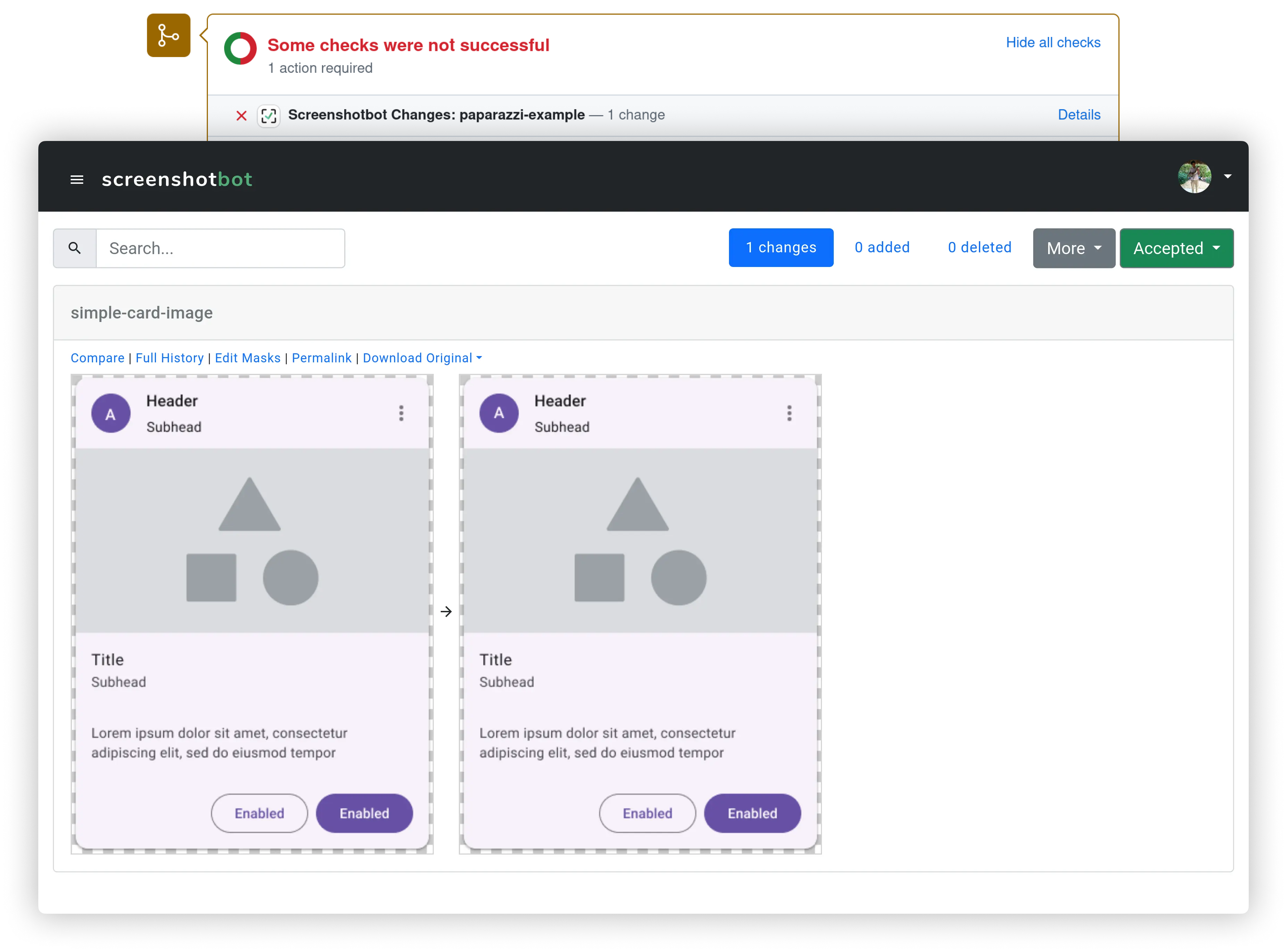

 Thanks to [BrowserStack](https://www.browserstack.com/) for providing the infrastructure that allows us to test in real browsers!
 Thanks to [Netlify](https://www.netlify.com/) for providing us with Deploy Previews!
## Sponsors
Support this project by becoming a sponsor. Your logo will show up here with a link to your website. [[Become a sponsor](https://opencollective.com/bootstrap#sponsor)]
[](https://opencollective.com/bootstrap/sponsor/0/website)
[](https://opencollective.com/bootstrap/sponsor/1/website)
[](https://opencollective.com/bootstrap/sponsor/2/website)
[](https://opencollective.com/bootstrap/sponsor/3/website)
[](https://opencollective.com/bootstrap/sponsor/4/website)
[](https://opencollective.com/bootstrap/sponsor/5/website)
[](https://opencollective.com/bootstrap/sponsor/6/website)
[](https://opencollective.com/bootstrap/sponsor/7/website)
[](https://opencollective.com/bootstrap/sponsor/8/website)
[](https://opencollective.com/bootstrap/sponsor/9/website)
## Backers
Thank you to all our backers! 🙏 [[Become a backer](https://opencollective.com/bootstrap#backer)]
[](https://opencollective.com/bootstrap#backers)
## Copyright and license
Code and documentation copyright 2011–2022 the [Bootstrap Authors](https://github.com/twbs/bootstrap/graphs/contributors) and [Twitter, Inc.](https://twitter.com) Code released under the [MIT License](https://github.com/twbs/bootstrap/blob/main/LICENSE). Docs released under [Creative Commons](https://creativecommons.org/licenses/by/3.0/).
================================================
FILE: src/common/bootstrap/SECURITY.md
================================================
# Reporting Security Issues
The Bootstrap team and community take security issues in Bootstrap seriously. We appreciate your efforts to responsibly disclose your findings, and will make every effort to acknowledge your contributions.
To report a security issue, email [security@getbootstrap.com](mailto:security@getbootstrap.com) and include the word "SECURITY" in the subject line.
We'll endeavor to respond quickly, and will keep you updated throughout the process.
================================================
FILE: src/common/bootstrap/build/.eslintrc.json
================================================
{
"env": {
"browser": false,
"node": true
},
"parserOptions": {
"sourceType": "script"
},
"extends": "../.eslintrc.json",
"rules": {
"no-console": "off",
"strict": "error",
"unicorn/prefer-top-level-await": "off"
}
}
================================================
FILE: src/common/bootstrap/build/banner.js
================================================
'use strict'
const pkg = require('../package.json')
const year = new Date().getFullYear()
function getBanner(pluginFilename) {
return `/*!
* Bootstrap${pluginFilename ? ` ${pluginFilename}` : ''} v${pkg.version} (${pkg.homepage})
* Copyright 2011-${year} ${pkg.author}
* Licensed under MIT (https://github.com/twbs/bootstrap/blob/main/LICENSE)
*/`
}
module.exports = getBanner
================================================
FILE: src/common/bootstrap/build/build-plugins.js
================================================
#!/usr/bin/env node
/*!
* Script to build our plugins to use them separately.
* Copyright 2020-2022 The Bootstrap Authors
* Copyright 2020-2022 Twitter, Inc.
* Licensed under MIT (https://github.com/twbs/bootstrap/blob/main/LICENSE)
*/
'use strict'
const path = require('node:path')
const rollup = require('rollup')
const globby = require('globby')
const { babel } = require('@rollup/plugin-babel')
const banner = require('./banner.js')
const sourcePath = path.resolve(__dirname, '../js/src/').replace(/\\/g, '/')
const jsFiles = globby.sync(sourcePath + '/**/*.js')
// Array which holds the resolved plugins
const resolvedPlugins = []
// Trims the "js" extension and uppercases => first letter, hyphens, backslashes & slashes
const filenameToEntity = filename => filename.replace('.js', '')
.replace(/(?:^|-|\/|\\)[a-z]/g, str => str.slice(-1).toUpperCase())
for (const file of jsFiles) {
resolvedPlugins.push({
src: file.replace('.js', ''),
dist: file.replace('src', 'dist'),
fileName: path.basename(file),
className: filenameToEntity(path.basename(file))
// safeClassName: filenameToEntity(path.relative(sourcePath, file))
})
}
const build = async plugin => {
const globals = {}
const bundle = await rollup.rollup({
input: plugin.src,
plugins: [
babel({
// Only transpile our source code
exclude: 'node_modules/**',
// Include the helpers in each file, at most one copy of each
babelHelpers: 'bundled'
})
],
external(source) {
// Pattern to identify local files
const pattern = /^(\.{1,2})\//
// It's not a local file, e.g a Node.js package
if (!pattern.test(source)) {
globals[source] = source
return true
}
const usedPlugin = resolvedPlugins.find(plugin => {
return plugin.src.includes(source.replace(pattern, ''))
})
if (!usedPlugin) {
throw new Error(`Source ${source} is not mapped!`)
}
// We can change `Index` with `UtilIndex` etc if we use
// `safeClassName` instead of `className` everywhere
globals[path.normalize(usedPlugin.src)] = usedPlugin.className
return true
}
})
await bundle.write({
banner: banner(plugin.fileName),
format: 'umd',
name: plugin.className,
sourcemap: true,
globals,
generatedCode: 'es2015',
file: plugin.dist
})
console.log(`Built ${plugin.className}`)
}
(async () => {
try {
const basename = path.basename(__filename)
const timeLabel = `[${basename}] finished`
console.log('Building individual plugins...')
console.time(timeLabel)
await Promise.all(Object.values(resolvedPlugins).map(plugin => build(plugin)))
console.timeEnd(timeLabel)
} catch (error) {
console.error(error)
process.exit(1)
}
})()
================================================
FILE: src/common/bootstrap/build/change-version.js
================================================
#!/usr/bin/env node
/*!
* Script to update version number references in the project.
* Copyright 2017-2022 The Bootstrap Authors
* Copyright 2017-2022 Twitter, Inc.
* Licensed under MIT (https://github.com/twbs/bootstrap/blob/main/LICENSE)
*/
'use strict'
const fs = require('node:fs').promises
const path = require('node:path')
const globby = require('globby')
const VERBOSE = process.argv.includes('--verbose')
const DRY_RUN = process.argv.includes('--dry') || process.argv.includes('--dry-run')
// These are the filetypes we only care about replacing the version
const GLOB = [
'**/*.{css,html,js,json,md,scss,txt,yml}'
]
const GLOBBY_OPTIONS = {
cwd: path.join(__dirname, '..'),
gitignore: true
}
// Blame TC39... https://github.com/benjamingr/RegExp.escape/issues/37
function regExpQuote(string) {
return string.replace(/[$()*+-.?[\\\]^{|}]/g, '\\$&')
}
function regExpQuoteReplacement(string) {
return string.replace(/\$/g, '$$')
}
async function replaceRecursively(file, oldVersion, newVersion) {
const originalString = await fs.readFile(file, 'utf8')
const newString = originalString.replace(
new RegExp(regExpQuote(oldVersion), 'g'), regExpQuoteReplacement(newVersion)
)
// No need to move any further if the strings are identical
if (originalString === newString) {
return
}
if (VERBOSE) {
console.log(`FILE: ${file}`)
}
if (DRY_RUN) {
return
}
await fs.writeFile(file, newString, 'utf8')
}
async function main(args) {
let [oldVersion, newVersion] = args
if (!oldVersion || !newVersion) {
console.error('USAGE: change-version old_version new_version [--verbose] [--dry[-run]]')
console.error('Got arguments:', args)
process.exit(1)
}
// Strip any leading `v` from arguments because otherwise we will end up with duplicate `v`s
[oldVersion, newVersion] = [oldVersion, newVersion].map(arg => arg.startsWith('v') ? arg.slice(1) : arg)
try {
const files = await globby(GLOB, GLOBBY_OPTIONS)
await Promise.all(files.map(file => replaceRecursively(file, oldVersion, newVersion)))
} catch (error) {
console.error(error)
process.exit(1)
}
}
main(process.argv.slice(2))
================================================
FILE: src/common/bootstrap/build/generate-sri.js
================================================
#!/usr/bin/env node
/*!
* Script to generate SRI hashes for use in our docs.
* Remember to use the same vendor files as the CDN ones,
* otherwise the hashes won't match!
*
* Copyright 2017-2022 The Bootstrap Authors
* Copyright 2017-2022 Twitter, Inc.
* Licensed under MIT (https://github.com/twbs/bootstrap/blob/main/LICENSE)
*/
'use strict'
const crypto = require('node:crypto')
const fs = require('node:fs')
const path = require('node:path')
const sh = require('shelljs')
sh.config.fatal = true
const configFile = path.join(__dirname, '../config.yml')
// Array of objects which holds the files to generate SRI hashes for.
// `file` is the path from the root folder
// `configPropertyName` is the config.yml variable's name of the file
const files = [
{
file: 'dist/css/bootstrap.min.css',
configPropertyName: 'css_hash'
},
{
file: 'dist/css/bootstrap.rtl.min.css',
configPropertyName: 'css_rtl_hash'
},
{
file: 'dist/js/bootstrap.min.js',
configPropertyName: 'js_hash'
},
{
file: 'dist/js/bootstrap.bundle.min.js',
configPropertyName: 'js_bundle_hash'
},
{
file: 'node_modules/@popperjs/core/dist/umd/popper.min.js',
configPropertyName: 'popper_hash'
}
]
for (const file of files) {
fs.readFile(file.file, 'utf8', (error, data) => {
if (error) {
throw error
}
const algo = 'sha384'
const hash = crypto.createHash(algo).update(data, 'utf8').digest('base64')
const integrity = `${algo}-${hash}`
console.log(`${file.configPropertyName}: ${integrity}`)
sh.sed('-i', new RegExp(`^(\\s+${file.configPropertyName}:\\s+["'])\\S*(["'])`), `$1${integrity}$2`, configFile)
})
}
================================================
FILE: src/common/bootstrap/build/postcss.config.js
================================================
'use strict'
const mapConfig = {
inline: false,
annotation: true,
sourcesContent: true
}
module.exports = context => {
return {
map: context.file.dirname.includes('examples') ? false : mapConfig,
plugins: {
autoprefixer: {
cascade: false
},
rtlcss: context.env === 'RTL'
}
}
}
================================================
FILE: src/common/bootstrap/build/rollup.config.js
================================================
'use strict'
const path = require('node:path')
const { babel } = require('@rollup/plugin-babel')
const { nodeResolve } = require('@rollup/plugin-node-resolve')
const replace = require('@rollup/plugin-replace')
const banner = require('./banner.js')
const BUNDLE = process.env.BUNDLE === 'true'
const ESM = process.env.ESM === 'true'
let fileDestination = `bootstrap${ESM ? '.esm' : ''}`
const external = ['@popperjs/core']
const plugins = [
babel({
// Only transpile our source code
exclude: 'node_modules/**',
// Include the helpers in the bundle, at most one copy of each
babelHelpers: 'bundled'
})
]
const globals = {
'@popperjs/core': 'Popper'
}
if (BUNDLE) {
fileDestination += '.bundle'
// Remove last entry in external array to bundle Popper
external.pop()
delete globals['@popperjs/core']
plugins.push(
replace({
'process.env.NODE_ENV': '"production"',
preventAssignment: true
}),
nodeResolve()
)
}
const rollupConfig = {
input: path.resolve(__dirname, `../js/index.${ESM ? 'esm' : 'umd'}.js`),
output: {
banner,
file: path.resolve(__dirname, `../dist/js/${fileDestination}.js`),
format: ESM ? 'esm' : 'umd',
globals,
generatedCode: 'es2015'
},
external,
plugins
}
if (!ESM) {
rollupConfig.output.name = 'bootstrap'
}
module.exports = rollupConfig
================================================
FILE: src/common/bootstrap/build/vnu-jar.js
================================================
#!/usr/bin/env node
/*!
* Script to run vnu-jar if Java is available.
* Copyright 2017-2022 The Bootstrap Authors
* Copyright 2017-2022 Twitter, Inc.
* Licensed under MIT (https://github.com/twbs/bootstrap/blob/main/LICENSE)
*/
'use strict'
const { execFile, spawn } = require('node:child_process')
const vnu = require('vnu-jar')
execFile('java', ['-version'], (error, stdout, stderr) => {
if (error) {
console.error('Skipping vnu-jar test; Java is missing.')
return
}
const is32bitJava = !/64-Bit/.test(stderr)
// vnu-jar accepts multiple ignores joined with a `|`.
// Also note that the ignores are string regular expressions.
const ignores = [
// "autocomplete" is included in
Thanks to [Netlify](https://www.netlify.com/) for providing us with Deploy Previews!
## Sponsors
Support this project by becoming a sponsor. Your logo will show up here with a link to your website. [[Become a sponsor](https://opencollective.com/bootstrap#sponsor)]
[](https://opencollective.com/bootstrap/sponsor/0/website)
[](https://opencollective.com/bootstrap/sponsor/1/website)
[](https://opencollective.com/bootstrap/sponsor/2/website)
[](https://opencollective.com/bootstrap/sponsor/3/website)
[](https://opencollective.com/bootstrap/sponsor/4/website)
[](https://opencollective.com/bootstrap/sponsor/5/website)
[](https://opencollective.com/bootstrap/sponsor/6/website)
[](https://opencollective.com/bootstrap/sponsor/7/website)
[](https://opencollective.com/bootstrap/sponsor/8/website)
[](https://opencollective.com/bootstrap/sponsor/9/website)
## Backers
Thank you to all our backers! 🙏 [[Become a backer](https://opencollective.com/bootstrap#backer)]
[](https://opencollective.com/bootstrap#backers)
## Copyright and license
Code and documentation copyright 2011–2022 the [Bootstrap Authors](https://github.com/twbs/bootstrap/graphs/contributors) and [Twitter, Inc.](https://twitter.com) Code released under the [MIT License](https://github.com/twbs/bootstrap/blob/main/LICENSE). Docs released under [Creative Commons](https://creativecommons.org/licenses/by/3.0/).
================================================
FILE: src/common/bootstrap/SECURITY.md
================================================
# Reporting Security Issues
The Bootstrap team and community take security issues in Bootstrap seriously. We appreciate your efforts to responsibly disclose your findings, and will make every effort to acknowledge your contributions.
To report a security issue, email [security@getbootstrap.com](mailto:security@getbootstrap.com) and include the word "SECURITY" in the subject line.
We'll endeavor to respond quickly, and will keep you updated throughout the process.
================================================
FILE: src/common/bootstrap/build/.eslintrc.json
================================================
{
"env": {
"browser": false,
"node": true
},
"parserOptions": {
"sourceType": "script"
},
"extends": "../.eslintrc.json",
"rules": {
"no-console": "off",
"strict": "error",
"unicorn/prefer-top-level-await": "off"
}
}
================================================
FILE: src/common/bootstrap/build/banner.js
================================================
'use strict'
const pkg = require('../package.json')
const year = new Date().getFullYear()
function getBanner(pluginFilename) {
return `/*!
* Bootstrap${pluginFilename ? ` ${pluginFilename}` : ''} v${pkg.version} (${pkg.homepage})
* Copyright 2011-${year} ${pkg.author}
* Licensed under MIT (https://github.com/twbs/bootstrap/blob/main/LICENSE)
*/`
}
module.exports = getBanner
================================================
FILE: src/common/bootstrap/build/build-plugins.js
================================================
#!/usr/bin/env node
/*!
* Script to build our plugins to use them separately.
* Copyright 2020-2022 The Bootstrap Authors
* Copyright 2020-2022 Twitter, Inc.
* Licensed under MIT (https://github.com/twbs/bootstrap/blob/main/LICENSE)
*/
'use strict'
const path = require('node:path')
const rollup = require('rollup')
const globby = require('globby')
const { babel } = require('@rollup/plugin-babel')
const banner = require('./banner.js')
const sourcePath = path.resolve(__dirname, '../js/src/').replace(/\\/g, '/')
const jsFiles = globby.sync(sourcePath + '/**/*.js')
// Array which holds the resolved plugins
const resolvedPlugins = []
// Trims the "js" extension and uppercases => first letter, hyphens, backslashes & slashes
const filenameToEntity = filename => filename.replace('.js', '')
.replace(/(?:^|-|\/|\\)[a-z]/g, str => str.slice(-1).toUpperCase())
for (const file of jsFiles) {
resolvedPlugins.push({
src: file.replace('.js', ''),
dist: file.replace('src', 'dist'),
fileName: path.basename(file),
className: filenameToEntity(path.basename(file))
// safeClassName: filenameToEntity(path.relative(sourcePath, file))
})
}
const build = async plugin => {
const globals = {}
const bundle = await rollup.rollup({
input: plugin.src,
plugins: [
babel({
// Only transpile our source code
exclude: 'node_modules/**',
// Include the helpers in each file, at most one copy of each
babelHelpers: 'bundled'
})
],
external(source) {
// Pattern to identify local files
const pattern = /^(\.{1,2})\//
// It's not a local file, e.g a Node.js package
if (!pattern.test(source)) {
globals[source] = source
return true
}
const usedPlugin = resolvedPlugins.find(plugin => {
return plugin.src.includes(source.replace(pattern, ''))
})
if (!usedPlugin) {
throw new Error(`Source ${source} is not mapped!`)
}
// We can change `Index` with `UtilIndex` etc if we use
// `safeClassName` instead of `className` everywhere
globals[path.normalize(usedPlugin.src)] = usedPlugin.className
return true
}
})
await bundle.write({
banner: banner(plugin.fileName),
format: 'umd',
name: plugin.className,
sourcemap: true,
globals,
generatedCode: 'es2015',
file: plugin.dist
})
console.log(`Built ${plugin.className}`)
}
(async () => {
try {
const basename = path.basename(__filename)
const timeLabel = `[${basename}] finished`
console.log('Building individual plugins...')
console.time(timeLabel)
await Promise.all(Object.values(resolvedPlugins).map(plugin => build(plugin)))
console.timeEnd(timeLabel)
} catch (error) {
console.error(error)
process.exit(1)
}
})()
================================================
FILE: src/common/bootstrap/build/change-version.js
================================================
#!/usr/bin/env node
/*!
* Script to update version number references in the project.
* Copyright 2017-2022 The Bootstrap Authors
* Copyright 2017-2022 Twitter, Inc.
* Licensed under MIT (https://github.com/twbs/bootstrap/blob/main/LICENSE)
*/
'use strict'
const fs = require('node:fs').promises
const path = require('node:path')
const globby = require('globby')
const VERBOSE = process.argv.includes('--verbose')
const DRY_RUN = process.argv.includes('--dry') || process.argv.includes('--dry-run')
// These are the filetypes we only care about replacing the version
const GLOB = [
'**/*.{css,html,js,json,md,scss,txt,yml}'
]
const GLOBBY_OPTIONS = {
cwd: path.join(__dirname, '..'),
gitignore: true
}
// Blame TC39... https://github.com/benjamingr/RegExp.escape/issues/37
function regExpQuote(string) {
return string.replace(/[$()*+-.?[\\\]^{|}]/g, '\\$&')
}
function regExpQuoteReplacement(string) {
return string.replace(/\$/g, '$$')
}
async function replaceRecursively(file, oldVersion, newVersion) {
const originalString = await fs.readFile(file, 'utf8')
const newString = originalString.replace(
new RegExp(regExpQuote(oldVersion), 'g'), regExpQuoteReplacement(newVersion)
)
// No need to move any further if the strings are identical
if (originalString === newString) {
return
}
if (VERBOSE) {
console.log(`FILE: ${file}`)
}
if (DRY_RUN) {
return
}
await fs.writeFile(file, newString, 'utf8')
}
async function main(args) {
let [oldVersion, newVersion] = args
if (!oldVersion || !newVersion) {
console.error('USAGE: change-version old_version new_version [--verbose] [--dry[-run]]')
console.error('Got arguments:', args)
process.exit(1)
}
// Strip any leading `v` from arguments because otherwise we will end up with duplicate `v`s
[oldVersion, newVersion] = [oldVersion, newVersion].map(arg => arg.startsWith('v') ? arg.slice(1) : arg)
try {
const files = await globby(GLOB, GLOBBY_OPTIONS)
await Promise.all(files.map(file => replaceRecursively(file, oldVersion, newVersion)))
} catch (error) {
console.error(error)
process.exit(1)
}
}
main(process.argv.slice(2))
================================================
FILE: src/common/bootstrap/build/generate-sri.js
================================================
#!/usr/bin/env node
/*!
* Script to generate SRI hashes for use in our docs.
* Remember to use the same vendor files as the CDN ones,
* otherwise the hashes won't match!
*
* Copyright 2017-2022 The Bootstrap Authors
* Copyright 2017-2022 Twitter, Inc.
* Licensed under MIT (https://github.com/twbs/bootstrap/blob/main/LICENSE)
*/
'use strict'
const crypto = require('node:crypto')
const fs = require('node:fs')
const path = require('node:path')
const sh = require('shelljs')
sh.config.fatal = true
const configFile = path.join(__dirname, '../config.yml')
// Array of objects which holds the files to generate SRI hashes for.
// `file` is the path from the root folder
// `configPropertyName` is the config.yml variable's name of the file
const files = [
{
file: 'dist/css/bootstrap.min.css',
configPropertyName: 'css_hash'
},
{
file: 'dist/css/bootstrap.rtl.min.css',
configPropertyName: 'css_rtl_hash'
},
{
file: 'dist/js/bootstrap.min.js',
configPropertyName: 'js_hash'
},
{
file: 'dist/js/bootstrap.bundle.min.js',
configPropertyName: 'js_bundle_hash'
},
{
file: 'node_modules/@popperjs/core/dist/umd/popper.min.js',
configPropertyName: 'popper_hash'
}
]
for (const file of files) {
fs.readFile(file.file, 'utf8', (error, data) => {
if (error) {
throw error
}
const algo = 'sha384'
const hash = crypto.createHash(algo).update(data, 'utf8').digest('base64')
const integrity = `${algo}-${hash}`
console.log(`${file.configPropertyName}: ${integrity}`)
sh.sed('-i', new RegExp(`^(\\s+${file.configPropertyName}:\\s+["'])\\S*(["'])`), `$1${integrity}$2`, configFile)
})
}
================================================
FILE: src/common/bootstrap/build/postcss.config.js
================================================
'use strict'
const mapConfig = {
inline: false,
annotation: true,
sourcesContent: true
}
module.exports = context => {
return {
map: context.file.dirname.includes('examples') ? false : mapConfig,
plugins: {
autoprefixer: {
cascade: false
},
rtlcss: context.env === 'RTL'
}
}
}
================================================
FILE: src/common/bootstrap/build/rollup.config.js
================================================
'use strict'
const path = require('node:path')
const { babel } = require('@rollup/plugin-babel')
const { nodeResolve } = require('@rollup/plugin-node-resolve')
const replace = require('@rollup/plugin-replace')
const banner = require('./banner.js')
const BUNDLE = process.env.BUNDLE === 'true'
const ESM = process.env.ESM === 'true'
let fileDestination = `bootstrap${ESM ? '.esm' : ''}`
const external = ['@popperjs/core']
const plugins = [
babel({
// Only transpile our source code
exclude: 'node_modules/**',
// Include the helpers in the bundle, at most one copy of each
babelHelpers: 'bundled'
})
]
const globals = {
'@popperjs/core': 'Popper'
}
if (BUNDLE) {
fileDestination += '.bundle'
// Remove last entry in external array to bundle Popper
external.pop()
delete globals['@popperjs/core']
plugins.push(
replace({
'process.env.NODE_ENV': '"production"',
preventAssignment: true
}),
nodeResolve()
)
}
const rollupConfig = {
input: path.resolve(__dirname, `../js/index.${ESM ? 'esm' : 'umd'}.js`),
output: {
banner,
file: path.resolve(__dirname, `../dist/js/${fileDestination}.js`),
format: ESM ? 'esm' : 'umd',
globals,
generatedCode: 'es2015'
},
external,
plugins
}
if (!ESM) {
rollupConfig.output.name = 'bootstrap'
}
module.exports = rollupConfig
================================================
FILE: src/common/bootstrap/build/vnu-jar.js
================================================
#!/usr/bin/env node
/*!
* Script to run vnu-jar if Java is available.
* Copyright 2017-2022 The Bootstrap Authors
* Copyright 2017-2022 Twitter, Inc.
* Licensed under MIT (https://github.com/twbs/bootstrap/blob/main/LICENSE)
*/
'use strict'
const { execFile, spawn } = require('node:child_process')
const vnu = require('vnu-jar')
execFile('java', ['-version'], (error, stdout, stderr) => {
if (error) {
console.error('Skipping vnu-jar test; Java is missing.')
return
}
const is32bitJava = !/64-Bit/.test(stderr)
// vnu-jar accepts multiple ignores joined with a `|`.
// Also note that the ignores are string regular expressions.
const ignores = [
// "autocomplete" is included in